Annual two-day show and sale features an abundance of pieces
A brush with fame a proud time for Crofton Art Group members


You have bought your camera and lens, the memory card is installed, and the battery is charged. Now what? There are some fundamentals every new photographer should learn before they head out shooting, as having these down will help you take greater control of your images and gain more confidence with your camera. This great video tutorial will show you the basics of photography in just 10 minutes.
Coming to you from Teppo Haapoja, this helpful video tutorial will show you the ins and outs of basic photography technique. While you might hear from a lot of professionals that manual mode is the way to go, there is absolutely nothing wrong with using a semi-automatic mode, such as aperture priority. In fact, this can actually be beneficial in some situations and will allow you to work with a single parameter at first. The key is to get out of full automatic mode so you can begin taking technical and creative control of your images, as that is where the true growth begins. Check out the video above for the full rundown from Haapoja.
If you would like to continue your photography learning journey, be sure to check out our range of tutorials in the Fstoppers store.

The atmosphere in Buckingham Palace‘s iconic throne room was ‘cosy’ during the coronation photoshoot, according to the official photographer.
Hugo Bernand, who was behind the official royal snaps, has opened up about his experience during the historical day on May 6.
According to the photographer, who also snapped Prince William and Kate Middleton‘s wedding, there was a ‘lovely buzz’ while he set up and took the coronation images.
Speaking to the Independent, he said: ‘There was definitely a happy feeling. It was cosy with family, children and friends milling about.’
He said the ‘beautiful’ and ‘uplifting’ atmosphere was partly due to the presence of Prince George, Princess Charlotte and Prince Louis.

‘It was like the last bit of the race [for the royal family]’, Hugo added. ‘There was an energy there which I know I got in the pictures.’
The set of portraits, which were taken just minutes after the family’s balcony moment, includes images of King Charles and Queen Consort Camilla, as well as other members of the ‘slimmed down’ monarchy.
The Prince and Princess of Wales, the Duke and Duchess of Edinburgh, and Princess Anne also feature in some shots.
Hugo, who revealed to the outlet that he cycled to the Palace that day, said he had just an hour to take the photographs. To save time, he had four cameras set up on tripods.
He added that knowing the people he was photographing also helped create images with humanity, within the limited timeframe – he was also the snapper at Charles and Camilla’s 2005 wedding.
The father-of-four has had an enormous amount of success regardless – he is now the only portrait photographer with a Royal Warrant given by the king.
He has been capturing royal portraits for almost two decades. But he first turned down the opportunity that launched him into his career as a royal photographer – Charles’ wedding to Camilla wedding in 2005.
Mr Burnand, a society photographer for Tatler magazine, had taken a career break to take his young children to South America for six months in 2004.

Disaster struck when thieves stole the family’s money, passports and Hugo’s camera equipment.
It was only when the photographer found an internet cafe to try to contact his insurers that he saw an email from Clarence House, asking him to get in touch.
He initially said no to the job but said he realised while trekking in the jungle that he had just turned down the chance of a lifetime – the future king’s wedding.
This change of heart changed his life and he has since photographed William and Kate’s 2011 wedding, and taken official portraits of Charles on his 60th and 70th birthdays, and of Charles and Camilla in the run-up to the Coronation.
He also photographed the Princess Royal to mark her 70th birthday, and took the official pictures for the wedding of Lady Gabriella Windsor in 2019.
Born in Cannes, France, Hugo was raised in Berkshire and went to Cheam School in Headley, Hampshire, the prep school attended by the King and the late Duke of Edinburgh.

He won his first photography competition at the school, aged seven, and practised his skills while at Harrow, taking portraits of school-leavers.
His mother Susan Gordon was killed in a car crash in 1964, the year after he was born, and he was raised by his father Peter and his stepmother Ursy, from whom he learned his early photography skills.
After working as a stable hand and then as an insurance broker at Lloyd’s of London, he became a professional photographer at 27 and worked as Tatlers’ society photographer for its Bystander party column for more than 20 years.
He took the photos at David and Samantha Cameron’s wedding in 1996 and his other famous subjects include Spike Milligan, Victoria Beckham and Michael Jackson.
But he is best known for his images of the Royal Family, following in the footsteps of Cecil Beaton, who photographed Queen Elizabeth II after her 1953 coronation.

Drake has had many hits throughout his career, and now, the Toronto native has helped Afrobeats superstar Wizkid reach a history-making RIAA milestone.
The RIAA has certified “Come Closer” — the hit track featuring the two artists — as platinum on Tuesday (May 8). It’s the Nigeria native’s third platinum single, following “Essence” (which featured Tems) in November 2022, and “One Dance” (which also featured Drizzy, alongside Kyla) in December 2022.
With this third certification, Wizkid is now the first-ever African artist to earn three RIAA singles. And interestingly enough, “Come Closer” first dropped all the way back in 2017.
The song, originally dubbed “Hush Up The Silence” when it leaked in January and then debuted on OVO Sound Radio a few weeks later, was renamed “Come Closer” for its official release at the end of March.
The track debuted at No. 13 on Billboard’s Twitter Top Tracks chart for the week of April 15.
It marks the third meeting of the two artists, who produced one of the biggest songs of 2016 with “One Dance” (which became Spotify’s first song to hit a billion streams), and before that, brought more than 11 million plays to SoundCloud for WizKid’s Ojuelegba remix, with some help from Skepta.
The video is directed by Daps, born Oladapo Fagbenle in Lagos, Nigeria, who worked on Kendrick Lamar’s “King Kunta” video and has become a regular collaborator of Migos, directing the visuals for “Bad & Boujee,” “What The Price” and “T-Shirt” off the trio’s Culture album.
But despite all of Wizkid’s success with Drake, Swizz Beatz recently claimed that it was he — not the “Laugh Now Cry Later” rapper — that first introduced Wizkid to America.
The producer was a recent guest on Amazon Music’s Rotation Roundtables with Speedy Morman, Nyla Symone, Rob Markman, and Gabe P. During the interview last month, Swizz made a bold statement about his role in bringing Afrobeats to the U.S. audience.
“See, the key thing that you said was you got on a plane and you went to Ghana and now you’re stuck on Afrobeats,” he said. “I introduced Wizkid to America. I was the first person to play his song. Me and my wife were on a trip and we danced to his song.

“[I was the] first person to bring Burna Boy to the States. Actually, he had a Ruff Ryders bandana on and I introduced him on the stage. When I was playing Fela Kuti, people thought I was being too African, and that’s how ignorant the energy was at that time.
“But I didn’t let that stop me from moving what I’m moving because it is what it is. It’s all educational. So we can’t be scared of the educational journey of something that sound different or feels different. So for me traveling the world, it’s a whole like — I can’t wait for people to listen to Ebo Taylor.”
He added: “It’s piercing through, by the way. People are more open-minded — they just need the right entry point.”


“Everyday Bronx” is an online archive showing the vitality and beauty of a borough that is often overlooked or disparaged.
Good morning. It’s Friday. We’ll look at the Bronx, as seen in photographs by people who live there. We’ll also find out why E. Jean Carroll’s lawyer says Carroll is considering another lawsuit against Donald Trump.

Everyday Bronx has been described as grass-roots storytelling that is changing the way the world sees the Bronx, one photograph at a time. It started with an Instagram account in 2014 and now has some 6,000 photographs — and an exhibition. Our colleague Melissa Guerrero, who talked with some of the photographers, explains how they are documenting life in the borough.
Kayla Beltran, 23, wanders along the nature trails in Pelham Bay Park, snapping photographs. And in February, when bold swimmers head into the water for the Bronx Polar Bears event, she heads for nearby Orchard Beach to shoot.
Tara Garcia, 51, knows the beach, too, but from a different perspective. Her mom loved to go sunbathing there — and when Garcia moved back to the Bronx after a few years in Westchester County, “little excursions” to Orchard Beach by herself turned into photo shoots.
And Edgar Santana, 44, who grew up to be a street photographer, has a photo from a childhood trip to City Island on his dad’s boat, taken long before he first picked up a camera.
What connects them is their desire to document the Bronx as they have experienced it. That has made Everyday Bronx, an Instagram account that features photos of the borough, an outlet for them.
“We really wanted to create community and conversations between other Bronxites, through the account and through the posts, each individual post,” said Rhynna M. Santos, who started running the account almost a decade ago.
The main goal, she added, was to “create a really lively online archive of the Bronx and what people are going through in the Bronx right now,” with images from people who spend time in the borough.
That furthers another goal of Everyday Bronx: combating negative stereotypes. And there is also a largely untapped opportunity. “The Bronx is a borough that is really not photographed,” Santana said, “and that’s why it’s up to us as Bronx natives and Bronxites to put the borough on the map.”
Santos, who is a photographer and a Bronxite herself, and a handful of volunteers like Beltran and Santana post submissions from Bronx residents, people who used to live there and visitors. The account is part of a larger initiative called “Everyday Projects,” which features several “Everyday” accounts from around the world. A selection of the 6,000-plus photos from the Instagram account is being exhibited at the Bronx Documentary Center through Sunday and will also be featured at the Photoville Festival in June.
Everyday Bronx combines memories with an appreciation of photography as an artistic medium made more accessible in the smartphone era.
Garcia, who works in advertising, has been taking pictures since she was in high school. “The only reason my family has any documentation of the last, I don’t know, 40-odd years is because I’ve taken my camera,” she said. Years later, she discovered that photography had always been in her blood. “I took the baton from my grandparents, who were avid photographers themselves, but I didn’t know this about them because all this stuff is locked in a closet.”
Michael Young, who works at the Bronx Documentary Center and is a contributor to the Instagram account, grew up in Brooklyn but has lived in the Bronx for 23 years. A favorite photo he took showed children playing, one of them jumping on a pogo stick. “I guess this image is a reminder of my childhood and the carefree way we used to play and just enjoy the summer,” he said.
Ed García Conde, who founded the news site Welcome2TheBronx, said that one of his favorite photographs shows a drag performer dancing on the steps of the abandoned Bronx borough courthouse on East 161st Street. “As a gay man who grew up in the South Bronx, I also have a passion for documenting the queer people of the South Bronx because I feel like they are super underrepresented,” García Conde said.
He also remembers documenting the carefree nature of salsa dancers at Puerto Rican street fairs.
“As kids, we didn’t realize that we were poor,” García Conde said. “You know, if anything, we were living very rich lives full of culture, arts and music and dance because everywhere we went that’s what was happening, and a lot of it, of course, was in response probably to the poverty that we were living, in making the best of what we had.”
Santos said she was glad that the account lets people outside of the Bronx see the borough more accurately. “But I really do this for Bronxites,” Santos said, adding that she wanted “to really give them an opportunity to revel in the specialness and in the uniqueness of our borough, and that we come from an incredible history, something that we really should be very proud of.”
Weather
It’s a mostly sunny day near the mid-80s. Expect a chance of showers late at night, with temps dropping to around the mid-60s.
ALTERNATE-SIDE PARKING
In effect until Thursday (Solemnity of the Ascension).
Charge in subway killing: Daniel Penny, the 24-year-old Marine veteran who fatally choked Jordan Neely on the subway last week, is expected to appear in Manhattan Criminal Court today to face a second-degree manslaughter charge.
Santos’s stolen-check case: Representative George Santos agreed to pay a settlement of about $4,850. He accepted responsibility, and prosecutors dropped the charges.
Right to shelter weakens: New York City is temporarily suspending some of the rules related to its longstanding guarantee of shelter to anyone who needs it as officials struggle to find housing for migrants arriving from the southern border.
Weight discrimination: City Council is expected to approve a bill that adds a person’s weight to the list of characteristics that are protected from discrimination.
Vaping product fire death: A Brooklyn house fire that killed a woman, her daughter and another child was fueled by the ingredients of a homemade vaping product that the children’s father concocted and intended to sell.
Albany scandals: In a pair of unanimous decisions in cases involving defendants convicted of fraud for actions during Gov. Andrew M. Cuomo’s administration, the Supreme Court again limited federal prosecutions of public corruption.
A year after the Buffalo shooting: Court hearings, media scrums, ruined holidays — Barbara Massey-Mapps endured it all to see the white supremacist who killed her sister in a Buffalo supermarket convicted.
E. Jean Carroll did not watch the CNN town hall with former President Donald Trump on Wednesday night. She was asleep, so she did not hear him call her claim of sexual assault in a department store dressing room “fake” and a “made-up story.”
But her lawyer sent her a transcript. She called his comments “vile” and “foul” after saying that she had read only the first paragraph. She had been “insulted by better people,” she told The Times in an interview, and was infuriated that her stylist’s 15-year-old was talking about what Trump had said. Young people “cannot listen to this balderdash and this old-timey view of women, which is a cave-man view,” she said.
Trump’s appearance on CNN came the day after a federal jury in Manhattan found him liable for sexually abusing her and liable for defaming her last year when he described her claim of assault as a “complete con job” and a “Hoax and a lie” in a post on social media.
Carroll’s lawyer, Roberta Kaplan, said that Carroll was considering filing a new defamation suit against Trump. The former president, answering questions from the moderator, Kaitlan Collins, referred to Carroll as a “wack job” and said the civil trial he had lost was “a rigged deal.” He also mocked Carroll, saying her accusations involved “hanky-panky in a dressing room.”
Kaplan said a decision on filing a new defamation suit would come “in the next day or so, probably.” It would be Carroll’s third lawsuit against Trump. Besides the case that Trump lost on Tuesday, Carroll has another defamation case pending. Trump has argued in that case that he cannot be sued because it pertains to comments he made in his official role as president.
METROPOLITAN diary
Dear Diary:
After we wove paper hearts at the Met Museum
on that cold, cold Friday night
we took the subway home.
A woman was singing a Beyoncé song
and I asked if she was Beyoncé
and she said she was.
Another woman was folding red foil paper.
I saw she was making an origami heart.
So I took her one of our woven hearts
and she gave me hers.
— Esther K. Smith
Illustrated by Agnes Lee. Send submissions here and read more Metropolitan Diary here.
Glad we could get together here. See you on Monday. — J.B.
P.S. Here’s today’s Mini Crossword and Spelling Bee. You can find all our puzzles here.
Melissa Guerrero and Ed Shanahan contributed to New York Today. You can reach the team at nytoday@nytimes.com.

What does it mean to be a documentary photographer today? What defines the profession? How has this branch of photography evolved? Since 2015, the Parisian Photo Doc fair, which takes place this year between May 12 and 14, has foregrounded, and offered for sale, the latest manifestations of documentary photography.
This year’s theme—The Self-Portrait: Towards a Commonality of the Work—takes a closer look at the evolution of the notion of documentary photography over time and across genres. The mid-twentieth-century neutrality has given way to deliberate subjectiveness coupled with the erosion of boundaries between photographic genres and other mediums, which opens access to new ways of reporting on the world.
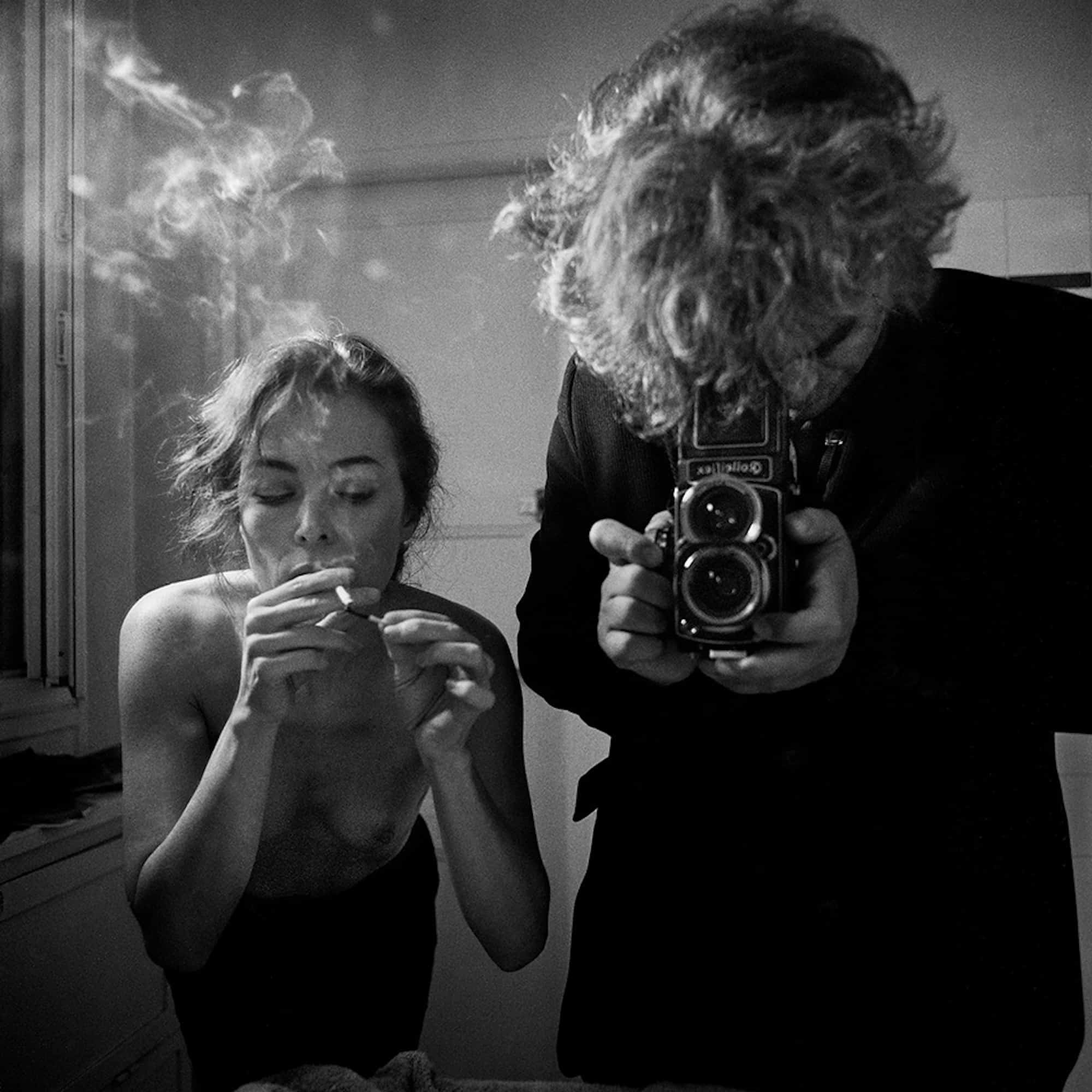
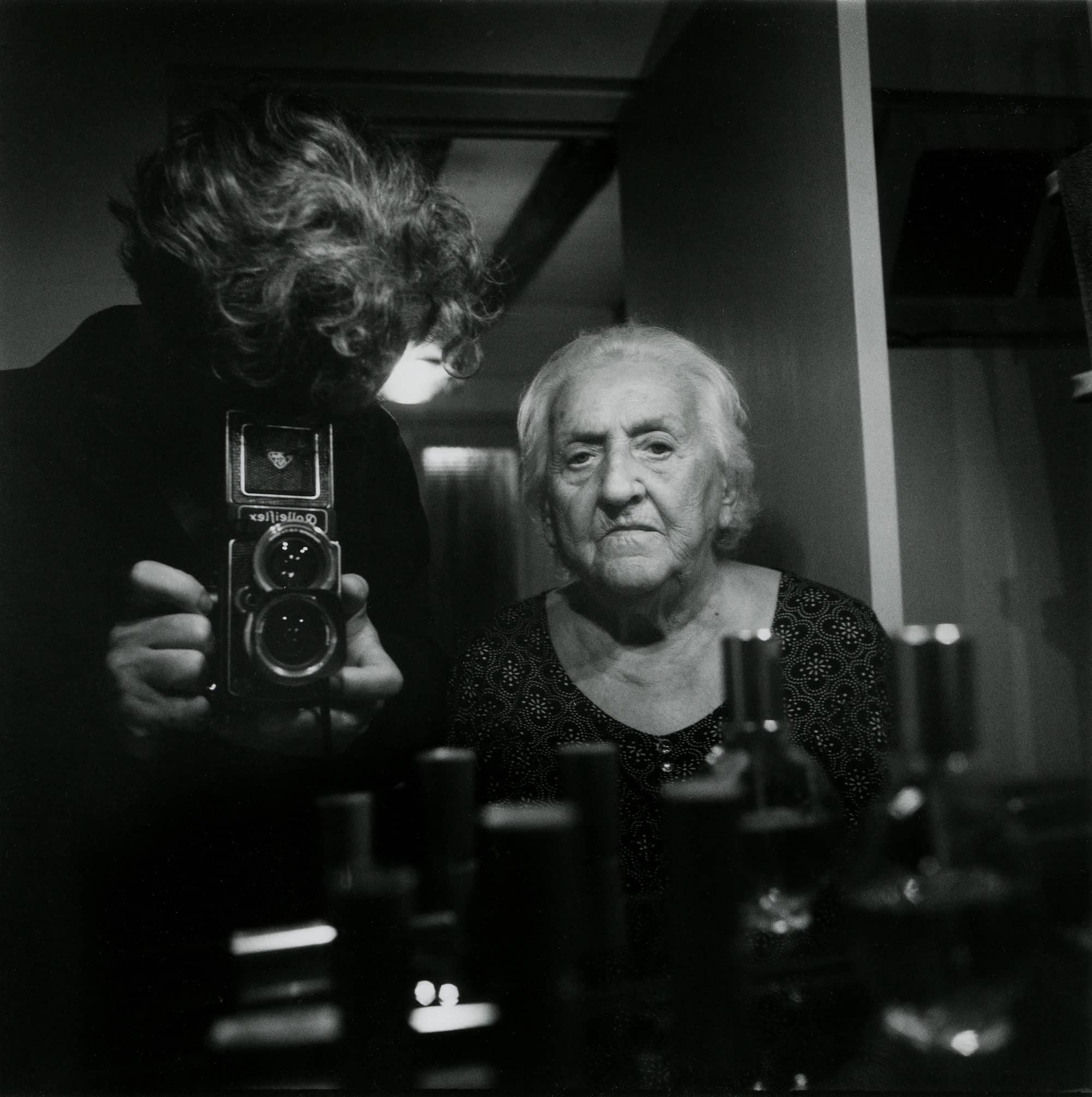
The notion of documentary photography has broken out of the confines of the genre and spilled into new territories. “The ‘documentary style,’ as defined by Walker Evans in the 1930s, in the sense of neutral, direct testimony, is exploring new horizons in contemporary documentary work,” comments Fannie Escoulen, Head of the Department of Photography at the Ministry of Culture of France, former exhibition curator, and co-founder of BAL, an exhibition space dedicated to the documentary image.
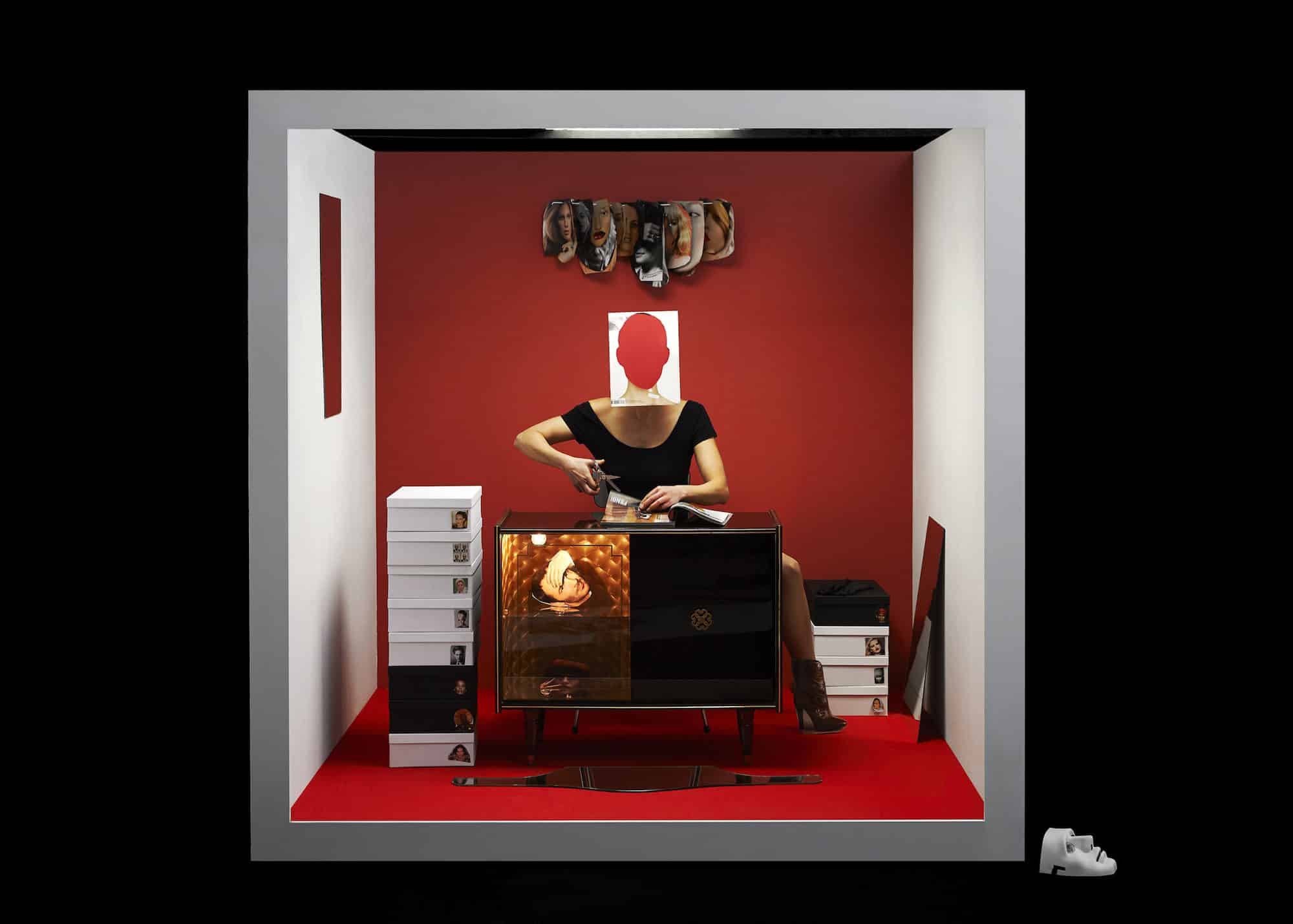
“The boundaries had shifted since then, and the photographer’s approach can be much more subjective, closer to the subject. There are different forms of documentary photography. We have moved away from the ‘dogma’ imposed by Evans, even if many photographers still claim to follow the master’s legacy,” adds Escoulen.
Since its birth in the late nineteenth century, documentary photography has been reinventing itself in response to history and its crises. As historian Guillaume Blanc has recently reminded us in his history of documentary photography in Blind, “[the discipline] is the site of technical, formal, ethical, and cultural confluences that have shaped and redefined it over the years.”
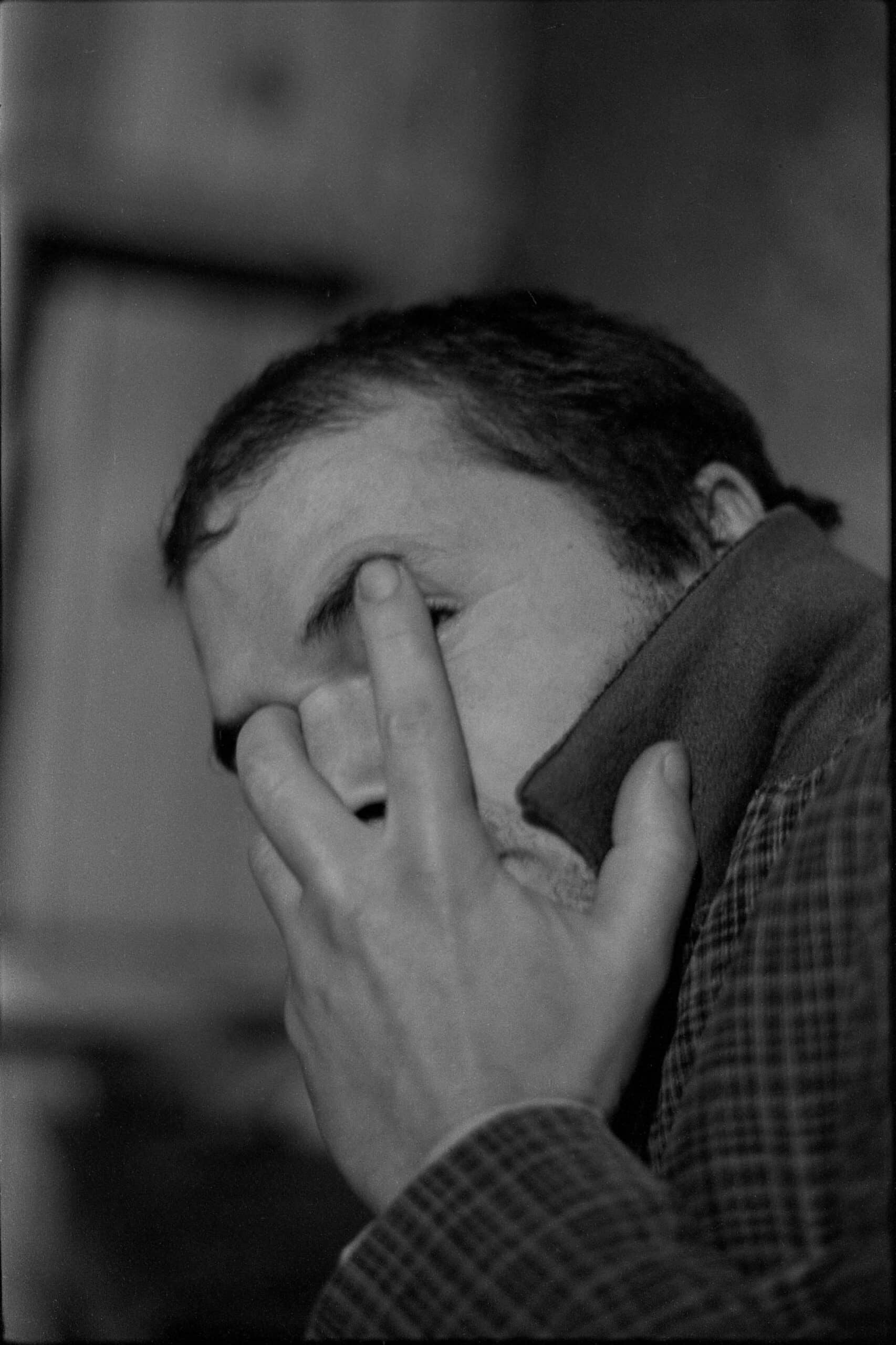
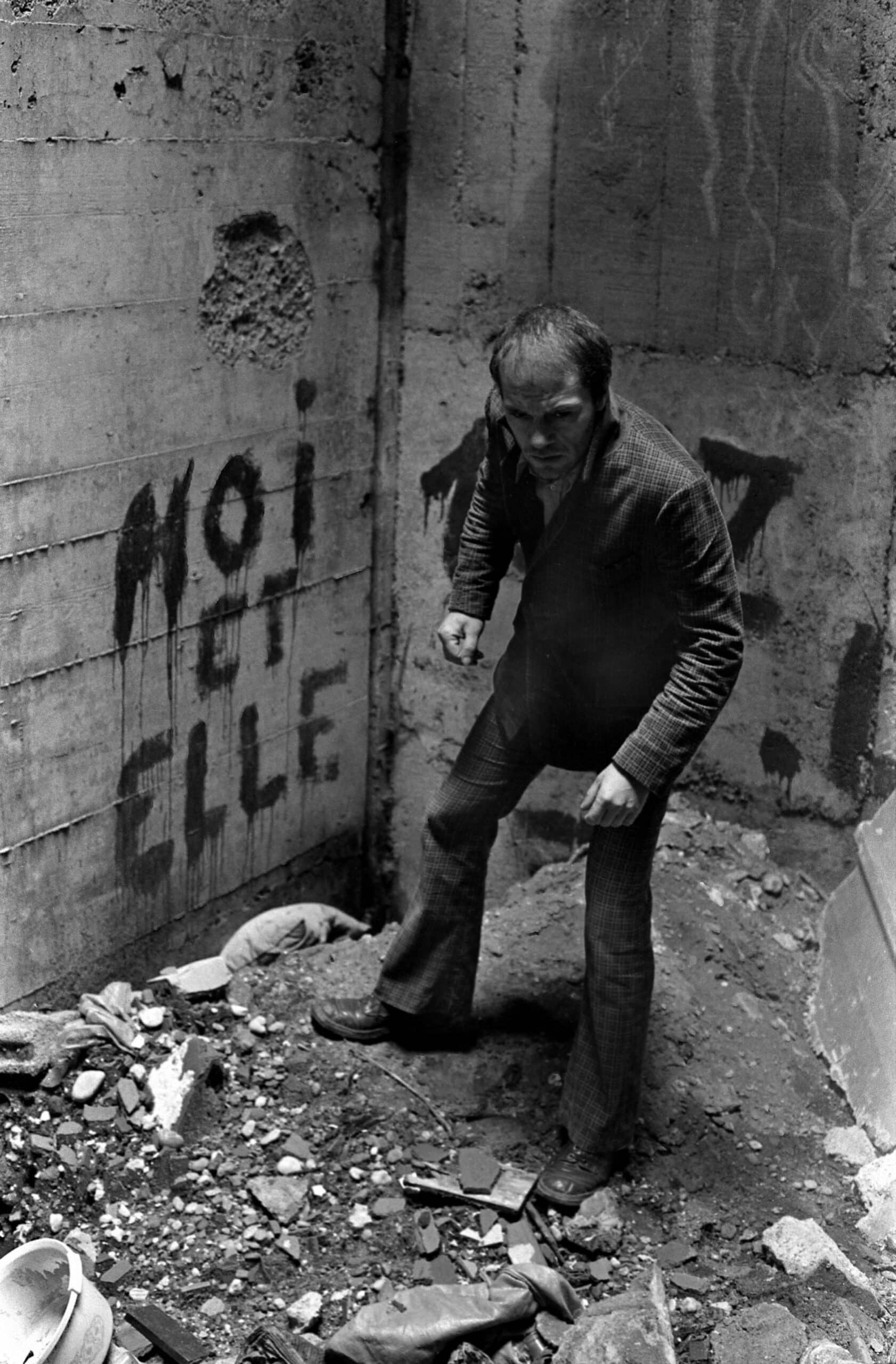
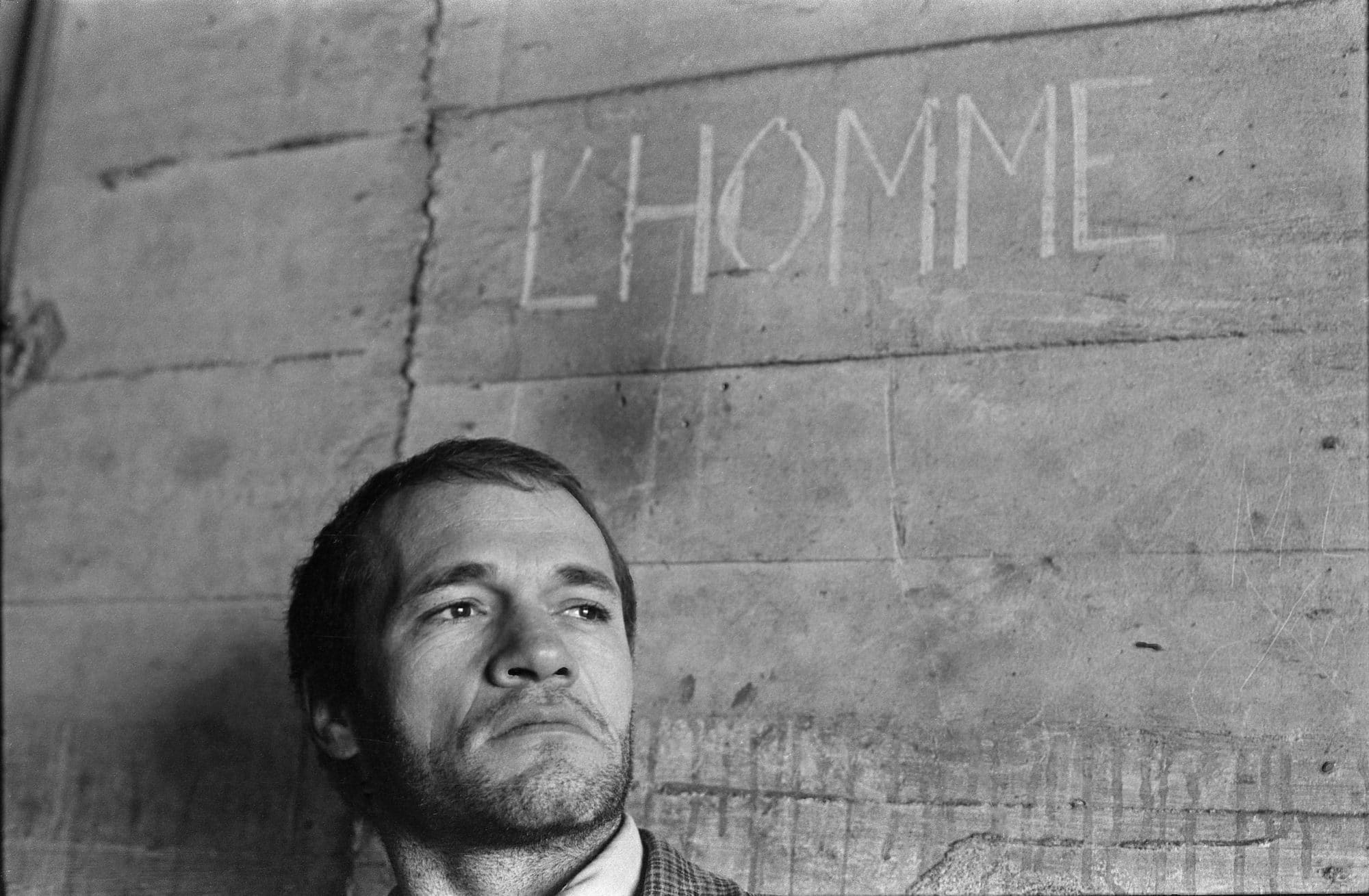
Charlotte Flossaut, founder and artistic director of Photo Doc, confirms that documentary photography today has abandoned its former neutrality: “It’s the other way around: these days, we are seeing a 180-degree turn toward subjectivity. There is this relationship to the intimate—rather than to intimacy, which has to do with privacy—to the intimate, which is a way of relating to others, a form of interaction that structures the self within society. This new type of documentary photography speaks to otherness; it is photography structured through otherness and in the recognition of the power of the other.”
Although the boundaries between different approaches to the image are now dissolving, the oppositions had, for a long time, been very pronounced, especially in the 1980s and 1990s, when “the various photographic styles and aesthetics—‘art photography,’ ‘conceptual photography’…etc.—were opposed to so-called ‘documentary photography,’” reminds us Escoulen.
“The definition of the term ‘documentary’ has evolved only because the present generation of photographers are starting to photograph differently”
Charlotte Flossaut, Photo Doc
“The artist Morvarid K, whom we hosted on two occasions, attempts visual experiments that would have been inconceivable, even unacceptable, under the old deontology of so-called photography of the real,” recalls Flossaut who has witnessed the shift in photographic approaches within Photo Doc. For example, in 2022, Photo Doc and F. Compagnie presented a photo-documentary theatre play based on the work of the photographer Flavio Tarquinio about a couple the artists had met at a bar in a working-class neighborhood of Lille.
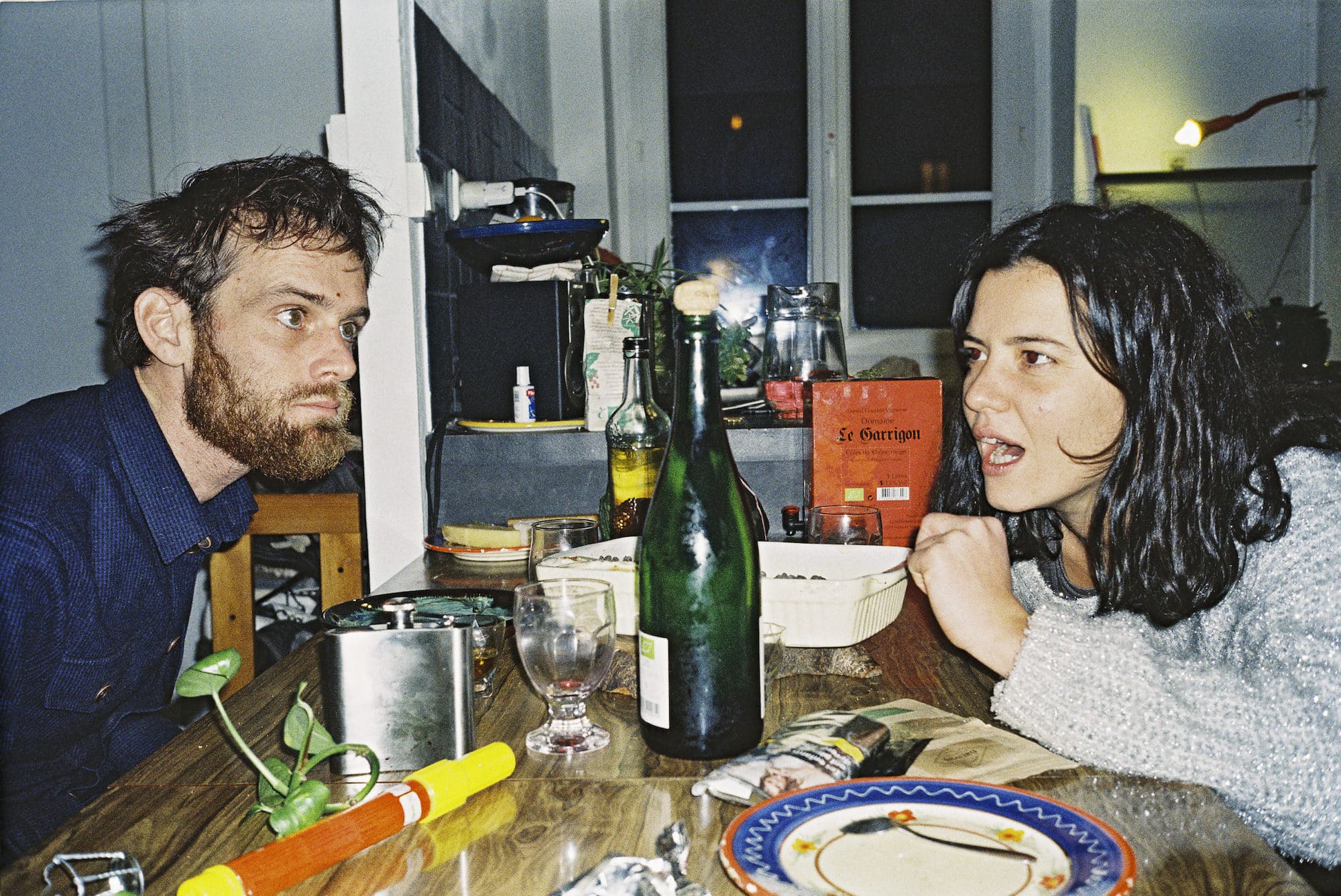
“This has grown exponentially. The definition of the term ‘documentary’ has evolved only because the present generation of photographers are starting to photograph differently. It is thanks to the practice,” observes the artistic director.
The 7th edition of Photo Doc also marks the maturity of an original project set up two years ago in parallel with the fair: namely, the creation of an Observatory of New Documentary Photographic Writing, led by the scholar and photographer Christine Delory-Momberger. As in a laboratory, researchers and specialists examine new forms of creation and generate an in-depth study of how the documentary approach has evolved in response to its time.
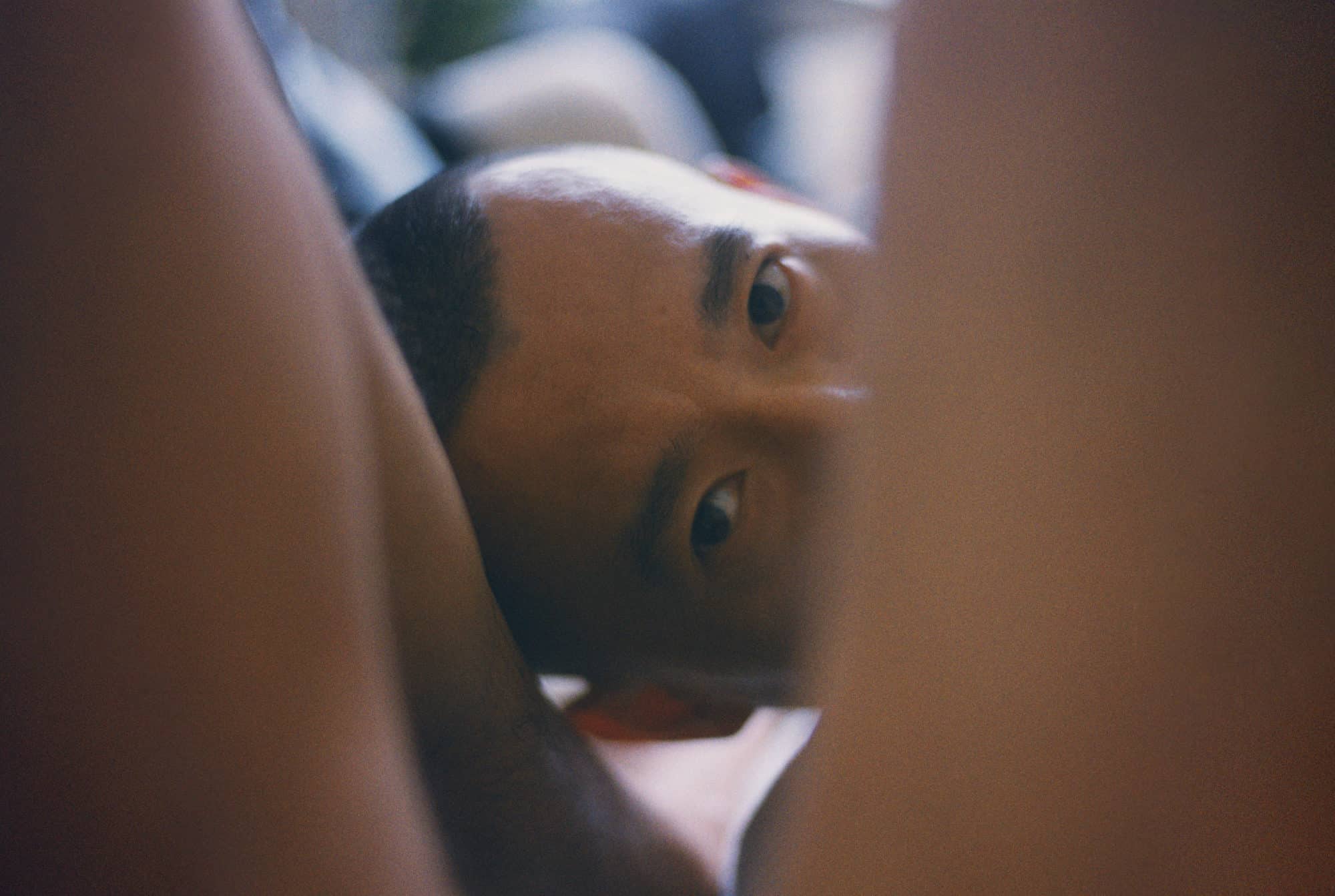
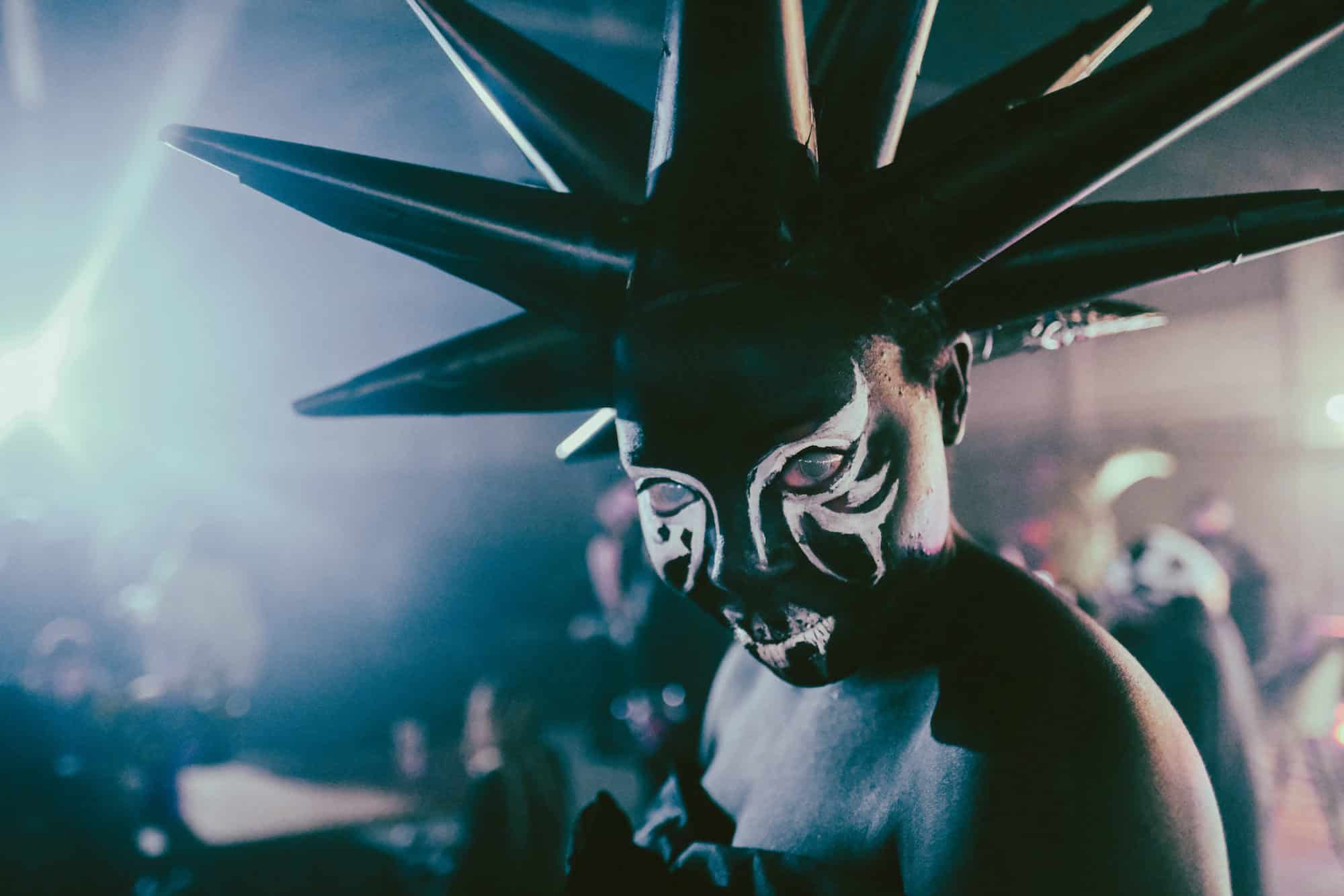
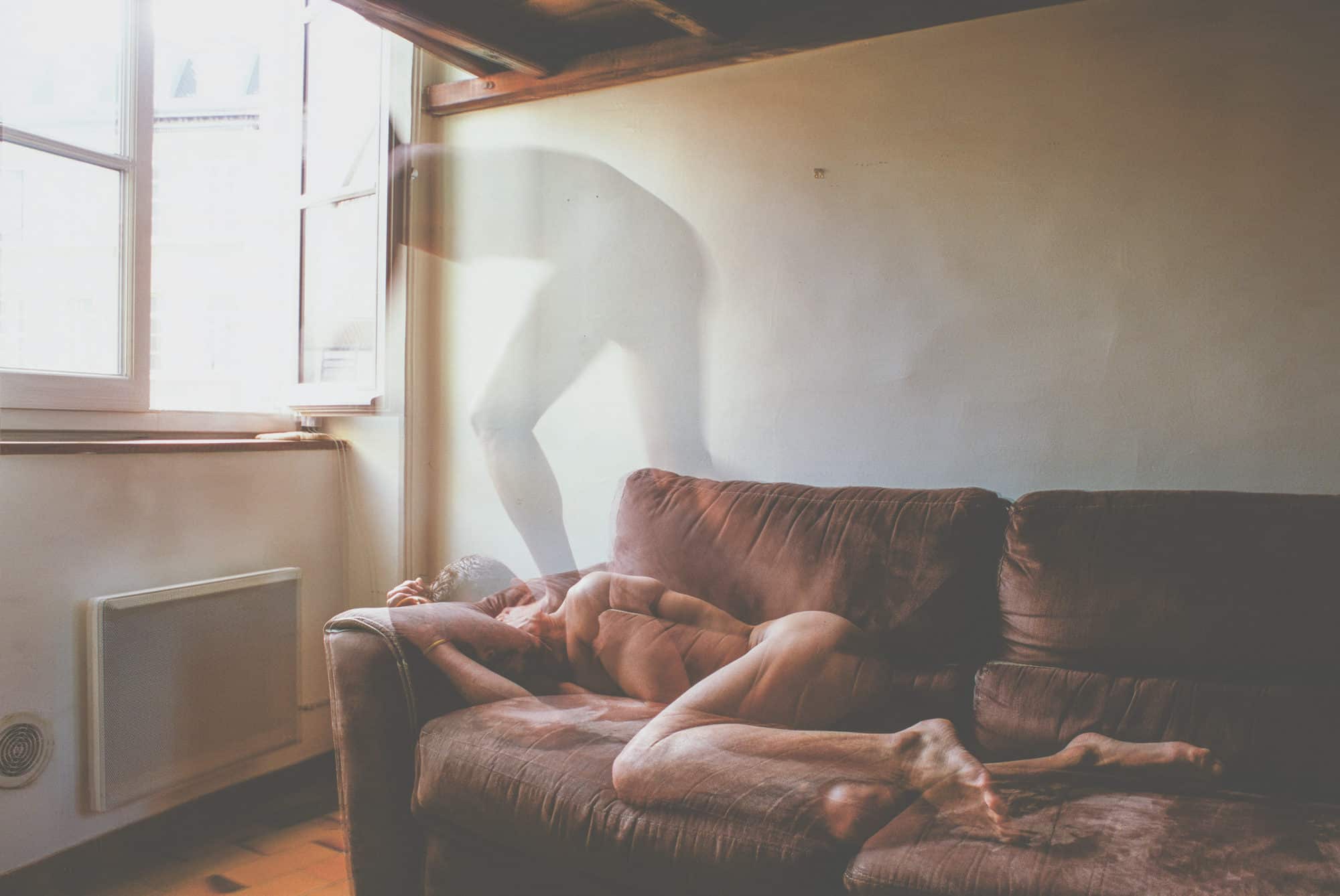
The French photographer Hortense Soichet, who is exhibiting one of the photographs from her collective project Esperem, produced with the women of the “Mémoire Gitane” photo workshop in Carcassonne, represents this new documentary writing. This two-year-long project, exhibited as part of the collaboration between Photo Doc and the Fictions Documentaires festival, was a turning point in her approach to documentary photography:
“I had no obligation to work with people, but meeting these women sparked the need to do a project together,” said Soichet. “I have carried on this work of co-creation. This mindset has become a staple in my work: I am driven by the expectations of the people I interact with.”
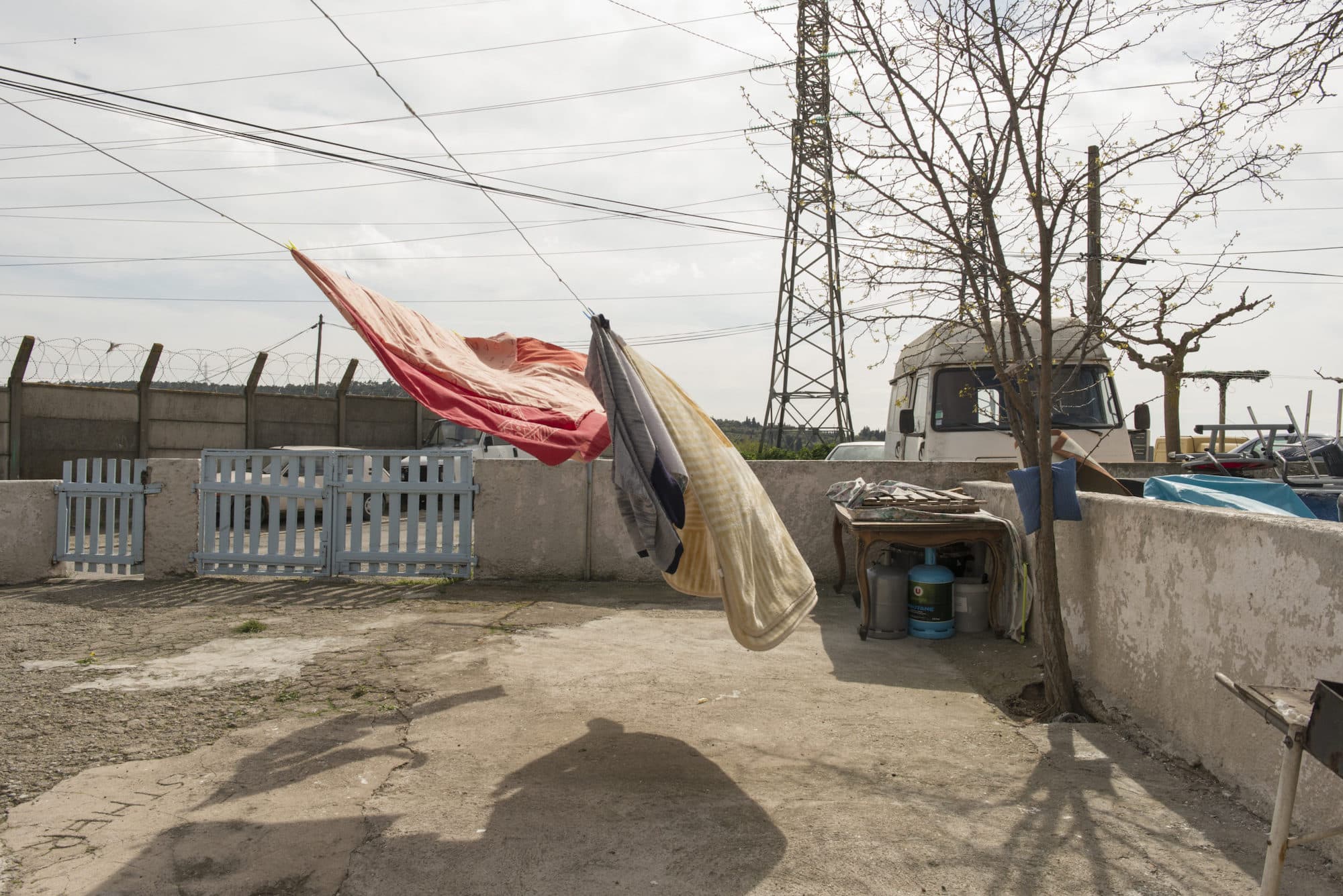
The breakdown of distinctions between various fields of aesthetics, which are becoming increasingly hybrid, with photographers feeling less locked into a single format—“a photojournalist is free to think of their work as ‘art,’” notes Escoulen—is further explained by the concurrent adaption to the evolving photography market.
“It’s a known fact,” she comments, “that a press photographer can no longer make a living as a press photographer; this is why photographic disciplines are becoming increasingly porous.”
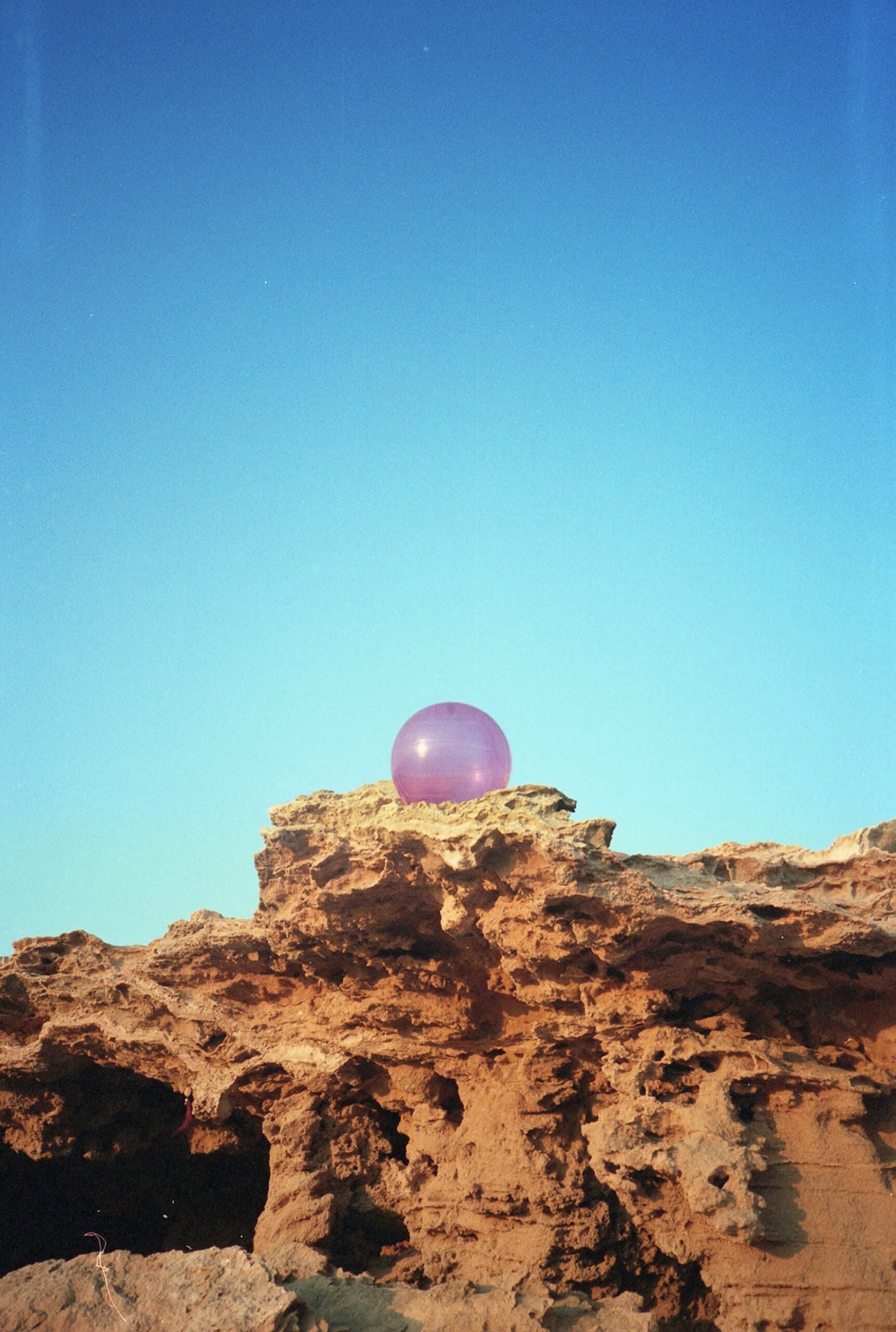
The reason why Photo Doc was founded as a fair was thus to offer documentary photographers an alternative forum to institutions like the press or museums. Selling documentary photography to collectors? The idea would have been unthinkable just a few years ago.
“Documentary photography means taking part in the transformation of the world.”
“In 2015, when I first mentioned the idea of Photo Doc as a commercial event, that is to say, offering documentary photographs for sale to photography collectors, I immediately was met with curiosity but above all of embarrassment and incomprehension. I was told: ‘How can we sell images that address suffering in the world?,’” recalls Flossaut.
“When they buy a photograph at Photo Doc, collectors connect with the stories evoked in the image. What they acquire is a photograph that makes an impact in the world. Documentary photography means taking part in the transformation of the world.”
This year, twenty-one exhibitors, mostly galleries, will be present at the fair. To Flossaut, this spells success, proving that the market is interested in documentary photography: “We don’t get any commission on the works sold; the spaces are rented out to the exhibitors. But if there were no sales, they would not come back. But the opposite is true.”
The new forms of documentary photography are now welcomed at art festivals and galleries. Frameworks of support are designed to assist photographers. For example, the Centre National des Arts Plastiques (Cnap) supports professional photographers and artists in the production of a documentary project “by giving them the financial means to develop a body of work over long term,” says Escoulen.
“Radioscopy of France,” a major national photojournalism commission, managed by the Bibliothèque Nationale de France, is one such program intended to support documentary photography.

“Even if the target recipients are photojournalists, we know that the disciplinary boundaries are thin. It is a historic commission, which has supported some 200 photographers developing long-term projects on France. And I know that many of those who have benefited from it will continue their work beyond the commission,” says Escoulen, who also places emphasis on women’s representation in photography, something she considers to be an “encouraging” development.
Constantly transforming, developing new forms and formats, and experiencing an ongoing revolution, documentary photography reveals itself, now more than ever, to be essential to our understanding of the world and of others. “One might say that documentary photography is photography in the broadest sense of the word, and it is part and parcel of society,” notes Escoulen. “In the age of AI, it is terrifying to see that representation of reality can escape our control. We must be vigilant about the use of this tool and its potential for disinformation.”
Salon Photo Doc and conferences, from 12 to 14 May 2023, at the Halle des Blancs Manteaux, 48 rue Vieille du Temple, 75004 Paris, France.

Christie’s brought in $426.6m ($506.5m with fees) across its two-part evening sale in New York on Thursday (11 May), a decent result “considering the world we’re in”, as the chairman of the auction house’s 20th and 21st centuries departments Alex Rotter put it after the sale. “We felt we were going into a situation that could be difficult,” he said, alluding to an economic picture clouded by persistent concerns of a possible recession and banking crisis, and interest rates that are significantly higher than even during the last major US auction season in November. Rotter added, “the art market needed a boost”.
And indeed, the auction house received a significant boost from a set of important collections that were consigned for the series of spring sales that kicked off Thursday. The evening began with a dedicated auction of 16 works that belonged to the late Condé Nast chairman S.I. Newhouse. Every lot sold, bringing in $150.5m ($177.7m with fees). The group was led by a small and intense Francis Bacon self-portrait from 1969, which set off a contest between Christie’s specialists fielding phone bids that pushed it past its $28m high estimate. The collector on the line with Olivier Camu, the auction house’s deputy chairman for Impressionist and modern art, prevailed with a winning bid of $29.7m ($34.6m with fees).

Francis Bacon, Self-Portrait, 1969 Christie’s Images Ltd
The Newhouse sale’s other top lots included a popping Picasso portrait of the photographer Lee Miller from 1937, which passed its $20m low estimate to hammer at $21m ($24.5m with fees), and a modestly sized but dynamic painting by Willem de Kooning, Orestes (1947). The De Kooning was expected to bring at least $25m, which it did, hammering at $26.5m (with fees, the price came to $30.8m).
The sale’s opening lot, a typically otherworldly wall relief by Lee Bontecou, the singular American sculptor who died last November, very nearly broke her auction record of $9.1m. Spirited bidding sent the untitled steel, wire and textile work (made in 1959-60) past its $5m high estimate, eventually hammering for $7.2m ($8.6m with fees).

Lee Bontecou, Untitled, 1959-60 Christie’s Images Ltd
A suite of three large Jasper Johns canvases fared less well, with each hammering for a price below its low estimate. Even so, there was no risk of any serious flops as every lot in the Newhouse collection sale was guaranteed.
Things got more interesting in the 56-lot evening sale of 20th-century art that immediately followed, in which two works were withdrawn and ten lots failed to sell, delivering a sell-through rate of 81%. Just over half of the lots (28 of 54) were backed by guarantees.

Henri Rousseau, Les Flamants, 1910 Christie’s Images Ltd
The top lot of this sale—and the entire evening—was a large, stylised tropical landscape painting by Henri Rousseau, Les Flamants (1910), which Christie’s expected to sell for between $20m and $30m.
Like many lots in the evening’s second leg, it benefited from strong participation by bidders in the crowded Rockefeller Center salesroom, with multiple specialists and a young man on his phone seated in the fourth row “holding the whole room in suspense”, as auctioneer Jussi Pylkkänen put it. In the end, a phone bidder on the line with Conor Jordan, a deputy chairman for Impressionist and modern art, logged the winning bid of $37.5m ($43.5m with fees). That result was more than 10 times the previous auction record for a Rousseau, set back in 1998. (Shortly after losing out on the painting, the underbidder headed for the exit with mega-dealer Larry Gagosian, who had been sitting nearby.)
The two other auction records broken on Thursday evening came at more modest price points. The small, luminous canvas The Fountains (1926) by Transcendental painter Agnes Pelton—whose travelling retrospective was on view at the Whitney Museum of American Art in 2020—surpassed its high estimate of $2.5m to hammer for $2.8m ($3.4m with fees), or more than 13 times her previous auction record. And a glowing ceramic sculpture by Ken Price, M. Green (1961), more than doubled its high estimate to sell for a hammer price of $440,000, or $554,400 with fees, ahead of his previous record of $509,000.

Agnes Pelton, The Fountains, 1926 Christie’s Images Ltd
The Price sculpture was part of a suite of nine works on offer that had belonged to the late Chicagoan collectors Alan and Dorothy Press. Those works collectively brought in $37.2m ($44.4m with fees), despite one of the group’s major works—Philip Guston’s late, gloomy canvas Pull (1979)—failing to reach its $6m low estimate and ultimately going unsold. Another Guston from the Press collection, Chair (1976), sold below its low estimate ($12m) for a hammer price of $8m ($9.6m with fees) to a young woman seated at the back of the saleroom. Apparently a big fan of post-war figurative painters (or bidding on behalf of one), she later snapped up Alex Katz’s large, warm portrait of his wife, Red Band (1978), with a bid equal to its low estimate, $2m ($2.4m with fees).
While the Presses’ collection produced mixed results, a group of seven works by David Hockney, Georgia O’Keeffe and Edward Hopper from the collection of late Microsoft co-founder Paul Allen sparked the evening’s most sustained fervour. All seven works hammered for prices above their high estimates thanks to competitive bidding from clients in the room and on the phone lines. The two most expensive of Allen’s three Hockney landscape paintings on offer were scooped up by the same client bidding via senior specialist Cristian Albu, for $16.5m and $12.4m (with fees, $19.3m and $14.6m, respectively).

The evening’s top Georgia O’Keeffe, Black Iris VI (1936), sold for $18m ($21.1m with fees) Christie’s Images Ltd
The seven works from Allen’s estate brought in a hammer total of $75m ($88.8 with fees), pushing his collection’s total take up another decimal point from last November’s $1.6bn tally, to $1.7bn.
“People want history with their paintings,” Rotter said after Thursday’s sales, underlining the marketing power of bringing individuals’ and couples’ collections to market. “We are the house of collections.”
Rival auction house Sotheby’s will try to claim that title on 16 May with its stand-alone auction of works from the collection of late Warner Bros Records executive Mo Ostin. Sotheby’s expects the evening sale’s 15 lots to bring in as much as $120m. Christie’s, for its part, will sell 214 works from the collection of late Institute of Contemporary Art, Boston trustee Gerald Fineberg across two sales on 17 and 18 May that the auction house expects could bring in as much as $270m.
Christie’s, Phillips and Sotheby’s estimate their spring sales in New York could bring in more than $2.2bn, despite the current economic headwinds.





