In Heavy Impasto Paintings, José Lerma’s Introduces Background Figures to the Fore

In Heavy Impasto Paintings, José Lerma’s Introduces Background Figures to the Fore

“Leo” (2023), acrylic on burlap, 32 x 24 inches. Photos by Nicolas Brasseur. All images © José Lerma, courtesy of Almine Rech, shared with permission

In just a few deft swipes of thick acrylic paint, José Lerma creates richly contoured portraits that, like a silhouette, impart enigmatic impressions of figures whose full identities remain a mystery. In the artist’s third solo exhibition with Almine Rech, he continues to explore the material quality of acrylic paint (previously), which he applies in a fast and laborious process before it dries. Delicate, flat outlines portray noses, lips, and brows, which the artist augments with heavy impasto paint for hair and accessories. The medium often collides along central seams, separating light from shadow, and extends right up to the edge of the canvas.

The title of the exhibition, Fichureos, draws on a Puerto Rican colloquialism formed around a Spanish interpretation of the English word “feature,” used to reference ostentatious or pretentious displays. Lerma also looks to art history, fascinated by tertiary characters in the backgrounds of paintings that have been rendered in loose, minimal brushstrokes. Combined with the concept of facture, a term used to describe the handling of paint or quality of an artwork’s execution, Lerma embraces “fichureos” as both subject matter and philosophy.

If you’re in Paris, you can visit Almine Rech’s Turenne location to see Fichureos through December 22. Find more on the artist’s Instagram.


A detail of thick impasto paint in shades of pink, brown, and green.

Detail of “Leo” (2023)

An acrylic painting of a minimal figure with short hair, using heavy impasto paint.

“Mina” (2023), acrylic on burlap, 96 x 72 inches

An acrylic painting of a minimal figure in profile, wearing a striped headband, using heavy impasto paint.

“Solandi” (2023), acrylic on burlap, 72 x 48 inches

A detail of thick impasto paint in shades of blue and brown.

Detail of “Solandi” (2023)

An acrylic painting of a minimal figure with blonde hair, using heavy impasto paint.

“Liana” (2023), acrylic on burlap, 48 x 32 inches

Installation view of two paintings in a white-wall gallery space. The paintings show minimal portraits of female figures in profile.

Installation view of ‘Fichureos’

Installation view of two paintings in a white-wall gallery space. The paintings show minimal portraits of female figures.

Installation view of ‘Fichureos’

Do stories and artists like this matter to you? Become a Colossal Member today and support independent arts publishing for as little as $5 per month. The article In Heavy Impasto Paintings, José Lerma’s Introduces Background Figures to the Fore appeared first on Colossal.

100+ Photographers Help Raise Funds for 13 Orphaned Elephants

100+ Photographers Help Raise Funds for 13 Orphaned Elephants
Elephants play as they explore the wilderness at Reteti Elephant Santucary in northern Kenya.

Photo: Ami Vitale/Courtesy of Vital Impacts
“Elephants play as they explore the wilderness at Reteti Elephant Sanctuary in northern Kenya. The orphans cared for by Reteti spend every day, all day exploring the wilderness of the 850,000 acre Namunyak Wildlife Conservancy where they are situated. Reteti is changing the lives of both elephants and people. Elephants are orphaned as a result of drought, human-wildlife conflict, natural mortality, and in rare cases, poaching. Reteti sanctuary is unique as the first community owned and run elephant sanctuary in Africa.”

Wildlife photographers capture poignant stories of survival and hope with their cameras. While their labor brings visibility to the issues animals face, over 100 photographers have taken their efforts to the next level. Vital Impacts, a non-profit dedicated to boosting environmental art and photography, is launching a fundraising fine art print sale in support of Reteti Elephant Sanctuary, Africa’s first indigenous-owned elephant sanctuary.

The efforts of the Reteti Elephant Sanctuary help in two ways. First, they raise orphaned elephants with the appropriate care so they can be safely released back into the wild once they come of age. Currently, the sanctuary is working with 13 elephant calves. “From being weaned from their bottles to extended explorations of the landscape on longer walks, they also increased their encounters with other wild animals and sourced more of their own food,” writes Vital Impacts.

At the same time, the Reteti Elephant Sanctuary also aspires to turn elephant conservation into an opportunity that will improve livelihoods in local communities, especially those of women. “All the keepers are from the local community and are formally trained in the care, rehabilitation and release of elephant calves. An elected board from within the community oversee all operational aspects of the Sanctuary,” states the Reteti Elephant Sanctuary on their website.

To support their efforts, renowned photographers such as Ami Vitale, Reuben Wu, Michael “Nick” Nichols, Jim Naughten, and Gunnar Gunnarson have donated their work to Vital Impacts’ annual print sale. From a tender encounter between Jane Goodall and a primate to a sci-fi-like desert landscape, the available images speak to a large number of sensibilities.

The photographs donated by photographer Ami Vitale were taken at the Reteti Elephant Sanctuary in Northern Kenya. For example, one of her image features two of the elephants that will be benefited from the print sale in an act of play as they explore the land that they call home. While another moving photograph showcases a baby elephant sweetly embracing one of its caretakers.

To browse all the images available as part of the print sale, visit Vital Impact’s website. You can also take a look at some of the photographs donated to this cause and learn their stories, below.

Vital Impacts, a non-profit dedicated to boosting environmental art and photography, is launching a fundraising fine art print sale.

orangutans in blue tinted forestorangutans in blue tinted forest

Photo: Jim Naughten/Courtesy of Vital Impacts
“Our perception is that wildlife is something other, apart from humanity. It happens elsewhere, in far away lands, in nature documentaries, zoos or safari parks. This impression is fictional and bears little resemblance to reality, both because wildlife barely exists at all in this harmonious state, and also because despite our perceived separation, we are still very much bound to the laws of the natural world. The images in this series reflect this by using natural history specimens and dioramas, themselves a fictional human construct, and adding layers and altering and exaggerating colors to highlight the artificial and nature of what we are seeing.”

The funds will go towards Reteti Elephant Sanctuary, Africa’s first indigenous-owned elephant sanctuary.

Mary Lengees comforts Lodokejek, an orphaned calf at Reteti Elephant Sanctuary in northern Kenya.Mary Lengees comforts Lodokejek, an orphaned calf at Reteti Elephant Sanctuary in northern Kenya.

Photo: Ami Vitale/Courtesy of Vital Impacts
“Mary Lengees comforts Lodokejek, an orphaned calf at Reteti Elephant Sanctuary in northern Kenya. The sanctuary is changing the lives of both elephants and people. Elephants are orphaned as a result of drought, human-wildlife conflict, natural mortality, and in rare cases, poaching. Reteti sanctuary is unique as the first community owned and run elephant sanctuary in Africa.”

Currently, the sanctuary is working with 13 elephant calves, which are getting the appropriate care so they can be safely released back into the wild once they come of age.

Halo of light over night desert landscapeHalo of light over night desert landscape

Photo: Reuben Wu/Courtesy of Vital Impacts

At the same time, the Reteti Elephant Sanctuary aspires to turn elephant conservation into an opportunity to improve livelihoods in local communities, especially those of women.

Jane Goodall lets a chimp touch a strand of her hairJane Goodall lets a chimp touch a strand of her hair

Photo: Michael “Nick” Nichols/Courtesy of Vital Impacts
“Late one afternoon as she was checking on the zoo chimps that her organization had been feeding, Jane Goodall approached the cage of a dangerous and aggressive male. Disarming him with a language learned from her years of research, she offered her golden hair for him to touch. It was a simple moment that came to represent so much.
Jane Goodall Institute does not endorse handling or close proximity to wildlife. This represents a historic context.​”

To support their efforts, renowned photographers such as Ami Vitale, Reuben Wu, Michael “Nick” Nichols, Jim Naughten, and Gunnar Gunnarson have donated their work to Vital Impacts’ annual print sale.

seabirds flying through a cloud in St. Kildaseabirds flying through a cloud in St. Kilda

Photo: Jim Richardson/Courtesy of Vital Impacts
“The sight was breathtaking. Tens of thousands of gannets flew out from cloud-wrapped Boreray to greet us as our boat pitched wildly on the Atlantic waves.
This uninhabited island is part of St. Kilda, forty miles out in the Atlantic beyond the Outer Hebrides.The last islanders abandoned St. Kilda in 1930, leaving it to the wild Atlantic storms and invoking melancholy memories of a lost world — and creating a haven for migrating and nesting seabirds like Gannets and Puffins. Together these stories of human abandonment and wildlife sanctuary have garnered St. Kilda dual UNESCO World Heritage Site awards.
When I came that evening I was simply seeking scenes of a remote island at sunset. I was disappointed to find Boreray shrouded in clouds. But as we came around the sun broke through and the birds swept down upon us in multitudes. The spectacle totally eclipsed my expectations, and here was the gift of wild splendor and transforming wonder. I remember whooping and hollering while the crew member held on to my belt so I wouldn’t plunge over the side and into the sea.”

To browse all the images available as part of the print sale, visit Vital Impact’s website.

Two park rangers carry two elephant tusks from an elephant shot in 2004Two park rangers carry two elephant tusks from an elephant shot in 2004

Photo: Nick Brandt/Courtesy of Vital Impacts
“The elephant was killed by poachers in Tsavo in southern Kenya in 2004. His tusks were stored in Kenya Wildlife Service’s ivory strongroom. It is doubtful that there is an elephant left alive today on the African continent with tusks this size.
The rangers in this photo work for Big Life Foundation. Big Life protects over 1.6 million acres with more than 350 rangers in 36 permanent and mobile outposts. With the aid of multiple patrol vehicles, tracker dogs, night vision equipment and aerial monitoring, this co-ordinated protection for the ecosystem has brought about a dramatic reduction in poaching of all animals in the region, and an attendant increase in key populations.”

Vital Impacts: Website

My Modern Met granted permission to feature photos by Vital Impacts.

Related Articles:

Photographer Shares How a Community in Kenya Came Together to Help Orphaned Elephants [Interview]

Photographer Wins Prize for Heartbreaking Story About the Plight of Endangered Forest Elephants

Photographer Showcases the Majestic Beauty of Elephants To Help in Their Conservation [Interview]

Herd of Wild Elephants Take an Adorable Nap Together After 300-Mile Journey

Friends, artists remember renowned Navajo artist Baje Whitethorne Sr.

Friends, artists remember renowned Navajo artist Baje Whitethorne Sr.

Flagstaff artist Shonto Begay was in high school, and running with friends through the Navajo Tribal Fair in Tuba City, when something stopped him in his tracks.

“It was a windy night, it was kind of dusty and it was nighttime at the Navajo Tribal Fair in Tuba City. The great Western Navajo Fair. I was running with my buddies, and I passed one of the booths,” Begay said. “And then there was Baje behind a little table, small watercolors all over. It stopped me.”


Whitethorne Piece

This watercolor painting by Navajo artist Baje Whitethorne Sr. was one of many featured in his retrospective exhibit at the Museum of Northern Arizona in 2022. 


Namingha Institute

Baje Whitethorne Sr. instructs Khalid Honie during a workshop in this 2019 file photo.


Namingha Institute

Students Khalid Honie and Orinda Goddard watch as Baje Whitethorne Sr. paints on a canvas as part of MNA’s new Namingha Institute artist residency in this 2019 file photo.


Whitethorne

Navajo artist Baje Whitethorne Sr. works on one of his paintings. 


Photographers Made a Splash (With No Flash) at the Aquarium of the Pacific’s Photo Night

Photographers Made a Splash (With No Flash) at the Aquarium of the Pacific’s Photo Night

Photographers trawled the Aquarium of the Pacific looking for perfect shots at the Aquarium of the Pacific’s annual photographers’ night this October, and the prize-winning catches have now been announced.

Crystal Stromer’s photo of a giant sea bass appearing to gaze pensively at a school of fish took home the top prize. The aquarium’s Andrew Reitsma, who helped to judge the entries, said that the winning shot caught the judges’ attention for its moodiness that embodied the times we live in.

An octopus shows off its tentacles, with the suckers plainly visible, in a twisted yoga-like pose. A blue background and some rocks are visible in the background.

This shot of an octopus in a contorted position won second place in the contest.

(Eric Horvat/Aquarium of the Pacific)

Reitsma said that the judges look for technicality, composition, and emotion in the photos of the aquarium’s animals, but they’re also looking for an unquantifiable “wow” factor.

“Having done this for 10 years, you see a lot of similar images and you kind of look for things that you haven’t seen before, things that kind of strike out as, ‘wow, this is an amazing image,'” Reitsma said.

A skinny black-and-orange tropical fish stares head-on at the camera with an inscrutable, mysterious expression.

This photo wowed the judges enough to win third place at the Long Beach aquarium’s photo contest.

(Forrest Blanton/Aquarium of the Pacific)

The photo contest’s past winners have captured a variety of animals at the Aquarium, from frogs to tropical fish to the Pacific spiny lumpsucker.

During this year’s photo night, photographers had free rein over the museum’s exhibits, and they could also borrow equipment from vendors to help them take their shots. The aquarium was closed to the public for the event, allowing nature photographers to get wildlife photos without having to brave the waters of the Pacific.

A pink fish nearly blends in to the background of vibrant pink sea anemones with tentacles pointing in every direction.

This photo won honorable mention at the photographers’ night.

(Brent Lew/Aquarium of the Pacific)

Reitsma also said the Blue Lagoon, where the first-place picture was taken, is a great place for visitors to camp out looking for a shot.

“It has a lot of opportunities for taking pictures of the sardines and the schools of fish to the slow moving giant sea bass,” Reitsma said. “It becomes challenging, but you can also step back and get these beautiful shots of glowing light coming down from the upper parts of the exhibit downlighting the darker areas at the bottom.”

Reitsma, who has a photography degree from Cal State Long Beach, said his favorite animal to take photos of is the octopus. While they can be hard to track down at the aquarium since they spend much of their time out of sight, octopuses featured in two of the top ten photographs this year.

He offered some tips for anyone taking photos at the aquarium.

“Try to be as head on with your subject matter as possible,” Reitsma said. “When you start shooting at an angle, you get aberration in the glass and it makes it difficult to get sharp shots, but if you try to get forward facing, perpendicular to your subject, it really helps to get everything really sharp.”

What questions do you have about Southern California?

Embrace the holiday spirit in OKC: Ice skating, art exhibits, and a merry pooch parade await you this weekend

Embrace the holiday spirit in OKC: Ice skating, art exhibits, and a merry pooch parade await you this weekend

Looking for something to do in OKC this weekend?

We’ve got you covered.

From ice skating, and art exhibits, to a merry pooch parade, OKC has much to offer this weekend.

Events on Saturday, December 2:

  • ‘Tis the Season at Scissortail Park: Shop for everyone on your list and support local businesses set up along The Promenade. Enjoy shopping, live music, and holiday performances from 5 P.M. to 9 P.M. For more information, visit here.
  • The Devon Ice Rink: The family-friendly ice rink is open from 11 A.M. to 11 P.M. on Saturday and is $14 per person with a skate rental. For more information, visit here.

  • Eva Schlegel: Multiple Voices is a free, public art exhibit at the Oklahoma Contemporary Arts Center. ‘Schlegel created a series of polished and translucent surfaces that catch light and reflect part of the surrounding environment, encouraging visitors to gather, play, and learn.’ For more information, visit here.
  • Lyric Theatre’s A Christmas Carol is making its return this holiday season. ‘Join Ebenezer Scrooge, a host of ghosts, and Charles Dickens’ characters as they spring to life in Lyric’s spectacular, new production.’ For more information, and to purchase tickets, visit here.
  • Merry Pooch Parade: This Saturday, December 2 from 1 P.M. to 2 P.M., dress your pup up in holiday gear to meet Santa Claus at the Devon Lawn. Prizes will be awarded for the best-dressed pups, and the cost to enter is $5 for member dogs and $10 for non-member dogs. For more information, visit here.

Events on Sunday, December 3:

  • A Candy Cane Christmas: Join the American Banjo Museum for live Christmas music from Johnny Baier, Tyler Jackson, and Lucas Ross as well as photos with Santa and Christmas treats. Admission is $8 for adults and free for children under 15. For more information, visit here.
  • The Sleigh Bells Market: The OKC Farmers Market is having a ‘holiday retail extravaganza’ that will feature vintage and local handmade goods. There will also be a food truck and a cash bar. Admission is free. For more information, visit here.
  • Canterbury Voices: Handel’s Messiah is this Sunday, December 3 at the Civic Center Music Hall. The OKC Philharmonic will join Canterbury Voices to bring this performance to life. ‘Composed in the 18th century, this timeless masterpiece intertwines biblical texts with exquisite melodies, stirring the emotions and illuminating the human experience.’ For more information, and to purchase tickets, visit here.


  • Sunday Jazz Brunch at Tellers: Every Sunday Tellers hosts jazz brunch from 11 A.M. to 3 P.M. featuring classics like eggs benedict, lemon buttermilk pancakes, and Italian favorites from a wood-fired grill. The event also features live jazz music. For more information, visit here.

For more events and information on what’s happening in OKC this weekend, visit here.

For more local news delivered straight to your inbox, sign up for our daily newsletter by clicking here.

We Turned the Nikon Zf into a Street Photography Workhorse

We Turned the Nikon Zf into a Street Photography Workhorse

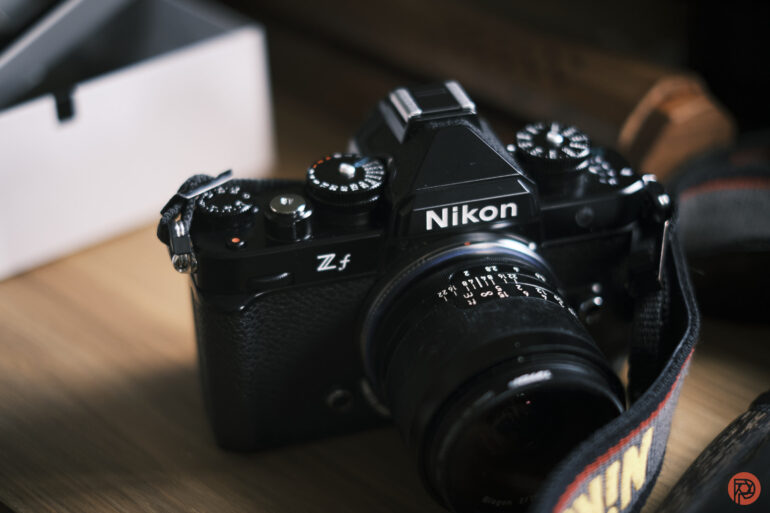
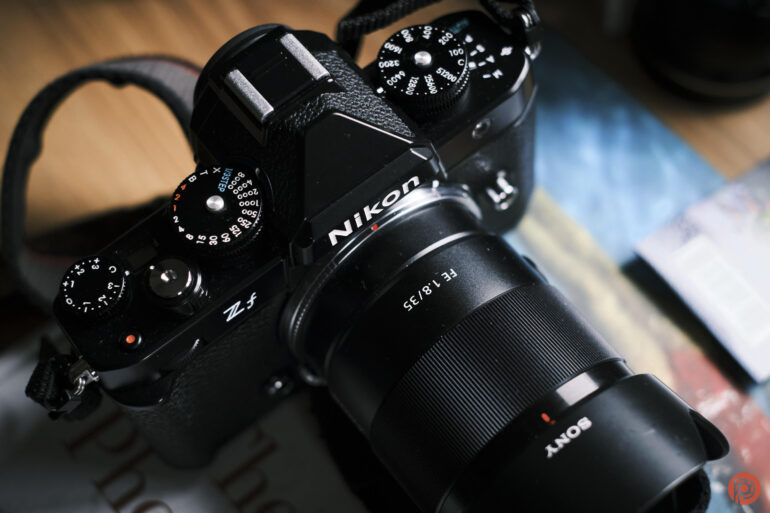
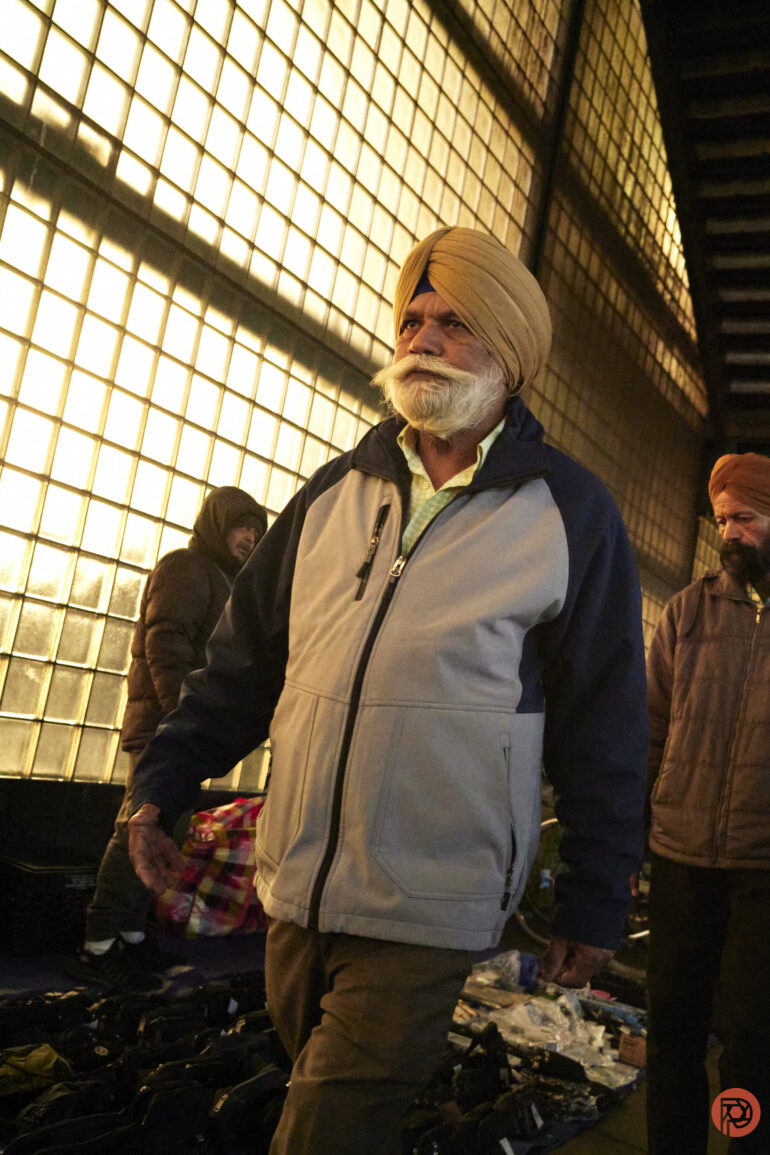
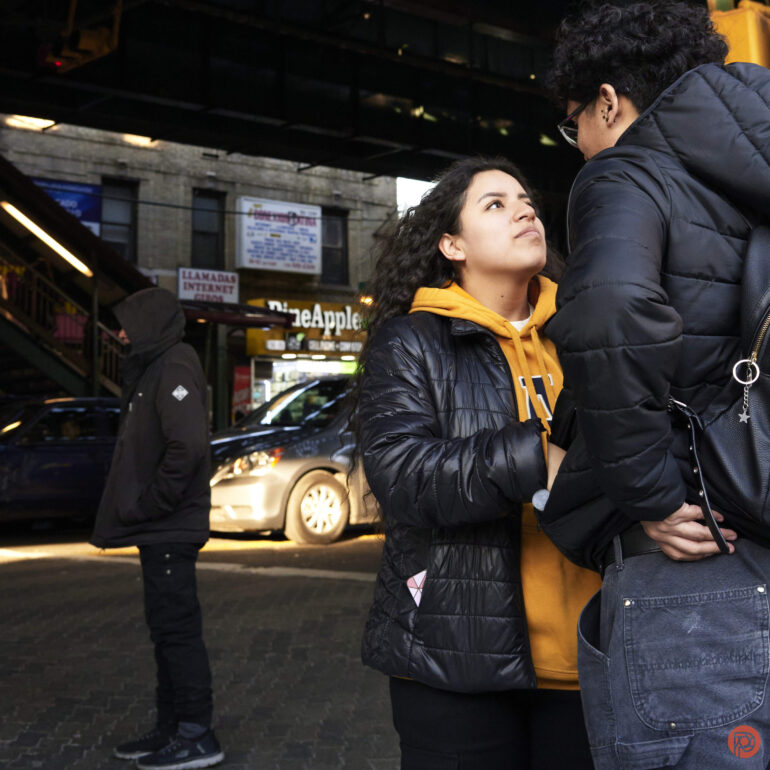
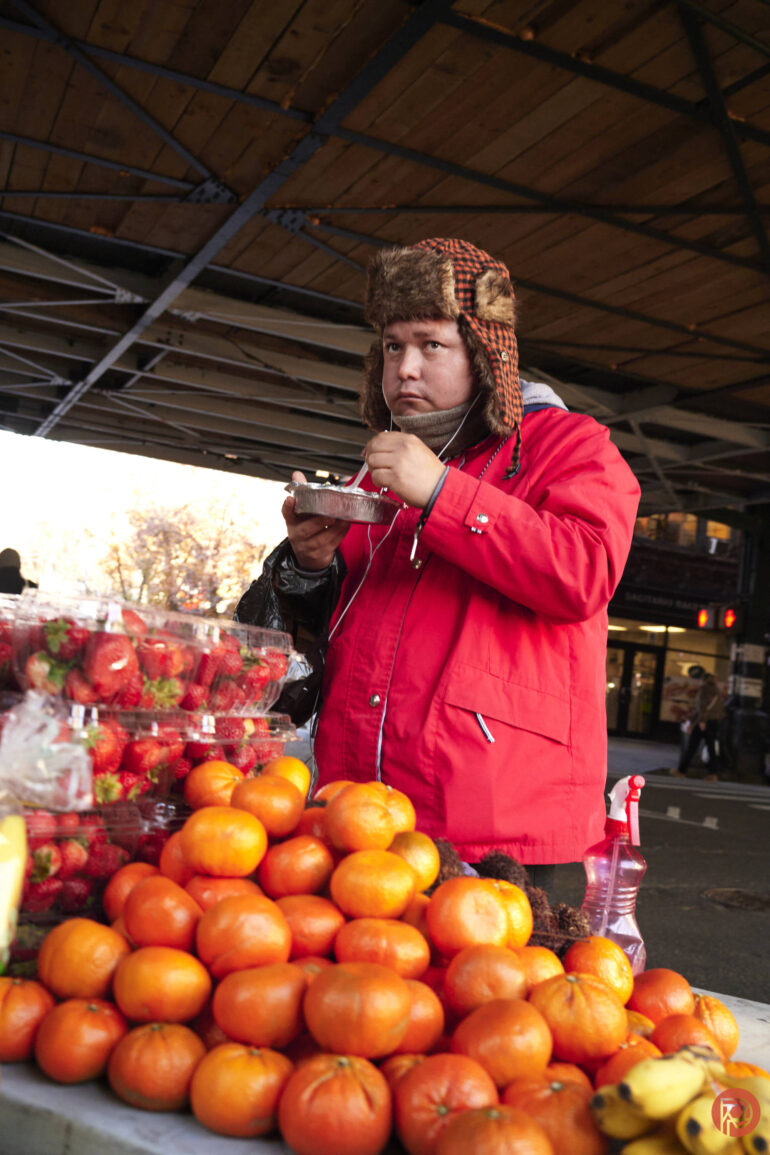
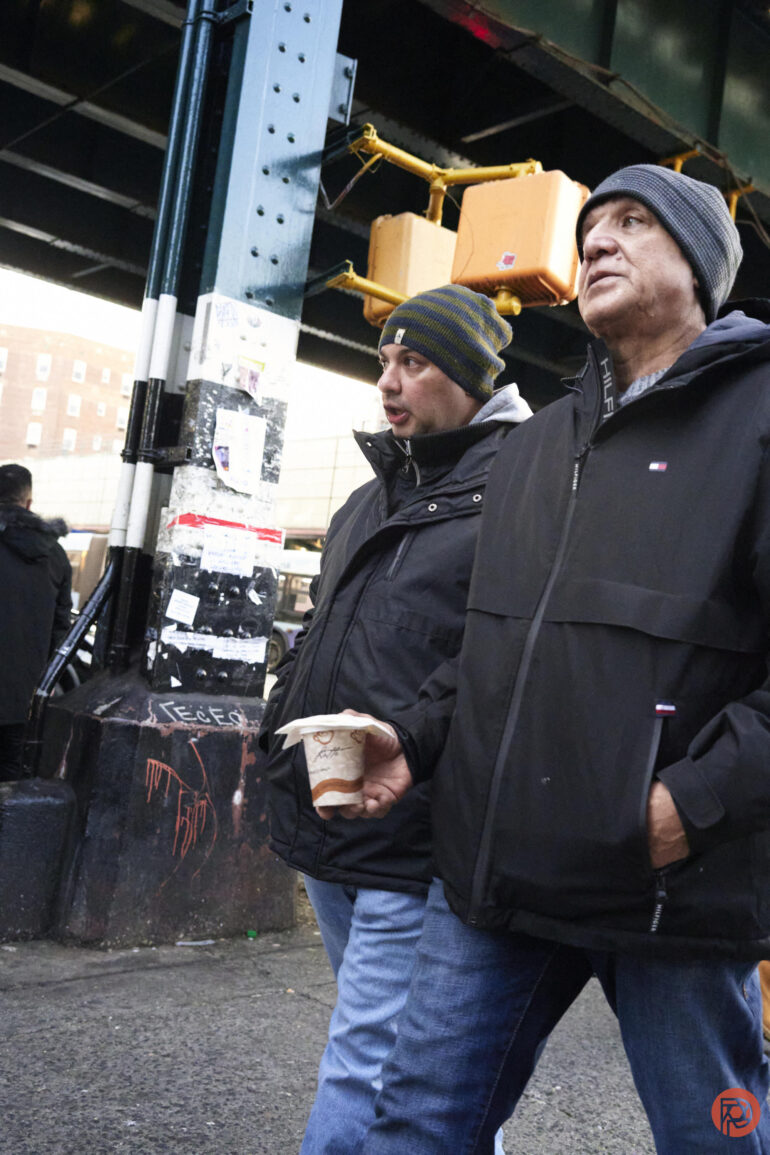
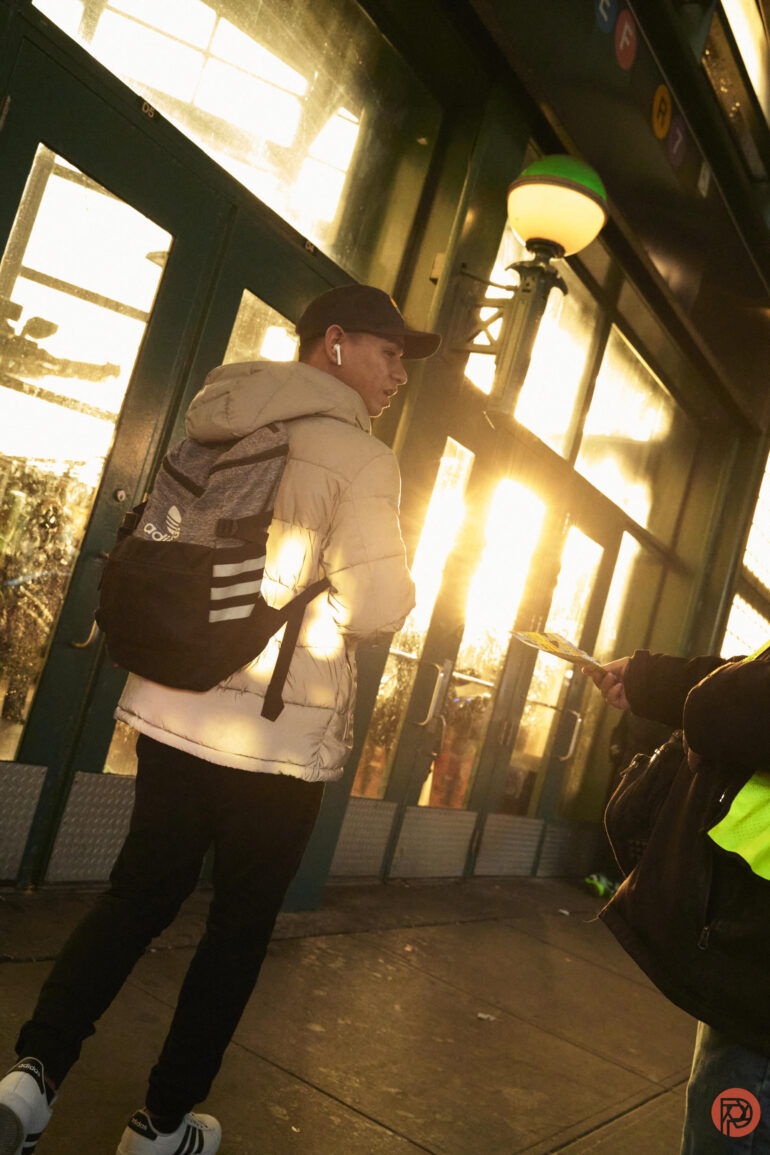
I never thought that I’d say this, but some of the best lenses for the Nikon Zf aren’t made by Nikon. They’re made by Tamron and Sony. While we’re reviewing the Nikon Zf, we’ve found that the lenses we received from Nikon weren’t always the best for autofocusing. To clarify that statement, Nikon sent us the 40mm f2 and the 24-70mm f4 — and while I adore the 40mm f2, it’s not the best for autofocusing. However, we’ve got the Megadap ETZ21 Pro around the office, which adapts Sony E mount lenses to Nikon Z bodies. And the results were really incredible to us.

We used the Sony Zeiss 55mm f1.8, the Sony 35mm f1.8 FE, and the Zeiss Loxia 35mm f2 — which are all lenses we own. When I say that putting Sony’s own lenses on the Nikon Zf is a night-and-day experience, I’m truly not joking.

First off, the Zeiss Loxia 35mm f2 has problems on Sony cameras that we’ve reported about previously. But that problem doesn’t happen when it’s adapted to the Nikon Zf. It almost makes me feel like Zeiss could get new life by upgrading the build quality of the Loxia lenses and making them for the Nikon Z mount. And since this is a manual focus lens, it’s so perfect for street photography for several reasons.

  • It’s a Zeiss lens, and the image quality is incredible.
  • It’s manual focus, so I set the lens to focus 6 feet away at f5.6. Because of zone focusing, this gave me quite a bit of space to work with.
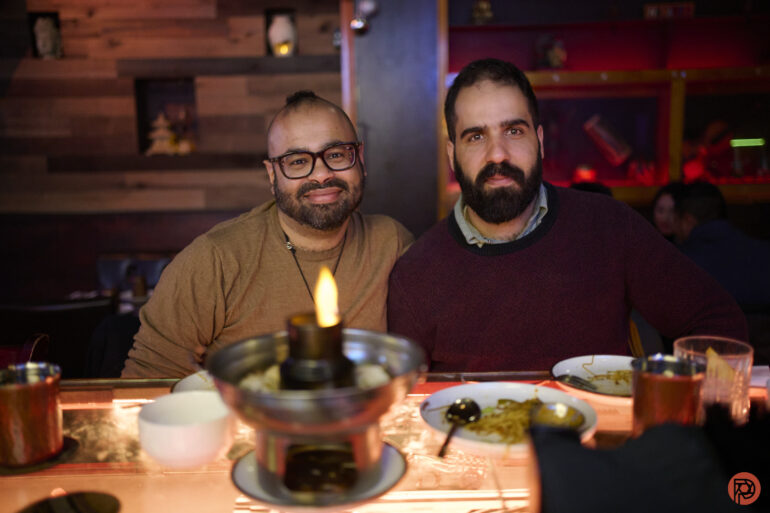
  • The Nikon Zf has incredibly clean image quality, even at ISO 51,200.
  • The camera can shoot seven frames a second

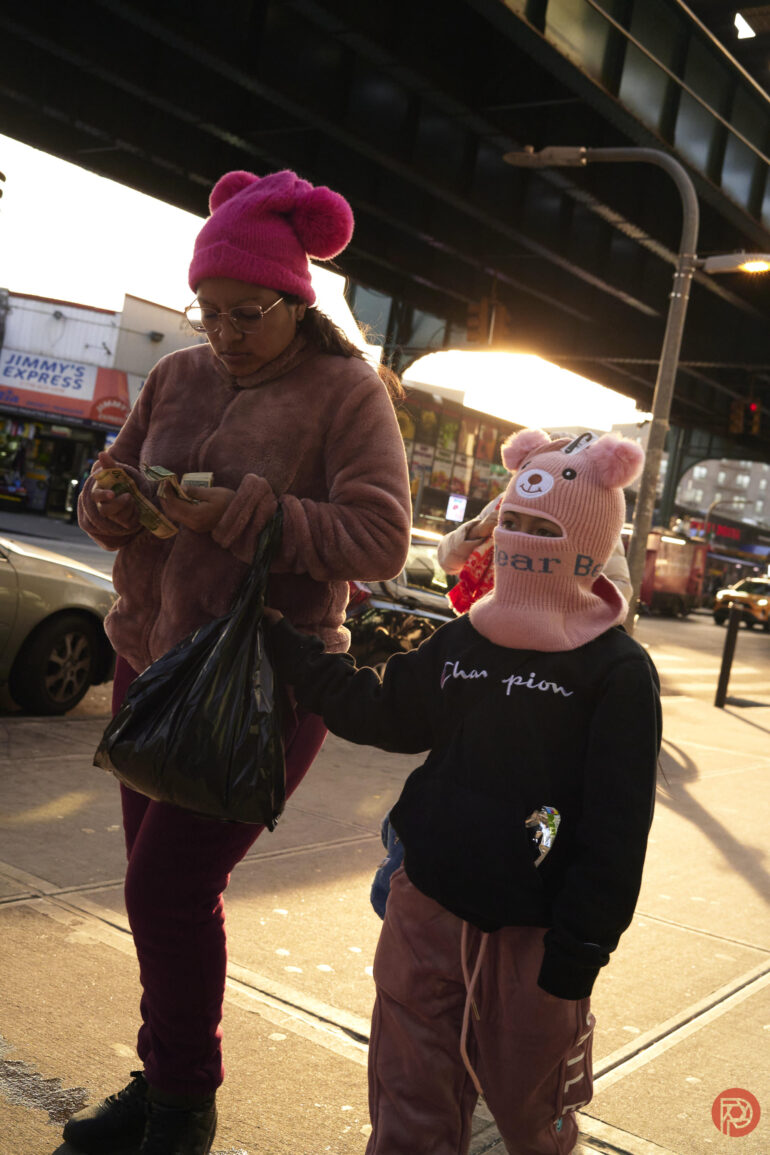
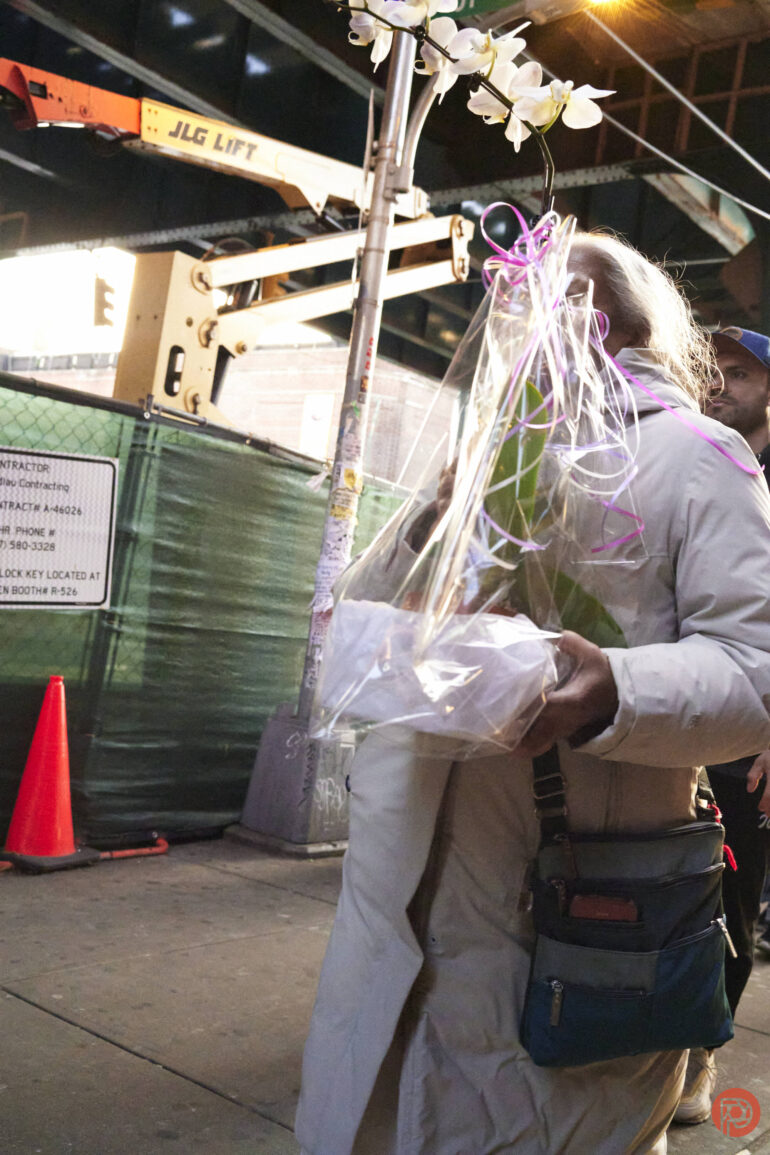
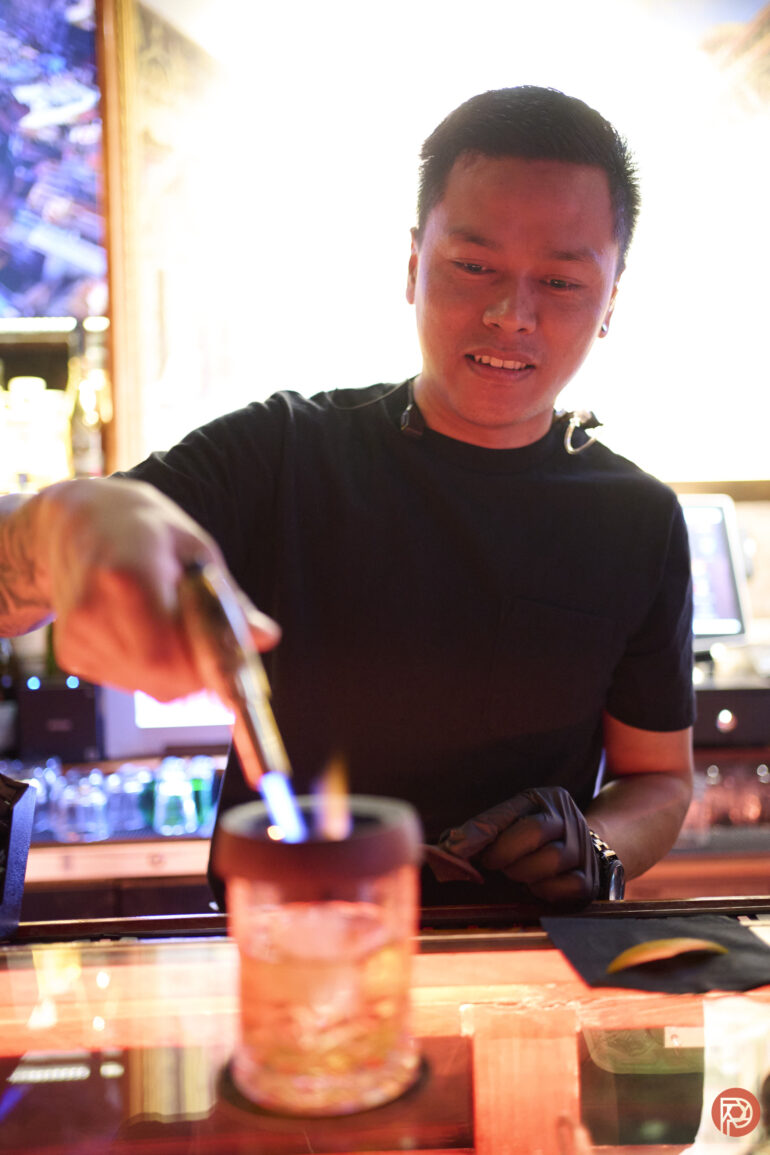
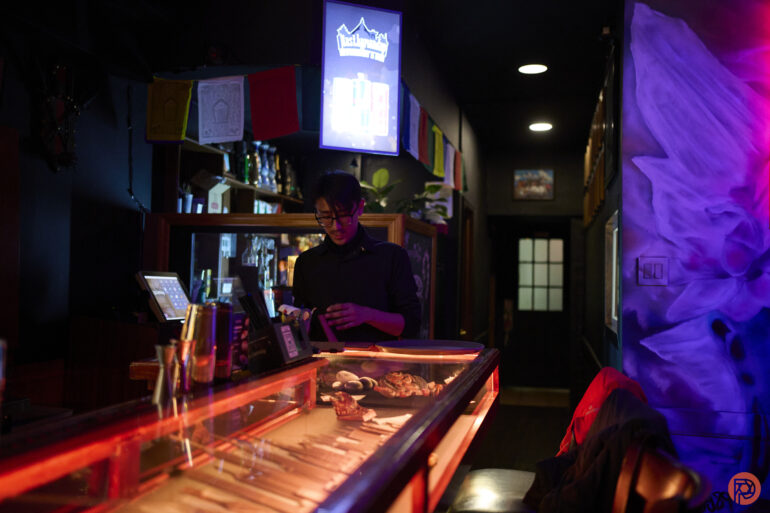
Couple all of these together, and it’s a perfect combination for street photography. Using the Megadap ETZ21 Pro to shoot with the Zeiss 35mm f2 on the Nikon Zf is the single most pleasing experience I’ve had so far during my review process. It was almost like shooting with a Leica M — but this is a Nikon Z body with incredible ergonomics. During my outing with this camera and lens combo, I’ve gotten some of my favorite photographs to date with the camera.

But then we just had to test the autofocusing abilities. With Nikon’s own lenses, the autofocus of the Nikon Zf isn’t anything worth talking about for street photography. They work well enough for many situations, but the combo of the 40mm f2 and the Nikon Zf can’t keep up with fast-moving subjects. However, I felt the Sony 35mm f1.8 FE autofocused much faster than the Nikon 40mm f2 on the Nikon Zf body.

More importantly, it could track people of color with darker skin, even in low light. However, it wasn’t in the darkest situations that we’ve encountered. This is where I was incredibly surprised because Sony’s own cameras are pretty bad at this.

Crazy, right? Well, not really. The 35mm f1.8 is a much more expensive lens than the 40mm f2. I could kind of expect this to happen. Tamron’s Z mount lenses also focused faster than the three Nikon lenses we have right now.

This makes us wonder how the Nikon Zf will work with Nikon’s own 35mm f1.8 — and I’d assume that it’s good, but not as good as Sony’s. I hope that Nikon’s autofocus improves for their smaller primes as they pair perfectly with the Nikon Zf’s retro and smaller camera body. And just think, I wouldn’t have even knew that this would happen if it weren’t for the Megadap ETZ21 Pro.

There’s no clear word on weather resistance when using the adapter though, so I’d be careful in inclement weather.