– Nominations Out For Benson Sculpture Garden
Nominations Out For Benson Sculpture Garden


The Astronomy Photographer of the Year 2024 competition is now open for entries, the Royal Observatory Greenwich has announced.
It’s time to put the finishing touches to your best astro images if you want to be named the winner of the Astronomy Photographer of the Year 16 (APY 16) competition.
With a grand prize of £10,000 on offer, the world’s biggest astrophotography competition – now in its 16th year – is open to both expert astro imagers and newcomers alike.
Each of the competition’s eight main categories covers a different astronomical subject – from our nearest celestial neighbours to the most distant objects visible.
See the Astronomy Photographer of the Year 2023 winning images
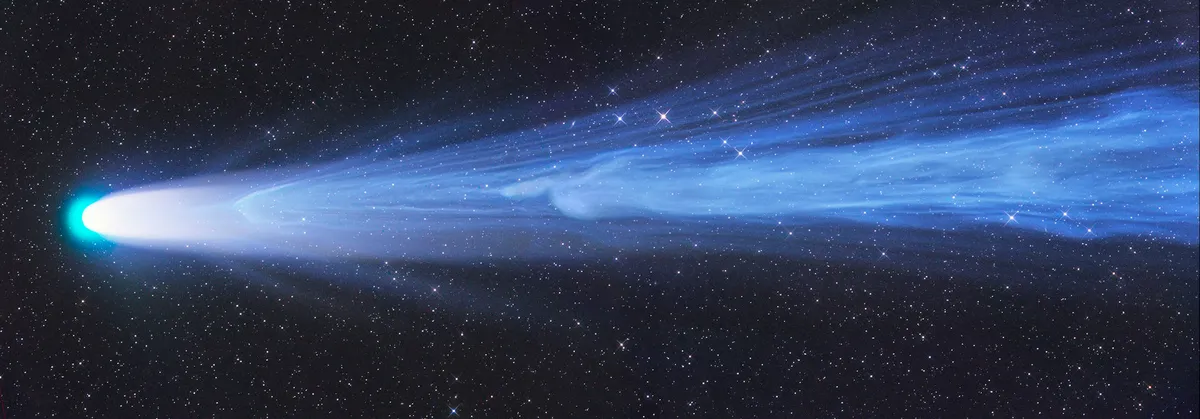
If your image was taken after 1 January 2023, then all you need to do is pick which category it best fits and submit it.
The best image in each category will take home £1,500, with the Runner-up and Highly Commended winners receiving £500 and £250 respectively.
If you’re a newcomer or prefer to process data from professional telescopes, then you could also be in the running to nab one of two special prizes worth £750 each.
Younger astronomers needn’t feel left out either, as the Young Astronomy Photographer of the Year competition is open to all entrants under 16 years old.
Young entrants can enter for free and could take home the main prize of £1,500.
With entries now open for Astronomy Photographer of the Year 16, choose from the categories below and submit your image to the 2024 competition.
If you’re new to the hobby, read our beginner’s guides to astrophotography and image processing.

It’s been a great time for Solar System observers, with a parade of planets and several good comets visible throughout the year. If you managed to get a good astrophoto of one of our planetary neighbours, enter it into this category.

To those of us on the ground, the night sky can sometimes seem a distant, isolated thing. This category brings the two a little closer by showcasing landscapes alongside celestial objects, and is one of the contest’s most popular categories.
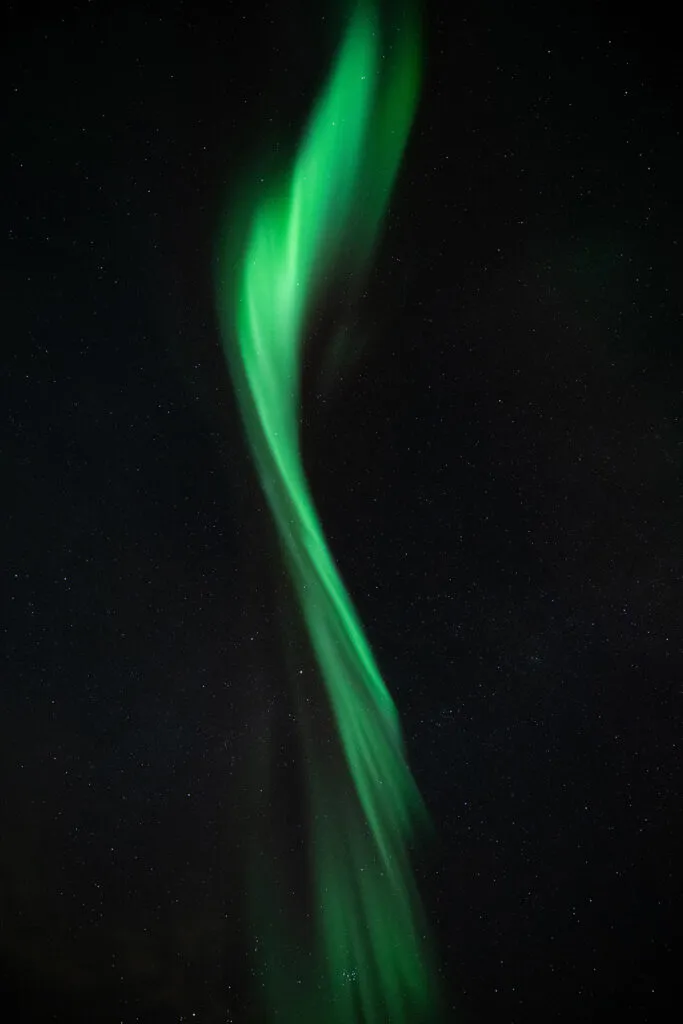
Recently, the Northern Lights have been seen further south than they’ve been in 20 years, thanks to intense geomagnetic storms. If you’ve captured either the aurora borealis or australis, you could take home this hotly contested prize.
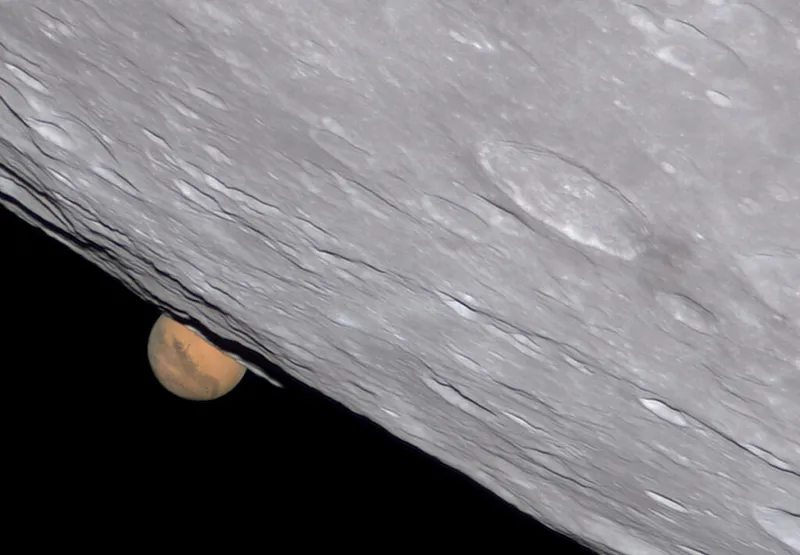
The changing face of our nearest neighbour offers no shortage of photo opportunities. Its cratered surface offers chances for close-up imaging, while its passage across the sky shows the motion of our Solar System in action.

Stargazing connects us. From our ancestors back through time, to those on the other side of the world today, we all look up at the same sky. This category explores that connection in images that juxtapose humanity with the vast Universe.

Not only did last year see the Sun rapidly heading towards the most turbulent time in its 11-year cycle, but it also included the most watched annular eclipse in recent memory. This year’s Our Sun category should be a particularly exciting one.
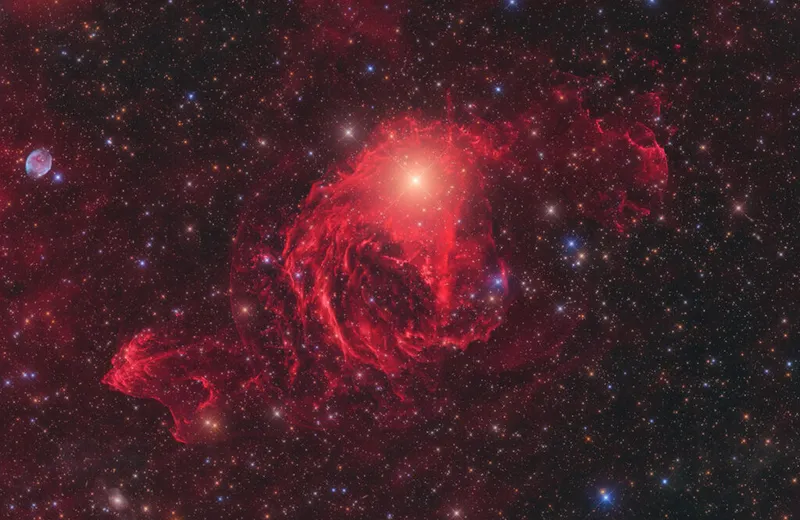
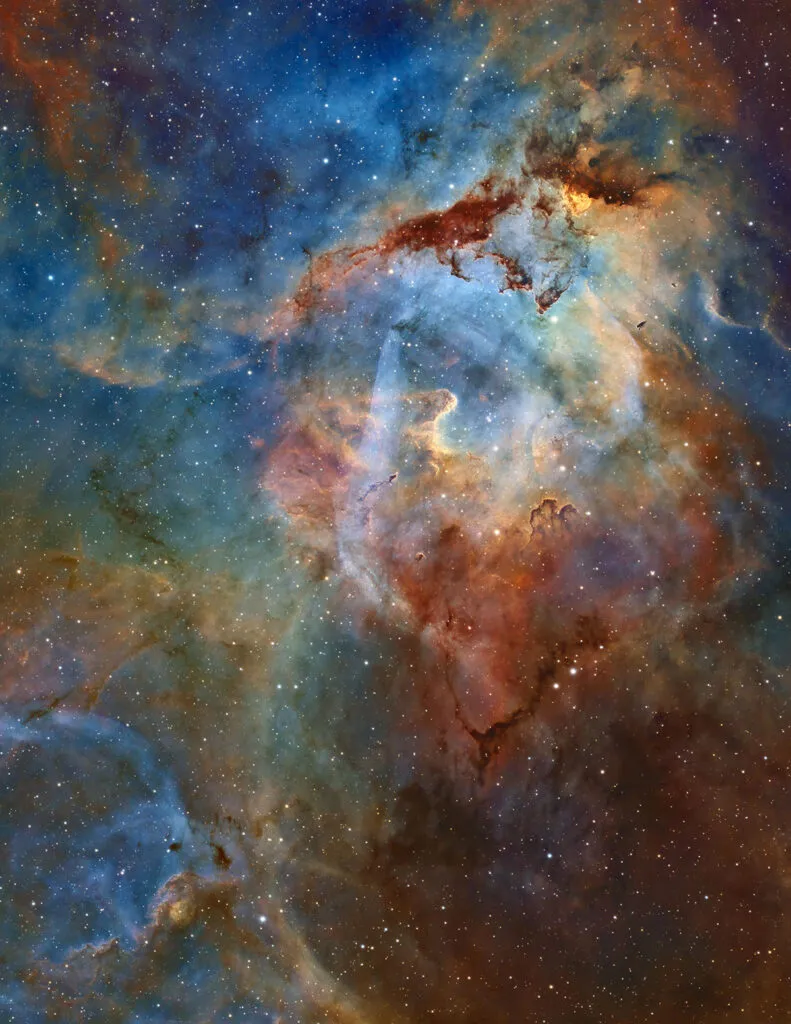
To the naked eye, stars appear little more than points of light and nebulae are faint smudges. Astrophotography transforms these objects into fantastical playgrounds of colour and intricate structure. Any image capturing them belongs here.
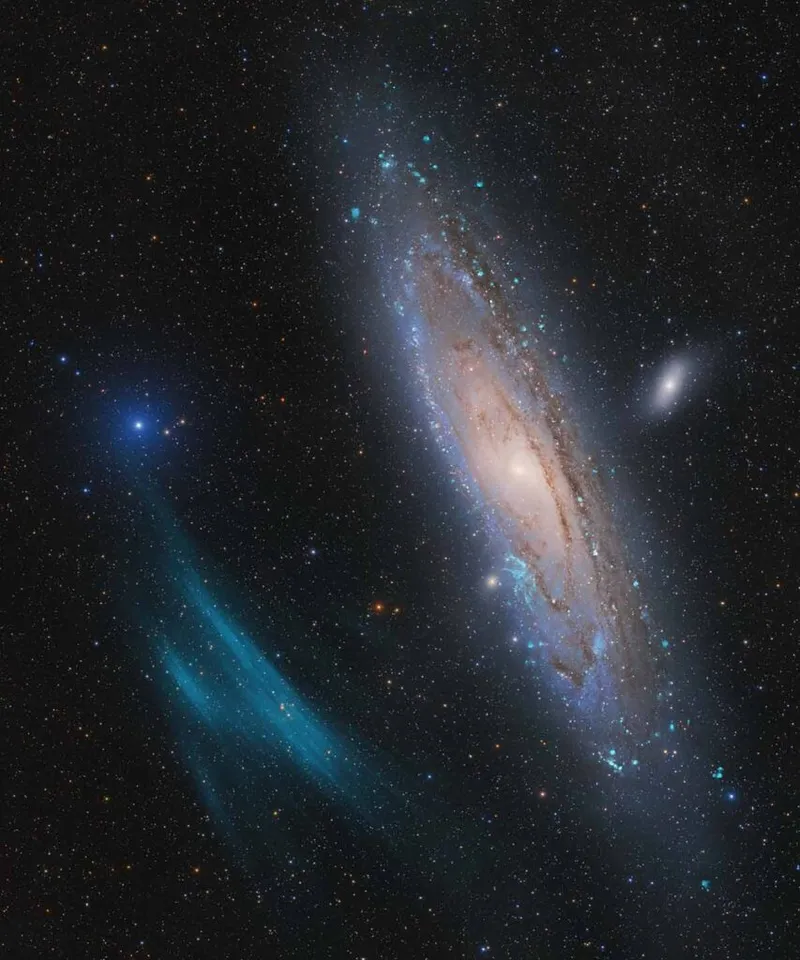
Collecting the light from these distant, vast targets is a challenge on its own, but processing them into works of art takes great skill. If your talent lies in capturing these distant cities of stars, enter your best work into this category.

Just because you’ve started astrophotography at an early age doesn’t mean your work can’t be absolutely spectacular. This special competition is open to any entrants under age 16, to showcase and encourage the great photographers of tomorrow.
You don’t need high-end equipment and years of experience to get started in astrophotography. If you’ve just started your night-sky photography journey in the last year, then this special prize gives you your chance to shine.

The night sky should be open to all, which is why many professional observatories make all their data open access. This special prize asks you to take that data and process it in a striking and innovative way.
It’s a real chance to let your imagination fly!
Competition opens: 4 January 2024
Entry closing date: 5 March 2024
Entrance fee: £10 for 10 entries
How to enter and rules: Find out more by visiting the Astronomy Photographer of the Year website
An exhibition of the winning images will be on show at the National Maritime Museum, London from
13 September 2024.
Astronomy Photographer of the Year 2024 entries are now open. Follow the competition on social media using the hashtag #APY16


When you think about the TBC camera, you think about exactly what they’re saying: to be used without end. That’s contrary to what so many other disposable-style film photography cameras are. Many of them can be used over and over again. But when we think about that statement, we envision a camera that’s super durable. Indeed, how cool would it be to have a modern point-and-shoot film camera that you could take out into the rain? That begs the question: did the small team at I Used To Dream studios really make what Kodak, Lomography, Japan Camera Hunter, and Fujifilm won’t do?
In pursuing better journalism, the Phoblographer is actively working to put our sources up front to combat misinformation and hearsay that otherwise taints the credibility of facts. Here are our sources, along with links to where you can find out more about them, and some information on why they’re considered experts in their field.
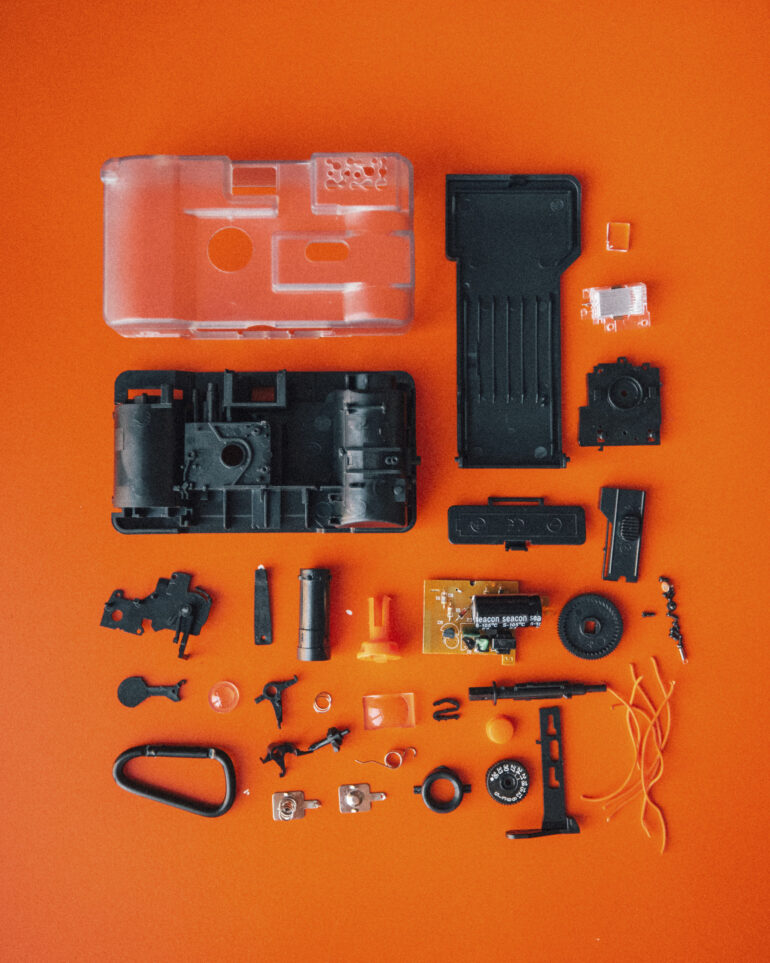
TBC began as a passion project. “Although I studied industrial design, at the time, I was a videographer and photographer,” says Joshua Cirjack, the founder of I Used to Dream Studios, who designed the camera. “I wanted to combine my two passions, and I thought it would be cool to 3D print my own unique film camera. I joined forces with a friend from university, and we would 3D print camera shells after school.” The original run ended up not being durable at all — so they switched to mold making. They had fun with it.
“We want to show people that creating your own camera is something anyone can do with a little passion and creativity.”
Joshua Cirjack
With an original run of around 400 pieces, the TBC camera is truly not a mass-market product. In fact, it’s a niche product already within a niche industry, housed within a niche market segment. By that, it’s the Russian doll effect. Few people buy dedicated cameras. Fewer people buy film cameras. And so many fewer photographers reach for point-and-shoot cameras despite their popularity amongst celebrities of all sorts. But part of why these cameras have taken off is the vibe they radiate. “We didn’t specifically draw inspiration from any specific camera. However, we knew we wanted to make it transparent,” says Joshua. “We are big fans of cameras like the Concord ClearShot and the Ricoh Mycrstal.”
But does the camera really not end? It depends on how you’re looking at it. One could think of it as a camera that can’t be broken, is incredibly durable, or has some sort of lifetime warranty. That’s apparently not the case here, though. “We haven’t officially tested the durability standards, but we appreciate your concern and will look into checking this out as soon as possible,” Joshua tells us. This immediately makes us believe that the camera isn’t designed to be insanely durable.

It’s not that it isn’t possible. Olympus in years past, made many very durable cameras that claimed to be weatherproof, waterproof, and various different kinds of resistant. Unfortunately, that’s not what we’re getting with the TBC camera. Instead, it’s more or less just a name. “When giving our camera the name, we decided to use TBC as an alternative term to a reusable film camera,” Joshua tells us. “Our camera has characteristics of a disposable, but it can be REUSED without an end. By end, we are referring to disposable cameras which are thrown out after they are used.”
It’s a misconception that cameras aren’t weather resistant — which is different language from waterproof. But even during the film era, this was possible. Photographer Barney Smith, who we interviewed, proves this with the old Nikonos V. So too does Brooks Sterling. They’re doing crazier things than most photographers would do by way of underwater film photography.
Waterproof film cameras with added durability are also possible today. The Fujifilm Quicksnap 800, which we reviewed, is the latest and most famous entry.
We can tell you from several years of the industry’s most intense weather-resistance tests that manufacturers gave the green light that weather resistance refers to how the product holds up to dust, moisture, and precipitation. And often, that requires rubber gaskets, seals, and a design that makes it very difficult for that sort of debris to get in, to begin with.
Tamron’s Marc Morris, not speaking to us on behalf of the company but as a long-time sales rep in the photo industry, shared more information with us about the durability of point-and-shoot film cameras. He talked about how it was all similar to today’s sealing processes involving rubber gaskets and all. But there was only less chance of ingress with lots of the cameras that were deemed weatherproof. “Usually, a thicker body shell was used also,” Marc tells us. “In some cases with cameras like the Stylus cameras from Olympus, they’d use the sliding doors as part of the weatherproofing because when the camera was off, the lens was covered entirely by the door.” He continued to say that any lens with a zoom had sweepers around the barrels- basically little pieces of felt that kept them clean.
“The really rugged cameras like the Canon WP-1…most of these cameras don’t have zoom lenses, “Marc states. “It’s basically like a camera within a shell…and you opened the shell to use the camera within it. It’s almost like you opened a brick to use the camera.” Still, though, Marc states that there were occasions when the screws in the cameras would get rust, but that most of the time, they all worked very well, depending on the lifespan of the seals. Despite that statement, he would love to see something like this because the seals on older cameras can deteriorate over time.
Keeping all of this in mind, the lens is a very simple design. According to Joshua, the 28mm f8 plastic lens that’s part of the TBC camera is the same as most reusable film cameras on the market. “This camera is a great starting point for people starting to get into film,” he states. “It is also great to carry around because you don’t have to worry about getting the camera damaged.” In the future, the company plans on making its own custom glass lens.
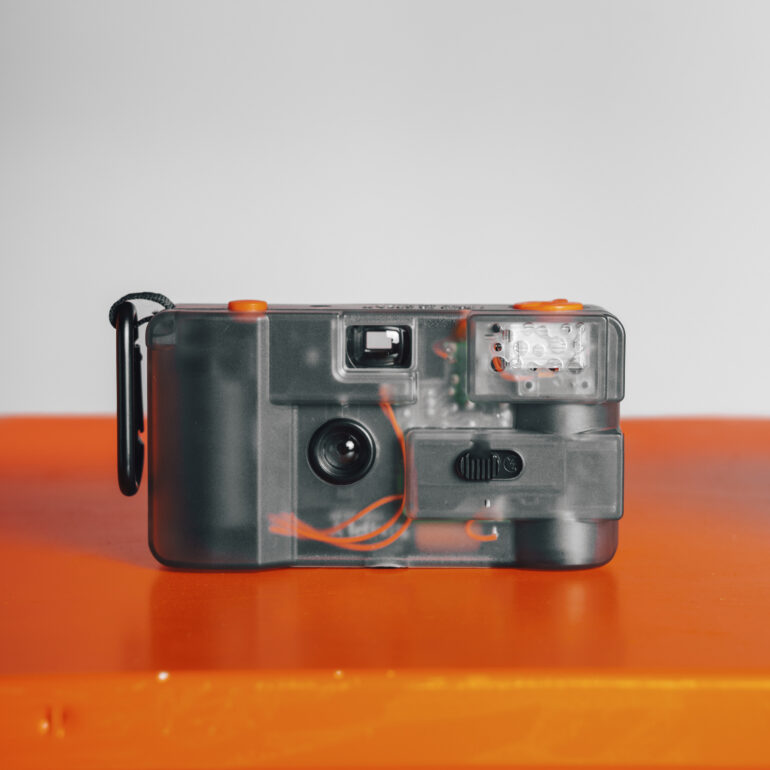
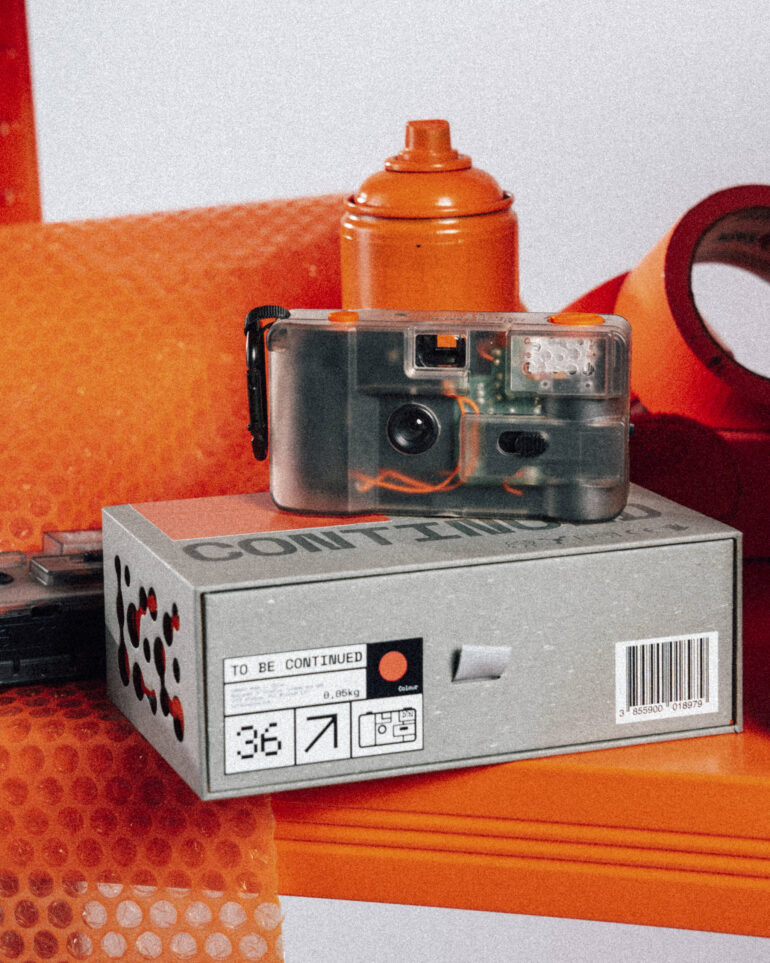
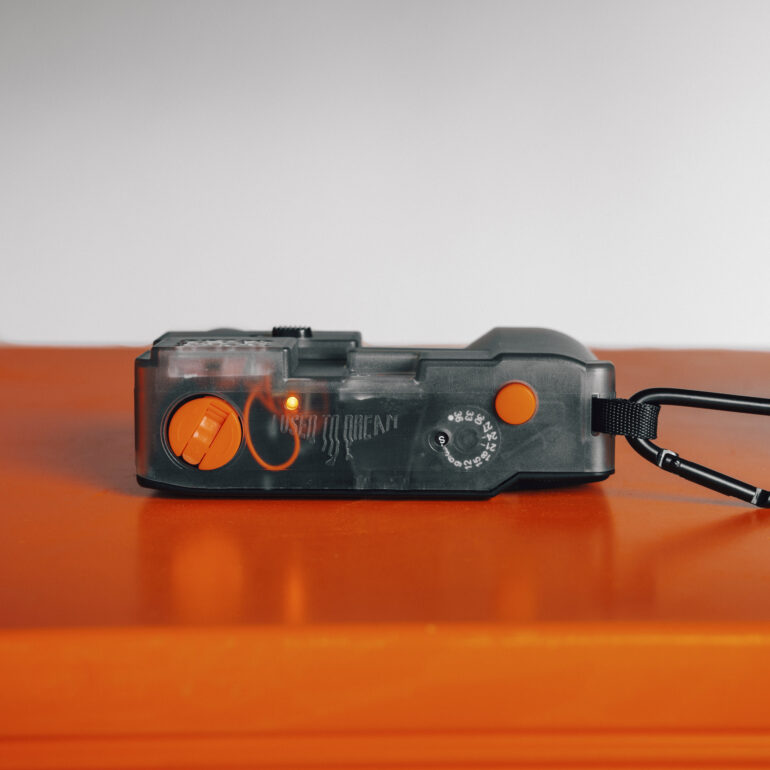
Truly, we don’t know if this camera is fully battle-tested yet or not. But by the way, Josh speaks about it, it’s easy to think that it is. However, the truth is that it hasn’t been put to the durability tests that journalists like us would do. They’re young professionals right out of college, so I’d be inclined to give them a break on this one. However, all marketing standards should be held accountable.
Will we ever see a camera that’s truly weatherproof again? I hope so.


 Photos Photography enthusiast? Know what Samsung Galaxy A15 camera offers for mobile photographers


First Published Date: 05 Jan, 10:15 IST

USI men’s basketball gets dramatic win over Tennessee …
.cls-3{fill:#fff;fill-rule:evenodd}
Officials talk State of the Community at Owensboro …

.cls-3{fill:#fff;fill-rule:evenodd}
USI Growing with the Game

.cls-3{fill:#fff;fill-rule:evenodd}
Gibson Southern v Boonville

.cls-3{fill:#fff;fill-rule:evenodd}
Thunderbolts’ dreadful season start flipped on it’s …

.cls-3{fill:#fff;fill-rule:evenodd}
USI women’s basketball stays undefeated in OVC play …

.cls-3{fill:#fff;fill-rule:evenodd}
Shoppes at New Harmony Latest

.cls-3{fill:#fff;fill-rule:evenodd}
Dubois County Drug Bust

.cls-3{fill:#fff;fill-rule:evenodd}
Kentucky Medical Marijuana Progress

.cls-3{fill:#fff;fill-rule:evenodd}
Skate for St. Jude

.cls-3{fill:#fff;fill-rule:evenodd}
OPS Superintendent Search

.cls-3{fill:#fff;fill-rule:evenodd}
Murder Suspect Files Motion to Vacate Upcoming Court …

.cls-3{fill:#fff;fill-rule:evenodd}






