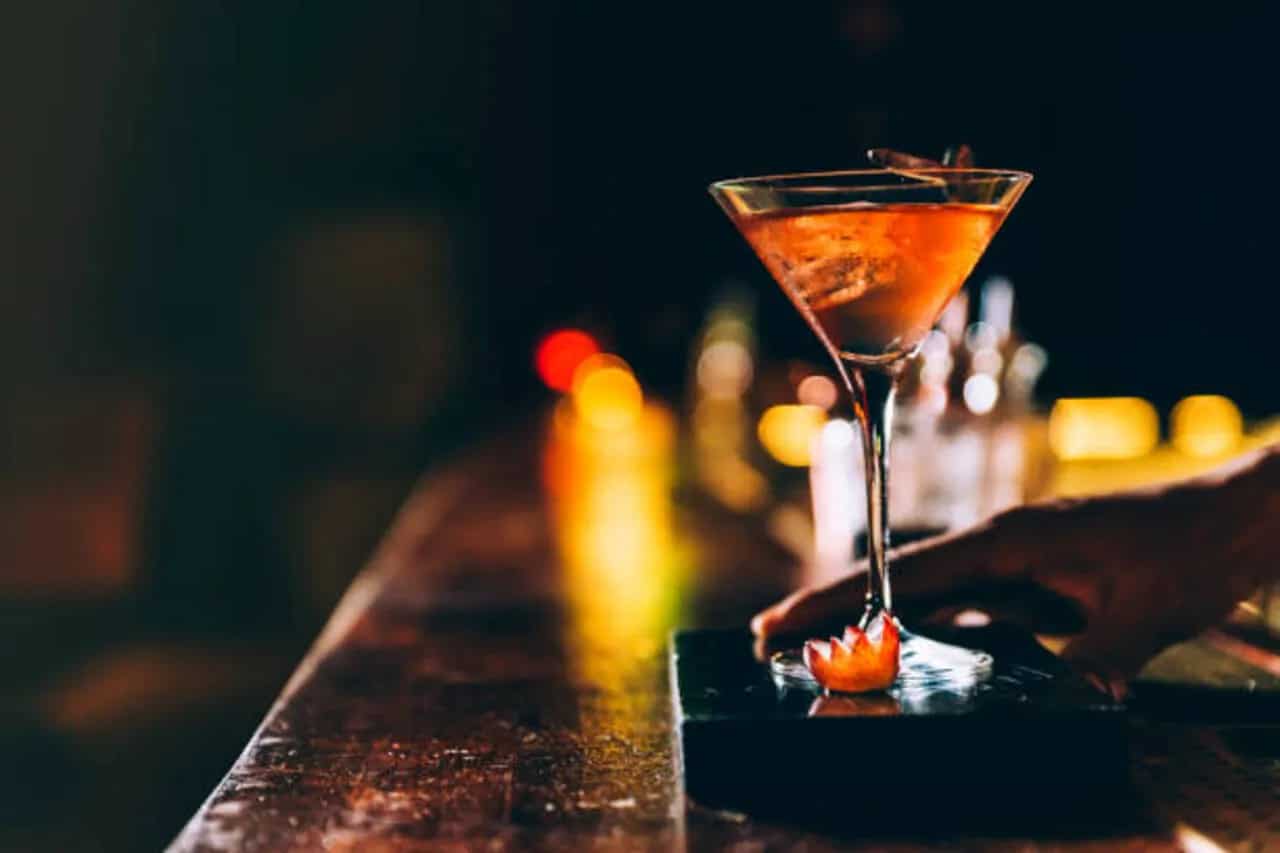
6 Incredible Tips To Master The Art Of Cocktail Photography

6 Incredible Tips To Master The Art Of Cocktail Photography
By

Yash Lakhan

Updated:Jan 22, 2024

In the era of social media, where everything needs to be aesthetic and visually pleasing, not having the right idea on how to go about your cocktail photography can be a big disappointment from the drinking experience itself. Whether you accept it or not, food or drink photography has become a commonality in many people’s lives, and if you are someone who lies behind in this, then it’s time to change that. Here are some essential tips for you to master the art of cocktail photography.
6 Incredible Tips To Master The Art Of Cocktail Photography

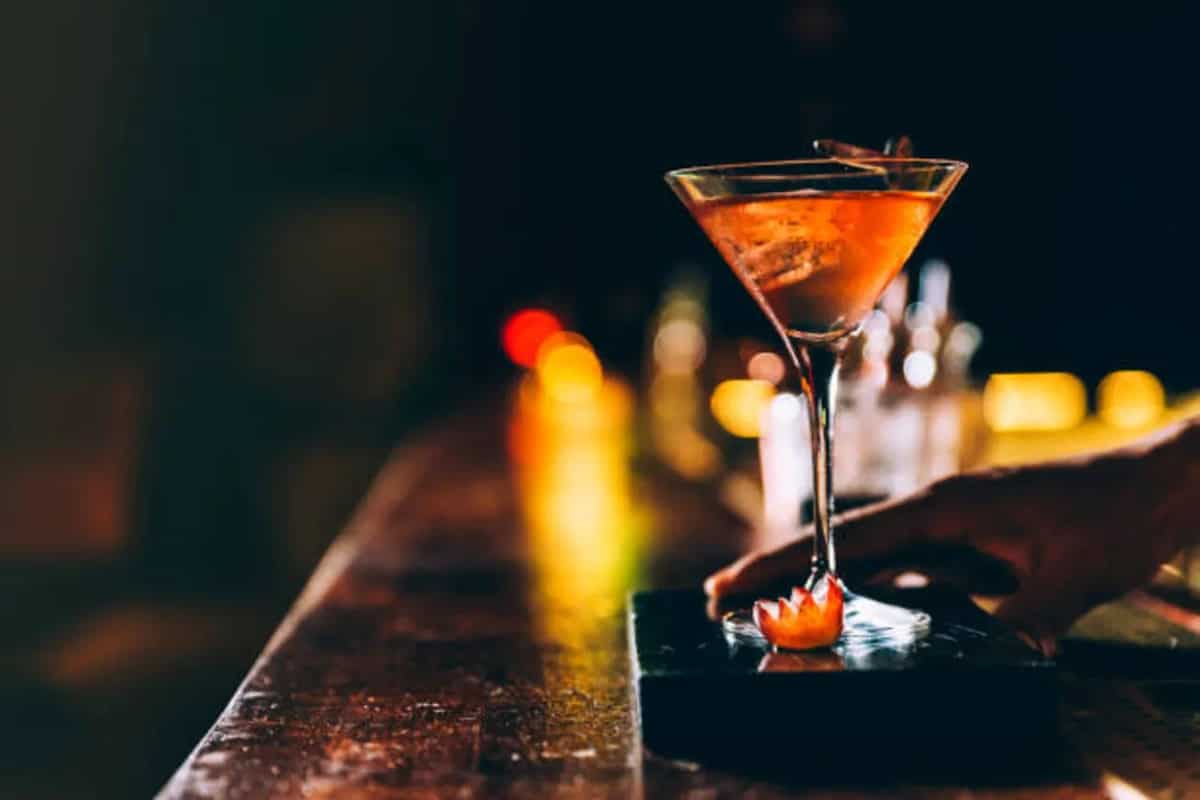
Image Credit: iStock

They are aware that creating the ideal setting requires careful attention to every little detail, including the lighting, props, and even the condensation on the glass. But there are challenges to taking pictures of drinks. So, to help you master the art of cocktail photography, here are six fantastic suggestions to help you become an expert at taking pictures of refreshing beverages, from the ideal camera angles to garnish perfection.

Pick The Right Glass

Use Natural Light

The majority of photographers will tell you that natural light works best for photographs of food and beverages. You have two options: either move your items near a window or outside on your porch or purchase pricey equipment that mimics natural light.

Layered cocktails like Rainbow Shooter, Fruit-based cocktails like Tropical Margarita, and clear cocktails like Gin and Tonic are best clicked in a natural light setting.

Keep A Neutral Background

Play With Angles

Ask any expert food photographer. Getting the money shot requires taking several photos. Food plates enjoy being clicked from above. Drinks look best when photographed from the front or at a little tilt.

An overhead shot is perfect for a Martini since it will show the clean lines of the drink whereas a long angle shot is ideal for Mint Julep so that it can emphasise the height. The low angle is perfect for cocktails that are served in tall glasses.

Invest In Fake Ice Cubes

You have to think about investing in some high-quality artificial ice cubes if you plan to pursue drink photography as a career. They are expensive and produced by a small number of companies. Starting with a few essential components saved up is a smart idea.

Ice is an extremely perishable item yet it is a necessary component for many cocktail photos. You will only have a few minutes in a hot styling room with an ice cube before it melts away and you miss the chance to get the ideal, ice-filled photo.

A set of fake ice cubes makes a really useful prop. They are an excellent tool for pre-lighting your drink photography sessions since they seem really realistic.

Garnish It Well

Consider the garnishes on the rims of your glasses as well. You can enhance the composition with additional interest and details by adding sugar or salt to your glasses.

A garnish of a long cinnamon stick and a star anise floating atop a hot toddy can enhance the look of the cocktail, a pineapple wedge and cherry for a Pina Colada, lemon slice and cherry for Tom Collins, and more.

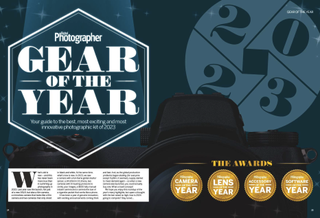
The best gear of the year revealed! Digital Photographer Magazine Issue 275 is out now

The best gear of the year revealed! Digital Photographer Magazine Issue 275 is out now

The new issue of Digital Photographer is out now!

Subscribe today to get DP delivered to your door and device.

This month we have another amazing issue for you, featuring professional tips, reviews, and practical how-to guides. Here’s a sneak peek of what’s inside!

Digital Photographer Gear of the Year 2023

Check out our GOTY 2023 feature to discover if your dream kit made our expert’s list (Image credit: Future)

It’s that time of the year once again! We’ve rounded up the very best cameras, lenses, accessories and software in our annual Gear of the Year Awards, taking a look back on the favourite products to pass through our doors in 2024. James Artaius, who put this together for us, is an expert on all things camera tech, as Editor for our sister website Digital Camera World, and he walks us through his predictions for what we can expect from the photo industry over the next 12 months. Is your next dream kit on his list?

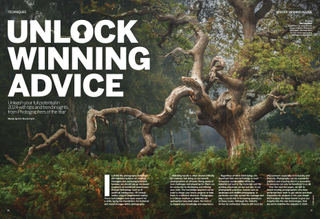
From p36 of the magazine, discover which skills you’ll need to know to succeed in your 2024 photography Image @Mik Dogherty (Image credit: Future)

After reading that, turn to our special feature on the top techniques you absolutely need to learn for maximum success in 2024. If the Gear of the Year looks to the past, this feature is set firmly with the future in mind. With help from the winners of the Photographer of the Year competition, we explore which skills and techniques are hot right now and how you can use them to stand out from the crowd in the year ahead. You don’t want to miss your chance to get the inside scoop on the styles that can help you go pro in 2024.

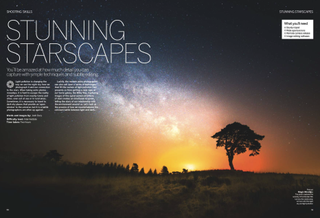
Shoot stunning starscapes

Beat light pollution to capture amazing shots of the night sky without travelling far from home (Image credit: Future)

The darkest days of the year are behind us, but there’s still plenty of time to find great images in the night sky. In our Creative Project pages this month, astrophotographer Josh Dury imparts his essential advice on finding great Astro subjects and overcoming a problem most of us will encounter sooner or later – light pollution. If you want to get started in night photography this year, Josh’s feature is the place the begin your journey.

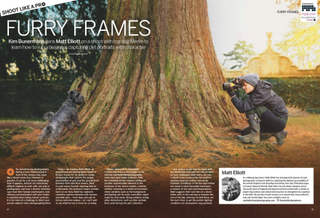
Furry frames

Join Matt Elliott on a pet photoshoot in the park to discover how to capture characterful portraits of your furry companions  (Image credit: Future)

Many families will have seen furry, four-legged additions over the festive period, so now is the perfect time to catch up with pet photographer, Matt Elliot. He joined us for our Shoot Like a Pro feature in this issue to tell Kim Bunermann all of his secrets for characterful animal portraits on a budget. Maybe it’s time to cash in on the surge in interest in pet portraits right now and kick-start a lucrative side hustle. You’ll need to read this first! 

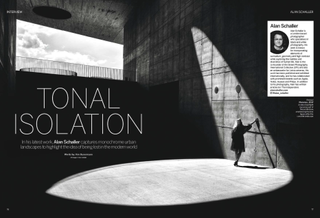
Alan Schaller: monochrome magic

While you’re here, don’t miss our interview with internationally recognised black and white photographer, Alan Schaller. He’ll be explaining his journey in photography and what it’s like to use a Leica! (Image credit: Future)

Get your copy of DP Issue 275 today!

Get a digital copy instantly on your digital device

Where to find Digital Photographer

Plus we’ve got the usual tutorials, interviews, insight and opinion, from a range of experienced pro photographers from across the industry. 

Don’t miss out on all of this essential professional-level advice. Get your copy of Digital Photographer now. 

Why not Subscribe for a print copy or you can read us on your mobile device with a digital subscription. 

You can get your copy of Digital Photographer in stores – but if you can’t get out, then order a copy direct from us, either in print or digital form.

For printed back issues go to Magazines Direct

For digital editions of the magazine, you have a variety of options available:

(for iPhone and iPad)

(multi-platform app for Android and other devices)

Zinio app (multi-platform app for desktop and smartphone)

Readly (all-you-can-eat digital magazine subscription service)

Connect with us

Find us on Facebook and Twitter and subscribe to Digital Photographer, to ensure you never miss an issue!

Digital Photographer on Facebook 

Digital Photographer on Instagram

Digital Photographer on Twitter

Read more:

Essential exposure technique: settings for seamless backgrounds

Photo therapy: the art of patience – why it’s worth waiting!

Adapt and conquer! Learn to use lens adaptors the right way

Lighthouse photography: learn to compose images of very tall subjects

A look at the 80’s generation in Romanian photographer Andrei Bîrsan’s latest exhibition

A look at the 80’s generation in Romanian photographer Andrei Bîrsan’s latest exhibition

Andrei Bîrsan’s latest photo exhibition spotlights the generation of the 1980s, captured in sometimes lesser-known contexts while highlighting the attempt to live as normally as possible despite the hardships of the Communist period.

Andrei Bîrsan has always enjoyed taking photos. Carrying his camera with him almost everywhere, he amassed a vast collection of photographs depicting the transformation of Bucharest through the years and its people. He is known as a visual chronicler of the city, having started the association Bucureștiul meu drag (My Dear Bucharest), with a popular Facebook page and platform of the same name where photos captured in time by Bîrsan and others make up a ‘family album’ and visual archive of the city. He also founded the Center for Visual Memory, an initiative for anyone looking to get to know, visit or contribute to developing the city’s visual story.

At the same time, he has always been interested in photographing people. “My photos of the city have people in them. Most of them feature people,” he explains. This was a selection criterion for the photos included in the recently-opened exhibition The ‘80s Generation: A Photographic Journey. The images had to depict people to be included, in seldom photographed places and contexts.

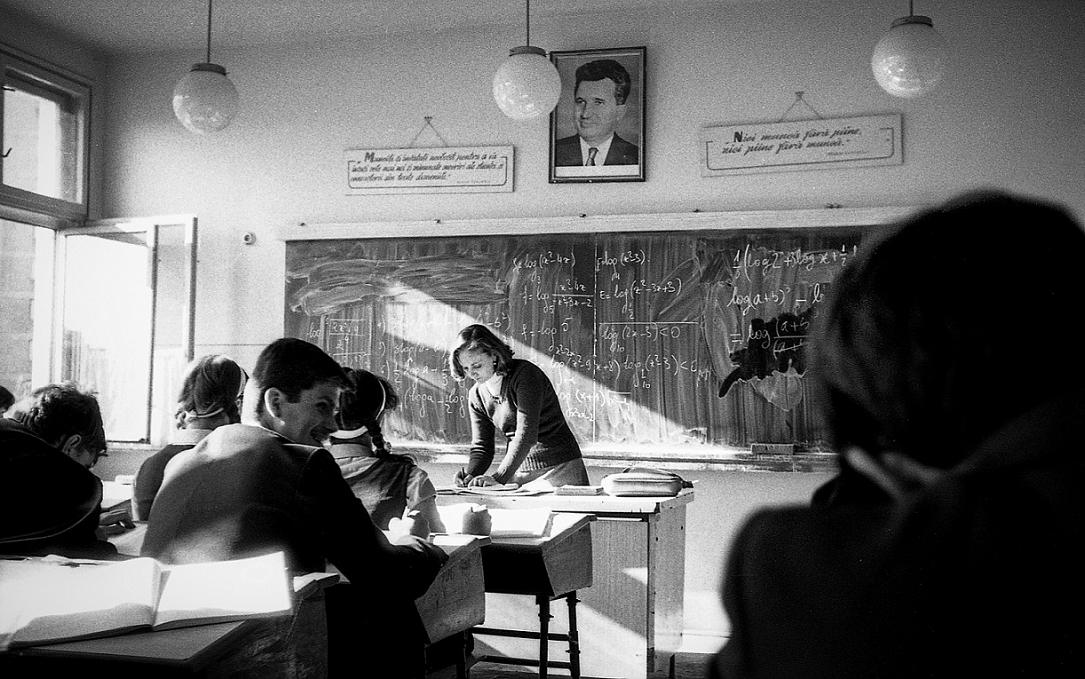
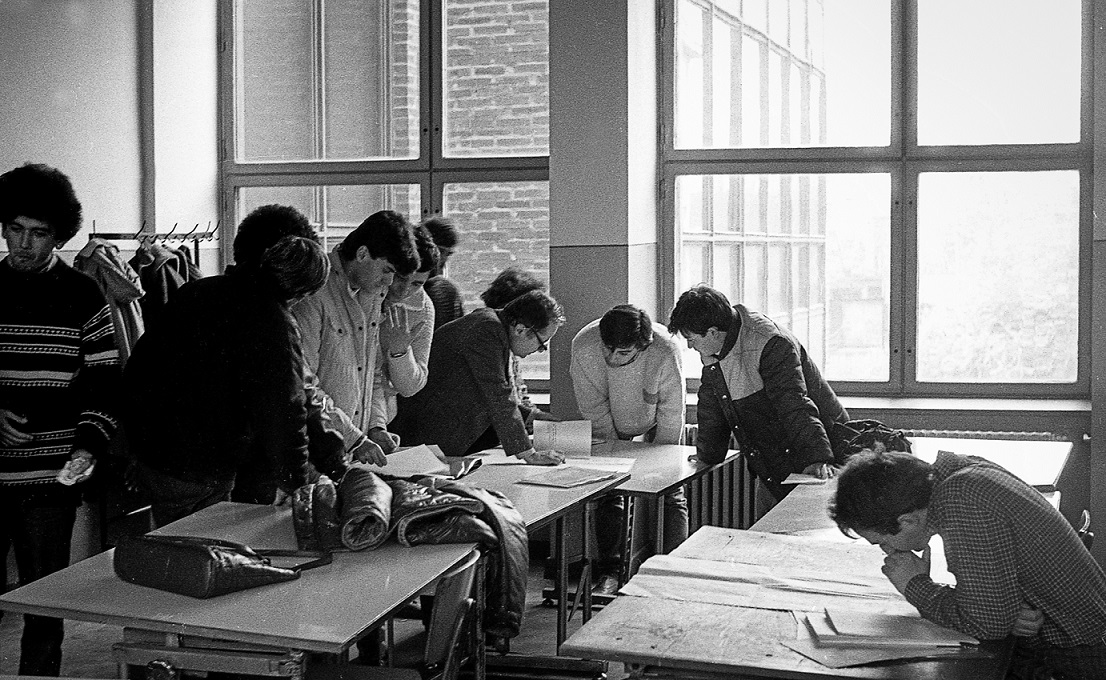
The photos show scenes happening in high school or university throughout the decade of the 1980s: students playing liniuța – a game where players through coins against the wall, and the one who hits closest is the winner, attending sessions of PTAP – the Communist-era program designed to prepare the youth to defend the country, or harvesting potatoes, another part of Romania’s educational reality at the time as middle school pupils, high schoolers and university students were expected to perform various agricultural labours in a show of patriotism. The “voluntary” practice students had to do sometimes entailed cleaning up the streets from snow, a work where teachers joined in too, as captured in another photo in the exhibition.

His colleagues, whom he remembers fondly, didn’t mind being photographed, he recalls. It was the teachers he had to be careful about, but even they are characters in some of the images. He attributes part of the relative ease with which he could take the photos to the small size of the camera, a basic Smena model. “They probably thought nothing would come out,” he says.

This wasn’t the case when taking photos of the city, in areas where buildings were being demolished as Nicolae Ceaușescu’s urban redevelopment frenzy had reached peak levels. He had his camera confiscated twice while taking photos around the site of Casa Poporului, the current Parliament Palace, and another time at the District 3 Tribunal, close to Sfânta Vineri Church. “These were areas where demolition works were taking place, so it was, in a way, predictable,” he explains. Having his camera confiscated was when he understood “the city needed to be photographed as a form of memory because it was changing.” “I realized I could do something to show how it looked.”

.

The 80s generation

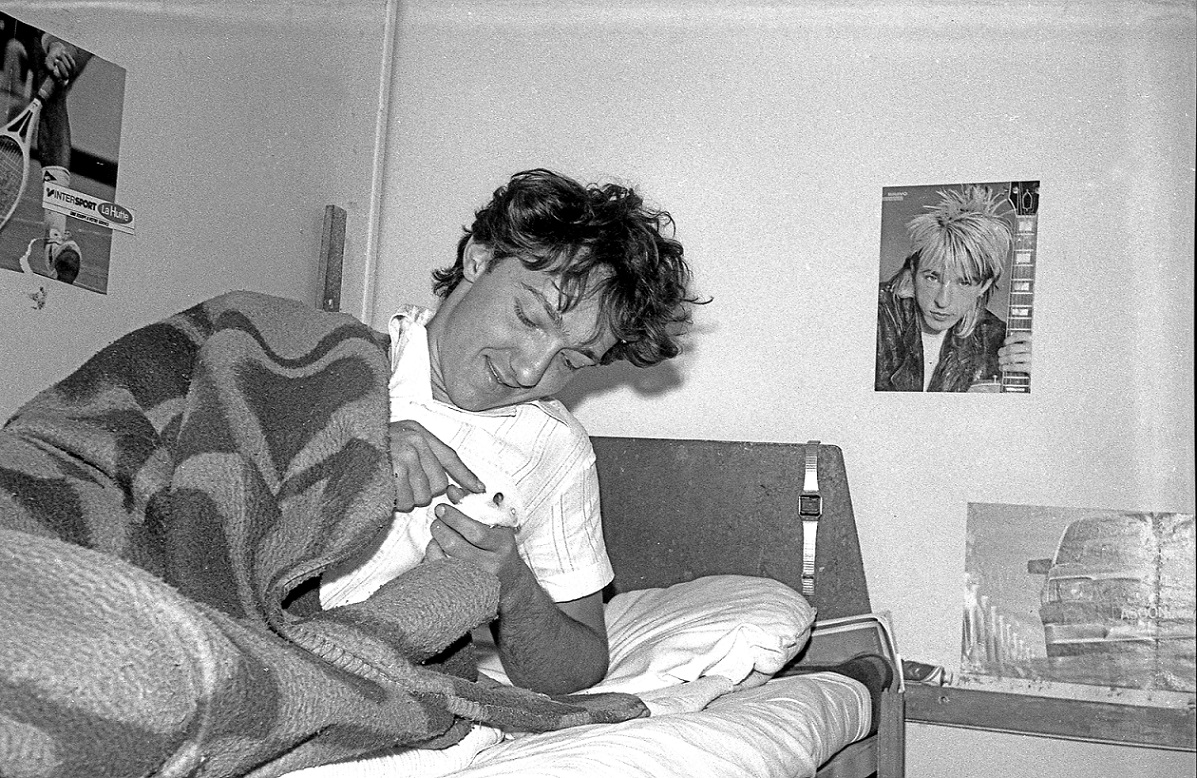
It’s the colleagues and teachers that are the main characters in the photos: Tomi, happy to have passed an exam; diriga, the classroom’s coordinating tutor; or the colleagues out doing agricultural practice. They are part of a positive side of the 1980s, a period of “youth and lack of worries.” “Parents helped us not to have any worries.” Although he doesn’t recall enduring hunger, he does remember the cold. “The cold was terrible.” As Nicolae Ceaușescu decided the country had to repay its foreign debt, a period of dire shortages followed, with food, gas, and energy rationalized.

As the pressure of cooking gas was very low, dinner would happen very late in the evenings because the food took longer to cook, and sleeping with extra layers of clothes on was the norm for many. It wasn’t just homes that were cold. He remembers taking his wife, Mihaela, to the cinema, where the film’s main character ends up freezing to death, while the couple endures very low temperatures in the cinema hall as well.

Befittingly, the exhibition is on display at Undeva în Comunism, a museum that opened last summer in Bucharest’s Old Town. The museum invites the public to discover how Romanians lived during the Communist period and explore key moments of the period in a setup dotted with items that could be found in many Romanian homes at the time.

The photographer is clear about the difference between the nostalgic look to a time of youth and Romania of the Communist 1980s, a period of severe deprivation. “We were trying to be normal. There’s no need to be nostalgic about that time; it’s absurd. It’s the nostalgia about the youth, about some beautiful moments.” One of those moments: watching pirated movies on a rented VCR in the university dormitory. “We watched five-six films in one night. Some of the tapes had been recorded over so many times that you could barely distinguish anything,” he recalls.

.

He is currently working on an album of photos he took in the 1990s in the mountains, where he would go every summer while at university. Another work in progress is an album covering the period between 2000 and up to and including 2007, when Romania joined the European Union, a moment he describes as fantastic. “There’s a huge difference between 2005-2007, when the Dacia Logan appeared, and the previous period. The entire city changed. Romania changed completely, for the better.”

“If you look at the photos I took over time, I captured ‘the nothing’. They are banal. They became interesting with the passing of time, valuable, but they are banal,” he says, rejecting labels of praise.

Meanwhile, he hopes those who visit the exhibition will “find themselves in the photos” and the various situations they show.

The exhibition is open until February 20th at the museum Undeva în Comunism, in Bucharest’s Old Town (6 Covaci St). Access to the exhibition is based on the museum ticket.

A selection of photos by Andrei Bîrsan is available at Bucurestiulmeudrag.ro. He has published several photo albums, including Iubita mea Mihaela (2021), the winner of the Antalis Awards 2020 jury prize, Trecut-au anii. Bucurestiul de ieri si de azi (2019), and Frumusetea revine pe Lipscani? Is Beauty Coming Back on Lipscani (2017). Among his solo exhibitions were ones dedicated to the 1980s, Vama Veche, and Bucharest. His photos of Bucharest were also included in ‘then and now’ exhibitions, more recently in an outdoor display at the Museum of the City of Bucharest (Suțu Palace) in September 2023.

(All photos courtesy of Andrei Bîrsan)

simona@romania-insider.com

‘A first in the field of photography’: New York’s ICP celebrates 50 years

‘A first in the field of photography’: New York’s ICP celebrates 50 years

The International Center of Photography (ICP) in New York was founded 50 years ago by Cornell Capa, brother of the revered photojournalist Robert Capa. Cornell Capa founded the ICP to champion “concerned photography”—a term he used to describe a form of socially and politically minded imagery created to provoke positive change in the world at large. Its first holdings came from works donated by his brother. The earliest remnants of that collection are now about to be taken out of the archives, dusted off and exhibited to mark this half-century of existence.

“Cornell Capa envisioned a first in the field of photography,” says the ICP director David E. Little. The institution, he says, was conceived to be a place where “discussions about concerned photography would take place”. Nowhere else, back then, was discussing the medium in such a way.

The Manhattan institution is one of the world’s leading spaces for exhibiting and teaching photography and other image-based practices, serving over 3,000 students each year. It has become synonymous with the roving art world locales of Manhattan, with its first long stint on the Upper East Side, then at a Midtown space, before relocating in 2016 to the Lower East Side, first in a building on the Bowery and then in a large space in the Essex Crossing development in January 2020.

This year, the institution will host a series of exhibitions reflecting on its half century of advocacy for this sometimes contested artistic medium. The first of these shows, ICP at 50, will provide “a thematic exploration of the many photographic processes that comprise the medium’s history”, according to the organisers. The exhibition will “show the depth and breadth of the ICP holdings”, an archive that “celebrates photography’s evolution from the 19th century to the present”, Little says. It will “also present the work of contemporary artists who influence our understanding of photo-based art today and its future potential,” he adds.

Among the standout works will be prints by Gerda Taro, a German photographer who, like Robert Capa, documented the Spanish Civil War. Taro is remembered as the first woman photojournalist to have died covering the frontline in a war but she does not enjoy the same reverence as Capa.

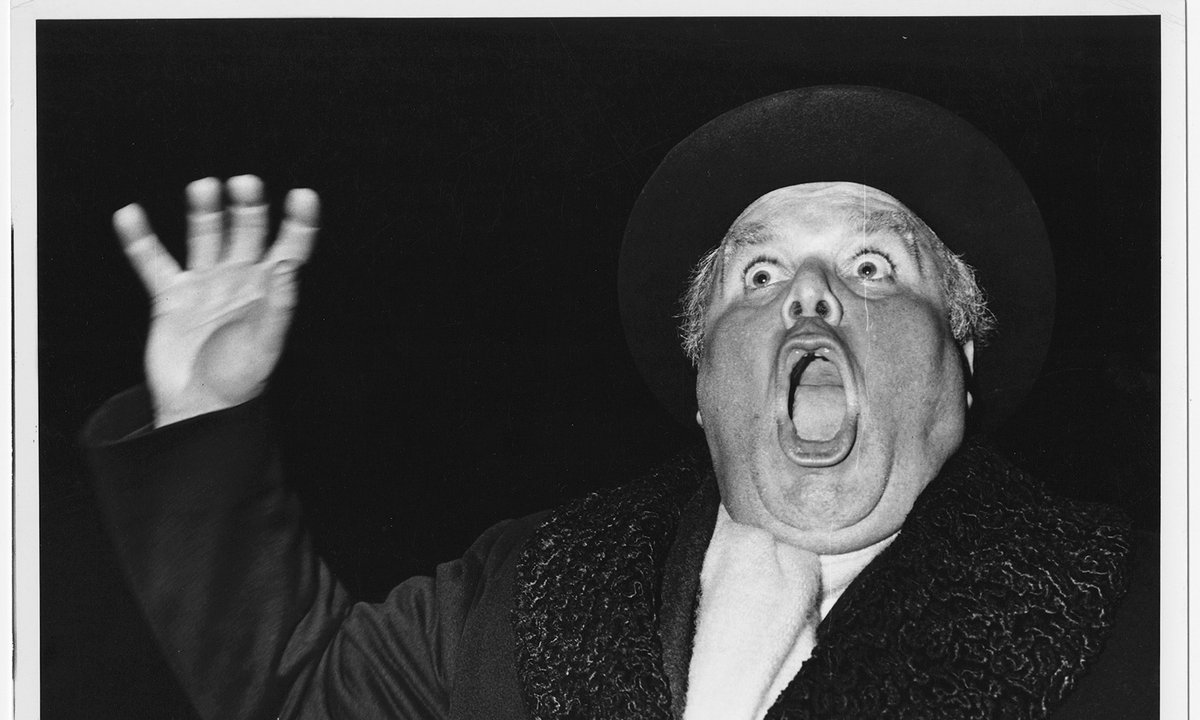
Another highlight will be the work of Weegee, a macabre Ukrainian-born New Yorker who would spend his day working as a press photographer, before, in the evenings, tuning into police radio frequencies so as to arrive first on murder scenes, urban tragedies and apartment fires.

In recent years, the ICP has tried to develop a collection that reflects how artists use photography today. Photography was the medium of a vanguard of radical, Black women artists such as Carrie Mae Weems and Lorna Simpson whose experiments in montage, forgotten archives and performance have become influential to today’s contemporary practitioners such as the Californian artist Paul Mpagi Sepuya, whose work is also on show.

Others in the exhibition include Guanyu Xu, who was born in Beijing and is now a lecturer at the University of Illinois. His work speaks of the banal plethora of images that fill our lives, from the camera roll and death scroll on our mobile phones to the CCTV cameras on the corner of every street. It hints at photography’s relentless infiltration into the centre of our beings, and perhaps also the basic impossibility of assimilating its meaning now, tomorrow or in another 50 years’ time.

Complementing ICP at 50 will be the first ever survey of personal work by David Seidner, spanning the 1970s to the late 1990s. Seidner was a well-known New York fashion photographer for Vogue, Harper’s Bazaar and Vanity Fair. His commercial work was admired and became part of the fashion mainstream, but the experimental imagery he took when moonlighting as a fine art photographer was largely ignored. Seidner took hallucinatory and expressionist portraits of friends and associates from the New York art world which, increasingly, meditated on the unfolding Aids crisis—the disease that eventually took his life in 1999. Much of Seidner’s personal work has never been displayed before, but, viewed today, reveals how multifaceted, adaptable and inchoate the camera can be.

ICP at 50 and David Seidner: Fragments, 1977-99, International Center of Photography, New York, 26 January-6 May

How a Government Failed Photographers in Spain

How a Government Failed Photographers in Spain

In an effort to boost their already outsized Tourism Industry, La Junta de Andalucía —the body governing over all the Andalusian region in Spain— has decided to sponsor a photography project aimed to capture the essence of Andalusia’s cultural, ethnographic and architectonic riches. For this project, they’ve decided to hire ten renowned photographers to show the best of my home region to the world, in an effort to convince other photographers to come by and enjoy the possibilities the region offers.

And this is where the fun begins, because none of those ten photographers are Andalusian or even Spanish. None of them have grown surrounded by those possibilities, that beauty, that culture. We’ve got Alex Strohl, from France. We have Jason Kummerfeldt, Mitchell Kanashkevich, Nick Carver, and Taylor Pendleton, from the United States. Lizzie Pierce, from Canada. Robin Schimko, from Germany, and Luke Stackpoole, Mike Chudley, and Thomas Heaton from the U.K.

Why Does Their Nationality Matter? Photography is Universal!

Not so long ago, we were praising —with reason to do so— the World Press Photo Awards and their regional model. As you may recall, this model was aimed to improve the visibility and prestige of less-represented areas of the world.

This popularity contest is the exact opposite, and a complete unfairness to the region it aims to represent. I’ve seen many, many good photographers —among them, Iris Muñoz or myself— emigrate from Andalusia because the chances of earning a living through photography were incredibly scant.

Why do I call it popularity contest? I’ll let you judge through this direct translation from the official announcement.

This action is intended to increase the region’s visibility and reach, for which we have selected artists for their technical skill and the attractiveness of their online channels so we can get to a diverse and connected audience.

The short note goes on to explain how, through their accumulated four million Instagram followers, this will make Andalusia even more attractive to tourists.

In a way, I understand the decision. International photographers means international followers interested in visiting the area, which saves money on advertising; why go to the effort of helping a local achieve recognition when we can choose the easier path? Note that this is a rhetorical question.

A Different Vision

As I’ve experienced time and again, one of the things outsiders bring is freshness. They aren’t used to their surroundings; they didn’t grow up in the local culture, and that gives them a different way to see the region. Most of the time, there’s no one like an outsider to find beauty and magic in what locals are accustomed to.

At the same time, there’s no one like a local photographer, deeply enmeshed in culture and traditions, to bring out the true essence of what’s around them.

So, where’s the tipping point? Who should get a chance to represent the region?

Choosing Local

As someone who travels everywhere with her camera, I can’t hold any kind of grudge towards international photographers. It would be hypocritical of me. Everyone should be allowed to travel and picture reality as seen through their eyes, ideas and preconceptions.

In fact, there’s a long list of places I would like to visit with my camera in hand, both in Europe and outside of it.

What I —and a whole community of photographers born or living in Andalusia— disagree with, is the fact that these photographers are being brought here on a giant amount of taxpayer money that could be used to revitalize the local talent pool.

As photographer Oscar Romero says, “While neither the quality of their work or the fact that this is not a personal struggle are debatable, I don’t think this is a shame because they didn’t hire me as a photographer. It’s a shame because there are a number of amazing professionals in Andalusia who could’ve done a job as good as them”.

In the end, it’s all about encouraging and supporting the industry within your own community, the talent struggling to be known and heard of. And we can’t do that by spending millions on Instagram Influencers.

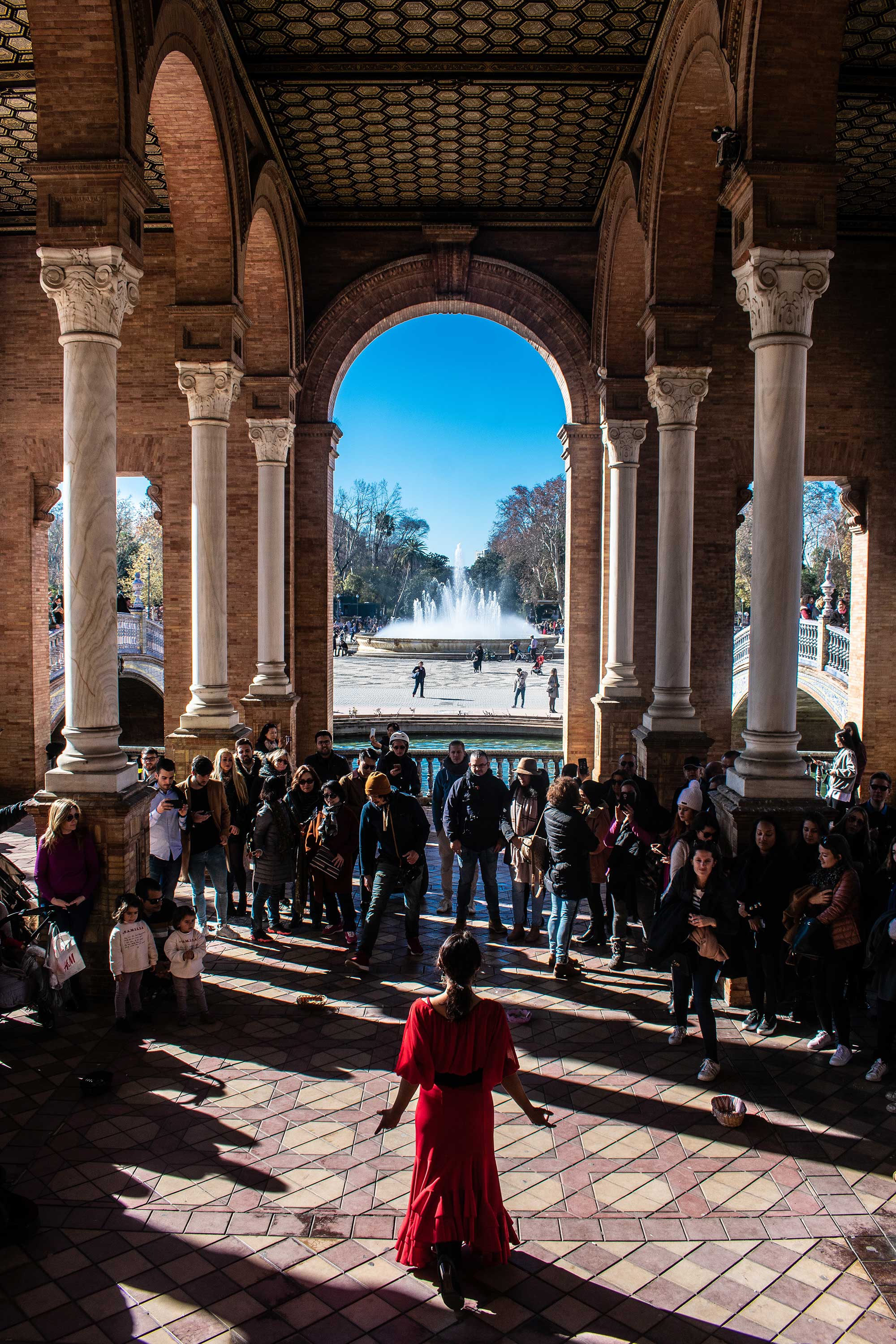
Picture by Lara Carretero, the author.

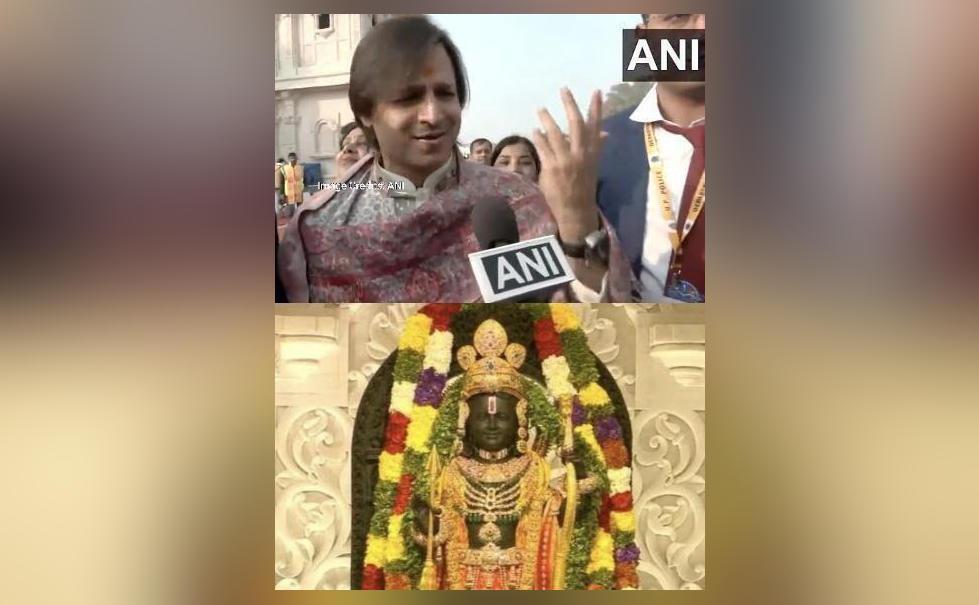
I feel Lord Ram came within the sculpture, it’s so good: Vivek

I feel Lord Ram came within the sculpture, it’s so good: Vivek
actor vivek oberoi after the consecration ceremony of the ram temple said lord ram made him feel very quotemotionalquot quothis ram lalla form is beautiful the sculpting is so good i feel that lord ram actually came within the sculpturequot he said he further said that he sought blessings for his entire family

Marketing and Sponsorship: The PBR’s Dr. Dirt, Randy Spraggins, makes an art form of trucking and spreading just the right soil

Marketing and Sponsorship: The PBR’s Dr. Dirt, Randy Spraggins, makes an art form of trucking and spreading just the right soil

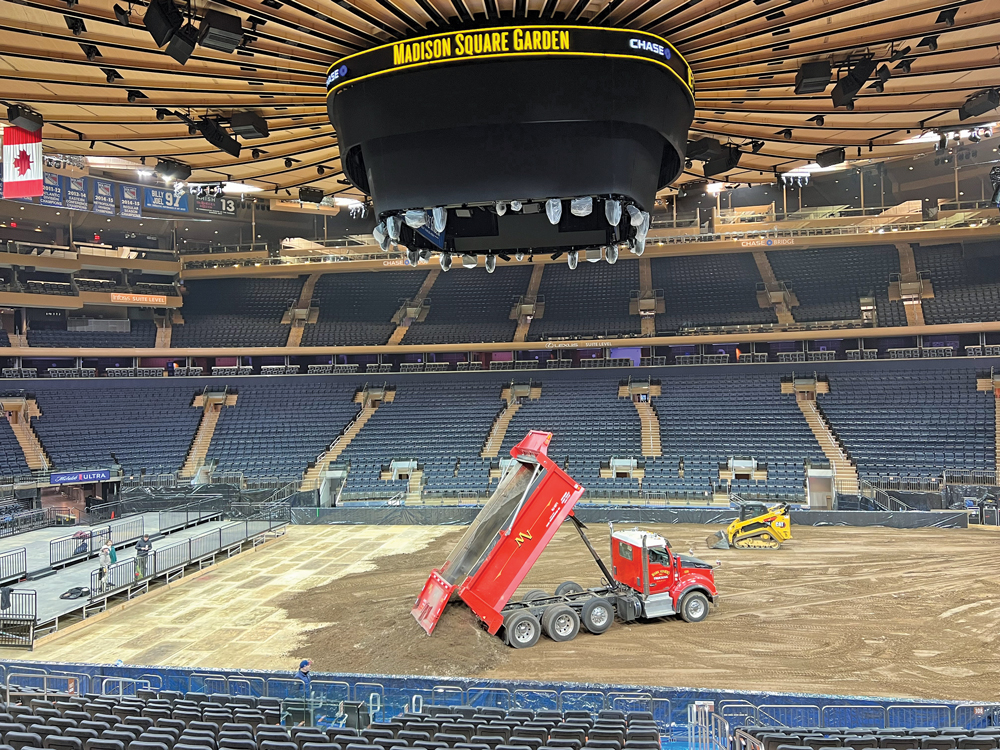
Getting an arena ready for a PBR event is dirty work, from selecting the right soil and transporting it to spreading the surface at the venue.Terry Lefton

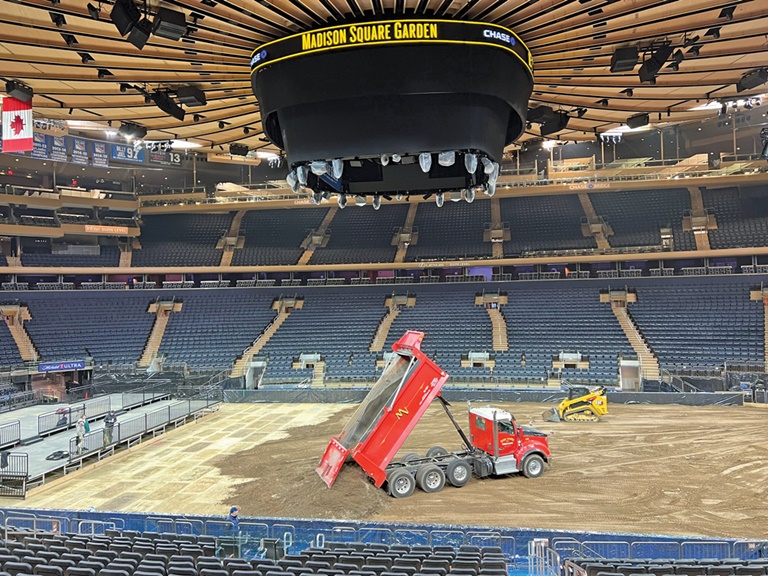
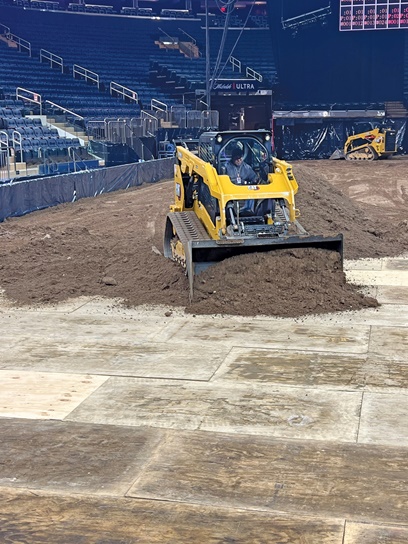
Most action on the floor of Madison Square Garden happens after dark. But on a recent frigid Manhattan morning on that same floor, it was just 8:30 and Randy Spraggins was already hours late — and a bit stressed. He wanted to get 750 tons of dirt onto the MSG floor by 6 a.m.; instead, it was just beginning to be spread around by a series of oversized dump trucks and front-end loaders.

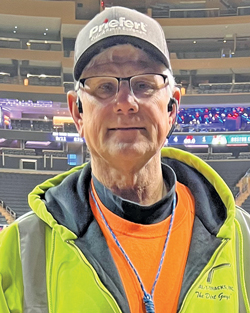
For all of the Professonal Bull Riders’ 30-plus years, Spraggins, who describes himself as a lifelong cowboy, has been the circuit’s doyen of dirt, trucking and installing the surfaces on which PBR riders perform in and out of venues across the country. His company, Special-T-Tracks, has assembled dirt floors for events at locations as diverse as the deck of an aircraft carrier and in the middle of Times Square.  

This day, however, his focus is on MSG, which, like Manhattan, is uniquely difficult to navigate. Spraggins’ dozen or so trucks have to make the 13-mile trip to and from Lyndhurst, N.J., where the dirt is located and processed, and then drive those same trucks, each loaded with 20 tons of soil, from MSG street level to the arena floor on five. Getting all that dirt up and down those ramps takes three to four hours alone.  

Spraggins

It’s the PBR’s 17th visit to MSG. Still, Spraggins, who caught the dirt bug early, as the son of a heavy construction equipment salesman, calls MSG “more logistically challenging than almost any. Most of our heavy lifting is at nighttime in the cloak of darkness.” Not so this day, but dirt is starting to be dumped underneath the MSG scoreboard.  

Adding to the pressure constraints: A Rangers game the night before and another scheduled for the day after the Monster Energy Buck Off ends on Sunday.  

It’s quite a jigsaw puzzle. On top of the Rangers’ home ice, there’s a layer of plastic and fiberglass, followed by a plywood floor generally customized for each venue. On top of that, heavy equipment is starting to dump and spread what will be 12 inches of a sandy soil mix. On top of that, there’s 12 semis that hold lighting and audio, and pens for the bulls. 

“It’s gotten more complex, since we’re doing our own lighting and audio,” said Luke Kaufman, director of live events, a 13-year veteran of the tour. “Concerts like Billy Joel or Phish, they get to set up on a solid base. We build on top of dirt.” 

After the event, all that soil must be removed, cleaned of any bull, er … debris, and trucked back to Lyndhurst. So essentially, those 750 tons of dirt, eventually spread across the MSG floor, are rented for the weekend. That’s not always the case. There are tour stops where the PBR keeps its own topsoil nearby, including Houston and Las Vegas. The ideal dirt for PBR? Spraggins addresses that issue with the ardor of a vintner debating the climate’s impact on wine grapes. 

Terry Lefton

“What makes the perfect ground to buck on is particle size and a certain amount of clay mix,” he said. “Sand makes it workable; you don’t want it too hard or too soft.  

“You want them to be able to get a good foothold but also safe once they get bucked off, it can’t be a concrete-hard floor. They come off with some force, so you don’t want it rock hard, but still firm, you don’t want to break them either.”

Quality dirt varies by region. Kaufman says access to the best soil is getting more difficult every year, and dreams about holding every event on the Fort Worth topsoil, on which the PBR held last year’s Finals.

“You want it to pack well,” he said, as the MSG floor was now fully covered by dirt. “It should pack well, still be soft on top and then it’s about how you groom and finesse the surface. Whatever it is, I know Randy will get it in and out in time. He’s just the best in the world when it comes to laying dirt.”

Terry Lefton can be reached at tlefton@sportsbusinessjournal.com

Welbeck jumps for Mankowitz’s collection of Rolling Stones photographs

Welbeck jumps for Mankowitz’s collection of Rolling Stones photographs

Headline’s Welbeck imprint will publish The Rolling Stones Rare and Unseen, a collection of photographer Gered Mankowitz’s images of the band, including shots that have never been published before. 

Rolling Stones guitarist Keith Richards has contributed a foreword for the book, and former Stones manager Andrew Loog Oldham has written an afterword. 

Publishing director Joe Cottington acquired world all-language rights from Carrie Kania at Iconic Images. The Rolling Stones Rare and Unseen will be published on 28th March 2024 in hardback, and e-book to coincide with the start of the band’s major US tour. 

Mankowitz was first introduced to the Rolling Stones in 1964 and quickly struck up a personal and professional relationship with them, “capturing the band’s ascent to rock ‘n’ roll superstardom through the lens of his camera”, the publisher said.  

“Now, Mankowitz opens his archive to share rare, long-lost and newly recovered photographs of his time with the Stones, alongside his most iconic shots”. The images include record cover shoots and recording studio sessions, wild weeks on tour and the band relaxing at home. 

The book also features Mankowitz’s personal anecdotes, as well as essays including writer Will Hodgkinson, author Peter York and the New York Times’ Ben Sisario. 

Cottington said: “I have long been a huge fan of Gered’s photography and am very happy to be working with him to publish a book that should be essential reading for all fans of the Stones. 

“Gered had a backstage pass to music history – he was standing with the band as they took the world by storm – and it’s been a special joy to uncover his breathtaking images from that time, some of which have sat in his archive for the better part of 60 years. With the band releasing a new album and back on the road, it feels like the time is right to shine a light on these forgotten photographs and finally give them the attention they deserve.” 

Mankowitz said: “To be honest, the thought of going through hundreds of sheets of my Rolling Stones archive didn’t excite me much when the idea for this project first came about. However, I couldn’t pretend that I hadn’t noticed on occasion the shot next to the famous one and wondered if it wasn’t just as good – or even a little better. So, I began to go through the material, pulling out sheets of previously dismissed work that had been rejected – not, truth be told, after due consideration, but purely because we had previously selected an image from that roll, that venue, that moment. It was those initially chosen images that stuck and which were always shown. 

“Slowly, it dawned on me that I actually had a hell of a lot of material here which had never been released, but which was really good. In many instances, there were shots that had been completely missed and were even better than the original selection.”