Feature artist for May 2024: Jessica Desmoulin

Feature artist for May 2024: Jessica Desmoulin

By Terry Lusty, Local Journalism Initiative Reporter

(ANNews) – The beautiful art on the cover of the May 2024 edition of Alberta Native News is a detail from a painting entitled In Rhythm With Nature by Jessica Desmoulin, an artist who is based in the Edmonton region. Recently, she had her own one-person show at Edmonton’s popular Bearclaw Gallery at 10403 – 124th St., just west of the downtown core.

The May 4 – 16 exhibit and sale, entitled Where the Journey Takes You, proved a superb example of what Jesse is capable of – as well as offering a glimpse into what her future might hold as one of Canada’s breakout Ojibway talents who is now taking her place in a demanding field where the competition can be quite fierce and certainly challenging.

Here we have a fine example of a true artist. She is totally self-taught, never attended art school or took any formal art courses, and just “lets it flow” from within, from what the Creator gifted her with internally and spiritually to share with the world around her.

Her art style could be likened to the traditional eastern Woodland Indigenous artists such as the late and great Norval Morrisseau, Roy Thomas and Carl Ray, among others. Her illustrations are not only compelling, but expressly complimentary of the flowing lines style associated with such luminaries as Alex Janvier, Morrisseau, Jackson Beardy and others. Desmoulin also incorporates connecting lines, division circles and x-ray imagery — a format now legendary among the greats and a style that exemplifies human relationships/connections with the land, animals and plants as well as the spirit world itself.

In the early stages of her life, Desmoulin didn’t visualize art in any serious manner, certainly not as a career. That, however, all changed about 20, 25 years ago when she unfortunately fell victim to an illness that limited her ability to pursue the demands of manual labour.

With that in mind, she reassessed her position in life and gave consideration to her love of art. She started to experiment with it and found both enjoyment and talent. Her mother liked what she saw and encouraged her to look at marketing her works. She continued to create pieces, more or less instinctively, and from the heart. In short, one could say that she stumbled into it as a career by accident and also as a form of therapy.

Jessica Desmoulin with her painting “Moon Glows and Sun Shines” on exhibit at Bearclaw Gallery in Edmonton. Photo by Terry Lusty.

As she poured herself into her new-found passion, she discovered an innate affinity for the Woodland style of some notable Indigenous artists of Canada. The imagery spoke to her and appeared to reflect her own thoughts and feelings about art styles.

Really, it was all so surreal, she said. It seemed as if the stage had been set for her to intuitively develop her own unique style from the artistic elements around her and which had lain dormant within her being/soul for years, but were now emerging instinctively. On that note, she simply began incorporating those elements in her art just as some of Canada’s past great Indigenous artists had done.

Then things began to go her way. She happened upon Jackie Bugera and Bearclaw Gallery in Edmonton. And, as that old adage goes, “the rest is history.”

Bugera provided her with “advice” and “insights” of the art world and marketing that put her on a proper path and helped her on her journey, she explained. That good turn, she continued, will always stay with her and is something for which she is tremendously grateful.

With Bearclaw at the helm, assisting her in exhibiting and promoting her art, Desmoulin’s visibilty escalated and the demands for her art and skills surged. Her own grandmither who lives in Thunder Bay purchased her first major piece of work after spotting it online. Thereafter, matters just snow-balled. The University of Alberta acquired pieces, her art was included among other artists in books and magazines. Travel Alberta, schools and communities jumped into the picture as did hospitals and youth programs like Spirit Runner.

And so, this begs the question put to Desmoulin, “What would you really like to see down the road, what dream would be your wish come true?”

Her response: “I’d love to see my name alongside Norval’s, to do shows in places like Toronto, New York, Vancouver …. worldwide!”

With her talent it is possible that her dream will come true.

The door is open right now for emerging artists and established artists to join the great Indigenous artists of our time. Might Jessica Desmoulin be one of those to complete the picture? Only time will tell. She’s definitely knocking on the door, ready and willing to step up to the plate if given the opportunity.

When it comes to Edmonton being her home base, she loves the area because it’s treated her well, it’s been “kind and welcoming,” she says. She also welcomes the opportunity to learn more about her culture and reconnect with it.

On a parting note, she is delighted and grateful to Jackie and the Bearclaw Gallery for helping her with her career.

Visit Bearclaw Gallery at 10403-124th St. in Edmonton to view Jessica’s art in addition to the art of many Indigenous artisans from across Canada and the far North.

Photography exhibit celebrates the resiliency of Port Clyde village

Photography exhibit celebrates the resiliency of Port Clyde village

PORT CLYDE — The spirit of resilience echoes through the coastal community of Port Clyde, and this July it takes center stage in a remarkable photography exhibition sponsored by the Herring Gut Coastal Science Center, Port Clyde Strong Committee and Cushman Creative. Titled “#portclydestrong,” the exhibition encapsulates the indomitable spirit and strength of the community in the face of adversity.

“#portclydestrong” is a collaborative effort made possible through the generosity of shop owners and community members. Photographer Cheryl Clegg, owner of Cheryl Clegg Photography in Waltham, Mass., who spends her summers in Maine, has captured the essence of this coastal community. Through her lens, she offers a poignant visual narrative that reflects the heart and soul of this coastal enclave.

Revolutionizing the World of Photography with Immersive Cameras

Revolutionizing the World of Photography with Immersive Cameras

Revolutionize the way you capture moments with the latest innovative immersive camera technology. These cutting-edge cameras provide a unique perspective on the world around us, allowing for interactive viewing across 360 degrees. By capturing a series of images, these cameras enable a wide angle display of objects, making them ideal for various applications across different industries.

Industry leaders are investing in AI-powered immersive cameras, enhancing them with advanced features to cater to a growing market demand. The launch of new cameras focusing on speed improvements and the integration of AR and VR technologies across industries are key trends driving this technological revolution.

Opportunities abound in sectors such as automotive and sports entertainment, where the demand for immersive cameras is on the rise. These cameras are not only changing the way we capture memories but also providing real-life simulation experiences for training purposes in the defense sector.

From North America to Asia Pacific, the global market for immersive cameras is expanding rapidly. Countries like the United States, Japan, and Germany are at the forefront of adopting this transformative technology, with wide-reaching implications for various sectors.

Join the immersive camera revolution today and explore the endless possibilities of capturing the world in a whole new light.

Unlocking the Potential of Immersive Cameras: Unveiling New Horizons in Photography

The world of photography is undergoing a profound transformation with the advent of immersive cameras, offering unparalleled opportunities to capture moments in ways never before imagined. While the previous article touched on the broad applications and market trends surrounding this cutting-edge technology, there are additional aspects that deserve attention in order to fully grasp the implications of this revolution.

What are the key challenges associated with the adoption of immersive cameras?

One of the primary challenges facing the widespread adoption of immersive cameras is the cost barrier. While the technology holds immense promise, the initial investment required to acquire and integrate these high-tech devices can be prohibitive for many individuals and businesses. Additionally, ensuring seamless compatibility and integration with existing systems and workflows poses a significant technical challenge.

How do immersive cameras compare to traditional photography equipment?

The advantages of immersive cameras are evident in their ability to capture a 360-degree view of the surroundings, offering a truly immersive experience for viewers. This opens up new creative possibilities and allows for interactive storytelling like never before. On the other hand, the disadvantages of immersive cameras may include larger file sizes, increased processing power requirements, and potential limitations in capturing fine details compared to traditional high-resolution cameras.

What controversies surround the use of immersive cameras in photography?

One of the key controversies surrounding the use of immersive cameras revolves around privacy concerns. As these cameras can capture a wide field of view, there are potential ethical implications related to consent and privacy rights, especially in public spaces. Balancing the benefits of immersive photography with the need to respect individual privacy remains a contentious issue that requires careful consideration.

As the technology continues to evolve and expand, immersive cameras are poised to revolutionize not just photography but various industries ranging from entertainment to education and beyond. By embracing these innovative tools, individuals and businesses can unlock a new dimension of visual storytelling and create captivating experiences that push the boundaries of imagination.

To delve deeper into the world of immersive cameras and their impact on photography, visit National Geographic for insightful articles and stunning visuals that showcase the power of immersive storytelling in photography.

[embedded content]

Hey Photographers, Check Out Our Presets

Hey Photographers, Check Out Our Presets
Spread the love

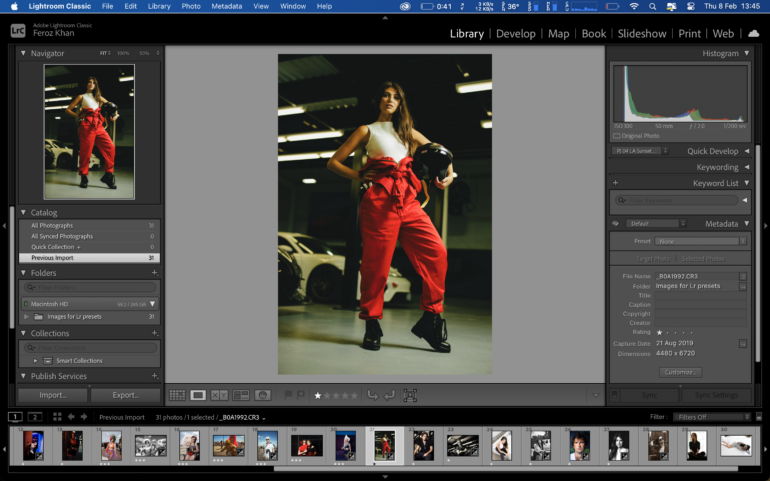
These are just things so many of you need! With the Phoblographer’s presets, you can speed up how you work in Lightroom. You folks asked for them, and now you’ve got them! Over the years, the Phoblographer’s staffers have tested various cameras and lenses as well as film emulsions. So we decided to make Lightroom presets that look like the classic film look that you’d see in magazines. In fact, we based it off of old-school photojournalism. That’s what we named them for; and we think they’re some of the best lightroom presets that you’ll get your hands on. This article gives you visual examples of all 20 presets in our Photojournalism Presets Pack, as applied to various portraits we’ve taken over the years. And if you want, you can purchase them right here at our store.

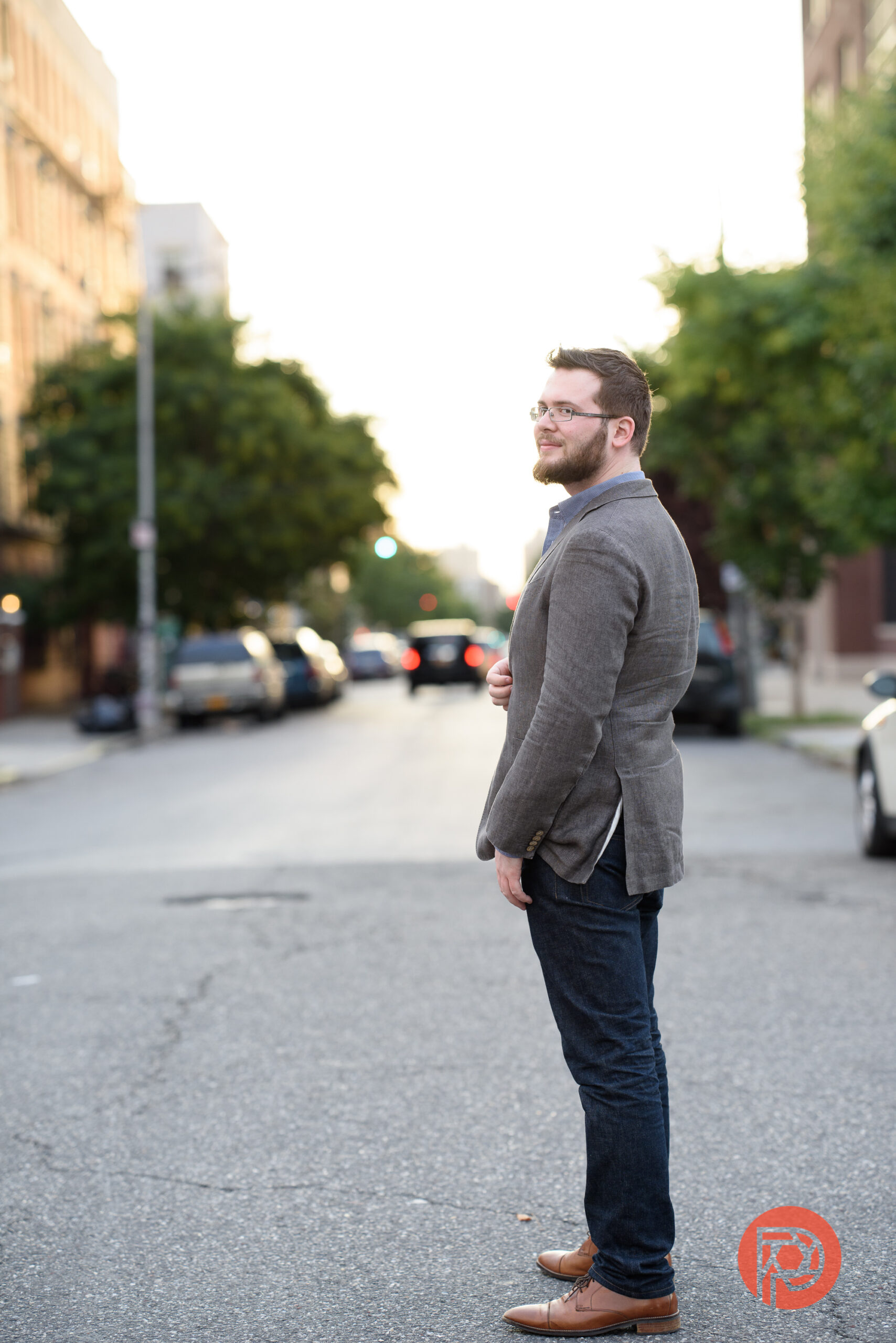
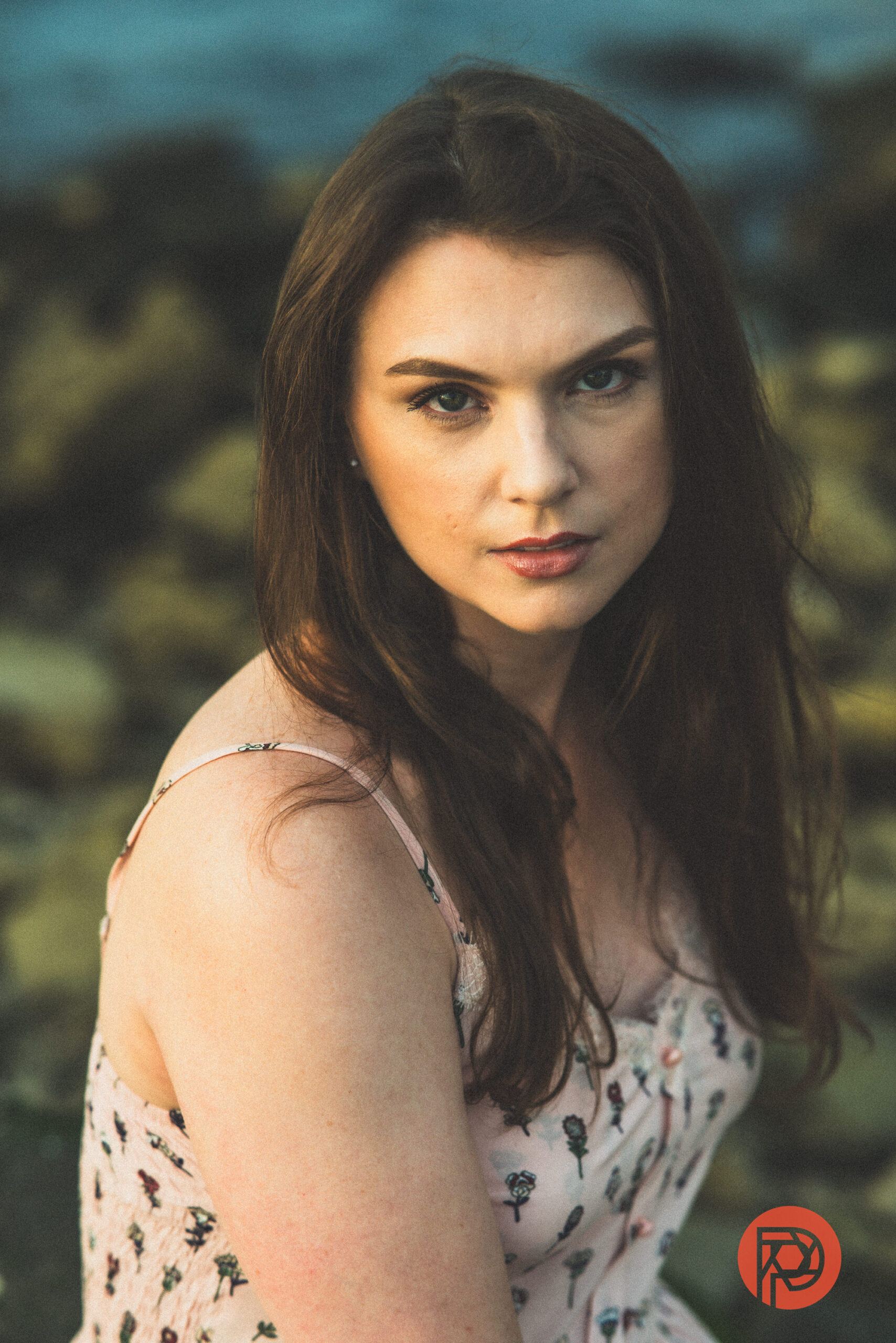
The Phoblographer has a large database of portraits that we’ve shot over the years. So we’ve tested these presets on Canon, Nikon, Sony, Leica, Panasonic Lumix, Olympus, OM System, and Fujifilm RAW files. No matter what camera you own, you’re probably going to like these Lightroom presets.

Why Buy These Lightroom Presets

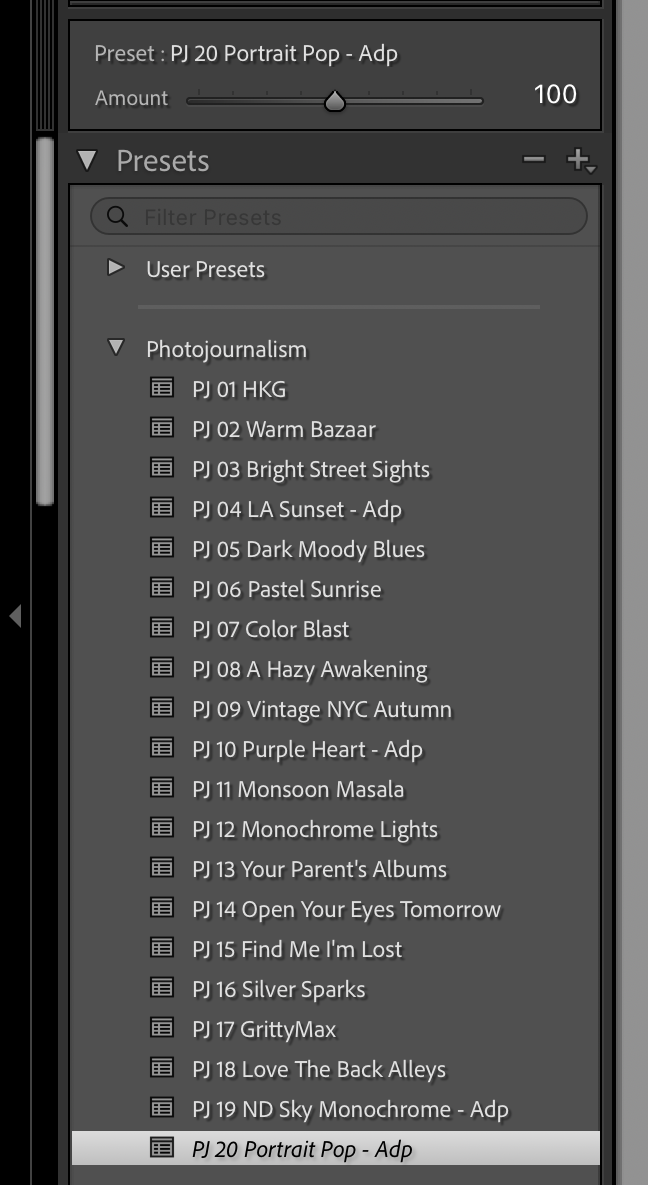
A total of 20 different presets make up our first Presets Pack. Ten of these are color-based and the remaining 10 are focused on black and white results. We developed these to ensure the results don’t overlap between presets, and keeping in mind that they are meant to help you edit with ease. Some of these are Adaptive presets, meaning they scan your photos for faces and skies and skilfully apply edit masks only to those areas. They were developed by us on Adobe Lightroom Classic and you can even adjust the intensity of the presets using the Amount slider in the Develop module

For those of you who’d like to use these presets on the go, we have good news for you. You can even upload these presets to Adobe Lightroom (formerly known as Lightroom Mobile), to be able to use them on your mobile devices.

Color Presets

Use the sliders below to see the effects of each preset on the portrait.

PJ 01 – HKG
PJ 02 – Warm Bazaar
PJ 03 – Bright Street Sights
PJ 04 – LA Sunset
PJ 05 – Dark Moody Blues
PJ 06 – Pastel Sunrise
PJ 07 – Color Blast
PJ 08 – A Hazy Awakening
PJ 09 – Vintage NYC Autumn
PJ 10 – Purple Heart

Black And White

PJ 11 – Monsoon Masala
PJ 12 – Monochrome Lights
PJ 13 – Your Parents’ Albums
PJ 14 – Open Your Eyes Tomorrow
PJ 15 – Find Me I’m Lost
PJ 16 – Silver Sparks
PJ 17 – Gritty Max
PJ 18 – Love The Back Alleys
PJ 19 – ND Sky Monochrome
PJ 20 – Portrait Pop

These are available for purchase right now. You can buy the color or monochrome sets separately or buy both of them together at a discount. Visit our online store to buy them.

How To Take A Truly *Good* Picture Of Your Toddler With Just Your Phone

How To Take A Truly *Good* Picture Of Your Toddler With Just Your Phone

Photographing little kids can feel like trying to catch the wind. They wiggle and squirm and honestly never look at the camera when you want them to. Getting a good photo of my own kids when they were toddlers was super rare. Now, they know how to glare at my phone with a pasted-on grin for just long enough to document important moments. Maybe if I’d have known the best tips for photographing toddlers back when they were small, things wouldn’t feel so tense during family photo sessions.

Capturing childhood through amazing images (and without all the stress!) is a mission Jess McDaniel is especially passionate about. An award-winning lifestyle photographer, she’s photographed hundreds of babies and toddlers each year for more than 20 years with her company, Boston Baby Photos. Leaning on her firsthand experience with the age group, she recently launched Summer Iconic, the first course offering from Iconic Set by Boston Baby Photos, an online DIY photography workshop specifically for toddler parents.

In seven sub-10-minute videos, McDaniel shares the three iconic photos every parent can take of their toddler to capture the essence of one specific summer of their childhood — a close-up face photo, a full-body photo, and an artistic photo. The goal is to empower parents to check taking share-worthy photos off their to-do list, put their phones down, and just enjoy time spent together. But the best part is that throughout the course, McDaniel teaches parents step-by-step how to use a smartphone camera to capture amazing toddler photos.

If you want to take really great photos of your toddler, read on for some of her best tips for doing just that.

1

You don’t need a fancy camera.

When people ask her what camera they should by, McDaniel tells them that if they have a smartphone, not to buy a separate digital camera. She subscribes to an adage popularized by photographer Chase Jarvis, which is, “The best camera is the one that’s with you.”

Yep, it’s right in your pocket — or, more likely, your hand.

2

Stay flexible.

A photograph of a smiling toddler wearing sunglasses and a bathing suit at the beach.
Photo courtesy of Jess McDaniel

Remember, this is your toddler you’re photographing. (You know, that wild-haired, spunky thing that won’t stop humming the Bluey theme song?) So, flexibility is key. “Whatever ends up happening, don’t let yourself feel like you’re failing at it,” McDaniel shares.

Perspective matters here, too. “No matter what, the fact that you’re there with your child and you’re trying to do this, that’s the win,” she says.

3

Be strategic with your photo-taking.

Put it on your calendar. Literally make photographing your toddler such a fun project that you pencil it in.

Here’s the thing: having great photos of your toddler already taken means you get permission to put the phone down. No judgement whatsoever if you’re the mom who takes a ton of photos every day, but as McDaniel shares, “there’s a freedom to feeling like you’ve checked a box, like you’ve done this month’s photo, you’ve got it.” (One amazing photo a month is the goal she sets for parents taking her course.)

4

Take photos when your toddler isn’t tired, hungry, or sick.

When it comes to timing, you can’t control things like the weather, but you absolutely can make sure your toddler is fed, dry, and happy. “Don’t try to do this when your child is tired. Don’t try to do this when your child hasn’t had a good snack,” McDaniel explains. “It’s so much about working with your child and setting yourself up for success.”

It’s perfectly acceptable to take photos another time if you decide today isn’t the day. “No, you know what, they have a stuffy nose, they’re in a terrible mood right now, it’s not going to go well, don’t bother.”

5

Don’t expect them to pose or sit still.

Toddlers are toddlers, after all — they want to move. So, build your photos around that. And if they want to sit, lay, whatever, just roll with it.

6

Give them something to do.

A photograph of a toddler eating a strawberry.
Photo courtesy of Jess McDaniel

In her Summer Iconic course for photographing 2-year-olds, McDaniel shows parents how to take photos that incorporate three summer playthings — sand, water, and bubbles. “It’s all these little tricks and you can get the coolest bubble photo, but it’s like, we’ve got to do it in a very particular way,” she explains. The key here is that during each shoot, your toddler has something to interact and engage with. They get to show off their personality and you get to capture it on camera.

7

Focus on the memory you’re making.

What are you actually doing when you take photos of your toddler? You’re making a memory. The balance between getting a wonderful photo of your tot and enjoying spending time with them lies in the experience of photographing them.

“It’s trying to be as attentive to what their needs are and letting it be fun and letting it be a special thing between you and your child,” McDaniel says. “That’s what I’m trying to do is create this sort of like, memory-making by like, getting all of the bubble stuff, preparing the bubbles that the you-guys-playing-with-bubbles photo is actually going to remind you of the time when you did that.”

8

Dress them in clothes you love.

When it comes to what your toddler is wearing, McDaniel says that while their comfort matters, you as the parent have to like what they’re wearing. “If you know you’re going to take this picture and you think you’re going to put it in a frame, you should love what they’re wearing,” she says.

Ideally, your toddler should also be able to play, get dirty, and be themselves in what they’re wearing. It’s a good idea to go for something you won’t feel stressed out about getting messed up. McDaniel also says she’s a huge fan of diaper photos because there really is nothing like capturing that perfectly round toddler belly.

9

Consider your lighting.

As a toddler parent taking photos, lighting comes down to knowing your skillset and how much work you want to do.

“Your phone does a little better when light is coming from behind the photographer. Your phone is sort of expecting you to take that photo,” McDaniel says. “That’s what your phone does well, whereas backlighting — I love backlighting — you just need to do a little bit more editing, adjusting your settings and raising your shadows a little bit.”

So, if you’re looking for the easy win, put the light behind you to highlight your child and make the colors standout.

10

Don’t bother with fancy apps.

don't bother with fancy photography apps while photographing toddlers
Photo courtesy of Jess McDaniel

“Your phone is set up for success. You are holding something in your hand that is probably better than the camera I shot with 20 years ago,” McDaniel says. “So, I don’t think you need to bother shooting through any apps.”

11

Use a simple background.

“Simplify when you can,” McDaniel says. Whether you’re outdoors or inside, look at what’s behind them and around them. You want the subject — your child — to pop. So, if there’s anything distracting in the background, just pick them up and move them somewhere else.

12

Wipe off your camera lens.

“The first thing I always tell people is just to wipe the lens of your camera,” McDaniel says. How easy is that? Just start your toddler’s photo session every time by rubbing the lens on your phone camera clean, removing an oils from your fingers, sweat, etc. with a cotton cloth. (Your shirt works, too!)

13

Take special occasion photos before the event.
Is it important to memorialize your toddler’s first birthday outfit because you picked it out, especially for them, and paid your hard-earned money for it? Absolutely. But what about capturing interactions with family and friends at the event?

“You’re being pulled in so many directions at a big family event, and you have that phone with you, and that’s great, but is it about having the photo of the child in the fabulous outfit that you brought them in? If so, do that at home before you go,” McDaniel suggests. “Put them in it that morning when they’re in a good mood after a nap.”

Then, at the event, you can focus on snapping pics of your child with their loved ones and capturing special moments together. Those photos won’t be about the clothes, though, it’s about their relationship.

14

Select frame-worthy photos.

McDaniel shares that she typically spends an equal amount of time shooting a subject as she does narrowing down which photos to edit, and then that same amount of time editing. “If I’m with a family for an hour taking photos, then I’ll usually take an hour going through the photos, culling, before editing,” she says.

With your phone photos, it’s equally as important to pick the best pics, so McDaniel uses the acronym POW to help parents select their snaps.

P stands for point of focus. “You can’t fix the focus of a photo,” she says. “The very first question you should ask yourself is ‘is this photo in focus?’ You take so many [photos] that it’s worth picking out the ones where what you want is in focus.”

O stands for “Oh, yes!” Here, you go with your gut. “You see the photo and you’re like ‘Of course, that’s my child, it has to be that photo.’” They’re making a face you love, they’re so in-the-moment — those are the ones you want.

W stands for “wow” lighting or color. If you’re lucky enough to have a few final photos to choose from, then you look for a “wow” factor. McDaniel says you might feel like, “something about this is making me notice this more than the others.”

Getting fantastic photos of your toddler doesn’t have to be a struggle. In fact, with these tips, you can take expert-level photographs and document toddlerhood without feeling chained to your phone.

If you want even more help learning how to take the best pictures of your toddler, look out for the Iconic Photo Monthly, launching Fall 2024. Following her Summer Iconic workshop, you’ll already have the skills you need to capture great images, but with this course, McDaniel aims to “give you a 10,000-ft. view of childhood” by telling you exactly which photo you should take each month to photograph your child from ages 1 to 3.