About

Posts by :

Expansive Landscapes Spill from Tiny Frames in Detailed Miniature Dioramas by A House of Wonders

Expansive Landscapes Spill from Tiny Frames in Detailed Miniature Dioramas by A House of Wonders

All images © House of Wonders, shared with permission

“I didn’t really set out with the intention of making miniatures. They just turned out that way,” says artist Caroline Dewison of A House of Wonders. For several years, the Warrington, England-based artist experimented with beads and clay to make small sculptures, but she was never quite satisfied. “It began with making little mossy patches on clay pieces, sourcing materials I found in model railway layouts, which I immediately fell in love with,” she says. “Seeing how others recreated such realistic scenes was really inspiring, so I bought some scenery supplies, and the ideas just grew.”

Small enough to hold in the palm of your hand, Dewison’s vistas open up far into the distance. Inspired by the woodlands around her home and holiday walks through the Lake District, the artist began to recreate mystical scenes of streams, shorelines, and hills. “The natural world has always filled me with a sense of wonder,” she says. “I grew up in the days where you could disappear all day as long as you were home for tea, and I spent a lot of my time exploring the woods and fields near our house.”

Using Jesmonite—a mixture of gypsum and water-based acrylic resin—to fashion frames, plus a lightweight MDF for the backgrounds, Dewison sources a range of small boxes, model-making supplies, and acrylic paints to create each intricate scene. For landscapes, she particularly enjoys using a type of clay that melds the malleability of clay with the strength of epoxy, plus a favorite 3D-printing pen. “I’m amazed at the fact you can just press a button and magic something out of thin air,” she says.

Find more of Dewison’s work on A House of Wonders’ Instagram and website.


Do stories and artists like this matter to you? Become a Colossal Member today and support independent arts publishing for as little as $5 per month. The article Expansive Landscapes Spill from Tiny Frames in Detailed Miniature Dioramas by A House of Wonders appeared first on Colossal.

Marcos Alberti Shows Photography Doesn’t Need to be Serious

Marcos Alberti Shows Photography Doesn’t Need to be Serious

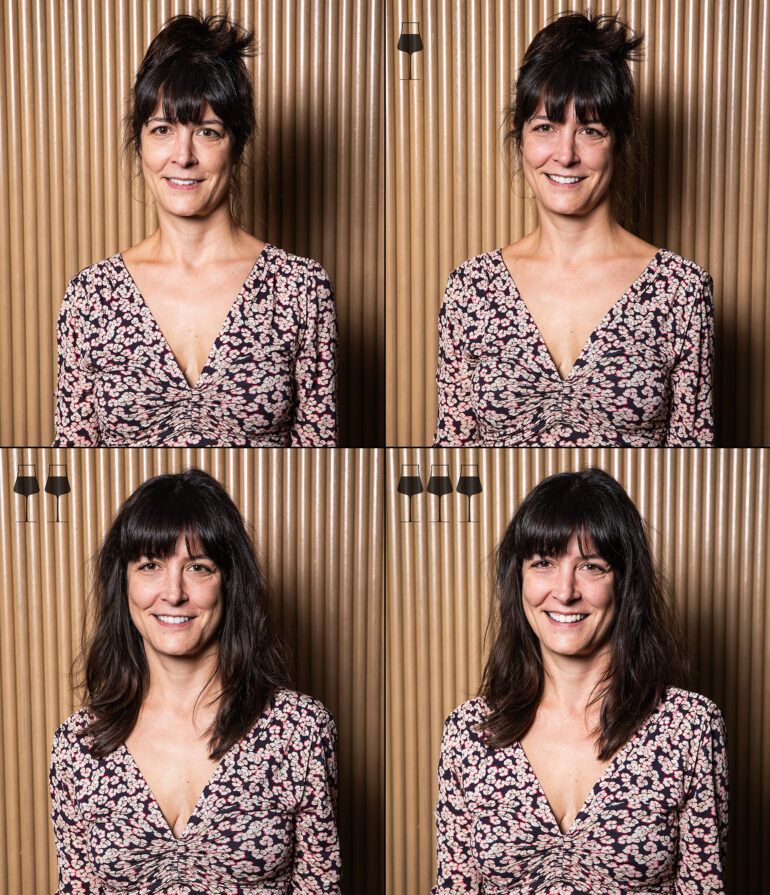
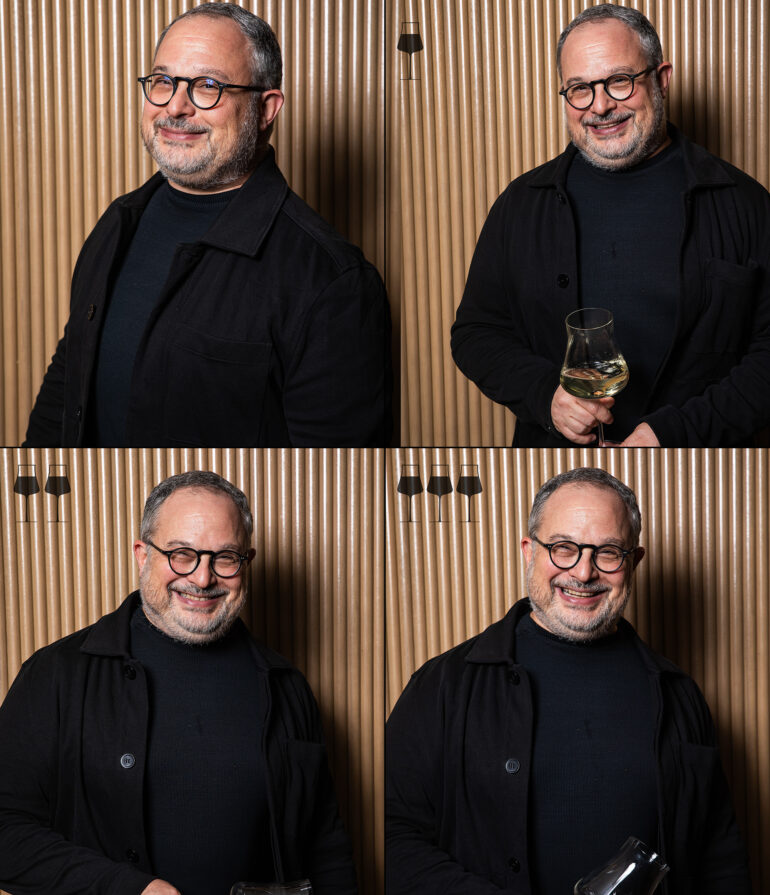
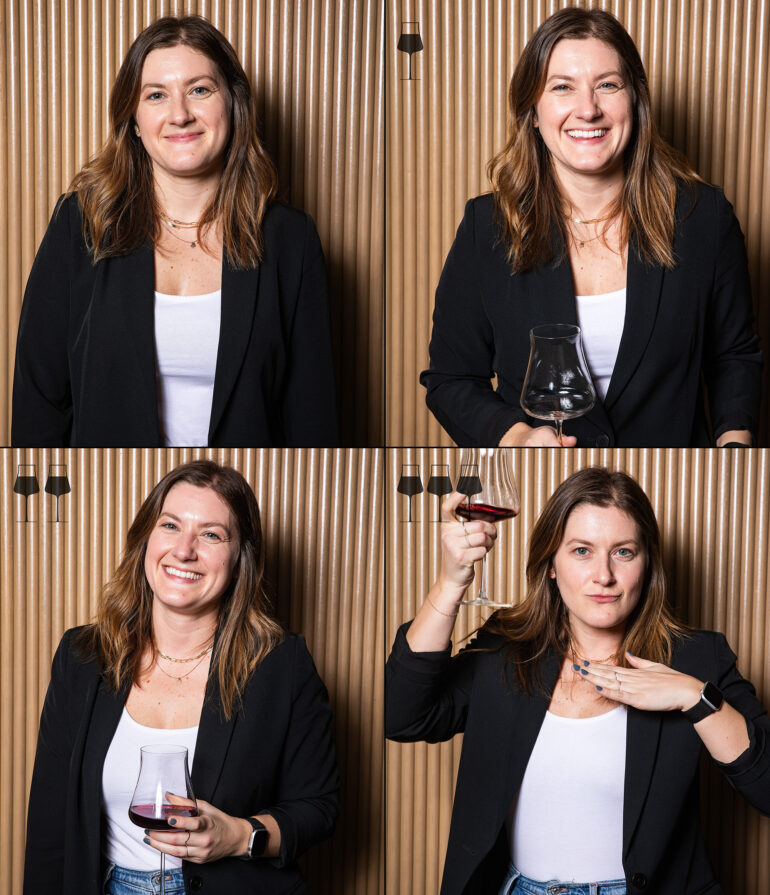
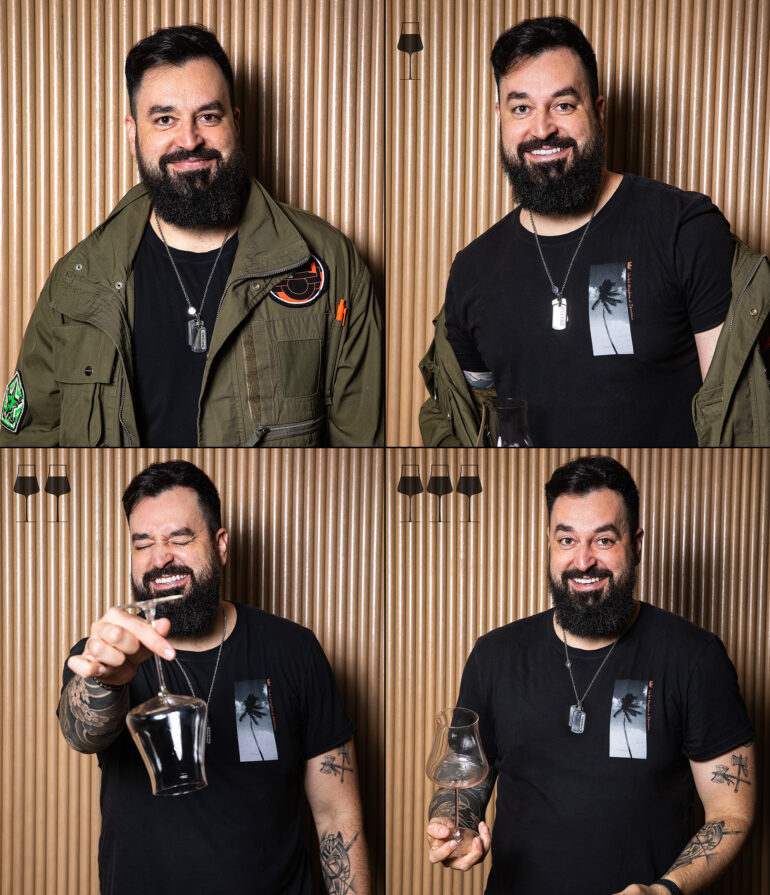
A few years ago, we featured Marcos Alberti and his incredibly fun Wine Project along with the sexually liberating O project. It’s a curious study that shows how someone changes after getting a few drinks in them. And this time around, he’s back. But this time, he chose his subjects to be wine sommeliers and NYC chefs. The concept: photograph the subject before they drink any wine, and then once for each glass they drink for three glasses. The expressions get goofier and goofier — and they’re an inspiration for anyone who hosts photo booths and photographs at parties.

All images used with permission by Marcos Alberti. Please follow him at @marcos_alberti or his website

To do this shoot, Marcos used a Canon 5D Mk IV and a 24-70mm L lens. “In other projects, I used a Hasselblad H4X with Phase One P65+ digital back, but its weight and the slowness of this camera hindered me during the photo shoot,” Marcos tells the Phoblographer. “Regarding the lens, I like to have versatility quickly. When I’m about to photograph these moments, everything happens very quickly, so having a zoom lens is essential.”

“I think this is the most important thing for all of humanity, to connect with others.”

Marcos Alberti

The photographs are all done in a photo booth style with consistent lighting and a person in front of a backdrop. But mostly, they’re a reminder to sometimes just set loose and have some fun. Not everything needs to be a super serious, majorly conceptual photography project or even need to try to change the world. At times, we need to see the good amidst all the bad that we’re bombarded with on social media and in the news. This project is a bit of a reminder about this. Sure, it shows that alcohol can help us sometimes forget our problems, too, if we’re in a comfortable position.

Of course, we also had to ask Marcos about AI imagery and his thoughts on it. “Well, I believe that photos made by AI are a passing thing, like other waves we had in the past, like 3D, for example, at the time many people questioned whether photography would survive, and this wave has passed,” he tells us. “I think we are all still amazed by the capabilities of AI, but I think it is unlikely that anything will replace the human effect. When I see a portrait, I don’t want to look at a person who doesn’t exist, I want to look at a real human being.” He continued to state that he want to feel and connect with this person through their photo — which is seemingly something he alludes to that he doesn’t get through AI imagery.

The party world of Nicolò Rinaldi

The party world of Nicolò Rinaldi

We attended the unveiling of Lavazza’s new calendar, a project that takes us into an uncharted Africa, brimming with energy, experimentation, and a forward-looking spirit influenced by its culture and the diverse communities that inhabit it. Three photographers collaborated on this year’s calendar: Thandiwe Muriu from Kenya, Aart Verrips from South Africa, and the latest addition, Daniel Obasi, whom we had the privilege to interview. The theme of Africa as the birthplace of coffee remains strong, linked to the Giuseppe and Pericle Lavazza Onlus Foundation, founded in 2004 and now involved in thirty-three projects across three continents. With Nigerian roots and a holistic approach to photography, Daniel Obasi is a creative talent who seamlessly blends fashion styling, cinema, photography, and art direction to create captivating and distinctly African narratives. Here’s our interview with him.

How did you first get into photography?
I started photography because of my background in design, and for a while, I also dabbled in fashion styling. That’s when I got into photography. Additionally, I had an eye for certain subjects, and the practice of photography attracted me in a unique way. Working with other people was often challenging for me, so I decided to learn how to take photos on my own to share my exact vision with the world. For me, it’s more about a concept and an idea, which is at the core of my holistic approach to creativity.

How do you manage to blend art direction, fashion photography, and your work as a director?
By approaching each practice in a holistic way and considering them as one, it’s easier to navigate. I don’t think of them as separate components but rather focus on the end goal.

How do you apply Afrocentrism to fashion photography? Can it be seen as the primary vehicle for promoting messages of inclusivity and cultural appreciation?
Absolutely. The concept of Afrocentrism and photography go hand in hand, and in this context, we can also recognize fashion as an art form. Moreover, you can see how it’s all connected to a certain cultural background. There’s also another aspect that brings a bit of your history into it. Of course, it’s not what’s needed in every shot, but in some cases, it gives you a good idea of the process behind the photos I take.

How did you accept the commission for Lavazza’s calendar project?
On an ordinary day, I received an email from Lavazza’s team. I waited for a week and then decided to propose the concept of working together, of unity. Everything started from the photos that depicted the young people together on the beach. I’m a big fan of simplicity, and sometimes the most astonishing images come from the simplest ideas. These images, which centralize the theme, are, in my opinion, the most powerful because beneath all those layers, the simple idea of working as one shines through.

What are your primary sources of inspiration in photography, cinema, and fashion?
My inspiration always changes depending on where I am. Currently, I’m more interested in architecture and composition, so I’m trying to improve the way I use space. I’m studying Bauhaus, Gothic architecture, and the movement. Additionally, choreography and contemporary dance – actually, all forms of dance – are a significant source of inspiration for me. Love, the idea of being loved, losing love, and being in love also fascinates me greatly at this moment.

Google’s Pixel Fold might get a new Dual Screen feature for enhanced photography

Google’s Pixel Fold might get a new Dual Screen feature for enhanced photography

Just recently, Google rolled out the Pixel Camera app 9.2 with its fresh design and features to all Pixel users, but the excitement doesn’t end there. The latest findings in the update suggest that Google has more up its sleeves, particularly tailored for the Pixel Fold.

Android Authority reports that the Pixel Camera 9.2 update brings to light strings hinting at an upcoming Dual Screen feature, internally known as “Saturn.” It looks like the Dual Screen feature is poised to let the Pixel Fold leverage its outer/rear display for preview while capturing the shot using the inner display.

Similar functionalities have been seen on the Galaxy Z Fold 5 and the OnePlus Open, so it’s no surprise Google is joining the foldable bandwagon.

However, according to the source, there are some limitations outlined in the strings. The Dual Screen feature won’t function in Battery Saver mode on your Pixel Fold, and it’s a no-go when the device is running too hot. These limitations align with Google’s approach of disabling certain camera features on Pixels when they heat up.

Right now, the Dual Screen feature isn’t operational on the Pixel Fold, even with APK sideloading. However, there’s a glimmer of hope for the future as the strings indicate ongoing work on this feature. Given it’s not officially announced, take this intel with a grain of salt—Google might flip the switch on or off at any given moment. Stay tuned for potential updates on this evolving feature.

Google stepped into the foldable smartphone arena this year with the Pixel Fold. Unfolding to reveal a 7.6-inch OLED display, it also features a 5.8-inch cover display. Going head-to-head with competitors like the Galaxy Z Fold 5, the newly launched OnePlus Open, and the Oppo Find N3, Google’s debut in the foldable market has some tough competition.

‘A Martian landscape on Earth’: 10 best images from the Royal Society Publishing Photography Competition

‘A Martian landscape on Earth’: 10 best images from the Royal Society Publishing Photography Competition

Fancy visiting an alien world? Well, Mars, one of our closest celestial neighbours, is roughly a staggering 225 million kilometres away from Earth – a journey that would take you over 1,000 years to walk.

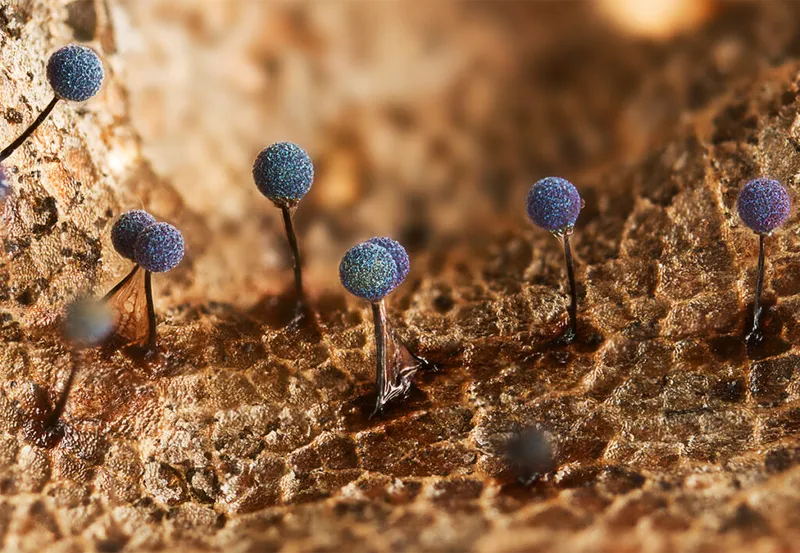
But don’t go reaching for your space boots just yet: there’s plenty on planet Earth that looks truly Martian. At least, that’s what we can tell from the winner of this year’s  Royal Society Publishing Photography Competition. While it looks like a picture of extra-terrestrial plants, it actually shows a cluster of smile moulds growing in a leafy garden in the United Kingdom (see image below).

But it’s not the only staggering photo in this collection, which documents strange scientific phenomena. Scroll down below to see a real-life crystal forest, a temporal crack, and a jellyfish elevator.

Ecology category runner-up – Post-war chamois

A chamois looking up at snow-covered rocks
An Alpine chamois (Rupicapra rupicapra) licks the wall of a WWII bunker, high in the mountains of Val Varaita, in the western Alps. Over the last centuries, the Alps have been theatre of many conflicts since they represent natural and political borders among different countries. Photo by Filippo Carugati

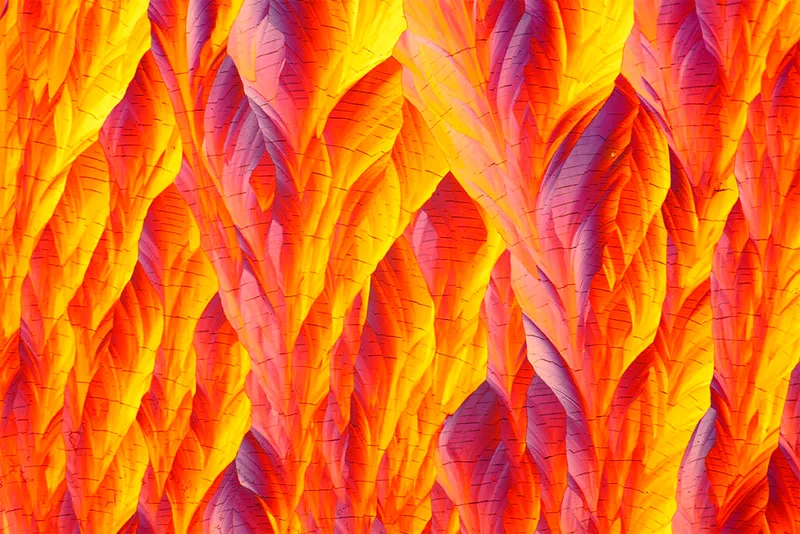
Microimaging category runner-up – Beacon of crystals in a wild forest

Multicolour bright crystals
The Image shows micro crystals of two chemical combinations Beta Alanine and L Glutamine showing the evolution of crystal patterns in process of crystallisation. Photo by Shyam Ulhas

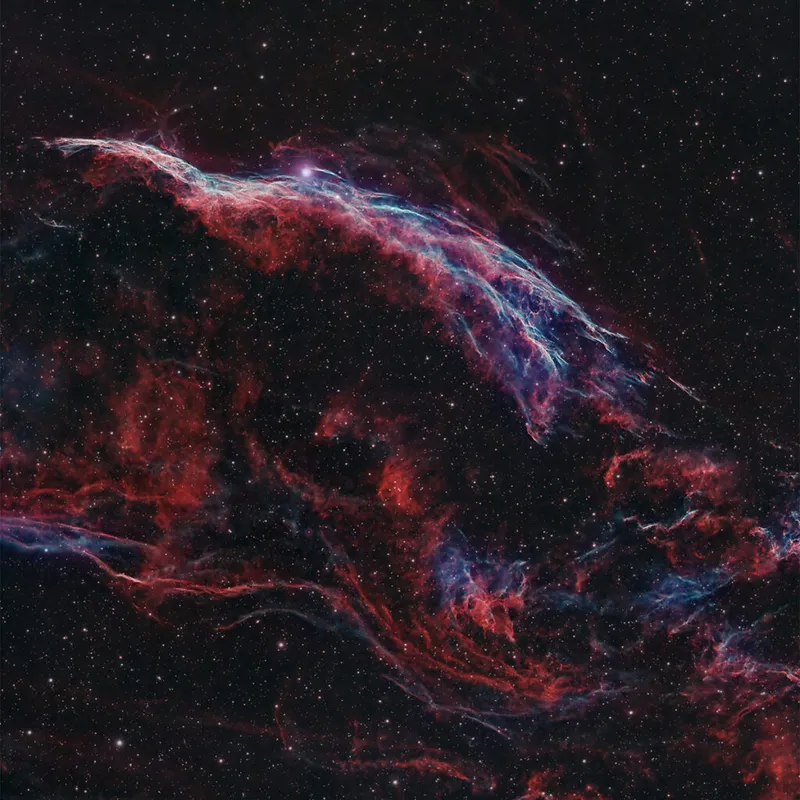
Astronomy category winner – The western veil nebula

deep space stars and red clouds
About 10,000-20,000 years ago, a star much more massive than our Sun exploded into a supernova. The result was the Veil Nebula, a magnificent supernova remnant found in the Cygnus constellation. Despite being over 2000 lightyears away, the angular size of the nebula in our sky is several times larger than the Moon. Photo by Imran Sultan

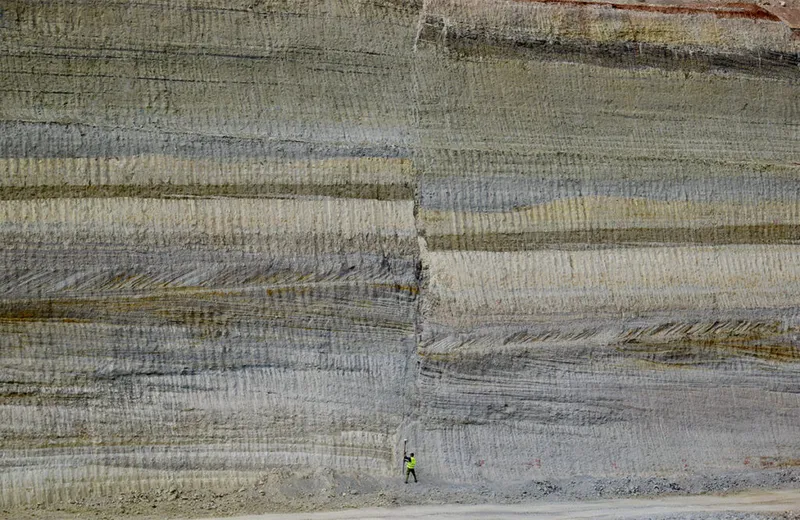
Earth science category runner-up – A crack in time

Man stands behind huge cliff face
A surveyor is dwarfed by the huge cliffs of the Corinth Canal, Greece. The image shows a typical outcrop, of the canal, which sits in the centre of the neotectonic depression and cuts through numerous normal faults. Photo by Dr Chia-Hsin (Wendy) Tsai

Ecology category winner – Star of the night

star fish on yellow coral
A school of small fish run wild above a colourful coral reef and a sea star, which has just come out of its den to forage. Photo by Dr Tom Shlesinger

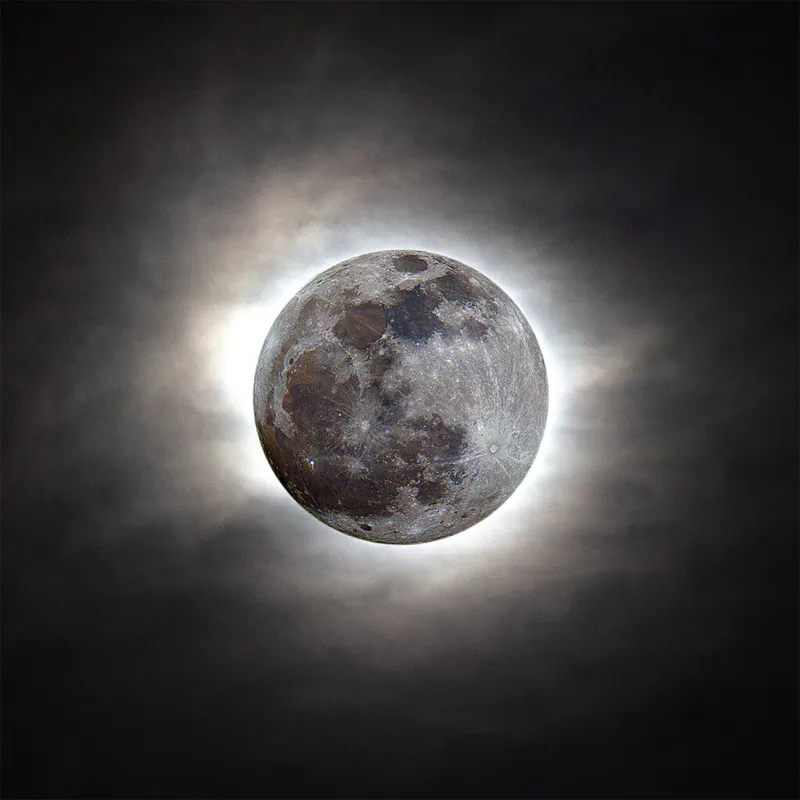
Astronomy category runner-up – Flower Moon on a cloudy night

Sunlight obscured by full Moon
The May full Moon is known as the Flower Moon, a name originating from the Algonquin people that marks the blooming of flowers during spring. This year’s Flower Moon fell on a cloudy night, but the photographer was able to capture this image through the clouds above Chicago, USA. Photo by Imran Sultan

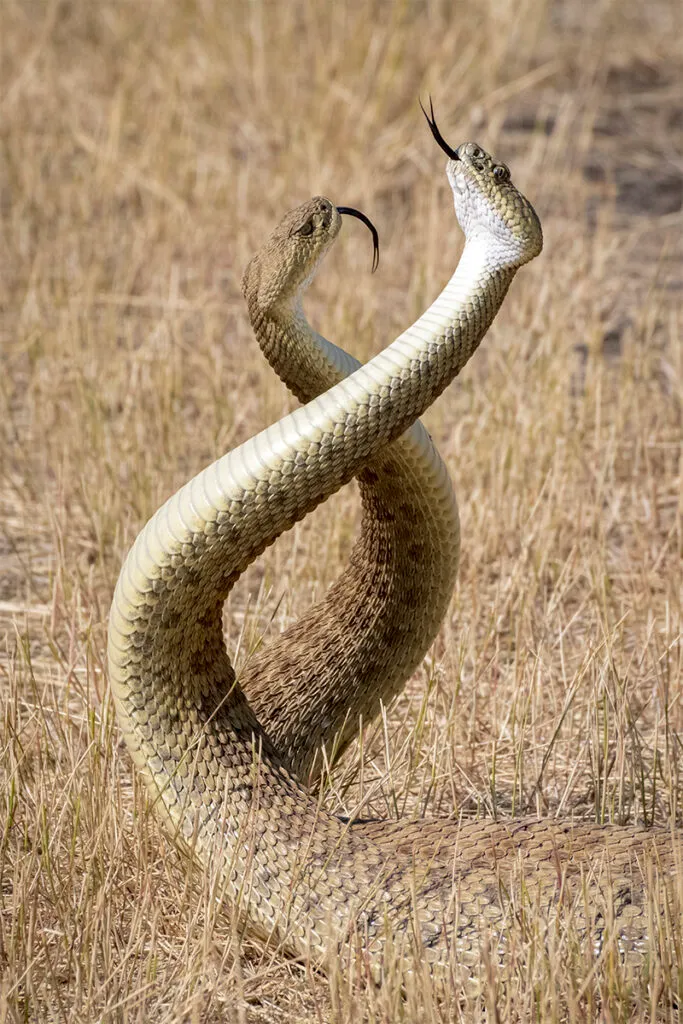
Behaviour category runner-up – Ssstandoff

Two snakes fighting intertwined
A pair of male prairie rattlesnakes (Crotalus viridis) tussle for dominance, intertwining their necks. Photographed in southern Alberta, Canada. Photo by Dr Gregory Funston

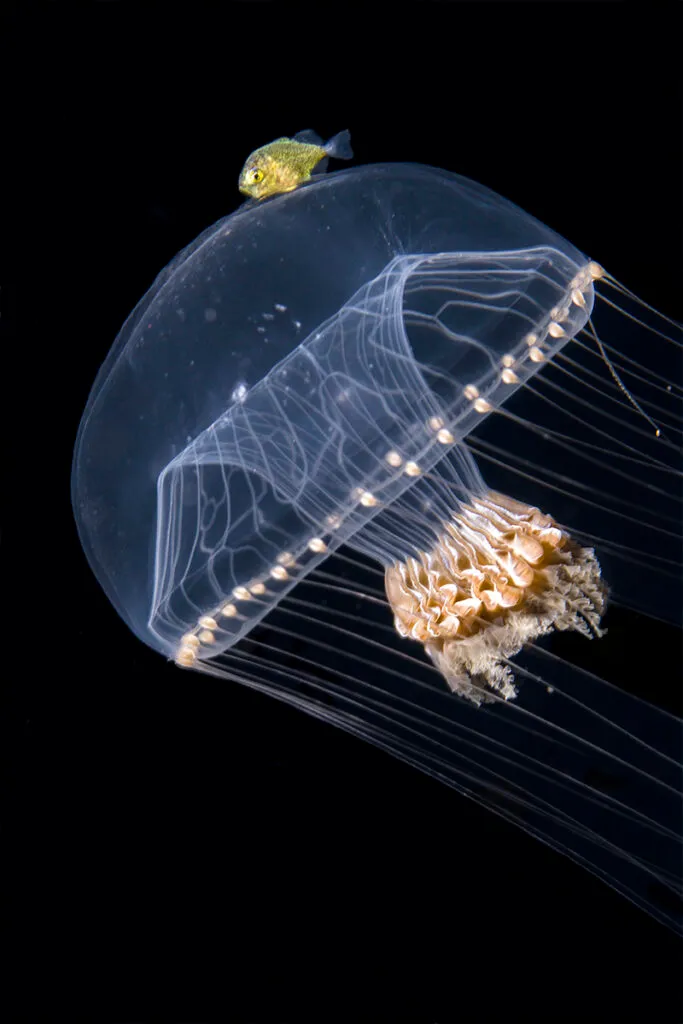
Behaviour category winner – Nightly elevator

Jellyifish in dark underwater
Every night, sea creatures rise up to the ocean’s surface in order to feed while avoiding daytime predators. Many small organisms like this juvenile fish hitch a ride on larger animals not only to conserve energy but also to gain protection. This jellyfish will sting anything that gets too close, thus protecting the fish. Photo by Dr Tom Shlesinger

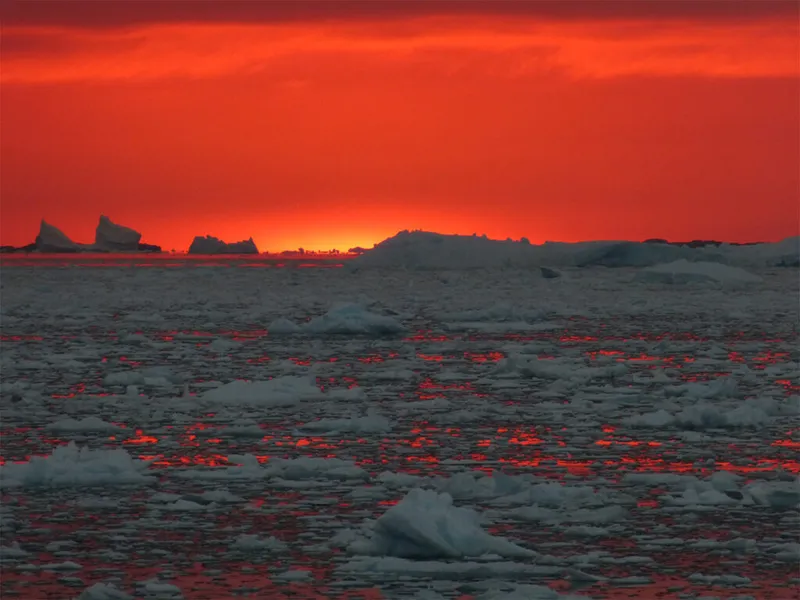
Earth science category runner-up – Burning through the frozen south

red sky over fields of grey icebergs
Fiery sunsets like this one can last for hours in the frozen landscape of the Antarctic Peninsula. Here, the dying rays of the Sun pick out gaps between ice floes, creating a landscape that seems more like lava than ice. Photo by Professor Michael Meredith

Overall winner – Martian landscape

blue slime moulds on brown rock
This photo shows a specimen of Lamproderma scintillans, an exceptionally fascinating microorganism firmly growing on an autumnal leaf in Somerset, UK. The slime mould exhibits a striking array of hues, ranging from earthy browns, fiery reds, and lustrous bronzes to occasionally a mesmerising steel-blue iridescence, mirroring the vibrant palette of the surrounding deciduous landscape. Photo by Irina Petrova Adamatzky

Read more: