
The beloved ancient Greek sculpture called “The Boxer at Rest,” from 330-50 BC, is one of the most realistic of all ancient Greek sculptures.
Sculpture of Ancient Greek Boxer Still Haunts Viewers Today


The original Apple Pencil model was an impressive extension of the Apple iPad experience, giving artists and designers a responsive tool that evoked the satisfying tactile experience of a real writing instrument or brush equipped with pixel perfect precision. Unsurprisingly it became very popular amongst the creative set. But like many first adopters, we found the Lightning connector charging cumbersome, if not a bit awkward when plugged into the iPad while recharging, a setup marring an otherwise elegant design. Like many Apple designs, the Apple Pencil went onto undergo iterative improvements, culminating in the magnetic $129 2nd generation stylus with wireless pairing and charging. And now Apple’s third rendition, the Apple Pencil USB-C, seems to hit a sweet spot: an iPad peripheral that exceeds its entry-level $79 price tag.
Noting the “ultimate Apple Pencil experience” of the 2nd generation Apple Pencil requires a $129 entry fee, Apple recognized the peripheral’s price might kept many users from complementing their new iPad, iPad Air, iPad mini, or 11-inch or 12.9-inch iPad Pro model with their stylus. Thus, this 3rd generation USB-C Apple Pencil is priced at a more welcoming $79.
Like its 2nd generation predecessor, the new Apple Pencil also attaches magnetically to the iPad, but this time only for storage, sacrificing the ability to recharge the device wirelessly. Instead, the matte finish 3rd gen Apple Pencil powers up via USB-C charging, with its port revealed when sliding back the Apple logo adorned cap. It’s a timely addition noting Apple’s migration away from Lightning and including the USB-C port with their latest and greatest iPhone 15 models, moving us ever closer to the single port + cable lifestyle.

The new $79 Apple Pencil also subtracts pressure sensitivity and the nifty double-tap feature allowing tool switching, but it does share tilt sensitivity, low latency, and hover to preview when used with the iPad Pro like its more pro-centric model. For $79 the new Apple Pencil USB-C seems much more of a no-brainer “at time of purchase” add-on for creatives buying an iPad, less of an impulse buy and more of a considered investment when considering the iPad workflow.

The new $79 USB-C equipped Apple Pencil joins the $129 2nd generation Apple Pencil (with wireless pairing and charging, pressure sensitivity) and the $99 1st generation Apple Pencil (with Lightning charging).
The new model is compatible with the 10th-gen iPad, first to fourth generation 11-inch iPad Pro, third to sixth generation 12.9-inch iPad Pro, fourth to fifth generation iPad Air, and the sixth generation iPad Mini. The Apple Pencil USB-C is available online for $79 at Apple.com and in-store.


On the afternoon photographer Mayan Toledano snapped a playful bedroom portrait of her friends in Mexico City — an image that would eventually become the cover of her first book — one member of the group, Karla, had gotten into an argument with her boyfriend.
Toledano, who is primarily based in New York, found a welcoming second home in Mexico City in 2018 through a circle of queer and trans creatives that expanded with each visit.
She had brought her camera along as Karla and friends glammed up for a day out, wearing strappy bikinis, shimmering halter tops and lucite platform heels. Following their fight, Karla’s boyfriend stormed out; unbothered, Karla left the group too — and returned with a bottle of Jose Cuervo. Toledano snapped away as she poured a stream of tequila into her own mouth, a crescent moon tattoo on one of her shoulders, and the circle-cross symbol for ‘female,’ modified with two devil horns, on the other.

“The getting-ready part is sometimes the party,” Toledano explained in a phone interview. “Everyone was doing their makeup and drinking and laughing and doing each other’s hair.” They never made it out, she added. Instead, more friends came to them.
Comprising hundreds of vibrant photos of her friends and acquaintances, Toledano titled her book “No Mames,” which translates literally to “Don’t Suck” but is used as a catch-all phrase in Mexico roughly equivalent to “No f***king way.” It was a saying she and her friends often exclaimed as they spent time together and made photographs, and on the day of Karla’s argument with her boyfriend, they began to chant it together in unison.


As much as Toledano’s body of work is about the richness of Mexico City’s LGBTQ community, it’s also a snapshot of her own experiences, she explained. “It’s my life that I lived here… and my shared time with all these people,” she said.
“There’s a type of ease and warmth to this place, and people that drew me in right away. So I just kept coming back.”
Across her photography, Toledano takes effortlessly intimate portraits, from a separate daydream-like series of young couples in love to commissioned shoots for Nike and W magazine with celebrities including Bella Hadid and Paris Hilton.
In Mexico City, Toledano’s images became a mix of both candid and staged moments. Some, like a close-up of ethereal butterfly makeup on her friend Maria, are meant to evoke fantasy; other photographs are raw and tender. In one group portrait, a trans woman named Aine, who runs a refuge for LGBTQ people in her home need on the outskirts of the city, poses in her home with two close companions and a framed portrait of her late trans mother, Zury.

“That was a moment of stillness. Later, we go out, they drink, they sell clothes on the street; there’s a lot of movement and performance with them,” Toledano recalled of the day. “This is a moment of love, and a moment of connection — of making a family and having a chosen family.”
One person who appears again and again in “No Mames” is Havi, one of Toledano’s first friends in the city, who also contributed the opening text for the book.
In some portraits, Havi is posed, in a pink mini dress or ethereal, glittering gemstone makeup, the tattoo “Te quiero,” or “I love you,” scrawled underneath her eye. Other images are stripped back: Havi held by her boyfriend in a softly lit bedroom, or nude and curled up in the bath. For the latter image, Toledano photographed her two weeks after she underwent breast augmentation surgery as part of her gender transition, her chest tattoos bisected by the fresh red scarring, her body cradled by the water.
“There’s something so calm about this photo — it’s not about the beauty, it’s about the feeling and her transformation in a very fulfilling moment for her,” Toledano said.

An American friend of Havi’s had helped organize crowdfunding for the surgery, according to Toledano. She recalled a conversation she had at the time with Havi about the term “gender-affirming care,” which the friend had used in the campaign but was unfamiliar to Havi.
“She (Havi) understood this is a term to affirm yourself by society, and by how people look at you,” Toledano said. “Havi is a really strong and confident person, she always was. And she said to me, ‘I never needed this confirmation, I always felt like a woman… It’s funny that this is what this surgery is being referred to, as something we need by society and not the other way around.’”
In Havi’s opening text, she addresses Toledano’s thoughtful approach to her work, a process in which the photographer consciously avoids centering herself as the artist or chronicler in the story of her subjects’ lives.
“Protagonism and genius as we understand it from a white male gaze is absent, but the image is full of a personal approach where everyone involved is sharing time,” Havi writes. “You can’t see her, but she’s there, sometimes sitting on the mountain of clothes, other (times) getting her feet wet after filling the tub with water. She’s in the colors, in the light that fills the walls, in the subtle smile on my face.”

Toledano says that rather than steer the direction of a scene, she stayed open to whatever unfolded in front of her camera.
“You can know someone for five years and still meet them for the first time,” Toledano said of her perspective. “I like the spontaneity and the opportunity that the moment offers. So it’s the connection between us; it’s the way I look at them, it’s the way they look at me, it’s the way they look at themselves, and who they arrive as that day.”
Ultimately, she wants to show the joy and deep love shared within Mexico City’s queer community. Many images of LGBTQ life more broadly have depicted “struggle and resistance,” she said. And while that is still very much part of their lives, she added, “I think this way of practicing art and joy… supporting one another is also a way of resistance.”
“No Mames” is available from Damiani Books.

Every item on this page was chosen by a Town & Country editor. We may earn commission on some of the items you choose to buy.

“This photo of Queen Elizabeth, the Queen Mother, is the very first sitting Beaton had with a member of the reigning royal family. It was taken in July 1939, a few months before the war, and was done to celebrate the Queen’s white wardrobe, which was designed for a state visit to Paris a year earlier. Her mother had died five days before this tour, but and the visit was an important diplomatic visit they couldn’t cancel despite being in mourning. She couldn’t wear black, so Norman Hartnell designed this wardrobe of white crinoline gowns that became a sensation and set London up as a fashion rival to Paris. Beaton arrived for the sitting and was told he had 20 minutes with her, but three and a half hours later they were still going and having a fabulous time. He invested the royal image with a real magic and romance.”

“This is Princess Margaret in front of a tapestry at Buckingham Palace. This was taken in 1951 to mark her 21st birthday. It was her second independent sitting with Beaton and was designed to showcase her as a young woman and rebrand her after the childhood images during the war. It shows her as incredibly glamorous and stylish; during the fitting she wore three different gowns, including this one designed for her by Christian Dior. It also balances that idea of tradition and modernity. Margaret symbolizes change and progress to ensure the monarchy remains relevant.”

“This is Princess Marie Louise of Schleswig-Holstein, one of the granddaughters of Queen Victoria. She’s a real connection to a bygone era and is making this priestly gesticulation. It’s an off-the-cuff snap that Beaton didn’t show to her because he was worried she’d find it undignified, but he published later. She’s considered quite eccentric, but he’s completely enchanted by her. The image feels very contemporary for the moment it was taken, in the year of the Queen’s coronation, and there’s something spectacular about a woman who connects to the Victorian age in an incredibly modern, striking picture.”

“This was a photo marking the birth of Prince Andrew in 1960. It’s an interesting moment because it’s when Beaton is radically changing his approach to royal photography. At that moment, there was a political and cultural shift in attitudes toward monarchy and in the way they needed to present themselves. In terms of their branding, there’s a desire to welcome in the public and show themselves as a normal family. Beaton’s style is forced to adapt along with that, and you can see other photographers inching in on his turf at this point. The Queen has started using him less, but it’s notable that she still wants him to photograph the birth of her child. He was desperately trying to get the family to relax, and in his recollections of this sitting he struggled; he was cracking jokes and trying as hard as he could to make them relax. He’s done away with elaborate, Baroque background for a radical offering showing the new face of the monarchy.”

“This is one of the later photographs, taken at the end of October in 1968. This photograph was initiated by Beaton, who by this point felt comfortable suggesting commissions. He was about to open a seminal exhibition at the National Portrait Gallery, the first time a photographer and a living artist was shown, and he wanted material of notable names. What’s lovely about this photograph is that the Royal Family then decided to use it to mark the official engagement in public life of Prince Charles, who was 20 years old here. Beaton was quite disappointed with his performance. He was unwell at the time and there was dreadful weather, so he ended up recycling compositions he’d used in a sitting from several weeks earlier with the Queen. But the result is that you have this series of photographs of monarch and heir that reinforce a sense of stability of the royal line; here they are photographed in a similar guise. Beaton never got on with Prince Philip very well, but Charles warmed to him and you can see that.”

Deputy Features Director
Adam Rathe is Town & Country‘s Deputy Features Director, covering arts and culture and a range of other subjects.

Advertisement – Continue Reading Below
Advertisement – Continue Reading Below

If you’ve been enjoying all the amazing outdoor adventures that the Pacific Northwest has to offer but wishing you could document the experience as well as a professional photographer, we’ve got you covered! Photographer and author of the “Collecting Sunsets” substack, Adam Sawyer, shared tips to take amazing photos of the forest! For more information about Adam, click here.

When the first winter chills sweep through France, a buzz of anticipation builds. During the Month of Photography, the eighth art takes center stage. For an entire month, the international photography scene converges on the city, from the left bank to the right. Several exceptional events stand out to enthrall photography enthusiasts: Paris Photo, Photo Days, Photo Saint-Germain. The Paris Photo fair alone welcomes over 200 exhibitors. From vintage to contemporary photographs, with unconventional venues, events, guided tours, workshops, and conferences, lovers of film photography won’t go away disappointed.
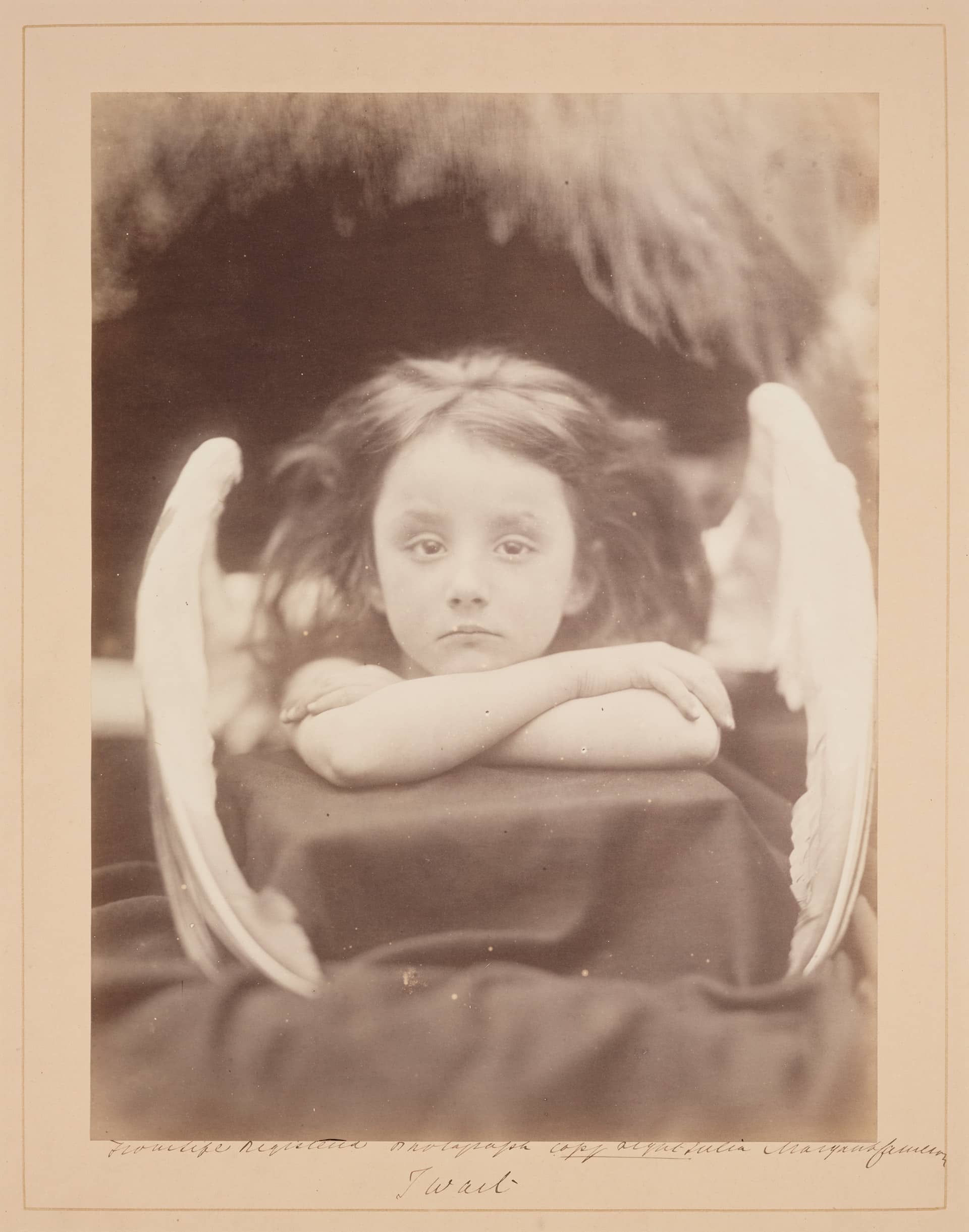
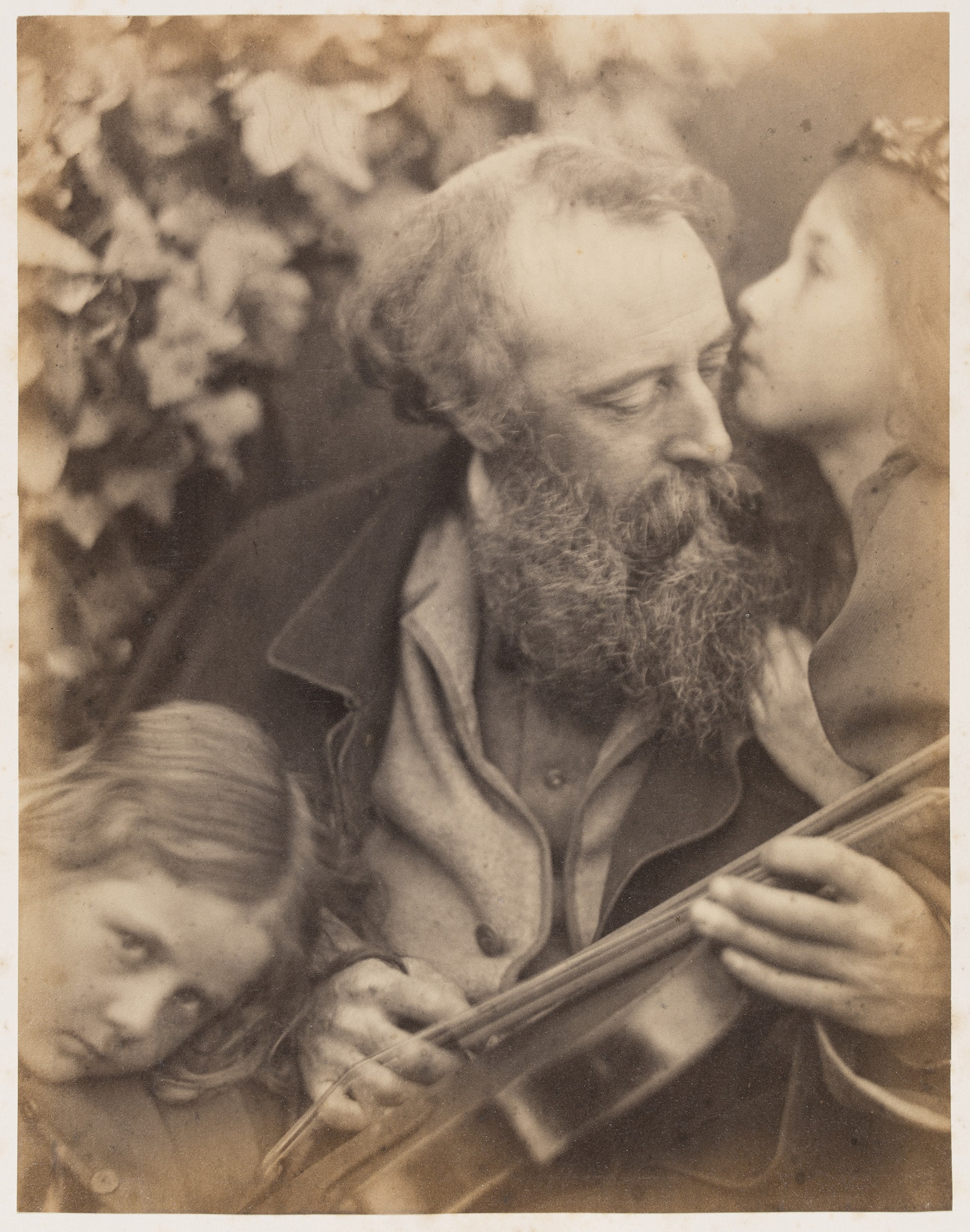
Near Place de la Concorde, Photo Days pays tribute to the artistry of Julia Margaret Cameron. This photographic treasure trove can be found within the walls of Jeu de Paume. Take the time to explore the exhibition Arresting Beauty. Cameron’s work unfolds across some hundred photographs, combining poetry and portraiture. This unique retrospective immortalizes the decade spanning 1864 to 1875 and celebrates the grace of imperfection. Prepare to be whirled away in a dance between past and present.
The Catherine Putman Gallery presents Georges Rousse’s optical illusions in watercolor. A visionary artist celebrated globally, Rousse reinvents spaces with anamorphic shapes infused with a burst of color. The exhibition in rue Quincampoix spotlights his recent projects, which masterfully capture the magic of transparency and the depth of space.
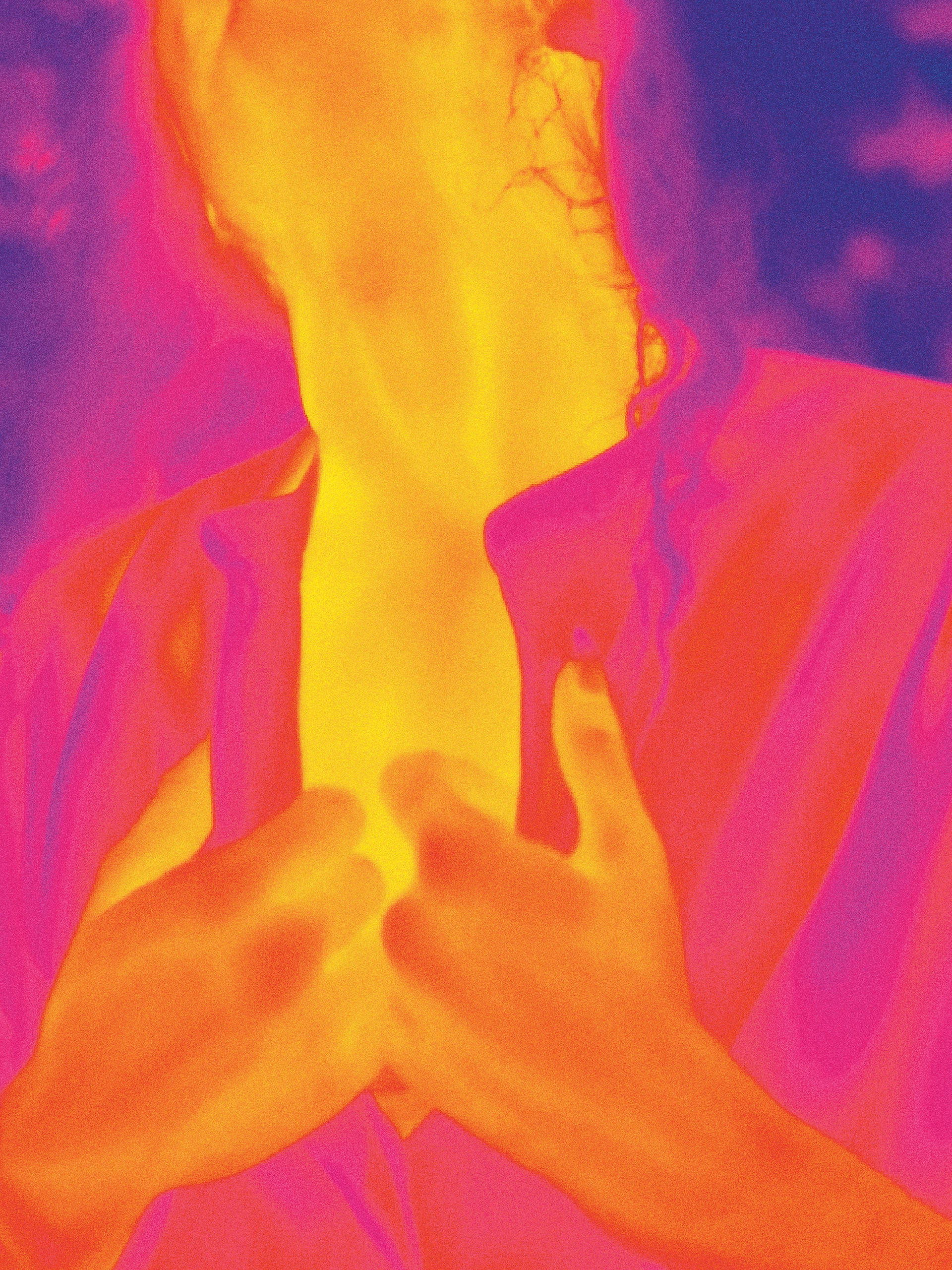
Continue your exploration by delving into the introspective gaze of Carolyn Drake, the 2021 HCB Award winner, at the Fondation Henri Cartier-Bresson. Her series, MEN UNTITLED, unveils a personal, documentary journey into American masculinity. Blending symbols of virility, introspective self-portraits, and raw male portraits, the exhibition probes the constructs of male identity, subtly challenging the norms of masculinity.
Your journey progresses with a dive into the worlds of Irving Penn. A rare collection dating back to 1967 is brought to light at the Thaddaeus Ropac Gallery. In her captivating images, Anna Halprin, in turn, captures the essence of an improvised choreography, celebrating movement and the human form.
The Centre Pompidou also invites us to a celebration of humanity with the exhibition Corps à corps. A meticulously curated selection of historic and contemporary photographs from the Centre’s own collection, paired with the private collection of Marin Karmitz, questions our perception of the individual in modern society and highlights the photographer’s crucial role in shaping identities.
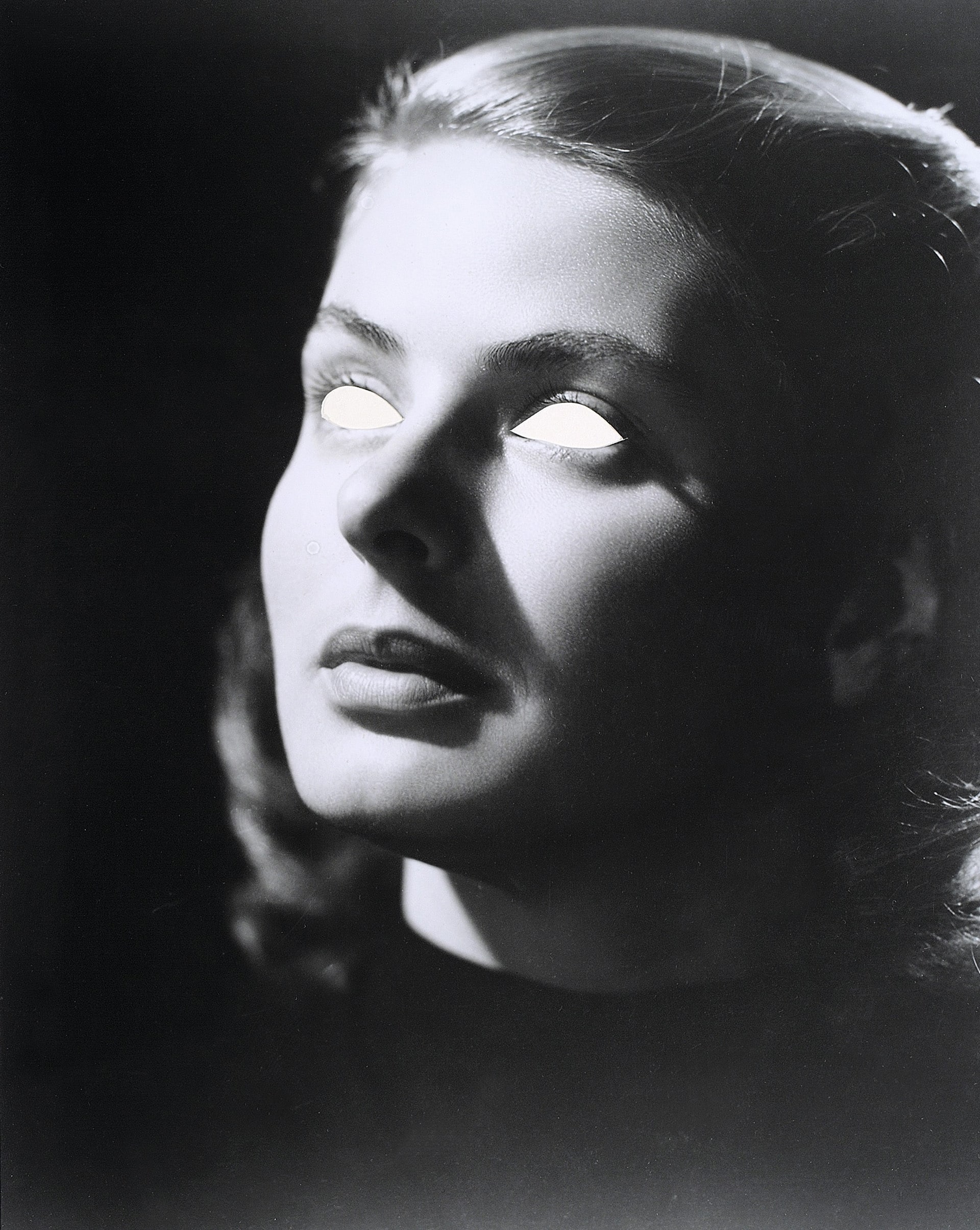
The Grand Palais Éphémère is set to host Paris Photo from November 9 to 12, 2023. Each year, the event honors women’s art through the program Elles × Paris Photo, showcasing the significant contributions of female artists to the history of photography. Curated by Fiona Rogers, this edition features the works of 36 artists, including:
Photo Days also offers an opportunity to delve into mother–child relationships through the exhibition A partir d’elle at Le BAL (October 12, 2023 – February 25, 2024). Engage with the perspectives of 25 artists on their mothers. Figures such as Sophie Calle, Christian Boltanski, and Lebohang Kganye explore the various aspects of maternal figures and family archetypes.
Whether behind or in front of the lens, womanhood reveals its diversity during the Month of Photography in Paris.
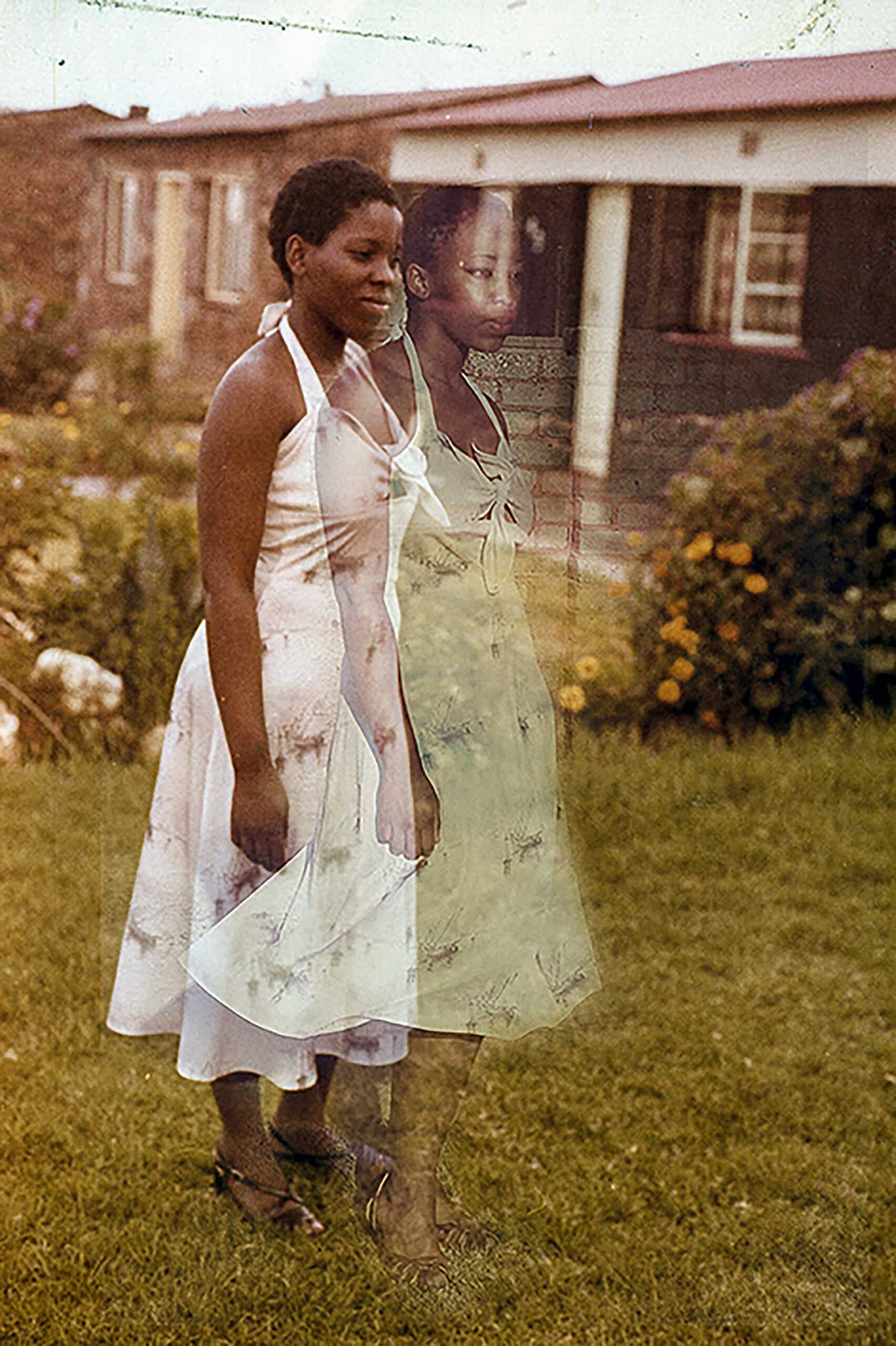
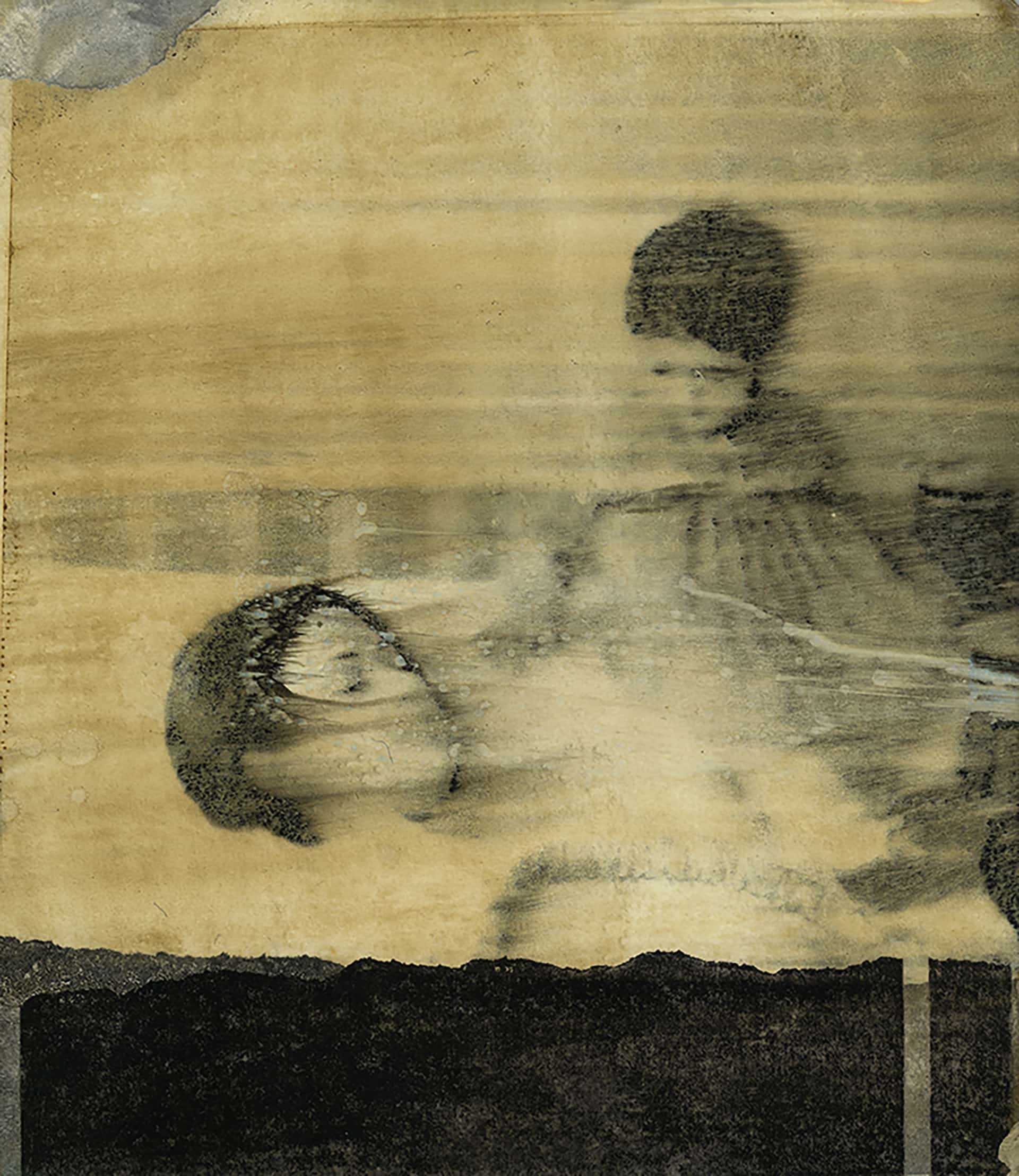
During the Month of Photography, photography is showcased within unique venues. Visit Atelier Frank Horvat to step out of time. The studio stages a photographic conversation between the Hong Kong works of Frank Horvat and British artist Antony Cairns. Fiammetta Horvat, the late photographer’s daughter, aims to turn his photo studio into a space dedicated to contemporary photography encounters. Note that the exhibition can be visited by appointment only!
Continue your adventure in photography with Photo Saint-Germain at the Museum of the History of Medicine. The exhibition Phenomena: Scholars and the Mysteries of the Mind (part 2),” features a series of previously unseen photographs (part 1 was presented in 2022 at the same museum). Capturing the unexplained, these images reveal the invisible and evoke the impossible.
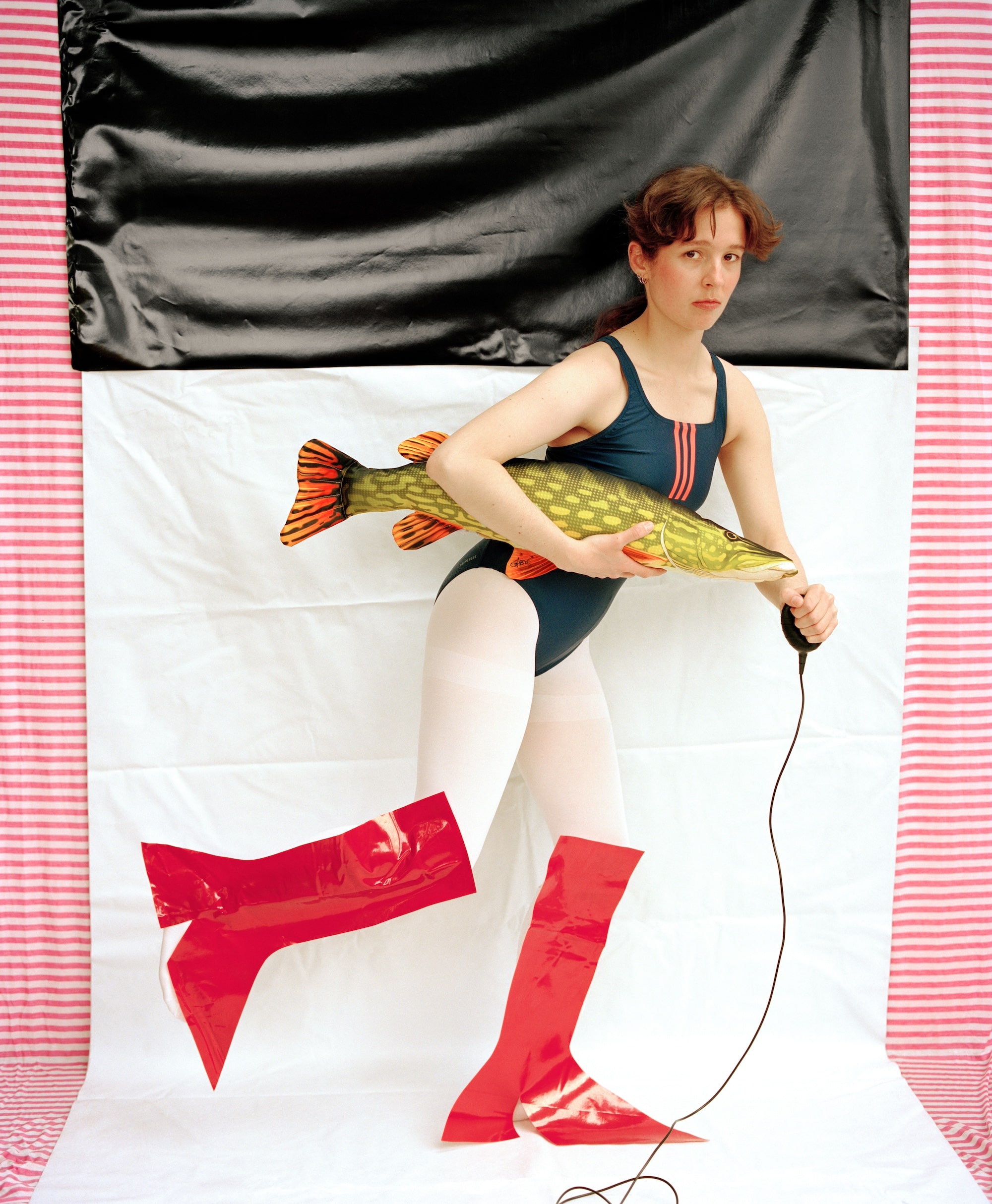
Did you know? Photo Days has revived La Rotonde Balzac
Since its inception in 2020, the Photo Days festival has turned La Rotonde Balzac into a nexus of literature and photography. This year, Elger Esser brings the past to life through the photographic lens, reflecting on the evolution of technology and art. Located in the gardens of the Hôtel de Rothschild in Paris’s 8th arrondissement, the Rotonde had been shuttered for decades, unknown to Parisians and used as a gardener’s shed! Today, it has been revived thanks to Photo Days.
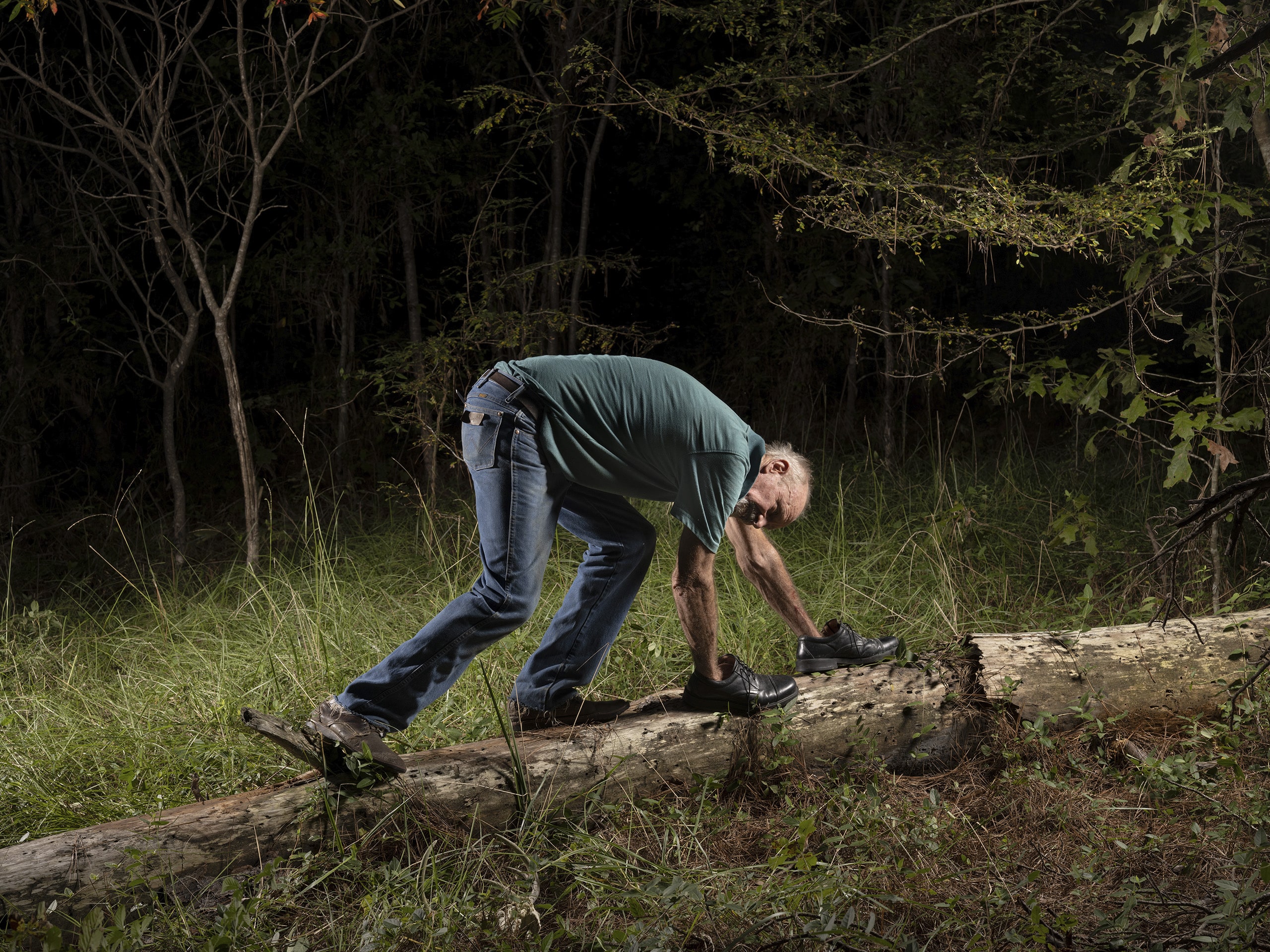
Matthias Pasquet offers a workshop in “Gelatin silver experimentation.” You will learn how to use rocks or other materials as your canvas. The concept? To combine the techniques of painting with photography. The lab thus becomes a place for all kinds of daring feats. Solarization, rayographs, chemigrams, and other camera-less photographic techniques will be at the heart of the artistic explorations.
Celebrating innovation, the Grand Prix Paris je t’aime × Photo Days emerges as a showcase of contemporary photographic talent. This initiative focuses on artists who capture the quintessential beauty of Paris. The theme of the 2023 edition, “Paris, Games,” turns the French capital into a blank canvas where these photographer come to deploy their creative energies.
Key takeaways:


A very exciting exhibition opens on Saturday, Nov. 11, at Redbud Arts Center at 303 E. 11th Street. “Ancient Lands … Ageless Stories” is a show of contemporary Aboriginal Australian art, which Redbud Arts Center is hosting in collaboration with the Booker-Lowe Art Gallery to celebrate the 50-year anniversary of Australia’s contemporary Aboriginal art movement.
The show includes works by artists Rosella Namok, Silas Hobson, Fiona Omeenyo, Jeffrey Jangala Gallagher, Theo (Faye) Nangala Hudson, and Joycie Pitjarra Morton among others. While the paintings all have a modern look and feel and are created by Aboriginal artists who are our contemporaries, they draw on the rich artistic heritage of the world’s oldest living culture. Australia’s first nations have been making art for 50,000 years. If you’re a lover of abstract art, you might have encountered the term “mark making,” referring to artistic strokes meant to evoke emotion. Surely, the knowledge that 50,000 years ago Aboriginals in Australia were engaging in mark making on cave walls, in the bark of trees, in the sand, even on their own bodies, is awe-inspiring. And the fact that so many thousands of years later, artists are carrying on these artistic traditions along with the mythology that permeates them, and that we can see such works here in our own neighborhood is exciting indeed.
According to the Redbud Arts Center website, “The contemporary Aboriginal art movement began in the early 1970s at Papunya, a remote government settlement in the Northern Territory. At the urging of the local school’s art teacher, a group of senior men agreed to paint a mural of a tribal Tjukurrpa, or Dreaming story about their Honey Ant ancestor. Using modern paints and brushes, they created a striking abstract work on a school wall, and soon after, began painting on canvas, old floorboards, or whatever they could find. These small paintings quickly attracted attention at a small art gallery and on the streets of Alice Springs, several hundreds of miles away. Soon, men and women from other indigenous communities began painting, translating their own traditional patterns onto canvas. Today, hundreds of Aboriginal painters from coast-to-coast exhibit their works, portraying a cultural journey unlike any other in museums and galleries not only in Australia but throughout Europe, Asia, the Middle East, and the U.S.”
According to the Redbud Arts Center website, the inception of the contemporary Aboriginal art movement can be traced back to the early 1970s when it emerged in the remote government settlement of Papunya, located in the Northern Territory. Encouraged by a local school’s art teacher, a group of senior men decided to embark on a creative endeavor, painting a mural depicting a tribal Tjukurrpa or Dreaming story centered around their Honey Ant ancestor. Armed with modern paints and brushes, they skillfully crafted an impactful abstract artwork on a school wall. This initial project inspired them to extend their artistic expressions to various surfaces, including canvas, old floorboards, and any available materials.
These small paintings quickly garnered attention, both within a small art gallery and on the streets of Alice Springs, several hundreds of miles away. Before long, individuals from other indigenous communities joined in, bringing their own traditional patterns to life on canvas. Today, Aboriginal painters hailing from different corners of the country proudly showcase their works. Their art serves as a representation of a cultural journey that stands apart from any other, gracing museums and galleries not only in Australia but also across Europe, Asia, the Middle East, and the United States.
“Aboriginal art from Australia is a window into one of the world’s oldest cultures,” said Nana Booker, co-founder of the Booker-Lowe Art Gallery and a long-time art dealer of Australian Aboriginal art. The art reflects an incredible visual history, yet aesthetically it’s very modern. Artists use a combination of natural pigments as well as Western materials. The resulting canvases, Booker said, are “rich and layered in meaning, as well as great to look at.” Art lovers who want to know more about the meaning behind the paintings can delve into a whole mythology where the amount of exploration open to them seems endless. They can learn about ancestral creation spirits, rainbow serpents, as well as a different philosophy regarding creation, in which the creation era is never ending.
Having been involved with collecting Aboriginal art for over 25 years, and having traveled to Australia repeatedly, Nana Booker talks with great excitement about the moment when she first fell in love with Aboriginal art, in a gallery in St. Louis during a business trip. She says she was blown away by the paintings she saw. “The power of them was palpable.”
“Ancient Lands … Ageless Stories” will be on view at Redbud Arts Center until Dec. 30, with the opening reception taking place the evening of Saturday, Nov. 11, from 6-9 p.m.

Kazerne is a 2,500-square-meter combined meeting, exhibition, and hospitality space housed in a former military police barracks (and adjoining warehouses) dating back to the early 19th century. When Design Milk last visited in 2015, the renovation was only a year in – now it is complete and diners can eat surrounded by powerful design installations. For Dutch Design Week 2023, a show called Evolving Harmony: Intertwining Hope and Design has been curated by Annemoon Geurts exploring a “radically different” way to “live, produce, and consume together.”
The space adjacent to the main dining area was given over to three large sculptural pieces, two of which were by Eindhoven-based designer Grietje Schepers, who graduated from Design Academy Eindhoven in 2008. Ellipt 007 (above) is made from natural Dutch wool felt – the light and shadows it casts were conceived to create “mesmerizing patterns” and “alter the sensory perception” of the space. The three-dimensional form was created using an intricate pattern cut into flat felt with no waste.

“The Crawling objects capture your attention with their insect-like composure,” said the wall text explaining Crawling (above). “The creatures seem to come towards you while they are obviously too heavy to walk.” In keeping with Schepers’ low-waste approach, they are largely made from thrifted materials and objects.

The third piece is by a more recent DAE graduate, artistic researcher, and designer Ori Orisun Merhav. Made by Insects is part of an ongoing research project into the natural polymer lac (more commonly known as Shellac and used as a coating) which is made from the secretions of female lac bugs. What started with a research project in Thailand to study the insects has evolved into a library of new techniques for working with this material in new and innovative ways and a body of work that demonstrates those techniques.

Fragments N21C and N21H (above and top) by Nanette de Kool are a collage of memories captured in photographs, video stills, and fragments of conversations, that are then screen-printed onto used and reconstructed textiles to evoke your own stories and memories. The Illinois Institute of Art graduate has a background in fashion design and styling.

Selyn was founded in 1991 when Sandra Wanduragala set out to create a sustainable income source for 15 women in Sri Lanka by reviving the dying art of handloom weaving in her home garage. Today it is a fair-trade certified company employing more than 1,000 female artisans across rural Sri Lanka.

As well as traditional crafts, Selyn uses cutting-edge technology to provide transparency into its supply chain. By simply scanning the button attached to the top of this bag, you can see who made it and when they were last paid, verified by the maker herself, as well as information about materials, dyeing methods, and environmental impact.

In September 2022, the company was commissioned by the ambassador to the Kingdom of the Netherlands in Colombia to collaborate with interior architect Nicole van der Velden, to renovate his office and residence in line with his circular economy principles. Alongside reupholstered furniture, this quilt (above) was produced to tell the story of the project through its scanable buttons.

With support from Creative Industries Fund NL, Isaac Monté has 3D-printed three giant clams – representing different stages of a stone mason’s apprenticeship – from Stone Paper made from byproducts from the limestone industry, such as calcium. Due to its unique viscosity, this necessitated the development of novel extrusion techniques. Through his work, Monté pays homage to the ancient craft of stonemasonry while redefining it for the modern era.

Everyday Paradise (above) was co-curated by Lili Tedde and Lidewij Edelkoort to enable visitors to “search for beauty, soothe our soul, and heal our mind; to recompose our battered being” in a climate of “ongoing war, endless waste, accelerated climate change, and our loss of agency to AI.” Edelkoort is quoted as saying “The selection of these exotic masterpieces was done with the expert eye and experience of Lili Tedde, passionate about helping others discover her beloved Brazil through multiple publications and exhibitions,” however, I found the decision to credit everybody involved apart from the designers and makers of these pieces, plus the use of terms such as “exotic” and “outsider,” problematic and perhaps symptomatic of some of the problems the exhibition was designed to soothe if not solve.

House of Dreams explored the bedroom of the future with a “bedstead made of only responsible and locally harvested materials, a safe place to close your eyes, take a nap, refresh your mind, and dream a dream that stays your own.” The project was conceived by ConverseArchitects, made from reused Velux window frames, and filled with a specially made mattress, futon, topper, and pillows containing only materials from Dutch soil made by Futon Factorij.

“Since we want to showcase a simple bedroom, it seemed appropriate to us to exclusively pick real and tangible materials and products,” say the architects. “By staying close to the origin of the products we want to show the simplicity of our basal installation. Our goal is to pick our materials from Dutch soil and work together with real craftsmen.”

Finally, the gourmet circular farm Vaderland hosted a pop-up restaurant for the duration of Dutch Design Week. Designer and farmer’s daughter Lianne van Genugten and chef Joep Brekelmans are building the farm using “an iterative design process, in collaboration with nature” they say. “This means perpetual movement, fine-tuning, balancing, and optimization, again and again. With respect and attention for what the earth asks and gives, they are developing a nature-inclusive farm.”
Photography by Katie Treggiden.


The Lamar Dodd School of Art will present its third annual Dodd Market on Friday, Nov. 17 from 10 a.m. to 6 p.m.. Guests can view and purchase student artwork on the first floor of Lamar Dodd, in the atrium and courtyard. The art sale will feature work from more than 140 student artists.
The event seeks to provide student artists with the opportunity to showcase and sell their work. It also provides an opportunity for the University of Georgia and Athens community to engage with local student artists.
Traditional markets usually request high fees for promoting opportunities and traveling, in addition to taking high percentages of the artists’ earnings, according to the Lamar Dodd Website. The Dodd Market allows young artists to gain experience in marketing and selling for free and keep the total amount of their proceeds.
The event is made possible by the UGA Parents Leadership Council. Because all sales go directly to the student, the Dodd Ambassadors will host a raffle of miscellaneous and UGA-affiliated art pieces to raise funds to host next year’s market.

Bushland fourth grader Ryder Grace Liles absolutely loves sports, especially her favorite, softball.
While Ryder Grace is like most 10-year-olds, who loves school and plays with her friends, she’s very unique in what has become her passion. In just one year, Ryder Grace has made a hobby of taking photos at Bushland sporting events and ran with it becoming a go-to asset as a well-known sports photographer in the Amarillo-area.
“I’ve always loved sports,” Ryder Grace said. “I loved watching sports and seeing sports photos. I also play sports. I play softball, volleyball and run track. I watched Bushland sports and I just wanted to try to shoot photos to see how I could do.”
Ryder Grace’s parents, Steven and Jamie, said Ryder Grace first started gaining interest in photography watching her older brother, Parker, a sophomore now at Bushland, and his friends play games, so they bought her a camera for a trial run.
“We saw how expensive cameras were so we bought a decent one to see how she would take care of it,” Steven said. “She took amazing care it. So, Jamie and I talked, and we decided to get her a better camera in February of last year.”
“Her first sports shot was at a freshman basketball game. She’d go watch her older brother Parker play. She’d shoot his games and his friends. She’s nine-years-old at the time so we didn’t know what to expect. We’re at Tascosa and she got some really good shots. She knew what she was doing, and we knew this is something she really loved.”

Ryder Grace took her photography seriously and started training herself by watching YouTube videos that made her better. Once Steven and Jamie noticed Ryder Grace’s true talent, the two got with Press Pass Sports managing partner and extraordinary photographer, Joe Garcia III, about investing in a better camera so Ryder Grace could take her photography a little more seriously.
“I reached out to Joe and asked him what kind of camera we needed to invest in for her,” Steven said. “They aren’t cheap, and we didn’t want to spend a bunch of money on the wrong camera. Joe gave us great advice on what to look for and we were able to get the right fit for her.”
Garcia eventually met Ryder Grace during basketball season last year and the two hit it off. Thanks to Garcia’s training, Ryder Grace was first published by the Amarillo Globe-News last spring and has been in the regular rotation as a football and volleyball photographer for Press Pass Sports all fall.
“Joe has helped me out a lot,” Ryder Grace said. “He’s helped me with framing, lighting, focus and getting the action shots.”
Garcia echoed Ryder Grace’s comment.
“It’s been so cool to mentor Ryder this school year,” Garcia said. “You can tell she loves her Bushland Falcons and has a passion for learning. She soaks up everything like a sponge. I’m super proud of her and I always look forward to seeing her images on Instagram.”
“I think it’s incredible that we call a 10-year-old to help us cover the Bushland Falcons, and we have all the confidence in the world that she’s going to send us top-notch photos. I can’t imagine what her images will look like when she’s 11.”

Ryder Grace has even become very popular on social media thanks to her Instagram platform. She’s not just getting noticed by Bushland students but students from other schools.
“People know who she is now because of social media,” Jamie said. “High school kids from other towns even come up to her and ask her to take pictures of them. Most kids her age are playing out with their friends, and she does too at times, but she also works her tail off on the sidelines or the court to get shots because that’s what she loves to do.”
Ryder Grace plans on continuing to shoot amazing photos and her dream is to play college softball.





