About

Posts by :

An Old Idea Made New: Biomimcry 3D-Printed Terracotta Cooler

An Old Idea Made New: Biomimcry 3D-Printed Terracotta Cooler

Maybe you’ve already seen a video or listened to a podcast explaining how ancient civilizations across the arid lands of the Middle East have long used terracotta structures with water to create efficient evaporative cooling solutions, systems that neither require electricity nor create an iota of emissions. Large installations such as Ant Studio’s large natural air cooler have been built to showcase how the porous material paired with water can cool surrounding air by the process of evaporation, especially of interest across our dangerously warming planet.

But what about applying the same idea on a smaller scale, one suitable for a house or just a room? Simon Pavy and design agency Entreautre have set out to use that same principle in the form of a small vessel, using a customized 3D printer to create the Biomimcry 3D-Printed Terracotta Cooler.

Within a ceramic vessel no larger than a typical houseplant planter lies the secret of the Biomimcry’s cooling qualities: an intricate nest of looping volumes inspired by coral. The vessel is manufactured layer by layer using a special 3D printer customized by Dutch artist, Olivier Van Herpt. Instead of typical plastic filament fueling output, Van Herpt’s printer extrudes terracotta in filaments with the precision of a skilled pastry chef using a fine-tipped icing bag.

Biomimcry 3d printed ceramic cooling vessel being printed using special adapted 3D printer using terracotta filament layer by layer, with tubes and printer head spotlighted.

The 3D printer has unlocked biomimetic geometries impossible to achieve by traditional manual techniques.

The coral-inspired form increases surface area where water can evaporate, and in turn, cool ambient air. The process is aided with a modern technological accomplice: a fan. Alongside the aid of an electric fan positioned at the bottom of the vessel, the evaporative effect is magnified by the layered coils’ finely ridged texture, a physical characteristic created during the 3D-printing process itself. In this way the technical constraint of 3D printing has become both an aesthetic signature of the object and an efficacy enhancer.

Overhead of Biomimcry 3d printed ceramic cooling vessel's coral inspired undulating ceramic design.

Hands holding the interior section of the Biomimcry 3d printed ceramic cooling vessel, revealing how it's printed.

A collection of 3D images of the Biomimcry 3d printed ceramic cooling vessel during its planning and design stages with notes about its coral-based shape and how it increases surface area cooling.

“I designed this structure using the software Grasshopper,” says designer Simon Pavy, “Which is a visual 3D programming language connected to Rhino 3D. It enables the creation of intricate and parametric components that would be challenging to achieve with conventional CAD programs.”

View underneath the Biomimcry 3d printed ceramic cooling vessel revealing the electric fan that helps deliver more air across the vessel's surface area to improve evaporation rates.

The Biomimcry 3D-Printed Terracotta Cooler still has some ways to go to make the jump from concept to a readily available product. But creator Pavy says the project is planned to launch in an industrial version as early as 2024 upon graduating from its current testing phase.

Gregory Han is a Senior Editor at Design Milk. A Los Angeles native with a profound love and curiosity for design, hiking, tide pools, and road trips, a selection of his adventures and musings can be found at gregoryhan.com.

Victoria Rose Richards Surveys Land From Above in Atmospheric Embroidered Landscapes

Victoria Rose Richards Surveys Land From Above in Atmospheric Embroidered Landscapes

All images © Victoria Rose Richards, shared with permission

Aerial fields of vision emerge from Victoria Rose Richards’ embroidered landscapes. Setting scenes from up above, the artist (previously) uses thread to achieve a variety of patterns and textures, implementing satin stitches and french knots to form curiously shaped fields, patches of trees, and bodies of water. The majority of her pieces take at least 10-25 hours each, with every meticulous detail shining through at the end.

Richards is inherently connected to her natural surroundings. Raised and based in South West Devon, nostalgic vistas of farmlands, woodlands, and the countryside make up the subjects of her pieces, emanating feelings of homeliness and familiarity. The artist shares with Colossal that she loves depicting fields because of “the different formations and patterns they make, some being orderly and others higgledy-piggledy, some looking naturally formed and others forced.”

Richards’ work will be included in the ING Discerning Eye Exhibition starting November 17. This winter, the artist is also creating calendars with images of her work, so keep up with her Instagram and website for the latest updates.


an aerial view of a green landscape surrounded by bodies of water embroidered inside of an embroidery hoop.

an aerial view of a green landscape embroidered inside of an embroidery hoop.

an aerial view of a green landscape with clouds embroidered inside of an embroidery hoop.

an aerial view of a green landscape with a pond embroidered inside of an embroidery hoop.

an aerial view of a green landscape embroidered inside of an embroidery hoop.

a cornfield landscape during a thunderstorm, embroidered within an embroidery hoop.

an aerial view of a green landscape embroidered inside of an embroidery hoop. an aerial view of a colorful landscape embroidered inside of an embroidery hoop.

an aerial view of a green landscape embroidered inside of an embroidery hoop.

Do stories and artists like this matter to you? Become a Colossal Member today and support independent arts publishing for as little as $5 per month. The article Victoria Rose Richards Surveys Land From Above in Atmospheric Embroidered Landscapes appeared first on Colossal.

National Geographic Photo Camp Celebrates its 20th Anniversary

National Geographic Photo Camp Celebrates its 20th Anniversary

WASHINGTON D.C. — The National Geographic Society is proud to celebrate the 20th anniversary of National Geographic Photo Camp, a program that provides a meaningful introduction to photography for young people from communities around the world. Since the program was founded by National Geographic Explorer Kirsten Elstner in 2003, more than 3,000 students from 44 countries have participated in 147 Photo Camps. 

“The mission of Photo Camp has always been to inspire youth as they explore the power of their own stories through photography,” said Elstner. “I’m so thankful to the Society and our generous partners for supporting Photo Camp, to all of my fellow Explorers and photographers who have given their time as mentors, and of course to the students who continue to inspire me with their passion and creativity as they’ve shared their stories. Over the past 20 years, I can truly say that I’ve learned as much as I’ve taught.”

Over the past 20 years, Elstner has provided mentorship to students around the world –– from the very first Photo Camp in Washington, D.C. in 2003 (left) to New Zealand in 2023 (right). Photos by Becky Hale/ National Geographic and Erika Larsen/National Geographic.

Photo Camp fulfills its mission by working closely with renowned National Geographic Explorers and photographers, who provide positive mentorship and foster a sense of community among students. Each Photo Camp is a tailored, immersive experience that invites students to explore the world around them, share their personal stories, listen to and learn from others’ perspectives, and reflect on big ideas like the meaning of home or the ways we are all connected.

The program’s impact extends beyond the week as Photo Camp students continue to use their training and grow as storytellers and leaders. Many alumni have continued a relationship with National Geographic –– some as Young Explorers like Te Aho Jordan and Markus Martinez Burman –– or as teaching assistants at other Photo Camps.

“My experience from Photo Camp has not only influenced my photographic practice but in a wider sense, my artistic and design practices as well. I learned how necessary it is to empathize with your subjects in order to tell their stories well,” said Ankita Das, who started as a Photo Camp student in India in 2018. “As a team leader for two later Photo Camps, I tried to pass on my Photo Camp lessons to the new students because Photo Camp is just not only about learning technical skills and having a good time, it’s so much more than that.”

Photo Camp students have taken more than 2.5 million photos to date. Left, Photo Camp alumni Ankita Das made this photo during a Virtual Photo Camp in 2021. Center, Photo Camp alumni Latamai Katoa photographed her fellow Photo Camp student with the pride flag on the beach in Russell, New Zealand during Photo Camp Northland in 2023. Right, Photo Camp alumni Mokgwathi Motswagole took this photo during Photo Camp Botswana in 2022 while exploring the Okavango Delta.

“National Geographic is proud to support Photo Camp as a program that truly speaks to the heart of our mission and exemplifies the profound power of storytelling to illuminate, connect and inspire,” said Kaitlin Yarnall, the Society’s Chief Storytelling Officer. “We know that each Photo Camp leaves a lasting impression on the participants –– and the mentors –– but we hope that each photo also inspires the world to listen to this next generation. Their voices and stories matter, and they can make a difference.”

To celebrate the 20th anniversary of Photo Camp, 20 Photo Camp alumni have traveled to Washington, D.C. for a master class at National Geographic Base Camp that will kick off today. Follow @NGPhotoCamp on Instagram to see the students’ work throughout the week. 

Additionally, National Geographic will publish a book entitled Photo Camp Stories: Our World Through the Lens of Young Photographers on November 7. This inspiring book of photography unfolds around issues including identity, hope, and growth, delivering an authentic portrait of how large numbers of young people around the world see themselves and what matters most to them. Filled with more than 200 images spanning two decades and 35 countries, Photo Camp Stories conveys the raw yearnings of youth –– and imparts enduring lessons for the future.

About National Geographic Photo Camp

National Geographic Photo Camp provides a meaningful introduction to photography for young people from communities around the world. Each Photo Camp is an immersive experience where students receive instruction and guidance from world-class National Geographic Explorers and photographers, build skills and confidence, explore the world around them, and develop deep connections with each other. The goal of the program is to inspire the next generation of storytellers, and support them in sharing their experiences and perspectives.

The Tirhal Collection Empowers Women Artisans Through Craft + Culture

The Tirhal Collection Empowers Women Artisans Through Craft + Culture

Debuting for the first time outside of the United Arab Emirates is the Tirhal Collection, conceptualized by Lithuanian-born textile designer Loreta Bilinskaite-Monie for Al Ghadeer Emirati Crafts. Tirhal’s (meaning ‘journey’) launch marks a contemporary revival of, and tribute to, traditional Emirati design, carrying us through from ancient tribal roots to modern day society.

Photo: Mark Cocksedge

The heart of the collection is made from the skills and talents of 16 Bedouin women who are among more than 300 who have taken part in the Al Ghadeer Emirati Crafts program. They’ve handmade each piece of the Tirhal Collection with sustainable materials, including locally-sourced sheep’s wool and natural dyes. Tirhal celebrates the deep-rooted cultural practice of Al Sadu weaving, an age-old tradition in which women transform wool from their own sheep into furnishings such as tent dividers, cushions, and pillows.

red woven bench with an undulating shape

Photo: Mark Cocksedge

Bilinskaite-Monie’s vision captures the significance of cloth folding in the tribes across the Arabian Peninsula, who would fold up their tents, load them onto camel trains, and travel from location to location. Each piece features a modern, pixelated interpretation of a traditional weaving pattern, symbolizing the nomadic lifestyle of Bedouin communities.

“This design is a homage to the traditional life of Bedouin women – its authenticity and sustainability,” she said. “My aim was to showcase these weavings as their identity, their personal narrative, and to connect this rich social heritage with the sustainable, practical, and modern vision of the UAE.”

red woven bench with an undulating shape

The color palette of the Tirhal Collection represents traditional natural tones often found throughout tribal life in the Arabian Peninsula. The deep blue is produced from the powder of indigo plants, pale green is created from the ghaf tree, burnt orange comes from natural henna powder mixed with hibiscus, while the two-tone black and white reflects the traditional Al Mudayla’iya Emirati weaving pattern.

detail of red woven bench with an undulating shape

It took a cross-cultural collaboration to bring this collection of five benches to life, international designs and local artisans worked hand-in-hand to elevate traditional textiles. Through it all, Al Ghadeer aims to create economic opportunities and skills education for women artisans, enabling them to transform their communities and contribute to a more sustainable world.

blue woven bench with an undulating shape

Photo: Mark Cocksedge

detail of blue woven bench with an undulating shape

blue woven bench with an undulating shape

Photo: Mark Cocksedge

curvaceous black and white woven bench

Photo: Mark Cocksedge

rounded woven beige bench

Photo: Mark Cocksedge

curvaceous black and white woven bench

Photo: Mark Cocksedge

indigo blue dye powder

two light-skinned hands holding a wooden spool with blue yarn

light-skinned hand working on a loom strung with black and rust colored yarns

two light-skinned hands holding a wooden spool with white yarn

light-skinned hands working on a loom strung with black and rust colored yarns

light-skinned hands working on a loom strung with black and rust colored yarns

a circle of people sitting next to one another wearing black and one person wearing white

To learn more about the Tirhal Collection, visit alghadeeruaecrafts.ae.

Kelly Beall is Director of Branded Content at Design Milk. The Pittsburgh-based writer and designer has had a deep love of art and design for as long as she can remember, from Fashion Plates to MoMA and far beyond. When not searching out the visual arts, she’s likely sharing her favorite finds with others. Kelly can also be found tracking down new music, teaching herself to play the ukulele, or on the couch with her three pets – Bebe, Rainey, and Remy. Find her @designcrush on social.

Portland photographer embraces edible chaos

Portland photographer embraces edible chaos

Portland photographer Isabella Cassini loves food.

THANKS TO OUR SPONSOR:

“If we look at how much we talk about and photograph and video food in our culture, we love food. I think photographing it and just having a lot of fun and playing with it showcases that even more and especially doing exceptionally fun things with it,” she said.

Cassini also embraces the chaos of life.

“I don’t like to shy away from the ugly parts of life, the painful parts. And oftentimes those can mean chaos,” she said. “Not that I would want to invite it in!”

Cassini combines her love of food and tolerance of chaos into her latest photography project, “Splashes, Crashes, and Smashes.”

In her studio, Cassini takes foods that we normally don’t think go well together, like raw eggs and macaroons, and smashes them against each other.

The result? A beautiful mess.

“I’d like to think that it also invites other people to explore the chaos for themselves. Everything isn’t always pretty and really, we’re just all giant messes on the inside, just like a cracked egg yolk,” she said.

To achieve this, Cassini built two ramps out of wood and plexiglass, and faced them so that when she dropped the food, they would smash together in the middle.

Meanwhile, she has her digital camera set up right in the middle to in an attempt to capture the exact moment the two foods crash together.

“It was a lot of trial and error and the whole idea behind them was to be able to throw two different food items, liquid whatever it may be down them and into each other. And so that they would crash in the middle and create something explosive and exciting and unexpected,” she said.

Photographer Isabella Cassini stands in front of two of her photographs from her “Kaleidoscope” project. Cassini Cassini combines her love of food and tolerance of chaos into her latest photography project, “Smashes Crashes and Splashes.”

Steven Tonthat / OPB

THANKS TO OUR SPONSOR:

For 15 years, Cassini worked as a commercial food photographer, creating the perfect image of our favorite food and drink. But during the 2020 COVID-19 pandemic, she started “Splashes, Crashes and Smashes” to explore her artistic and fine arts side.

Cassini’s love of food and photography as an art came at a young age. Her father was a filmmaker and gave Cassini her first camera.

“Photography just really allowed me to articulate myself in a way that was just very accessible and as I started diving more into it, there were just so many subjects to explore and the way I could express myself artistically with lighting uh choosing subjects,” she said.

She became drawn to food photography in 2008 which allowed her to express her creativity.

“I think food visually was just very exciting. I was really able to teach myself about lighting and composition and it allowed me to explore, it’s just a very versatile subject.”

She further explores her love of food with her “Kaleidoscope” series.

“My ‘Kaleidoscope’ series was one of the first portfolios I started doing and that inspiration really came from, I think a lot of ethnic markets in Los Angeles,” she said.

Like “Splashes, Crashes and Smashes,” Cassini photographs food in unique and interesting ways. But unlike the chaos, she focuses on order, and pattern.

“They’re not kaleidoscopes in the sense that they’re a repeating pattern. There is a lot of precision and perfection that goes into placing every little thing where I want it to be,” she said.

Cassini said the kaleidoscope and the smashes projects are different representations of her creative process.

“One is leading more into the chaos and letting things happen as they happen. The other is I want this to look a specific way. “

“I think that’s part of why I love ‘Kaleidoscope’ so much because it really is about seeing how they are all going to fit together and it’s almost as if they have a perfect place, but I just haven’t figured it out yet,” she said.

Through her projects like “Smashes, Crashes and Splashes,” Cassini hopes people embrace the not-so-perfect sides of themselves.

“Sometimes I do feel like I’m here to let people know like they’re OK, just the way they are, perfectly imperfect,” she said.

Photographer Isabella Cassini photographs food crashing together in her latest project, “Splashes, Crashes, and Smashes.”

Courtesy Isabella Cassini

THANKS TO OUR SPONSOR:

WePresent | Marta Syrko uses natural elements to create supernatural photos

WePresent | Marta Syrko uses natural elements to create supernatural photos

Syrko also uses water, ice, steam and colored gels to disturb the surfaces of her photographs, drawing attention to planes we usually overlook or ignore. These methods feel at home in her work for the Dutch National Opera & Ballet, which is also informed by the dreamlike world it inhabits, by fairytale stories such as “Swan Lake” or larger-than-life narratives such as “Der Rosenkavalier.” Her poster for the Dutch National Opera & Ballet’s “Carmen” shows a woman’s face mottled by ripples, for example, while her image for the “Maria Stuarda” production shows two women plunging their faces into water. Syrko was invited to shoot two consecutive campaigns for the company, in 2022 and 2023. The only other photographer to have been invited twice is Erwin Olaf, a Dutch image-maker celebrated for his slick, hyperreal work.

She studied Art History at the Academy of Art in Lviv and draws on existing art in her work, be it Surrealism’s subversive take on society and sexuality, or the Renaissance’s rebirth of a certain way of looking. Her poster for the production “Giulio Cesare” draws on its Baroque origins, for example, her subject lit and even painted to evoke the sensuous, fleshy paintings of the time.

Culture, Landscape & Photography: Brandon Arik Garcia’s Frontera Film Project

Culture, Landscape & Photography: Brandon Arik Garcia’s Frontera Film Project

When you think of picturesque landscapes, South Texas may not be the first place that comes to mind. However, local photographers are capturing the rich history of the Rio Grande Valley (RGV), including its architecture, terrain, and people, and exploring what it means to find beauty in what many may think is a rundown, uninteresting part of Texas. Harlingen native Brandon Arik Garcia is aiming to correct the narrative about the region with the Frontera Film Project, which focuses on creating visibility for local photographers.

Given the scarcity of resources for practicing and exhibiting photography in the Valley, a significant number of individuals resort to sending their film rolls for development in locations such as San Antonio, Austin, or Mexico, leaving photographers to showcase their work solely on social media. 

Frontera Film is a first-of-its-kind project, pushing the limits to publish local photographers in a zine that follows a series of prompts to evoke creativity from participants. Below, I chat with Garcia about the project. 

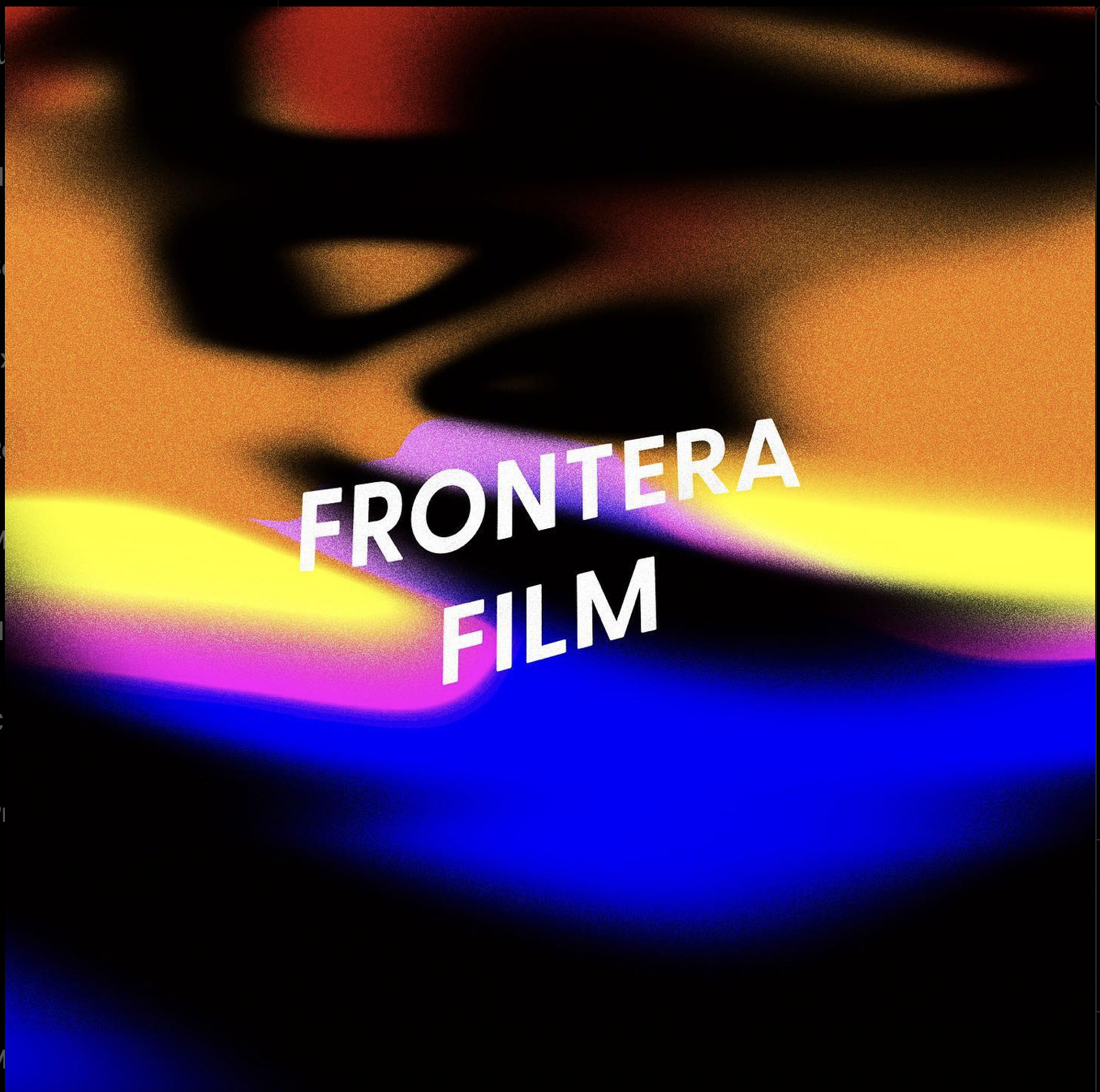
Multicolored announcement for Frontera Film

Aime Miranda (AM): This isn’t your first time creating a zine for the community; what motivated you to create the Frontera Film Project?

Brandon Arik Garcia (BAG): What inspired me was making my first zine. I wanted to create something for the community; I got a lot of support, and people loved the idea! I wanted to make a zine for everyone; that is how Frontera Film came to life.

Members of our film community deserve for their work to be recognized; coming from a small town, I didn’t have that spotlight. We just support each other in this community, and I want to keep that alive. 

AM: Why is it important to capture moments in the RGV through this project?

BAG: There are many talented photographers in the region and they need their recognition. I want them to have a platform and for their work to be available for the public to view. I want them to showcase their lives, their families, and what is outside their homes, to capture whatever they see and what they like.

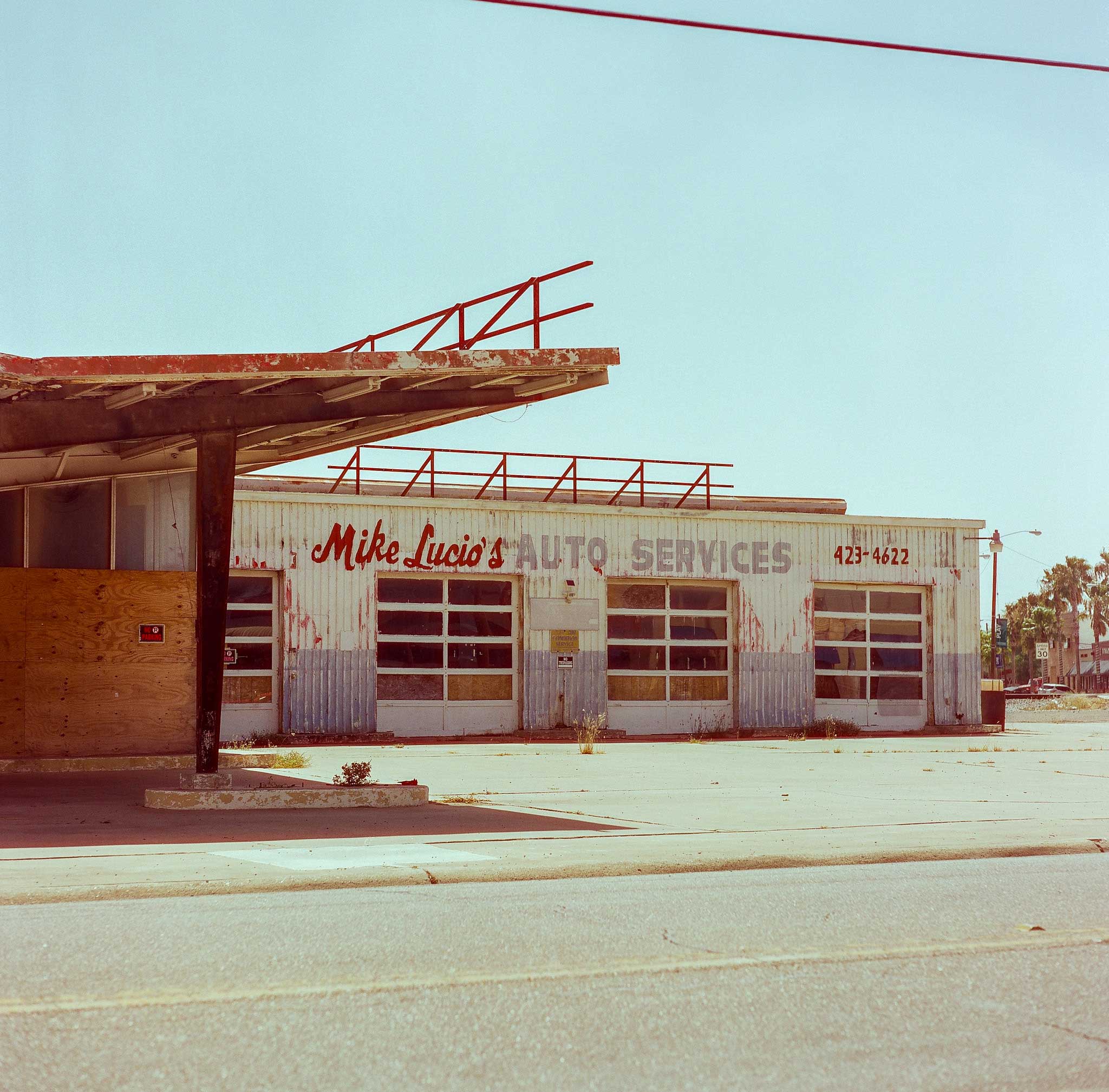
Photo of an an old service station

A landscape in Harlingen, Texas, photographed by Brandon Arik Garcia

AM: What is the process like for photographers to submit their photos?

BAG: Our first prompt was “sequence.” Photographers could go out and shoot whatever worked within that idea. It could be anything from making food to a sunset, as long as there was a process being shown. To submit to the zine, photographers submitted through a Google form. That way we could receive the full-quality images, their Instagram handles, and their project’s name. 

AM: How do you feel that Frontera Film will influence other photographers?

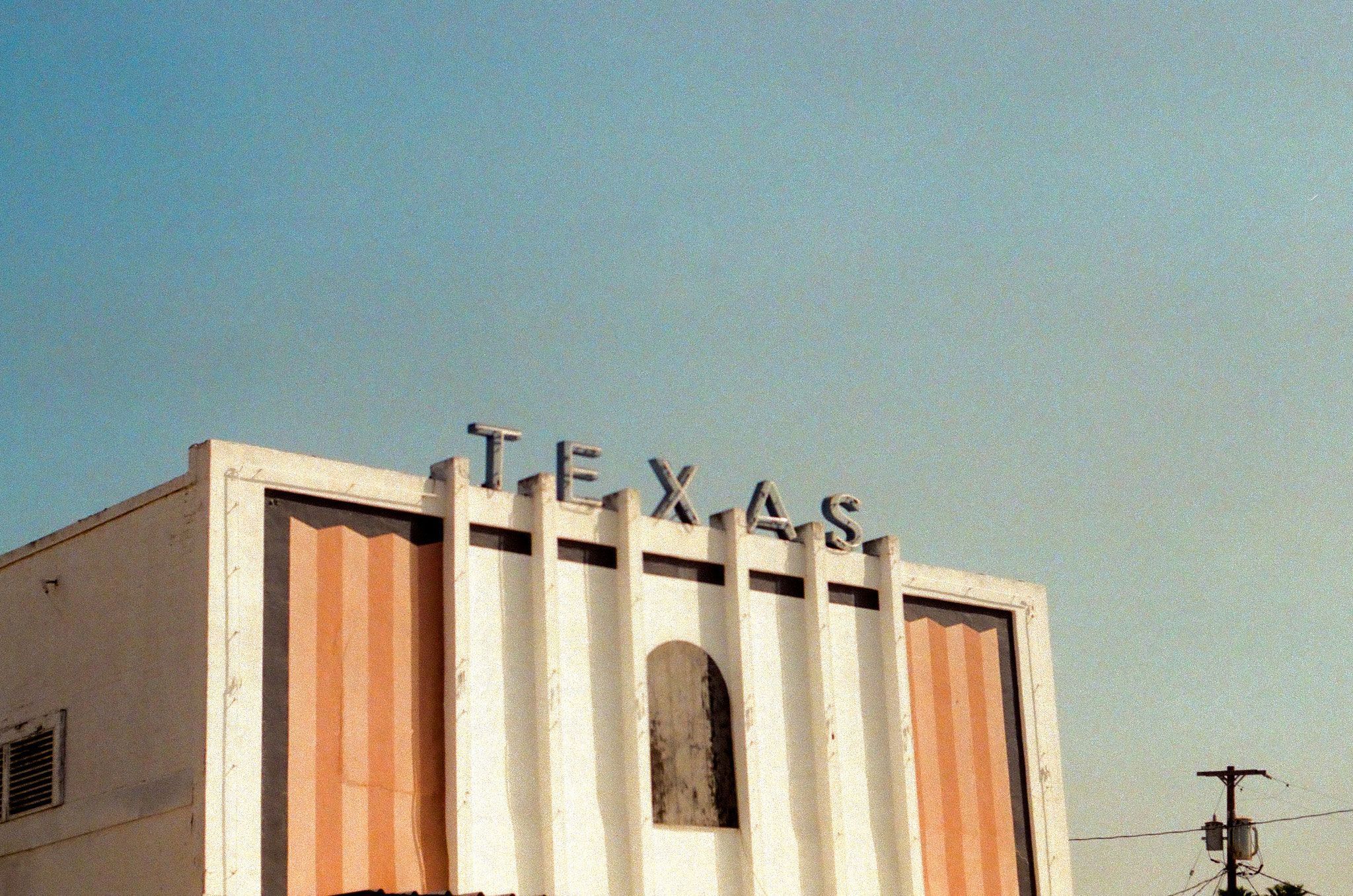
BAG: We tend to forget what’s around us; there’s a lot of culture in the Valley. We live right next to the border, and there are a lot of spots we tend to forget. Places like the Citrus Theatre in Edinburg and mechanic shops with old cars outside; these places can become gentrified, become another plaza or car wash, but that’s why I love capturing them — because they could be gone any day. I hope this keeps the wheels turning and inspires others to create.

Photo of Texas theater in Pharr Texas

The Texas Theatre in Pharr, Texas, photographed by Brandon Arik Garcia

AM: How is the zine organized? Where and when can we find it?

BAG: There is no order in the zine; you open it and you’ll see all the photos that everyone submitted. I hope when people get the zine, it will encourage new photographers to submit and create their own materials. I plan to distribute our first edition in coffee shops like Labyrinth in McAllen and Bandera in Harlingen. I want to distribute it all across the RGV coffee shop scene. The Frontera Film Project Zine will be out, I’m hoping, by the end of November, and will be available during the Harlingen Art Night on November 24. 

WLU Graphic Design Student Takes Second Place Honors at an Intercollegiate Advertising & Design Competition – News and Media Relations

WLU Graphic Design Student Takes Second Place Honors at an Intercollegiate Advertising & Design Competition – News and Media Relations

WEST LIBERTY,  W.Va., November 6, 2023 -West Liberty University’s graphic design senior, Frankie Lander, has clinched second place at the prestigious AdFlux 23 competition with her branding project, marking the culmination of her semester-long dedication to the ART 400 Branding course.

AdFlux is an Intercollegiate Advertising and design Competition sponsored by a coalition of professional associations, including AIGA (American Institute of Graphic Arts) Pittsburgh, AMA (American Marketing Association) Pittsburgh, and American Advertising Federation, and additional sponsors include the National Institute for Social Media and COHatch.  
Moonjung Kang, a professor of Graphic Design in the Visual Communication program at West Liberty University, remarked, “All successful graphic design begins with a comprehensive understanding of the brand. For graphic design students, acquiring a deep understanding of branding is a prerequisite for success. Our branding course was introduced in 2019, and the exceptional projects produced by our students over the years have stood up to the standards of professional companies. Many graphic design students have won awards in various competitions with projects they worked on in my class over the years, but being selected in a competition for branding work for the first time is quite special.”

To view the Frankie's entire branding work, please click here:
Branding by Frankie Lander

This competition is designed to recognize exceptional design work in marketing, design, and advertising produced by talented students from higher education institutions in Pennsylvania, Ohio, and West Virginia. It also serves as a launchpad for these emerging creative powerhouses to gain recognition in the Pittsburgh marketing and advertising community.

Frankie’s achievement in this highly competitive event did not come without fierce competition. The competition received a staggering 300+ entries from design majors representing numerous regional universities. Her project, “5th Dimension: An Innovative & Interactive Festival Event Company,” was submitted under the Digital Ads Campaign category and garnered praise from industry experts.

Kang emphasized, “The students who successfully complete the branding course, including Frankie, deserve special recognition. This course is undeniably challenging, spanning an entire semester dedicated to a single project and delivered through intensive one-on-one instruction.”

Frankie’s work, along with other honored projects, will be prominently showcased at the CCAC Richard Robert Smith Gallery and will be part of a months-long touring exhibition. It will be great accolades to start her career off with.

To view the Frankie’s entire branding work, please click here:

The Visual Communication program is one of the many majors offered in the College of Liberal and Creative Arts. To contact Kang for more information, please email her at mkang@westliberty.edu. 

West Liberty University is West Virginia’s oldest public university, offering more than 70 undergraduate majors and 12 graduate programs, both online and on campus. Learn more at westliberty.edu.”