
Felix Klein, German government commissioner for Jewish life and combating anti-Semitism, said the sculpture made the city unwelcoming to Jews – Click the link for more details.
German church ordered to remove medieval anti-semitic sculpture


Landscape photography is a challenging but rewarding genre, and with all the time and effort it can take to get to a location, it is worth considering the approach you take once you are there to ensure you come away with as many great photos as possible. The insightful video tutorial features an experienced landscape photographer discussing the philosophy that helps him to consistently produce worthwhile images.
Coming to you from Christian Irmler – Landscape Photography, this excellent video tutorial discusses the idea of intentionally photographing locations from new perspectives by letting the light guide you and focusing on meaningful compositions over staying rigidly guided by common compositional rules. No doubt, those compositional rules can be useful, but they should be treated more as heuristics than hard and fast laws. And of course, at the end of the day, light rules all, which is why it is so important to always read and think about the light and be willing to adjust as needed. Staying flexible can often yield better and even unexpected images. Check out the video above for the full rundown from Irmler.
And if you really want to dive into landscape photography, check out “Photographing The World 1: Landscape Photography and Post-Processing with Elia Locardi.”

“Écran plat” (1999), driftwood and linen twine, 60 x 50 x 7 centimeters. All images © Marc Bourlier, shared with permission
Characterized by elongated noses and tiny, punched eyes and mouths, Marc Bourlier’s expressive figures gather in a perpetual state of curiosity and surprise. The artist scours the beaches near his home in Normandy for driftwood, gathering an incredible variety of sizes and shapes to take back to the studio. He complements the weathered grain with carefully whittled heads and long, limbless bodies, packing the individuals tightly together on platforms or organizing them into compartments.
The nuances of color play a role in Bourlier’s work, as he explores the relationship between naturally occurring tones and subtle background hues. Recently, the artist has composed tree motifs grounded by warm, brown surfaces filled edge-to-edge with drawn linear patterns and hundreds of faces. Figures stand around the trunks and balance in the boughs, captured in an enigmatic narrative.
See more of Bourlier’s work on his website and Instagram.

“Le Grand Cloisonné” (2017), driftwood, linen twine, and wallpaper, 120 x 90 x 5 centimeters

“L’arbre Voyageur” (2023), driftwood, wallpaper, and drawing, 50 x 40 x 6 centimeters

“Fétiches Arumbaya” (2020), driftwood, wallpaper, and drawing, 80 x 60 x 5 centimeters

“Cloisonné” (2017), driftwood, linen twine, and wallpaper, 40 x 40 x 5 centimeters

“L’arbre Sous le Lune” (2023), driftwood, linen twine, wallpaper, and drawing, 40 x 30 x 5 centimeters

“Portraits de Fétiches” (2019), driftwood, wallpaper, and drawing, 50 x 40 x 6 centimeters

“Nuages” (2017), driftwood, 80 x 70 x 7 centimeters

“Tous Dehors” (2015), driftwood, linen twine, and wooden box, 35 x 15 x 12 centimeters

“L’étrange véhicule” (2023), driftwood, wallpaper, and drawing, 40 x 40 x 5 centimeters
Do stories and artists like this matter to you? Become a Colossal Member today and support independent arts publishing for as little as $5 per month. The article Countless Astonished Faces Emerge from Driftwood in Expressive Sculptures by Marc Bourlier appeared first on Colossal.

Browse Netflix, check your local listings, or look up movies at any time of the year, and it doesn’t take a scientist to tell you that Native American and indigenous stories have systemically been left out of our collective media. Those that have risen to the top over the last century (Dances With Wolves, The Last of the Mohicans, Pocahontas) have been white-centric and/or have been stories that center around the suffering of indigenous peoples. It’s only in the last few years that, thankfully, stories by Native storytellers — of all kinds — have been given the same chances that thousands of tales of white men and women have been given by TV executives and movie producers; no longer is it that only sad Indian stories pass muster. Peacock’s Rutherford Falls, co-created by Sierra Teller Ornelas, Michael Schurm, and Ed Helms in 2021, was the first comedic sitcom where Native lives were central in the story; that same year, FX greenlit Reservation Dogs, a heartfelt and hilarious take on life on the rez.
The selection of Native narratives is still not where we’d like it to be, but that’s changing, albeit slowly. To celebrate what we can watch, here we’ve compiled a small list of shows, movies, and documentaries that can currently be seen or will be hitting screens in the next few months so you can make sure to watch funny, exciting, silly, ironic, and yes, sometimes scary or sad Native stories.
This content is imported from youTube. You may be able to find the same content in another format, or you may be able to find more information, at their web site.
Hailed by IndieWire as “a stunning spiritual companion” to the Oscar-winning Nomadland as well as the work of Terrence Malick, The Unknown Country was directed and co-written by Morrisa Maltz, a visual and performance artist whose work has been shown at MOCA in Los Angeles and in galleries around the world. The Unknown Country is her first narrative feature film and stars Lily Gladstone as Tana, an Oglala Lakota woman who is tethered to the past through a photograph that her grandmother took decades earlier. Living a transient lifestyle and reeling from a devastating loss in her life, Tana is pulled back to reality with an invitation to her cousin’s wedding. The reconnection with her family spurs a desire to retrace family history and find connection with people living far from mainstream life.
Maltz made the film with Lainey Bearkiller Shangreaux, a Lakota Sioux whom Maltz met at a hair salon in South Dakota in 2017 when Maltz was working on her first documentary feature, Ingrid. The Unknown Country premiered at SXSW in 2022 and opened in Los Angeles and New York on July 28. It will be released in several more theaters over the coming months, and you can find local listings through its website.
This content is imported from youTube. You may be able to find the same content in another format, or you may be able to find more information, at their web site.
Much like the best-selling Leaphorn and Chee book series by Tony Hillerman that it’s based on, AMC’s first season of Dark Winds drew audiences in with its riveting tales of Lieutenant Joe Leaphorn and Deputy Jim Chee, played by Zahn McClarnon and Kiowa Gordon, respectively. The show was created by Graham Roland (Tom Clancy’s Jack Ryan) and is available to stream on AMC+ or watch on AMC as the six episodes air weekly, and its second season brings us back to Navajo County, where Leaphorn leads the small-but-mighty reservation police. Joined by Leaphorn’s most trusted sidekick, Sergeant Bernadette Manuelito (Jessica Matten), the force chases down a bomb-crazy killer, while Chee, now a former deputy turned private eye, has a similar case he’s pursuing. As the two seemingly separate stories converge, old wounds are reopened for Leaphorn, and his patience — not to mention his moral and professional code — is challenged.
The second season also includes guest stars Jeri Ryan, a femme fatale whose weak physicality belies her nefarious ambitions, Nicholas Logan as the twisted assassin with a dark secret, and Jacqueline Byers as a Los Angeles Times reporter hellbent on telling a fair story of Native women’s struggle with maternal health and safety.
With an executive producer team that includes Robert Redford and George R.R. Martin, among others, you know it’s going to be a worthwhile watch.
This content is imported from youTube. You may be able to find the same content in another format, or you may be able to find more information, at their web site.
In its third and final season, this laugh-out-loud funny/grab-the-tissues sad series really should be on your radar already. FX’s Reservation Dogs, co-created by Sterlin Harjo (Love and Fury, Barking Water, Four Sheets to the Wind) and Academy Award-winner Taika Waititi, follows a group of rural Oklahoma teens. They’re young, kindred spirits, or as they’d probably prefer to be called, partners in crime, who started out in season one just wanting to get out of their hometown and make it to the shores of California. The foursome — Bear (D’Pharaoh Woon-A-Tai), Elora (Devery Jacobs), Willie Jack (Paulina Alexis), and Cheese (Lane Factor) — begged, borrowed, but mostly stole to try to make this fantasy a reality, and over the first two award-winning seasons, audiences have fallen in love with them and their extended rez families (which even include spirits from the other side).
This 10-episode final season opens with the pack stranded in California after running away. Once they make it back to Okern — with some well-deserved discipline from their elders — Elora considers college, Bear comes across a conspiracy theorist named Maximus (Graham Greene), Willie Jack gets interested in healing her community, and Cheese still lives with his foster grandmother. Fun fact: McClarnon plays a tribal cop in this show too, and there’s a whole cast of characters played by Native super-talents, such as Wes Studi, Lily Gladstone, Richard Ray Whitman, and Jana Schmieding.
This content is imported from youTube. You may be able to find the same content in another format, or you may be able to find more information, at their web site.
Downwind — an appropriate companion watch to Oppenheimer — is a documentary that chronicles a dark period of U.S. history when, from 1951 to 1992, the United States government tested nuclear and atomic bombs in the Nevada desert. The downwinder communities, mostly made up of Native Americans, Mormons, and ranchers, continue to suffer the dire health consequences and intergenerational trauma caused by exposure to radioactive fallout from testing.
The film is executive produced by actor and activist Matthew Modine, who also co-stars in Oppenheimer, and whose family was directly affected by the desert testing sites. It’s narrated by Emmy Award-winner Martin Sheen, who protested against the continued testing of nuclear bombs in the late 1980s. And central to the documentary is Ian Zabarte, principal man of the Western Bands of the Shoshone Nation of Indians, whose grandfather, cousins, and uncle all died from cancer, with plausible links to radiation exposure. He has been a tireless advocate with the Native Community Action Council and served on the Nevada Desert Experience board, because to this day, the Nevada test site remains active and off-limits and rests on deeded and sacred Shoshone land, without the consent of the Shoshone.
Downwind tells the invigorating tale of American patriot-activists committed to exposing the government’s wrongdoing, working to stop future nuclear weapons testing, and fighting to get Congress to expand the Radiation Exposure Compensation Act.
This content is imported from youTube. You may be able to find the same content in another format, or you may be able to find more information, at their web site.
Killers of the Flower Moon is the hotly anticipated Martin Scorsese film based on the best-selling nonfiction book by David Grann, Killers of the Flower Moon: The Osage Murders and the Birth of the FBI. The book and the movie chronicle the rise of Osage Nation as they became some of the richest people in the world overnight after the discovery of oil on their land in the 1920s. Unsurprisingly, the amassed wealth of these Native Americans immediately attracted white men who extorted and stole as much of their money as they could before resorting to murder.
This epic Western crime drama co-stars Leonardo DiCaprio and Lily Gladstone along with Robert De Niro, Jesse Plemons, and others, with a screenplay by Scorsese and Oscar-winning screenwriter and producer Eric Roth (Forrest Gump, Dune, A Star Is Born, The Curious Case of Benjamin Button). Get your tickets as soon as you can because this film — which got a nine-minute standing ovation at the Cannes Film Festival — is going to be a scorcher.

Ken Burns for The American Buffalo.
We’ve all heard the tragic story of how the U.S. Army and early Western settlers killed off nearly the entirety of buffalo in North America, but what about the species’ origins, or their integral nature to the very heart of Native American tribes all over the continent? The American Buffalo is a new two-part, four-hour PBS series from award-winning documentarian Ken Burns. Burns takes viewers on a journey through 10,000 years of history and across iconic continental landscapes to trace the giant animal’s evolution. The series studies the significance of buffalo to the ecosystem of the Great Plains, chronicles their near demise, and dives into their relationship with the indigenous people of North America and how important that connection was for both human and animal.
Bookmark your calendars to tune to PBS on October 16 and 17 at 8 p.m. ET to catch this epic journey.
This content is imported from youTube. You may be able to find the same content in another format, or you may be able to find more information, at their web site.
In its second season, Native America is an important and groundbreaking portrait of life in contemporary Indian country. The four-part series, directed by Natives, fights back against the history books that so often talk about Native Americans in the past tense by showcasing their life, their culture, their people, and the enterprises of today’s indigenous world. Building on the history delved into during the first season, the second season of Native America reveals the tenacity, beauty, and power of today’s Native people who are smashing stereotypes. The audience will be introduced to exciting engineers, tough politicians, and brilliant artists who draw upon their Native traditions to help build a better world for their people and everyone else in the 21st century.
Valentina Valentini is a London-based entertainment, travel, and food writer and is also a senior contributor to Shondaland. Elsewhere, she has written for Vanity Fair, Vulture, Variety, Thrillist, Heated, and The Washington Post. Her personal essays can be read in the Los Angeles Times and Longreads, and her tangents and general complaints can be seen on Instagram @ByValentinaV.
Get Shondaland directly in your inbox: SUBSCRIBE TODAY

We seem to be heated all throughout the country weather-wise. It’s time to take shelter with the air conditioner when it gets this hot (we’ve been in the 100s). Landscape and wildlife photography take a bit of a back seat. What to do, what to do with my camera while indoors? I’m going to pen a few articles with some ideas. Here’s the first one on water droplet photography.
Water droplet photography is ideal when you’re stuck indoors. Go to your local framer and ask for a sheet of picture frame glass. A 16×20 inch is a good size. I have a 20×30-inch piece I use. If you don’t want to buy a specific piece of glass for this you can take down a frame from your wall and ‘borrow’ the glass for your project. You can support a piece of glass with a couple of boxes. Make sure the glass is level so your water drops don’t run away from you. It’s important that the glass is treated properly.

Part of the secret to good-looking droplets is treating your glass with Rain X. Rain X is helps make water run off car windshields quickly. It has the added benefit of making the water bead up on the glass, making the shape better for recording subjects in the droplets. Follow the directions to spray on the glass, wipe off and polish dry. Then, wait at least a half-hour before allowing the surface to become wet. Note that Rain X is volatile , so make sure your space has proper ventilation or treat your glass outdoors.
You might want to employ a spray bottle to wet the glass. It’s a tip I learned the hard way. Fill your bottle a day or two before you have your photo session. If you fill up the bottle from the tap and start to use it right away you could end up with tiny air bubbles in your water drops. That caused me to do a fair amount of unnecessary retouching on one of my projects. Not sure if maybe you started with distilled water rather than getting it from the faucet this problem might not rear its ugly head.

After playing with the spray bottle with straight water I tried a mixture of glycerin and water. I used distilled water mixed 50/50. The mixture was placed in a dropper bottle. The dropper allows for placing drops exactly where you want them. With the combination of glycerin and water placed on the Rain X treated glass my water drops held their shape.

Anything colorful will make for some cool shapes and patterns. This is one of those projects where you start with flowers as the natural first subjects and start experimenting with anything that will fit under the glass. I raided my fruit drawer and used various combinations of fruit.
You can handhold your camera and lens. I find more control when mounted especially if you want to increase the depth of field by using focus stacking. For me, the camera works best when directly over the water drops. It’s also helpful if using a macro lens and trying to accomplish some focus stacking as part of your capture process. See the photo for my set and description of gear. Camera Olympus OM-D E-M1 Mark III with a 60mm macro lens.
Yours in Creative Photography,
Bob
P.S. This is a good project when it’s too cold to venture forth as well!


Francesco Saverio Tani’s work is all about pushing the boundaries of the human form. Working in the mediums of photography and Photoshop, his work is always sure to have an uncanny twist. Based in Milan, Francesco often calls upon memories and rich imagery associated with his childhood for inspiration; enchanting fairy tales; kitschy trinkets in his grandmothers’ houses; toys and illustrations; meme culture; the lasting allure of Disney’s animated classics – creating surreal entities that exude irony.
Much of Francesco’s imagery deals with both the familiar and uncanny all in one image, so it’s no wonder that at first glance his imagery can feel quite unsettling. “I see-saw between taking myself seriously and embracing fun and nonsense,” he tells us. Balancing both the ridiculous and a dedicated artistic process that puts the human form through a metamorphosis of sorts, makes for a captivating union that never fails to rope us in.


Recent reports state that the underwater camera market is set to have an approximate market value of USD 6 billion. And for this very specialized genre of photography, the valuation is expected to hit close to $13.3B at the turn of the next decade. We look at what factors are contributing to the rise of underwater photography globally and speak to some photographers who are experts in this genre.
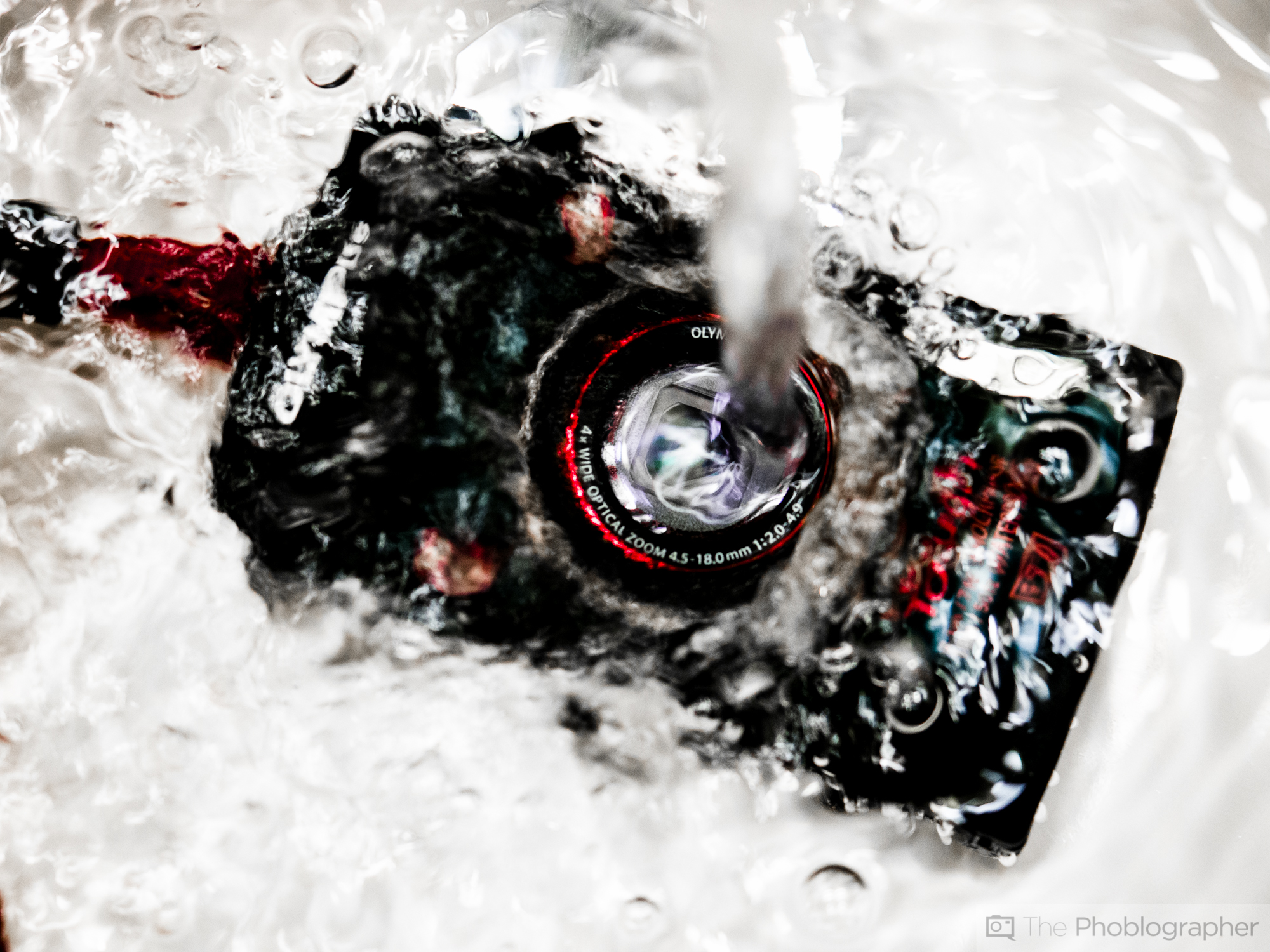
According to Transparency Market Research Inc, the underwater photography genre is set to steadily grow for the next decade. This surge in popularity of underwater cameras can be attributed, in part, to the rise in tourism witnessed. With the easing of Covid-19 pandemic restrictions, holiday resorts have resumed operations, fueling a global interest in adventure tourism and underwater sports. Holidaymakers have begun to spend in droves, with many families opting for expensive holidays to beat their lockdown blues. This trend, colloquially referred to as “revenge tourism,” continues to persist even a year after most countries lifted their lockdown measures. Call it what you may, the heightened demand for luxurious getaways has resulted in a notable increase in the sales and rentals of underwater cameras. This is more prominent in the Latin American and Asia Pacific tourism sectors.
Photographer Javi Garcia feels that social media has also played a large part in contributing to this increase. “Nowadays, the use of all these apps gives people more access to underwater images, and this makes the interest in this type of photography grow, as it happens with aerial photography with drones or other styles of photography,” Javi tells us. “Another reason, I believe, is the increased awareness of the problems facing our oceans. This makes many more people want to get involved in telling stories, showing the beauty or denouncing situations related to our seas and oceans, which increases the interest in underwater photography.”
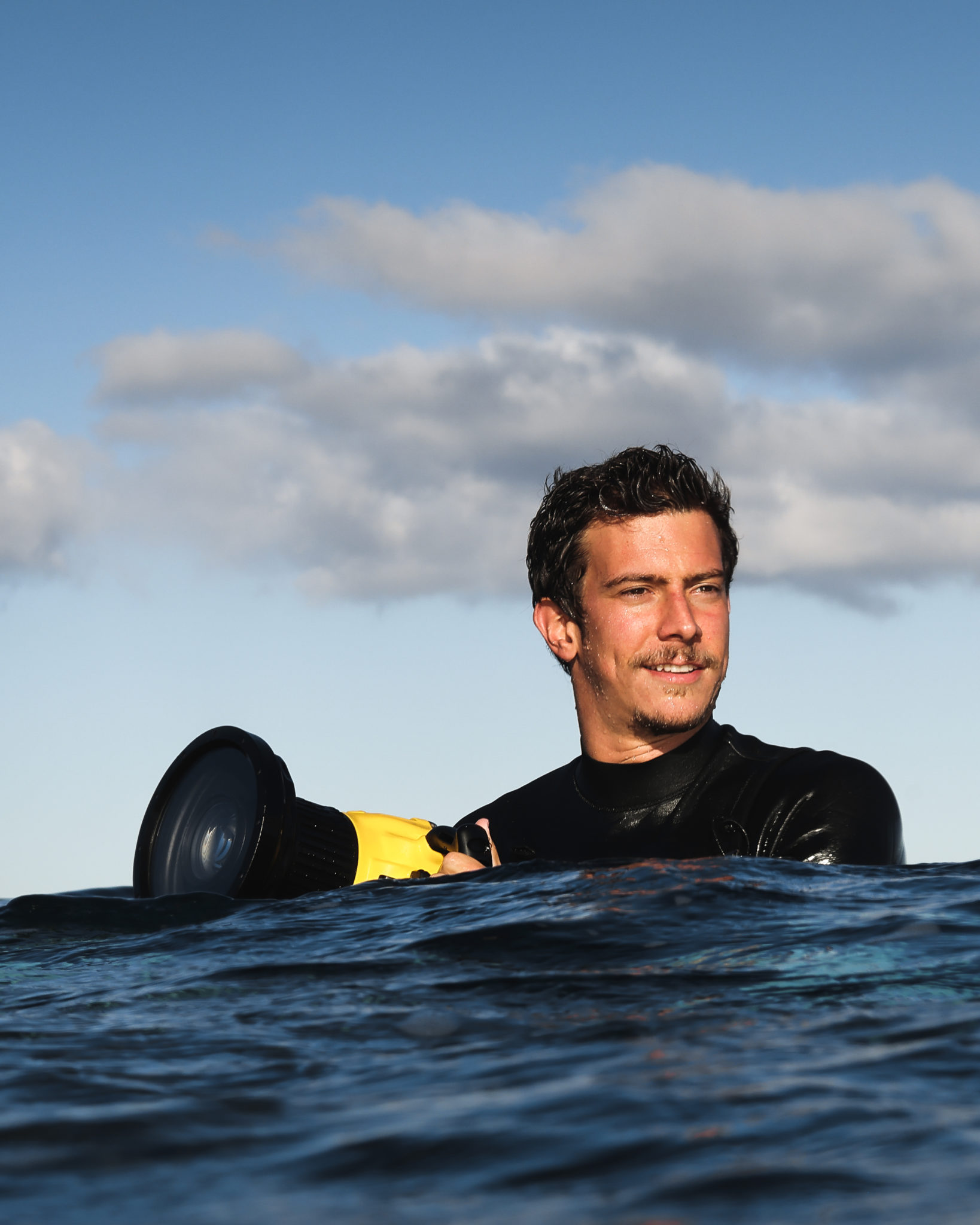
He recently also upgraded all his underwater photography equipment, as he wanted to photograph at much greater depths than before. Javi now understands the increasing competition in this sector and keeps on his toes. “I have always believed that competition is good for any type of work,” he tells us. “This makes you not be satisfied, and always keep in mind the importance of innovating, to keep learning, and to grow as a professional as the market evolves. Every professional has a great advantage over any amateur. He continued to say that it’s all about the experience — and that it’s a huge difference maker.”
Professionals must know how to use their experience as the world evolves
Javi Garcia
Action cameras like the GoPro series and 360 variants like the Insta 360 have always been popular among vloggers. Their all-weather resistance also endears them among travelers with basic photography skills. Underwater photography has also gained traction on social media channels such as Instagram and Tiktok, fuelling increased demand for capable cameras. While smartphones have improved their image quality in leaps and bounds over the last decade, we did note earlier this year that there was still room for more dedicated underwater cameras.
Superior to their inexpensive dedicated underwater counterparts, mirrorless cameras offer distinct advantages due to their larger sensors and higher image quality in aquatic environments. Coupled with the right kind of underwater housing, these cameras can produce far better results under the ocean’s surface than action cameras or smartphones can. Additionally, mirrorless cameras exhibit faster autofocus capabilities compared to DSLR models and more compact and portable designs. As a result, photography enthusiasts among prosumer divers lean towards mirrorless cameras over the bulkier and slower DSLRs.
Blueweave Consulting reports that North America currently holds the highest share of underwater cameras. Asia Pacific has positioned itself as the fastest-growing region, thanks to increased spending power in countries like India and China. By the end of this decade, it’s also expected to supersede North America in the lead.
Sea waters are clear in Maldives, Indonesia, and Mauritius. These perennial holiday spots have clear waters all year round. Photography during activities like snorkeling and deep-sea diving is easier than ever before at holiday resorts in these places.
A surge in tourism, combined with the increasing presence of travel influencers in the post-pandemic era, has sparked new trends. More influencers are looking to create distinct and visually appealing perspective content, to fight the ever-changing algorithms of social media. This has not gone unnoticed by tour companies and tourism boards. Many are now teaming up with influencers to create distinct promotional material beyond conventional travel imagery. Capturing the beauty and fragility of underwater environments helps evoke empathy and inspire action to protect these delicate ecosystems.
Of course, specialist underwater cameras are anything but cheap. But the rise in camera rental companies catering to this segment has already increased, according to Research and Markets. This makes sense for amateur photographers not wanting to invest in buying their own cameras but still looking to create stunning images from their holidays and undersea adventures. The ability to rent better cameras without investing in them also provides travel influencers more flexibility in covering various projects. The same also holds true for professional photographers in other genres of photography. They don’t necessarily do underwater photography as their main line of work but may need to occasionally dabble in it, depending on the client’s needs.
Regions with popular diving and snorkeling destinations, and notable underwater ecosystems, are more likely to have more underwater camera and accessory rental companies in the region.
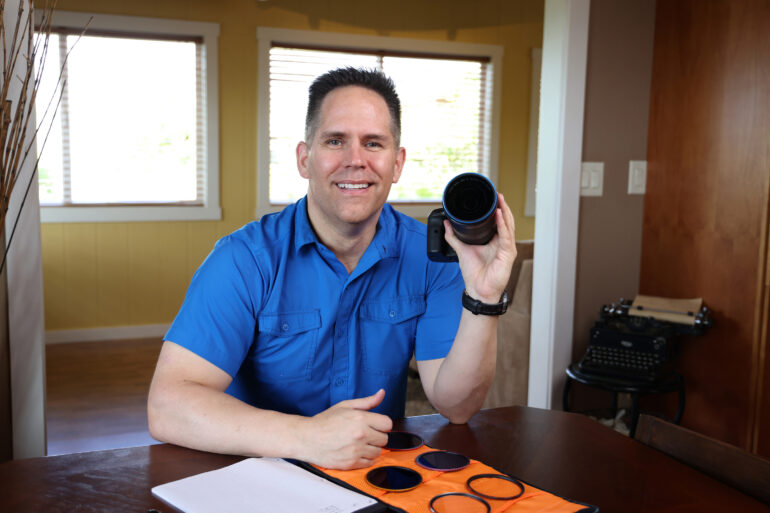
Photographer and tech innovator Michael Andrews knows the costs of dedicating oneself to underwater photography. “The learning (and expense) curve is steep to get into underwater photography,” Michael tells me. “You would likely need to commit $5-$8,000 minimum for a decent setup (possibly more), and this is not including the camera and lenses. You probably need a good 15-20 dives with the new gear just to get the hang of it and really to flourish, but it’s better if these are in different places (more variety).” He also rightly points out the technical challenges that arise underwater. “There are all kinds of lighting problems (red light disappears after just a few feet). It can be murky; you have to go through a whole process to get your camera in a housing, you are committed to one lens, etc.”
Not every amatuer will be able to just pick up a camera and get into it. It really takes commitment and is expensive
Michael Andrews
Believe it or not, drones aren’t limited to aerial photography. The underwater photography segment has seen many independent players looking to release drones for photographers. Kickstarter alone has seen more than a handful of campaigns for these specialist cameras in the last 5 years. They’ve all been successfully backed, with one getting over USD $800,000 in backing. We don’t have any word on the efficacy of their claims. But judging from the comments on some of those campaigns, there appear to be many satisfied backers.
The convenience of such drones also means that you don’t need to get yourself wet to use them. With wired and wireless tethering, you can photograph ocean life like never before. The best part is even those who can’t swim can now give photographing life under the waves a shot.
However, the significance of underwater cameras extends beyond the realm of enthusiasts. The applications of these devices have a vast range of professional uses. Fisheries, governmental research bodies, and educational centers are among the many entities that can leverage underwater cameras to serve their needs. From monitoring marine ecosystems to conducting crucial scientific studies, these cameras play a pivotal role in unlocking the mysteries of the underwater world.
Tiina Törmänen is one of the more experienced underwater photographers we’ve featured on our site. She notes that smaller action cameras are top-rated among amateur photographers. “Today’s action cameras are very good, like the GoPro 11. It has good image quality, not too high a price, and is easy to use,” Tiina says about this line of cameras that can be used underwater. “Cameras like this can lower the starting point to enter the world of exploring underwater.”
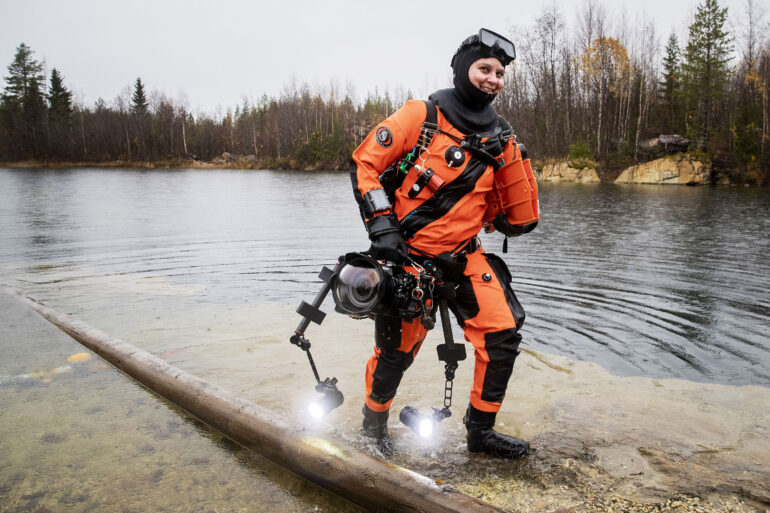
I asked Tiina what she thought about underwater drones and if she felt their usage by non-professionals would dent the market for those experienced in this. “I don’t see this being an issue,” she admits. “The underwater world is much more demanding. Even if you can use underwater drones, it is easier for people with diving experience to understand the world beneath.” Tiina thinks that what she calls only good divers can really master underwater photography.
You need to spend time out there [underwater] to understand how to get the best footage. It sounds easier than it is. But ocean conditions can be very demanding and cold water diving is also another story. To be a good diver is not easy; it is not like going to a course and buying a camera
Tiina Törmänen
After a quick search on Flickr, it becomes evident that a substantial presence of compact cameras is being utilized underwater. Curiously, the majority of these cameras lack official underwater ratings. Such photographers appear to have invested in underwater casings and housings for their equipment.
As travel continues to grow, we can hope and pray that the economies of the world surpass pre-pandemic levels. The rise of the underwater photography market also presents promising prospects for camera and accessory manufacturers within the industry. It may be a while before the leading brands offer dedicated full-frame or even APS-C sensor underwater cameras. But given the direction that this sector is heading in, the introduction of such cameras in the next 5 years shouldn’t come as a shock to industry observers. The increase in rental companies has also made it more accessible to first-time underwater photographers, allowing them to dive in (pun intended) to explore a genre previously possibly well out of reach.





