About

Posts by :

Jeremy’s Journey: Fashion Photography Phenomenon Fuels Fascination with Footwear Firsts

Jeremy’s Journey: Fashion Photography Phenomenon Fuels Fascination with Footwear Firsts
image

Buzzing Berlin-Based Talent Tantalizes Trendsetters with Trademark Shoes

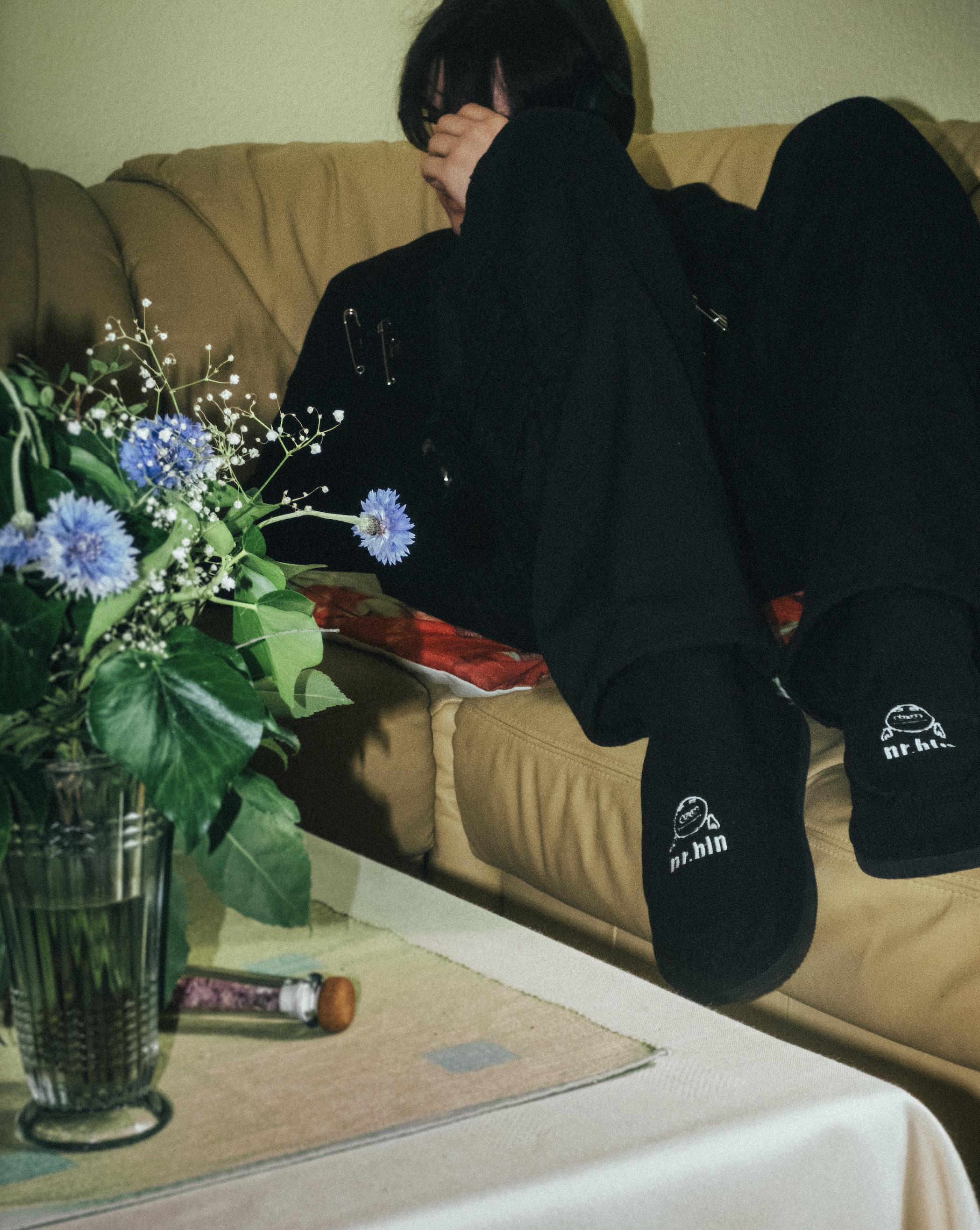
BERLIN , BERLIN, GERMANY, June 29, 2023/EINPresswire.com/ — One of the most compelling emerging voices in German fashion photography, Berlin-based talent Jeremy, has recently created ripples in the industry and the public alike with a clever marketing maneuver – a pair of custom shoes bearing his unique logo. This distinctive approach sparked intrigue and speculation, effectively establishing Jeremy as a captivating figure within the fashion world.

In an industry that thrives on innovation, Jeremy’s dynamic engagement with his audience serves as a testament to his creativity, illustrating the depth of his commitment to his craft. Since his foray into fashion photography, he has worked with renowned local brands such as wrstbhvr and NoHugs. His photographs—praised for their unique perspective and fresh take on style—express a striking narrative, echoing the vibrancy of the local fashion scene.

The unveiling of his custom shoes in a recent YouTube video only heightened the buzz around this rising star. This clever integration of personal branding served to amplify whispers about Jeremy’s possible venture into the fashion industry. Could this signal the birth of a new brand, an expansion of his creative horizons? Only time will tell.

Despite his success, Jeremy’s journey into photography was not straightforward. A Google Local Guide initially, his photography received over 46.3 million views—a testament to his talent. In 2017, he transitioned to Instagram, harnessing the power of social media to showcase his artistic expression and garnering a rapidly growing following on his account, @nr.bln.

Fashion and street photography remain the primary focus of Jeremy’s work. However, his scope is far-reaching, encapsulating images that frame the urban landscape of Berlin, including landmarks such as KaDeWe—Europe’s second-largest department store.

Jeremy’s unique vision and relentless drive materialized into concrete form when he took a leap of faith in 2022. In the midst of the pandemic’s uncertainty, he acquired his camera—a Panasonic Lumix DC-FZ82—further honing his skills with tools like Adobe Creative Cloud programs, Lightroom, Photoshop, Premiere Pro, and After Effects.

In September 2022, he launched his current Instagram account, @nr.bln. This platform enabled him to further explore the realm of fashion photography, allowing Jeremy to establish a unique and significant voice within the industry. His innovative approach, combined with a keen eye for detail, earmarked Jeremy as a rising star, capturing the attention of both the public and fashion connoisseurs alike.

Despite being relatively new to the field, Jeremy has shown a profound understanding of his craft and the industry. His adept usage of social media to leverage his brand and the intriguing rumors about a possible fashion brand launch indicate a promising future. He represents the new wave of influencers—talented, innovative, and interactive—set to revolutionize the industry.

As his journey unfolds, Jeremy continues to contribute substantially to the German fashion scene, offering fresh perspectives through his lens.

To follow his path, visit his Instagram account @nr.bln (https://www.instagram.com/nr.bln/) or his YouTube channel (https://www.youtube.com/@jeremys.social).

Adam Nelson
WORKHOUSE
+1 212-645-8006
email us here
Visit us on social media:
Facebook
Twitter
LinkedIn
Instagram

image

Alaskan Native artists explore contemporary issues in ‘Protection: Adaptation & Resistance’

Alaskan Native artists explore contemporary issues in ‘Protection: Adaptation & Resistance’
“Kaxhatjaa X’óow Herring Protectors,” modern interpretations of traditional dance robes that tell the story of the Herring Rock Woman. Photo by Caitlin Blaisdell.

Recent studies have shown that Indigenous women in the United States are more than twice as likely to experience violence as any other demographic, and that, in Canada, the homicide rate for Indigenous women is almost six times as high as the homicide rate for other women. This epidemic of violence, part of an ongoing legacy of racism and colonialism, is just one of several crises facing First Peoples and Indigenous communities today. 

Violence against women, as well as the pandemic, climate change, and other human health threats and human rights injustices, are at the core of the current exhibit at the Center for Native Arts & Cultures in Southeast Portland. Protection: Adaptation & Resistance, on view through August 4, explores these existential threats and the response to them through more than two dozen pieces by 52 Alaskan Native artists. 

Organized by the Bunnell Street Arts Center in Homer, Alaska, the exhibit is central to the mission of the Native Arts and Cultures Foundation, the parent organization behind the Center. “First Peoples, including our talented Alaska Native relatives, bring millenia of learning and perspective to a diversity of artistic mediums that electrify the imagination,” noted T. Lulani Arquette, president and CEO of the Foundation. “Presenting the Alaska Native Protection Exhibit in our Center aligns with our mission to support and lift up the work of Native artists and culture bearers who are creating positive social change and healing communities.”

A Chilkat Protector mask, one of a collaborative work by six Chilkat weavers, designed to be worn over an N95 mask. Photo by Bert Franks.

Through three themes — Land and Culture Protectors; Activists for Justice and Sovereignty; and Resilient Futures– the artists, solo and in groups, draw upon the Ingenious values of community and collaboration as tools of resistance and adaptation, as well as powerful cultural affirmation and deep respect for nature. Some artists explore these contemporary themes in traditional art forms such as cedar bark hats, woven bark baskets, soapstone, tattoos, and regalia. Others express traditional stories through modern design, graphic novels, postage stamps, and graphic art posters. All of the works reflect the passing forward of Indigenous values of community, collaboration, mentorship, and resilience.  

“We focus on the good of the whole community, not for the individual. We collaboratively hunt, fish, share harvests, raise children, and protect our elders. We rely on each other, and we must work together. We take care of each other. For survival. For the well-being of all.” – Lily Hope, Mentor Weaver of the Raven T’akdeintaan Clan

Healing and resistance

Hanging on the south wall of the main gallery is Yup’ik artist Amber Webb’s 12-foot-high “Memorial Qaspeq,” a hooded shirt known as a qaspeq in Yup’ik and as an atikluk in Iñupiaq. Traditionally, qaspeqs were made from animal intestines or seal or bird skin, designed to offer protection to the wearer in the harsh conditions of arctic Alaska. Webb’s “Memorial Qaspeq” is made from cotton bedsheets, hand-sewn together to create the oversized garment. Using black ink and the white sheets as her canvas, Webb has drawn the faces of more than 200 women, each of whom is among the missing and murdered Indigenous women and girls (MMIWG) from Alaska and Canada over the past decades. 

“Memorial Qaspeq” by Yup’ik artist Amber Webb. Photo by Bert Franks.

The work is riveting, and the viewer can’t help but be drawn forward to look directly into the individual faces of these women – some smiling, some stoic – each the victim of violence and oppression. Webb describes the project as being about “healing myself and sparking healing for all Native women.”

Artist Amber Webb discusses her work, “Memorial Quaspeq.” Photo by Mandy Yeahpau.

Webb’s use of the qaspeq as a symbol of healing and resilience is carried on by a collective of textile artists in “Healing Stitches.” Six crimson red qaspeqs hang in a circle, where they pay tribute to the love and loss of loved ones. The installation is also of note for how Native Alaskan artists are using technology to both create and connect. Using Zoom, Bobby Qalutaksraq Brower (Iñupiaq, Utqiaġvik) invited Indigenous women from across Alaska to come together and learn to sew the garments in memory of MMIWG. 

“Inuit culture and my Ancestors guide my work, but I am most inspired by our lives today and the way we live in two worlds, one old and the modern urban life.” – Holly Mititquq Nordlum, Iñupiaq tattoo artist

Adjacent to the qaspeqs are photographs depicting the work of contemporary Native Alaskan artists who are reviving the ancient practice of Inuit tattoo. In increasing numbers across Alaska, Indigenous women are embracing this traditional rite of passage as expressions of cultural identity and solidarity. The power of the markings on their living canvases speaks to a new generation of women who are declaring their strength and eschewing victimization. 

Traditional Inuit tattoos on Inupiat and Yup'ik women. Photo by Carter Silago.Traditional Inuit tattoos on Inupiat and Yup'ik women. Photo by Carter Silago.
Traditional Inuit facial tattoos on Iñupiak and Yup’ik women. Photo by Carter Silago.

New technologies and ancient traditions

During the pandemic, several other artists also employed Zoom to bring communities of artists together and adapt traditional images and tools to create new works, including Chilkat Protector masks, Lingit and Haida cedarbark hats, and soapstone oil lamps. The use of technology not only allowed artists to come together, collaborate, and learn, but also ensures that the old ways and traditions continue to be revitalized and passed from elders to the next generations. In a land that is geographically expansive with locations often difficult to access, technologies like Zoom provide an invaluable and lasting resource for connection among the First Peoples of Alaska. 

“My parents’ generation was punished for learning their culture. I don’t want the knowledge to die with me. Hat making is what we do. It’s generational, handed down through my family. It is how we celebrate and perpetuate our culture.” — Kunagoo Linda Starbard, Lingit weaver

The Covid pandemic appears throughout several works, including Lingit artist Crystal Rose Demientieff Worl’s “Haa Shagéinyaa: Our Protecting Power,” a series of posters that draw from her own Lingit design traditions in strikingly modern graphics to support public health, masks, and vaccines. “With these prints I aim to promote public health and wellness specifically in Indigenous communities, which are most vulnerable to the pandemic,” she noted. “We have the choice and capability to resist the virus and adapt with modern tools as a means to protect our loved ones. It is in our power to protect, adapt, and resist.”

Crystal Rose Demientieff Wolf combined traditional Lingit designs with brilliant colors in her public health posters. Photo by Mandy Yeahpau.

In “We’re Still Here,” Naal xak’w / Tommy Joseph created the alder and wood animal masks to fit over N95 masks, using a cultural tradition to encourage mask-wearing, particularly among elders. “Animals impart a level of protection,” noted Joseph, who is Lingit. “The animals are spirit helpers; they guide you in your journey. If we pay attention, they can teach us. We share the land waters with them. It’s up to us to protect them.”  

Left: “We’re Still Here,” by Lingit artist Tommy Joseph. Right: close-up of “We’re Still Here.” Photos: Bert Franks.

Passing history to future generations 

Lingit history is told through songs, dance, and stories. “Kaxhatjaa X’óow / Herring Protectors” are dance robes that tell the story of the Herring Rock Woman, who sang to Yaaw, the herring, until they schooled and laid eggs in her hair. Created by a collective of artists, the life-sized robes are decorated with a variety of elements, each of which has significance. For example, the robes’ silk lining and the mother-of-pearl buttons evoke the waters where herring spawn and the eggs they lay. Both are from WW2 era Japan, an acknowledgement of the extinction of the herring population due to overfishing.

“Herring Protectors,” on view at the Center for Native Arts & Cultures. Photo by Carter Silago.

The result is a powerful and poignant call for the protection of the herring, a vital food source in Alaska and an integral part of the greater ecosystem. “The herring, which mean so much to our culture and our ecosystem are being depleted all for what? Money? Greed? Without herring nothing is supporting the ocean. The whales. The salmon. Without herring, there is nothing supporting us,” said K’asheechtlaa/Louise Brady, one of the several artists who designed and constructed the robes.

Sponsor

Chamber Music Northwest Summer Festival Poetry in Music Portland Oregon

“Within the Native peoples of Alaska, there is tremendous diversity, but we have all survived the oppressions of colonization, especially the restrictions against subsistence. Calling on our ancestors or spirit helpers can help us to survive.” – Tommy Joseph, wood carver

In “Chickaloonies,” humor, heroism, and hope mix with tribal legends in the very contemporary art form of the graphic novel. The work of Ahtna artist Dimi Macheras and his collaborator and co-founder of 80% Studios, Casey Silver, “Chickaloonies” was inspired by Macheras’s childhood spent hearing traditional legends from his Chickaloon Village elders and about their Ahtna Athabascan (Dene’) language, values, and culture.

A panel from the graphic novel “Chickaloonies,” which retells Ahtna legends in a modern format. Photo by Mandy Yeahpau.

“We set our sights on creating a story based on my Ahtna heritage, but we didn’t want to retell old stories,” said Macheras. They asked themselves if they could create a new legend based on the themes and values of those timeless Ahtna tales. “The Ahtna were very adaptable people, and their stories contained very important lessons about how to be a good person and ways to live a good life.”

Dimi Marcheras discusses his graphic novel “Chickaloonies,” which retells Ahtna legends in a modern format. Photo by Mandy Yeahpau.

But “Chickaloonies” is much more than a graphic novel: The two artists also incorporated the Ahtna Athabascan language, an oral language which is represented with symbols, into the story itself. In an innovative and meaningful way, they used glyphs to differentiate the oral language from English. “Moji, who communicates with images and emojis, paired up with his best friend, Yelly, who blabs and talks non-stop, create a duo which represents the two pillars of the Graphic Novel medium: words and pictures,” Macheras said. “This allows us to explore how stories not only allow us to connect with the past, but shape our destinies.”

Passing along the generational knowledge, the stories, and the traditional skills from one generation to the next, the artists on view in Protection: Adaptation & Resistance present works that powerfully express and affirm their cultural identities and values, whilst bringing them into the future. They also give all of us cause to celebrate their reliance and hope, as well as extending the invitation to become allies, supporters, and advocates.

Protection: Adaptation & Resistance was made possible in part by a grant from the National Endowment for the Humanities: Sustaining Humanities through the American Rescue Plan in partnership with the Association of Tribal Archives, Libraries, and Museums. The exhibit will be on view later this year at the Tulsa Living Arts in Tulsa, Oklahoma, and the International Folk Art Museum in Santa Fe, New Mexico, before concluding its tour at the Alaska State Museum in Juneau in 2024.

***

  • Protection: Adaptation & Resistance is on view from 4 p.m. to 7 p.m. Fridays through August 4 at the Center for Native Arts and Cultures, 800 S.E. 10th Avenue, between Morrison and Belmont in Portland. Street parking is available. Admission is free.

Photographers Stand Their Ground as Grizzly Charges Toward Them

Photographers Stand Their Ground as Grizzly Charges Toward Them

As exciting as wildlife photography can be, something unpredictable can always happen. For a group that runs tours in Alaska, a regular day of taking pictures of bears went sideways for one scary moment. As they were marveling at the animals, a grizzly bear charged at them. Luckily, the experienced photographers knew exactly what to do to keep everyone safe.

The chilling moment was captured in a video by Scenic Bear Viewing, a company that offers guided trips in Homer, Alaska. The footage begins with a group of explorers taking pictures of a bear in a beach area, calmly whispering about the scene. Then, the camera turns to reveal another brown bear running at them at full speed. Despite the threat, the adventurers seem to know how to react. In an amazing display of levelheadedness and trained preparedness, the photographers scream and roar at the bear, who quickly changes its mind and goes away.

“Never run from a charging bear, even though your instinct is to run,” writes Scenic Bear Viewing. “This is a bluff charge. They are just trying to get you to run. They have a natural chase instinct.” The company also notes that people shouldn’t get close to bears in the wild, and that having an experienced guide is key. They add, “We do not get closer than 50 yards. These bears came to us.”

The company explains that the bears in that area have been visited by humans for over three decades. “It’s a part of their daily lives in the summer to see us every day of their 20-25 year life,” they say. Still, these things can happen. They have certainly happened before in their 10 years guiding photographers through the area.

For those hoping to join an expedition like this but wonder about the dangers, the company notes that they follow a strict set of rules for everyone’s sake. “These bears are not fed or hunted by humans. No harm is being done to these bears and we want to keep it that way,” they explain. “We take photos of the bears and leave no trace. We want the bears to stay protected. There has never been an attack in this area in the 30 years people have visited.”

To learn more about the tour company—and see the spectacular bear pictures they have been able to capture—you can follow Scenic Bear Viewing on Instagram.

For Scenic Bear Viewing, a group that runs tours in Alaska, a regular day of taking pictures of bears went sideways for one scary moment.

As they were marveling at the animals, a grizzly bear charged at them. Luckily, they knew what to do to keep everyone safe. Watch the video below.

Scenic Bear Viewing: Website | Instagram
h/t: [PetaPixel]

Related Articles:

Watch How a Polar Bear Delicately Crosses Thin Ice Without Breaking It

Bear Wakes Up From Long Nap Looking Hilariously Disheveled

National Park Service Tells Public To “Never Push a Slower Friend” in a Bear Attack

Curious Bear Takes 400 “Selfies” Using Wildlife Trail Camera

Annapurna Interactive and Matt Newell announce Lushfoil Photography Sim for console, PC

Annapurna Interactive and Matt Newell announce Lushfoil Photography Sim for console, PC
image

Publisher Annapurna Interactive [127 articles]” href=”https://www.gematsu.com/companies/annapurna-interactive”>Annapurna Interactive and developer Matt Newell” href=”https://www.gematsu.com/companies/matt-newell”>Matt Newell have announced photography Simulation [321 articles]” href=”https://www.gematsu.com/genres/simulation”>simulation game Lushfoil Photography Sim [1 article]” href=”https://www.gematsu.com/games/lushfoil-photography-sim”>Lushfoil Photography Sim for console and PC [17,874 articles]” href=”https://www.gematsu.com/platforms/pc”>PC (Steam). A release date was not announced.

Here is an overview of the game, via its Steam page:

About

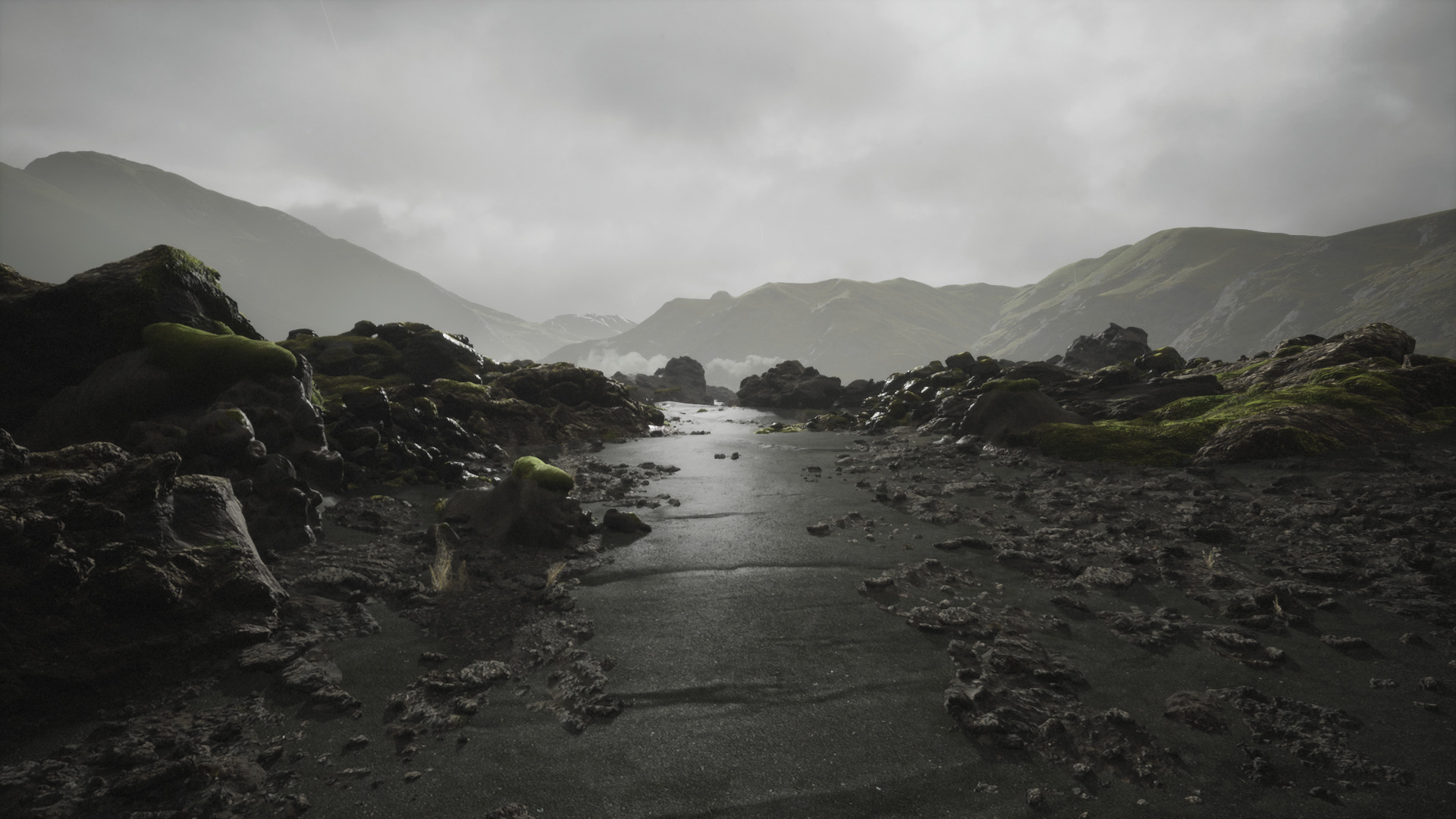
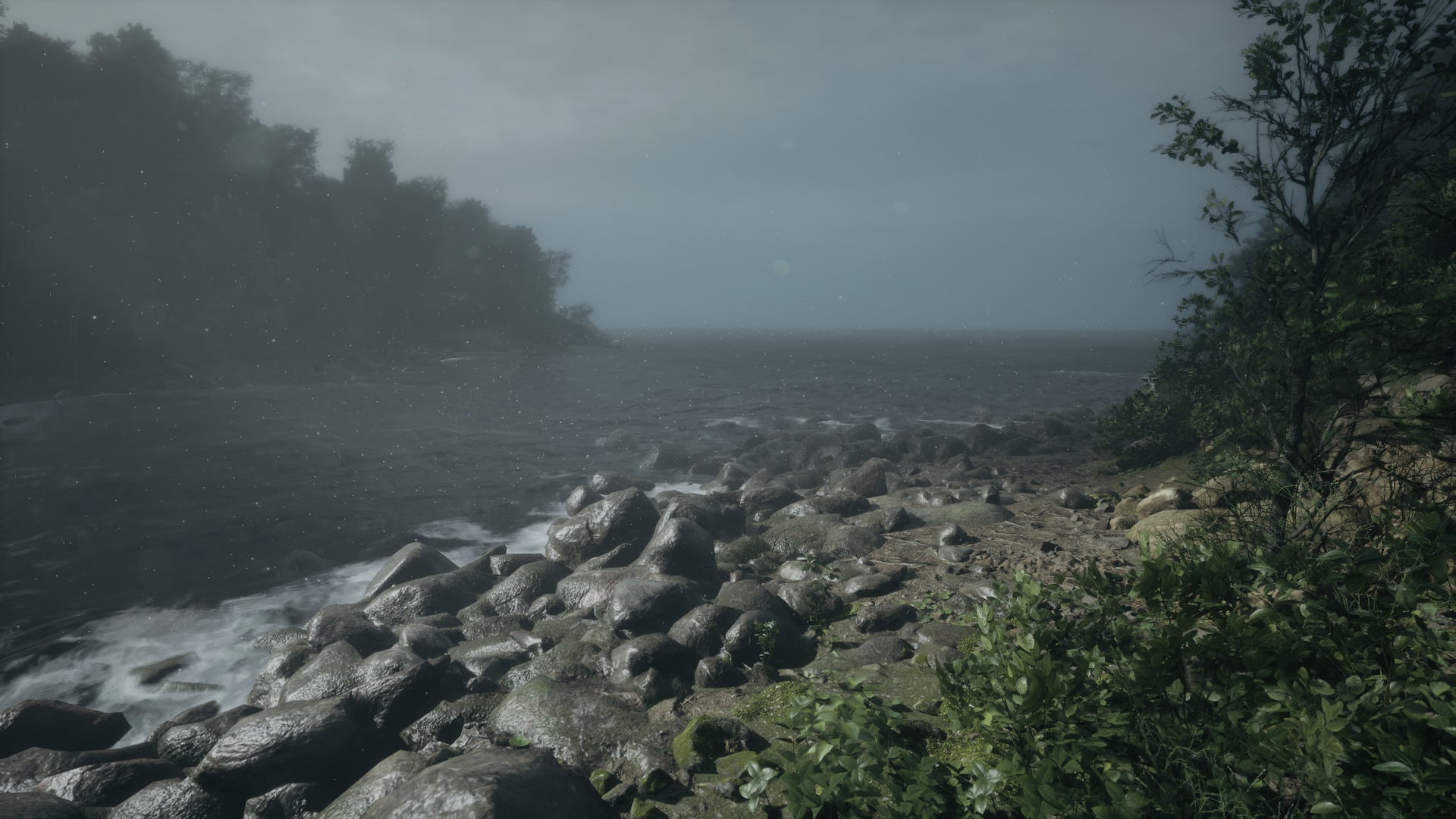
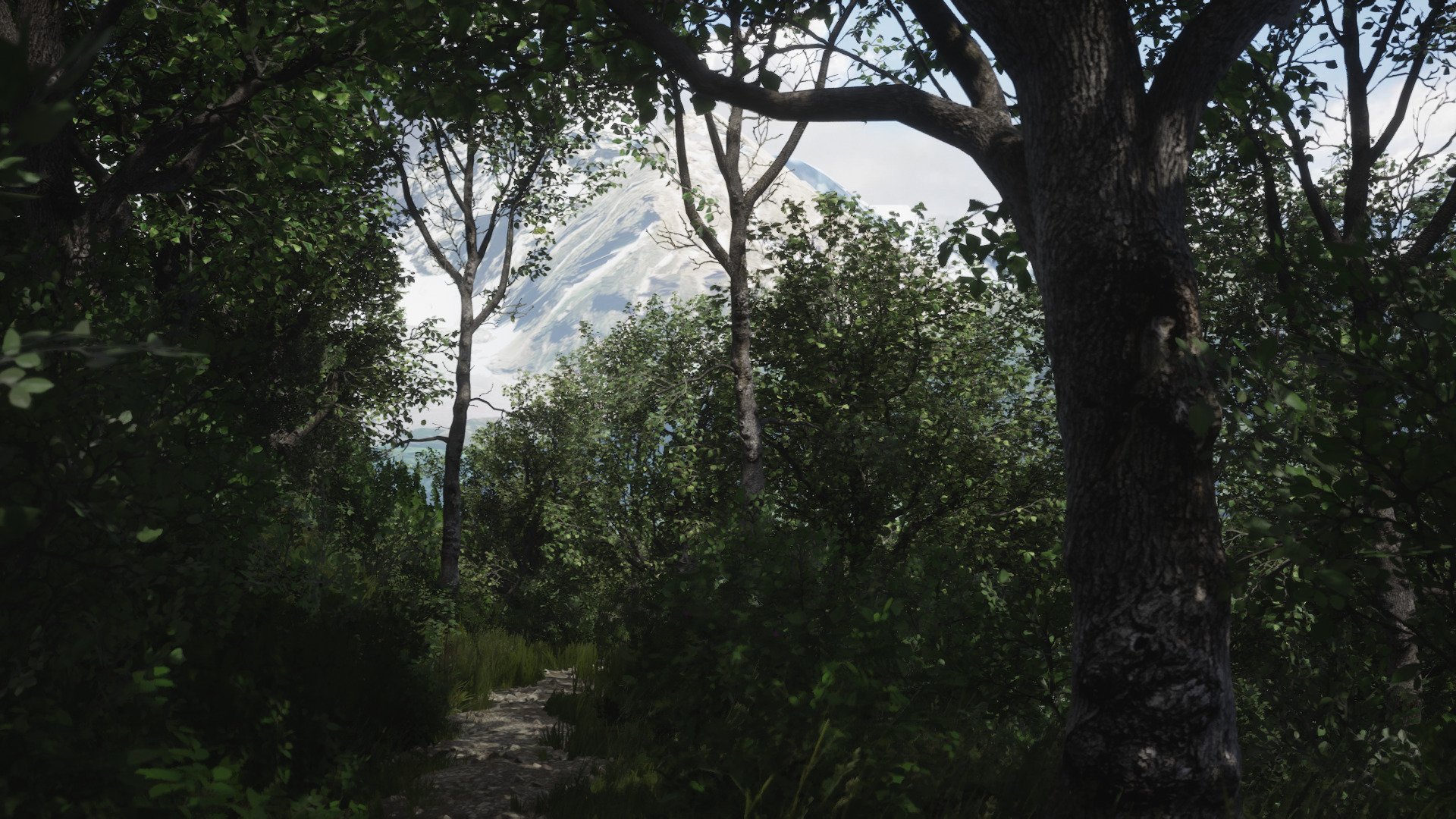
A tranquil exploration and photography experience featuring realistic in-game cameras and a vast selection of faithfully-detailed landscapes presented in stunning visual fidelity.

Freeform Exploration

Experience detailed, true-to-life recreations of beautiful and diverse locations around the world. Trek through and explore environments to capture stunning vistas and landscapes with your fully-featured in-game camera. Each environment is filled with objectives to reward players that have a good eye for angles and perspectives, and hidden secrets for those who are patient and observant.

The rich atmosphere of Lushfoil’s world is enhanced by an ambient, ethereal soundtrack featuring licensed music from artists around the world.

Capture the Perfect Shot

The in-game camera includes an abundance of settings that you’d expect from a real-world professional DS [55 articles]” href=”https://www.gematsu.com/platforms/nintendo/ds”>DSLR camera. The camera simulates settings such as Auto/Manual Focus, Flash, Exposure, Contrast, White Balance, Aperture, Burst Shot and other effects for full creative control over your photography. The game further provides tools that allow for manipulation of the environmental conditions for your photos, such as manual adjustment of light angles, fog, snow, wind, and rain.

Off the Beaten Path

Dive deeper into the game’s many locations to find unlockable cameras and experience the world from unique perspectives. Find a first-person drone that allows you to soar above the landscape and capture the world from above, or find a hidden rowboat that allows you to traverse still waters in pursuit of the perfect shot.

Optimized for Beauty

Each environment has been created in Unreal Engine 5 and is built from the ground up to be both efficiently optimized and showcase the game’s locations in stunning visual fidelity. There are extensive custom settings that will help the game run on a wide range of PCs, while taking full advantage of high-end graphics cards.

Watch the announcement trailer below. View a set of screenshots at the gallery.

Announce Trailer

[embedded content]

Lushfoil Photography Sim will let players explore real-life locations in UE5

Lushfoil Photography Sim will let players explore real-life locations in UE5

Annapurna Interactive [75 articles]” href=”https://www.videogameschronicle.com/companies/annapurna-interactive/”>Annapurna Interactive is set to publish a game about taking photos in beautiful landscapes around the world.

Lushfoil Photography Sim is being developed by Matt Newell, an Australian developer who specialises in creating photorealistic environments in Unreal Engine 5.

According to the game’s description, players will “trek through and explore environments to capture stunning vistas and landscapes with [their] fully-featured in-game camera.”

It adds: “Discover hidden secrets and objectives that reward patient and observant players that have a good eye for angles and perspectives.”

Promising to appeal to serious photographers too, the game will include “an abundance of settings that you’d expect from a real-world professional DSLR camera”.

These include auto/manual focus, flash, exposure, contrast, white balance, aperture, burst shot and other effects.

By exploring the locations, players will also find unlockable cameras which enable them to “experience the world from different perspectives”.

Players will be able to find a first-person drone which lets them take photos from the sky, or a hidden kayak which lets them take photos from the middle of a lake.

Lushfoil Photography Sim will let players explore real-life locations in UE5

According to the game’s Steam page, the enivronments set to feature include:

  • Lago di Braies (Italy)
  • Castle Rock Beach (Australia)
  • Fushimi Inari Taisha (Japan)
  • Mýrdalssandur (Iceland)
  • Le Prarion (France)
  • Mardi Himal Trail (Nepal)
  • Yamadera (Japan)
  • Shengshan Island (China)

Notice: To display this embed please allow the use of Functional Cookies in Cookie Preferences.

It will also include an “ambient, ethereal soundtrack” featuring licensed music from artists around the world.

Lushfoil Photography Sim is set to release on PC [7,722 articles]” href=”https://www.videogameschronicle.com/platforms/pc/”>PC and consoles, with no set release date confirmed as yet.

.cls-1{fill:url(#linear-gradient)}.cls-2{fill:#fff}

Lushfoil Photography Sim has you explore nature to snap the most beautiful photos

Lushfoil Photography Sim has you explore nature to snap the most beautiful photos

From designer Matt Newell comes a game about exploring nature, discovering its secrets, and immortalizing them with a fully featured camera.

We’ve seen some gimmicky photography games in the past or been presented with photo modes as a side thought, but Annapurna Interactive and developer Matt Newell are bringing a game that puts the artistry and skill of photography at its core. Lushfoil Photography Sim was revealed today, inviting players to travel to lush and diverse environments inspired by locations around the world and capture the beauty of these places with a fully-featured in-game camera.

Lushfoil Photography Sim was unveiled during the Annapurna Interactive Showcase on June 29, 2023. Built in Unreal Engine 5, Lushfoil invites players to interesting locations and sets them loose to try to capture the perfect shots of nature and the worlds around them. Aiming to be a true natural photography experience, Lushfoil includes camera gameplay that aims to simulate the functions of a professional camera perfectly, will features and settings including Auto/Manual Focus, Flash, Exposure, Contrast, White Balance, Aperture, Burst Shot, and other effects. You might even be able to use the environment to your advantage, working around weather effects that include rain, snow, and fog, as well as manipulating the environment to create the best light angles for your shots.

[embedded content]

Lushfoil Photography Sim is something quite out of the ordinary for a game in a time where players often love to play with Photo Modes. It’s one of the few games that makes the process of nature photography the very core of its gameplay. Sure, we’ve had games like Pokemon Snap, and those are fun too. However, Lushfoil also doesn’t look arcade-y where you’re scoring points on a level for the best shots. Traveling, positioning yourself, finding the right camera settings, and even being patient for the perfect shot sound much more involved in the creative and professional aspects of the art.

Lushfoil Photography Sim doesn’t have a release date yet, but is expected to come to PC and consoles. Stay tuned for more details and be sure to check out more coverage from the full 2023 Annapurna Interactive Showcase.

TJ Denzer is a player and writer with a passion for games that has dominated a lifetime. He found his way to the Shacknews roster in late 2019 and has worked his way to Senior News Editor since. Between news coverage, he also aides notably in livestream projects like the indie game-focused Indie-licious, the Shacknews Stimulus Games, and the Shacknews Dump. You can reach him at tj.denzer@shacknews.com and also find him on Twitter @JohnnyChugs.

New photography exhibit puts a century of queer men in love on display

New photography exhibit puts a century of queer men in love on display
Musée d’art et d’Histoire Geneve (MAH).
© Loving by 5 Continents Editions.

Queer love has been around forever, but it can be hard to picture what it looked like even a century ago. Now, thanks to a new exhibition at the Musée d’art et d’histoire (MAH) in Geneva, Switzerland, visitors can see firsthand via a collection of 400 photographs of men in love, dating from between 1850 and 1950.

The collection is the product of couple Hugh Nini and Neal Treadwell. 20 years ago, the duo stumbled upon a photograph of two men embracing at an antique store in Dallas, Texas. They couldn’t help but see themselves in the photo, and they decided to take it home.

“When we found the first, we had no expectation there would ever be a second,” Nini told The Art Newspaper.

But there was a second. And a third, and a fourth, and so on, until their collection reached its now massive scope of more than 4,000 historical photographs of men in love, originating from 36 different countries.

Musée d’art et d’Histoire Geneve (MAH).
© Loving by 5 Continents Editions.

“We felt [it] was our obligation to keep these photographs. To keep them safe,” Treadwell said. “Our goal is to continue to have museum exhibitions wherever we can that will propel us into telling this story and sharing the history that love is love. Love has been around forever.”

In 2020, Nini and Treadwell turned their collection into a popular photography book, Loving: A Photographic History of Men in Love 1850-1950, that featured more than 300 of the photographs they’d found over the past two decades. They also released a short documentary telling the story of their collection.

[embedded content]

Now, their collection has been adapted to an exhibition, also titled Loving, which features nearly all the photographs from the book, along with 80 never-before-seen pictures that Nini and Treadwell have collected since the book was released.

“In these pictures it’s fantastic the number of different stories it could activate,” said MAH director Marc-Olivier Wahler. He gave a 1951 photograph of two soldiers sitting close together on a bench as an example.

“You wonder, they’re in the army and are they really together? Then suddenly you see the entangled feet. And all these possible stories — what happened to them, what happened to this photograph? Where was it found? It’s endless.”

Musée d’art et d’Histoire Geneve (MAH).
© Loving by 5 Continents Editions.

Loving is on display at MAH through September 23. Get a sneak peek at the photographs for yourself:

Musée d’art et d’Histoire Geneve (MAH).
© Loving by 5 Continents Editions.
Musée d’art et d’Histoire Geneve (MAH).
© Loving by 5 Continents Editions.
Musée d’art et d’Histoire Geneve (MAH).
© Loving by 5 Continents Editions.
Musée d’art et d’Histoire Geneve (MAH).
© Loving by 5 Continents Editions.
Musée d’art et d’Histoire Geneve (MAH).
© Loving by 5 Continents Editions.

Maps, Everyday Ephemera, and Watercolor Drawings Record José Naranja’s Travels with Fantastic Detail

Maps, Everyday Ephemera, and Watercolor Drawings Record José Naranja’s Travels with Fantastic Detail

All images © José Naranja, shared with permission

Rather than scrolling through photos from a recent trip, José Naranja (previously) remembers his travels through exceptionally detailed sketchbooks with notes, illustrations, and ephemera collected during his visits. The artist and author is an avid tourist and dedicated observer, and he saturates the blank pages of his Moleskines with watercolor and ink drawings of airplanes, film characters, and maps. Like most of us, Naranja was unable to travel during much of the last few years, although he’s resumed his adventures and frequented Thailand and other parts of Asia, which are reflected in his latest spreads.

Currently, Naranja is working on an experimental illustrated oracle deck that envisions the year 2050 through the lens of science, art, and philosophy, all tinged with his signature fantastical approach. The artist’s latest book, The Nautilus Manuscript, is available now, and you can follow updates on his work on Instagram.


An open sketchbook shows drawings of pens, pouches, notes, and ephemera with pens and watercolors nearby

An open sketchbook shows a drawing of an airplane and map with notes on the page and pens and watercolors nearby

A hand draws portraits of two film characters, Amelie and Faye Wong. There's writing surrounding them

An open sketchbook with three stamps, a chart, and drawings of a man and insect with magnifying glasses. A pen is on the table nearby

An open sketchbook with three cat stamps on the page next to notes and a yellow and red pattern on the right side. Pens are on the table nearby

An open sketchbook shows a drawing of a map with notes and patterns on the page and pens nearby

Do stories and artists like this matter to you? Become a Colossal Member today and support independent arts publishing for as little as $5 per month. The article Maps, Everyday Ephemera, and Watercolor Drawings Record José Naranja’s Travels with Fantastic Detail appeared first on Colossal.

Desert Dreamers 10: The Artists

Desert Dreamers 10: The Artists

“Easter Sunrise” (1970) by John W. Hilton.
PHOTO COURTESY PALM SPRINGS ART MUSEUM

One of the earliest paintings of the Mojave Desert — an 1853 oil titled “Jornada del Muerto,” or “Journey of the Dead” — depicts a stretch of the Old Spanish Trail (the “back way” to Vegas) as an uninhabitable hellscape: drier than dust, void of life, the ground crackling under a broiling sun. Yet the artist, George Douglas Brewerton, cast onto this Martian scene a golden glow that 170 years later still stirs a strange sense of longing.

He captured something special, and by the turn of the century, writer John Van Dyke put it into words. “It is stern, harsh, and at first repellent,” he wrote in his seminal 1901 tome, The Desert. “But what tongue shall tell the majesty of it, the eternal strength of it, the poetry of its widespread chaos, the sublimity of its lonely desolation? And who shall paint the splendor of its light; and from the rising up of the sun to the going down of the moon over the iron mountains, the glory of its wondrous coloring? It is a gaunt land of splintered peaks, torn valleys, and hot skies.”

Armando’s Bar

“Old Palm Springs” (circa 1925) by Sam Hyde Harris.
PHOTO COURTESY PRIVATE COLLECTION

Writers such as Van Dyke, Charles Francis Saunders, and J. Smeaton Chase conveyed the mesmerizing beauty of the desert to influential effect. In their wake came many more dreamers, often “lungers” and loners in search of a healing climate and solitude but also artists, who found something closer to heaven than hell. It was an extreme landscape, sure, but a place where they could tune their palettes to sandy washes, colorful mountains, and otherworldly plant life and rock formations.

In his book Our Araby: Palm Springs and the Garden of the Sun, published in 1920, Chase predicted the Coachella Valley would blossom as an artist colony like those that had formed on the Monterey Peninsula and in Santa Barbara and Laguna Beach. “Our Araby,” he wrote, “with its marvelous display of tone and color — tone the most elusive, color the most unearthly and ethereal — is a land of enchantment to the painter, and its fame has spread from one to another until, now, every winter and spring sees painters of note studying these desert landscapes, so fascinatingly different in their problems of conception and handling from anything that commonly come in the artist’s way.”

Indeed, by the time Chase published his petite volume, several notable artists were living and working in the area, including James Swinnerton, John Frost, and Alson Skinner Clark. All the artists had distinctive styles and particular interests. Swinnerton was known for painting smoke trees, Clyde Forsythe for old mining camps, Gordon Coutts for that distinctive glow over opaque mountains and blue skies. Other landscape painters, including Fernand Lungren of Santa Barbara and Lockwood de Forest of New York, visited the desert repeatedly over many years to capture its mercurial moods over time. Their impressions recorded the landscape prior to the desert’s postwar development.

When Palm Springs emerged as a weekend retreat and resort destination, some of the painters exhibited and sold their work at The Desert Inn, where proprietor Nellie Coffman opened the area’s first art gallery. A second wave of painters — Paul Grimm, Marjorie Reed, and Sam Hyde Harris among them — expanded the scene.

While new generations of painters carry on the landscape tradition, the legacy of many early artists still resonates. Palm Springs Art Museum recently mounted a major exhibition of paintings by Agnes Pelton, and earlier this year, the Brigham Young University Museum of Art hosted a three-day symposium on the life and works of Maynard Dixon. Even relatively minor figures earn an occasional nod. Desert Island Country Club in Rancho Mirage christened its new restaurant The Penney to honor the late resident and landscape painter Frederick Penney.

Here, we introduce some of the personalities who helped propel our desert as an enduring hub for artists.

tacquila palm springs

Early artist Carl Eytel draws in the desert with his burro.
CHARLES FRANCIS SAUNDERS, COURTESY SANTA BARBARA BOTANIC GARDEN

Carl Eytel  (1862–1925)

The Artist of the Palm Tree

The first and arguably most influential artist to call Palm Springs home was Carl Eytel, a German immigrant who wasn’t a particularly good artist at all.

Eytel spent much of his childhood sitting in Stuttgart’s Royal Library, reading and daydreaming about the American West. He fantasized about cowboy life, made countless drawings of cattle, and yearned to travel. Eventually, he saved enough money to cross the Atlantic and found work with a German-speaking cattle rancher in Kansas. After briefly returning to Germany to study art, he continued on to California, finding ranch work in the San Joaquin Valley in 1898 before settling in Palm Springs in 1901.

“He longed for the sand and sage and colored hills of the Mojave and Colorado deserts toward which his thoughts had been directed for so long, and where he felt a special place had been set aside by the Almighty for those who could understand solitude and immeasurable space,” journalist Ed Ainsworth wrote of Eytel in Desert Magazine.

Eytel made a modest home in a tiny cabin near Tahquitz Creek with the permission of the McCallum family, pioneers in the pre-incorporated “village.” Here, he dedicated his life to sketching and painting the desert. He worked during the week and displayed his paintings for tourists to buy on weekends. His depictions of California fan palms — “primly dressed, with their vivid green crowns and drab tan skirts,” the artist once described — were most popular.

Eytel’s prolific journals reveal a nomadic life roaming the Coachella Valley and the Southwest with his mustang, Billy. He traveled from Palm Springs to Idyllwild and Hemet via Round Valley (near today’s Palm Springs Aerial Tramway); to Joshua Tree via Whitewater Ranch; and to Death Valley via the Mojave Desert. He also ventured into Arizona, New Mexico, and Utah and befriended Navajo, Hopi, Chemehuevi, Serrano, and Cahuilla people. He scribbled Native terms in his notebooks and became one of few settlers in the Palm Springs area to speak passable Cahuilla. (After Eytel died in a Banning sanitarium, he was buried, at his request, in the Cahuilla Indian cemetery.)

Armando’s Bar

Ink drawing by Carl Eytel.
PHOTO COURTESY PALM SPRINGS HISTORICAL SOCIETY

“Few knew more intimately [the desert’s] Indians, its mountains, its mesas” than Eytel, the writer and desert biologist Edmund G. Jaeger told Palm Springs Villager, the forerunner to Palm Springs Life. “His mind habituated to see loveliness in form and color and found expression in literary work and in painting in oil and watercolors. He also did considerable excellent pen drawing.”

Eytel shared his knowledge of the land and influenced the work of writers such as Jaeger and Charles Francis Saunders, as well as painters, particularly James Swinnerton and adventurer/homesteader Cabot Yerxa. Most notably, he collaborated with George Wharton James on the 1906 publication of Wonders of the Colorado Desert, which included 300 of Eytel’s drawings and a generous helping of lore from his journals.

As the desert’s elements chipped away at his health, Eytel gave most of his sketchbooks and journals to Jaeger, who in turn presented them to Lloyd Mason Smith, the first director of Palm Springs Desert Museum (now Palm Springs Art Museum), where they remain in the permanent collection.

tacquila palm springs

Maynard Dixon contemplates his next masterpiece.
PHOTO COURTESY PALM SPRINGS HISTORICAL SOCIETY

Maynard Dixon (1875–1946)

The Man Who Painted Poems

The most celebrated of the early desert painters is Maynard Dixon, best known for his paintings of the Navajo country of New Mexico and the deserts around his homes in Mount Carmel, Utah, and Tucson, Arizona. However, the California native (born near Fresno) was hopelessly drawn to the Colorado Desert and painted around Box Canyon in Mecca as well as the Indio Hills and Chocolate and Orocopia mountains.

He had a cottage near the Salton Sea where he welcomed fellow painters James Swinnerton, John Hilton, and Clyde Forsythe. He and Swinnerton famously feuded over the depiction of clouds, with Dixon declaring that his friend’s clouds had been “lousy” for 30 years and he’d never learned to paint them. Swinnerton returned the insults in good spirit, but, Dixon told journalist Ed Ainsworth in Desert Magazine, “We never spoke a decent word to one another in public.”

Armando’s Bar

“Evening on Orocopio (Painted Canyon), Imperial Valley” by Maynard Dixon, March 1940.
PHOTO COURTESY PRIVATE COLLECTION

Dixon, who started his career as a commercial illustrator and was married for 15 years to the documentary photographer Dorothea Lange, experimented with postimpressionism and cubism as he matured his own style. In addition to the landscape, he depicted Native Americans and Hispanic and Anglo settlers and their horses. He also became a respected muralist.

“I aim to interpret, for the most part, the poetry and pathos of the life of Western people seen amid the grandeur, sternness, and loveliness of their country,” Dixon told Anthony Anderson, the art critic at the Los Angeles Times at the time. “My objective has always been to get as close to the real nature of my subject as possible — people, animals, and country.”

In November 1945, Scripps College’s Florence Rand Lang Galleries mounted a 50-year retrospective of Dixon’s work. Although he was too unhealthy to attend, he sent a letter to be read at the opening in which he shared his experiences of the West and the silent desert. He wrote, “I must find in the visible world the forms, the colors, the relationships that for me are most true of it and find a way to state them clearly so that the painting may pass on something of my vision.”

He found it all in great measure.

tacquila palm springs

James Swinnerton and his untitled desert landscape with smoke trees in a wash, circa 1935.
PHOTO COURTESY PALM SPRINGS HISTORICAL SOCIETY

James Swinnerton (1876–1974)

The Dean of Desert Artists

Gregarious, acclaimed cartoon artist James Swinnerton was beginning to recover from a toxic mix of alcoholism, tuberculosis, and exhaustion when he made his way to The Desert Inn, Nellie Coffman’s fledgling sanitarium (later resort) in Palm Springs.

Swinnerton created the long-running Little Jimmy and Canyon Kiddies comics and illustrated political and sports figures for William Randolph Hearst’s newspapers and magazines for more than seven decades. However, early in his career, when Swinnerton was 28, the New York nightlife had almost consumed him, and Hearst put him on a train to Colton, California, to get healthy. From that point on, Swinnerton began, as we say today, working remotely.

Back in his native state (he was born in the pioneer town of Eureka), he stopped drinking, started walking in the Mojave Desert, and soon came to Palm Springs to finish his recovery and commit himself to painting the desert.

“I’ve kept strictly to the landscape,” Swinnerton reflected in a 1963 interview with Armed Services Radio, noting that he’d been painting landscapes all along in the backgrounds of his cartoon art. “I took up desert painting because, first, going to the desert gave me my health back in the [tuberculosis] situation, and second, I thought it was a misunderstood land, the most despised of all the landscapes. … I found some beauty there.”

Armando’s Bar

Untitled painting by Swinnerton.
PHOTO COURTESY PALM SPRINGS ART MUSEUM

Soon after he arrived, Swinnerton met Carl Eytel, and they began taking camping trips to paint the San Jacinto Mountains, Box Canyon, and the Salton Sea. Eytel educated Swinnerton on the ways of the desert, and Swinnerton shared his bounty of food and art supplies.

In the summers, Swinnerton retreated to the San Gabriel Mountains north of San Bernardino, but his subject remained pure nature. “The real purpose of painting is to call attention to the beauty of nature,” he told his friend John Hilton, a fellow artist and a writer for Desert Magazine. “A successful painting is a signpost reading, ‘Yonder is beauty! Go see for yourself.’ ”

For several decades, Swinnerton lived in Flagstaff, Arizona, and frequented the Grand Canyon, Monument Valley, and the Hopi and Navajo Indian reservations. There, he favored saturated colors — deep reds, intense oranges, turquoise skies, purple shadows — to emphasize the power and majesty of the formations. However, the warmth of the Sonoran Desert drew him back in late winter and early spring to capture his favorite subjects — puffy smoke trees and prickly ocotillo plants — in bloom. On these trips, Swinnerton switched to more blond tones and wispy brushwork.

“There is no end to the beauty of sand and rocks and sagebrush,” Swinnerton
explained to Hilton. “All of the serious work I have done has been on the desert, and there is enough there to occupy me the rest of my life.”

tacquila palm springs

Light master John W. Hilton was also a musician.
PHOTO COURTESY PALM SPRINGS HISTORICAL SOCIETY

A strange sequence of events led to the multitalented John Hilton becoming a desert painter. After being expelled from art school in Redondo for making a nude drawing of a classmate, he appeared with his quartet, the California String Ticklers, on KHJ, the Los Angeles radio station where he heard program manager “Uncle John” Daggett recite a poem about night in the desert. The poem compelled Hilton to convince his father, a missionary, to drive them to Black Rock, northwest of Barstow, to experience the “silent blue night” that Uncle John described.

There, in the Mojave, Hilton’s love affair with the desert ignited.

He switched studies from art to gemology and enjoyed a career as a gemologist for the Golden State Gem Company — that is, until the stock market crashed, the Depression set in, and he found himself liquidating possessions to survive.

Hilton came to the Coachella Valley to collect on a debt but learned on arrival that the man who owed him had died. The man’s daughter gave Hilton an assortment of curios as a gesture. Later that day, when he stopped at Valerie Jean Date Shop, people began picking through his newfound bounty, and the proprietor, his friend, convinced Hilton to open a rock shop across the street. “That is how I became a part of the desert,” he explained in the March 1963 issue of Desert Magazine, “and how it became a part of me to the point where the long-submerged desire to paint came out.”

Hilton’s shop became a gathering place for painters including Maynard Dixon, James Swinnerton, and Clyde Forsythe. “The desert painters as we know them today had found each other through the rankest amateur because I had a centrally located place where they could all camp in the yard and cook spaghetti and sing at the top of their lungs.”

Hilton learned everything he could from them, particularly Dixon, who encouraged him to abandon his photorealistic brushwork in favor of daubing knifework. Hilton also started mixing beeswax into his paints to achieve his signature textural quality and mastered the glow of “magic hour.”

A perfectionist, Hilton had an annual New Year’s Eve tradition of inviting friends to Box Canyon to burn paintings he deemed unworthy. “It was a holocaust of art,” his friend and journalist Ed Ainsworth wrote in Palm Springs Villager. “This remarkable man was his own severest critic.”

In 1950, Hilton and his wife, Barbara, moved to the High Desert, where he became founding president of the Twentynine Palms Artists Guild. However, his love of the Coachella Valley never wavered. He wrote, “I can never forget that it is a short way back to the valley where two snowcapped mountains guard the pass, where a sea below the level of the sea mirrors rose-colored mountains reflected in the sunset, where canyons of wild palms will still beckon, and dunes still put on their spring finery.”

tacquila palm springs

Steven Willard was among the early photographers who captured the desert on film.
PHOTO COURTESY PALM SPRINGS HISTORICAL SOCIETY

Stephen H. Willard (1894–1966)

The Desert’s Ansel Adams

A photograph in the Palm Springs Art Museum collection shows a 22-year-old Stephen H. Willard stranded on a dirt path in the desert, surrounded by creosote bushes and changing a tire on his vehicle. Shot in 1917, before automobiles had demountable rims, the image demonstrates the lengths he’d go — with the weight of his C.P. Goerz 8×10 Format Bellows Camera — to freeze the most captivating views of the desert in its most dramatic light.

Willard, an Illinois native who grew up in Corona, began making the 68-mile trip to Palm Springs in 1914 as a teenager, armed with a camera that his father gave him. It opened his eyes to nature, inspired a career, and set him on course to become the preeminent photographer of the Coachella Valley and Mojave Desert regions.

Willard briefly enrolled at Pomona College and served a year as an army photographer in France during World War I. He returned to Palm Springs in 1919, published the booklet The Desert of Palms, and married Beatrice Armstrong.

Armando’s Bar

“While Winds and Sands Are Resting” (1925) by Stephen H. Willard.
PHOTO COURTESY PALM SPRINGS ART MUSEUM

For the next couple of decades, Willard traveled by car and burro to remote areas of the Colorado and Mojave deserts and amassed a prodigious body of images. He became an unlikely promoter of Palm Springs, having pioneered the paint-on-photo technique and replicated the colored images as postcards to sell at the Palm Canyon Trading Post. (The postcards remain collectible today; see one on page 10.)

“The idea held by most people that every mile of the desert is like every other mile could not be a more mistaken one,” a 21-year-old Willard wrote in an article for the 1915 American Annual of Photography. “Let one take his camera, canteen, blankets, and provisions, and go out for a week’s stay in the desert solitudes, and he will always come back deeply impressed by its supreme majesty and mystery.”

Willard, who spent summers and maintained a studio at Mammoth Lakes, also had a notable impact on environmental preservation. In the 1930s, his atmospheric black-and-white photographs were used to promote Death Valley and support a proposal that led to the creation of Joshua Tree National Monument (now a national park).

In 1947, as Hollywood and tourism transformed Palm Springs, Willard moved
from his south Palm Springs home and studio — now enveloped by Moorten Botanical Garden — to Owens Valley, where he died in 1966. In 1999, his daughter, Beatrice “Bettie” Willard, donated his archives — more than 16,000 items, including photographs, glass and film negatives, hand-colored lantern slides, photo-paintings, postcards, correspondence, maps, and photographic equipment — to the Palm Springs Art Museum.

tacquila palm springs

Painter Agnes Pelton settled in the Cathedral City Cove.
PHOTO VIA PALM SPRINGS LIFE ARCHVES

Agnes Pelton (1881–1961)

The Desert Transcendentalist

Agnes Pelton earned her living by making landscapes like the other early artists of the desert. Only she called them “tourist paintings.” She happily painted them with precision and passion, but what truly drove and distinguished Pelton were her imaginative, vaporous abstractions.

Born to American parents in Stuttgart, Germany, Pelton wielded a vivid imagination for as long as she could remember. Her earliest drawings reflected her moods, feelings, and inclination to experiment.

After studying under Arthur W. Dow at Pratt Institute in Brooklyn, New York, she might have been content to paint landscapes, flowers, and portraits. However, the art world was turning toward new schools of painting, and Pelton leaned in. She was invited to exhibit two of her Symbolist-inspired paintings in 1913 at the International Exposition of Modern Art (now the Armory Show), a scene-shifting survey of the avant-garde that included works by Marcel Duchamp, Pablo Picasso, and many others.

A follower of Agni Yoga, Pelton continued to develop her ideas through abstraction while living and working in a lighthouse on Long Island, New York, and fine-tuned them after settling in Cathedral City.

When Pelton arrived in 1932, Ed Ainsworth wrote in Palm Springs Villager, “She visioned the great stars in the clear air and the healing sunshine pouring its beneficent rays upon a world of serried dunes.”

Pelton built her studio/house with a corner fireplace, plenty of light and space, and inspiring surroundings. (The house is now owned by Peter Palladino and Simeon Den, who established the nonprofit Agnes Pelton Society, which hosts tours and talks.)

Armando’s Bar

“Mother of Silence” (1933) by Agnes Pelton.
COURTESY PALM SPRINGS ART MUSEUM

Here, the artist painted in solitude under the sky, returning to the studio to “work over” her pictures “many times to get the effect I want,” she told the Villager. The desert’s distinctive glow had an immediate and lasting effect on Pelton and her art. “The vibration of this light, the spaciousness of these skies enthralled me. I knew there was a spirit in nature as in everything else, but here in the desert, it was an especially bright spirit.”

She was known to take in the night sky from her garden, cataloging her visions in a vocabulary of curvilinear and biomorphic forms, brilliant orbs, and delicate veils.

“The aim of these abstract paintings over many years,” she said, “has been to give life and vitality to the visual images [that] have appeared to me from time to time in receptive moments, as symbols of fleeting but beautiful experiences.”

The 2020–2021 exhibition Agnes Pelton: Desert Transcendentalist at Palm Springs Art Museum put the artist’s cosmic vision on display with all its abstract forms, curious symbolism, and allusions to the desert landscape.

Audubon Photography Awards Creates AI Versions of the Winning Images

Audubon Photography Awards Creates AI Versions of the Winning Images
Mated Pigeon
Mated pigeons groom one another. This photo, left, by Liron Gertsman won the grand prize. An AI representation of the image generated by DALL-E, right.

The Audubon Photography Awards has recreated its winning photos with artificial intelligence (AI) to see how the synthetic images match up to the real work of photographers.

The National Audubon Society approached the photographers that won the 2023 Audubon Photography Awards and asked them to describe their photos in a few sentences to “someone who can’t see the image.”

Then, with their permission, Audubon fed those descriptions into the AI image generator DALL-E and compared the generated images alongside the real photos.

Comparing Real Photos to AI Photos

AI photo compared to real photo
A diving chinstrap penguin, left. The photo by Karen Blackwood won the amateur award. Recreated by DALL-E, right.
AI photo compared to real photo
A dunlin avoids a crashing wave. The photo, left, by Kieran Barlow won the Youth Award at the 2023 Audubon Photography Awards. Generated by DALL-E, right.

In an article for Audubon, Photoshelter chairman and co-founder Allen Murabayashi warns that AI technology poses “fundamental questions” to wildlife photography.

“Soon we may not be able to tell if a bird photo is real or fake,” he writes.

“It’s not just photographers, but also conservationists who must contend with these developments. Photography has long been used to build wonderment of the natural world and to bolster arguments for protecting declining species, addressing habitat decline, and boosting public trust in the reality of climate change.”

AI photo compared to real photo
This photo, left, of an Atlantic Puffin on a lava rock rock taken by Shane Kalyn won the Professional Award. DALL-E goes in much closer, right.
AI photo compared to real photo
A female Baltimore Oriole carries nesting material in a real photo, left, taken by Sandra M. Rothenberg. It won the Female Bird Prize at the 2023 Audubon Photography Awards. DALL-E’s attempt, right.

However, Murabayashi insists AI will not replace photography as the technology will not “end our drive to document everyday wildlife moments.”

“For all the transformation AI may bring, I find it unlikely that it will turn human effort, expertise, and experience into quaint anachronisms,” he says.

“The joy of observing a bird and the effort to trek into the backcountry to capture an exquisite photo remind us of nature’s beauty and necessity. It’s up to humans, not AI, to act accordingly to preserve our world.”

AI photo compared to real photo
A Verdin catches a caterpillar on a cactus, left, the photo by Linda Scher wonn top prize in the Plants for Birds Award by. Recreated with AI, right.
AI photo compared to real photo
A brown pelican avoids a shark below, left, a photo that won the Fisher Prize and taken by Sunil Gopalan. Recreated with DALL-E, right.

This is not the first time a photo competition has tested to see whether AI can replicate the work of its winners. Last year, the Royal Meteorological Society challenged viewers to take the Turing test to see if they could tell which work was from the winners and which was AI-generated.