About

Posts by :

In Arles, a Focus on Japanese Photography

In Arles, a Focus on Japanese Photography

A darkroom and an old photo album were all that photographer Suzuki Mayumi found in her father’s studio after the “triple disaster” of Fukushima struck Japan in 2011, claiming nearly 20,000 lives. These remnants are now featured in the Répliques exhibition at Arles (Espace Van Gogh). “The story of this artist who never found her parents had a profound impact on me,” shares Philippe Séclier, the exhibition’s curator. “The album’s portraits are ravaged by water and mud; the photos Mayumi took with the salvaged camera are blurry, the lens badly damaged. Yet, an incredible strength and resilience radiate from them.”

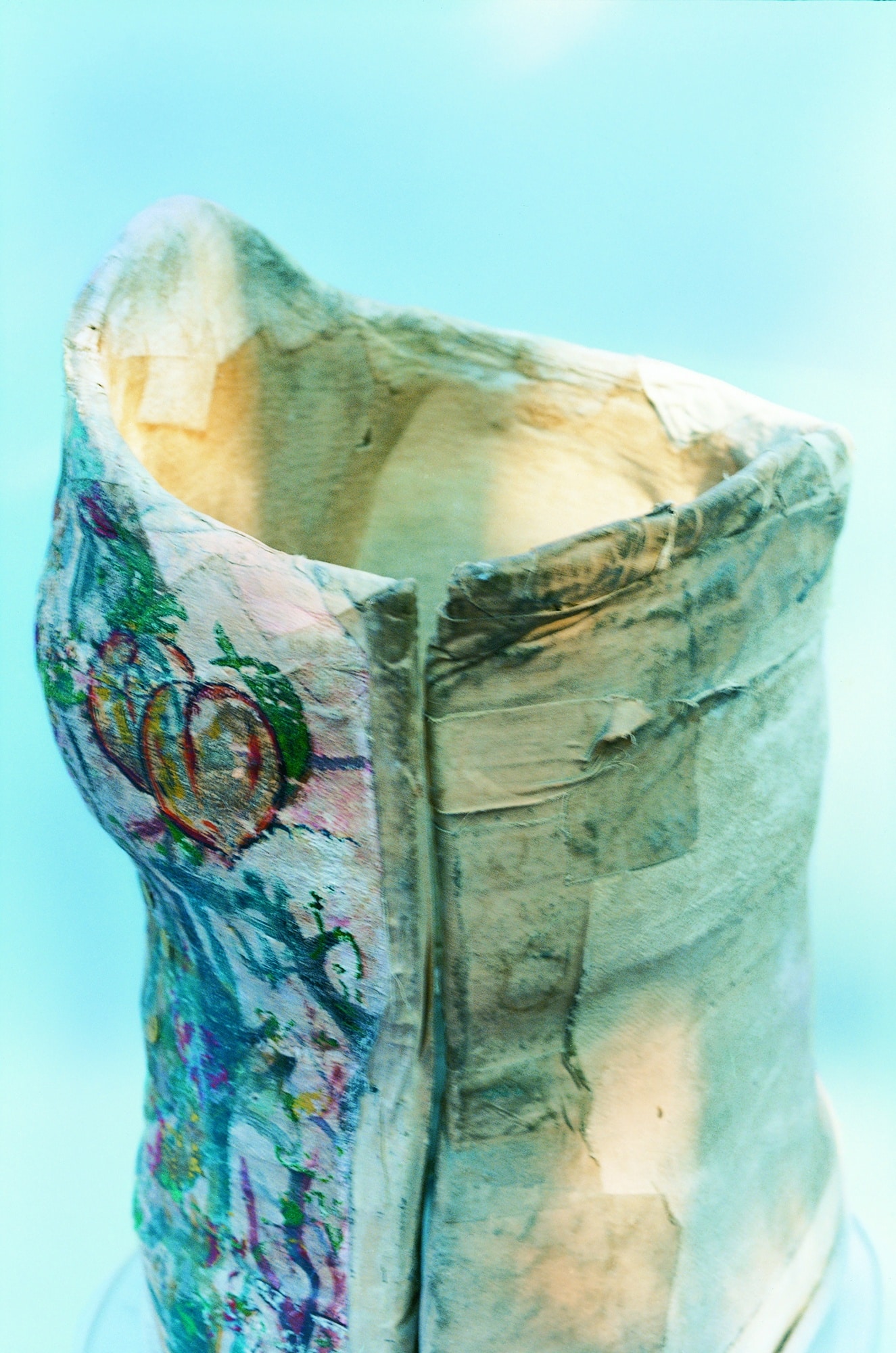
This year, Les Rencontres d’Arles is draped in Japanese colors: five exhibitions celebrate Japanese creativity, placing women at the forefront. The goal is twofold: to provide diverse perspectives on Japan and Japanese photography and to highlight the pivotal contributions of female artists to the history of this art form. In Belongings (Henri Comte room), for instance, Ishiuchi Miyako photographed her late mother’s belongings. “I had never thought about my mother’s body, and now I was discovering it in detail, thanks to photography,” she explains. “I captured the pathos of a shirt with no shoulders to hold, dentures with no mouth to fit, lipstick with no lips to adorn, shoes with no feet to fill.”
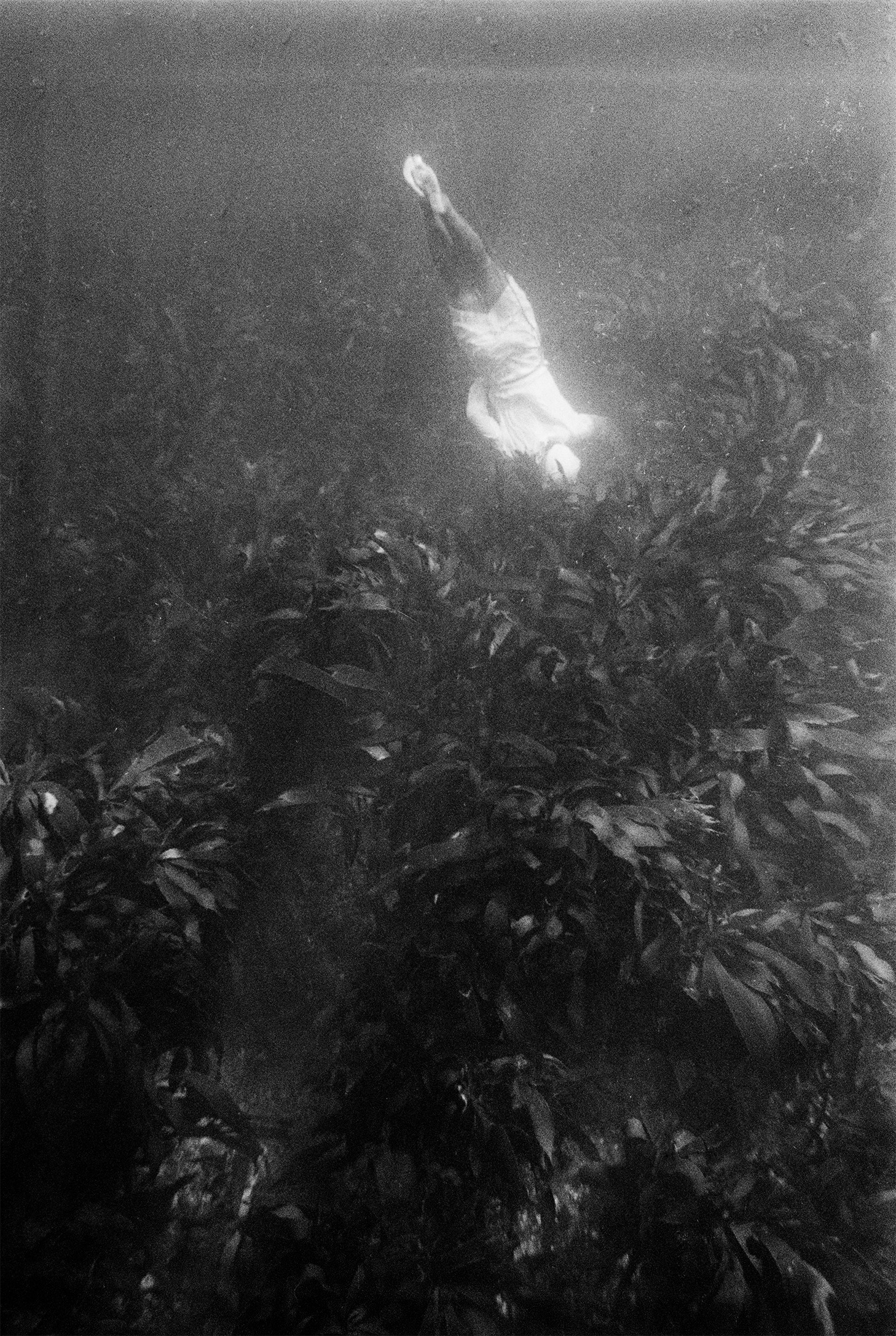
Uraguchi Kusukazu. Underwater, 1965. Courtesy of Uraguchi Nozomu.

Uraguchi Kusukazu. Underwater, 1965. Courtesy of Uraguchi Nozomu.

Uraguchi Kusukazu. Underwater, 1965. Courtesy of Uraguchi Nozomu.

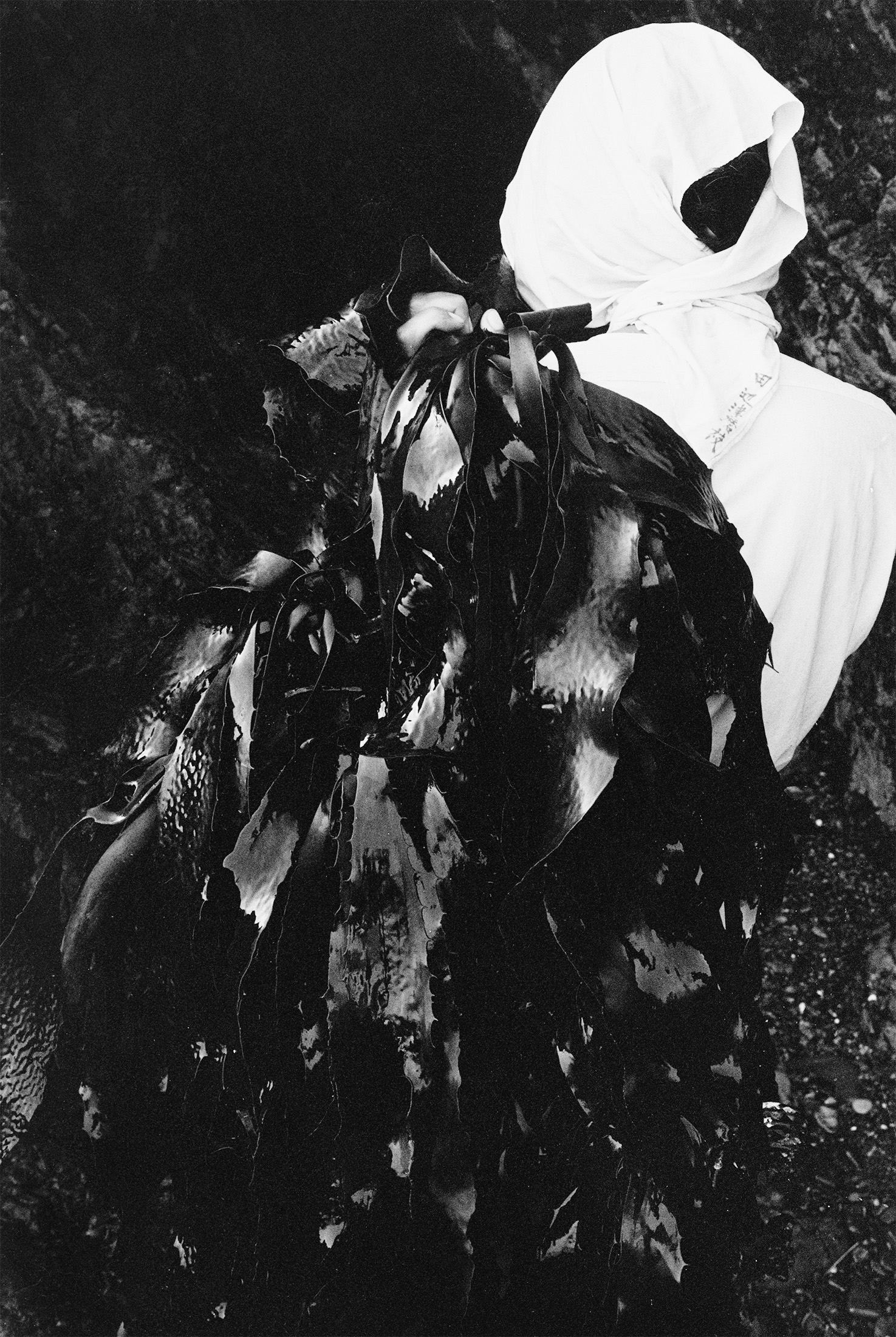
Uraguchi Kusukazu. Ama, 1967. Courtesy of Uraguchi Estate.

Uraguchi Kusukazu. Ama, 1967. Courtesy of Uraguchi Estate.

Uraguchi Kusukazu. Ama, 1967. Courtesy of Uraguchi Estate.Uraguchi Kusukazu. Ama, 1967. Courtesy of Uraguchi Estate.

Uraguchi Kusukazu. Offshore, 1974. Courtesy of Uraguchi Nozomu.

Uraguchi Kusukazu. Offshore, 1974. Courtesy of Uraguchi Nozomu.

Uraguchi Kusukazu. Offshore, 1974. Courtesy of Uraguchi Nozomu.

Born on the Pacific coast in 1922, self-taught photographer Uraguchi Kusukazu dedicated thirty years to documenting the lives of the ama, the “women of the sea,” who free-dive to harvest the prized abalone shellfish. “These fishing communities, which have existed since time immemorial, hold a significant place in the Japanese imagination,” explains Sonia Voss, curator of the exhibition. “They have often been photographed, but usually in an exoticized manner. By integrating himself with them and earning their trust, Uraguchi was able to capture more authentic images.”

The Ama exhibition (Abbaye de Montmajour) provides an insider’s view into various aspects of these women’s lives: diving, seaweed harvesting, participating in rituals, and moments of rest in the amagoya (“ama hut”), a communal space where young apprentices and seasoned veterans gather around a fire. “Uraguchi’s photographic language and his identity as an artist were shaped through his interaction with these free-spirited, strong women, vastly different from the stereotypical image of the Japanese female,” Voss adds.

Rendered in black and white with striking contrasts, these photographs anchor the artist’s work in the 1980s and are especially valuable today, as this traditional way of life is threatened by overfishing and climate change.

Communities united by a common fate, deeply intertwined with their environment: these images strongly resonate with Répliques. Philippe Séclier and Marina Amada have curated a selection of a dozen Japanese artists who, each in their own way, have dedicated themselves to documenting the long-term consequences of the Fukushima disaster. “We aimed for a complementary approach,” explains Séclier. “The personal stories of photographers directly affected by the tragedy, such as Suzuki Mayumi, are presented alongside the work of Ono Tadashi, for instance.” Tadashi approached the subject through an ecological lens, photographing a massive ten-meter-high seawall. “No one knows if it will withstand another tsunami, but it has already drastically altered the landscape and the locals’ relationship with the coastline,” Séclier notes.
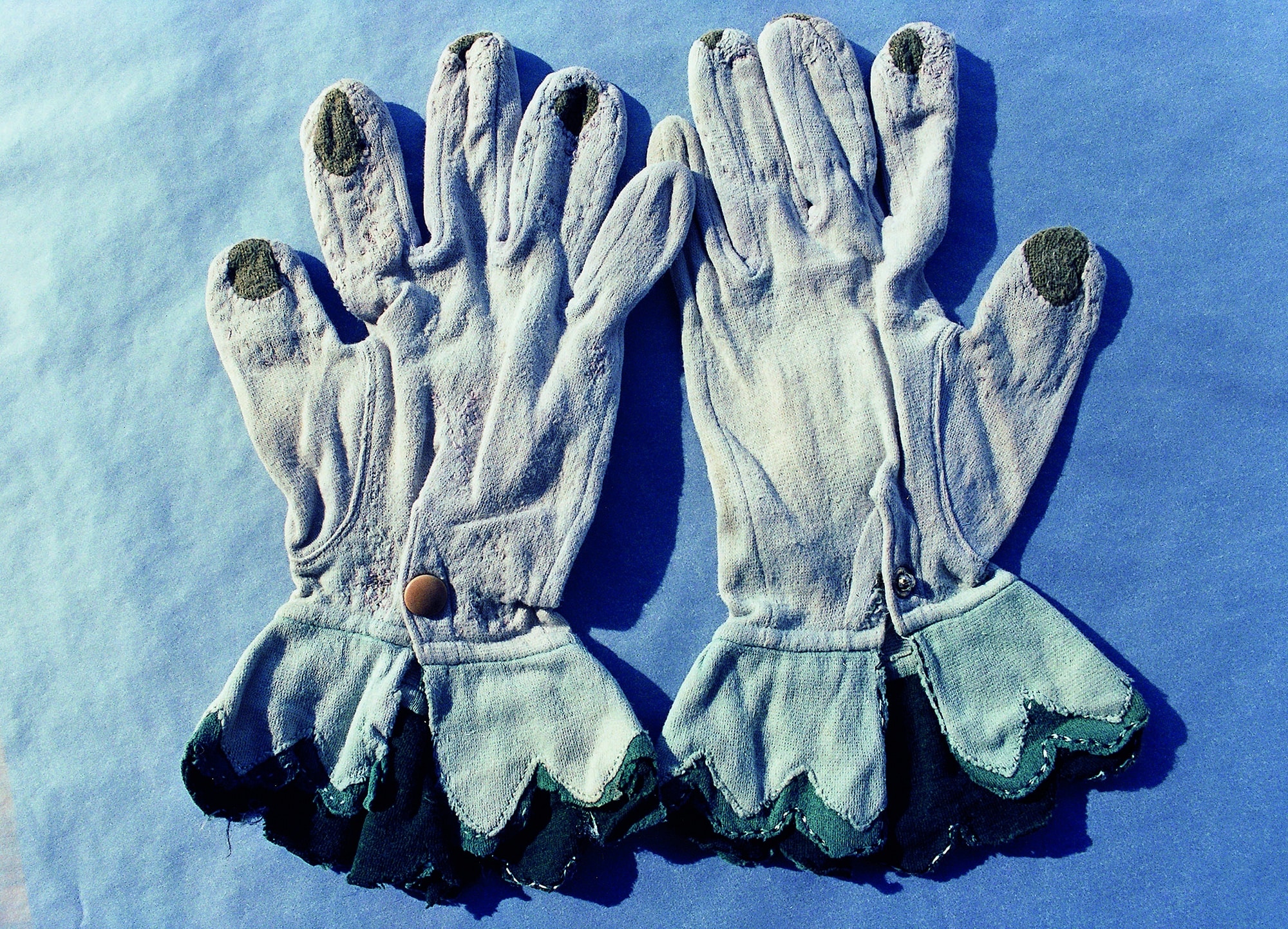
Ishiuchi Miyako. ひろしま/hiroshima #37F donor: Harada A., Courtesy of the artist / The Third Gallery Aya.
Ishiuchi Miyako. ひろしま/hiroshima #21 donor: Segawa M., Courtesy of the artist / The Third Gallery Aya.
Ishiuchi Miyako. Frida by Ishiuchi #7, Frida by Ishiuchi series. Courtesy of the artist / The Third Gallery Aya.

The exhibition also highlights the work of Sasaoka Keiko, who focuses on memorials that turn devastated areas into sites of memory, preserving the connection with the victims and the missing. Additionally, the exhibition addresses less visible consequences, such as the mass exodus of people fleeing the radioactive zone, only to face stigmatization in other regions. It also tackles the challenge of representing radioactivity: how do you make the invisible visible?

Transcendence (Vague) is another multi-faceted exhibition, showcasing exclusively female perspectives. “Six series by six women photographers have been selected, each with a very distinct style,” explains exhibition curator Lucille Reyboz. “These artists, each with a strong identity, use photography as a means of survival. Whether addressing societal issues or reflecting personal stories, the camera became a way for them to find their place.”

The cross-disciplinary nature of these exhibitions is evident in the overlapping presence of certain photographers’ work. Mayumi Suzuki’s pieces are also featured in Répliques, while images from the Bible series by Okabe Momo, another Transcendance artist, are included in Quelle joie de vous voir. “Okabe’s work is particularly unique,” notes Reyboz. “She presents a true contemporary epic, focusing on atypical yet deeply poetic life choices. Though her raw approach, with its strong, bold colors, can be disconcerting at times, it remains profoundly impactful.”

Nomura Sakiko. Untitled, 1997, série Hiroki. Courtesy of the artist / Aperture.

Nomura Sakiko. Untitled, 1997, série Hiroki. Courtesy of the artist / Aperture.

Nomura Sakiko. Untitled, 1997, série Hiroki. Courtesy of the artist / Aperture.

“Shedding light on a wide range of approaches based on the experiences and viewpoints of Japanese women regarding the world, history, and society” is the goal of the exhibition Quelle joie de vous voir: Photographes japonaises des années 1950 à nos jours [What a Joy to See You: Japanese Photographers from the 1950s to Today] (Palais de l’Archevêché). This exhibition brings together twenty-five artists from different generations, both well-known and emerging. This ambitious project highlights the liberating power of photography as a medium for storytelling, sharing, self-representation, and self-expression. By uniting this diverse body of work for the first time, the Arles program succeeds in its mission: to dismantle the stereotypes long associated with Japanese photography—often seen as a male-dominated field primarily in black and white—and to highlight a new visual language that contemporary female artists particularly cherish.
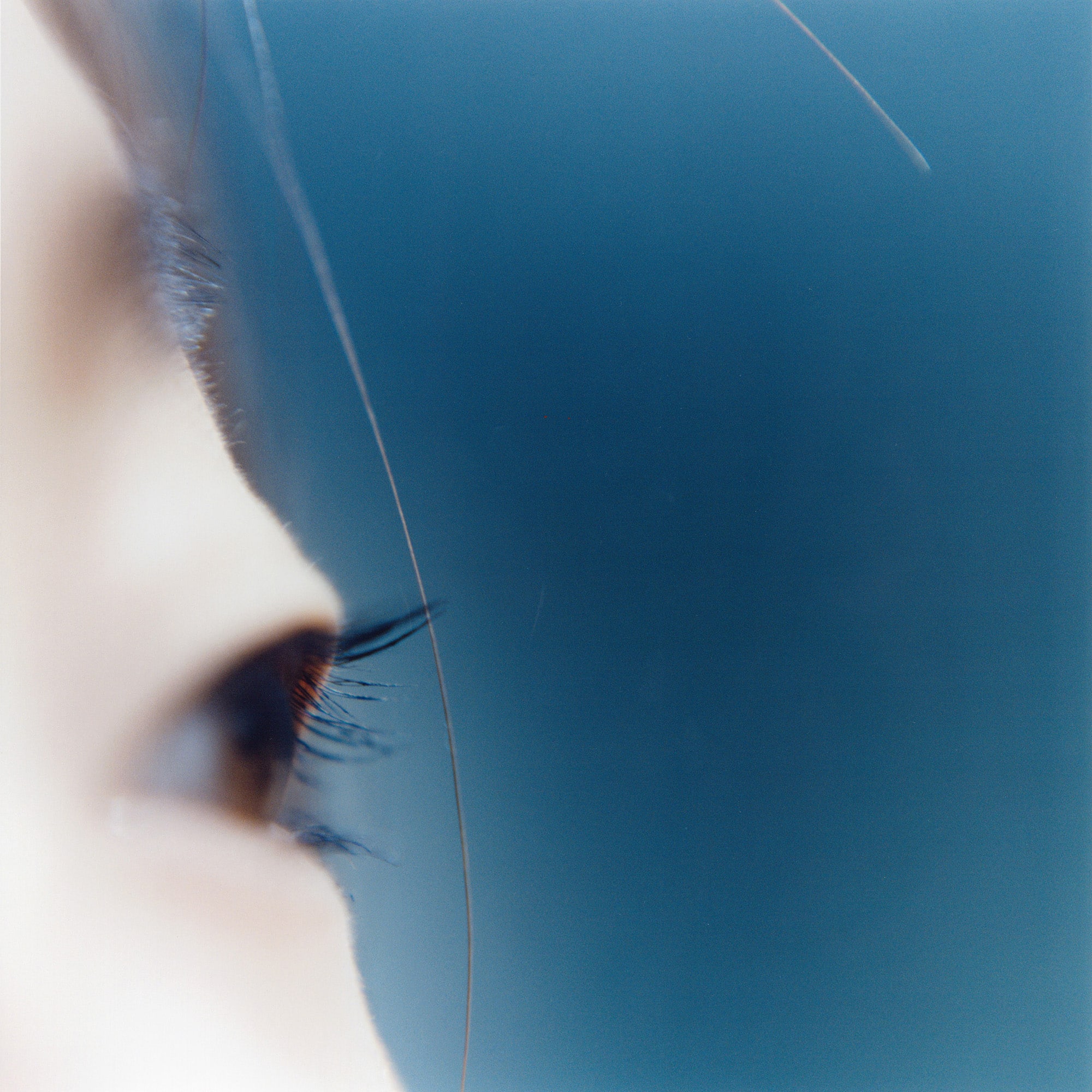
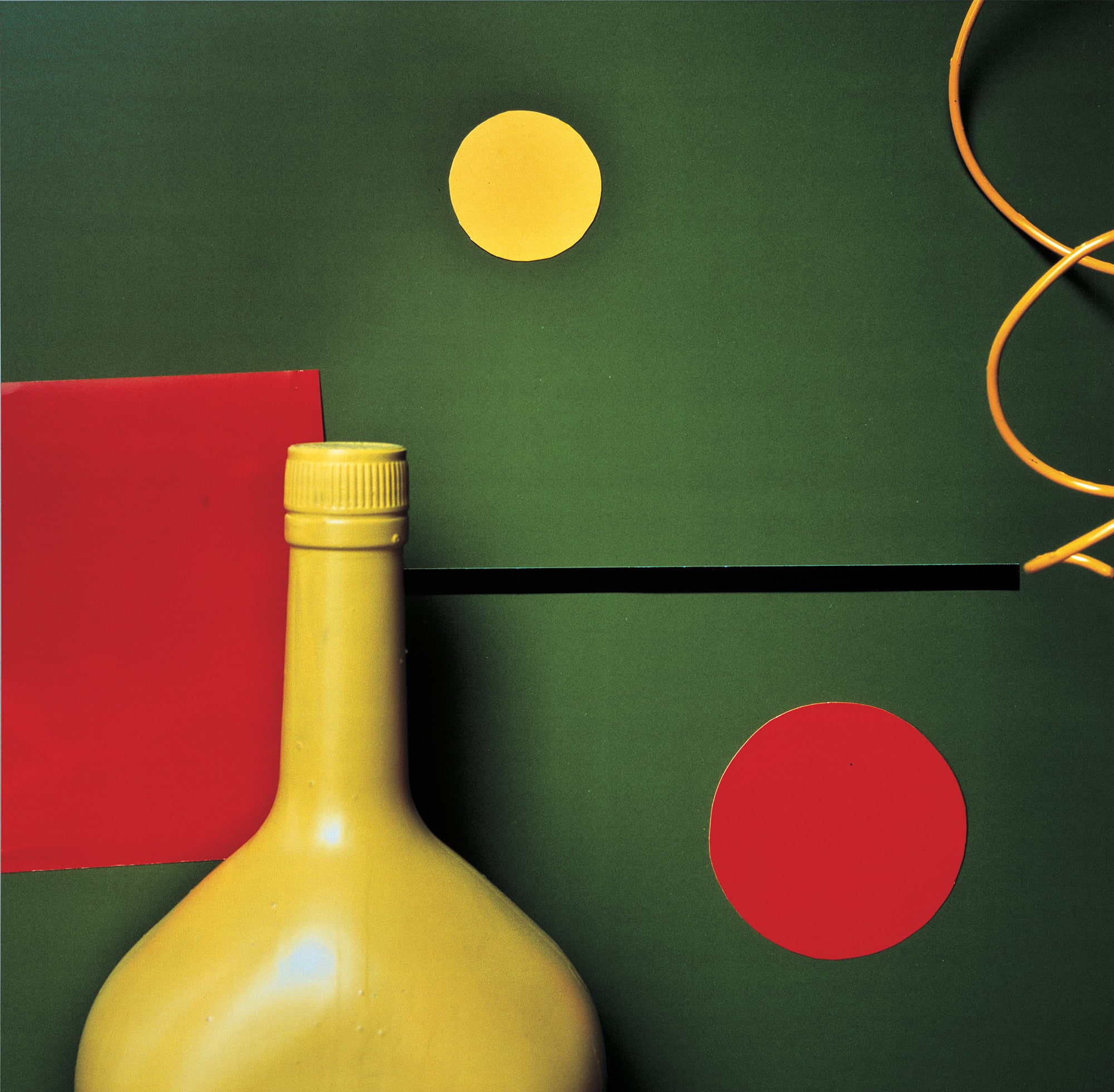
Kawauchi Rinko. Untitled, the eyes, the ears series, 2002-2004. Courtesy of the artist / Aperture.

Kawauchi Rinko. Untitled, the eyes, the ears series, 2002-2004. Courtesy of the artist / Aperture.

Kawauchi Rinko. Untitled, the eyes, the ears series, 2002-2004. Courtesy of the artist / Aperture.

Narahashi Asako. Kawaguchiko, 2003, half awake and half asleep in the water series. Courtesy of the artist / PGI / Aperture.

Narahashi Asako. Kawaguchiko, 2003, half awake and half asleep in the water series. Courtesy of the artist / PGI / Aperture.

Narahashi Asako. Kawaguchiko, 2003, half awake and half asleep in the water series. Courtesy of the artist / PGI / Aperture.

Les Rencontres d’Arles festival is on view until September 29, 2024 in Arles, France. More information on their website.

Remembering Navroze Contractor with Photography Strictly Prohibited

Remembering Navroze Contractor with Photography Strictly Prohibited

Navroze Contractor was a world renown photographer and cinematographer from Ahmedabad who had made Bengaluru his home. A series of events titled Photography Strictly Prohibited, encapsulating the genius of his artistic abilities, marks the first year anniversary of his death as well as his birthday. He would have turned 80 on July 7, this year.

Curated by Sanjiv Shah, Anuj Ambalal and Himanshu Panchal, the exhibition will showcase photographs Navroze took over a period of 60 years, many of which have not been seen previously.

“We had travelled a lot together taking pictures while working on various projects. A couple of years ago, I talked to him about a retrospective of his work and he laughed it off saying retrospectives were “an end of career” activity. I countered that saying we’d title it a mid-career retrospective,” recalls Anuj Ambalal.

However, Navroze was “quite keen on doing a book on his work,” Anuj says, adding that on hearing of his demise, “One of the first things that came to my mind was to do this retrospective.”

Navroze Contractor

Navroze Contractor
| Photo Credit:
Mallikarjun Katakol

“Sanjiv was a dear friend of Navroze’s and they enjoyed a long association on both personal and professional levels. So he knew a lot about the photographs that we began browsing through for this show.”

Between the three of them, they viewed more than 20,000 photos over a period of about six to nine months, to organise the exhibition and the publication. The result is Photography Strictly Prohibited.

“If we were to summarise this curation, I would say there came a point when we realised that subconsciously, intuitively, the three of us were structuring it in such a way that it was more about Navroze than his work.”

“When you look at their works, you tend to get an idea of what kind of person the artist could be. In a sense, Photography Strictly Prohibited is a portrait of Navroze,” says Anuj.

“Normally, there is a catalogue as part of photo exhibitions. However, our idea was different, that is why I call it a book. It is an attempt to bring out the person that Navroze was rather than just his photographs. It was essentially how he looked at the world as he was not a conventional photographer,” says Sanjiv Shah.

Photography Strictly Prohibited

Photography Strictly Prohibited
| Photo Credit:
NAVAJIVAN TRUST

According to Sanjiv, Navroze never really followed a theme when engaging in his craft, with the exception of his work on jazz musicians which is on display at the Smithsonian in Washington DC. “He always carried a camera; it was rare to see him without one. Yet, I don’t think he was keen on showing his work to people — it was basically his eye to the world — and he shot whatever he thought to be relevant,” he says.

Sanjiv adds that the book, also titled Photography Strictly Prohibited is a compilation of Navroze’s works and two interviews — one on the shooting of his film Duvidha, and the other on his jazz images. “We have also included some of his writings, which give an idea of why he was doing what he did. It is our modest attempt to give viewers an insight into Navroze as a person.”

The exhibition will travel across India with a longer halt in Ahmedabad in October. For updates follow ambalalanuj on Instagram.

Photography Strictly Prohibited will be in Bengaluru from July 5 to 7 and will include talks and screenings of his films Duvidha and Jharu Katha. The book Photography Strictly Prohibited will be on display for pre-order. For event details log on to bangaloreinternationalcentre.org

Photography Strictly Prohibited retrospective on Navroze Contractor Special Arrangement

Photography Strictly Prohibited retrospective on Navroze Contractor Special Arrangement
| Photo Credit:
NAVAJIVAN TRUST

Get creative in your own backyard

Get creative in your own backyard

Here in Down Under, it’s officially winter. It’s cold (down to 0°C in the mornings), but instead of just cold, wet and grey, we have clear skies and sunshine. It’s a little weird, but I’m sure the rain will be back. Meanwhile, I decided to grab the Thypoch Simera 28mm vintage-style lens and get creative in my own backyard. Don’t get me wrong, it’s still cold but the sun is nice.

The Simera 28mm is a totally manual lens (I reviewed it here). I currently still have the lens, and the more I play the more I am actually enjoying it. I switched my Sony a7RV over to Creative B&W mode and shot primarily at f/1.4 for some lovely blur. There is not a lot happening in my garden in Winter, so I wanted to get a little artistic and creative. I frequently play with my Lensbaby lenses and decided to spend a little more time with the Simera. It gives your images such a lovely vintage feel.

As it’s not a macro lens, I couldn’t get any real up-close shots, but I did manage a few and have cropped some others. I did try the Lensbaby Macro Filter, but sadly the threads don’t match. Now, that could have been lots of fun. I love the blur and the moodiness you get from this lens. There’s something about shooting and editing in black and white which really makes such a statement with this lens.

Keep to the shadows

Keeping mainly to the shadows for an enhanced dramatic effect really did make my creative heart sing. I did try capturing some busy bees enjoying the only flowering plant in my garden, but I am sadly too slow with this manual lens.

This is always a great way to keep a record of your garden over the years. Ten years ago, ours looked nothing like it does now. So rain, hail or shine, there is always something to photograph in your own backyard.

A Stunning Photograph of a Rare Snow Leopard Captured

A Stunning Photograph of a Rare Snow Leopard Captured

Sharing is caring!

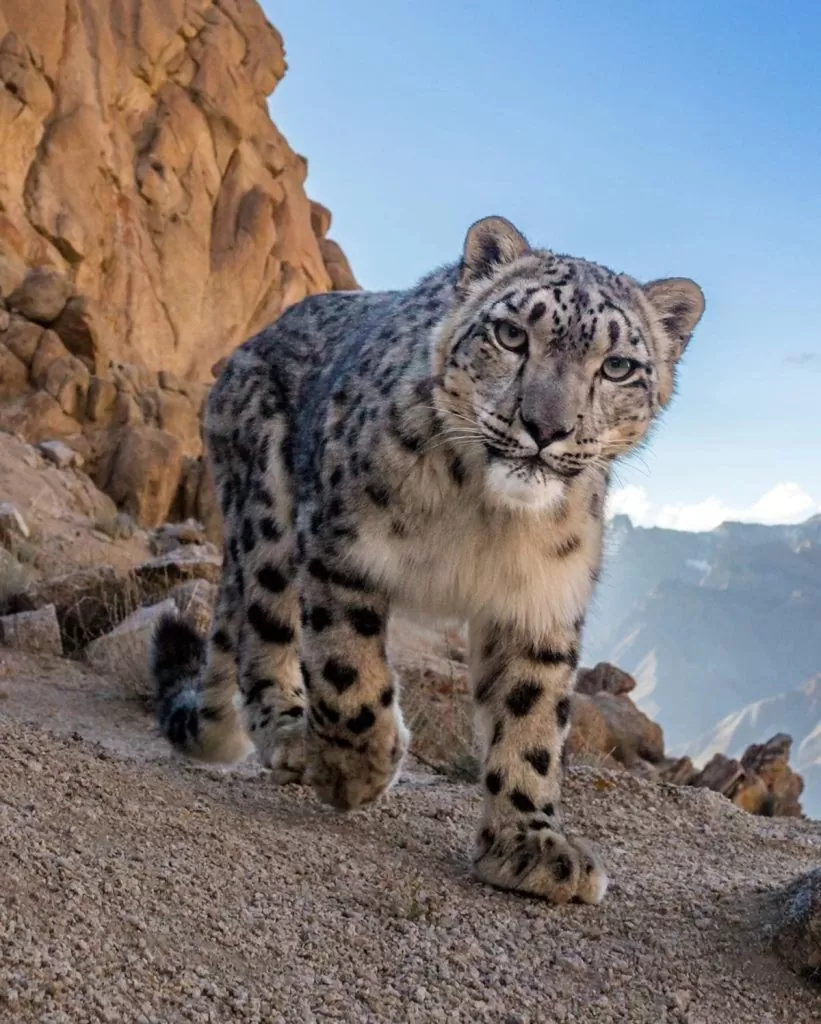
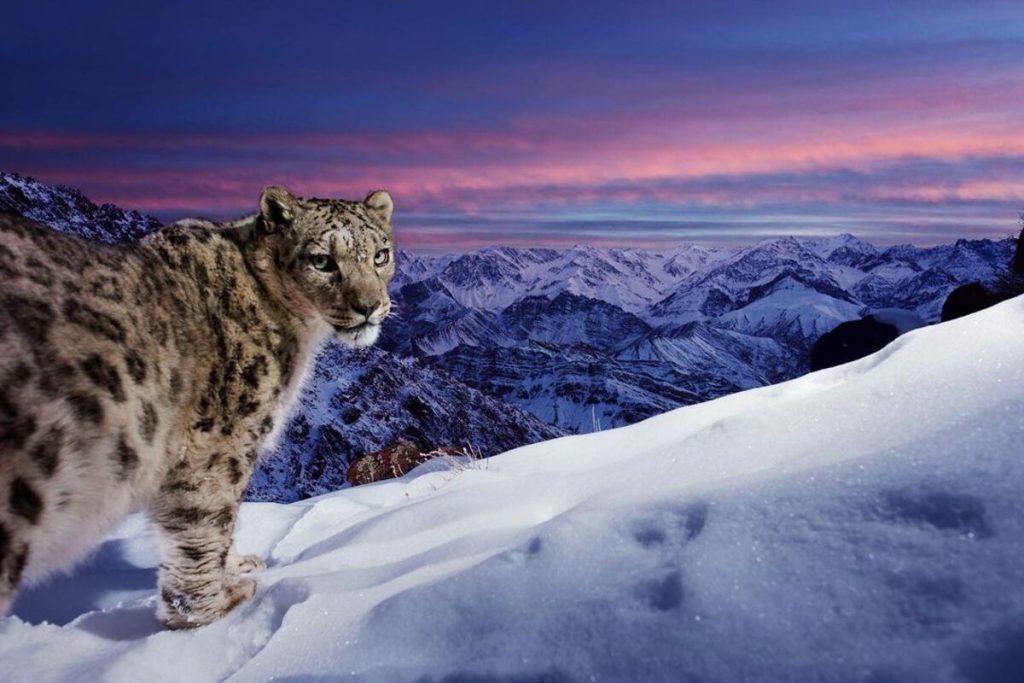
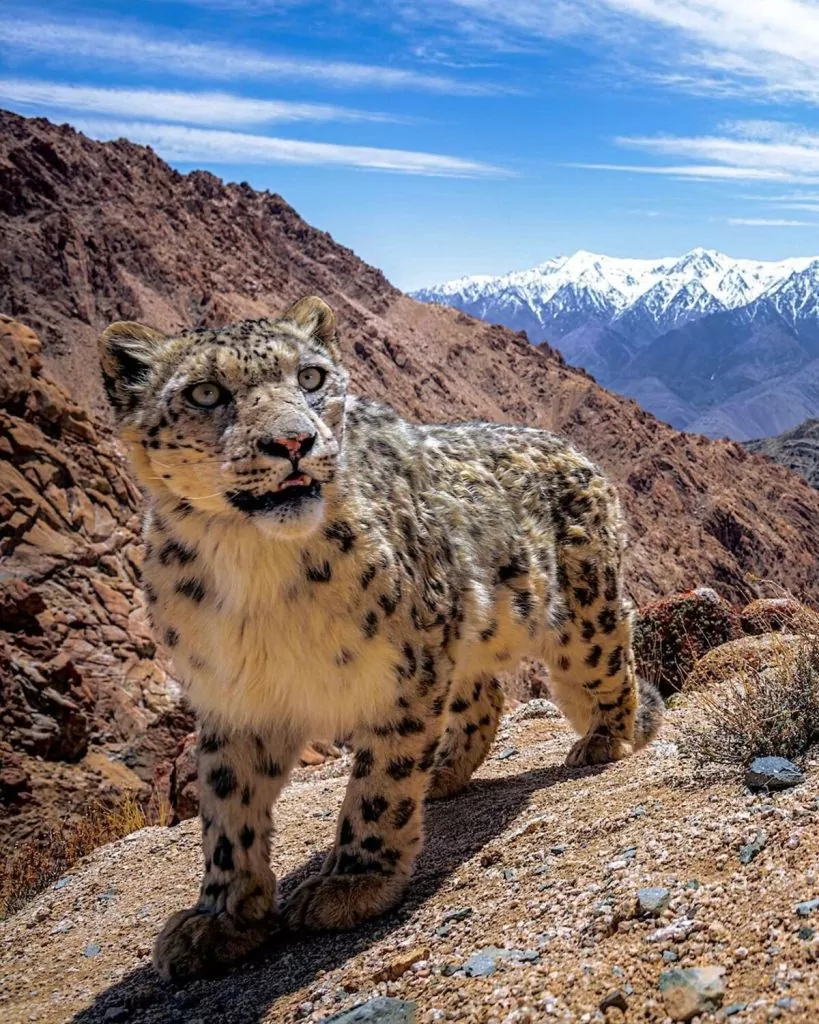
Wildlife photographer Sascha Fonseca has truly mastered the art of capturing elusive animals in their natural habitats. Utilizing motion detectors and automatic triggers, Fonseca has managed to snap breathtaking images of the legendary snow leopard. These majestic creatures inhabit the remote mountains of Ladakh in northern India, near the borders of Pakistan and China, where roughly 200 to 300 snow leopards are estimated to live.

Table of Contents

The Challenges of Photographing Snow Leopards

Snow leopards thrive in rugged, rocky terrains, making them incredibly difficult to spot. Their natural camouflage and the isolated nature of their habitat keep them out of sight from humans. However, their seclusion doesn’t protect them from the threats posed by humans. Hunting, habitat loss, and a decline in prey species have made the snow leopard vulnerable.

Connecting Humanity with Wildlife

Through his stunning photographs, Sascha Fonseca aims to bridge the gap between humans and wildlife, fostering understanding and, ultimately, conservation efforts. One of his remarkable shots captures a young snow leopard snarling directly at the camera, likely reacting to the sound of the shutter. This moment highlights how wild animals can interact with the equipment placed by photographers.

The Art of Setting Camera Traps

A common question arises: how does Fonseca choose the best locations for his camera traps? “As with all my projects, I start with extensive research. The more you understand your subject and its environment, the better you can narrow down potential areas to set up a camera trap in these vast landscapes. But nothing replaces the input from local communities who know the terrain and where the animals roam, mark their territory, and live,” Fonseca explained in an interview with My Modern Met.

The Importance of Local Knowledge

Fonseca’s success is also attributed to the invaluable knowledge shared by local populations. Their familiarity with the land and its inhabitants provides critical insights into where snow leopards are likely to be found. This collaboration not only enhances the likelihood of capturing these rare images but also builds a stronger connection between the efforts of conservationists and the local communities.

Through his work, Sascha Fonseca brings us closer to understanding the delicate balance of life in some of the world’s most remote regions. His photographs are not just images; they are powerful tools for raising awareness and driving the conservation of vulnerable species like the snow leopard.

Peter

Peter, a distinguished alumnus of a prominent journalism school in New Jersey, brings a rich tapestry of insights to ‘The Signal’. With a fervent passion for news, society, art, and television, Peter exemplifies the essence of a modern journalist. His keen eye for societal trends and a deep appreciation for the arts infuse his writing with a unique perspective. Peter’s journalistic prowess is evident in his ability to weave complex narratives into engaging stories. His work is not just informative but a journey through the multifaceted world of finance and societal dynamics, reflecting his commitment to excellence in journalism.

Sharing is caring!

The future of instant photography with FUJIFILM and its latest Instax mini SE

The future of instant photography with FUJIFILM and its latest Instax mini SE

In a move aimed at capturing the hearts of photography enthusiasts and casual users alike, FUJIFILM India has launched its latest addition to the Instax series, the Instax mini SE. This new offering was unveiled at an event in Mumbai, graced by Bollywood sensation and FUJIFILM India’s Instax brand ambassador Kriti Sanon, alongside Koji Wada, Managing Director of FUJIFILM India, and Arun Babu, Associate Director and Head of Digital Camera, Instax & Optical Devices Business at FUJIFILM India.

The Instax series, renowned for its instant photo capabilities, has been a staple in the market since its debut in 1998 with the Instax mini 10. Over the years, it has evolved to include various formats like mini, WIDE, and SQUARE, catering to diverse consumer preferences. Combining nostalgia with modern design, these cameras have become synonymous with vibrant, high-quality prints and user-friendly functionality, making them popular among both seasoned photographers and amateurs.

Strategic launch and market expansion

In an exclusive conversation with CNBC-TV18, Arun Babu highlighted the strategic importance of introducing the Instax mini SE into the Indian market. “The Instax series offers a range of products, from analog and digital cameras to printers, catering specifically to consumers who prefer compact, instant photography solutions,” he said. “Our latest addition, the Instax mini SE, embodies simplicity and instant gratification, key elements that resonate strongly with our target audience of Gen Z and millennials.”

Global focus and market strategy

Babu emphasised the category’s robust growth, with sales up by over 50% last year, anticipating further expansion through online and offline channels. “With the introduction of the new entry-level camera, we expect further growth, especially in offline retail stores, national retail chains, regional chains, and our B2C website (www.instax.in). We have different strategies for online and offline markets, expecting a substantial portion of our future business to come from online sales.”

Exclusive debut and regional strategy

The Instax mini SE is set to debut exclusively in India, the US, and China. The decision to focus on these three countries highlights FUJIFILM’s commitment to tapping into key growth markets. “These countries are significant contributors to our global strategy,” Babu explained. “Each market presents unique opportunities for us to expand our footprint and engage with a growing base of photography enthusiasts.”

The camera is compact and handy, with basic operations like brightness control for different environments. The entry model allows instant image printing. Digital cameras in the Instax lineup offer more control, such as image editing and print commands. The new camera focuses on simplicity and instant gratification.

Comprehensive marketing approach

Addressing marketing and promotional strategies, Babu elaborated on the brand’s comprehensive approach. “We have leveraged influencer marketing, collaborations with fashion shows, music festivals, and other cultural events to amplify our brand presence,” he stated.

“Influencer marketing is a significant part of our strategy because our target audience follows influencers for advice on posing, photography, and style. Therefore, we collaborate with many influencers. We also work with fashion photographers who use our cameras to capture images before models walk the ramp,” Babu said.

“Additionally, some doctors, such as gynaecologists, use our cameras to take and display images of newborns. Our cameras are versatile, with endless possibilities for use, catering to a broad range of customers. As a result, we sell our products in various stores, including gift shops, toy shops, camera shops, mobile shops, and electronic shops,” he added.

“The choice of Kriti Sanon as our brand ambassador further enhances our connection with our target demographic, given her widespread appeal and influence among Gen Z and millennials,” he pointed out.

In the dynamic instant photography market, Babu noted a significant shift over the past 2-3 years. “Gen Z and millennial behaviours are evolving, influenced largely by social media’s constant connectivity,” he observed. “This trend has notably benefited our brand, reflecting substantial growth within Fuji’s category.”

Continued innovation and customer feedback

Highlighting Fuji’s market position, he added, “We dominate this category, with limited competition in retail outlets. This allows us to drive category awareness effectively through strategic collaborations.”

Regarding customer feedback, Babu emphasised ongoing evolution, stating, “Our R&D, including Japanese engineers, continually integrates user insights post-launch. For instance, certain camera models now feature voice recording capabilities with QR code embedding for personalised messaging — a direct response to consumer input. Innovations such as customisable logos and unique angle capabilities in compact cameras are particularly well-received.”

Kriti Sanon, expressing enthusiasm for her association with Instax, remarked, “Joining the Instax family is exciting. The Instax mini SE isn’t just a camera; it’s a tool to instantly capture and cherish life’s moments — stylish and functional, perfect for any occasion.”

Koji Wada, Managing Director of FUJIFILM India, highlighted the company’s commitment to innovation and customer satisfaction. “Approaching our centennial, FUJIFILM remains dedicated to enhancing happiness and creativity,” he affirmed. “The Instax mini SE exemplifies our pledge to deliver innovative, stylish solutions.”

Product offerings and consumer choices

Available in green, blue, pink, purple, and light gray, the Instax mini SE is offered in combo packs with 10 or 40 shots of Instax mini format films, priced at ₹8,499 and ₹9,999, respectively, catering to the contemporary consumer’s appetite for instant creativity and lasting memories.

The Stone Roses buzzing at Spike Island: Andy Phillips’ best shot

The Stone Roses buzzing at Spike Island: Andy Phillips’ best shot

I was working as a freelance rock photographer. The Stone Roses’ PR, the late Philip Hall, had given me their album and all of their 12-inch singles, which I loved. I’d not been able to go to the band’s earlier gigs in Blackpool and Alexandra Palace in London as I had been working in America with Tom Petty and Billy Idol, so when it came to their huge outdoor gig at Spike Island in Widnes in 1990, I thought: “I’m not missing this,” and got myself an access-all-areas pass for the whole event.

I set off for Manchester on the Friday to cover the press conference at the Piccadilly Hotel that evening, followed by a night’s clubbing at the Haçienda. The press conference was a disaster. The band ambled on stage and just sat looking bored, pulling faces behind their microphones because nobody asked any questions. It was a really weird vibe for a room full of so-called journalists. People were intimidated when there was no reason to be. Eventually another photographer, who was a bit feisty, stormed down the front, turned to the crowd and said: “You fucking idiots. What’s the matter with you?” Eventually someone asked a really lame question: “Have you heard of the Charlatans?” who had just released their first single.

A coach was laid on for the media to the Spike Island site the following afternoon. We crossed the Silver Jubilee Bridge and made our way backstage. It was late May and a boiling hot day, and we all piled into the backstage bar area, but by the time it got to my turn, they announced that they’d run out of everything, and this was at 3pm. You hear about it all being badly organised – which was absolutely true.

We were finally shown where we were shooting from – the pit below the stage, but the stage was 20 foot high and the area directly below was full of security, so it was impossible to use. The photographers said: “We can’t see anything,” so the band’s management got the stage crew to rustle up some scaffolding with a few planks of wood to the right of the stage for us to climb on to and shoot level with the stage.

We were allowed to shoot the whole show, which would never happen these days as the norm is first three songs only. By 1990, most of the national newspapers and music press had switched to full colour, so the emphasis was to shoot that way, but there was so much red stage lighting that it affects the colour film and makes it look even redder. Photographers call it “the red nightmare.” Towards the end of the show I switched to black and white.

As I Am the Resurrection reached its finale, I still felt I hadn’t got anything that really caught the essence of the event. From my vantage point I could see that the band would have to walk along this huge empty space between the rear of the stage and the cordoned-off VIP area to get back to their dressing room, so I climbed down and quietly left the other photographers who were packing their stuff away, and made my way over there.

The band had just come off stage and were buzzing. There was no security and they headed straight towards me. I blocked their path and they just stopped in their tracks and started dancing on the spot. I shot away until John [Squire] lunged towards me, and I knew that I had the shot I wanted. I quickly thanked them and said they’d better move on as I’d noticed a couple of other photographers heading over our way.

Some of the black and white pictures of the show and some of the portraits I took at the press conference were syndicated globally, but this shot wasn’t used at the time. It wasn’t until the band announced their comeback in 2011 that NME started to use the image in their online news stories. Then just about every other media outlet started using it too, so much so that it has become one of my most published images . It featured in Shane Meadows’ documentary Made of Stone, and has become one of the landmark images from the whole of the Spike Island gig.

Looking back, I’m just happy I had my eyes open and my wits about me to get myself into the perfect position, which is why I’m the one who walked away with such an iconic shot while many of the other photographers didn’t have anything to compete with – he said, not so modestly.

Andy Phillips CV

Born: Greenwich, London, 1957.
Trained: Self-taught.
Influences: Joan Miró, Frank Zappa, Luis Buñuel.
High points: ‘Travelling the world and the lessons learned.’
Low point: ‘Family and friends lost to cancer.’
Top tip: ‘Politeness and good manners really count, but do not suffer fools gladly.’

These Photos Show a Different Side to Life in North Korea

These Photos Show a Different Side to Life in North Korea

In his own words, Tariq Zaidi tells the story behind North Korea: The People’s Paradise – a rich, vivid and humanising portrait of life in the mysterious country

July 03, 2024

As one of the world’s most isolated countries, North Korea exerts a unique fascination in the Western imagination. It’s easy to misrepresent a place which is so secretive, and which has little opportunity to correct the record. Often the subject of lurid, outlandish and factually dubious reporting, North Korea is typically portrayed as a cult-like dystopia, its inhabitants rendered as a faceless and undifferentiated mass.

With his new book, North Korea: The People’s Paradise, Tariq Zaidi transcends these cliches and instead offers a rich, vivid and humane portrait. Shot between 2017 and 2018, the photographs span the diverse breadth of the country: from the austere, monumental capital city of Pyongyang to the lush verdancy of its mountainous regions; from military drills, rush hour commutes and manual labour, to people riding dodgems at an amusement park, fishing by the river and drinking beer at a barbeque. Even in these moments of joy and serenity, however, the presence of the state is never faraway. In one particularly resonant image, taken at a beach, a soldier in uniform stands in lonely vigil as women in brightly-coloured dresses stroll past along the shore.

Since beginning his career as a photographer in 2014, Zaidi has enjoyed international acclaim for his work, which documents social issues, systemic inequalities and cultural traditions around the world, often in communities which are in some way endangered or marginalised. Both his debut book, Sapeurs Ladies and Gentlemen of the Congo, and its follow-up, Sin Salida (which explores human rights issues in El Salvador) won multiple awards. His work has been featured in a wide range of prestigious publications, including the Guardian, the New York Times, and the Washington Post, and has been exhibited around the world.

Below, Tariq Zaidi tells AnOther about the immense logistical challenges of working in North Korea, the welcome he received while there, and why he wanted to emphasise the vibrancy of everyday life.

“Many of my photographic projects deal with underreported communities and places. North Korea has intrigued me for years because of how little we know about it except from mainstream media. I wanted to use photography to offer a glimpse at everyday lives in North Korea, documenting people and culture as far as possible, given the limitations and restrictions of working there.

“For the past four years, North Korea has been inaccessible to all visitors, including North Koreans residing outside the country. Before this closure, access [for most nationalities] was possible through various agencies in China or Russia, which involved a process of applying for permission. During my visits, I was accompanied at all times by two North Korean minders, who played a crucial role in shaping the subjects I could capture. They frequently requested to view my images, leading to the immediate deletion of those they deemed unacceptable. Generally, they didn’t mind me taking photos of groups of people going about their daily lives, but individual portraits were discouraged. I had taken many pictures at an amusement park in Pyongyang at night, which were deleted – it was a very surreal environment to photograph, given the political situation in 2017 – and I wish I had been allowed to keep those. It’s hard to say what else I could have photographed because of how curated my first trip was; I didn’t have the chance to explore on my own. The places, routes, and destinations were all predetermined and could not be altered once set.

“Shooting in North Korea entailed several logistical restrictions, but I’m used to working in challenging and inflexible environments. Some projects I’ve worked on in the past have entailed significant safety restrictions because the context has been dangerous, politically volatile, or violent; others have had transport and mobility limitations where getting around the country and visiting points of interest has been impossible simply because of a lack of infrastructure.

“In North Korea, I never felt unsafe, nor was I met with any hostility as a foreign photographer – everyone I encountered was welcoming and hospitable. Children were generally OK with me taking pictures, and adults allowed me to photograph them after a few minutes of politely asking, although it depended on where we were. In the metro, for instance, whenever I pointed my camera at people, they all shyly put their heads down to avoid being photographed. I’m unsure if that was due to shyness or cultural differences. Like anywhere else in the world, I photographed those who were willing to be photographed and respected those who were not.

“Some of the photographs in the book capture a tension between regular life and the militarism, authoritarianism and control which have become associated with the country.  I aimed to strike a balance by focusing on moments of leisure and community, while subtly incorporating elements that highlight the presence of broader societal forces. Through this approach, I hope to convey the resilience and vibrancy of everyday life, even amidst the backdrop of external influences or state intrusions, and invite viewers to reflect on the coexistence of ordinary experiences and socio-political realities.”

North Korea: The People’s Paradise by Tariq Zaidi is published by Kehrer Verlag, and is out now.

Memories and Musings: On Photography as a Hymn of Praise

Memories and Musings: On Photography as a Hymn of Praise
“Shadow Dance.” My first impression of this stand of trees entwined by old grapevines at Huntley Meadows Park in Fairfax Country, Va., was of dancers in a sacred space. It was winter and the tree trunks cast strong shadows in the late afternoon sun. I was reminded of a cathedral. – Nina Tisara (Photo by Nina Tisara)

Alexandria, VA – There is a connection. At least for me there is a connection between my photograph of the child and grandmother reading in the courtyard of Christ Church, Annie Dillard’sDiPilgrim at Tinker Creek.

I’m not sure why I picked it up from the shelf. Maybe because I tend to choose books with creek or river in the title. Maybe because my family name is Tinkelman. I didn’t think to look up the actual definition of pilgrim until just now. Per Wikipedia, a pilgrim is a traveler on a journey to a holy place. Typically, this is a physical journey to some place of special significance to the adherent of a particular religious belief system.

I loved the book. And now I see how appropriate it is to this column.

I lent my copy to someone and didn’t get it back. Although I missed it, I didn’t replace it until Johnson’s prolific Facebook posts made me want to revisit something Dillard said about seeing. In his daily posts (mostly of birdlife but some of flowers and some of family), Johnson celebrates the beauty of creation. In re-reading the book, I found several things. I hope you will want to read the book, but here are two passages that still resonates with me:

“But there is another kind of seeing that involves a letting go. When I see this way I stand transfixed and emptied. The difference between the two ways of seeing is the difference between walking with and without a camera. When I walk with a camera I walk from shot to shot, reading the light on a calibrated meter. When I walk without a camera, my own shutter opens, and the moment’s light prints on my own silver gut. When I see this second way I am above all an unscrupulous observer….”

and

“…The secret of seeing is, then, the pearl of great price. If I thought he could teach me to find it and keep it forever I would stagger barefoot across a hundred deserts after any lunatic at all. But although the pearl may be found, it may not be sought. The literature of illumination reveals this above all: although it comes to those who wait for it, it is always, even to the most practiced and adept, a gift and a total surprise….”

Though I have never met Ralph Johnson, I think he knows the secret of seeing.

Man looking through camera
Ralph Johnson is a master behind the camera. (Photo: Ralph Johnson FB page)

Ralph and I were introduced via email by Zebra publisher Mary Wadland when I was seeking a photograph of a hawk to illustrate my column on “The Landscape of Aging,” May 2024. In 30 years of taking pictures, I have never photographed a hawk and was struggling to find one that worked to illustrate a poem I quoted in the column. Johnson responded by sending five photographs, each so exquisitely beautiful, it was hard to select which to use.

I was stunned, truly astounded by their beauty, and impressed that he could find them (which means they were indexed, something I aspire to do with my 30-year library of negatives), and he could identify the type of hawk!

Treat yourself to a selection of his photographs on YouTube set to music (Ravel Synced (youtube.com)).

Since I don’t know Ralph Johnson, it is presumptuous of me to say his work is a hymn of praise, a devotional song. Presumptuous or not, that’s what I think, maybe because we share some of the same feelings. My description of seeing a particular stand of vine-draped trees at Huntley Meadows Park likens the experience to being in a cathedral. Some of my current mosaics have the same message.

Book reading, Alexandria, Va. (circa 1980). (Photo by Nina Tisara)

One might say we are fellow pilgrims.

Thank you, Ralph. I am grateful not only for making the hawk photographs available but for putting me back in touch with Pilgrim at Tinker Creek.

Mosaic Artist/Photographer Nina Tisara is the founder of Living Legends of Alexandria.

ICYMI: Marion Moon Fondly Remembered at Alexandria Sportsman’s Club Awards Banquet May 17 

Post Views: 4