About

Posts by :

Great Britain’s Kuzo is transforming the art of sports photography

Great Britain’s Kuzo is transforming the art of sports photography

Kuzo or @Kuzoreel is one of the most highly respected and influential figures in UK American football over the last few years. A number of ELF players including Chad Walrond (Stuttgart Surge), Glen Tonga (Rhein Fire) and Jai Jackson (Barcelona Dragons) have put their faith into what Kuzo has been building.

Having worked with Kuzo directly, it has been unique to see his growth in the sphere of American football and further advancement into videography and dimensions like basketball and celebrity culture.  During the 2024 British University and College championships, this writer reconnected with Kuzo and organized an interview that had been years in the making.

Check out his Instagram page.

How long have you worked in photography/videography?

I’ve always been around photography/videography for a long while since a young age! However, 2018/19 if I’m correct is when I actually picked up a camera and tried creating content seriously. I’d have to shout out Jamal (Jdot_Tv_Media) who played a big part in kick starting my videography/photography career. He’s truly one of my good friends but to answer the questions it’s been around 5/6 years.

Kuzo covering basketball

What was the inspiration and how did you extend from football content to basketball and creators?

I didn’t really have the inspiration to shoot sports! I genuinely one day decided to bring my camera to a showcase basketball game at my university and I put a small video together which only required about 20% effort. It ended up getting good receptions and I ended up doing content for the basketball team for a year. From there I ended up meeting a bunch of people who asked to get basketball content done. However,  playing American football I met even more people in the game and just ended up networking and creating content for some names within Britball. Thanks to the likes of Chad Walrond, Glen Toonga and Jai Jackson I’ve ended up gaining attention to travel abroad to the ELF and shoot personal content for individuals, so everything has fallen into place luckily.

Glen Toonga’s off season workout

What is a shot you took that encapsulates your identity?

Truthfully speaking, I don’t think I’ve done that yet. I don’t know when it shall be, but I’ll definitely know once it’s out because I’m still trying to achieve the look that actually encapsulates me. However, I feel my work style can easily be identified by a few things such as my colour grading & how I tend to edit but I feel I haven’t exactly achieved what I envision.

What sets you apart from everyone else?

I genuinely can’t think but I’d say what gives me the advantage over most people. I’ve been creative since young, so loads have things have nurtured me. Originally was addicted to Call of Duty and used to be a part of clans so started editing montages from an early age for a few years. Then it progressed into YouTube videos for people and after that, it became shooting and editing music videos and led onto now shooting sports content as well. So, I’d just say being around many different environments & doing it for a while might give me an edge over people. However, I’m not producing the content I envision in my mind, so I feel if I’m able to do that then I’ll be able to separate myself from the majority possibly.

In our continuing series about the photographers who diligently cover our game throughout Europe, we have arrived in Great Britain. We have also posted interviews with Charlotte Murden, Sweden’sStefan Akander and Jonas Domfors as well as Germany’s Sarah PhilippFinland’s Jari Turunen, Italy’s Gioli BusiLola Morales from SpainDenmark’s Mikkel Bo Rasmussen and Michael Freitag also from Germany,  Austria’s Peter Kramberger and Hannes Jirgal as well as Sergio Brunetti from Switzerland.

Chasing Totality: I learned these lessons learned for photographing a solar eclipse so you don’t have to

Chasing Totality: I learned these lessons learned for photographing a solar eclipse so you don’t have to
Chasing Totality: Lessons Learned from Photographing a solar eclipse thumbnail

On August 21, 2017, I was greeted by my alarm clock at 6 am, and I rolled out of bed with excitement. I had been eagerly anticipating this day for the past couple of years, and the time had finally arrived. In a mere 9 hours, I would experience The Great American Eclipse, the first total solar eclipse visible from the United States in 38 years, a time before I was born.

My girlfriend and I got in her car and left Louisville, Kentucky, embarking on the 2-and-a-half-hour drive south to a secluded park in Sharon Grove. The morning air was warm and inviting, and as we got on the interstate, the world seemed quiet and peaceful, with most people still tucked away in their homes. The gentle hum of the engine and the wind whipping over the car were the only sounds accompanying us on our journey.

As the sun peeked over the horizon, I was happy to feel its warmth and see its glow embrace my field of view. The golden rays cascaded across the landscape, painting the sky in a brilliant array of oranges and pinks. There were no clouds in sight, and the sun shone as if it were any other summer day, blissfully unaware of the celestial event that would soon unfold.

With each mile that passed, my anticipation grew, and I couldn’t help but imagine what it would feel like to witness the moon blocking the sun’s light, casting an eerie darkness across the land. Little did I know that this experience would be one that I would cherish for a lifetime.

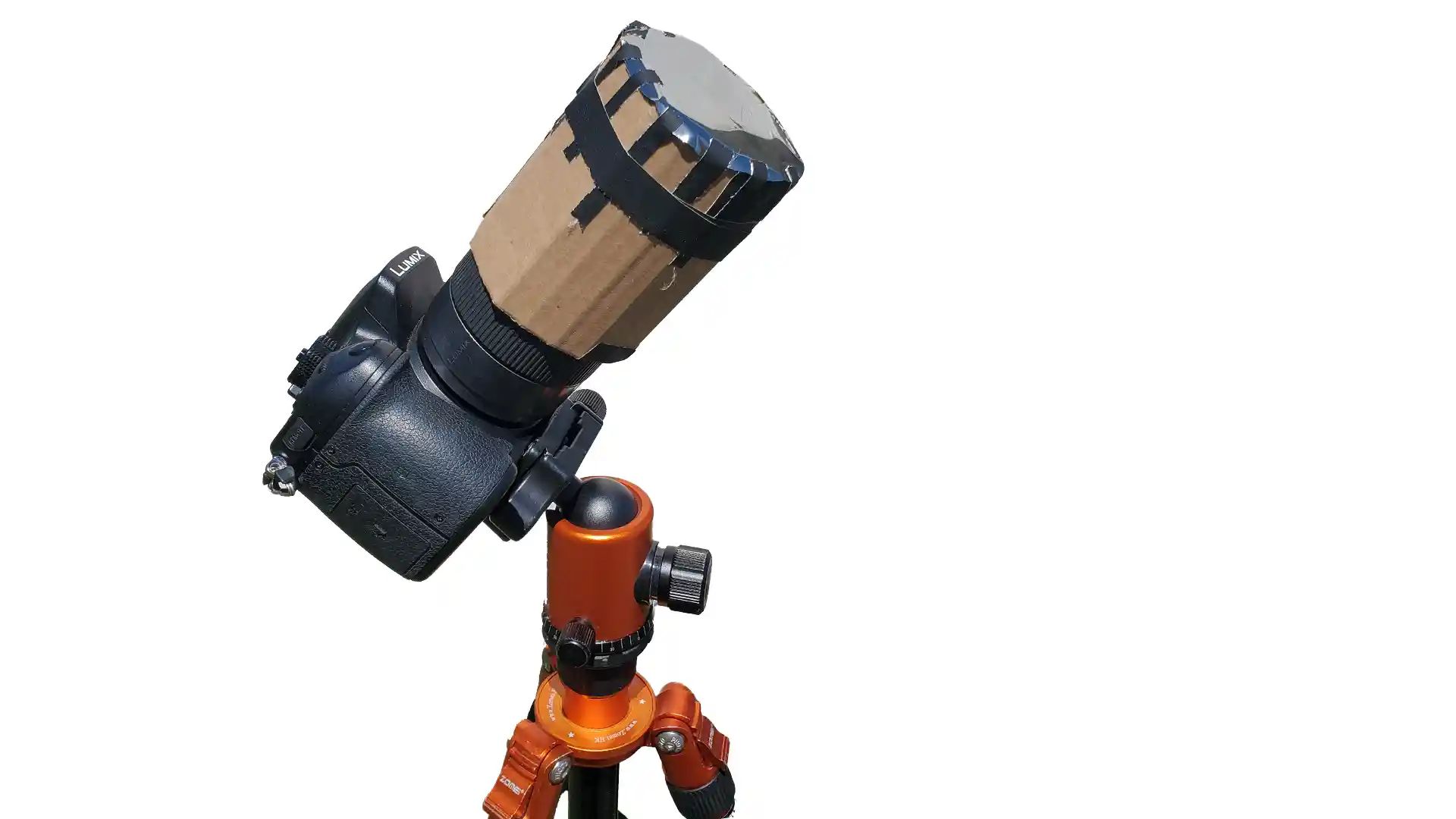
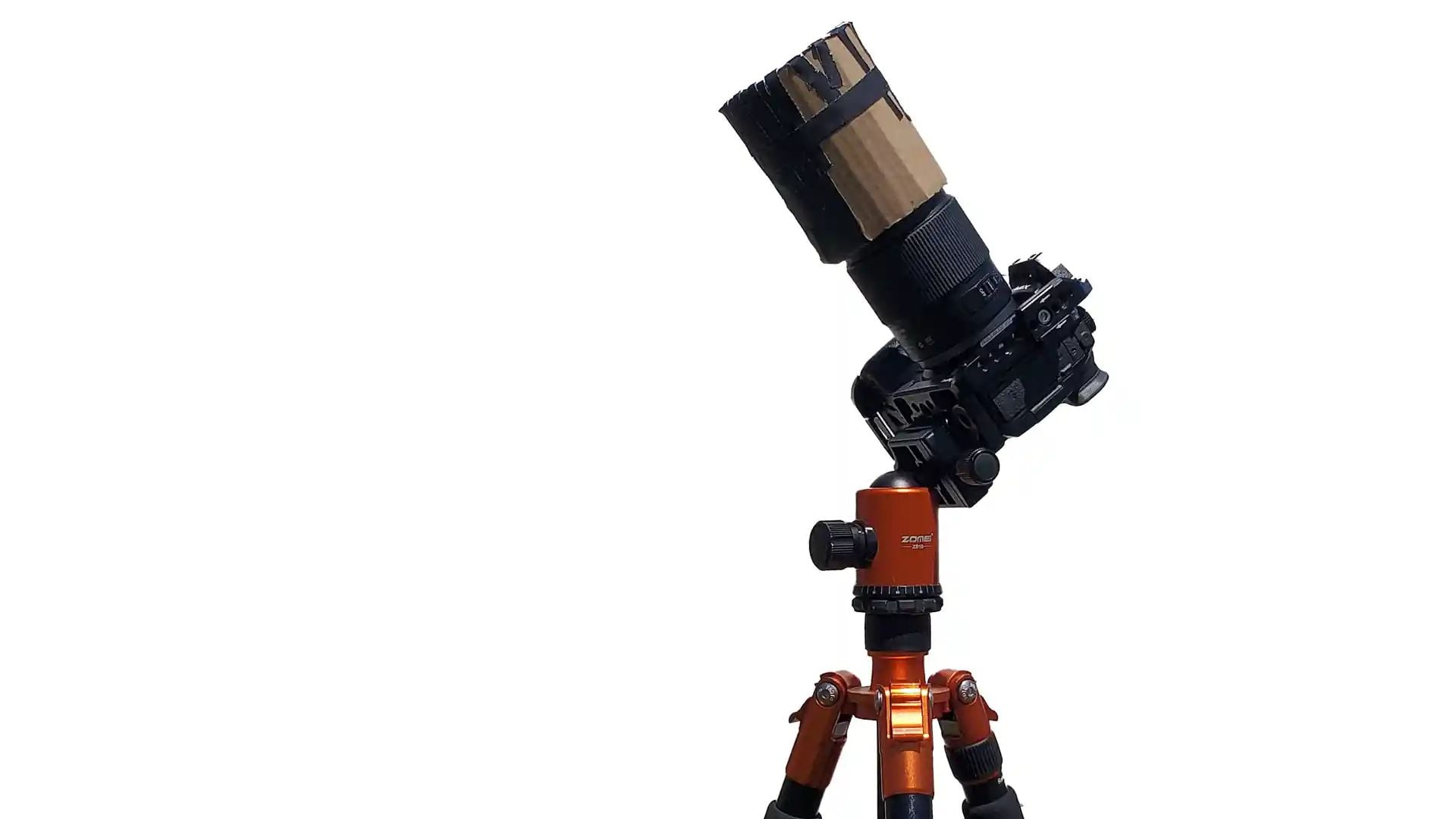
Imaging Gear Used For The 2017 Solar Eclipse

A Humbling Realization

My goal for the day, besides witnessing the eclipse with my own eyes, was to capture it with roughly $5,000 worth of imaging equipment that I used in my regular line of work as a videographer. With a decade of experience creating videos, I figured I’d be able to capture some amazing images. After all, I had seen hundreds of other stunning photos online, so how hard could it be to create something similar?

As it turns out, capturing images of an eclipse was a skill that I had yet to master. Unlike most of my professional video work, I had never recorded an eclipse before, and I could only guess what techniques and settings would yield the best results. It was a humbling realization that even with a decade of experience, I was still a novice when it came to this unique event in the sky.

Before I go any further into my eclipse photography adventure, I want to offer some advice. If anyone plans on seeing an eclipse and is considering recording or photographing it, I don’t completely recommend doing so. Not only is it incredibly difficult to capture from a technical standpoint, but you also only have one chance to get your shots. More importantly, the eclipse is a once-in-a-lifetime experience that is far more awe-inspiring when witnessed in person. I think most people would rather fully live in the moment, rather than fussing with exposure settings and framing up shots with their camera, potentially missing the breathtaking beauty unfolding before them.

YouTube video
[embedded content]

Hindsight and Realization

With that out of the way, back to the story and what I learned from 2017. The sun, now higher in the sky, cast a brilliant light across the countryside, illuminating the lush green fields and towering trees that lined the highway. It was a picture-perfect day, and I couldn’t help but feel a mix of excitement and nervousness about my attempt to photograph this unique event.

When we finally arrived at the secluded park, I quickly set up my gear and began capturing the sun as the moon slowly crept across its face. My girlfriend decided to enjoy the experience without the distraction of a camera and sat under a shaded picnic area, patiently awaiting the moment of totality.

As the eclipse progressed and I continued to adjust my cameras, I couldn’t help but feel that I wasn’t fully embracing the moment. I messed with my equipment, adjusting dials and framing, but realized I might be missing out on something truly special by focusing so much of my time on the three cameras I had brought along.

It wasn’t until later when I reviewed my footage and reflected on the experience, that I realized I had made several mistakes in my attempt to capture the perfect shots. These errors, along with some things I did right, helped me create a list of dos and don’ts for anyone considering photographing or recording a total solar eclipse. Hopefully, this list will help others make the most of this experience while avoiding some of the issues I encountered.

This video shows what I captured of totality during the 2017 solar eclipse, and you can hear the audio reaction from my wife and myself:

YouTube videoYouTube video
[embedded content]

Five Lessons Learned the Hard Way

Here are five don’ts to keep in mind when attempting to capture an eclipse:

1. Don’t record the sun before totality without using a solar filter.

Thankfully, this is one of the few things I got right. I made a few solar filters from solar film, which is essentially like a pair of sunglasses for your camera, but designed specifically for looking at the sun. I’ve seen photos posted online where people ruined thousands of dollars worth of photography equipment by pointing their cameras at the sun without this protection. In some instances, the sun burnt the camera’s sensor, while in other situations, the sun actually melted the aperture blades in the camera’s lens.

2. Don’t use an extremely tight zoom on the sun.

While it may look neat for the sun to fill the entire frame, unless you have specialized astrophotography equipment that can counteract the rotation of the earth, the sun will likely be out of the camera’s framing before the eclipse is over. Aim to have the sun take up no more than 20% of the frame. A photo or video that’s a little more zoomed out may seem less interesting, but it’s far better to have the sun in the shot, even if it’s smaller than you’d like. Remember, cameras have high resolutions now, and you can always crop the image later if desired.

3. Don’t touch your tripod during totality.

This relates to the previous tip of having a wider shot. When I recorded the eclipse in 2017, my camera’s lens was too zoomed in, and the sun got to the edge of the frame as the totality started. I spent a good 10 or 15 seconds fiddling with the tripod once totality began. That’s an eternity when it comes to something that only lasts a few minutes and is an event you may only get to see once in your life.

4. Don’t shoot the eclipse in slow motion.

I thought it would be really interesting to see the sun’s rays from the corona dancing around in slow motion. It turns out the corona doesn’t really move all that much in real-time, and with some cameras, you lose the ability to capture audio in slow motion. The only situation where slow motion might be cool is a shot of the “diamond ring” effect as the sun peeks through the valleys of the moon right before and after totality. Slow motion just complicates things.

5. Don’t forget to remove your solar filter during totality.

It’s unfortunate that I have to bring this up, but on the camera I had set up to take regular photographs, I completely forgot to remove the solar filter as the moon completely blocked the sun. When I looked for the images of totality, they turned out to be completely black. To avoid making the same mistake, consider setting a timer to go off right before totality with a label reminding you to remove the solar filter.

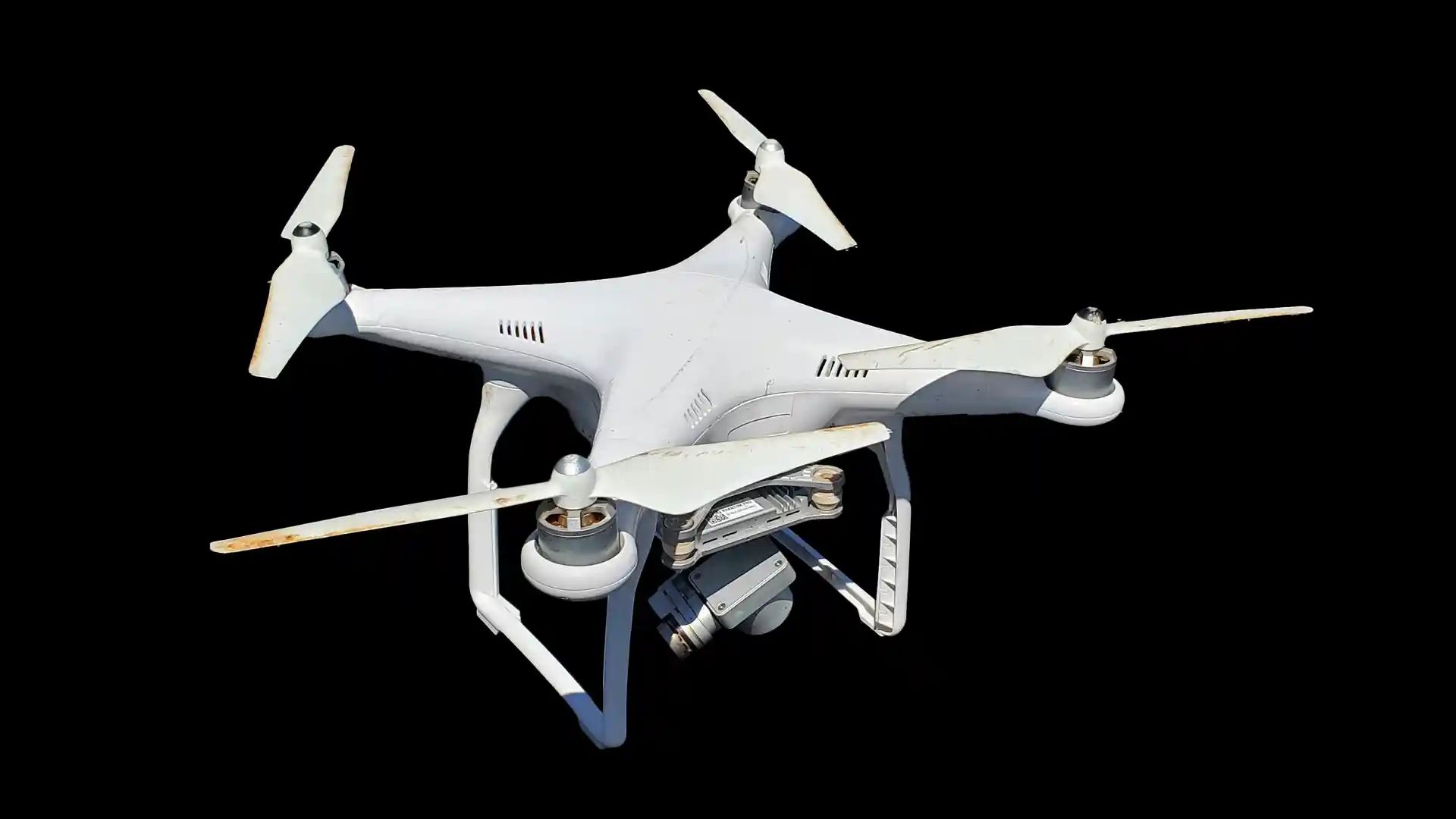
This video shows how quickly the earth darkens and brightens from a drone’s perspective right before and after an eclipse:

YouTube videoYouTube video
[embedded content]

Three Ways to Create Lasting Eclipse Memories

Thankfully, the things I do recommend for photographing the eclipse are much easier to do and will be more valuable to you when you look back on this day in the future.

1. Do look at the eclipse with your own eyes (once the moon has completely blocked the sun).

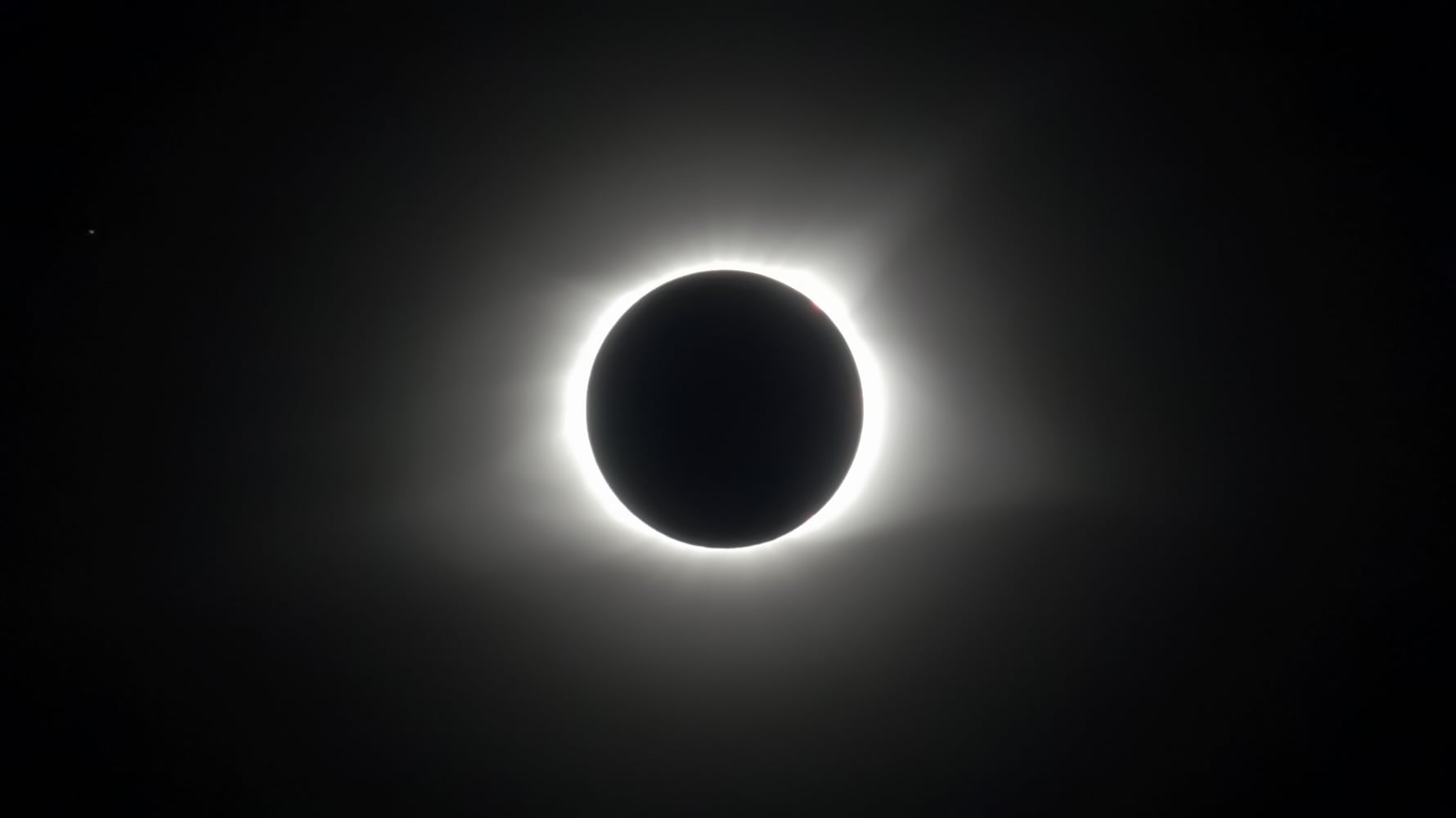
Cameras simply don’t do justice to what you’re going to see during totality. Seeing a total eclipse is, quite frankly, an indescribable experience that you have to witness firsthand. Maybe someday cameras can capture the moment accurately, but for now, they simply don’t do the event justice.

2. Do take a group photo.

Right before it gets completely dark, take a selfie or group photo of yourself and whoever you’re with. There are going to be tons of great photos posted online of the eclipse, and many will even look similar to each other. However, one photo that’s going to be completely unique and probably more meaningful is seeing yourself and who you were with that day. That’s a photo that you won’t find anywhere else online. Don’t worry about getting the perfect shot; the important thing is to capture the memory of being together during this incredible moment.

3. Do record audio of the eclipse.

This was by far the neatest thing I captured during the eclipse, and it was completely by accident. Besides the insects and animals going nearly silent, which in itself was interesting, I was completely surprised when I went through the footage and listened to my girlfriend’s and my reaction to seeing the eclipse. I don’t get excited much, but it was so neat to hear genuine excitement and awe from both of us during this amazing event. You’ll never remember your exact thoughts from the moment, but you’re probably going to say some things during the eclipse that you’ll really cherish when you look back on the day.

To record audio, use a smartphone with a pre-downloaded audio recorder app, as you may not have cell service or be able to download an app in the path of the eclipse due to the influx of people in the viewing area. Place the audio recorder in the middle of your group for the best results. Keep in mind that if it’s windy, the wind noise might drown out what you say, but capturing your reactions is still worth a try.

Damaged Cameras And Lenses From 2017 Solar Eclipse – Lens RentalsDamaged Cameras And Lenses From 2017 Solar Eclipse – Lens Rentals
Damaged Cameras And Lenses From 2017 Solar Eclipse – Lens Rentals. Click here to read the off-site article accompanying these photos.

The Bittersweet Beauty of an Eclipse

With the advice I’ve given, there’s truly nothing that can fully prepare you for the awe-inspiring experience of witnessing a total eclipse. It’s like being granted superpowers, but only for a fleeting two to four minutes. No matter how much you prepare, you’ll never be able to do everything you want in those brief moments. The eclipse will be over in what feels like an instant, leaving you with a bittersweet sense of having witnessed something extraordinary that you may never experience again.

During totality, focus on being fully present in the moment. Look up at the sky and allow yourself to be immersed in the experience. Glance at the ground in the minutes leading up to totality, and you’ll see the world transformed, with crescent-shaped shadows cast by the leaves on the trees.

2017 Solar Eclipse2017 Solar Eclipse
2017 Solar Eclipse

Embracing the Moment, Not the Camera

Personally, I’d resist the temptation to capture the event through a camera lens. Photographs and videos can never do justice to the actual experience. Instead, cherish the memory of witnessing the eclipse in its entirety without the distractions brought on by technology. The memories you create by being fully present will be far more valuable than any image you might capture.

As the moon drifts away from the sun and the light returns, you’ll be left with a profound sense of having been part of something truly incredible. The experience may be short-lived, and you may never have the chance to see another total eclipse again, but the memories and emotions will stay with you for a lifetime. It’s a powerful reminder to cherish life’s most amazing moments while they last.

P.S. If you are looking for more, we have more great tips for photographing the eclipse from Canon ambassador Keith Ladzinski

Video: Is ISO 100 always right for landscape photography?

Video: Is ISO 100 always right for landscape photography?

8 April 2024

Many landscape photographers are taught early on that they should aim to shoot at ISO 100 for the ‘cleanest’ possible photo, but when we live in an era of powerful camera sensors and AI-powered noise reduction, is this advice still sound?

[embedded content]

In this video, Mark Denney takes a look at ISO and when you may want to use a higher ISO in certain situations – such as introducing intentional camera movement in the scene, or when you have no choice but to handhold your camera.

What’s especially interesting is Mark’s objective look at whether you can actually tell the difference between images shot at different ISOs when you look at images taken at normal viewing angles – i.e, not pixel peeping. It’s food for thought if you’ve ever sweated over whether bumping the ISO is going to ruin your image.

You can see more of Mark’s great landscape photography videos on his YouTube channel.

Cover image: Mike O’Connor

Community rallies behind Reedley teen battling cancer, raising funds through photography

Community rallies behind Reedley teen battling cancer, raising funds through photography

Photographers donated their time Sunday to help raise money for a Reedley teenager fighting for his life.

[RELATED] Reedley High football player raising money for cancer treatment in Mexico

For the last year and a half, Malachi Rios has been battling stage 4 testicular cancer.

He would come into math class a lot just saying out his back hurt, and that’s really where it all started,” said Malachi’s friend Nicholas Ochoa. “He thought it was just pain from football and it turned out to be cancer.”

Despite going through high-dose chemotherapy, stem cell therapy, and surgery to remove his lymph nodes, Malachis’s cancer has returned once again, and this time, it is chemo-resistant.

“As far as we know, there is no treatment in the United States,” said Photographer Frankie Leal. “There’s a doctor in Mexico that could help treat him, so what we’re doing is trying to raise funds for him.”

Sunday, the Reedley Community came out to support Malachi as he tackles this battle

“This story really, really, really touched me because I know what it’s like to lose a child,” said Elizabeth Tienda. “I was halfway through my pregnancy, and I have my daughter’s ashes in here, and so from a mom, my daughter is supposed to be 2.5 years old right now. I don’t want any parent to go through anything like that.”

Seven professional photographers donated their time to help raise money for the rios family.

[RELATED]Reedley High football player back on the field after tackling cancer

They plan to send Malachi to Cancun, Mexico, to get special treatment.

“We know that the fees, the medical bills could be really, really expensive so were doing our part and donating our time raising money through photography,” said Frankie Leal.

“As a parent… I don’t know what they’re going through, but I can just imagine,” said Celeste Leal. “It hits right here in my heart.”

His friend said Malachi has remained positive.

“Just seeing him fight through this and being positive is really good to see, as well as how happy he keeps himself and how positive he is about it,” said Ochoa.

Now the entire community of reedley is cheering on Malachi…

“I want him to know that Reedley has got his back,” said Leal.

Even off the field.

[RELATED]Reedley High School Junior diagnosed with stage 4 cancer, football team supports battle

Families paid $65 for a photo shoot, which normally costs hundreds.

Malachi’s family is hoping he can start his treatment at the end of April.