About

Posts by :

Maria Ptqk on Getxophoto and Curating Photography in Public Space

The curator offers insights on the selection process and the collaboration with PhMuseum that will soon bring another artist to exhibit at the Basque festival.

Since 2020, one applicant of the PhMuseum Photography Grant has been selected every year for a solo show at Getxophoto. After Silvia Rosi, Juliana Gómez Quijano and Alejandro “Luperca” Morales, Protege Noctem by Mattia Balsamini reached the underworld of Galerías Punta Begoña last year, his inquiry into the disappearance of the night becoming a physical, embodied experience. As this edition’s deadline approaches, we touched base with Maria Ptqk to look into the process behind her work in Getxo.

Can you give us a glimpse of how the collaboration between you and the chosen artist usually runs? For example, what was the path that led to the way you exhibited Protege Noctem by Mattia Balsamini last year?

We had several viewing sessions of the 2023 Photography Grant projects and selected a few that we felt addressed our chosen theme (Pause) from different points of view. In the end we chose Mattia’s because it spoke to us about the environment and also focused on the effects of light pollution on animals. At the same time, it coincided that we had a space where this work fitted well and could add another layer to Mattia’s project. So, once we had a clear idea, we proposed it to the artist, who liked the proposal and the selection of images was made together. The idea is to establish a conversation with the chosen artist and present our ideas and the space we think is ideal for exhibiting the selected work.

What are your leading principles and thoughts when designing a show for the Festival? 

We always keep in mind that Getxophoto is a festival that takes place mostly in the public space in the streets of Getxo, which is a small town on the Basque seaside, close to the city of Bilbao. Thus, the photographs merge with the urban landscape and the daily routines of the local population when they go to the post office or when they wait for the traffic light to get green, for example. That is why, when thinking about the program as a whole, we try to find the right balance between the artistic interest of the projects and their availability to fit properly into the space in which they are exhibited. We also tried to combine different genres and styles: portrait with documentary, analogue b&w with super contemporary images, etc. so that the festival reflects the current state of image creativity today.

Curating exhibitions for a festival is different from working in a gallery or museum. What have you found in this format and how do you think it can be beneficial for artists?

At the festival we show mostly outdoor displays but there are also indoor exhibitions. The main difference is that visitors to a gallery go there of their own free will and with a cultural purpose which means they are willing to devote time and attention to whatever is proposed to them within this framework. Whereas the exhibitions in the public space are more like an unexpected encounter: people don’t always choose to go and see an exhibition, they just stumble upon it. And this is more exciting but also more demanding for the artwork because it is more difficult to arouse interest and have a memorable impact. So, artists receive another kind of feedback and understanding of their own work, not better or worse but definitely different and valuable.

What do you usually look for in a body of work, and what criteria or ideas do you follow when making your selection?

Besides the criteria I mentioned before, which apply to the festival as a whole, when I looking into a particular artwork I am very much guided by what could be called “the personality of the project” in the sense that, even if it’s a subject or a genre that has been widely treated, there is a particular gaze or sensibility that makes this work unique, different from everything else. When I look into a project, I like to find the person behind it, not because it is a personal or autobiographical project but because the author’s gaze is present and speaks to you.

Thinking of you as a spectator, is there one exhibition you have seen in your life that you think had an impact on your work as a curator? In general, how do you gather references and inspiration?

I don’t want to sound too commonplace but honestly the world is an exhibition. We are surrounded by images that try to get our attention and tell us a story, and I’m not just talking about advertising which is obviously the main stage of visual imaginary nowadays. Everything that happens around us is a source of inspiration. So, working with images doesn’t mean that your inspiration has to come only from visual material: all forms of art are a source of inspiration, but also all kind of practices, artistic or not, and from every period of history. I guess the key to a good curatorial gaze is to be able to develop a cultural understanding of reality in all its forms.

————–

The PhMuseum Photography Grant has established itself as a leading prize in the industry over the last 12 years, renowned for recognising the importance of contemporary photography and for supporting emergent artists through cash prizes, exhibitions at international festivals, educational activities and exposure on online media. Among several institutions, Getxophoto will offer a new solo show to one work selected from our open call. You are welcome to present your work before 15 February 2024 at 11.59 pm (GMT). Learn more and apply at phmuseum.com/g24

Getxophoto is a festival focused on the image that has been held in Getxo -Basque Country- since 2007, created and managed by Begihandi. An initiative in continuous search of being more participative, committed and sustainable.

The Art of Connection: Nddy’s Journey from Photographer to NFT Innovator | NFT CULTURE | NFT News | Web3 Culture | NFTs & Crypto Art

The Art of Connection: Nddy’s Journey from Photographer to NFT Innovator | NFT CULTURE | NFT News | Web3 Culture | NFTs & Crypto Art

In the vibrant landscape of digital art and NFTs, Nigerian photographer and digital artist Nddy stands out as a beacon of innovation and creativity. With a career spanning over two years in the NFT space, Nddy has skillfully navigated the complex world of art, technology, and community to create timeless pieces that resonate deeply with viewers around the globe.

Early Beginnings: From Hobby to Passion

Nddy’s artistic journey began in 2017, rooted in a passion for capturing life’s essence through the lens of a camera. Despite initial familial reservations and being camera shy, Nddy embraced photography, using a phone to explore and document the world. This early challenge didn’t deter Nddy; instead, it fueled a determination to turn a hobby into a career, laying the groundwork for a future in digital art.

Transition to Digital Art and NFTs

The shift from traditional photography to pioneering digital art was catalyzed by Nddy’s introduction to NFTs in late 2021. Initially drawn by the financial prospects, Nddy quickly recognized the broader potential of NFTs to provide global visibility and transform personal art into a recognizable brand.

Can you walk us through your journey from traditional photography to becoming a pioneering digital artist within the NFT space? What motivated this transition?

My journey began with a passion for traditional photography, capturing life’s essence through my lens. Transitioning to digital art and the NFT space in late 2021 was a pivotal moment. Initially, the financial prospects of NFTs caught my attention, but I quickly realized the potential for global visibility and brand development for my art. This shift was driven by a desire to innovate while staying true to my roots, blending tradition with modern digital expression.

Who or what are your biggest artistic influences, and how do they shape your approach to creating digital art and photography?

My artistic vision is heavily influenced by my Nigerian culture, history, and the environment around me. These influences have been instrumental in shaping my approach to digital art, allowing me to infuse traditional elements with a contemporary twist. The diverse artists and genres I’ve encountered in the NFT space have further inspired me to explore and integrate various cultural and historical themes into my work.

Having been in the NFT space for about two years, how have you seen the landscape change for artists and collectors alike? What do you believe the future holds for crypto art?

The NFT landscape has evolved significantly, offering both opportunities and challenges. The bear and bull markets have shaped the space, emphasizing the importance of community and genuine engagement over short-term trends. I believe the future of crypto art is bright, with potential for further growth and innovation, mirroring the early days of social media.

You’ve mentioned the importance of creating connections with other artists and collectors. How has this network impacted your growth and visibility in the NFT community?

Building strong connections within the NFT community has been crucial for my growth and visibility. These relationships have not only provided support and encouragement but also opportunities to showcase my work on international platforms, breaking barriers and reaching a wider audience.

With your work featured on platforms like OpenSea, Foundation, and exhibitions like MONOLITH Gallery VII and NFT NYC, what factors guide your choice of platforms or exhibitions to showcase your art?

When choosing platforms and exhibitions, I look for those that align with my goals of brand building and reaching a diverse audience. I prioritize platforms that are art-focused and offer artist-friendly features, as well as exhibitions that have the potential to connect me with collectors and artists who appreciate the depth and narrative of my work.

Could you share the inspiration or story behind one of your pieces that holds particular significance to you?

One of my favorite pieces, ‘Adaugo,’ is inspired by my childhood memories and the traditions of Igbo land. It reflects on the role of first daughters and celebrates cultural heritage through the intricate details of attire and symbolism, embodying my journey and connection to my roots.

As a Nigerian artist, how do you balance the global appeal of NFTs with incorporating elements of your local culture and experiences into your artwork?

Balancing the global and local aspects involves embracing my Nigerian heritage while ensuring my art remains relevant on a global scale. I strive to create pieces that tell unique stories, bridging cultural gaps and resonating with a wide audience without losing the essence of where I come from.

What have been some of the most significant challenges you’ve faced in the NFT space, and how have you overcome them?

Navigating the space to find a supportive community and connect with the right collectors were significant challenges. Overcoming these obstacles involved patience, perseverance, and a commitment to my artistic vision, leading to meaningful connections and a sense of belonging within the African NFT community.

My advice is to thoroughly research the NFT space, reach out to established artists for insights, and embrace patience. Celebrate every achievement, learn from each experience, and enjoy the journey, understanding that challenges are part of the growth process. -Nddy


What’s next for Nddy? Are there any upcoming projects, collaborations, or exhibitions that you’re particularly excited about?

I’m focused on continuing my artistic exploration and brand development. I’m excited about my upcoming project release and the NFT_NYC 2024 exhibition, where I’ll showcase one of my favorite projects. These opportunities represent the next steps in my journey, promising growth, innovation, and greater visibility in the global NFT space.

Looking Forward

With eyes set on greatness, Nddy continues to explore new projects and eagerly anticipates showcasing work at NFT_NYC 2024. The journey ahead promises further exploration, growth, and the unfolding of an artistic legacy that bridges the local and global, traditional and innovative.

TL;DR: Nddy, a Nigerian photographer turned digital artist, shares insights into a journey marked by growth, challenges, and the transformative power of NFTs. From early beginnings to global exhibitions, Nddy’s story is a testament to the importance of cultural roots, community, and embracing the digital evolution.

Sony World Photography Awards 2024 UAE winner announced

Sony World Photography Awards 2024 UAE winner announced

The World Photography Organisation and Sony Middle East and Africa are delighted to reveal Vinaya Mohan as UAE’s National Award winner for the Sony World Photography Awards 2024.

The National Awards program is an initiative set up by the World Photography Organisation and Sony to support local photographic communities around the world, with 54 countries taking part this year.

Over 395,000 images from over 220 countries and territories were submitted to the Sony World Photography Awards 2024.

Vinaya Mohan was anonymously selected by judges for her photograph , Mookambika Gulikan Theyyam entered into the category of travel. Gulikan Theyyam (or Guliga Theyyam) is a figure worshipped as Lord Shiva. In the Karnataka region, this deity is worshipped as the Hindu Culture’s Guliga Daiva. This was a challenging low-light photographic situation, as fire was the only light source. The God Man jumps into the fire and moves all the time, which makes it very difficult to take a clear photograph..

Vinaya Mohan: Photography, for me, is not just a hobby; it is an urge that drives me to explore the nice moments. My lens is not merely an instrument; it is an extension of my perspective, through which I express the boundless emotions that surround me. Photography has opened my eyes to the world’s vast tapestry of nature, cultures, colors, and emotions. It taught me to appreciate the little moments that often pass unnoticed and to cherish the grandeur of nature’s masterpieces.

Commenting on her win, Mohan said, ”Thrilled and grateful for winning this competition! It’s a surreal moment, and I’m very happy for this recognition. It’s a rewarding acknowledgment of my artistic journey. The joy is beyond words, fueling my passion to capture meaningful moments. This success inspires me to keep pushing my creative boundaries and pursue excellence. Thanks to everyone who supported me on this incredible ride and believed in my photography”.

As UAE’s National Award winner, Vinaya Mohan receives Sony digital imaging equipment and will be included in the Sony World Photography Awards exhibition and book.

The overall winners in the Student, Youth, Open and Professional competitions of the Sony World Photography Awards 2024 will be announced on 18 April 2024 and will go on display as part of the exhibition at Somerset House, London (19 April-6 May 2024). For more information about upcoming announcements and winners please visit www.worldphoto.org

This year’s National and Regional Awards winners are:

Bangladesh – Mahdin Shafiq Omi

Cambodia – Davuth Van

Egypt – Karim Osama

Germany – Natalie Strohmaier

India – Mitul Kajaria

Indonesia – Dhiky Aditya

Japan – Kenichiro Hagiwara, Winner

Japan – Hajime Hirano, 2nd Place

Japan – Masayuki Hirata, 3rd Place

Republic of Korea – Lee Jongkee, Winner

Republic of Korea – Seongmin Park, 2nd Place

Republic of Korea – Jaeeun Kim, 3rd Place

Kuwait – Mohammed Mirza

Malaysia – Lim Chien Ting

Myanmar – Kyaw Htet

Nepal – Bibek Kunwar

Nigeria – Onyekachi Iloh

Pakistan – Muhammad Saddique Inam

Philippines – Reginald James Lorico

Poland – Barbara Szydlowska

Qatar – Abdulla AL-Mushaifri

Saudi Arabia – Yasser Alomari

Singapore – Ju Shen Lee

South Africa – Lourens Durand

Sri Lanka – Wasiri Gajaman

Taiwan – Chia Jung Chou

Thailand – Thanayu Jongwattanasilkul

Turkey – Okan Yilmaz

United Arab Emirates – Vinaya Mohan

United States – Pascal Fouquet

Vietnam – Tran Tuan Viet

EUROPEAN REGIONAL AWARDS

Czech Republic, Slovakia, Hungary, Romania & Moldova:

Tomáš Havrda (Czech Republic), Winner

Cziráki Orsolya Boglárka (Hungary), Shortlist

Diana Morozovskaia (Moldova), Shortlist

Diana Buzoianu (Romania), Shortlist

Michal Zahornacky (Slovakia), Shortlist

Latvia, Estonia & Lithuania:

Viktors Rimarevs (Latvia), Winner

Raido Nurk (Estonia), Shortlist

Ieva Lozuraitytė (Lithuania), Shortlist

Croatia, Slovenia, Serbia, Montenegro, Kosovo, Bosnia & Herzegovina:

Ana Skobe (Slovenia), Winner

Danilo Kreso (Bosnia & Herzegovina), Shortlist

Robert Marić (Croatia), Shortlist

Suer Celina (Kosovo), Shortlist

Ivana Todorović (Montenegro), Shortlist

Tijana Morača (Serbia), Shortlist

Cyprus, Greece, Bulgaria & North Macedonia:

Vladimir Karamazov (Bulgaria), Winner

Elena Georgiou (Cyprus), Shortlist

Stefanos Papaioannou (Greece), Shortlist

Vlatko Rafeski (North Macedonia), Shortlist

LATIN AMERICA REGIONAL AWARDS

Marcos Azulay (Argentina), Winner

Jair Fernando Coll Rubiano (Colombia), 2nd Place

Marco Chacana (Chile), 3rd Place

Reynaldo San Martín (Bolivia), Shortlist

Alexa Obando (Costa Rica), Shortlist

Wilfrido Enriquez (Ecuador), Shortlist

Juan Pablo Méndez Garzona (Guatemala), Shortlist

Daniel Heras (Mexico), Shortlist

Connie France Calderon Martel (Peru), Shortlist

PRESS CONTACTS
FOR FURTHER INFORMATION, PLEASE CONTACT:
Polly Brock / Vanda Ivančić on media@creoarts.com

ABOUT SONY WORLD PHOTOGRAPHY AWARDS

Produced by the World Photography Organisation, the internationally acclaimed Sony World Photography Awards is one of the most important fixtures in the global photographic calendar. Now in its 17th year, the free-to-enter Awards are a global voice for photography and provide a vital insight into contemporary photography today. For both established and emerging artists, the Awards offer world-class opportunities for exposure of their work. The Awards additionally recognise the world’s most influential artists working in the medium through the Outstanding Contribution to Photography award; the acclaimed photographer Sebastião Salgado is the 2024 recipient of this award, joining a distinguished list of iconic names including William Eggleston, Mary Ellen Mark, Martin Parr, Candida Höfer, Nadav Kander, Gerhard Steidl, Graciela Iturbide, Edward Burtynsky and Rinko Kawauchi. The Awards showcase the works of winning and shortlisted photographers at a prestigious annual exhibition at Somerset House, London. Our hashtags to follow are #SonyWorldPhotographyAwards and #SWPA2024. worldphoto.org/sony-world-photography-awards-exhibition

ABOUT WORLD PHOTOGRAPHY ORGANISATION

World Photography Organisation is a leading global platform dedicated to the development and advancement of photographic culture. Its programming and competition initiatives provide valuable opportunities for artists working in photography and help broaden the conversation around their work. The Sony World Photography Awards is World Photography Organisation’s principal programme. Established in 2007, it is one of the world’s biggest and most prestigious photography competitions; celebrating the work of leading and emerging practitioners and attracting tens of thousands of visitors annually to its exhibitions worldwide. World Photography Organisation is the photography strand of Creo, responsible for delivering initiatives and programming across three sectors: photography, film and contemporary art. Follow the World Photography Organisation on Instagram (@worldphotoorg), Twitter (@WorldPhotoOrg) and LinkedIn/Facebook (World Photography Organisation).

CREO

Creo initiates and organises events and programming across three key strands: photography, film and contemporary art. Established in 2007 as World Photography Organisation, Creo has since grown in scope, furthering its mission of developing meaningful opportunities for creatives and expanding the reach of its cultural activities. Today, its flagship projects include the Sony World Photography Awards, Sony Future Filmmaker Awards, PHOTOFAIRS Shanghai, Photo London and PHOTOFAIRS New York. Working in partnership with Angus Montgomery Arts, Creo helps deliver the group’s ventures, comprising some of the world’s leading art fairs. Taking its name from the Latin for ‘I create’, it is in this spirit that Creo sets out to empower and give agency to creative voices. www.creoarts.com

SONY GROUP CORPORATION      

Sony Group Corporation is a creative entertainment company with a solid foundation of technology. From Game & Network Services to Music, Pictures, Electronics Products & Solutions, Imaging & Sensing Solutions and Financial Services – Sony’s purpose is to fill the world with emotion through the power of creativity and technology. For more information, visit: sony.com/en

SONY CORPORATION

Sony Corporation is responsible for the Entertainment, Technology & Services (ET&S) business in the Sony Group. With the vision of “continuing to deliver Kando and Anshin* to people and society across the world through the pursuit of technology and new challenges,” Sony will create products and services in areas such as home entertainment & sound, imaging, and mobile communications. For more information, visit: www.sony.net * Both Japanese words, Kando means emotion and Anshin has various meanings such as peace of mind, reassurance, reliability and trust.

About Sony Middle East and Africa:

Sony Middle East and Africa FZE is a 100% subsidiary of Sony Corporation and is the regional headquarters for the Middle East and Africa regions. The company is engaged in the business of Sony Consumer Electronics, Mobile Electronics (Car Audio), broadcasting and professional products and Computer Entertainment (PlayStation) products in more than 40 countries in the region.

Apart from stock operations in the Jebel Ali Free Zone Establishment in Dubai, Sony Middle East and Africa leads execution of various logistics, sales, marketing, advertising and customer services activities through its business partners. 353 accredited third-party service centres reinforce Sony’s presence in key markets in the region.

For media inquiries, please contact:
Sony Middle East and Africa FZE
Ria Tharakan
Email: ria.tharakan@sony.com
BPG Group      
Sai Talwalkar
Email: sai.talwalkar@bpggroup.com

How to Take Better Pictures With a Drone

How to Take Better Pictures With a Drone
image

Before the advent of drones, people had to rely mostly on airplanes or helicopters to take aerial photographs. Now, thanks to increasing availability and decreasing price points of drones, as well as advances in obstacle avoidance technology, GPS navigation, battery life and camera stabilization, it certainly seems easier to take photographs from higher elevations.

But that doesn’t mean anyone with a drone can make excellent photographs. Here are some practical tips on the logistics of drone usage and suggestions to make better photos while traveling.

In the United States, the Federal Aviation Administration oversees drone regulations, and FAADroneZone is the country’s official website for understanding drone requirements and managing drone services. If you are a recreational flyer, you must pass an aeronautical knowledge and safety test, called the Recreational UAS Safety Test, before flying your drone.

The drone company DJI also has a detailed website that instructs drone users on local rules and regulations.

The basic rules for flying a drone as a hobbyist — that is, recreationally using a drone — are to fly the unmanned aircraft only at or below 400 feet, always keep the drone in sight, do not fly in restricted airspace and do not fly over groups of people. If you are flying your drone commercially, you must become a certificated remote pilot by passing the F.A.A.’s Part 107 test. This is a more extensive test and covers additional drone rules, airspace regulations and weather conditions.

Be aware that many countries may have different regulations. Anywhere you go, you may be fined or your aircraft may be confiscated if you do not adhere to the rules.

We are having trouble retrieving the article content.

Please enable JavaScript in your browser settings.


Thank you for your patience while we verify access. If you are in Reader mode please exit and log into your Times account, or subscribe for all of The Times.


Thank you for your patience while we verify access.

Already a subscriber? Log in.

Want all of The Times? Subscribe.

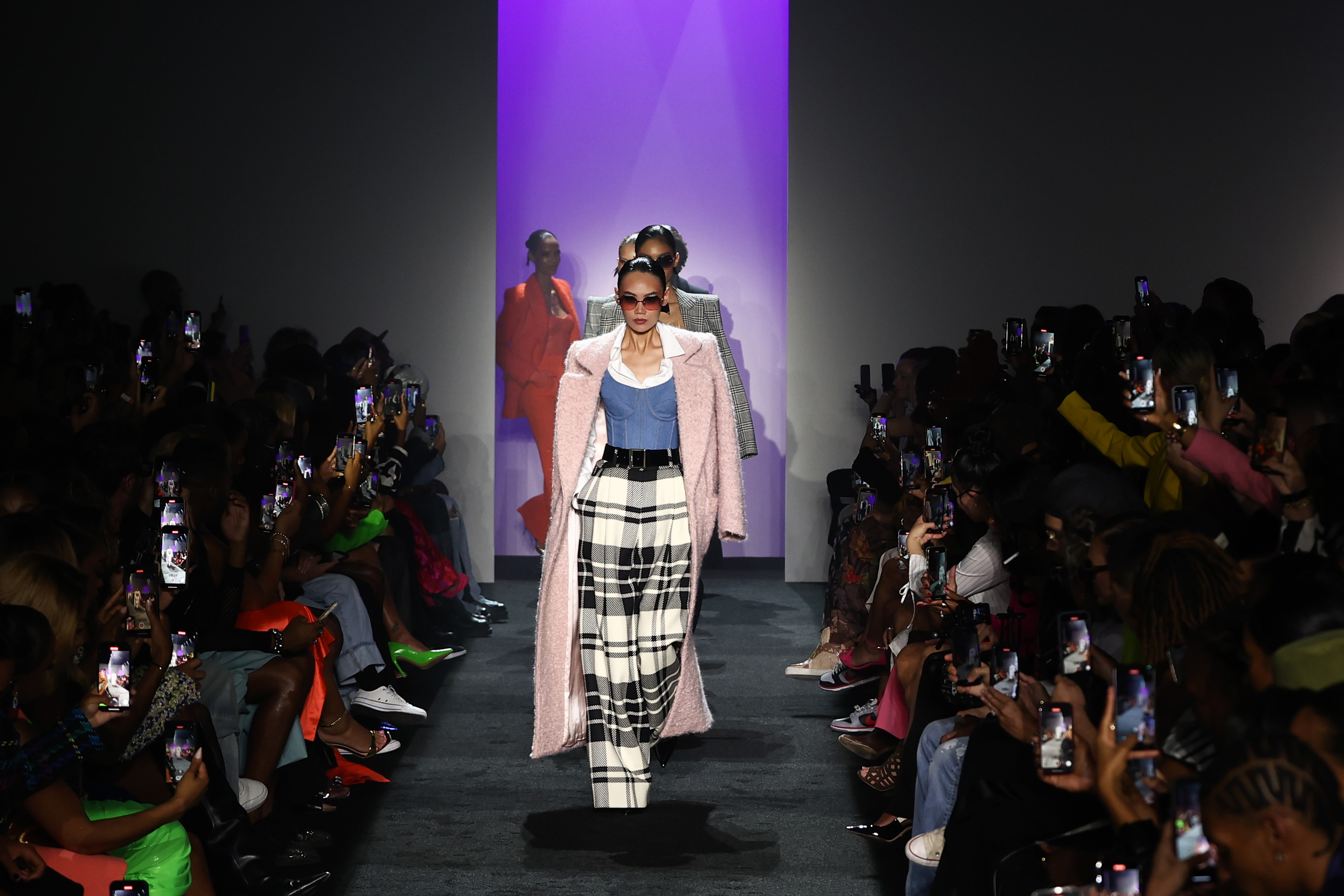
Getty Images Announced as Official Photographer of 2024 Fall/Winter NYFW: The Shows

Getty Images Announced as Official Photographer of 2024 Fall/Winter NYFW: The Shows
News Home

Tuesday, February 06, 2024 08:57 AM | GlobeNewswire via QuoteMedia

Mentioned in this article

Getty Images Announced as Official Photographer of 2024 Fall/Winter NYFW: The Shows

NYFW Fall-Winter 2024


A Media Snippet accompanying this announcement is available by clicking on this link.

NEW YORK, Feb. 06, 2024 (GLOBE NEWSWIRE) —

Getty Images

(NYSE: GETY), a preeminent global visual content creator and marketplace, has once again been named as the Official Photographer for the 2024 Fall/Winter Season of IMG’s New York Fashion Week (NYFW): The Shows.

As the Official Photographer, Getty Images’ award‑winning entertainment photographers will be delivering high‑quality content throughout New York Fashion Week (February 9-14) in New York City, all to be distributed exclusively through gettyimages.com. This includes covering all shows at RXR’s Starrett-Lehigh building and Fashion Alliance runway shows and presentations, as well as all off-site IMG FOCUS. produced shows, and the first-ever NYFW consumer venue at 21Greene, home to official NYFW programming and merchandise.

“As a premier event, New York Fashion Week embodies the pinnacle of fashion, providing leading designers with a global platform to showcase their collections and trends for the upcoming season,”

said Getty Images Vice President of Global Entertainment Kirstin Benson.

“We are thrilled to build on our longstanding partnership with IMG and be at the forefront of capturing all the fashion, runway shows and behind the scenes moments happening throughout the week. Through special access, our unparalleled distribution reach and unmatched expertise, our best-in-class team will deliver differentiated content that our global customer base won’t find anywhere else.”

For over 25 years, Getty Images’ team of content creators have worked tirelessly to create award‑winning imagery and video that allows customers to set themselves apart from their competition, while including a diverse set of experiences and perspectives throughout the content creation process. In addition to the partnership with IMG, Getty Images content creators are at every major entertainment event globally, from awards ceremonies to fashion weeks to film festivals, covering almost 70,000 entertainment events a year and partnering with major brands on creative content strategy.


Media contact:


Jenna Attardi


Jenna.Attardi@gettyimages.com

image


Primary Logo

You May Also Like

60 tips for a successful entry to Australasia’s Top Emerging Photographers 2024

60 tips for a successful entry to Australasia’s Top Emerging Photographers 2024

6 February 2024

For a decade and a half, Capture magazine has been on a mission to help discover Australasia’s very best emerging talent. During this time, the competition has uncovered and helped boost the careers of countless emerging photographers from Australia and New Zealand. The call for entries in the 16th year of Australasia’s Top Emerging Photographers 2024 is open. Enter now! The compeition closes 17 March 2024. Below is a collection of the very best advice provided by the judges from previous compeitions.  

© Richard Tonkin. Top 10 (Single Shot) – Australasia’s Top Emerging Photographer 2022.

The judges

Helping decide the winners, place-getters, and Top 10 and Top 20 entries across the nine categories is no easy feat. As such, we rely on the wisdom, experience, and expertise of some of the world’s very finest photographers and industry experts. With such impressive credentials, our judges are suitably qualified for the important role they take on. But don’t take my word, scroll down and have a look at who was on board to help judge the 2022 competition. This year, we’re thrilled to have 48 luminaries from the around the world on the judging panel. Follow this link to see the full list.

Feedback matters

Each year, we ask the judges to provide feedback and constructive criticism on the categories they judged so that we can share this invaluable information with you. It’s not designed to provide a warm and fuzzy feeling, but instead be helpful to those about to enter the competition.

While the tips are broken down by category, the advice is likely to be applicable across multiple genres of photography.

© Graeme Gordon. Top 5 (Black & White) – Australasia’s Top Emerging Photographer 2022.

Winning advice

ANIMAL

1. It’s challenging to present a narrative in three photographs, but the winners did just that.

© Ketut Suwitra. Top 20 (Animals) – Australasia’s Top Emerging Photographer 2022.

2. A number of submissions felt more like series or sequences, rather than a portfolio. This narrowed their opportunity to stand out in an exceptional field.

3. Shades of difference separated the winners. Often it came down to what the photographer brought to the situation, the level of difficulty, consistency in the approach, and editing of the work.

4. When curating a portfolio, you want to choose images that work cohesively together to either tell a story or that visually complement each other. I saw a lot of excellent single shots in this category, however there were many instances where the other images chosen were either lacking in technical ability or did not support the narrative.

© Susi Nodding. Top 20 (Animals) – Australasia’s Top Emerging Photographer 2022.

5. It pays to run through a mental checklist when editing images for competitions. Aim to remove all visible dust spots, ensure the focus sharp (especially the eyes), aim for natural editing, avoid heavy handed darkening of backgrounds, and check that you haven’t over sharpened.

ARCHITECTURE

6. We are not here to judge architecture; we are more interested in the skills and innovative vision that a photographer can bring to the assignment. Anyone can photograph an artwork, but we want to celebrate those photographers that can turn anything into an artwork.

© John Twiname. Runner-up (Architecture) – Australasia’s Top Emerging Photographer 2022.

7. Successful entries demonstrated a consistency of approach and execution across the portfolio, irrespective of the specific location.

© Kathy Wallace. Top 10 (Architecture) – Australasia’s Top Emerging Photographer 2022.

8. A good architectural photograph has to show the building form in a strong and memorable composition. Too many photographers are taking artful details which describe their skill, not the architect.

© Jutta Clough. Top 10 (Architecture) – Australasia’s Top Emerging Photographer 2022
© Jutta Clough. Top 10 (Architecture) – Australasia’s Top Emerging Photographer 2022.

ART

9. One thing I noticed was that some entrants attempted to replicate images that have been successful in previous years. This is a category that allows for experimentation, so experiment! Try new ideas or put your own spin on old techniques. Judges will always take note of something different and new, even if it isn’t technically perfect, over a perfectly executed image that has been seen many times before.

10. The most compelling images were those demonstrating innovation and originality, and the ability to execute a concept.

© Kym Douglas. Top 10 (Art) – Australasia’s Top Emerging Photographer 2022.

11. Art is intensely personal and highly subjective, but the ultimate goal is whether the viewer wants to keep coming back to look at it and whether it stays in their mind.

12. To me, art is not about a technique, it’s about creating work that tells a story or at the very least evokes an emotion. It should challenge the viewer, not just try to play the role of decoration. I think a lot of the entrants have mixed up using an alternative process as meaning art.

© Dani Watson. Top 10 (Art) – Australasia’s Top Emerging Photographer 2022.

13. The art category is a chance to show who you are as a photographer, not what techniques you can apply to imagery.

14. A camera is just a tool. Just let your imagination and creativity take over; it’s all about taking risks.

15. Art should invite the viewer to think deeper into the image and unravel stories, intended stories as well created ones.

© Rosie Steggles. Top 10 (Art) – Australasia’s Top Emerging Photographer 2022.

16. The stronger images in this category were as diverse as the journey from imagination to raw reality, exploring both hidden worlds and those lost in plain sight. It is important that technique is not distracting, but complements the final presentation.

17. Each portfolio chosen demonstrated a high level of cohesiveness and a considered concept across each of the three images.

BLACK & WHITE

18. Many entries were just three almost identical versions of the same photo. If you’re given three entries in a competition, take advantage of that opportunity.

© Raquel Aranda. 3rd place (Black & White) – Australasia’s Top Emerging Photographer 2022.

19. Black and white photography isn’t just desaturated colour; it’s tone, form, shape, texture, and subject all combined so that colour just isn’t necessary. Watch your histograms and don’t clip your blacks and whites.

20. Black and white calls for supreme understanding of tones: just because a camera can capture a seemingly infinite amount of tonal information doesn’t mean we can’t show restraint in our images.

21. If you can see in tones then you’ve won half the battle. Don’t just desaturate an image; go out and shoot with the intention to capture the contrast, tone, and texture as part of the composition. Once this is mastered you can worry about the subject.

© Alan Coligado. Top 5 (Black & White) – Australasia’s Top Emerging Photographer 2022.

DOCUMENTARY

22. Work to have a strong thread that holds the series of images together: this could be a place, person, issue, or concept. Returning to the project multiple times over a period of time and narrowing the work along the way is the foundation of doing documentary work. For the final series, avoid redundancy. Each image should further the story, not repeat something you have already communicated in other photographs.

23. The most successful stories displayed not only terrific photography, but taught the viewer something about the subject’s experience. There were stories of both joy and despair, told equally well and from each photographer’s particular visual perspective. For me, seeing how photographers see is one of the great pleasures as a judge.

© Nadja.Arold Top 5 (Documentary) – Australasia’s Top Emerging Photographer 2022.

24. A successful documentary essay draws the viewer into the lives or subject matter that you’re trying to convey. Choosing a story that you believe in is a great starting point. Consider linking images in a consistent style or approach, building the narrative over time. It’s more than a series of similar images created at one event. Considered work that shows a real sense of intimacy and connection to the story and people the photographer is working with is what I’m drawn to most.

25. I found the successful folios gave me a glimpse into the relationship the photographer had with their subject matter, allowing the viewer a true connection into what the photographer was feeling and wanting to communicate. A good documentary photographer has a story to convey and a critical eye for the subject. In some of the folios the ‘rawness’ of the imagery reinforced the subject matter to stylistically create an intimate ‘fly on the wall’ approach allowing relatability for the viewer to the photographer’s story.

© Cesar Carrasco Top 10 (Documentary) – Australasia’s Top Emerging Photographer 2022.

26. A series of documentary images should give the viewer a glimpse into a special story, an insight into a larger picture, leaving you wanting to see more.

27. The top entries were evocative, considered, had a beginning, middle, and end, and the words that went beside them supported the work.

28. In some entries, individual images were beautifully composed, but did not gel for me as a series.

29. When it comes to documentary photography, the skill is your ability to present a pictorial narrative; the photographs should speak for themselves – the accompanying words should only elaborate…

© Jade Soldati. Top 15 (Documentary) – Australasia’s Top Emerging Photographer 2022.

LANDSCAPE

30. Regardless of where you go to make images, the most important tool you can ever take with you is your own personal vision and understanding of the world. Don’t just be a facsimile machine, capturing whatever is in front of you; learn to see, process and empathise with the environment around you, and then convert those feelings into a sophisticated and emotional response.

31. While there were many highly commended images demonstrating sound camera craft and very strong compositions, it was images that presented something ‘different’ and ‘new’ to the judge that were awarded. It was these images that stood out and captivated the judges’ attention.

© Julie Kenny. Top 10 (Landscape) – Australasia’s Top Emerging Photographer 2022.

32. The landscapes I found most engaging were of a lyrical and poetic nature. They were evocative, mysterious, and atmospheric without being cliched. There seemed a deeper, personal connection to the landscapes they were depicting. Finding the essence of a landscape involves spending time observing it, developing a relation to it, and then capturing its distinct elements.

33. What would often cancel a portfolio for me was there would be multiple formats and horizon lines all over the place that just didn’t work. Some images were overcooked in Photoshop, but I tried not to allow bad Photoshop skills to influence my estimation of the potential of the images.

© Julien Visse. Top 10 (Landscape) – Australasia’s Top Emerging Photographer 2022.

34. A number of the images felt technique driven, and a lot of the techniques used were employing the old tropes. It felt to me the photographers were relying on a style. Numerous images felt like the photographers were making post cards, rather than looking for a connection to the landscape.

35. Technique alone will only take you so far. Combine it with mood, style, impact, and some narrative, or even simple aesthetic, and you have the recipe for strong and memorable imagery.

36. Interestingly, given our recent history of extreme weather events, there were very few images that reflected on climate change. Most were spectacular affirmations of nature’s beauty, rather than the disturbing realities unfolding in our landscapes. This might be worthy of consideration for future entries.

37. Some portfolios were let down by weak images in the set. Some individual images were so good that on their own they could have been winners. When viewing each portfolio, there had to be connection in the set.

38. The stand-out images weren’t only technically impeccable, they were emotionally evocative as well.

39. The qualities that rose to top of the landscape portfolios involved intentional narrative, unmistakeable visual impact, a sense of innovation in either the choice of subject matter or the presentation, joining thread or cohesive aspect of style, and, of course, consistent image calibre across all three images

40. While many of the entries were extremely competent and technically adventurous, they relied too much on the wow factor of tricky effects, over-saturated colours with landscapes that appeared all too perfect – like a series of screensavers. Some environments were visually complex with extraordinary colour palettes, but there was too much emphasis given to colour or abstract patterns which became the overall subject of the work.

© Dominique Ryan. Top 15 (Landscape) – Australasia’s Top Emerging Photographer 2022.

PORTRAIT

 41. A great portrait should connect the viewer and the subject. As a viewer I should feel something about the person; I should feel as if there is some kind of narrative to the picture.

42. I love to see portraits that I can’t look away from. When an image can capture my attention and leave me with more questions than before I saw it, the photographer has done their job.

43. The challenge is to make three portraits of three different people or ideas, and do it in a way that reveals your style and vision in all three.

© Karen Sharman 4th (Portrait) – Australasia’s Top Emerging Photographer 2022.

44. Portraiture isn’t about taking a likeness of someone, but creating an image that conveys the subject’s essence, or part of it. This can be achieved by understanding who you are photographing, communication with your sitter while shooting, and even the environment the sitter is in.

45. I still love to be challenged as to what a portrait actually is. A great portrait doesn’t necessarily need to be composed well, be technically sound, or even show your subject in the frame, it just needs to convey their soul.

46. The portfolios that stood out the most were from the photographers that connected with their subjects. A successful portrait image allows the audience to feel and think about that photograph and want to learn more.

© Jennifer Blau. 3rd (Portrait) – Australasia’s Top Emerging Photographer 2022.

47. I was drawn to the classic and to the unique, and most of all to the images where the subjects communicated with me.

48. It would have been nice to see people push traditional boundaries a bit more. A good portrait should tell an intriguing story about the subject.

49. There were submissions with definite winning individual portraits in them, but they didn’t rank because there were others in the series that clearly didn’t belong. Remember to be ruthless in your selection. One image might mean a lot to you, but if it doesn’t work with the others, it has to go.

50. A portrait can take many forms, there is however an x-factor quality in all truly great portraits. A sense that a revealing moment has transpired, been captured, and shared for all to see. Sometimes, it’s those in-between moments when photographing that can produce the most striking portraits.

51. A good portrait provides an answer. A brilliant portrait raises questions and makes us think.

52. Portraiture is a collaboration between two people – the photographer and the sitter. It is important to remember that for a successful portrait the subject’s real nature must be present, and this occurs when there is communication happening between the two.

53. Cohesiveness should be considered across all of the images within the portfolio. Each photo should be as strong as the next in the set, but still remain consistent.

© Alice Mariette. Top 10 (Portrait) – Australasia’s Top Emerging Photographer 2022.

SINGLE SHOT

54. I’m always looking for a strong ‘wow’ moment that makes me look twice. A single image needs to tell the whole story. I’m looking for something different with impact and strong composition.

55. The best photographers were able to capture a moment (of action or stillness) and transport the viewer into that moment.

© Tim Burgess. 4th (Single Shot) – Australasia’s Top Emerging Photographer 2022.

56. Impact, emotional engagement, innovation, a clearly decisive moment, multiple layers of interpretation, and originality of perspective and presentation are some of the factors that allow an image to rise through the wider set beyond the solid necessities of technical prowess, design, and well considered composition that any highly awarded image needs to begin with.

57. For this category, immediate impact is key, coupled with originality and a display of technical understanding.

58. Images that make you stop, look, and wonder, while all executed with a high standard of editing and craft were the ones that caught my attention.

© Dani Watson. Top 10 (Single Shot) – Australasia’s Top Emerging Photographer 2022.

59. The best images offered the audience clever and well considered ideas delivered with flawless execution. Sadly, many other great images in this category didn’t make the cut simply because they were let down by average technique and execution. To be a great photographer, you really need to be good at everything, from concept to post.

60. Images that rise to the top tend to have strong graphic content and flawless technical execution. Photographs that show me something I haven’t seen before in quite the same way make an impression.

CLICK HERE TO ENTER

ENTER AUSTRALASIA’S TOP EMERGING PHOTOGRAPHERS

cph-newsletter
Get more stories like this delivered
free to your inbox. Sign up here.

US library to host ‘Take the Road Less Traveled’ photography exhibit

US library to host ‘Take the Road Less Traveled’ photography exhibit
image

body, .masterMcWrap {
background: #f7f7f7;
}

.news_panel_widget .pnpWrapper {padding: 0px; }

.centeredAd {background: unset;}

.masterMcWrap:after {display:table; content: “”;clear: both;}

img {
max-width: 100%;
}

[data-holder] {
display: none !important;
margin: 0px !important;
}

.backDrop {
display: none;
}

[data-holder] + .backDrop {
display: block;
z-index: 2;
max-width: 90%;
position: absolute;
top: 50%;
left: 50%;
transform: translate(-50%, -50%);
}

#mts_r_0 {padding-top: 20px;clear:both;}

.linksHeader {font-weight:bold;width:100%;margin-bottom:10px;}
a.leftLink {line-height: 20px;padding: 5px 0px;width:100%;display:inline-block;}
a.leftLink:hover {text-decoration:none;}

@media all and (min-width: 768px) {
.centerWrap,
.masterMcWrap {
width: 768px;
margin: auto;
float: none;
padding: 20px 0px;
}

#mts_c_1 {padding-top: 0px;}
#mts_r_0 {border-top: solid 1px #dddddd;}

#mts_c_2 {
width: calc(100% – 320px);
margin-right: 20px;
border-right: solid 1px #dddddd;
padding-right: 20px;
}
}

@media all and (min-width: 1024px) {
.centerWrap,
.masterMcWrap {
width: 94%;
margin: auto;
float: none;
padding: 20px 0px;
}

#mts_c_2 {width:calc(100% – 515px) !important;margin-right:20px !important;}
}

@media all and (min-width: 1367px) {
.masterMcWrap {
width: 94%;
max-width: 1630px;
padding: 20px 0px;
}
}

body, .masterMcWrap {
background: #f7f7f7;
}

#mts_r_0 {padding-top: 20px; border-top: solid 1px #dddddd;}

img {
max-width: 100%;
}

.innerSec {
width: unset;
}

#mts_c_1 {
display: none;
clear: both;
}

@media all and (min-width: 768px) {
.masterMcWrap {
width: 100%;
margin: auto;
float: none;
padding: 20px 0px;
}

#mts_c_2 {
width: calc(100% – 320px) !important;
border-right: solid 1px #dddddd;
padding-right: 20px;
}

#mts_c_1, #mts_c_2 {
margin-right: 20px !important;
}
}

@media all and (min-width: 1024px) {
.masterMcWrap {
width: 94%;
max-width: ;
margin: auto;
float: none;
padding: 20px 0px;
}

#mts_c_1 {
display: inline-block;
}

#mts_c_2 {
width: calc(100% – 500px) !important;
}
}

@media all and (min-width: 1367px) {
.masterMcWrap {
width: 80%;
}
}

From Canvas To Culture: Painting The Picture Of The Wall Art Market In The Latest Research

From Canvas To Culture: Painting The Picture Of The Wall Art Market In The Latest Research

Wall art is frequently utilised in homes and museums as a decorative element.

Wall Art Market Report Overview:

Wall Art Market was valued at USD 48.02 billion in 2023. Global Wall Art Market size is estimated to grow at a CAGR of 5.8 % over the forecast period.

For the years 2021 to 2029, sales and revenue projections for the worldwide wall art market have been created, segmented by kind, application, and region. The raw material supply chain, distributors, leading suppliers, market share, and fluctuating pricing patterns are all highlighted in the Wall Art market analysis. Throughout the forecast period, a considerable expansion of the global wall art market is anticipated. The market is anticipated to increase over the projected period, similar to how it did in 2020, as top organizations embrace new strategies. Businesses that conduct a Wall Art market analysis can have a comprehensive understanding of the features of the international industry.

Get a Free Sample:www.stellarmr.com/report/…Market/972

Wall Art Market Scope and Research Methodology

The exploration of the wall art market involves a comprehensive analysis of various factors shaping its growth and dynamics. The research methodology begins with extensive secondary research, including the review of industry reports, market databases, and academic literature, to establish a foundational understanding of the market landscape, trends, and key players.

Subsequently, primary research methodologies are employed, such as surveys, interviews, and discussions with key stakeholders including wall art manufacturers, artists, distributors, retailers, and consumers.

This primary research aids in understanding consumer preferences, trends, and perceptions of different types of wall art, including paintings, prints, photographs, and sculptures.

The scope of the study encompasses examining market size, segmentation by art style, material, distribution channel, and geographic region. Additionally, the research identifies key drivers, challenges, and opportunities in the wall art market, including factors such as changing consumer lifestyles, increasing disposable incomes, and growing interest in home décor.

Wall Art Market Segmentation:

By Type, Different product types, including abstract, modern, fine, and others, can be used to analyze the global wall art market. When creating fine art, artists primarily need knowledge of perspective, anatomy, lighting, and proportion. These works of art are typically more expensive. Due to these products’ higher pricing, the fine sector commands a considerable market share. Aside from scholastic advantages, fine arts also foster self-esteem, aesthetic awareness, motivation, and creativity. This boosts the use of fine wall arts, fueling the rise of the fine category.

To Get More Information about this Report:www.stellarmr.com/report/…Market/972

Wall Art Market Key Players:

Saatchi Art (California, U.S.)
Artfinder (London, U.K.)
Minted LLC. (California, U.S.)
Artspace LLC (New York, U.S.)
Artsy (New York, U.S.)
Art.com (New York, U.S.)
Zatista LLC (Yardley, U.S.)
The Tellenge Store (Bengaluru, India)
Artisera (Bengaluru, India)

Wall Art Market Regional Analysis:

The wall art market demonstrates diverse regional trends influenced by cultural preferences, economic factors, artistic traditions, and consumer behaviors across different parts of the world.

In North America, the wall art market is characterized by a diverse range of styles, including contemporary, modern, and traditional art forms. Consumers in this region often seek personalized and unique pieces to decorate their homes and office spaces. The popularity of online marketplaces and home décor retailers further drives the demand for wall art, offering a wide selection of artworks catering to various tastes and budgets. Additionally, trends such as gallery walls and DIY art projects contribute to the growth of the wall art market in North America.

In Europe, the wall art market is influenced by a rich cultural heritage and a strong appreciation for art and design. Countries like Italy, France, and the United Kingdom have a long tradition of producing and showcasing fine art, attracting both local and international artists and collectors. European consumers value craftsmanship and quality, often opting for handcrafted and artisanal wall art pieces that reflect their individual style and aesthetic preferences. Moreover, the growing trend of art tourism and cultural events further stimulates the demand for wall art in Europe.

Key Questions answered in the Wall Art Market Report are:

  • What are the market segments?
  • Which production technology is utilized for the Wall Art?
  • What trends are driving the market growth?
  • Who are the global key players in the Wall Art market?
  • What is the global market status of the Wall Art market?
  • What was volume, manufacturing value, price, and revenue of the Wall Art market?

News From

STELLAR MARKET RESEARCH PVT….
Category: Market Research Publishers and Retailers Profile: Established in 2018, Stellar Market Research is an India-based consulting and advisory firm focused on helping clients reach their business transformation objectives with advisory services and strategic business. The company’s vision is to be an integral part of the client’s business as a strategic knowledge partner. Stellar Market Research provides end-to-end solutions that go beyond key research technologies to help executives in any organization achieve their mission-critical goals. &nbs

For more information: