Art World News

Creatives in the Crowd: Kelly Saunders surrenders to the flow

Creatives in the Crowd: Kelly Saunders surrenders to the flow

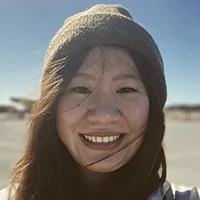
Kelly Saunders, a visual artist based in Asheville, hasn’t always identified as such. For most of her adult life, she’s  enjoyed a full and successful career in corporate marketing. But her passion always brought her back to painting. Yet, the life of a working artist felt like something far and out of reach. When she did paint, it was often with her children and viewed as little more than a hobby.

However, amid the COVID-19 lockdown, Saunders’ casual approach took a more serious turn after she painted her first guitar on canvas. A lifelong music lover, the decision proved revelatory.

Today, Saunders regularly works out of a home studio that is slowly taking over the bottom floor of her house. Half-used tubes of acrylic paints and palette knives scatter across her worktable. Meanwhile, a pair of work pants hangs on the door, calling to mind a Pollack painting.

“Messiness is forgiveness,” she says as we walk into her creative space — filled with new and half-finished paintings of drum sets, keyboards and vintage records — to discuss her unconventional journey.

Follow the music

Music has long been a key part of Saunders’ life. She met her husband, Jake — a local musician and her biggest artistic supporter — at a My Morning Jacket concert. The two soon discovered they were both part of a loose fraternity that traveled the country following other live acts such as the Grateful Dead, Phish and the Tedeschi Trucks Band. The couple married in 2020.

It is through live music that Saunders finds much of her inspiration, interpreting the experiences through blue and turquoise and bold strokes of orange — colors that feature predominantly in her work. These shades, she explains, emanate from the songs she hears.

But it is also her use of lyrics, incorporated into many of her paintings, that connects viewers to what the music aims to say. “The lyrics are where the feelings are,” Saunders says, holding up a work that features a row of soft blue and warm brown guitars. “I put so much of my fire inside these paintings. It’s only when I am able to get out these feelings and the words of the songs that I can move on to what is next.”

“Ripple,” a piece from her growing collection, was inspired by the Grateful Dead and commissioned by a woman honoring her late father. The lyrics read: “There is a road, no simple highway, between dawn, and the dark of night.” There is a haunting mood to the way Saunders blends these words. The painting’s color palette paired with the lyrics come across like a whisper, similar to the way music is often conjured unintentionally in our heads as we go through our daily routines. The effect is both present and ethereal.

Not far from the Grateful Dead piece is a painting that features the words from a Phish song. The lyrics in this particular work may hint at Saunders’ own philosophical approach to her creative works. It reads, “The trick is to surrender to the flow.”

Validation

This connection to music has led to a host of commissioned pieces and broader opportunities. “People are coming to me now asking for specific paintings from specific bands,” Saunders says. “Or specific instruments that have meant something to them or the people they love. For me, these pieces are extremely rewarding. I am able to help them express things that only music and art are able to say.”

Her dedication has also led to new opportunities.

Earlier this year, Saunders became a member of the Asheville Gallery of Art. The membership, she notes, was validating. Previously, she says, she felt as if she did not have enough training to be taken seriously as an artist.

Furthermore, her paintings are now featured in places such as Marquee in the River Arts District, coffee shops and breweries. She has also exhibited in cities such as Atlanta.

And more recently, Saunders served on the production team for the Biltmore Lake Imaginative Stroll. During the May 6 event, she and 25 other artists displayed their works in the Biltmore Lake neighborhood. Saunders says the happening was another moment of collaboration that further validated the connection she has made between music and painting.

Focus and intention

Along with sound, Saunders has also begun experimenting with found tools to create new moods among her works. In one painting, she uses a flyswatter to add soft colors and shapes behind a guitar that is bathed in turquoise. Another work features carpet tape to help raise the acrylic from the canvas.

All of this is done with focus and intention. When approaching a painting, Saunders says she already has a clear idea of the image she wants to end up with. Like many visual artists, she is able to see the finished painting before she even begins. The only variable, she points out, is color choice.

Beyond the canvas, Saunders features her art on pillows and playing cards, tote bags, koozies and greeting cards, among other things.

And her creative works continue at a steady pace. Her prolific output is matched by her ever-growing studio space, which continues to take over new corners of her home’s bottom floor.

Meanwhile, she continues to balance family, career and her love for music along with her expanding artistic presence in Asheville and beyond. What started with a spark of creativity during the COVID lockdowns has since turned into a full flame. Saunders — the artist, the painter — it appears, has learned to surrender to the flow.

To learn more, visit avl.mx/cox.

This article is part of our ongoing feature, “Creatives in the Crowd,” which focuses on local artists — both established and new. The feature spotlights unique stories and innovative artistic approaches within our creative community. Unlike much of our Arts & Culture reporting, these stories are not tied to upcoming events, exhibits or releases. The feature strives to represent a diverse range of voices, experiences and artistic mediums. If you’d like to nominate a community member for consideration, please reach out to ae@mountainx.com with the subject line “Creatives in the Crowd.”

Illuminated by Moonlight, Giulia Pintus’ Illustrations Ruminate on Imperfection and Solitude

Illuminated by Moonlight, Giulia Pintus’ Illustrations Ruminate on Imperfection and Solitude

All images © Giulia Pintus, shared with permission

“I think there is a lot of poetry in imperfections,” says Giulia Pintus (previously). Through introspective drawings in shades of blue and pastel tones, the Piacenza-based illustrator interrogates unrealistic beauty standards and the notion of flaws. She focuses on the relationship between physical and emotional well-being and meditates on the intimate, unrefined moments of human existence.

Depicting periods of quiet and solitude, the renderings center on characters with large limbs and shapely bodies and are tinged with whimsy. In one work, the moon is made of yarn that descends for a woman to knit, and another portrays a figure showering underneath a storm cloud. Magical and often illuminated by soft light, the illustrations reflect Pintus’ interest in retreat, silence, and time spent alone.

The illustrator currently has a few books in progress, including one about a child and a dog that will be released in Italy with Logos Edizioni. She’s also working on a series of pieces for a nursing home that considers how we age. You can follow her work on Instagram.


A large man sprinkles glittery dust on a moon in a fishbowl

A woman waits for coffee to brew with a cat at her feet

A woman stands in the shower underneath a dark storm cloud

A woman sits on a rooftop and blows a bubble that appears like the moon

Two people eat pizza out of their upper floor windows, grabbing slices from their pie in the sky

Do stories and artists like this matter to you? Become a Colossal Member today and support independent arts publishing for as little as $5 per month. The article Illuminated by Moonlight, Giulia Pintus’ Illustrations Ruminate on Imperfection and Solitude appeared first on Colossal.

Hospice of Davidson County seeks partnership with local artists

Hospice of Davidson County seeks partnership with local artists

Hospice of Davidson County is asking local artists to consider donating their work to support an art auction taking place during the agency’s annual gala on Saturday, Aug. 26, at Arts Theatre 202 in Lexington.

Art work must be no larger than 24 by 24 inches and wire-mounted to be considered. Due to the philanthropic nature of this event, artists will receive marketing before and during the event, a chance to have art displayed in the gallery at Arts Theater 202 in the month of September, and a ticket to attend the gala.

There is limited space in the gallery, so Hospice of Davidson County is accepting applications through Monday, June 19. Artists will then be contacted by the end of the day on Friday, June 23, to determine whether their work will be highlighted at auction. If selected, artists have until Aug. 4 to deliver their art to Hospice of Davidson County.

To apply, artists must send a description of the artwork, including pictures if available, along with a letter of intent that includes contact information, a short biography, and any social media sites used. Artists are to send this information to Kimberly Gleiser, community engagement manager, at kgleiser@hospiceofdavidson.org.

More information about the gala will be announced in the coming weeks. All announcements will be made on Hospice’s website at hospiceofdavidson.org, and on its Facebook and Instagram pages.

For any questions, please reach out to Gleiser at the above email address or call (336) 474-2069.

Lee Won-jun and Park Kyu-tae, co-founders of Avalve, a startup with the AI Smart Farm Solution, selected by Forbes as one of the most influential leaders under the age of 30 in Asia

Lee Won-jun and Park Kyu-tae, co-founders of Avalve, a startup with the AI Smart Farm Solution, selected by Forbes as one of the most influential leaders under the age of 30 in Asia

Lee Won-jun and Park Kyu-tae, co-founders of Avalve, a startup with the AI Smart Farm Solution made the list of Forbes 30 under 30 Asia. On May 18, Forbes, an American business magazine, released a list of the 30 most influential leaders under the age of 30 on its official homepage.

Since 2011, the magazine has published promising leaders aged under 30 in ten different fields, including art, marketing, finance, social impact, and health care, from regions in Europe, North America, and Africa.

Lee Won-jun and Park Kyu-tae were selected in the field of Industry, Manufacturing & Energy, and they are the only Koreans nominated in that category.

Since its foundation back in 2019, the company has made a lot of achievements. Particularly noteworthy was the successful opening and operation of the large-scale smart farm complex in Vietnam in May, which incorporated Avalve’s smart farm solution. This milestone helped the company to promote the excellence of smart farm technologies in Korea.

Avalve’s AI Smart Farm Solution employs AI technologies, enabling the effortless production of high-value crops in any location. As the importance of food security greatly increases due to unforeseen climate events and environmental pollution, Avalve’s technology has garnered significant attention both domestically and internationally.

Avalve is one of the other startups located in the 2nd Pangyo Techno Valley in Gyeonggi-do, and it was also chosen as “Innovative Enterprise National Representatives 1000” in the information and communication sector by the Ministry of Agriculture, Food and Rural Affairs in 2022.

What’s your thoughts?

+1

0

image

Upvote

+1

0

image

Clap

+1

0

image

Clap

+1

0

image

On fire

+1

0

image

Meh

+1

0

image

Clap

+1

0

image

NFLPA owed $41.8M in wake of crypto collapse

NFLPA owed $41.8M in wake of crypto collapse

A close affiliate of the National Football League Players Association has been unable to collect $41.8 million of licensing and sponsorship revenue and pay it to the union as of the close of its fiscal year, the organization disclosed in its annual report filed last week with the U.S. Department of Labor. The figures appear tied to the collapse of the crypto marketplace, a person who has been involved in NFLPA dealings and a representative of another sports union who are both familiar with the process, and likely underscore similar issues at other sports unions and leagues.

Advertisement

The figure represents roughly a quarter of the NFLPA’s commercial revenue based on an analysis of its annual report (that percentage does not include the $75 million marketing agreement payment from the NFL, including that the hit comes to under a fifth of the union’s commercial haul). Divided among the 2,135 active NFL players noted on the annual report, the absent payments could deprive each of $19,578.

“As of Feb. 28, 2023, there is uncertainty surrounding collection of certain accounts receivable from OneTeam Partners, LLC. Therefore, an allowance has been recorded as of that date for those amounts,” the union wrote in a footnote at the end of the annual report. Earlier in the report, the NFLPA listed $41,799,008 for OneTeam next to accounts receivable, a category for funds owed by customers.

OneTeam Partners is a joint venture started in 2019 by the NFLPA, the Major League Baseball Players Association and private equity to oversee sports unions’ commercial enterprises. The group, in addition to the baseball and football unions, now oversees business operations for the U.S. Women’s National Soccer Team, Major League Soccer Players Association and the Women’s National Basketball Players Association, among others. It also recently moved into the college name, image and likeness space with a deal to pay players $500 to allow their use in the upcoming college football video game.

The venture has thus far been successful, with original private equity investor RedBird Capital Partners cashing out last year with an estimated $600 million profit. The unions control group licensing (meaning commercial rights to multiple players) for businesses like video games, trading cards and apparel at a time when demand for sports consumer items has soared.

OneTeam Partners, for example, is listed as paying the NFLPA a year ago $66 million, a figure that jumps to $105.3 million in the most recent report (the NFLPA’s fiscal year ends Feb. 28, so the most recent year reflects the 12-month period that ends on that day). It’s unclear if the nearly $42 million of nonpayments is included in that figure.

Advertisement

OneTeam referred questions to the NFLPA, which did not reply for comment. An MLBPA spokesman said the union is aware of the issues of nonpayment by OneTeam. In the MLBPA’s annual report for the calendar year 2022, no mention is made of missing payments from OneTeam, which paid the union $36.4 million.

The unpaid bills appear tied to the news in Sportico last month that Dapper Labs, the platform for the NBA’s and NFL’s sputtering nonfungible tokens, and DraftKings’ Reignmakers NFTs had each engaged the NFLPA to renegotiate their deals in light of the plummeting value of the digital assets. Then came a report this month that Dapper Labs’ NFL NFT was badly missing financial goals.

“OneTeam would have expected around $60 million from Dapper & DraftKings, of that, $41 million would go to the NFLPA,” the person who has been involved in past NFLPA dealings wrote in a direct message. “Now, NFTs are relatively new, so most of the money typically comes from Madden and trading cards.” By that, this person means the bread-and-butter licensing businesses like video games and trading cards at the NFLPA remains healthy. Cryptocurrency is a relatively new category for the unions and has not been a relied-upon source of revenue. Still, this person described the nonpayments of $41.8 million as “horrific.”

Cryptocurrencies like NFTs were all the rage two years ago, skyrocketing in value. Leagues and teams were inking cryptocurrency deals with companies like now-bankrupt FTX, and touting a wide range of NFTs. But crypto crashed along with NFTs, which are essentially authenticated digital duplicates of something real, like a highlight, a trading card or a work of art.

The true value of an NFT has long been debated, and the naysayers appear to have the stronger hand now. But in 2021 they did not, and that’s when the NFLPA and NFL reached their deal with Dapper.

Advertisement

“The irreplaceable nature of the NFT captures what is special about sports fandom,” said Steve Scebelo, president of NFL Players Inc., the marketing and licensing arm of the NFLPA, in the 2021 release announcing the partnership. “Our players are immensely excited for the NFLPA — in working with our enterprising partners at Dapper Labs and OneTeam — to make this significant push into the digital collectibles market.”

Unions like the NFLPA built their commercial arms to create war chests for labor battles with the leagues. In the years leading up to the expiration of a collective bargaining agreement, the unions typically will hold back some licensing payments to build a work stoppage account. The NFLPA and MLBPA have long-running existing CBAs, and as noted, NFT revenue is not a mainstream source of revenue. So while concerning, the loss of NFT payments does not present any great threat to the unions’ health. Indeed, the NFLPA’s assets grew from $1.003 billion to $1.055 billion in the most recent fiscal year, according to the annual report.

The more recent developments emerge as the NFLPA prepares to select its new executive director. The union scheduled a meeting for next month when a new executive director might be selected by the 32 player representatives. It’s unclear exactly who is in the running.

Whoever is chosen will take over for DeMaurice Smith, who has held the post since 2009. The latest annual report shows him earning $9.3 million, of which, $5.6 million came from deferred retirement compensation. He still has $4.3 million remaining in his retirement account, the NFLPA report shows.

(Photo: Rich Graessle / Icon Sportswire via Getty Images)

Home Is Where the Art Is

Home Is Where the Art Is

While our stories as Asian Americans are still being told—in Oscar-winning films, in Pulitzer-winning prize books, in television—I find that the journey of finding home is always as complicated as it is beautiful and different for everyone. For some of us, home is a place we’re still seeking. Not always easy to visit, home is sometimes a reason to build a new place that serves us and keeps us safe instead. Sometimes home is even a simple meal, with unspoken love in every bite. To wrap Asian American Pacific Islander (AAPI) Heritage Month this year, we’ve asked five AAPI creatives to share where they find themselves most at home, if they do at all.

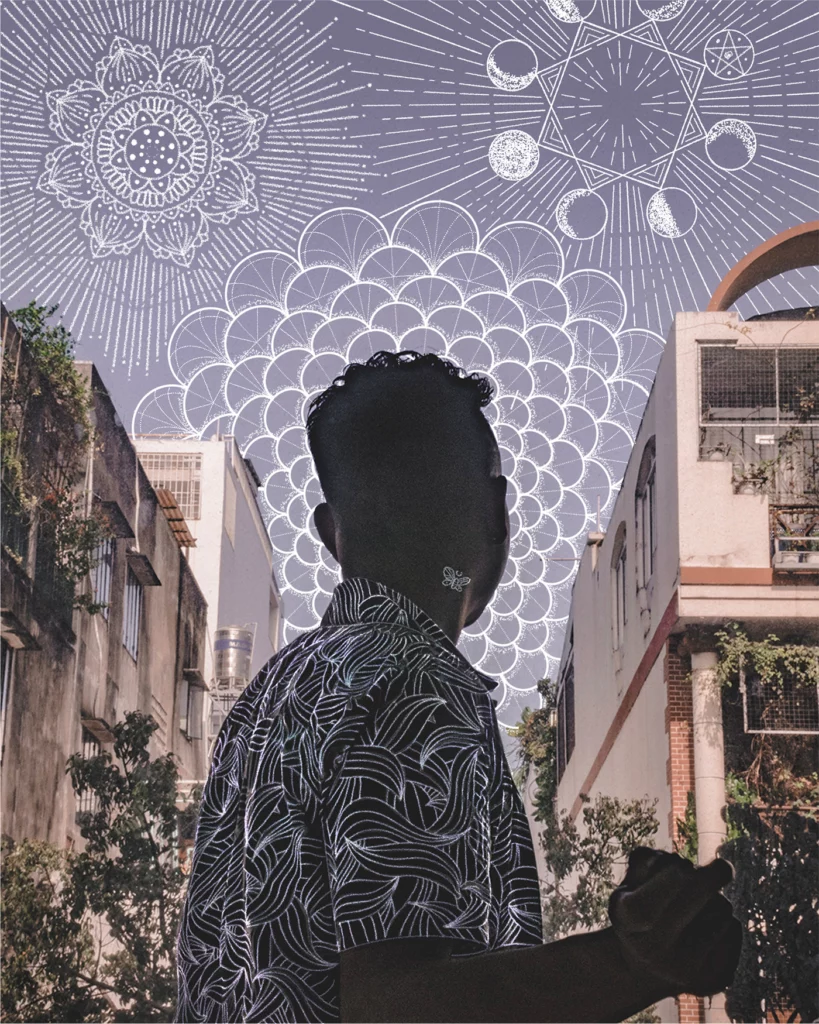
Self-portrait in the Hong Vinh Hotel in Ho Chi Minh City, Vietnam. Photo and illustration by Michael Luong

I often find myself looking for that place of belonging, that sense that this must be where home is, or, rather, where it should be. How does one find it, in a country that unquestionably places us as the outliers? Half American, half foreigner—or maybe not a half at all: perhaps 100% of the best of both. The math doesn’t need to add up for it to make sense. 

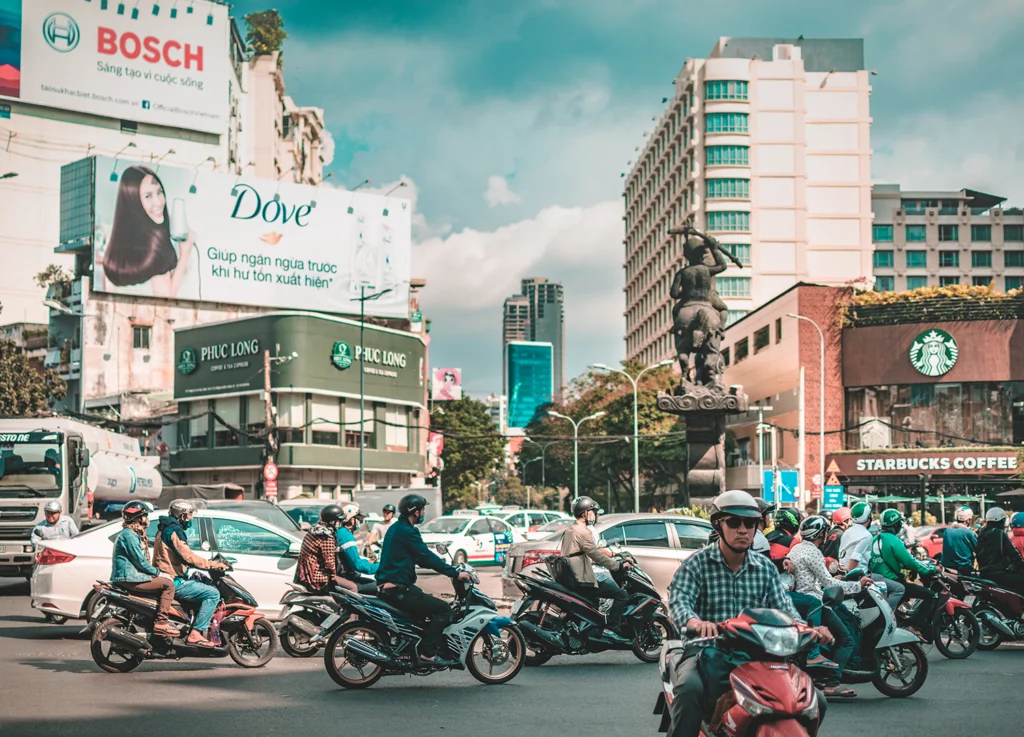
A view of the motorcycle traffic in Ho Chi Minh City, Vietnam. Photo by Michael Luong

For me, home isn’t a place, but rather a feeling, and a story of parts and halves and division. I was born and raised in Denver, Colorado, by my 15-year-old mother who had fled the Vietnam War in the 1970’s with my grandparents. My father’s side fled the remaining fallout of Pol Pot’s Khmer Rouge and American carpet-bombing in Cambodia. I always silently understood that my two halves had a quiet disdain for each other, fingers pointed at each other, and I was an anomaly created under strange circumstances. Too dark-skinned to be Vietnamese, too fair-skinned to be Cambodian. Ironically, both of my halves fled their motherlands to live in the country that created the conflict to begin with, which I wouldn’t understand until much later in life. What I hadn’t realized was that I was the one dividing myself into so many parts: How could I ever find home when so much of me was spread out in so many places? I found home when I realized the beauty is to be all of these things, all at once—a collective force all on my own. 

The floating markets in Can Tho, Vietnam. Photo by Michael Luong

I’ve always felt out of place growing up in the United States: the shame I carried at lunchtime, the academic gymnastics, the blatant racism and name-calling that happens in your adolescence when you grow up as something in-between. I hoped visiting Vietnam for the first time as an adult in 2018 would give me that sense of belonging I’d been missing in my life. Although I was hopeful, I wouldn’t find it there: I couldn’t speak to my family of strangers who knew of me but had never experienced me. I had forgotten my mother’s tongue because it didn’t serve me in the place where my body typically resided. I dressed American and read as a tourist in every way. My camera and the pursuit of creativity were and still are seen as luxury for me: the embrace of individuality and rejection of thinking of myself as cog in a family unit. This trip ended up just feeling like a stamp in an American passport. 

Tra Vinh Province, the countryside of southern Vietnam. Photo by Michael Luong

Today, I find comfort in knowing I don’t need to find home: Home is always ready for me in my pocket. The collective efforts of all my ancestors placed me where I am today, whether intentional or not, and I don’t have any halves about me: I’m a complete package all on my own.

Michael Luong joined YES! as the Associate Art Director in the summer of 2021. He has worked in publishing over the past seven years and has a passion for bringing stories to life with visuals. He has worked as a Digital Art Manager for Out Magazine, The Advocate, Pride.com, and HIV Plus Magazine. He’s also worked as a freelance designer for the nonprofit publication, Next City. His most recent experience in publishing was as an Editorial & Marketing Designer for Deadline.


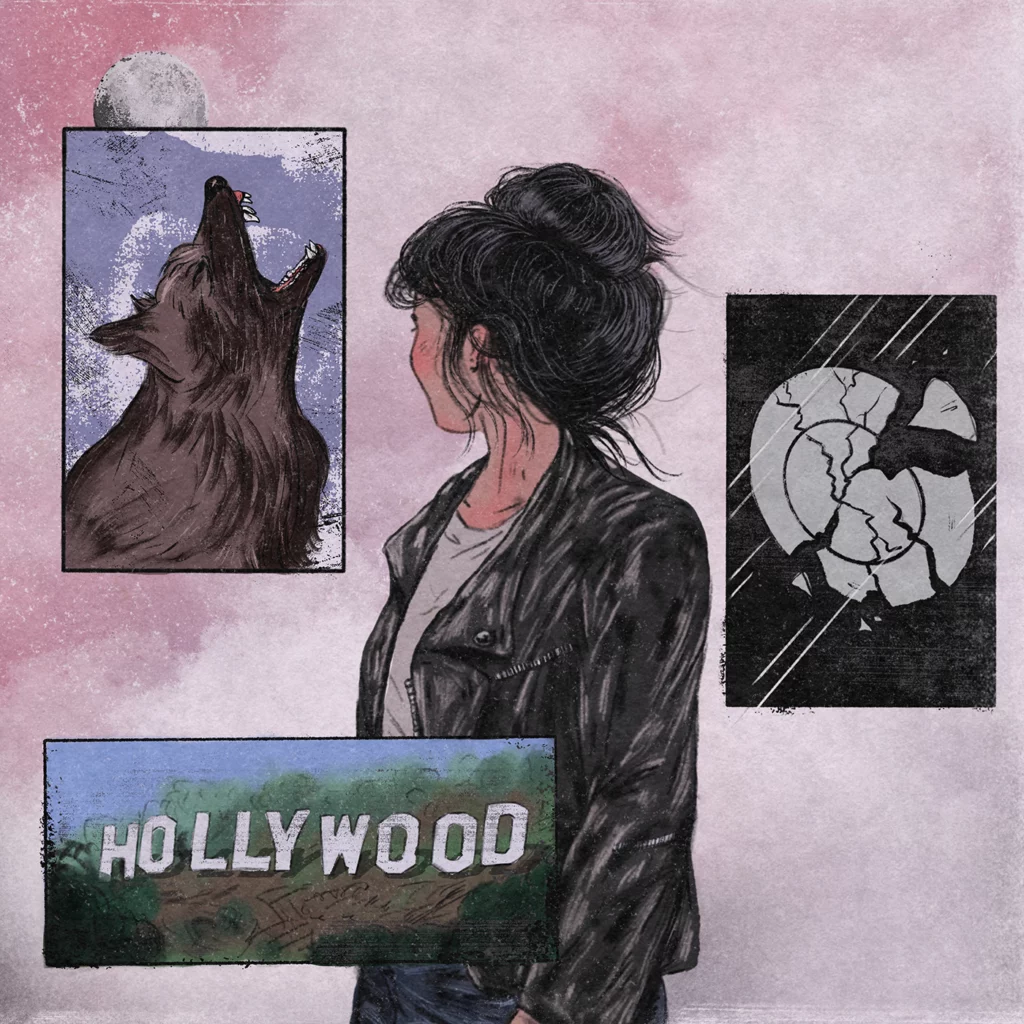
Illustration by Tevy Khou

Fractured Foundations: Navigating Turbulence with Resilience

I have never truly had a place to call home. When we lost everything we had, we found ourselves stranded in Cambodia, with nothing to our name. There, I witnessed moments of joy, the haunting aftermath of the Khmer Rouge’s genocidal war, and lived among 300 cousins. Our family home was foreclosed on, and we became homeless. We wandered from one hotel room to another, and in and out of my strict grandparents’ home, until we finally settled into a small townhouse with walls so thin that I could hear our neighbor splashing around in his tub. I slept on the living room floor, surrounded by the scurrying sounds of roaches.

In each place we lived, judgment flowed in both directions. On the outside, we were seen as wealthy Asians, yet we were poor in reality. The truth was, we were engulfed in instability. Chaos became my home. The cacophony of loud, drunken voices, barking dogs, screaming, fighting, and the shattering of dishes became the lullaby that put me to sleep. I longed to escape this environment, so school became my refuge—a sanctuary, until it no longer felt safe. It was there that I forgot I was expected to conform to a certain identity. I would skip school and take the train to Hollywood, seeking solace in its quieter and more predictable atmosphere. I craved a sense of safety.

When college came around, I moved out of my parents’ house and into the arms of an abusive partner. Exhausted from feeling ugly and unloved, I eventually left that toxic relationship as well. After enduring years of abuse, my tumultuous upbringing took its toll on my mental well-being and broke my brain. Recognizing that I needed assistance, I mustered the courage to reach out and ask for help. Home for me is wherever I find solace and security. Today, I am happily married, and have a strong support system. I’ll always be grateful for that. Despite this, I often wonder if I will ever truly feel a sense of belonging anywhere.

Tevy Khou is an illustrator and designer from Long Beach, California. Currently she’s based in San Francisco Bay Area. She studied illustration design at Art Center College of Design and graduated in 2014 with a BFA. She has won a bronze award for editorial from Society of Illustrators: Illustration West 60 and was featured in American Illustration 41. Her clients include Buzzfeed, Apple, LA Times, Mic, Yes! Magazine, Latin TV and Hazlitt Mag.

Portfolio: tevykhou.com | Instagram: @tevykhou


Illustration by Thumy Phan

I left Vietnam and started my journey to America when I was about a month old. After some time spent in the Philippines, I arrived in the U.S. at a year and a half old. I’ve always existed in the middle, not really knowing what it was like to call Vietnam home, but not really feeling like I belonged in America either. But to be honest, I never dwelled on it too long. In my home, my parents tried to always make Vietnamese food for us, growing Vietnamese fruits and veggies in our backyard, teaching us the names of the herbs and dishes. I always felt like I was grounded in my culture, and I had a lot of pride in being Vietnamese American. 

I took my meals for granted, however, always wanting American food instead—not because I was embarrassed, but because I just wanted to try new things. When I moved away to college, I ate Vietnamese food less and less. Living far from Vietnamese grocery stores and always being on the go meant a lot of breakfast sandwiches and coffee—college student essentials! I never imagined that I would miss my parents’ cooking so much, or how much I would miss gathering around a table, volunteering to scoop the rice, setting the plates for hot pot, counting how many chopsticks I needed. As a kid, I wanted to try different things, but as a grown-up, I yearned for what always made me feel at home. My food is a vehicle for community, for love, and care, and it’s a reminder that my home is wherever my family is. 

Thumy Phan is a Vietnamese immigrant illustrator & designer currently based in Oklahoma City, Oklahoma. She loves telling stories through art, specifically BIPOC stories. In her personal work, she explores how to visually tell her own experiences of growing up in the U.S. as a Vietnamese, immigrant, permanent resident raised in the south. To make sure these narratives are heard, loud and clear, she uses a combination of bold colors and flora, with a sprinkle of magical shapes and swirls.

Portfolio:thusister.studio | Instagram: @thusisterstudio


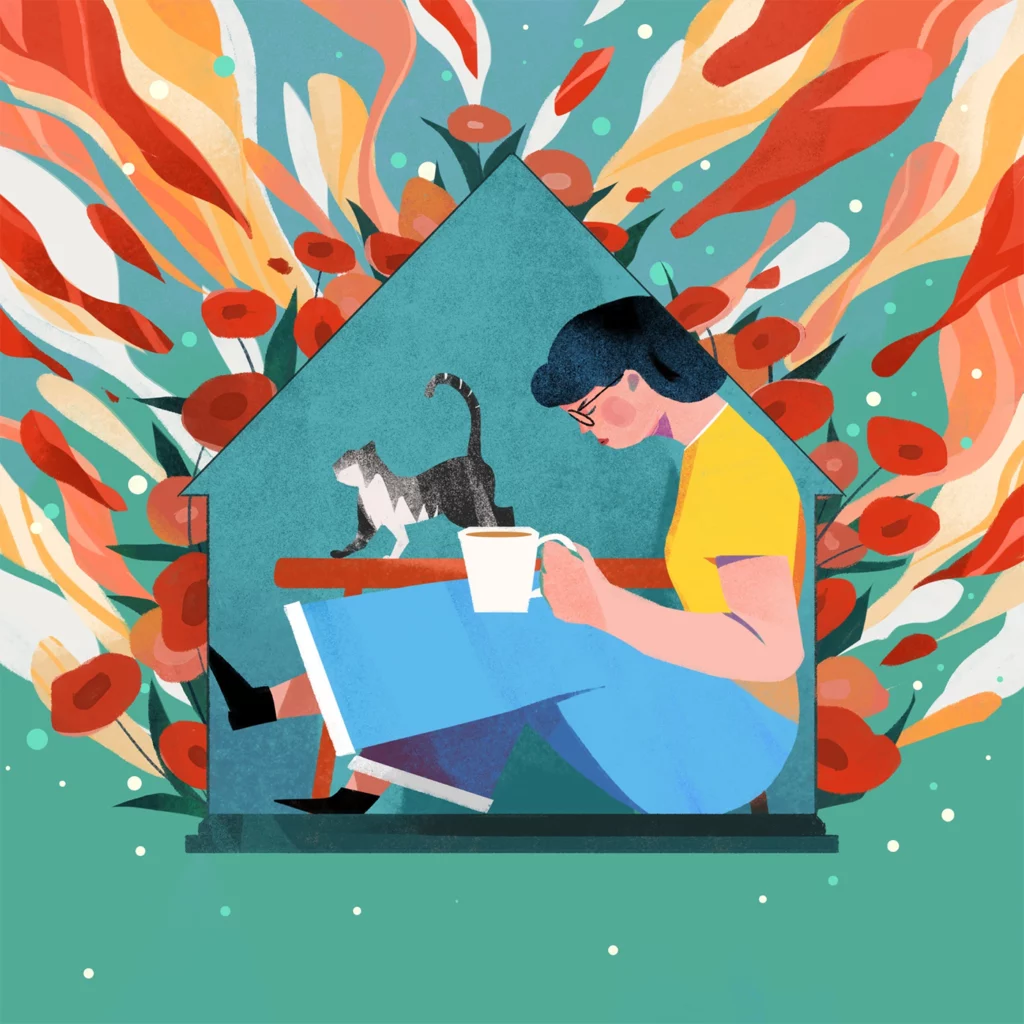
Illustration by Jianan Liu

For me, home is more than just a physical location or an address where my Amazon packages get delivered. Home encompasses memories and sentimental value. It’s a place where I can keep items that hold deep meaning, especially when I share the space with the people I love. Home resembles an old photo album, serving as a container for countless memories and offering a sense of security. It acts as a dictionary, helping me piece together vivid recollections and providing an opportunity for reflection.

From Beijing to San Francisco, I have lived in five different apartments so far. Each of them has played a significant role in different stages of my life. The floating shelves my dad built in my small childhood room, the sensitive fire alarm that screamed at me twice, the old call box that was never functional, the carpet my cat chewed, and the foggy ocean view from my window—all of these hold a special place in my heart. 

Whenever I feel like a small leaf floating in a giant void, I think about those places, and those memories, and they provide me with a sense of comfort and purpose. Home transcends the physical space, it is a mosaic of memories. 

After 24 years in China, Jianan Liu came to the U.S. to explore her possibilities. She spends most of her day sitting in front of screens with her best work buddy, Notch the cat. Her work focuses on color and texture, and she pours her imagination into creating a beautiful world. Liu often brings depth and space to the two-dimensional world, making her illustrations vivid and lively.

Portfolio: jiananliu.com | Instagram: @jiananliuillustration


Illustration by Priyanka Paul

Seeking Home and Liberation: The Struggle Against Caste Discrimination

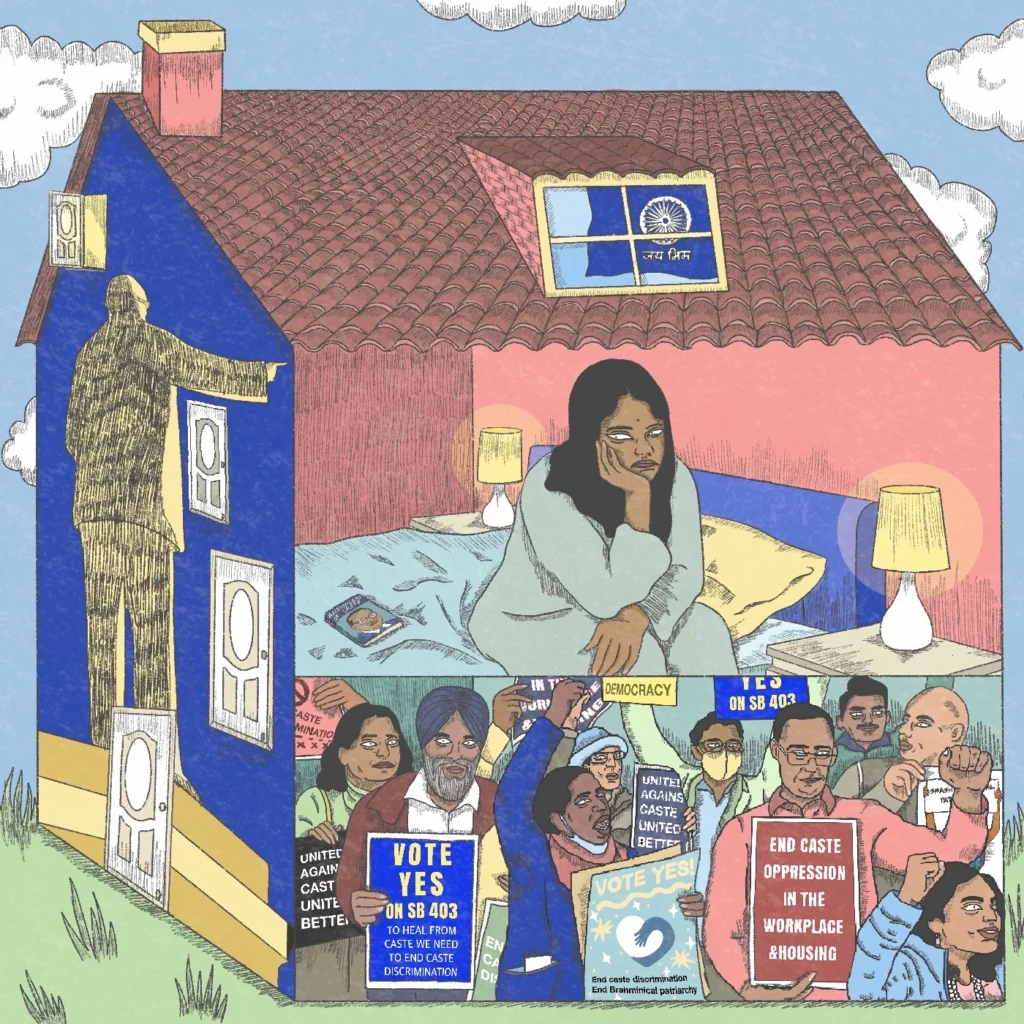
In the tumultuous era of India’s fight for independence from British rule, B.R. Ambedkar, fondly known as “Babasaheb,” proclaimed, “Gandhiji, I have no homeland.” This poignant statement reflected the plight of millions who suffered under the oppressive caste system. Today, as we commemorate AAPI Heritage Month, we must confront the lasting impact of caste discrimination, not only in India but also within diasporic communities worldwide. California’s recent legislation, Senate Bill 403, takes a significant stride in combating caste-based discrimination and offers hope for a more inclusive society.

Ambedkar’s struggle transcended the quest for political freedom. He yearned for liberation from all forms of slavery and oppression that marginalized communities endured. He emphasized that true freedom encompasses both physical and mental realms. While physical freedom allows individuals to act on their will, it holds little value if their minds remain shackled. Babasaheb recognized that the freedom to think, question, and exercise one’s potential was the essence of human liberation. Thus, his fight was not solely for land or religion; it was for dignity and equality.

The deep-rooted caste system did not confine its impact to the borders of India. It traveled with Indian immigrants to various corners of the world, perpetuating discrimination and inequality. As we celebrate AAPI Heritage Month, it is crucial to acknowledge the presence of caste oppression beyond India’s shores. This recognition serves as a reminder that the struggle against caste discrimination is not limited to a single nation but demands a collective effort to eradicate its influence on individuals’ lives.

With the recent passage of SB-403, California has become the first U.S. state to legally address caste-based discrimination by including caste as a protected category in its anti-discrimination laws. This landmark legislation marks a significant milestone in the journey toward social justice and equality. By recognizing caste discrimination as a form of prejudice, California demonstrates its commitment to fostering an inclusive society that embraces the diverse experiences and backgrounds of its residents.

In our shared vision for a better future, we must strive for a world that offers dignity, equal opportunities, and freedom from all forms of discrimination. This endeavor requires dismantling systemic barriers and challenging long-held biases. By acknowledging the struggles faced by individuals who grapple with a sense of belonging due to systemic discrimination, we foster empathy and understanding. Through ongoing dialogue, education, and legislation like SB-403, we pave the way for a society that celebrates diversity, encourages inclusivity, and ensures that finding one’s true home becomes a reality for all.

Priyanka Paul, A.K.A. Artwhoring, is a multi-disciplinary artist and writer from Mumbai, India. Their work revolves around the themes of social justice, marginalization and self-exploration, and has been published and exhibited globally. Paul’s work uses bright and pastel colors, interspersed with humor to talk about themes ranging from gender and caste, to analyzing current media trends and contemporary society.

Instagram: @artwhoring

Share

Lisa Stevens’ Ceramic Sculptures Capture Coral-Inspired Motifs in Vibrant Color

Lisa Stevens’ Ceramic Sculptures Capture Coral-Inspired Motifs in Vibrant Color

All images © Lisa Stevens, shared with permission

Ridges, florets, and spirals comprise the vibrant terrains of Bristol-based artist Lisa Stevens’ marine-inspired ceramics. On the surface of high-fired porcelain clay, she builds vivid hues using underglazes and stoneware glazes along with melted glass to achieve jewel-like details. During the past few years, she has expanded her coral-inspired designs, incorporating a wide range of shapes and emphasizing a spectrum of bright hues. “My work has become more extreme with more fans, spikes, and branches, and now many pieces can be displayed on the wall,” she tells Colossal.

Stevens enjoys working in series, including participating in The 100 Day Project, first with a series of skull-shaped tiles sprouting coral tentacles and currently making progress on a group of teardrop-shaped pieces. Using a range of tools, she spends a lot of time experimenting and learning new ways to employ them, so no two are the same. “I stick to one basic shape but make each one completely different,” she says. “I will never find an end to the possibilities and won’t get bored of looking for something new.”

If you’re in the U.K., you can see Stevens’ pieces on display at Independent Design Collective in Bristol and Katherine Richards Art Gallery in Brighton and Hove. Find more on the artist’s website, and follow updates on Instagram.


A ceramic sculpture shaped like colorful coral.

Ceramic sculptures shaped like colorful coral.

A ceramic sculpture shaped like colorful coral.

A ceramic sculpture shaped like colorful coral.

A ceramic sculpture shaped like colorful coral.

A ceramic sculpture shaped like colorful coral.

Ceramic sculptures shaped like colorful coral.  A ceramic sculpture shaped like colorful coral. Ceramic sculptures in a kiln shaped like colorful coral, waiting to be fired.

Do stories and artists like this matter to you? Become a Colossal Member today and support independent arts publishing for as little as $5 per month. The article Lisa Stevens’ Ceramic Sculptures Capture Coral-Inspired Motifs in Vibrant Color appeared first on Colossal.

‘Temples of Books’ Is an Ode to the Grandeur and Democratic Ideals of Public Libraries

‘Temples of Books’ Is an Ode to the Grandeur and Democratic Ideals of Public Libraries

Seinäjoki Library, Seinäjoki, Finland. All images courtesy of Gestalten, shared with permission

In the U.S., libraries have increasingly been attacked by the far right as part of a movement to impose unjust book bans and protest diversity and inclusion efforts. Although the public institutions are sites of contention at the moment, they’ve historically functioned as beacons of knowledge and democracy, spaces that are free and open to all.

A recent book published by Gestalten returns to the fundamental beauty and communal nature of libraries, traveling the globe to visit some of the most alluring places. Written by Marianne Julia Strauss, Temples of Books: Magnificent Libraries Around the World celebrates the stunning architecture and quietude associated with wandering the stacks. From the exuberant Manueline style of Real Gabinete Portugues de Leitura in Rio de Janeiro to the modern concrete-and-wood structure of Trinity College Library in Dublin, the volume encompasses a vast range of aesthetics and eras across more than 40 physical and virtual locations on six continents.

Positioning these spaces as intellectual havens, Temples of Books highlights their wide array of offerings, including botanic gardens, archival repositories, and of course, room to read. “As an institution that can curate knowledge, scrutinize the status quo, and encourage education, the library is more important today than ever,” a statement says. “This responsibility is only growing as the freedom to publish on all manner of channels increases.”

Temples of Books is available now on Bookshop. (via Feature Shoot)


The interior of a four floor library

Cuypersbibliotheek, Amsterdam, Netherlands

The interior of a lavish library reading room

Real Gabinete Portugues de Leitura, Rio de Janeiro, Brazil

Kids lounge and read in a wooden library

Library of Muyinga, Muyinga, Burundi

The interior of a library with a circular concrete structure and wooden floors

Trinity College Library, Dublin, Ireland

The interior architecture of a library reading room with several floors of stacks

George Peabody Library, Baltimore, Maryland

The interior of a baroque library with pink carpeting

Bibliothèque du Sénat, Paris, France

The cover of a Temples of Books

Do stories and artists like this matter to you? Become a Colossal Member today and support independent arts publishing for as little as $5 per month. The article ‘Temples of Books’ Is an Ode to the Grandeur and Democratic Ideals of Public Libraries appeared first on Colossal.

Coworking with Jason Harris

Coworking with Jason Harris
Get marketing news you’ll actually want to read

The email newsletter guaranteed to bring you the latest stories shaping the marketing and advertising world, like only the Brew can.

Each Tuesday, we spotlight Marketing Brew readers in our Coworking series. If you’d like to be featured, introduce yourself here.

Jason Harris is co-founder and CEO of creative agency Mekanism. He is also the author of The Soulful Art of Persuasion and host of the podcast Soul & Science.

Favorite project you’ve worked on? Creating “It’s On Us,” whose mission is to build the movement to combat campus sexual assault by engaging all students, including young men, and activating the largest student organizing program of its kind in grassroots awareness and prevention education programs. It has been running for almost a decade, and there are now chapters in all 50 states and over 500 colleges and universities.

What’s your favorite ad campaign? Our recent OkCupid work because it positioned the dating app as the most inclusive app in the world. I love work that is inclusive and encourages everyone to be themselves.

What marketing trend are you most optimistic about? Least? Most: I think there are a lot of positive possibilities in AI. It’s a hot topic right now, but I think it will allow humans to do their jobs better. Work will always require a human touch, but AI can help with brainstorming, concepting, and analyzing data to make room for more creative brain power.

Least: Creators and reality stars building their personal brands that are built on a foundation of straw.

One thing we can’t guess from your LinkedIn profile? I was in four bands. I play bass guitar. Pop punk. None of them worked out, though, which is why I am filling out a Marketing Brew questionnaire.

What’s one marketing-related podcast, social account, or series you’d recommend? Shameless plug: the Soul & Science podcast. Every week, I interview the marketing experts behind the world’s biggest and best brands. We learn their stories, get practical advice, and fast forward our marketing minds in less than 30 minutes.

Rachel Spelling Meticulously Fills Vintage Paint Swatch Booklets with Vibrant Miniature Paintings

Rachel Spelling Meticulously Fills Vintage Paint Swatch Booklets with Vibrant Miniature Paintings

All images © Rachel Spelling, shared with permission

“A paint chart is ostensibly about planning colours for your home, but if you break it down, there are so many aspects to that: dreams, frustrations, happiness, sadness, loss, family, hope, despair, fashion, identity… When you look at my work, you see a lot of ideas all at once,” says Rachel Spelling. Prior to 2020, the London-based artist focused on home interiors and painting elaborate murals, including a six-month project to recreate the original Chinese wallpaper pattern of Pitzhanger Manor, the former country house of English architect Sir John Soane, which is now open to the public. Vivid flora and fauna stretch from corner to corner, carefully responding to the surface area—an approach that also happens to work well on a minuscule scale.

Fascinated by the possibilities of painting and drawing since childhood, Spelling has a knack for expressing vibrant detail at on a variety of surface sizes. During the pandemic when everything came to a stand-still, she was eager for a new project, sharing that “one long lockdown day, I was at home with a really strong desire to paint some walls but no walls left to paint. There was a Farrow and Ball paint chart on my kitchen table, and I suddenly realised that each paint chip was like a tiny, perfectly prepped wall, just waiting to be painted.” Commercial swatches designed to help homeowners and decorators choose colors transformed into a canvas ripe for interpretation.


A paint chart with miniature paintings on the color swatches.

“Stone Blue” was the name of the tile Spelling tested first, meticulously rendering a tiny fish onto the rectangle. “It looked really strange and interesting, and the paint sat really well on the surface, so I painted another one and then another,” she says. By the end of lockdown, she had rendered tiny works in all 132 squares in the chart, and she was intrigued by the relationship between the bewildering blast of hues and subject matter balanced by the orderly grid layout. “I really enjoy the clash of the mundane, everyday stuff alongside the big ideas, because that’s such a key feature of lived experience and one that I found hard to put my finger on until I found this way of working.”

Spelling works on a combination of new swatch booklets and old ones, searching for vintage charts at car boot sales, charity shops, and other places where she might find examples that remain in tact and have surfaces that are matte enough to paint on. There aren’t too many out there, since it’s the sort of item that people throw away when they’re no longer needed. Finding an older one is always a thrill, and so is the experience of working on the delicate, one-of-a-kind surface. “There is much jeopardy when I’m painting directly onto a fragile vintage chart. It’s nerve-wracking, but I think the drama of that keeps me on my toes,” she says. “There’s a fine line between damaging something old and creating something new, and I enjoy trying to figure out where that line lies!”

Spelling sells prints in her shop and makes originals available for sale a few times per year. You can see more on her website and on Instagram.


A paint chart with miniature paintings on the color swatches.

A paint chart with miniature paintings on the color swatches.

A paint chart with miniature paintings on the color swatches.

Two images of paint charts with miniature paintings on the color swatches.

A paint chart with miniature paintings on the color swatches. A paint chart with miniature paintings on the color swatches.

A paint chart with miniature paintings on the color swatches.

A paint chart with miniature paintings on the color swatches.

Rachel Spelling photographed in her studio with numerous paint charts.

Do stories and artists like this matter to you? Become a Colossal Member today and support independent arts publishing for as little as $5 per month. The article Rachel Spelling Meticulously Fills Vintage Paint Swatch Booklets with Vibrant Miniature Paintings appeared first on Colossal.