Art World News

Rain Szeto Renders Imaginitive Scenarios in Intricately Detailed Ink and Watercolor Illustrations

Rain Szeto Renders Imaginitive Scenarios in Intricately Detailed Ink and Watercolor Illustrations

“Cat Hours.” All images © Rain Szeto, shared with permission

In Rain Szeto’s intricately rendered fictional universe, people partake in work and pastimes surrounded by stacks of books, snacks, merchandise, and mementos. Her detailed illustrations (previously) portray the organized chaos of everyday activities in domestic spaces and in shops, cafes, and outdoor areas. Typically centered around a single character like a baker behind a counter or a figure carrying a pot of flowers, the scenes are filled with with quotidian objects, providing a lived-in feeling that brims with colorful energy.

Based in San Francisco, Szeto began working in comics during art school, which cemented her interest in narrative drawings. Specific details like the design of food packaging, an elaborate audio mixer setup, or pastries in a glass case suggest individual hobbies, jobs, and personalities distinctive enough that they could be mistaken for real places. Many of her recent pieces also feature feline friends that stride by confidently or curl up on cushions, including an orange tabby that could just as well be making the rounds to all of the inviting spaces.

Most of these works are on view through April 26 in Szeto’s solo exhibition Idle Moments Too at Giant Robot’s GR2 location in Los Angeles. Find more of her work on Instagram.


A detailed watercolor and ink illustration of a bakery with many trays of pastries and breads. A baker looks at a sleeping cat on the counter.

“Loaves”

A detailed watercolor and ink illustration of a figure in his living room at a table with a hot beverage, and a sleeping cat next to him.

“Afternoon Movie”

“Checked Out”

Two detailed watercolor and ink illustrations. On the left, a man sits at a small table and eats lunch while a cat also sits on the table and eats. On the right, an orange tabby cat with a flower in its mouth walks by a man carrying a potted plant.

Left: “Lunch Break.” Right: “Springtime”

A detailed watercolor and ink illustration of a figure sitting inside of a densely stocked food shop.

“Corner Shop”

A detailed watercolor and ink illustration of a shopkeeper standing behind a counter, and a calico cat has just walked through the open door.

“First Customer”

A detailed watercolor and ink illustration of a young man sitting on a chair with an electric guitar, surrounded by keyboards and sound mixing equipment.

“Noodlin’”

A detailed watercolor and ink illustration of a well-stocked shop full of food with a satisfied-looking orange tabby cat sitting in the center.

“Shop Cat”

A detailed watercolor and ink illustration of a small fish shop with a shopkeeper standing outside the front door.

“Smoked Fish”

A detailed watercolor and ink illustration of a young figure sitting on the floor in a house, looking through records. An orange cat sleeps on a table outside on the balcony.

“Summer Waves”

Do stories and artists like this matter to you? Become a Colossal Member today and support independent arts publishing for as little as $5 per month. The article Rain Szeto Renders Imaginitive Scenarios in Intricately Detailed Ink and Watercolor Illustrations appeared first on Colossal.

If You’re Looking For Normal, You Won’t Find It At The Other Art Fair Dallas

If You’re Looking For Normal, You Won’t Find It At The Other Art Fair Dallas

All images © The Other Art Fair, shared with permission

Your average art fair experience might look like this: a sparse selection of art on display, out of budget, eerily quiet, and overall a bit underwhelming. The Other Art Fair aims to shake this up and is heading to Dallas this May. We’re talking dazzling immersive experiences, live DJ sets, interactive workshops, and more. The fair encourages visitors to step out of their comfort zones and discover art differently—an outlandish and unmissable game plan for the weekend.

The Other Art Fair presented by Saatchi Art is a celebration of art in all its forms. Born in London in 2011, fair founder Ryan Stanier had the vision to connect art lovers and first-time buyers with undiscovered emerging artists. Since then, the fair has expanded to over seven global locations including Brooklyn, Los Angeles, Chicago, and Sydney, with thousands of artworks finding homes along the way.


A photo of three people, one on the left holding a painting of a cowboy riding a zebra

Running May 11 to 14 at Dallas Market Hall, the Dallas edition will bring together the talent of more than 130 emerging artists who have been busy creating new work in their studios. The mix of local and international artists is carefully selected by a committee of art world experts to ensure you have an abundance of artistic styles, sizes, and prices to choose from and love.

You might find yourself drink in hand on the buzzing Thursday Opening Night, an artwork under your arm that you just landed for under $500, surrounded by a group of friends who share your curiosity for new experiences. For more of a party atmosphere, consider joining the Friday Late experience. Think music, drinks, and the best way to kick off the weekend. Alternatively, you could take advantage of the fair taking place on Mother’s Day by making plans with a mom you know. Take a Sunday stroll while opening your mind to whatever creative conversation comes your way.

Thousands of artworks from game-changing independent artists move, excite, and energize viewers all under one roof. Each fair has brand-new guest artists, features, installations, and encounters. Come again for a familiar yet different experience. Art that is boundary-pushing yet always affordable—whatever your vibe, you’re invited.

Book your tickets for May 11 to 14 at theotherartfair.com.


A photo of four women taking a selfie at an art fair

A photo of two woman looking at a work at an art fair

A photo of two women discussing a work at an art fair

Do stories and artists like this matter to you? Become a Colossal Member today and support independent arts publishing for as little as $5 per month. The article If You’re Looking For Normal, You Won’t Find It At The Other Art Fair Dallas appeared first on Colossal.
Gallery: Zelda: Tears Of The Kingdom Character Key Art

Gallery: Zelda: Tears Of The Kingdom Character Key Art
Zelda: Tears of the Kingdom Character Art
Image: Nintendo Life

In the run-up to the official release of The Legend of Zelda: Tears of the Kingdom on 12th May, Nintendo has been releasing various pieces of character art for us to get a good look at the game’s main figures.

With the marketing campaign now in full swing, it can be a little difficult to keep track of just which characters have been officially revealed up until this point. We have therefore collected each piece of art revealed via the official Nintendo Twitter account and compiled them into the following gallery for you to take a look at without needing to hunt them down individually.

Each piece of artwork has followed a trailer in which that respective character was revealed, so if you have been avoiding every Tears of the Kingdom promo up until this point, then we would suggest not reading any further until you have played enough of the game that the following designs will be old news to you.

If, however, you are eager to check out all of the character art that Nintendo has revealed so far, then you can find each and every piece down below, starting with the Hero of Time himself…

Zelda: Tears of the Kingdom Character Art

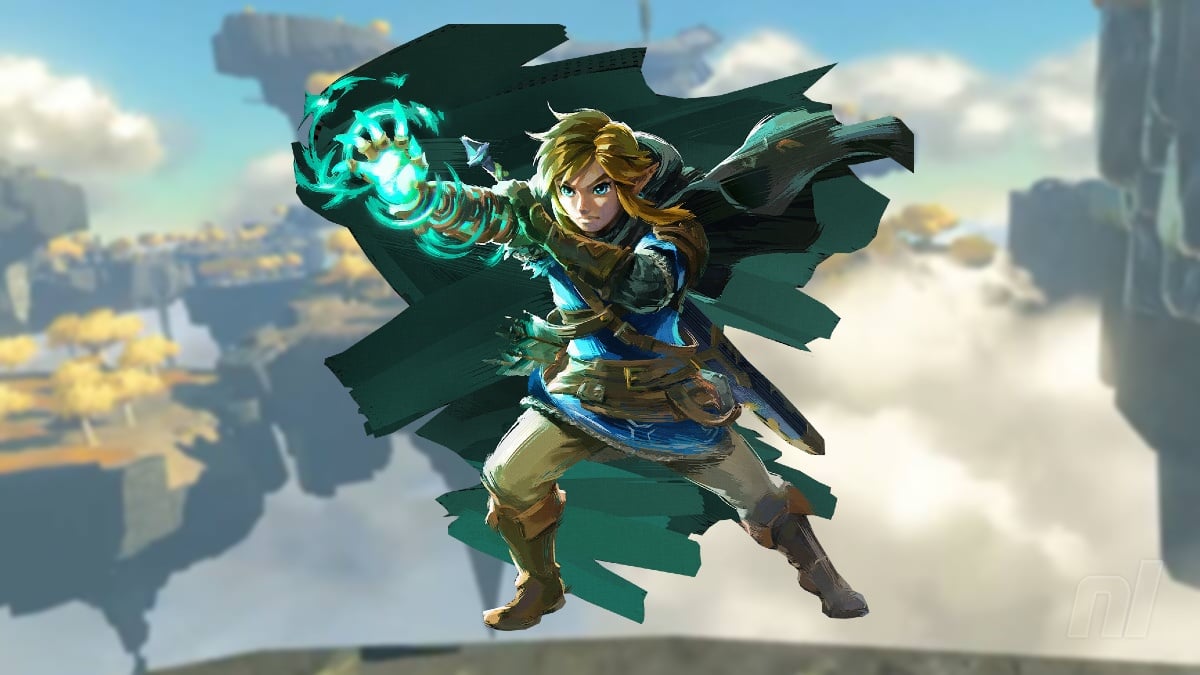
It wouldn’t be a Zelda game without Link. This time around, it looks like the hero will once again be sporting a variety of different outfits and hairstyles, from the Breath of the Wild Champion’s Tunic to the Barbarian-looking bare-chest look.

Zelda

Zelda: Tears of the Kingdom Zelda
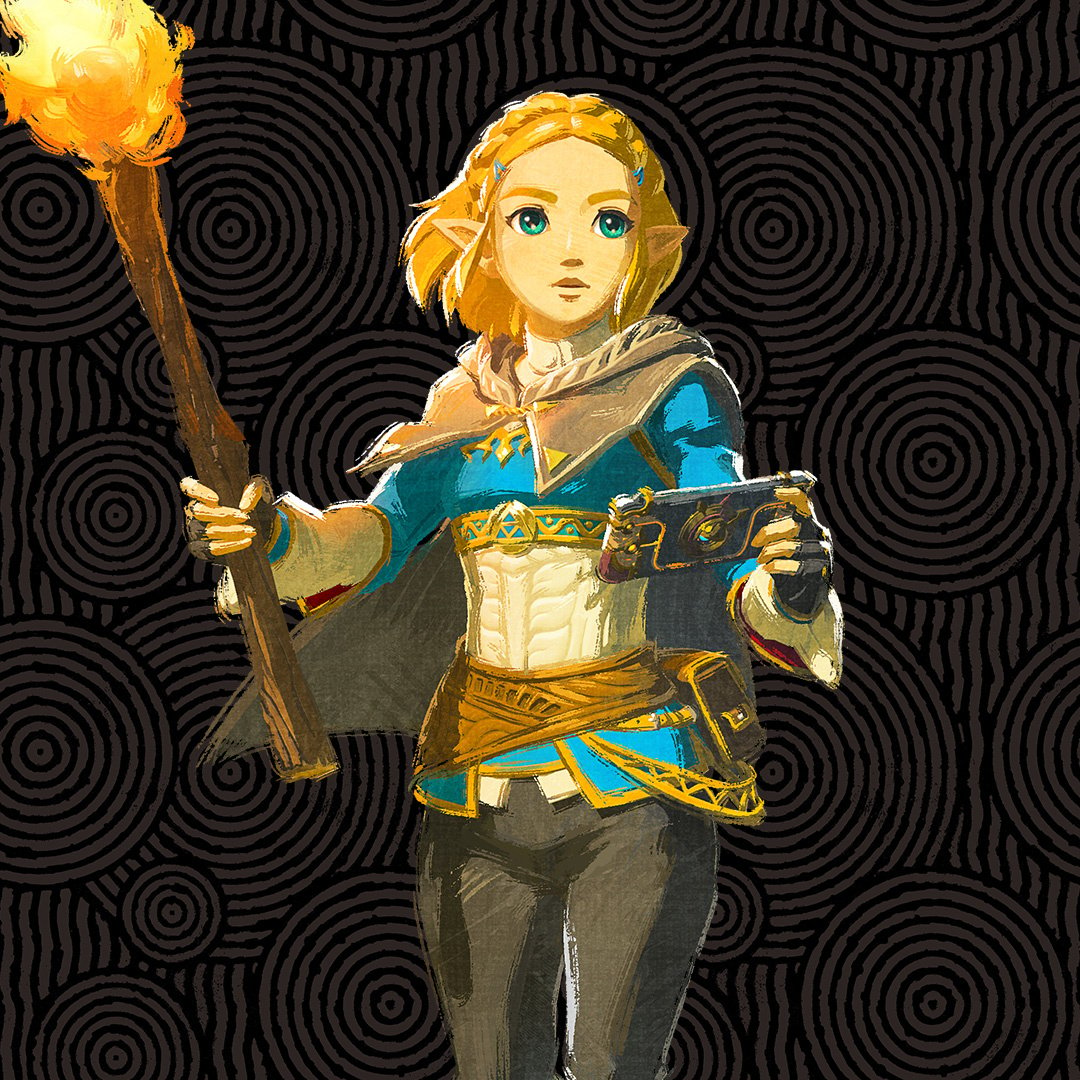
Princess Zelda holding what we can only assume is a 3DS XL — Image: Nintendo

The curious and courageous princess of Hyrule, Zelda. What’s that she’s holding in her left hand…?

Ganondorf

Zelda: Tears of the Kingdom Ganondorf
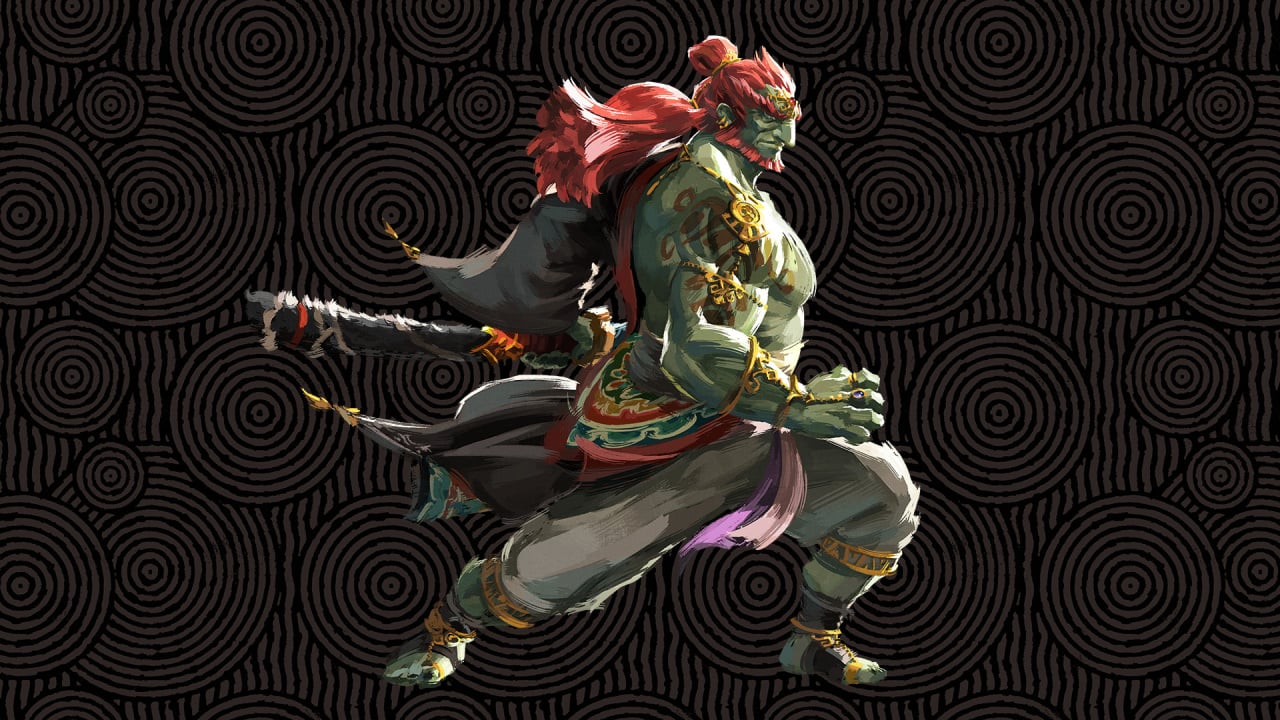
The image that broke the Zelda internet… — Image: Nintendo

“Do not look away. You witness a king’s revival…and the birth of his new world.”
The mighty Demon King, Ganondorf, returns in The Legend of Zelda: Tears Of The Kingdom.

Riju

Zelda: Tears of the Kingdom Riju
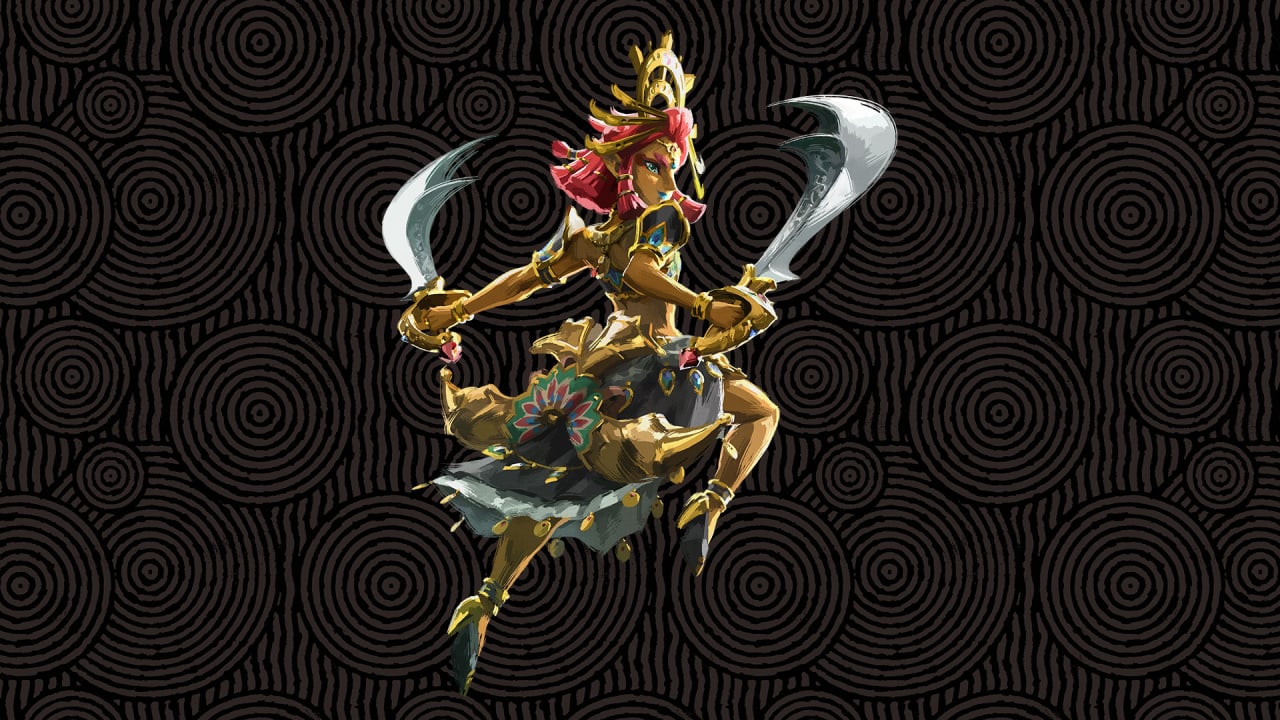
Haircuts all round — Image: Nintendo

Riju is the leader of the Gerudo, first appearing in Breath of the Wild. She is a direct descendent of Urbosa and was an integral part of the ‘Divine Beast Vah Naboris’ quest in the prior mainline game.

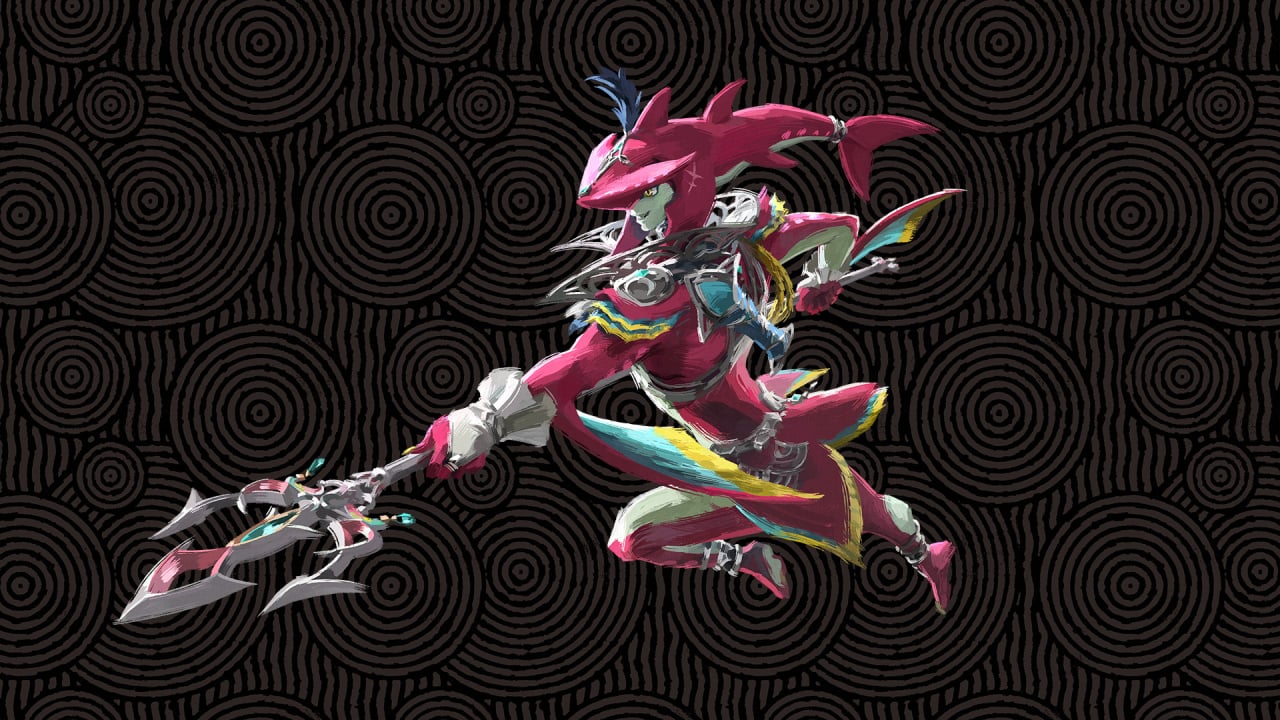
Sidon

Zelda: Tears of the Kingdom Sidon
Return of the Champ — Image: Nintendo
[Sidon] cares deeply about his people and selflessly protects their home, Zora’s Domain, with integrity and passion.

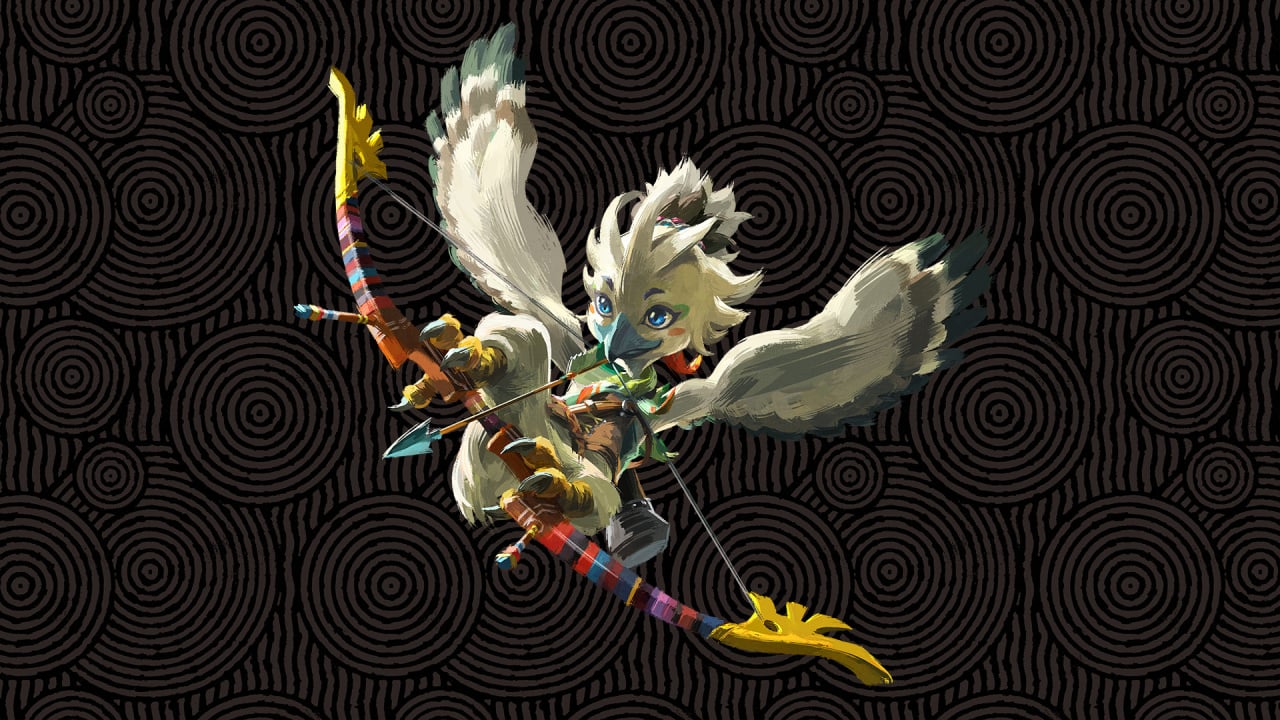
Tulin

Zelda: Tears of the Kingdom Tulin
Look at little Tulin, all grown up — Image: Nintendo
[Tulin is] a skilled archer from the Rito tribe, a race with a bird-like appearance who use their powerful wings to soar through the sky.

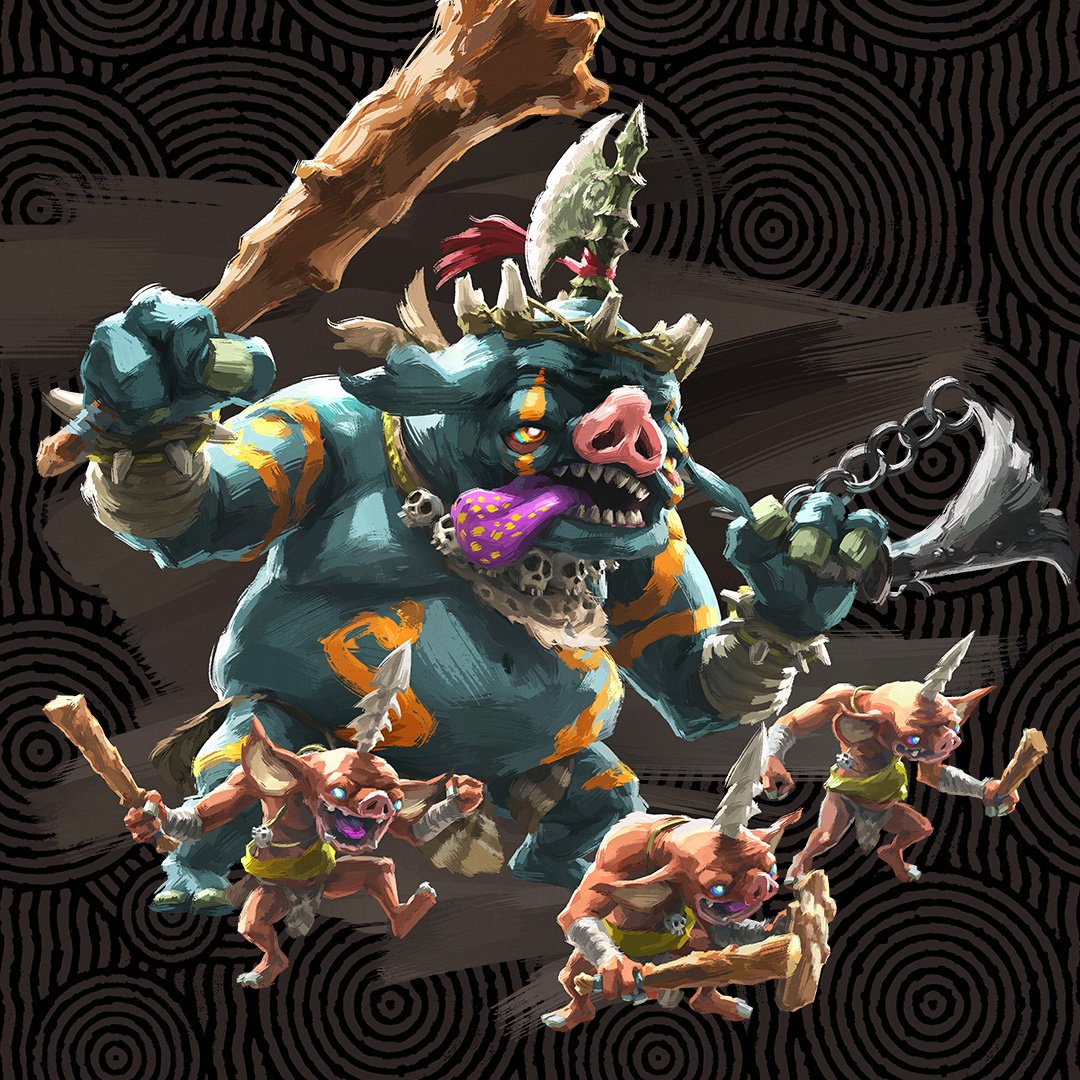
Bokoblins

Zelda: Tears of the Kingdom Bokoblins
The boys are back in town — Image: Nintendo

One of the main enemies throughout the entirety of the Zelda series, Bokoblins will return to Tears of the Kingdom with some notable changes from BOTW. Notice the new horns on their heads? Perhaps the new Fuse ability will see us relying on these to craft weapons.

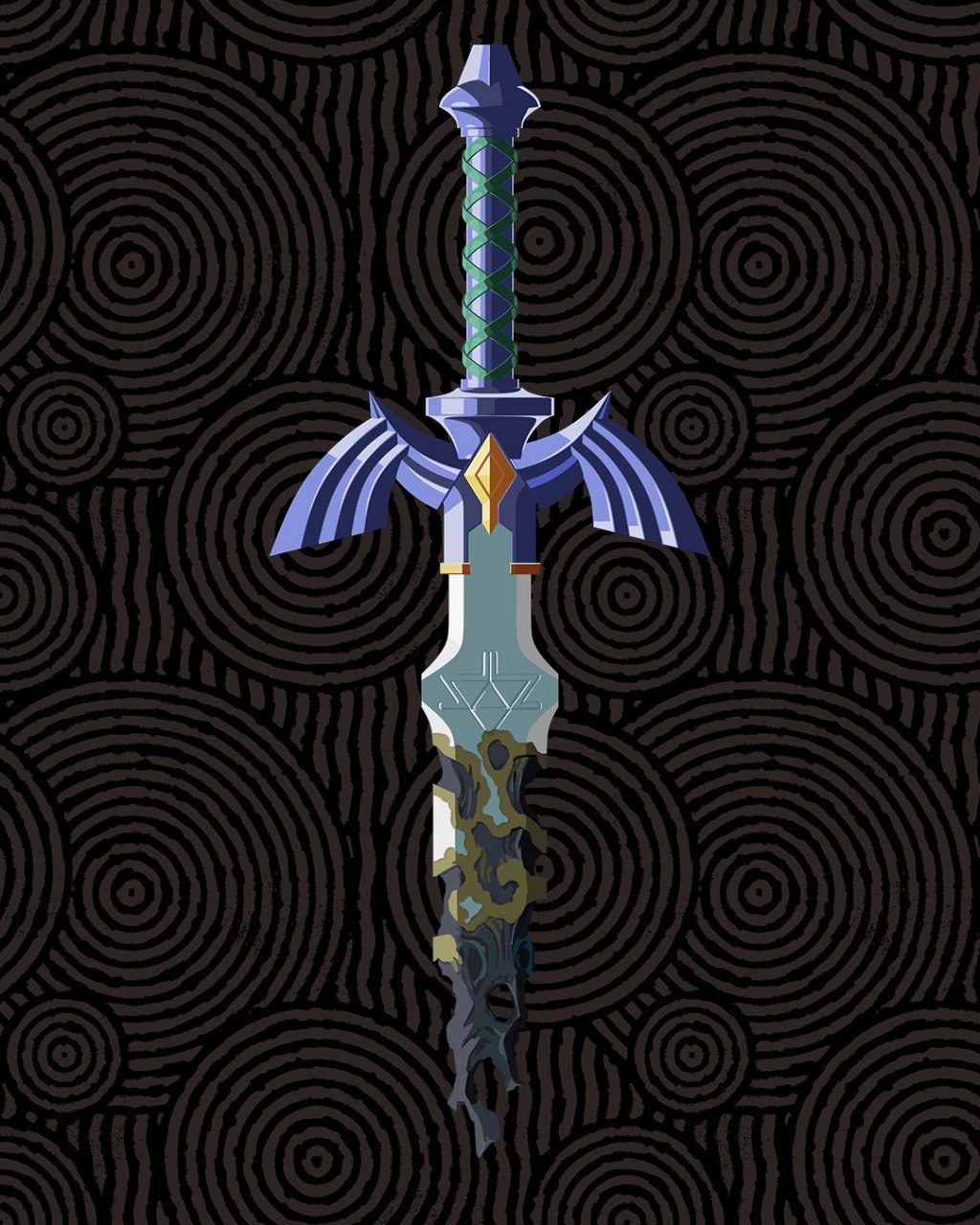
Master Sword

Zelda: Tears of the Kingdom Master Sword
The Master Sword’s seen better days… — Image: Nintendo

From the trailers, we have seen both the Master Sword and Link’s arm getting entangled in some kind of magic, leading to them both becoming corrupted. What was this power and how will Link be able to get his iconic sword back?


That’s everything that we have seen so far. Be sure to keep an eye on this gallery over the coming weeks as we will keep it updated when more official art is released.

Which character design is your favourite so far? Let us know in the comments below.

Jeanne Vicerial’s Enigmatic ‘Armors’ Evoke Timeless Strength in Elegant Sculptures Made of Thread

Jeanne Vicerial’s Enigmatic ‘Armors’ Evoke Timeless Strength in Elegant Sculptures Made of Thread

“Mue n°5 (Amnios).” All photos by Adrien Millot, © Jeanne Vicerial, courtesy of TEMPLON, Paris, Brussels, and New York, shared with permission

Evocative of medieval suits of armor or monastic traditions, Jeanne Vicerial’s intricate sculptures exude quiet strength in thousands of draping threads. The French artist layers halyards, a type of cord used to hoist sails or flags, to outline the curves of figures wearing elegant cloaks, hoods, and shield-like accessories with unraveled coils at their feet. In her series Armors—a play on the French words amour and armure, meaning “love” and “armor,” respectively—she assembles enigmatic garments that await use, as if crystallized over time.

Vicerial was inspired by the Gorgons of Greek mythology, the most famous of which is Medusa, whose hair roiled with snakes and turned anyone who looked at them into stone. “The idea was to insert myself into that great mythological story but to suspend its time, making it impossible to define the time or place where they were born,” the artist tells Colossal. She leaves the wearers’ identities open to interpretation, allowing the viewer to imagine the possibilities of their histories or purposes.

Drawing on her background in fashion and textiles, Vicerial was originally interested in studying the male figure and clothing. She began to focus on expressions of the female form when she participated in a year-long residency at Villa Medici in Rome and was struck by the way women have been represented throughout art history. “When I looked at the sculptures in the Villa’s park and saw the Venuses with their wet drapery, the representations of women in lascivious postures with draped cloth that always seems to be accidentally slipping off, I decided to focus again on the female body,” she says. Vicerial turns the ancient trope on its head by emphasizing garments as protective coverings that beget a formidable presence, merely hinting at the figure beneath.


A figurative sculpture made from black threads and cord that unravel and drape from the face and arms.

“Puppa n°1”

Describing the works as “guardians,” Vicerial provokes subtle associations with medieval European burials of knights and nobles, Japanese samurai armor, or nuns’ habits. She sometimes places varnished flowers like roses into cavities located where a metal chest plate would have protected one’s vital organs in combat. Like portals glimpsing a mysterious interior, they highlight the body’s vulnerability.

Blurring the boundary between fashion and sculpture, the phantom-like works are devoid of facial expressions. Long threads cascade from headdresses, shoulders, and faces illustrating dignity and vulnerability, and the spectral, imposing armors are “protections that express a form of power, but that are in reality extremely fragile because they are made only of threads,” she says, underlining the dubious tension between strength and weakness. “To touch them is in a way to destroy them because they could never be presented in the same way again.”

Armors comprised a recent exhibition with TEMPLON. If you’re in Paris, you can find Vicerial’s work in the group exhibition Des cheveux et des poils at the Musée des Arts Décoratifs through September 17. Follow updates about forthcoming shows and new works on the artist’s Instagram. (via .able)


A detail of the torso of an abstract figurative sculpture made from black thread and cord.

Detail of “Puppa n°1”

An abstract figurative sculpture of a head and cape-like shoulders with long strands of unravelled thread draping from the bottom.

“Encéphale n°1”

A group of three figurative sculptures made from white thread. The middle figure is about twice as tall as the two that flank it. Pools of unravelled thread sit at the feet of each.

“Catula Présence”

Two images of the same sculpture. On the left, a detail of a figurative sculpture made of black thread with a cloak or hood. On the right, the full length view of the sculpture showing a pool of unravelled thread at its feet.

Left: Detail of “Présence à l’enfant.” Right: “Présence à l’enfant”

A sculpture made of white thread, installed on a black box against a black background. It suggests an abstract feminine figure lying on a sarcophagus such as a Medieval knight would have been interred in. A pile of unravelled thread pools at the bottom.

“Gisante de Coeur”

A detail of a figurative sculpture made from white thread. It appears to be lying on a black box, on a pillow.

Detail of “Gisante de Coeur”

Two images of the same sculpture. On the left, an overview of the sculpture which suggests a figurative form made from black thread with lots of draping cords and unravelled strings. On the right, a detail of the torso area shows braids of black thread and a group of gold-painted dried roses.

Left: “Mue n°1.” Right: Detail of “Mue n°1”

A figurative sculpture made from white thread, photographed on a black background. The sculpture features long threads draping down from the face and arms, and there is a tall, curving headdress on top.

“Puppa n°4”

A figurative sculpture made from white thread, shown at three-quarter view and appears to be kneeling in contemplation.

“Mue n°5 (Amnios)”


Do stories and artists like this matter to you? Become a Colossal Member today and support independent arts publishing for as little as $5 per month. The article Jeanne Vicerial’s Enigmatic ‘Armors’ Evoke Timeless Strength in Elegant Sculptures Made of Thread appeared first on Colossal.
Building communities and ensuring NFT success: Insights for artists

Building communities and ensuring NFT success: Insights for artists

Building communities has become more crucial than ever in today’s rapidly changing art space, especially with the rise of NFTs.

Building communities and ensuring NFT success: Insights for artists

Own this piece of history

Collect this article as an NFT

Join us on social networks

The importance of building communities cannot be underestimated in the rapidly changing art world, driven by technology and the explosion of nonfungible tokens (NFTs) in the last two years. An audience is a social media following, but a community is a group of people working toward a common goal.

Art market economist and academic Magnus Resch has extensively researched the importance of communities and networks for artists.

Resch holds a Ph.D. in economics and has studied at the University of St. Gallen, the London School of Economics and Harvard. In addition to lecturing at Yale, he has produced several publications about the economics of the art world. He has appeared in academic journals and major publications like The Wall Street Journal, The New York Times and Vanity Fair.

Resch recently spoke to Cointelegraph about his latest book, How to Create and Sell NFTs — A Guide for All Artists, which explores the importance of building meaningful communities for artists, and how to create and sell NFTs compatible with their artwork.

Cointelegraph: Dr. Resch, how important is community building for artists in today’s rapidly changing art world?

Magnus Resch: Community in the art world matters for the success of any artist, but being in the right one is even more important. In one of my most recent studies, I looked at thousands of communities in the art world to evaluate their impact on the success of any artist. The results were surprising: 99.9% of artists’ communities don’t have any positive effect on the career of an artist.

These communities — I call them “island networks” — consist of museums, galleries, fellow artists of the same level and fans or supporters. These groups mean well but will never make a real impact at the higher end of the market. Instead, there is only one network that leads to success. For an artist who strives to be successful, the goal must be to become part of it. I call it the “holy land.”

CT: Can you share some key strategies for artists to successfully tap into this one community you call the “Holy Land?”

MR: My study shows the art world is a people business. Who you know matters more than what you make. In the absence of objective criteria that define what “good art” is, the network steps in to decide what good art is and what is not. That is why networking is so vital.

For artists, this means don’t spend all your time in the studio. Go out and meet the right people, at best, those that are part of the holy land. Or put bluntly, artists are on their own and need to accept that they are entrepreneurs running a business. Branding, marketing and self-promotion are essential to their success and are more important than their art. Artists who are waiting to be discovered will fail.

CT: What role do social media and digital platforms play in helping artists connect with their audience and foster a sense of community?

MR: Social media is the most relevant marketing tool for artists. They cannot rely on galleries to do the job, as most galleries are part of island networks and close down after a few years. In fact, one-third of all galleries never make any profit.

Getting into the holy land is hard, as only a few spots per year are available. That’s why building a brand is so important for artists. The easiest way to do this is via social media: 45% of art buyers regard social media as the most important channel to discover and find artists. Visits to offline galleries only follow in second place. I argue any artist serious about making it in the art world needs Instagram.

CT: Has this changed with the rise of NFTs?

MR: Not at all. NFT projects have allowed artists to learn what is required to make it without the gallery support. We have seen that the most important pillar in any NFT project is the community. Failed projects have misinterpreted the community as an “audience.”

An audience is the following on social media. A community is a close circle, a tight-knit and active group of people working toward the same goal. They can assemble on social media, but it goes beyond that. Building a community is about building loyal members who are supportive of an artist’s idea. I believe in the future where artists will give their community voting rights, allow them to participate in projects, and exchange ideas and assets. This is considerably different from today’s audience that just “likes” and follows but doesn’t participate.

CT: Can you share some successful examples of traditional art institutions and galleries that have embraced NFTs and the impact it has had on their businesses?

MR: The biggest winner of the NFT hype were digital artists such as Beeple, Justin Aversano, and Jen Stark. Digital art never played a major role in the art market, being the least popular medium after paintings, sculptures and photography. And then suddenly, some of these digital artists neglected by the market made significant money and sold for record prices. The real impact of NFTs, however, is yet to come. NFTs will be the underlying technology to authenticate every artwork — and not just digital art. This will change how art is traded fundamentally. Without an NFT to prove that the work is real, nobody will buy the painting.

CT: What are the main implications of NFTs on the art market?

MR: So far, there have been none. We are only at the beginning of what’s coming. I predict that NFTs will have a lasting impact, which is fourfold: Artists will exert more control over their work and earn royalties from resales; more collectors will populate the market as it has become more transparent; institutions will find it easier to engage their communities, and give them ownership through participation and involvement in governance. And finally, the art market will become more regulated for the better and thereby increase in value. Clearly, this won’t happen overnight, as changes in the art world take time. We are looking at 5–10 years’ until NFTs become the standard of how artworks are transacted and authenticated.

CT: Can you discuss any common mistakes artists should avoid when entering the NFT space and how they can set themselves up for long-term success?

MR: Most artists will never enter the NFT space as NFTs are not art. And those overpriced, celebrity-endorsed JPEGs that often are associated with NFTs will go away. I don’t even think we will talk about the term “NFTs” five years from now, similarly as we don’t talk about mp3 anymore.

NFTs are the underlying technology that will be used whenever artworks are transacted. In the future, it is not unlikely that the artist will register every painting that leaves a studio on the blockchain. So when it’s traded, the artist not only gets royalties but also knows who the new owner is. This allows them to work more independently and not rely on galleries entirely to promote or authenticate their works. As a consequence, artists will earn more on every piece they sell.

CT: How can collectors effectively determine the value of artwork in today’s dynamic market, particularly with the emergence of NFTs?

MR: Most art is not a good investment. Almost all artists are stuck in island networks and will not see an increase in value. For collectors who are purely interested in making money, they should focus exclusively on artists and galleries who form the population of the holy land. However, if they are interested in collecting art for any other motive (and consider it a cherry on top if the artist increases in value), the whole art market can be their hunting ground.

CT: Has the price transparency and liquidity that NFTs facilitated changed this?

MR: Many of those who bought NFTs as an investment were not able to make a profit with them. They have moved on to other investments. And as the hype faded, the true winners were those who bought works that they liked and wanted to live with. Another phenomenon is visible, too; we are currently seeing the merger of the traditional art market and a few digital artists who had success during the NFT hype. Beeple, Dmitri Cherniak, Tyler Hobbs, Casey Reas, and Artblocks, who exclusively sold on digital platforms like OpenSea and catered to a crypto-native audience, have now started showing their works with established traditional players in the art market, such as Pace Gallery. A representation by Pace Gallery, which is part of the holy land, will help them to manifest their value, even after the hype and their crypto buyers are gone.

CT: If art is not a good investment, why should we buy it?

MR: After having done much data analysis on the art market, one strategy for collecting proven to be the most effective is to buy what you like, as most likely, you will never make any money with the art you buy. I call it “responsible buying” — the notion that buying art is not just an exchange of monetary value but also a philanthropic act. Rather than putting money into an asset, I donate it, knowing that, in all likelihood, I won’t be able to resell the piece. But, by buying it, I am supporting the artist so that she can continue creating art, which inspires her community to continue with this essential form of human creativity. To me, it is a way of doing good, and it comes with an object that I love and a story to tell.

Sand Castle Winery Moves to Shrink Sleeves to Beat Supply Chain Issues and Expand Distribution

Sand Castle Winery Moves to Shrink Sleeves to Beat Supply Chain Issues and Expand Distribution

[embedded content]

Advertisement

The wine industry is still recovering from the 2020-2021 COVID pandemic. A November Geisenheim University survey for the ProWein Business Report found that two-thirds of global wine industry representatives it surveyed identified supply chain disruption as the biggest threat to their businesses after cost increases. 92% reported that they had experienced availability issues with glass bottles, significantly more than for any other products.

Sand Castle Winery, which lies along the Delaware River in beautiful Bucks County, Pennsylvania, is one winery that decided to pivot away from its specialty cobalt blue glass bottles to shrink sleeves that simulated the blue on a more readily available clear glass bottle for three compelling reasons:

  1. To control the supply chain.
  2. To ensure uniformity across bottle orders so the visual footprint on the shelf would not change.
  3. To gain significant cost savings.

“Like every business in the country, COVID made us face a decision about how to go forward,” says Managing Partner Chad Sletten. “We used that time to pivot. We have a very unique product, Alpine Spice, which we bottled in a beautiful cobalt blue bottle with a screen-printed label. The product began growing in 2020 from something people knew from wine festivals and local retailers to gaining state-wide and even some national attention, so we decided to expand our distribution. But the supply chains weren’t reliable: even if we were lucky enough to get it, we couldn’t count on a supply down the road.”

Sletten’s contact at Waterloo Container, George Hall, Waterloo’s Territory Sales Manager for the Finger Lakes and Eastern Pennsylvania region, suggested they use shrink sleeves instead and partnered with Syracuse Label to recreate the iconic cobalt blue bottle and original screen-printed art in a shrink sleeve with the same look and feel.

“It’s a very specific and unique bottle and label design,” says Sletten, “and we wanted to keep the integrity of that 25-year-old product and honor it. We used our 25-year mark as the moment to pivot to new packaging. The new process also removed a couple of steps, drastically reducing the cost of goods since it’s quite expensive to procure the cobalt glass bottle and have it screen printed.”

“Chad told me, ‘I need something scalable that isn’t going to change,’” Hall explains. “The shrink sleeve solution did all of the above. We went from a scarce German Riesling-style bottle not made frequently to an always-available flint (clear glass) stock made in Pennsylvania. It ended up being 30% cheaper and still gave it that iconic cobalt blue look with the alpine skier on it. It also allowed them to hit the price point in the retail market they needed for the product to take off.”

The packaging transition and ramp-up were both successful, and Alpine Spice has grown from 90 to 318 stores, with plans to reach all 603 PA Liquor Board (PLCB) stores. Sand Castle Winery also did a retail push with Giant Foods, and the product is in Giant Foods, Weis Supermarkets and Wegmans.

“We have not had any customers notice the difference,” adds Sletten.

Sand Castle Winery’s story illustrates the importance of a label that adds interest, conveys a message and generates sales―something wineries know is hard to do. With consumers more price-conscious than ever, a winery needs to capture the buyer’s attention immediately with the visual aspect of the package if they hope to increase the likelihood of getting the bottle in the cart.

Shrink-sleeve labeling is a rapidly growing solution that even the smallest wineries can use to create unique, easily-customizable labels that draw the eye. Wineries can create colorful full bottle designs that tell their story and instantly change―or recreate―the look of their package and brand.

“The current economic climate has created a renewed need for creative marketing,” says Bobbi Stebbins, Marketing Director at Waterloo Container Company. “A 360-degree label surface offers more marketing real estate. At this year’s trade shows, customers said they wanted their products to look different from the competition. At the same time, they are very cost conscious and want the most value per dollar spent on packaging. Since only so many bottle designs are available, and custom bottle molds can be expensive, choosing to label with shrink sleeves is a great way to create visual interest and add messaging space to any label. Sleeves can even be enhanced with special effects and textures not achievable with paper labels.”

Waterloo Container has provided shrink sleeves to its clients for ten years, and demand has grown significantly in the past three years, following the rise of online purchasing, which intensified the need for packages to stand out. A wine bottle must ‘pop’ on the website to convince customers to buy it and pay for shipping. A bright, colorful look and effective messaging can make the difference between a browsing consumer and a sale. Waterloo responded to the increased demand for this versatile labeling by purchasing and installing a second production line and a state-of-the-art shrink sleeve applicator that operates at high speeds for larger runs. This new line can sleeve up to 100,000 bottles per day with seven application mandrels handling a wide range of different bottle shapes and sizes. For smaller jobs or hand-applied applications, Waterloo maintains its original line.

To learn more about current special offers on shrink sleeve applications, please call 315-539-3922 or email contactus@waterloocontainer.com.

Send Me Info

Advertisement

Andrew Keller named global chief creative officer of WPP Coke agency Open X

Andrew Keller named global chief creative officer of WPP Coke agency Open X
image

After more than seven years at Meta, Andrew Keller is returning to the agency world as the global chief creative officer of WPP’s Open X, the holding company’s team dedicated to serving its massive Coca-Cola account.

Keller joined Meta in 2016 as global creative director and most recently served as VP of creative and experiential. Prior to his time at Meta, Keller logged 18 years at Crispin Porter + Bogusky, where he rose through the ranks to become chief creative officer and eventually CEO.

Returning to agency side

For Keller, the Open X position represents a chance to return to the agency world while using the expertise he gained working brand-side.

“Being able to focus on a brand was actually something that I really appreciated,” Keller said. “I really missed the agency world, where it’s [about] ideas every day. That’s the product, that we make coming up with ideas. And that was something that I really wanted to get back to.”

Keller will be based in Atlanta and start his role in June. He replaces Javier Campopiano, who is set to join McCann this year.

Read more: McCann Worldgroup hires Javier Campopiano

Keller also sees his new role as a chance to work on a brand responsible for his initial interest in advertising as a child growing up in Atlanta.

“It was a Career Day in the third grade when someone came in and talked about an ad for Mello Yellow, I was like, ‘Whoa, that’s amazing,’” Keller said. “My father-in-law was a Coca-Cola bottler in Savannah. There’s just a lot of meaning in this brand …even if it didn’t mean something to me, it means something to the world in an important way.”

Keller will help lead an Open X team open to all of WPP’s employees which currently utilizes around 8,000 employees globally, according to Laurent Ezekiel, CEO of Open X and chief marketing officer at WPP. Agencies that are part of the team include Ogilvy, VMLY&R, AKQA, Wunderman Thompson, Grey, EssenceMediacom, Ogilvy PR, Landor, Design Bridge & Partners, BCW, H&K, Hogarth and The&Partnership.

Ezekiel says he was looking to find the “CCO of the future,” which meant purposefully looking for someone with a background in tech.

“There is a huge data, tech, and experience-driven [capabilities] behind everything that we’re doing for The Coca-Cola Co.,” Ezekiel said.

Art and technology

Recent Coca-Cola ads have leaned into art and technology. The company held a recent contest for fans to create Coke art utilizing AI tools ChatGPT and DALL-E, with the winning art to grace billboards in New York and London. A short film called “Masterpiece” highlighted an iconic Coke bottle in an art gallery come to life. The latter was part of Coke’s global “Real Magic” campaign.

In February, Coke inked a deal with management consultant Bain & Co. to explore new ways to enhance the creativity of its marketing through OpenAI.

Keller said he’s excited about the potential of AI as a “co-pilot” for creatives.

“I actually think we’re going to learn more about what creativity really is as we explore AI, and I think that we’re going to be able to use AI quite effectively to drive ideas and to drive insight and to drive production,” he said.

“We’re applying and experimenting with AI across the entire WPP Open X model, and we’re pushing hard across many of the brands at The Coca-Cola Company,” Ezekiel added.

Keller will join Open X’s creative council, which includes Laura Visco and Thiago Cruz, global creative leads for Open X at Grey; Guillermo Vega, global creative lead for Open X at Ogilvy; Hugo Viega, global creative lead for Open X at AKQA; Rafael Pitanguy global creative lead for Open X at VMLY&R; Manuel Borde, global creative lead for Open X at VMLY&R Commerce; Daniel “Dany” Minaker and Sebastian “Patán” Tarazaga, global creative leads for Open X at Wunderman Thompson.

Keller’s focus will also include helping to build experiences for Coke brands that are centered on building communities.

“Community’s about finding intersecting values,” Keller said. “What’s important to you as a brand? What’s important to the people and where do you connect [with them]? … We’ve seen the sort of personalization of content and products [driving community building]. I would say that more than ever we’ve got to know exactly who we’re talking to and what we’re talking to. We’ve got to be extremely relevant. These days it’s easier than ever. And that creates a bigger obligation to do it, or you just feel like you’re missing everything.”

Time at Meta

Keller led global business creative during his time at Meta which included working on the company’s rebranding from Facebook and leading the communication and positioning of Meta’s products and tools for businesses, creators and developers. He helped double the size of Meta’s social and web channels, according to Keller, which included the Meta for Business website and social channels for entities, such as Instagram for Business.

Keller helped lead campaigns such as Meta’s “Good ideas deserve to be found,” and shows on Facebook including The #BuyBlack Friday Show.

Keller departed for what was then Facebook during a time when many advertising execs were making the move into the tech space. And while that is still the case for some high-profile names, this is the latest example of a Meta executive going back into the agency world. In February, Jason Sperling was named chief operating officer of Innocean USA after serving as global executive creative director of Meta Reality Lab and Teemu Suviala, global head of brand design for Meta Reality Labs, joined the WPP-owned brand and design consultancy Landor & Fitch.

A reunion

Keller’s return is a reunion of sorts for him and WPP’s Global Chief Creative Officer Rob Reilly, both of whom played lead creative roles at Crispin during its prime when it was named Ad Age’s Agency of the Decade.

“We’re just great partners that really respect what each other does. And I think it’s just going to be so fantastic to be back together with him and playing in the world that he has really played a big hand in creating,” Keller said about Reilly.

Rewind: Why there won’t be another agency of the decade

Keller recognizes the significance of the reunion but doesn’t put too much stock into it.

“I don’t think about it,” Keller said “I loved what I was doing … but through the journey, what I realized is this is the space that I want to come back to. I’ve got the bandwidth, I’ve got the energy, I’ve got the excitement to really dig in here, and I am excited to figure out what is going to be this next innovative age of marketing and advertising.”

A focus on partnerships

Moving forward, Ezekiel said the Open X team is focused on a few key growth areas for its client, which includes a focus on digital and innovation, co-creating products with outside partners, such as launching a limited-edition beverage with electronic music producer Marshmello and its canned Jack & Coke launch in partnership with Jack Daniel’s.

Coca-Cola’s fourth-quarter net sales increased by 7% to $10.1 billion, driven by 12% growth in pricing and a favorable sales mix. For 2023, the company previously forecast organic revenue growth of 7% to 8% and earnings per share growth of 4% to 5%.

Read more: Coca-Cola to discuss AI at Ad Age Web3 Summit

Speaking at the Consumer Analyst Group of New York conference in February, Coca-Cola President John Murphy described the company’s results over the last few years as “steady returns in an unsteady world.” Moves to trim its portfolio and adopt a more efficient marketing approach have resulted in a healthier company, Murphy added.

“We have a very clear understanding of what is it that drives volume, price and mix in our many markets across the world,” Murphy said. “And I think what we’ve seen over the last few years is developing capability to toggle these levers so that we can both win locally as well as deliver on our broader enterprise agenda … This approach is paying off.”

Nation’s largest free farm and art tour set for kickoff in SC

Nation’s largest free farm and art tour set for kickoff in SC

Agriculture and tourism are among the primary industries that drive the state’s economy, and the South Carolina Ag + Art Tour has been bringing those two essential elements of its culture together for a dozen years.

Led by the Clemson Cooperative Extension Service, this year’s Ag + Art Tour kicks off in earnest April 18 from 11:30 a.m.-1:30 p.m. at the University of South Carolina’s Russell House, where agritourism farm operators, government officials and county committees will convene to kick off another year of agriculture education, artisan exploration, rural collaboration and farm experience in South Carolina.

While the kickoff event has been sold out for some time, media are invited to attend to share the opportunity for this summer-long tourism adventure with their audiences.

The South Carolina Ag + Art Tour itself is a free, self-guided tour of farms and markets featuring local artisans at every stop. During the tour, visitors can see first-hand where their food comes from, watch artists in action and purchase their works, enjoy the melodies of local musicians and learn more about rural life. The tour is the largest free farm and art tour in the nation with over 85,000 visitors participating since 2012.

“We’re all about rural tourism, we’re all about agricultural tourism and the ag experience — that’s what this is all about, and that’s where I see it going for the future,” South Carolina Ag + Art Tour Director Will Culler said. “The Tour has grown over the years and touched the lives of so many people. Not just in agricultural education, but rural revitalization and community revitalization and economic development.”

The S.C. AG + Art Tour has operated in 15 South Carolina counties over the past 12 years, and the Tour has seen hundreds of farms in dozens of communities embrace agritourism as a method of farm enterprise diversification, agricultural education, and rural revitalization, and economic development.

The tour’s first official stop is May 6 in Lexington County, with numerous dates to follow from York County at the top of the state, to Colleton County near the bottom. For a full list of dates and locations, visit the official Ag + Art Tour website here.

Culler said the tour has grown so much, in fact, that some of the previous stops have reached the point they don’t need or can’t handle the extra traffic the Tour provides — which, of course, is the ultimate goal.

“Just this past year I was informed by the York County AG + Art Committee that several of their more mature agritourism farms, some of whom had participated in the tour for the past 12 years, would not be returning for the 2023 season. … It was not that they couldn’t enjoy the Tour or cherish the relationships the Tour offered. The reasons given were that these Agritourism venues no longer needed the Ag + Art Tour to realize their goals, to realize their passion. They had gotten their start, they had matured, and they had decided to step aside and let the next potential venue embrace agritourism,” Culler said. “And embrace agritourism is just what they have done. York County will see the same number of Tour stops (28) this year as last year. Some of them may be just a just a little less mature but ready to blossom.”

Culler, who also serves as a Senior Agribusiness Extension Agent and Lexington County Coordinator for Clemson Extension, was elected last year by the North American Farmers Direct Marketing Association to a three-year term on their Board of Directors.

“This was a great honor for me as this organization of over 700 farms in all 50 States, Canada and Europe is doing incredible things for agritourism,” he said.

More information about this organization and the resources it offers is available on its website https://nafdma.com/.

Want to Discuss?

Get in touch and we will connect you with the author or another expert.

Or email us at news@clemson.edu

A must-read Guide for DTC Marketers

A must-read Guide for DTC Marketers
Bloomreach Mastering The Art Of DTC Marketing 800x450

With the rise of ecommerce, consumers now have more choices than ever before and expect seamless and personalized experiences from the brands they interact with. D2C businesses must rely on digital marketing to position themselves for success. It provides a direct and cost-effective way to reach the brand’s target audience at the right time, with the right content and through the right channel.

Through the use of various digital channels, such as email marketing, mobile marketing (SMS, WhatsApp, app) and web and ad optimization, D2C brands are able to build strong and lasting relationships, increase customer loyalty, and drive repeat business.

In a highly competitive online environment, it’s a must for D2C businesses to prioritize customer engagement in order to stand out. How? By understanding their customers’ needs, preferences, and behaviors and using this data to provide them with relevant and valuable experiences that meet those needs. This will allow brands to build strong and lasting relationships, increase customer loyalty, and drive repeat business — the dream, right?

To help you stay ahead of the game, we have created a unique compilation of fast time-to-value use cases that have proven successful for leading brands by generating revenue, maintaining their customers, and expanding brand awareness.

To help you master the art of DTC marketing, we’ll dive into acquisition-boosting campaigns, conversion-driven campaigns, customer retention campaigns, and more.

READ THE GUIDE


Related stories

New on MarTech

About the author

Bloomreach

Bloomreach offers multiple solutions to help brands deliver highly personalized commerce experiences. The company’s full suite of e-commerce personalization solutions encompass three distinct toolsets: Discovery, offering AI-driven, personalized search and merchandising solutions; Content, offering a headless CMS built for commerce; and Engagement, offering an industry-leading customer data platform with built-in email capabilities, delivering highly personalized emails that boost revenue.

WHEN CONFECTIONERY MEETS ART: BAZOOKA BUBBLE GUM RALLIES TODAY’S ‘TASTEMAKERS’ FOR AN ICONIC COLLABORATION

WHEN CONFECTIONERY MEETS ART: BAZOOKA BUBBLE GUM RALLIES TODAY’S ‘TASTEMAKERS’ FOR AN ICONIC COLLABORATION

The renowned confectionary brand partners with four viral artists to add their own flavor to the brand’s legacy with one-of-a-kind pieces of Bazooka-inspired art.

NEW YORK, April 17, 2023 /PRNewswire/ – Bazooka® Bubble Gum is using its pop culture legacy the way any legend would, by calling on today’s influential artists to unwrap their own vision of the classic brand through their innovative pieces of Bazooka-inspired art. The custom art pieces will be on display and auctioned off at the Make-A-Wish Dreaming In Color Art Show + Auction to support youth artists and raise funds to grant critically ill children their once-in-a-lifetime wish.

The project has attracted a diverse group of “ones-to-watch”: Vibrant identical twin Fashion Designers BruceGlen brings Bazooka Joe to the runway with a comic-tiled puffer jacket. Multimedia graffiti artist Duro the Third who paints and modifies retro bikes, hand-assembles a Bazooka-themed BMX bike. Madeline Ronzoni, who was recently featured at ComplexCon 2023 as a “brand to watch,” creates a Bazooka Joe hand-tufted rug. Lastly, former mechanical engineer-turned-painter and viral TikTok sensation Matt Chessco brings Bazooka Joe and the gang to life in a graffiti-style painting.

“Bazooka has solidified its place in pop culture with over 70 years of iconic packaging and Bazooka Joe and the gang comics,” says Rebecca Silberfarb, VP Brand Marketing, Bazooka Candy Brands. “Now, our fanbase will get to experience the brand through a new lens as these four artistic trendsetters celebrate our legacy by combining nostalgia and pop culture with contemporary art.”

Through a video series launching today, each artist shares their personal ties to the confectionery brand, as they reinterpret the classic elements into their contemporary artistic form. The videos unveil innovative art pieces that give a glimpse into the future of Bazooka.

Bazooka Comics have been driven, shaped and created by legends in the underground art world, many of whom created for Bazooka while simultaneously running major comic-book publications. Since then, not only has the brand made a huge impact in pop culture and entertainment, but it has also left an imprint on the hearts and minds of many individuals, including the partnering artists.

“The memories and feelings that flood back to me when chewing Bazooka Bubble Gum are some of the happiest I have,” says Madeline Ronzoni, Founder of Happy Rugs. “I am honored to have the opportunity to make a Bazooka Joe rug and especially proud that it will be auctioned off with proceeds going to Make-A-Wish, as the charity holds a special place in my heart after they fulfilled my little sister’s wish as a child. I am so excited to be partnering with Bazooka for such a meaningful cause!”

Each Bazooka inspired custom art piece will be up for auction at the Make-A-Wish Dreaming in Color Art Show + Auction on April 27, 2023. Bazooka is proud to be celebrating aspiring youth artists and to provide the opportunity for attendees to bring home a piece that inspires joy. All proceeds will benefit the Make-A-Wish Foundation and the many children who are waiting for their wish to come true.

The campaign launches today on all of the artist’s social media channels as well as @TheRealBazookaJoe.

To learn how you can get involved with the Make-A-Wish art auction, please visit their website for more information. Interviews with the Bazooka brand team or any of the artists are available upon request.

About Bazooka Candy Brands

Bazooka Candy Brands is a division of The Bazooka Companies, Inc. and produces iconic, high-quality candy products including Ring Pop®, Push Pop®, Baby Bottle Pop®, Juicy Drop® Pop, and of course, Bazooka® bubble gum. For additional information, visit www.bazookacandybrands.com

Social Handles:
Instagram: @theRealBazookaJoe
Twitter: @RealBazookaJoe
Facebook: @bazookabubblegum

SOURCE Bazooka Candy Brands