Photography

Bearcat Creatives: How photographer and artist manager Aman Avvaru broke into the music industry

Bearcat Creatives: How photographer and artist manager Aman Avvaru broke into the music industry

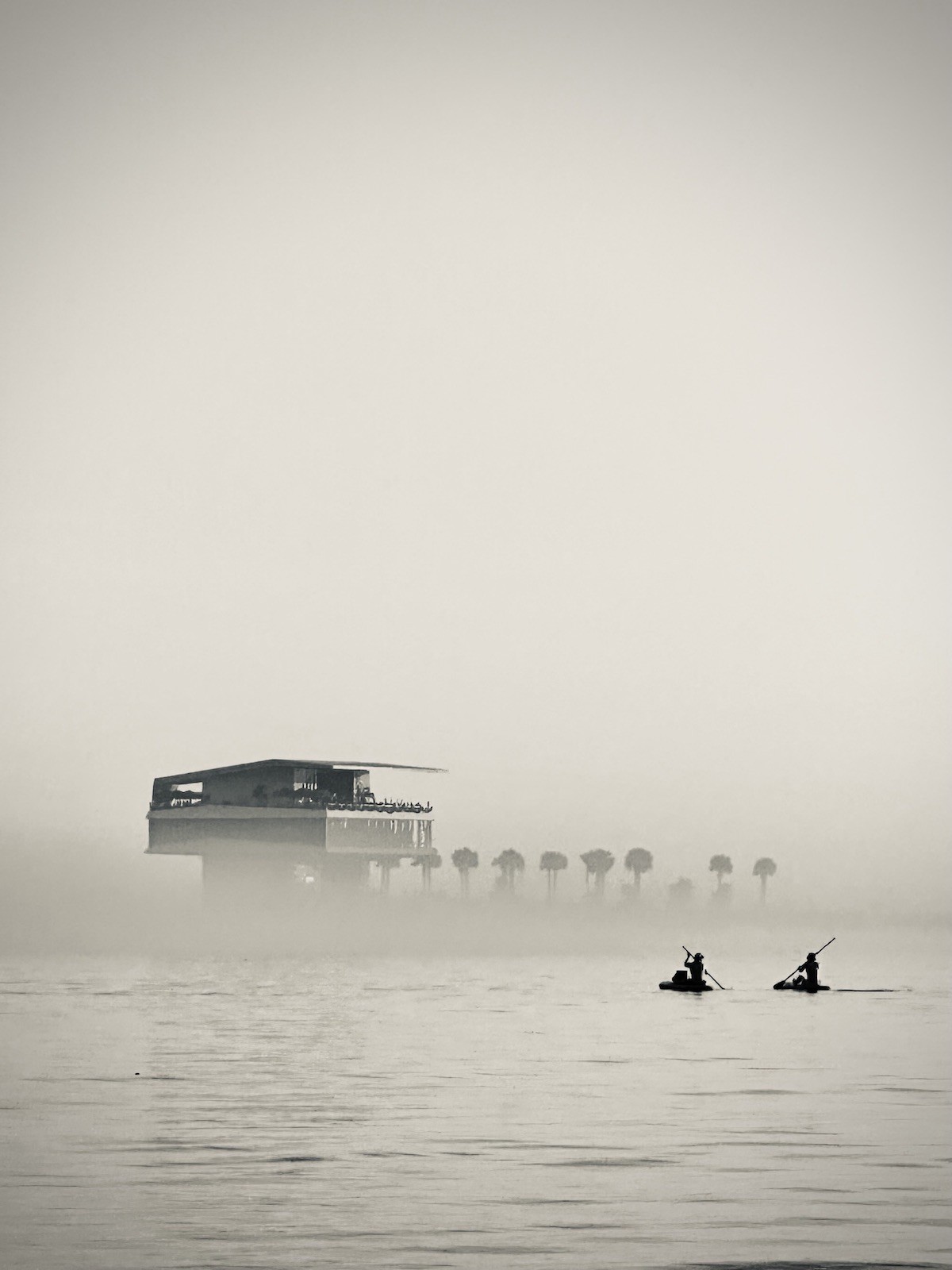
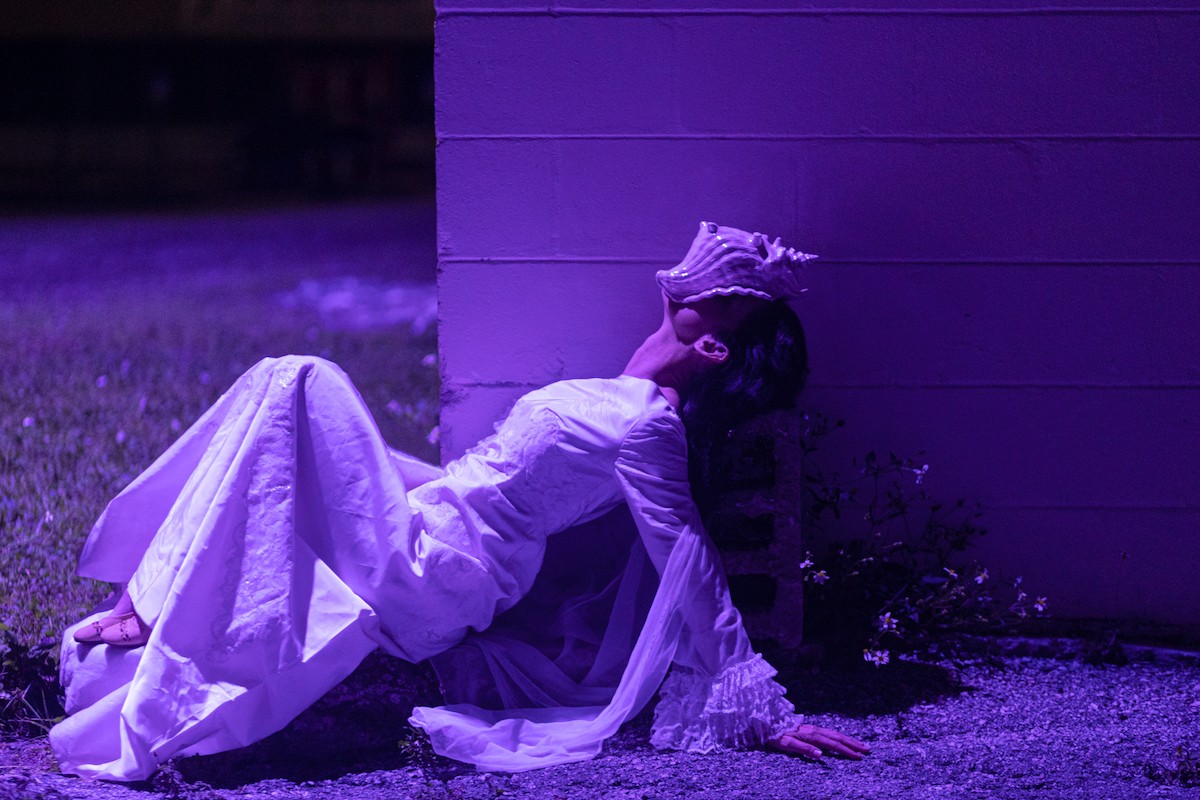
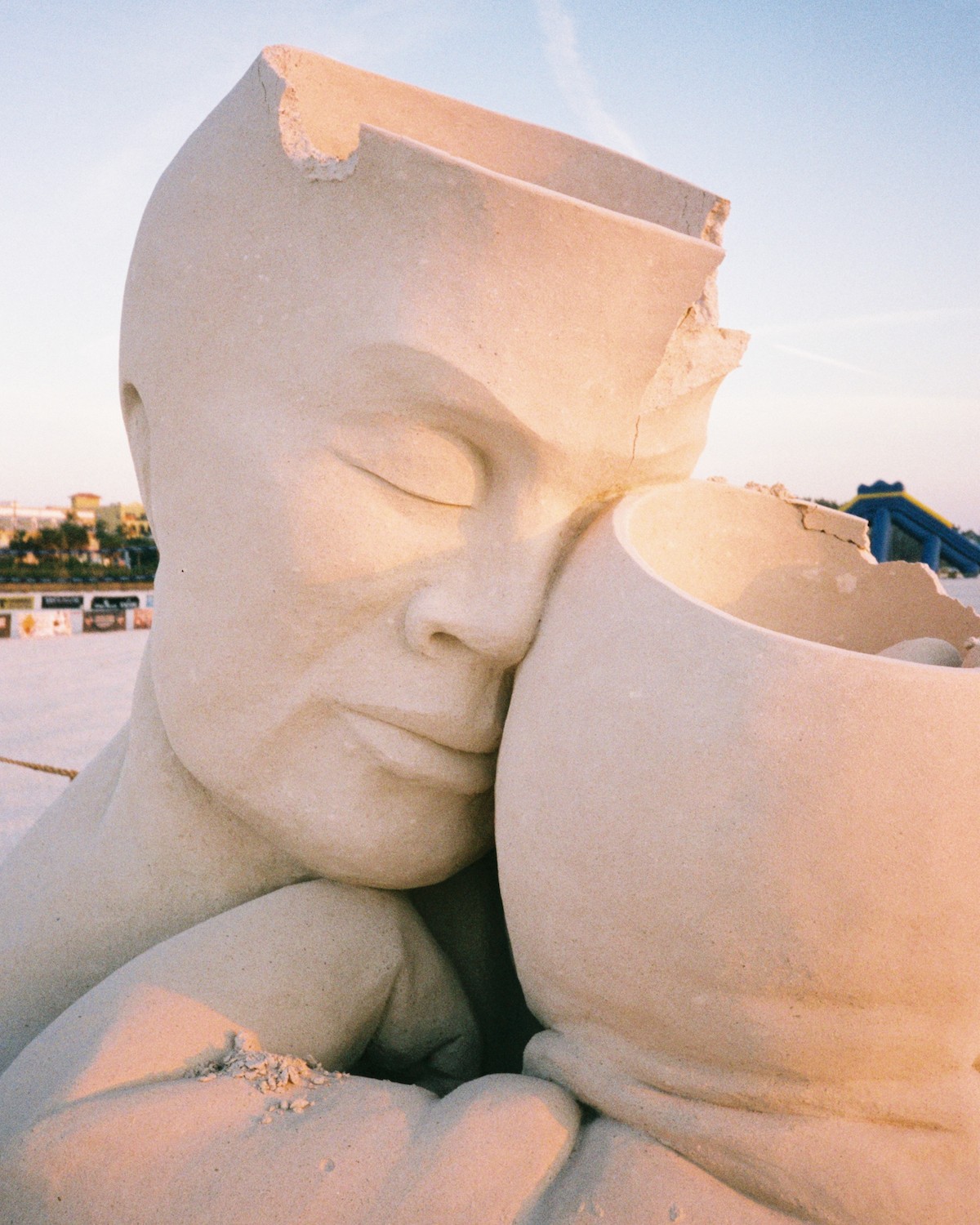
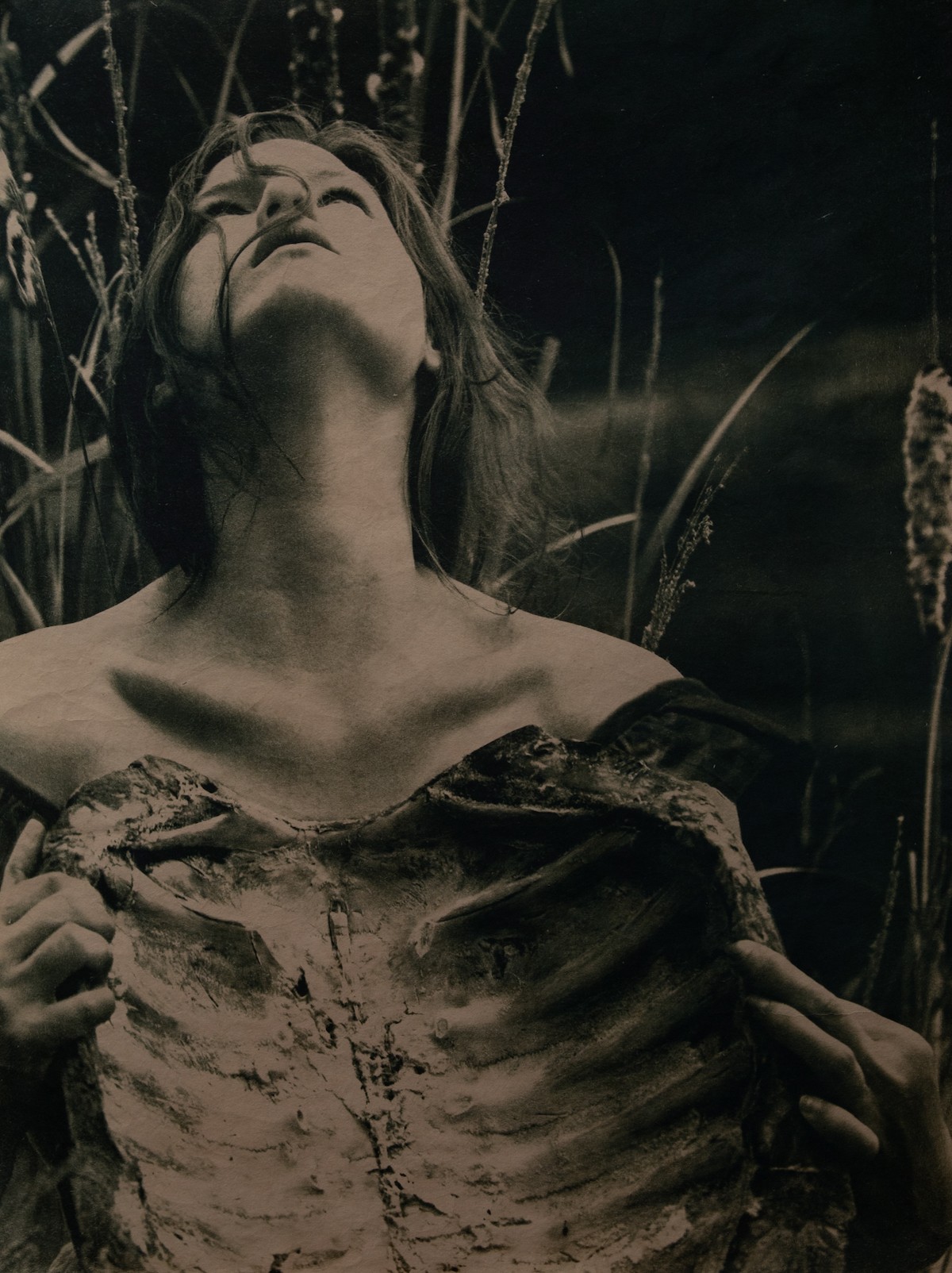
Aman Avvaru is constantly collecting new creative titles. Aside from being a full-time marketing student at Baruch College, his expanding list of occupations include photographer, musical artist manager, director and more. He currently works with models, brands and musical artists on photoshoots. Avvaru also works in creative direction, management and event planning.

Photography was Avvaru’s first creative pursuit.  He took a photography class in high school but is mostly self-taught.  Avvaru developed his craft by organizing photoshoots with friends during his senior year of high school.

“I just really enjoyed taking pictures,” Avvaru said. “I would reach out to so many people and just make sure that every week I would have four or five photo shoots, just so I was working.”

During the same period, Avvaru experimented with combining his photographic talent with his love for music. He brought his camera to concerts and captured lively photos of performing artists. 

“I would go out to my car, edit the pictures and send it to them,” he said. “[I would] DM them on Instagram and be like… ‘Post these pictures, tag me if you like them.’”

His photography became an entryway to engaging with artists and their teams. After sending his first concert photos to platinum producer DOC, Avvaru established a relationship with DOC and the GStarr Entertainment team. He began receiving invitations to concerts, listening parties and other music events from newfound mentors soon after graduating high school.

Avvaru began to make efforts to network after becoming aware of the opportunities to introduce himself to music industry professionals.

“[I was] learning how to market myself and get my name out there,” he said. “Whether it was just simply like ‘make sure that person tags me’ or ‘make sure I go to all these events.’”

Avvaru’s networking introduced him to new people and interests. After a photography collaboration in summer 2022, artist Jay Divino offered Avvaru a position as his manager.  This marked Avvaru’s first artist management role. Since taking on the  role, he has begun to manage artists Carter Brown and Apollo Rai.

“A lot of it is direction and planning the rollout,” Avvaru said. “The music is made… so how is this going to look? How is this going to reach the audience? How am I going to translate this to the public?”

As a manager, Avvaru coordinates music videos, listening parties and public outreach. With his variety of accumulated skills, he has recently been able to take on new projects including directing  Brown’s upcoming music video and traveling to Tampa, Florida to manage a collaborative artist camp with the collective PXVI Club on April 22.

Although Avvaru’s industry experiences may seem out of reach for typical college students, he assured that those who are motivated can enter similar work. “If anything, really just put yourself out [there] and do it,” Avvaru said. “Do it in real life and show people…You could tell people a million things, but if you show them, even if it’s not like the best thing in the world… it holds weight. Not a lot of people do things in real life.”

Avvaru posts his work on Instagram and  frequently shares updates on his upcoming projects.

4 Years After Divorce, Woman Demands Refund From Wedding Photographer

4 Years After Divorce, Woman Demands Refund From Wedding Photographer

His tweet soon went viral. (Representational Image: Freepik)

A South African woman reached out to her wedding photographer four years after her big day with an unusual request. The woman demanded a refund citing divorce as the reason. A WhatsApp chat between the photographer and the woman is now going viral on the internet.

A photographer named Lance Romeo took to Twitter to share the screenshots of their conversation on WhatsApp. At first, the photographer thought it was a prank but he later realised that the woman was serious and assumed that she was ‘entitled to a refund’ because she is now divorced. However, the photographer refused her unusual request.

The caption read, “I swear my life is a movie. You can’t make this stuff up.”

In the screenshot, the woman says, “I don’t know if you still remember me. You did a photo shoot for me at my wedding in Durban in 2019.” She further wrote, “Well, I’m now divorced, and those pictures – I and my ex-husband don’t need them anymore. You did a wonderful job on them, but they went to waste as we are now divorced. I will need a refund of the amount we paid you because we don’t need them anymore.”

At first, the photographer thought she was just pulling off a prank on him. But later when he realised she was being serious, he respectfully declined. But the woman didn’t budge. She decided to involve lawyers so she could at least get a 70 per cent refund of the total fees.

The woman also requested to meet in person to discuss the issue but the photographer said no and told her to ask the lawyers to get in touch with him.

See the post here:

His tweet soon went viral and has amassed over 38,000 likes on Twitter. In fact, the woman’s ex-husband contacted the photographer and apologised on the woman’s behalf. He said, “I read the articles. I apologise on her behalf.”

Many social media users dropped comments on the viral tweet. A user wrote, “There is noooooo way she is serious! The lawyer in me now wants to do a self-moot and see how I’d deal with it if she was my client… but again… I suspect she wouldn’t be able to pay my fees… or later ask for a refund after we lose.”

Another user commented, “It’s not a refund that’s needed here! Waiting for the part where she says it’s a prank.”

The third user wrote, “I love how professional you were with your answers. But it was a prank, right? Cause wow! This is so wild. I have a friend that got divorced even before her wedding pics came, and she didn’t even ask for a refund, ’cause that is just not how it works!”

The fourth commented, “Romeo. That has got to be the best story of the year you made my afternoon laughing at the audacity of this woman trying to sue you! That is a once-in-a-lifetime kinda story. I hope you continue to have many successful ventures with your photography. At least you are on the map.”

Click for more trending news

30 Years of Architectural Photography With Duccio Malagamba

30 Years of Architectural Photography With Duccio Malagamba
image

Interviews

Architectural photographer Duccio Malagamba has been photographing the built world for over 30 years. In his 30 years of professional work, Duccio has collaborated with an impressive client list like Alvaro Siza, Herzog & de Meuron, and Rafael Moneo. As you can imagine, he is a wealth of information and has an interesting perspective on architectural photography from his long-spanning career.

Barcelona-based photographer Sergio López has conducted a wonderful interview with Duccio on youtube that is full of wisdom. The interview is in Spanish but does have English subtitles. You can watch it on Youtube here:

[embedded content]

Several Different Ways to Make Money as a Photographer

Several Different Ways to Make Money as a Photographer

There are several different ways to make money as a photographer, and the more you can diversify your income streams, the more you can ensure financial security. If you are working on improving your photography business, check out this helpful video tutorial that shows you several different ways you can use your photography business to make money. 

Coming to you from Scott Choucino of Tin House Studio, this useful video tutorial discusses some of the many different ways you can make money with your photography. It can be easy to think that client jobs are the only lucrative way, but photography can be a surprisingly diverse field. Of course, client jobs are likely the most obvious and direct route, but relying on any single stream can be a big dangerous. Depending on the genre you work in, you can sell prints, rent out your studio space for use by other photographers or for events, run workshops and educational events, and engage in a variety of other things. Check out the video above for the full rundown from Choucino. 

If you would like to learn more about the business of photography, check out “Making Real Money: The Business of Commercial Photography With Monte Isom!

St. Petersburg Month of Photography names inaugural photographer laureate this weekend

St. Petersburg Month of Photography names inaugural photographer laureate this weekend

It’s an exciting time for Tampa Bay-area photographers. We’re in the middle of the inaugural St. Petersburg Month of Photography month, and the city’s about to crown its first photo laureate who will “create a document of Tampa Bay life, events, and its people for a year.”

Thirty-two local photographers threw their portfolios into the hat. From these, SPMOP organizers narrowed it down to five finalists—Selina Roman, Jaime Aelavanthara, Emily Will, Tristan Wheelock and Thomas Sayers-Ellis—whose work is currently on display at the Morean Arts Center at 719 Central Ave.

The photographer laureate award reception for St. Petersburg Month of Photography happens on Saturday, May 13 at Morean Arts Center in downtown St. Petersburg.

Some of them, like Roman and Aelavanthara, are already established as fine art photographers and photography professors in the Tampa Bay area. Others are students, journalists, musicians, and poets still making a name for themselves as photographers. All of them had interesting things to say when we asked them about inspiration, photography, and St. Pete.

Here are St. Pete’s photo laureate finalists in their own words.

Event Details

What’s your biggest source(s) of inspiration?“The poetic reality of humanity—all of humanity—as I encounter it in its state of continuing creation. And the creative process. Simple acts, complex interactions and invisible actions. I like predicting, camera in hand, the wondrous exchanges.”—Thomas Sayers-Ellis

“As Chuck Close says, ‘Inspiration is for amateurs. The rest of us just show up and get to work.’ It may sound like hubris, but I truly believe this. I draw influence from various sources, but I don’t wait to be inspired. I just follow intuition.”—Tristan Wheelock

“My grandmother, Carol Upham, was my first inspiration. She introduced me to the world of photography and the art of storytelling. When I started to travel internationally, it then became my fuel of inspiration. Exploring new places and cultures while capturing the unique beauty and essence of each location is not only for me to revisit but also to share with others my perception of the world.”—Emily Will

“Florida is so mythic and mysterious—mermaids, mayhem and murder—to name a few. This state has always been my biggest source of inspiration at so many levels—the colors of its architecture, its history and its people, its mystery and myths. It continues to fascinate me, and I couldn’t imagine living anywhere else because my work is so rooted in the region.”—Selina Roman

“Outside of the visual arts, literature and the written word often inspire my image-making. I also find inspiration in my everyday surroundings, whether that’s a pocket of light, or a discovery made on a walk such as a bird’s nest, or an insect wing, or other found object that I can work into a photograph.”—Jaime Aelavanthara


What excites you about the prospect of photographing St. Pete for a year?

“I’m a boots-on-the-ground photographer. I walk. I talk. I meet. I learn. I befriend the shadows where both delight and despair can’t hide from exposure. Physical St. Pete and social St. Pete are uniquely layered in a great conversation about Florida, old world and new. I’m excited to be its visual listener.—Thomas Sayers-Ellis

“I have a long history with this community. I went to high school here. I left for years. I eventually returned and bought a house on a whim before prices skyrocketed. I’ve watched a great transformation begin, and I believe it will only continue. I love the idea of pointing a camera at that and creating a kind of historical record.”—Tristan Wheelock

“My family contributed to the early history of St. Petersburg. Photographing the city I was born and raised in would be an honor and a privilege. I would love to honor their vision and showcase the growth and diversity the city has to offer while also learning more about my own home.”—Emily Will

“What excites me about the prospect of photographing St Pete for a year is going beyond the obvious and discovering the hidden gems that the area has to offer—places and people that may have been overlooked but still add so much to the fabric of the city.”—Selina Roman

“St. Pete is a multi-faceted, vast place to explore, and that excites me! You can go from being in an urban setting, to white sand beaches, to a location that looks like it hasn’t changed since the Jurassic Period. Kayaking through the narrow mangrove tunnels at Weedon Island Preserve was an early immersion into Florida coastal wilderness and a place that kicked off the potentiality of the natural wonders that St. Pete has to offer.”—Jaime Aelavanthara


What do you hope to accomplish with your images of St. Pete?

“A new alphabet, a reservoir of images that any curious eye can feast on and wonder about the many here-wheres and elsewheres that make up St. Pete, the kind of testimony that suggests that both geography and biology need one another in tropical life, one grand environment!”—Thomas Sayers-Ellis

“I hope to show people all sides of this community. There’s, of course, the small geographical pocket the people want to occupy, but there’s also an entire world outside of that. There is a lot of underrepresentation in our community. As a photojournalist by trade, I feel equipped to document and share the stories of those who aren’t heard or seen. It’s valuable; it might even be a catalyst for positive change.”—Tristan Wheelock

“My main hope for photographing St. Pete is to showcase the beauty and individuality of the city, highlighting its distinctive features and landmarks, and capturing the essence of the local culture and lifestyle. I aim to create art that provokes thought, emotion, and a deeper understanding of the uniqueness of St. Pete.”—Emily Will

“My work is about finding the beauty in non-traditional places. I want viewers to be surprised and see the city in ways which may not be familiar to them.”—Selina Roman

“I hope to capture a sense of magic in our everyday surroundings. I constantly think about how we are all connected in this world and what unites us; to me, that is the shared human condition. I hope to continue examining our connection with the natural environment, each other, and with the places we inhabit to create a shared experience and sense of connection.”—Jaime Aelavanthara

The Joys of Large Format Landscape Photography

The Joys of Large Format Landscape Photography

In the era of digital photography, it can be easy to click away without a second thought, but what if every time you pressed the shutter, it cost you $5? That might sound like an insane proposition, but the beauty of large format photography is that you get images that are simply not possible with a full frame camera or even with the most expensive modern medium format camera. This neat video takes you behind the scenes to show you large format landscape photography’s process and some of the images you can create.

Coming to you from Ben Horne, this neat interesting video will show you the process of and images made during a large format landscape photography trip. Even the smallest large format size, 4×5, is behemoth compared to the sensor sizes we are more accustomed to, with a negative that is almost 15 times larger than a 35mm frame. This means that a large format image often comes with unimaginable levels of detail. Beyond that, large format cameras are often more versatile in certain ways, offering precise control of the image-making process that is not possible with smaller formats. Of course, the major downside is the cost, along with a relatively high barrier of entry when it comes to technique, but if you put in the time and effort, it can be tremendously rewarding and enjoyable. Check out the video above for the full rundown from Horne. 

Contemporary Native American photographers tell their story their way at the Denver Art Museum

Contemporary Native American photographers tell their story their way at the Denver Art Museum

The exhibition “Speaking with Light” is a provocative group show featuring landmark images captured by more than 30 contemporary Indigenous photographers. It’s an exhaustive and surprising collection of photos that documents important shifts in the art form over the past four decades.

But the show is also, and perhaps more interestingly, about the power of art-making itself — about the ability of artists to make objects that take command of the social narrative, that rewrite stories from their own perspective, and that offer up different endings.

The show aims “to shift power dynamics and bring attention to misrepresentations,” as the exhibition materials explain. These pictures of Indigenous people made by Indigenous people stand in opposition to centuries of imagery, created and distributed by outsiders, that confuse the truth about Native American history.

Organized by Will Wilson and John Rohrbach, the show acknowledges that the term “Indigenous” can be troublesome. Before the era of colonialism, native tribes were organized into scores of separate, sovereign entities with individual languages and cultural establishments. Grouping members of different tribes together in one show suggests every Native American shares the same perspective.

But the exhibition makes a solid argument for that economy of language by showing how mutual events — in particular, colonialism and its enduring impacts on humans, land and commerce — created a collective history among those tribes and contributed to common distortions and fabrications about their identities over time. Then it blows up those fictions with powerful imagery offering a different point of view.

Before it does all that, though, the show takes an important step back in time, opening with a series of formal, black-and-white portraits, taken in the mid-1800s, of tribal leaders on the occasion of their meetings with representatives of the U.S. government.

Such portraits were customary at the time and meant to document the negotiations between the tribes and the various entities that wanted their land and resources. The pictures are posed and peaceful and give no hints to what was really happening — that concessions of land by tribes were often forced and that agreements of protection were quickly broken by the government.

These relics make for an unusual opening for a show of contemporary art, but they lay important groundwork by establishing that these tribes were considered governments at the time. Native American officials stand shoulder-to-shoulder with federal representatives, equally. These tribes were actual nations, and that is a perspective held by many Native Americans — including the artists in this exhibition — today.

From there, “Speaking with Light” quickly moves onto the present, displaying work by Native American art photographers who challenge that sort of imagery and the decades of false narratives that followed. There are striking images in the mix.

Some of them are straightforward and speak for themselves, such as Zig Jackson’s 1999 diptych, “Beat Them Savages, San Francisco, California/Praise Them Savages, Salt Lake City, Utah.”

The piece pairs two photos of public sculptures of Native Americans — one that shows them submitting to white settlers, and a second that portrays them as heroic, noble savages. Set side-by-side, they show how representations of Indigenous people were arbitrary and reductive and used for whatever purpose was convenient at the time.

Jeremy Dennis's

Another photo featured in the exhibition, Tom Jones’s 2006 “Chippewa” is simply a picture of a sign for a roadside motel, called The Chippewa, that features a male figure in full, feather headdress and promises guests an “indoor pool” and a “sun whirlpool.” The piece documents how Native American imagery was commodified — often, ridiculously — by non-natives for profit.

“Speaking with Light” also delves into fantasy with staged photos that make interesting observations about time and place. For his 2016 photo “Nothing Happened Here,” Jeremy Dennis concocted a photo of a contemporary Native American man sitting peacefully on a porch on New York’s Long Island with five arrows shot into his body. His stoic face shows no sign of pain or distress and the piece is meant to illustrate how the past sufferings of local Shinnecock nation go unrecognized by local authorities.

To set up her 2019 photo “Evolvers,” Cara Romero brought four Native American boys from a nearby reservation, dressed in traditional feathers and loin cloths, to a Southern California valley where their tribal nations originated and which is now home to a series of wind turbines. The piece has a science-fiction feel — the boys look to be running for their lives at the sight of the windmills — and is meant to evoke the enduring connection between people and their land.

Other photos get at different aspects of Native American identity. Some take on time, eschewing the sense that American history started when European settlers arrived. Some dive into current social issues that are the legacy of colonialism, such as violence and environmental damage.

But cumulatively, they aim for depth, adding layers of identity to a group of people who have too often been treated as singular objects. One of the best examples: the piece titled “Smiling Indians,” created by the performance artists known as The 1491s.

The piece is, simply, a digital slide show of contemporary Native Americans smiling, one after another. It is meant to contrast frequent representations of Indians as somber and humorless.

image
Cara Romero’s “Water Memory,” an ink-jet print from 2015. (Provided by the Denver Art Museum)

Some of the narratives in the show are extreme. Some pick and choose facts in service of the messages they want to convey. Some are unsettling and others are downright funny. Some feel journalistic while others are exaggerated.

What is important is that these pictures are owned by the people being pictured. They are created by insiders, not outsiders. They are, like all stories, both fact and fiction, but by claiming authorship, these artists are able to tell things their own way. That is the power of a photographer with skill and shrewdness, and that is the power of art.

IF YOU GO

“Speaking with Light: Contemporary Indigenous Photography” continues through May 22 at the Denver Art Museum. Info: 720-865-5000 or denverartmuseum.org.

Subscribe to our weekly newsletter, In The Know, to get entertainment news sent straight to your inbox.