Photography

Watch This Profile of Logan Murray, The Photographer Who Put New Zealand Surfing on the Map

Watch This Profile of Logan Murray, The Photographer Who Put New Zealand Surfing on the Map


The Inertia

Surfers and surf photographers have somewhat of a paradoxical relationship. Professional surfers need photos and footage to earn a living. Amateurs look to them to give us a glimpse of far-away breaks that we might never actually get to see in our lifetime, or help us experience a hint of the stoke when we’re out of the water. On the other hand, surf photography brings attention to previously unknown breaks, which can attract unwanted interlopers, crowds, and the ire of locals.

Perhaps the greatest example of that paradox is Logan Murray, the first New Zealand surf photographer to make his way into American surf magazines . At once revered and hated, Murray is as integral to the development of New Zealand as an international surf destination. His idyllic photos of waves at “Puni’s Farm” on Matakana Island put Aotearoa on the map for the surfing community. However, while the stunning photos adorned the walls of young New Zealand surfers, they also eventually forced Murray to hide his identity to escape vengeful locals spurred on by death threats from southern hemisphere surf mags.

Recently, New Zealand’s 1 News filmed a profile on Murray, detailing his contentious influence on NZ surf culture. It’s worth a look.

Rashee Rice under investigation for alleged photographer assault

Rashee Rice under investigation for alleged photographer assault

Kansas City Chiefs wide receiver Rashee Rice has been embroiled in controversy this offseason.

Rice is already facing legal repercussions for an incident earlier this year in which he was charged with aggravated assault and causing injuries in a Dallas hit-and-run crash. And now, Rice is under investigation again, according to Dallas’ ABC affiliate, WFAA.

Rice allegedly hit a photographer at a club in Dallas early Monday morning, police sources told WFAA. According to the TV station, Dallas police are interviewing witnesses after the incident took place at Lit Kitchen, a nightclub in downtown Dallas.

While Rice is under investigation yet again, there’s no word yet if an arrest is imminent, as this is a developing story.

Adding to the complexity of Rice’s situation, a judge recently granted temporary restraining orders in two lawsuits against him. These orders reportedly require Rice to refrain from destroying any credit cards, debit cards, or receipts related to purchases made within six hours of the crash. He must also preserve all cell phone records, GPS information, and blood or urine test results taken shortly after the crash.

While these two cases appear to be unrelated, Rice’s trouble with the law is anything but. The Chiefs’ leading wide receiver from a year prior will likely face suspension under the league’s Personal Conduct Policy, but Roger Goodell has not yet made a decision on that front.

And it appears that this run-in with the media involving alleged assault could only add to that.

[WFAA]

Town Hall Lecture Series wraps up final season with National Geographic photographer and storyteller

Town Hall Lecture Series wraps up final season with National Geographic photographer and storyteller

NORTH PLATTE, Neb. (KNOP) – The Town Hall Lecture Series wrapped up its final speaker for the season at North Platte Playhouse on Monday.

The series featured speakers from all across the world. North Platte Residents filled the theater to hear photographer and storyteller for National Geographic Magazine, Steve Uzzell, give his Open Roads Open Minds speech.

“The first Open is an adjective. The second Open is a verb. An open road will open your mind,” said Uzzell. “Nobody quite knows why, but anybody who’s driven on an open road, your mind can’t help but wonder, and as it wanders, you will find solutions to things you had never, ever, ever thought of.”

Uzzell’s speech details the creative problem-solving process. He believes that’s what connects us all. As a society, we all spend our day somewhere in the creative problem-solving process. Uzzell illustrates that process through photographs taken from his photo assignments.

As of Tuesday, Uzzell has delivered his speech 647 times in all 50 states. He’s also presented in Alaska once, three Provinces of Canada, and five other countries, including China and India, with a mixed audience of about 650,000 people.

Uzzell shared why he continues to pick up his camera and open the lens.

“I absolutely love the process. There is something incredible and difficult to define in words,” said Uzzell. “Other than to say it’s a discovery every day. Whether it’s a new place or a new culture or a new person or a new event or how the connections that all of us have as human beings share how all of that gets connected, that’s what I am asked to explore and document, and the same things for you, that’s why I keep doing it.”

Uzzell’s influence extends beyond his photography. He is one of four photographers who played a pivotal role in the late 70s, working on Capitol Hill to pass the Copyright Act. This legislation, which allows creators to protect their original work, has extremely impacted the photography industry.

“Otherwise, you wouldn’t be able to copyright what you write or photograph; you wouldn’t be able to copyright what you shoot and edit,” said Uzzell. Nobody who is an original creator would be able to own what they do, and we worked very hard for that to happen.”

Click here to subscribe to our KNOP News 2 daily digest and breaking news alerts delivered straight to your email inbox.

Chiefs’ Rashee Rice under investigation for allegedly hitting a photographer, per report

Chiefs’ Rashee Rice under investigation for allegedly hitting a photographer, per report
rashee-rice-kansas-city-chiefs-usatsi-21634997.jpg
USATSI

Rashee Rice is under investigation for allegedly hitting a photographer at a Dallas club early Monday, according to WFAA. Officers have begun the process of interviewing witnesses about the incident, per the report. 

The Kansas City Chiefs receiver is already slated to face a multi-game suspension from the NFL for his involvement in a multi-car crash Rice, who turned himself into the police last month before being released on bond, faces eight charges in the case: six counts of collision involving bodily injury, one count of collision involving serious bodily injury and one count of aggravated assault. 

Rice was driving the vehicle that ultimately led to the six-car crash. His top speed, 119 miles per hour, occurred right before the crash, per an arrest warrant affidavit acquired by the Dallas Morning News.  

Obviously, the news of his alleged assault of a photographer is not good for Rice, who as a rookie last year played a key role in the Chiefs’ successful title defense. But off-field issues could derail Rice’s promising career. 

Both Rice and SMU cornerback Theodore Knox are being sued for $1 million by two victims in the crash on March 30. Plantiffs Irina Gromova and Edvard Petrovskiy are suing for $1 million on account of their severe injuries that include “trauma to the brain, lacerations to the face requiring stiches, multiple contusions about the body, disfigurement, internal bleeding and other internal and external injuries that may only be fully revealed over the course of medical treatment,” according to the court document. 

The Chiefs, likely expecting that Rice wouldn’t be available to start the season, selected former Texas wideout Xavier Worthy with the 28th overall pick in the 2024 NFL Draft. Worthy, who ran an NFL Combine record 4.21-second 40-yard-dash, has turned heads during his initial practices with Kansas City. 

“It’s going to be fun to play in this offense,” Worthy recently said, via The Athletic. “I played every (receiver) position at Texas. Just being able to have that versatility and play everything, I think, doesn’t limit me to any position.”

Commentary: How photography helped wounded warriors heal

Commentary: How photography helped wounded warriors heal

“In our sleep, pain which cannot forget falls drop by drop upon the heart until, in our own despair, against our will, comes wisdom through the awful grace of God.” — Aeschylus

The Marine was in his mid-20s when he entered the photo lab at the Wounded Warrior Battalion West onboard Marine Corps Base Camp Pendleton in San Diego County.

“I have to sit in a corner so I can have eyes on the room at all times,” he said, staring intently at me.

“The room is filled with your brother Marines,” I said.

“I don’t care who they are, I trust nobody,” he told me as he dragged a chair into the far corner of the lab.

After he almost quit the class and then had some major emotional setbacks, the Marine began making surprisingly brilliant photographs. “When I’m taking pictures, I feel no pain anymore,” he told me.

People are also reading…

f-Stop Warrior Project was launched with the support of the Tug McGraw Foundation in Yountville to teach digital photography to wounded Marines suffering from post-traumatic stress disorder.

The magic was that studying photography helped warriors returning from multiple combat deployments focus on something outside themselves, something beyond their anxiety and fear, something positive and healing. Many of these Marines found themselves unable to express their feelings in words. Yet when I gave them a camera (thank you, Canon USA) and taught them the basics of photography, they created amazing images that subliminally spoke about their current emotional state. They began to feel heard, understood. They began to heal.

The f-Stop Warrior Project required our students to create their images off-base, part of helping them move back into the civilian world. As their images improved, they began to view that “other world” as a less hostile, alien place.

Leaving the Marines and transitioning back into the civilian world is often a daunting, difficult and long process, especially for those suffering from PTSD. Digital photography allowed these wounded warriors to be good at something immediately and provided them an important, even life-saving, new way to communicate, as well as a new skill and confidence. Some of them even turned it into a livelihood following further study, like my reluctant student who sat in the corner.

The work of my warriors was very good. Having looked at photos, text messages, movies and books through a frame since childhood, they came to my class with a strong sense of the compositional elements of a good photograph.

Camp Pendleton, which is home to 42,000 young men and women in camouflage uniforms, proved intimidating to a socialist, pacifist, draft-dodging, leftover hippie like myself. Until January 2013, the closest I’d ever come to our military was trying to place flowers down the gun barrels of the Army soldiers when I joined Abbie Hoffman’s attempt to levitate the Pentagon in 1967.

At first the Gunnery Sergeant staff reveled in giving me endless amounts of grief about my long hair and clothes. A retired Marine told me this was a good sign (“If they didn’t like you, they wouldn’t even be talking to you.”) Encouraged, I began giving it back to them. When they called me a “hippie” and made insinuations about my “manliness,” I called them “a bunch of sissy little schoolgirls.” They loved it.

Using humor during class brought us closer. I got hugs from the warriors (“keep it brief and don’t move your hips”) and was frequently called “brother,” another sign f-Stop was working. There was an immense amount of love and caring for the wounded and injured at the Battalion. It’s why I was there.

My students were often in pain, physically and spiritually. They didn’t talk about their injuries much; they’d simply tell me if they were having a good or bad day. Traumatic Brain Injury (TBI) was a constant for many of these warriors. PTSD has been described as the warrior’s shadow. It’s always there, all the time; it follows you day and night. There’s no relief from it. One of the tasks our wounded warriors had was to learn to live with their “shadows.”

For three years, the f-Stop Warrior Project supported the recovery of wounded warriors, significantly reduced their PTSD symptoms, and eased their transition to civilian life.

Working with America’s wounded warriors changed my life. After all, any teacher, if they are any good, learns in equal parts from their students. The Marines taught me the true meaning of honor, courage and commitment. Hopefully, I helped them heal their wounded bodies and souls as they began to explore the world through a new magical lens — the lens of digital photography.

Terence Ford is a photographer and filmmaker who lives in St. Helena.

#lee-rev-content { margin:0 -5px; }
#lee-rev-content h3 {
font-family: inherit!important;
font-weight: 700!important;
border-left: 8px solid var(–lee-blox-link-color);
text-indent: 7px;
font-size: 24px!important;
line-height: 24px;
}
#lee-rev-content .rc-provider {
font-family: inherit!important;
}
#lee-rev-content h4 {
line-height: 24px!important;
font-family: “serif-ds”,Times,”Times New Roman”,serif!important;
margin-top: 10px!important;
}
@media (max-width: 991px) {
#lee-rev-content h3 {
font-size: 18px!important;
line-height: 18px;
}
}

#pu-email-form-opinion-email-article {
clear: both;

background-color: #fff;

color: #222;

background-position: bottom;
background-repeat: no-repeat;
padding: 15px 0 20px;
margin-bottom: 40px;
border-top: 4px solid rgba(0,0,0,.8);
border-bottom: 1px solid rgba(0,0,0,.2);

display: none;

}
#pu-email-form-opinion-email-article,
#pu-email-form-opinion-email-article p {
font-family: -apple-system, BlinkMacSystemFont, “Segoe UI”, Helvetica, Arial, sans-serif, “Apple Color Emoji”, “Segoe UI Emoji”, “Segoe UI Symbol”;
}
#pu-email-form-opinion-email-article h2 {
font-size: 24px;
margin: 15px 0 5px 0;
font-family: “serif-ds”, Times, “Times New Roman”, serif;
}
#pu-email-form-opinion-email-article .lead {
margin-bottom: 5px;
}
#pu-email-form-opinion-email-article .email-desc {
font-size: 16px;
line-height: 20px;
margin-bottom: 5px;
opacity: 0.7;
}
#pu-email-form-opinion-email-article form {
padding: 10px 30px 5px 30px;
}
#pu-email-form-opinion-email-article .disclaimer {
opacity: 0.5;
margin-bottom: 0;
line-height: 100%;
}
#pu-email-form-opinion-email-article .disclaimer a {
color: #222;
text-decoration: underline;
}
#pu-email-form-opinion-email-article .email-hammer {

border-bottom: 3px solid #222;

opacity: .5;
display: inline-block;
padding: 0 10px 5px 10px;
margin-bottom: -5px;
font-size: 16px;
}
@media (max-width: 991px) {
#pu-email-form-opinion-email-article form {
padding: 10px 0 5px 0;
}
}
.grecaptcha-badge { visibility: hidden; }

Chiefs star Rice ‘under investigation for alleged nightclub assault’

Chiefs star Rice ‘under investigation for alleged nightclub assault’
  • The 24-year-old wideout allegedly hit the snapper outside of a Dallas nightclub 
  • In April, Rice sped down a Dallas freeway and caused a chain-reaction crash
  • DailyMail.com provides all the latest international sports news 

Chiefs star Rashee Rice is under investigation for allegedly hitting a photographer at a nightclub in Dallas in the early hours of Monday morning.

According to WFAA, police officers are interviewing witnesses about the incident, which is said to have taken place at Lit Kitchen, also known as Feu Nightclub by some locals.

Only last month, Rice, 24, surrendered to police after he and another driver of a speeding sports car allegedly caused a crash involving a half-dozen vehicles on a Dallas highway in March.

The Super Bowl winner is facing one count of aggravated assault, one count of collision involving serious bodily injury and six counts of collision involving injury in relation to the wreck.

Dallas police allege that Rice, the Chiefs’ top wide receiver last season, and a friend, Theodore Knox, were driving at high speed in the far-left lane of a freeway when they lost control.

Chiefs wideout Rashee Rice is under investigation once again, weeks after allegedly causing a multi-car wreck in Dallas, Texas. Pictured: Rice after turning himself in following the wreck

Rice, 24, allegedly hit a photographer at Lit Kitchen nightclub in Dallas during a night out, Mon.

Rice was Kansas City's top wide receiver last season. Pictured during the 2024 Super Bowl

The NFL star eventually turned himself in after police issued warrants for him. He was released on bond.

Rice is being represented by Texas state Sen. Royce West, who previously said in an emailed statement the wide receiver ‘acknowledges his actions and feels deeply for those injured as a result of this accident,’ and that he would continue to cooperate with police.

‘I’m leaving that like we’ve done most of these: just for the law enforcement part of it to take place,’ Chiefs head coach Andy Reid said during a Zoom meeting with local reporters in April. ‘We will go from there with that. So, you can hold your (questions). I have had an opportunity to talk to Rashee. I’m not going to obviously get into that, but that part has been gone through.’

In recent years, the Chiefs have adopted virtual meetings during the early part of their offseason program because they have played into February for the Super Bowl. There is no on-field work allowed during the first two weeks. 

After that, teams are allowed to do in-person, on-field work, and Reid would not say whether Rice would participate.

‘We’ll just see how it goes there,’ Reid said. ‘I want to keep gathering the information from the law enforcement people. We’ll just see where everything goes from there. Let the process take place.’

Chiefs head coach Andy Reid has refused to comment on Rice being available for preseason

Chiefs quarterback Patrick Mahomes also said on Zoom last month that he’s worked with Rice throughout the offseason.

‘I’m sure we’ll continue that work as the legal process plays out,’ said the tree-time Super Bowl champion. 

Rice grew up in the Fort Worth suburb of North Richland Hills and played college football at nearby SMU, where Knox was still playing until he was suspended following the crash. Knox is facing the same charges as Rice.

The Chiefs selected Rice in the second round of last year’s draft, and he quickly emerged as their top wide receiver, especially as others struggled with dropped passes and mental mistakes. He finished second on the team to Travis Kelce with 79 receptions for 938 yards while leading the Chiefs with seven touchdown receptions.

Rice may have been even better in the playoffs. He had 26 catches for 262 yards and a touchdown, including six catches for 39 yards against San Francisco in the Super Bowl, helping the Chiefs win their third Lombardi Trophy in five years.

Rashee Rice reportedly under investigation for hitting photographer

Rashee Rice reportedly under investigation for hitting photographer

Kansas City Chiefs wide receiver Rashee Rice has been identified as a person under investigation of Dallas police for a new offseason incident that allegedly happened at a nighclub called Lit Kitchen. Specifically, Dallas autjhorities are reportedly looking into allegations that Rice hit a photographer at the club on Monday.

Per WFAA, a Dallas-area ABC news affiliate, witnessing are currently being interviewed about the incident. It’s important to note that no official charges have been filed.

Rice is already awaiting the legal process to play out from his role stemming from a multi-vehicle accident caused by his reckless driving earlier this offseason in Dallas. Authorities levied eight official felony charges against him in conjunction with that incident including one count of aggravated assault, six counts of collision involving bodily injury, an done count of collision involving serious bodily injury.

The NFL and the Chiefs have remained silent on anything related to Rice other than to state they will wait for the legal process to play out. Rice is out on bond at the current moment and will also face civil suits related to damages and injuries from the accident.

Rice was a second-round selection of the Chiefs in the 2023 NFL Draft as a wide receiver out of SMU. He came close to setting Chiefs rookie records for most receiving yards last year with 938.

‘Open Roads Open Minds’: Steve Uzzell speaks about his journey as a photographer, author

‘Open Roads Open Minds’: Steve Uzzell speaks about his journey as a photographer, author
image

We all have something in common. We use the creative problem-solving process every day, in menial tasks and big ones.

“We all spend our day somewhere in” that process, said Steve Uzzell, a photographer, speaker, author and business owner who spoke Tuesday in the latest installment of the Town Hall Lecture Series.

His talk “Open Roads Open Minds” explores how that process connects all humans. He threads that message with the photos he’s taken around the world, both as a photographer for National Geographic and later as a corporate photographer.

“The first ‘open’ is an adjective. The second ‘open’ is a verb,” he said. “An open road will open your mind. Nobody quite knows why, but anybody who has driven on an open road, your mind can’t help but wander. As it wanders, you will find solutions to things you had never ever, ever thought of.”

People are also reading…

Uzzell was always fascinated with cameras as a kid — noting that like many boys, he saw a camera as a device to tinker with.

“The tactile, mechanical part to it is what drew me to it,” he said.

His father’s camera fascinated him the most, but as a young boy he wasn’t allowed anywhere near it.

“He thought I’d abuse it or lose it. When he was out of the country on business, I conspired with my mother to use it. And I just became completely hooked,” Uzzell said.

Throughout high school, Uzzell used this newfound love to take photos for the school newspaper and the yearbook. He even found paying gigs at the age of 13. He was hooked.

“I was a football player and a wrestler, and when the wrestling match was over, I would take a shower and jump back out and photograph the basketball (game),” he said. “I got paid to do that when I was in seventh grade — so I’ve been paid to take photographs for 63 years.”

After high school, Uzzell’s first stop was the U.S. Military Academy, where he spent the first three semesters of his postsecondary education.

“I left, I went home on a Thursday, and on Friday morning my mother asked me, ‘What are you going to do?’ And I said, ‘I want to be a National Geographic photographer,” he said.

A chance meeting with his high school principal that afternoon led to admission to the University of Missouri School of Journalism.

Several years later he found himself fixing tech so a National Geographic photographer and Missouri alumnus — Wilbur Garrett, who later became managing editor at Nat Geo — could make a presentation to Uzzell and other students at the university.

“I didn’t know anything about the technology, but I’m a bird watcher, so pattern recognition is something I’m quite big on,” he said. “I went behind all these stacks of projectors, and the wires that went to the projectors were in a different order depending on the stack. I walked up to one of the technicians and said, ‘I don’t understand this, but I can say the left, center and right projectors, the wires that go to the projectors themselves are in a different order.’”

That simple observation led to his introduction to Garrett, and that connection later led to Uzzell taking a photographer position at the magazine.

Uzzell’s first assignment for National Geographic was to travel and document the life of people on the Inner Hebrides Islands on the western coast of Scotland.

An island assignment in 1973 was difficult, Uzzell said, but a perfect way to learn about all the aspects of travel a photographer needed to account for — hauling gear, finding a place to stay, etc.

“There were no such things as cellphones. A lot of the islands were so remote, there weren’t even phones in the inns I stayed in,” he said. “On one island in particular, there was a public phone in the corner of the general store.”

A phone call from a remote Scottish island in 1973 had to pass through multiple connections to reach the National Geographic offices in Washington, D.C.

“The sound level was just barely audible,” he said. “So you’re screaming into this telephone to try and hear the other person at the other end. And you turn around and all the townspeople on the island whose trust you’ve really tried to completely have come with you and they think, ‘my goodness, this is not such a gentle poet after all.’

“A friend of mine back in Washington gave me great advice. Hhe said, ‘Don’t call the office — don’t risk that again.'”

Tuesday was Uzzell’s 647th time giving the presentation, which he’s delivered in all 50 states.

“Many of them many, many times — Alaska only once,” he adds. “Also, I’ve given it in three provinces of Canada and five other countries, including China and India to a combined audience of close to 650,000 people.”

Twenty-seven years ago, it was a talk at a small camera club in northern Virginia — “where I was living at the time” — that led to his current business, a collaboration with several friends and colleagues he had met as a photographer for National Geographic.

“The gentleman who introduced me (at the talk in Virginia) came up to me afterward and said ‘you have the making of a wonderful corporate presentation,’” Uzzell recalled. “I said, ‘really?’ And he said, ‘really.’”

Uzzell said he called a colleague afterward who had suggested public speaking to Uzzell many years before.

“It just went right over my head” then, he said. “I didn’t hear him at all.”

That friend told him, “‘Well, you moron, what did you think I meant 25 years ago?’”

Uzzell set about creating a presentation that could connect his photographic work with motivation and a message about solving problems.

“It took me over a year to put the presentation together — to write the narrative and do the connective tissue,” he said. “And it’s taken me my whole life to shoot the photographs — so it’s not just something you put together over a weekend. But it’s great fun.”

#lee-outstream-wrap {
height: 100%;
width: 100%;
max-width: 800px;
margin: 0 auto;
display: none;
position: relative;
}
#lee-outstream-wrap .ima-controls-div { z-index: 99; }
#lee-outstream-wrap .lee-outstream-video {
position: relative;
padding-bottom: 56.25%;
height: 0;
}
#lee-outstream-wrap .lee-outstream-video video {
position: absolute;
top: 0;
left: 0;
width: 100%;
height: 100%;
z-index:1;
}
#lee-outstream-close {
display: none;
position: absolute;
cursor: pointer;
top: -25px;
left: -25px;
padding: 10px;
overflow: hidden;
background-color: #000;
border-radius: 20px;
color: #fff;
z-index: 99;
line-height: 0;
box-shadow: rgba(0, 0, 0, 0.4) 0px 0px 5px 0px;
}
#lee-outstream-close:hover { color: rgba(255,255,255,.8); }
#lee-outstream-wrap.sticky {
position: fixed;
bottom:0;
right:0;
width: 400px;
z-index: 1000;
height: auto;
box-shadow: rgba(0, 0, 0, 0.4) 0px 0px 10px 0px;
}
#lee-outstream-wrap.sticky #lee-outstream-close{ display: block; }
@media (max-width: 767px){
#lee-outstream-wrap.sticky { width: 60%; }
}

Townhall Lecture Series speaker Steve Uzzell presented “Open Road Open Minds” Tuesday, talking about the creative problem solving process that connects all of us.

#lee-rev-content { margin:0 -5px; }
#lee-rev-content h3 {
font-family: inherit!important;
font-weight: 700!important;
border-left: 8px solid var(–lee-blox-link-color);
text-indent: 7px;
font-size: 24px!important;
line-height: 24px;
}
#lee-rev-content .rc-provider {
font-family: inherit!important;
}
#lee-rev-content h4 {
line-height: 24px!important;
font-family: “serif-ds”,Times,”Times New Roman”,serif!important;
margin-top: 10px!important;
}
@media (max-width: 991px) {
#lee-rev-content h3 {
font-size: 18px!important;
line-height: 18px;
}
}

#pu-email-form-breaking-email-article {
clear: both;

background-color: #fff;

color: #222;

background-position: bottom;
background-repeat: no-repeat;
padding: 15px 0 20px;
margin-bottom: 40px;
border-top: 4px solid rgba(0,0,0,.8);
border-bottom: 1px solid rgba(0,0,0,.2);

display: none;

}
#pu-email-form-breaking-email-article,
#pu-email-form-breaking-email-article p {
font-family: -apple-system, BlinkMacSystemFont, “Segoe UI”, Helvetica, Arial, sans-serif, “Apple Color Emoji”, “Segoe UI Emoji”, “Segoe UI Symbol”;
}
#pu-email-form-breaking-email-article h2 {
font-size: 24px;
margin: 15px 0 5px 0;
font-family: “serif-ds”, Times, “Times New Roman”, serif;
}
#pu-email-form-breaking-email-article .lead {
margin-bottom: 5px;
}
#pu-email-form-breaking-email-article .email-desc {
font-size: 16px;
line-height: 20px;
margin-bottom: 5px;
opacity: 0.7;
}
#pu-email-form-breaking-email-article form {
padding: 10px 30px 5px 30px;
}
#pu-email-form-breaking-email-article .disclaimer {
opacity: 0.5;
margin-bottom: 0;
line-height: 100%;
}
#pu-email-form-breaking-email-article .disclaimer a {
color: #222;
text-decoration: underline;
}
#pu-email-form-breaking-email-article .email-hammer {

border-bottom: 3px solid #222;

opacity: .5;
display: inline-block;
padding: 0 10px 5px 10px;
margin-bottom: -5px;
font-size: 16px;
}
@media (max-width: 991px) {
#pu-email-form-breaking-email-article form {
padding: 10px 0 5px 0;
}
}
.grecaptcha-badge { visibility: hidden; }

Stephanie Blum Photography Announces Opportunity for Rescue Dog Families to be Featured in Charitable Book Project

Stephanie Blum Photography Announces Opportunity for Rescue Dog Families to be Featured in Charitable Book Project
image
Every family that participates is helping to shine a light on the importance of rescuing and the profound impact it can have on both the animal and their human friends.”

— Stephanie Blum

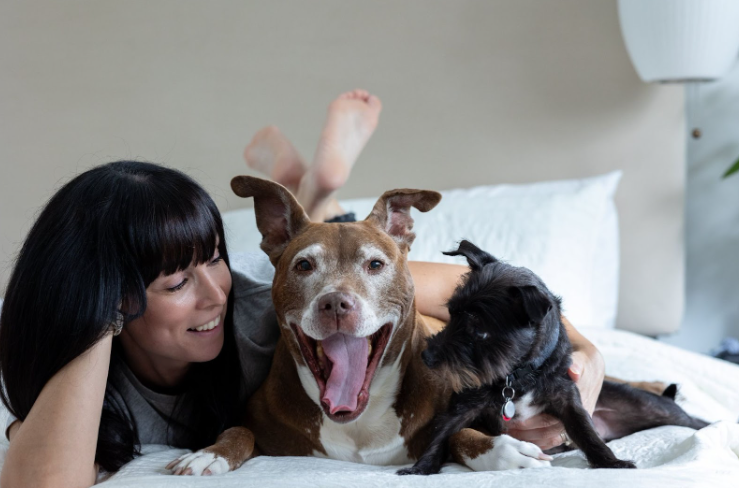
MENDHAM, NEW JERSEY, UNITED STATES, May 7, 2024 /EINPresswire.com/ — Stephanie Blum Photography is excited to announce an exclusive opportunity for families with rescued dogs to be featured in an upcoming book dedicated to showcasing the profound bond between humans and their canine companions. The project aims to highlight personal stories of rescue dogs and the unmistakable impact they have on the lives of their adoptive families.

This special initiative seeks families who are passionate about sharing their journey with their rescued pets. Whether it’s a story of how your rescue dog came into your life or the unique traits that make your companion irreplaceable, each narrative will contribute to a tapestry of tales celebrating the love and lessons these animals provide.

All proceeds generated from the sale of the book will benefit See Spot Rescued, a charitable organization committed to finding loving homes for all dogs, focusing especially on those in dire need of care and rehabilitation. Participants will not only have the joy of seeing their rescue dogs featured in a beautifully curated publication but will also support further rescue and rehabilitation efforts through their contributions.

Stephanie Blum, the photographer behind this heartfelt project, shared her motivation: “This book is a platform for these incredible stories of companionship and resilience to be told. Every family that participates is helping to shine a light on the importance of rescuing and the profound impact it can have on both the animal and their human friends.”

Families interested in participating are encouraged to contact Stephanie Blum Photography directly. Space in the book is limited, and families will be selected to ensure a diverse representation of stories and experiences.

For more information or to share your story and be a part of this charitable project, please visit the website and complete the application.

About Stephanie Blum Photography
Stephanie Blum Photography specializes in capturing the essence of human and animal connections through a lens of empathy and authenticity. With a focus on the beauty of real emotions and genuine relationships, Stephanie’s work continues to inspire and resonate with audiences worldwide.

Stephanie Blum
Stephanie Blum Photography
email us here
Visit us on social media:
Facebook
Instagram

image