Photography

Another Photo Taken By the Kate Middleton Has Been Flagged as Manipulated

Another Photo Taken By the Kate Middleton Has Been Flagged as Manipulated

Kate Middleton’s photography is coming under fire once again.

Today, the international wire service Getty Images flagged that a 2023 photograph taken by the Princess of Wales has been “digitally enhanced at source.”

The image was taken of Queen Elizabeth and 10 of her great-grandchildren to mark the monarch’s 97th birthday, and shows several slight distortions, including the blurring of Prince Louis’s neck and some of the other children’s hair. “Getty Images is undertaking a review of handout images and in accordance with its editorial policy is placing an editor’s note on images where the source has suggested they could be digitally enhanced,” a Getty spokesperson told CBS News.

Image may contain Elizabeth II Alyvia Alyn Lind People Person Face Head Photography Portrait Couch and Furniture

Photo: Courtesy of Kensington Palace

None of the edits are particularly misleading or malicious. However, they do show that the Princess has been manipulating her family photos in a way that violates the policies of most major news outlets on more than one occasion.

It comes at a difficult time for Middleton who, in January, announced she was taking a break from royal duties while recovering from abdominal surgery. Come February, wild conspiracy theories ran rampant on social media speculating about the Princess’s health and the real reason for her absence. To try to quiet the noise, Middleton released a cheerful photo of herself and her three children for the U.K.’s Mother’s Day on March 11. Yet on March 12, AP issued a kill order for the image, which featured several visible editing mistakes. “At closer inspection, it appears that the source has manipulated the image,” the AP said in its advisory. “No replacement photo will be sent.” Suddenly, the wild rumors that existed in a social media silo went mainstream. Many suggested that the Princess was actually missing.

Middleton then issued a personal apology: “Like many amateur photographers, I do occasionally experiment with editing,” she wrote on X and Instagram stories. “I wanted to express my apologies for any confusion the family photograph we shared yesterday caused. I hope everyone celebrating had a very happy Mother’s Day.”

Barbara Ingram School for the Arts Sophomore Wins First Place in Photography Competition

Barbara Ingram School for the Arts Sophomore Wins First Place in Photography Competition

HAGERSTOWN, MD – An old proverb once said, “The goal of the teacher is for the student to surpass the teacher.”

For this year’s Washington County Museum of Fine Arts’ Cumberland Valley Photographers Exhibition, the student did indeed surpass the teacher. Barbara Ingram School for the Arts (BISFA) sophomore Taylor Brown, 16, of Hagerstown, won first place in the juried competition, while her teacher Kristen Green came in second place.

For this year’s competition, 40 photographs by 27 artists were accepted for the exhibition, which runs March 23—June 2, 2024, at the museum.

An opening reception Saturday, March 23, 1 to 3 p.m. includes a panel talk with the winners of the photographers exhibition and jurors Anne Gridley and Gary Graves of Gridley + Graves Photographers. The reception is free, but register in advance for the panel talk by contacting Donna Rastelli at 301-739-5727 or [email protected].

“We’re proud of the museum’s commitment to artists within our region, and our Cumberland Valley exhibitions have a 90-year history,” said Sarah Hall, the museum’s executive director “In fact, we began showing photography as art in the early 1930s, when that was quite progressive—curators and collectors were still arguing about whether photography was an art form, but here at the Washington County Museum of Fine Arts it has had a place on our exhibition schedule from the very earliest days.”

Jurors Anne Gridley and Gary Graves of Gridley + Graves Photographers also reflected on the history of photography as art in their jurors’ statement, referencing a pivotal 1978 exhibition at The Museum of Modern Art curated by the influential John Szarkowski called “Mirrors and Windows.”

They note that today the concept of photographs functioning as either ‘mirror’ or ‘window’ remains true. Photographers can use the medium to either look inward or outward, a fascinating duality that allows photography to be both intensely subjective and objective. They noted,

“Whether constructed in the studio or snapped without premeditation, photographs embody ideas: great ones draw us to them mysteriously as if absorbing our gaze,” read their jurors’ statement. “The photographs chosen for the exhibition are a small survey of contemporary and classic photography aesthetics with personal and universal appeal.” 

Taylor will receive $1,000 for her first-place win “Girl in Grass.” Green won $500 for her second-place win for “Looking Back.”

Last year Brown participated in a school project focusing on the work of Dorothea Lange, a groundbreaking photojournalist known for her iconic images, particularly taken during the Great Depression.

“I decided to mimic that with the portraits that I took,” she said, which is why the image is in black and white.

“Girl in the Grass” was a spontaneous photo shoot with a classmate. Taylor said they were in a car and she pulled off to the side of the road, took out her Sony A 6500 camera, and had her subject lay in some tall grass. She took a quick picture before getting back in the car. 

“I didn’t think anything of it until my teacher was, ‘Hey, this could be something special’”

At first, Taylor didn’t see how special the photograph was but has come to view it with less critical eyes.

“I think it’s a good portrait,” she said. “That motion in her eyes looks authentic, and all the textures and the grass and the freckles on her face really stand out in the black and white.”

Green said the reason she encouraged Taylor to submit her image was because of a variety of elements.

“We talk about what makes a great portrait often in class and this photograph seemed to fit those criteria in many ways, composition, framing, subject,” she said. “It’s a striking image that sticks with you and when you have that, you know you have something special.”

Green, 34, of Hagerstown. said she’s excited for the one-two win for them both.

“I have been in the show before,” Green said, “but never alongside a student so this makes it even more special.”

Her winning entry, “Looking Back,” is an image of one of her daughters during a family trip to Lancaster, Pennsylvania. She shot it with her camera of choice, a Leica CL.

“It was a rainy and cold day, so we decided to take a train ride,” Green said. “My daughters had never been on a train before. My oldest, Shea, was fascinated and curious about the train. She was looking out the window across from me, trying to see through the fog outside when I took the picture.”

Green said when she heard Taylor took top prize, she said she was extremely proud and excited for her. 

“She is a hard worker, reflective, and has a lot of talent,” Green said of her student. “She’s only a sophomore, and I know her future is bright. I love to see her be recognized for her accomplishments.”

Green said she’s humbled that both are a part of such a great exhibition. “Our museum is such a gem, it’s always an honor and experience to have your work hanging inside.”

Green sees Taylor’s win as a way to encourage future photographers.

“I would like to encourage young photographers to keep making images and put their work out there, submit when there is an opportunity to,” she said. “Lastly, I would encourage those same young artists to plan a visit to the exhibition and to become an active participants and advocates for the arts.”

The Cumberland Valley Photographers exhibition is organized by the Washington County Museum of Fine Arts. This exhibition is graciously supported by Hugh and Marty Talton, Delaplaine Foundation, and Washington County Arts Council.

THE WINNERS

CUMBERLAND VALLEY PHOTOGRAPHERS WINNERS

  • First Place Juror’s Award, $1,000 – Taylor Brown of Hagerstown, Maryland, “Girl in Grass,” digital photograph
  • Second Place Juror’s Award, $500 – Kristen Green of Hagerstown, Maryland, “Looking Back,” digital photograph
  • Third Place Juror’s Award, $250 – Valerie Dyer of Frederick, Maryland, “Into the Fog,” digital photograph
  • Washington County Arts Council Inc. Award, $250 ­ – Skyla Heise of Hagerstown, Maryland, “Gypsophila,” digital photograph

Netflix seeks applicants for 2-day unit photography bootcamp in Melbourne

Netflix seeks applicants for 2-day unit photography bootcamp in Melbourne

20 March 2024

Streaming giant Netflix has launched applications for its second Unit Photography Bootcamp, open to photographers Australia-wide who are keen to learn more about a career in the screen industry.
Image: Netflix
Image: Netflix

Netflix says the free, two-day course, which runs from April 11-12, is open to photographers interested in unit stills, and will help develop skills, create networks and obtain insights into what’s required to succeed in this important on-set role.

As well as offering both instruction in Unit Stills Photography and hands-on experiences, Netflix says attendees will gain valuable insights from seasoned industry professionals, and engage in workshops that incorporate the latest technologies.

In addition, attendees will meet with Netflix department heads from Australia and the US, offering a view into the inner workings of productions worldwide and exploring why film stills are crucial to modern film productions.

Successful participants will be provided with return economy airfares from their city of origin and accommodation.

Participants must have their own professional camera equipment, and if possible a laptop, to take part.

Applications from people who identify as coming from an underrepresented group, or who are Aboriginal and or Torres Strait Islander people are encouraged to apply. Entries close 27 March.

On The Scene: National Geographic’s Photographer Premiere

On The Scene: National Geographic’s Photographer Premiere

National Geographic’s new series Photographer aims to flip the spotlight onto the lives, careers, and inspirations of some of the world’s most passionate and creative photographers. The series follows seven diverse and groundbreaking photographers, filmmakers, and artists: Campbell Addy, Cristina Mittermeier, Paul Nicklen, Muhammed Muheisen, Anand Varma, Dan Winters and Krystle Wright.

The Knockturnal spoke with Elena Gaby, a producer on the show at the premiere. Gaby explained that a takeaway she hopes the audience gets from the show is the inspiration to act with boldness and authenticity.

“If you want to make art that’s meaningful, you can relentlessly pursue [your ideas] without worrying what others are going to think.”

The diversity of the photographers featured means that there’s a story on the show that will connect with everyone.

“We were really looking for people who were at the top of their game, doing something totally unique, and also making sure we were representing a really wide range of photography with a really wide range of different people.”

The premiere, held at the Directors Guild Theater on March 14th, featured an exclusive screening of Campbell Addy’s episode. Campbell Addy is a queer British-Ghanaian photographer who is best known for his high-fashion work photographing Naomi Cambell, Beyonce, Lizzo, Meghan Markle, and more. Photographer’s episode expertly conveyed the contrast between Addy’s glitzy and atmospheric rise in stature through the media world and his humble upbringing by his Jehovah’s Witness family in a poor community in South London. Addy’s identity, family, journey through homelessness, and complex relationship with religion all manifest beautifully and heartbreakingly in his photos, videos, and art pieces. Throughout the episode, Addy’s unwavering passion for the creative release of photography leaps through the screen.

National Geographic’s Photographer is an inspiring must watch for aspiring artists, creatives, and adventure seekers. The series premieres on National Geographic on March 18 and on Disney + and Hulu on March 19.

How to safely photograph, and experience, April’s solar eclipse

How to safely photograph, and experience, April’s solar eclipse

NEWS RELEASE
BROCK UNIVERSITY
*************************
When the total solar eclipse takes place over North America on April 8, many people will naturally reach for their phones or cameras to capture the moment.
Brock Associate Professor of Visual Arts Amy Friend, an internationally recognized photographer, is offering tips on documenting the rare phenomenon safely while also encouraging the public to consider different ways of experiencing what for many will be a once-in-a-lifetime event. 

The chair of visual arts at Brock first points to taking safety precautions for viewing and documenting the eclipse, which can be found on Brock’s Eclipse on the Escarpment web page. Friend says it’s crucial to have a proper solar filter on any camera, including on a smartphone. 

“Solar filters for traditional cameras and cell phones are available online from several retailers, but consumer research is key to ensuring the purchase of an international standard filter (full-aperture and off-axis) with regulated qualities, making it safe for photographing the eclipse,” she says.

According to the award-winning photographer, practice is also key. Practise beforehand by photographing the everyday sun, without looking directly at it, Friend 
says. Taking photos of the sky on a sunny day will help determine appropriate aperture and shutter speed for such bright light. She also suggests getting comfortable with outdoor night photography.

“During totality, when the sun is fully blocked by the moon, turning the sky dark, the camera will need adjusted shutter speeds and aperture settings to take a successful photo,” Friend says.She recommends experimenting with the high dynamic ange (HDR) setting on cameras, which 
captures high-contrast photos. With this setting, many photos of the eclipse could be put together to create one image.

“The visual effect of this is very interesting as the second-to-second variations in the sun flare created by the eclipse combine creating a beautiful image capturing unique details,” Friend says. 

For those looking to get creative, there are other ways to view the solar eclipse, including pinhole projectors or building boxes that filter the sunlight and create a projection of the sunlight onto a nearby surface.

“Using this approach, the person would be looking at the projection instead of the eclipse itself,” Friend says. “What they would see is a darkening circle in the form of a crescent, which is the moon starting to cover the sun.”

While many people will want to capture a photo of the eclipse themselves, photographers throughout history have cautioned against photographing the celestial phenomenon, as it is difficult for the average person to achieve a great photo. 

“We know what it will look like, and yet we still want to photograph it. But we don’t want to miss an incredible experience in the process,” Friend says.

Through her research into the role of photography as proof of experience, however, Friend says the desire to personally capture the moment is very natural.

“There is also the excitement of going online and sharing your photo — the ‘after’ of the experience — that can be quite engaging and stirs up response and dialogue, simultaneously amplifying the experience and documenting it in popular culture,” she says.

Friend is fascinated by historic images of people experiencing celestial events in group settings as a visual time capsule into the culture and technology of the time. 

“I think there is something quite beautiful about that moment, where we all just stop and view something rare and spectacular in the sky together,” she says. “The sun and moon have paused life for a moment.”

*************************

Vivo’s forthcoming foldable could be a Galaxy Z Fold 5 beater when it comes to photography

Vivo’s forthcoming foldable could be a Galaxy Z Fold 5 beater when it comes to photography
Quick Summary

Vivo is taking the fight to Samsung and OnePlus with a new foldable expected for release in China later this month.

It’ll sport a camera unit with Zeiss lenses, as demonstrated with photo samples posted on a vice president’s Weibo page.

Vivo has shown off camera samples from its upcoming folding phone, the Vivo X Fold 3, alongside some other key details. 

A Weibo post from Jia Jingdong, Vivo’s vice president, features plenty of tidbits about the upcoming phone, which is set to launch in China alongside the X Fold 3 Pro on 26 March. 

The post confirms that the phone will run on a Qualcomm Snapdragon 8 Gen 3 chipset, with some benchmark scores mentioned that should mean it impresses in terms of raw speed. 

The interior screen, meanwhile, is apparently a Samsung panel that will measure 8.03 inches, so you’ll be able to rely on an extensive surface when the phone is open. The photos attached to the post don’t really give us a look at the exterior display, meanwhile. 

The X Fold 3 will also seemingly have solid battery life – the post says it can last two days, something that would be impressive given the size of the display that it has to power. 

The images of the phone itself show a really large camera bump, though, and the post shares a range of (admittedly somewhat low-res) photo samples apparently taken with the phone. 

Jingdong’s post says the phone will have Zeiss T* lenses and a 50MP main shooter, and while that actually still leaves us with a decent amount of information yet to be confirmed, the camera samples are clearly impressive. 

They show close-up capabilities, low-light chops and stabilisation, taking in sunsets, insects and roiling seas to deliver crisp photos each time. A dedicated imaging chip will power some of this, as it has in other flagship Vivo phones. 

Of course, these sample photos do tend to always look amazing – they might look off-the-cuff but they’re more likely quite carefully composed.

After all, Apple might shoot whole event videos using the iPhone now, but that doesn’t mean videos we take of our cats will look professionally lit and perfectly shot. 

Still, even with that pinch of salt, the Vivo X Fold 3 is looking very promising, and while this Weibo post has given us plenty to chew on, there will be far more details to digest once it’s been properly unveiled later this month.

Photography and faith: GV cohort captures diverse student experiences

Photography and faith: GV cohort captures diverse student experiences

Since early February, Grand Valley State University’s Kaufman Interfaith Institute has been working with Interfaith Photovoice to create a cohort of GVSU students. 

In the program, students of various faith backgrounds utilize smartphone photography to capture visual representations of subject matter related to a prompt that changes weekly. The students then come together to share their photos as a group and engage in a guided discussion. In doing so, students examine an array of diverse experiences through a shared medium. 

Roman R. Williams, Ph.D., founder of Interfaith Photovoice, describes the organization as “an arts-based approach to interfaith understanding.” Their collaboration with the Kaufman Interfaith Institute gives students the opportunity to explore photography in an accessible way and simultaneously strengthen interfaith relationships in the GVSU community. 

“This (the student cohort) has been an opportunity to listen to these fantastic students as they come together to explore what it means to believe, belong or just ‘be’ on campus through the lens of smartphone photography,” said Liz English, Kaufman Interfaith Institute’s program coordinator and cohort facilitator.

A major goal of the cohort is to foster relationships with students across different worldviews and backgrounds. English said the first step in this process is simply taking a step back to listen to students about their experiences.

“We cannot possibly provide support for students of diverse worldview identities without first listening to them,” English said. “I recognize that the experiences of one Hindu student or one Christian student does not equate to another’s, nor do they encapsulate the huge internal diversity of either of their traditions, but it’s a place to start.” 

This experience aims to help people share their diverse backgrounds and experiences to personally connect individuals in the student body.

One of the participants in the cohort, Franklin Specter, a student-intern at the Kaufman Interfaith Institute, said he chose to participate so he could get to know his fellow interns. As a result, Specter said he found himself regularly conversing with individuals of different backgrounds and faiths, which was cultivated in the cohort. 

“It is awesome that the (Interfaith) Photovoice group and myself choose to sit ourselves down and have these interesting engagements,” Specter said. “Exposing ourselves to each other’s lives and perspectives through this process has given us all a chance to grow.” 

Additionally, Specter said being exposed to varying perspectives has allowed him to critically examine his habits and engagements with others. Specter said he believes this will help him make positive changes in his life.

“Going into next year and those beyond, I think I’ll be able to change my approach and alter some parts of my life that have been less than desired this year,” Specter said. “If I were to break it down into a few simple words, I’d say I’ve gotten wisdom and clarity out of (Interfaith) Photovoice.”

The project will culminate in a pop-up exhibition on April 11, in which the photographs taken by the cohort will be on display in the Kirkhof Center lobby. The exhibition will run from 10 a.m.-5 p.m., with cohort members available to discuss their photos.

On April 12, the project will be on display in the George and Barbara Gordon Gallery at GVSU’s Pew Campus during the President’s Reach Higher Showcase. From there, the exhibition will move to the Kaufman Interfaith Institute space at GVSU’s Health Campus in Grand Rapids.

“Most photographers don’t know you can recover data from a burned SD card”

“Most photographers don’t know you can recover data from a burned SD card”

“This memory card was burned in a GoPro that overheated” Matt Greenwood, founder of Nandoff Data Recovery, told me, as he pointed to a digital microscope to show me the remains of a MicroSD card which, to be honest, I would probably have discarded. He had been able to get all the data off it.

Matt is at The Photography and Video Show with a small booth talking to photographers about his services, but after nearly two days of the four-day event, he tells me that the majority of photographers – at least of those he has spoken to – admitted they had no idea at all that it was possible to recover data from chips so badly damaged.

(Image credit: Future)

Admittedly his services aren’t without cost, but there are occasions any professional would find the idea of paying £420 (around $500) to have the contents of an apparently lost SD card restored invaluable after a wedding or other major gig. The money has to be weighed against not only the fee due from the client but also professional reputation (and, I joked, the prospect of holding a wedding again just for the visuals!) 

Admittedly we’re still talking money that would probably not make me think it worth recovering my holiday photos, but at least it is possible to put a price on sentimental value and make your own choice! (If nothing else, the sight of that burned MicroSD card should make you think about trying to push your GoPro past the point its temperature sensor wants to shut it down).

Matt also told me that the firm had even managed to recover terabytes of data from a specialist £30,000 system on one occasion, though he did warn that, if you’re going to recover data, you’ll need something to recover it to – a device you’ll need to pay for too. 

Selected devices that Nandoff have recovered from. (Image credit: Future)

In the samples of devices (as well as traditional hard drives) were SSDs from modern laptops – even Macbooks. So while it’s worrying to think platter-based and solid-state media is subject to failure, it’s good to know there is a line of defence you may not have known about.

Nandoff Data Recovery are based in the UK but can serve customers around the world – having served customers from the USA, Canada, and Australia to mention a few,

You can’t avoid every disaster, but you should choose the best memory card for your camera to minimise the risk.

The Comedy Wildlife Photography Awards opens with hilarious unseen entries

The Comedy Wildlife Photography Awards opens with hilarious unseen entries

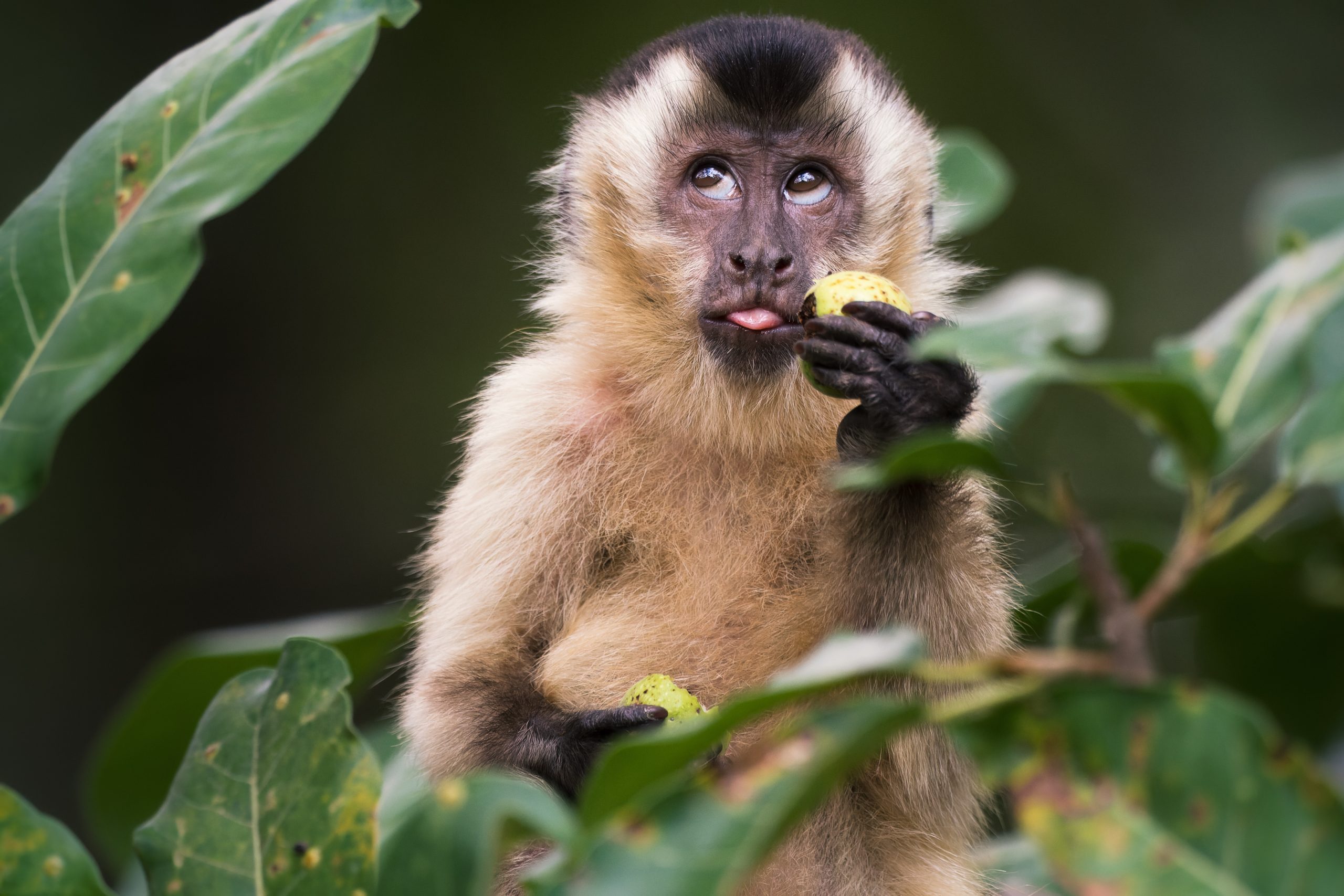
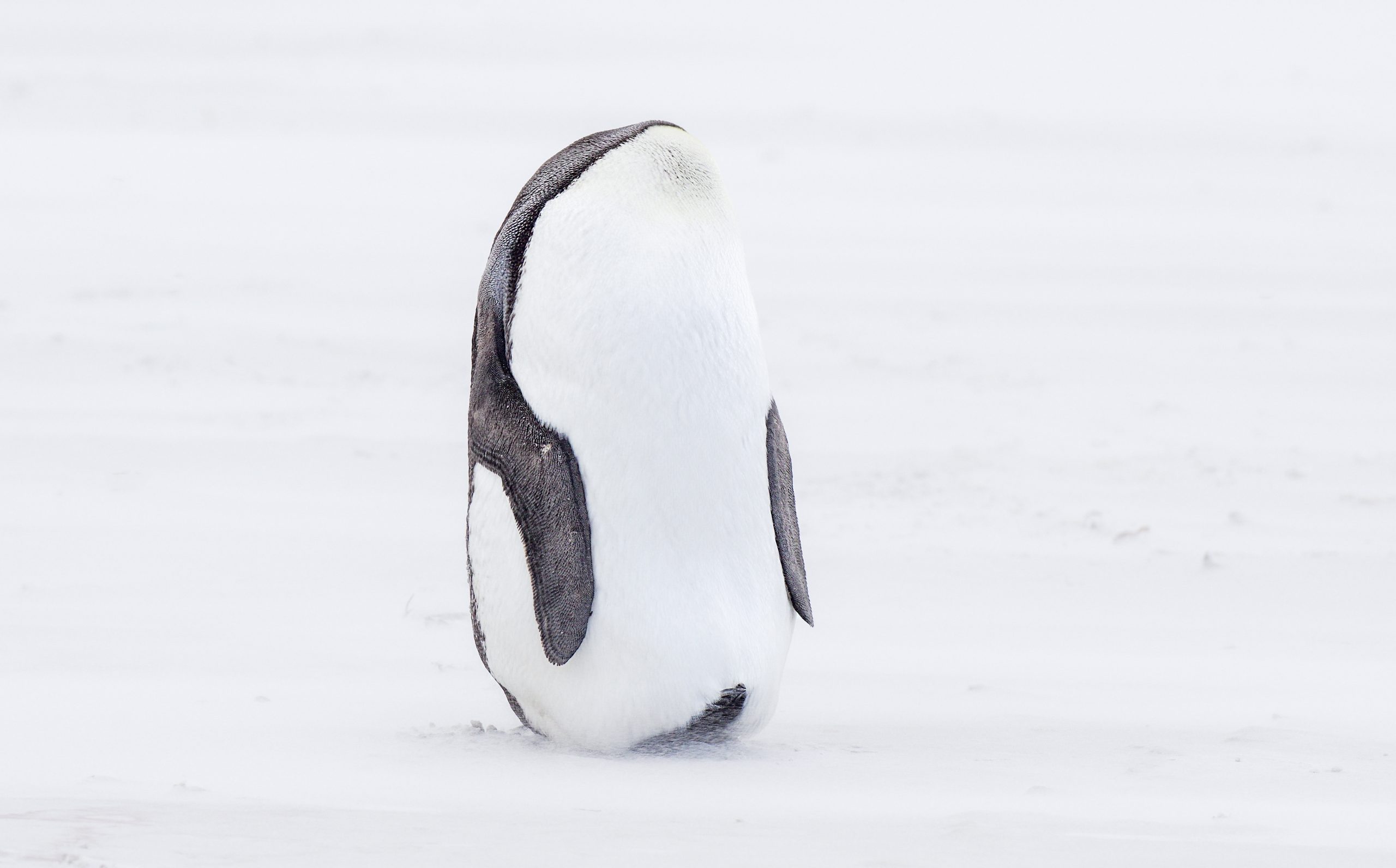
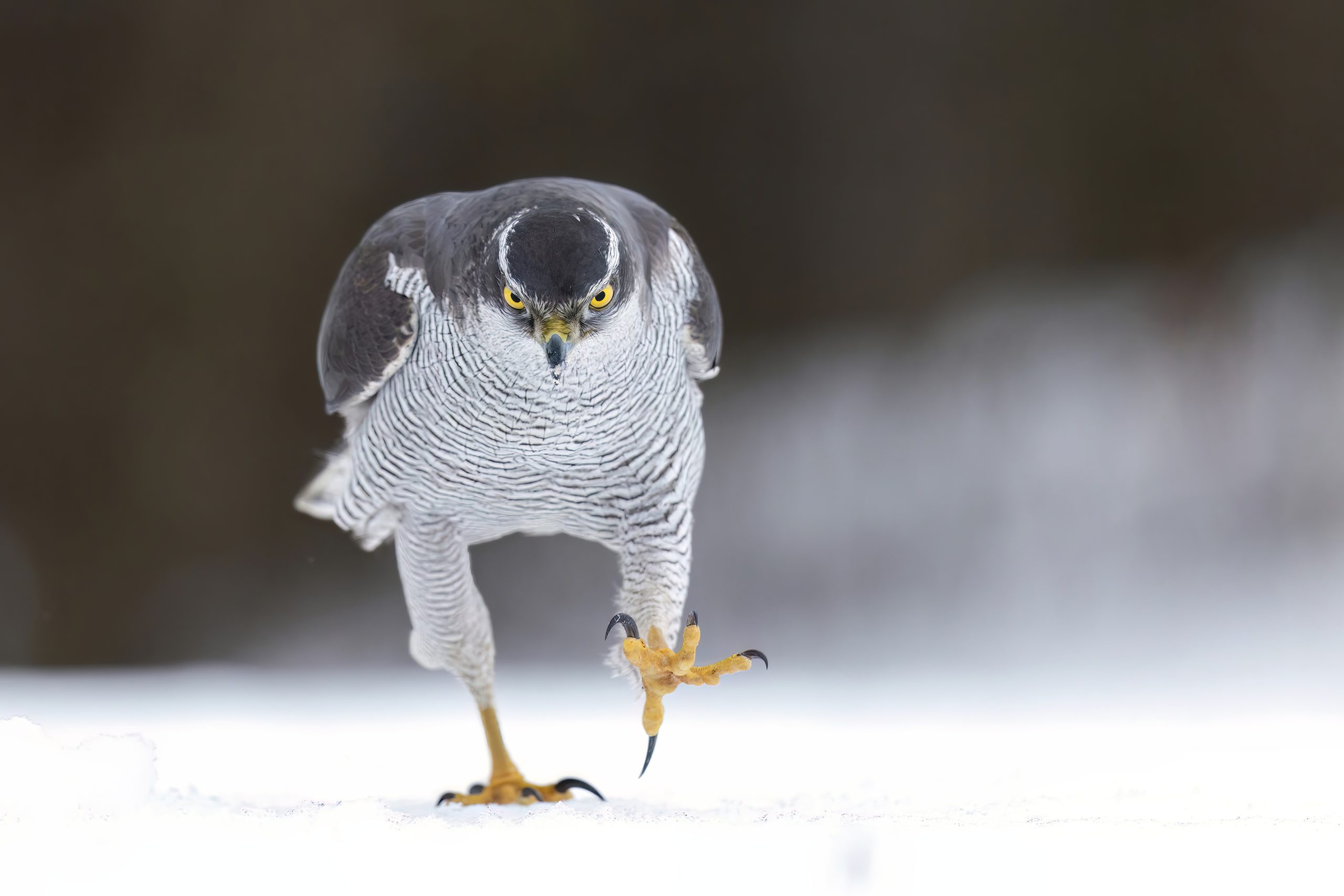
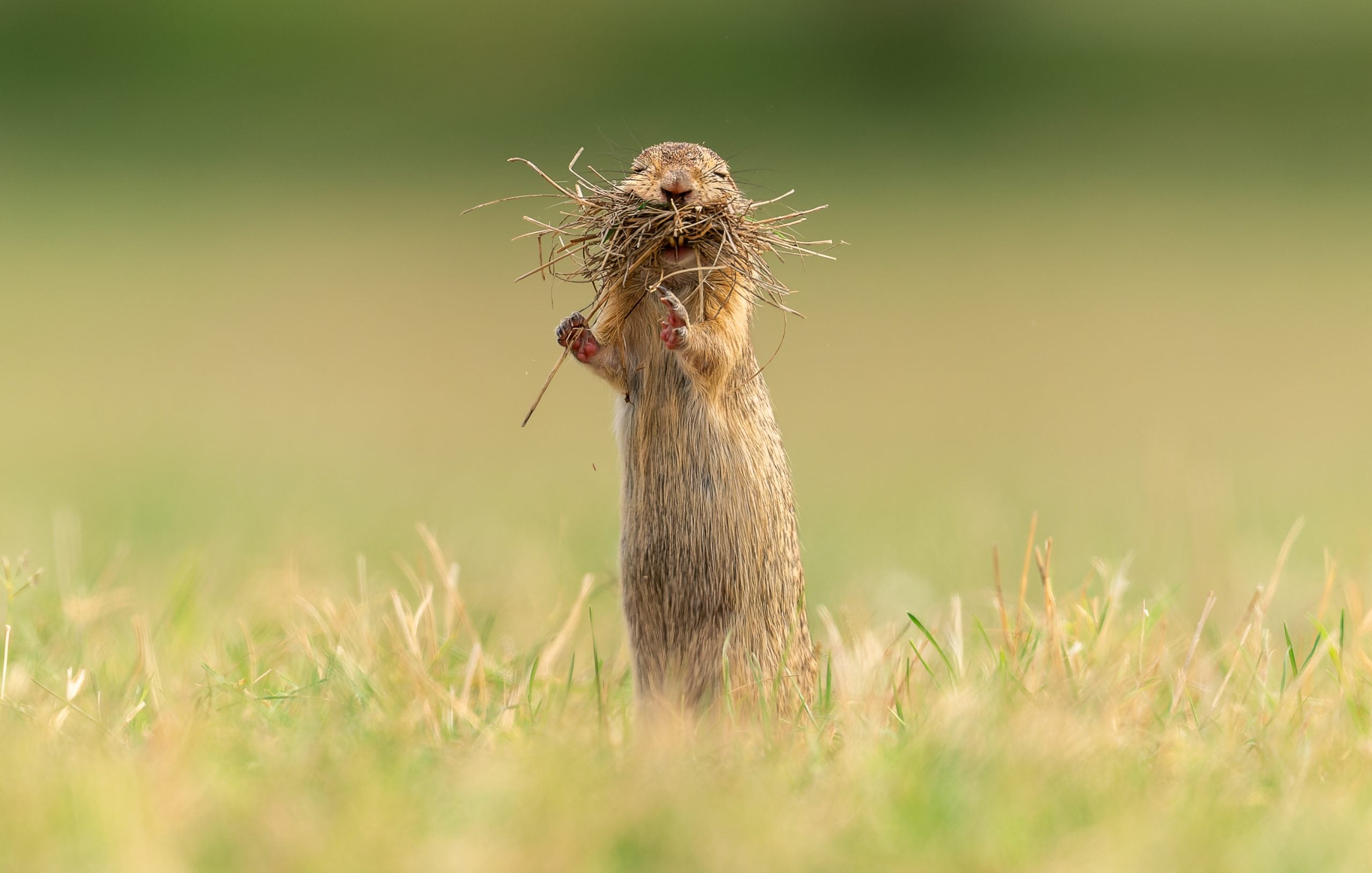
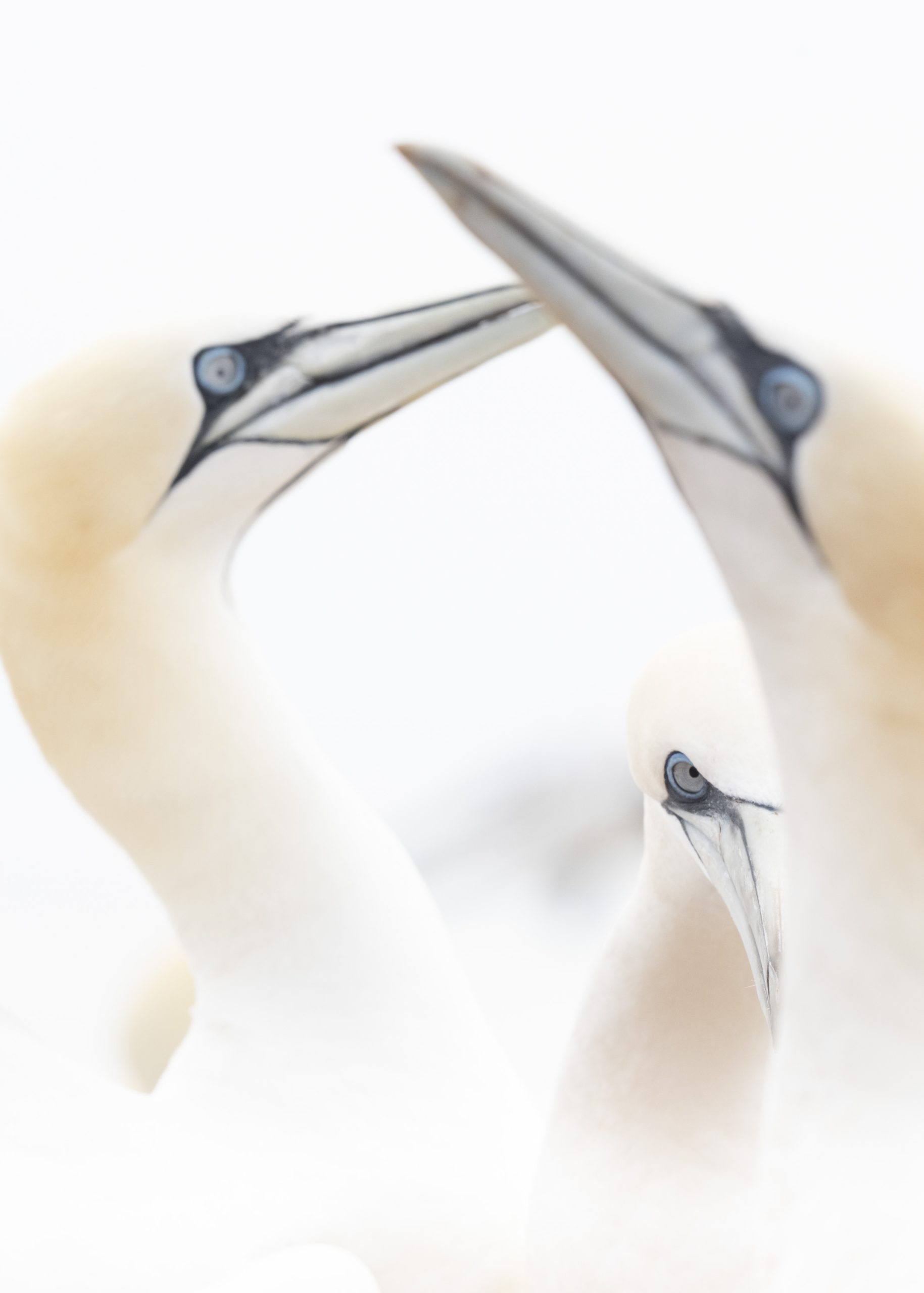
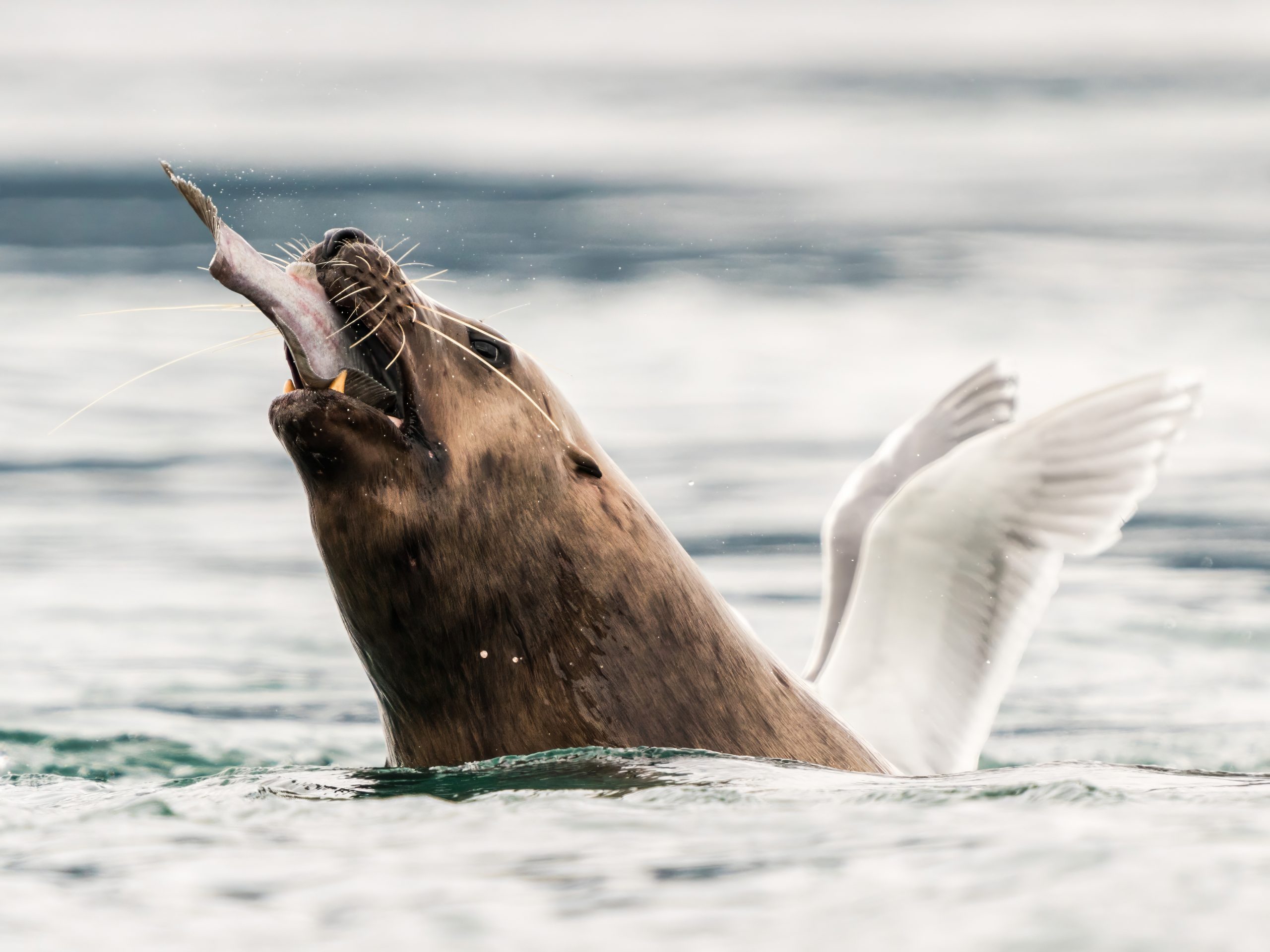
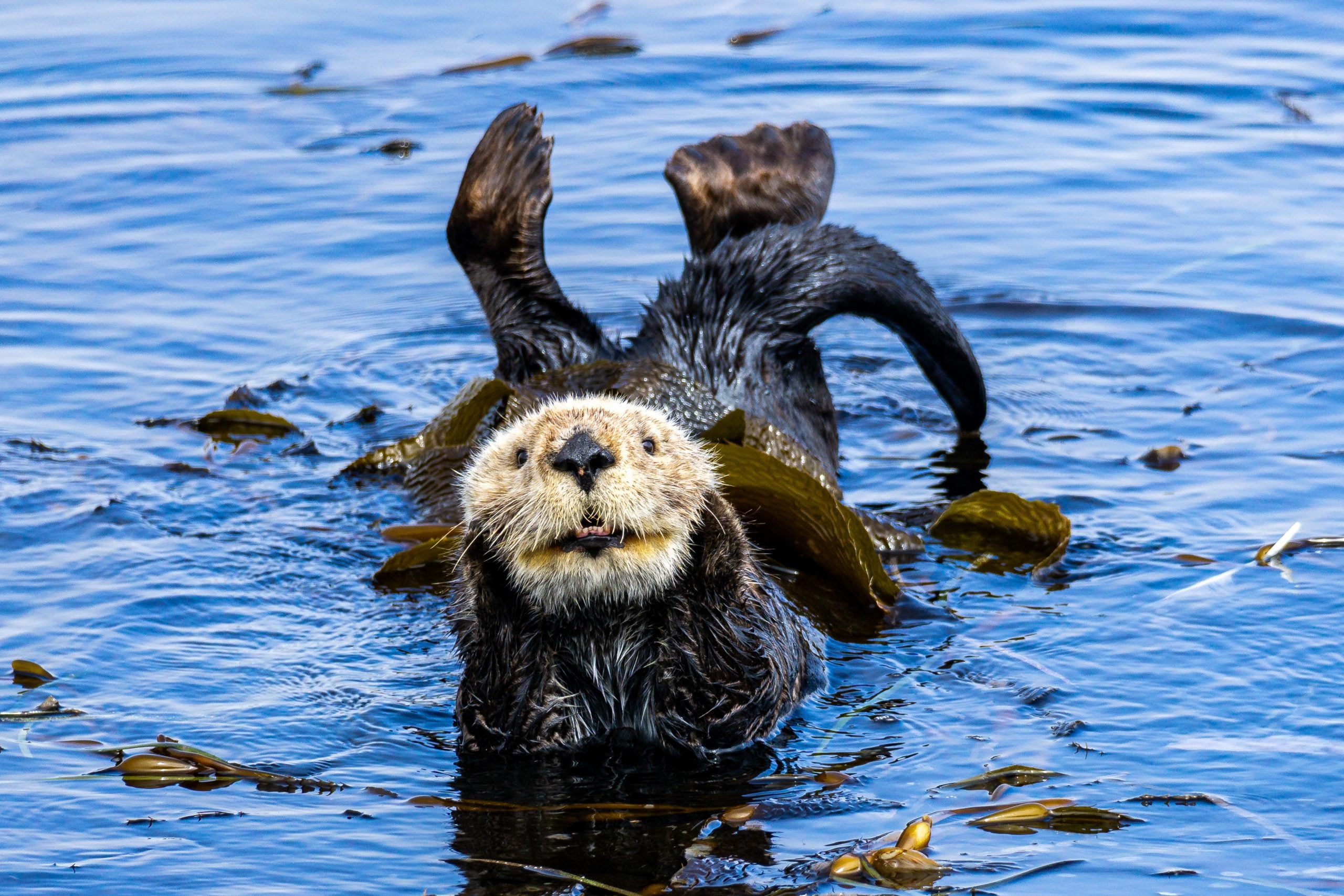
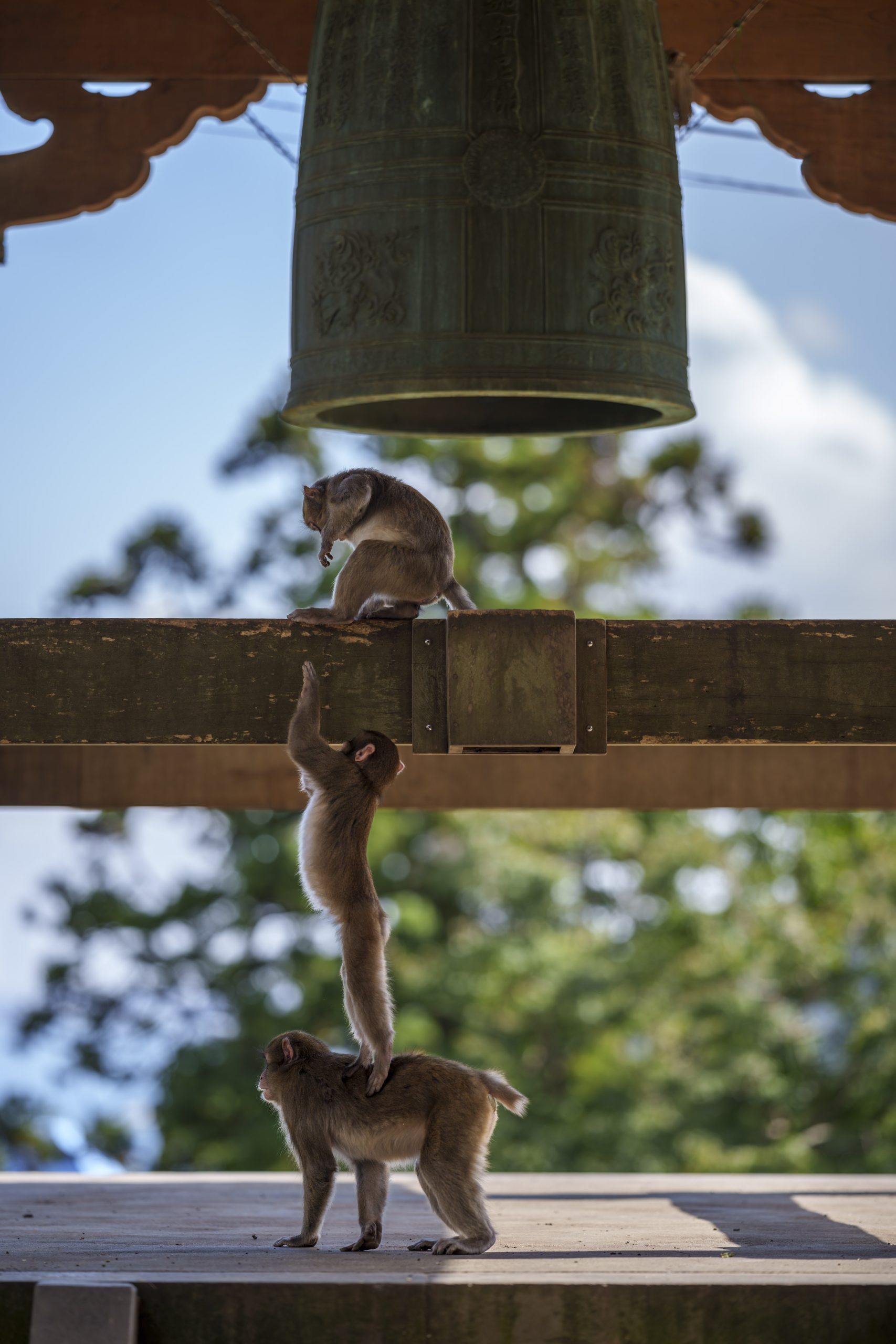
The Comedy Wildlife Photo Competition is one that always puts a grin on people’s faces. If you want to contribute to the joy, one of our favorite contests is now open for entries. You can show off your funny wildlife photos and videos… And to get the ball rolling, the folks behind the contest have shared with us some of the 2023 entries that we haven’t seen so far.

For 2024, The Comedy Wildlife Photography Awards have partnered with Nikon. Besides this epic partnership, this is a very special year for the contest: they’re celebrating a jubilee! This year marks ten years of Comedy Wildlife. Ten years of photos that bring us joy and, at the same time, remind us of the importance of conservation.

This year’s Comedy Wildlife competition is teaming up with Whitley Fund for Nature (WFN). This UK-based charity dedicates itself to supporting conservation leaders in their countries across the Global South. With over 30 years of experience, WFN has provided £20 million in funding to over 200 conservationists in 90 countries. We are excited to showcase the amazing work done by WFN and urge you to join us in supporting their cause for sustainable conservation efforts.

Entering the contest

As usual, the competition is open to the public and still free to enter. Here are the categories:

  • Alex Walker’s Serian Mammals Category
  • Spectrum Photo Birds Category
  • ThinkTANK Reptiles and Amphibians Category
  • Fish and Other Aquatic Species
  • Insects Category
  • Nikon Young Photographer (up to 25 yrs.)
  • Nikon Junior Category (up to 16 yrs.)
  • Amazing Internet Portfolio Category
  • Video Category
  • Affinity Photo People’s Choice Award (after finalists are announced)

You can win some fantastic prizes in the contest. The top shot wins a safari in the Maasai Mara in Kenya, with Alex Walker’s Serian and a handmade trophy from The Wonder Workshop in Dar es Salaam, Tanzania. Other prizes include a Z30 Nikon for the Junior Category winner, the Z8 Nikon kit, and a brand new iPad loaded with the latest Affinity Photo editing software for the Young Photographer winner.  All category winners will receive a ThinkTANK camera bag.

The closing date for entries is July 31, 2024. The shortlist will be announced in September, and winners will be announced in November. Enjoy the images below, and make sure to visit the contest website for more information.

More funny animal photos

Iif you just can’t get enough of these hilarious animals, go ahead and take a look at all of the winners and finalists published so far.

The Dance Photographer Who Does the Impossible

The Dance Photographer Who Does the Impossible
Spread the love

Every time I speak with Lois Greenfield, she tells me about how she makes incredible photographs of dancers. She doesn’t shoot a ton of frames a second — instead, she simply understands the moment. At times, I swear she called it luck. “No matter how responsive the shutter on your camera is, you still have to take the picture a split second before the peak of the action,” she told us in a 2016 interview. “So it’s best to put your camera on a tripod, and concentrate on what the dancers are doing.” But that’s just the technical part: what Lois makes is art beyond belief. In her latest series called Forces of Nature, she’s returning to directing dancers in studio.

All images by Lois Greenfield. Used with permission. For more, check out her website.

In case you’re not aware of who Lois Greenfield is, she’s been shooting for several decades. Her book, Moving Still, is in my library, and I look at it occasionally. Lois used to shoot dancers with a medium-format Hasselblad camera until she went digital. And her work is a masterclass is being able to zone in and understand the moment before it’s about to happen. It’s a sense of presence that street photographers and many others could only dream of. But more importantly, Lois sees — she doesn’t look. That’s to say that she creates instead of captures.

Lots of Lois’s work that we’ve seen more recently has been done in color. But these are made in black and white — which is where Lois started. It removes so many visual distractions from us and focuses simply on contrast in the scene and specific lighting. There’s an interplay between powder, silks, etc. In the images, we see the dancers who seem like they’re appearing to us as if we’re in a dream-like state. Truly, stances like this don’t almost seem possible — nor does the incredible sense of symmetry.

“Forces of Nature explores the interplay between the human form outside the confines of choreography and forces of nature that shape the world,” she tells the Phoblographer. “Having photographed for the Village Voice in my studio for many years, I had the advantage of photographing the dancers outside the confines of performances. Two of the dancers pictured were directed by me because they were hired to do commercial work.” They all took on their own personas accordingly.

Lois steps into studios and works with dancers. But unlike photographers today, she shoots one frame a second and works to direct them and coordinate the moment the shutter makes the photograph. It yields fewer images and, therefore, peace of mind when editing. Often, she says that she’s inspired by the dancers she photographs. These folks are the heroes of her stories and work with Lois on creative collaborations to make beautiful moments that require insane skill.

It’s crazy to think that work like this could be made by an AI algorithm, right? Lois thinks it’s dangerous and believes that copyright is something photographers need to take much more seriously. “Every photograph I have taken over my many years in photography has been registered by the Library of Congress, which I hope would protect me,” she says. “On the other hand, what if a small piece of one of my photos gets stolen?”