Photography

In pictures: An insider’s portrait of queer sex work

In pictures: An insider’s portrait of queer sex work
image

Vincent Wechselberger’s debut photo book Ready is part of a wider ongoing project encompassing portraits, still lifes, film, interviews with LGBTQ+ sex workers. The series was borne from an increasing sense of “dissonance” the Berlin-based photographer felt between his own experience as a queer sex worker and the way queer sex work is so often depicted. “I always felt there weren’t enough stories being told about femme/queer sex workers who choose to do this work”, Wechselberger told Dazed in a recent conversation over email. “I wanted to show a more truthful, pure insider’s point of view.”

Having spent eight years in sex work, the guiding principle of Wechselberger’s project is to contribute positively to the conversation about sex work. As a practice, his work is also driven by his desire to engage with other queer sex workers and explore his relationship to this world, as well as tracing connections between their extended network in Berlin and beyond. The particular image from which the whole series sprang was a portrait Wechselberger took of his friend, Oskar, in 2022. “We shot in his home and in a typical Berlin hinterhof,” he recalls. “I had so much fun gossiping about work, listening to music, shooting and interviewing him and I felt so fulfilled. After that, I knew I needed to continue and research this further.”

From that point, the project gathered momentum, expanding beyond the confines of Berlin. Taking between 2022 to 2024, the scope of Wechselberger’s series enlarged to include sex workers from Bangkok, London, Mexico City, New York and Vienna. During his travels, what really struck him was the commonality he found among the sex workers he met. He tells us, “Even though there are divides in cultural, economic and legal contexts, we shared common stories and I really wanted to celebrate this diverse group…  Meeting people from all around the world, sharing common stories and challenges, chatting about different encounters – it’s all about trust and community building.”

He chose many of these cities because sex work is still illegal but “in such high demand”. In this sense, the law has made outliers of his subjects; the worlds he’s documenting are illicit, forced to exist in the margins. “In many countries, sex workers face inhumane laws that violate our dignity and rights. I want to change the way we think about sex work and the people who choose to do it. It was important for me to portray us in a strong and empowering way, to show our personal agency. By highlighting the uniqueness and our autonomy, my hope is to reduce stigma, making our experiences safer.”

Rather than focusing gratuitously on the “charged moment“ of the sexual encounter, Wechselberger instead turned his lens on the preparatory rituals and artefacts involved in getting ready for work – an aspect of the job he feels anyone could relate to. “It’s about showering, doing hair, make-up, listening to music, praying. Simply put, the act of getting ready,” he says. “The literal act of sex is such a small part of the job. It didn’t excite me to portray the clients or sex. The people who do this job, their routines and stories are what I am interested in. By capturing raw, intimate moments, the contents of their (hand)bags and work spaces, I try to show the humanity of the individuals and focus on something which everyone can see themselves in.”

His new photo book brings together portraits from the last two years. There’s a cinematic quality to the images, they often feel more theatrical than straightforward documentary photography while retaining the honesty of reportage. The pictures feel intimate, we’re invited to collude with the subjects; to see them in private and look at their personal effects. Wechselberger shot some of the pictures in people’s homes as they got ready for work. In other instances he booked hotels. He tells us, “We met there, hung out, chit-chatted about work, clients, and took photos.”

Perhaps what creates this feeling of intense intimacy is that they’re shot by a trusted insider rather than a prurient documentarian. “Given the nature and goal of the project I feel comfortable to share my story as well,” Wechselberger confides. “When I turned 18, I started doing sex work. I moved to Berlin and got into a whole new world of meeting clients and going on dates. Through sex work, I found a different kind of freedom and let go of society’s expectations of how I should live my life.” And, of all the important, poignant and striking narratives that emerge from this body of work, perhaps this sentiment is the overarching meaning we can take away from the pages of Ready. In Wechselberger’s words, it’s a story about “self-determination and having control over your own body”.

Vincent Wechselberger’s debut photo book Ready by is available here now. The book’s Berlin launch takes place on July 3 at Backhaus Projects, Weserstrasse 168. The Vienna launch takes place on July 6 at Softcover Shop, Stumpergasse 53-55.

Meta updates its “made with AI” labels after backlash – but is it enough to protect photographers?

Meta updates its “made with AI” labels after backlash – but is it enough to protect photographers?

It is a stereotype that artists and creatives believe themselves to be constantly hard–done by, however, in the face of modern technology, it would appear they’re right. 

Between the scandal at Adobe, for which they are now being sued, and Meta dubiously labelling photographers work as “made with AI,” it’s been a depressing glimpse into the future for many original creatives. 

Since April of this year, photographers have been on the warpath after Meta started forcefully labelling their Instagram photographs as “made with AI” for tiny edits, including minor Photoshop tweaks.

After allegedly “listening” to the feedback, Meta has now adapted their AI labelling technique, but is it any better? 

Meta has replaced the “made with AI” label with “AI Info” on images it detects to have come into contact with any AI tech. 

In an update to Meta’s webpage “Our Approach to Labelling AI–Generated Content and Manipulated Media,” originally created in April they have said:

“We’ve found that our labels based on [industry standard AI] indicators weren’t always aligned with people’s expectations and didn’t always provide enough context. For example, some content that included minor modifications using AI, such as retouching tools, included industry-standard indicators that were then labeled “Made with AI”.

“While we work with companies across the industry to improve the process so our labeling approach better matches our intent, we’re updating the “Made with AI” label to “AI Info” across our apps, which people can click for more information.”

New “AI Info” tag on an Instagram post (Image credit: Meta)

So how does this help artists and photographers?

Not much when you learn that when users click on the new tags, it will still flash up with the same message “made with AI,” but will now come with a “detailed” explanation of the tags justification. The limited options include indicating that the image might be entirely AI–generated, or edited using AI tools. It is not clear yet whether the types and breadth of tools will be detailed. 

Users will first notice the change across mobile apps, with the main rollout happening gradually across other platforms. 

The vast majority of creatives I know have been calling for more transparency over AI generated images since their emergence, but what they are referring to is work that is almost entirely created using programs. 

Under these rules, even with the update, there is still not enough of a differentiation between a perfectly reasonable edit on a real, original photograph, such as removing a speck of dust, or significant edits that change the authenticity of the image.

We’re all still going to do it so here are the best photo editing software, and the best photo-editing laptops for photographers

Photographer captures first-ever sow grizzly with five cubs in Yellowstone National Park

Photographer captures first-ever sow grizzly with five cubs in Yellowstone National Park

BILLINGS – A Montana photographer and wildlife guide made history recently by capturing video of the first known grizzly bear sow to have five cubs in Yellowstone National Park.

But more than historic, West Yellowstone resident Carolyn Golba says the moment was truly awe-inspiring for those wanting to view wildlife from a safe distance.

“I was in the Lamar Valley and heard there was something going on in the little America area of the park,” said Golba.

She says she set up her camera and ended up capturing something incredible.

“And I had people standing behind me and as those cubs kept going over those logs everyone behind me kept going one, two, three, four five,” she said.

She watched the mama grizzly and her five cubs for 45 minutes and the moment has since gone down in history.

“There were some people there, that I know, that called in a ranger to verify that yeah, he was seeing five cubs,” she said.

Golba says the mother grizzly of five is not known to biologists and not collared. But she says perhaps she could be the next big grizzly bear draw to Yellowstone National Park.

Something she hopes to capture again real soon.

“I do go back out there, to that area, hoping to see her but I haven’t seen her since,” she said.

Golba has been going to Yellowstone National Park for over thirty years and opened her guide company, known as Wild Serenity Wildlife Tours, just a few years ago.

Principal photography begins filming Arab underworld thriller ‘Boomah’

Principal photography begins filming Arab underworld thriller ‘Boomah’

The film is produced by Front Row Productions with Ahmad Abu Koush and director Zaid Abu Hamdan’s Jordan-based Bounce Productions.

Principal photography has commenced on Boomah (The Owl), an Arab underworld thriller written and directed by Zaid Abu Hamdan. This project marks Abu Hamdan’s second feature film, following his critically acclaimed Daughters of Abdul Rahman.

Rakeen Saad, announced in December, will portray the lead role of the female thug Boomah. Saad is renowned for her roles in The Giza Killer and Netflix’s Al Rawabi School for Girls. She is set to appear in the upcoming Netflix series Echoes of the Past and Terrence Malick’s biblical drama The Way of the Wind.

Boomah reunites Saad with her Al Rawabi School for Girls co-star Joanna Arida, who will play Boomah’s best friend and confidant, Anoud. Arida will also be seen in the Dutch TV series Laura H. The cast includes Majd Eid, Nabil Al Raee and Hanan Al Hilo, the latter reuniting with Abu Hamdan from Daughters of Abdul Rahman.

Boomah is described as an expansive crime thriller set against the backdrop of Jordan’s underworld. Protagonist Boomah is a notorious and knife-savvy female gang member who becomes embroiled in a power struggle between street thugs and religious extremists while battling the traumas of her harrowing orphaned past. The production aims to capture the epic scale of this underworld of violence juxtaposed against gender struggles and street gang hierarchies.

The film is produced by Front Row Productions and Bounce Productions, with Ahmad Abu Koush and Zaid Abu Hamdan at the helm. Bayt Al Shawareb, known for their work on the Oscar-nominated “Theeb” and the Cannes-selected Inshallah a Boy, is also involved.

Renowned editor Dina Farouk, who worked on Chaos Disorder, Moga Harra and Banat Wist El Balad, will collaborate with Abu Hamdan again. Samir Seif’s “His Excellency The Minister” joins as editor, and Samer Al Nimri, known for Our Males and Females, is the Director of Photography.

In a joint statement, Producers Gianluca Chakra and Mario Jr. Haddad said: “We’re proud to be a part of this project, supporting Jordanian and Levantine talent during this extremely difficult and trying period, with so much risk inherent in cinema and arts coming out of this region. Zaid is an outstanding young and ambitious director with a very bright future ahead, a true visionary and difference-maker. His understanding of the nuances of Jordanian street culture is exceptional. We are concentrating on a script and storytelling that transcends borders and nationality while looking to break the limits of background and identity to bring ‘Boomah‘ to a wide Arab audience and beyond. We see Boomah positioned as a film with Arab and international appeal, as a crime thriller reminiscent of great underworld juggernaut works like City of God, Gomorrah, La Haine and others.”

The production team includes Producer Sari Saad Silawi, line producer Dalia Al Nimr, and production designer Rand Abdel Noor. Noor’s previous work includes The Alleys, John Wick: Chapter 4, Dune and “Moon Knight.”

Co-producers for the film are Maia Malas, Carine Chaiban, Elie Touma, Nicolas Torloting, Sari Silawi and Dalia Al-Nimr.

Remembering Photographer Roger Richards: Drag Racing Community Pays Tribute to Iconic Figure

Remembering Photographer Roger Richards: Drag Racing Community Pays Tribute to Iconic Figure

A tribute to the late photographer Roger Richards, known for his iconic images in drag racing, highlights his impact and relationships within the community.

By the Numbers

  • Roger Richards passed away on June 25, 2024.
  • He began his photography career in drag racing around the turn of the century.

Yes, But

Roger Richards’ passing has left a void in the drag racing community, emphasizing the loss of a beloved figure and talented photographer.

State of Play

  • Roger Richards’ legacy lives on through the memories and tributes shared by friends and colleagues in the drag racing world.
  • His unique approach to photography and his infectious personality have left a lasting impact on the community.
  • Colleagues and fans continue to cherish his work and the joy he brought to the sport.

What’s Next

The drag racing community will likely continue to honor Roger Richards’ memory through various tributes and events dedicated to his legacy.

Bottom Line

Roger Richards, with his passion for photography and drag racing, has left a significant mark on the sport, remembered not only for his images but also for his humor and camaraderie within the community.

How a 100-year-old photograph exposed the theft of ancient Egyptian child’s coffin

How a 100-year-old photograph exposed the theft of ancient Egyptian child’s coffin

While looking at the provenance documents for the 3,000-year-old Egyptian child’s coffin in their collection, staff at the Museum of Fine Arts in Boston began to realise things did not quite add up.

The paperwork contained a letter from a Swedish artist, who went into great detail about how he had excavated it in 1937, combined with apparent confirmation of its authenticity from a professor of Egyptology.

But an eagle-eyed curator at the museum had recently seen a photograph of a coffin that looked remarkably similar. That one was actually being dug out of the ground by a British archaeologist in 1920.

That clue set staff investigating the real background to the coffin.

The rare photograph was used for archaeological detective work that revealed the ancient artefact had been stolen from a museum in Sweden in 1970.

More than 100 years after the photograph was taken, the coffin has now been returned to the Gustavianum, the museum of the University of Uppsala.

Victoria Reed, who oversees provenance research at the MFA, explained to The National how her team uncovered the theft.

In the pre-internet era it was not unusual to ask sellers for signed statements and to provide recollections about how an object came into their possession.

But the long and extravagant back story about how the coffin made its way from Egypt to Sweden aroused suspicion, she said.

I think we always have to be careful when we get these fantastic stories of objects coming from unusual locations.”

Victoria Reed

“We have had instances in the past where we have been given elaborate provenance stories for looted and stolen objects. I think we always have to be careful when we get these fantastic stories of objects coming from unusual locations.”

The coffin had in fact been excavated by Sir Flinders Petrie, who has been referred to as the “father of Egyptian archaeology”. He was also a pioneer in the use of photography in the field.

During a dig in Egypt in 1920 he excavated the 110cm tall clay coffin of a boy named Paneferneb and photographed the artefact, which dates back to 1295BC, as it lay in the ground.

The artefact ended up in Sweden and stayed there for decades. But in 1985, an agent based in California, claiming to represent Swedish artist Eric Stahl, sold it to the MFA. How exactly the coffin made its way from Sweden to California is unclear.

It would have remained there had it not been for an eagle-eyed curator in Egyptian art, who realised that the coffin was in fact the one in the 1920 photograph he had previously seen in a specialist book. He brought this to Ms Reed’s attention in June 2023.

Ms Reed explained the rambling letter claiming to have been from Mr Stahl went into a “a lot of extraneous detail” about how he purportedly went to Egypt in 1937 on an expedition.

“The letter goes on and on and then all of a sudden on the last page he brings up the coffin, but he doesn’t really describe finding a coffin,” she said.

“He just talks about finding some shards and then at the very end he talks about ‘the little coffin that I found myself’.”

Also accompanying the coffin was a letter purporting to be from Per-Olow Anderson, who was a well-known photographer. On the document however, it was claimed he was a PhD in Egyptology and a Professor of Egyptology at Uppsala University, which was found to be untrue.

“He – or whoever signed his name – gives a statement attesting to the quality of the coffin and saying it had been found by Eric Stahl 30 years earlier,” said Ms Reed.

“It says ‘I’ve seen this object, it’s charming, it’s a nice object collection’ kind of thing.

“His name was put into the statement to provide expertise, authenticity and to give the appearance of legitimacy. It’s not clear to me whether he ever saw the coffin or whether he was involved in this to any extent whatsoever.”

Ms Reed said it was by now clear to staff that the story should not be believed.

While Eric Stahl was indeed an artist, it was established there’s no record of him ever taking part in an archaeological excavation in Egypt.

“We have the photographs, we have conflicting provenance, and we have the fact that all of our documentation came to us through a seller,” said Ms Reed.

“Then you have these funny kind of assertions that can’t be verified. So all of these things put together signalled likely problems.”

Ms Reed contacted the museum at the University of Uppsala and a curator there began digging into their files.

“She was able to confirm that the coffin had been shipped to them in 1922, they had an inventory card for it. And that it had been missing since at least 1970.”

Mikael Ahlund, director of Gustavianum, said it is “very gratifying” that artefact has been returned.

He said it “is an important item in our collections and it means a lot to the museum and the University that it has now been returned to us”.

But Monica Hanna, associate professor and dean of the College of Archaeology and Cultural Heritage at the Arab Academy for Science, Technology and Maritime Transport, told The National the coffin should be returned to Egypt.

“This is an international crime and should be recovered to the Egyptian authorities immediately,” Prof Hanna said

Photographing history

The photograph that shed light on the mystery is stored at the Petrie Museum, part of UCL university in London.

Anna Garnett, a curator at the museum and an archaeologist who works in Egypt and Sudan, said staff were “delighted” that the image was able to help in revealing the coffin had been stolen.

“I think this is such a fantastic example that shows the importance of archives, but also the importance of this kind of curatorial detective work,” Dr Garnett told The National.

“It really highlights the layers of complexity when it comes to the distribution of objects that came from Egypt through Petrie’s excavations.”

Dr Garnett explained that Flinders Petrie was a pioneer in archaeological photography but having an image of such quality was “rare”. The fact it has “survived until today is really incredible and a feat of determination by the UCL staff”, she said.

“I think of people behind it and how long it must have taken to set up in what was probably 40 degree heat in Egypt,” said Dr Garnett.

“It’s hard enough in the field today in Egypt to get a decent light for photography, but to do it when they were carrying around big heavy cameras and glass plates, is really, really, impressive.”

Museums have in recent years come under scrutiny, including from law enforcement and academics, over the extent to which their collections contain stolen artefacts.

For Ms Reed there was no question that the MFA would seek to hold on to an item that they found out was stolen, even if that was potentially embarrassing.

“I think museums certainly have a responsibility to address these historical losses,” she said.

“We are public educational institutions, we should not be holding on to stolen art, we should not be displaying stolen art.”

Updated: July 03, 2024, 2:02 PM

In Arles, a Focus on Japanese Photography

In Arles, a Focus on Japanese Photography

A darkroom and an old photo album were all that photographer Suzuki Mayumi found in her father’s studio after the “triple disaster” of Fukushima struck Japan in 2011, claiming nearly 20,000 lives. These remnants are now featured in the Répliques exhibition at Arles (Espace Van Gogh). “The story of this artist who never found her parents had a profound impact on me,” shares Philippe Séclier, the exhibition’s curator. “The album’s portraits are ravaged by water and mud; the photos Mayumi took with the salvaged camera are blurry, the lens badly damaged. Yet, an incredible strength and resilience radiate from them.”

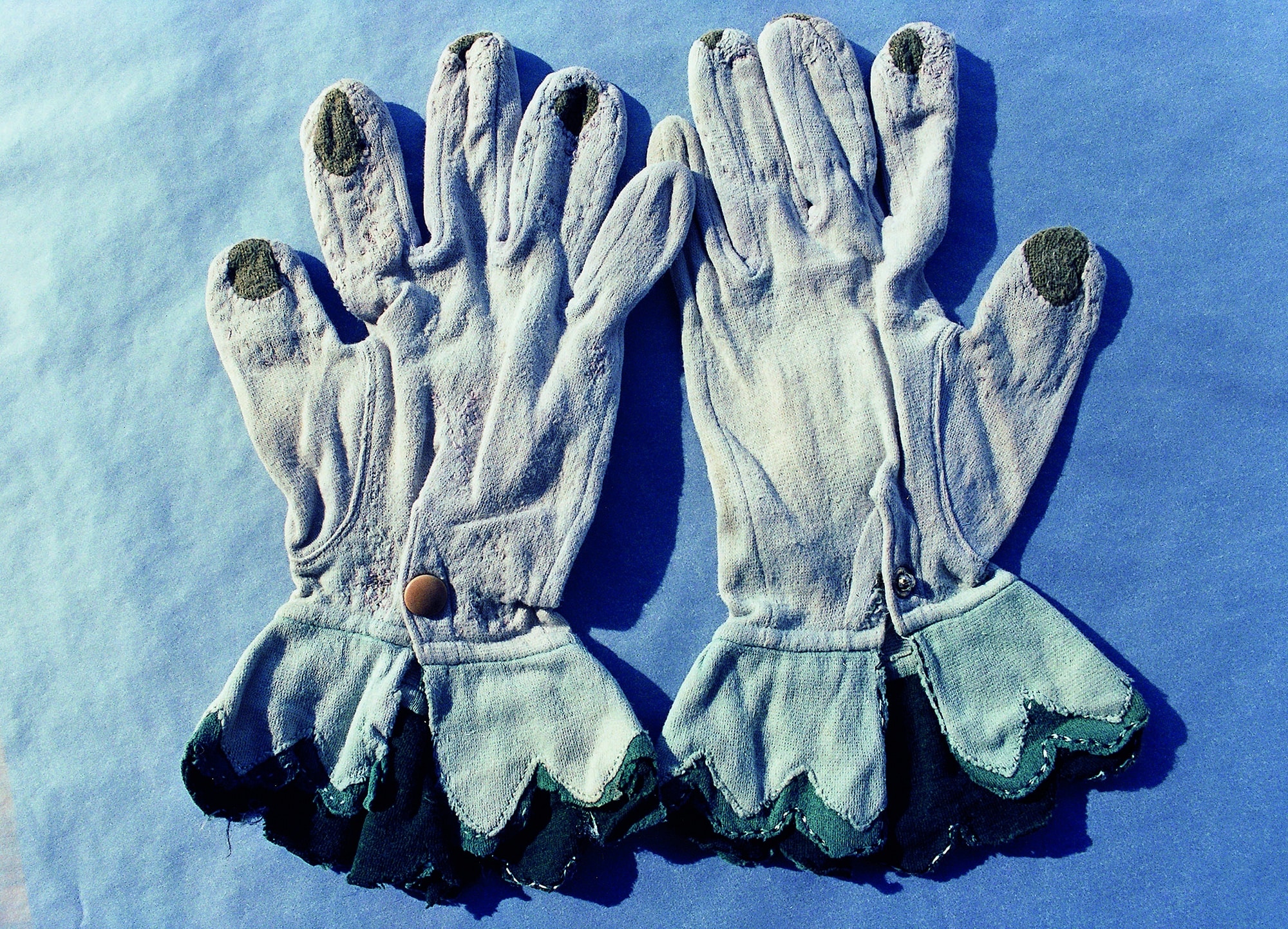
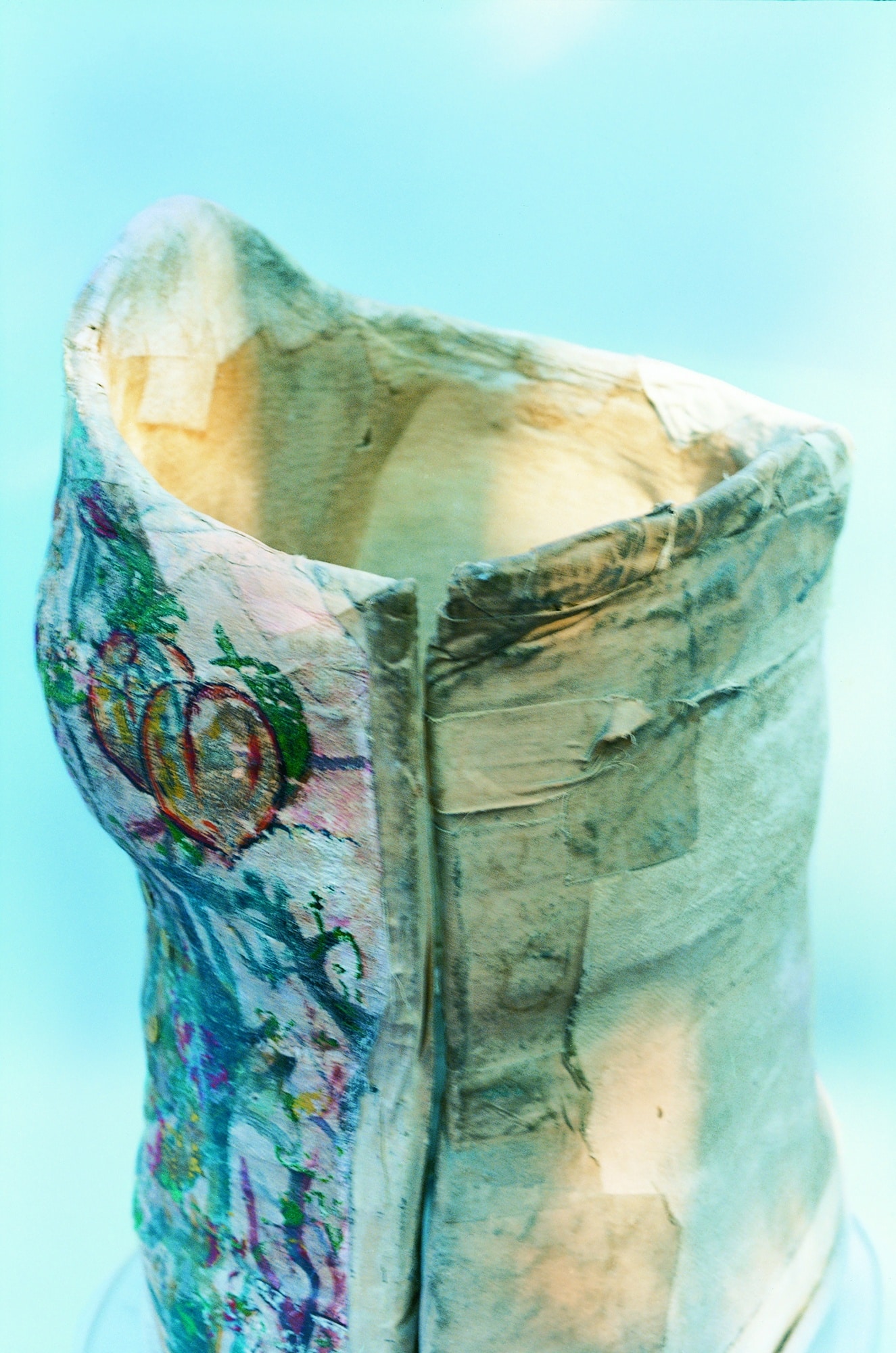
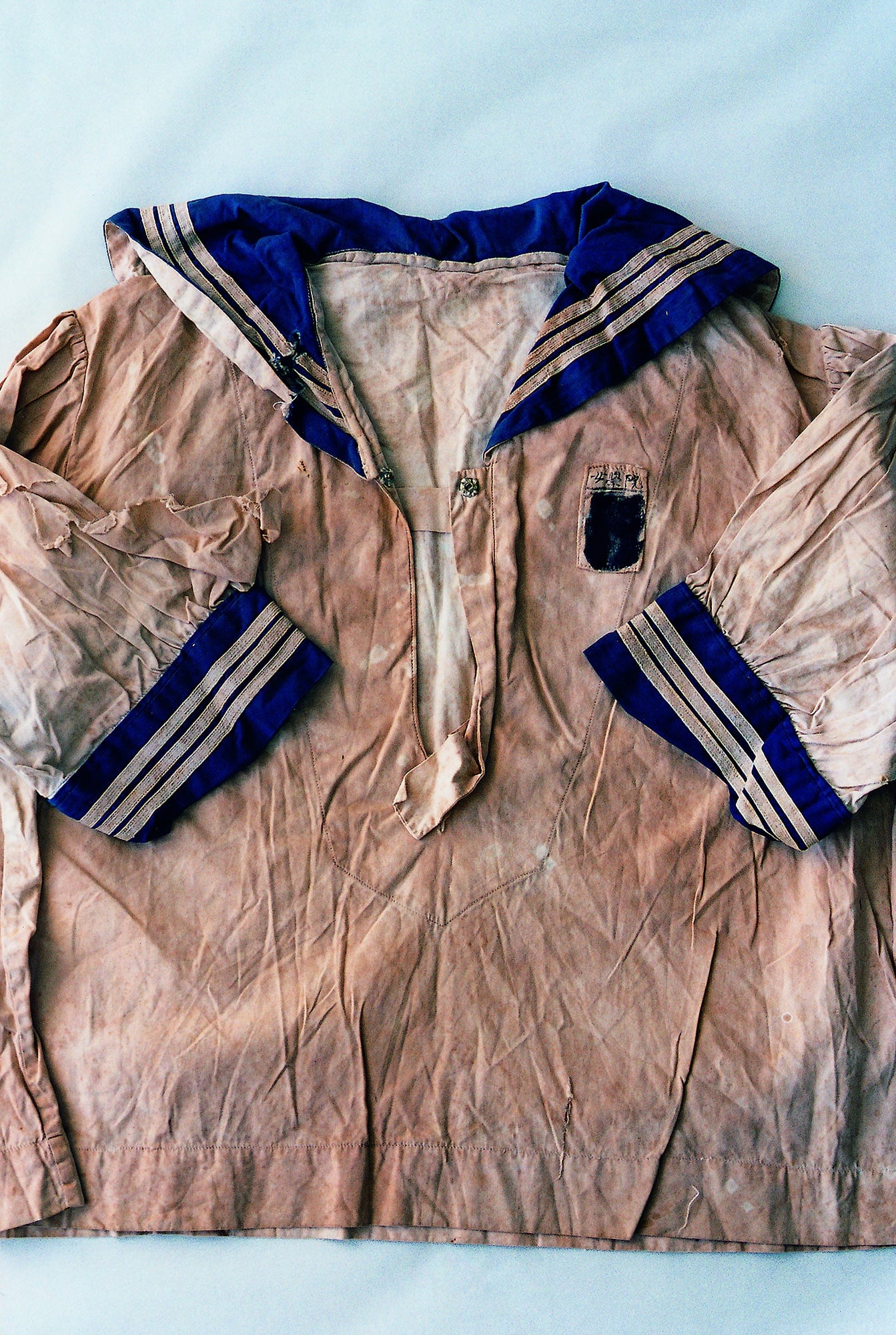
This year, Les Rencontres d’Arles is draped in Japanese colors: five exhibitions celebrate Japanese creativity, placing women at the forefront. The goal is twofold: to provide diverse perspectives on Japan and Japanese photography and to highlight the pivotal contributions of female artists to the history of this art form. In Belongings (Henri Comte room), for instance, Ishiuchi Miyako photographed her late mother’s belongings. “I had never thought about my mother’s body, and now I was discovering it in detail, thanks to photography,” she explains. “I captured the pathos of a shirt with no shoulders to hold, dentures with no mouth to fit, lipstick with no lips to adorn, shoes with no feet to fill.”

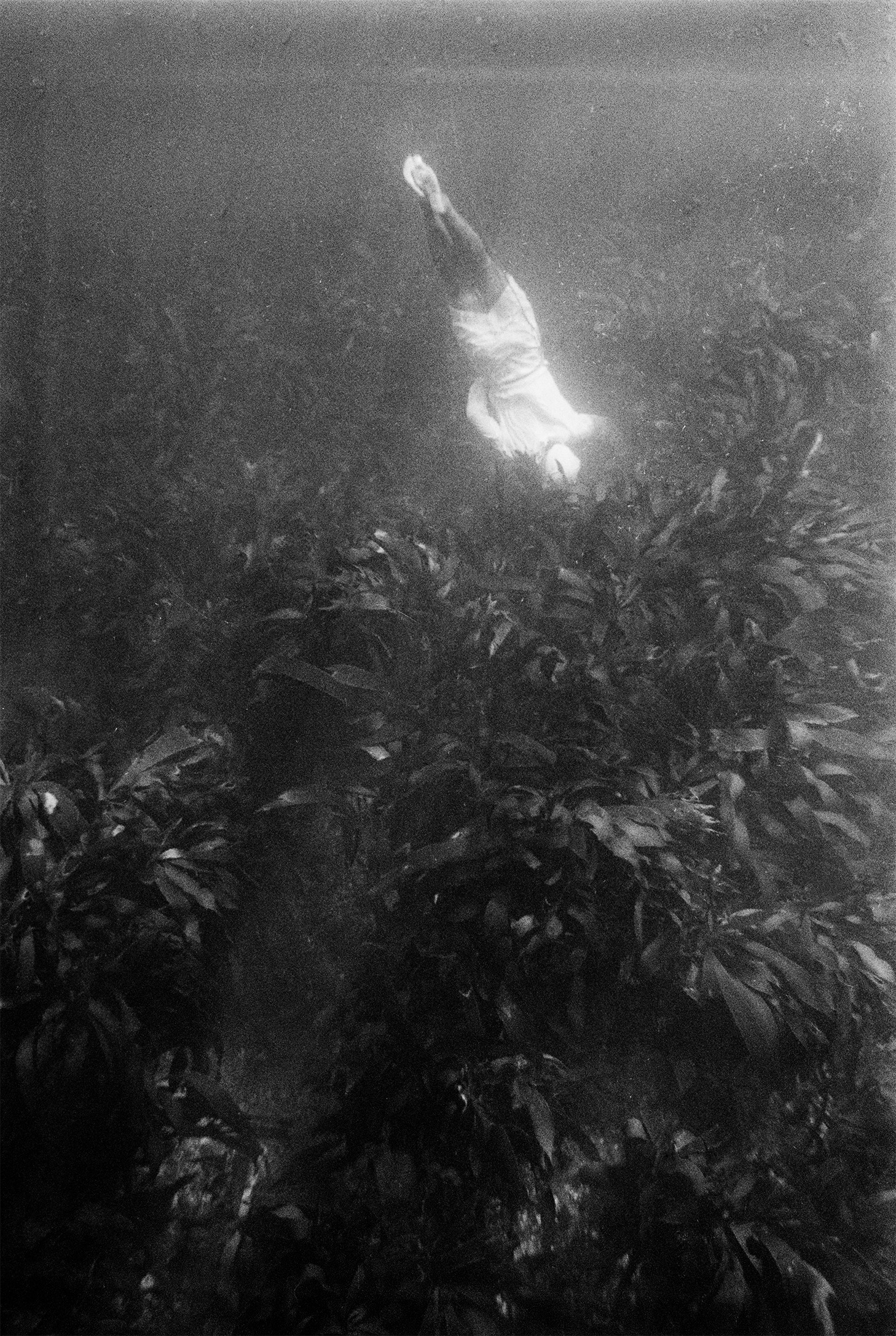
Uraguchi Kusukazu. Underwater, 1965. Courtesy of Uraguchi Nozomu.

Uraguchi Kusukazu. Underwater, 1965. Courtesy of Uraguchi Nozomu.

Uraguchi Kusukazu. Underwater, 1965. Courtesy of Uraguchi Nozomu.

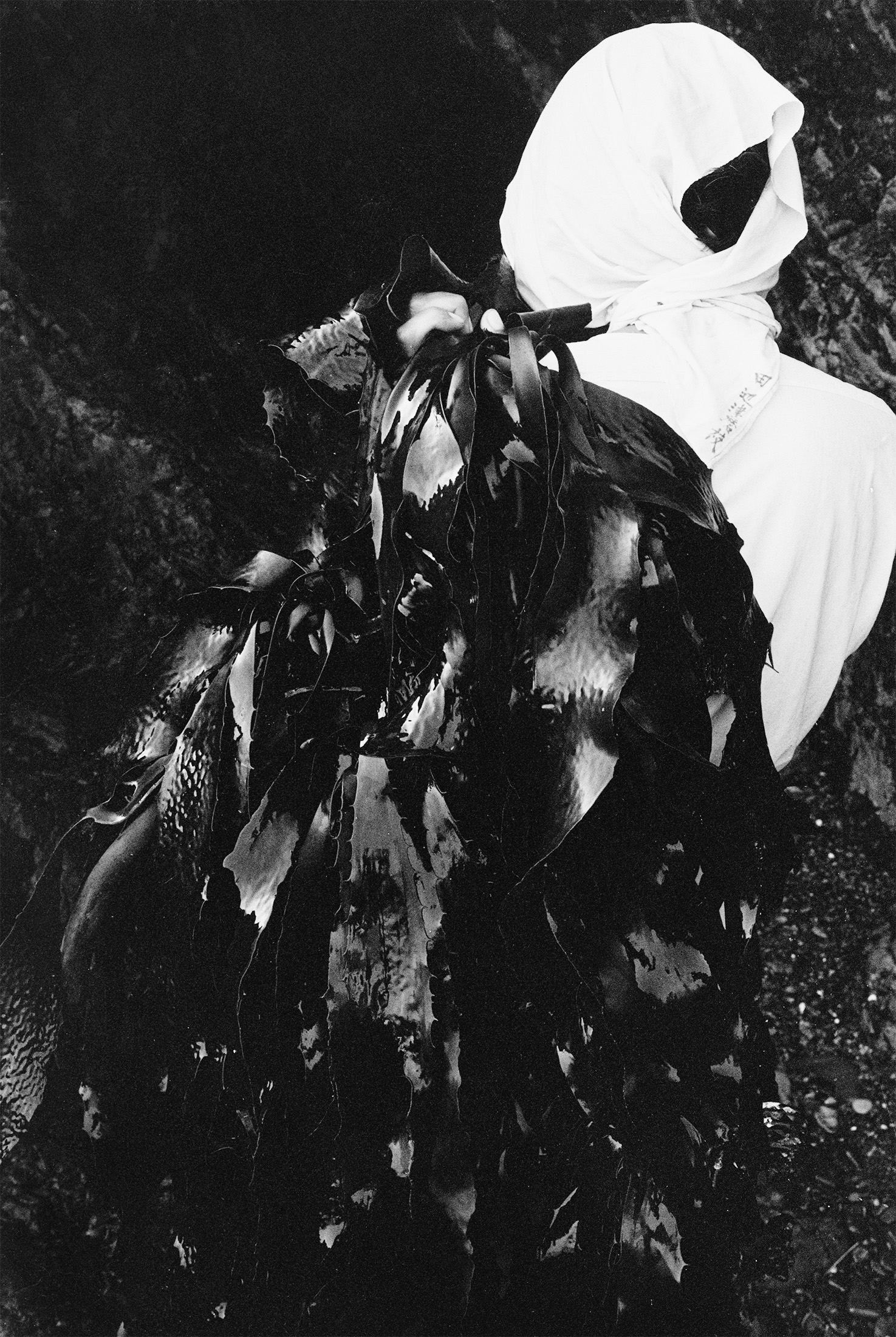
Uraguchi Kusukazu. Ama, 1967. Courtesy of Uraguchi Estate.

Uraguchi Kusukazu. Ama, 1967. Courtesy of Uraguchi Estate.

Uraguchi Kusukazu. Ama, 1967. Courtesy of Uraguchi Estate.Uraguchi Kusukazu. Ama, 1967. Courtesy of Uraguchi Estate.

Uraguchi Kusukazu. Offshore, 1974. Courtesy of Uraguchi Nozomu.

Uraguchi Kusukazu. Offshore, 1974. Courtesy of Uraguchi Nozomu.

Uraguchi Kusukazu. Offshore, 1974. Courtesy of Uraguchi Nozomu.

Born on the Pacific coast in 1922, self-taught photographer Uraguchi Kusukazu dedicated thirty years to documenting the lives of the ama, the “women of the sea,” who free-dive to harvest the prized abalone shellfish. “These fishing communities, which have existed since time immemorial, hold a significant place in the Japanese imagination,” explains Sonia Voss, curator of the exhibition. “They have often been photographed, but usually in an exoticized manner. By integrating himself with them and earning their trust, Uraguchi was able to capture more authentic images.”

The Ama exhibition (Abbaye de Montmajour) provides an insider’s view into various aspects of these women’s lives: diving, seaweed harvesting, participating in rituals, and moments of rest in the amagoya (“ama hut”), a communal space where young apprentices and seasoned veterans gather around a fire. “Uraguchi’s photographic language and his identity as an artist were shaped through his interaction with these free-spirited, strong women, vastly different from the stereotypical image of the Japanese female,” Voss adds.

Rendered in black and white with striking contrasts, these photographs anchor the artist’s work in the 1980s and are especially valuable today, as this traditional way of life is threatened by overfishing and climate change.

Communities united by a common fate, deeply intertwined with their environment: these images strongly resonate with Répliques. Philippe Séclier and Marina Amada have curated a selection of a dozen Japanese artists who, each in their own way, have dedicated themselves to documenting the long-term consequences of the Fukushima disaster. “We aimed for a complementary approach,” explains Séclier. “The personal stories of photographers directly affected by the tragedy, such as Suzuki Mayumi, are presented alongside the work of Ono Tadashi, for instance.” Tadashi approached the subject through an ecological lens, photographing a massive ten-meter-high seawall. “No one knows if it will withstand another tsunami, but it has already drastically altered the landscape and the locals’ relationship with the coastline,” Séclier notes.

Ishiuchi Miyako. ひろしま/hiroshima #37F donor: Harada A., Courtesy of the artist / The Third Gallery Aya.
Ishiuchi Miyako. ひろしま/hiroshima #21 donor: Segawa M., Courtesy of the artist / The Third Gallery Aya.
Ishiuchi Miyako. Frida by Ishiuchi #7, Frida by Ishiuchi series. Courtesy of the artist / The Third Gallery Aya.

The exhibition also highlights the work of Sasaoka Keiko, who focuses on memorials that turn devastated areas into sites of memory, preserving the connection with the victims and the missing. Additionally, the exhibition addresses less visible consequences, such as the mass exodus of people fleeing the radioactive zone, only to face stigmatization in other regions. It also tackles the challenge of representing radioactivity: how do you make the invisible visible?

Transcendence (Vague) is another multi-faceted exhibition, showcasing exclusively female perspectives. “Six series by six women photographers have been selected, each with a very distinct style,” explains exhibition curator Lucille Reyboz. “These artists, each with a strong identity, use photography as a means of survival. Whether addressing societal issues or reflecting personal stories, the camera became a way for them to find their place.”

The cross-disciplinary nature of these exhibitions is evident in the overlapping presence of certain photographers’ work. Mayumi Suzuki’s pieces are also featured in Répliques, while images from the Bible series by Okabe Momo, another Transcendance artist, are included in Quelle joie de vous voir. “Okabe’s work is particularly unique,” notes Reyboz. “She presents a true contemporary epic, focusing on atypical yet deeply poetic life choices. Though her raw approach, with its strong, bold colors, can be disconcerting at times, it remains profoundly impactful.”

Nomura Sakiko. Untitled, 1997, série Hiroki. Courtesy of the artist / Aperture.

Nomura Sakiko. Untitled, 1997, série Hiroki. Courtesy of the artist / Aperture.

Nomura Sakiko. Untitled, 1997, série Hiroki. Courtesy of the artist / Aperture.

“Shedding light on a wide range of approaches based on the experiences and viewpoints of Japanese women regarding the world, history, and society” is the goal of the exhibition Quelle joie de vous voir: Photographes japonaises des années 1950 à nos jours [What a Joy to See You: Japanese Photographers from the 1950s to Today] (Palais de l’Archevêché). This exhibition brings together twenty-five artists from different generations, both well-known and emerging. This ambitious project highlights the liberating power of photography as a medium for storytelling, sharing, self-representation, and self-expression. By uniting this diverse body of work for the first time, the Arles program succeeds in its mission: to dismantle the stereotypes long associated with Japanese photography—often seen as a male-dominated field primarily in black and white—and to highlight a new visual language that contemporary female artists particularly cherish.

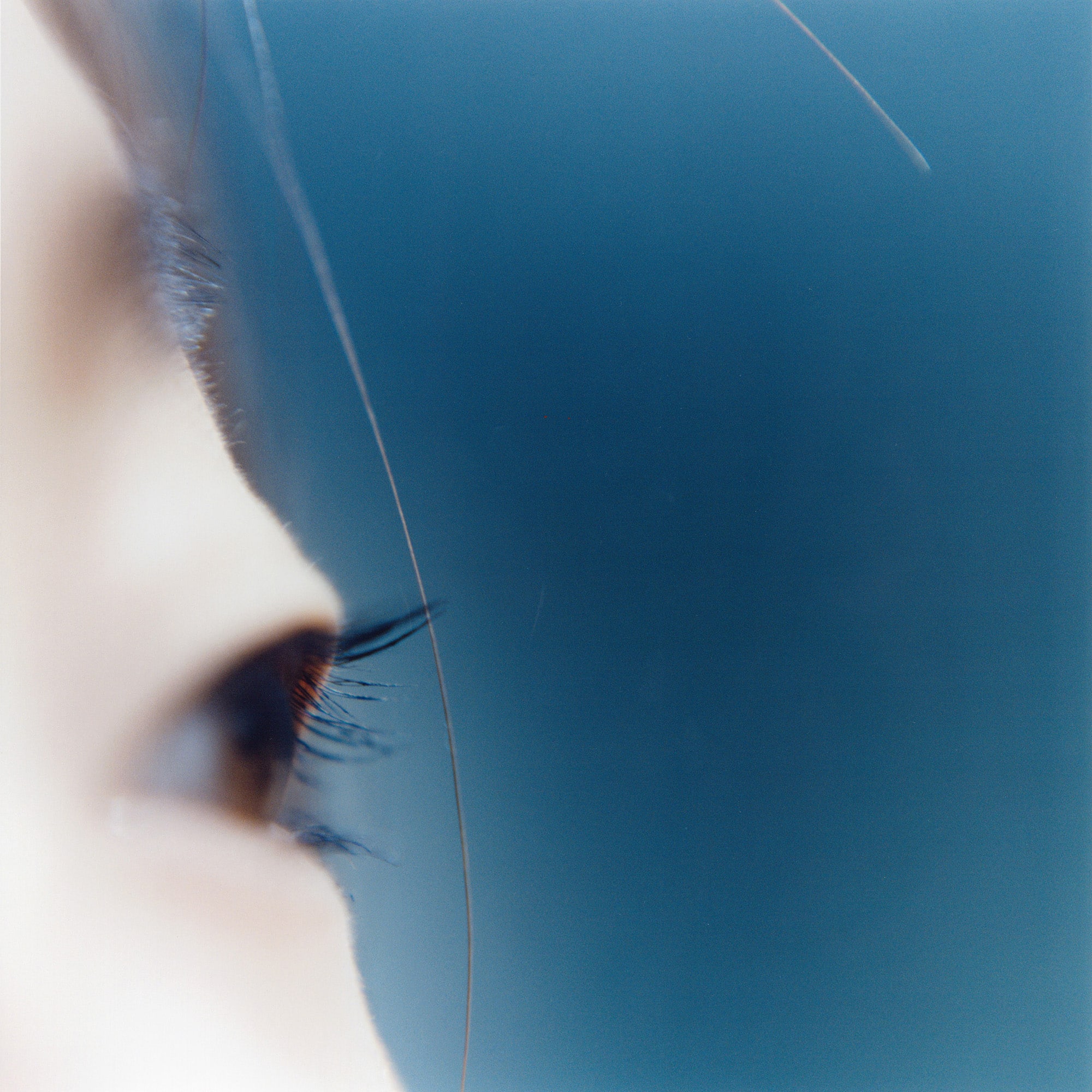
Kawauchi Rinko. Untitled, the eyes, the ears series, 2002-2004. Courtesy of the artist / Aperture.

Kawauchi Rinko. Untitled, the eyes, the ears series, 2002-2004. Courtesy of the artist / Aperture.

Kawauchi Rinko. Untitled, the eyes, the ears series, 2002-2004. Courtesy of the artist / Aperture.

Narahashi Asako. Kawaguchiko, 2003, half awake and half asleep in the water series. Courtesy of the artist / PGI / Aperture.

Narahashi Asako. Kawaguchiko, 2003, half awake and half asleep in the water series. Courtesy of the artist / PGI / Aperture.

Narahashi Asako. Kawaguchiko, 2003, half awake and half asleep in the water series. Courtesy of the artist / PGI / Aperture.

Les Rencontres d’Arles festival is on view until September 29, 2024 in Arles, France. More information on their website.

Remembering Navroze Contractor with Photography Strictly Prohibited

Remembering Navroze Contractor with Photography Strictly Prohibited

Navroze Contractor was a world renown photographer and cinematographer from Ahmedabad who had made Bengaluru his home. A series of events titled Photography Strictly Prohibited, encapsulating the genius of his artistic abilities, marks the first year anniversary of his death as well as his birthday. He would have turned 80 on July 7, this year.

Curated by Sanjiv Shah, Anuj Ambalal and Himanshu Panchal, the exhibition will showcase photographs Navroze took over a period of 60 years, many of which have not been seen previously.

“We had travelled a lot together taking pictures while working on various projects. A couple of years ago, I talked to him about a retrospective of his work and he laughed it off saying retrospectives were “an end of career” activity. I countered that saying we’d title it a mid-career retrospective,” recalls Anuj Ambalal.

However, Navroze was “quite keen on doing a book on his work,” Anuj says, adding that on hearing of his demise, “One of the first things that came to my mind was to do this retrospective.”

Navroze Contractor

Navroze Contractor
| Photo Credit:
Mallikarjun Katakol

“Sanjiv was a dear friend of Navroze’s and they enjoyed a long association on both personal and professional levels. So he knew a lot about the photographs that we began browsing through for this show.”

Between the three of them, they viewed more than 20,000 photos over a period of about six to nine months, to organise the exhibition and the publication. The result is Photography Strictly Prohibited.

“If we were to summarise this curation, I would say there came a point when we realised that subconsciously, intuitively, the three of us were structuring it in such a way that it was more about Navroze than his work.”

“When you look at their works, you tend to get an idea of what kind of person the artist could be. In a sense, Photography Strictly Prohibited is a portrait of Navroze,” says Anuj.

“Normally, there is a catalogue as part of photo exhibitions. However, our idea was different, that is why I call it a book. It is an attempt to bring out the person that Navroze was rather than just his photographs. It was essentially how he looked at the world as he was not a conventional photographer,” says Sanjiv Shah.

Photography Strictly Prohibited

Photography Strictly Prohibited
| Photo Credit:
NAVAJIVAN TRUST

According to Sanjiv, Navroze never really followed a theme when engaging in his craft, with the exception of his work on jazz musicians which is on display at the Smithsonian in Washington DC. “He always carried a camera; it was rare to see him without one. Yet, I don’t think he was keen on showing his work to people — it was basically his eye to the world — and he shot whatever he thought to be relevant,” he says.

Sanjiv adds that the book, also titled Photography Strictly Prohibited is a compilation of Navroze’s works and two interviews — one on the shooting of his film Duvidha, and the other on his jazz images. “We have also included some of his writings, which give an idea of why he was doing what he did. It is our modest attempt to give viewers an insight into Navroze as a person.”

The exhibition will travel across India with a longer halt in Ahmedabad in October. For updates follow ambalalanuj on Instagram.

Photography Strictly Prohibited will be in Bengaluru from July 5 to 7 and will include talks and screenings of his films Duvidha and Jharu Katha. The book Photography Strictly Prohibited will be on display for pre-order. For event details log on to bangaloreinternationalcentre.org

Photography Strictly Prohibited retrospective on Navroze Contractor Special Arrangement

Photography Strictly Prohibited retrospective on Navroze Contractor Special Arrangement
| Photo Credit:
NAVAJIVAN TRUST

Get creative in your own backyard

Get creative in your own backyard

Here in Down Under, it’s officially winter. It’s cold (down to 0°C in the mornings), but instead of just cold, wet and grey, we have clear skies and sunshine. It’s a little weird, but I’m sure the rain will be back. Meanwhile, I decided to grab the Thypoch Simera 28mm vintage-style lens and get creative in my own backyard. Don’t get me wrong, it’s still cold but the sun is nice.

The Simera 28mm is a totally manual lens (I reviewed it here). I currently still have the lens, and the more I play the more I am actually enjoying it. I switched my Sony a7RV over to Creative B&W mode and shot primarily at f/1.4 for some lovely blur. There is not a lot happening in my garden in Winter, so I wanted to get a little artistic and creative. I frequently play with my Lensbaby lenses and decided to spend a little more time with the Simera. It gives your images such a lovely vintage feel.

As it’s not a macro lens, I couldn’t get any real up-close shots, but I did manage a few and have cropped some others. I did try the Lensbaby Macro Filter, but sadly the threads don’t match. Now, that could have been lots of fun. I love the blur and the moodiness you get from this lens. There’s something about shooting and editing in black and white which really makes such a statement with this lens.

Keep to the shadows

Keeping mainly to the shadows for an enhanced dramatic effect really did make my creative heart sing. I did try capturing some busy bees enjoying the only flowering plant in my garden, but I am sadly too slow with this manual lens.

This is always a great way to keep a record of your garden over the years. Ten years ago, ours looked nothing like it does now. So rain, hail or shine, there is always something to photograph in your own backyard.