Photography

Breaking Free from Technical Obsession in Photography

Breaking Free from Technical Obsession in Photography

In professional photography, developing a personal style and understanding industry trends is as crucial as mastering the technical skills. This important video challenges you to think beyond technical proficiency and consider your unique artistic voice and how it resonates with your audience.

Coming to you from Scott Choucino of Tin House Studio, this insightful video offers valuable guidance for photographers looking to elevate their craft. Choucino addresses common pitfalls photographers encounter, such as the tendency to impress other photographers rather than focusing on what appeals to a broader audience. He emphasizes that while technical skills are important, they should not overshadow the photographer’s ability to create visually appealing and meaningful work. This advice is particularly relevant in a world where technology often takes precedence over artistic expression.

Choucino also discusses the importance of simplicity in photography, highlighting that sometimes, less is more. He challenges the obsession with sharpness and bokeh, two aspects often overemphasized by photographers, and stresses the need for clarity in both vision and execution. This perspective is crucial for photographers, as it encourages them to think about the impact of their images and the stories they tell, rather than just their technical attributes. Choucino’s emphasis on developing a unique style and narrative in photography is a reminder that personal expression and creativity are what truly set a photographer apart. Whether hobbyist or professional, the video is worth a watch. Check it out above. 

Famed Photographer Shows How Easy it is to Recreate His Photos With AI

Famed Photographer Shows How Easy it is to Recreate His Photos With AI
Real photos versus AI image
Tim Flach’s photo of a snow leopard, left, and the AI version he recreated, right, by inputting his own name into Midjourney.

A photographer whose name was found on a list of artists whose style the AI image generator Midjourney wanted to emulate tells PetaPixel that “creatives must be remunerated.”

Tim Flach, known for his exquisite photos of animals that look like humans, says that he wasn’t surprised when his name was on the list becacuse he has already been recreating his own photos using Midjourney.

The British photographer shared two of his photos with PetaPixel which he created AI versions of by inputting his own name as a prompt. The results speak for themselves.

Tim Flach photography recreated with AI

AI image of eagle

Opt In, Not Opt Out

Flach feels strongly that when it comes to training datasets for AI programs, photographers should be able to “opt in”, rather than the current “opt out” state of affairs.

“I think we should demand from governments a clear ‘opt-in’ and not an ‘opt-out’ situation,” Flach tells PetaPixel.

He likens it to an editor running a photograph in a magazine, “You don’t go and run something in an article without checking with the photographer first and say ‘Well, you can now opt out’.”

Flach says that for some of his projects, he has spent hundreds of thousands of dollars and insists creatives should be remunerated when their work is ingested by an AI program.

“The fact is, if you are impersonating the style of artists, what does it leave when that technology gets a thousand times more powerful?” He says.

“It does create a challenge, I think, for many people’s livelihood. The data sets are being trained on our images. Without these images, it wouldn’t function so effectively.

“And the irony is, many of the artists who’s been scraped will be paying subscription fees back to Midjourney who have investments and profit that runs into billions, one assumes.”

Midjourney could be valued as much as $10 billion after it reportedly generated $200 million in revenue last year despite being a small team of just 40 employees.

Recreating His Own Photos With Midjourney

Flach, whose magnificent photos emphasize animals’ characters and personalities, has been recreating his photos on Midjourney and finds it remarkably easy to generate images in his unique style.

AI image of snow leopard and prompt
The prompt, left, and the resulting AI image, right. Midjourney has since released an even newer model, v6.

“My style is quite distinctive,” he says. “I did a book on birds that came out in 2021, and you can literally ask the system to do a bird in my style and it picks a particular bird that was in the book and is incredibly close.

“And it always has the black background; it’s looking straight at the viewer. All these factors, you’re not asking it to do anything other than produce an eagle in my style.

“The fact that without our images they would have no capacity at all, I think that’s very hard to grasp. And when it comes to style, the fact you can actually ask it to describe a style by a particular photographer — it seems extraordinary.

“I don’t look at it as today. I look at it as what would happen in five years’ time because effectively it’ll be a thousand times more powerful according to the speed at which generative AI is improving by.

“Essentially, we’re putting a lot of resources into generating content that is being ingested and spat back out again.”

He calls this process image laundering or data laundering. Recently, a database of some 16,000 names of artists kept by Midjourney whose style the AI image generator allegedly wanted to copy was released as part of a lawsuit amendment to a class-action complaint brought by three artists suing Midjourney and Stable Diffusion.

The huge list includes thousands of artists’ names; among them are scores of photographers — both living and dead — whose styles Midjourney apparently wanted to copy so that users of its AI image generator could make AI pictures in the style of that photographer.

The case is ongoing and Midjourney has not commented.

You can find more of Flach’s work on his website and Instagram.


Image credits: Photographs by Tim Flach

Bird photography exhibition at SVU attracts students, displays over 200 species

Bird photography exhibition at SVU attracts students, displays over 200 species

The awe-inspiring photographs of rare birds captivated visitors at the bird photography exhibition arranged by the Zoology Department of Sri Venkateswara University (SVU) on Wednesday. Titled ‘Capturing Feathered Wonders’, the exhibition aimed to showcase the diverse avian species through the lens of talented photographers to students.

Over 200 bird species were displayed at the exhibition, inaugurated by SVU vice-chancellor V. Srikanth Reddy, in the presence of registrar O.Md. Hussain, SVU College of Sciences principal Ramakrishna Reddy and zoology head S. Kishore.

“The collection included a variety of species, vibrant nesting habits, roosting and brooding pictures, thus offering a holistic window into the avian ecosystem to the visitors,” said M. Rajasekhar, professor and wildlife researcher in zoology, who organised the event.

The students browsed through the gallery and learnt about the ecological roles, behaviour and conservation status of the birds; some expressed interest in wildlife photography, especially in ornithology, while some interacted with the experts to learn the significance of avifauna.

Among the photographers whose work was displayed was V. Kiran Kumar, a Deputy Inspector-General in the Department of Registration and Stamps. Passionate about wildlife photography as a hobby, he toured the State, especially the Pulicat and Kolleru lake areas, to capture hundreds of images.

‘Messengers’ explores photography as communication

‘Messengers’ explores photography as communication

Tarrah Krajnak 

A multidisciplinary artist working across photography, performance, and poetry, Krajnak focuses on the craft and material process of photography, printing all her own photographs. She uses analog cameras as a tool to examine ties between her body; her birthplace of Lima, Peru; and the invisible histories of both. Krajnak’s life experiences as an Indigenous transracial adoptee connect with much broader systems of socioeconomic inequality, corruption, and instability, and she employs her own transracial body, performing archival interventions to make visible marginalized histories and bodies hidden in the archive. “Messengers” features three series of works from Krajnak – “Black Messengers,” “Automatic Rocks/Excavation,” and “Master Rituals II: Weston’s Nudes.” 

Rodrigo Valenzuela 

Valenzuela’s work traverses photography, video, and installation, merging his interest in art history, architecture, the concept of work, and the realities of laborers. Valenzuela builds scenes in his studio, often working with simple building materials, and his compositions resemble miniature ruins built from studio detritus. The resulting monochrome photographs constantly shift between flatness and architectural space and between documentary photography and fiction. This exhibition features his newest series, “Garabatos,” which depicts his tableaux of wood and plaster sculptures painted white. Each image is meant to evoke figurative gestures of insults from varying nationalities, i.e. “flipping the bird.” Valenzuela is interested in abstract gestures that are part of the collective lexicon, a desperate attempt to communicate. 

Messengers” will be on view from Thursday, Feb. 1, through Saturday, April 20.

Visiting the galleries

Located at 190 Alumni Mall, the Moss Arts Center’s galleries are open on Tuesday-Friday, 10 a.m.–5 p.m., and Saturday, 10 a.m.–4 p.m. The center offers many opportunities for students, faculty, and community members to engage with artists and their work. To arrange a group tour of the galleries, contact Laura Higgins.

Parking is available in the North End Parking Garage on Turner Street. When not staffed for a special event, visitors may park in the garage by taking a ticket at entry and paying with Visa or Mastercard upon exit. Find more parking details online.

If you are an individual with a disability and desire an accommodation, please contact Jamie Wiggert at least 10 days prior to the event at 540-231-5300 or email wiggertj@vt.edu during regular business hours. 

Oriane Zerah’s Photographs of Afghan Floral Beauty

Oriane Zerah’s Photographs of Afghan Floral Beauty

Even in the midst of conflict and hardship, there still exists a charming beauty that often goes unnoticed by the ordinary eye. And this beauty is what French photographer Oriane Zerah has embarked on showcasing, in a remarkable expedition throughout Afghanistan. In this country often plagued by conflict, she captures floral grandeur in the middle of the crises that its people face. 

Oriane’s evocative photographs showcase a different side of Afghanistan. They reveal the resilience and beauty that coexist with the harsh realities of war and stereotypes. Through her lens, she strives to challenge prejudiced thinking about the country and offers a fresh perspective on a nation often defined by conflict. 

The Floral Photography of Oriane Zerah

A self-trained in photography and an enthusiast of traveling, Oriane has always been fascinated by the interest that Afghan people have in flowers. The photographer, who, for years, spent her time capturing the beauty of flowers in the often volatile Afghanistan notes that despite the not-so-peaceable conditions that the country often finds itself in, its people still showcase an admiration for floral beauty.

Oriane Zerah’s Photography Captures Afghanistan’s Floral Beauty
An Afghan child with pink poppy flowers.

In a series of floral snapshots that she has taken in a photography project named Afghanistan: Roses under Thorns, Oriane documents the daily lifestyles of Afghans detailing how the people perceive flowers and how they hold them in great reverence. 

The Inspiration Behind the Project and Its Metaphoric Impression

Oriane’s fascination with Afghanistan began long before she even set foot in the country. Drawn to the rich cultural heritage and intrigued by the juxtaposition of floral beauty and conflict, she felt compelled to challenge the prevailing stereotypes and shed light on the untold stories of its people. Her project, titled ‘Afghanistan: Roses under the Thorns’, showcases the deep respect and admiration that she has for the Afghan people and their enduring spirit.

Oriane Zerah’s Photography Captures Afghanistan’s Floral Beauty
Afghan man with roses in Oriane Zerah’s photography

Flowers have always held a special place in human culture, often symbolizing elements like love, beauty, and hope. In Oriane’s project, the flowers are, in ways, metaphors for resilience and defiance demonstrated by the Afghans. In her capturing of Afghan men adorned with flowers, she defies conventional notions of masculinity and confronts the stereotype of the Afghan warrior. 

In a society deeply affected by war and violence, she says the sight of men proudly wearing or holding flowers confronts expectations and accentuates the universal human need for delicate beauty, even in the harshest circumstances.

Oriane Zerah’s Photography Captures Afghanistan’s Floral Beauty
Happy Afghan children with a bunch of flowers in Oriane’s photography.

Oriane Zerah:

“I’ve been very lucky to do this project because it’s quite a privilege to show the beauty of flowers in Afghanistan, and to share it. People there have always been so happy about my photography. The media hardly talks about the country positively. Whoever talks about this country is always portraying it in negative terms.

Afghanistan has so much to offer but what we see or read isn’t always the reality. So, people here are actually appreciating me. I’ve never had any bad experience whenever I took a photo of an Afghan with flowers. And surprisingly, even after the takeover by the Taliban, there were some soldiers on the streets with flowers on their weapons, and they were happy to pose for me. I took photos of them with their weapons adorned with flowers.” 

Oriane Zerah’s Photography Captures Afghanistan’s Floral Beauty
Afghan children in a field of poppy flowers in Oriane’s photography.

Essentially, the Kabul-based French photographer’s pictures offer a new perspective on Afghanistan, depicting the inherent dignity and grace of its people. Be it men wearing flowers on their traditional hats or soldiers juxtaposing rifles and other weapons and blossoms, Oriane’s images speak volumes about the complex realities of life in the country. 

Her lens captures the often too-fragile balance between hope and despair during war and showcases the resilience and determination of the Afghans amid these situations.

Oriane Zerah’s Photography Captures Afghanistan’s Floral Beauty
Little girl with rose petals used for making essential oils.

The Afghan Allure

Her photography project, Oriane says, is a means to positively talk about Afghanistan, a country she says she deeply fell in love with ever since she first visited in 2012, and lived there till 2015 before leaving then going back to settle down in 2019.

Oriane Zerah’s Photography Captures Afghanistan’s Floral Beauty
Afghan men pose with flowers in Oriane’s photographs.

Oriane:

“It’s been twelve years that I’ve been in Afghanistan. It was, therefore, important for me to show another aspect of the country, because whenever anyone talks about Afghanistan, it’s always about tragedies and wars, which of course, was a reality. The country has been at war for more than forty years. But there’s always a different side to a story. And I wanted to show this other side.

Any foreigner who goes to Afghanistan and anyone who’s been there will notice this love that afghan people have for flowers. I believe that the more there’s violence in a place, the more the need for beauty. And flowers are like the beauty within. You don’t need to be rich or have money to have flowers. Anyone can grow them even in the smallest space they have. That’s what Afghans do.”

Oriane Zerah’s Photography Captures Afghanistan’s Floral Beauty
Afghan man poses next to roses in Oriane’s photographs

Afghanistan, she says, is a land of many contrasts, which, however, add to the richness of the floral beauty that the country possesses. It is, for instance, much easier for Afghan men to pose with flowers than it is for women. Women, Oriane says, hardly accept to pose. Though they sometimes do, it is rare. But men, on the other hand, easily accept; they take photographs outside and in public places. Women who accept to have their photographs taken usually do so inside their homes. 

That notion, she says, she found quite fascinating because the impression it portrayed was contrary to traditional beliefs that often associated Afghan men more with Kalashnikovs than with roses. 

Oriane Zerah’s Photography Captures Afghanistan’s Floral Beauty
Afghanistan floral photography of a smiling man next to a pink flowering rose plant.

She adds:

“Every place in Afghanistan is very scenic but it all depends. For some photography, I would just be walking through the city with a bunch of flowers, and if I see an interesting face with an interesting background, I would just ask the people to pose for me with the flowers. I would also ask them what flowers represent in their lives. And every so often I noticed this little moment; whenever you give a flower to someone and they hold it, it was enough to make them open up.” 


Oriane Zerah’s Photography Captures Afghanistan’s Floral Beauty
An Afghan man in a flower garden he created himself.


Breaking Stereotypes With Flowers

As previously noted, one of the main inspirations behind Oriane’s flower photography project is to challenge stereotypes and misconceptions about Afghan society. Afghanistan is often portrayed in the media as a war-ravaged nation, overshadowing its rich floral and cultural heritage and the daily lives of its people.

Oriane Zerah’s Photography Captures Afghanistan’s Floral Beauty
An Afghan girl with flowers (left) and (right) Oriane Zerah with her book.

Focusing on the beauty of flowers and the individuals who proudly embrace them, therefore, inspires anyone else to question their preconceived notions of the country and see beyond the stereotypes.

And through her photography, Oriane has managed to significantly achieve this feat, and in turn gain widespread acclaim for the photographs’ ability to arouse emotions. Her exhibitions have, equally, provided a platform for dialogues and understanding of the Afghan people on a much deeper level. 

Oriane Zerah’s Photography Captures Afghanistan’s Floral Beauty
Two Afghan girls smell the scent of a rose

Appreciating the universal language of flowers and floral beauty, her works basically use these elements to foster empathy and human connection; a pointer to the humanity that exists beneath the surface. Additionally, through her photographs, she showcases, not just floral beauty, but also the strength that coexists with the challenges faced by the country and its people.

You can also read about gardening and the tranquility that it brings even amid wars and chaos.

All photos by Oriane Zerah (@oriane_zerah_photo)

A week spent not taking a photo of Steve Jobs for Apple …

A week spent not taking a photo of Steve Jobs for Apple …

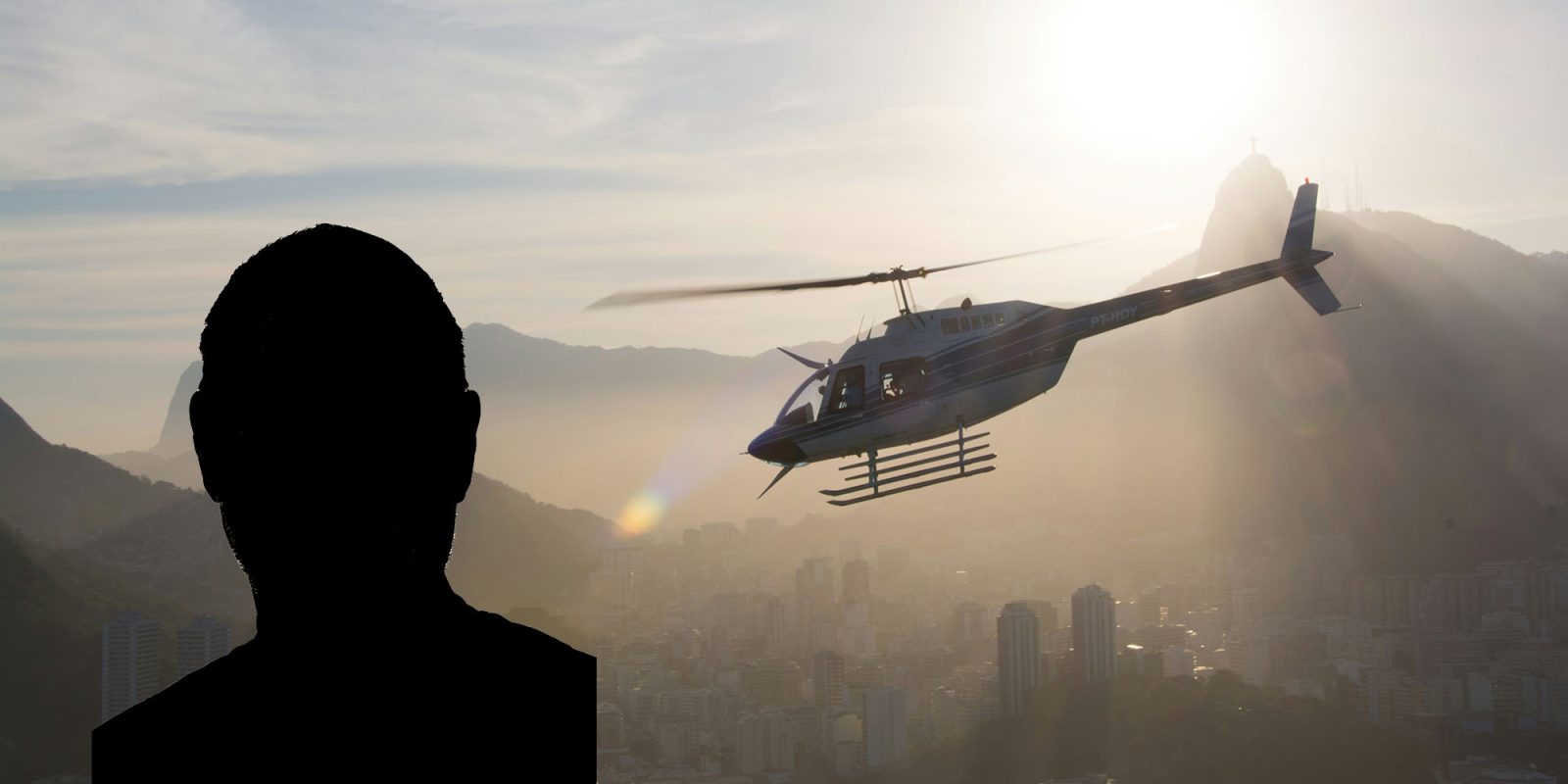
Apple co-founder Steve Jobs was infamous for his lack of patience with photoshoots, and another 40th anniversary of the Mac piece includes a story of how Apple hired a photographer for a week, flew him to Sweden, hired a helicopter – but he still didn’t get the photo because Steve changed his mind …

The Macworld piece starts with a shot photographer Will Mosgrove did manage to get: a photo of Steve with the original Macintosh, for the cover of the magazine.

He said that one wasn’t easy, but Steve at least gave them enough time to take it.

We did a couple of quick Polaroids and make sure everything was looking good, lighting-wise. Shot about five minutes or so, and he said, are we done? And I said, we can be, I’d like to try a couple of different things. And he said, well, I’d like to try something, too. 

So, he started making this really kind of interesting, zany kind of symbols with his hands, and I kind of looked over to the people from Macworld and they were just kind of shaking their heads–don’t worry, we’re not going to use those. [Laughs.] We played along with it and shot some film, and it was literally over in probably 15 to 20 minutes.

But the funnier story is when Apple commissioned him to take a promo photo of Steve, went to a huge amount of trouble to set it up – but when they were actually in the helicopter, Steve decided he didn’t want any photos.

There was a university consortium going on, and at the end of this–it was in Lund, Sweden–Steve was going to fly in from Stockholm, and they wanted a photograph of him coming into this castle location, showing the landscape in the background, looking down at the castle, saying he’s going to this consortium of Macintosh users to kind of give him a look like a world leader. Here he is in a European country coming down to talk to university people […]

They said, okay, Steve’s flying in from Stockholm. Let’s go to the airport so you get a helicopter there. We’d like him to be looking out the window. If you can get the castle in the background, the beautiful landscape. I said, sure, let’s go […]

So, we take off, we get about an eight-minute ride to this, this dinner at the castle to close off the consortium. 

And as I’m getting my camera out and ready to go, he said, you know, I don’t think I want any pictures. And I said, well, okay, you know, they flew me from California to Sweden to get this shot and you know, I’m here and I’m ready to do it. Can we just think about this? 

He kind of grunted and I was looking through the camera again doing this. He goes, I don’t think I really want any photographs.

I said, well how about if we take some photographs and you take a look at them? If you don’t want to use them that’s fine with me, but you know, Tom Hughes (who was the artistic director) said can you get this shot, and I said, yeah, and I need to come back with something. And he goes, I don’t want any photographs. 

There’s about 30 seconds of awkward silence. And, you know, I kind of was playing, I start picking up one more time. He goes, no fucking photos. So I went, okay, put the camera away. And his aide was kind of saying, you know, don’t, that’s it. We’re done. 

Fortunately, Hughes heard about it, and laughed it off.

FTC: We use income earning auto affiliate links. More.

Windsor photographer braves icy cold to capture Lake Erie ‘volcanoes’

Windsor photographer braves icy cold to capture Lake Erie ‘volcanoes’

Article content

Be prepared, dress warm — and let your friends deal with the flying ice.

These are a few of the vital life lessons Gerry Kaiser has learned over years of taking photos in icy, desolate, and dangerous places.

Article content

While most people hunkered down last week to avoid winter’s bitter-cold mid-January assault, Kaiser was perched at the frozen, wind-hammered tip of Point Pelee, photographing ice volcanoes and acquiring another case of frostbite.

Advertisement 2

Story continues below

This advertisement has not loaded yet, but your article continues below.

Article content

At least he didn’t break his arm again.

“These kinds of things, you’ve always got to watch out for, especially if you’re going out on ice,” said Kaiser, 60, a Windsor photographer and retired autoworker.

“Ice is pretty dangerous, you know, and really bad weather conditions. But at the same time, that’s the kind of stuff I love.

“It makes life worth living. Because most of the time we’re stuck in this sedentary environment. We’re driving around and sitting around. It’s basically boring as far as I’m concerned.

“I like a little bit of adventure.”

ice
An ice volcano erupts at the frozen tip of Point Pelee during last week’s bitterly cold weather. Photo by Photo courtesy Gerry Kaiser /Windsor Star

One of the best places to see ice volcanoes, also known as ice shelves, are the northern shorelines of Lake Erie and Lake Ontario. But watch from a distance.

While ice volcanoes can make for some dramatic photos, they are extremely dangerous. It can be easy to get stuck in one. The ice shelves can also be unstable and even hollow underneath.

Experts warn that you should always watch ice volcanoes from far away, and definitely stay on shore.

The stunning formations appear when powerful winds hurl water against the shoreline, where it freezes on impact. The process repeats itself, and a shelf builds up, layer by layer. Waves rush under the shelf and shoot up through any cracks or holes.

Advertisement 3

Story continues below

This advertisement has not loaded yet, but your article continues below.

Article content

“The waves would hit the hollowed-out sections,” said Kaiser. “They would hit, and chunks of rocks, sand, big chunks of ice, would just fly up and then fly in the air because the wind was blowing pretty good.”

If conditions are right, ice volcanoes can form in a matter of hours. Kaiser experienced this first hand.

Lured by the plummeting temperature, the prospect of adventure, and the chance for some good photos, he took a trip to Point Pelee early last week.

ice
Not an eerie Arctic landscape in Canada’s north, but rather the frigid terrain of Point Pelee during last week’s blast of winter that hit southwestern Ontario. Photo by Photo courtesy Gerry Kaiser /Windsor Star

“There were no ice volcanoes or anything,” said Kaiser. “All that was going on at the tip were super-high winds, very cold temps, and ice balls were forming.

“The wind was blowing basically from the west, so the ice balls were forming along the beach. And more formed on the water and they would roll up on the beach and they’d roll back with the waves and get bigger and bigger.”

Unable to stay away, he ventured out again the following day.

“We don’t get much winter anymore and when we actually do get winter, it’s very short-lived” said Kaiser. “So you gotta get out there as much as you can.”

By the time he returned, the ice volcanoes had stretched 12 feet into the frosty air.

Advertisement 4

Story continues below

This advertisement has not loaded yet, but your article continues below.

Article content

“Basically, all the round ice pieces started to weld together along the beach,” said Kaiser. “Then, as more and more waves hit, they’d get taller and taller.”

For perspective on their size, he had a friend stand near the volcanoes while he took photos.

“I didn’t realize she was going to get hit by the wave,” said Kaiser, not even trying to stifle his laughter.

“She was standing a good 30 feet back. You could see the eruptions and then all of a sudden you could see her covering her head and running in the opposite direction. I thought it was pretty funny.

“She was covered in ice. She had goggles on and what happened was the goggles were frozen to her hair. It was pretty amazing.”

Kaiser also didn’t escape unscathed. He woke up the next day to realize he had frostbite, again.

“I’m susceptible to that because I got it a few years back,” he said. “So I always protect against it.”

But his glasses kept fogging up.

“I had to keep pulling my mask down and taking the ice off my glasses,” said Kaiser. “I didn’t realize until the next day I got frostbite again. Like frost nip on my nose.

“It’s still got like a crusty chunk. So I’m still looking for a good solution for that.”

Advertisement 5

Story continues below

This advertisement has not loaded yet, but your article continues below.

Article content

ice
Windsor photographer Gerry Kaiser is shown at his home on Friday, Jan. 19, 2024. The frostbitten tip of his nose is a souvenir of his most recent wintry adventures. Photo by Dan Janisse /Windsor Star

It’s not the first — or worst — mishap he’s endured on one of his expeditions, which include regular trips to Port Stanley, Algonquin Park, and to a lesser extent — now that “there’s a million people there” — the Bruce Peninsula.

In 2022, he broke his arm on the ice at Port Stanley when he tripped over a loose crampon.

“Good thing my head didn’t hit as well,” he said. “I was on blood thinners because I’d just had a heart attack about six months before.

“I think I’m like a cat. Hopefully I’ve got a few lives left. But I’m doing really good now.”

The misadventure left him “paranoid of ice,” but that hasn’t really slowed him down.

It’s all about adventure and some occasional serenity, which he found last week on a third visit to the Point Pelee ice volcanoes.

“The wind was still going pretty strong, the lake had frozen, and there was not a soul out there,” said Kaiser. “I had to tape up my nose because now I had frostbite.

“But I went out, I sat right inside one of the volcanoes way out on the very tip. I just sat looking out at the beautiful sky.

“All you could hear was the wind howling. The air was fresh. It was just a fantastic feeling.”

twilhelm@postmedia.com

ice
The southernmost tip of mainland Canada sported a look more akin to the country’s far north during January’s frigid blast of winter that hit southwestern Ontario. Photo by Photo courtesy Gerry Kaiser /Windsor Star

Article content

Comments

Join the Conversation

This Week in Flyers

Hasselblad 907X CFV 100C: Best Camera for Street Photography?

Hasselblad 907X CFV 100C: Best Camera for Street Photography?

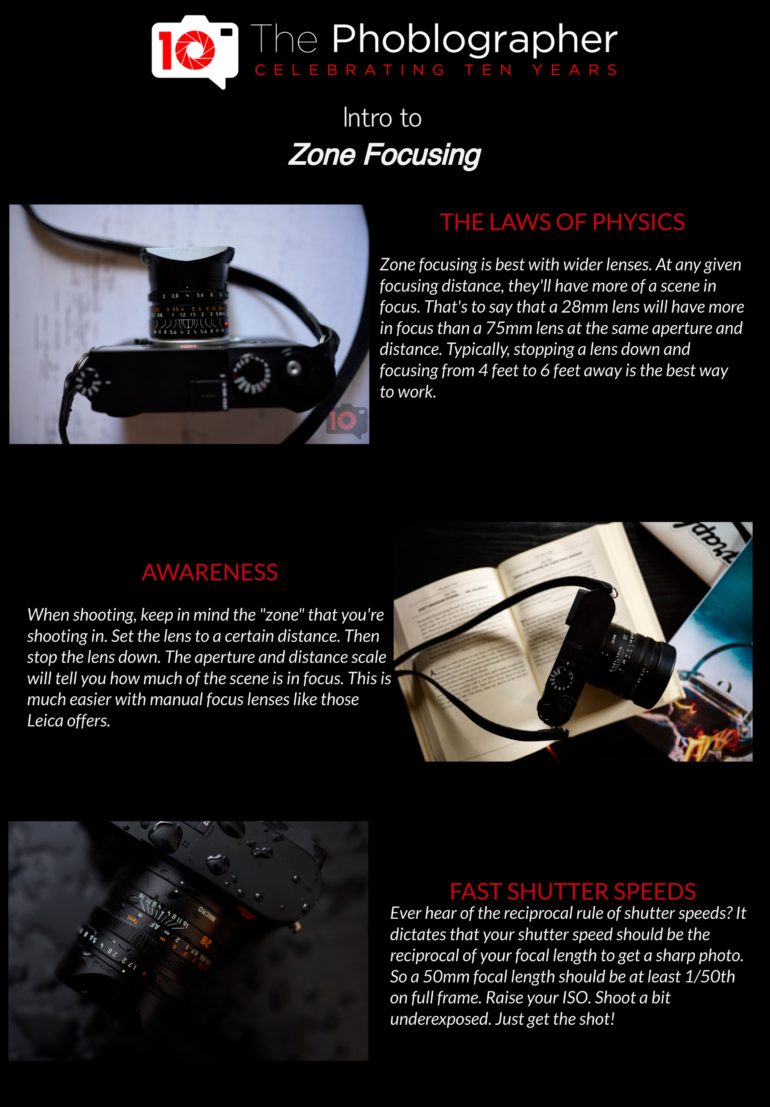
I’ve always been in awe of street photographers who could use medium-format cameras to get their shots. Mostly, they would do it shooting with film. But when Jonathan Higbee did it for us in 2017, I became ever so hopeful.”I don’t use autofocus when I’m shooting the streets,” he said. “Over the years, I’ve found that my hit-to-miss ratio is greatly improved when I zone focus manually.” With the Hasselblad 907X CFV 100C, you can zone focusing using the Hasselblad X mount lenses. I truly never thought that I’d be typing something like this, but it’s also incredible for street photography.

Why Medium Format?

If you’re zone-focusing, any camera format can work well. For example, the Laowa 25mm f0.95 is fantastic on the X Pro 3. But why medium format? Well, there’s a completely different look to it. When I looked at my images, I really noticed it. The way that the light is rendered is something that is inexplicably better than the way that full-frame 35mm renders.

But let’s also move away from the technical side of things and instead focus more on the mental side. You have to move slower because the medium format is slower. So that means you’re prepping more to get the shot, or you’re sitting still in one place for a while to get a photo you like. Your wide-angle scenes look incredible when you go to edit, and there’s less of a need for trying to get the lines perfect or correcting distortion — which really does make all the difference when you’re shooting for the aesthetics of an artistic medium like street photography. Because there’s more resolution, you’ve got more room to crop, too.

More importantly, medium format gets you back to basics. Micro Four Thirds, APS-C, and full-frame 35mm cameras get too much in the way when you’re just trying to document a moment. There’s a ton of tech inside them, whereas the Hasselblad 907X CFV 100C is really simple. I liken this to the difference between reading a book with tons of notifications going across the screen vs reading a book with no notifications. Medium format is truly the gift of silencing your brain so that your technical and artistic sides can have a conversation where they’re both speaking their second language to the best of their ability.

I don’t want to say that this is a meditative process — especially as I’ve been meditating for years and know much better than this. But instead, it’s a process that lets you embrace the moment as much as possible while behind the camera. When you work with a camera like the Hasselblad 907X CFV 100C, you really want to sit down and make an image. You don’t want to capture a ton of them to pick the right one later. You either get it, or you don’t. And in the end, you typically either get a photograph worthy of being in your portfolio or you miss the shot. It’s much better than having 50 or so mediocre photographs.

Photographers these days have been relying on cameras to do all the work for them. But a camera like this makes you a more active part of the picture-taking process. You have to think — and therefore your creative vision comes through with ease.

How to Shoot Great Street Photography

Over the years, we’ve done a lot of tutorials on zone focusing. In 2021, Leica sponsored a tutorial we did on zone focusing, so we recommend that you check it out.

Is The Hasselblad 907X CFV 100C Worth It?

With an $8,100 price tag attached to it, I’m not totally sure that the Hasselblad 907X CFV 100C is worth it unless you’re very well off or know how you can use it to make your money back with some print sales. But I can surely tell you that it’s a very enjoyable experience that puts photographers and photography first rather than trying to put content creation first.

This isn’t about content creation; it’s about making photos.

Eric Campbell Photography Collaborates with State Farm for Professional Headshots and Website Imagery

Eric Campbell Photography Collaborates with State Farm for Professional Headshots and Website Imagery
Eric Campbell Photography

Eric Campbell Photography

Wyatt Rancourt - State Farm Team Website Photography in Florida

Wyatt Rancourt – State Farm Team Website Photography

State Farm Headshots

State Farm Headshots

FORT LAUDERDALE, FLORIDA, UNITED STATES, January 24, 2024 /EINPresswire.com/ — Eric Campbell Photography, a distinguished photography service known for its professional and tailored approach, is proud to announce its latest collaboration with State Farm, one of America’s leading insurance providers. This partnership involves Eric Campbell providing professional headshots and website photography, aiming to enhance State Farm’s corporate image and online presence.

With over a decade of experience in the field of professional photography, Eric Campbell has developed a keen eye for detail and an understanding of the diverse needs of corporate clients. His approach to photography is rooted in a deep commitment to capturing the true essence of his subjects, whether they are individuals or corporate entities.

This collaboration with State Farm marks a significant step in Eric Campbell Photography’s journey. The project entails photographing State Farm’s personnel across various departments for their professional headshots, as well as creating a series of images that will be featured on the company’s website. These images are not just photographs but are crafted to convey the professionalism, trust, and reliability that State Farm stands for.

Eric Campbell’s process is meticulous and client-focused. He works closely with each subject to ensure their individuality and professional persona are captured in the headshots. Understanding that a headshot is often the first impression in the digital world, Campbell takes the time to consult with each individual, ensuring their personal brand aligns seamlessly with State Farm’s corporate ethos.

Eric Campbell has taken a strategic approach to the website imagery. The photographs are designed to resonate with State Farm’s diverse clientele. They showcase various aspects of the company, including its commitment to customer service, its community involvement, and its range of products and services. These images are more than just visual aids; they are a narrative tool that helps State Farm tell its story more effectively.

Eric Campbell’s work is characterized by its clarity, attention to detail, and the ability to convey a narrative through imagery. His photographs are more than just a representation; they enhance the subject’s persona and the corporate brand. This unique ability is what made Eric Campbell the ideal choice for State Farm’s latest visual branding initiative.

This project is not only a testament to Eric Campbell’s expertise in photography but also his ability to understand and translate corporate values into visual stories. The collaboration is expected to significantly enhance State Farm’s digital and print presence, profoundly impacting how the company is perceived by its current and potential clients.

Eric Campbell Photography’s work with State Farm is set to be a benchmark in corporate photography, setting new standards for how professional headshots and website imagery can be leveraged to strengthen corporate branding and communication.

Please contact Eric Campbell Photography for more information about headshot and website photography services.

Eric Campbell
Eric Campbell Photography
email us here
Visit us on social media:
Facebook
LinkedIn
Instagram

image

Photographer and Kat Von D Go on Trial in Case That May Upend Tattoo Industry

Photographer and Kat Von D Go on Trial in Case That May Upend Tattoo Industry

Celebrity tattoo artist Kat Von D went on trial over a photographer’s claims that an image of a Miles Davis tattoo she inked on a client infringed his copyright — in a case that may upend the entire industry.

On Tuesday, Von D appeared in a Los Angeles federal courtroom against photographer Jeff Sedlik, who has filed a lawsuit accusing her of infringing on his copyright by using his iconic 1989 photo of Davis for a tattoo on her friend Blake Farmer — that she inked free-of-charge for him.

The iconic photo of Miles Davis by Jeff Sedlik that’s at the center of this legal battle. Image from court filing exhibit.
Screenshot from court filing exhibit.

Los Angeles-based photographer Sedlik has been granted a jury trial against Von D following the U.S. Supreme Court’s recent ruling on The Andy Warhol Foundation v. Lynn Goldsmith case.

In May last year, America’s highest court held that Warhol’s portraits of music icon Prince was not fair use of Goldsmith’s copyrighted photo, and ruled that Warhol’s work shared the same commercial purpose as the original image photo of Prince.

Sedlik’s case is believed to be the first ever to consider whether copyright protections for images apply to tattoos.

‘Nobody’s Ever Complained Before’

Sedlik’s lawsuit challenges widespread tattoo creation practices, whereby tattoo artists rarely ever purchase a license for a photograph to base an inking on. The trial could have wide-ranging implications for the tattoo industry.

According to Bloomberg Law, Von D’s lawyer told a jury that she had never purchased a license for any of her inkings as “nobody’s ever complained” about these tattoo industry norms — and she knows of no tattoo artist who does.

According to Rolling Stone, Von D’s lawyer added that she had only used Sedlik’s famed photo for “inspiration” and that it was “transformative” enough to not count as an exact replication.

“You will see that there are many differences,” Von D’s lawyer Allen B. Grodsky told jurors on Tuesday.

Grodsky pointed to “differences in the position and shape of shadows, difference in the use of light, difference in the hairstyle, differences in the shape and rendering of the eyes.” He also said that Von D’s tattoo had no jacket and no black background like Sedlik’s original photograph.

“Kat Von D’s interpretation of Miles Davis had a sentiment that was more melancholy than Mr. Sedlik’s,” her attorney claims.

“And you’ll see that it has movement that’s not found in his. Kat Von D did not attempt to monetize the tattoo in any way.

“She did not make photos of prints that she sold. She didn’t sell tee shirts or mugs. She didn’t sell products in any way.”

A Photographer Relies on Licensing Fees

However, Sedlik’s attorney argued that the photographer’s copyright still stands, even for a free tattoo. This is especially because, while Von D may not have directly monetized the tattoo, she indirectly likely profited from the social media posts she made featuring the tattoo while promoting her brand on Instagram, Facebook, and YouTube.

The photographer’s attorney also challenged the current industry norms whereby tattoo artists do not license an image for an inking.

“Don’t be fooled by the, well, everyone else is doing it, so it’s okay [argument],” Sedlik’s attorney Robert Allen told the jury in his opening statement

During questioning at the trial, Sedlik said that he relies on licensing fees to support himself and his family.

“I support my family by licensing my images. Please respect the rights of all artists,” the photographer’s Instagram bio reads.

Bloomberg Law reports that Sedlik’s attorneys showed examples of photographs that he has licensed to artists in the past for them to adapt and sell, according to parameters the photographer and other artists negotiate. In one case where a painter adapted the Miles Davis portrait into a more colorful image, Sedlik expects to make up to $85,000.

The seminal trial is expected to run between six and seven days, with Von D expected to testify today.

Jurors will be tasked with deciding whether Von D made “commercial” use of Sedlik’s image and whether her use of the image hurt Sedlik’s ability to license the image himself, a key question in any fair use case.


Image credits: All photos via court documents.