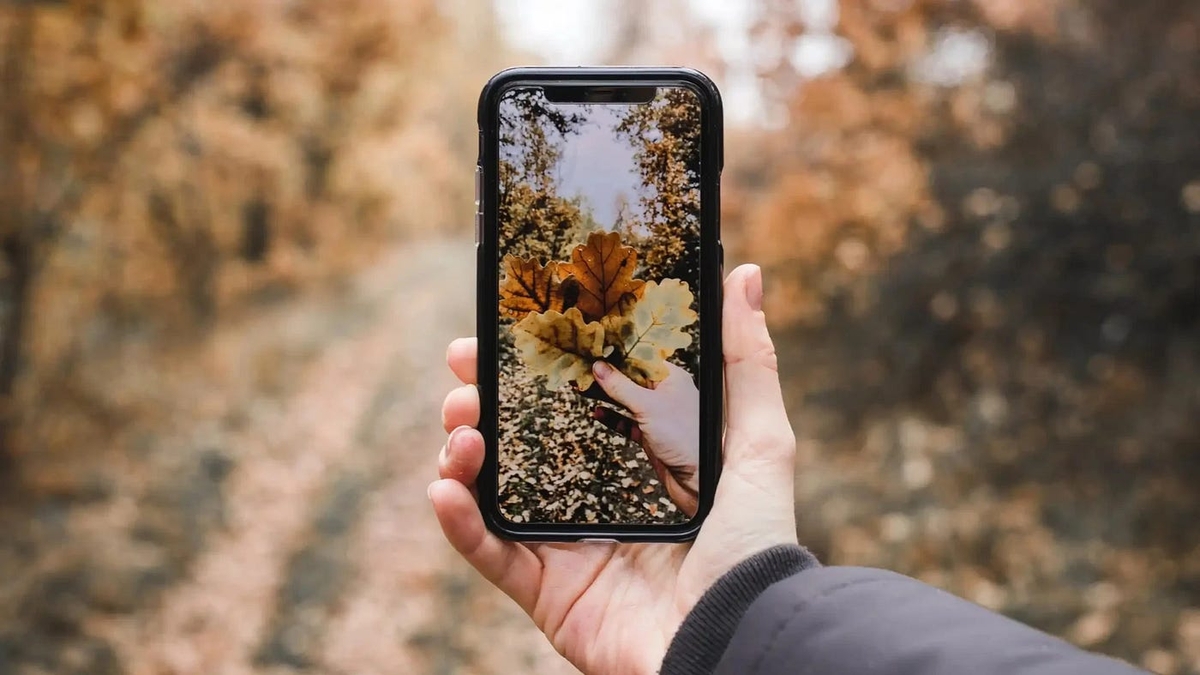
Photography

Photography Equipment Market size to grow by USD 3.61 billion from 2023 to 2028, The market is fragmented due to the presence of prominent companies like ARRI AG, Bron Elektronik AG and Canon Inc., and many more

Photography Equipment Market size to grow by USD 3.61 billion from 2023 to 2028, The market is fragmented due to the presence of prominent companies like ARRI AG, Bron Elektronik AG and Canon Inc., and many more

NEW YORK, Jan. 9, 2024 /PRNewswire/ — The photography equipment market is estimated to grow by USD 3.61 billion from 2023 to 2028, growing at a CAGR of 5.5%. The photography equipment market is fragmented owing to the presence of many global and regional companies. A few prominent companies that offer photography equipment market are ARRI AG, Bron Elektronik AG, Canon Inc., Carl Zeiss AG, CASIO Computer Co. Ltd., Eastman Kodak Co., FUJIFILM Corp., Kenko Tokina Co. Ltd, Leica Camera AG, Nikon Corp., Olympus Corp., Panasonic Holdings Corp., Phase One AS, Polaroid International B.V., Ricoh Co. Ltd., Samsung Electronics Co. Ltd., SIGMA Corp., Sony Group Corp., SZ DJI Technology Co. Ltd., and Tamron Co. Ltd. 

The report provides a full list of key companies, their strategies, and the latest developments. Download a Free Sample before buying

Company Offering:

  • ARRI AG The company offers photography equipment such as camera stabilizer systems, electronic control systems, and lenses.
  • Bron Elektronik AG – The company offers photography equipment such as Satos 1600 J, Satos 3200 J, and Pulso L 3200 J.
  • Canon Inc. – The company offers photography equipment such as EOS R6, EOS M50 Mark 2, EOS R10, EOS RP, and EOS 90D.
  • For details on companies and their offerings – Buy a report!

Based on Geography, the market is classified as North America, APAC, Europe, South America, and Middle East and Africa. APAC is estimated to contribute 42% to the growth of the global market during the forecast period. Another region offering significant growth opportunities to market players is North America. The US is the major contributor to the market in the region.  This market growth is strongly driven by the demand from professional users for advanced cameras, lenses and studio equipment.

Download a free sample report to get more insights on the market share of various regions and the contribution of the segments.

  • Impactful driver- The Photography Equipment Market experiences notable growth driven by the increasing replacement demand for compact cameras. This growth affects DSLR cameras, mirrorless cameras, camera lenses, tripods, camera bags, memory cards, photo printers, drone cameras, action cameras, lens filters, and backdrops. The demand for compact camera replacements stands as a significant driver, influencing market dynamics and encouraging innovation in the development and enhancement of diverse photography equipment.
  • Key Trend – The Photography Equipment Market witnesses a prevailing trend driven by the increasing demand for smart connectivity within cameras. This trend influences battery grips, camera straps, film cameras, remote shutter releases, underwater housings, lighting reflectors, photo albums, photography books, cleaning kits for cameras, video cameras, and on-camera monitors. Embracing smart connectivity revolutionizes equipment functionalities, meeting consumers’ evolving needs and preferences while reshaping the market landscape towards innovative, interconnected photography solutions.
  • Major Challenges – The Photography Equipment Market is facing challenges with the widespread adoption of smartphones, impacting speed lights, photo editing software, darkroom equipment, gimbals/stabilizers, macro photography gear, wireless transmitters, studio lighting, light meters, and flash units. The ubiquitous use of smartphones for photography competes with dedicated equipment, posing a challenge for market growth. To counter this trend, innovation, and differentiation are vital to meet distinct needs and sustain market relevance amid smartphone dominance.

 Market Segmentation

  • Based on the distribution Channel, the market is classified into offline and online. The offline segment is estimated to witness significant growth during the forecast period. Various photography equipment, including digital compact cameras, DSLR cameras, GPS receivers, lens mounts, optical filters, photographic chemicals, films, lenses, superzoom lenses, and more, are distributed offline. This involves retail channels such as specialty stores, hypermarkets, department stores, and warehouse clubs. Additionally, market players operate retail stores and are consistently expanding their retail presence.

Technavio Research experts have provided more insights on the market share of segments – View the Free Sample Report

Related Reports

The photography services market is estimated to grow by USD 9,611.08 million between 2022 and 2027 accelerating at a CAGR of 4.39%. 

The camera accessories market is estimated to grow at a CAGR of 3.71% between 2022 and 2027. The size of the market is forecast to increase by USD 856.09 million

Photography Equipment Market Scope

Report Coverage

Details

Historic period

2018-2022

Growth momentum & CAGR

Accelerate at a CAGR of 5.5%

YoY growth 2022-2023 (%)

5.14

Regional analysis

North America, APAC, Europe, South America, and Middle East and Africa

Key countries

US, China, Germany, France, and UK

TOC:

1 Executive Summary

2 Market Landscape

3 Market Sizing

4 Historic Market Size

5 Five Forces Analysis

6 Market Segmentation by Distribution Channel

7 Market Segmentation by Product 

8 Customer Landscape

9 Geographic Landscape

10 Drivers, Challenges, and Trends

11 Company Landscape

12 Company  Analysis

13 Appendix

About US

Technavio is a leading global technology research and advisory company. Their research and analysis focus on emerging market trends and provide actionable insights to help businesses identify market opportunities and develop effective strategies to optimize their market positions. With over 500 specialized analysts, Technavio’s report library consists of more than 17,000 reports and counting, covering 800 technologies, spanning across 50 countries. Their client base consists of enterprises of all sizes, including more than 100 Fortune 500 companies. This growing client base relies on Technavio’s comprehensive coverage, extensive research, and actionable market insights to identify opportunities in existing and potential markets and assess their competitive positions within changing market scenarios.

Contact US:
Technavio Research
Jesse Maida
Media & Marketing Executive
US: +1 844 364 1100
UK: +44 203 893 3200
Email: [email protected]
Website: www.technavio.com

SOURCE Technavio

Ski field photography clicks in Jilin

Ski field photography clicks in Jilin
image
Zhang Jian (right) serves a customer on a trail at the Songhua Lake Resort in Jilin, Jilin province, on Dec 7. ZHANG NAN/XINHUA

CHANGCHUN — A skier skimmed across the slope before suddenly stopping in a flurry of snowflakes. It happened in seconds, but the images were recorded by a photographer not far away in a succession of shots.

This photographer, Zhang Jian, is the chief of the photography team at the Songhua Lake Resort in Jilin, a city in the northeastern Chinese province of the same name. Since being introduced to the industry, the ski and photography enthusiast said he feels the job is tailor-made for him.

“The thrill of speed and the desire to push one’s limits are the charms of skiing, of which photography is the best carrier,” he said.

An art major who hails from Jilin province, Zhang landed a job as a ski resort staff member in 2010. Seeing that more skiers wanted photos on the snow, he saw it as an opportunity and worked hard to improve his skiing and photo skills.

In 2015, Zhang became one of the first contracted photographers on China’s Hey Snow app, which offers photography services to skiers. In 2018, he took the lead in setting up a ski photography studio called Snow.

He has witnessed growing demand for ski photography and the popularization of winter sports in China, boosted by the Beijing Winter Olympics in 2022.

During the snow season in 2021-2022, Zhang’s team uploaded a total of 3.82 million photos, 23 times more than in 2018-2019, with sales exceeding 1 million yuan ($140,845). He expects to set a fresh record this season.

Smartphone Photographer Sling Bags

Smartphone Photographer Sling Bags

The Shiftcam Workflow Sling is a modern photographer accessory crafted with style, durability and functionality in mind to keep avid shutterbugs of all experience levels supported. The bag focuses on smartphone photography needs to address the shift way from conventional cameras towards mobile devices for capturing everyday shots. This is observed with the Action Pocket for smartphone storage inside to ensure it’s as accessible as possible when the moment calls for it.

The Shiftcam Workflow Sling also features ample storage space for your additional photography accessories and everyday essentials to work well as a commuter pack or travel bag. The accessory also features a MagSafe clip for affixing the user’s smartphone onto the strap to capture first-person viewpoints for the perfect vlog.

Anita Wooldridge captures once-in-a-lifetime moments in her nature photography

Anita Wooldridge captures once-in-a-lifetime moments in her nature photography

Niwot resident Anita Wooldridge has been making the most of her retirement by devoting her time to photography. She specializes in nature and wildlife, capturing the natural beauty of the Rockies, Yellowstone National Park, and the Grand Teton National Park in her work. Her photography captures a feeling of quiet serenity, and offers a calm interlude to a busy life.

Wooldridge said she first got started with ocean photography while diving, about 20 years ago. “…(B)ringing a camera underwater made me look at things in a different way,” she said. “I slowed down and really looked. Photography taught me patience!” After her retirement, she traded underwater landscapes for the wilderness of the Front Range and the mountains.

Wooldridge said jokingly that she will photograph anything but people. Her photos feature ranges of mountains, lakes mirroring the forest, and various wildlife. She has captured many animals in their element, from moose and bison, to wolves and black bears.

Wooldridge’s favorite shot is a large bull moose in front of the sweeping landscape of the Grand Tetons in Wyoming. “That was an image that I had ‘visualized’ and finally it happened,” she said. Though the shot seems a product of luck, she emphasized how much time and patience it took to be in the right place at the right time.

“People always say how ‘lucky’ I was to capture a moment,” she commented. “Luck is only a small part of it. Being persistent, going out when sometimes you don’t want to go, putting in the time to find that moment.”

Her work certainly demonstrates the amount of patience required for effective wildlife photography. A wolf bending its head to drink from a river, a coyote catching its tail, and two moose “smooching” are examples of some of the incredible shots she has taken.

For Wooldridge, photography is about telling a story. “Landscapes, for me, can invoke memories of past visits,” she said. She likes to capture unique animals doing unique things, which often sparks conversation about how she managed to get her phenomenal pictures of the moment.

Wooldridge mentioned that the most important part of photography and capturing her “lucky” shots is to make opportunities to photograph often. She said persistence is key in getting the best shot. Her best advice to amateur photographers is to go out as much as possible, in order to increase the chance that you might capture the unbelievable.

January 11 Vallejo/Vacaville Arts and Entertainment Source: Like Ansel Adams, Vaca photographer sees his own ‘melody’

January 11 Vallejo/Vacaville Arts and Entertainment Source: Like Ansel Adams, Vaca photographer sees his own ‘melody’

When asked about the influences shaping his work, Philip Venable admits to  admiration for Ansel Adams, the most honored photographer of the 20th century and an effective advocate to preserve America’s remaining wilderness areas.

But Venable, a Vacaville resident and retired Contra Costa County Sheriff’s deputy, “emphasizes that he composes his own unique melody,” his own visual language with a message, said Dennis Ariza, president of the The Fairfield-Suisun Visual Arts Association, which has mounted an exhibit of the photographer’s work at the Solano Town Center.

The show, “Wild Thing” — “dedicated to celebrating our inner wildness,” Ariza said in a press statement — continues to Feb. 21 at the FSVAA gallery in the Fairfield mall, at 1350 Travis Blvd., suite D-8.

Venable’s exhibit within the exhibit is his “Dreamscape” series, what Ariza called “a collection as a heartfelt homage to his late wife.”

After her death, he crafted a digital alternate reality, giving the collection of photos its name, “to maintain that connection,” Ariza wrote in the prepared statement, adding, “The series, with its symbolix portal, serves as Philips bridge to that alternate reality where his cherished memories thrive.”

Vacaville-based photographer Philip Venable’s color image of a forest scene is part of his ‘Dreamscape’ series that is featured in the latest exhibit, ‘Wild Thing,’ at the Fairfield-Suisun Visual Arts Association gallery at Solano Town Center in Fairfield. (Courtesy photo/Philip Venable)

Venable, who retired from his law enforcement career in 2011, embarked on his photographic journey in 2010, refining his craft over the past 13 years and using a Nikon camera to do so. He had always been a shutterbug from age 10, when he received a Kodak Box Brownie camera.

An Air Force veteran, serving from 1976 to 1980, he won a juried art show in 2013 at the Vacaville Art Gallery and was the subject of an artist’s profile in The Reporter in 2014.

Besides photos of nature — a reference point sparked by Adams, who, with Edward Weston and Imogen Cunningham, co-founded the seminal Group f64, and other photographers, including Robert Adams, a founder of the New Topography of the 1970s — Venable captures a wide variety of subject matter, from Civil War reenactments and vintage vehicles to trains and landscapes.

“We are delighted that he is bringing his artistry from the proverbial darkroom into the radiant light of public view,” said Ariza. “His lens captures the essence of life in its most authentic form, a testament to his unfiltered perspective.”

Photographer Philip Venable of Vacaville (Courtesy photo/Philip Venable)

An artist’s reception will be from 4 to 6 p.m. Jan. 27. Some light snacks, berages and wine from gallery sponsor, BackRoad Vines, will be available.

Additionally, the FSVAA this year kicks off its 80th anniversary by celebrating “80Years of Art” in Fairfield. In the coming weeks and months, the artists group will be organizing different events to celebrate eight decades, said Ariza.

“Each of our shows will feature something special as part of the celebration,” he added.

For more information, visit www.fvaa-arts.org.

5 Easy Speedlight Photography Setups to Take Your Images to the Next

5 Easy Speedlight Photography Setups to Take Your Images to the Next

Just like most photographers, my off-camera flash journey began with the purchase of a speedlight and some inexpensive triggers. Many photographers will tell you that as soon as you get a speedlight, you need to acquire proper off-camera flash units. However, there are still many things you can do with a speedlight, and in this article, I will show you some of them.

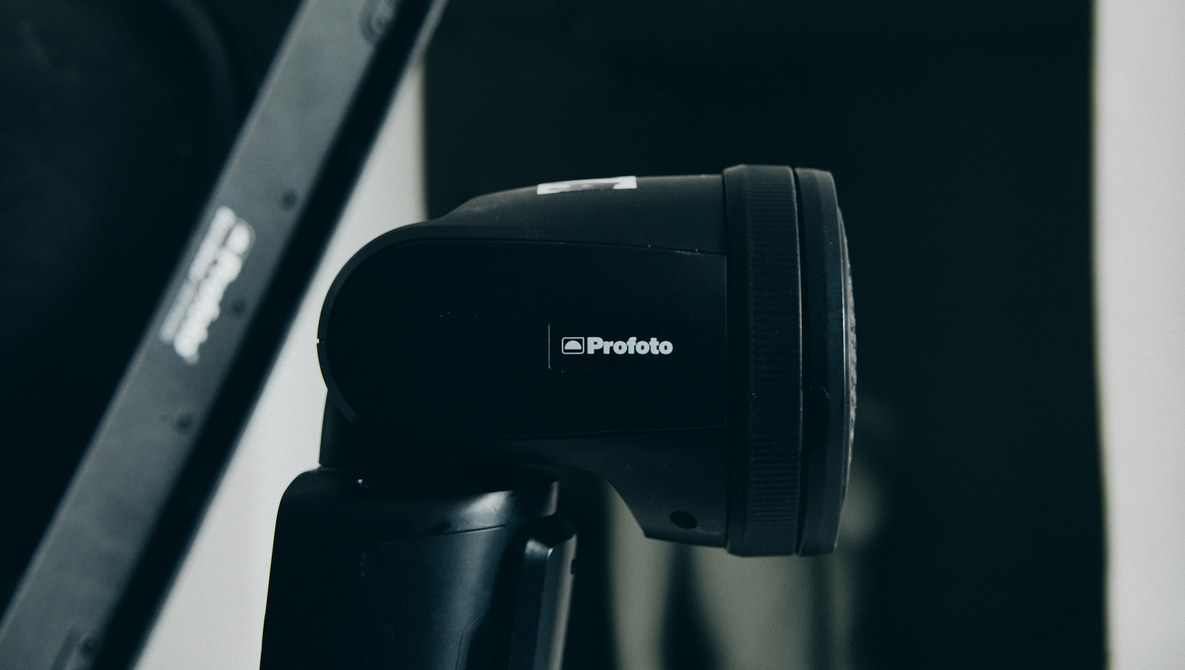
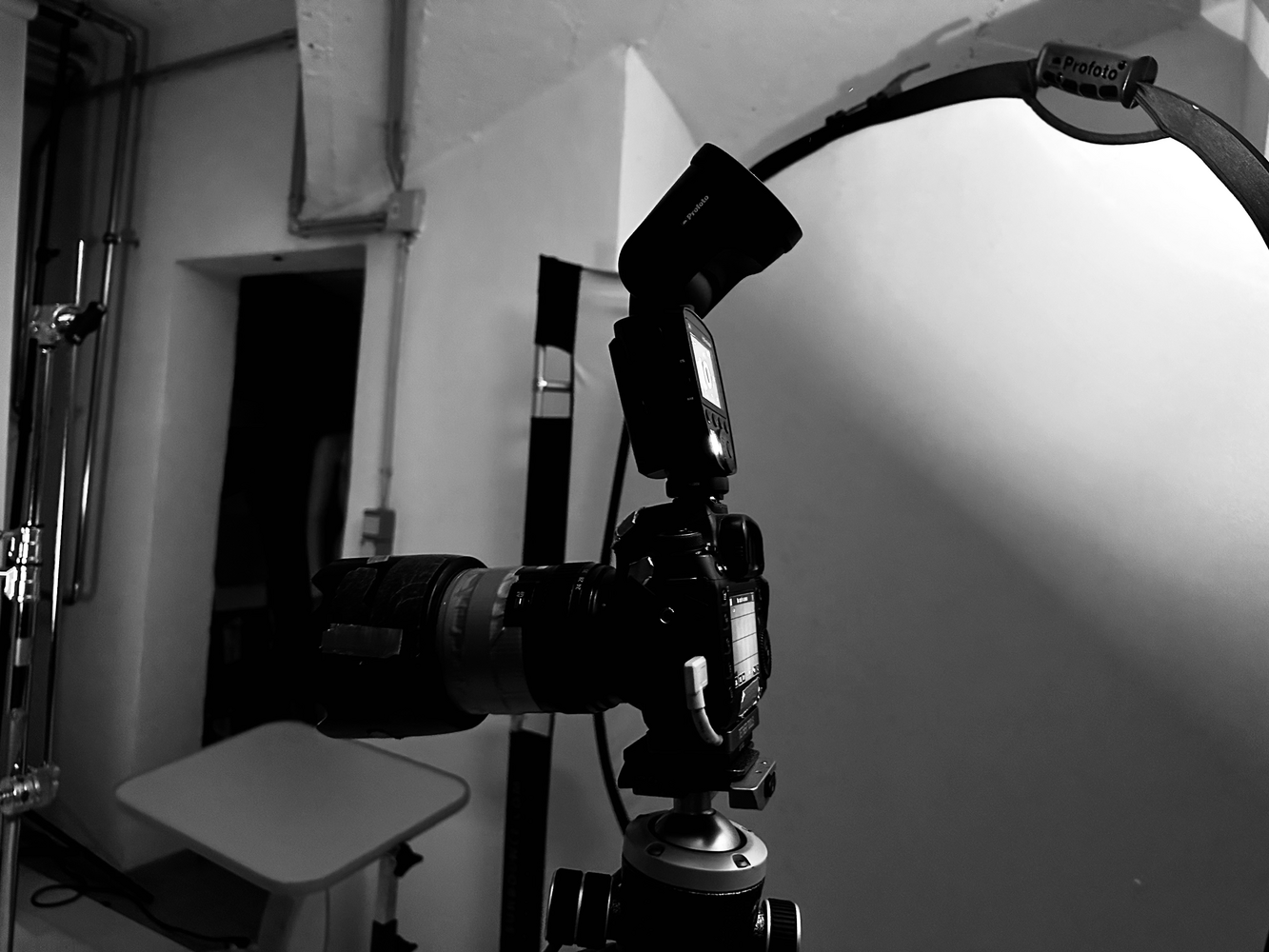
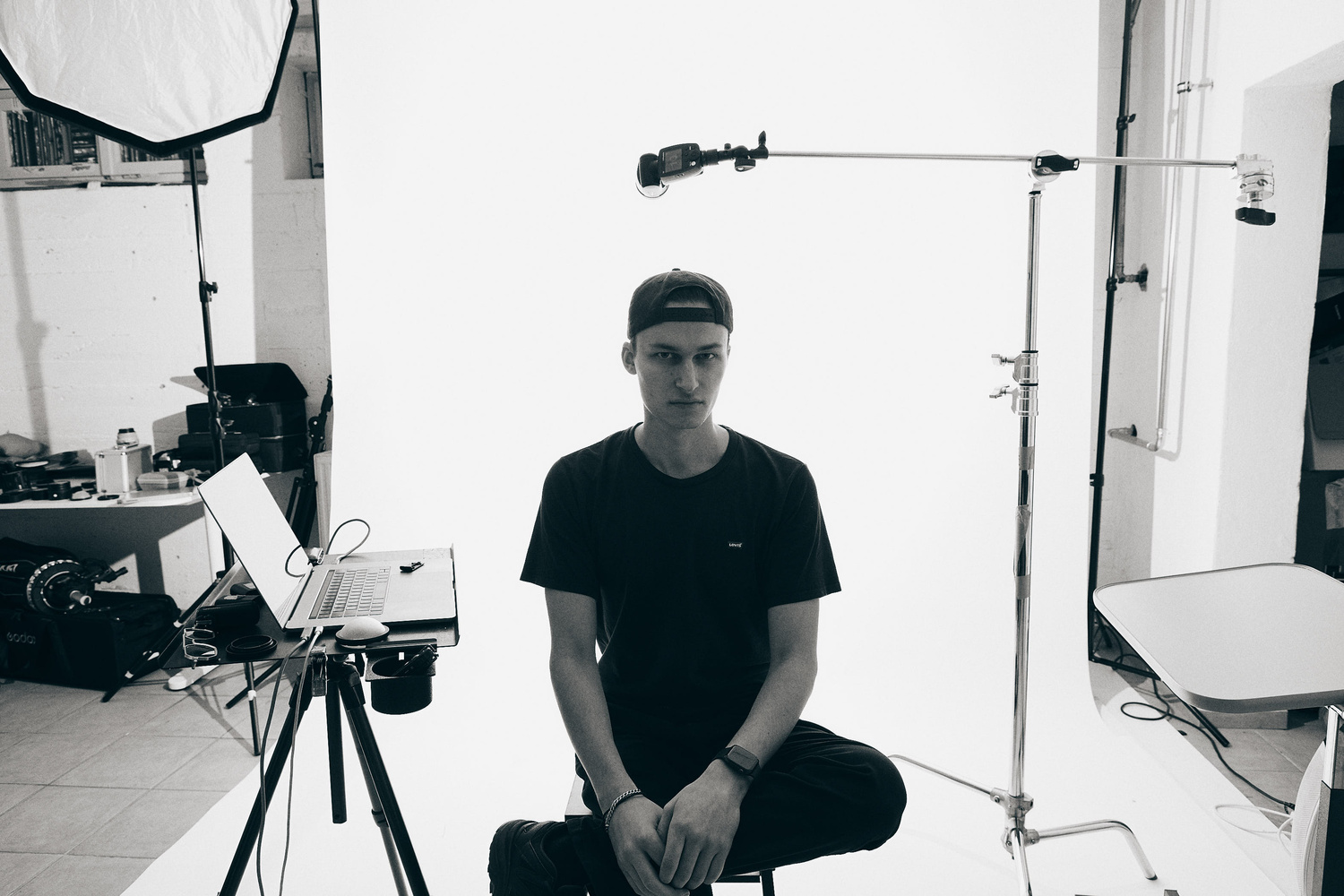
A single speedlite is sometimes all I have on a shoot. While these times are rare, and often, if I do have a single light, it’s a Profoto B1X. There have been times when an A1 was all I had. Not to worry, my friends. If all you have in your kit is a speedlight from Amazon, you can do most of these setups anyway. In fact, I angled the article in a way that enables as many photographers with a speedlight to do these setups. To create these setups, you will need: a speedlight, a remote trigger, a light stand, and possibly gels. It’s that simple, really. If you’re interested in the gear I am using, here it is: Profoto A1, Profoto Connect Pro, Profoto Clic Gel Teal, Manfrotto MLHHS-2, Avenger 40” C Stand kit.

Bad Light

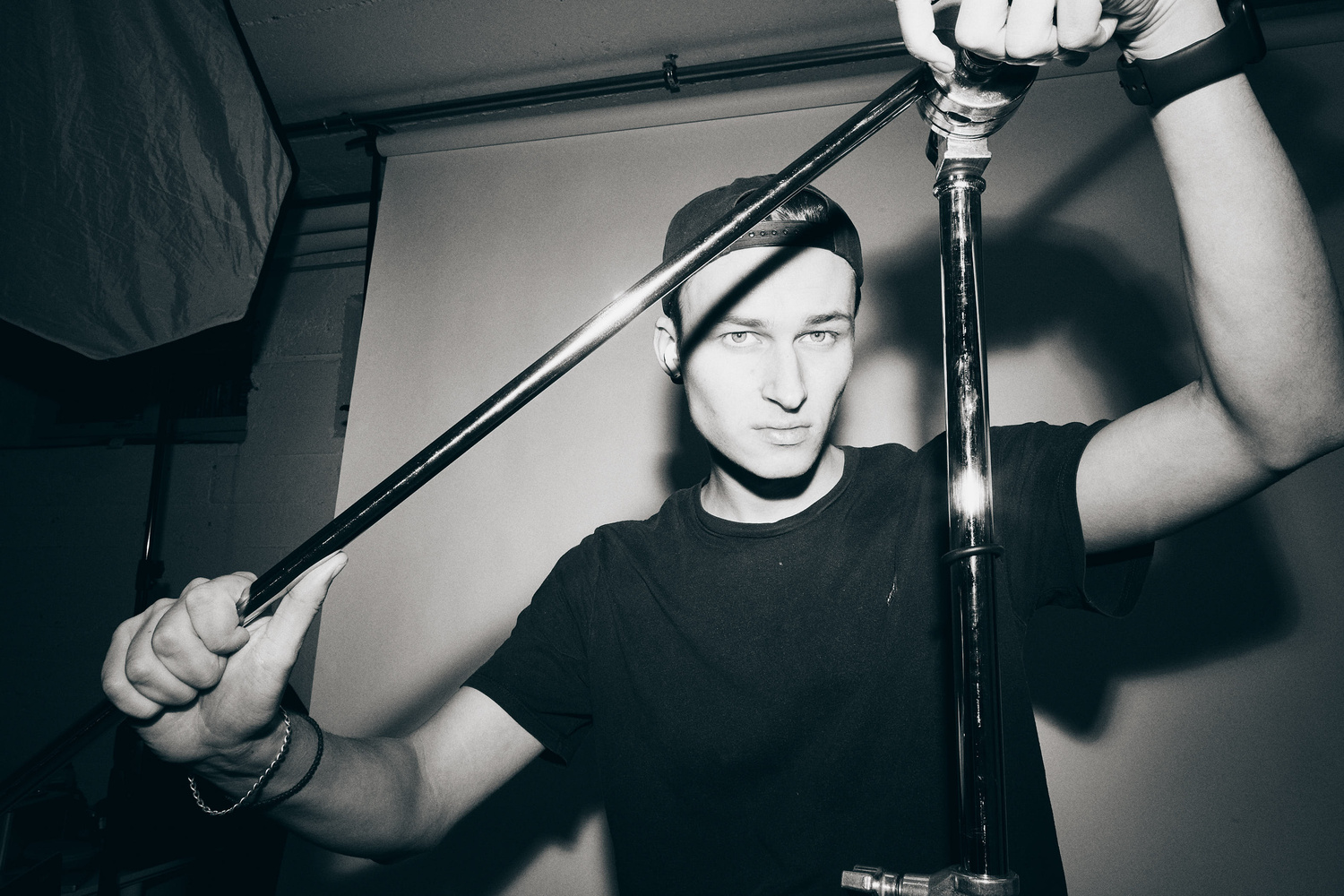
One of the most popular looks nowadays is the so-called bad light. You see, back in the day in the 80s, all you had was a point-and-shoot with a small point flash. Everyone looked ugly in those photos, and as soon as softboxes and lighting knowledge became more accessible, people started classifying this light as bad, and soft as good. However, it seems like the aesthetic is coming back to this very real and raw-looking hard light. This setup is super popular with event photography and is often done with a phone as well. Your iPhone camera is not that different from what I captured here.

The technique here is simple: I just point the flash at the subject, overexpose the subject, and voila. The key is to overexpose. You can have your light set to TTL mode but make sure to turn up the power by a stop or so. This will give the signature look. I say don’t be afraid of this look, as it is gaining popularity. The aesthetic has shifted from pretty and clean towards raw and real.

Creative Light 

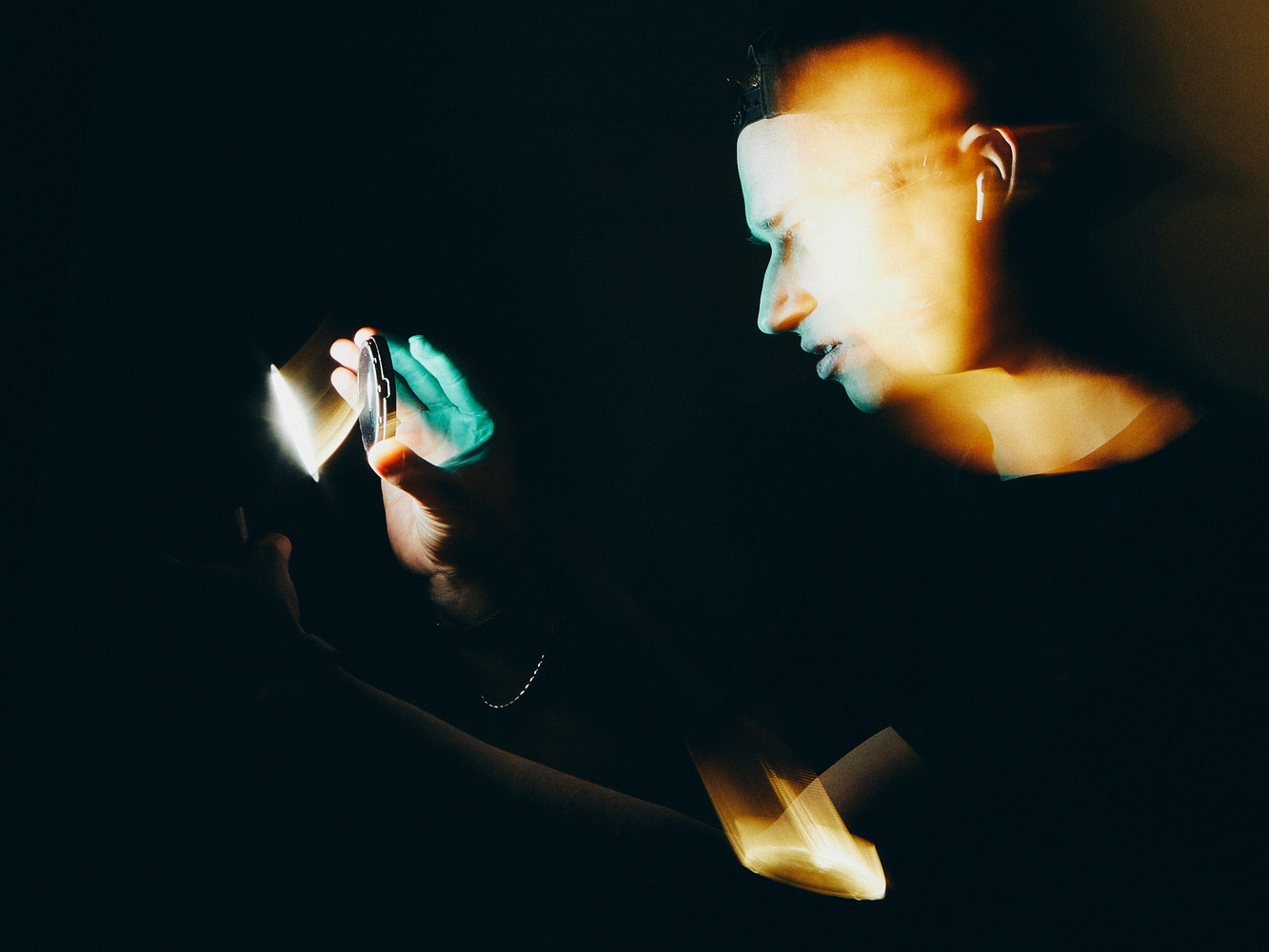
By far the most creative setup out of these, which you can use to get interesting long-exposure portraits. Some speedlights nowadays have a built-in modeling lamp, which allows photographers to light up their scene in multiple ways. The Profoto A1 is no different and features such a light. You can even zoom it! Anyway, here is how I did this setup. First, I made sure to use a long exposure. The idea was to have the flash be a different color from the constant light. This can be done by placing a gel over the flash just as it is about to fire. Hence, the exposure time was around 1s. It is important to mention that this is only possible in a dark room, as you want to make sure that there are no other light sources hitting your subject. Ideally, have a friend do the gel part. To make things even more fun, you can move the light around as the shutter is open. This technique is quite difficult, which is why after a few tries, I settled on the image of placing the gel on the light.
The Close Background Way 

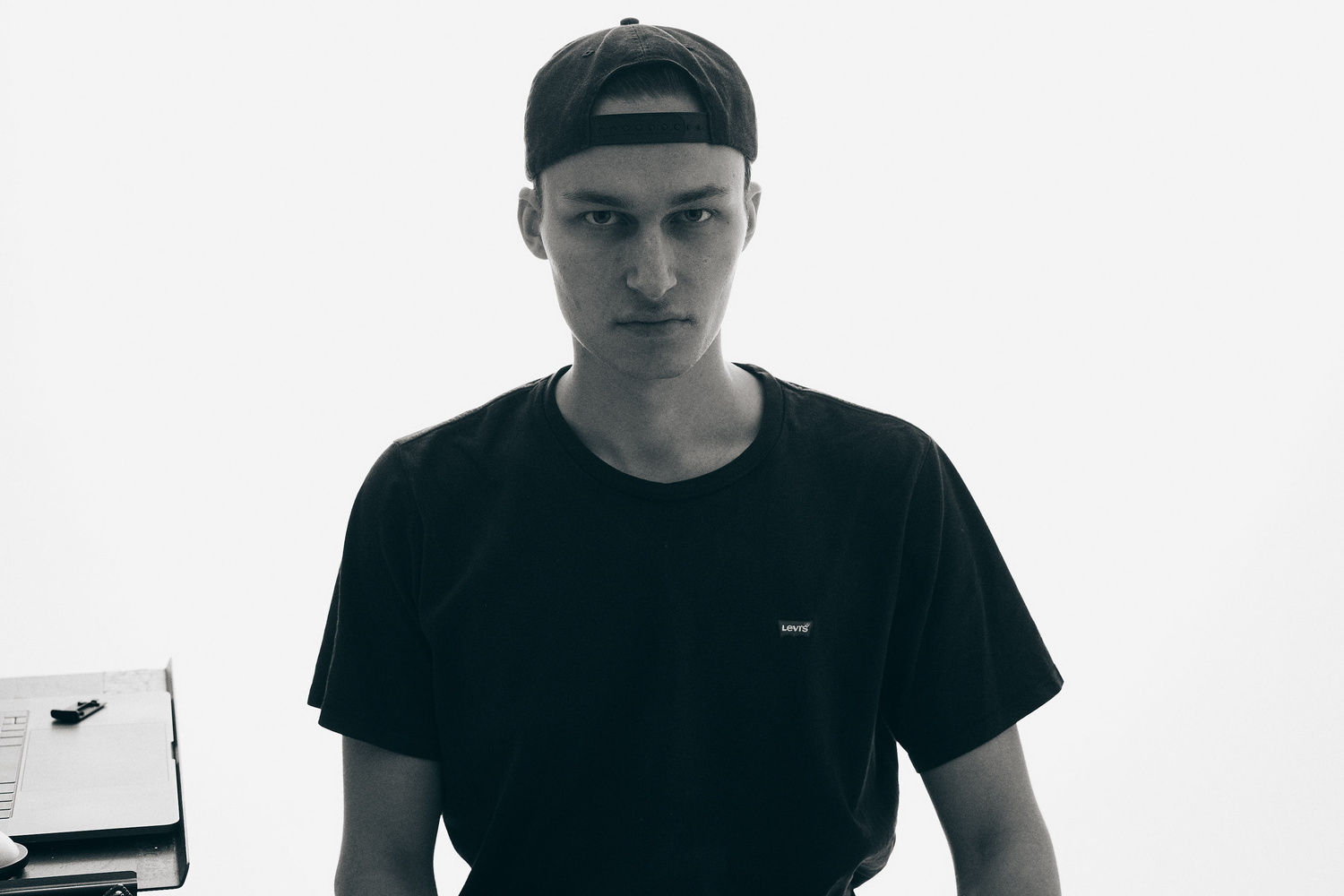
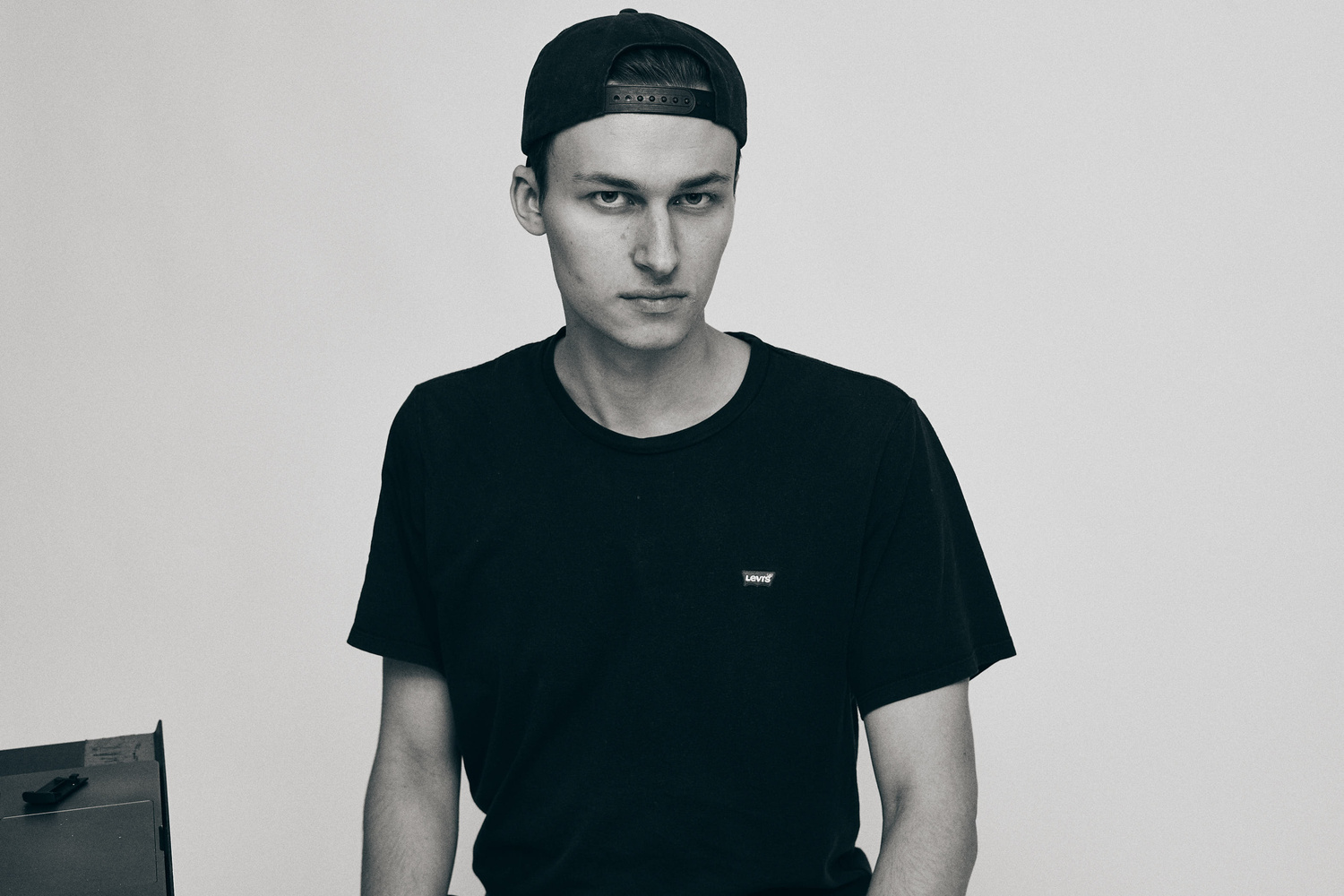
Simple, one light pointed at the subject from the top, however, the subject is placed right at the background. This way, you get almost no shadows, and your lighting is reminiscent of how a ring light would behave. Since I was alone doing these images, I had to trigger the camera remotely. However, to better this setup, you can take the light off-camera and place it right next to the lens. Some photographers use a bracket for this. While a very 80s technique, it does give off very good high-quality hard light that brings out detail in the subject. Use with caution, as this is probably not the most flattering technique.

Backlight 

If flattering is what you are looking for, then the next two setups are for you. In the first one, I place the light overhead but sit behind it. As such, the speedlight is lighting the background, and not me directly. What this does is turn the background into a massive light source, thereby giving a backlit effect. This is excellent for highlighting facial structure as well as hiding bad spots on one’s skin. This setup can work well on its own or be a great foundation for adding more lights and crafting the image further. Another way to build on this setup is to place the subject behind a black piece of fabric in a way that only covers the subject and nothing else. This way, you will get a rim light going all around the person.

The Classic Bounce

The last setup is perhaps the one you already know, but for those who don’t, here is how to get soft light fast. Essentially, this is one of the first techniques photographers learn when starting their flash journey. Still, I see so many people do it wrong. While the concept of bouncing light is fairly easy to explain: big light = soft light, the right way can be a little tricky. Most photographers, myself included, will either aim the speedlight straight at the ceiling or at a right angle away from the subject. These are not the best ways to bounce light, as you are creating a top light and shadows under the eyes with the first method, while the second method may leave people behind you blind for a minute. The right way to bounce light is to aim the flash head at a 45-degree angle away from the subject. This way, you will be wrapping your subject in light from both the ceiling and the wall. As such, there will be no dark shadows under the eyes, and the people behind your camera won’t get blinded.

Are there any cool one-speedlight setups that you know? Share with us in the comments below!

Mastering Smartphone Photography: Composition Techniques to Enhance Your Shots

Mastering Smartphone Photography: Composition Techniques to Enhance Your Shots

Mastering Smartphone Photography: Composition Techniques to Enhance Your Shots

In the pulsating, evolving narrative of technology and its integration with our daily lives, the smartphone stands out as a game-changing protagonist. Today, a phone is more than a communication device; it’s an essential tool for capturing the world around us. In particular, smartphone photography has become a popular medium, transforming how we perceive and interact with our surroundings. This article will provide practical tips to improve your smartphone photography skills, primarily focusing on composition techniques.

Changing the Point of View

One of the simplest ways to enhance photo quality is by altering your point of view. Often, a dramatic effect can be achieved by capturing images from lower or higher angles rather than the conventional eye-level shot. This perspective shift can introduce an intriguing element into your photographs, making them more engaging.

Mastering the Rule of Thirds

Another essential tip is to harness the power of the camera grid to apply the rule of thirds. This principle suggests that an image should be divided into nine equal parts, with the key elements of the photo placed along these lines or their intersections. Using this rule can create a balanced and aesthetically pleasing composition.

Isolating the Subject

For portrait shots, isolating the subject from the background can significantly enhance the impact of the image. Most smartphones come equipped with a portrait mode, which creates a blurred background effect, drawing focus to the subject.

Navigating Low-Light Conditions

In low-light situations, it’s advisable to avoid using the flash as it often results in overexposed images. Instead, try to stabilize your phone by resting it against a surface or using a tripod, which can help produce clearer shots.

Exploring Wide Angles and Motion

For landscapes or wide images, using the panorama mode can be effective. However, care should be taken to avoid distortion. Furthermore, to experiment with motion, try slowing down the shutter speed to create light streaks in photos of moving subjects.

Leveraging Apps for Control

Finally, consider the use of photography apps that offer manual control over camera settings. Such apps can provide a range of options for adjusting exposure, focus, and white balance, giving you greater control over your images.

These tips, aimed at both new and experienced smartphone users, promise to elevate your photographic journey, transforming everyday moments into extraordinary memories. The smartphone camera, in your pocket, is indeed a powerful tool. It’s all about learning to use it well.