Photography

Wildlife Photographer of the Year winners for 2023 capture nature in all its splendour and fragility

Wildlife Photographer of the Year winners for 2023 capture nature in all its splendour and fragility

From a horseshoe crab gliding over mud to a mushroom surrounded by a cloud of spores, some of the images in this year’s Wildlife Photographer of the Year competition seem as if they’re from another world. Other photos offer a glimpse of how nature intersects with the urban environment, or how humans have cut an irreversible swath through otherwise pristine areas.

Run every year since 1965, the competition is the oldest of its type in the world. Photographers of all skill levels submit images for judging – almost 50,000 entries this year – in categories including animal portraits, urban wildlife and underwater photography.

An exhibition of 100 photos from the contest, run by London’s Natural History Museum, opens Saturday at the Royal Ontario Museum, showcasing the incredible skill needed to capture parts of our world that seem out of this world.


Open this photo in gallery:

The art of courtship, by Rachel Bigsby, U.K.

Winner, Natural Artistry Taken at Noss National Nature Reserve, Shetland, Scotland

Rachel Bigsby frames a gannet pair against the guano-painted curves of sandstone cliffs.

From her boat in turbulent sea swell, Rachel realized that achieving her vision of showcasing gannets set against the towering cliffs would be tricky. But as the boat aligned with the rocks, she spotted this pair “isolated on a lower ledge, intertwining their necks and framed by streaks of guano.”

Each summer, the Isle of Noss hosts more than 22,000 northern gannets, which return to breed on the ledges carved by the elements. This species was hardest hit by the 2022 avian flu outbreak.

Open this photo in gallery:

Last gasp, by Lennart Verheuvel, the Netherlands

Winner, Oceans: The Bigger Picture Taken at Cadzand-Bad, Zeeland, the Netherlands

Lennart Verheuvel shows the final moments of a beached orca. Lying on its side in the surf, this orca had only a short time left to live. Initially rescued, it soon was stranded again on the beach and died. A study later revealed that not only was it severely malnourished, it was also extremely sick.

Research shows that orcas in European waters have the world’s highest concentrations of polychlorinated biphenyls. These banned chemicals can persist for many years in marine food webs, weakening immune systems and reducing breeding success in whales, porpoises and dolphins.

Open this photo in gallery:

The dead river, by Joan de la Malla, Spain

Winner, Wetlands – The Bigger Picture Taken at the Ciliwung River, Jakarta

Joan de la Malla provides a bird’s-eye view of the polluted Ciliwung River winding through Indonesia’s capital, Jakarta. To find a time when lower air pollution allowed a clear view, Joan returned to the scene over several days. His image documents one of the most polluted rivers in the world and illustrates the growing global issue of river pollution.

Plastic rubbish, human waste, agricultural fertilizers and factory waste are suffocating the Ciliwung River. As a result, Jakarta’s residents are having to use groundwater for drinking water. This has resulted in widespread subsidence and the city is now sinking.

Open this photo in gallery:

Lights fantastic, by Sriram Murali, India

Winner, Behaviour: Invertebrates Taken at Anamalai Tiger Reserve, Tamil Nadu, India

Sriram Murali showcases a night sky and a forest illuminated with fireflies. Sriram combined fifty 19-second exposures to show the firefly flashes produced over 16 minutes in the forests near his hometown. The firefly flashes start at twilight, with just a few, before the frequency increases and they pulse in unison like a wave across the forest.

Fireflies, which are in fact beetles, are famous for attracting mates using bioluminescence. Darkness is a necessary ingredient in the success of this process. Light pollution affects many nocturnal creatures, but fireflies are especially susceptible.

Open this photo in gallery:

The tadpole banquet, by Juan Jesús Gonzalez Ahumada, Spain

Winner, Behaviour: Amphibians and Reptiles Taken at Ojén, Málaga, Spain

Juan Jesús Gonzalez Ahumada watches as toad tadpoles feast on a dead fledgling sparrow. The drama unfolded near Juan’s home when a newly fledged sparrow launched itself from a nest on his neighbour’s roof and fell into a nearby pond, where it drowned. Juan had to pick his moment to show the tadpole formation and the sparrow’s eye.

Common toad tadpoles have varied diets consisting of algae, vegetation, and tiny swimming invertebrates. As they grow larger, they become more carnivorous so when a banquet like this arrives, they take full advantage.

Open this photo in gallery:

Silence for the snake show, by Hadrien Lalagüe, France

Winner, Behaviour: Birds Taken at Guiana Space Center, between Kourou and Sinnamary, French Guiana

Hadrien Lalagüe is rewarded for his patience with a perfect alignment of grey-winged trumpeters watching a boa slither past. Hadrien set up his camera trap by a track in the rainforest surrounding Guiana Space Center. He spent the next six months maintaining the camera kit against high humidity, plastic-munching ants and damage by poachers. This image was his reward.

Trumpeters – named for their loud calls – spend most of their time foraging on the forest floor, eating ripe fruits, insects and the occasional small snake. The boa constrictor, more than three metres long, could have made a meal of them.

Open this photo in gallery:

Whales making waves, by Bertie Gregory, U.K.

Winner, Behaviour: Mammals Taken at the Antarctic Peninsula, Antarctica

Bertie Gregory tracks a pod of orcas as they prepare to “wave wash” a Weddell seal.

Bertie took two month-long expeditions searching for orcas. “We spent every waking minute on the roof of the boat, scanning,” he says. After battling high winds and freezing conditions, he captured this remarkable behaviour with his drone.

These orcas belong to a group that specializes in hunting seals by charging towards the ice, creating a wave that washes the seal into the water. With rising temperatures melting ice floes, seals are spending more time on land, and the behaviour of “wave washing” may disappear.

Open this photo in gallery:

Face of the forest, by Vishnu Gopal, India

Winner, Animal Portraits Taken at Tapiraí, São Paulo, Brazil

Vishnu Gopal records the moment a lowland tapir steps cautiously out of the swampy Brazilian rainforest.

Finding hoofprints on a forest track near his campsite, Vishnu waited nearby. An hour later, the tapir appeared. Using a long exposure and torchlight to capture texture and movement, Vishnu framed the tapir’s side-turned head as it emerged from the forest.

Lowland tapirs rely on the forest for their diet of fruit and other vegetation and in turn the tapirs act as seed dispersers. This important relationship is threatened by habitat loss, illegal hunting and traffic collisions.

Open this photo in gallery:

Last breath of autumn, by Agorastos Papatsanis, Greece

Winner, Plants and Fungi Taken at Mount Olympus, Pieria, Greece

Agorastos Papatsanis reveals the magic of a fungus releasing its spores in the forest.

Long fascinated by fungi, Agorastos used his silver photographic umbrella to stop his camera getting wet, and covered his carefully positioned flash with a plastic bag. The colourful touches come from refraction of the light passing through the spore-laden air currents and rain.

Parasol mushrooms release spores from the gills under their cap. Billions of tiny spores travel – usually unseen – in the air currents. Some will land where there is moisture and food, enabling them to grow networks under the forest floor.

Open this photo in gallery:

Hippo nursery, by Mike Korostelev, Russia

Winner, Underwater Taken at Kosi Bay, iSimangaliso Wetland Park, South Africa

Mike Korostelev reveals a hippopotamus and her two offspring resting in the shallow clear-water lake.

For over two years Mike has been visiting the hippos in this lake and knew they were accustomed to his boat. He spent just 20 seconds under water with them – enough time to get this image from a safe distance and to avoid alarming the mother.

Hippos produce one calf every two to three years. Their slow-growing population is particularly vulnerable to habitat degradation, drought, and illegal hunting for meat and ivory from their teeth.

Open this photo in gallery:

Birds of the midnight sun, by Knut-Sverre Horn, Norway

Winner, Urban Wildlife Taken at Vardø, Troms og Finnmark, Norway

Knut-Sverre Horn offers a glimpse of kittiwake chicks illuminated in an abandoned factory.

From his vantage point inside an abandoned fish-processing factory, Knut-Sverre kept watch on the black-legged kittiwakes tending to their chicks on the windowsill. As midnight approached, the low summer sun struck the north-facing window, sharpening the birds’ silhouettes and giving him the image that he wanted.

Kittiwakes naturally nest on the narrow ledges of high, steep coastal cliffs. Recently numbers have plummeted, and some have headed for urban areas due to shortages of food caused by warming oceans and pollution.

Open this photo in gallery:

The tourism bulldozer, by Fernando Constantino Martínez Belmar, Mexico

Winner, Photojournalism Taken at Paamul, Quintana Roo, Mexico

Fernando Constantino Martínez Belmar shows the devastating path of a new cross-country tourist railway line.

To reach a point from where he could launch his drone, Fernando was guided through four kilometres of an underground cave system. The result of his challenging trek was this image.

The government-funded railway line connecting tourist destinations brings economic benefits to Mexico’s southeast, but it also fragments ecosystems, threatens protected reserves and archaeological sites, and impacts Indigenous peoples. While trains are a more environmentally friendly form of transport, conservationists warn of devastating consequences.

Open this photo in gallery:

The unprotected, by Karine Aigner, U.S.

Winner, Photojournalist Story Award

Contestants line up to have their bobcats weighed in the March 2022 West Texas Big Bobcat Contest, the highest-paying predator-hunting contest in the United States. There are a number of prizes, one of which is for the heaviest bobcat. In 2022 the winner of that category took home US$35,530 (around £28,000).

Open this photo in gallery:

Alpine exposure, by Luca Melcarne, France

Winner, Rising Star Portfolio Award

To enable an early ascent into ibex territory, Luca had spent a bitterly cold night in a temporary shelter in the French Alps, having skied for six hours across the natural park. Luca thawed his camera with his breath and took the ibex’s portrait.

Open this photo in gallery:

The wall of wonder, by Vihaan Talya Vikas, India

Winner, 10 Years and Under • Taken at Nallur Heritage Tamarind Grove, Karnataka, India

Vihaan Talya Vikas watches as an ornamental tree trunk spider prevents its prey from escaping.

This was Vihaan’s first visit to the tamarind grove. Fascinated by stories of the Hindu god Krishna, it seemed to Vihaan as if the spider had positioned its web after being entranced by the sound of Krishna’s flute.

This spider is an orb weaver, which creates a wheel-shaped web of sticky threads to catch flying insects. As the spider grows, it elongates its web, which entangles anything that lands on it.

Open this photo in gallery:

Out of the blue, by Ekaterina Bee, Italy

Winner, 11-14 Years Taken at Portree, Isle of Skye, Scotland

Ekaterina Bee shares her intimate encounter with some common bottlenose dolphins.

Ekaterina’s trip to the west coast of Scotland was filled with wildlife encounters, but bottlenose dolphins were an unexpected surprise. From the boat she composed this image, which highlights the surface patterns on the water created by the dolphins’ movements.

Common bottlenose dolphins can be found throughout the world’s oceans except in polar regions. Living in small groups, they are highly social animals, and are one of the top marine predators living in Scottish waters.

Open this photo in gallery:

Owls’ road house by Carmel Bechler, Israel

Winner, 15-17 Years Taken at Hof HaSharon, Israel

Carmel Bechler discovered several barn owls in an abandoned concrete building near a busy road.

Returning to where he had spotted a barn owl the previous year, Carmel and his father used the family car as a hide. He made the most of the natural light and used long exposure times to capture the light trails of passing traffic.

Israel has the densest barn-owl population in the world. A national project has provided nesting boxes near agricultural fields, encouraging owls to nest near farmland. Because the owls hunt rodents that eat seeds and crops, this arrangement has reduced the use of pesticides on farms.

Open this photo in gallery:

The ancient mariner, by Laurent Ballesta, France

Winner, Portfolio Award

A tri-spine horseshoe crab moves slowly over the mud. Its golden protective carapace hides 12 appendages. Above the horseshoe crab, a trio of juvenile golden trevallies are poised to dart down for edible morsels ploughed up by its passage.

Open this photo in gallery:

Life on the edge by Amit Eshel, Israel

Winner, Animals in their Environment Taken in the Zin Desert, Israel

Amit Eshel witnesses a dramatic cliffside clash between two Nubian ibex.

After hiking to a vantage point on the clifftop, Amit slowly crept closer, using a wide-angle lens to set the action of two clashing Nubian ibex against the dramatic backdrop. The battle lasted for about 15 minutes before one male surrendered, and the pair parted without serious injury.

In the run-up to the mating season, part of the males’ coat darkens, and their neck muscles thicken. Rivals will raise up on their hind legs and ram their heads together. Their horns sometimes break as they collide.

15 hilarious winners of this year’s Comedy Wildlife Photography Awards

15 hilarious winners of this year’s Comedy Wildlife Photography Awards
  • The annual Comedy Wildlife Photography Awards highlight amusing photos of animals in the wild.
  • This year’s overall winning image shows a kangaroo appearing to play an air guitar.
  • Other photos show animals like otters, owls, and monkeys displaying expressive faces and poses.

Advertisement

The Comedy Wildlife Photography Awards announced the winners of its 2023 contest, highlighting hilarious snapshots of animals in the wild to support the work of wildlife-conservation charities.

A panel of judges narrowed 5,300 submissions from 85 countries down to 41 finalists and 14 winning photos. Fans also voted to select the winner of the Affinity Photo People’s Choice Award.

The winning images show animals like otters, owls, turtles, and monkeys making expressive faces and striking hilarious poses.

Take a look at this year’s winners. Photographers’ captions have been condensed and edited for clarity.

Indian Photo Festival 2023: How Arpan Mukherjee’s alternative photography looks beyond standardised norms

Indian Photo Festival 2023: How Arpan Mukherjee’s alternative photography looks beyond standardised norms

“My creative ideology refused to accept that someone from a multinational company, say, based in New York, will decide how my images would look,” says Santiniketan-based artist Arpan Mukherjee, who specialises in and teaches printmaking at Visva Bharathi University. He talks about 1888 as a definitive year that changed photography as the world witnesses it today. “That was the year Kodak stated that all we need to do is press a button and it will take care of the rest,” he says, referring to the standardised process that had been absent until then. Arpan Mukherjee will deliver an Artist Talk at the ongoing Indian Photo Festival 2023 in Hyderabad on November 26, 6pm, at the State Gallery of Art, Kavuri Hills.

Arpan Mukherjee co-founded Studio Goppo, based in Santiniketan

Arpan Mukherjee co-founded Studio Goppo, based in Santiniketan
| Photo Credit:
Special Arrangement

He explains that prior to this standardisation, the artist or photographer had more control over the type of camera, material and surface on which the image is transferred. “A photograph is not only about an image. In art practice, we look at the material, surface, size of the desired image, pigmentation and how it all connects with the concept. If we use a high-end digital camera and print an image taken with it, we will get a sharp image. But it is not unique. That has been my issue. I was keen to explore techniques that were prevalent before multinational companies standardised photography. I learnt that photographs were handmade earlier, which greatly inspired me.”

Custom techniques

Mukherjee’s method of reviving some of the older techniques and contextualising them to the present-day scenario has made him stand out. An artist since 2001, he has been researching and experimenting with photographic and printing techniques independently and as part of Studio Goppo, which he co-founded with Shreya Mukherjee. His alternative photography methods involved exploring mediums such as wet plate collodion, gum dichromate, salt prints and silver gelatin emulsion, among others. 

From Arpan Mukherjee’s series Lal Dhulor Chobi that explores migration in Bengal; the printed images on surfaces of found objects.

From Arpan Mukherjee’s series Lal Dhulor Chobi that explores migration in Bengal; the printed images on surfaces of found objects.
| Photo Credit:
Arpan Mukherjee

His methods vary according to the series he is working on. When he documented migration from the villages to the city in West Bengal, he came across family photographs from demolished homes with broken pieces of glass and ceramic plates. He printed some of the family photographs he spotted on these ‘found object’ surfaces. 

There are series for which he uses custom-designed cameras and says technology is not rocket science. The fascination lies in designing his own camera, film and choosing the printing surface and seeing the difference it makes to the image. “A camera is nothing but a black box with a tiny hole. Films can be made easily. They are the basics, rudimentary, if you ask me. But it makes the process interesting.”

Design your own camera

For a series on old homes paving way to new constructions in Bengaluru, he used a custom-designed pin hole camera. For another series, a personal documentation of family photographs, he designed pinhole cameras using cans of baby food. “I converted the empty cans into cameras and these were dedicated to taking photographs of my family. When you contextualise the camera for a series, it becomes an object of art.”

From the series Beautiful people = fairer people = powerful people, which takes a critical look at the colonial idea of evaluating Indian portraits

From the series Beautiful people = fairer people = powerful people, which takes a critical look at the colonial idea of evaluating Indian portraits
| Photo Credit:
Arpan Mukherjee

Such alternative photography processes involve continual research and a knowledge in history, chemistry and photographic techniques. At the moment, he is working on an experimental project that integrates artificial intelligence (AI) with 19th century techniques of printmaking. “AI also has a standardised notion,” he explains, “If you give it a script — say about an Indian man and specify his dress colour, it will generate an image of an Indian man or woman that reflects a colonial idea of an Indian. AI works on existing algorithms. My work attempts to rethink this process.” 

This project will be an extension of his earlier series ‘Fairer people = beautiful people = powerful people’ that comments on the colonial idea of Indian portraits. In the new project that integrates AI, he plans to “generate portraits with scripts/prompts and see how as the prompt changes, there are changes in the images generated. The images will then be re-exposed on wet-plate collodion glass. That is a tough path to go. It is in an experimental stage.”

For the complete schedule of Indian Photo Festival, check indianphotofest.com

In photos: The ‘audacity’ of New York street life

In photos: The ‘audacity’ of New York street life

The photographer’s exhibition New York Life joyfully chronicles moments of everyday life on the city’s streets

23November 2023

Daniel Arnold is an opportunist, in the best sense of the word. As one of the most beloved chroniclers of New York street life, the photographer is “always chasing” those comic, odd, poignant, beautiful, frenetic, absurd moments that comprise each day in the life of the city that never sleeps. His portraits of New Yorkers – taken in otherwise incidental moments as they go about their business – are the union of pure chance and his unique gift of spotting the “makings of a story”. “I operate on spontaneity,” he tells Dazed. “I’m a wandering collector.”

Having begun his career as a writer, Arnold first gained recognition for his photographs after posting pictures in the early days of Instagram and, within a few years, he’d attracted a mass following. But approaching photography “sideways” has its advantages. “Starting from a sense of story, rather than a knowledge of photography, made my work about failure – failing up into surprises,” he explains. “And I have no interest in changing that. It’s uncomfortable but at least I’m always learning.”

Arnold’s latest exhibition New York Life (named after the gallery in which it’s showing), brings together a selection of sublime pictures from his archive. It’s hard to pin down the qualities that define these images without resorting to a list of adjectives (as per my opening paragraph). But, however long the list of descriptives, it still feels like a reductive exercise because his pictures contain so much surprise and joy. Continually “trying to fit these bits of world I felt in love with into a little rectangle” and so often that love seems uncontainable within the frame. An abiding source of this love is, of course, the “novelty and audacity and ingenuity” of NYC itself. But he’s not just a flâneur, observing from a distance. He’s in amongst the tumult of city life, loading film after film into his camera. “I’m crazy for it,” he says. “I love it.”

Below, we speak to Daniel Arnold about his enduring desire to be moved and surprised, his wide-eyed love of New York, and what compels him to reach for his camera.

Please could you begin by introducing this particular show?

Daniel Arnold: New York Life is a collaboration. I gave the exhibition the same name as the gallery to accentuate that. Ethan James Green, the owner, is a neighbour and a friend, and a photographer whose work I’ve always admired for its precision. I operate on spontaneity and chance. I’m a wandering collector. Whereas Ethan is a controlled craftsman who seems to hit hardest when he’s executing a vision. In my mind that makes us a very interesting odd couple. And when you add his beautiful, outsider gallery to the mix, I see a potential new source of the serendipity I’m always chasing.

“My relationship with New York is Fievel’s dream of America. I’m a wide-eyed, emotional little mouse in a floppy hat and the streets are paved with cheese” – Daniel Arnold

To me, your pictures are like perfect distilled moments of otherwise overlooked beauty – but what kinds of observations or happenings compel you to reach for your camera?

Daniel Arnold: There are so many answers. Sometimes it’s weird light or the makings of a story, curiosity, desire, fear, sympathy, boredom, a great face, geometry, comedy, not wanting to forget. I could list all day. It can be a very addictive game, engaging with the world like it’s an endless thrift store conveyor belt of perfectly worn-in coincidences and provocations and punchlines. It can be really fun. But that approach can also get to feel pretty cheap and boring. I’m still compelled to keep swinging for some ennobling new complexity, but ‘good pictures’ get to feel kind of obvious after a while. ‘Bad pictures’ still feel shitty to mass produce, but the unknown universe between the two is a big mythical land of promise. So I indulge my gut, all kinds of weird action gets me reaching, because at this point I just wanna be surprised; would love to be moved. And will still happily settle for at least remembering, and adding every day to the giant pile, which is more interesting evidence to me than any particular photo.

Can you tell me about your relationship with NYC and in what ways the city has informed your work?

Daniel Arnold: My relationship with New York is Fievel’s dream of America. I’m a wide-eyed, emotional little mouse in a floppy hat and the streets are paved with cheese. It continuously churns up the novelty and audacity and ingenuity that makes it a cultural capital of the world. It’s everything. For every cold shoulder and cruelty, it’s also empathetic and soulful and so intimate. It’s full of despicable show-offs, stinks of trash and maple syrup, somebody keeps sneezing, there’s cellos and horns all night and everybody’s beautiful, every kid’s from Central Casting; iconic halal guys and horse cops, mutants and movie stars, all of them crazed, fed up, in love and angry, delusional, hustling around on dumb blue bikes, and we help each other through our little problems – even strangers – and some people are great at singing, it’s incredible. It’s alive. Drag-you-out-the-door-every-day alive, and I love it all the time, I’m crazy for it, I love it.

In what ways has starting out as a writer informed how you compose pictures?

Daniel Arnold: Ha, well, to some degree, in the same way that learning high school Spanish informs how I speak Italian. Starting as a writer helped me compose pictures because I had no idea how I was supposed to do it. I have always felt that English was a dish best served as a second language. And coming at photography sideways, I got to have a screwy accent with my words out of order – so blunt and earnest and vulnerable that way. I mean it, but also the reality is we come up so immersed in visual communication, that we speak pictures instinctively. It made the early days of Instagram so interesting to watch. Like the collective unconscious, after centuries of silent winks, sat up and started speaking in full sentences. It was like watching a language being born and then evolving faster than anybody could get their mouths around it.

Being a writer gave me an eye and a taste for a story way before I knew how to use a camera or arrange a frame. So starting out I took pictures like a cartoon dog catcher, just wildly wagging a net around, trying to fit these bits of world I felt in love with into a little rectangle, and half the time without even looking, to keep from getting smacked or messing up the scene et cetera. So, to wrap it up, starting from a sense of story, rather than a knowledge of photography, made my work, from the very beginning, about failure. Failing up into surprises. And I have no interest in changing that. It’s uncomfortable but at least I’m always learning.

“The early days of Instagram was so interesting to watch. It was like watching a language being born and then evolving faster than anybody could get their mouths around it” – Daniel Arnold

For me, there’s something very optimistic and life-affirming about your photos. But what’s your guiding principle when it comes to making pictures?

Daniel Arnold: Life-affirming is a great compliment, but I have to throw it back at you because I think the themes and insights belong to the viewer. I haven’t lain or sought out these pictures in an effort to make a comment on life or people. They’re just the truth of what’s around me – a byproduct of trying to make the most of the world, to find out on my own terms what I think of it, how to be good and what I care about.

All the documentary evidence that accumulates can read like a kind of archetypal tarot game. Like a Rorschach Test. The pictures are what you see. What they mean to me is mine, it doesn’t matter. That being said, looking at the work does seem to get under some people’s skin and start them playing how I play. If that makes their world suddenly a little more fun and full of oddness and coincidence, well, that’s not a mission I’m on but it’s a nice thing to spread around, even if sometimes all the goddamn street photography gets a little exhausting.

New York Life is running at New York Life gallery until December 22, 2023.

Join Dazed Club and be part of our world! You get exclusive access to events, parties, festivals and our editors, as well as a free subscription to Dazed for a year. Join for £5/month today

Political and documentary photography posters from the 1970s

Political and documentary photography posters from the 1970s
image

Lost at School, 1979. In the 70s, George Plemper took up a teaching post at Riverside school in Thamesmead, and he documented his students and surroundings, processing his photographs in his bathroom. The title reflected Plemper’s own feelings about working in the education system, but many took the title to be about the students themselves. After being exhibited as a Half Moon touring show, the photographs remained unseen for 30 years until Plemper uploaded them to Flickr.

Environmental Photographer of the Year 2023 revealed

Environmental Photographer of the Year 2023 revealed

The annual competition showcases global environmental photography to inspire change and climate action. This year’s six winners of the Environmental Photographer of the Year Competition were primarily from countries most affected by climate change including Bangladesh, India, and Argentina, with photographers on the front-line using photos as a tool to spark climate action and generate awareness. With entries from over 159 countries, the competition celebrates powerful photography from amateur and professional photographers, providing an international platform to reflect the pressing environmental challenges facing our planet​.​​

“The submissions received this year managed to freeze in a single moment the many faces of our planet and the survival of all that dwell here,” said Bushra Hussain, president of CIWEM. “The winning submissions are startling and thought provoking and we urge you to take a look and feel the story behind each photo.”

The competition, launched by CIWEM and WaterBear and presented by Nikon in association with MPB and supported by Arup, attracted thousands of online submissions. Now in its 16th year, the competition celebrates powerful photography from amateur and professional photographers, providing an international platform to reflect the pressing environmental challenges facing our planet​.​​

This year’s six winners primarily come from climate-vulnerable countries, including Bangladesh, India, and Argentina, with photographers on the front line using photos as a tool to spark climate action and generate awareness.

The competition features two grand title awards and four further award categories. The grand title was won by Maurizio di Petro, a professional photographer based in Italy. He was recognised for his photo of an innovative insect food experiment at the University of Turin. Led by Professor Laura Gasco, the research project assesses the impact of incorporating insect flour into the diets of rainbow trout and chickens to determine its potential as a nutrition source, particularly as food scarcity increases in line with a growing population.

The Hermetia illucens, or soldier fly, is rich in proteins and a highly sustainable food source, thanks to its minimal water and soil consumption. By feeding on food waste, these insects also contribute to a circular economy.

The photo forms part of Maurizio’s ‘Zero Hunger’ series, documenting worldwide food insecurity and the solution presented by insects. He commented:“My home country of Italy is experiencing a frightening reality: 22% now face food insecurity, and this number is only set to increase as climate change intensifies. Through my photographs, however, I don’t just want to document the problem, but also offer a way forward. By photographing experiments of potential new food sources, I hope to break open the closed corridors of academia and raise awareness of this solution around the world. Only by showing a way forward can we inspire people to abandon a doom-drenched view of the world and fight for a better one.”

Jury member, Arati Kumar-Rao, said of the winning photo: The image encapsulates our dependence on the smallest creatures for survival. Moreover, it is beautifully executed, evoking an almost balletic fragility — apt for the crisis that stares us in the face. It was an image I came back to again and again, and by its nature made me want to know more.”

The 2023 Editor’s Choice Awards: The Best Photography Gear

The 2023 Editor’s Choice Awards: The Best Photography Gear

Every year around Thanksgiving here in America, the Phoblographer rounds up their highly rated and best gear that we’ve reviewed. More importantly, we’ve reviewed nearly every camera, lens and accessory that came out this year. We know that you’re curious about what the best ones are. Below, you’ll find our Editor’s Choice Awards list of 2023. It rounds up the bet photography gear that came out and that we’ve reviewed during this time. Keep in mind, there’s probably more, but we haven’t published those reviews yet.

The Phoblographer’s Ethics and Practices

Before you read this Editor’s Choice selection of the best photography gear of 2023, know a few things:

  • This article, and none of the reviews that we do, are sponsored. We’ve got a full ethical practices page that talks about this, and you can read about it here. As the Editor in Chief of the Phoblographer, I have no problems saying this. Several YouTubers often only talk about something if they’re paid to. This doesn’t condone good journalism practices.
  • The Phoblographer also has no problems if brands cut ties with us because they don’t like what we say. Sigma has done this with us and other brands have tried to put stipulations in their product loaner agreements with us. We decline those.
  • In our reviews, we talk about the gear that we’ve used for that review. We’re transparent about whether a product was loaned to us or if it’s something that we own.
  • Because we review so much gear and we’ve now been around for 14 years, we’re very particular. We know when something is truly good and stands out. Because of this, our Editor’s Choice awards aren’t given out so freely.
  • This year, we’ve been the most stringent that we’ve ever been about the Editor’s Choice awards. There are lots of good products — and that’s the problem.
  • The Phoblographer may recieve affiliate compensation from the links in this article.

More importantly, the Phoblographer is a very small team. Only around three of us review cameras; so we have a great familiarity with things overall.

Good is the New Mediocre in a World of Mediocre Cameras

For the first time since we’ve done these awards, we’ve not given the Editor’s Choice award to a single camera. Indeed, everything that the manufacturers put out just weren’t all that star-studded. And we’re going to break this down per brand:

  • Canon focused mostly on the entry-level consumer that they’re positive still exists and that might want to buy their cameras vs the plethora of good used Sony cameras on the market. What’s more, Canon’s firmware updates and feature sets basically made it feel like a repeat of Canon all over again from the early 2010s.
  • Nikon’s only real camera worthy of note this year is the Nikon Zf. And we’re currently reviewing it. It’s a fantastic cmaera, but it has some very valid flaws worth discussing. Of the big three though, they should be given the most praise — especially for making the Nikon z9 autofocus so well on people of color with lots of melanin in their skin in low light.
  • Sony’s a9 III was announced this year, but not released. And the pre-production variant we played with had lots of problems that we discussed in our coverage. In the APS-C camera world, Sony has always been, transparently, pathetic, in comparison to Fujifilm. With that said, the Sony a6700 still missed the mark for us in some ways.
  • Fujifilm, well, didn’t do anything all that amazing. The GFX 100 II is good, but has some problems that don’t really make it worth getting in our minds.
  • Panasonic did a pretty good job with their cameras, for sure. But there are some issues we have with them that continue to persist such as autofocus.
  • Sigma will hopefully bow out of making cameras.
  • Ricoh’s variants of the GR are nice cameras, and the celebrities are all about them. But soon enough, you’ll all realize that the lenses have issues where the sensors get dirty. And then you’ll realize that all we talk about with weather-resistance and dust-proofing are very valid when you’re investing money into a camera in this economy.
  • Tamron’s lenses are forever good. But nothing really of note came from them.
  • The Chinese brands are doing a pretty good job and should be closely watched.
  • Leica released variants of their M11 — and those are very good for what they are. They also released the Q3, which really just didn’t do it for us at certain times.

Just a quick reminder: for lots of these brands, the camera and imaging divisions are the equivalent of a hobby project. That’s to say that they don’t bring in a lot of revenue compared to so much more. In turn, they kind of don’t seem to care.

All of this is a bigger problem when you consider that more than ever, we’re in a camera space where all the brands are sharing information, parts, and manufactuering more than ever. Tamron, Sigma, Cosina, and Hoya make lots of lenses for various camera brands. All the Chinese brands work together to the point where they have reps from one company introducing those from their competitors to us.

When everyone starts sharing the same things, the consumer suffers. And we’re likely to continue to see this unless corporate greed suddenly wakes up and starts putting longevity first. If you’re defending the camera and lens manufacturers here, consider the fact that you’re defending billion dollar companies in most cases. No one defends Walmart or Nestle — and in some cases, some brands don’t even support the slowing of global warming.

Now, we can finally talk about the best photography gear of 2023.

The Best Photography Gear of 2023

Here are our selections for the best photography gear of 2023.

Sony 50mm f1.4 G Master

In our review, we state:

In terms of image quality, the Sony 50mm f1.4 G Master is sharper than the 55mm f1.8 up until f4 and beyond, where the two lenses are indistinguishable when looking at the images at 100%. We don’t encourage pixel-peeping here, and that’s where this gets even more fascinating. When you’re looking at the photos as a whole, the Sony 50mm f1.4 G Master and the Sony 55mm f1.8 look pretty much exactly the same. And so, photographers that want to walk the line between the classic 55mm and the 50mm f1.2 might want to reach for this.

Sony 70-200mm f4 G Master II

In our review, we state:

First off, it’s a very small lens. Couple this with the fact that it’s lightweight, and you’ll be very pleased about using it. I could easily walk around the streets of NY with this lens looking like a tourist, and my back wouldn’t hurt all that much. Perhaps the most deceiving thing about the new Sony 70-200mm f4 II is the fact that it’s also a semi-macro lens. Though at macro distances, the image stabilization isn’t all that effective. This lens also displays weather resistance and fast focusing.

Viltrox 27mm f1.2

In our review, we state:

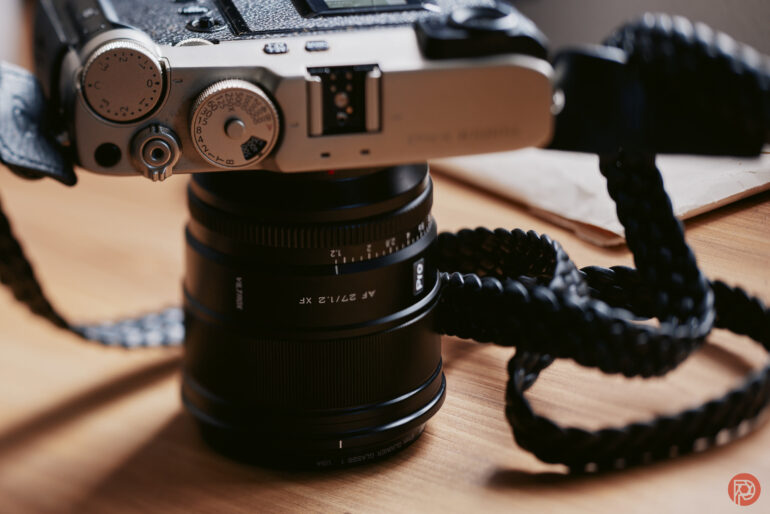
Realistically speaking, there isn’t much to say about the Viltrox 27mm f1.2 PRO lens that’s short of incredible. It delivers stellar image quality that is made even better if you use something like Tiffen Glimmer Glass. It also autofocuses almost just as well as Fujifilm’s own later and newer lenses. That’s to say that it’s more akin to focusing like many of Fujifilm’s older lenses these days. The lens is also incredibly weather-resistant and dust-resistant. Truly, putting it on your camera will feel just like you’re using a Fujifilm lens.

Viltrox 75mm f1.2

In our review, we state:

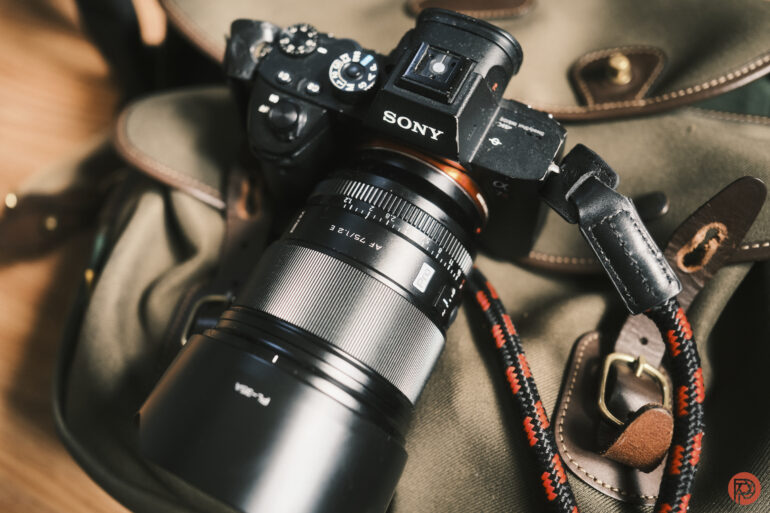
Viltrox has done what I truly didn’t think was possible — and more for the reasons that Chinese lens manufacturers have led me to believe for years. The Viltron 75mm f1.2 lens is weather-resistant to the same degrees as most Japanese-made lenses with the same claim. It’s also made with a similar feeling to that of a Fujifilm lens. Most Chinese lens manufacturers haven’t bothered with weather resistance. In fact, even the Korean ones haven’t even done anything to this degree. With the Viltrox 75mm f1.2, I truly end up asking myself why this is the case.

Leica 35mm f1.4 Summilux M

In our review, we state:

The new Leica 35mm f1.4 Summilux M takes what we loved about the previous generation and makes it better. It now features a built-in lens hood, which is more in line with the recent lenses. Most notably, photographers can now get even closer to their subject. But don’t worry, it’s still quintessential for street photography and an excellent all-around lens. It’s a joy to use.

Black Rapid Backpack Strap

In our review, we state:

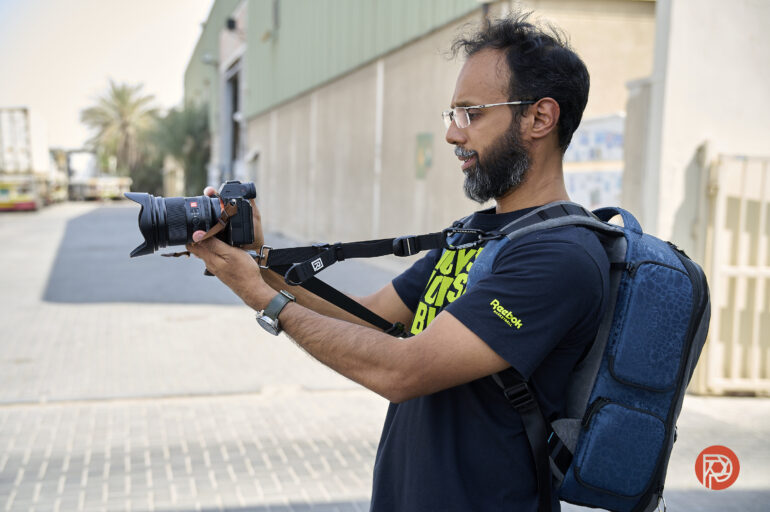
I’ve often traveled with Blackrapid shoulder straps on my trips abroad. All those times, my left shoulder had always felt constantly irritated when my heavy backpack was on me because of the extra thickness and chafing. I’m not one to keep the camera inside when I walk around foreign cities. It’s often attached to the strap on my shoulder, with the rest of my gear inside the backpack, safely locked up. As someone who walks for hours each day when traveling, in pursuit of various kinds of pictures, my left shoulder often gets sore.

Maven Magnetic Filters

In our review, we state:

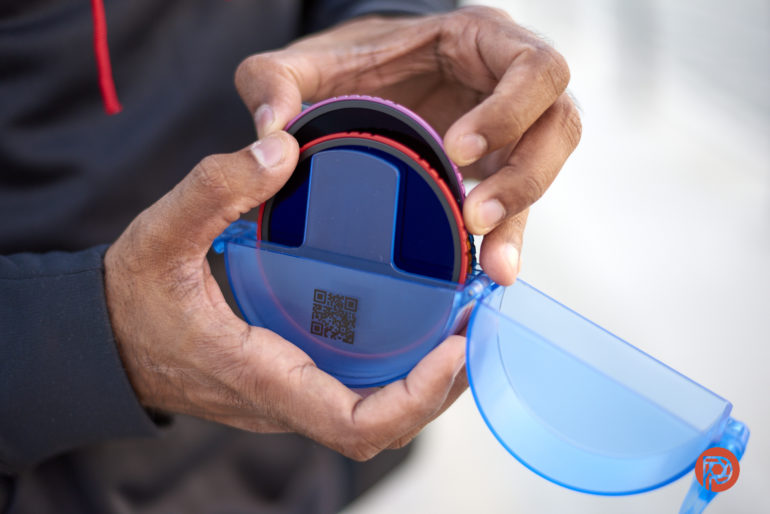
After having used so many filter brands over the years, I think I’ve found the perfect match for my lenses. The Maven Magnetic Filters are well constructed and color coded for easy selection. Most importantly, they come with strong magnets that facilitate easy attachment to your lens. Their ND filters also didn’t demonstrate any visible color casts during my tests. If you take advantage of their Indiegogo campaign offers, you can get a sizeable discount on future retail pricing. Various size step-up rings are also currently available. And Michael is also working on a compact hard case as a campaign stretch goal.

Flood, drought and plastic pollution: Environmental Photographer of the Year competition shows a planet in peril

Flood, drought and plastic pollution: Environmental Photographer of the Year competition shows a planet in peril


CNN
 — 

A herd of buffaloes wander parched land amidst a drought, a farmer and his cows wade knee-deep through floodwater, and people walk across a bridge over a multicolored river of trash. All three scenes were among the winning images of the Environmental Photographer of the Year 2023 competition, and all three were taken in Bangladesh.

The country is one of the most vulnerable to climate change in the world, ranking seventh on the latest Global Climate Risk Index, based on data from 2000 to 2019. It’s prone to cyclones, tornadoes and floods, and it is estimated that by 2050, one in every seven people in Bangladesh will be displaced by climate change.

Bangladeshi photographers like Shafiul Islam believe they have a responsibility to highlight these threats. His captivating image of buffalo depicts the droughts that have struck the north of the country in recent decades. Rivers, canals and reservoirs in the area have dried up, crop production is decreasing and local communities are suffering as a result, he says.

When it does rain, it pours – as shown in 18-year-old Solayman Hossain’s photo of a farmer navigating floodwaters during monsoon season in the Kushtia district, in the west of the country. Brought up in a nearby village, Hossain recounts how he has witnessed devastating changes to the environment in his lifetime. “My village has been hit with frequent flooding and cyclones which damage crops and destroy livelihoods,” he tells CNN.

As extreme weather events become more and more frequent so does the damage, displacements, and anxiety around when the next disaster will hit. “Many of us are forced to keep rebuilding our lives, often in the aftermath of each calamity,” he says.

A farmer and his cows wade through floodwater, after a road in Kushtia, Bangladesh, became submerged in water during monsoon season.

Photography on the frontlines

Now in its 16th year, the photo competition – organized by streaming platform WaterBear and the Chartered Institution of Water and Environmental Management and in partnership with Nikon – attracted thousands of submissions from over 159 countries. So it may seem surprising that three of the six category winners hailed from one country.

Sam Sutaria, CEO of WaterBear, believes it’s down to the country’s relationship with climate issues. “Bangladesh is a place where the climate crisis isn’t an abstract concept but a harsh and immediate reality. With frequent flooding, rising sea levels, and extreme weather events, it’s no wonder they’re so engaged in documenting these challenges,” he says.

He adds that this year’s competition saw entries from other regions also severely threatened by climate change, such as India, West Bengal, Antarctica and Argentina. “(It proves) that photographers on the front lines of these crises are using their lenses as a force for change. They’re inspiring awareness and action by showcasing the pressing issues they face daily.”

A bridge in Dhaka, Bangladesh, is surrounded by plastic waste.

Jahid Apu, a professional photographer from Bangladesh, took the drone shot of a bridge in the capital Dhaka surrounded by plastic waste that won the “MPB vision of the future” category. With the image, he wants to communicate the impact of plastic pollution and hopes that when people see it, they might realize the consequence of throwing away plastic and change their behavior.

“I do not take pride in a photo that someone looks at and says, ‘Wow, pretty picture…’ and moves on. For me, success is achieved when I catch the person off guard, drawing consciousness about causes, or when someone comes to me to tell me what the photograph brings to mind,” Apu tells CNN.

Sutaria believes that the winning images from this year’s prize represent a wider shift in environmental photography, away from simply portraying nature as an untouched paradise to images that carry a conservation message.

“They’re showing it in all its raw, vulnerable glory, challenging us to step up and protect it,” he says. “These photographs represent a dynamic new wave in climate storytelling.”

#ck_cta{max-width: 1560px; width: 100%;cursor: pointer;position: relative;}#ck_cta *{padding: 0; margin: 0; box-sizing: border-box;}#ck_cta>video{width: 100%; height: auto;}#ck_cta>video.dskVid{display: none;}
@media screen and (min-width:730px) {#ck_cta>video.mobVid{display: none;} #ck_cta>video.dskVid{display: block;}}