Photography

Brandes Photography Studio welcomed to New Ulm

Brandes Photography Studio welcomed to New Ulm

Members of the New Ulm Area Chamber’s Willkommen Committee attended a special ribbon cutting for Jennifer Brandes’ photography studio.

L to R: Emily Gleisner, Jennifer Brandes, De Leo and Mayor Kathleen Backer

The New Ulm Area Chamber of Commerce held a special ribbon cutting ceremony at Jennifer Brandes’ new photography studio, located just outside of New Ulm. The new 800 square foot studio has enabled Jennifer to spend more time with her clients and present a warm and comforting experience. Jennifer focuses on newborns, motherhood, and maternity, but she also does photo shoots for senior pictures, seasonal family photos, extended family sessions as well as sports photography, such as for the Hockey Association and Cathedral High School.  As part of her services, she offers an inventory of gowns, props, and accessories clients can pick from for their session.  Clients will meet with her for a consultation, receive prep guides, attend the photo shoot, and then meet again for a gallery reveal.  To learn more, check out her website at www.brandesphotography.com, visit her pages on Facebook, Instagram, and TikTok, or contact Jen at hello@brandesphotography.com or 507-276-9314.

Today’s breaking news and more in your inbox

Photographer Accuses Former Bloomberg Campaign Strategist of Sexual Assault

Photographer Accuses Former Bloomberg Campaign Strategist of Sexual Assault

An aspiring photographer claims she was sexually assaulted by then-New York City mayoral candidate Michael Bloomberg’s top media strategist at the billionaire businessman’s campaign headquarters during his 2001 run for local office.

The alleged assault came just three days after 9/11, according to a bombshell lawsuit filed Monday by Massachusetts resident Petra Christina Beter, who says she was still shellshocked from snapping pics at Ground Zero when well-known Democratic operative Duane Baughman suddenly attacked her in a break room.

“As [Beter] bent down to look for the Coke at the bottom shelf of the refrigerator, Defendant Baughman suddenly came behind [her], grabbed [her] head and pushed his crotch into the right side of her face,” Beter’s complaint states. “[Beter] felt Baughman’s penis push into her face, close to her mouth. Baughman pushed [Beter’s] head toward him like he wanted her to perform oral sex and said, ‘You want it.’”

Baughman then shoved Beter to the floor and mounted her, but quickly stepped off when she started to scream, the complaint goes on. When she looked up, Baughman was standing over her, it says. Future Deputy Mayor Ed Skyler heard the commotion and ran in, as Baughman “put his hands in the air and started backing away from [Beter],” the complaint alleges. However, it claims Skyler stayed silent about what he had just seen, telling Baughman simply, “Let’s go get some coffee.”

Baughman, who over the summer sued Beter for defamation in federal court for, according to his June 6 complaint, bringing her accusations to “his clients, newspaper reporters, professional colleagues, attorneys, courts, and essentially anyone willing to listen,” did not immediately respond on Monday to a request for comment by The Daily Beast.

Beter is suing Baughman, along with Skyler, and a third man, Bloomberg adviser Douglas Schoen, who she says both facilitated the attack, under New York State’s Adult Survivors Act (ASA). The ASA provided a one-year “lookback window” during which victims could bring civil suits against their alleged attackers in cases that had otherwise expired under the statute of limitations. Skyler and Schoen did not immediately respond on Monday to messages seeking comment.

Beter’s lawyer, Ian Michael Bryson, told The Daily Beast, “Too often it is a tactic of defendants in sexual assault cases to preemptively sue their accusers for defamation and we strive to put an end to this practice.”

The legal team representing Baughman in the federal defamation case referred The Daily Beast to the complaint they filed on his behalf.

In it, Baughman portrays Beter as an opportunist who has been trying to extort him for a payout since 2005. Following Bloomberg’s win, Baughman’s suit claims Beter saw a news article about the campaign’s “historic spending,” after which she decided she “wanted a bigger piece of the pie” and demanded $250,000 for photos she said had been used withiout her permission. When Baughman ignored her subsequent demands for up to $1 million, his lawsuit says Beter “decided to take revenge, and thus began her smear campaign which years later morphed into her fictionalized accusations of sexual assault.”

A photo of Michael Bloomberg during his 2001 mayoral campaign.

Petra Beter says she was assaulted by a top campaign strategist for Michael Bloomberg during his 2001 mayoral campaign.

Robert Rosamilio/NY Daily News Archive via Getty Images

Beter’s allegations can be traced back to 1998, when she met Schoen at the age of 24, according to her complaint.

“Upon meeting [Beter], Schoen immediately attempted to romantically pursue her,” it says. “[Beter] rebuffed Schoen’s attempts stating that she had a boyfriend and advised Schoen not to attempt to contact her further.”

But Beter’s boyfriend at the time encouraged her to stay in touch with Schoen “given his high status in the political world,” the complaint goes on. “As such, [Beter] began meeting with Schoen for lunch at both the Harvard Club and ‘44’ in the Royalton Hotel, New York City. During these meetings, Schoen impressed the young [Beter] with stories of his interactions with President Clinton and a very wealthy man who was toying with the idea of running for mayor of New York City. [Beter] would soon learn that man was Michael Bloomberg.”

Schoen called Beter his “favorite confidante,” and offered to put her in touch with Baughman for photography work, the complaint continues, emphasizing that, at no time did Beter “enter into a romantic or sexual relationship with Schoen.”

Baughman, Skyler, and Beter, who lived in lower Manhattan at the time, scheduled an appointment to meet for lunch on Sept. 11, 2001 “to discuss “a potential employment opportunity,” according to the complaint. But the terrorist attacks on the Twin Towers derailed that get-together. Beter wound up photographing the collapse of the iconic buildings and the heartwrenching aftermath, leaving her “emotionally and physically injured,” the complaint states.

That evening, Schoen called Beter and said someone would be reaching out to her about photographing Bloomberg for the last two months of his campaign, according to the complaint.

“[Beter] told Schoen that she was traumatized by the horrific acts of violence she witnessed earlier that day and did not think she was in the right frame of mind to work,” it says.

Later that night, Baughman—whom Beter had never met before—called her “insisting she come to Bloomberg’s campaign headquarters and photograph Bloomberg the following two days while he visited synagogues and police and fire staging areas,” the complaint states. It says she told Baughman that she was too shaken up by what she had seen, and suggested the campaign hire a different photographer. Over the next few days, Baughman kept pushing, according to the complaint. Beter said she was “too scared” to leave her home, and besides, the police checkpoints set up around Manhattan made it hard to travel around the city.

Beter declined Baughman’s offer to put her up at the Essex House, where the rest of the campaign staff was staying, the complaint states. On the evening of Sept. 13, it says Baughman called Beter and told her he’d be picking her up from her apartment the following morning. When Baughman arrived, a reluctant Beter went with him to a Bloomberg campaign office in Chelsea, according to the complaint. She was assigned to take pictures of the future mayor arriving at the space to thank rescue personnel who had been using it as a staging area, the complaint states.

After making little progress through blocked and closed-off city streets already “jammed with rescue personnel, military convoys,” Baughman and Beter finally walked to the office through pouring rain, according to the complaint. Bloomberg still hadn’t shown up an hour later, and although Beter says she tried to back out of the gig again, Baughman convinced her to go with him to the Bloomberg campaign headquarters on 56th Street. On the ride there, in a campaign van, Baughman invaded Beter’s personal space and asked her out to dinner, the complaint states. But when Beter declined, saying she had other plans, it says Baughman “became visibly angry and stopped speaking to or touching [Beter] for the remainder of the car ride.”

A photo Petra Beter took of one of the towers of the World Trade Center collapses after being struck by a hijacked commercial airplane on Sept. 11, 2001.

A photo Petra Beter took on 9/11, which she says traumatized her deeply.

Petra Beter/Reuters

When they got to Bloomberg’s campaign HQ, it was empty, save for Skyler. He and Baughman led her to a small room to wait, after which they brought her a cup of coffee. When Beter said she’d prefer a Diet Coke, Skyler directed her to the fridge and left the room, according to the complaint. That’s when Baughman assaulted her, Beter alleges.

Skyler silently ushered Beter out of the building, and across the street to a deli, where Beter realized she had left her bag, cell phone, wallet, and camera behind, the complaint continues. Once she composed herself, it says Beter headed back with Skyler, only to learn that Bloomberg wanted to be photographed at the Bloomberg LP offices, not the campaign headquarters. When she and Skyler arrived, Beter says Bloomberg was “visibly irritated that he had been kept waiting.”

“Candidate Bloomberg shook his head as [Beter] proceeded to tell him that she was not acting like herself since she had very recently witnessed the 9/11 terror attacks,” the complaint states. “Candidate Bloomberg continued blankly staring at [Beter] as she physically shook due to nerves and the fact that the man that had recently sexually assaulted her was still in the room. Plaintiff continued offering apologies. Then, Candidate Bloomberg suddenly said, ‘Let’s get to work.’”

Beter’s complaint says she was “terrified,” but stayed to shoot two rolls of film anyway. She finally left and went straight home, according to the complaint. The next time Beter spoke to Schoen, on Sept. 15, he asked how things went at the shoot with Bloomberg.

“[Beter] hesitated to reply and before [she] had the chance to respond, Defendant Schoen asked ‘What happened? Did Duane do something to you? What did Duane do to you?’” the complaint states.

When Beter began to explain, her complaint says Schoen responded, “Don’t tell anyone about this. You still want to work for Bloomberg, don’t you?… I told him not to touch you. Look, this kind of thing happens all the time. He’s done this kind of thing before.”

Beter is asking for damages in an amount to be determined at trial.

The Power of Photography to Cultivate Empathy and Create Shared

The Power of Photography to Cultivate Empathy and Create Shared

In an increasingly polarized world, one of photography’s most profound strengths is its ability to cultivate empathy and compassion across cultures. At its best, photography can transport us into unfamiliar environments, activities, and viewpoints. It reveals the humanity in people whose lives and backgrounds differ vastly from our own. Photography has a transcendent way of building understanding and sympathy by showing us new perspectives.

Finding Shared Humanity

As photographers, it’s worth considering how images can thoughtfully foster cross-cultural empathy. When utilized consciously, photographs can counteract prejudice by connecting viewers to shared human experiences and emotions beyond cultural barriers.

The importance of empathy stems from photography’s role in shaping perspectives. What images we consume, share, and award has consequences. Photos that reduce cultural groups to stereotypes versus those that highlight our common bonds create very different effects. As image-makers, photographers have responsibility for the ways their work influences perceptions.

Photography’s strength is capturing emotional honesty within specific cultural contexts. Iconic images of joy, sorrow, love, fear, and hope can resonate across audiences because of their authenticity. By simply depicting human stories as they unfold, photography builds bridges. Even without overt messaging, images cultivate awareness that our lives bear similarities beneath surface differences.

Landscape and environmental photography also unify by revealing shared wonder and vulnerability. Images of Earth’s natural beauty as both fragile and resilient help us transcend nations and backgrounds to see ourselves as collectively human.

Meanwhile, portraits and documentary projects engage viewers through intimate access to cultural practices and community issues. Work like Stephanie Sinclair’s insights into child marriage traditions or Matika Wilbur’s Project 562 documenting Native American tribes challenges assumptions by putting faces and identities to cultural topics, taking them from abstract, distanced ideas to intimate and human.

While some raise valid critiques of “poverty porn” exploitative photography, many ethical photographers highlight critical issues like homelessness, addiction, and hunger as shared societal problems requiring compassion, not judgment. Images can build public will to address human rights and privation.

At the same time, photography reveals the diversity of human experience worth affirming. Colors, customs, rituals, and stories that differ from dominant cultural norms gain appreciation through thoughtful photographic documentation. Encountering new cultural information firsthand through images instead of stereotypes breeds mutual respect.

The Personal Connection

Even very personal photography projects connect us through emotional transparency and vulnerability. Social media Humans of New York photo stories reveal that beneath our variations, all humans experience love, grief, hope, and suffering. Life experiences differ but our emotional core remains the same. Photography makes this tangible. 

While some argue photography distracts from direct action, images remain crucial for inspiration and awareness. Consider Kevin Carter’s early 1990s photos depicting famine in Sudan. The haunting images fueled humanitarian efforts in a way words alone could not. Photography’s nature gives it unparalleled power to shape public sentiment.

But image-makers must also listen to the communities and stories they depict. Photography can exploit rather than uplift if not undertaken collaboratively, ethically, and with consent. Subjects must have agency in how they are portrayed. 

Still, used conscientiously, photography remains unmatched in its emotive ability to convey lives distant from our own as equally complex, relatable, and deserving of dignity. Photos cultivate the empathy imperative for pluralism. They remind us that shared humanity eclipses cultural differences.

Building Empathy and Leveraging Photography’s Power

Seek Inspiring Role Models

Research photographers who have created transcendent cultural stories – Gordon Parks, Dorothea Lange, Phil Borges, and others. Study their approach to uplifting marginalized groups and addressing controversies with sensitivity. 

Capture Dignity

Portray all subjects, communities, and cultures with equal dignity. Avoid exotification or portraying differences as deficiencies. Reveal beauty, complexity, and humanity.

Highlight Similarities  

While honoring cultural uniqueness, also identifies universal commonalities. Emotions, family values, and daily joys resonate across cultures. We have more in common than divides us.

Counter Stereotypes

Challenge one-dimensional, distorted cultural representations through factual truths. Debunk stereotypes for marginalized communities by showcasing their authentic lived experiences.  

Put People First 

No matter the cultural context, photography should make our shared personhood primary. Emphasize names, voices, identities, and participation. Don’t reduce people to props within foreign environments.

Invite Conversation

Photographs should raise exchanges, not close them. Enable viewers to ask sensitive questions instead of making assumptions. Images can start dialogues.

Consider Context

Account for the time, place, and audience where photographing. Cultural photography risks appropriation without localized context. Collaborate for meaningful accuracy.

Promote Allyship 

Photographs should inspire action, not just awareness — donations, policy reform, and activism. Galvanize people from unfamiliar cultures to become allies.

There are no easy solutions to prejudice, but photography maintains unique power to chip away at barriers between peoples. Photographers young and old can thoughtfully leverage this strength. We all gain when diverse stories humanize struggles and celebrations across communities. Keep the medium’s empathy-building power central to your cultural photography. Our shared humanity comes into frame.

The History of Photography’s Role in Empathy

While photography’s power to spread empathy may seem obvious today, photographers throughout history have had to fight to have the medium taken seriously as something that could insight emotional understanding between cultures. 

In photography’s early history, photographic societies scoffed at the idea of documentary images having any real social impact. When photographs of the poor and marginalized first emerged, they were seen as tabloid curiosities, not tools for building compassion.

It took pioneers like Lewis Hine and Dorothea Lange to push photography into the social justice spotlight through hard-hitting documentary exposures of harsh realities many Americans preferred to ignore. Powerful images like Lange’s Migrant Mother finally gave photography credibility as an empathy-building art form.

Meanwhile, anthropological photography faced similar skepticism when first presenting foreign cultures to Western audiences. Photographers aiming to capture disappearing lifestyles and customs were accused of fabricating inauthentic scenes just to shock audiences. Even as their work brought disappearing indigenous groups into public consciousness, they fought constant accusations of staging images.

Today, photography is ubiquitous and we take for granted its ability to immediately transmit scenes from remote corners of human experience. But historically, convincing society that photography could educate and promote empathy took repeated demonstrations of the medium’s emotive power.

It’s worth remembering how hard early social documentary and cultural photographers worked to prove images could change hearts and minds across divides. The same challenges remain today in a media-saturated world. But remembering those pioneering battles helps motivate today’s image-makers to continue using photography for positive social impact.

Current Socio-Political Context

In light of current events, photography’s role in furthering cross-cultural empathy feels more crucial than ever. Divisive political environments, conflict fueled by xenophobia, and anti-immigrant rhetoric demonstrate photography is still needed to humanize marginalized groups.

Images supporting diversity initiatives, documenting social justice movements, capturing refugee experiences, and highlighting LGBTQ+ visibility provide visual proof that photography continues influencing society’s moral arc.

While some claim the proliferation of digital images has diminished photography’s empathy-building role, the right viral images still wield incredible power to touch consciences. Consider the 2015 photos of young Aylan Kurdi’s body that encapsulated the Syrian refugee crisis’ horrific human toll. Images remain pivotal.

Of course, merely snapping photographs is not enough. As socially concerned photographers, we must pursue projects with journalistic ethics and community collaboration. But used thoughtfully, photography retains unmatched influence to advance public empathy.

Influential Photo Bodies of Work 

Given photography’s context, it’s worth spotlighting some of the most impactful photographic projects that promoted cross-cultural empathy:

  • Edward Curtis’ The North American Indian: Early 20th-century documentation of disappearing Native American customs. Deeply problematic in some aspects but increased public awareness.
  • Dorothea Lange’s Migrant Mother: Iconic Great Depression portrait encapsulating hardship and perseverance. Humanized struggles of poor and marginalized. 
  • Gordon Parks’ Segregation Series: Exposed the daily impacts of racism and Jim Crow laws through empathetic portraits of African Americans. 
  • W. Eugene Smith’s Country Doctor: Revealed rural poverty but also grace and strength of a dedicated physician serving poor communities.
  • Stephanie Sinclair’s Too Young To Wed: Photographs and interviews spotlighting the controversial practice of child marriage around the world. 
  • Pete Souza’s photography of President Obama: Affirmed dignity and multifaceted humanity of first African American president and his family. 
  • Missouri School of Journalism’s Donald W. Reynolds Journalism Institute’s Pictures of the Year International: Annual curated exhibitions displaying most impactful and socially resonant images of the year.

There are countless other bodies of culturally insightful photographic work deserving recognition. But the examples above epitomize projects where highly skilled photographers overcame obstacles to increase public awareness and compassion around controversial issues. Their success proves photography’s enduring power to connect us.

The Future

At its core, ethical cultural photography requires photographing with people, not just of people. Subjects must have agency in how they are represented before international audiences. Images should empower, not endanger vulnerable communities.

This necessitates patience, listening, and building trust over time. It means rejecting the arrogant lone photographer swooping in to capture exotic images. Instead, cultural photography should involve mutual storytelling and questioning problematic power dynamics.

Executed respectfully, however, photographs honestly depicting people’s spiritual practices, family traditions, societal challenges, and proud customs still hold immense power to build unity through our shared condition. But photographers must earn that privileged intimacy.

The Future of Empathetic Photography

What does the future hold for photography’s role in building cross-cultural empathy? Despite the proliferation of digital images challenging attention, photographers can sustain the medium’s social impact by:

  • Continuing to highlight underreported people and issues through long-term documentary projects on overlooked communities.
  • Leveraging photography books, exhibitions, and other engaging formats to share in-depth stories that displace stereotypes with nuance.
  • Promoting student photojournalism programs that build visual literacy and teach culturally sensitive approaches early on.
  • Harnessing photography collectives and social platforms to rapidly disseminate images that reveal shared human experiences uniting us all. 
  • Countering misrepresentation by training marginalized communities in photography skills to control their own depictions.
  • Advocating for photojournalism and the importance of high-quality images in preserving democracy and justice. 

Granted, these aspirations demand exceptional effort and commitment. But photographers who recognize the historic precedent and urgent need for culturally- nsightful images can keep the medium relevant.

From its earliest days, photography has helped societies evolve by bringing foreign people and contexts into frame, building relationships where little existed. Photographers today must defend and expand upon that transformative legacy.

Images still contain unmatched power to convey truth and shape narratives. So, we must wield cameras in service of human dignity, understanding, and progress. The empathy-building capacity of photography is still alive. 

Lead image by Dan Aasland, used under Creative Commons.

Jay Bentley Media meeting real estate photography and marketing needs

Jay Bentley Media meeting real estate photography and marketing needs

#inform-video-player-1 .inform-embed { margin-top: 10px; margin-bottom: 20px; }

#inform-video-player-2 .inform-embed { margin-top: 10px; margin-bottom: 20px; }

Jay Bentley has lived in Milledgeville since 1979. At age 17, he was starting businesses, and that forced him to learn marketing during a time when most teens were focused on graduating from high school and starting college. 

Over the years since, he has built several successful businesses, including his marketing photography business, Jay Bentley Media, which has been in operation for 10 years.

Jay Bentley Media, more than anything else, is a real estate photography and media company. Open to all business clients, Bentley said the business recently expanded. 

“We just introduced a marketing arm of the business and we opened it up to a small amount of clients to start with to make sure that we service them to the best of our ability and get the most success for them,” Bentley said.

This business started in 2013, but Bentley said that he has been in consulting for about 20 years. He also works full-time at Georgia Military College and has a dedicated staff that helps him run the day-to-day operations at Jay Bentley Media.

Opening in Milledgeville was an easy call because not only does he live here, but Bentley also saw a need. 

“I think there is a need for intense marketing and media for specific businesses. We cater to every type of business but we are more of a niche marketing agency,” he said “One of the things we require is a specific commitment from our clients so they have skin in the game, so to speak.”

When he started Jay Bentley Media, he said that he only worked nights and weekends when he was away from his full-time job. Since hiring staff, the market has, according to Bentley, “exploded,” requiring him to hire people to assist with the day-to-day operations. He called the move “the greatest and scariest thing that I have ever done at the same time.”

Staffers “work from the road” and do not have a physical location, at least not yet, Bentley said. As the marketing arm of the business grows, Jay Bentley Media will have to have an actual office, he said. 

Pricing for services depends on the need. 

“I would say our prices start about $200 for just a general photography session for a home, and then other things can be added, like video or graphics or marketing, and of course, the price increases from there. So I would say generally anywhere between 200 and $1,500,” he said.

He said that Jay Bentley Media stands out from others in the photography business because of its level of service provided to customers. 

“I think our customer service is the best in the business. I would think that the majority of our clients would agree,” Bentley said. “We go above and beyond to make sure our customers are happy and successful in whatever product we deliver for them.”

For more information on Jay Bentley Media  visit  https://jaybentleymedia.com/.

#inform-video-player-3 .inform-embed { margin-top: 10px; margin-bottom: 20px; }

‘Morels 2’ Combines Mushroom Hunting and Wildlife Photography into One Game

‘Morels 2’ Combines Mushroom Hunting and Wildlife Photography into One Game
[embedded content]

Morels: The Hunt 2 is an upcoming game from developer Abrams Studios that combines the joys of mushroom hunting and photography into one chill-as-hell experience.

Mycologists and photographers unite! Described as a simulation game about mushroom hunting and wildlife photography, Morels: The Hunt 2 lets gamers explore a huge range of locations that span across the globe.

“Find as many morel mushrooms as you can while capturing photos of wildlife that you encounter, all while enjoying the sounds and experiences of nature surrounding you. Explore locations all around the world,” Abrams Studios says. “You will get 100 days per season as you unlock locations along your journey and discover hunting secrets, along with a few surprises!”

Morels The Hunt 2

Morels The Hunt 2

The combination of mushroom hunting and photography isn’t necessarily one that is common, but the two hobbies happen to have a lot in common. The gameplay loop asks players to collect and learn about as many new mushrooms as possible while upping their Mushroom Hunter level. At the same time, forest environments where mushrooms grow also happen to be great places to see wildlife, and Abrams Studios fully embraces this by letting players capture them all through the digital lens.

Morels The Hunt 2

Morels The Hunt 2

Morels 2 builds on the first mushroom hunting and photo-taking game, Morels: The Hunt which came out in 2019, by adding more locations, mushrooms, and animals. The developer also added several new items to the shop like bird feeders, sunglasses, and a compass. It also, somewhat hilariously, integrates mythological creatures that players may stumble across.

The game not only provides what it promises are realistic environments, it fills them with realistic weather. Mushroom hunting and photography don’t ever sleep, and Morels 2 does allow players to venture out into the night, if they are so inclined.

Morels The Hunt 2

Morels The Hunt 2

In total, there are seven unique maps that take players across the globe and feature the promise of different terrain and “surprises.” All photos are stored in an in-game book to be reviewed at any time and, as a bonus, they are also stored locally on a player’s PC.

“Customize the game to your interests by choosing from a broad list of different music or just enjoy the calming sounds of nature,” Abrams Studios adds.

Morels: The Hunt 2 is available to wishlist on Steam today and is expected to release sometime in 2024 for $20, although a specific date had been set at the time of publication.

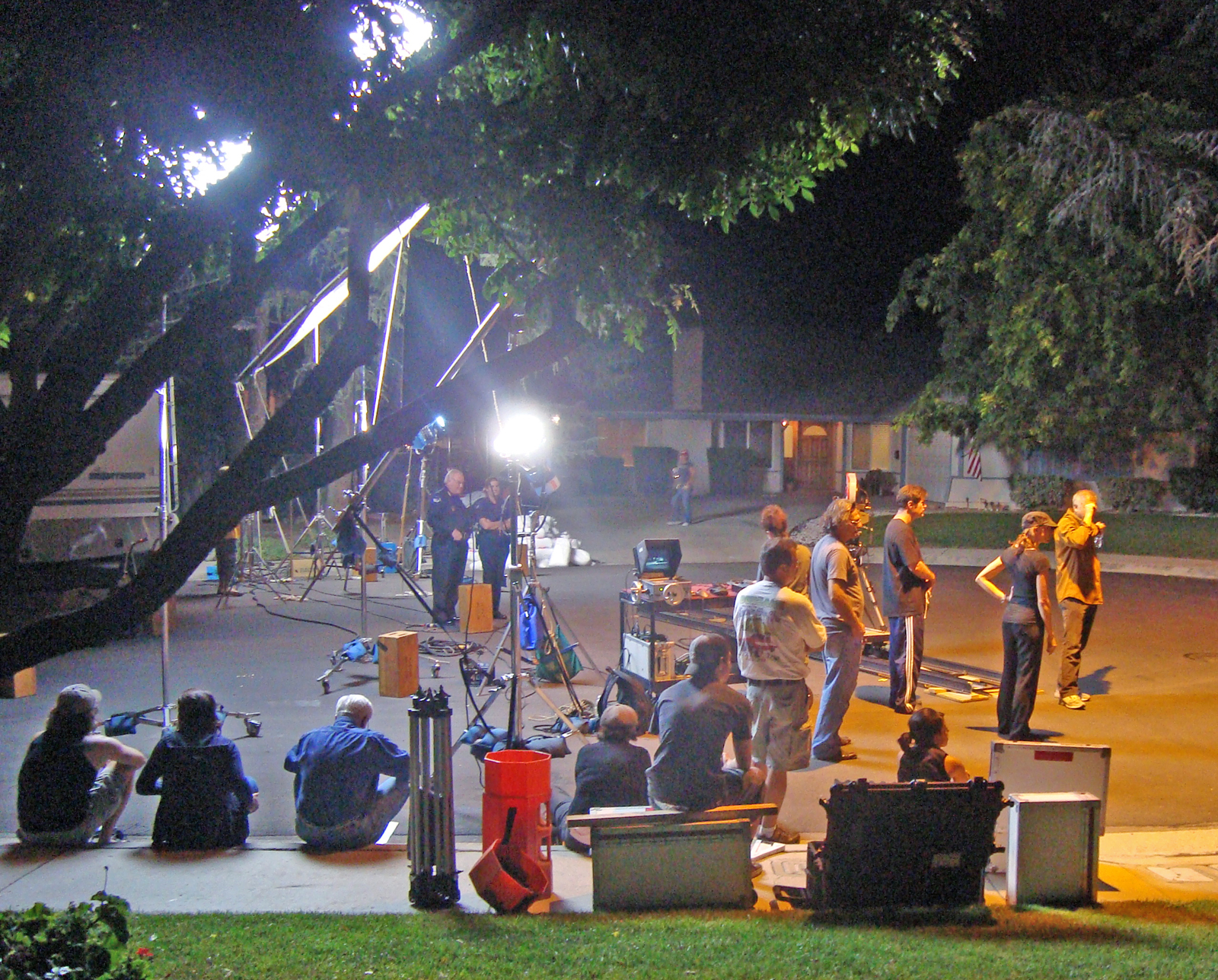
‘Cesar Millan,’ Still Photography Shoot Filming in SCV

‘Cesar Millan,’ Still Photography Shoot Filming in SCV
image

The city of Santa Clarita’s Film Office released the list of two productions currently filming in the Santa Clarita Valley for the week of Monday, Nov. 20 – Sunday, Nov. 26.

The productions filming locally are:

“Cesar Millan: Better Human Better Dog” – TV/Reality

“Outdoor Toy Photos” – Still Photo

The city of Santa Clarita saw an increase in location filming in 2022 with the Film Office reporting 591 film permits and 1,549 location film days, which generated an estimated $38.5 million in economic impact to the local community. This represents a 3.7 percent increase in permits, a 2.9 percent increase in film days and a 2.2 percent increase to the estimated economic impact when compared to 2021.

Coming off of a solid year in 2021, which saw 579 film permits, 1,505 film days and over $37 million in positive estimated economic impact, the 2022 numbers were records in all categories. The Santa Clarita Film Office has averaged over 500 permits processed, over 1,300 film days and over $30 million in estimated economic impact annually since 2014. Not included in the reported numbers are the film days and economic benefit from filming that takes place on certified sound stages, which do not require a film permit.

“Since the Santa Clarita Film Office began issuing permits for filming in 2003 there has been continual growth every single year and 2022 was no exception,” said Mayor Jason Gibbs. “Home to dozens of sound stages, a multitude of studios and movie ranches and unique settings for location filming, Santa Clarita is one of the most filmed communities in California, helping to boost our local economy and provide quality jobs.”

Many factors have contributed to the continued success and appeal of filming in Santa Clarita, including the city’s Film Incentive Program, Movie Ranch Overlay Zone, low cost permit fees and expedited permit processing, along with the California Film and Television Tax Credit Program. Additionally, Santa Clarita is home to several studios and movie ranches that attract a large number of productions to the area. Santa Clarita is also located within the entertainment industry’s advantageous “Thirty-Mile Zone” and offers thousands of film-friendly locations that can double as almost anywhere in the world.

Last year, countless television shows took advantage of all that Santa Clarita has to offer and more than half of the film days reported in 2022 were attributed to television production alone. Many of the shows which were either locally based or frequently filmed in town included “Your Honor,” “CSI: Vegas,” “Bosch Legacy,” “Lincoln Lawyer,” “9-1-1,” “The Patient,” “Mayans MC,” “The Mighty Ducks: Game Changers,” “NCIS,” “S.W.A.T.,” “The Old Man,” “Curb Your Enthusiasm” and “The Morning Show.”

Numerous feature films were shot in Santa Clarita in 2022, including “The Fablemans,” ”Eighty for Brady,” “Don’t Worry Darling,” “Oppenheimer,” “Amsterdam” and “Purple Hearts.” In addition, many music videos, including those by artists such as Black Pink, Charlie Puth, Michael Bublé and Taylor Swift, were filmed on location in Santa Clarita, as were various commercials and online content.

Filming benefits the local economy in several ways. Productions spend several millions of dollars each year on rentals and goods from businesses (small and large), local agencies, school districts, homeowners and non-profits. Hotels, restaurants, attractions, shopping centers and hardware stores, among others, receive direct compensation and generate tax revenue that contributes heavily to the quality of life in Santa Clarita by helping fund roads, programs, recreation and public safety.

For more information about filming in Santa Clarita, please visit FilmSantaClarita.com or contact the Film Office at (661) 284-1425.

For a behind the scenes peek at filming in Santa Clarita, follow the Santa Clarita Film Office on Instagram (@FilmSantaClarita).

Eli Klein Gallery | (In)directions: Queerness in Chinese Contemporary Photography

Eli Klein Gallery | (In)directions: Queerness in Chinese Contemporary Photography
Kanthy Peng. Artificial Tear, 2019. Archival pigment print. 30 x 24 inches (76 x 61 cm). Edition of 3. Courtesy of the artist and Eli Klein Gallery © Kanthy Peng.

Eli Klein Gallery presents an artistic celebration of the beauty behind queerness in the group exhibition, (In)directions: Queerness in Chinese Contemporary Photography. From November 18 to January 31, viewers are invited to experience the work provided by 21 artists who combined their visions of what it means to step out of the restraint provided by the status quo to express an array of photographic mediums. This show honors the range of genders and sexualities, as well as highlighting the cultural complications that co-exist.  

While no definition may perfectly fit queerness as a whole, this exhibition, which is curated by Phil Zheng Cai and Douglas Ray, hopes to draw outside perspectives to consider how a photographically artistic approach to queerness can impact one’s reality.

Whiskey Chow. Queeropometry, 2022-2023. UV print on aluminum. Set of 612 x 18 inches (30 x 46 cm) EACH. Edition of 6. Photos by Jon Archdeacon. Courtesy of the artist and Eli Klein Gallery © Whiskey Chow.

Various concepts surrounding queerness are presented within the show, peaking into the experiences these artists have faced. Physical forms of what the journey to self-discovery is like is presented through work highlighting the transformation of fluid identities, presented by artists such as Chi Peng, Mengwen Cao, and Leonard Suryajaya. Other artists touched on concepts such as the want for belonging and the drive to becoming, and the comparison of truth and fiction through the identity of a Chinese persona. 

Leonard Suryajaya. Arisan, 2017. Archival inkjet print. 40 x 50 inches (102 x 127 cm). Edition of 5. Courtesy of the artist and Eli Klein Gallery © Leonard Suryajaya.

Effortlessly blending the boundaries of queerness with evolving environments, as well as consulting traditional art history, the show also features work exploring the human body. Artists such as Whiskey Chow and Pixy Liao do so in their work by challenging gender norms through the context of media and sexual expression. Alongside the visual work of the artists, the exhibition also features an illustrated catalog and essay by Phil Zheng Cai, as well as an essay by Douglas Ray. 

With a combination of expressions provided by individuals who have lived the lives they craft in an artistic form, Queerness in Chinese Contemporary Photography strives to leave three pondering questions in the minds of the audience: What is queer photography? What is Chinese queerness? and What would a queered contemporary look like?

(In)directions: Queerness in Chinese Contemporary Photography is on view from November 18 to January 31

Alec Dai. My Jet Black Hair, 2021. Archival pigment print. 30 x 20 inches (76 x 51 cm). Edition of 8. Courtesy of the artist and Eli Klein Gallery © Alec Dai.

Tom Cruise and Katie Holmes’ wedding photographer speaks out

Tom Cruise and Katie Holmes’ wedding photographer speaks out
  • The A-list couple tied the knot at Odescalchi Castle in Bracciano, Italy, in 2006
  • There to capture their nuptials on camera was photographer Robert Evans
  • He dished that the relationship between Cruise and Holmes ‘seemed very real’ 

Tom Cruise and Katie Holmes‘ wedding photographer has candidly revealed what it was really like to shoot the event.

The celebrity couple tied the knot at Odescalchi Castle in Bracciano, Italy, in November 2006 in front of a star-studded guest list.

There to capture their nuptials on camera was Robert Evans who took about 5,000 snaps of the A-list occasion.

He dished that the relationship between Cruise and Holmes ‘seemed very real and natural’ before expressing the pitfalls of nondisclosure agreements.

Tom Cruise and Katie Holmes' wedding photographer has candidly revealed what it was really like to shoot the event

The celebrity couple tied the knot at Odescalchi Castle in Bracciano, Italy, in November 2006 in front of a star-studded guest list

For years, Cruise and Holmes were deemed one of Hollywood’s biggest couples.

The Mission Impossible star infamously declared his love for his fellow actress, who was 16 years his junior, while jumping on a sofa during an appearance on the Oprah Winfrey show.

And, after he proposed at the Eiffel Tower, the couple walked down the aisle in a Scientologist ceremony just months after welcoming daughter Suri.

The nuptials, which included a fireworks display over the 15th century castle, reportedly cost more than $3 million, according to E! News

The couple’s photographer, who also shot Jennifer Aniston and Brad Pitt’s ceremony in 2000, has now spoken to Yahoo Entertainment about how the ‘wedding of the century’ unfolded.

Speaking about the build up to the event, Evans said that he was asked to submit his previous works for consideration – along with a whole host of other photographers – before he was hired by a very enthusiastic Cruise. 

‘When I met him for the first time, he was very excited to meet me. It was around the time he was kind of getting the bad press for the couch-jumping thing. But he was super-nice. 

‘He was like: “I’m so happy to meet you! When I saw your book, I was like: That’s my guy! That’s my guy!” He was excited about it.

There to capture their nuptials on camera was Robert Evans who took about 5,000 snaps of the A-list occasion

After Cruise proposed at the Eiffel Tower, the couple walked down the aisle in a Scientologist ceremony just months after welcoming daughter Suri

‘I’m meeting Tom Cruise for the first time, this is within the first minute of us meeting, and I was like… “Thank you?” I’m not great with compliments.’ 

Evans and a fellow photographer flew to the location in Rome and stayed at the hotel next door to the newlyweds-to-be.

He covered two days of events prior to the official ceremony before 150 guests, including the likes of Jennifer Lopez, David and Victoria Beckham, Will Smith and Jada Pinkett Smith, descended on the event.

But he said that the ‘wow factor’ of the impressive list of guests soon wore off, admitting that he did not even remember some of them being there.

Discussing the relationship between Cruise and Holmes, Evans told the publication: ‘It seemed very real and natural to me. They just seemed like they were having a great time and they were in love. 

‘Obviously I’m not thinking about that [while I’m working], but you are observing and you see it. But then the pictures reflect it. I guess they’re actors. They could have been faking it. But I just go there and do my job and shoot what I see.’

Evans usually takes a batch of up to 5,000 photographs at events such as the Cruise and Holmes wedding – but said that many of the more touching and intimate photos are never shared.

Revealing what he has learnt from being ‘on the inside’ of such A-list events, Evans said that ‘the stuff that gets reported after is usually not very accurate. People are speculating because they don’t know the truth.’ 

Will Smith and Jada Pinkett Smith also descended on the event where Evan took a batch of up to 5,000 photographs

He covered two days of events prior to the official ceremony before 150 guests including the likes of Jennifer Lopez (pictured) and Victoria Beckham arrived

He covered two days of events prior to the official ceremony before 150 guests including the likes of Jennifer Lopez and Victoria Beckham (pictured) arrived

[embedded content]

He added that because of nondisclosure agreements, ‘obviously, you can’t tell anybody that the flowers were pink or the cake was this, so they all speculate, and a lot of stuff you hear, that’s not what happened. 

‘It gives a little insight into what it must be like to be a celebrity and having no privacy. Yes, I realize that’s the job that they chose, but that’s the con that goes with the pro.’

But the partnership between Cruise, who had been married twice before, and Holmes’ was not set to last as the pair split just five years later.

The relationship had slowly crumbled, with sources claiming Holmes felt intimidated by the Church of Scientology and its influence before she filed for divorce in 2012.

The fallout of the bitter split has led Suri, who is now 17, to become estranged from her father, with the actress gaining ‘sole custody’ of her daughter in the wake of the divorce. 

Photographer Inspires Discourse Using Gun Sculptures Made of Cameras

Photographer Inspires Discourse Using Gun Sculptures Made of Cameras
Shoot Portraits Not People -- Jason Siegel
Gun #19, Draco

Accomplished music, fashion, and lifestyle photographer Jason Siegel has released a new collection for his Shoot Portraits Not People (SPNP) project.

The latest sculptures and photographs follow Siegel’s original SPNP work in 2017. Like the prior collections, his newest art release uses recycled camera equipment to create realistic, “anatomically correct” sculptures of weapons.

Why Gun Sculptures?

“Photography will always be my passion,” says Siegel. “But now, I’m creating something beyond a portrait for a magazine; I’m building thought-provoking art that speaks to a societal issue. Imagine making something really cool and, at the same time, bringing awareness to something that affects us almost every single day.”

Shoot Portraits Not People -- Jason Siegel

The idea behind Shoot Portraits Not People came when Siegel arranged his camera gear into the shape of a rifle on his living room floor and uploaded the photo to social media. The image went viral, inspiring Siegel to think about how to turn that basic idea into something more meaningful.

Shoot Portraits Not People -- Jason Siegel
Gun #22, Vickers machine gun

Siegel hopes that Shoot Portraits Not People will reshape the way that people think about firearm violence and, ideally, spark conversations surrounding guns and potential legislation that may save lives. The need for that conversation only gets more urgent each year.

Siegel’s New Sculptures Build Upon His Legacy of Extremely Detailed and Realistic Depictions of Firearms

The newest batch of sculptures is Siegel’s fifth significant addition to the SPNP project and brings the total number of guns constructed using cameras to 22. The new firearm sculptures include a MAC-11 submachine gun, a G36 assault rifle, and a Romanian Draco Pistol, although it is more like a compact rifle.

Shoot Portraits Not People -- Jason Siegel

The realism of Siegel’s sculptures is very intentional. The artist tells PetaPixel over email that the point of his work is to evoke an emotion. “I think that by making the sculptures look hyper-realistic, it does exactly that. This has opened up a lot of conversation and interest in the project as a whole. I think if they looked more toy-like, they wouldn’t have the same effect,” Siegel explains.

Shoot Portraits Not People -- Jason Siegel
Gun #17, MAC-11 machine pistol

There is some risk that by creating facsimiles of real guns, Siegel attracts the attention of people who simply love guns and have no sincere interest in having a conversation about firearm safety. To that concern, Siegel says that his work attracts many types of people, including those passionate about guns and preserving firearm rights. However, Siegel argues that many of these same people are also interested in his project’s anti-violence message.

“I think that the vast percentage of gun owners still believe in the idea of ‘anti-violence’ and own firearms for the sport of target shooting and have never even considered hurting people with them, so it’s pretty easy for both parties to get behind the message of Shooting Portraits and Not People,” the photographer says.

Confronting the Problem of Gun Violence Through Art

On the more significant problem of gun violence, the impetus for Siegel’s work, he accepts that for another subset of people, seeing realistic depictions of guns, especially mixed in with a hobby they love, like photography, can be uncomfortable. The discomfort is part of the point.

It is also worth considering that the line between critique and glorification can become very blurry.

Shoot Portraits Not People -- Jason Siegel
Gun #21, G36 assault rifle

“The purpose of this project is to create emotion,” Siegel says. “Sometimes that emotion may not be a comfortable one — in this case, it often isn’t for many.”

“However, through this project, I’ve had lots of discussions with people who have been directly affected by gun violence, and while it may feel jarring for them, the majority have walked away with only positive things to say.”

Not only do most people who engage with Siegel’s SPNP come away with a positive experience, but some have added his sculptures to their art collections, which enables Siegel to donate a portion of the proceeds to Everytown for Gun Safety, a non-violence advocacy charity.

Shoot Portraits Not People -- Jason Siegel

“I think there are definitely things that need to change with firearm legislation. Unfortunately, because firearms are so deeply rooted in American culture and law, I don’t see a whole lot being able to change very easily,” Siegel admits. “At least with this project, it helps keep the topic at the forefront of people’s minds and is able to give back to those who have been affected and [can help] educate.”

Siegel’s views on firearms have evolved over the years because of Shoot Portraits Not People. His exhibits have exposed him to more perspectives on firearms.

Shoot Portraits Not People -- Jason Siegel

The project has also allowed him to speak directly with people affected by gun violence and learn more about the organization and work going on concerning firearm legislation and gun safety.

“I’ve got to learn the history of firearms in a very detailed, in-depth way. Everyone has a story and usually loves to share it, so through those personal conversations, I’ve been able to gain a lot of perspective on firearms — good, bad, and everything in between,” says Siegel.

Turning Old Camera Gear Into One-of-a-Kind Sculptures

Siegel’s hand-crafted sculptures are one-of-a-kind, so once they sell, they’re gone forever. Siegel also sells prints of his sculptures. After all, Siegel is a very talented photographer, so he makes excellent images of his “gun” creations.

Each firearm model takes significant time and care to create. They also require a lot of old and recycled camera parts, which Siegel has been collecting for years. Sometimes he finds a piece of photo equipment that gives him an idea for a specific sculpture, while other times he has a gun model in mind and needs to find the gear to bring his vision to life.

Shoot Portraits Not People -- Jason Siegel
Gun #20, Sniper

Siegel is also a full-time professional commercial photographer, so he is often busy working with musicians, artists, models, and brands. “When I’m not doing that, I’m working on this project.”

He also doesn’t have any sort of sculpting background, so working in a physical, three-dimensional medium is quite a bit different from taking photos. “But I’ve always loved designing and building things with my hands,” Siegel says, adding that he’s learned “a lot of new skills” through the SPNP project.

Shoot Portraits Not People -- Jason Siegel
Claymore

“But honestly, the greatest skill I’ve been able to hone with SPNP is problem solving. It’s really just one big puzzle when it comes to putting these things together.”

From a photography perspective, the Shoot Portraits Not People prints are very minimalist, which Siegel says builds upon his longtime use of negative space in his commercial work.

Shoot Portraits Not People -- Jason Siegel
Gun #18, Shotgun

“When I first started taking photos, my work was very ‘minimalist.’ Since then, it certainly has changed a lot. However, one thing that has always stayed constant was my use of negative space as well as my use of straight lines and symmetry — I think that still shines through when photographing the sculptures as well. I think it even shines through when fabricating them as well. I chose a plain white background to make sure the pieces stand out as much as possible. We love a clean look.”

The Future of Shoot Portraits Not People

Each new show takes a lot out of Siegel. The sculptures are very intensive to create, so he says he needs a recovery period before starting work on the next release. However, he tells PetaPixel he has “lots of ideas in mind” for what he will build when the time comes to start up the sixth SPNP collection.

Shoot Portraits Not People -- Jason Siegel

Shoot Portraits Not People -- Jason Siegel

The best way to stay current with Siegel’s Shoot Portraits Not People project is by following along on Instagram and by visiting the website. Siegel’s commercial photography work is also available on Instagram.

For those in the Los Angeles area, Siegel’s current exhibit is available to visit until December 1.


Image credits: All images © Jason Siegel

Local Photographers Explain How to Master Your Annual Family Photoshoot

Local Photographers Explain How to Master Your Annual Family Photoshoot

It’s just about time to send your annual holiday card, and what’s a Christmas card without a smiling, happy portrait of your whole family? But everybody knows the process of taking that photo is anything but happy. Babies are crying, kids are untucking their Christmas tartan button-downs, and the dog is eating something.

On these occasions, it’s best to enlist a professional who knows a thing or two about lighting, framing, and posing. Here, four local photographers share their best tips and favorite DFW locations for creating beautiful holiday photos. Whether you lean lifestyle or prefer personality-driven portraits, your recipients will be oohing and aahing over your Christmas cards in no time.

SOS

Domus Aurea Portraits

Renee Streett’s timeless style and heirloom-quality prints bring a special touch to family photography. While Christmas portraits tend to be on the formal side, she advises clients to keep spontaneity at the forefront. “My clients appreciate the relaxed, natural, and easygoing atmosphere of my sessions,” she says.

Xmas Marks the Spot:

Flippen Park 

“The morning light there is so dreamy! Prather Park is also great, with ample shade and beautiful backdrops.”

With nearly two decades of experience, Kate Marie has a knack for capturing the authentic personalities of her subjects—especially the little ones. “Rushing through a session only leads to forced smiles,” she says. “When you take the time to connect with the kids, you’ll capture much more natural expressions.” 

Xmas Marks the Spot:

Her Lewisville Studio

“I have everything to accommodate busy moms: a full client wardrobe with over 100 outfits to choose from.”

Lauren Peterson’s top tip for an authentic family photo? Let your kids do their thing. “Yes, they might scrape their knee running around in circles or playing games, but we’re going to capture that, too,” she says. “In 15 years, you’ll be able to reminisce on just how tiny that knee was.”

Xmas Marks the Spot:

Sunnyvale’s Samuell Farm North Park 

“It has a bunch of evergreen and cedar trees, so it gives you that look of a Christmas tree farm.”

Former wedding photographer Jessica Price is now known for her “personality sessions”—black-and-white studio shots that showcase kids’ true selves. “It’s a great alternative for a Christmas card if you only want to showcase your little ones,” she says. “It’s simple and less complicated but still something you’ll cherish.”

Xmas Marks the Spot:

Downtown Prosper

“It’s almost a rite of passage now to have family photos taken in front of the silos!” 


EIY

Say Cheese 

If being in front of a camera makes you feel like pre-Christmas-gratitude Scrooge, Studio Ambient has the solution. The Plano photography company’s newest venture, Self. by Studio Ambient, allows you to become the model and photographer, all in one. The aptly named Self. is a self-service photo studio: Simply book your session, pick your outfits, and show up—then the Studio Ambient team will have various props and backgrounds ready upon your arrival. The best part? You control the camera yourself with a clicker—perfect for camera-shy adults and kids alike.

Author

D Home