Photography

Camera Bag: Project Photography and Layering

Camera Bag: Project Photography and Layering

As I prepared the photos for my recent feature on Amtrak’s new ALC-42 locomotives, I realized I didn’t have a good photo of the units at Stanton Creek, Mont. That’s not to say I didn’t have a photo of the flashy new locomotives there — I had a few — but there were some problems with them.

The first time I got the Chargers at Stanton Creek, I had the wrong leader — specifically, I had locomotive 302. The 302 was the first ALC-42 to lead a train in early 2022 on the Empire Builder, but just outside of Seattle it struck a truck at a crossing, damaging the locomotive’s nose cone. When it got back to Chicago, a new nose cone was popped on the locomotive and it was sent back to work. But there’s a big problem with that specific nose cone — it doesn’t have the white stripe all the other ALC-42s have. (Why Amtrak didn’t put the stripe on the replacement cone is beyond me.) I never actually noticed the lack of nose stripe until Matt Donnelly, Amtrak’s brand communications manager, pointed it out to me, and now it’s all I can see when I look at 302. So that photo was out. The second time I shot a Charger at Stanton Creek, I actually had the perfect locomotive for it — “Day 1” heritage unit 301 — but a hazy sky defused the light, so that shot didn’t work either.

I’m generally not that picky. Just the other night, for example, my wife ordered a sausage, pepperoni, pepper, and onion pizza — by no means my favorite, but I ate it nonetheless. But one area when I do get picky is when I’m attacking a photo project, and for the last 18 or so months the ALC-42 locomotives have been a pet project of mine. And when I adopt something as a “project,” I want to shoot it from every possible angle and I want to make those images as perfect as can be.

I was first introduced to the idea of project photography by my dad. When I was younger, I always wanted to see new railroads and different locations. But because I wasn’t paying for gas or doing any of the driving, we usually shot what Dad wanted to shoot, which meant repeat visits to the Rockland Branch (the state-owned former Maine Central branch that was operated by Maine Coast Railroad in the 1990s) or the former Canadian Pacific across western Maine. Both of those were his “projects” and that meant we would make dozens of visits to each during different seasons with different weather trying to get as many unique shots as possible. Dad wasn’t content with getting a few token shots. He wanted to cover those lines like few others had, so if anyone ever said, “Hey, can you put a slide show or article together about [insert railroad/locomotive/region here]?” he could confidently say, “Yes.”

BNSF Railway

When the author began shooting BNSF’s locals in northwest Montana, he knew he needed a shot of the Kalispell Job working the grain elevator in Evergreen, such as in November 2020. 

Of course, Tim Franz didn’t invent the idea of project photography; he was just copying what some of the well-known shooters in our hobby were doing. As Elrond Lawrence pointed out here in Camera Bag back in January (see “Lessons from Stein”), Richard Steinheimer “was a champion of returning to the same place again and again to get the pictures needed to tell a complete story in his projects.” For example, in the 1960s, Southern Pacific’s PA locomotives were a focus of Steinheimer’s, and while the lineside images of smoke-belching Alcos were the heart of that effort, it would have been lacking something had Stein not returned to get images of SP employees keeping those beasts in service at the locomotive facility in Oakland, Calif. Stein often referred to the idea of going back to a subject time and time again as “layering.”

Another photographer who practiced “layering” was John E. Gruber, founder of the Center for Railroad Photography & Art. Gruber photographed countless railroads and places, but it’s his work on a select few subjects — Chicago Union Station; Chicago, North Shore & Milwaukee; Green Bay & Western; and the Rio Grande narrow gauge — for which he’ll be most remembered. In each of those instances, Gruber made multiple visits to the same place getting to know the locations, the angles, the lighting, and — perhaps most importantly — the people who made those railroads work. Those people would not only become invaluable in providing information that could lead to unique images but became subjects of photos themselves, helping tell a complete story.

Over the years, I’ve had a few “projects” of my own. Canadian Pacific across Maine and the Rockland Branch have certainly been interests of mine over the decades, but, of course, that’s mostly piggybacking off what Dad has done. If you want a slide show of the last 30 years on the former MEC between Brunswick and Rockland, don’t ask me, ask him.

The former Great Northern in northwest Montana has been perhaps my biggest personal project, especially the line through Kalispell, part of which was ripped up a few years ago to make way for a trail. Not long after it was announced that about two miles of track through downtown would be ripped up (the surviving rail customers were moved to a taxpayer-funded industrial park east of town), I decided that the rails through Kalispell would be a project and I began shooting Mission Mountain Railroad’s local there as much as I could. At the time, I was working at a newspaper downtown, so running out to nab a few photos every other day was pretty easy. After I had checked off most of the lineside angles, I rode along with the train crew to get images on board and of the employees. I then began to seek access to the industries themselves — a grain elevator and a drywall distributor — to record what those operations were like.

Eventually, I created an in-depth record of the railroad there and began to ease off my efforts. That was, until the final few runs in late 2019, when I again started going out as often as I could to capture the end. Even after the trains stopped running and the rails were ripped up, I’ve gone back to Kalispell to get photos of the trail construction and developments that are springing up alongside it. Even if the trains are gone, there’s still a story to be told and photos to be captured. (For those who are curious, I published a story about that project online. You can check it out at kalispellrailroad.com.)

Another project that had occupied me over the last few years was photographing BNSF’s locals in and out of Whitefish. In some ways, this was a continuation of that Kalispell project because, in 2020, BNSF reclaimed from Watco the branch from Columbia Falls to Kalispell. Besides trying to get the local at some of the more notable locations it passes, I emphasized images of it switching the various industries it serves, from the industrial park in Kalispell to the lumber mill in Columbia Falls. At the end, I wanted to have enough images to put together a complete story, which I did in the April 2022 edition of this magazine. 

Which brings us back to that ALC-42 project I was talking about earlier. Ever since the first run back in early 2022, I knew I wanted to focus some photography efforts on the locomotive’s debut on the Empire Builder. For starters, that meant shooting the locomotives in as many different locations as possible on Marias Pass, arguably one of the most famous locations the train traverses on its daily run from Chicago to Portland, Ore., and Seattle, Wash.

I also tried to shoot the locomotives in different conditions, from bright sunny days to dark winter storms. I wanted down-low angles that emphasized the locomotives themselves and dramatic aerial views that put them in the context of the territory they were operating in. I also wanted images of them with people, so getting a few photos of them at Whitefish (one of the busiest stops on the entire route and a crew change point) was critical. Detail shots were another important consideration.

Some railroad photographers want to try and see as many different railroads and locations as they can. I get that. Part of the fun of this hobby is experiencing new places. But oftentimes, I find the biggest reward photographically is revisiting locations and subjects I’m familiar with over and over again in search of that perfect photo — a photo that can help tell a story. Ultimately, when I look at my photo collection, I really hope I’m able to find deep coverage of a few things, rather than shallow coverage of a lot of things.

Anyway, if you would excuse me, I’ve gotta check the weather for Stanton Creek tomorrow morning… 


How to Photograph Wildflowers in Windy Conditions

How to Photograph Wildflowers in Windy Conditions

Wildflowers can make fantastic subjects or complements to the subject of a landscape image, but when they start thrashing about in a stiff breeze, it can be tricky to still get optimal image quality. If you keep finding your plans foiled by the wind, check out this fantastic video tutorial that features a seasoned landscape photographer sharing some helpful tips for photographing wildflowers in such conditions. 

Coming to you from Michael Shainblum, this great video tutorial offers a wealth of helpful advice for photographing wildflowers, especially in windy conditions. We often talk about the importance of a foreground element in landscape photography, as the use of a wide angle lens without one can lead to an overly empty and flat image. A patch of wildflowers can be a particularly good element, as they are often vibrant and richly textured, and that can balance the similar elements often seen in the midground sky of such an image. And if you bring along a macro lens, you can sometimes get some extra images from the same spot! Check out the video above for the full rundown from Shainblum. 

And if you really want to dive into landscape photography, check out our latest tutorial, “Photographing the World: Japan With Elia Locardi!” 

10 Things Only Photography Snobs Say 🤣

10 Things Only Photography Snobs Say 🤣

Every photographer has just a little bit of snobbery in them at times. Maybe you’re a brand loyalist who swears by your fact that Sony is better than everything else on the market. Others may be proud to call someone an Uncle Bob at a wedding or an event. And yet, there are still photographers who love to call themselves just a natural light photographer. Well, we’re rounding up a few things that only photography snobs say all in good-natured fun. What kind of a photography snob are you? Let’s see!

Before I go on, realize that we’re joining in on the jokes for this one. Yes, an accredited photography publication can do that too.

Digital is Better Than Film

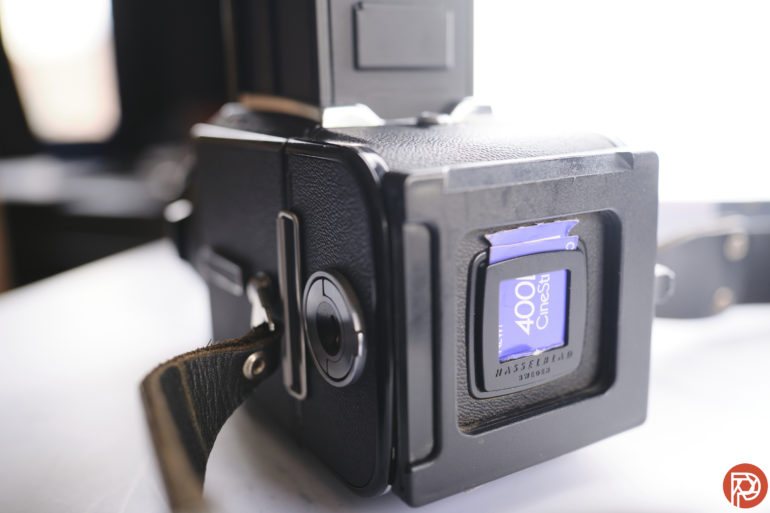
There are tons of photographers out there who’ve shot film and would never want to do it again. But most of the time, they talk about things like development and the whole process being much easier now. I’m sure we can all relate if you’re technically literate enough. Still, though, the generational trauma of feeling like you need to really work for the image hits a lot of us very hard — so we shoot film.

Film is Better Than Digital

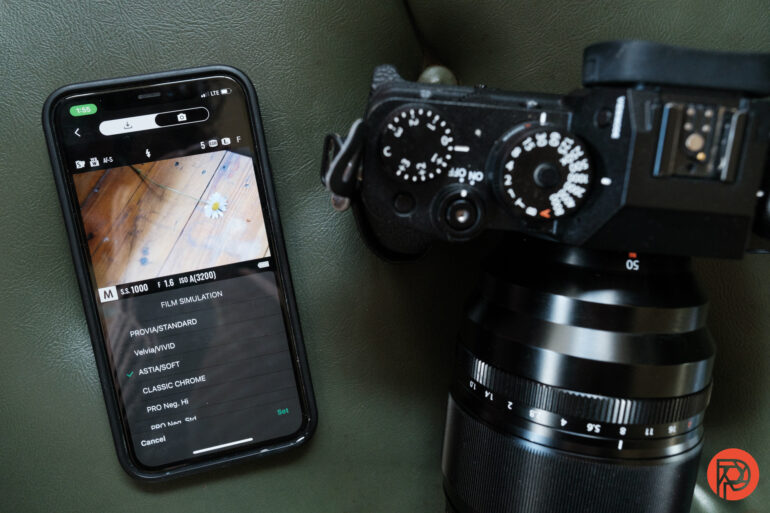
I’m sure that so many people think of this as a fact. I mean, look at how much digital tries to emulate the look of film! You can even put presets and LUTs on cameras to make your photos look like film. Just imagine that — we came all the way from film into digital just to make things look like the way they use to!

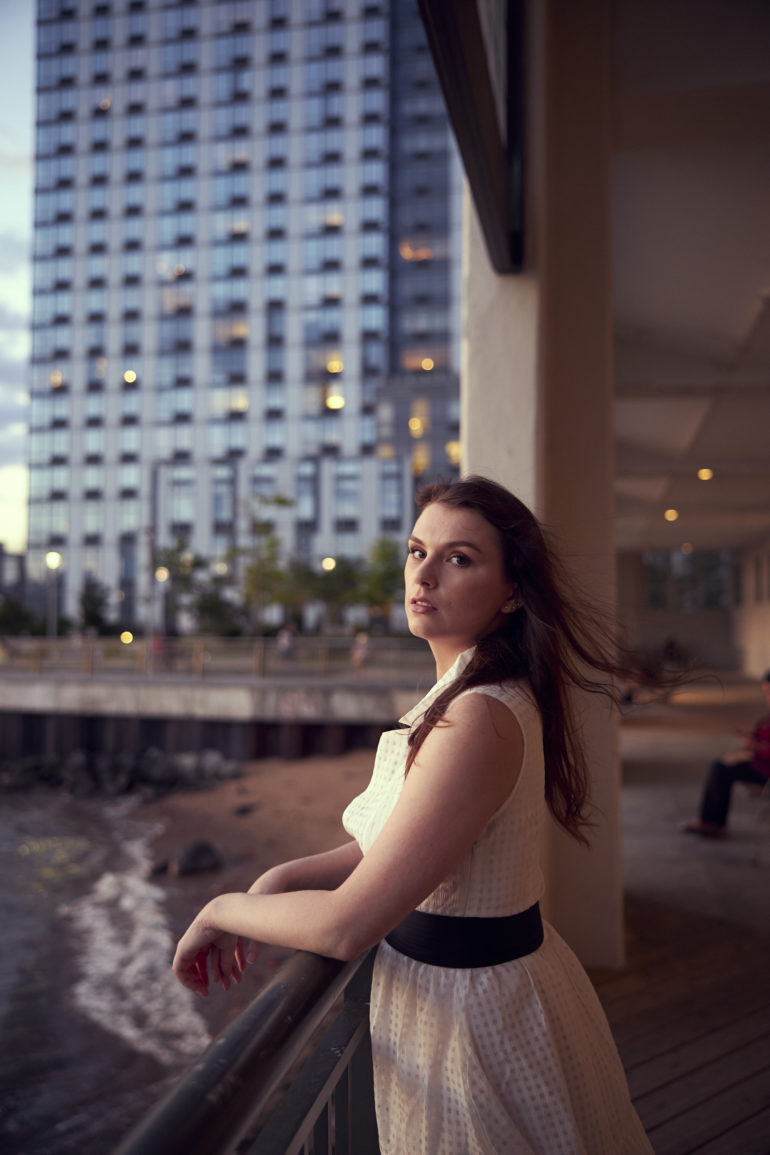
I mean, just look at this photo above. It’s art!

Micro Four Thirds is Crap

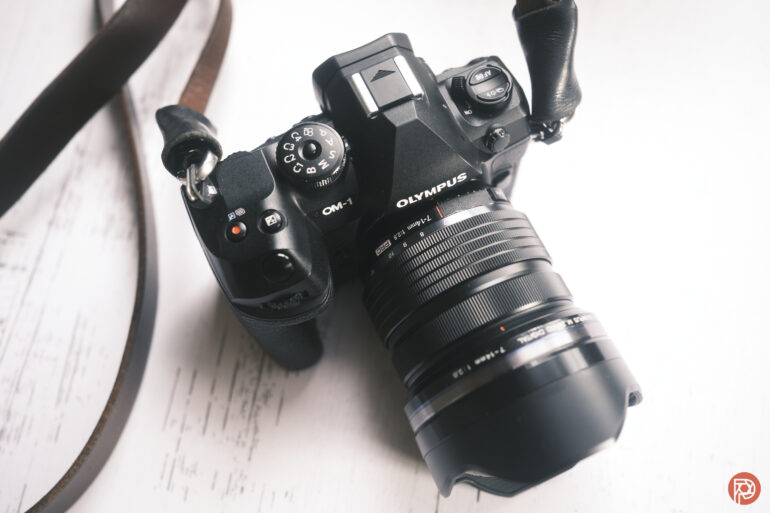
This is all about size! Many photographers swear that they’d never shoot Micro Four Thirds without realizing that the size is based on a film standard. In the video world, so many photographers can’t live without Micro Four Thirds. But in stills, we always think that bigger is better. But if that’s the case, why are we all shooting full frame?

I Only Shoot Full Frame

Full-frame cameras are the standard for so many photographers out there. Yet they still don’t realize that it’s not the big one. If you really think that APS-C and Four-Thirds sensors aren’t great because they’re smaller, then imagine what medium format is like! With the innovations that companies like Fujifilm have been making in the segment, it’s hard to not take this question seriously.

I’m a Natural Light Photographer

How do you know that someone is a natural light photographer? They’ll tell you. Otherwise, they’ll just use LEDs and constant lights because they just don’t know how to light.

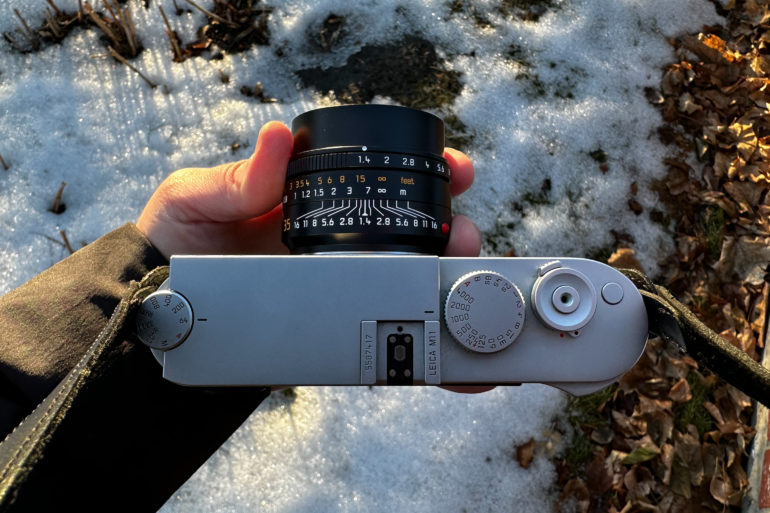
Leica is Only for Rich People

Yes, Leica cameras are only for rich people in a segment of the market that’s become a quasi-luxury hobby while so many other people use only their phones. Just think about why Sony put an auto mode on the Sony a1.

Nothing is as Good as My Camera

It’s often sad when people buy a camera or lens and then proceed to read reviews and watch videos on it just to justify their own purchases to themselves. Something along the lines of “Nothing is as good as my Canon” is often said then. It reeks of desperately wanting to feel like their R5 is so much better than everything else in a market where everyone shares parts, processors, and more.

My Peak Design is Better

Pfft. Really?

Digital is so Overrated

You can attribute this to any member of millennials or Gen X who only owns a few Buy-It-For-Life style coats, Filson bags, and Rolex watches. They want something that lasts and that is older than them.

I’ve Got 15k Instagram Followers. Can I Just Get In?

This is often said by someone who is only a photographer for Instagram followers and calls themselves as such. However, they can’t produce a single invoice showing that they’ve been paid for photographic services.

‘It has a price’: war photographer Corinne Dufka on capturing conflict

‘It has a price’: war photographer Corinne Dufka on capturing conflict

When the tears came, they weren’t always for the dead and the unfathomable depths of suffering. They also flowed for the times in between, for the joy and smiles of the unknowing.

As the acclaimed American war photographer Corinne Dufka sorted through the pictures and negatives for her new book, This Is War: Photographs from a Decade of Conflict, covering more than a decade on frontlines from El Salvador to Bosnia and Liberia, she once again looked into the faces she had perhaps only registered briefly years ago.

“I entered into this zone of memory, of trying to understand what I witnessed. That in and of itself is an interesting process because I wept a lot,” she said. “Some of the pictures that were saddest were of times of hope. One of the saddest pictures is in between the first and second wars in Liberia when people are waiting in line to vote, so earnestly and with so much enthusiasm and optimism. They didn’t know that within two years their country would be involved in another horrific conflict.”

This Is War is thankfully spare on dead bodies. They are there but the focus of the book, as with most of Dufka’s work, is on those responsible for the killing or forced to live with its consequences.

In one picture, Dufka captures a child combatant playing with an abandoned toy as he guards a checkpoint in the middle of the embattled Liberian capital, Monrovia, in 1996. A rural Salvadorian woman stands at her window holding a photo of her husband who was one of three men in her village abducted by the army, and tortured and murdered.

El Salvador

In besieged Sarajevo, Dufka turns her camera on the agony of parting with no certainty as to when, or even if, women and children waving from an evacuation bus will see their families again. In Mostar, a Bosnian Croat soldier nonchalantly holds his gun at his side as hundreds of Muslim men are marched down a mountain track to a prison camp in an abandoned factory.

The book’s cover photo is of a pile of machetes discarded at Rwanda’s border as Hutus fled the country following the genocide of 800,000 Tutsis in 1994. A lone child stares at the camera as the adults shuffle past carrying bundles and responsibility for the last great crime against humanity of the 20th century.

Dufka describes her book as a “personal journey to come to terms with these dozen tumultuous years of covering some of the bloodiest and most horrific conflicts of the latter part of the last century in which I saw not only tens of thousands of people who’ve been killed in these outbursts of unspeakable violence but also a dozen or so journalist friends killed”.

Part of that is a reckoning with what she frankly admits is her own dehumanisation. Dufka came to war photography by accident. She was a psychiatric social worker in San Francisco for a decade before heading to El Salvador at the height of its civil war in the mid-1980s, first as a social worker with the Lutheran church and then a human rights investigator tracking the murderous work of the country’s rightwing death squads.

Herbert Anaya, the director of El Salvador’s human rights commission, asked Dufka to set up a photo documentation programme. Two weeks later he was murdered by a death squad. Dufka took the photo of Anaya’s body published in the New York Times the next day. Not long after she went to work for Reuters.

El Salvador’s conflict was rooted in resistance to historic oppression but it had an ideological hue because the guerrillas were Marxist. By the time Dufka arrived in Bosnia in 1992, the old cold war rivalries had given way to ethnic and nationalist conflict that came to define so many of the wars in Europe and Africa in that decade. The scale of human barbarity horrified Dufka but drew her in.

“It’s a theme throughout my life of trying to address dehumanisation that started way back in my family because there was a lot of suffering from blindness, from mental illness, there’s a lot of substance abuse. So I learned to get on with it and then I transferred those skills to my life as a photojournalist,” she said.

Bosnia

In 1997, the International Women’s Media Foundation awarded Dufka its courage in journalism prize. By then she had a reputation among her peers for astonishing bravery in the midst of some of the most brutal conflicts.

In Rwanda, a member of a Hutu death squad put a gun to her head until she talked him down. She captured intense street battles in Monrovia from among the combatants.

Dufka was badly injured when an anti-tank mine exploded under the Reuters armoured car in Bosnia in 1993, turning her camera into shrapnel that smashed into her face. The force of the blast tore the ligaments in her knees and she suffered internal bleeding.

Dufka and her injured colleagues tumbled out of the burning car only to come under Croatian sniper fire before their rescue by British soldiers. Three weeks later she was in Somalia, still walking with a cane.

The role of photographers has come under more scrutiny in recent years, in part because it’s so much easier for anyone to take a picture of individual suffering and have the wider world view it.

“There’s a debate about who should have ownership. Whether, if you’re not from a community or a victim from that population, you have a right to even photograph. There’s a level of sensitivity about showing people in hardship and conflict,” she said.
“War is ugly and war is painful. It’s important that people see the handiwork of those who make and perpetrate and support wars. It’s really a minority of people, usually from political elites, who object.”

Dufka said that only once did someone tell her to stop taking a picture. A man turned on her after a bombing during South Africa’s first free elections in 1994 and kicked her in the face.

“That was the one time. Very often it was the opposite. People welcomed me into their homes, into the hospitals, into their battlefields, into graveyards where burials were taking place,” she said.

Dufka drew satisfaction from the fact that her work and that of other photographers can have real political impact in foreign capitals and influence policies to alleviate suffering if not end conflicts. But she came to understand the price of viewing war through a lens.

“I have to say it’s profoundly dehumanising. You can’t break down every time you see human suffering. You’ve got to keep it together and do your damn job. But that has a price,” she said.

Liberia.

Dufka wasn’t even present at the atrocity that prompted her to give up war photography. She was on a plane flying out of Nairobi in 1998 when al-Qaida blew up the US embassies in Kenya and Tanzania killing 224 people, almost all Africans. She was horrified when she realised she was more upset at missing the opportunity to photograph the carnage than she was about the victims.

“I hadn’t given a thought to the Kenyans and I’d been living in the country for six years. I was so profoundly ashamed of myself. I’d become so dehumanised. I didn’t recognise myself, and that’s why I got out,” she said.

But Dufka didn’t give up on conflict, she changed how she worked with it. In 1999, she moved to Sierra Leone to open a field office for Human Rights Watch documenting its civil war and the terrible crimes against civilians including the cutting off of limbs. The switch to taking testimony and then working as a criminal investigator for the UN war crimes court for Sierra Leone felt like more of a contribution. She also had a daughter, which again shifted her perspective on war, and eventually moved back to the US.

“In those years I never gave myself a break. I went from conflict to conflict to conflict. There are some people who become afflicted with post-traumatic stress. That’s just not the way my personality is wired. I only had one post-traumatic stress incident, right after my daughter was born for about a month with intrusive dreams and thoughts. I achieved more balance in my life now,” she said.

As she was sorting the photographs for the book, Dufka was struck by how many places she worked remain in conflict of some form. Ethiopia was at war again. So was Sudan.

“Sierra Leone, Bosnia, Liberia, they’re still grappling with the legacies of conflict. Endemic corruption and some of the world’s worst socioeconomic indicators,” she said. “I would like this book to generate some reflection about conflict, relapse and risk in recidivism.”

So does she see common features in conflicts as far apart as Central America, Europe and central Africa? “One common thread is a conclusion about human behaviour. There’s nothing that people will not do to each other, and there’s nothing they won’t do for each other. I’m not the first one to say that but it is so clear. I have watched profound brutality and cruelty, and then documented later, as a human rights investigator, the most astounding acts of human generosity and courage to help each other,” she said.

“I also learned that fear is stronger than love and the sort of solidarity that binds communities together. You saw that in Rwanda, in Bosnia, where you have communities turn on each other. It’s manipulated, of course. But fear is a huge motivator.”

  • This Is War: Photographs from a Decade of Conflict is out now

Photographer Kierra Branker Brings Artifacts to Life

Photographer Kierra Branker Brings Artifacts to Life
image
Photo-Illustration: by The Cut; Photos: Mariah Roman, Getty Images, Everett Collection, Amazon

To Kierra Branker, 27-year-old photographer based in Orlando, the objects placed in her images feel alive. “It could be a domino set and you have that memory from when you’re first a kid and you’re seeing all the aunties and uncles slamming dominoes together while music’s playing and people are hitting spoons on bottles,” she says. Branker’s photographs often evoke the spirituality of heirlooms and spaces and the intergenerational meaning they take on in our lives. In her project “Get It and Come Back,” she presents the moments and artifacts that chronicle her family history as it has developed between Orlando and Trinidad. The meaningfulness of these objects is not fixed to one generation.

“Get It and Come Back” was awarded a grant during this season of the Creator Labs Photo Fund, part of a joint effort between Google and Aperture to provide financial support for photographers at a pivotal moment in their careers. For this round of awards, announced today, they were able to grant $6,000 to each of the 30 rising photographers selected for the prize. Many of these projects become platforms for self-reflection with the photographers using the camera to understand — and place themselves in — the world around them. Among the winners are photographers Natalie Keyssar, Oji Haynes, Ryan Frigillana, Luis Corzo, Wesaam Al-Badry, Jeremy Grier, Ryan Patrick Krueger, Ira Lupu, Arlene Mejorado, Tam Stockton, Clara Shuku Mokri, and Ramona Jingru Wang. The varying perspectives at hand do not take for granted past narratives and use photographs to assign new meaning to the past, present, and future.

Branker’s images plant you right there in the scene with the subject. When asked about the artifacts in her photos that connect her to her sense of home, she talks about a fake bouquet of flowers that could easily have been ignored. But she remembers an image of her grandmother holding that bouquet, imbuing her photograph with a feeling of familial history. Branker carefully arranges her scenes with artifacts of significance to her, like the bouquet, and sometimes includes people who sit for her lens, during which she elevates them to a position of power. “As a Black femme photographer,” the Parsons-educated artist says, “it’s really important that I’m holding the camera. As you know, it has not been up to us to have the privilege to hold on to it.”

Brave New World
Photo: Kierra Branker

How do you choose the people you photograph? 
Finding people I want to photograph comes down to my family and whether or not they’re feeling open or receptive to it. A lot of the people I photograph embody this kind of worldliness about them that I really enjoy: those who have seen things, and you don’t even have to know what their home looks like, but you know it’s filled with stuff and character about them — and there’s an ease that comes with that. When finding them, I consider it like a collaboration because the photograph is never just my interpretation of them.

When I’m looking at my sitters, I’m always considering those small things that make them feel a little bit more powerful. For example, if it’s a book that they’ve read down to the end, I’ll have it in line of sight for them to see. Since I’m photographing a lot of people either in their places of comfort or their homes, I try to make them as comfortable as possible so they are able to see connections toward themselves and also just feel that they could do what they would do and move as if I wasn’t there.

Where do you get your best culture recommendations?
I hate to say it: TikTok. I’m always down to watch people do unboxing or just talk about their day or a book that they’re reading. I’m very much into #BookTok and the #PhotoTok that’s happening there, too.

Which celebrities — dead or alive — would you invite to a dinner party? 
Probably Gabrielle Union — I feel like she would have a lot to say. She’s also a Scorpio too, so I enjoy that. Doja Cat too. Definitely Beyoncé and then definitely Megan Thee Stallion because she seems like she would have a great time. Cicely Tyson — in case it gets too much, she would be like, “All right, y’all, let’s talk about something else.”

What’s the last meal you cooked for dinner? 
I literally made four recipes yesterday: taquitos, stuffed burgers, a chocolate cake, bacon-wrapped jalapeño poppers. I was photographing it. I’m not really a big cook.

What is your pre-shoot ritual when you work on your personal projects?Meditating. I’ll try to write a couple of words and go through my image archives, looking for elements that express how I want the shoot to go or the feeling I want to elicit when taking the photo. My archive is filled with images that really inspire me, both in my personal collection as well as other works. Last, I look through my camera equipment, making sure I have everything I need.

I can get really nervous before shooting. For example, last year I was shooting at the Labor Day carnival in Brooklyn, and it was, like, my first time kind of being in that kind of space, especially because of the pandemic. I felt my heart moving and had to take a beat, move with it, and dive in.

Memory
Photo: Kierra Branker

What’s your comfort rewatch?
Futurama. I love that show. I’ve seen it more than enough. I like that it’s based in the future and that the comedy feels a little on the nose but also has layers to it. You’ll see the first joke and then you’ll have a rewatch and realize they were talking about something different. The show also has moments where it’s really accurate with the science and math that they joke about, and that level of care put into the writing makes it even better.

What’s something you’ll never, ever want to watch no matter what?
I watch a lot of crazy television, a lot of reality TV — it’s a guilty pleasure. I’m not on the Tubi wave yet, and my friends have been talking about it, but I can only go so far with my trash television. I feel like that’s Pandora’s box, and I don’t wanna open that right now.

What’s your favorite game to play?
Probably Uno even though I’m not that good at it. I mean, I could be pretty good. I get really competitive because I love the energy of Uno, and the way people make their own rules becomes a whole thing. I feel like you could really understand a person if you play Uno with them or how they react if you hit the reverse card.

Name a book you couldn’t put down.
Parable of the Sower, by Octavia Butler. Unfortunately, I read a lot of my books on my phone, but in this case, I found a copy of it and I read all the way through. I found many parallels toward everything happening, as Miss Butler always does, because she has a good understanding of the past and history.

The main character is really hyperempathetic and just really likes to understand how people are moving throughout the space. It made for such an interesting plot with a character who is seeing apocalyptic things happening around her, processing all of this pain that’s not really experienced by herself but by the people around her and how that helped to make her a better leader and a survivor.

What’s your favorite piece of art that you own?
I have too many, I’m realizing now. This one I bought in Orlando, my hometown, at this African gift store, Three Masks Inc. It’s two little Black cherubs just, like, floating next to some flowers. I can’t read the artist’s name because it’s in cursive and it’s really small, but I was happy to find it at the gift shop. The owner had a lot of prints.

What’s the worst thing you could do at a dinner party?
Bringing wine to a party and taking it back with you after.

Where do you feel most connected and comfortable with yourself?
My grandmother’s house in Trinidad, being able to see where my mom grew up and had her childhood home. It feels so distant to how I’m living now. In Trinidad, it’s in the back of the woods — it’s quiet and it’s lush and while Florida is very lush too, the side I live on is very suburban and has pretty pavements.

Inside my grandmother’s home, she would decorate very ’70s. I still remember the uncomfortable mid-century-modern chairs that she had that were literally just wood, super-yellow Styrofoam on the inside, and floral on the front, then there was a picture of white Jesus on the side. Those little moments make me really think about my family — my grandmother especially.

Blake’s First Carnival (I)
Photo: Kierra Branker

How do you think Florida and Trinidad influence your work?
Definitely tropical. Always tropical. I’m always thinking about the forest, thinking about our relationship to nature. I think about how we’re building spaces for ourselves, connecting identity to them, be it either in Florida or Trinidad, and how the world around us responds to it. It feels like home is never really far and home is also what you make it, and you have the opportunity to kind of, like, create something new but still familiar in a way that can connect to all these different places.

Which photographers and artists inspire you?
Black femme photographers and image-makers are understanding of the greater narrative of our connection to nature and our response to trying to get back to this moment where things were not affected by colonization and capitalism. I feel like Carrie Mae Weems and how she responds with her body with these scenes of architecture and the forest is really profound.

April Bey’s work and how she’s incorporating AI to take it even a step further into understanding, like, our future, past selves.

I really love Renee Cox’s work and how she speaks on gender. I love her Pieta series. She has this one image I’ve been obsessed with: She’s wearing this supertight corset and you see the camera kind of looking from the waist up and only see her back, not even her head, and the patent-leather corset is really tight. I always go back to that image, especially when thinking about gender and thinking about how, as femmes, we are to be shown and presented but not to be understood.

What is your most prized possession?
My rocks. I’ve been building my rock collection since 2020. I know a couple of the names, but it’s lost on me now. But it’s really beautiful. One particular rock that I enjoy could fit in your palm, and it really feels heavy. I always like to hold on to that whenever I feel I need to be grounded in any way.

What’s the best advice you’ve ever received?
“Do it scared.” I can be very scared to do things at certain times, but I had a friend tell me that even if you’re scared to do it, still do it and those scary feelings will go somewhere else. But at least you can say that you did it.

This interview has been edited and condensed for clarity.

Photographer Kierra Branker Brings Artifacts to Life

Five Annoying Moments in Photography!

Five Annoying Moments in Photography!

We have all been there! Out and about on a photo shoot, trying to photograph a beautiful landscape or during a portrait session, and then something happens, which annoys you to your core. Join me in this article as I discuss some of the frustrations I have experienced. 

Cellphone Copycats

One evening, I fancied photographing a beautiful lighthouse in New Brighton, UK at sunset as the tide was coming in. I was all set up, $3,000 camera gear on tripod, amazing light and scenes all around me, when suddenly, a man walks right up beside me, pulls out his cellphone, and quickly snaps an image. The man, happy with his shot, turns to me and shows me the photo and says, “nailed it.”

Like, seriously dude! Yes, cellphones are capable of capturing nice images under the right conditions, but you do not just stroll up to a photographer and take the mickey in that way! Me being me, I was just like: “yeah, good job mate” and let him carry on about his day. I could not help but be amused at the cheekiness of this person and his outright bluntness, but at the same time, it was annoying because the person could not help themselves by trying to rub it in. 

Of course, it is not really a big deal, and it was just silly, so I do not hold a grudge by any means, and as soon as the moment was over, I could just laugh about it.

Get Down!

Last year, I travelled to the Isle of Mull, Scotland in the hope of photographing otters. Each day, myself and fellow photographer Adam Russell would head out on the road, driving along the beautiful coastline, looking for these iconic creatures.

One morning, we are driving along, and I spot an otter diving in the loch. I shout out to Adam to stop the car so I can make a dash for the shoreline. I duck down behind a large boulder, as field craft is very important with wildlife photography. We want to ensure there is minimal disturbance to the wildlife by staying as invisible and quiet as possible while also keeping downwind of them. 

I had a great position, and I was photographing a family of four otters. Behind me, I noticed another car was driving slowly along the road, looking for otters as well. The driver then spots me as I was still behind a boulder, and he parks in a passing place (this alone is a big no-no on the Isle of Mull), he leaves the engine running, and loudly gets out of his car and approaches the otters. The man had no idea what he was doing, and I could see the otters were getting startled. I waited until the otters took a dive for more food, and then I shouted at the guy to “get down!” 

Thankfully, he did get down, and I later explained to him about using field craft techniques to photograph wildlife such as otters. 

Forgotten SD Cards

Now, this is not something where someone else has annoyed me, but more so where I have annoyed myself! I’m sure many of us have been there. You head out with the hope of photographing something, you reach your destination, and get your camera out. Thinking you have everything ready, you press the shutter button, only to get that dreaded message “Please insert SD card” or something along those lines. Of course, silly sausage here, left my SD card back at home, about a one-hour drive away, so the shoot was pretty much ruined!

Needless to say, that is a mistake I’ve never made again, and I always ensure that I have spare cards in both of my camera bags no matter what. 

What Was That Sound?

A few years ago now on Christmas Day, my wife and I drove to a small village in Scotland to get some shots at night, as it was very foggy and atmospheric. I was happily photographing away and was stoked with some of the images I captured. I packed up and put my stuff in the car. 

We proceeded to drive away and suddenly heard a couple of loud bangs on the roof of the car, but then, it stopped. We assumed it was the low tree branches near us that hit the roof, so we just carried on. 

Fast-forward a week, and I was heading out for another shoot. I started looking for my tripod everywhere, but to no avail. I searched the house high and low, and then thought: “Oh, I last used it on Christmas Day, so maybe it is still in the car.”

Nope, silly me, I left it on the roof of the car, and that is a tripod I never got back! Annoyed! My own fault, though, and just like the forgotten SD cards situation, this was a mistake that I will make sure will never happy again. 

Stupid Filters

I don’t know about you, but if you do a portrait session with a client and deliver beautiful images, is there anything worse than the client putting a stupid filter on it and sharing it on Facebook, ruining the art that you have created? Not only have they ruined the aesthetics of your image, but if they tag you on their edited version of it, it makes you look crap! 

While that has only happened to me only once or twice in so many years of shooting, crikey, it is annoying! I have heard of lots of other photographers who have had issues like that too as well.

Customers: Once you receive those edited images, please do not re-edit them!

Summary

So yeah, there have been a few things over the past several years that I’ve found annoying, some from other people and a few self-inflicted situations. We all make mistakes and can be annoyed by them, but these things happen. Forgetting SD cards or losing a tripod is not the end of the world. They bother you at the time, but que sera sera. 

I would love to hear some of your stories down below at things that have happened to you by others or even things you have done.

Affordable Top Cameras for Portrait Photography

Affordable Top Cameras for Portrait Photography

SLR Lounge helps over 1.5 million photographers master their craft. Real world education & resources from the most successful wedding photography studios in the world.


Watch anywhere
Learn online, anywhere, anytime.


Access Tutorials & Resources
Exclusive content and more!


Submit to awards
Have your work recognized.


Join the Conversation
Ask questions, seek inspiration
and contribute to our community.

TIME and ASMP Launch Global Photo Portraiture Competition

TIME and ASMP Launch Global Photo Portraiture Competition
image

Prizes include paid TIME photo assignment, custom three-month mentorship with the photo editors of TIME, and over $16,000 in cash prizes for the winners

2024 event honoring winners to be held in New York City

2024 event honoring winners to be held in New York City

TIME, the 100-year-old global media brand that reaches a combined audience of over 120 million around the world across its platforms, and the American Society of Media Photographers (ASMP), for over 75 years one of the world’s leading photography organizations with members in 22 countries, have partnered to launch a new global photography competition.

The Human Element” will showcase portrait photography in all its forms, celebrating the diversity of people and cultures across the planet. 

“Great photography has been an integral part of TIME’s identity and journalism since our founding over a hundred years ago. We are thrilled to celebrate that long tradition with this new competition and our partnership with the American Society of Media Photographers,” said TIME Chief Executive Officer Jessica Sibley. 

“We are very proud to be partnering with TIME, one of the world’s most respected media organizations, and one with an uncompromising commitment to great photography,” said ASMP CEO James Edmund Datri. “And there is no other competition out there like this one in terms of the exposure it provides—having your work seen by top photo editors at TIME—and the unique and valuable opportunities offered as prizes.”

“We hope photographers of all levels of experience across the globe show us their world through portraits of the people around them, and we look forward to displaying the best of these images on TIME.com,” said Katherine Pomerantz, Director of Photography at TIME. 

Competition Details: 

Entries are open to individuals over 18 years of age around the globe. There are over $16,000 in cash prizes, and other prizes include a paid photo assignment for TIME, a three-month mentorship with the photo editors of TIME, and lifetime complimentary Membership in ASMP. All winners will be displayed on both TIME.com and ASMP.org, receive personalized awards for display, and an invitation to a 2024 event in New York City honoring the winners. The competition opens September 26, 2023, and runs through November 7, with an extended entry period with higher entry fees available through November 11. Winners will be announced January 18, 2024.

Categories for entry include: portraits of family, portraits in the world, portraits of influence, an open category (which includes work using AI), and a series category (for thematic series of three to six images). Entry fees are $15 per image, $8 for registered students, $55 for the series category.

To enter “The Human Element” or learn more, visit: https://www.timeasmpphotocontest.com 

About TIME

TIME is the 100-year-old global media brand that reaches a combined audience of over 120 million around the world through its iconic magazine and digital platforms. With unparalleled access to the world’s most influential people, the trust of consumers and partners globally, and an unrivaled power to convene, TIME’s mission is to tell the essential stories of the people and ideas that shape and improve the world. Today, TIME also includes the Emmy Award®-winning film and television division TIME Studios; a significantly expanded live events business built on the powerful TIME100 and Person of the Year franchises and custom experiences; TIME for Kids, which provides trusted news with a focus on news literacy for kids and valuable resources for teachers and families; the award-winning branded content studio Red Border Studios; an industry-leading web3 division; the website-building platform TIME Sites; the sustainability and climate action platform TIME CO2; the new e-commerce and content platform TIME Stamped, and more.

About ASMP

The American Society of Media Photographers (ASMP) is the premier trade association for the most respected photographers and new media visual content creators across the worlds of advertising, magazines, photojournalism, portraiture, sports, fashion, entertainment, fine art, cinematography, film/video and beyond. Members have included legends Stanley Kubrick, Sammy Davis Jr., Dorothea Lange, Ansel Adams, and Richard Avedon, among many others. Headquartered in San Francisco, ASMP is home to the ASMP Academy Powered by Sony, a one-of-a-kind online platform and resource for visual content creators of all stripes; an extensive physical and photographic archives collection covering photography’s history; and a robust public policy & legal arm in Washington, D.C., that protects the rights of photographers in our nation’s capital and in the courts. ASMP is the leader in providing extensive, practical education and resources to photographers on how to run and grow a business in these fields, connecting member photographers with clients, and producing business publications that set the industry standards. The organization exists because the work of these visual creators is so important to our economy and our culture. Founded in October of 1944, with a storied history that is an integral and pivotal part of the progression of photography as a profession, industry, and cultural force, ASMP today has over 6,500 members in 22 countries and 38 chapters.

Media Contacts:

Kristin Matzen, TIME, Kristin.matzen@time.com

Thomas Maddrey, Head of National Content & Education, American Society of Media Photographers, maddrey@asmp.org

More Must-Reads From TIME

OpenMacroRail: controlling a motorized macro rail #Photography #ESP32 @AppliedProc

OpenMacroRail: controlling a motorized macro rail #Photography #ESP32 @AppliedProc

Applied Procrastination has designed an open source PCB-design for controlling a motorized photography macro rail. Designed for photographers with electronics skills rather than engineers with photography skills.

Main features:

  • Zero surface mount components, and should therefore be possible to hand solder – even for people with novice soldering skills.
  • Flexible solution for connecting to most types of camera via 2.5mm stereo jack, pin header, or solder joints.
  • Simple design for driving a single motor via a BTT TMC2209 V1.2 motor driver.
  • Based on the WiFi-enabled NodeMCU 32S V2 DevKit.
  • Has broken out headers for connecting limit switches and rotary encoders (neither of which are used in the intended application the board was designed for).
  • Total cost of around $30 (Camera, optics, motor, slider, and tools not included)

The OpenMacroRail Firmware provides a web-interface for accurately moving a camera in small increments in order to do focus stacking.

ALl the details and design files are on GitHub. Software is also on GitHub.

In-Sight Photography photo contest winners to be announced at Photo Fair

In-Sight Photography photo contest winners to be announced at Photo Fair

BRATTLEBORO — In-Sight Photography will announce the winners of its first youth photo contest at an award ceremony and photo fair on Saturday, Sept. 30, from 4 to 7 p.m., in The Latchis’ Main Theater. The contest includes five categories: Analog/Film, Artistic, People, Places, and The New England Experience. A total of 89 images were submitted by 31 youth, ages 11 to 18, from Brattleboro and neighboring towns including Dummerston, Guilford, Marlboro, Putney, and Vernon as well as Bennington, Florence, Mass., and Keene, N.H.

“Our goal for the event is to recognize and celebrate our community’s young artists and we look forward to welcoming the community to commemorate this experience for them,” said Emily Wagner, executive director, In-Sight Photography Project.

Working with honorary chair, photographer Cathy Cone, In-Sight’s jury includes influential local and national artists: Analog/ Film, Michael Kirchoff (Analog Forever Magazine) and Vaune Trachtman (Olcott Family Award/The Print Center’s Annual International Competition); Artistic, Cathy Cone (Cone Editions Press and InkjetMall) and Aline Smithson (Lenscratch Magazine); People, Rachel Portesi (photographer) and Geoffrey Peckham (Tusen Takk Foundation); Places, Joan O’Beirne (Greenfield Community College) and Dale Rio (The Halide Project); and The New England Experience, Jon Gitelson (Keene State College) and Tim Trelease (Deerfield Academy).

Along with the jury’s picks, community members are invited to vote for a “People’s Choice” award. Voting ends on Sept. 29. To vote, go to: https://woobox.com/koufgd

Contest winners will be announced from the main stage at The Latchis at 6 p.m. with prizes ranging from Canon DSLR cameras, Polaroid cameras, gift certificates, and more. Each participant will also receive a gift bag from In-Sight in recognition of having been a part of the contest.

Beginning at 4 p.m., enjoy a photo fair with the contest images on display, food, face painting, balloon art, along with photo games created by In-Sight staff. Come test your film tank loading skills, try to capture the right action shot, or play with light painting.

Lead sponsors include: 802 Credit Union, C&S Wholesale Grocers, Cone Editions Press, Guilford Sound, InkjetMall, and Vermont Center for Photography. Brattleboro Savings & Loan, Members’ First Credit Union, The Richards Group, and Trust Company of Vermont, also supported the contest. Media sponsors included the Brattleboro Reformer and Vermont Independent Media/The Commons.

Participating Artists

Adnan Hussainzada, 16, Brattleboro

Antonio Andrew-Moore, 17, Williamsville

Atticus Haskins Rogers, 12, Florence, Mass.

Aubrey Hallock, 12, Brattleboro

Ava Einig, 14, Guilford

Azzan Yahya, 16, Brattleboro

Blake Trubridge, 13, Newfane

Blue Berenguel, 16, Brattleboro

Callie Burch, 13, Brattleboro

Charlie Latham, 15, Keene, N.H.

Eisa Hiam, 14, Putney

Emma Paris, 17, Putney

Eowyn Jakub, 13, Leyden, Mass.

Ezat Yahya, 17, Brattleboro

Ezra Hemphill, 14, Northfield, Mass.

Genevieve Taggart, 15, Hinsdale, N.H.

Jasmine Thibault, 15, Dummerston

Kota Rayne, 18, Jacksonville

Leo Mousseau, 16, Marlboro

Lily Arnold, 11, Dummerston

Matrix Balsley-Patraska, 13, Guilford

Milo Latham, 12, Keene, N.H.

Navaeh Sheldon, 13, Brattleboro.

Nico Conathan-Leach, 16, Guilford

Nova Stroble, 17, Vernon

Otto Morlock, 17, Brattleboro

Ronen Carnes, 11, Vernon

Roxanne Burt, 17, Marlboro

Ruby Schlatter, 17, Bennington

Thaddeus Taggart, 15, Hinsdale

Vivian Elliot, 16, Brattleboro

For more information, visit Visit insightphotography.org.