Frieze Art Fair returns to South Korea, offering boost to Asia’s art market

Frieze Art Fair returns to South Korea, offering boost to Asia’s art market
image

SEOUL, Sept 6 (Reuters) – The Frieze Art Fair returned to South Korea for a second year on Wednesday, with dealers hoping the event would provide a boost for the burgeoning local art market, after economic woes triggered a slump in sales this year.

Art buyers flocked to Seoul’s COEX convention centre to see cutting-edge works by emerging artists, antiquity art through the 20th century, and offerings from established galleries, such as Gallery Hyundai, Kukje and Gana.

The fair, run by Endeavor Group-owned (EDR.N) Frieze, made its Asia debut in South Korea last year, drawing over 70,000 visitors.

South Korea’s art market reached 1 trillion won ($750.85 million) in revenue for the first time in 2022, according to data from the Ministry of Culture, Sports and Tourism.

However, the market shrank in the first half of this year, with the volume of art sales by major South Korean auction houses dropping 44.8% from a year ago, according to the Korea Arts Management Service.

Despite this backdrop, the South Korean and the Asian art market remain resilient, Patrick Lee, Director of Frieze Seoul, told Reuters.

“I think it is sort of a natural evolution as collectors get a little more sophisticated and discerning.”

With COVID travel restrictions gone, Lee is optimistic about hosting more international visitors during this year’s four-day fair.

Over 120 galleries from 30 countries are taking part, with more than half of them operating spaces in Asia, the organisers have said.

“We have a great contingent of visitors from China coming, Japan, all throughout the region. We’ve done a lot of outreach,” Lee said.

Seungjin Chung, founder and director of G Gallery, said South Korea’s art market has enjoyed growth in recent years led in part by Millennial and Gen Z collectors.

“From around three years ago, young collectors started to show interest in the market. Celebrities and influential people also began collecting (artwork), which I think has had an impact.”

Some South Korean celebrities, such as RM, a member of K-pop group BTS, have shown off their art collection and shared images of them visiting art galleries on social media, fuelling an interest in art among young people.

Jungmin Cho who directs Seoul-based White Noise said taking part in Frieze Seoul has been a new experience as her gallery has been more of an “independent, project space” instead of actively pursuing buyers.

“It is a great opportunity to promote the artists we support internationally and build relationships,” she said.

($1 = 1,331.8200 won)

Reporting by Hyunsu Yim; Additional Reporting by Hyun Young Yi; Editing by Sharon Singleton

Our Standards: The Thomson Reuters Trust Principles.

Acquire Licensing Rights, opens new tab

ames Brings Colombian Color, Craft + Tradition Into 2023

ames Brings Colombian Color, Craft + Tradition Into 2023

Today we’re catching up with ames, a company that predominantly uses traditional natural materials and craft techniques found in Colombia. The German-Colombian furniture and accessories brand has dropped several new collaborations for 2023 throughout the year, as well as extensions of existing collections by returning industrial designers. Together, a creative dialogue is started that showcases what’s possible with materials and techniques often previously unknown to the brand’s collaborators. Co-founder Ana María Calderón Kayser begins by immersing the designers in the culture during weeks long research trips that unveil the diversity of the country and an understanding of Colombia’s design and craft tradition that’s then built off of in each project.

Cartagenas Reina Chair

“Colombia’s character is defined by its altitude. Colombia has no seasons, but it has snowy mountains, rainforest, coastal areas, and deserts,” says Ana María Calderón Kayser. “Whether we use fique fibers, iraca, or werregue depends on the availability of the raw materials and their specific characteristics. Sometimes we have to wait for years before we can use the material.” The production chain from acquisition of raw materials to the final product is in the hands of small manufacturers and family businesses.

five multicolor woven chairs with hoods outdoors

Cartagenas Reina Chair

Part of the 2023 release includes three special edition Cartagenas Reina Chairs by Sebastian Herkner. This brings the total up to five limited special editions, each with its own individual colorway inspired by the plumage of Colombian hummingbirds.

The first variant, Cartagenas Reina Chair Ltd. Edition 3, combines black and caramel brown with pastel beige and copper red. A mix of black, yellow, blue, and beige characterizes the second variant, Ltd. Edition 4. Meanwhile, the third design, Ltd. Edition 5, features soft brown and beige tones.

three multicolor woven chairs with hoods outdoors

Cartagenas Reina Chair

Reina is the newest addition to ames’ expansive Cartanegas collection – all designed by Herkner – and is made of galvanized, powder-coated steel tubing and PVC twine made from recycled plastic. It takes the Colombian artisans several days to handcraft this chair, which features a blurred effect that changes color from every angle.

multicolor woven chair with hood

Cartagenas Reina Chair

multicolor woven chair with hood

Cartagenas Reina Chair

boxy yellow chair and matching ottoman on a patio

Coco

The Coco Modular Seating Collection is MUT Design’s first upholstered seating family, and it’s inspired by origami. For indoor and outdoor use, the chair and ottoman feature a foam core finished with hand-woven covers, while geometric tables accent the squared-off angles. Inspiration also comes from the comecocos paper game, popular in Latin American countries. When playing, children open a folded origami paper to find hidden answers to their questions. The Coco collection includes armchairs, footstools, and tables, each available in several colorways that can be combined with one other.

boxy yellow chair and matching ottoman outdoors

Coco

Coco allows basic forms, rounded edges, and bright colors to shine while putting the talent of the artisans on full display. The concealed seam textile cover is made of dyed acrylic yarns, woven on a horizontal handloom in the Bolívar region, in a process that results in patterns and color variations. “By changing just one single thread, the patterns in the wefts become very vibrant. The bright colors create depth and perspective. You get the impression that the fabric is constantly changing,” says MUT Design.

boxy yellow and orange chairs and matching ottomans

Coco

boxy orange chairs on white background

Coco

boxy orange ottoman on white background

Coco

three colorful oversized woven vases outside

Guapi Cactos Vases

The newest three Guapi Cactos Vases, inspired by Colombian cactus gardens and designed by Mae Engelgeer, are a collection extension. The shapely, oversized, hand-woven vases are made in Bogota using recycled PVC, while the originals in the series are made from Chocolatillo straw. Their size, three-dimension effect, and bright colors make for a statement piece indoors or out.

“In order to define the shape of Guapi Cactos, we used a metal construction similar to the Chocolatillo straw version. We then experimented with different materials for each of the three shapes,” says Engelgeer. “It was particularly important to us that the central part of the vases would have a particular effect of depth and that the “ears” – the lateral elements of the vases – would be made of a different material to that of the body of the vases.”

blue woven vase on white background

Guapi Cactos Vase

green woven vase on white background

Guapi Cactos Vase

purple woven vase on white background

Guapi Cactos Vase

black woven two-seater bench on white background

Cartagenas 2-Seater Bench

Another addition to the Cartagenas range from Herkner is the Two-Seater Bench. The designer was inspired by Cartagena, a metropolis on the Colombian Caribbean coast where diverse cultural backgrounds meet and merge. Like other pieces in the collection, the indoor/outdoor bench is characterized by filigree weaving in bold colors, a powder-coated tubular steel frame, and a weave made of recycled PVC string. Smooth curves and strong colorways make the bench an elegant piece of furniture with a strong presence that can be grouped with other pieces from the Cartagenas family.

red woven two-seater bench on white background

Cartagenas 2-Seater Bench

olive green woven shelf with a bud vase on white background

Laxo Shelves

The Lazo Wall Shelf is ames’ first collaboration with up-and-coming Belgian designer Charlotte Lancelot, as well as the first shelf in the company’s lineup of products. To make Lazo, artisans from Bogota weave recycled PVC string around a steel frame, using two colors per shelf to create decorative patterns unique to the brand. While the solid weave leaves users with a flat, firm surface to hold things, the shape is a resource-saving design. Lancelot intentionally kept it simple to ensure easy stacking, storage, and transport. An advantage of using PVC in Lazo – and other ames products – is that it’s a moisture-resistant material that can be used indoor or outdoors. The shelf is available in three sizes and five colors to create accents or be playfully combined.

blue woven shelf on white background

Laxo Shelves

To learn more about all ames has to offer, including other recently released products, visit amesliving.de.

Kelly Beall is Director of Branded Content at Design Milk. The Pittsburgh-based writer and designer has had a deep love of art and design for as long as she can remember, from Fashion Plates to MoMA and far beyond. When not searching out the visual arts, she’s likely sharing her favorite finds with others. Kelly can also be found tracking down new music, teaching herself to play the ukulele, or on the couch with her three pets – Bebe, Rainey, and Remy. Find her @designcrush on social.

Indie Showrunner Rafi Nizam Creates High-End Children’s Show on a Budget

Indie Showrunner Rafi Nizam Creates High-End Children’s Show on a Budget

Editor’s note: This post is part of our weekly In the NVIDIA Studio series, which celebrates featured artists, offers creative tips and tricks and demonstrates how NVIDIA Studio technology improves creative workflows. We’re also deep diving into new GeForce RTX 40 Series GPU features, technologies and resources and how they dramatically accelerate content creation.

Rafi Nizam is an award-winning independent animator, director, character designer and more. He’s developed feature films at Sony Pictures, children’s series and comedies at BBC and global transmedia content at NBCUniversal.

He’s also the creator of Arteana’s Art Squad — a computer graphics animated series featuring vibrant characters who use the power of art to solve the world’s problems. They come together in the Junior School art classroom, where each brings unique artistic talents, knowledge and perspective on art history, art therapy and in art-making.

Aimed at children, the series seeks to inspire viewers by portraying the characters’ artistic journeys and the power of creative expression. Their adventures are meant to spark a sense of empathy by exploring the universal themes of self-doubt, social dynamics, success and failure. Underscoring the power of imagination and creative thinking is a common throughline.

Nizam’s creative insight and unique perspective are the subjects of this week’s In the NVIDIA Studio installment.

The artist recently participated in the ASUS ProArt Masters’ Talks sessions program, where he demonstrated how ASUS ProArt solutions, including the NVIDIA Studio-validated ProArt Studiobook Pro 16 OLED laptop with a GeForce RTX 3060 GPU and the Scan 3XS RTX Studio workstation with NVIDIA RTX A6000 graphic cards, helped produce a high-end animated series on an indie budget.

[embedded content]

Meet Arteana’s Art Squad 

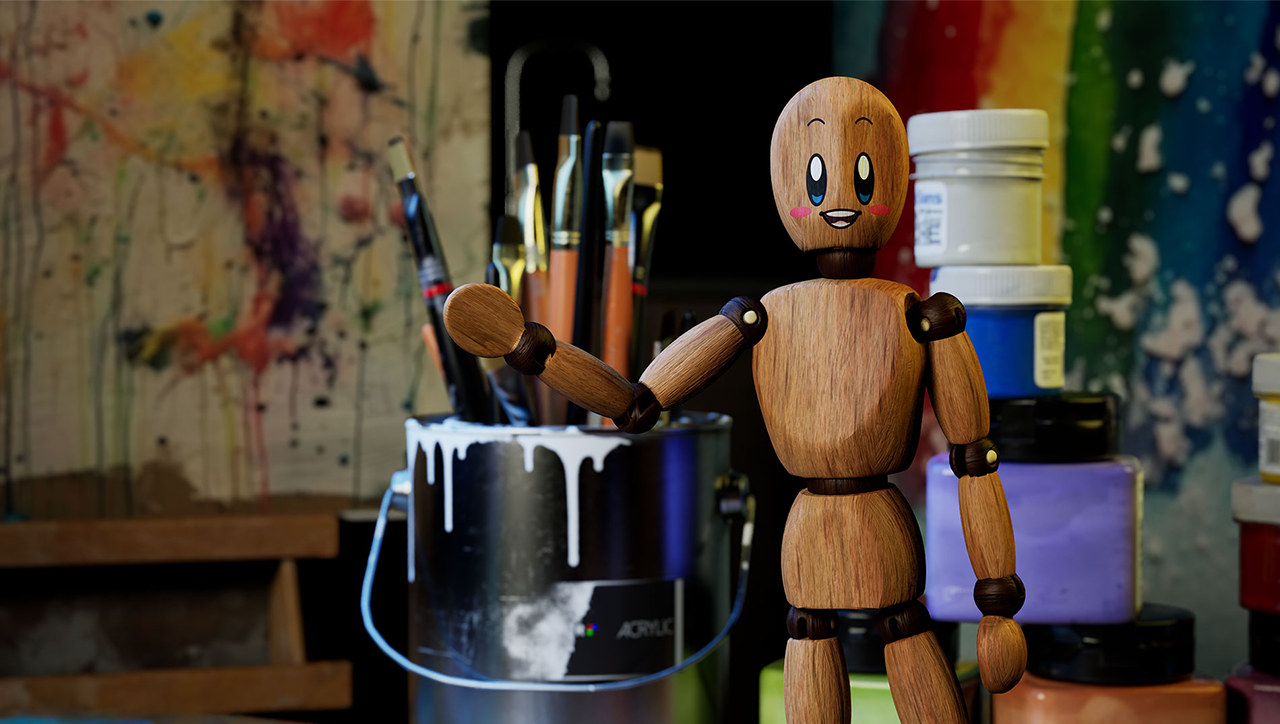
Meet Arteana, leader of the Art Squad, who possesses a keen interest in historical artists and art movements.

Arteana, leader of the Art Squad.

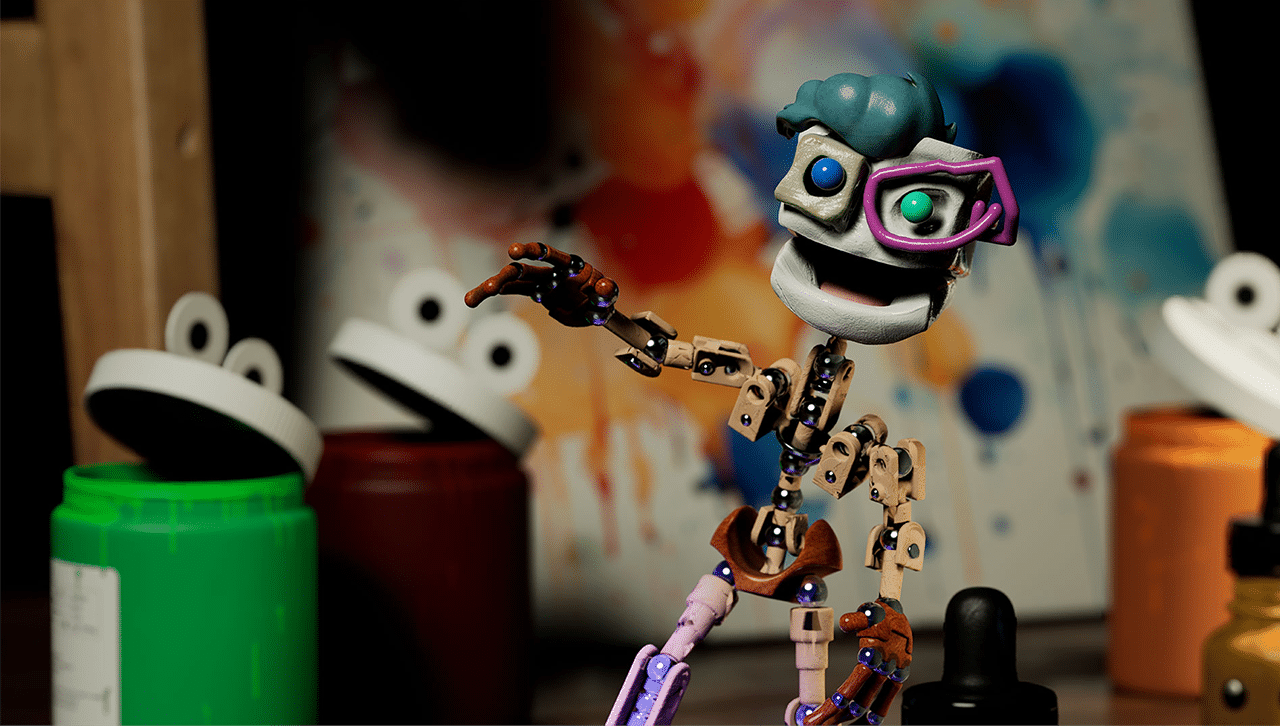
Rivette demonstrates diverse art techniques and is always looking for new ways to express her creativity.

Rivette has a keen eye for detail and a passion for experimenting with different mediums.

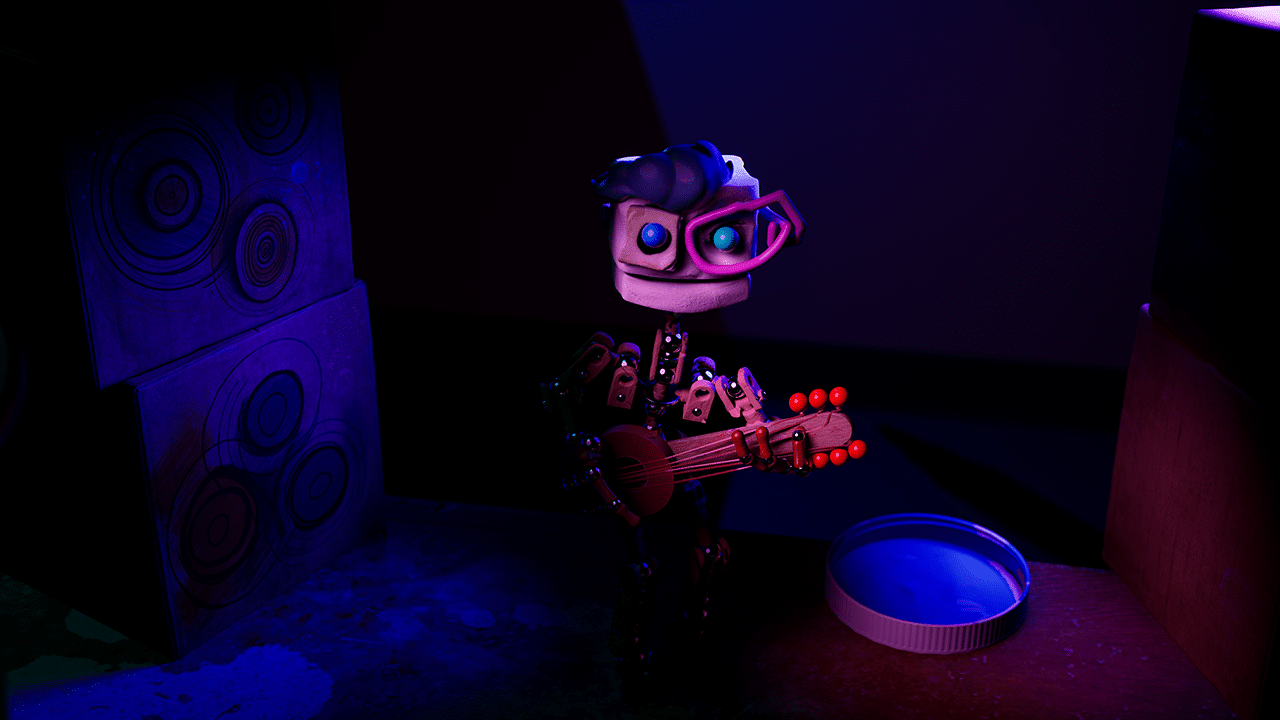
ThreeDee, seen here playing the drums, is a kind and compassionate character who uses art therapy as a means of promoting well-being and healing and to uncover the underlying worries that plague the squad.

ThreeDee is passionate about the transformative power of creativity and believes in making space for everyone to explore their emotions and express themselves through art.

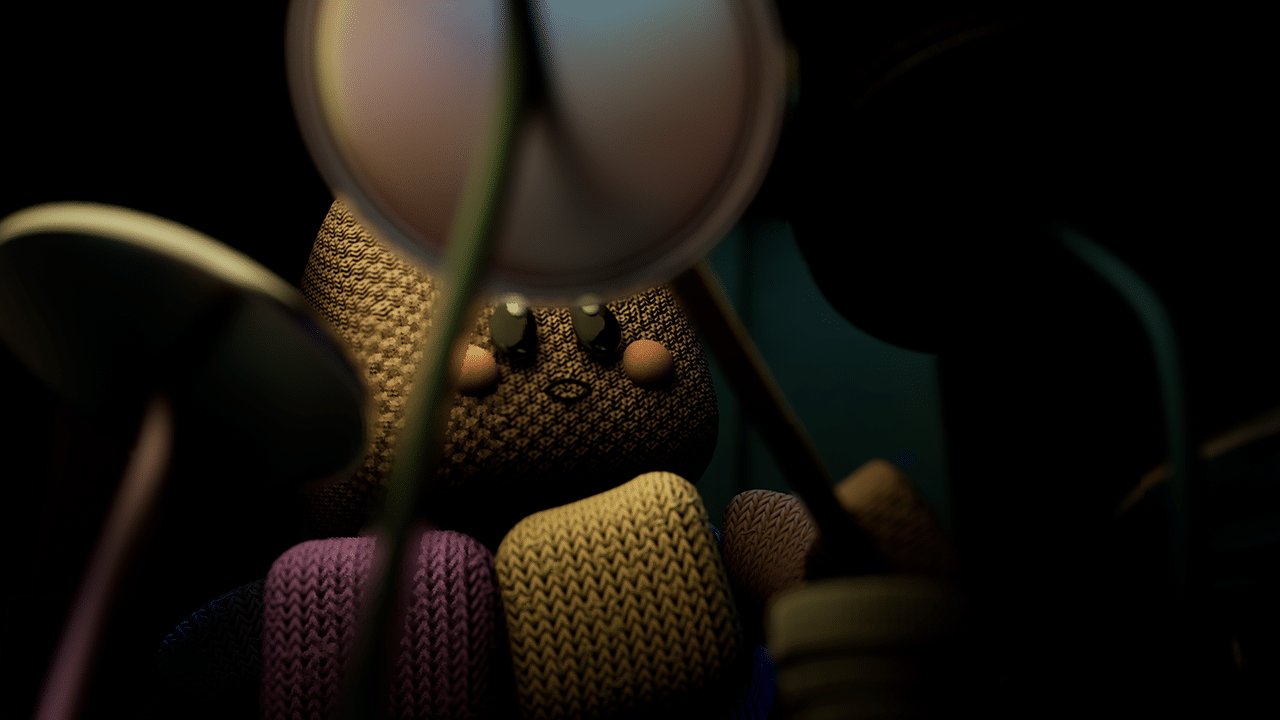
Then there’s Figgi, whose spontaneous performance art inspires others to redefine boundaries and embrace individuality.

Figgi, the youngest member of the Art Squad.

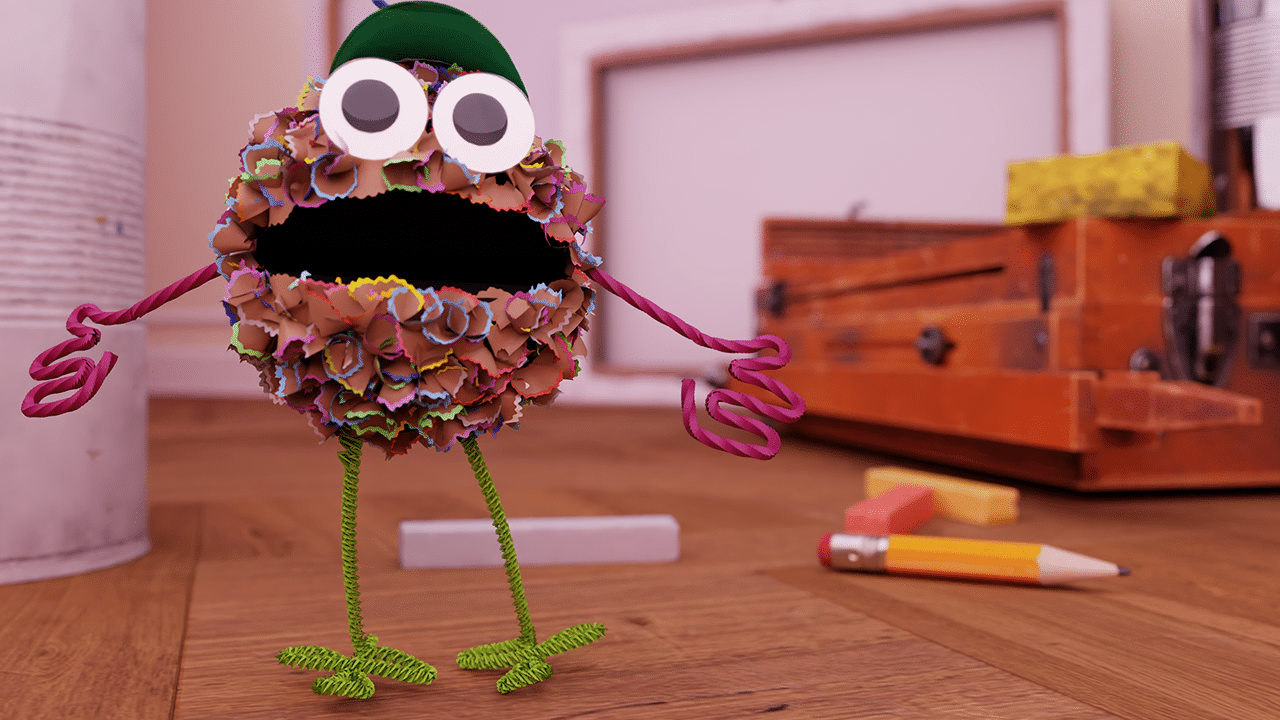
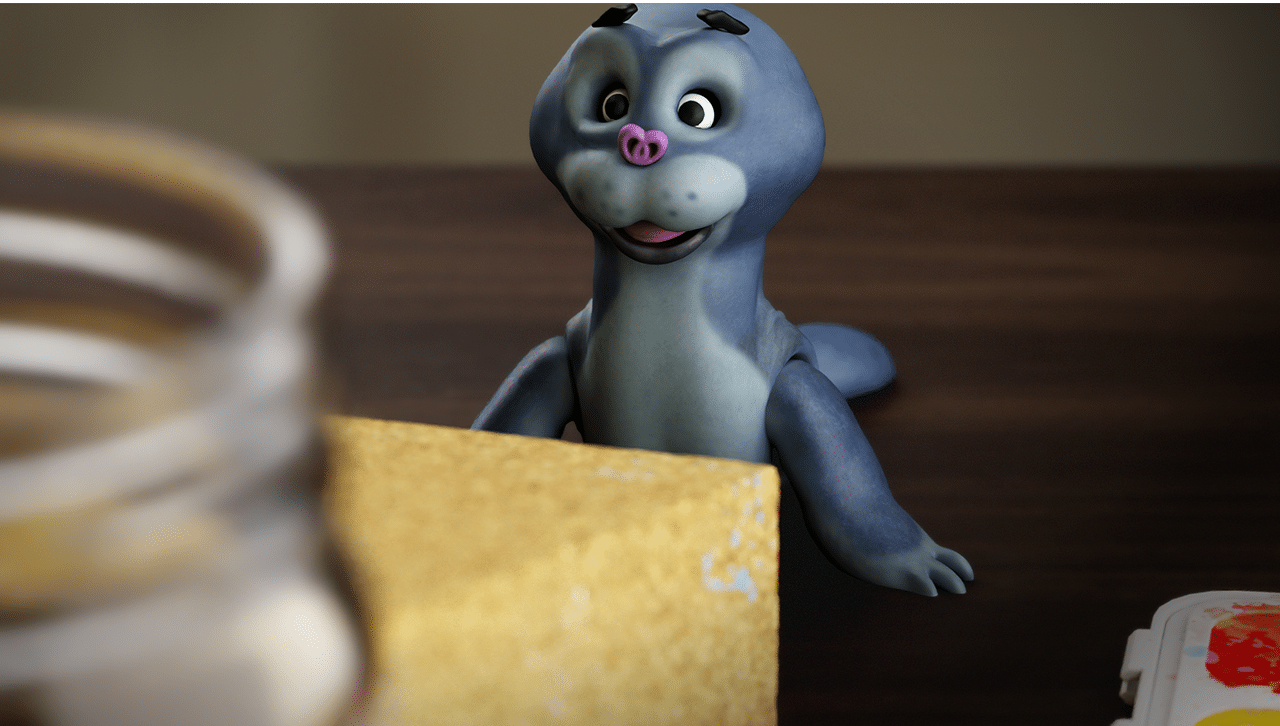
Rounding out the squad is PuttPupp — a lovable and playful character made of putty erasers — who serves as the class pet.

PuttPupp is incredibly expressive and animated with a boundless energy that putts everyone in a good mood.

Art Squad, Assemble

Nizam — matching the demeanor and spirit of his work — is honest. He’s not an expert at 3D modeling, nor is he a visual effects artist, and he’s not the most adept at production pipelines. However, he does love to draw.

His focus has always been on characters, storytelling and world-building. He built Arteana’s Art Squad independently while working in NVIDIA Omniverse, a platform for building and connecting 3D tools and apps.

“Speaking as a storyteller first and a non-technical indie creator second, I find Omniverse to be the most user-friendly and versatile way to connect the 3D apps in my workflows I’ve come to rely on, and enjoy this way of working from concept to final pixel.” — Rafi Nizam

“As a showrunner, embarking on making a CG animated show without a crew is kind of daunting, but I’m using NVIDIA Omniverse to discover ways to overcome my limitations in this space,” Nizam said.

Nizam began by modeling each squad member and building production assets in Adobe Substance 3D Modeler using VR. He also utilized the VR app Gravity Sketch to create models for the different objects required in each set or scene.

“Designing 3D character models in VR makes pre-production and look dev possible for an artist like me,“  he said.

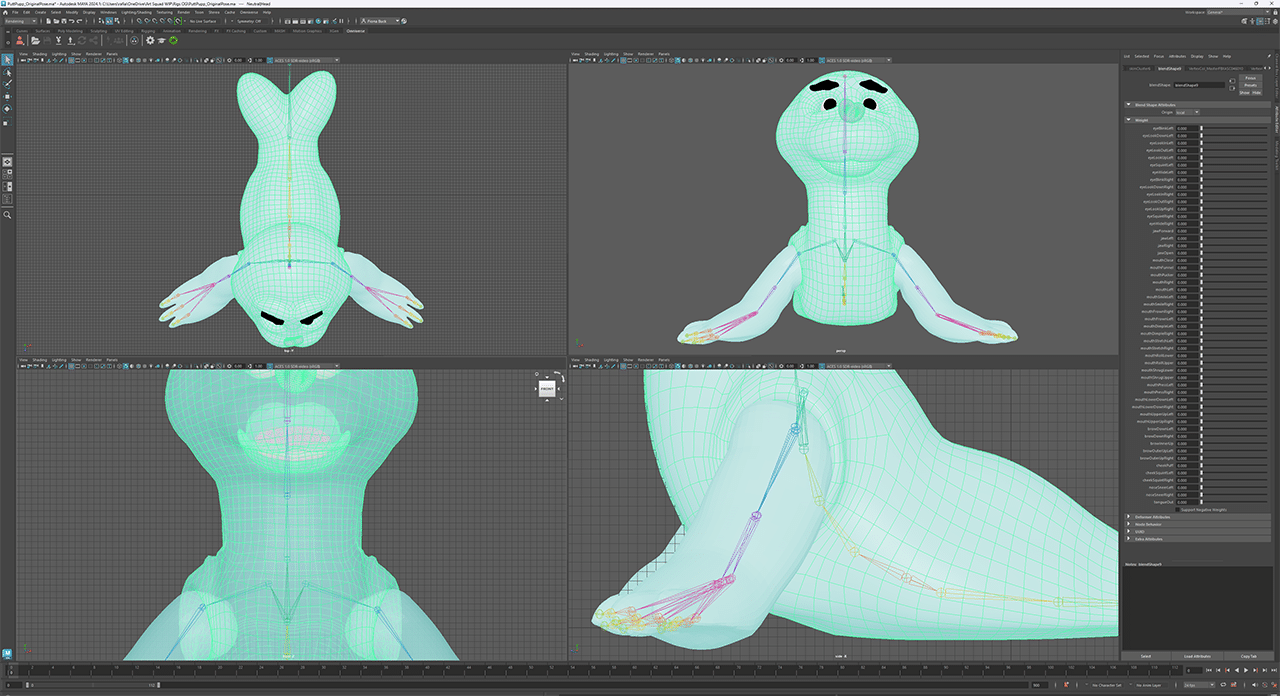
Nizam imported his character into Autodesk Maya for the rigging process — creating a skeleton for the 3D model so that it can move.

His RTX GPU delivered AI-powered, accelerated denoising with the default Autodesk Arnold renderer, resulting in highly interactive and photorealistic renders.

Character rigging in Autodesk Maya.

Nizam then moved to Adobe Substance 3D Painter to create textures and materials, applying them to production assets. NVIDIA RTX-accelerated light and ambient occlusion baking optimized assets in mere seconds.

Immaculate textures built in Adobe Substance Painter.

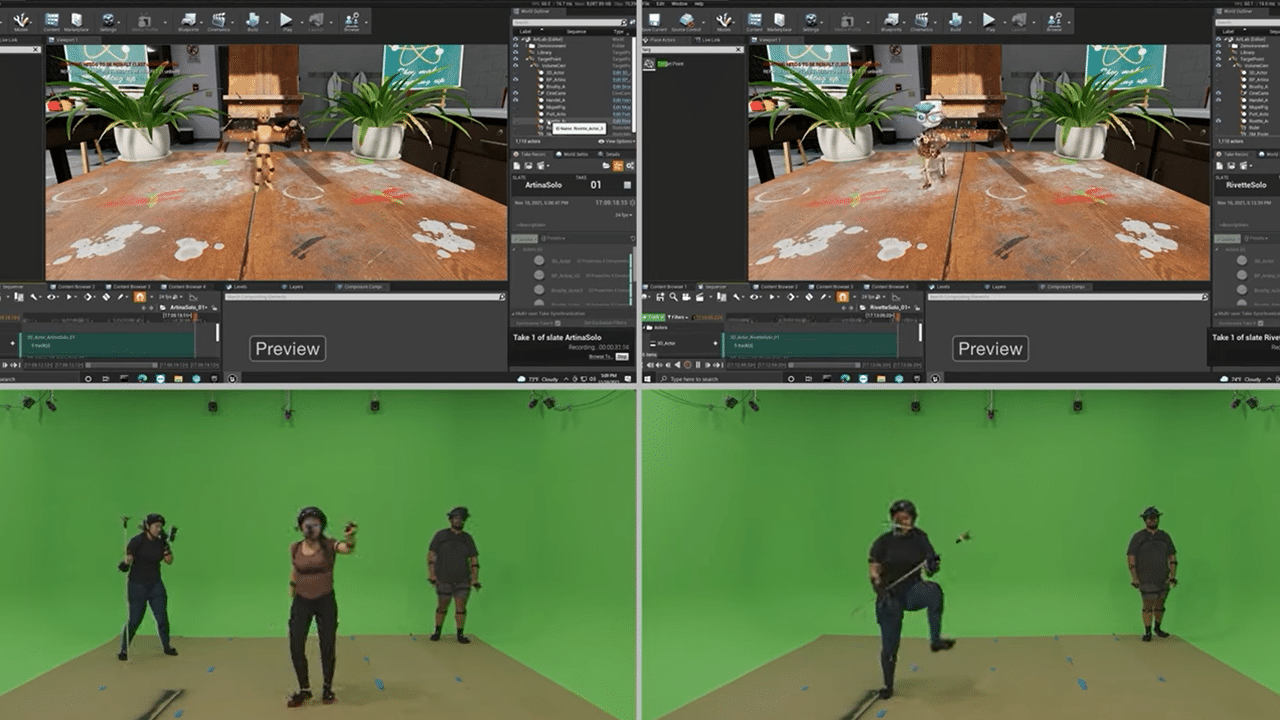
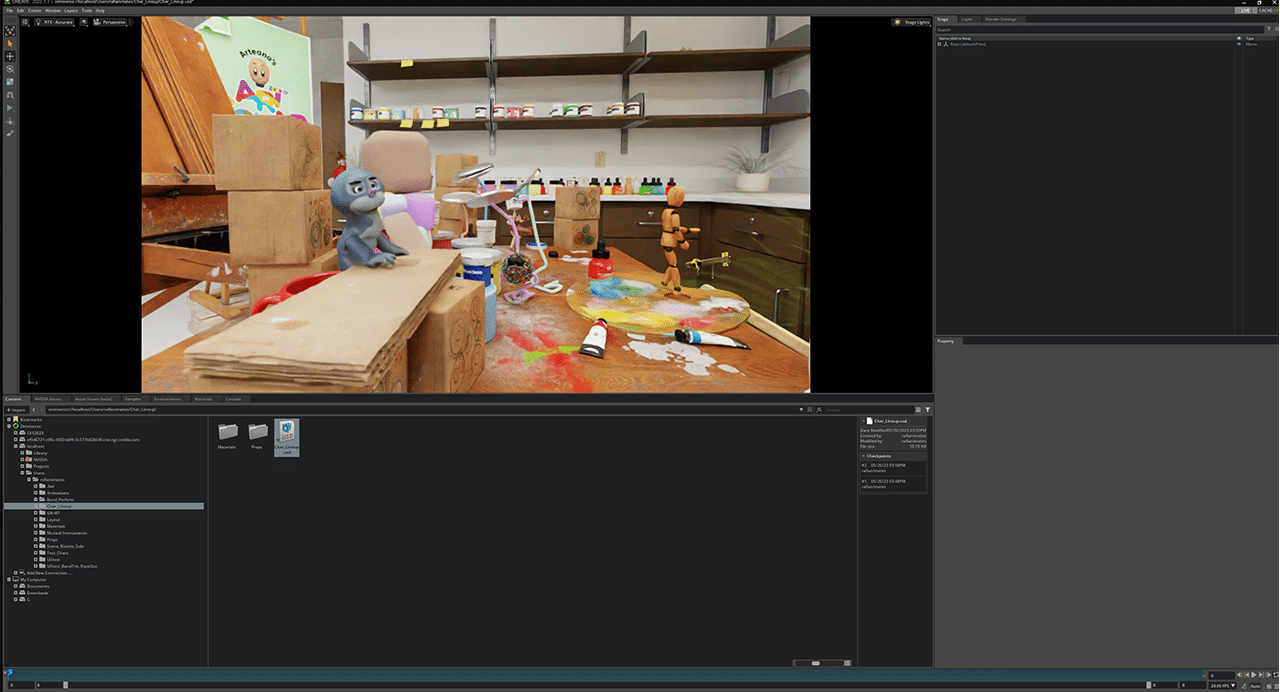
Next, Nizam deployed Unreal Engine to record motion captures via a Perception Neuron suit, creating scenes and camera sequences in real time. NVIDIA DLSS technology increased the interactivity of the viewport by using AI to upscale frames rendered at lower resolution, while retaining high-fidelity detail.

Motion capture with Noitom Perception Neuron suits in Unreal Engine allowed Nizam to be more spontaneous with his work.

“Motion capture fosters experimentation and spontaneous collaboration with performers capturing an abundance of movement, a luxury often untenable for indie projects,” said Nizam.

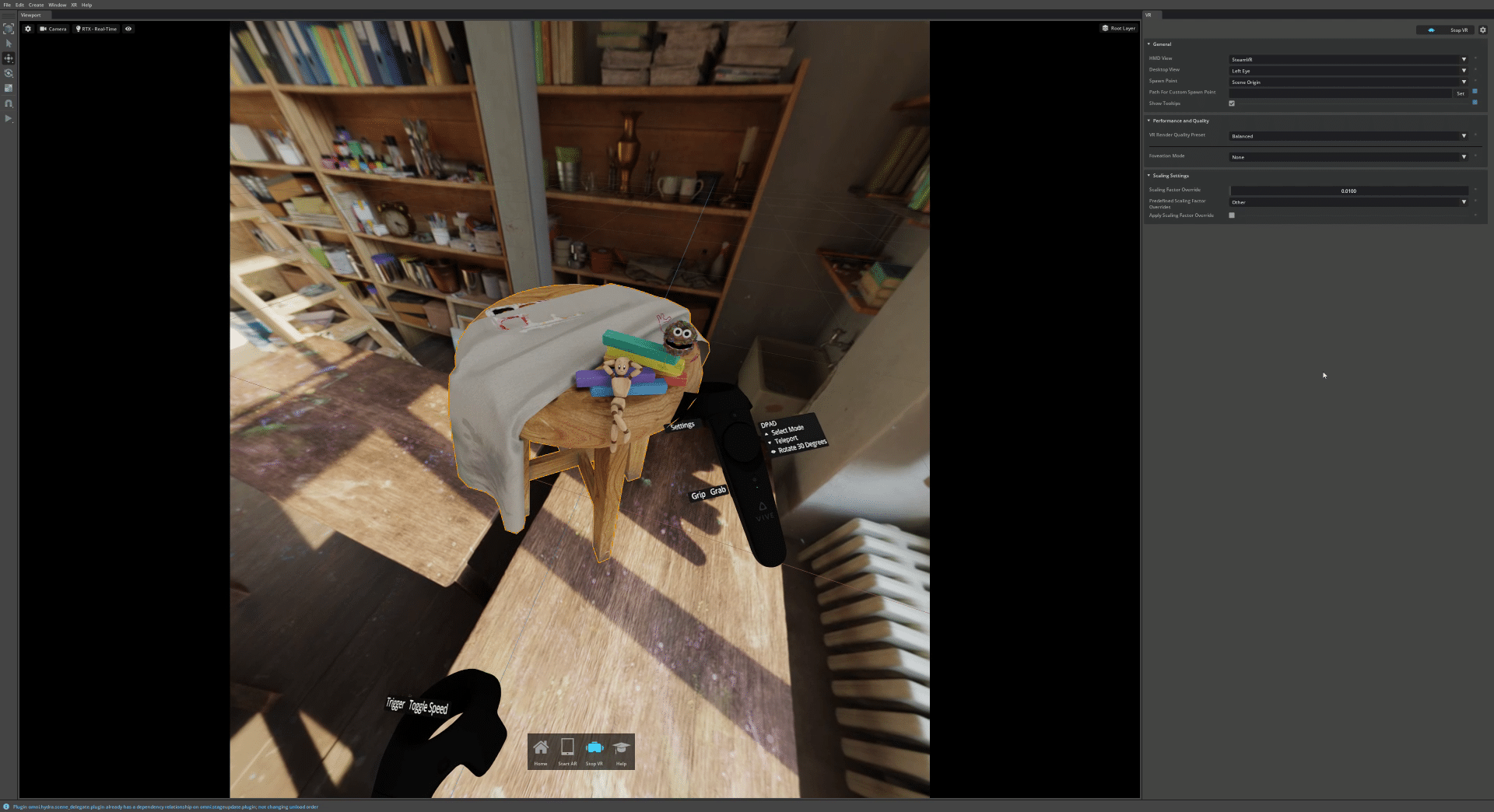
NVIDIA Omniverse’s spatial computing capabilities took Nizam’s creative workflow to the next level. The Omniverse USD Composer’s native VR support enables artists to interactively assemble, light and navigate scenes in real time, individually or collaboratively, in fully ray-traced VR.

VR in Omniverse USD Composer.

Here, Nizam adjusted scene lighting and approved the overall layout in VR. He then moved to desktop to polish and refine the 3D sequences, reviewing final shots before exporting the completed project.

Rendering in NVIDIA Omniverse USD Composer.

Final Renders, Final Thoughts

Nizam is a big proponent of Omniverse, OpenUSD and its ability to streamline 3D content creation.

[embedded content]

“Less time and effort, more productivity, cost savings and simpler real-time workflows — I use Omniverse daily for these reasons,” he said.

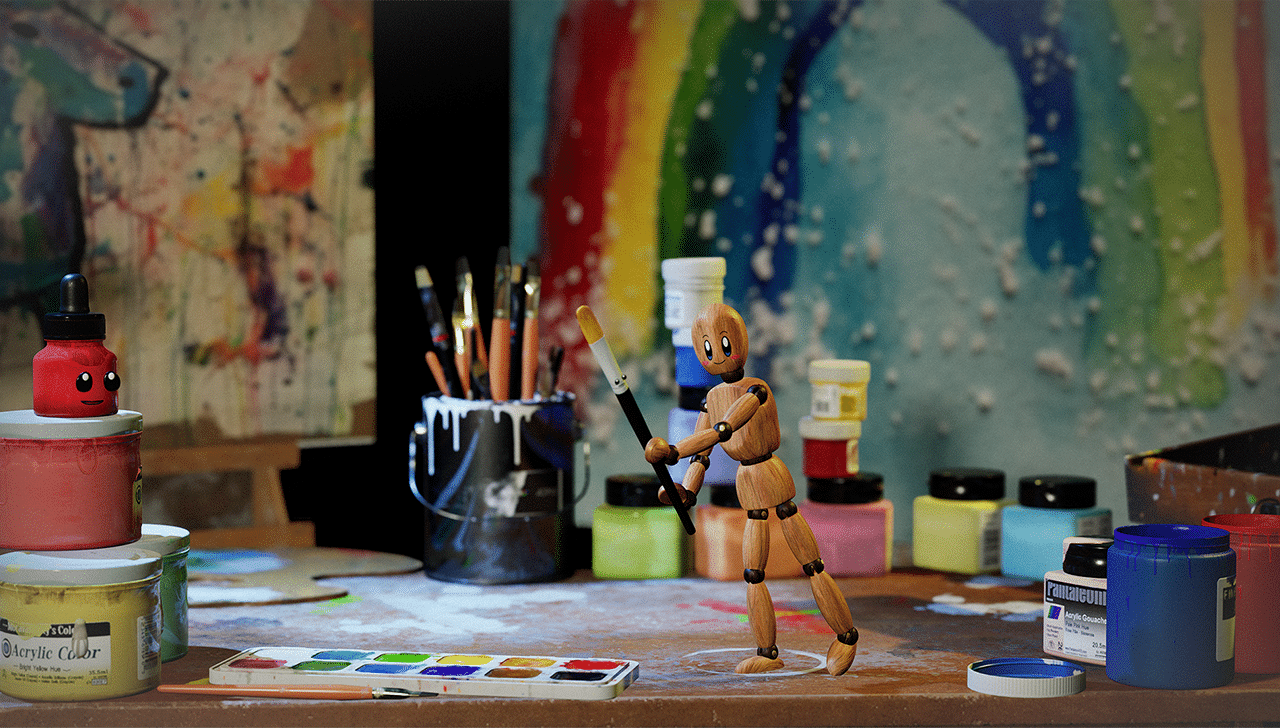
Fun with art at the Junior Art school.

The Omniverse platform has at its foundation OpenUSD, an open and extensible framework for describing, composing, simulating and collaborating within 3D worlds. OpenUSD unlocks Omniverse’s potential by enabling movement between 3D apps — artists can transition all individual assets to their desired format with a single click.

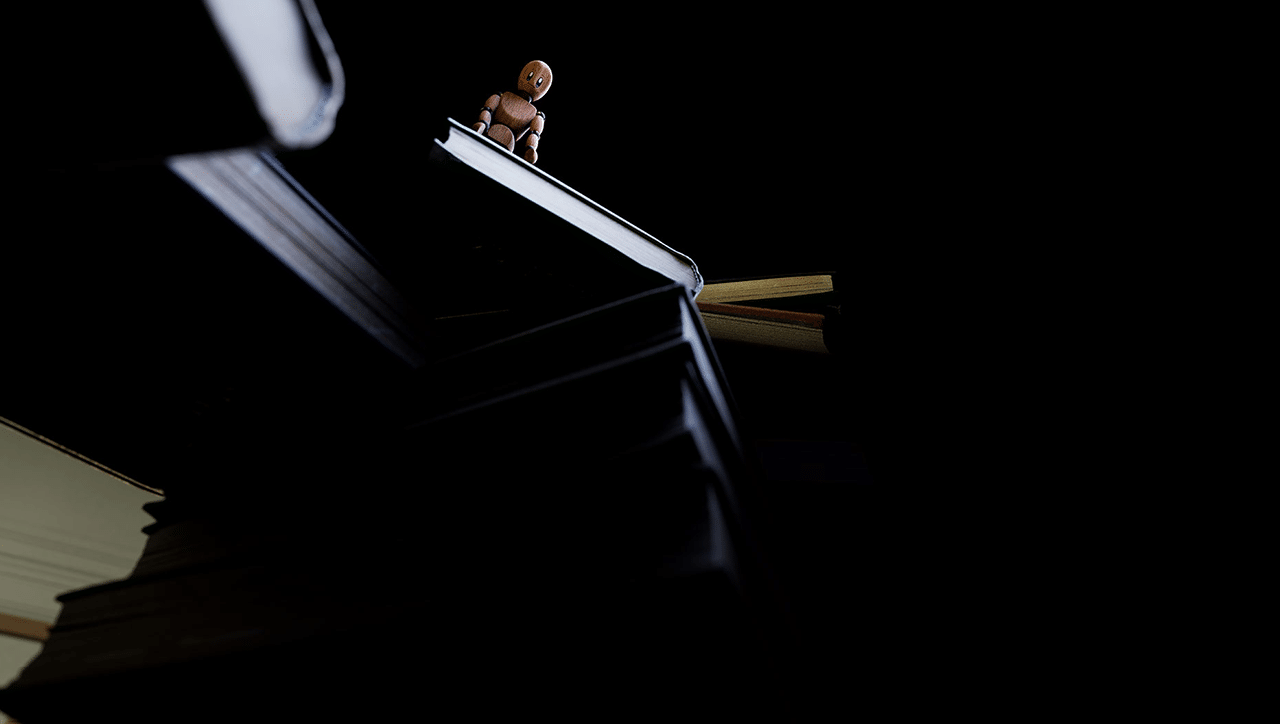
Whatcha doin’ up there, Arteana?

“All apps were in sync and updated on the fly while I assembled it, thanks to Omniverse being the backbone of my CG creative and production process,” Nizam said.

Stunning colors and depth of field.

“I rely on Omniverse Nucleus and Cache as the USD infrastructure for my production pipeline, allowing for seamless collaboration and facilitating cross-application workflows,” Nizam said. “Additionally, I utilize various software connectors, which help bridge different apps and streamline the creative process.”

Rafi Nizam is the director and creator of ‘Arteana’s Art Squad.’

Check out Nizam on Instagram.

Follow NVIDIA Studio on Instagram, Twitter and Facebook. Access tutorials on the Studio YouTube channel and get updates directly in your inbox by subscribing to the Studio newsletter. 

Get started with NVIDIA Omniverse by downloading the free standard license or learn how Omniverse Enterprise can connect your team. Developers can get started with Omniverse resources. Stay up to date on the platform by subscribing to the newsletter and follow NVIDIA Omniverse on Instagram, Medium and Twitter

For more, join the Omniverse community and check out the Omniverse forums, Discord server, Twitch and YouTube channels.

Graham Franciose’s Otherworldly Watercolors Revel in Misty Forests and the Symbiosis of Nature

Graham Franciose’s Otherworldly Watercolors Revel in Misty Forests and the Symbiosis of Nature

“For All Your Years.” All images © Graham Franciose, courtesy of Gallery Ergo, shared with permission

In watercolor and gouache, a world of wonder unfolds in surreal paintings by Graham Franciose (previously). In his current exhibition What Is Inside the Tree Is Inside of You, It’s Inside of Me at Gallery Ergo in Seattle, the artist considers the climate of the Pacific Northwest, where he’s lived since 2017 and regularly hikes through the region’s temperate rainforests. “The life-to-death-to-life cycle has never been more apparent and obvious to me as it is illustrated by the numerous ‘nurse logs’ you will encounter on most trails up here,” Franciose says in a statement. He continues:

A (nurse log is a) fallen tree, or stump of a giant logged tree that has, in its decomposition, nurtured new life into existence. A new sapling sprouts from the remains, and eventually its roots will reach the ground, and it will continue to grow up and around the deteriorating lump of organic matter that helped bring it into existence.

Franciose’s fascination with the circle of growth, decay, and regrowth led to a series of works that focus on the inherent symbiosis between humans and the rest of the natural world. Figures sit on enormous logs, sprout botanicals from their bodies, and reach out to commune with glowing annual growth rings in enigmatic, metaphysical narratives. He says, “The pieces in the collection of work are not really essays about this subject but more visual poems, with the underlying thread rooted in the connection we have with plants and animals and the natural world as a whole.”

More pieces from What Is Inside the Tree Is Inside of You, It’s Inside of Me can be viewed on the gallery’s website, and you can discover more work by Franciose on Instagram.


A painting of a figure floating above a tree stump with a plant growing out of their chest.

“A Dream of a New”

A painting of a bird with a flower coming out of its beak.

“Humble Seed to Last Leaf”

Two paintings of abstracted figures with cacti instead of heads, and animals on their laps.

Left: “Bloom Together.” Right: “I Will Hold Space for Your Tender Heart to Bloom”

A painting of a female figure carrying a flag and riding on the back of a wolf silhouetted in stars.

“The Arrival of the Sun”

A framed painting of a male figure with a misty forest on his head.

“What Could Be”

A painting of a small figure sitting on a large log with a glowing center.

“What Was and What Will Be”

A framed painting of a figure wearing a brimmed hat, with a flower growing out of their chest and a bird perched on the hat.

“Something Unexpected Emerged”

Do stories and artists like this matter to you? Become a Colossal Member today and support independent arts publishing for as little as $5 per month. The article Graham Franciose’s Otherworldly Watercolors Revel in Misty Forests and the Symbiosis of Nature appeared first on Colossal.

‘Seoul istill a boomtown’: solid sales at Frieze and Kiaf defy market dip

‘Seoul istill a boomtown’: solid sales at Frieze and Kiaf defy market dip

Reports of a dip in the South Korean art market cast a shadow on the run up to Seoul Art Week, which sees the second edition of Frieze Seoul and the 22nd edition of the Korea International Art Fair (Kiaf) take place concurrently on different floors of the Coex convention centre in Gangnam (6-9 September).

Nonetheless, crowds thronged and their impulse to spend money on art appeared mostly undeterred. Multiple gallerists at both fairs report better VIP day sales this year than last.

“It’s more packed than last year, and with more Americans”, says Andrew Hamilton, a director of the Modern Institute in Glasgow, one of the 121 galleries to take part in the fair (around the same number as the first edition). Indeed, a date clash with the Armory Show in New York—which was recently acquired by Frieze—raised doubt as to whether collectors from the US would attend. But these were quelled by the presence of around ten US museum groups, including those from The Bass, Perez Art Museum, Lacma, Aspen Art Museum and Dia Art Foundation, as well as private American collectors. Prominent European collectors in attendance included Maja Hoffman of Luma Arles in southern France. Almost 40 museum groups came in total, including the Mori Art Museum in Tokyo and the Auckland Art Gallery.

Perhaps an even bigger shift from 2022 is the return of Chinese collectors, who could not attend Frieze and Kiaf last year due to Covid travel restrictions; both South Korea and China have lifted virtually all Covid precautions and face masks are a rare sight at the fair. Chinese institutions in attendance include Hong Kong’s M+ and the Pingshan Art Museum, in Shenzhen.

Mandarin can be heard at many booths, and while ethnic Chinese people from Taiwan, Hong Kong and Southeast Asia are also part of the mix, the mainland art contingent is attending in force. “This is the first time since China reopened [after zero Covid] so curiosity is high,” says Lucien Y. Tso, the founder of Shanghai-based Gallery Vacancy. He reports a sell-out booth of works by the Belgian artist Pieter Jennes, with bright paintings priced around $30,000 and tactile soft sculptures of black cats selling for $1,500 per feline. Both darkly reference a 1932 Antwerp circus fire. Tso posits that the date conflict with Armory has had little impact as both it and Frieze Seoul are so regional in nature, he says, adding that today he has encountered a mix of collectors from Taiwan, Korea, mainland China, Thailand and Canada.

This mirrors the geographical makeup of collectors at another sell-out booth—London’s Josh Lilley gallery, which has placed all 15 paintings by Tom Anholt, to buyers from Hong Kong, Singapore and South Korea. The gallery prioritised offers from Asia “as we don’t come to Frieze Seoul to sell to Brits,” says its director, Joseph Harrison Davies. Josh Lilley also took part in the inaugural Art SG in Singapore this January. Davies says sales in Seoul have far eclipsed those of Singapore, with a “greater urgency” felt in Korea.

At the top end of sales today at Frieze Seoul, Hauser & Wirth have placed a 2023 Rashid Johnson painting with a “private Asian collection” for $975,000. Lisson Gallery have sold a 2004 Stanley Whitney painting for $550,000 and a work by Ryan Gander composed of an antique mirror and marble resin sold for £75,000. Thaddaeus Ropac, which this month doubled the size of its Seoul gallery, sold a 2023 Lee Bul mother-of-pearl work to a private Japanese collector for $190,000 as well as two Daniel Richter paintings for €375,000, one to a Chinese collector and the other to a Korean.

No works in the seven figures were reported to have sold by the end of VIP day, although last year a small handful of galleries made sales of works for more than $1m on the second day of the fair. Works in that price range this year include a Calder mobile at Pace, valued “in the millions”, and a towering Jeff Koons Gazing Mirror Ball sculpture from 2004 at Robilant + Voena for $3.6m. This is perhaps to be expected, as last year at Frieze Seoul many gallerists reported a sweet selling spot of between $100,000 to $200,000, while struggling to place anything above $500,000.

And at certain stands, signs of a downturn in sales could be gleaned. “People are certainly talking of a slower market,” says Salomé Zelic, a director at Galeria Continua. As of 7pm Korea time on preview day the gallery had not yet sold any works. “Usually our clients are at the upper end of net worth so things like this don’t bother them, so it’s interesting that this dip seems to be affecting people,” she says.

Kiaf increased the number of participating galleries by a third © Studio Z/Kiaf 2023

Downstairs at Kiaf, sales and crowds appeared more sedate, although Jaesok Kim, a director at Gallery Hyundai in Seoul, says this year demonstrated an upswing in sales activity compared with last year. The standard in quality also appears to have been somewhat raised—gone, for example, were signs of galleries placing stickers on their stand walls to mark the sale of a work, as happened at times last year. “Booth presentations were more varied and a higher calibre,” Kim says. Among the works sold by Hyundai at Kiaf was a 1966 painting by the South Korean artist Seundja Rhee for $210,000.

This year, Kiaf has significantly increased the number of galleries taking part, by around 33%, with more than 240 exhibitors. It is made up mostly of Korean galleries, including some of its largest, such as Kukje, which was responsible for a number of the most expensive reported VIP day sales, including sculptures by Ugo Rondinone for between $50,000 and $90,000.

Returning for the second year to Kiaf is the German gallery Isabelle Lesmeister from Regensburg. Its eponymous director says she sold just one work today, a sculpture of a piece of wood ash, twisted like a bow, by the artist Jeremy Holmes for $15,000. Lesmeister is confident at placing more works as “this isn’t the quickest fair at which to sell” she says, adding that Seoul is a “boomtown” for art. Asked about the downturn in the Korean market she acknowledges there have been fewer sales to local collectors than last year but this is true the world over. “Everywhere people are buying less art. In Europe, I have collectors who are worried about rising energy costs because of the war in Ukraine, it’s not a localised thing.”

“We’re entering into the second phase of the Korean art market now,” says the Seoul-based dealer Jason Haam, whose eponymous gallery is taking part in Frieze. Last year Haam was one of a handful of Korean galleries to take part in both Kiaf and Frieze. This year he has elected to do only Frieze as he found the prospect of doing two fairs and staging an exhibition in his gallery “too exhausting”.

While Hamm acknowledges there was a dip in sales earlier this year, he says this “cleared up by July” and that, at least for his collectors, it was largely down to a “psychological fear” rather than a “real decline in wealth”. Economics aside, he adds that what is most promising is not a “substantial material increase in the market”, but an increase in the level of quality. “Dozen of galleries are opening up in the city and they’re all professionalising. Commercial spaces now stage important shows throughout the year rather than just once. It’s very reassuring.”