Westcott local reimagines familiar ‘The Outlandish Way’ in new photography exhibit

Westcott local reimagines familiar ‘The Outlandish Way’ in new photography exhibit

Get the latest Syracuse news delivered right to your inbox.
Subscribe to our newsletter here.

Filled with hues of caramel and auburn encased by a lime green sky, Recess Coffee stands in the center of “Westcott World,” one of many photographs displayed in William Rollins Hall Jr.’s most recent exhibit at Petit Branch Library.

“(Hall’s photography) makes me see normal everyday people and sites in a different and new way,” librarian Simcha Glassman said.

The exhibit takes center stage at the library, located in Syracuse’s University Neighborhood. Hall’s photography encapsulates different scenes from the surrounding Westcott Street area and features a series of heavily photoshopped photographs, all edited by Hall on Adobe Photoshop.

Glassman has been working at the Petit Branch Library for close to a year. As adult service librarian, she coordinates adult programming and maintains the adult collection, along with coordinating the rotating art exhibit at the library. She said Hall’s work is “altered photography.”

Hall’s artistic journey began at age 12 when he drew cartoons and created homemade birthday and Christmas cards for his relatives. His journey as an artist works without “editors or sponsors,” fully allowing him total artistic freedom.

“I can speak what I believe to be the truth,” Hall said. “With my cartoons and pictures that might not have a chance of appearing in print.”

Hall has been curating art exhibits and showings for many years. For the past two decades, Hall has worked with Petit Branch Library to showcase his photographs. He also shows them at other Westcott spots like Recess Coffee, where he’s displayed a daily picture since 2009.

Recess owner Adam Williams opened the local coffee shop in 2007 and oversees all operations of the business. Williams said Hall’s art is a reflection of his unique personality.

“Bill (Hall) has been coming into Recess every day for like ten-plus years and swapping out an art piece on our front counter,” Williams said. “(Hall’s) a part of (the) Recess story and his daily visits are a part of our day.”

While curating his photography, Hall associates the photos with a quote of his choosing. He is often inspired by the messages of the First Amendment and resonates with the likes of Upton Sinclair and other pro-free speech artists and writers.

“I’m like a living uncensored newspaper,” Hall said.

The quotes associated with Hall’s art stem from a number of outlets, such as celebrities or Hall himself. He said he would “make up a poem or make a statement” that fits whatever photo or cartoon he is curating that day.

As the coordinator of art exhibits at Petit Branch Library, Glassman reached out to Hall to produce the limited exhibit. Glassman said Hall’s art is “supposed to make people think.”

“Even when I go grocery shopping I have (the camera) with me,” Hall said. “You never know when a flying saucer or Bigfoot or the Mayor of Syracuse will appear.”

Hall takes nearly two thousand photos per day. After capturing these photos, he meticulously goes through them one by one, using Adobe Photoshop to edit them diligently. He looks at “each picture like a puzzle,” Hall said. It takes hours to get an image that is just right.

His artistic process begins early in the morning and sometimes ends as late as 2 a.m. He never leaves his house without his Canon camera.

“When I have a sizable amount I burn them onto a disc to save them. And then (I) narrow down the number of pictures and burn those onto another disc,” Hall said. “I take (the pictures) to Syracuse Blue Print located on East Genesee Street to be printed.”

Photography is not only Hall’s profession. He also uses his art and photography as a distraction from the tribulations of everyday life. He believes that art functions as a distraction.

“Whether rich or poor, everyone has problems in life and focusing on an interesting image provides a diversion from those problems,” Hall said. “That is the service I provide.”

membership_button_new-10

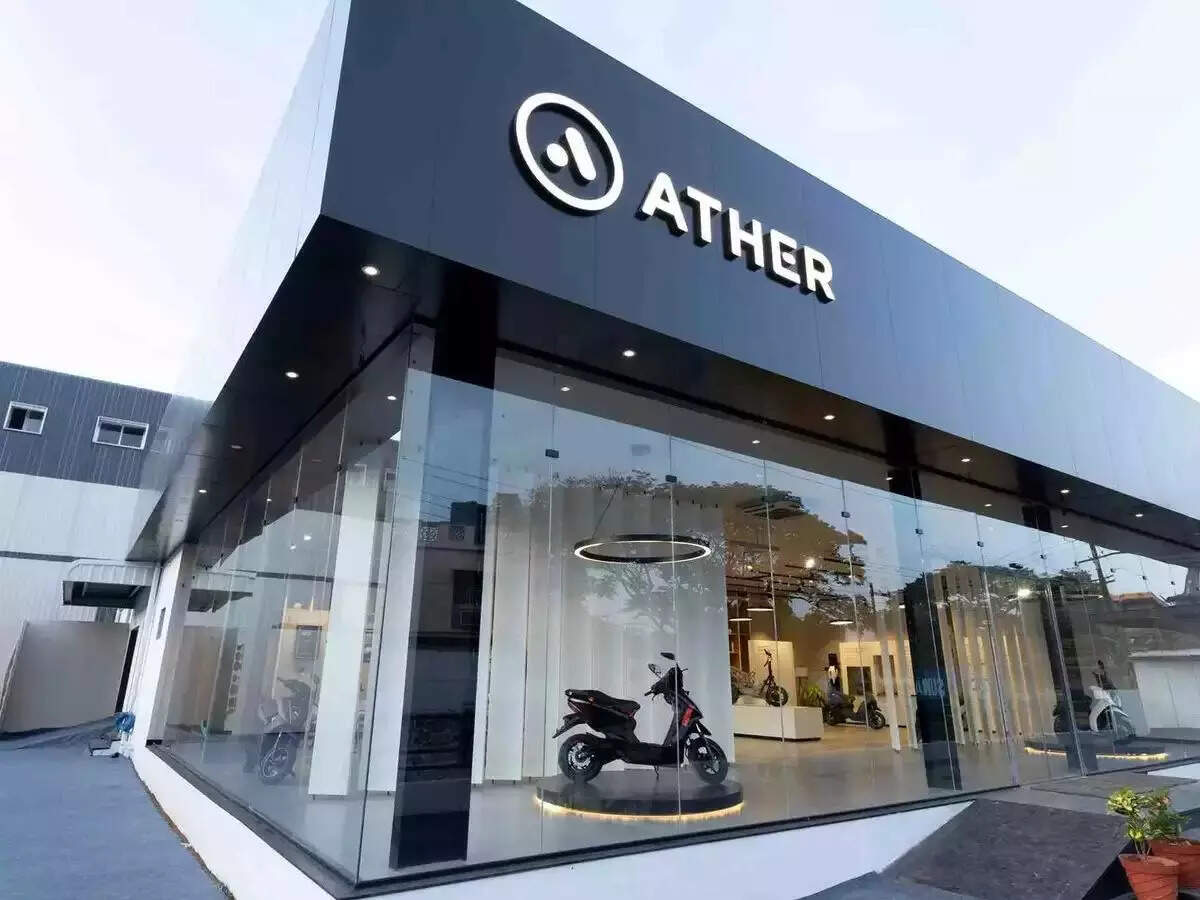
Ather and the art of community building

Ather and the art of community building

Ather Energy: Ather and the art of community building, Marketing & Advertising News, ET BrandEquity


This was a crucial launch event for e-scooter maker, Ather Energy in Chennai. It let one of its customers from Bangalore take centre-stage after the founder’s address.

“Don’t believe anything that these guys tell you…,” started off the customer on the microphone. In a normal scenario, the communications and marketing teams would break into a cold sweat. After all, the brand had taken its first ride outside Bangalore to explore the market in Chennai. It was obviously that moment to say the right things and follow a well thought out strategic narrative.

But company executives would rather let the customer do the talking without any interruption. Throwing the rule book out of the window has been par for the course at the Bengaluru based Ather Energy. “…these guys always underpromise and over-deliver,” the customer completed his unfinished sentence, much to the relief, and pleasant surprise, of wannabe customers and dealers from Chennai who were at the launch.

Another customer spoke about how he would have run up a fuel bill in excess of INR 44,000 but ended up paying close-to-nothing. This customer is referring to a time when the company ran a subscription plan of INR 700 per month where customers could recharge their batteries at all public infrastructure charging stations of Ather in Bengaluru at zero cost, apart from a host of other services.

If it was so good to be true, then why was this offer discontinued a few months ago? “Then, we hired a CFO,” jokes Ravneet S Phokela, the Harvard-educated chief business officer of Ather Energy.

Old-timers at the company also recall an occasion when they invited 100 customers to the office and the founder-CEO Tarun Mehta laid bare the unlisted company’s cost structure and other key financials in front of them. This was done to justify an unprecedented price hike for the company’s range of EVs.

Or there was another occasion when this set of consumers got access to the vehicle prototypes and even managed to get beta test rides. (Fact of the matter: back then, the company had no legal team to dissuade company executives from putting closely guarded product secrets out in the open.)

Over a period of seven-plus years, the Bengaluru based e-scooter maker has managed to build a strong and engaged community of fans or e-biking enthusiasts without busting the bank. For example, all the 50-odd customers from Bengaluru reportedly paid for their own travel to Chennai during the launch. The company only helped them with logistics support to transport the customer’s personal e-scooters for the launch ride in Chennai.

Circle the clock back to 2015-16, when Ather took baby steps in its brand building efforts, even as the first e-scooter would roll out from its plant only by 2018. At that point in time, the market had other electric scooter brands. But most of them were assembled from parts shipped out of China. Phokela recalls, “When we entered, it was a new category. Normally, when you think of a new category, you assume a clean slate. In this case, it wasn’t.”

As Ather took a few steps back to analyse the situation it saw a few myths that had crept in to affect the category as a whole. “Consumers were judging the category based on the products that they saw. The products they saw weren’t really great. At that point in time, consumers believed buying an electric scooter was a compromise. You buy it to save money, but you just sign up for a bad product. The assembled products would not scale up an incline or they had a bad build quality. They were really not a great place,” says Phokela.

Ather executives had their tasks cut out. They first had to dispel some myths and say this is just not a compromise, but it is the future of the automobile. Hence category education and category creation was a very important task.

But the company was not in a position of strength to state that convincingly. If the category was seen in a very bad light, here was a brand that nobody had heard about.

Neither did the company have a product to look the customer convincingly in the eye. “At that stage, it didn’t make any sense for us financially and strategically, to spend money on mass media or advertising to bust these myths,” recalls Phokela.

How did the company leap into this brave new world? It started with establishing a very strong connection with a small, but a very enthusiastic set of customers whom we call the early adopters of the community.

One way of reaching this community was through a newsletter sent by the founders (both IITians) on the future of mobility. “That initial base has stayed with us and they have given us benefits even till today,” says Phokela.

Understanding customers was critical, but what Ather Energy did beyond that was in involving them at every step of the company’s journey – including giving them access to prototypes that would otherwise be guarded zealously, in the business of mobility.

“The idea was to make these people genuinely believe that they are insiders. They’re part of the company and play a role in shaping and building the company,” he stated. The customers soon started visiting the Ather Energy headquarters every first Saturday of the month. There was nothing on offer –no freebies. The customers just came to chat, heard from the company’s top bosses about the direction this company was taking and got access to beta test rides on the prototype vehicles. “To the best of our knowledge, there is no automotive company that will get into the customer feedback, so early on in the life cycle of the product,” says Phokela.

All of the above gave rise to a perception that Ather is an honest company, or even when they mess up they will own up responsibility and apologise.

Phokela says there were enough examples on public platforms, either on Twitter or otherwise, on its forum, where it publicly accepted mistakes, or gave customers a valid reason for its actions.

Since the early days, honesty and transparency have become the company’s cornerstones, say executives. “At that time, the stakes were low. But even now with investors and a board, this continues to be a very defining part of our personality and our story,” says Phokela.

From the humble beginnings as a newsletter to other channels like WhatsApp and other social media channels, the community strength has grown from a few-1000 customers to a little under two-lakh people who are active on that platform today. And not all of them are Ather owners. The forum is run by moderators who are nominated folks and the conversation is about every EV on topics that include new launches, discussions about rival brands, why Ather is dragging its feet in opting for the latest technology and so on.

When the company had put its first scooters out, a few years back, all customers had access to the contact numbers of the top company executives. Many of them are still in touch, says Phokela.

To capitalise on the early excitement around the product, the company created a community visiting card for its early set of customers. These visiting cards could be distributed to people who were keen to know about the e-scooter. These cards were distributed to a whole bunch of people in the community. The card also carried a link to the forum where people can go and read reviews of the product, there was a link to the website and this helped in recruiting more people into the community.

Being a part of the community is beneficial, especially for Ather owners. For example, when there’s a software update being released, anybody in the community can sign up for a beta version access, and get access to a feature before it goes out to the world.

“We want to engage meaningfully, which would definitely mean that our opportunity is finite. Though in theory, we have engaged with a large number of people, we would rather go out and physically meet people every month or go to experience centres and hold events. We believe that’s a far greater and better usage of our time to engage our community, than be happy with the sheer brute force of numbers that I have so many followers on Instagram or X,” says Phokela.

“,”next_sibling”:[{“msid”:105201168,”title”:”Electric car demand set to stall in Europe’s ‘valley of death'”,”entity_type”:”ARTICLE”,”link”:”/news/marketing/electric-car-demand-set-to-stall-in-europes-valley-of-death/105201168″,”category_name”:null,”category_name_seo”:”marketing”}],”related_content”:[],”seoschemas”:false,”msid”:105221053,”entity_type”:”ARTICLE”,”title”:”Ather and the art of community building”,”synopsis”:”This is the story of an e-scooter maker who started to build an audience even when it had no product. Or even had no brand worth a recall. With a set of small, but smart steps, the brand has built an impressive following that stays with it through thick and thin.”,”titleseo”:”marketing/ather-and-the-art-of-community-building”,”status”:”ACTIVE”,”authors”:[{“author_name”:”Prasad Sangameshwaran”,”author_link”:”/author/479254955/prasad-sangameshwaran”,”author_image”:”https://etimg.etb2bimg.com/authorthumb/479254955.cms?width=250&height=250&imgsize=330421″,”author_additional”:{“thumbsize”:true,”msid”:479254955,”author_name”:”Prasad Sangameshwaran”,”author_seo_name”:”prasad-sangameshwaran”,”designation”:”Editor”,”agency”:false}}],”Alttitle”:{“minfo”:””},”next_promo_stories”:[“102730246″],”artag”:”ETBrandEquity”,”artdate”:”2023-11-15 08:14:00″,”lastupd”:”2023-11-15 08:14:04″,”breadcrumbTags”:[“ather energy”,”ather”,”ather energy in chennai”,”ravneet s phokela”,”marketing”,”marketing strategy”,”Community building”,”E-bikes”,”e-vehicle”],”secinfo”:{“seolocation”:”marketing/ather-and-the-art-of-community-building”}}” data-authors=”[” prasad data-category-name=”Marketing” data-category_id=”381″ data-date=”2023-11-15″ data-index=”article_1″ readability=”27.240057604963″>

This is the story of an e-scooter maker who started to build an audience even when it had no product. Or even had no brand worth a recall. With a set of small, but smart steps, the brand has built an impressive following that stays with it through thick and thin.

Prasad Sangameshwaran

  • Updated On Nov 15, 2023 at 08:14 AM IST

This was a crucial launch event for e-scooter maker, Ather Energy in Chennai. It let one of its customers from Bangalore take centre-stage after the founder’s address.

“Don’t believe anything that these guys tell you…,” started off the customer on the microphone. In a normal scenario, the communications and marketing teams would break into a cold sweat. After all, the brand had taken its first ride outside Bangalore to explore the market in Chennai. It was obviously that moment to say the right things and follow a well thought out strategic narrative.

But company executives would rather let the customer do the talking without any interruption. Throwing the rule book out of the window has been par for the course at the Bengaluru based Ather Energy. “…these guys always underpromise and over-deliver,” the customer completed his unfinished sentence, much to the relief, and pleasant surprise, of wannabe customers and dealers from Chennai who were at the launch.

Another customer spoke about how he would have run up a fuel bill in excess of INR 44,000 but ended up paying close-to-nothing. This customer is referring to a time when the company ran a subscription plan of INR 700 per month where customers could recharge their batteries at all public infrastructure charging stations of Ather in Bengaluru at zero cost, apart from a host of other services.

If it was so good to be true, then why was this offer discontinued a few months ago? “Then, we hired a CFO,” jokes Ravneet S Phokela, the Harvard-educated chief business officer of Ather Energy.

Old-timers at the company also recall an occasion when they invited 100 customers to the office and the founder-CEO Tarun Mehta laid bare the unlisted company’s cost structure and other key financials in front of them. This was done to justify an unprecedented price hike for the company’s range of EVs.

Or there was another occasion when this set of consumers got access to the vehicle prototypes and even managed to get beta test rides. (Fact of the matter: back then, the company had no legal team to dissuade company executives from putting closely guarded product secrets out in the open.)

Over a period of seven-plus years, the Bengaluru based e-scooter maker has managed to build a strong and engaged community of fans or e-biking enthusiasts without busting the bank. For example, all the 50-odd customers from Bengaluru reportedly paid for their own travel to Chennai during the launch. The company only helped them with logistics support to transport the customer’s personal e-scooters for the launch ride in Chennai.

Circle the clock back to 2015-16, when Ather took baby steps in its brand building efforts, even as the first e-scooter would roll out from its plant only by 2018. At that point in time, the market had other electric scooter brands. But most of them were assembled from parts shipped out of China. Phokela recalls, “When we entered, it was a new category. Normally, when you think of a new category, you assume a clean slate. In this case, it wasn’t.”

As Ather took a few steps back to analyse the situation it saw a few myths that had crept in to affect the category as a whole. “Consumers were judging the category based on the products that they saw. The products they saw weren’t really great. At that point in time, consumers believed buying an electric scooter was a compromise. You buy it to save money, but you just sign up for a bad product. The assembled products would not scale up an incline or they had a bad build quality. They were really not a great place,” says Phokela.

Ather executives had their tasks cut out. They first had to dispel some myths and say this is just not a compromise, but it is the future of the automobile. Hence category education and category creation was a very important task.

But the company was not in a position of strength to state that convincingly. If the category was seen in a very bad light, here was a brand that nobody had heard about.

Neither did the company have a product to look the customer convincingly in the eye. “At that stage, it didn’t make any sense for us financially and strategically, to spend money on mass media or advertising to bust these myths,” recalls Phokela.

How did the company leap into this brave new world? It started with establishing a very strong connection with a small, but a very enthusiastic set of customers whom we call the early adopters of the community.

One way of reaching this community was through a newsletter sent by the founders (both IITians) on the future of mobility. “That initial base has stayed with us and they have given us benefits even till today,” says Phokela.

Understanding customers was critical, but what Ather Energy did beyond that was in involving them at every step of the company’s journey – including giving them access to prototypes that would otherwise be guarded zealously, in the business of mobility.

“The idea was to make these people genuinely believe that they are insiders. They’re part of the company and play a role in shaping and building the company,” he stated. The customers soon started visiting the Ather Energy headquarters every first Saturday of the month. There was nothing on offer –no freebies. The customers just came to chat, heard from the company’s top bosses about the direction this company was taking and got access to beta test rides on the prototype vehicles. “To the best of our knowledge, there is no automotive company that will get into the customer feedback, so early on in the life cycle of the product,” says Phokela.

All of the above gave rise to a perception that Ather is an honest company, or even when they mess up they will own up responsibility and apologise.

Phokela says there were enough examples on public platforms, either on Twitter or otherwise, on its forum, where it publicly accepted mistakes, or gave customers a valid reason for its actions.

Since the early days, honesty and transparency have become the company’s cornerstones, say executives. “At that time, the stakes were low. But even now with investors and a board, this continues to be a very defining part of our personality and our story,” says Phokela.

From the humble beginnings as a newsletter to other channels like WhatsApp and other social media channels, the community strength has grown from a few-1000 customers to a little under two-lakh people who are active on that platform today. And not all of them are Ather owners. The forum is run by moderators who are nominated folks and the conversation is about every EV on topics that include new launches, discussions about rival brands, why Ather is dragging its feet in opting for the latest technology and so on.

When the company had put its first scooters out, a few years back, all customers had access to the contact numbers of the top company executives. Many of them are still in touch, says Phokela.

To capitalise on the early excitement around the product, the company created a community visiting card for its early set of customers. These visiting cards could be distributed to people who were keen to know about the e-scooter. These cards were distributed to a whole bunch of people in the community. The card also carried a link to the forum where people can go and read reviews of the product, there was a link to the website and this helped in recruiting more people into the community.

Being a part of the community is beneficial, especially for Ather owners. For example, when there’s a software update being released, anybody in the community can sign up for a beta version access, and get access to a feature before it goes out to the world.

“We want to engage meaningfully, which would definitely mean that our opportunity is finite. Though in theory, we have engaged with a large number of people, we would rather go out and physically meet people every month or go to experience centres and hold events. We believe that’s a far greater and better usage of our time to engage our community, than be happy with the sheer brute force of numbers that I have so many followers on Instagram or X,” says Phokela.

  • Published On Nov 15, 2023 at 08:14 AM IST

Join the community of 2M+ industry professionals

Subscribe to our newsletter to get latest insights & analysis.

Download ETBrandEquity App

  • Get Realtime updates
  • Save your favourite articles


Scan to download App


This was a crucial launch event for e-scooter maker, Ather Energy in Chennai. It let one of its customers from Bangalore take centre-stage after the founder’s address.

“Don’t believe anything that these guys tell you…,” started off the customer on the microphone. In a normal scenario, the communications and marketing teams would break into a cold sweat. After all, the brand had taken its first ride outside Bangalore to explore the market in Chennai. It was obviously that moment to say the right things and follow a well thought out strategic narrative.

But company executives would rather let the customer do the talking without any interruption. Throwing the rule book out of the window has been par for the course at the Bengaluru based Ather Energy. “…these guys always underpromise and over-deliver,” the customer completed his unfinished sentence, much to the relief, and pleasant surprise, of wannabe customers and dealers from Chennai who were at the launch.

Another customer spoke about how he would have run up a fuel bill in excess of INR 44,000 but ended up paying close-to-nothing. This customer is referring to a time when the company ran a subscription plan of INR 700 per month where customers could recharge their batteries at all public infrastructure charging stations of Ather in Bengaluru at zero cost, apart from a host of other services.

If it was so good to be true, then why was this offer discontinued a few months ago? “Then, we hired a CFO,” jokes Ravneet S Phokela, the Harvard-educated chief business officer of Ather Energy.

Old-timers at the company also recall an occasion when they invited 100 customers to the office and the founder-CEO Tarun Mehta laid bare the unlisted company’s cost structure and other key financials in front of them. This was done to justify an unprecedented price hike for the company’s range of EVs.

Or there was another occasion when this set of consumers got access to the vehicle prototypes and even managed to get beta test rides. (Fact of the matter: back then, the company had no legal team to dissuade company executives from putting closely guarded product secrets out in the open.)

Over a period of seven-plus years, the Bengaluru based e-scooter maker has managed to build a strong and engaged community of fans or e-biking enthusiasts without busting the bank. For example, all the 50-odd customers from Bengaluru reportedly paid for their own travel to Chennai during the launch. The company only helped them with logistics support to transport the customer’s personal e-scooters for the launch ride in Chennai.

Circle the clock back to 2015-16, when Ather took baby steps in its brand building efforts, even as the first e-scooter would roll out from its plant only by 2018. At that point in time, the market had other electric scooter brands. But most of them were assembled from parts shipped out of China. Phokela recalls, “When we entered, it was a new category. Normally, when you think of a new category, you assume a clean slate. In this case, it wasn’t.”

As Ather took a few steps back to analyse the situation it saw a few myths that had crept in to affect the category as a whole. “Consumers were judging the category based on the products that they saw. The products they saw weren’t really great. At that point in time, consumers believed buying an electric scooter was a compromise. You buy it to save money, but you just sign up for a bad product. The assembled products would not scale up an incline or they had a bad build quality. They were really not a great place,” says Phokela.

Ather executives had their tasks cut out. They first had to dispel some myths and say this is just not a compromise, but it is the future of the automobile. Hence category education and category creation was a very important task.

But the company was not in a position of strength to state that convincingly. If the category was seen in a very bad light, here was a brand that nobody had heard about.

Neither did the company have a product to look the customer convincingly in the eye. “At that stage, it didn’t make any sense for us financially and strategically, to spend money on mass media or advertising to bust these myths,” recalls Phokela.

How did the company leap into this brave new world? It started with establishing a very strong connection with a small, but a very enthusiastic set of customers whom we call the early adopters of the community.

One way of reaching this community was through a newsletter sent by the founders (both IITians) on the future of mobility. “That initial base has stayed with us and they have given us benefits even till today,” says Phokela.

Understanding customers was critical, but what Ather Energy did beyond that was in involving them at every step of the company’s journey – including giving them access to prototypes that would otherwise be guarded zealously, in the business of mobility.

“The idea was to make these people genuinely believe that they are insiders. They’re part of the company and play a role in shaping and building the company,” he stated. The customers soon started visiting the Ather Energy headquarters every first Saturday of the month. There was nothing on offer –no freebies. The customers just came to chat, heard from the company’s top bosses about the direction this company was taking and got access to beta test rides on the prototype vehicles. “To the best of our knowledge, there is no automotive company that will get into the customer feedback, so early on in the life cycle of the product,” says Phokela.

All of the above gave rise to a perception that Ather is an honest company, or even when they mess up they will own up responsibility and apologise.

Phokela says there were enough examples on public platforms, either on Twitter or otherwise, on its forum, where it publicly accepted mistakes, or gave customers a valid reason for its actions.

Since the early days, honesty and transparency have become the company’s cornerstones, say executives. “At that time, the stakes were low. But even now with investors and a board, this continues to be a very defining part of our personality and our story,” says Phokela.

From the humble beginnings as a newsletter to other channels like WhatsApp and other social media channels, the community strength has grown from a few-1000 customers to a little under two-lakh people who are active on that platform today. And not all of them are Ather owners. The forum is run by moderators who are nominated folks and the conversation is about every EV on topics that include new launches, discussions about rival brands, why Ather is dragging its feet in opting for the latest technology and so on.

When the company had put its first scooters out, a few years back, all customers had access to the contact numbers of the top company executives. Many of them are still in touch, says Phokela.

To capitalise on the early excitement around the product, the company created a community visiting card for its early set of customers. These visiting cards could be distributed to people who were keen to know about the e-scooter. These cards were distributed to a whole bunch of people in the community. The card also carried a link to the forum where people can go and read reviews of the product, there was a link to the website and this helped in recruiting more people into the community.

Being a part of the community is beneficial, especially for Ather owners. For example, when there’s a software update being released, anybody in the community can sign up for a beta version access, and get access to a feature before it goes out to the world.

“We want to engage meaningfully, which would definitely mean that our opportunity is finite. Though in theory, we have engaged with a large number of people, we would rather go out and physically meet people every month or go to experience centres and hold events. We believe that’s a far greater and better usage of our time to engage our community, than be happy with the sheer brute force of numbers that I have so many followers on Instagram or X,” says Phokela.

“,”next_sibling”:[{“msid”:105201168,”title”:”Electric car demand set to stall in Europe’s ‘valley of death'”,”entity_type”:”ARTICLE”,”link”:”/news/marketing/electric-car-demand-set-to-stall-in-europes-valley-of-death/105201168″,”category_name”:null,”category_name_seo”:”marketing”}],”related_content”:[],”seoschemas”:false,”msid”:105221053,”entity_type”:”ARTICLE”,”title”:”Ather and the art of community building”,”synopsis”:”This is the story of an e-scooter maker who started to build an audience even when it had no product. Or even had no brand worth a recall. With a set of small, but smart steps, the brand has built an impressive following that stays with it through thick and thin.”,”titleseo”:”marketing/ather-and-the-art-of-community-building”,”status”:”ACTIVE”,”authors”:[{“author_name”:”Prasad Sangameshwaran”,”author_link”:”/author/479254955/prasad-sangameshwaran”,”author_image”:”https://etimg.etb2bimg.com/authorthumb/479254955.cms?width=250&height=250&imgsize=330421″,”author_additional”:{“thumbsize”:true,”msid”:479254955,”author_name”:”Prasad Sangameshwaran”,”author_seo_name”:”prasad-sangameshwaran”,”designation”:”Editor”,”agency”:false}}],”Alttitle”:{“minfo”:””},”next_promo_stories”:[“102730246″],”artag”:”ETBrandEquity”,”artdate”:”2023-11-15 08:14:00″,”lastupd”:”2023-11-15 08:14:04″,”breadcrumbTags”:[“ather energy”,”ather”,”ather energy in chennai”,”ravneet s phokela”,”marketing”,”marketing strategy”,”Community building”,”E-bikes”,”e-vehicle”],”secinfo”:{“seolocation”:”marketing/ather-and-the-art-of-community-building”}}” data-news_link=”https://brandequity.economictimes.indiatimes.com/news/marketing/ather-and-the-art-of-community-building/105221053″>

10 Amazing Gifts Created by Native Americans | Visit California

10 Amazing Gifts Created by Native Americans  | Visit California
image

For thousands of years, all across California, Native Americans have lived, thrived, and created exceptional goods. Today, talented Native designers, brewers, roasters, winemakers, and more are building on their ancestral history via their modern pursuits. Shopping from Native artisans not only supports their culture and legacy—it also means excellent gifts, thoughtfully crafted, for everyone on your list.
 

Séka Hills 2023 Olio Nuovo, $20

Sample what Sunset magazine calls “some of the best olive oil in the world.” Harvested from a sustainable farm managed by the Yocha Dehe Wintun Nation, this oil is bottled immediately after milling. The result? A peppery oil meant for drizzling. Séka Hills is committed to honoring and preserving the legacy of the Tribe’s Capay Valley roots.
 

Camins 2 Dreams 2018 Syrah, $55

The wife-and-wife team behind Camins 2 Dreams focuses on cool-climate wines. Born and raised in Catalunya, Mireia Taribó imparts a Spanish sensibility to their craft, while Tara Gomez imparts the perspective of her Chumash heritage. The Lompoc-based winery uses wild yeast to create natural wines like this vibrant Syrah.
 

Rincon Reservation Road Brewing Luiseño Hazy IPA, $20

Located in Valley Center in north San Diego County, Rincon Reservation Road Brewing is the first-ever tribally owned brewery in Southern California. While the brewery opened in 2012, the Rincon Band of Luiseño Indianshave called this area home for more than 14,000 years. Sample the citrusy, dry-hopped IPA and other varieties, all available for shipping nationwide.
 

NWC Carving Hummingbird, $160

This striking hummingbird sculpture by Nelson McCarty is inspired by Northwest Coast Native culture. Hummingbirds are considered messengers and harbingers of good luck. This carving is sold by Los AngelesAutry Museum of the American West, which has a broad selection of Native American Art for sale at its gift shop.
 

Spirit Mountain Roasting Co. Spirit Blend, $14.50

Centered in the community of the Fort Yuma Quechan Indian Tribe, Spirit Mountain Roasting uses 100 percent Arabica coffee beans for all of its blends. Founder Tudor Montague uses his background in home-brewing beer to craft the perfect beans. Every bag is emblazoned with a Yuman warrior and features the Avi Kwa Ame mountain range.
 

NSRGNTS Urban Traditional Mug, $20

Founded by Native artist Votan Ik, the art collective and clothing brand NSRGNTS gets its name from the Zapatista rebel group. Los Angeles native Ik, who has Nahua and Mayan ancestry, centers his creations in street art and a devotion to his Native heritage. This bold mug is a no-fail, where-did-you-get-that conversation piece.
 

Urban Native Era “You Are on Native Land” Ribbed Beanie, $35

San Francisco’s Urban Native Era (UNE), was founded by Joey Montoya (Lipan Apache) with a mission to promote the visibility of Indigenous Peoples and raise awareness. The streetwear brand combines powerful slogans, including the bestselling “You Are on Native Land,” which features a minimalist aesthetic.

California Native Fused Glass Bowl, $45

Yurok tribal member and Hupa-Cherokee descendent of the First Nations people, Pauli Carroll was a jeweler and sculpture artist before being introduced to glasswork by her daughter, Carina King. Today, the mom-and-daughter duo craft one-of-a-kind pieces like this stunning bowl from their studio in Eureka.

Stone Multi-Animal Necklace, $88

Located on Morongo Band of Mission Indians land in Riverside County, the Malki Museum opened its doors in 1965 and has been a vital community resource ever since. Visit to see artifacts from the Tribes of Southern California, as well as a garden showcasing how plants were used as a source of medicine. Browse the gift shop for special items made by Native craftspeople like this animal necklace.

B. Yellowtail Sundancer Silk Scarf, $85

Award-winning designer Bethany Yellowtail is a citizen of the Northern Cheyenne Nation from the Mighty Few District of the Apsáalooke (Crow) Nation. She founded her eponymous Los Angeles-–based brand  as a vehicle to express her heritage and unique artistic vision. This silk scarf is inspired by Star quilts, customarily given for big life events like marriages and births.

NCAA seeks funds to purchase “Peacemaker” sculpture

NCAA seeks funds to purchase “Peacemaker” sculpture
Visitors to Niwot’s Sculpture Park at the southwest corner of 79th Street and Niwot Road may assume that all of the sculptures are on permanent display. In fact, the Niwot Cultural Arts Association owns only five of the sculptures, as the rest are on loan from the artists, including the iconic and imposing “Peacemaker” bronze sculpture, which greet…

Waterworks: Art Center hosting West Virginia Watercolor Society show

Waterworks: Art Center hosting West Virginia Watercolor Society show

“Old Blue Truck” by Carol Hilleary will be among the pieces on display at the West Virginia Watercolor Society show at the Parkersburg Art Center where an opening reception will be held 1-3 p.m. Sunday.
(Photo Provided)

PARKERSBURG — The Parkersburg Art Center will celebrate the exhibit of the West Virginia Watercolor Society with an opening reception at 1-3 p.m. Sunday.

The show will be on display during regular hours through Dec. 22 and by appointment the week of Dec. 26-29.

The biennial exhibit at the Art Center brings together the works of the most talented watercolorists in West Virginia.

The theme of the show is “Anything Goes” as artists can use any painted surface and any soluble media.

“The idea is to have fun and get creative!” Debbie Lester, exhibits director at the Watercolor Society, said.

“Daybreak” by Kristen Colebank, the Best of Show, 2022 All Member Exhibit, at the West Virginia Watercolor Society exhibition, is among the work to be on display at the 2023 show opening Sunday at the Parkersburg Art Center.
(Photo Provided)

Watercolor is difficult, according to Abby Hayhurst, artistic director of the Parkersburg Art Center.

“I have nothing but admiration for the artists who produced the work that was accepted for this exhibit,” Hayhurst said.

“When you touch brush to paper, you have to be right the first time. Unlike oils or acrylics, you can’t scrape it off and hope for steadier hands tomorrow,” Hayhurst said. “Precise detail is hard to achieve when your paint wants to go for a stroll.”

Many of these pieces are for sale and several of the artists have made prints of their work that will be available for sale for the duration of the exhibit. A selection of greeting cards also will be available.

Items can be purchased at the reception desk. Original works will be available on Dec. 22 and prints and cards are cash and carry.

The West Virginia Watercolor Society was organized in 1984 to guide and inspire watercolor artists, highlight the broad scope of watercolor painting and promote high standards of the art in the state of West Virginia.

The society holds workshops, publishes a newsletter and hosts both juried and non-juried exhibitions. For more information, go to http://www.wvwatercolorsociety.org.

The opening reception is free for members of the Art Center, children under 12 and artists plus one guest. Otherwise, admission to the opening reception is $10.

Appetizers and beverages will be available.

Hours for the Art Center, 725 Market St., at the corner of Market and Eighth streets, are 10-5 p.m. Tuesday through Saturday. Admission to the exhibit is free from Nov. 21-Dec. 22 thanks to the sponsorship of WVU Medicine Camden Clark Medical Center.

For more information about the Art Center, go to its page Facebook, Instagram or www.parkersburgartcenter.org.

Today’s breaking news and more in your inbox