Spotlight: Second Generation of the Aboriginal Australian Art Movement Takes Center Stage at SmithDavidson Gallery

Spotlight: Second Generation of the Aboriginal Australian Art Movement Takes Center Stage at SmithDavidson Gallery

Every month, hundreds of galleries add newly available works by thousands of artists to the Artnet Gallery Network—and every week, we shine a spotlight on one artist or exhibition you should know. Check out what we have in store, and inquire for more with one simple click.

What You Need to Know: Miami and Amsterdam-based SmithDavidson Gallery will present “A New Generation; A New Perspective” at Art Cologne, taking place from November 16–19, 2023. Showcasing the work of female Australian Indigenous artists, the presentation will hold a special focus on First Nations painter Emily Kame Kngwarray, one of Australia’s most esteemed artists. Alongside 12 works by Kngwarray, work by other important female artists will also be shown, including Naata Nungurrayi, Barbara Weir, Gloria Petyarre, Maggie Watson Napangardi, and Minnie Pwerle. Together, the showing will offer invaluable insight into the work of Second Generation artists of the Aboriginal Australian Art Movement.

Why We Like It: SmithDavidson Gallery’s presentation at Art Cologne promises to be a jewel box exhibition bringing the historically important and influential work and practices of late 20th and early 21st century artists. Though frequently overlooked by the greater art world, the significance of the Aboriginal Australian Art Movement cannot be understated, especially the innovations and advancements made by recent generations of female artists. Emily Kam Kngwarray’s paintings uniquely illustrate the myriad ways a combination of traditional and contemporary approaches has resulted in innovations that have helped to expanded the entirety of the art movement. The presentation underscores the gallery’s longstanding commitment to Australian Indigenous Art, bringing it to the fore of art world discourse and attention.

According to the Gallery: “SmithDavidson Gallery has been a prominent advocate and educator internationally for Australian Indigenous Art since 2006. Following the positive responses to the gallery’s presentation at Art Cologne 2022, including front-page coverage at the Kölnische Rundschau, the gallery’s presentation for 2023 highlights the specific era between 1985 and 2010 of the ‘Second Generation’ painters. An era in which female painters take the lead and whose innovations greatly expanded the art movement. Utopian artist Emily Kam Kngwarray is without a doubt the most notable artist from this era and her ability to experiment with both subject matter, composition, and color has changed our understanding of ‘Australian Aboriginal Art.’ At the same time, artists like Nyurapayia Nampitjinpa—or ‘Mrs. Bennett’ as she was the wife of the late artist John John Bennett—and Naata Nungurrayi, expanded the art of the Western Desert with new color schemes and subject matters; telling their own stories inspired by the Women’s Dreamings hidden from the male perspect ive and, up to that point, also from the art world at large.”

See featured works below.

Emily Kam Kngwarray, Yam Dreaming (1996). Courtesy of SmithDavidson Gallery.

Emily Kam Kngwarreye, My Country Wall (1994). Courtesy of SmithDavidson Gallery.

Maggie Watson Napangardi, Digging Sticks (1995). Courtesy of SmithDavidson Gallery.

Naata Nungurrayi, Untitled (2002). Courtesy of SmithDavidson Gallery.

SmithDavidson will be showing at Art Cologne, booth #C301, November 16–19, 2023.

Follow Artnet News on Facebook:
Want to stay ahead of the art world? Subscribe to our newsletter to get the breaking news, eye-opening interviews, and incisive critical takes that drive the conversation forward.

Your Pixel 8 phone just got a big photography upgrade thanks to Adobe

Your Pixel 8 phone just got a big photography upgrade thanks to Adobe

Photography on the Pixel 8 series has gotten better as various Adobe apps now support raw images taken by Google’s flagship smartphone line.

To give you a quick refresher, “raw files are unprocessed image files captured straight from your camera’s sensor.” The format takes more data, such as white balance, than standard JPEG pictures offering greater flexibility when editing. JPEG files, on the other hand, remove a lot of data in an effort to save storage space on a device resulting in poorer quality. The Pixel 8 is capable of editing photographs with its own set of tools, however, it isn’t as robust as something like Photoshop. As 9To5Google points out in its report, this newfound support gives users the opportunity “to go beyond what [Google Photos] offers in the way of editing.”

Moving forward, you can directly upload DNG files, which is the filename extension given to raw images taken by a Pixel 8, to Adobe software such as Photoshop, Lightroom, and After Effects. These apps accept pictures taken by either the selfie camera, wide-angle lens, or the main rear sensor. If you own a Pixel 8 Pro, you can also upload photographs taken by the ultrawide camera as well as the telephoto lens.  

Limitations

There are a couple of restrictions to be mindful of, although it’s nothing major. First, Camera Matching profiles will not be available to Pixel 8 users. These profiles, according to Adobe, can “mimic” unique color customizations implemented on a camera. Currently, the only sources these apps recognize are those from Apple ProRAW files taken by the iPhone 15 Pro

Additionally, the phone’s Camera Raw plug-in must be running version 16.0.1. This can be solved by simply installing the latest software patch on your Pixel. 9To5Google recommends updating whatever Adobe programs you have as well in order to ensure they can accept the raw photos. There are other smartphones that are compatible with Adobe Camera Raw. A full list can be found on the company’s Help Center website.

If you’re in the market for a mobile device that is great at photography, check out TechRadar’s list of the best camera phones for 2023

You might also like

The Largest-Ever Roman Mosaic Found in Anatolia is Revealed to Be Even More Expansive

The Largest-Ever Roman Mosaic Found in Anatolia is Revealed to Be Even More Expansive

Photos by Sercan Küçükşahin for Anadolu Ajansı

As the warmer months came to a close in İncesu, Keyseri, Turkey, archaeologists currently at work in a sprawling ancient complex announced that the Roman-era mosaics they uncovered—already recognized as the largest ever found in the region—just keep getting bigger.

İncesu sits atop the ancient town of Sadogora, or Sadacora, a late Roman and early Byzantine municipality, remnants of which were originally encountered in 2010. Initial excavations brought a series of beautiful mosaic floors to light, some bearing Latin and Greek inscriptions. Legal reasons prevented any further work until 2020, but when archaeologists resumed digging, it wasn’t long before they realized they were unearthing a site of epic proportions.

By the end of the 2021 season, ten rooms of what archaeologists are tentatively designating a 4th-century Roman villa of great significance, boasted more than 3,000 square feet of mosaic floors in excellent condition. This year, the excavation more than doubled its surface area, exposing 6,500 square feet of mosaics out of a total 43,000 square feet that has been excavated across the entire site.

Can Erpek, a professor of Byzantine art and archaeology at Nevsehir Haci Bektas Veli University, posits that the site may have been an imperial structure, perhaps belonging to rulers or administrators of the region. He says, “We are talking about a high-end residence spread over a very large area; a residence with 33 rooms, (and) we have not reached the limits of this residence. We foresee that the current residence will expand even further with our excavations that will continue next year.” (via The History Blog)


A Roman mosaic viewed from above.

A side-by-side image of two photographs featuring aerial views of highly detailed and complete Roman-era mosaics.

An aerial view of a Roman-era mosaic featuring geometric spirals and a Latin inscription in a circle.

An oblique view of a Roman-era mosaic featuring geometric spirals and a Latin inscription in a circle. An overview of an archaeological site in Turkey where numerous Roman-era mosaics have been uncovered.

Do stories and artists like this matter to you? Become a Colossal Member today and support independent arts publishing for as little as $5 per month. The article The Largest-Ever Roman Mosaic Found in Anatolia is Revealed to Be Even More Expansive appeared first on Colossal.

Early Years at NASA Glenn: A Pictorial History

Early Years at NASA Glenn: A Pictorial History

Early Years at
NASA Glenn

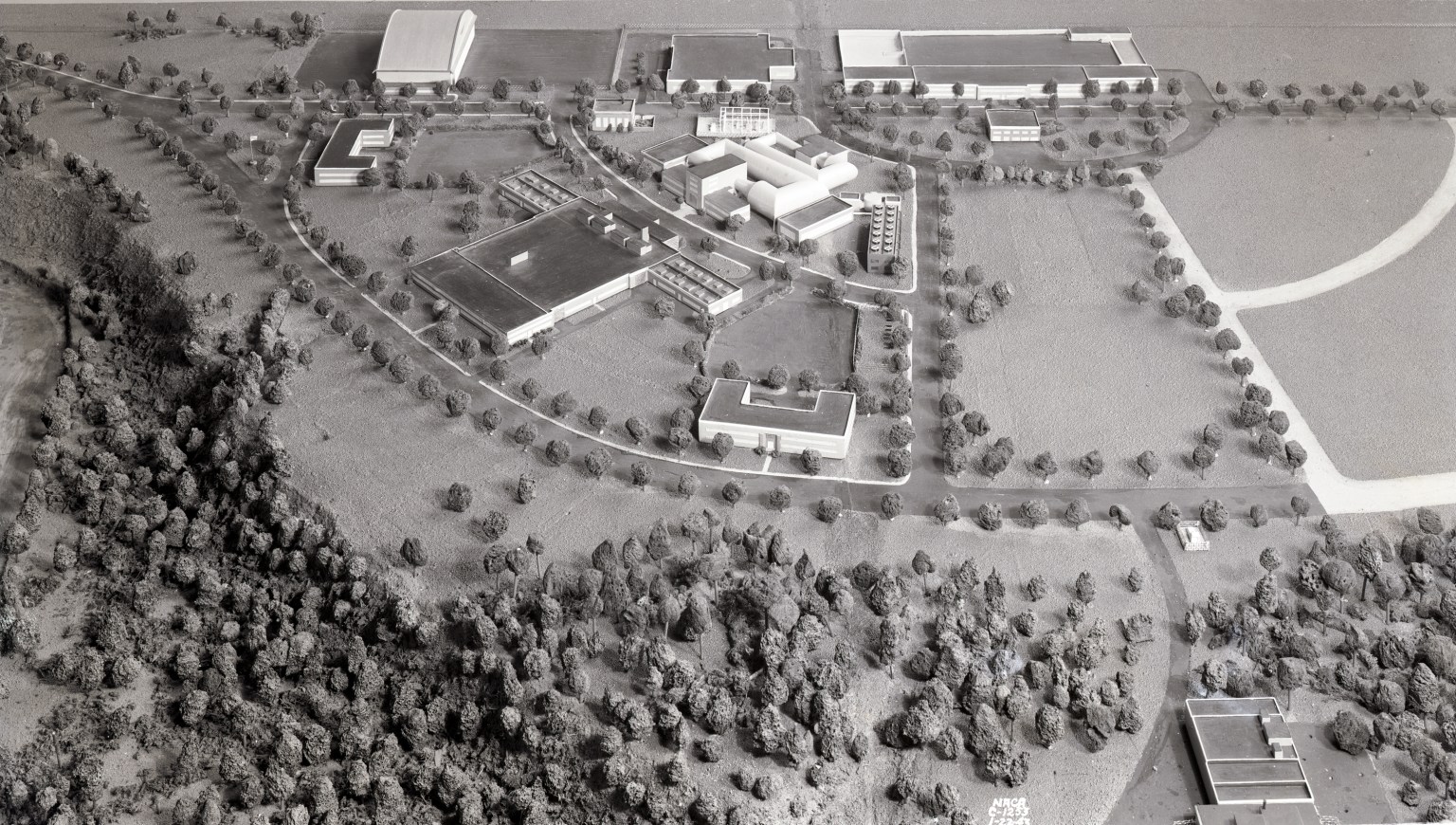
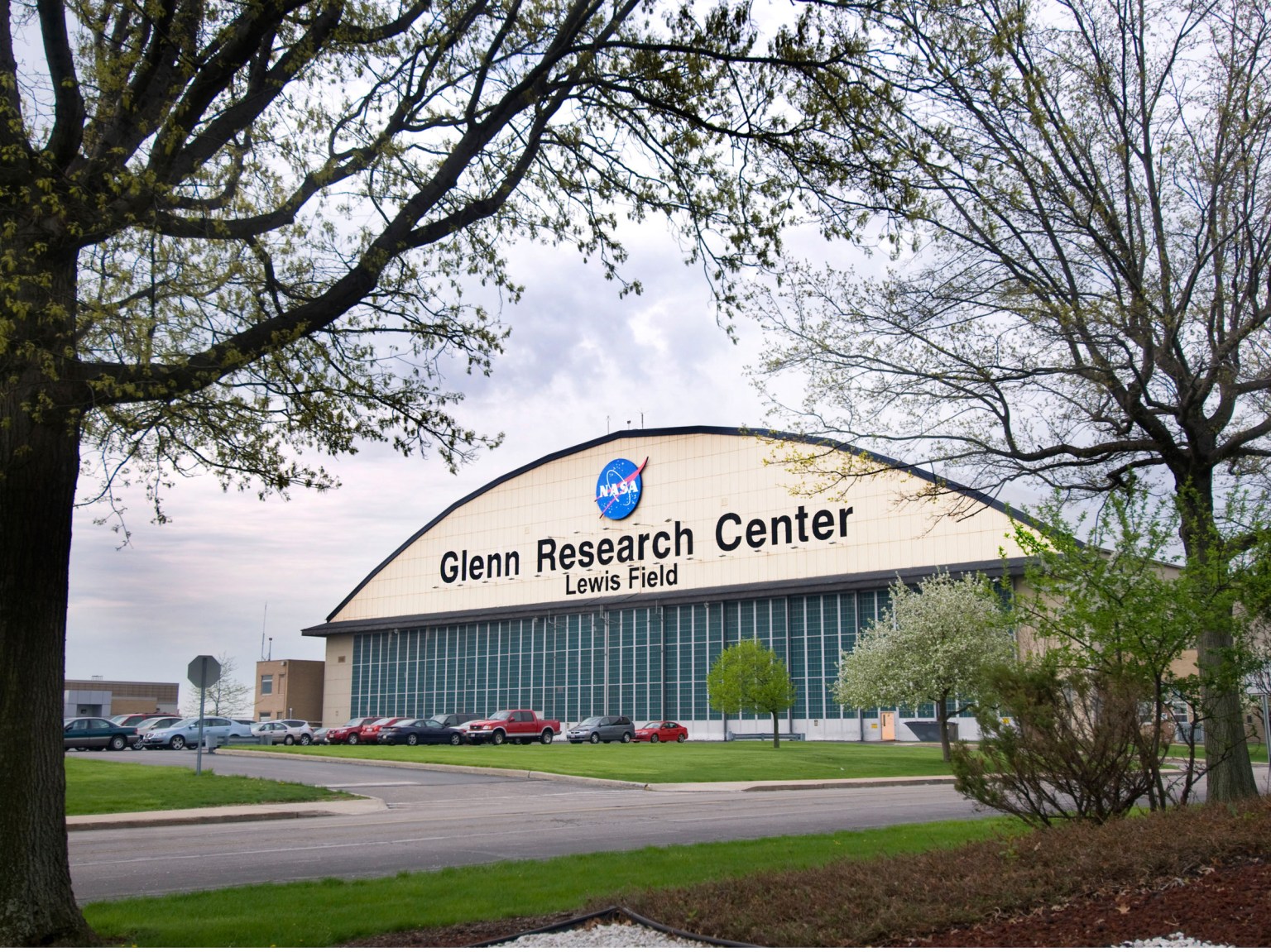
The official photographic archive at NASA’s Glenn Research Center represents a continuous visual and historic record of the center’s facilities, research, and people since its inception in 1942. This website contains nearly 40 years of images selected from a photographer’s perspective.

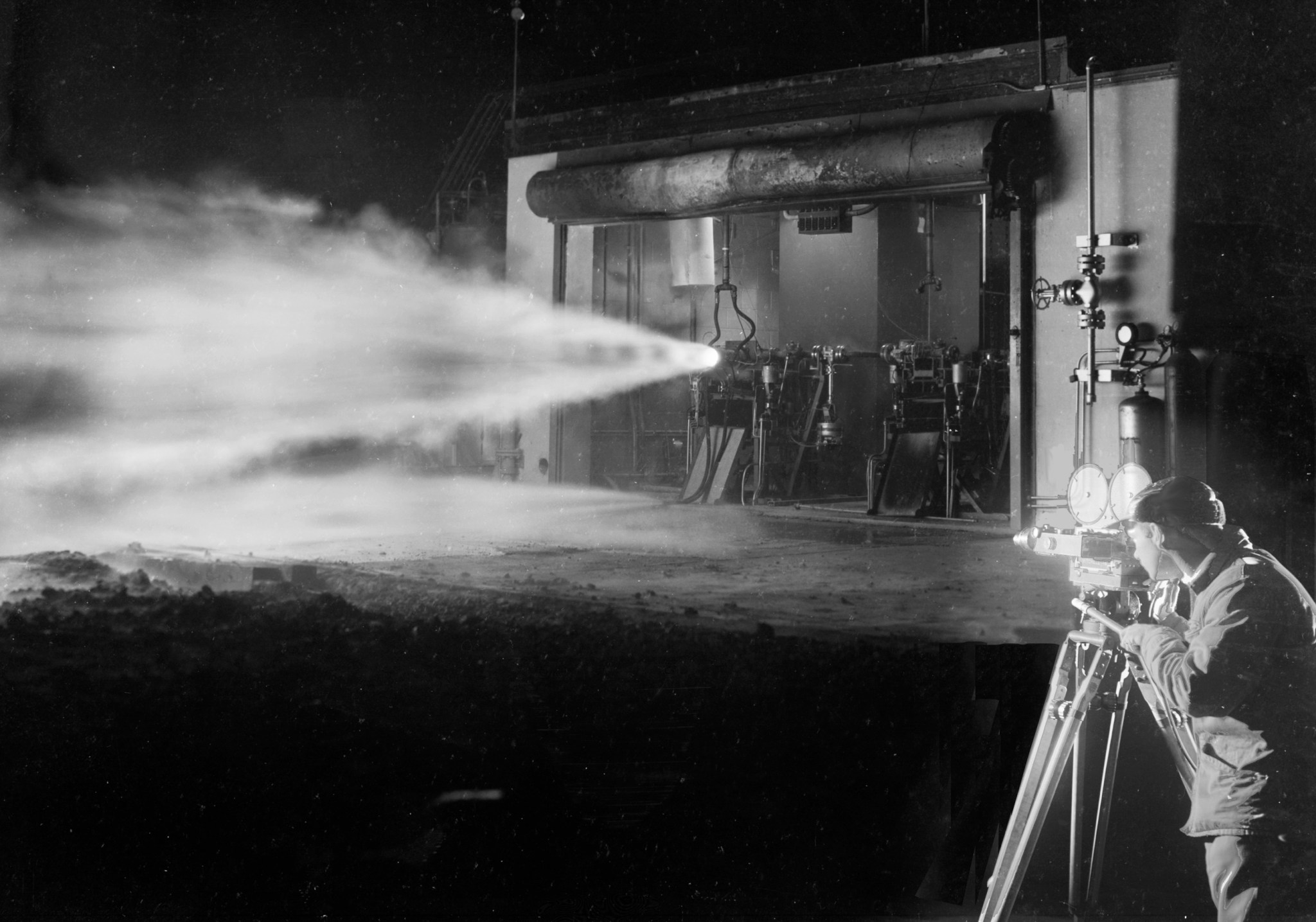
Photographer films engine firing at night.

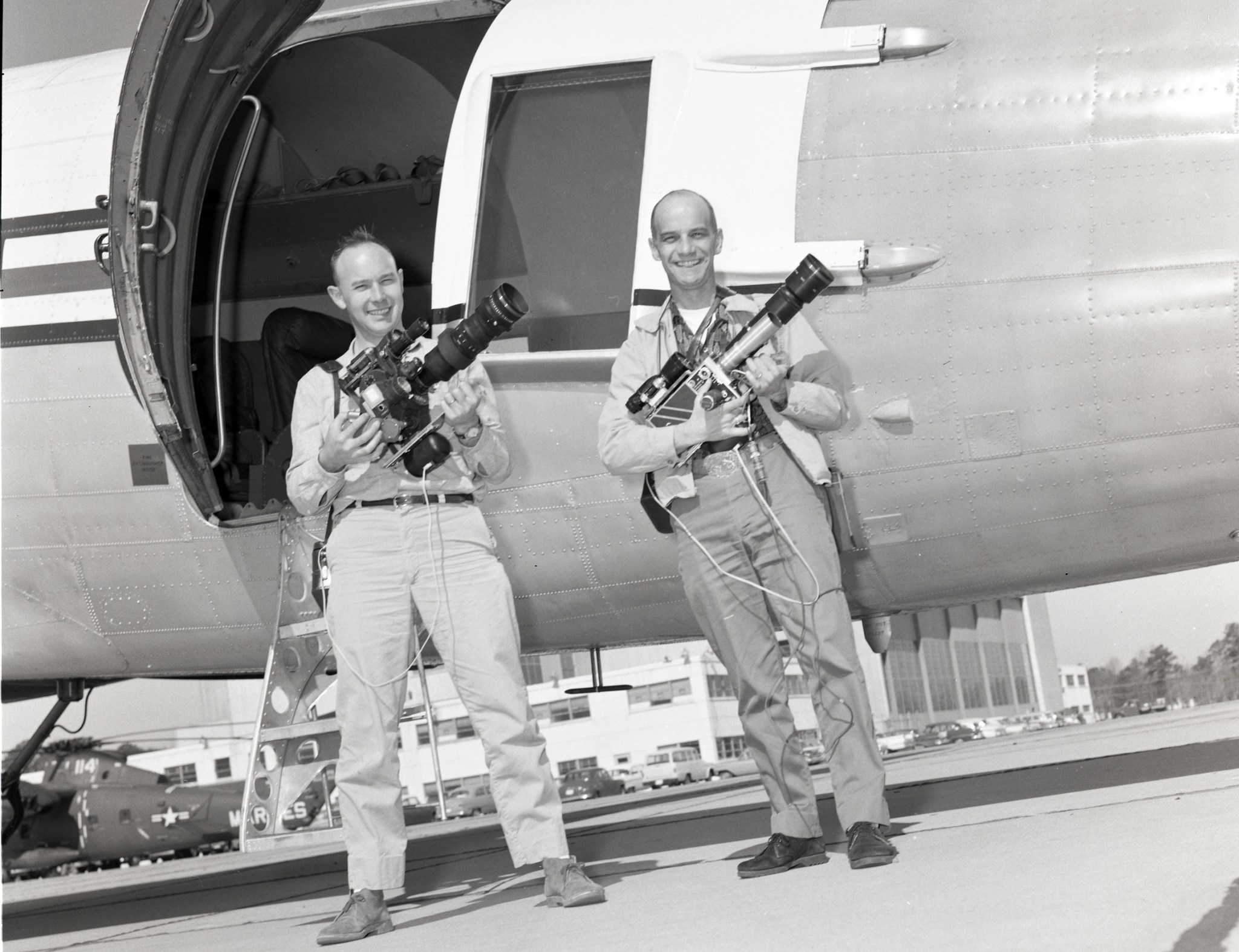
Two men with cameras beside aircraft.
NASA photographers Ernie Walker and Richard Loomis prepare to conduct aerial photography of a missile launch at Wallops Island in April 1961.
NASA

The images selected for these galleries offer an interesting glimpse into both the early research and culture of Glenn Research Center along with detailed descriptions that provide a setting and context for the current research activities at NASA.

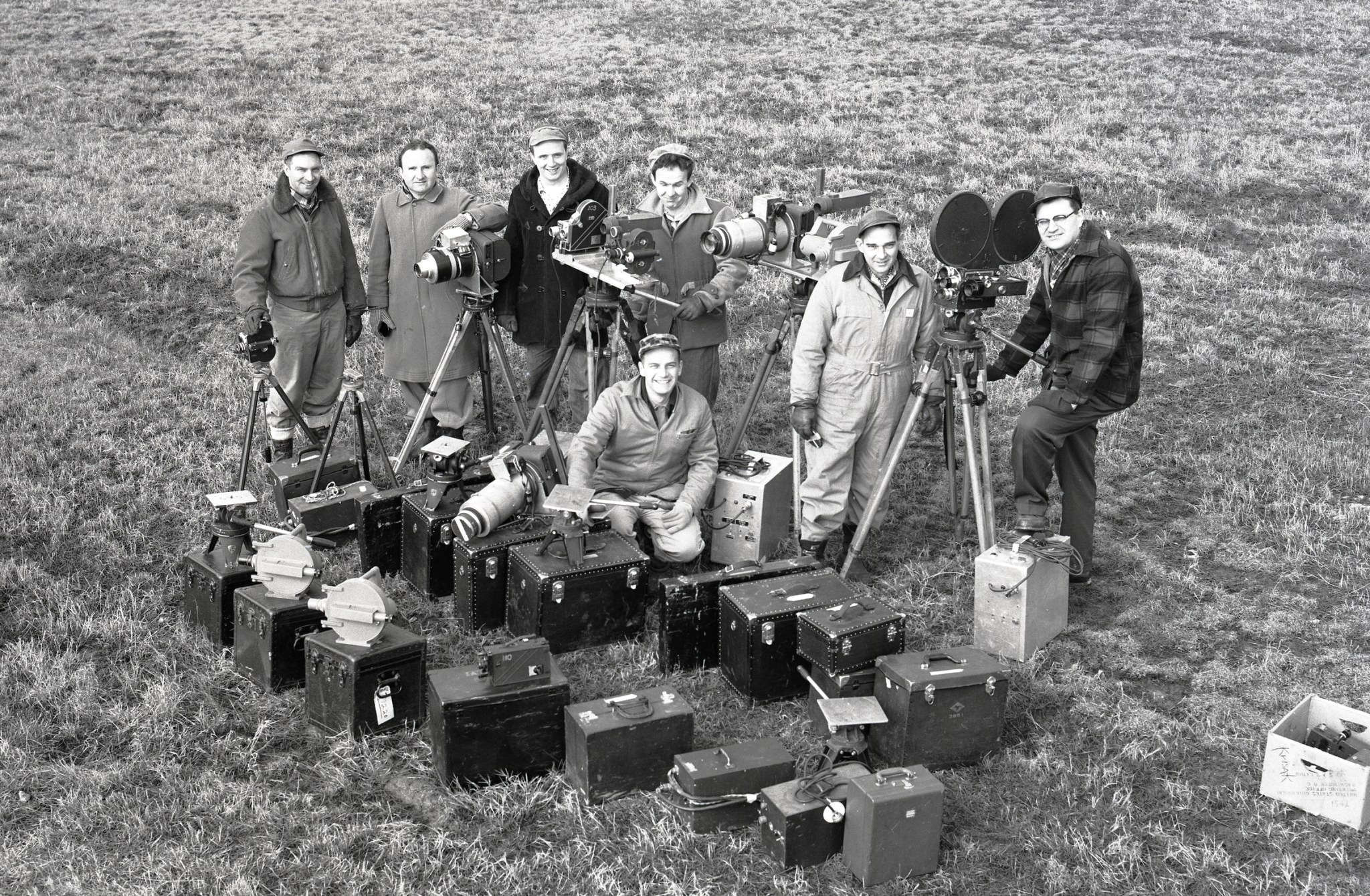
Group of men in field with cameras displayed.
NACA photographers with their equipment to film crash fire testing at the Ravenna Arsenal in 1955.
NASA

By Marvin Smith (former NASA photographer)

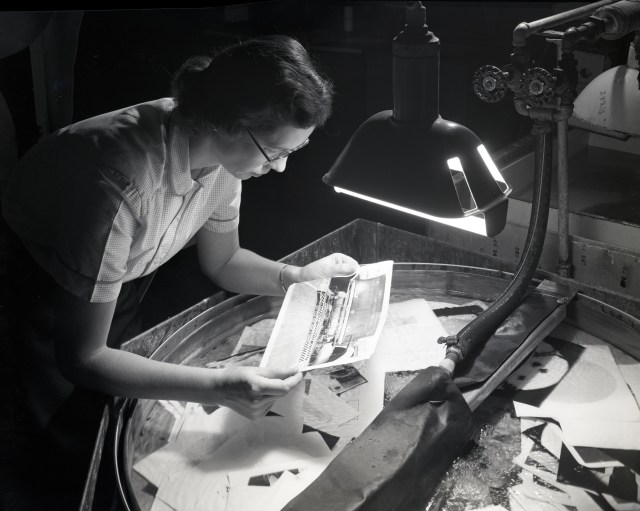
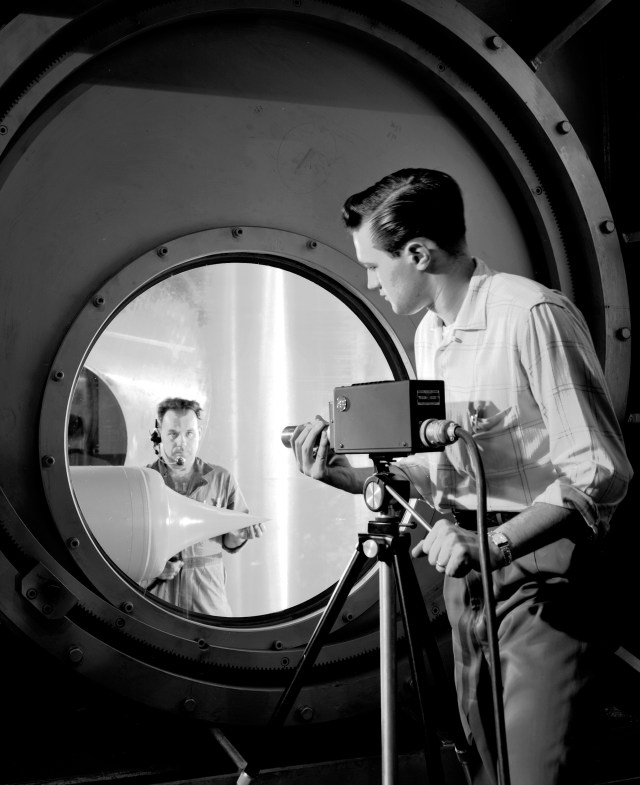
The Lewis Photo Lab was established in 1942. The staff was expanded over the next few years as more test facilities became operational. Many of the early Center photographers honed their skills in military service during WWII. In their new roles as NACA photographers, they were tasked to accompany pilots on test flights, use high-speed cameras to capture fleeting events such as combustion tests, and work with technology, such as the Schlieren camera, to capture supersonic aerodynamic phenomena.

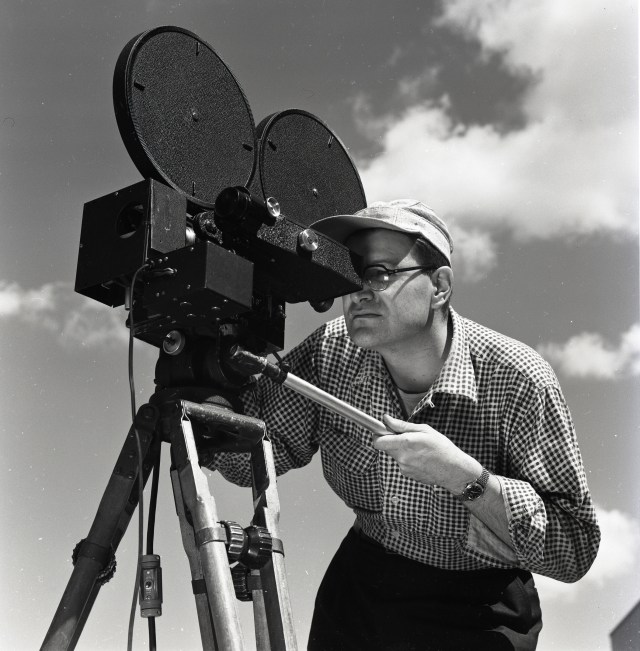
As NACA and NASA broke new ground to define air and space travel, these photographers “wrote the books” on the tools and techniques required to capture images in world-class research facilities. For instance, in 1955 NACA Lewis photographer Bill Wynne developed a method for inserting a timekeeping device on a 16mm camera that displayed elapsed time in the movie footage to one thousandth of a second. While the demands of scientific research drove technical innovation in image capture, the group also documented construction projects, performed publicity work, created images for reports, and photographed data recording equipment. These diverse work situations, coupled with difficult research demands, sparked the creativity evident in many of the images.

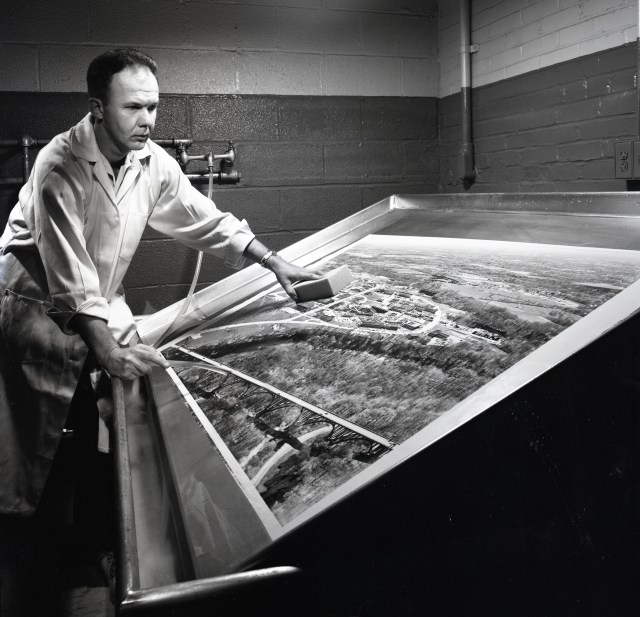
Photographers working primarily with large, field cameras and 8- by 10-inch sheet film created the early images in this collection. When portability was important, 4×5 Speed Graphic and Crown Graphic cameras were used. These cameras became the standard in the early 1960s as color film became more common. Roll film cameras were used starting in the 1970s, but 4×5 Crown Graphic cameras were still the standard for ease in negative handling and storage. More compact 35mm cameras were later used for specific applications requiring a smaller footprint and increased number of shots per roll.

A photographer bends over a camera on a tripod to take a photo of a Mercury capsule.
NASA photographer Arthur Laufman sets up a camera to film a Mercury capsule that was constructed by the Lewis Research Center (now NASA Glenn) staff prior to the Big Joe launch in September 1959.
NASA

While each new generation of camera and lighting equipment altered the photographers’ techniques and the look of the images produced during a given time period, certain image characteristics and an overall aesthetic persist. Strong image sharpness and depth of field are seen, even to this day, in many of the facility research images. Aside from the practical aspect of this technique, wherein all project hardware details are easily identified, the sharpness conveys a highly focused view not typically seen with the human eye. Coupled with high-powered, broad lighting, the images take on an almost formal look that can be striking in and of itself. Additionally, technicians and researchers are often seen posed in these images to demonstrate operations or to provide scale against a massive backdrop of hardware, reinforcing the size and scope of technical achievement.

The Photo Lab’s expertise and specialized equipment were key research tools in the early decades of the center’s existence. The staff conveyed ideas, projects, data, breakthroughs, and even accidents to the research community and general public. What continues to this day is the unique blend of technician, historian, and artist, known as a photographer, opening a window into the fascinating world inside the gates of NASA Glenn Research Center.

Three people in studio preparing to film.
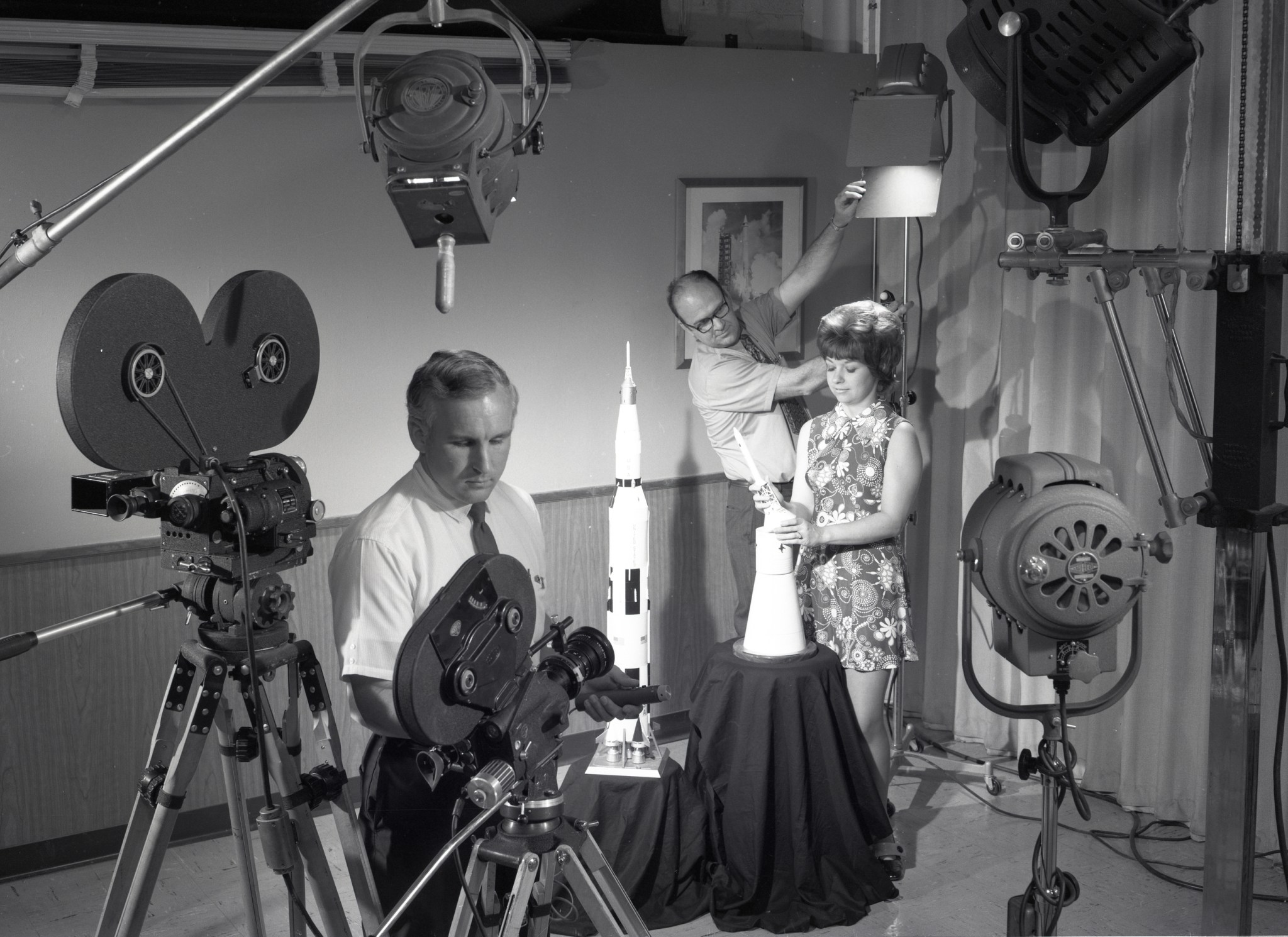
Members of the Photographic Branch prepare to shoot a scene in the studio (1971).
NASA

Featured Story

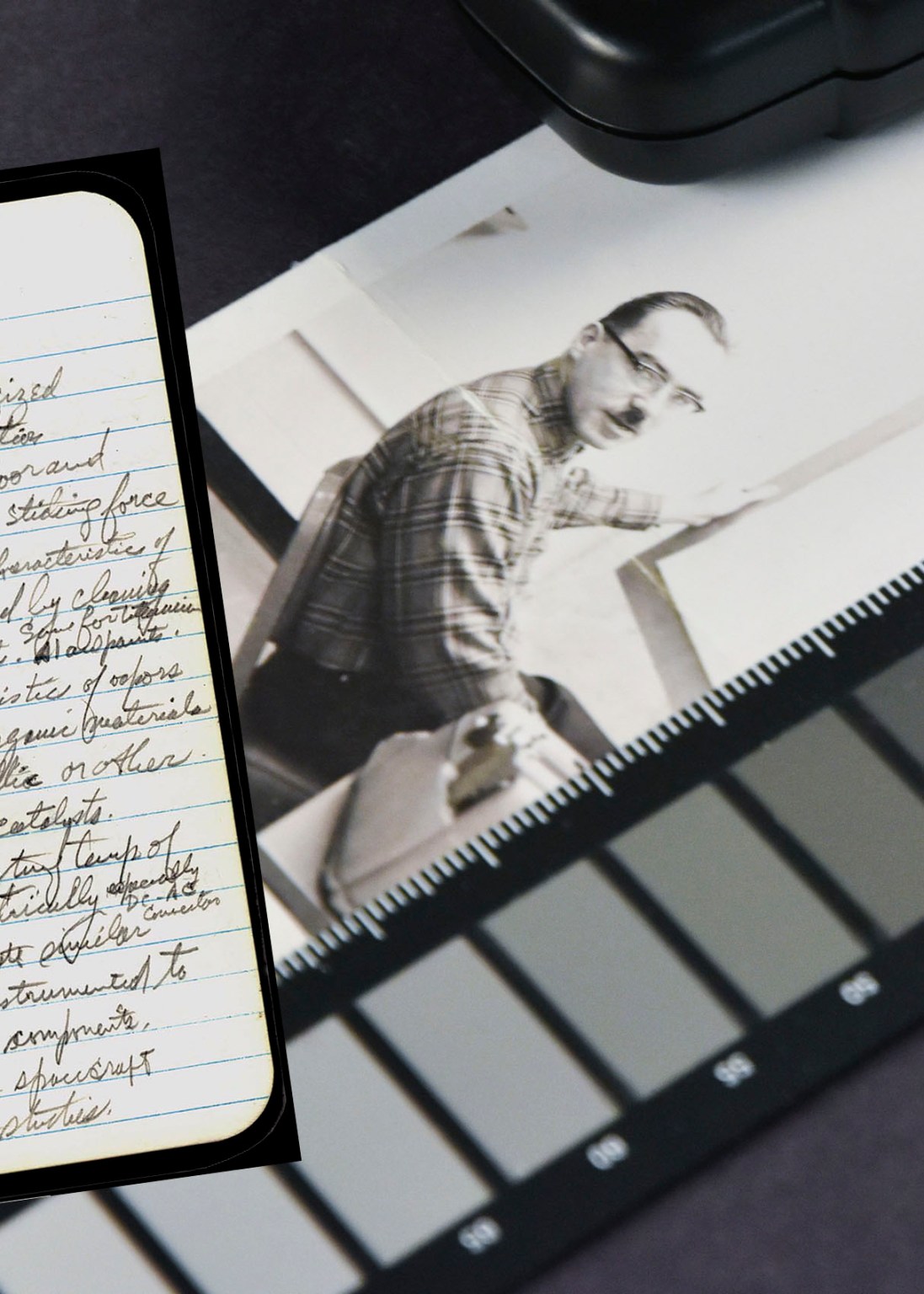
NASA Photographer’s Career Documented the War and NASA Research

William Wynne, noted photographer and photojournalist, passed away on April 19, 2021 at the age of 99. His professional career…


Read the Story

The Best Books at Paris Photo Week

The Best Books at Paris Photo Week
During the annual international art fair, one Vanity Fair editor discovers a batch of new photobooks from lauded and emerging artists alike.

November 14, 2023

The Best Books at Paris Photo Week

L-R: Stanley Barker; Loose Joints Publishing; Myriam Boulos, Untitled,2019/Courtesy of Aperture.

Sebastião Salgado Receives Outstanding Contribution to Photography Award

Sebastião Salgado Receives Outstanding Contribution to Photography Award
Sebastiao Salgado wins Sony award
Sebastião Salgado, right.

One of the world’s foremost photographers Sebastião Salgado will receive the Outstanding Contribution to Photography Award from the Sony World Photography Awards 2024.

Brazilian social documentary photographer Salgado is known for his powerful black-and-white imagery incorporating themes of poverty, war, displacement, and the environment.

Marine iguana
A marine iguana. March 2004 © Sebastião Salgado

The Outstanding Contribution to Photography Award recognizes a person or a group of people who have made a significant contribution to photography. Salgado is the 17th recipient of the award joining the ranks of William Egglestone (2013), Elliot Erwitt (2015), Martin Parr (2017), and Rinko Kawauchi (2023).

As part of the celebrations, Salgado’s work will be shown at the Sony World Photography Awards 2024 exhibit which runs at Somerset House, London from April 19 to May 6, 2024.

Salgado personally selected the exhibition works which cover five decades of his career. They include Gold (1986) which documents the harsh conditions on the steep cliffs of the Serra Pelada gold mine in northern Brazil, and Workers (1993) which examines the challenges and demands of heavy manual labor in the oil, construction, agricultural, and mining industries.

Sebastião Salgado photograph
Draped in blankets to keep out the cold morning wind, refugees wait outside Korem camp. Ethiopia, 1984. © Sebastião Salgado

“I am honoured to receive this award, and to know that my work is reaching audiences,” Salgado says.

“Photography is my way of life, it is my language, and throughout my career I have always been interested in capturing the historical moment in which we are living, and telling the stories of our species and our planet.

“A photographer photographs with his heritage, and in my work I seek to explore our shared human experience.”

Salgado photograph
The fight against burning oil wells, Kuwait oil fields, 1991. © Sebastião Salgado

Salgado was born in 1944 in Aimorés, Brazil and embarked on a full-time career in photography in 1973.

He is influenced by his upbringing in Brazil which was marked by the great expanse of nature and open skies. He joined Magnum Photos in 1979, leaving in 1994 to co-found his own agency, Amazonas Images, with his wife.

It’s far from the only award Salgado has received, being honored with numerous gongs in his lifetime.

Last year, PetaPixel interviewed Salgado about his 2019 project Amazônia which was nine years in the making.

Here’s the photo of Tony the spectacled bear that won a Canadian the Nature Photographer of the Year award

Here’s the photo of Tony the spectacled bear that won a Canadian the Nature Photographer of the Year award

Canadian photographer Jacquie Matechuk now holds the title of Nature Photographer of the Year 2023 for a photo of an endangered bear.

The award was given by Nature Talks, a photography agency based in the Netherlands, for her photo titled “He Looks to the Heavens”.

Matechuk also won in the mammals category for the photo, which shows a spectacled bear — named Tony — sitting on a moss-covered branch in the Andean Mountain Range in Ecuador.

“When a gentle rain began to fall across the valley, he stood and turned to look up as though embracing the cool moisture on his speckled face,” Matechuk said in a press release announcing the award. “And for a fleeting moment, the warmth of muted sunlight falls across his face as ‘He Looks to the Heavens.'”

Based in Cochrane, Alta., Matechuk is a full-time sports and wildlife conservation photographer focusing on capturing “the moment” that gives her subjects “a voice to be heard.”

To capture her winning photo, Matechuk went hiking more than 2,400 metres above sea level through the mountains with a local guide who has spent decades learning about and protecting the endangered Spectacled bears, the press release reads.

“In their natural habitat and with our guide’s intimate knowledge of each bear, we were quickly accepted by them. We kept a respectful distance to ensure their comfort and it paid off in spades,” Matechuk said in the press release. “They would nurse, fall asleep, cuddle, forage, and play, seemingly more oblivious to our presence with each passing encounter.”

In this photo by Jacquie Matechuk, a spectacled bear named Tony is letting rain fall on his face as he looks up to the sky. (Jacquie Matechuk via Nature Talks)

Nature Talks chairman Marco Gaiotti said the photo was chosen by the jury because of the “three-dimensionality” of light and colours mixed with the moss from the fig tree, which accentuates the features of the bear.

“The pose of this spectacled bear fits perfectly into the texture of the photograph,” Gaiotti said in the press release.

Matechuk took the photo with a Canon R5 camera using no additional accessories in a “very tight and awkward location.”

She captured the image holding her camera with a shutter speed of 1/125 and an ISO of 3200.

CANADA-BASED PHOTOGRAPHER WINS LANDSCAPE CATEGORY

Another Canadian photographer also earned an award from Nature Talks.

Thomas Vijayan, a Canada-based photographer who originated from Kerala, India, won the landscape category.

Thomas Vijayan (pictured) is a Canada-based nature photographer. (Via Nature Talks)

In his photo of the Austfonna Ice Cap off Norway’s Svalbard Island, Vijayan used a drone to “artfully” stitch together 26 frames of the ice.

The photo showcases what the jury calls the “force of melting glaciers” with a waterfall pooling into the Arctic Ocean from the cap.

According to the press release, Vijayan said he had been to the ice cap before.

“This year, the ice cap began melting earlier than usual, giving rise to this captivating waterfall,” he said in the press release. “While the scenery held an enchanting allure, it simultaneously served as a stark reminder of the ice cap’s diminishing state, likely to vanish within a few years.”

Gheorghe Popa, a member of the Nature Talks jury, said Vijayan’s photo was chosen because of how it highlighted the “majesty” of nature.

“This image inspires a stillness, but also a lot of power,” Popa said in the press release. 

This photo by Thomas Vijayan combined 26 frames from a drone of the Austfonna Ice Cap. (Thomas Vijayan via Nature Talks)

The Chopper: A Seat as Smooth as Its Namesake Ride

The Chopper: A Seat as Smooth as Its Namesake Ride

Buster + Punch has a lot to celebrate! This year the brand celebrates its momentous 10th anniversary, and to mark the occasion, founder and creative director Massimo Buster Minale has unveiled his first ever chair, the Chopper. This design holds tremendous sentimental value, as the original version belongs to Massimo’s late father, Marcello Minale.

Marcello Minale

An influential designer in the 70s, Marcello crafted the brand identities for iconic fashion houses like Valentino, Armani, and Fendi, but his off-hours were spent working on custom motorbikes, a passion shared with his son that would eventually lead to the inception of Buster + Punch. The new edition of the Chopper pays homage to the initial design with updates that give it the Buster + Punch signature.

black and white photo of three men sitting in chairs

black and white photo of black lounge chairs

black leather lounge chair in room with blue carpet

In the video below, Massimo sits down to talk to his brother, Marcello Minale, who continues to successfully operate global branding agency Minale Tattersfield, founded by their father in 1964. The brothers discuss their father’s original 1973 design and his legacy, as well as the updated Buster + Punch version of the Chopper Chair, and more.

WATCH:


two black leather lounge chairs stacked on top of each other

Recognizing the Chopper’s significance as one of the first stackable lounge chairs available back then, Massimo retained that quality in the new version but upgraded the materials. The Chopper now features a wider gauge steel frame with a modern black chrome finish, giving the chair extra durability and a monochromatic appearance. The seat and backrest, originally made of rattan, have been swapped out with thick, full-grain leather in black. In the way that the leather seat of a motorcycle contours the shape of the engine block, the Chopper gently supports the user in their relaxed, lounging position. Leaving no detail – however small – behind, Massimo punctuated the chair’s overall black appearance with solid brass logo caps, solidifying the mark of a Buster + Punch production.

close up detail of black leather lounge chair

Comfort and efficiency have also improved in the new Chopper Chair. Accounting for different preferences of comfort, Massimo added straps on the seat to allow the user to adjust as needed. The chair, shipped as a flat-packed item, now saves over 75% of the packaging and airspace.
close up detail of black leather lounge chair

close up detail of black leather lounge chair

For Massimo, the introduction of the Chopper lounge chair marks a full circle moment for Buster + Punch, one that we felt needed additional context to fully honor the chair’s origin. Below, we chat with Massimo who takes us on a trip down memory lane and also shares what’s next for the brand:

What are your earliest memories of your father as a designer and creator?

Hanging out after school at his offices in Putney, as my eldest brother and mum were also designers.

Are there any traits or patterns that your father has passed down to you?

Simplicity in design. Before my Dad came along, graphic design was very descriptive but he reinvented the genre by stripping it back to the single most important message and, as a result, was responsible for bringing logos into fashion houses rather than full brand names. We try to emulate that at B+P to avoid confusing people with too many messages.

close up detail of black leather lounge chair

close up detail of black leather lounge chair

Why did you select the Chopper as Buster + Punch’s inaugural chair?

It’s sitting in my family house since I was born. Every twist and turn of my life has spent in this chair and for some time we’ve wanted to bring it back. It felt this was the time, coinciding with our anniversary and the 70s silhouette being so strong. What makes chairs like this special is how they place an emphasis on the construction and the frame rather than big puffy cushions that cover up a multitude of sins.

Where do you see the newly updated Chopper existing?

This is the lounge chair that gives that contrast to your puffy upholstered sofa. But also the one you’d have in your lobby. It’s one that looks as good as it feels – it’s the one you have next to the sofa that draws all the attention.

Are there any plans to update the Chopper in the future?

We’re looking into releasing new covers, as the charm of this new design is that you can remove and switch out the covers. But we always wanted this limited run first edition to be the black-on-black, which felt like the perfect colorway.

Congratulations on the decade anniversary! What do you hope to do with Buster + Punch for the next ten years?

Remain original, meaningful, and innovative. We’ll try to stay analogue and tactile but continue to explore ways to meld technology with tradition to shape new chapters and ideas.

close up detail of black leather lounge chair

black leather lounge chairs

man sitting on black leather lounge chair in workshop

Massimo Buster Minale

To shop the Chopper Chair, visit busterandpunch.com.

As the Senior Contributing Editor, Vy Yang is obsessed with discovering ways to live well + with intention through design. She’s probably sharing what she finds over on Instagram stories. You can also find her at vytranyang.com.