Libya and Switzerland are both party to a 1970 Unesco treaty that seeks to prevent the illegal trade of cultural property.
Switzerland returns 2,000-year-old Libyan sculpture


Fancy visiting an alien world? Well, Mars, one of our closest celestial neighbours, is roughly a staggering 225 million kilometres away from Earth – a journey that would take you over 1,000 years to walk.
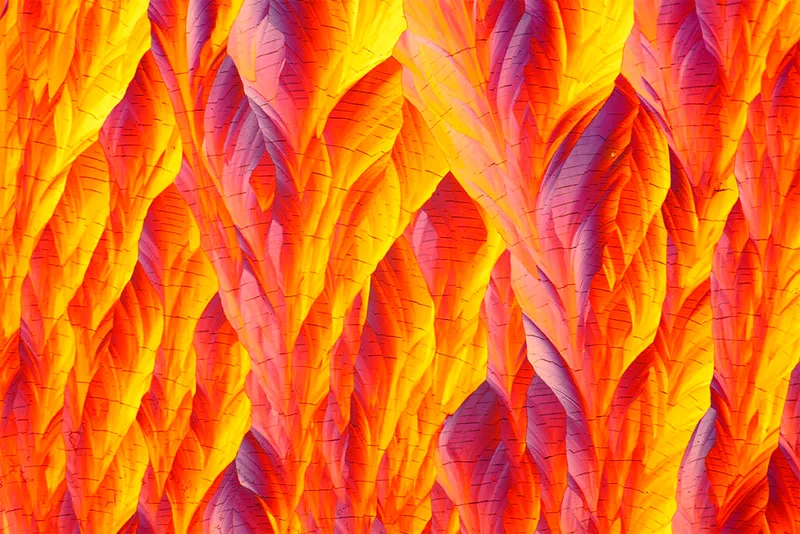
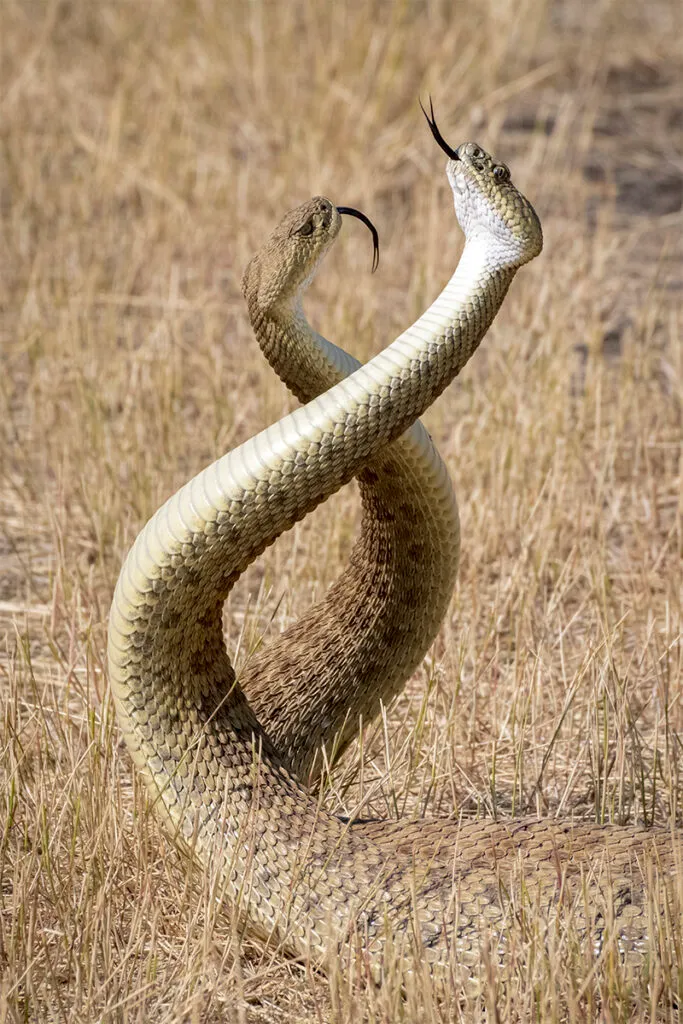
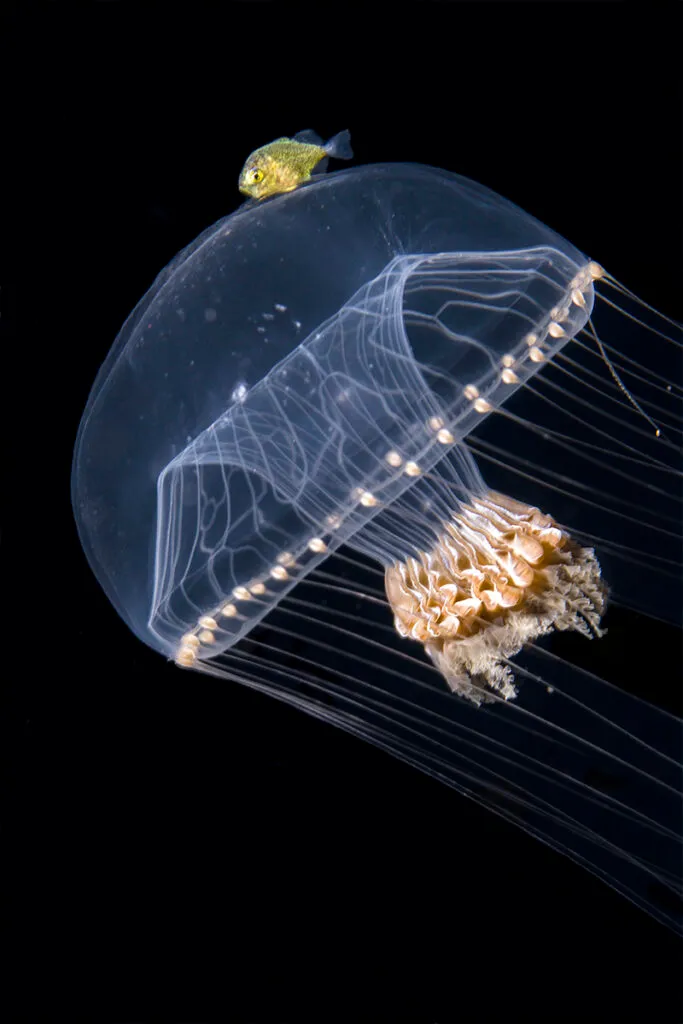
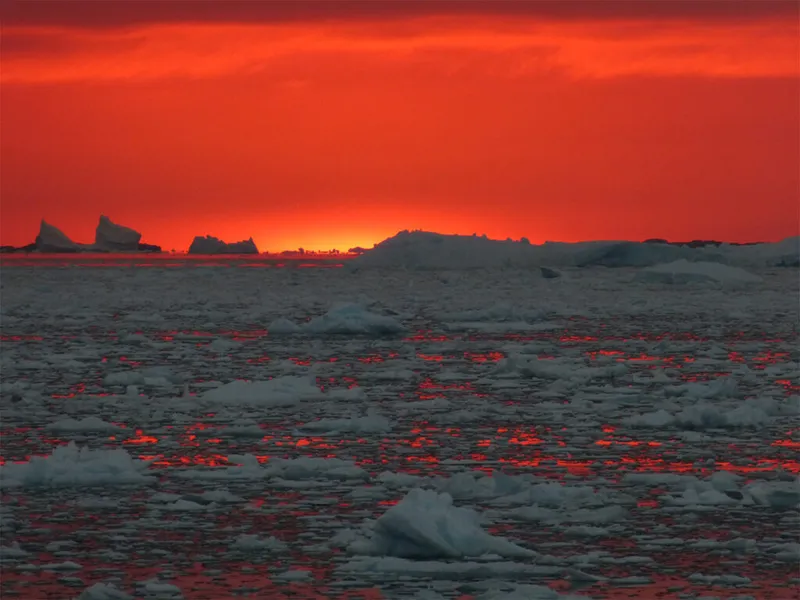
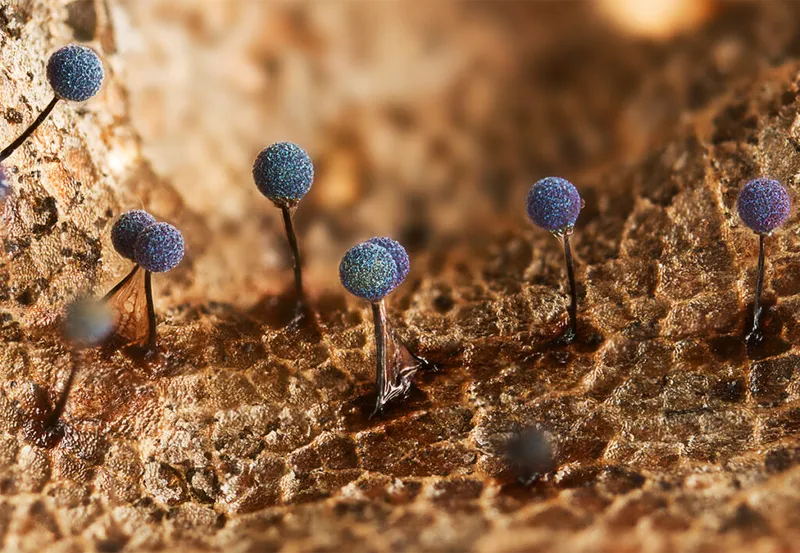
But don’t go reaching for your space boots just yet: there’s plenty on planet Earth that looks truly Martian. At least, that’s what we can tell from the winner of this year’s Royal Society Publishing Photography Competition. While it looks like a picture of extra-terrestrial plants, it actually shows a cluster of smile moulds growing in a leafy garden in the United Kingdom (see image below).
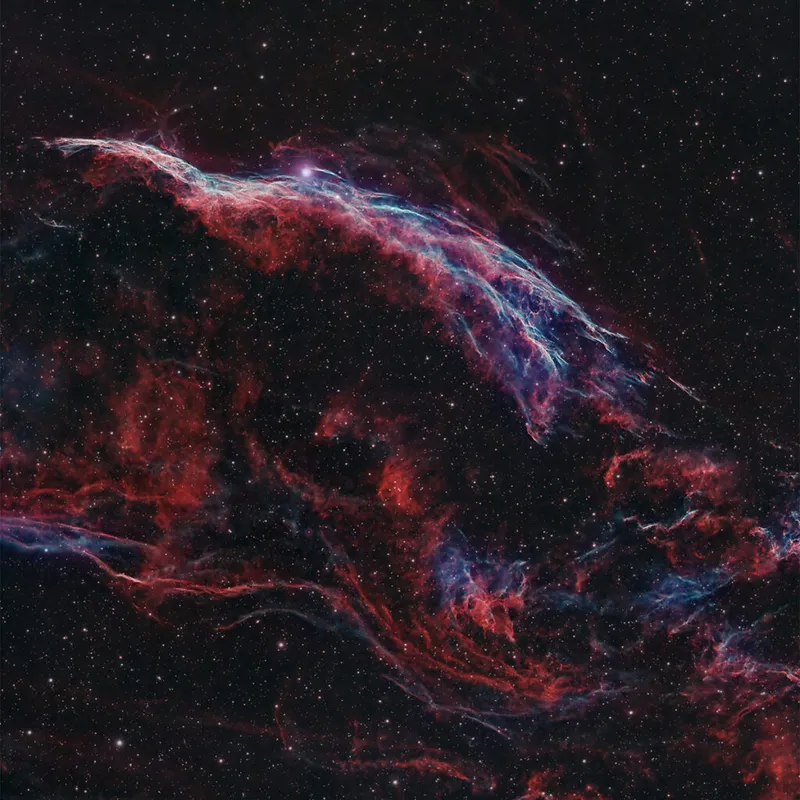
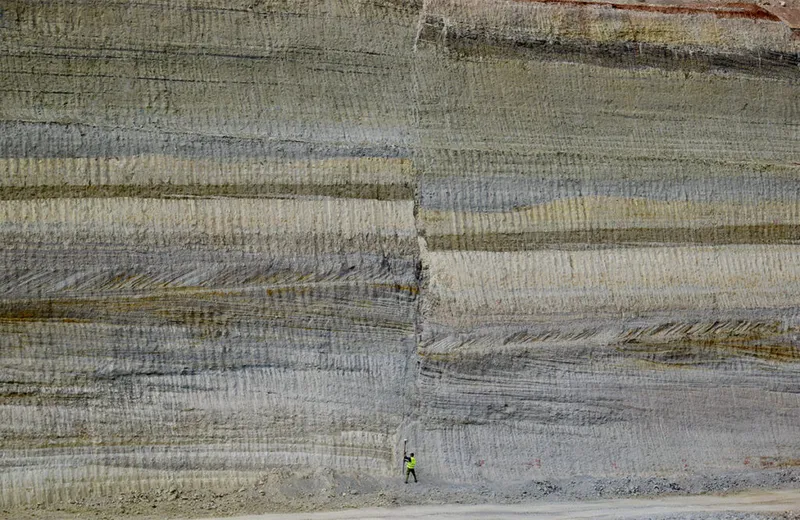
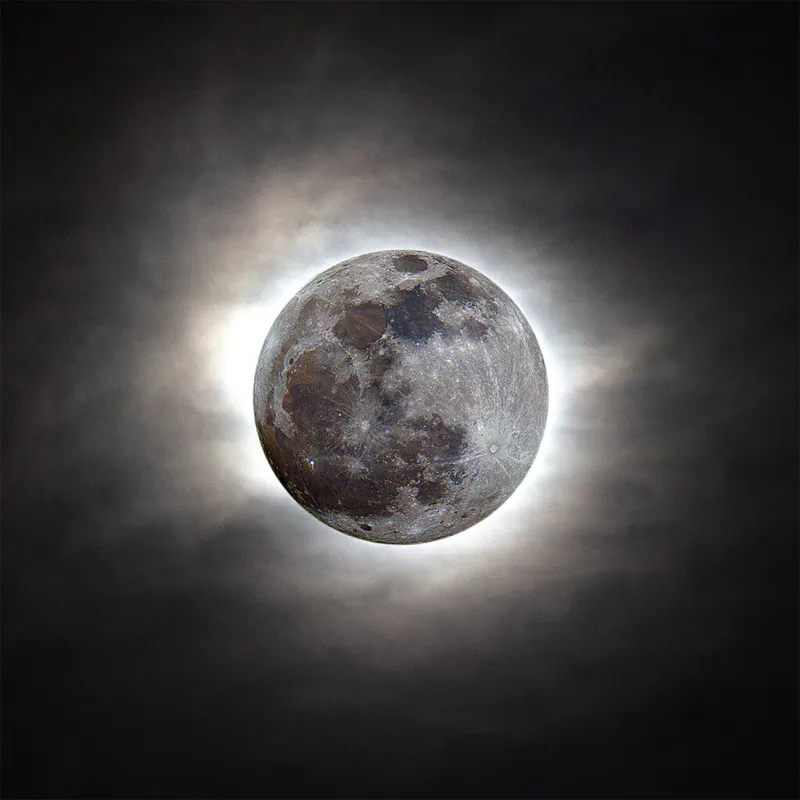
But it’s not the only staggering photo in this collection, which documents strange scientific phenomena. Scroll down below to see a real-life crystal forest, a temporal crack, and a jellyfish elevator.


Read more:


“I want members of the queer Chinese diaspora to fathom how special it is to be who we are,” says Jeffrey Jin, “to feel an almost-familial bond with these faces that they’ve never even met.” It’s those faces – the ones that populate Jin’s most recent series – that sit alone in bedrooms, lounge carelessly on sidewalks, and embrace tenderly on mattresses, all while projecting their own sense of resilience. While Western notions of China often cast the country as “monolithic, restrictive, and intolerant”, as Jin describes, his photographs explore the queer bonds bubbling beneath its surface. And despite his subject’s calm exterior, there’s an urgency to the images he presents – we feel resilience in each stare, love in each laugh, entire lives splayed out on walls and bookcases.
The photographs are all the more meaningful once we learn the circumstances in which they were created. A trip to China, the country of Jin’s heritage, was extended indefinitely after running into unforeseen legal trouble. The photographer was forced to set up shop in Shanghai, finding solace with a chosen family in an un-chosen new home. These photographs are the product of that trip, and while the images are ones of strength, Jin reminds us that there is more to the community than this. “In the cracks and crevices lie some of the most electric queer spaces I’ve ever encountered, and the people within them are vibrant and loving,” the photographer says. “Although the atmosphere in some of these photos might be more on the sombre side, please don’t misinterpret my intentions – these people deserve to be celebrated.”
In the conversation below, the photographer details the events that led to his extended stay in Shanghai, and reveals how his chosen family came to be.
Hi Jeffrey. When did you begin taking photographs for the project? Was there an exact moment of inspiration that led you to create the work?
Jeffrey Jin: I suppose I began taking photos for the project – which didn’t even actualise itself into a formal ‘project’ until October – as soon as I stepped foot into China. I began in Guilin, a slow-paced city in the south, before coming to Shanghai. It was there that I met Lina and took a few photos of them one night on the way back to our hotel. I took photos of my friends Sey and Kyoto later in August. After discovering I already had several photos of queer people out of mere coincidence, I figured I should keep going and try to form a cohesive and purposeful body of work.
How did you cast the people in the series? Were there any criteria other than belonging to the LGBTQ+ community?
Jeffrey Jin: The casting process was pretty spontaneous, and the people in the photos are the result of a variety of interactions. A handful of them were mutual friends, and some I had met at Elevator, a queer club in Shanghai that’s unfortunately closing down at the end of the year due to lack of funding. One is a Tinder match, another is a familiar face I’d only ever bump into after dark outside Shanghai’s techno venues, both of us tipsy and soaked in sweat.
I didn’t necessarily structure the project with criteria other than being queer and Chinese, but many of the subjects ended up being around my age and part of the subculture scene as well. I liked that most of them didn’t consider themselves models.
The styling is particularly striking – was this specifically for the shoot, or did they have free reign to wear whatever?
Jeffrey Jin: Everyone styled themselves. I gave my two cents for some of the outfits, but I’m a huge proponent of subjects having control over their clothing choices. I look back on the photos and see everyone’s different personalities emanating through what they decided to wear that day.
I value photographing those with individual style, style that isn’t just conveyed through what someone wears, but how they think and speak and move throughout the world. I truly believe all of these components can be captured through a lens. The world, and especially Shanghai, is full of beautiful faces to photograph. What I really care about is whether your brain is beautiful too.
“Many of them asked me what America was like – if I had ever touched a gun, what drugs I had done…. I realised that I had never answered questions like those in Chinese” – Jeffrey Jin
How did you build a relationship with them while shooting?
Jeffrey Jin: I just kept talking. I love to run my mouth when I shoot, inserting questions about first crushes, what life is like back in their hometown, whether they’ve been to Chengdu, the gay capital of China. We usually shared a meal before or after, and conversation flowed quite naturally most of the time. Yutou and I bonded over our appreciation for Arca’s music. Sky told me he has a friend from here who moved all the way to Austin, where I go to school, and plans on opening up a hotpot restaurant. Many of them asked me what America was like in return – if I had ever touched a gun, what drugs I had done, what the queer culture is like in Texas. I realised that I had never answered questions like those in Chinese.
Can you tell me about the issues that led to your extended stay in China?
Jeffrey Jin: A couple of months ago, I got into some trouble with the police in Shanghai for making an incredibly stupid decision. They confiscated my American passport and denied me any specifics regarding when I would be able to return to the States – all I was told was that I had to wait. After 36 hours in a detention centre, I was released back into the world on bail and pending trial. Month after month, I spent most of my time waiting in Shanghai, one of China’s densest and liveliest cities. Every day was a game of mental fortitude, not knowing exactly when I could return, especially since China’s statutes regarding non-citizens are so vague.
Truthfully, I could handle being arrested, detained, and interrogated – the most unendurable part was the way that my circumstances affected my family’s perception of me. After about a month, I was called back to the police station in Shanghai to sign some more papers and, shortly following, decided to move into a small apartment where I’d spend the remainder of my time.
Did that change your relationship with Shanghai?
Jeffrey Jin: My excitement to return to China – the ‘motherland’ – quickly morphed into resentment and frustration and regret. What happens when home no longer feels like home? When a place of solace transforms into a place of solitude? I beat myself up day in and day out over my mistake. From what was supposed to be a one-week stay, I ended up establishing a sense of livelihood in Shanghai for nearly half a year, developing a routine and integrating myself into a culture that I originally felt very far removed from after being born and raised in Texas, only ever having been to China before to briefly visit relatives.
Such a life-changing situation must’ve bled into your work.
Jeffrey Jin: You could say this photo series that I intentionally began during my fourth or fifth month in Shanghai immortalises that entire experience for me. Woven into these shots is a reminder to turn moments of misfortune into something meaningful. I encouraged myself to meet more and more queer people – people who might look like me but exist in radically different ways – and to absorb their stories. To heal from them. I didn’t touch my camera for an entire month after the incident initially happened, the longest I’ve ever gone. But I’m thankful I eased myself into shooting again. Although immense barriers of time and distance obstructed me from my real family back home, I gradually grounded myself in the realisation that I could find family here too.
“I really like the photo of Yihao sitting on his couch and myself in the mirror… I think I took it to include myself in the series somehow. To indicate that I’m queer and Chinese, too” – Jeffrey Jin
If you could choose one image in the series, that is either your favourite image or representative of the project as a whole, which one would it be and why?
Jeffrey Jin: I really like the photo of Yihao sitting on his couch and myself in the mirror. It’s a vulnerable self-portrait of us both, and I think I took it to include myself in the series somehow. To indicate that I’m queer and Chinese, too, and that identity is what connects me to these other subjects.
That day was so special for me; I admire Yihao and what he’s done for the LGBTQ+ community in China a lot. We ended up hanging out until 3am the next day. He showed me a documentary about Li Ermao, a renowned transgender woman in China with a tragic backstory, and I showed him a short film by Huang Shuli, a cinematographer from Wenzhou that I hold close to my heart. I feel very fortunate to have gotten to know him on a human level and that our relationship exists beyond the time that we spent shooting. Photos begin to hold real meaning for me when I can attach distinct memories to them.
What would you say is the guiding principle behind this photo series?
Jeffrey Jin: Authenticity is the flesh and bones of this body of work. There’s an unparalleled joy in encountering, interacting with, and photographing what feels real to me. Also, the timing of the work’s publication is particularly special to me – I finally got my passport back, and am headed back home this weekend.

Riyadh, Saudi Arabia – The Visual Arts Commission, under the Saudi Arabian Ministry of Culture, is thrilled to announce that registration for the highly anticipated Kingdom Photography Award is officially open. Embarking on its second edition, this award encourages photographers based in Saudi Arabia to capture their everyday lives and share their unique perspectives.
By creating a visual narrative that encapsulates the beauty and cultural essence of the Kingdom, the Kingdom Photography Award will provide a platform for emerging photographers to portray the diversity of Saudi Arabia, under the theme ‘We Tell Stories”. Photographers are encouraged to submit a series of 3–10 photographs that tell a compelling story of everyday life in Saudi Arabia.
Dina Amin, CEO of the Visual Arts Commission expressed her excitement about the competition: “We are delighted to introduce the second edition of the Kingdom Photography Award, a unique and exciting competition that is looking to unearth visual stories that speak of people’s lives in Saudi Arabia. Every photograph has a story to tell, but unlike a single picture, a photo essay can offer us possibilities to get to know characters, the textures of their lives, their interests, and their ideas. Saudi Arabia is a treasure trove of stories waiting to be discovered and shared and through ‘We Tell Stories’, we are excited to explore the heart and soul of the Kingdom through the lens of your camera.”
The competition, available to both Saudi nationals and residents, encourages participants to capture “a day in the life,” loved ones, familiar places, or the inspiring landscapes they live in. This competition is an opportunity to realize that every facet of the Kingdom has the potential to be a masterpiece.
The Kingdom Photography Award offers participants a chance to win 20,000 SAR and gift vouchers worth 20,000 SAR per winner, as well as access to mentorship programs led by renowned professional photographers. In addition, selected entries will also be featured at an exhibition in Hayy Jameel, Jeddah, providing a platform for emerging photographers to showcase their work alongside accomplished professionals.
The judging panel, comprised of esteemed professionals, will evaluate each submission to ensure the selection of the most captivating and evocative stories. The judging panel includes Ghada AlMuhanna, Hussain AlMoosawi, Mick Moore, Mohammed AlFaraj, and Tanvi Mishra.
Registration for the competition is now open and closes on December 31, 2023. To submit your series, simply visit the official website, click on “Register Now,” and complete the form. The submission process is free, with terms and conditions detailed on the website. Winners will be announced on February 10, 2024, with the final exhibition taking place between February 10, 2024 – March 2, 2024.
The second edition of The Kingdom Photography Award promises to be an exciting journey of self-expression, discovery, and storytelling. For more information on how to submit entries, please visit: https://engage.moc.gov.sa/tkpa
About the Visual Arts Commission:
The Visual Arts Commission is one of 11 sector-specific commissions under the Ministry of Culture. Founded in 2020, it is leading the development of the visual arts sector in Saudi Arabia. The Commission is working to nurture the talent of art enthusiasts, practitioners, and professionals in the Kingdom, and support the production and exhibition of artwork in all its forms, locally and internationally.
To learn more about the Visual Arts Commission, please visit www.visualarts.moc.gov.sa/en and the commission’s page on Twitter @MOCVisualArts and Instagram @visualarts_moc
About the Ministry of Culture:
Saudi Arabia has a vast history of arts and culture. The Ministry of Culture is developing Saudi Arabia’s cultural economy and enriching the daily lives of citizens, residents, and visitors.
Overseeing 11 sector-specific commissions, the Ministry is leading a cultural transformation to develop an abundant ecosystem that nurtures creativity, unlocks the economic potential of the sector and unleashes new and inspiring forms of expression.
Find the Ministry of Culture on social media: Twitter @MOCSaudi (Arabic); @MOCSaudi_En (English) | Instagram @mocsaudi
For media inquiries or further information about The Kingdom Photography Award, please contact:
Khalil Dagher
Z7 Communications
Senior Account Manager
Khalil@z7communications.com


In 1958, aged just 18, Fink moved from his Long Island home to Manhattan’s Greenwich Village, the epicentre of the counterculture. He ended up hitchhiking across the country with many of the beat artists, photographing them in a style that was true to the movement


The Sun is approaching the most active period of the solar cycle, which is great news for aurora photographers around the world. As such, Capture the Atlas’ annual Northern Lights Photographer of the Year collection is particularly vibrant this year, showcasing stunning light shows from southern Australia up to the Arctic.
Every year Dan Zafra, Editor-in-Chief of the travel photography blog Capture the Atlas, pulls together a couple dozen of the best images of the aurora taken that season. Now in its sixth year, this iteration of the Northern Lights Photographer of the Year collection features 25 photographers of 13 different nationalities, snapping images in 11 different countries.
This year feels different though. The Sun is kicking into the active part of its 11-year cycle of activity, with a flurry of flares that have caught scientists off-guard. Solar maximum, as it’s known, is a whole year ahead of schedule and forecast to be stronger and longer-lasting than usual.
The good news is that this supercharges the natural light show, bringing starker details and more vibrant colors to the aurorae, as well as making them visible in more places around the globe. And this is clear in the entries for 2023’s Northern Lights Photographer of the Year collection.
Vincent Beudez
A perfect example is this image, named The Arctic Dance by French photographer Vincent Beudez. It was taken in Northern Norway during the strongest solar storm of the year, resulting in a dancing red curtain and shimmering beams unlike any the photographer had seen before.
Many more astounding aurora images can be found in our gallery, and you can browse the rest of the collection over on Capture the Atlas. If that’s not enough to satisfy your curiosity, check out last year’s photos or the blog’s other annual collection showing off the Milky Way.
Source: Capture the Atlas





