TIME’s Best Photos of 2023

TIME’s Best Photos of 2023

A girl who, unable to get an abortion, becomes a mother before starting 7th grade; a mass of twisted metal and ash, all that remains of a home in the wake of the Maui wildfires; Bad Bunny, one of the year’s most engaging entertainers, stepping out in a pink mohair coat adorned with a bow: These photographs, all featured in TIME during 2023, constitute a map of where we’ve been and what we’ve seen, connecting us with the greater world. Sometimes we may feel we live and work in isolation, but it’s never true: there are always those facing challenges as formidable as our own, or even more so, and there are joys to be had, too. These are just a few of the gifts great photographs can bring us, a collapsing of the distance between others and ourselves.

We’re reminded how our world is changing around us when we see a flutter of birds over Delhi, a city cloaked with smog that puts both animal health and that of humans at risk. A 14-year-old Georgia teenager named Malayah faces the camera resolutely, a reminder that paying attention to the mental health of young people will make for happier, more well-adjusted grownups tomorrow—the world will be in their hands someday. And a group of citizens light candles for Tyre Nichols, beaten and killed by Memphis police in January, at the community skate park he used to frequent as a youth in Sacramento, Calif. We need to remember our dead, especially those whose deaths fill us with anger—but it’s also important to recall the things that brought joy to their lives, because even for those whose lives aren’t cut down prematurely, time is fleeting.

image

Pleasure is important, which is why we delight in the faces of those who put artistry in our entertainment, from the willowy, thoughtful beauty of Cate Blanchett to the sly intelligence of Martin Scorsese, whose movies have made us think, and sometimes laugh, for more than 50 years. And photographs are how we come to see our country’s leaders as real people. We see Anna Maria Luna, the Trump-endorsed Republican congresswoman from Florida who has been known to sport an AR-15 lapel pin to show her staunch support for Second Amendment rights, feeding chickens in her yard after a day’s work. And Democratic Senator John Fetterman, of Pennsylvania, dressed in a suit, tie, and high-top sneakers, sits at an outdoor table; as he recovers from a near-fatal stroke, the iPad he uses as an auditory aid is clearly visible. Every one of us, at some point, faces a major challenge we need to overcome. Pictures like these remind us that we’re never truly alone. They may show us faces already familiar to us, or new ones whose stories need telling. Either way, they’re the story of our lives, too. —STEPHANIE ZACHAREK

Bryan Johnson. “The Man Who Thinks He Can Live Forever,” September 20. ” data-credit=”Philip Cheung for TIME” data-sizes=”(max-width: 768px) 90vw, (max-width: 1024px) 75vw, (max-width: 1280px) 55vw, 800px”>Best TIME Photographs 2023 bryan johnson
Florence Pugh. “Next Generation Leaders,” June 12 issue.” data-credit=”Mark Peckmezian for TIME” data-sizes=”(max-width: 768px) 90vw, (max-width: 1024px) 75vw, (max-width: 1280px) 55vw, 800px”>Best TIME Photographs 2023 florence pugh
Keleigh Klarke. “A Weekend With a Memphis Drag Queen as Tennessee Tries to Restrict Her Art,” April 7.” data-credit=”Andrea Morales for TIME” data-copyright=”© 2023 Andrea Morales” data-sizes=”(max-width: 768px) 90vw, (max-width: 1024px) 75vw, (max-width: 1280px) 55vw, 800px”>Best TIME Photographs 2023 drag memphis Photo by Andrea Morales for TIME
CORAL participants link up to form a human support network. “I Tried to Cure My Burnout. Here’s What Happened,” January 30/February 6 issue.” data-credit=”Benjamin Rasmussen for TIME” data-sizes=”(max-width: 768px) 90vw, (max-width: 1024px) 75vw, (max-width: 1280px) 55vw, 800px”>Best TIME Photographs 2023 burnout support network
A participant at a poker game. “This Female Billionaire Thinks the Secret to Women’s Wealth Is Poker,” May 10 issue.” data-credit=”Tonje Thilesen for TIME” data-sizes=”(max-width: 768px) 90vw, (max-width: 1024px) 75vw, (max-width: 1280px) 55vw, 800px”>Best TIME Photographs 2023 jenny just poker billionaire
Malayah. “‘We’re In a New World’: American Teenagers on Mental Health and How to Cope,” October 23 issue.” data-credit=”Robin Hammond” data-copyright=”Robin Hammond” data-sizes=”(max-width: 768px) 90vw, (max-width: 1024px) 75vw, (max-width: 1280px) 55vw, 800px”>Best TIME Photographs 2023 mental health teen
Mory Sacko. “TIME100 Next,” September 25 issue.” data-credit=”Tarek Mawad for TIME” data-sizes=”(max-width: 768px) 90vw, (max-width: 1024px) 75vw, (max-width: 1280px) 55vw, 800px”>Best TIME Photographs 2023 Mory Sacko
A decade-old IBM quantum processor was used in an experiment that proved how background microwaves affect qubits. “Quantum Computers Could Solve Countless Problems—And Create a Lot of New Ones,” February 13/20 issue.” data-credit=”Thomas Prior for TIME” data-sizes=”(max-width: 768px) 90vw, (max-width: 1024px) 75vw, (max-width: 1280px) 55vw, 800px”>Best TIME Photographs 2023 quantum leap
Doja Cat. “TIME100: The 100 Most Influential People,” April 24/May 1 issue.” data-credit=”Paola Kudacki for TIME” data-sizes=”(max-width: 768px) 90vw, (max-width: 1024px) 75vw, (max-width: 1280px) 55vw, 800px”>Best TIME Photographs 2023 doja cat
Prince Gyasi. “Next Generation Leaders,” June 12 issue.” data-credit=”Nwaka Okparaeke for TIME” data-sizes=”(max-width: 768px) 90vw, (max-width: 1024px) 75vw, (max-width: 1280px) 55vw, 800px”>Best TIME Photographs 2023 prince gyasi
Deepika Padukone. “Deepika Padukone Is Bringing the World to Bollywood,” May 22/29 issue.” data-credit=”Nishanth Radhakrishnan for TIME” data-sizes=”(max-width: 768px) 90vw, (max-width: 1024px) 75vw, (max-width: 1280px) 55vw, 800px”>Best TIME Photographs 2023 deepika padukone
The first poet laureate of Barbados, Esther Phillips. “Inside Barbados’ Historic Push for Slavery Reparations,” July 24 issue.” data-credit=”Christopher Gregory-Rivera for TIME” data-sizes=”(max-width: 768px) 90vw, (max-width: 1024px) 75vw, (max-width: 1280px) 55vw, 800px”>Best TIME Photographs 2023 Barbados reparations esther phillips
Keren Schem and Danny Schem. “The Families of Israelis Held Hostage by Hamas Speak Out,” November 6 issue.” data-credit=”Michal Chelbin for TIME” data-sizes=”(max-width: 768px) 90vw, (max-width: 1024px) 75vw, (max-width: 1280px) 55vw, 800px”>Best TIME Photographs 2023 israel hostages family
Merav Roth. “The Nation Builders,” December 25 issue.” data-credit=”Moises Saman—Magnum Photos for TIME” data-sizes=”(max-width: 768px) 90vw, (max-width: 1024px) 75vw, (max-width: 1280px) 55vw, 800px”>Best TIME Photographs 2023 nation builders israeli palestinian
Rida Thabet. “The Nation Builders,” December 25 issue.” data-credit=”Moises Saman—Magnum Photos for TIME” data-sizes=”(max-width: 768px) 90vw, (max-width: 1024px) 75vw, (max-width: 1280px) 55vw, 800px”>Best TIME Photographs 2023 nation builders israeli palestinian
Rajeshwari N. left her job as a garment factory worker and now works for Karya, a nonprofit AI data company in southern India. “The Workers Behind AI Rarely See Its Rewards. This Indian Startup Wants to Fix That,” August 14 issue.” data-credit=”Supranav Dash for TIME” data-sizes=”(max-width: 768px) 90vw, (max-width: 1024px) 75vw, (max-width: 1280px) 55vw, 800px”>Best TIME Photographs 2023 india artificial intelligence
John Fetterman. “How John Fetterman Came Out of the Darkness,” August 14 issue.” data-credit=”Shuran Huang for TIME” data-copyright=”Shuran Huang” data-sizes=”(max-width: 768px) 90vw, (max-width: 1024px) 75vw, (max-width: 1280px) 55vw, 800px”>Best TIME Photographs 2023 senator john fetterman
Ashley. “She Wasn’t Able to Get an Abortion. Now She’s a Mom. Soon She’ll Start 7th Grade. ,” September 25 issue. ” data-credit=”Lucy Garrett for TIME” data-sizes=”(max-width: 768px) 90vw, (max-width: 1024px) 75vw, (max-width: 1280px) 55vw, 800px”>Best TIME Photographs 2023 abortion
Ruins of a home in the small hillside town of Kula. “What Remains After the Flames: Scenes From the Ash-Colored Streets of Maui,” September 4 issue.” data-credit=”David Butow for TIME” data-sizes=”(max-width: 768px) 90vw, (max-width: 1024px) 75vw, (max-width: 1280px) 55vw, 800px”>Best TIME Photographs 2023 maui hawaii fires
Community members light candles at a Jan. 30 vigil for Tyre Nichols at Regency Community Skatepark. “How Skateboarding Shaped Tyre Nichols,” February 1.” data-credit=”Mark Dillon for TIME” data-sizes=”(max-width: 768px) 90vw, (max-width: 1024px) 75vw, (max-width: 1280px) 55vw, 800px”>Best TIME Photographs 2023 tyre nichols skateboarding
Imran Khan. “Imran Khan on His Plan to Return to Power,” May 8/15 issue.” data-credit=”Umar Nadeem for TIME” data-sizes=”(max-width: 768px) 90vw, (max-width: 1024px) 75vw, (max-width: 1280px) 55vw, 800px”>Best TIME Photographs 2023 imran khan
Andre Boyer, an agent for the Strategic Intervention Tactical Enforcement (S.I.T.E.). “Private Security Guards Are Replacing Police Across America,” May 22 issue.” data-credit=”Michelle Gustafson for TIME” data-sizes=”(max-width: 768px) 90vw, (max-width: 1024px) 75vw, (max-width: 1280px) 55vw, 800px”>Best TIME Photographs 2023 private security
Keir Starmer. “The Man Who Wants to Fix Britain,” May 16.” data-credit=”David Vintiner for TIME” data-copyright=”David Vintiner” data-sizes=”(max-width: 768px) 90vw, (max-width: 1024px) 75vw, (max-width: 1280px) 55vw, 800px”>Best TIME Photographs 2023 keir starmer
Mike Pence. “Pence, Who Couldn’t Derail Trump, Is Looking at Who Might,” October 30.” data-credit=”Christopher Lee for TIME” data-copyright=”© Christopher Lee” data-sizes=”(max-width: 768px) 90vw, (max-width: 1024px) 75vw, (max-width: 1280px) 55vw, 800px”>Best TIME Photographs 2023 mike pence
Frank Gehry. “How Frank Gehry Changed Buildings—and Cities—Forever,” April 10 issue.” data-credit=”Vivek Vadoliya for TIME” data-sizes=”(max-width: 768px) 90vw, (max-width: 1024px) 75vw, (max-width: 1280px) 55vw, 800px”>Best TIME Photographs 2023 frank gehry guggenheim
Jennifer Coolidge. “TIME100: The 100 Most Influential People,” April 14/May 1 issue.” data-credit=”Paola Kudacki for TIME” data-sizes=”(max-width: 768px) 90vw, (max-width: 1024px) 75vw, (max-width: 1280px) 55vw, 800px”>Best TIME Photographs 2023 jennifer coolidge
Tosan Evbuomwan. “Behind the Scenes With Princeton—the Cinderella of March Madness—Ahead of the Sweet 16,” March 24.” data-credit=”Jon Cherry for TIME” data-sizes=”(max-width: 768px) 90vw, (max-width: 1024px) 75vw, (max-width: 1280px) 55vw, 800px”>Best TIME Photographs 2023 basketball march madness
Deion Sanders. “The Unwavering Confidence of Deion Sanders,” October 23 issue.” data-credit=”Joshua Kiss for TIME” data-sizes=”(max-width: 768px) 90vw, (max-width: 1024px) 75vw, (max-width: 1280px) 55vw, 800px”>Best TIME Photographs 2023 deion sanders coach prime
Jalen Hurts. “TIME100 Next,” September 25 issue.” data-credit=”Krista Schlueter for TIME” data-sizes=”(max-width: 768px) 90vw, (max-width: 1024px) 75vw, (max-width: 1280px) 55vw, 800px”>Best TIME Photographs 2023 Jalen Hurts
John Grisham. “The Enduring Charm of John Grisham,” November 6 issue.” data-credit=”Whitten Sabbatini for TIME” data-sizes=”(max-width: 768px) 90vw, (max-width: 1024px) 75vw, (max-width: 1280px) 55vw, 800px”>Best TIME Photographs 2023 john grisham
Wes Moore. “Where Wes Moore Comes From,” February 27 issue.” data-credit=”Jared Soares for TIME” data-sizes=”(max-width: 768px) 90vw, (max-width: 1024px) 75vw, (max-width: 1280px) 55vw, 800px”>Best TIME Photographs 2023 Wes Moore
Humza Yousaf. “Meet the New Face of Scotland,” October 23 issue.” data-credit=”Gabriella Demczuk for TIME” data-copyright=”Gabriella Demczuk” data-sizes=”(max-width: 768px) 90vw, (max-width: 1024px) 75vw, (max-width: 1280px) 55vw, 800px”>Best TIME Photographs 2023 humza yousaf
Janusz Kucharski holds his son Dawid. “6 Stories Show the Human Toll of Poland’s Strict Abortion Laws,” October 23 issue.” data-credit=”Kasia Strek for TIME” data-copyright=”KASIA_STREK” data-sizes=”(max-width: 768px) 90vw, (max-width: 1024px) 75vw, (max-width: 1280px) 55vw, 800px”>Best TIME Photographs 2023 poland abortion
Bad Bunny. “Bad Bunny’s Next Move,” April 10/17 issue.” data-credit=”Elliot & Erick Jiménez for TIME” data-sizes=”(max-width: 768px) 90vw, (max-width: 1024px) 75vw, (max-width: 1280px) 55vw, 800px”>Best TIME Photographs 2023 bad bunny
Sweet Success: ChefDoodler. “Best Inventions 2023,” November 6 issue.” data-credit=”Elizabeth Renstrom for TIME” data-sizes=”(max-width: 768px) 90vw, (max-width: 1024px) 75vw, (max-width: 1280px) 55vw, 800px”>Best TIME Photographs 2023 Best Inventions
Kim Kardashian. “Skims Founder Kim Kardashian Loves Your Body,” July 3 issue.” data-credit=”Dana Scruggs for TIME” data-sizes=”(max-width: 768px) 90vw, (max-width: 1024px) 75vw, (max-width: 1280px) 55vw, 800px”>Best TIME Photographs 2023 kim kardashian
Stella McCartney. “Stella McCartney Is Changing Fashion From Within,” September 4 issue.” data-credit=”Vicki King for TIME” data-sizes=”(max-width: 768px) 90vw, (max-width: 1024px) 75vw, (max-width: 1280px) 55vw, 800px”>Best TIME Photographs 2023 Stella McCartney
Anna Paulina Luna. “The Influencer Who Came to Congress,” July 10. ” data-credit=”Zack Wittman for TIME” data-copyright=”Zack Wittman for TIME” data-sizes=”(max-width: 768px) 90vw, (max-width: 1024px) 75vw, (max-width: 1280px) 55vw, 800px”>Best TIME Photographs 2023 anna paulina luna
Camper Amelia Smith. “As Suicide Rates Rise, Bereavement Camps Bring Healing to Kids Left Behind,” July 12 issue.” data-credit=”Ilona Szwarc for TIME” data-sizes=”(max-width: 768px) 90vw, (max-width: 1024px) 75vw, (max-width: 1280px) 55vw, 800px”>Best TIME Photographs 2023 suicide bereavement camp
Martin Scorsese. “Martin Scorsese Still Has Stories to Tell,” October 9 issue.” data-credit=”Mark Mahaney for TIME” data-sizes=”(max-width: 768px) 90vw, (max-width: 1024px) 75vw, (max-width: 1280px) 55vw, 800px”>Best TIME Photographs 2023 martin scorsese
Taylor Swift. “Person of the Year: Taylor Swift,” December 25 issue.” data-credit=”Inez and Vinoodh for TIME” data-sizes=”(max-width: 768px) 90vw, (max-width: 1024px) 75vw, (max-width: 1280px) 55vw, 800px”>Best TIME Photographs 2023 taylor swift
Cate Blanchett. “Women of the Year: Cate Blanchett’s Greatest Gift Is Her Humanity,” March 13/20 issue.” data-credit=”Yana Yatsuk for TIME” data-sizes=”(max-width: 768px) 90vw, (max-width: 1024px) 75vw, (max-width: 1280px) 55vw, 800px”>Best TIME Photographs 2023 cate blanchett

Year in review: From Nairobi to Medellín, our best photography of 2023

Year in review: From Nairobi to Medellín, our best photography of 2023

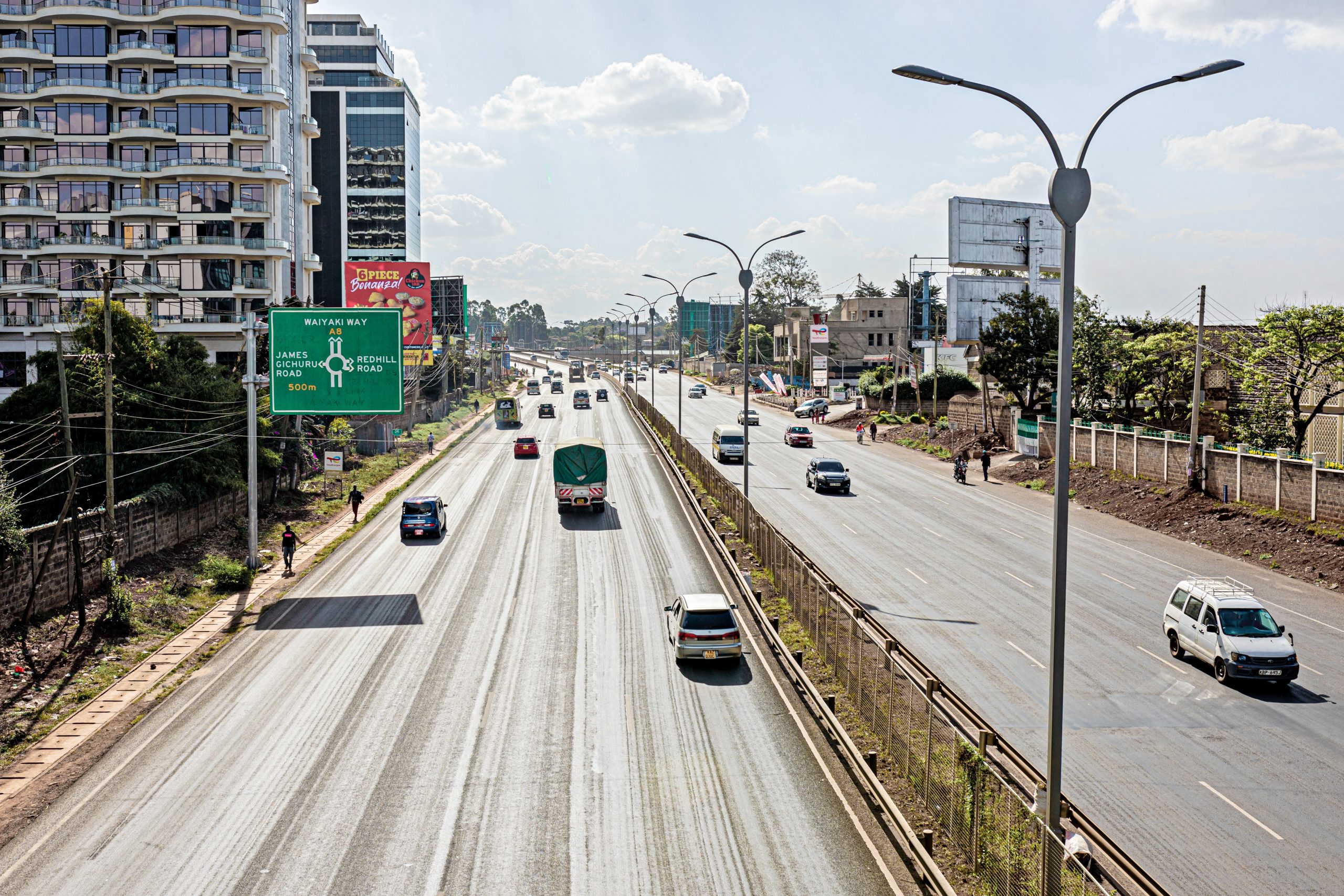
Nairobi-based photographer Natalia Jidovanu shadowed social media content moderators who are fighting back against Big Tech companies like Meta Kenyan courts. Rulings in these cases could jeopardize the outsourcing model upon which tech giants have built their global empire.

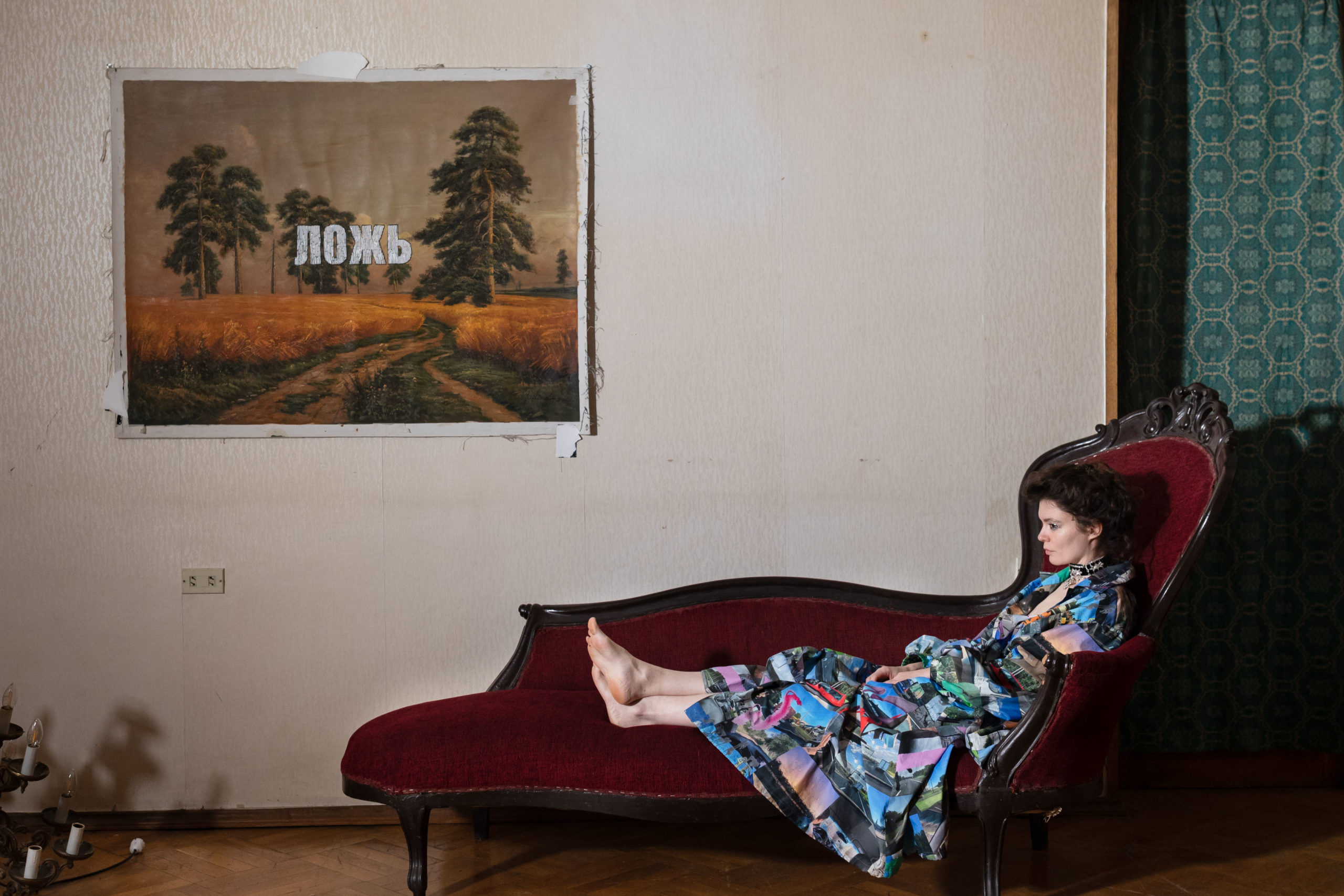
What does exile mean for artists who have fled Russia? Reporter Nadia Beard met a new generation of Russian painters, performers and musicians now working outside the country, and learned about how their work is different from previous generations of exiled Russian artists. The story features photography from Elene Shengelia in Tbilisi and Lorenzo Meloni of Magnum Photos in Paris.

Frankie Mills captured the vast, mountainous landscape of the Swedish Arctic, where Coda’s Isobel Cockerell reported on the clash of ideologies and motivations underlying Europe’s bid to transition to green energy.

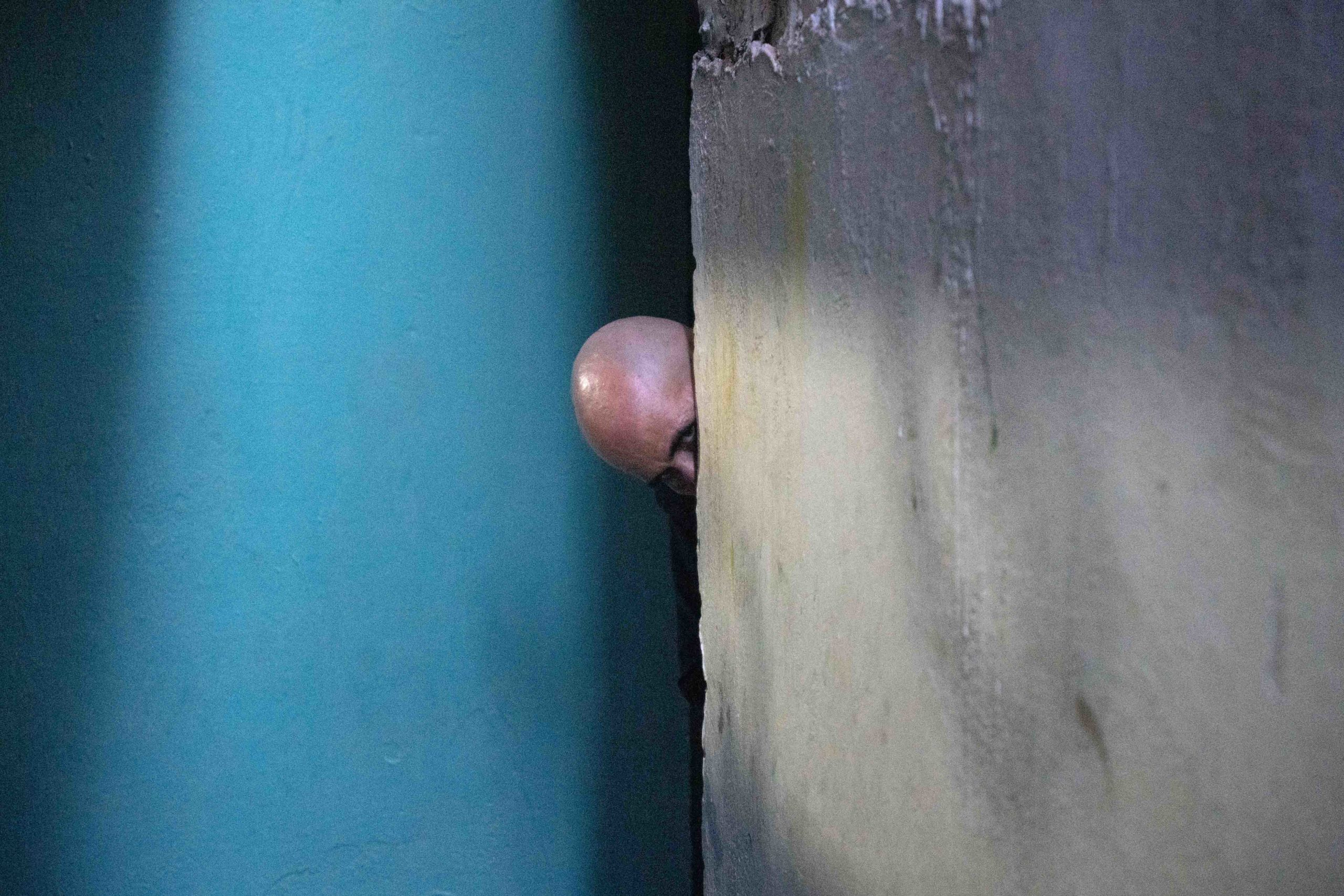
“I’ve never been to a place where I felt so constantly under observation,” said Magnum photographer Peter van Agtmael after he travelled to Medellín to investigate the city’s complex ecosystem of police and drug trade surveillance. “I watched them all watching each other, and became a part of this circle of surveillance.”

Louiza Vradi’s photos transported readers to Kukes, Albania, a city that has lost about half of its population since the fall of communism in 1991. In recent years, thousands of young people — mostly boys and men — have rolled the dice and journeyed to England, often on small boats and without proper paperwork, only to find themselves indebted to smugglers and criminal gangs. Together with Coda reporter Isobel Cockerell, Vradi examined the driving forces behind recent waves of migration from Albania to western Europe.

Magnum photographer Lindokuhle Sobekwa took readers to downtown Nairobi, where 2,000 Chinese-made Huawei surveillance cameras send real-time data to police. The cameras are there to prevent terrorism and crime, but is Nairobi’s surveillance net actually making people safer? As writer and poet Njeri Wangari found, so far the answer is no. 

What is it like to live on the front lines of a decades-old border dispute between China and India, as the two countries vie for the spotlight on the geopolitical stage? Working alongside Coda’s senior editor Shougat Dasgupta, photographer Ishan Tankha captured cultural and economic contrasts across India’s jagged Himalayan borderlands.

Russia’s invasion of Ukraine in February 2022 sparked a widespread embrace of Ukrainian culture and language. But Ukraine is home to more than one culture and language. Romanian photographer Andreea Campeanu accompanied reporter Amanda Coakley to western Ukraine where Romanian ethnic communities say their language and culture are suffering collateral damage in wartime.

Photographer Seth Berry gave us a window into the world of Hery Flores, one of an untold number of Hondurans caught up in the state’s complex surveillance web. Originally deployed as a weapon in the region’s ongoing drug war, police surveillance technology has been turned against opposition figures like Flores, all while the drug trade continues to thrive. The story by Anna-Catherine Brigida was shortlisted for the 2023 Fetisov Journalism Awards in the category of contribution to civil rights.

Rachel Woolf brought readers to southern Colorado’s historic mining heartland where the U.S. is hoping it can find the silver reserves that will be essential for the green transition. The resurgence of U.S. mining is happening in the shadows of decaying infrastructure of the past.

The 29 best photos of 2023 taken by Boston Globe photographers

The 29 best photos of 2023 taken by Boston Globe photographers

In this edition of our annual feature, The Boston Globe’s staff photographers share the untold stories behind the most unforgettable images from 2023. And what a collection it is: The team takes you from daybreak atop Mount Washington to a special train of revelers headed to the Taylor Swift concert, from moments of joy and celebration to those of loss and crisis. In a series of photographs from the Lewiston area, Globe staff chronicle a community honoring loved ones killed in the deadliest mass shooting in Maine history — and coming together to take its first, difficult steps toward trying to heal.


Erin Clark/Globe Staff

1. OCTOBER 29 / Lewiston, Maine — In the days after the October 25 mass shooting that rocked the Lewiston community, I was in overdrive. I had not taken time to process, or even stop moving — to really comprehend the magnitude of what had taken place. That Sunday, a vigil was organized at the Basilica of Saints Peter and Paul, with a projection screen set up outside for overflow. From the church steps, I watched as the crowd grew, and grew, and grew, spilling into the streets and the surrounding neighborhood. It was then that the absolute enormity of the tragedy hit me. -Erin Clark


Jessica Rinaldi/Globe Staff

2. FEBRUARY 9 / Mount Washington, New Hampshire — When I first arrived at the Mount Washington Observatory for a story about the people who work in this place of brutal winds and punishing cold, there was almost no visibility. But overnight, the skies cleared and, when I stepped outside at dawn the next morning, I could see my surroundings for the first time. It was the kind of beauty that provokes genuine awe. I felt like I was on another planet. -Jessica Rinaldi


Suzanne Kreiter/Globe Staff

3. FEBRUARY 28 / Uxbridge — I’d never seen such a contraption before — a shelter for the snow-blower operator? Makes total sense! As I’m out covering the snowstorm, I see this completely unexpected shape up ahead on the road. As a photographer, I have my own version of the rule of threes: an image holds the viewer’s eye when there are three essential elements in the composition. And here they were, offset by the pale, snowy background: the snow blower, the shelter, and the woman peering out, checking for traffic. -Suzanne Kreiter


Erin Clark/Globe Staff

4. FEBRUARY 20 / Boston — There’s just something about capturing historical figures within the present-day world that is incredibly entertaining for me. I normally like to keep other reporters as far out of my frame as possible to maintain the illusion of being a “fly on the wall,” but the juxtaposition between the journalist with her phone and the reenactor at the JFK library and museum’s Presidents’ Day Festival was just too good to pass up. -Erin Clark


Erin Clark/Globe Staff

5. MAY 19 / Somewhere on the commuter rail — I am by no means a Swiftie, but when I was offered the opportunity to ride the “Swiftie Train” to Gillette Stadium for Taylor Swift’s Eras Tour, I was all in. The train ride was oozing with excitement and glitter. I paced up and down the train aisles, constantly met with cheers and screams when passengers learned I was from The Boston Globe. I was blown away by the inclusiveness and warmth of the fans. They took me in as one of their own. -Erin Clark


Pat Greenhouse/Globe Staff

6. SEPTEMBER 25 / Boston — Driving along Old Colony Avenue, I spotted a pedestrian with an umbrella who was passing by the brightly colored Prime Storage. This singular door, framed by the color blocks, was the perfect backdrop. But the umbrella person had already passed it, so I parked across from it and waited. And waited. The rain turned into a drizzle and there were no more umbrellas. I waited some more. This gentleman, looking like a fashion icon strutting on a runway, first entered from the right. Minutes later, he returned from the left. I was trying to show rain, so I photographed others. But this pastel guy was my favorite. -Pat Greenhouse


Lane Turner/Globe Staff

7. NOVEMBER 9 / Cambridge — I was supposed to be covering a protest at MIT, but I couldn’t find it. I saw the university’s Stata Center as I was searching, and thought I’d shoot a quick picture of it that we could use for some future story. Then I noticed a puddle across the street and knew the building would look cool with a doppelgänger reflection — I just had to wait for somebody to walk into the frame. –Lane Turner


Jessica Rinaldi/Globe Staff

8. AUGUST 15 / New York — Reporter Mike Damiano and I were in New York City to cover the influx of migrants arriving there when we came upon a young couple from Ecuador trying to navigate their way through Midtown to a shelter. It was a quick encounter, over in just a moment or two, but when I see this photo I am reminded of taking in all of Manhattan on that day, noticing the sights and sounds and chaos of the place and thinking about how overwhelming that might feel as a 19-year-old mother with a 7-month-old baby to care for. -Jessica Rinaldi


Jessica Rinaldi/Globe Staff

9. NOVEMBER 13 / Woburn — Stacey and her daughter had been living in hotels for 18 months when I met them. They’d applied for emergency shelter, but were denied because they were over the state’s income limit. They were evicted from one hotel and had moved into another they couldn’t pay for. The process to apply for emergency shelter in Massachusetts is overwhelming and Stacey, who asked that her last name be withheld for privacy, had been on the phone with a nonprofit caseworker guiding her through her second attempt. As she ended the call, she had a moment of despair looking at this seemingly insurmountable stack of forms. It was an image that got to the heart of columnist Yvonne Abraham’s story: how desperate a person’s situation had to get for them to qualify for emergency shelter. And how for some, the application was so daunting that it became its own hardship. -Jessica Rinaldi


John Tlumacki/Globe Staff

10. OCTOBER 27 / Lisbon, Maine — As the sisters stood in the doorway of their home, SWAT teams were taking up sniper positions just across the street, where there had been a report of a gunshot fired. A mile away was the boat launch where Robert Card had abandoned his car after he shot and killed 18 people. Lisbon, Auburn, and Lewiston were put on lockdown as the manhunt continued. Stephanie Desrosier [left] told me that she and her sisters had been sleeping on the floor of their living room and did not go to school. I understood how they felt: Each time I chased the numerous reported sightings of the shooter, I felt vulnerable, exposed, and scared. -John Tlumacki


Craig F. Walker/Globe Staff

11. NOVEMBER 30 / Portland, Maine — As Globe photographers, we get to meet amazing people. Unfortunately, it’s sometimes through tragedy. Such is the case with the Robinson family. John and Jen are navigating autism with their son, Colin, who struggles with speech but finds focus and joy in bowling. Here, Colin practices with his dad at Bayside Bowl in Portland. On October 25, Jen took Colin to his practice at Just-in-Time Recreation in Lewiston. It became one of the sites of the state’s deadliest mass shooting, which claimed 18 lives at the bowling alley and at Schemengees. Jen and Colin managed to hide, but among those killed was Colin’s “Coach Bob.” His parents wonder if he understands. -Craig F. Walker


Erin Clark/Globe Staff

12. NOVEMBER 23 / Lewiston, Maine — I met Keith Tremblay and his 7-year-old daughter, Adaline, on Thanksgiving afternoon. He’d just finished making a pie to take to his family’s dinner. On the couch, Keith talked about being at Schemengees when a shooter opened fire, killing some of his friends and critically injuring others. When he brought up his mental health, Adaline entwined herself in his arms, looking up to reassure her dad that she’s there, that she loves him. I was so moved by their bond. And I was struck by the unfairness of how tragedy pushes children to grow up too fast. –Erin Clark


Erin Clark/Globe Staff

13. NOVEMBER 28 / Auburn, Maine — I am constantly humbled by the kindness and vulnerability people demonstrate when they allow me to see into their life, as Bethany Welch did. In the weeks following the killing of her stepfather, Joseph Walker, who was manager of Schemengees Bar & Grille, Bethany emphasized the importance of allowing his legacy to live on. When people look at this image of Bethany sitting in her parents’ bedroom, I hope they see the photo of Joe displayed on the wall and understand the impact he continues to have on his family’s lives. -Erin Clark


Erin Clark/Globe Staff

14. DECEMBER 14 / Storrs, Connecticut — Bethany Welch holds a framed photo of her stepfather, Joseph Walker, while waiting to receive her nursing degree at the University of Connecticut. The photo she holds was taken before a high school dance and shows Walker wearing a shirt that coordinated with her dress. Walker was killed in the mass shootings in Lewiston, Maine. Welch plans to become a trauma nurse. -Erin Clark


Danielle Parhizkaran/Globe Staff

15. DECEMBER 9 / Foxborough — I honestly got lost as I was trying to navigate from the top of Gillette Stadium to the photo room at field level. As I looked for a path down one of the ramps, I could see the sea of Army cadets walking toward their seats so I ran down a few levels. I had been searching for nice light on a gray day and was excited to find some pockets on the concourse ramps. I like that this scene feels so quiet and removed from the noise and chaos of the Army-Navy football game. -Danielle Parhizkaran


Erin Clark/Globe Staff

16. MARCH 18 / Lowell — I am not a sports photographer — mostly because I don’t typically know what’s going on within the game — but I live for moments that happen on the sidelines. While attending the MIAA Division 3 boys’ basketball championship at Tsongas Center, I knew it was going to end with a scene of jubilation from the winning team, Archbishop Williams High School. When the game was in the final minute, I stationed myself between the court and the winning school’s student section because I knew the team would rush to their peers to celebrate. What I didn’t anticipate was the clearance player Julian Sustache would get when leaping over the chairs. -Erin Clark


Barry Chin/Globe Staff

17. NOVEMBER 5 / Foxborough — The New England Patriots have had trouble scoring this season, so I was happy to get a photograph of tight end Hunter Henry catching a second-quarter touchdown pass against the Washington Commanders at Gillette Stadium. The fact that he made such an acrobatic catch was the icing on the cake. –Barry Chin


Barry Chin/Globe Staff

18. MAY 16 / Boston — I was photographing the Boston City League track and field championships at White Stadium. I had just finished shooting the boys’ long jump when I heard the announcement that the girls’ 100-meter hurdles final was about to start. As I was hurriedly crossing the infield, the starter’s gun went off before I could get in position. When photographing sports, you have to be prepared for anything. I stopped, raised my longest lens, framed, focused, and shot. The runners were in a tight pack before Sophia Barros [far left] of Boston Latin Academy took the lead for good. The moment was over in seconds, but I had my photo. -Barry Chin


Matthew J. Lee/Globe Staff

19. FEBRUARY 7 / Weston — It was a cold day at the Weston Ski Track, where I was covering the Mass Bay West league’s final Nordic ski meet of the season. The exhausted eventual winner in the women’s competition, Emily Appleby of Lincoln-Sudbury, came in first by a large margin. You could tell she’d given it her all. As a sports photographer, you’re always looking for peak action, but the best photos often come from the athletes’ own reactions. -Matthew J. Lee


Stan Grossfeld/Globe Staff

20. DECEMBER 19, 2022 / Green Bay, Wisconsin — Jeff Kahlow, a.k.a. “Frozen Tundra Man,” cheers on the Packers at Lambeau Field. The photo was taken as part of a project published in July called “The Seven Wonders of the Sports World,” which includes the Packers’ home field, as well as Fenway Park and Churchill Downs. -Stan Grossfeld


Jessica Rinaldi/Globe Staff

21. MAY 25 / Lowell — Wildlife biologist David Paulson holds up a pool noodle to keep a mother peregrine falcon at bay while Chalis Bird, a MassWildlife biologist, retrieves two chicks from a nest on top of the Fox Hall dorm at the University of Massachusetts Lowell. The peregrine falcon chicks were getting a health assessment and being fitted with ID bands so they can be tracked after leaving the nest. -Jessica Rinaldi


Lane Turner/Globe Staff

22. OCTOBER 17 / North Adams — This photo of a small stream burbling over the Bernard Farm Trail at the Mount Greylock State Reservation, carrying a fallen maple leaf with it, was taken for a fall foliage package. -Lane Turner


Jessica Rinaldi/Globe Staff

23. JANUARY 22 / Worcester — For Timket, the holiday also known as Ethiopian Epiphany, members of the Ethiopian Orthodox Tewahedo Church in Worcester gather to pray through the night before they process to the basement of their church. There, everyone converges around a small inflated pool. A priest sprays the faithful with holy water as a way of renewing their baptismal vows. It was such a joyful scene, with peals of laughter from everyone as they got soaked with water — myself included. –Jessica Rinaldi


Stan Grossfeld/Globe Staff

24. SEPTEMBER 13 / Boston — This was taken at a luncheon at the State House to honor 11 centenarians. It made me happy that these 100-year-olds still live with their families and are not forgotten in nursing homes. Although they were all given standing ovations and medallions and flowers, I was more interested in the love offered to Fung Ying Chin by her family before her big moment. Born in Dongguan, China, she has six grandchildren and six great-grandchildren. Her loved ones wanted to make sure her tiara was attached perfectly before she accepted her award. -Stan Grossfeld


David L. Ryan/Globe Staff

25. AUGUST 16 / Graves Ledge, Boston Harbor — Reporter Emily Sweeney and I were invited to watch the installation of a refurbished Fresnel lens for Graves Light, a historic lighthouse on an island in Boston Harbor. The two men who had purchased the structure were walking past the lens while it was being finished. A camera was positioned inside the lens, but more interesting to me was the approach to the lighthouse top, which requires a climb up a ladder attached to the side. An interesting climb, but not for those afraid of heights. What caught my eye was the moment they happened to walk past the circular parts of the glass lens. Click. -David L. Ryan


Pat Greenhouse/Globe Staff

26. NOVEMBER 22 / Boston — Members of the Boston Arts Academy’s Spirituals Ensemble, with music director Michael W. Bradley, enter the atrium of the John F. Kennedy Presidential Library and Museum for a ceremony marking the 60th anniversary of the assassination of President Kennedy. -Pat Greenhouse


Jonathan Wiggs/Globe Staff

27. APRIL 18 / Boston — The daughter of Desmond Joseph read a victim impact statement in Suffolk Superior Court during the sentencing of the man convicted of killing her father in 2015. What stood out the most to me when taking this photograph was just how young she was, and how much courage this child had to speak in open court while sitting on her mother’s lap. It’s not something I’d ever seen in covering trials. -Jonathan Wiggs


Jessica Rinaldi/Globe Staff

28. JULY 12 / Johnson, Vermont — I was covering the catastrophic flooding in Vermont, documenting as people whose homes had been inundated with water were cleaning up from the storm. The entire first floor of Jessica Anthony’s apartment had flooded and she and a friend were getting rid of everything that couldn’t be salvaged, tossing items out the window that were beyond redemption. It occurred to me that showing a single hand tossing away a couch cushion might be a way to represent all of the many Vermonters across the state who were in the same situation. -Jessica Rinaldi


Erin Clark/Globe Staff

29. November 20 / Boston — To illustrate the Globe’s investigation into the Carol Stuart shooting in 1989, I photographed a projection of a photo of Charles Stuart’s body being pulled from the water after State Police divers found him below the Tobin Bridge on Jan. 4, 1990. Stuart jumped off the bridge hours after his brother told Boston Police that Stuart had planned and executed the robbery and shooting of his pregnant wife, shot himself to cover it up, and blamed a Black man for the crime. -Erin Clark

Send comments to magazine@globe.com.

Cause of Chopper Crash That Killed Philadelphia News Veteran Pilot, Photographer Is Under Investigation

Cause of Chopper Crash That Killed Philadelphia News Veteran Pilot, Photographer Is Under Investigation

A Philadelphia TV station says the deaths of its helicopter pilot and photographer are “devastating.”

WPVI-TV reports the pilot was 67-year-old Monroe Smith of Glenside, Pa. and the photographer was 45-year-old Christopher Dougherty of Oreland, Pa.

They died Tuesday night when their helicopter went down around 8 p.m. in a remote area of Wharton State Forest in New Jersey’s Pine Barrens.

The pair had been working with the TV station for years. The station said they “loved what they did.”

Dougherty is survived by his wife and two daughters. Smith was a retired Army pilot with a young grandchild.

“Our hearts are just broken for these men. They’re broken for their families,” reporter Katherine Scott said on air. “We just can’t believe this has happened.”

Pete Kane, who is a retired news photographer knew Smith since high school and they had previously worked together.

“We had the same goals,” Kane told the station. “That was to do the job the best we could do it. And I think we both did that. He did it till the end.”

Reporter Maggie Kent said, “They are described as the best guys that you would want to know, on the job for decades. They are highly skilled in what they do. They loved their craft.”

The chopper was leased by U.S. Helicopters Inc. based in North Carolina.

The company released a statement calling the men “cherished” employees: “We deeply sympathize with their families and share in their grief as a result of this tragic event.”

The National Transportation Safety Board will lead an investigation into the crash.

The crash is the second deadly incident involving a TV news helicopter in a month.

In November, a pilot and a meteorologist who worked for a North Carolina television station died when a news helicopter crashed along a Charlotte-area interstate, the Associated Press reported.

In that incident, police praised the pilot for avoiding crashing into the road as the chopper went down.

In July 2007, two news helicopters collided over Phoenix. Both pilots and two photographers were killed in that crash.

Found Polaroids Reveal a History of Oklahoma’s Indigenous Art Scene

Found Polaroids Reveal a History of Oklahoma’s Indigenous Art Scene

Oh my god, oh my god, oh my god,” said Leslie Halfmoon as she moved her flashlight across a series of dusty Polaroids. She and several other citizens of the Caddo Nation were rummaging through an abandoned portion of McKee’s Indian Store, in Anadarko, Oklahoma, shortly after their tribe acquired it in March 2023. The electricity had been turned off long ago. Halfmoon and the others were surrounded by piles of old boxes, broken furniture, and vintage electronics. Yet Halfmoon knew at once what they had found. She was gazing upon the illuminated faces of six of the founding figures of Oklahoma Indian art: Comanche painters Rance Hood, Doc Tate Nevaquaya, and George “Woogie” Watchetaker; Kiowa-Comanche painter Blackbear Bosin; Kiowa painter Stephen Mopope; and Cheyenne painter Archie Blackowl. Taken in the late 1960s or early ’70s, the Polaroids capture the artists during the prime of their careers, in vigorous health, between the ages of 30 and 50. One exception: Hood looks like a teenager.

McKee’s was established in 1962, and attached to it was the Susan Peters Gallery, once a celebrated center for Indian art and Indian art supplies. Halfmoon serves as the marketing and media director for the Caddo Nation of Oklahoma, and she and the others had been eager to explore the defunct space. In addition to the photos, they found several paintings by Blackowl as well as prints by T.C. Cannon, a Kiowa-Caddo artist. Halfmoon recalls being surprised by the rugged good looks of the painters in the photos: “I was like, Doc Tate! Hubba-hubba!”

This article appears in Issue 26 of Alta Journal.
SUBSCRIBE

The Caddo Nation, a tribe of approximately 7,000 enrolled citizens, intends to do something novel with McKee’s. Instead of investing in a casino, as many other tribes in Oklahoma have done, they’ve already reopened the gallery and plan to resurrect the building as a destination for Indigenous art and culture. “We have a couple of gas stations; this store is the biggest [investment]; this is what’s important to us,” Halfmoon says.

mckees indian store, downtown anadarko, oklahoma

McKee’s Indian Store in Anadarko, Oklahoma.

Joseph Rushmore

BRUSHWORK AND PAINT

I remember going to McKee’s with my dad, Comanche artist Hollis Asenap. Actually, I barely remember going there—it had to be the early ’80s, and I would have been a very young boy.

“There was a championship [powwow] war-dance buckle, and I really wanted it, but I didn’t have no money,” my dad tells me, chuckling over his fond memories of the store. “Just amazing stuff there that you wouldn’t find anywhere else.”

I remember that the store glowed orange with fluorescent light and was filled from top to bottom with Indian art and crafts: paintings hung on the walls; beadwork and jewelry were stored in glass cases. Old Indian stores like this were, and still are, some of my father’s favorite places to visit.

“I would have bought the place out had I had the money,” he tells me over the telephone. I’m in Albuquerque, New Mexico, and I can practically hear him smiling on the other end from Anadarko, where he heads up the Kiowa Tribe’s new business, Indian City Screen Printing. He’s training a new generation of Kiowas in the art of screen printing and design.

My dad looks at the images I texted him of the Polaroids of his old friends, and he chuckles again. He came to know these artists later, after the photos were taken. “I started seeing them more and more and became friends with them,” he says. Hood and Nevaquaya could be spotted in Anadarko selling work and hanging out at the local bar. “Dad used to drink with Rance.” Hood isn’t that much older than my dad, so it’s hard to visualize him as a young man drinking beer with my grandpa at the bar. “Rance was crazy and wild and liked to fight. Doc wasn’t like that—he was older,” my dad says. I wonder whether my grandfather helped keep Hood out of trouble but then remember that my grandfather was pretty wild himself. He probably got along well with Hood.

leslie halfmoon, director of media and marketing for the caddo nation, susan peters gallery, mckees indian store, anadarko, oklahoma, 2023

Leslie Halfmoon of the Caddo Nation.

Joseph Rushmore

It was hard to sell Indian art in Oklahoma in the ’70s and ’80s. My dad remembers these outsider Indian artists with little to no training but with lots of raw talent, practicing their craft: “There was no help. They were just on their own. Doc used to use his drugstore tempera, and Rance would just use anything—whatever they could find to paint with. And brushes, they had really bad brushes. Their paints were not very good. They was just self-taught; nobody told them about how to use good brushes and ink and stuff.”

My dad had studied art at Oklahoma State Tech in Okmulgee and had learned the importance of having the proper tools: “The best paint was Winsor & Newton, and it was made to dry flat, which was perfect for Indian art. And the brushes, they made the best brushes in the world.”

Dad tried his best to introduce the idea of better supplies to his fellow Comanche painters, but to no avail. “It was just foreign to them,” he says. “They didn’t know what I was talking about. If they could just use better paint and better brushes, you know that would really improve their work.”

After many attempts to try to wean these artists off their cheap materials, my dad took matters into his own hands: “I gave up. I said, I’m just going to have to buy them a set. And I did. I bought all of them a set [of Winsor & Newton paints] and brushes, too, to show them this is what you should be using.” In particular, he purchased materials for Hood, Nevaquaya, and Watchetaker. It was just the thing they needed to advance their work. “The paintings that came out of that process is some of the best work that Woogie did. He made prints of eagle dancers, and Rance’s work just took off, and Doc’s too. Doc started selling his work for $1,000,” a large sum at that time for Indian art in Oklahoma.

department of interior, detail from a mural of a ceremonial shield, stephen mopope, kiowa,1939

Detail from a mural of a ceremonial shield, by Stephen Mopope (Kiowa, 1898–1974).

Library of Congress
archie blackowl, indigenous artist, painting, buffalo hunt, cheyenne

Detail from “Buffalo Hunt,” by Archie Blackowl (Cheyenne, 1911–1992).

Pierson Gallery
george woogie watchetaker, comanche, cry to the great spirit

Detail from “Cry to the Great Spirit,” by George “Woogie” Watchetaker (Comanche, 1916–1993).

Pierson Gallery

DESTINATION FOR ART

“A place like Anadarko in the 1960s and 1970s became one of the larger markets for Native art. Oklahoma has always been the second-largest market for Native art, second only behind Santa Fe, and McKee’s is one of those North Stars in that constellation,” says Scott W. Hale of SouthWest Art Appraisals, who has been working with Native art for more than 25 years in Santa Fe and Oklahoma City. Hale is the one who sent me—via text—my first glimpse of the artists’ Polaroids. He wrote that I bore an eerie resemblance to Bosin (it’s probably the glasses).

“The portraits represent a snapshot of a particular place in a particular time of these noteworthy individuals,” says Hale. “Today, we are seeing a resurgence of the historic Native painting market, and the values on these artists’ works are really starting to climb. I can remember when you couldn’t get $5,000 for an Archie Blackowl, and I’ve now seen them sell for $15,000. A really great Doc Tate today will cost you five figures.” Watchetaker, in addition to painting, performed dances and cultural presentations and as a result did not paint as much. Because he was not as prolific as Nevaquaya, his paintings actually sell for more, no less than $25,000, according to Hale.

Hood’s work became heavily influenced by the Native American Church and the visions that came from it, peyote visions. “Doc’s style and Woogie’s style definitely comes out of the Bacone [College] and OU [University of Oklahoma] and Santa Fe Indian School Studio tradition. Rance’s really began to incorporate much more,” Hale says, “but it becomes much more designy.” Hale sees graphic design and 1960s psychedelic poster art as being hugely influential on Hood during his peak years. “That renaissance in terms of Southern Plains Indian painting in the 1960s and ’70s is directly correlated to the rise of Native American Church.”

Looking back, there was a connection between the prevalent psychedelia of the period and Native art that incorporated peyote accoutrement, it being a substance that hippies sought out. “There’s just this great big cultural stew,” Hale explains. “What’s a stew? You take all these different types of meat and vegetables and spices and mix them all together and make something really tasty. In a lot of ways, that was Anadarko in the 1970s, and McKee’s was the prismatic reflection of that.”

hollis asenap, indian city screen printing shop, anadarko, okla, 2023

The author’s father, Comanche artist Hollis Asenap, at the Indian City Screen Printing shop in Anadarko, Oklahoma.

Joseph Rushmore

END OF A GENERATION

“McKee’s was something special in Anadarko,” my father says. “I thought that would be a neat place to live, with Indians and Kiowas, and be right there in the middle of it.”

My dad got his wish: at the age of 75, he now spends his weekdays in Anadarko, living in an RV beside the screen print shop he runs, returning home on weekends to my mom in Grand Prairie, Texas. He draws inspiration from the town and its famous store: “Right now, people just walk into [McKee’s] with beadwork, amazing work.” My father was talented enough to sell one of his own paintings to McKee’s, but he wasn’t the one to sell it. His sister sold it for burial funds after their mother died; the Comanche tribe eventually bought it for the Comanche Museum and Cultural Center in Lawton, Oklahoma.

“I had some Rance Hoods and Docs, and I sold them,” my dad says. “I needed the money, so I’d buy it and resell it. I wish I had the paintings back. Before Rance had his stroke, he gave me one of his paintings of a hand game that’s in his book.” He reflects that maybe Hood knew he was in his last days of painting. Dad tried to pick him up for a last adventure a few years back, but Hood couldn’t go. “I’d call him, and he would say, ‘I can’t, I can’t just get up and go.’ ” Hood is now in his 80s and lives in a nursing home in Snyder, Oklahoma.

My dad is one of the last of his generation of Comanche painters to keep producing work. He still paints and continues to look out for great Indian art from Anadarko to add to his collection. He can afford to keep it now. “I just met a guy who does feather work with real eagle feathers.… I saw a woman today—she’s kinda homeless, living with her daughter. She does great bolo ties, beautiful work,” he says. I hope he buys one of her ties.•

Headshot of Jason Asenap

Jason Asenap is a Comanche and Muscogee Creek writer, critic, and filmmaker based in Albuquerque, New Mexico.