Tech meets the elements at Ice Sculpture Philly, an org making cool art for local events
By Admin in Photography
Almost 30 years ago, in 1995, Spike Jonze met Björk for the first time at the Chateau Marmont in Los Angeles, where the musician was staying in preparation to shoot their iconic “It’s Oh So Quiet” music video. Their connection, the filmmaker says, was “instantly natural”, and in their first few hours together he would go on to shoot thousands of photos of her for the now-defunct Detour magazine. Only a few of these images ever saw the light of day, however, until now.
Humberto Leon – the founder of Opening Ceremony, turned restaurateur – met Jonze at a Christmas party in 2008, and the pair quickly became close friends and collaborators, working on joint clothing collections, a play, a musical, and various other projects. More recently, Leon was helping Jonze to organise his archive when he stumbled on the outtakes from the historic Björk photoshoot. “I felt like I just got tickets to the most incredible cultural museum,” he tells Dazed.
Now, Leon is helping to bring a broader selection of the photos – more than 25 of them – into the public eye, via an exhibition at his recently-opened restaurant and gallery space in Los Angeles, Arroz & Fun. Accompanied by a commemorative printed and digital zine (downloadable now via WeTransfer) The Day I Met Björk gives an insight into an iconic part of the Björk canon, with a conversation between Jonze and Leon offering an even deeper dive into the story behind the shoot.
The images themselves are the real star of the show, of course, with the “otherworldly” soon-to-be-superstar shown sipping her morning coffee, jumping on the bed, bundled in blankets, and floating (fully clothed) in the hotel pool. Take a look at some of the highlights in the gallery above, and read Dazed’s conversation about the exhibition with Humberto Leon below.

In the zine, you talk about growing up in the 90s – what did Björk and Spike Jonze’s work mean to you then?
Humberto Leon: This was pre-internet, pre-cellphone, pre-iTunes. You found your culture through music, and music videos had a profound impact on everything. I knew Björk’s work from the Sugarcubes, but when her Debut album released it was refreshing and amazing. She was a fashion icon and everything she did and wore was mind-blowing to the 18-year-old me. Spike had done the Beastie Boys and I was instantly a fan. Everything Spike did was epically mind-blowing, simple, heartfelt… and above all it was always storytelling that I was amazed by!
How has your perspective on Spike’s work changed since becoming friends and collaborators?
Humberto Leon: Spike is forever evolving as an artist and has no fear entering any realm. It’s been both inspiring and humbling to call him a friend and collaborator. He constantly inspires me and we have a lot of fun working together. All the work that we have done together really comes down to two friends whose conversations come to life.
And has the way you feel about Björk’s work changed in the last 30 years?
Humberto Leon: Björk is one of the most important artists of our generation. She is unique and has a sensibility that continues to empower and grow as she evolves.

Can you recall the moment you first stumbled on the images in Spike’s archive? How did that feel?
Humberto Leon: I felt like I just got tickets to the most incredible cultural museum. I asked to see his archives because I wanted to do a collection based on his photos. He showed me his storage and I wanted to dive in and help organise. I discovered the past through his incredible lens and it was truly, truly incredible.
Do you have a favourite image from the archives?
Humberto Leon: There are so many eras that it’s hard to choose a favourite. From BMX, skate, and music videos, [to] movies, photoshoots and commercial work, they all have the same sense of storytelling. My favourite photos are some that Spike’s mum shot of him when he was a kid.
“I loved that [the shoot] was the first day they met, knowing that they are such good friends now. Through the photos you just see the amount of trust Björk had with Spike right away” – Humberto Leon
In the zine you talk to Spike about how the photoshoot came together – what detail stuck with you most?
Humberto Leon: I loved that [the shoot] was the first day they met, knowing that they are such good friends now. There are so many rolls of film from this day and through the photos you just see the amount of trust Björk had with Spike right away. It’s very endearing.
What makes Arroz & Fun the right place to finally unveil these unseen photographs?
Humberto Leon: Arroz & Fun is a café concept by me and my family, and I want it to be a place where people can enjoy great food but also a place where they can discover culture. This debut exhibition will open up the space as a place to view fun things that might not be seen otherwise. More to come…
The Day I Met Björk runs at Arroz & Fun from February 15. The accompanying zine is now available to download via WeTransfer, here.
By Admin in Photography
Las Vegas Photographer uses classical lighting, capturing subjects with sophistication using chiaroscuro and Rembrandt techniques.
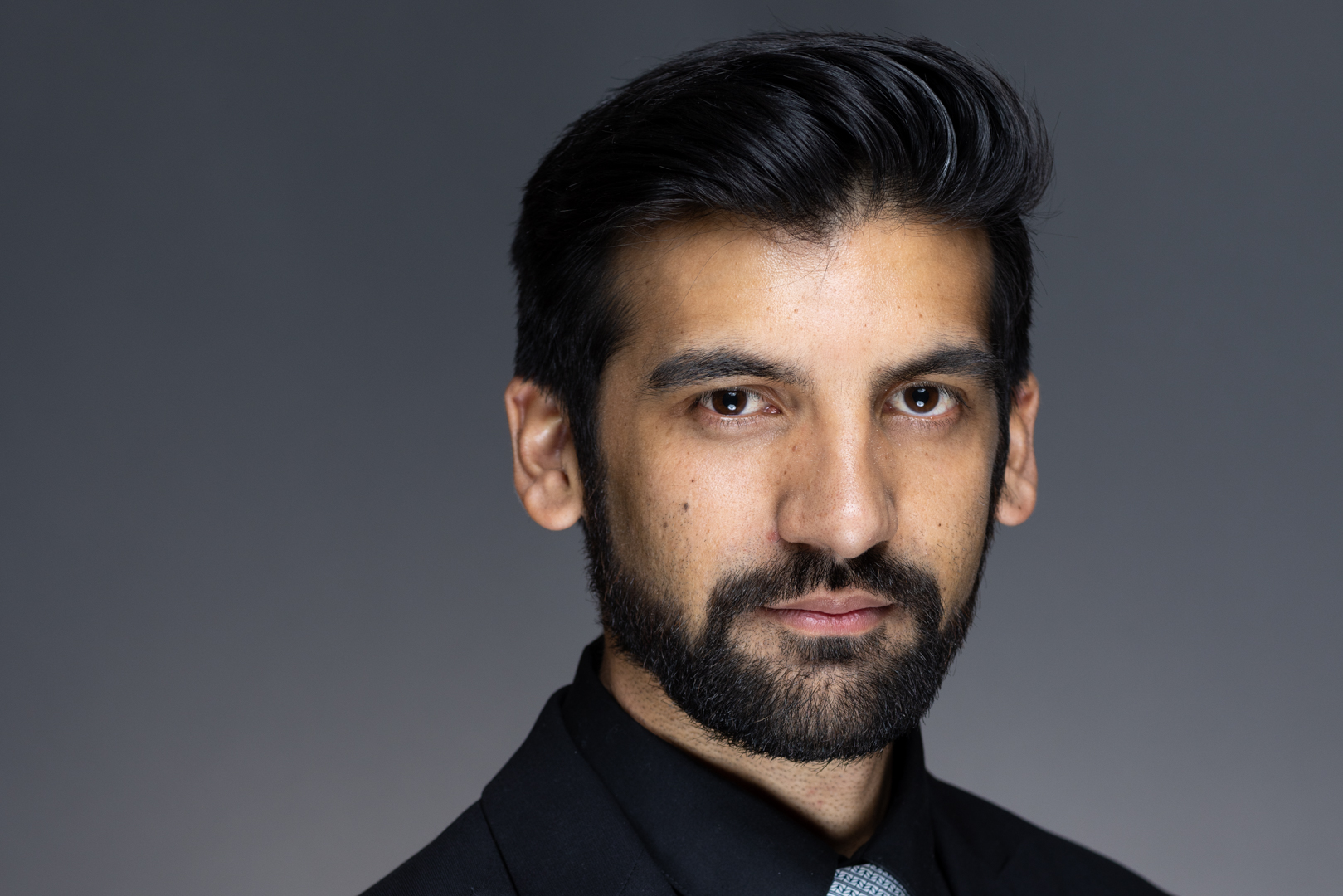
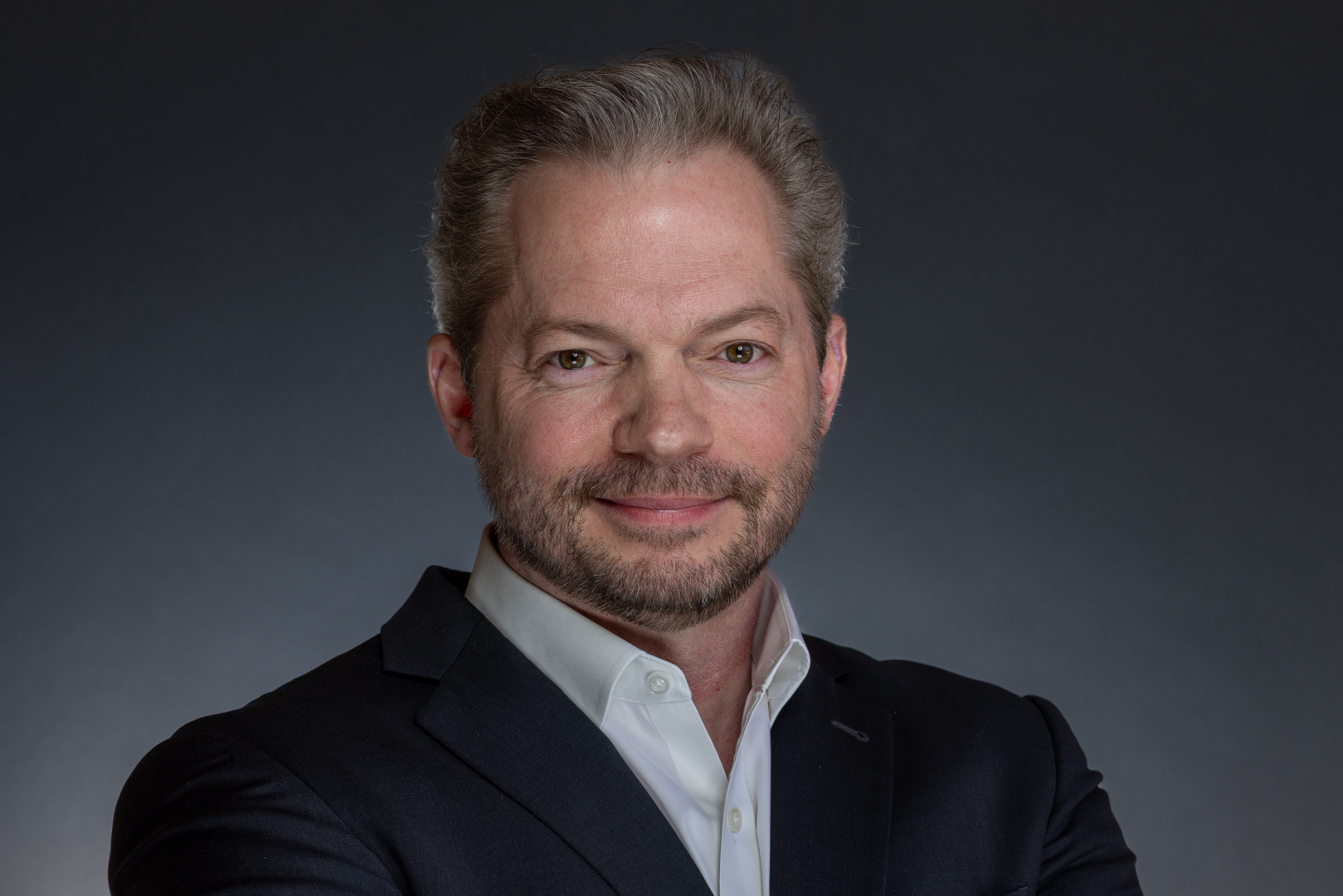
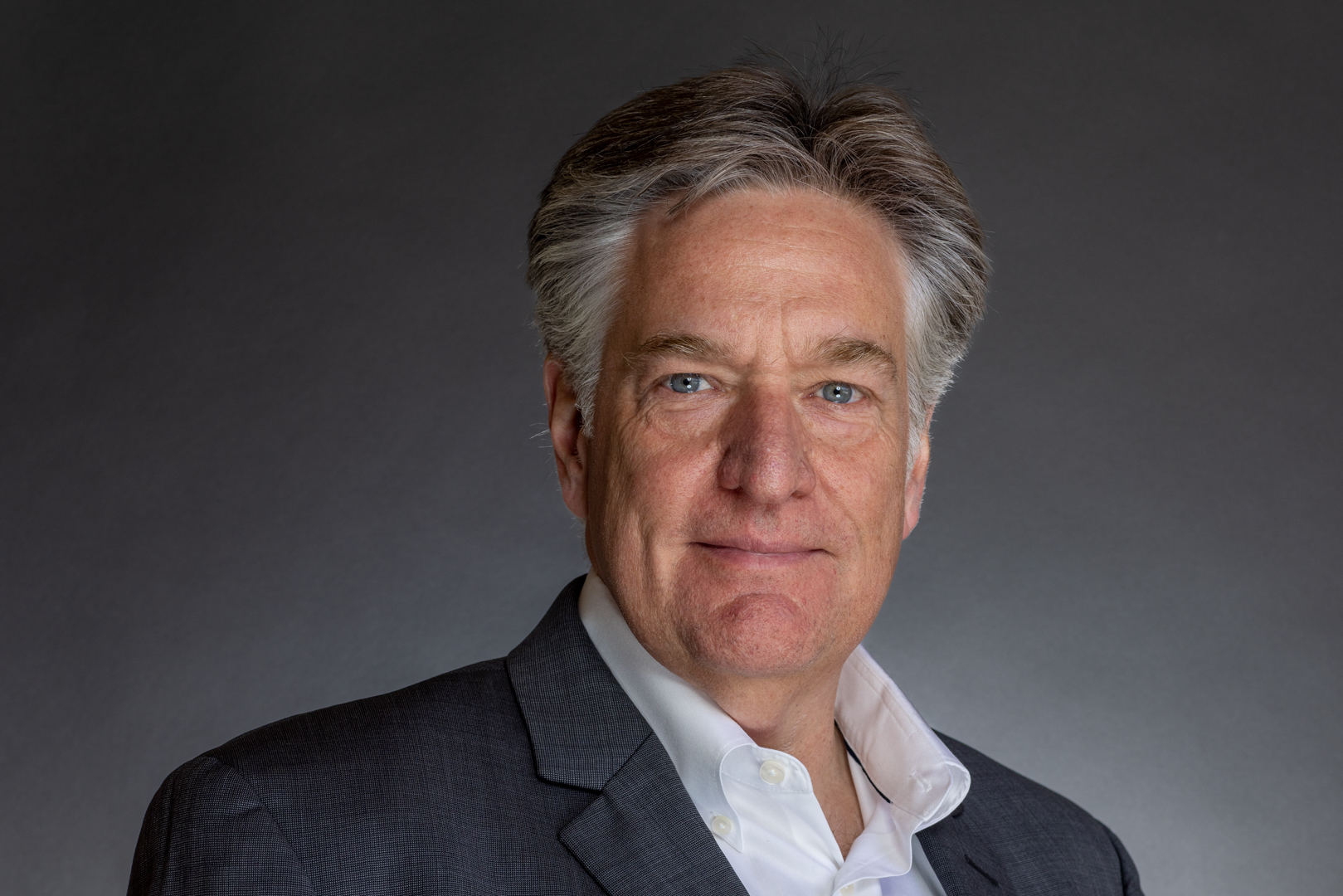
LAS VEGAS, NV, UNITED STATES, February 15, 2024 /EINPresswire.com/ — Christian Purdie Photography, a leading name in the world of professional headshot photography, is proud to announce a new approach to their craft. Elevating the art of personal, actor, and corporate headshot photography, Christian Purdie Photography is now incorporating lighting techniques inspired by classical paintings, bringing a timeless and sophisticated quality to their headshot sessions. Seamlessly weaving the timeless lighting styles of painting masters into their contemporary approach. Specializing as a headshot photographer, Christian Purdie, and his team skillfully apply techniques inspired by artistic luminaries like Rembrandt and Caravaggio to elevate their work to an unparalleled level of artistry. Through the adept use of chiaroscuro and Rembrandt lighting, they craft headshots that not only capture the essence of their subjects but also add a touch of classic sophistication to the modern corporate image.
As a prominent corporate headshot photographer in Las Vegas, Christian Purdie Photography understands the significance of merging classical aesthetics with the demands of the business world. The incorporation of painting master’s lighting styles allows them to create headshots that transcend the ordinary, presenting professionals in a unique and compelling light. In a city known for its dynamic energy and diversity, Christian Purdie Photography’s ability to harmonize the age-old techniques of the masters with the contemporary needs of corporate clients establishes them as a go-to source for individuals and businesses seeking headshots that exude both timeless elegance and modern professionalism in the vibrant backdrop of Las Vegas.
In an industry where innovation has stagnated and everything is starting to look the same, Christian Purdie Photography stands out by drawing inspiration from the masterpieces of classical art. By carefully studying the lighting techniques used by renowned painters throughout history, Christian Purdie has developed a unique approach that infuses his headshots with a sense of artistic flair and classical elegance.
“I’ve always been fascinated by the interplay of light and shadow in classical paintings. It adds depth and richness to the truly captivating subjects. I wanted to bring that same level of artistry to modern headshot photography,” says Christian Purdie, the visionary behind this innovative approach. With a commitment to delivering headshots that not only capture the essence of the individual but also reflect a timeless aesthetic, Christian Purdie Photography has invested in state-of-the-art lighting equipment and a meticulous understanding of the nuances of classical lighting. This dedication ensures that every client receives a headshot that goes beyond the ordinary, creating a lasting impression in the professional realm.
The classical lighting techniques employed by Christian Purdie Photography working as a Las Vegas headshot photographer bring out the best in every subject, highlighting their features with a natural and flattering glow. This attention to detail sets Christian Purdie Photography apart, making them the go-to choice for professionals seeking headshots that stand out in a competitive market.
In addition to the classical lighting approach, Christian Purdie Photography offers a range of customizable packages, ensuring that clients receive a tailored experience that meets their specific needs and goals. Christian Purdie Photography remains dedicated to delivering exceptional results, Whether for corporate profiles, acting portfolios, or personal branding.
For more information about Christian Purdie Photography and their innovative approach to headshot photography, please visit www.christianpurdie.com.
About Christian Purdie Photography:
Christian Purdie Photography is a leading Las Vegas-based photography studio specializing in headshots, portraits, and corporate photography. With a commitment to delivering high-quality, professional images, Christian Purdie Photography combines technical expertise with artistic vision to create stunning visuals that leave a lasting impression. Christian Purdie Photography serves a diverse clientele, including professionals, actors, models, and individuals looking to enhance their personal and professional image.
Christian Purdie
Christian Purdie Photography
+1 702-530-4384
email us here
Visit us on social media:
Facebook
Twitter
LinkedIn
Instagram
YouTube
TikTok
What does it take to be a headshot photographer?
[embedded content]
![]()
You just read:
News Provided By
February 15, 2024, 13:00 GMT
Share This Article
EIN Presswire’s priority is source transparency. We do not allow opaque clients, and our editors try to be careful about weeding out false and misleading content.
As a user, if you see something we have missed, please do bring it to our attention. Your help is welcome. EIN Presswire, Everyone’s Internet News Presswire™,
tries to define some of the boundaries that are reasonable in today’s world. Please see our
Editorial Guidelines
for more information.
On the third floor of the historic Turnblad Mansion, a part of the American Swedish Institute, screenprinted archival photos of Sámi people, who are indigenous to the northernmost parts of Sweden, Finland, Norway and Russia, hang from the ceiling and drawings of a herd of reindeer grace the walls.
“Mygration” portrays the eight seasons of the Sápmi, including the Sámi concept of time and the life of the reindeer, and photos of Sámi immigrants to Alaska around 1900 during a government-sponsored emigration of Sámi and reindeer from Nordic countries to Canada and Alaska. Sámi were offered a chance to teach reindeer husbandry to Inuit people. This installation, which also exists at All My Relations Gallery, emphasizes the ways that migration is an individual and group experience with an emphasis on the “my” aspect.
“When you walk around the installation, you move and the exhibition moves with you, so you are part of a movement that creates time, but also creates the history — the past, present and future,” said Swedish artist Stina Folkebrant, who worked on this with Sámi artist Tomas Colbengtson. “How can we handle these three stages? Because we’re here now, but we’re going to be carrying the history with us.”
“Mygration” is a part of the joint exhibitions “Arctic Highways: Unbounded Indigenous People,” with work by 12 Indigenous artists from Sámi territories, and the group exhibition “Okizi (To Heal)” at All My Relations Gallery, where artists collectively explore the healing impacts of cultural revitalization.
At the University of Minnesota’s Nash Gallery, the opening of “Dreaming Our Futures: Ojibwe and Očhéthi Šakówiŋ Artists and Knowledge Keepers” features 29 midcentury and contemporary Native painters, primarily Dakota and Ojibwe, and others who have ties to the region. Simultaneously, that show marks the opening of the George Morrison Center for Indigenous Arts, an interdepartmental study center named after the Grand Portage Ojibwe artist and U faculty member, who was a pivotal player in the abstract expressionism movement.
The sharing and collaboration of the shows at ASI and All My Relations is meant to show the similarities that Indigenous people from different parts of the world share and the ways that colonialism has affected culture.
“It is a true partnership across institutions, which is a very Indigenous way of being in relationship with one another, which is a different way of doing things for museums, and it’s the way museums should operate,” Minnesota Museum of American Art Executive Director Kate Beane said.
Colbengtson, who is Sámi, noted how much Indigenous visibility has increased during the past 10 years, yet the impacts of colonialism loom.
“Although you have your traditional practice, even the reindeer are colonized,” he said. “That’s the central part of the culture that’s colonized.”
In “Arctic Highways,” visual splendor abounds throughout the American Swedish Institute. Finnish Sámi photographer Marja Helander’s otherworldly pictures capture the effects of mining in Canada. Dan Jåma’s documentary videos explore the ways that the installation of green energy wind turbines on Sámi land disrupts the migration path of reindeer, central to the Sámi way of life. Canadian Inuvialuk artist Maureen Gruben‘s haunting photographs of three old and deteriorating polar bear rugs — gifted to her from another museum — propped up on tripods in frozen areas abandoned by oil companies tell the story of the melting polar ice caps. (She tried to bring the actual piece to the exhibition, but U.S. Customs and Border Protection did not allow it.)
In “Okizi (To Heal)” at All My Relations Gallery, a wide range of Indigenous artists explore cultural revitalization. Adrienne J. Keene uses traditional Cherokee art forms like basketry, mixed with contemporary and found materials like LED lights and wire to form a purse and a basket. Athabascan artist Gidinatiy Hartman‘s two prints show a drawing of a model dolled up in Athabascan fashion, like a parka with snowflake patterns.
“Dreaming Our Futures” at the U’s Nash Gallery, organized by Prof. Brenda J. Child (Red Lake Ojibwe) and gallery director Howard Oransky, includes artists such as MacArthur “genius” grant award winner Dyani White Hawk (Sičáŋǧu Lakota), beloved Ojibwe artist Jim Denomie, Cole Redhorse Taylor, who recently designed the Minnesota Wild goalie mask acquired by the Minnesota Historical Society (MNHS), as well as artists like David Bradley, who went to art school in Santa Fe, N.M., and stayed there.
With these exhibitions happening, as well as Artspace Projects’ second year of Pathways: A Native Space Initiative and the MNHS Native American Artists-in-Residence program, now in its 10th year, is visibility for Indigenous artists in the region having a moment?
“When you look at the ways in which artists like Dyani White Hawk are at the Whitney Biennial [in 2022], and the impact of Minnesota across the nation, Native artists in Minnesota are being seen more broadly across the nation,” Beane said. “Historically, we’ve kind of had to go elsewhere to be seen, and what’s really interesting for me, as a Lakota person, is that Minnesota is the center, it’s the heart of the world.”
“Arctic Highways: Unbounded Indigenous People” at American Swedish Institute, 2600 Park Av. S., Mpls., 10 a.m.-4 p.m. Tue., Wed., Fri.-Sun., 10 a.m.-8 p.m. Thu. Ends May 26.
“Okizi (To Heal)” at All My Relations Gallery, 1414 E Franklin Av., Mpls.,10 a.m.-5 p.m. Tue.-Fri., noon-3 p.m. Sat. Ends April 13.
“Dreaming Our Futures: Ojibwe and Očhéthi Šakówiŋ Artists and Knowledge Keepers” at the U’s Nash Gallery, 405 21st Av. S., Mpls.,11 a.m.-5 p.m. Tue.-Sat. Ends March 13.
By Admin in Photography
Perhaps more than any other country in the West, Germany has responded to the resurgent Palestine solidarity movement with a campaign of censorship and repression. This has taken many forms, from a wave of police brutality directed – primarily – against its Arab communities, to the exercise of cultural power. The language of ‘cancellation’ has become tainted in recent years, bringing to mind right-wing celebrities complaining about people being mean to them on Twitter, but in the German context its meaning is entirely literal: hundreds of events – including talks, film screenings and exhibitions – have been cancelled in recent months, either because they concerned Palestine directly or because the artists involved had expressed pro-Palestinian views elsewhere (a new Instagram account – Archives of Silence – provides an exhaustive catalogue of these incidents).
These efforts have succeeded in creating a chilling effect, up to a point, but many of Germany’s artists are fighting back. We spoke with members of the new organisation Art and Culture Alliance Berlin (ACAB) and Louna Sbou – the director of the cultural centre Oyoun, which has recently had its funding cut – to discuss the importance of Palestine solidarity, why the authorities are taking such a hard line against it, and what this tells us about the deep divisions at the heart of German society.
“The silencing of pro-Palestinian voices has been going on for a long time, and unfortunately it’s been highly effective,” the ACAB organisers, who asked to be quoted collectively, tell Dazed. Since 2019, the German government has classified BDS – a boycott movement aimed at pressuring Israel into complying with international law – as antisemitic, and a number of regional parliaments have introduced measures which severely restrict its operation. But while the current wave of censorship isn’t anything new, it is more intense than ever before.
Last month, the Berlin senate rushed through a new “anti-discrimination clause”, which would require recipients of cultural funding to renounce “any form of antisemitism according to the International Holocaust Remembrance Alliance’s [IHRA] definition of antisemitism.” This may sound reasonable, but the IHRA definition is controversial and highly contested. According to its detractors, it is vague, unclear, and open to abuse as a tool to shut down criticism of Israel: both Amnesty International and Human Rights Watch, for example, have been accused of antisemitism using the IHRA definition after writing reports which described Israel as practising apartheid. Even one of the people who originally drafted it – American attorney Kevin Stern – has since argued that it is being misused to suppress political speech.
Many artists in Berlin understood the proposed clause as a defacto loyalty pledge, an attempt to strong-arm them into remaining silent on Palestine and to cement the idea that criticising Israel is antisemitic – all at a time when Gaza was facing (as it still faces) what many legal and human rights experts have described as a potential genocide – a charge which was recently judged plausible by the International Court of Justice. The proposal provoked a wave of protests – at one ACAB demo, artists gathered outside the senate and signed a giant mock contract with “discrimination clause” blazoned across it – and it was eventually repealed. But while this result is a testament to the movement’s efforts, no one involved considers it a final victory. The senate has since indicated that it is looking for ways to reintroduce the clause, and even if its efforts prove unsuccessful, the censorship of artists in Germany is likely to continue – just in a more underhand, informal and insidious way. “The conditions of silencing are still there, and they’re trying to take this to the federal level. There’s just so much still to be done,” the ACAB members say.
“There were so many people I know who said they supported our cause, but didn’t want to sign any letters because they were afraid to make their lives even more unstable” – a member of the Art and Culture Alliance Berlin
The dream of a cheap, bohemian life in Berlin is not what it used to be, which makes artists especially vulnerable to coercion by the state and the ideologically driven way in which it dispenses cultural funding. Rent is still OK if you’re lucky enough to secure an old contract, but it’s getting more expensive for most people, and the war in Ukraine has led to a soaring cost of living. After a brief splurge of arts funding during the pandemic, the state has been cutting back on costs, which makes public grants more elusive than ever. These conditions have made many cultural workers reluctant to speak out on Palestine, because they feel that their basic survival is at stake – financial precarity can have as powerful an impact on freedom of expression as direct forms of censorship. “There were so many people I know who said they supported our cause, but didn’t want to sign any letters because they were afraid to make their lives even more unstable,” the ACAB members say. “On the other hand, there are people who are staying silent because they don’t really care and are motivated by cynical careerism.”
This campaign of censorship is mostly being imposed from above, but that’s not the whole story. While there is a chilling effect around Palestine in almost every country in the Western world, Germany is different in one key respect: even young people on the left are – almost unanimously – committed to defending Israel (if they’re white, anyway). The UK and the US are both oppressive environments for Palestine solidarity, but it would be unusual to encounter a self-identified leftist who wasn’t at the very least calling for a ceasefire – in supposedly radical Berlin, it’s the other way around.
“I think what distinguishes Germany from other countries, with the possible exception of Austria, is the distortion of the legacy of the Holocaust,” one of the ACAB organisers tells me. “The German left has, for a long time, dedicated itself specifically to organising against antisemitism, with the understanding that mainstream German culture remains antisemitic, which in many ways it does.” The prevalence of this tendency, however well-intentioned, has created a stark divide between locals and migrants on the issue of Palestine, even in progressive circles. Only an “exceedingly small minority” of the artists involved with ACAB are German, and of those who are, they are mostly people of colour.
“The level of mobilisation against antisemitism that’s happening now within the German left is missing the mark,” they say. “I’ve had queer, left-wing German friends try to explain to me why ‘the German context’ is so complicated. I’m Jewish, and it’s really patronising to have Germans try to educate me on the history of the Holocaust as though I don’t understand it, as though I’m somehow an agent of antisemitism, as though they need to teach me how to be a better Jew.”
Over a third of the people who have been ‘cancelled’ in Germany for alleged antisemitism have themselves been Jewish, as reported in the Guardian this week, which reflects a larger pattern. According to ACAB, artists who are migrants or from ethnic minority backgrounds are more vulnerable to censorship, and the repression of Palestine solidarity – whether through police brutality or legislative efforts – has the enthusiastic backing of the country’s far-right, including the AFD, a political party that is experiencing a surge of popularity and which recently advocated the mass deportation of migrants from Germany. Last month, when around 350,000 Berliners gathered to march against the AFD, the pro-Palestine bloc was “spat on, told to go back where they came from, insulted, faced with violence and cordoned off by the police,” according to ACAB. This harassment was being carried out by people who were protesting against racism, which makes you wonder: what exactly is it that they object to about the AFD? They share so much in common.
One of the most casualties of the recent spate of censorship is Oyoun, an award-winning cultural venue which centres decolonial, queer feminist and migrant perspectives. “The body of work stems from whatever we as marginalised people, as migrants, as queers, as Muslims, as Jews, find necessary to discuss,” Sbou tells Dazed. For most of its existence, Berlin’s local government considered Oyoun to be a flagship project, and a shining example of their own (as it turns out, deeply shallow) commitment to diversity and inclusion.
“I’ve had queer, left-wing German friends try to explain to me why ‘the German context’ is so complicated. I’m Jewish, and it’s really patronising to have Germans try to educate me on the history of the Holocaust” – a member of the Art and Culture Alliance Berlin
Last November, Oyoun hosted an event with the Berlin chapter of Jewish Voice for Peace (an anti-Zionist Jewish organisation based in the US). This was originally intended to be a celebration of the group’s 20th anniversary, but after the events of October 7, they decided to host a vigil instead – there was music, speeches, and food in the tradition of the Shiva (a Jewish mourning ritual). “It was a much-needed event, where people could get together, sing, grieve and mourn,” Sbou says. Shortly after, and as a direct result, the senate announced that it was cutting Oyoun’s funding. The decision to host a Jewish event by a Jewish organisation was, according to culture senator Joe Chialo, a form of “hidden antisemitism.”
This was not the first time that Oyoun had gotten into trouble for hosting Jewish Voice for Peace, which has been deemed controversial by the German authorities for its critical stance towards Israel and its refusal to denounce BDS. The senate first demanded that Oyoun cancel an event with Jewish Voice back in 2021. When Sbou suggested that this was censorship, the senate staff agreed but ordered her to cancel the event nonetheless. On this occasion, Oyoun decided to comply, due to concerns about losing their funding and the effect this would have on their staff, many of whom would risk deportation if they lost their jobs. So when it came to last November, they were well aware that they were taking a risk by hosting the vigil but decided that it was important to take a stand.
Oyoun has now been left almost entirely without income, and the senate has rebuffed all of their attempts at mediation; when Sbou personally approached Chialo at a public event, hoping to resolve the issue, he blanked her and hurried away. Oyoun has since taken the senate to court, in a complicated process which is still underway – there is a reasonable chance that a judge will rule that their existing contract is legally binding.

There has also been a groundswell of support in Berlin: an open letter and petition to save Oyoun garnered 14,000 signatures in two weeks, and a crowd-funder for its legal fees has raised close to €100,000. The artistic community is watching the case closely, in the belief that the outcome – whether good or bad – will act as a precedent. If this form of censorship is deemed acceptable, Sbou has no doubt that local governments across Germany will follow suit, and that migrant-led spaces will be especially vulnerable.
Thanks in part to the efforts of the ‘Strike Germany’ campaign, several international artists have recently boycotted the country’s cultural institutions, whether that’s authors cutting ties with their publishers, artists turning down grants or DJs pulling out of festivals. Germany is not quite a pariah, but its standing has taken a blow. “I’ve been seeing that it does make an impact, which might lead certain people in power to reflect on their actions,” says Sbou. Berlin has long traded on its reputation as a centre of political radicalism, liberal social attitudes and daring, anything-goes creative expression. The hollowness of this image – never the unvarnished truth to begin with – has been made clear. The authorities are clearly unmoved by the massacre of thousands and displacement of millions of Palestinian civilians, but the decline of Berlin’s cultural prestige might prove more difficult to swallow.
By Admin in Photography

A news photographer who was arrested during a Just Stop Oil protest at an M25 petrol station has received a payout from police.
Peter Macdiarmid, 59, said he was handcuffed at Clacket Lane Services on 24 August 2022 and detained for several hours by Surrey Police, despite holding a UK press card.
Macdiarmid had been photographing activists as they blocked access to the petrol station from about 5am by sitting in the road with banners.
Some Just Stop Oil protesters put fuel pumps out of use by breaking the display glass and covering them with spray paint.
After Macdiarmid was arrested, law firm Bhatt Murphy sent a letter of claim to Surrey Police on his behalf and in December the force offered to settle out of court.
Thanks for subscribing.
The force has not accepted liability and is refusing to apologise for its actions, the British Press Photographers’ Association (BPPA) said.
Surrey Police’s lawyers allegedly denied the officers did anything wrong, saying the situation they found when they arrived was confusing and that they had acted within the law.
Macdiarmid said: “I have been a news photographer for 37 years and have covered many events where tensions were running high and police were under great pressure.
“This Just Stop Oil protest was not like that, it was very calm and protesters were voluntarily giving themselves up for arrest when a police officer decided to detain me on suspicion of conspiracy to commit criminal damage.
“I was unable to persuade the arresting officer that I was a genuine working press photographer and my press card was ignored.
“Whilst I am glad to finally bring closure to this after many months, I am disappointed in the actions of Surrey Police in handcuffing and arresting me and then dragging out the legal process during my civil claim.”
The BPPA added: “Congratulations to Peter and his solicitors for their perseverance in pursuing this case – handcuffing and arresting a press photographer is unacceptable behaviour by Surrey Police.
“We believe that the police got it wrong on this occasion and that this is far from the first time this happened and it is likely to happen again.
“In the end Peter has received damages and his costs, but would rather have not had to go through a lengthy and stressful legal process to clear his name.”
Surrey Police confirmed it had reached a settlement with the claimant which was accepted.
Several other journalists were arrested while covering Just Stop Oil protests in 2022.
A MyLondon reporter spent seven hours in police custody in August 2022 – two days after Macdiarmid’s incident – after being arrested covering a petrol station protest in Hammersmith despite trying to show Met Police officers his press card.
Then in November that year four journalists – LBC reporter Charlotte Lynch, documentary maker Rich Felgate and photographers Tom Bowles and Ben Cawthra – were arrested in the space of two days by Hertfordshire Police while covering protests on the M25. A review found their arrests may have constituted “unlawful interference” in their freedom of expression.
Lynch, who was detained for seven hours despite carrying credentials and an LBC-branded microphone, later celebrated after the creation of “Charlotte’s Law” – an addition to the Public Order Bill last year offering special protections for journalists covering protests.
Email pged@pressgazette.co.uk to point out mistakes, provide story tips or send in a letter for publication on our “Letters Page” blog
By Admin in Photography
Oelwein MacDowell Club met Tuesday, Feb. 6 at the home of Beth Kerr for the monthly meeting and program. Vice-president Katie Schuelke presided at the business meeting. A communication from Julie Williams stepping down from her duties as president was read and the members approved her resignation with regret. Ms. Schuelke will assume the duties of the office for the balance of the year.
Membership chairperson Cheryl Patera presented a list of prospective new members. They will be contacted prior to the March meeting. A slate of officers for the coming year will be given by the nominating committee to the group at the next meeting.
Linda Murphy reminded the club of the upcoming program featuring the Empire Trio and the high school choir members which will be performed at the Williams Center on Friday, Feb. 16. Friends of the Library’s annual Chocolate fundraiser, held Feb. 9, was also announced. Susan Macken told the group music was being provided by Bruce Bearinger and Clay Hallberg and local businesses would have beverage samples available.
Following the business meeting Beth Kerr presented the program. She explained how she started her photography hobby over 30 years ago, Through various camera changes and a multitude of subjects for her pictures, she has entered her works at the Iowa State Fair and other venues, winning many awards. Her talents were on display as members were able to browse through her original and varied artworks. Following her presentation, other group members shared special works of art of their own and told of their origins and personal meanings.
Refreshments were served by hostesses Beth Kerr, Cheryl Patera and Jami Tafolla.
The next meeting will be on Tuesday March 5 at 6 p.m. at the Little Husky Learning Center. Following the meeting members will attend the High School Vocal Music program under the direction of Darcy Fuelling. Hostesses for the evening are Susan McFarlane and Missy Rau.
By Admin in Photography
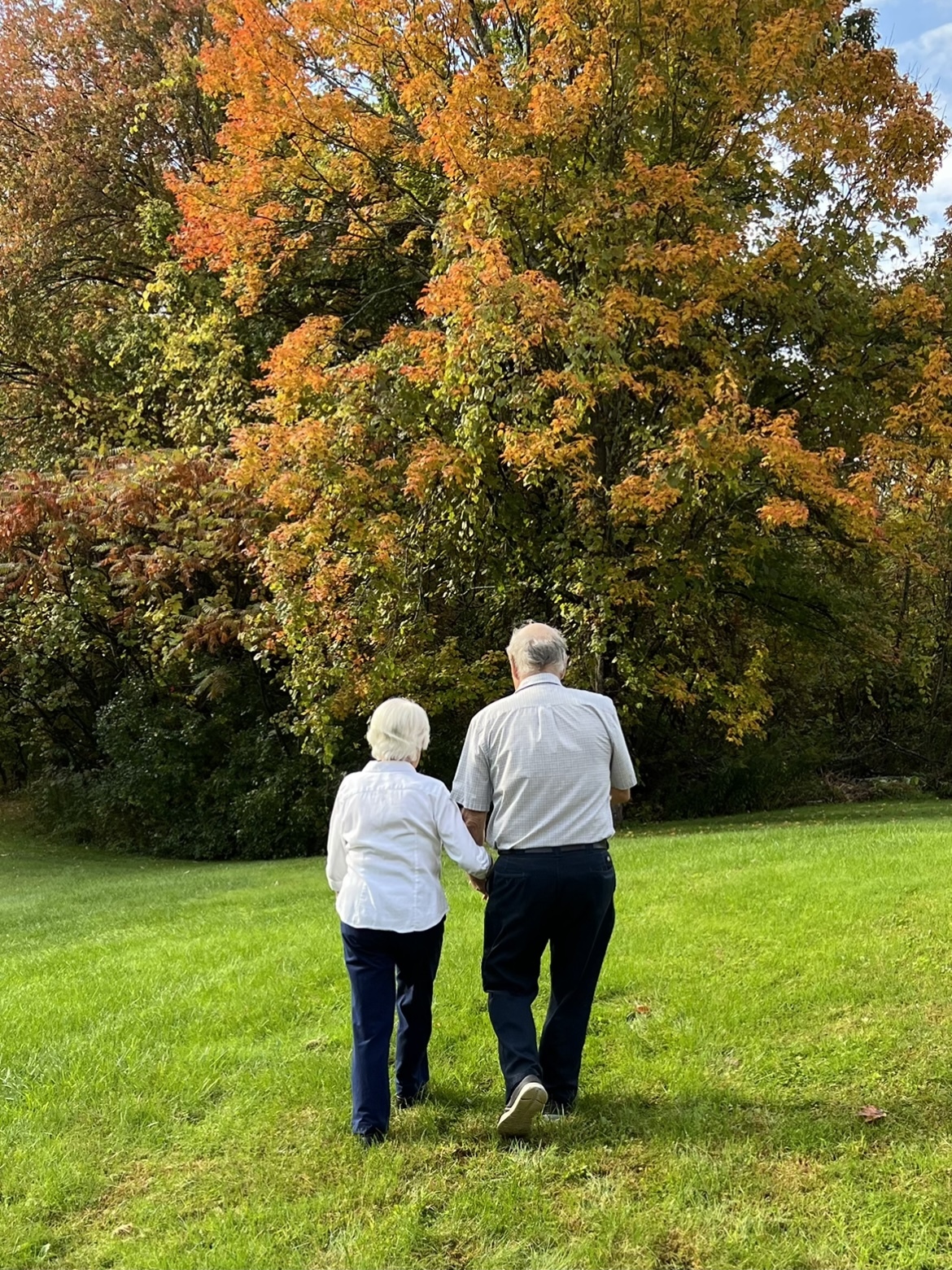
MACON — Mercer University’s Engage team is presenting “Images of Positive Aging: A Guided Response Tour Photography Exhibition” on Feb. 22 from 4:30-5:30 p.m. at the Mercer Innovation Center at the corner of College and Prince streets. The exhibition showcases images that were used in an interprofessional education activity with health professions students to promote positive aging.
“Health humanities using visual arts can foster the development of habits of the heart, improving visual literacy, clinical observation skills, resilience, empathy and reflection in health professions students,” said David W. M. Taylor, clinical associate professor of physical therapy in the College of Health Professions. “These skills are necessary to provide age-friendly health care for older adults.”
Students involved in the education activity said it helped shape how they look at older people.
“I feel more empowered to seek out older people, have more conversations, go deeper into conversations and build relationships,” said doctor of psychology student Elisha Robinson.
“Progressing through the photos allowed me to see what others saw and changed my perspective.” said doctor of physical therapy student Courtney Shockey.
The activity was developed to support the University’s health professions students’ awareness of the lived experience of older adults through photography and was based on the 4Ms framework of age-friendly health systems: What Matters, Medication, Mind and Mobility. Engage faculty will be present during the event to answer questions and provide information on the 4Ms framework of age-friendly healthcare.
Engage is an interdisciplinary team of clinician educators in Mercer’s College of Health Professions and College of Pharmacy including Dr. David Taylor; Dr. Leslie Taylor, professor of physical therapy; Dr. Jennifer de la Cruz, clinical associate professor of physician assistant studies; and Dr. Susan Miller, professor of pharmacy practice. Engage is part of Georgia Gear, a multi-institute partnership whose goal is to improve clinical care and quality of life for older adults and their families in Georgia.
The exhibition is the result of an activity supported by a Mercer Health Sciences Interprofessional Education Grant including students and faculty from the College of Health Professions, College of Pharmacy and Georgia Baptist College of Nursing.

Milwaukee Art Museum announces new Herzfeld Center for Photography show
Wondering what’s the importance of PDF editing software for photographers? Hop inside this guide to find out!
The loon traveled from Los Angeles to its permanent home in the Twin Cities.
A new beetle species has been named to honor a fellow Husker, bridging the worlds of academia and wildlife conservation.
Silversea, a premier brand in experiential luxury and expedition travel, recently concluded the inaugural season of its first Nova-class ship, Silver Nova,
The Desert Foothills Land Trust (DFLT) is proud to announce a special presentation event featuring acclaimed botanical photographer Jimmy Fike on Saturday, Oct. 12 at 6:30 p.m. at the Sanderson