In ‘From These Hands,’ Narsiso Martinez Honors Individuals Who Labor for the Food on Americans’ Tables

In ‘From These Hands,’ Narsiso Martinez Honors Individuals Who Labor for the Food on Americans’ Tables

“Easy Grape” (2019), ink, gouache, collage, charcoal, and matte gel on recycled produce box, 27 x 30 inches. Photo by Michael Underwood. All images © Narsiso Martinez, courtesy of Buffalo AKG Museum, shared with permission

When he was 20 years old, Narsiso Martinez immigrated to the U.S. from Oaxaca, Mexico, with a powerful resolve to learn English and pursue a university education. “I wanted to break the cycle,” he says. “In my family of six siblings, I wanted to be the difference and have a college degree before having my own family.”

At 29, Martinez finished high school, and in 2012, he earned a Bachelor of Fine Arts. And while he continued his education in pursuit of an MFA, he began to work seasonally in the apple orchards of eastern Washington state. Drawing from the visual language of produce brands and relationships with people he met on the farms, he developed vivid mixed-media works emphasizing the individuals who perform the labor necessary to fill grocery aisles, restaurants, and refrigerators around the country.


“Fruit Catcher” (2021), ink, charcoal, and gold leaf on cardboard produce box, 20 x 15 1/2 x 4 1/2 inches. Photo by Yubo Dong

Martinez’s solo exhibition From These Hands at Buffalo AKG Art Museum brings together pieces completed within the past few years, focusing on produce boxes as both collage components and as framing devices for striking portraits. He often portrays his subjects wearing baseball caps and scarves over their faces, which protect them from the elements.

The artist typically works from photographs of people he knows personally, rendering his subjects in charcoal and ink. He often applies gold leaf in addition to the bright logos of various produce companies, juxtaposing cheap labels and cardboard often destined for the landfill with an opulent aesthetic evocative of Western Baroque paintings.

The face coverings also draw attention to the workers’ anonymity while emphasizing each person’s often unacknowledged role in keeping food on Americans’ tables. Martinez depicts fellow immigrants and stalwart workers, celebrating the labor of marginalized people.

From These Hands continues through April 22. Find more on the artist’s Instagram.


“Always Fresh” (2018), ink, charcoal, gouache, gold leaf, collage on reclaimed produce boxes, 92 1/2 x 278 inches. Photo by Michael Underwood

Detail of “Always Fresh” (2018)

“Checker Leading the Crowd” (2023), charcoal and simple leaf on produce cardboard, 23 1/2 x 15 inches. Photo by Yubo Dong

“Golden Crop” (2021), ink, gouache, charcoal, and acrylics on juice carton. 11 3/4 x 15 1/4 inches. Photo by Yubo Dong

“Nature’s Candy Picker” (2023) ink, gouache, charcoal, and simple leaf in cherry box, 23 1/2 x 15 1/2 x 6 inches. Photo by Yubo Dong

“With Care” (2020), ink, gouache, charcoal, and matte gel on found produce box, 35 x 38 inches. Photo by Joshua Schaedel

“Paula” (2021), ink, gouache, charcoal, and acrylic on produce cardboard box, 16 x 27 3/4 inches. Photo by Yubo Dong

“Unlimited Edition” (2023), triptych: ink, charcoal, and simple leaf on berry boxes, 15 x 10 x 4 1/2 inches each. Photo by Spike Mafford

Do stories and artists like this matter to you? Become a Colossal Member today and support independent arts publishing for as little as $5 per month. The article In ‘From These Hands,’ Narsiso Martinez Honors Individuals Who Labor for the Food on Americans’ Tables appeared first on Colossal.

What the Metadata on the Kate Middleton Photo Reveals About the Edits Made

What the Metadata on the Kate Middleton Photo Reveals About the Edits Made

On Sunday, Kensington Palace released a photo of Kate Middleton smiling with her children to celebrate UK Mother’s Day, unaware they were about to set off a major international news story.

Within hours, the portrait had been recalled by photo agencies over concerns around digital manipulation, and the following day, Kate issued a personal apology. Kate’s admittance of editing the photograph, which was taken by Prince William, did not do much to quiet conspiracy theorists, and soon, outlets like the and were analyzing the metadata on the picture to try and understand what happened.

Prince William / Kensington Palace

The photo released by the Palace on March 10.

Analysis of the photograph’s metadata by revealed that the file was saved twice in Adobe Photoshop, once on Friday, March 8 at 9:54 p.m. GMT, and again on Saturday, March 9, at 9:39 a.m. GMT. The camera used to take the photograph was ausing a Canon 50mm F1.2 lens. They also found the photograph was taken at Adelaide Cottage, the Wales family’s home in Windsor.

So while the metadata reveals that the photo was edited, as Kate said, it does not detail when the photograph was originally taken, or what edits were made. The most obvious error, however, is that Princess Charlotte’s sweater sleeve is missing, and the zipper on Kate’s jacket disappears. In addition, Kate’s right hand is blurry, while Louis’s sweater is crystal-clear. The BBC notes “One possible explanation for some of the glitches would be if several photos were taken and shots were overlaid – perhaps because not all the children were smiling in a single image.” But it’s unclear if this is the case.

The Telegraph reports, “The digital fingerprint of the Princess of Wales’s family photograph suggests that she merged multiple images using Photoshop. Analysis of data embedded in the image indicates that a copy and paste function was used, most likely in the section featuring her face. The method appears to be confirmed by the clear horizontal line stretching across the Princess’s chest, albeit not exactly in line,” which could suggest that she replaced her face with another image.

In response to Kate’s admittance of editing the photograph, CNN reported they are now “reviewing all handout photos previously provided by Kensington Palace.” The Palace does not plan to release the unedited photograph.

preview for 10 Times Kate Middleton Dressed Like Princess Diana
Headshot of Emily Burack

Emily Burack (she/her) is the Senior News Editor for Town & Country, where she covers entertainment, culture, the royals, and a range of other subjects. Before joining T&C, she was the deputy managing editor at Hey Alma, a Jewish culture site. Follow her @emburack on Twitter and Instagram.

The 10 Jaw-Dropping Open Winners of the Sony World Photography Awards

The 10 Jaw-Dropping Open Winners of the Sony World Photography Awards
Sony World Photography Awards 2024
‘Caiman Crunch’ by © Ian Ford, United Kingdom, Winner, Open Competition, Natural World & Wildlife | Sony World Photography Awards 2024

The World Photography Organization has unveiled the 10 category winners in this year’s Sony World Photography Awards Open competition, “recognizing the best single images from across the world in 2023.”

Nearly 400,000 images from over 220 countries and territories were submitted to this year’s photo contest, so these 10 winning photographers had to beat some serious competition.

Beyond the Open competition winners, the Sony World Photography Awards also names National and Regional winners, which the World Photo Organization did last month. There are also Professional category winners, which names the best photo series in the world. This winner will be named on April 18 at the Sony World Photography Awards 2024 show at Somerset House in London.

The Open segment has 10 categories: Architecture, Creative, Landscape, Lifestyle, Motion, Natural World and Wildlife, Object, Portraiture, Street Photography, and Travel.

Ian Ford won the “Natural World and Wildlife” category with the brilliant image “Caiman Crunch,” featured above. The other nine brilliant winning photographers and their pictures are showcased below.

Architecture — Ana Skobe (Slovenia)

Sony World Photography Awards 2024 Open competition category winners -- architecture, white skyscraper against blue sky
‘Falling Out of Time’ by © Ana Skobe, Slovenia, Winner, Open Competition, Architecture | Sony World Photography Awards 2024

Creative — Rob Blanken (Netherlands)

Sony World Photography Awards 2024 Open competition category winners -- creative, rainbow colors, feathers, textured detail
‘Untitled’ by © Rob Blanken, Netherlands, Winner, Open Competition, Creative | Sony World Photography Awards 2024

Landscape — Liam Man (United Kingdom)

Sony World Photography Awards 2024 Open competition category winners -- landscape. Snowy landscape at sunset with drones lighting mountain crags.
‘Moonrise Sprites over Storr’ by © Liam Man, United Kingdom, Winner, Open Competition, Landscape | Sony World Photography Awards 2024

Lifestyle — Alvin Kamau (Kenya)

Sony World Photography Awards 2024 Open competition category winners -- lifestyle. Black man in a fashionable outfit against a dark brown background.
‘Twende Ziwani (Let’s go to the Lake)’ by © Alvin Kamau, Kenya, Winner, Open Competition, Lifestyle | Sony World Photography Awards 2024

Motion — Samuel Andersen (Norway)

Sony World Photography Awards 2024 Open competition category winners -- motion, mountain biker going through mud, wide-angle
‘Rider Getting Down and Dirty’ by © Samuel Andersen, Norway, Winner, Open Competition, Motion | Sony World Photography Awards 2024

Object — Toni Rinaldo (Indonesia)

Sony World Photography Awards 2024 Open competition category winners -- object, two chairs against a white wall. One chair is red, the other is green. Abstract patterns of shadow.
‘Coalition’ by © Toni Rinaldo, Indonesia, Winner, Open Competition, Object | Sony World Photography Awards 2024

Portraiture — Michelle Sank (United Kingdom)

Sony World Photography Awards 2024 Open competition category winners -- portraiture, portarit of four black women at the beach in South Africa, looking at the camera.
‘Zenande, Sinawe, Zinathi and Buhle at Sea Point Pavilion, Cape Town’ by © Michelle Sank, United Kingdom, Winner, Open Competition, Portraiture | Sony World Photography Awards 2024

Street Photography — Callie Eh (Malaysia)

Sony World Photography Awards 2024 Open competition category winners -- street photography winner, a hand pressed againt a window of a passing car.
‘The Hand’ by © Callie Eh, Malaysia, Winner, Open Competition, Street Photography | Sony World Photography Awards 2024

Travel — Yan Li (China)

Sony World Photography Awards 2024 Open competition category winners -- travel winner. Aerial view of a coastal scene, fire on the land, boat in the water in the foreground.
‘Between Calm and Catastrophe’ by © Yan Li, China, Winner, Open Competition, Travel | Sony World Photography Awards 2024

More From the Sony World Photography Awards 2024

As mentioned, the World Photography Organization has already announced the National and Regional winners from this year’s contest, and the 31 winning images are spectacular and well worth checking out.

Additional winners, including the Professional and Student winners, will be unveiled on April 18. The competition’s overall winner will win $25,000 plus Sony digital imaging equipment. Alongside these great prizes, the overall winner and the top three in each category will be featured in the Sony World Photography Awards exhibit and book. Shortlisted photographers will also be included in the exhibit.

The Sony World Photography Awards is one of, if not the, most prestigious photography contests in the world. Winning a prize in the competition is a significant accomplishment for any photographer.


Image credits: Sony World Photography Awards | All individual photographers are credited in the image captions

Eclipse Photography Essentials: Selecting the Right Solar Filter |

Eclipse Photography Essentials: Selecting the Right Solar Filter |

Selecting the right solar filter for photographing the sun, especially during an eclipse, is a critical decision for photographers. Understanding the differences between visible light or broadband filters and narrowband filters can greatly impact the quality and safety of solar photography. This helpful video tutorial will show you what you need to know.

Coming to you from Forest with Rocky Mountain School of Photography, this detailed video explores the essential considerations photographers must make when choosing solar filters. Forest discusses two main types of filters: glass and solar film, comparing them across various factors such as price, sharpness, color accuracy, and durability. The emphasis on the practical aspects of these filters, including their affordability, image quality, and the trade-offs between color fidelity and durability, highlights the importance of making an informed choice based on one’s specific needs and photography goals. The discussion is not just about capturing the sun but doing so in a way that aligns with both budget and artistic vision, making it relevant for photographers interested in solar and eclipse photography.

Moreover, the video addresses additional equipment that could enhance eclipse photography experiences, such as star trackers and intervalometers. These recommendations underscore the necessity of preparation and the right gear to successfully capture these celestial events. Forest’s pragmatic approach to choosing between solar film and glass filters, coupled with tips on ensuring safety and optimizing photographic outcomes, provides valuable insights for both novice and experienced photographers. This guidance is particularly crucial for capturing an eclipse, where timing and precision are paramount. Check out the video above for the full rundown from Forest.

Chasing clouds: Capturing dreamy clouds

Chasing clouds: Capturing dreamy clouds

Are you a bit of a cloud chaser? Ever since I was a kid I loved looking at and watching clouds. Making shapes and just watching them float or in some cases fly by. On a recent holiday to Kangaroo Island (South Australia), I loved the wide open skies and spent some time one afternoon capturing the clouds.

There was barely any wind so my efforts to capture those lovely drawn-out hazy clouds were not performing quite as I wished.

Remarkable Rocks captured at 1/250 second

Long exposures

I have found the easiest way to capture some dreamy clouds is by doing a long exposure. The above photo was captured mid-afternoon, so it’s too bright to capture a long exposure shot, without a little help from some Neutral Density filters. I used the OKKO ND6 and ND10. I found that the OKKO ND10 gave me better results in this case as I got a 8-second exposure.

“,”link_href”:null,”link_target”:”_self”,”link_rel”:null,”attributes”:{“data-mgl-id”:”194285″,”data-mgl-width”:”1600″,”data-mgl-height”:”1067″},”orientation”:”o”},{“caption”:”OKKO ND10 filter”,”meta”:{“width”:1600,”height”:1067,”file”:”2024/03/JuliePowell_Chasing-Clouds-3-of-3.jpg”,”filesize”:225869,”sizes”:{“medium”:{“file”:”JuliePowell_Chasing-Clouds-3-of-3-640×427.jpg”,”width”:”640″,”height”:”427″,”mime-type”:”image/jpeg”,”filesize”:”98744″},”large”:{“file”:”JuliePowell_Chasing-Clouds-3-of-3-1110×740.jpg”,”width”:”1110″,”height”:”740″,”mime-type”:”image/jpeg”,”filesize”:”213211″},”thumbnail”:{“file”:”JuliePowell_Chasing-Clouds-3-of-3-150×100.jpg”,”width”:”150″,”height”:”100″,”mime-type”:”image/jpeg”,”filesize”:”37389″},”1536×1536″:{“file”:”JuliePowell_Chasing-Clouds-3-of-3-1536×1024.jpg”,”width”:”1536″,”height”:”1024″,”mime-type”:”image/jpeg”,”filesize”:”352433″},”Thumb”:{“file”:”JuliePowell_Chasing-Clouds-3-of-3-500×333.jpg”,”width”:”500″,”height”:”333″,”mime-type”:”image/jpeg”,”filesize”:”74827″}},”image_meta”:{“aperture”:”11″,”credit”:”u00a9JuliePowell”,”camera”:”ILCE-7RM5″,”caption”:””,”created_timestamp”:”1709278456″,”copyright”:”u00a9JuliePowell”,”focal_length”:”53″,”iso”:”100″,”shutter_speed”:”8″,”title”:””,”orientation”:”0″,”lens”:””}},”id”:”194286″,”img_html”:”“,”link_href”:null,”link_target”:”_self”,”link_rel”:null,”attributes”:{“data-mgl-id”:”194286″,”data-mgl-width”:”1600″,”data-mgl-height”:”1067″},”orientation”:”o”}]” data-atts=”{“ids”:”194285,194286″}”>

I set myself up on a tripod (to avoid any camera shake from long shutter speeds) and spent some time playing with a basic CPL and various ND filters. Even though I did get some softness the clouds were barely moving. This effect works well on a windy day and often as the clouds are moving so fast you don’t even need a long shutter speed.

Achieving the same effect in post-processing

So what do you do when the clouds won’t cooperate? Well, you can always be sneaky and cheat in Photoshop. Granted it’s not quite the same as the real thing, but you can perhaps finally satisfy your inner child. Here’s how I did it in Photoshop.

[embedded content]
Creating motion blur in Photoshop

From playful to profound: Sony World Photography Awards 2024Open contest winners

From playful to profound: Sony World Photography Awards 2024Open contest winners

The Sony World Photography Awards 2024 has released the category winners and shortlist for the Open competition, which recognizes the best single images worldwide in 2023. Like every year, the selection is eclectic, covering light topics from humorous portraits to abandoned or war-torn objects. But what all these photos have in common – they’re remarkable. So, let’s check them out.

SWPA’s Open competition features ten categories: Architecture, Creative, Landscape, Lifestyle, Motion, Natural World & Wildlife, Object, Portraiture, Street Photography, and Travel. This year’s contest received over 395,000 photo submissions from more than 220 countries and territories. Winners of each category will be awarded digital imaging gear from Sony and will compete for the prestigious title of Open Photographer of the Year, along with a $5,000 (USD) prize.

The announcement of the winner of the Open competition will take place during the Awards ceremony in London on April 18, 2024. The winning and shortlisted images will be displayed at the Sony World Photography Awards exhibition at Somerset House from April 19 to May 6 and then travel to other locations.

Enjoy the Open category winners below, along with a selection of shortlists we made for you. Be sure to visit the Sony World Photography Awards website for the full gallery and more information.

More from Sony World Photography Awards

Category winners

Shortlists

‘It is our time now’: Native Creators Discuss Filmmaking Ethics and Positive Changes Being Seen in the Industry

‘It is our time now’: Native Creators Discuss Filmmaking Ethics and Positive Changes Being Seen in the Industry

News Story by Matthew Kincanon | FāVS News

The landscape has been changing for Indigenous people in film and TV, especially in the last several years. From acclaimed and award-nominated shows such as “Reservation Dogs,” “Spirit Rangers,” and “Molly of Denali,” to Lily Gladstone receiving an Oscar nomination and winning the Golden Globe and Screen Actors Guild award for her performance in “Killers of the Flower Moon,” Indigenous artists are being recognized as more doors open. More resources are made available for them to tell authentic stories in their voices, ensuring their culture, history and people are portrayed accurately and to maintain the momentum of a storytelling movement that’s been going on for centuries.

Marvel’s “Echo” is about the deaf Native American superhero Maya Lopez,
played by newcomer Alaqua Cox. / Screengrab

The success of recent projects such as “Echo” and the aforementioned series shows there is a genuine interest by the public in Indigenous culture and stories. However, that means filmmaking ethics must be followed by non-Native filmmakers and showrunners to ensure errors of the past are not repeated, and stories are not told without the input and collaboration of Indigenous communities. The success also means Indigenous creators have to be allowed to continue telling their own stories and experiences rather than have someone tell it for them.

Several Indigenous artists who span across various roles in TV and film share what non-Native filmmakers should do when they want to make a Native-themed project, what positive changes they have seen in the industry and what they hope to see in the years to come for Indigenous film and TV.

What Non-Native Filmmakers Should Do When Telling Indigenous Stories

When a non-Native filmmaker wants to make a film focusing on Indigenous stories, there are quite a few things those involved in the film industry said they should do.

Joanelle Romero, founder, president and CEO of the Red Nation Celebration Institute (RNCI), who was shortlisted for the Oscar for her 2000 short documentary “American Holocaust: When It’s All Over I’ll Still Be Indian,” said filmmakers should get Native consultants, writers or co-writers, and “create a family of Native input.”

[embedded content]

Billy Luther, writer and director of Netflix’s “Frybread Face and Me” and a writer on AMC’s “Dark Winds,” shared similar sentiment by saying there needs to be Native writers on projects that tell a Native story, and including them is an easy fix when it comes to the issue of accuracy.

Joey Clift, writer and producer of Netflix series “Spirit Rangers” / (www.joeyclift.com)

When talking to friends or those making TV shows and movies with Native characters, Joey Clift, an Emmy-nominated writer and producer of the Netflix series “Spirit Rangers,” often tells them this:

“It’s good to hire one Native writer for your writers’ room. But you know what’s better than that? Hiring two Native writers.”

With having multiple writers, Clift said they can have conversations with each other about what they want for the characters, as opposed to pinning the entire Native experience of hundreds of federally-recognized tribes on one writer to speak for everybody.

The Value of Using Native Consultants from Tribal Nation Portrayed

Also, Romero said that a non-Native production should have a consultant who represents that tribal nation being portrayed.

Lacey Marie Abrahamson, who was a consultant on the Paramount+ series “1883,” said a lack of knowledge is the biggest mistake filmmakers and showrunners make when they don’t consult or involve the tribes and their citizens.

“They do not do their research; they do not reach out to the tribes or the descendants to learn the true oral tradition of these stories, or even ask permission,” Abrahamson said. “They only tell stories taught in history books. Much of Indigenous history has been downplayed.”

When Indigenous languages are presented in movies, Rachel Mint Purget, an actress who played a dancer in all the dance scenes in “Killers of the Flower Moon,” said they can’t talk about Indigenous people without talking about their language, and it’s important they are accurate when spoken on film.

[embedded content]

“First and foremost, language is a fundamental aspect of cultural identity. Indigenous languages carry the rich history, traditions, and unique worldviews of their respective communities,” Purget said. “Preserving our languages helps maintain cultural diversity and ensures the transmission of traditional knowledge from one generation to the next. If a filmmaker understands the language then they understand the people.”

Portraying Indigenous people and stories from an unauthentic lens has shown to be harmful and reinforce stereotypes.

“When our people are being shown on TV in an unauthentic way it creates ideas in people’s minds that may not be true. From this ideology stereotypes began to develop,” Abrahamson said. “These stereotypes are harmful to the Indigenous community, and we have had to deal with these stereotypes everyday of our lives. What filmmakers don’t realize is they are shaping America’s ideas and attitudes toward us.”

The Necessity of Highlighting the Diversity within Native American Cultures

There are 574 federally recognized tribes in the U.S., Abrahamson said, each with a distinct culture, language, ceremonies, art and traditions. She said filmmakers need to recognize that not all Native American people are the same and not “continue to use our people and mush us together like a bunch of potatoes being mashed.”

Abrahamson said filmmakers should do their research, and seek out the right individuals and the correct tribes they’re making their movies about.  

Aside from perpetuating stereotypes, another issue involves getting feedback from Native people late in production.

“If you’re not a Native person and you want to tell a Native story with Native characters, it’s hugely important that you bring in Native creatives in decision-making, high-level positions early on in the production,” said Clift.

Clift recounted an experience where a producer he never met before reached out to him saying they were shooting a movie in a few days that included a Native character, and they wanted him to read it and make sure it’s not racist. He wasn’t sure what effect any notes he gave would have on the movie given they were shooting in a couple days.

Chance Lee Rush, actor who place William Stepson in “Killers of the Flower Moon”

“In that situation, people are oftentimes just looking for a rubber stamp from a Native person immediately before they start shooting, more than they’re looking for actual feedback to help shape the story,” Clift said.

For non-Native filmmakers who want to tell Indigenous stories, Chance Lee Rush, who played William Stepson in “Killers of the Flower Moon,” said they should get a blueprint from Martin Scorsese.

Scorsese and the Osage Nation

While Scorsese’s latest film has received both praise and criticism from Indigenous communities, several Indigenous cast members talked about what the filmmaker did right when production started. 

Several of the things he did right, according to Purget and Rush, included speaking with the tribal council, leadership, elders and Osage speakers.

“With every new element of the Osage culture he discovered, the set would be redesigned, the script would be rewritten, the wardrobe would be changed,” Purget said. “When the Osage talked, he listened.”

Not only were Osage citizens and other Indigenous actors hired, Purget said production also hired Osage consultants and workers to help with regalia, work on wardrobe and build sets. Several Osage citizens involved had a personal connection or had family history tied to the Osage murders. Filming was also moved to where the historical events of the movie took place.

One example she mentioned was the house explosion scene where it was filmed close to the same neighborhood where the unimaginable events took place. Filming late at night with fire and embers flying through the air and screams for Reta was a night she’ll never forget.

Rachel Mint Purget, an actress who played a dancer in all the dance scenes in “Killers of the Flower Moon”

“Scorsese used the Osage elders, language, Osage people, other Indigenous tribes, historically accurate locations and listened to the advice and knowledge of the Osage to properly represent this story on film,” Purget said.

Rush described how everybody had an important role and Scorsese made them feel essential. From props people, to extras, to Gladstone, he said Scorsese made them feel like they could not do the movie without them.

Truth More Important than an Oscar

Rush described Scorsese as a filmmaker who would rather tell the truth than win an Oscar.

“He would rather share this story instead of make a lot of money off of it,” Rush said. “His heart was in it. That’s why this was a success.” 

As a pastor, Rush said he was grateful that the truth came out through this film, everybody can see what Tribal people went through and the fact that they’re still here. He thanks God for the experience and for this information being put out there for the world to watch. For him, the experience of working on the movie wasn’t about seeing his name in the credits, getting his Screen Actors Guild card, but being able to represent Stepson’s family, meeting the man’s grandchildren and great-grandchildren, and doing his best to honor his image on the screen.

After filming was completed, Purget said Scorsese released it across Indian Country for free, allowing thousands of people to see the Osage story in all of its beauty and horror at no cost.

Clift said filmmakers have to look at movies like Scorsese’s film and Hulu’s “Prey” as a bar that they cannot go lower than because “if you go lower, then people are going to rightfully call you out for not telling Natives stories the right way.”

Positive Changes Being Seen in the Industry

While the history of Indigenous representation in film and TV is plagued with stereotypes and white savior narratives, positive changes have been seen in representation, involvement of Indigenous people and casting Indigenous talent.

“I think that Hollywood for a really long time was guilty of telling stories about us without us,” Clift said. “Meaning they would tell stories featuring Native characters or about Native historical events and the only Natives involved would be maybe the actors if that. And now you’re seeing situations where if non-Natives want to tell Natives stories, they’re engaging Native people very early on in the process.”

Clift said Native people have been telling amazing stories for centuries, but this is the first time that the general media has started paying attention to them.

“Storytelling has always been part of Native culture, therefore we are kind of amazing at it.” Purget said. “When you have Indigenous writers, actors, directors, wardrobe, all telling the story, it becomes an art focused on a story and not an art focused on profit.”

One positive change that Abrahamson noted was the fact that Indigenous actors are being casted in roles, rather than what earlier films did where Indigenous characters were played by white actors.

Michelle Thrush
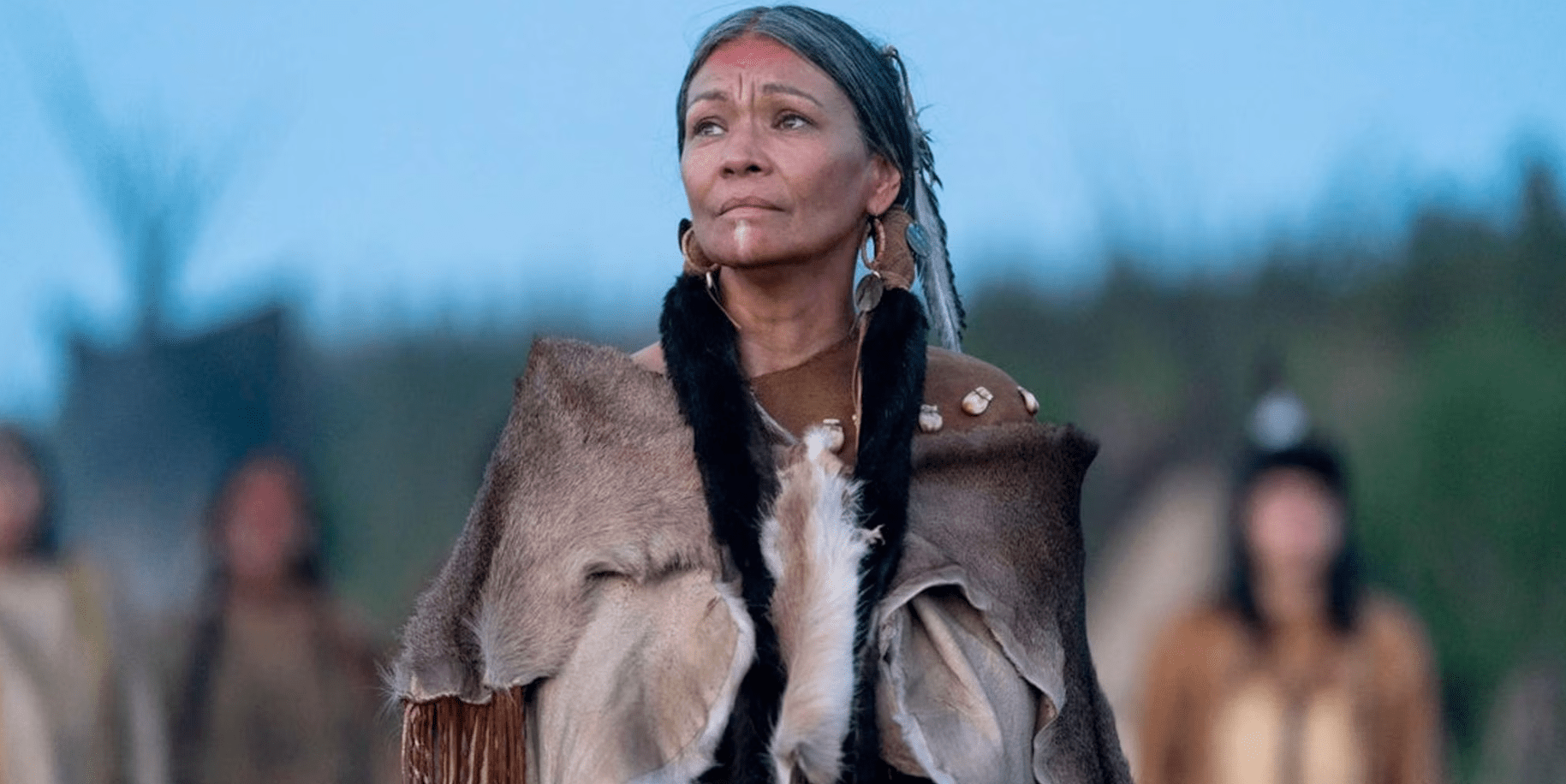
Michelle Thrush as Akura in Hulu’s “Prey” / Photo from the movie

The changes in casting practices show the progress from what “Prey” actress Michelle Thrush said she experienced when she spoke at an event at the Salish School of Spokane earlier this year. Thrush said there weren’t many Indigenous actors on TV when she was younger and the ones who were casted got small roles and were portrayed as the losers in the stories, making her question if she could become an actress. Not only that, the shows depicted white savior narratives.

Native People Filling More than Just Acting Jobs in Industry

Despite what she experienced growing up, she said there are now more Indigenous actors, writers, producers and directors in the industry who are doing big jobs.

Rush said he’s noticed the change in casting Native actors and is “grateful that we’re finally on the scene and it’s not just three or four different Native actors but it’s over a hundred and I’m grateful to see that we’re showing up out of nowhere.”

For Abrahamson, movies and TV shows being culturally correct and seeing her people portrayed in a positive, healthy and true light, is a trend she is happy to see.

It’s not just actors who are getting work, Native writers are being included too.

On the series “Dark Winds,” Luther noted how there are Natives in the writers’ room and thinks there is more care being taken into who is in the room and who is telling the stories.

[embedded content]

For “Spirit Rangers,” Clift said they had an all-Native writers’ room and had a lot of Indigenous people in consultant roles because “any one Native working on the production can’t speak for all Native people.”

Native Stories Gaining More Respect in the Industry

In the 13-14 years he has spent in Los Angeles, California, Clift has seen a shift in how Native stories have been told. He said that they are in a position now where they have Native-created TV shows with all-Native writers’ rooms.

“As a whole, I think that the industry is treating Native stories with the level of respect they should be told with,” said Clift. “Took a hundred years, but we’re finally there.”

Even though Luther said there will always be issues when it comes to representation, Luther felt people working in the film industry are trying to do better.

Not only are there more Native actors and writers, Indigenous filmmakers have access to more resources to tell their own stories and share them with a wider audience.

“It is our time now,” said Romero. “Technology and how we make films today is so different than how we used to make them, so there’s a lot more resources for us to do it on our own and also to get the support as well.”

Projects made by Native creators are showing to have a positive impact on the industry as well.

The Greater Presence of Laughter

A positive change Luther has noticed in films and shows made by Indigenous people is the presence of comedy and joy in productions such as Hulu’s Golden Globe-nominated series “Reservation Dogs” and Peacock’s “Rutherford Falls,” as well as his film “Frybread Face and Me.”  

[embedded content]

One of the things Luther said people normally see in films and TV shows about Indigenous people is their stories are portrayed as traumatic, sad and depressing. Most of these films are made by non-Natives.

During a screening of his film to a non-Native audience, Luther said the audience wasn’t sure if they were supposed to laugh, despite it containing a lot of humor. He felt this was because they were used to seeing sad and depressing movies about Indigenous people on the screen.

However, one of the great things that has come from the new wave of Native stories and storytellers, Luther described, is they show a great amount of humor and joy within their communities.

As a comedy writer, Clift said Native people are funny and “if you get a bunch of Native people in a room, we’re cracking jokes within 30 seconds.”

“For us, a lot of the echoes of our attempted genocide for a lot of folks is still a raw nerve and it’s, I think, easier and more enjoyable to focus on the positivity and joy found in Native communities,” Clift said. “And with that comes a lot of comedy, a lot of jokes, and a lot of laughter.”

Indian Country Humor Is One-of-a-Kind

Rush said humor in Indian Country is one-of-a-kind, their icebreaker and their way of being thankful, proud and honored to still be here.

“Honestly, everything that we went through — through colonization, genocide, massacres, it’s just our way of saying historical trauma isn’t going to dictate us,” Rush said, adding that having a sense of humor is their way of not only healing, but also communicating and continuing to express who they are. 

Clift brought up a scene in HBO’s “The Last of Us” that showed the interactions between two Native American characters played by Elaine Miles and Graham Greene. Despite the show being a dark series about a post-apocalyptic United States, he said their scene was the funniest part. He said it felt warm and particularly Native because they were laughing in the face of tragedy.

An Appetite for Indigenous Stories

In her 45 years of being in the film industry, Romero said there has been some movement in the industry being authentic when it comes to Native representation. However, she added there is still a lot more work to do in that regards.

“We need to get more Native people in front of and behind the camera,” Romero said.

Romero added that it’s prevalent the industry starts investing financially into Native filmmakers so they can tell their own stories.

“The last three-to-four years we’ve proven that we are bankable and so that’s what needs to happen,” Romero said.

The number of films made by Indigenous people has shown to increase over the last several years as well. Since 2018, Romero said the Red Nation International Film Festival (RNIFF) has seen more success and growth. In 2018, 46 films were screened. Here is the number of films that were screened at the festival since then:

  • 2019: 58 films.
  • 2020: 105 films.
  • 2021: 65 films.
  • 2022: 71 films.
  • 2023: 80 films.

Desire to Hear Indigenous Stories Shared by Many Americans

Romero said this growth is an indicator of the need, want and future of their narrative moving forward.

“People want to hear our side, people want to hear our story. They want to experience us and so that’s what’s happening and it’s really fantastic, it’s really exciting and I’m thrilled about it,” Romero said.

The desire to hear Indigenous stories is shared by many Americans. In 2018, a research project by First Nations Development Institute and Echo Hawk Consulting found that 78% of Americans surveyed believe “it is important to feature more Native American stories on TV, in movies and in other entertainment.” Also, 78% said they were interested in learning more about Native American cultures.

Romero said there are 1,000 new titles that the Red Nation Television Network streaming service is processing right now.

Rush said that they have to take ownership of what’s been happening recently and not wait on networks, producers, directors or cast agents to do more projects, while also remembering to pay tribute to Indigenous actors who opened the doors for them.

“I hope that we come together as Native actors and actresses and production teams and create our own network,” Rush said.

Indigenous Storytelling in the Future

Purget said she is excited to see what will be created in Indigenous film and TV in the next few years, and for them to embrace their strengths as storytellers.

“Being on the set of an Indigenous film or TV show has a different feel. It feels like we have a mission to honor and represent our culture to the world,” Purget said. “Everyone on set is helping lift each other up. Indigenous productions are where writers become directors, cousins become actors, aunties become costumers and uncles lay down tracks for the soundtrack. Everyone is helping everyone move up and find their passion. When one rises we all rise.”

There are many stories yet to be discovered, Abrahamson said, and hearing them in all their authenticity would be idealistic to Indigenous communities.

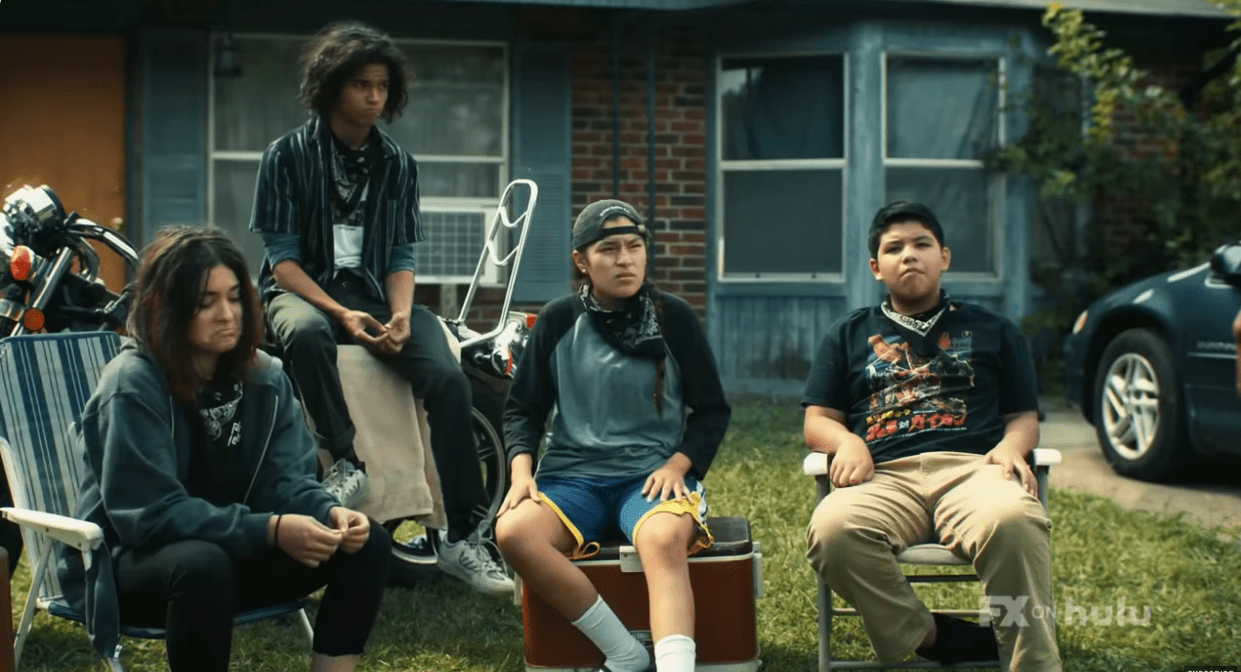
Screengrab from Season One of the FX Series “Reservation Dogs”

Luther said he felt they were reaching a point where they can finally get the next generation of writers and storytellers and it’s been exciting to see shows like “Reservation Dogs” and “Rutherford Falls” that are being made by Native creators.

“It’s really the perspective of the Natives that really make these stories and the representation authentic,” Luther said. 

For Rush, he would like to see films that portray Tribal communities as being on the same playing field like in “Rutherford Falls,” as well as ones that keep them honest but also encourage them to want to live in areas with nice houses, have their culture, be healthy and be in healthy relationships.

Rush also wants to see projects similar to Marvel movies (particularly the series “Echo”)  as well as off-the-wall films, fictional, non-fictional, serious and comedic ones.

Native Storytellers Getting Their ‘Day in the Sun’

As Indigenous stories see a rise in popularity and demand, Clift said he doesn’t want it to be 2040 and people frame the 2020s as a moment for Native representation, but rather as a continuation of a several hundred year movement.

“It’s easy to say Native stories are hot right now, but Native stories have been this great, this nuanced, and this fantastic for hundreds of years and it is really great to see Native storytellers like myself and a lot of my friends finally getting our day in the sun,” Clift said.

Clift longs for the day when Native representation is so prevalent, nuanced and available in the mainstream media that they’re not counting firsts anymore. He hopes that they get even more opportunities and don’t go another 15 years without a Native person starring in a major motion picture.

Rush said there’s a lot of good change happening for Turtle Island and Indian Country and he hopes that it will bring them closer together, make them stronger, and let the world know they are still here.

“Moving forward in everything we do, we want to tell the truth as Indian films, as Tribal films, Native American films, First Nation films.” Rush said. “We want to tell the truth.”