Rise of smartphone photography: Empowered by AI

Rise of smartphone photography: Empowered by AI

IN today’s era of cutting-edge technology, smartphones have transcended their role as mere communication devices to become versatile tools that effortlessly capture life’s most stunning moments. The evolution of smartphone photography has empowered users with the ability to create captivating images, propelled by the integration of artificial intelligence (AI). As we explore AI-driven smartphone photography, a world of endless possibilities unfolds.

According to a report by BCC Research, the global AI camera market is poised to reach US$23.1 billion (RM108.5 billion) by 2028, driven by a consumer preference for technologically advanced devices equipped with AI and machine learning capabilities.

Recent advancements in smartphone technology have ushered in a new era of mobile photography, characterised by the emergence of generative AI. This innovation owes its existence to the relentless pursuit of excellence by industry leaders.

But what exactly is AI? At its core, AI refers to the ability of computers or robots to autonomously make decisions. Within AI lies machine learning, a subfield encompassing algorithms that learn from empirical data to make predictions. Deep learning, a subset of machine learning, further refines this process by employing neural networks to analyse complex data and produce precise outcomes.

In the realm of smartphone photography, AI manifests itself in various forms, shaping the way we capture and process images. From scene recognition to parameter adjustment, AI algorithms work tirelessly behind the scenes to optimise every shot.

To thrive in the AI smartphone era, devices must embody certain characteristics outlined:

· Efficient utilisation of computing resources to support generative AI.

· Real-time awareness of user and environmental data through sensors.

· Powerful self-learning capabilities.

· Multimodal content generation abilities, inspiring users with continuous innovation.

But AI in mobile photography is not just about capturing photos — it is also about editing them to perfection.

Looking ahead, the future of smartphone photography appears promising. AI smartphones are set to revolutionise the industry, offering personalised services tailored to individual needs. Continued research and development will yield exciting innovations, blurring the lines between traditional and smartphone photography. Enhanced AI features, such as built-in background scenes and face filters, are on the horizon — AI will continue to push the boundaries of creativity, ensuring every moment is picture-perfect.

This article is contributed by Oppo

I’m a camera expert and here’s how the iPhone 16 could raise Apple’s pro-photography game

I’m a camera expert and here’s how the iPhone 16 could raise Apple’s pro-photography game

The iPhone 15 Pro Max is Apple’s most advanced phone to date and there are many reasons why it’s one of the best phones in the world at the moment. Unfortunately, I don’t think the camera is one of those reasons. 

On paper, when compared to the Xiaomi 14 Ultra, Apple’s flagship phone looks woefully inadequate. The primary cameras on both offer comparable resolutions but the 14 Ultra has a variable aperture. The resolution of the 14 Ultra’s three other rear cameras boast a 50-megapixel resolution, whereas the iPhone drops all the way down to 12MP. The iPhone also lacks a middle range telephoto.

The iPhone 15 Pro Max camera system is by no means poor when it comes to optics but it’s certainly in danger of slipping behind the technological advances that we’re seeing from Xiaomi or even the Samsung Galaxy S24 Ultra.

Are changes coming?

An image of the iPhone 15 Pro Max and Samsung Galaxy S24 Ultra

(Image credit: Future / Roland Moore-Colyer)

As a result, I’m waiting with baited breath to see what Apple does with its iPhone 16 series of phones that are likely to be launched and released in September 2024. Considering an increasing number of pro photographers and videographers are turning to their phones for their work, Apple won’t want anyone jumping ship in the search for better quality.

I don’t think it’s too late for Apple, though. The Cupertino company has a habit of keeping loyal customers for a long time after iPhone features have slipped behind the competition. There is something about Apple’s design and the ecosystem that keeps people coming back again and again. Despite that, I would like to see a number of improvements to the rumored iPhone 16 Pro‘s cameras.

The changes that Apple needs to make

One of the main improvements would be to increase the resolution across the iPhone cameras, both front and back. 12MP is fine for shooting snaps of your family but isn’t great for pro work. Increasing all the cameras to 48MP would communicate a real sense of commitment to Apple’s serious phone photography users.

I’d also love to see the introduction of a true variable aperture. I love this feature on the Xiaomi 14 Ultra, as it gives me the ability to more accurately control the amount of light that hits the sensor and how that impacts the bokeh. I’m less concerned about Apple increasing the Pro iPhones’ rear cameras from three to four but if it manages it, then I certainly wouldn’t object.

This is a pivotal time for Apple. If it doesn’t improve in the iPhone 16 series, then Xiaomi will no doubt push further ahead of the pack, in my opinion at least. Only time will tell whether Apple sees the camera hardware as vital for development or whether other priorities like Apple Intelligence will take centre stage at when we see the next-generation iPhones, likely at an Apple event in September. 

You might also like

Hometown Hero: Becky Field spotlights diversity and finds family through her camera lens

Hometown Hero: Becky Field spotlights diversity and finds family through her camera lens

Concord Monitor – Hometown Hero: Becky Field spotlights diversity and finds family through her camera lens

Concord Monitor Logo

Concord photographer Becky Field with Congolese painter Jozimar Matimano at their joint exhibit in Portsmouth. Sofie Buckminster / Monitor staff

Becky Field at her exhibit in Portsmouth, NH

Becky Field at her exhibit in Portsmouth, NH Sofie Buckminster—Staff

Becky Field in her studio at home.

Becky Field in her studio at home. Sofie Buckminster—Staff

Becky Field outside the Concord Public Library.

Becky Field outside the Concord Public Library. Sofie Buckminster—Staff

Becky Field has taken more than 500,000 photos of the community since 2012.

Becky Field has taken more than 500,000 photos of the community since 2012.

Becky Field and Harimaya Adikari at the Canterbury Farmers' Market.

Becky Field and Harimaya Adikari at the Canterbury Farmers’ Market. Sofie Buckminster—Staff


As a photographer, Becky Field is always searching for the story.

Her camera gravitates toward contrast. For the last 12 years, it has led her to the often-sidelined immigrants, refugees and New Americans who, one way or another, found themselves building a new life in New Hampshire.

“You can’t say, ‘I don’t see color or difference,’” she said. “That’s stupid. Of course, you do. But that’s good – it’s interesting.”

In 2012, the longtime Concord resident pivoted from her career as a wildlife ecologist to a life behind the camera. She has centered her photography entirely around the immigrant community, publishing two books – “Different Roots, Common Dreams” and “Finding Home” – each putting a spotlight on what it means to start from scratch in New Hampshire. She’s taken over 500,000 photos for these projects.

The leap from ecology to photography wasn’t as drastic as one might think.

As an ecologist, she worked in the field in northeastern Alaska for five years, living in tents and trailers with other U.S. Fish and Wildlife Service researchers. She studied the impact of biological diversity on the strength and resilience of ecosystems. What she found: it’s crucial.

“You have a cornfield of all the same kind of corn,” she said, “and some little blight or infestation gets into that cornfield. All this beautiful corn I had, it’s ravaged.”

“Because it’s a mono-crop, it’s much more likely to be devastated by any kind of change.”

For Field, this applies to humans, too.

“If we have a lot of different ideas and perspectives on issues, we’re more likely to be able to handle change,” she said. “Whether it’s a cornfield, an individual, or an ethnic group, we need more than just one.”

The idea to document the immigrant experience, in her words, “hit her over the head.” She was walking in downtown Concord when the idea struck her. She almost ran home on the spot.

“I was like, ‘I’ve just got to get started,’” she said.

Over a decade later, she still feels that way. “I mean, look at the people I work with,” she said. “How could I have burnout?”

The people in her photographs vary widely in nationality, but share an adamant fondness for Field. There’s Jozimar Matimano, a Congolese painter who she has a shared exhibit with, Harimaya Adikari, a Nepali farmer, and all of the people who stop her in the street for a hug or a chat. The immigrant-advocate community may not be large, but Field has certainly earned celebrity status.

And, importantly, her work doesn’t stand alone. “I can’t assume that they’re suffering, and I’m some sort of savior on a white horse,” she said. “That isn’t the case. It’s a two-way street. I’m just bringing my piece to the puzzle, and they bring theirs.’”

Field met Matimano in 2017 when she approached him after spotting him sketching on a napkin from afar. She started helping him with his paintings. He’d set up a scene in his living room, she’d shoot it, and he would paint off the photo. Now they’ve collaborated on two exhibits, the current one pairing his paintings with her photos, at the Seacoast African American Cultural Center in Portsmouth.

“At the beginning, he was riding on my coattails, for sure,” she said. “Now I’m riding on his. He’s surpassed me.”

Adikari, who originally moved to Boston from Nepal, swore she came to Concord because of Field’s work. “I never saw those kinds of people in Boston,” she said, referring to Field’s focus on giving a platform to those without one. “We are family.”

And family isn’t an exaggeration. When an Afghan woman needed a place for her two college-aged brothers and 16-year-old sister to stay, Field took them in. For the first year, they hardly spoke English, so she helped them with their homework after dinner. They didn’t have a car, so she drove them 30 minutes to school and back every day. “It was like adding three members to my family,” she said.

For Field, who never had kids, it was a welcome addition.

Two years later, when they left in April to move in with their sister in Virginia, she missed them. But she knows she’ll see them again.

“It’s just like having kids,” she said. “Their stuff is in the attic, their bikes are in the garage. They’ll be back.”

In the meantime, Field has no shortage of projects keeping her busy. The Concord Public Library just bought 12 of her photographs for an upcoming permanent exhibit. She’s dreaming up her next book concept. And she never stops taking photos.

“My friends laugh at me and say, ‘Becky, when are you going to slow down?’” she said. But at 78, speeding around in her blue-green Prius with her camera strapped around her neck, she has no plans to hit the brakes.

Sofie Buckminster can be reached at sbuckminster@ cmoni tor.com.

Community Sponsor page


More News for you


By using this site, you agree with our use of cookies to personalize your experience, measure ads and monitor how our site works to improve it for our users

Copyright © 2016 to 2024 by Concord Monitor. All rights reserved.

Wildlife Photographer of the Year opens in Eden Project

Wildlife Photographer of the Year opens in Eden Project

The Wildlife Photographer of the Year exhibition is coming to the gardens of the Eden Project in Cornwall.

Organisers said the collection of 100 photographs captured animal behaviour and the diversity of species in the natural world.

This year’s Wildlife Photographer of the Year, developed and produced by the Natural History Museum, London, attracted just short of 50,000 entries from photographers of all ages and experience levels.

The exhibition is set to run from 1 July to 1 September.

Dr Doug Gurr, director of the Natural History Museum, said: “We are facing urgent biodiversity and climate crises, and photography is a powerful catalyst for change.

“The Wildlife Photographer of the Year exhibition reveals some of nature’s most wondrous sights whilst offering hope and achievable actions visitors can take to help protect the natural world.”

Launched in 1965, the photography competition receives entries from 95 countries all over the world.

Kate Francis, the Eden Project’s live producer, said: “We hope that by showcasing these amazing images in the Eden Project’s lush natural landscape, our guests will be able to form a rich connection to them and the stories told within them.”

The big picture: Abdulhamid Kircher reflects on his traumatic family history

The big picture: Abdulhamid Kircher reflects on his traumatic family history
image

The New York-based photographer Abdulhamid Kircher, 28, took this picture of his father’s girlfriend, Dilo, in Istanbul. For much of his childhood, spent in Germany and the US, Kircher was estranged from his father – who served time in prison for drugs offences and attempted murder – but they were reacquainted when he was 15. For a decade or more after that Kircher photographed the people and places in his father’s wayward life.

In this picture, he explains: “Dilo is getting her hair dyed in a salon we went to almost every night for two weeks. My father and the owner of the salon were upstairs, smoking weed and snorting cocaine. We were staying with Dilo’s father in his apartment, so coming to the salon was a way for them to escape and continue their Berlin lifestyle, doing drugs as they pleased.”

Nearly all the images in Kircher’s book, Rotting from Within, have this kind of raw autobiographical edge. They see him examining his place in his father’s world, and retracing the traumas that were part of his legacy.

Using his camera, he became fascinated with the experiences that had shaped three generations of his family, in particular the effect of his grandparents’ uprooting themselves from rural Turkey to seek a new life in Germany. The challenges of assimilation led to violence: “My father and his siblings were the first generation to be raised in Berlin,” he said in one interview. “Moving to such a complex city, I am sure, was very overwhelming for my grandparents. They didn’t really know how to keep everything in control, especially their kids.”

Kircher’s father was never told that he was loved, or taught to deal with his frustrations. “Most of the people in my life,” Kircher says, “especially the men, never learned to speak about their feelings or struggles.” His book finds a visual language to excavate some of those layers of denial.

Culture, design, photography: Canada’s McCord Steward Museum highlights fashion shifts

Culture, design, photography: Canada’s McCord Steward Museum highlights fashion shifts

Launched in 2014, PhotoSparks is a weekly feature from YourStory, with photographs that celebrate the spirit of creativity and innovation. In the earlier 785 posts, we featured an art festival, cartoon gallery. world music festivaltelecom expomillets fair, climate change expo, wildlife conference, startup festival, Diwali rangoli, and jazz festival.

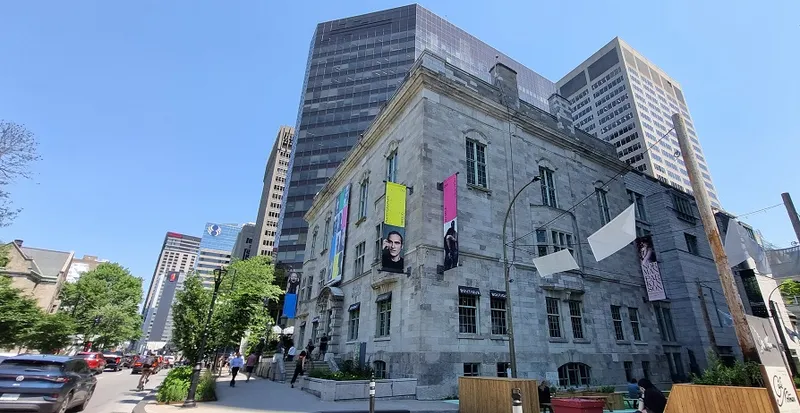
Located on Sherbrooke Avenue in the heart of Montreal, the McCord Stewart Museum has been showcasing the region’s culture and heritage for over a century. See our earlier photo essays on its art exhibitions here.

0

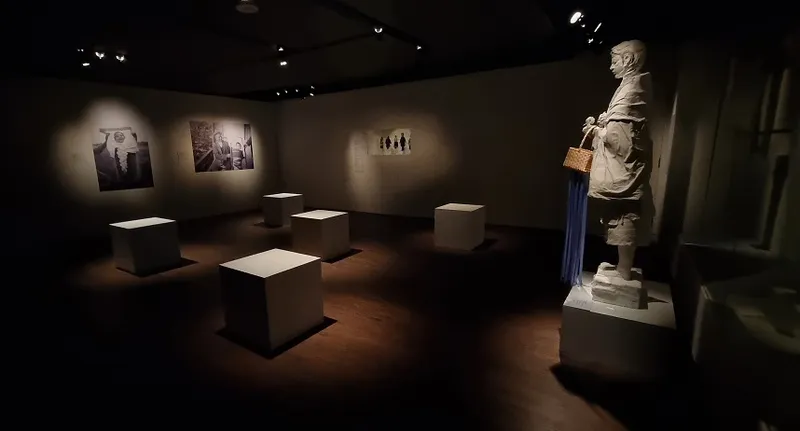
The museum boasts six large collections of 2.5 million images, objects, documents, and works of art, with themes ranging from decolonisation to fashion. It also organises community engagement activities for educators and professionals.

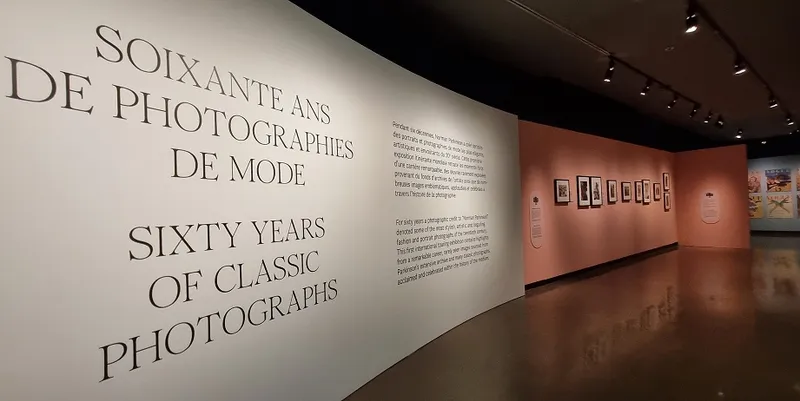
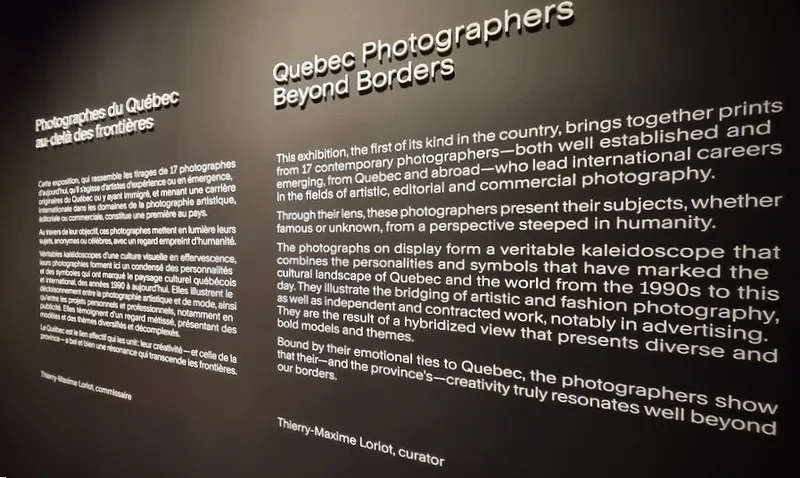
Two exhibitions are currently being showcased for four months, with the photographic works of the legendary Norman Parkinson as well as 17 Quebec photographers.

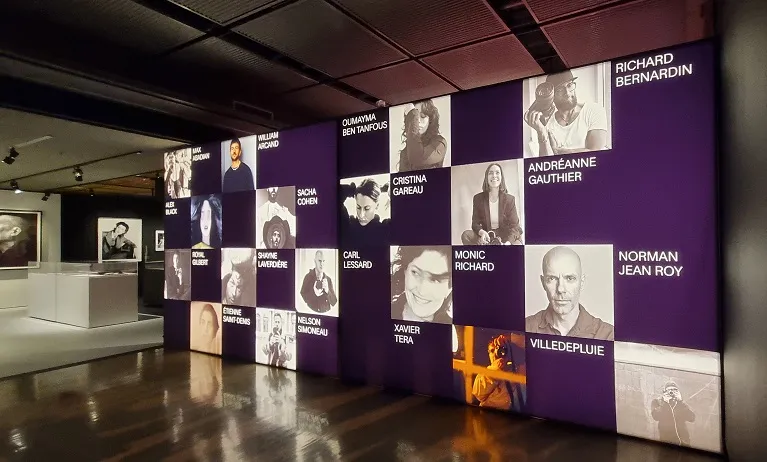
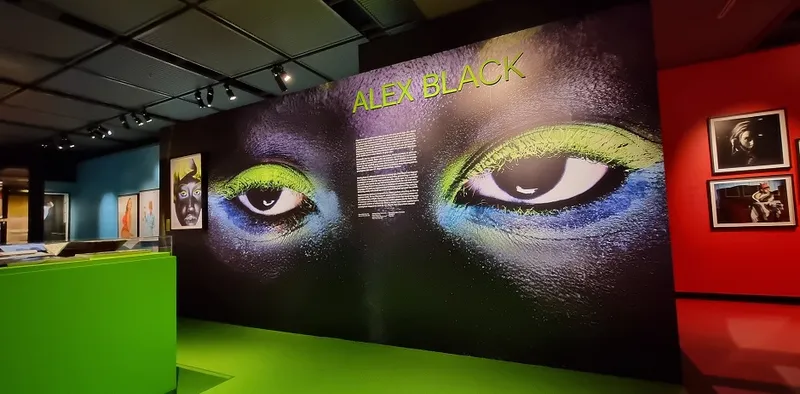
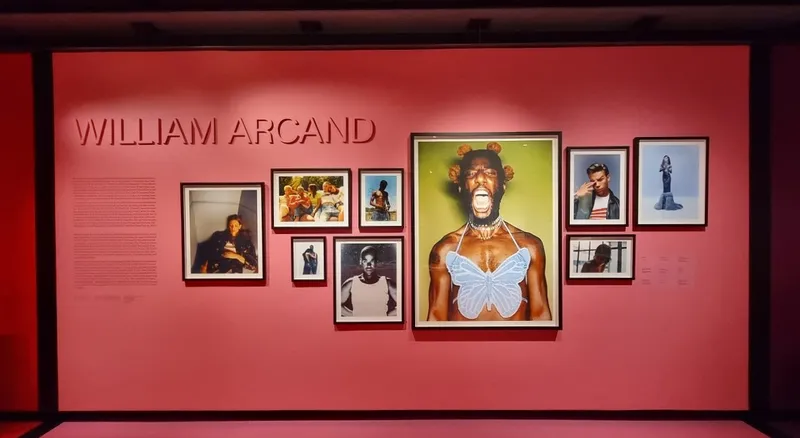
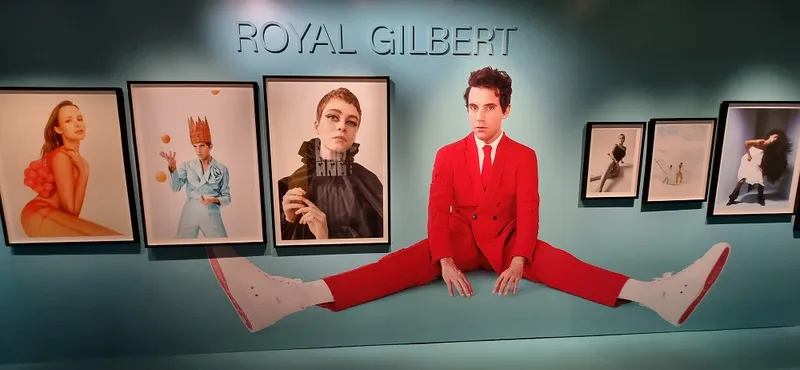
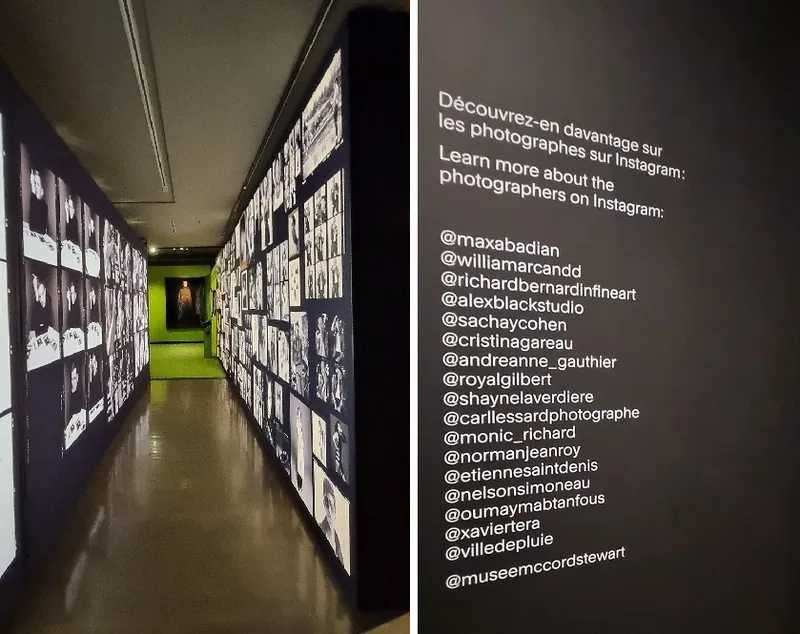
The exhibition titled Portraits and Fashion features prints by 17 photographers: Max Abadian, William Arcand, Richard Bernardin, Alex Black, Sacha Cohen, Cristina Gareau, Andréanne Gauthier, and Royal Gilbert.

1

“For some, Quebec’s photography schools and then its fashion and publishing microcosm have been a springboard to major capitals like New York, London, Paris, Los Angeles and Tokyo, and from there, their images have made their way into the most prestigious magazines,” curator Thierry-Maxime Loriot explains.

The lineup also includes Shayne Laverdière, Carl Lessard, Monic Richard, Norman Jean Roy, Étienne Saint-Denis, Nelson Simoneau, Oumayma Ben Tanfous, Xavier Tera, and Villedepluie.

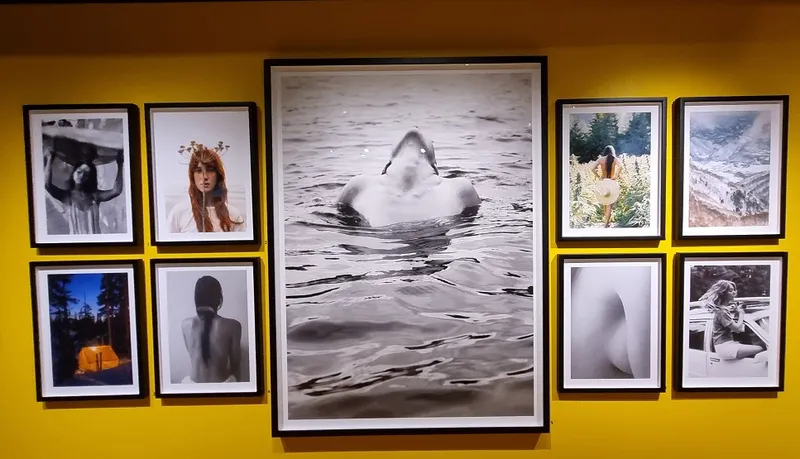
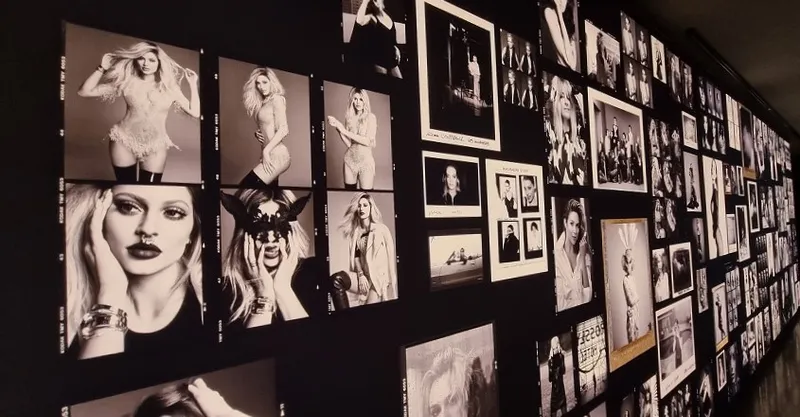
The 17 photographers showcase a range of diverse themes, drawing on their own multiple backgrounds. The exuberance and talent of the photographers are reflected in the cinematic yet sensitive images, as shown in this photo essay.

2

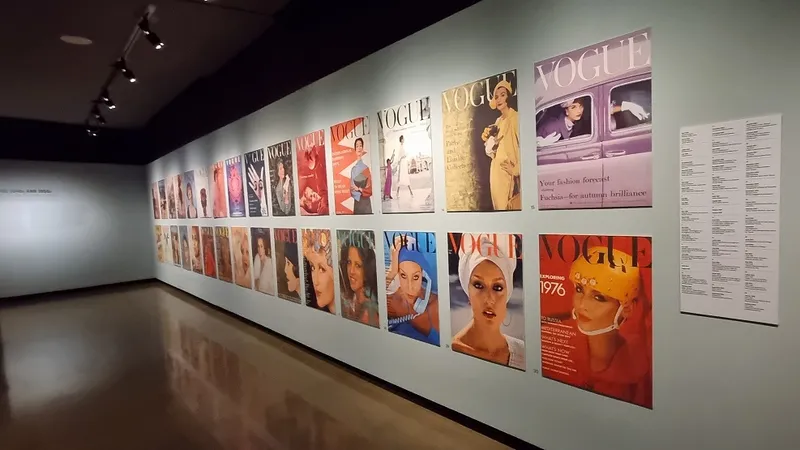
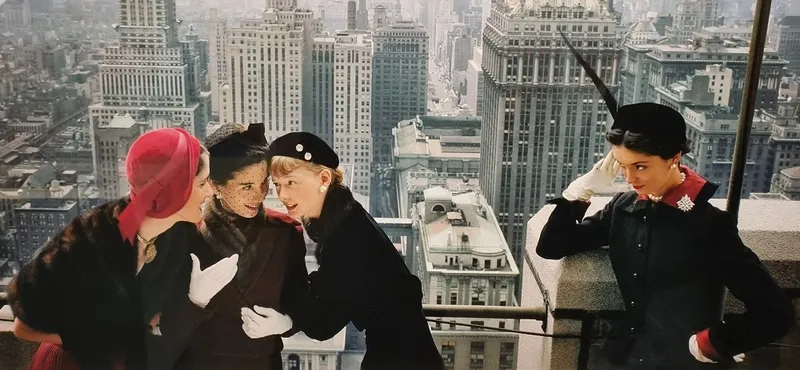
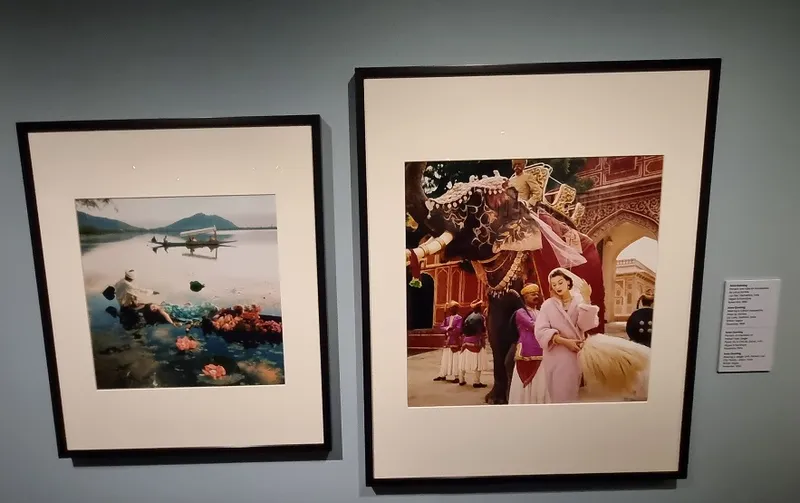
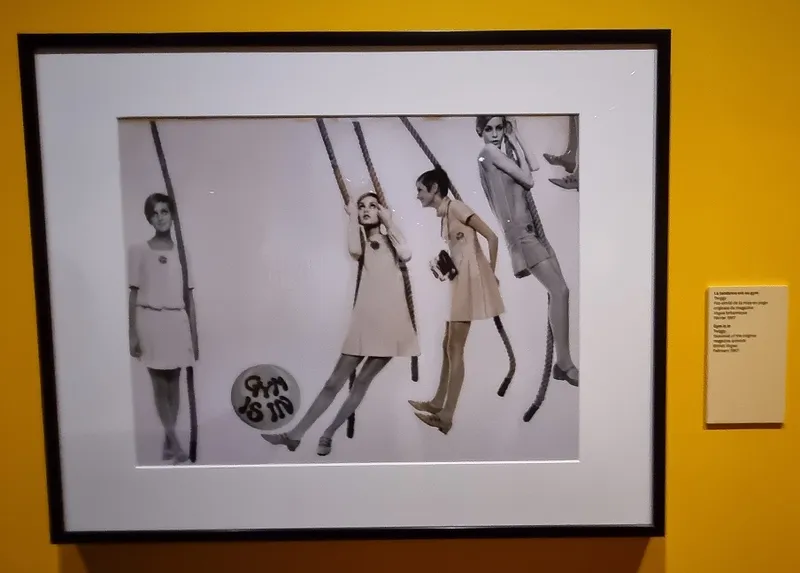
Norman Parkinson is regarded as one of the pillars of 20th-century fashion photography, capturing iconic images of prominent artists and celebrities. The exhibition highlights his work with magazines like Vogue, Harper’s Bazaar, Queen, and Town & Country.

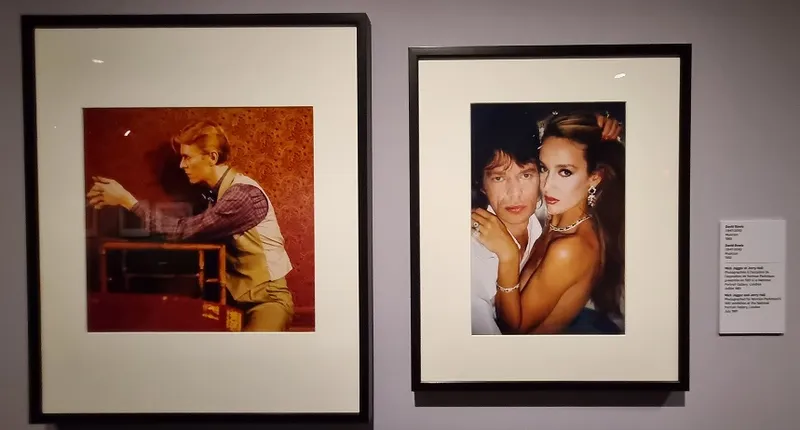
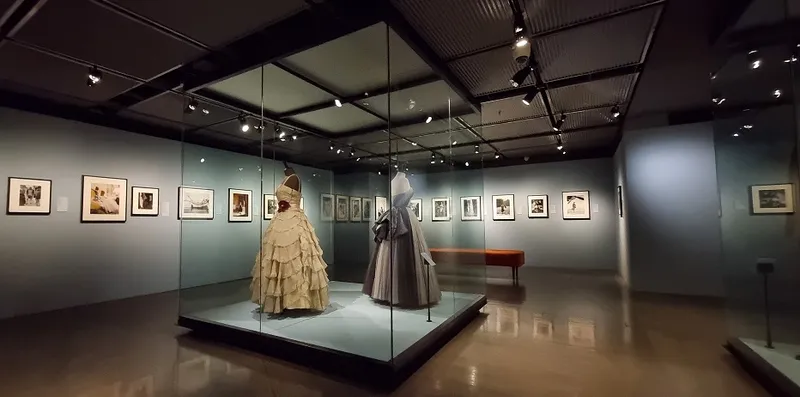
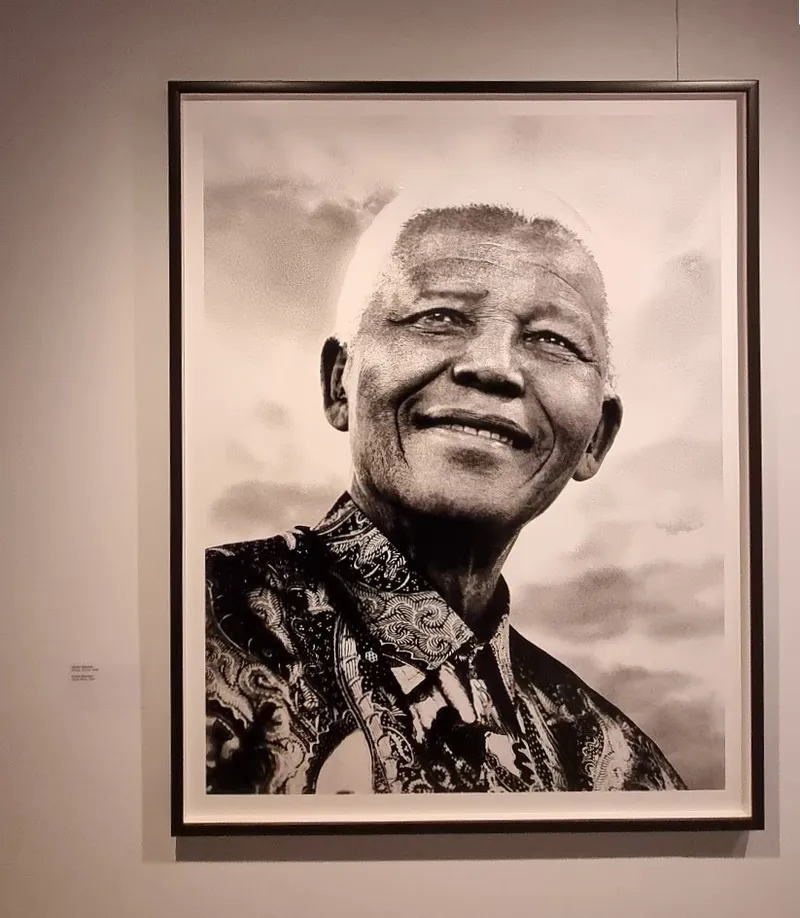
The showcase also includes iconic photographs of Nelson Mandela, David Bowie, Mick Jagger, and others. Several pieces from the McCord Stewart Museum’s dress, fashion and textiles collection are on display as well.

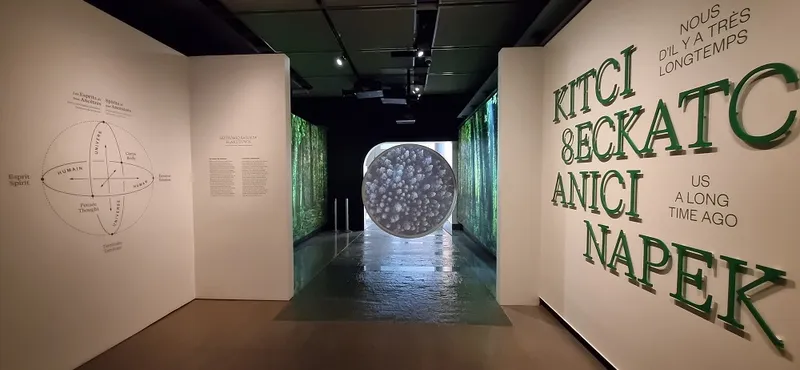
In keeping with its cultural heritage, two sections of the museum address issues around indigenous art. This includes the exhibition, Indigenous Voices of Today: Knowledge, Trauma, Resilience.

3

The works of artist MC Snow are also featured. A graduate of the University of Ottawa’s fine arts department, Snow has been working and exhibiting in Canada and the United States since the 1990s. His sculptural works combine traditional materials and techniques in a contemporary manner.

In sum, McCord Stewart Museum’s current exhibitions span a broad range of cultural narratives, from indigenous culture to modern fashion. The design and interactive digital features appeal to an inter-generational audience as well.

Now what have you done today to pause in your busy schedule and harness your creative side for a better world?

3A
3B
4a
4b
5
6a
6b
7
8a
8b
9
10
Exhibits by MC Snow” align=”center”>12

Exhibits by MC Snow

Indigenous art section” align=”center”>13

Indigenous art section

20

(All photographs were taken by Madanmohan Rao on location at the exhibition.)

Ten Adam Štěch photographs of “one-of-a-kind” architecture and interior designs

Ten Adam Štěch photographs of “one-of-a-kind” architecture and interior designs

Architecture historian Adam Štěch highlights ten images from his recent exhibition Elements: Unique Details of the 20th Century Architecture and Interior and explains the stories behind them.

The exhibition brought together an edited selection of nearly 3,000 photographs from Štěch’s archive of buildings and interiors and their bespoke details.

Elements: Unique Details of the 20th Century Architecture and Interior was created for Milan design week and provided a welcome respite from the week’s influx of new products.

It was displayed in one of the previously abandoned warehouse tunnels behind Milan Central Station, as part of the Dropcity series of exhibitions.

Over more than 15 years, Štěch estimates he has photographed about 7,000 projects in 45 countries, capturing buildings and interiors that were completed between 1910 and 1980.

“It’s hard to count them all,” Štěch told Dezeen when asked how many photographs are in the ever-evolving archive.

For this exhibition, he focused on ten specific elements from his archive, grouped according to certain details ranging from entrances, windows and handrails to furniture, lighting, fireplaces and surfaces.

“All of these elements were created by architects as one-of-a-kind and bespoke design solutions for specific houses and buildings all around the world,” Štěch said.

“The ultimate selection of elements celebrate the modernist idea of the total work of art, the so-called Gesamtkunstwerk, and tell stories about the versatile skills of modernist architects from Art Nouveau to modernism and beyond.”

The paper-printed photos in the exhibition were folded simply over an aluminium construction, making the show quick to assemble and lightweight and compact to transport.

“The images were freely divided into typological sections in which visitors could explore various formal similarities and analyse modernist architecture in its differences and transformations,” explained Štěch.

“My ambition for this project is to create the biggest database of one-of-a-kind designs from specific buildings and interiors captured by a single person and survey a never before seen chapter in the history of applied art.”

Below, Štěch highlights ten featured photographs, one from each of the typological sections of the exhibition:


Leather-covered door in French house

Schlegel and Brunhammer Apartment by Valentine Schlegel, Paris, France, 1970s

“Valentine Schlegel’s vases from the 1950s are among the pinnacle of French post-war artistic ceramics. Despite the fact that her work was largely forgotten, interest in her has increased again recently.

“I visited her own apartment and studio in Paris, which she shared with her friend Yvonne Brunhammer, writer, curator and director of Musée des Arts Décoratifs in Paris. I was there just a few weeks before its interior was completely emptied and sold at auction.

“Designed during the 1970s, her apartment and studio were conceived as an artificial cave, organically modelled by plaster. It was created at the time when she specialised in designing private apartment interiors, which she transformed into organically shaped spaces. I was amazed by the leather-covered door she designed for the space.”


Double window designed by Carlo Scarpa

Grand Hotel Minerva by Carlo Scarpa and Edoardo Detti, Florence, Italy, 1957-1964

“If you talk to architects, many are celebrating Carlo Scarpa as an ‘architect of the detail’. It is also why I focused on his work and have visited almost all of his projects.

“The one which is not so well known is the Grand Hotel Minerva in Florence, which he designed together with the architect Edoardo Detti. The hotel is located in the historical building close to Santa Maria Novella church.

“The architects created public spaces spread around the external patio which you can look at through this exceptional double window. I enjoyed an amazing breakfast there while photographing this great detail of Scarpa’s.”


Metal staircase with metal handrail

Chamber of Commerce, Work and Industry by Jože Plečnik, Ljubljana, Slovenia, 1925-1927

“Two years ago I was commissioned to photograph a collection of Jože Plečnik’s buildings in Ljubljana.

“This was an amazing opportunity to experience the work of Plečnik who I find to be one of the most important European architects for his ability to combine all historical architectural styles together with absolutely original results.

“This staircase and metal handrail is located inside Plečnik’s first project after he came back to Ljubljana from his stay in Prague. This robust metal handrail beautifully shows Plečnik‘s sensitive approach to details and his skills with metal craft.”


Built-in sofa with brown cover

Casa Carcano by Ico and Luisa Parisi, Maslianico, Italy, 1949-1950

“It took me more than two years before I was finally able to arrange a visit to the unique Casa Carcano designed by my absolutely favourite Italian architects and designers Ico and Luisa Parisi.

“They built it near the famous Lake Como in 1949-1950 at the beginning of their rich career. Parisi was born in Palermo, Sicily in 1916 and settled in Como in the 1930s. Together with his wife Luisa, they designed exceptional houses from the late 1940s to the 1970s.

“I have already visited five of them since 2011. Casa Carcano is their early masterpiece with much bespoke furniture including this wonderful built-in sofa in the middle of the stairs, which is housed in the spectacular entrance hall.”


Wooden lamp with balloon shade

Former Czechoslovak Embassy in New Delhi by Karel Filsak, Karel Bubeníček, Zdeněk Dvořák, Jan Kozel, Karel Filsak and Zbyněk Hřivnáč, India, 1966-1974

“As my diploma project at the Art History department at the Charles University in Prague, I focused on the work of interior designer Zbyněk Hřivnáč. He collaborated with the best of Czech architects during the socialist time from the 1950s to 1980s, designing mostly bespoke interior furnishings.

“These projects included Czechoslovakian embassies all around the world. Back in my student years, I did not have any chance to travel to see these buildings. Finally, now I have resources that allow me to travel worldwide.

“I was finally able to visit two of the Czechoslovakian embassies (now divided into Czech and Slovak) in Cairo and New Delhi. The one in India is an amazing brutalist building with all of the original furnishing details still preserved.

“Hřivnáč also designed this series of wooden lamps including balloon shades.”


Organic fireplace in Swedish house

The Box by Ralph Erskine, Lovön, Sweden, 1941-1942

“Not far from the Drottningholm Royal Castle on the island of Lovön near Stockholm, there is a miniature house that Ralph Erskine built as a starter home in the early 1940s. Its architecture is synonymous with frugality and minimalism.

“If you want to see Ralph Erskine’s house, you must first pick up the keys at the reception of the ArkDes architecture centre in Stockholm. After paying the deposit, they will entrust you with the keys and you have nothing else to do but go to the island of Lovön and open this unique house yourself.

“I did the same to visit this masterpiece by the famous Swedish-British architect who was a pioneer of Scandinavian modernism. He designed this organic fireplace as a centrepiece of the minimal functional interior.”


Painted interior in German house

Bossard House (Kunststätte Bossard) by Johann Michael Bossard, Jesteburg, Germany, 1911-1950

“One of my many specific interests with 20th-century architecture is totally-designed interior environments. These are spaces where all the surfaces are given the attention of the designer.

“This kind of interior can often be found in Germany. They were created by artists influenced by the expressionist movement, very often by painters or sculptors and not architects.

“This is also the case of Johann Michael Bossard who created his own world in the middle of forests in Jesteburg, close to Hamburg. His own house is completely painted inside by mixing mythology and his original visions of the future. I called these interiors ‘3D paintings’.”


Bathroom with mosaic curve

Maison Wogenscky by André Wogenscky and Marta Pan, Saint-Rémy-Lès-Chevreuse, France, 1952

“I was desperate to visit this house, built near Paris by Le Corbusier‘s disciple André Wogenscky and his wife, sculptor Marta Pan.

“Despite the house only opening to the public a few times a year, it was one of the most challenging visits because I did not get any answer from the foundation for years. Finally, I made it there in 2022.

“The bathroom, with the beautiful mosaic-clad curve, presents the essence of postwar French interior design.”


Boomerang-like planter in modernist house

Girard House by Wolfgang Ewerth, Casablanca, Morocco, 1954

“Casablanca boasts a rich collection of art deco architecture, as well as modernist and brutalist. That’s why I decided to go there in 2019. With the help of architects from preservation group Mamma, I was able to visit some exceptional houses.

“Originally German architect Wolfgang Ewerth was a follower of progressive modernist tendencies after the second world war and built several remarkable villas in Casablanca. I was lucky enough to visit House Girard, which Ewerth completed in 1955.

“The spacious terraces, glass facades and open living space stand in bold comparison with the best contemporary examples of Californian modernism by Richard Neutra, Raphael Soriano or Craig Elwood, who, like Ewerth, used simple steel frames to allow for freely articulated interiors.

“But unlike his American colleagues, Ewerth also designed more sculptural features including this massive boomerang-like planter.”


Monumental wall clock inside library

University Library by Henry Lacoste, Leuven, Belgium, 1948

“Last summer I had the chance to stay for three weeks in Belgium, supported by the Czech Centre in Brussels. I took advantage of this and visited dozens of Belgian modernist houses and interiors. Every day I woke up very early, travelling to different Belgian cities and documenting marvels of Belgian architecture and design.

“Hidden behind the historical neo-Renaissance facade of the monumental Leuven University Library is the main reading room, which was one of my intended destinations.

“It is a perfectly carved interior treasure, created by Belgian architecture legend Henry Lacoste after the second world war when the library was completely destroyed for the second time. The space is full of sculptural details and symbolic motives carved into oak, including this monumental wall clock.”

The photography is by Adam Štěch. Main image by Piercarlo Quecchia.

Elements: Unique Details of the 20th Century Architecture and Interior was on show as part of Dropcity during Milan design week from 12 to 21 April 2024. See Dezeen Events Guide for all the latest architecture and design events taking place around the world.

What is the Sepia Bride TikTok Drama? Photographers React to Alexandra Jaye Conder’s Allegations

What is the Sepia Bride TikTok Drama? Photographers React to Alexandra Jaye Conder’s Allegations
Sepia Bride TikTok Drama

TikToker Alexandra Jaye Conder’s video has gone viral

Photo : Twitter

TikToker Alexandra Jaye Conder‘s complaint about her wedding photographs has ignited a full-fledged debate on social media. It all started when Conder shared a video claiming that her wedding photographer’s sepia color grading turned everything orange and yellow.

The Allegation

The photographer, Han, is known for a style that emphasizes warm yellow tones. In the video, Conder admitted she liked the photos from her rehearsal dinner and wedding reception. However, on the actual wedding day, overcast weather affected the natural light. This impacted the warm tone-leaning editing style of the photographer, which Conder did not like. Although the photographer re-edited the photos, Conder remained dissatisfied. She requested the RAW files, but Han allegedly demanded $4,000 for them.

Photographers Share Their Views

The video went viral, prompting several photographers to share their professional opinions in the TikTok comments.

“I think these are all gorgeous. The editing is consistent, the difference is the lighting & background which plays a role in the final product. No image will look exactly the same in different light, “Hudson Valley NY Wedding Photo wrote.

Photographer @asiachristine_ shared her own take on the photos, saying, “11 yrs as a wedding photographer- it’s 100% the lighting, location, backgrounds that makes them look so different. LOVE film edits, but it’s so tricky bc it can look so beautiful in some situations & muddy in others. They can be tweaked so they’re not so warm & give more true tone. Photog edited in her style & this is expected based on her edit bc lighting/environment is constantly changing on [wedding] day.”

Alexandra Jaye Conder’s Final Comment

After her videos went viral, Conder posted a series of short videos from her wedding day with the caption, “All that matters in the end. Thank you to everyone who listened to my experience & my story. I will no longer be sharing more on this issue as i need to move on with my life. If the photographer ends up sharing her story on the matter, i will comment. But as of now, im going to try to re do my wedding portraits & close this off…”

‘You Like It. It Likes You’: Stephen Aiken’s ‘Coyote’ Photographs

‘You Like It. It Likes You’: Stephen Aiken’s ‘Coyote’ Photographs
image

In 1974, the iconoclastic German artist, Joseph Beuys, arrived in New York City wrapped in felt. An ambulance shuttled him from JFK to SoHo’s Rene Block Gallery, where he was then carried inside and enclosed behind fencing with a coyote named ‘Little John.’ For the next three days, Beuys and Little John shared the space as part of a performance called I Like America and America Likes Me, also known as Coyote. Beuys, who believed that social transformation could come from people choosing to live their lives as creative acts on a mass scale, would have called this an ‘action’ rather than ‘performance art.’ He characterized works such as I Like America as enquiries, ‘aimed at creating in people an agitation for instigating questions rather than conveying a complete and perfect structure.’ Through July, Provincetown’s Schoolhouse Gallery will be exhibiting a sequence of photographs taken by conceptual artist, Stephen Aiken, during Beuy’s three-day performance. Aiken’s sequence ‘agitates,’ straddling lines between the production and observation of artistic ‘action.’ In documenting Beuys’s famous performance, Aiken reframes the scope of I Like America’s questions.

Beuys was a polarizing figure in the art world, the subject of both fierce devotion and critical polemics as late as his 1979 major retrospective at the Guggenheim. In an analogous sense, one central tension in I Like America concerns the problem of charisma. Beuys understood the artist’s persona as a compositional element, a ‘synthetic existence.’ He made a spectacle of his own disruptive power in his performances, positioning himself as a kind of avantgarde shaman. For a 1964 piece called Lebenslauf/Werklauf (Lifework/Worklife), he described his own birth as the ‘exhibition of a wound’ and invented correspondence with James Joyce, whose Ulysses he had decided to ‘extend’ with a series of six exercise books of drawings from 1958-1961. Beuys’s self-fashioning as teacher, mediator, and artistic instigator ‘was a kind of psychoanalysis,’ he explained, ‘with all the problems of energy and culture.’

Most famously, he invented a spiritual and artistic origin myth for his practice. Beuys had been a Luftwaffe rear-gunner on the Eastern Front during World War II, and his plane was shot down in 1944. According to Beuys, his body was recovered from the snow by Tartars, who he described as the ‘nomads of Crimea, in what was then no man’s land between the Russian and German fronts, and [who] favoured neither side.’ In Beuy’s account of his survival, the Tartars covered his body with animal fat and wrapped it in felt blankets to rejuvenate it. These elements would form the basis of both his personal symbolic register and his use of visceral, tactile, and animal products as performance elements. The goal was in part to recover the instinctive, the elemental, and the emotional as a balm for reductive modern rationalism. His model of lived art sought to ‘encompass all the invisible energies with which we have lost contact.’

But Beuys’s calculated persona often risked undermining the interrogative ends of his artistic projects. What if ‘elemental’ parts of ourselves cannot be cleanly mapped by the symbolic meanings imposed by a charismatic leader’s persona? In one of his most striking performances, How to Explain Pictures to a Dead Hare, Beuys stood behind a glass gallery window with his face covered in honey and an applique of gold leaf, whispering descriptions of drawings on the walls to a dead hare in his arms. Each element – the gold, the honey, his own head, the hare, a felt-insulated stool, a magnetized iron sole in his shoe that made him limp – had a specific meaning involving transformation, intuition, or the intellect. Of course, the hare figured perfectly and without resistance into the meanings suggested by the other animal, Beuys, because it was dead.

In I Like America, Beuys approached Little John with his personal mythology of gestures and objects – his felt blanket, a shepherd’s staff, a flashlight, and a musical triangle that he would use to beckon Little John. As with How to Explain Pictures to a Dead Hare, Beuys had an argument to make. Informed by the Vietnam War, Watergate, Native American genocide, and the Civil Rights Movement, Beuys wanted to explore the idea of healing social trauma through direct connection with the Other. Aptly, the title of the performance alludes to an ad campaign for 7-Up – ‘You like it. It likes you.’ – subverting an aesthetic of mass consumption with one of individual experimentation. ‘Beuys saw America as having a traumatic energy block,’ Aiken reflects, ‘and he was looking to stage clues for an audience to think through.’ He spent three days in the gallery mirroring Little John’s movements, sleeping on straw, and coaxing the coyote into urinating on copies of The New York Times that were delivered daily. At intervals, Beuys interrupted his routine with Little John using a tape recording of blaring engine turbines, introducing the discordant strains of American trauma that he intended to critique.

Aiken’s presence as participant was almost an accident. When he saw what was happening at Rene Block, he came back with his camera and shot a roll of film over the course of an hour. ‘Apart from the someone recording a film of the performance,’ he recalls, ‘I was really Beuys’s audience then. I could see him performing for me.’ As photographer, though, Aiken’s relationship to Little John was at least as close as Beuys’s was – and as instigating – in an important way. No matter what register of symbols Beuys hoped to implicate Little John in, the latter was under no compulsion to mean them. Unlike the dead hare, Little John could nip at Beuys’s felt shaman cowl. He could force Beuys to accommodate his rhythms and decisions. He could ignore Beuys. Similarly, Aiken as photographer was free to assume perspective, choosing his entry points into the captivity scene and reconfiguring its potential meanings.

‘For me, it was about how you can transform into something free,’ Aiken reflects, ‘even in a cage.’ Aiken had just spent time on a Florida chain gang for a minor offense. In a sense, he came to Beuys’s action from within the situation that Beuys had envisioned and orchestrated from without. Being within the operation of I Like America’s project acts as a compositional principle in Aiken’s photographs. He captures intrusions and disruptions of Beuys’s action. At turns, this involves foregrounding the material and apparatuses of the performance. One of Aiken’s photographs, for example, captures Beuys performing one of his ritual gestures with Little John while his felt cowl crumples closer to us in the lower left corner. In another, we see Beuys smoking at some distance from Little John through strands of metal fence.

In others, Little John intrudes on the frame without context, captured in part and in motion. Perhaps the most striking images decenter Beuys and frame Little John as portrait subject. ‘Since the Ice Age, the North American coyote has shown us what it means to survive and evolve into something new,’ Aiken reflects. ‘No one then would have imagined coyotes in New York but there it was.’ In one image, Beuys disappears under his felt cowl, virtually indistinguishable from another felt blanket, while our eyes are drawn to Little John at rest. In another, Aiken seems to have photographed Little John while crouching or laying the floor, level with him. In a significant sense, this is both the antithesis of Beuys’s authoritative position as provocateur and precisely the sort of engagement that I Like America sought to provoke from viewers.

For contemporary audiences, Aiken’s photographs are less ‘documentaries’ of a particular art-historical milieu than they are documents that make that milieu accessible and fresh from Aiken’s perspective. Because I cannot see Beuys’s performance of I Like America firsthand in a present that entails risk, uncertainty, and open-endedness, reading explanations or summaries of it by the artist himself has as much living possibility as a dead hare. I can, however, assume a powerful relationship to Little John’s situation with Beuys through Aiken’s photographs, which both unsettle Beuys’s mediation of the encounter with the coyote and invite me to participate in Beuys’s experiment myself as both observer and living, thinking animal.

What would it entail to view one’s own life in Beuys’s terms as an artistic expression? How would one begin to explore the question through the perspective assumed in Aiken’s photographs, which both capture complete situations as critical observer and incomplete gestures as participant? Aiken’s photographs evoke a liminal shift in perspective, a space between Little John and Beuys. In one sense, the poetic companion to Aiken’s photographs is the conclusion to Randall Jarrell’s ‘The Woman at the Washington Zoo,’ which circulated through my animal brain like a spinning turbine when I first saw Aiken’s work at The Schoolhouse Gallery. I thought of Beuys in his cowl and of myself growling all the days of my life at shadows and gestures and cages:

‘Vulture,

When you come for the white rat that the foxes left,

Take off the red helmet of your head, the black

Wings that have shadowed me, and step to me as a man:

The wild brother at whose feet the white wolves fawn,

To whose hand of power the great lioness

Stalks purring ….

You know what I was,

You see what I am: change me, change me!’

Stephen Aiken’s work is being exhibited along with work by Army Arbus, David X. Levine, Jo Sandman, and Han Feng at The Schoolhouse Gallery, 494 Commercial Street, Provincetown, Massachusetts, through July 16.

Stephen Aiken’s photographic work from Artists in Residence: Downtown New York in the 1970s is also available here.

Native Pop arts festival runs through the weekend in Rapid City

Native Pop arts festival runs through the weekend in Rapid City

Another edition of the Native Pop festival in Rapid City is another chance for artists emerging and established to find an audience.

With styles ranging from traditional to contemporary, every show brings something new.

The artist reception and award ceremony was held at the Suzie Cappa gallery in downtown Rapid City, and the main show continues through Sunday.

James Star Comes Out was named the best in show. A traditional artist, he says his art is an effort to keep touch with history in the year 2024.

“The motivation of that is to revitalize the horse mask among the Lakota,” Star Comes Out said. “Today, you don’t see that very much, so I feel as an artist it’s my obligation to try to bring back some of the things that strengthen us as a people.”

Star Comes Out is an established Lakota artist, and many of his works can be see in the Journey Museum permanent collection. He said these types of events open real doors to up and comers.

“When I was younger, just an emerging artist, I didn’t have opportunities,” Star Comes Out said. “I’m always trying to empower the younger artists, give them opportunity, and you see more of it today. My work is based on cultural ways, stories, history, and that’s where I get my inspiration from.”

But not every artist falls into the “traditional” style. Star Comes Out’s son, Sheldon Starr, offers a unique take on what “indigenous art” can be.

“I would say I’m inspired by American 80s, 90s and 2000s pop culture,” Starr said. “Coming from the Oglala tribe, a lot of that geometric inspiration is in there as well. I’ve been trying to do this professionally for about four years or so – I’m still considered an emerging artist right now.”

While the pastels, high contrast, and geometry might strike the viewer as more “Miami Vice” than Pine Ridge, it’s the inclusion of themes and perspective that allows Starr to stay true to his roots in his work – beginning with the tradition of storytelling.

Sheldon Starr's entered works

Sheldon Starr’s entered works

“A lot of my parents’ stories were from when they were teenagers and young adults in that time period, but movies and music – everything I love comes from that era,” Starr said. “Just steering away from that “stereotypical” stuff I guess you would call it. I respect it a lot, but that’s not what comes out of my creative mind.”

At the same time, other creators are firmly planted in the present day with their work. J. White is a Sioux Falls based artist and owner of the Post Pilgrim Gallery.

“This particular piece is called “The Real Blood Tribe,” White said “This is a painting in regard to the audacity of neo-Nazis coming into our state of South Dakota and imparting themselves on our state capitol building, as well as Deadwood, and being masked the entire time.”

While a making strong antifascist statement, White says the painting also reflects the commodification of stolen indigenous lands, and the power of unity.

White stands with her painting “The Real Blood Tribe”

“There are seven women on these horses, and they are ready to fight,” White said. “They are vulnerable and strong, and they are the real blood tribe, and shame on you for using those words in vain. I don’t need to worry about the sense of strength. I sit on the shoulders of many strong women and men before me who have given me the courage to stand up and speak exactly how I feel.”

On top of that, White has a challenge for any young artist trying to find that voice.

“If you young people have something to say, I dare you to write it down and I dare you to paint it, and have fun with it,” White said. “Go see art, steal from other artists – everybody does it – and don’t be ashamed.”

That sentiment is reflected by Native Pop executive director Raine Nez.

“It’s really prevalent, especially here in Rapid City to have Natives have their own art, be able to display that and have their place in the art world,” Nez said. “I would say come down to the art market. Learn to talk to people. As much as people don’t think of it as an acquired skill, you have to get out there, you have to be able to approach someone and say hi, how are you. Just start asking questions.”

The art market continues in Main Street Square through this weekend in Rapid City.