Today is National Camera Day! Here are 5 ways to celebrate

Today is National Camera Day! Here are 5 ways to celebrate

Did you know that June 29 is National Camera Day? Well, not many people do! But it is a thing – and celebrated on the same every day… a bit like National Egg Day, Ugliest Dog Day, and International Asteroid Day that also apparently take place every year in June.

Here at Digital Camera World, we celebrate cameras and photography every day of the year, but we are very happy to call out this day in particular, especially since this year, June 29, falls on the weekend!

So how will you celebrate National Camera Day? Here are five simple things to inspire you…

1. #cameraday

The most obvious thing to do on National Camera Day is to go out and take pictures! But when you do, also share them with others by tagging them on Facebook, Twitter or Instagram with the hashtags #cameraday and #nationalcameraday. We’ll keep a look out for your stunning images 🙂

2. See the sunrise…

(Image credit: Digital Camera World)

Why not make the most of National Camera Day by getting out and about before dawn? It is the middle of summer in the Northern Hemisphere – so this will mean a special effort. But getting yourself into position in time for sunrise will often mean getting the best light (and particularly so on a sunny summer day) – and the key is that at this time of day is that the light on the subject changes quickly, creating a greater range of photographic possibilities.

Of course, if you can’t get yourself up that early… you could stop out until sunset instead!

3. Try something new

National Camera Day could also be the day you decide to try to shoot something different with your camera. Take yourself out of your comfort zone… and try shooting something that you have not ever tackled before. 

We have some great photography tutorials for you to give you inspiration. Have you tried to photograph birds in flight, for instance? Or have you ever taken a slow shutter speed shots of waterfalls? Or tried focus stacking? Or mastered the weird world of cross polarization

If you are struggling for an idea look through 177 photography tips to find something to try out for the first time!

4. Revive old photos

(Image credit: Digital Camera World)

Have you got a box or drawer full of your old photos? Stacks of slides or packs of prints that contain your early exploits with a camera. National Camera Day is a great excuse for getting your ageing shots out and seeing how your photography has improved over the years (or got worse!). A great project would be dig out the best of these shots, and then bring them back to life by digitizing them.

There are two ways to do this… buy a film scanner, or photograph them with your own camera (you can find how you can digitize your prints and slides using a DSLR or mirrorless camera here). 

5. Amazing three for a fiver deal!

3 for $5 photo magazine subscription offer (Image credit: Future)

Digital Camera World is not just a website… we also produce a monthly magazine about photography. Why not celebrate National Camera Day by takine a vow to take photography more seriously and sign up for a magazine subscription. We currently have a great summer sale going on… where you can get three issues for a fiver – that’s $5 in the America, £5 in the UK, or €5 in Europe. 

This deal is not just available on Digital Camera magazine… but also on the other magazines we publish on a huge variety of subjects (and including three other photo mags), so take a look

Read more

The best locations for photographers around the world

177 photography tips for taking pictures of almost anything

Photographer John Ferguson honoured by Ipswich exhibition

Photographer John Ferguson honoured by Ipswich exhibition

24 minutes ago

By Rachael McMenemy, BBC News, Suffolk

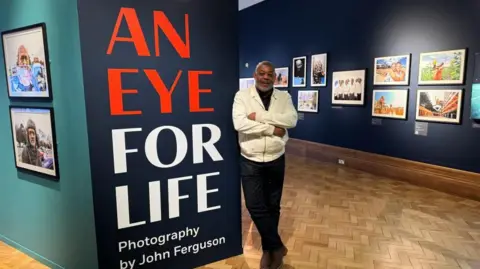
imageIpswich Museums John Ferguson standing in the exhibition space at Christchurch Mansion surrounded by his photographs on the walls.Ipswich Museums

A retrospective of a photographer’s lifetime of work capturing images of celebrities and projects exploring communities across the world is to go on display.

John Ferguson, who lives in Ipswich, said he was “honoured” to have work covering about 40 years of his career open to to the public in his An Eye for Life exhibition at Christchurch Mansion in the town.

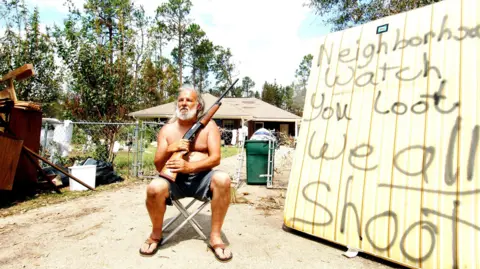
Among the works on display are a series of photographs which explored the meaning of home for people from the black British community living in Suffolk.

“Some of these images have some great stories behind them,” he said.

imageJohn Ferguson

Mr Ferguson, who used to work in London’s Fleet Street, said: “Suffolk and Ipswich especially is my new adopted home.

“To be recognised by Ipswich Museum and the people of Ipswich, who decided to put this exhibition on… I feel really honoured.

“I hope to do more of these projects and campaigns in Suffolk as well.”

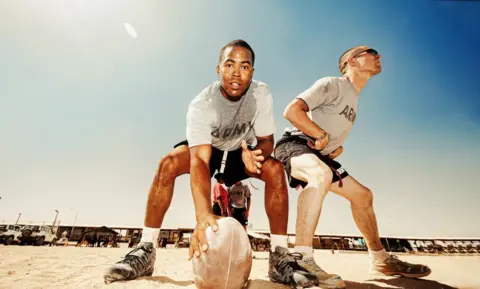
imageJohn Ferguson Two soldiers playing American Football in Afghanistan. They are wearing US Army T-shirts and shorts.John Ferguson

Formerly a photographer for a national newspaper, Mr Ferguson said a project focusing on Suffolk was the catalyst for the exhibition.

He said: “One of [my] projects was on the theme of home, which delved into the Afro-Caribbean population and how they felt about living in a rural Suffolk community.

“I got a diverse range of ideas and stories, it was enlightening.

“Ipswich museum loved it and my exhibition came about from there I think.”

The exhibition also covers his time working with celebrities, including Oasis, The Spice Girls, and David Bowie.

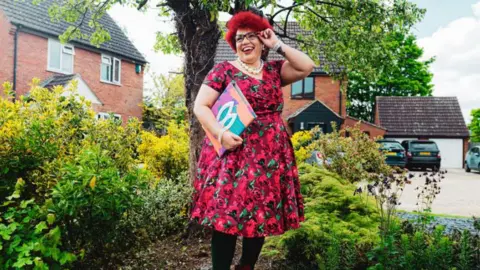
imageJohn Ferguson A woman in a red and black dress standing in front of a tree.John Ferguson

It also includes Mr Ferguson’s favourite personal photo projects.

“Some of these images have some great stories behind them,” he said.

Kate Price, assistant director of communities at Ipswich Borough Council, said: “John defines the phrase homegrown talent and his vibrant and compelling photographs wonderfully depict the people who call Suffolk home.”

The exhibition opens 29 June at Christchurch Mansion and runs until 27 April.

More on this story
Related internet links

Photography art show opens Friday at Metro Gallery

Photography art show opens Friday at Metro Gallery


“Buffalo County” by Patrick Hargon.


“To Do” by Patrick Hargon.


“The Wishing Loft: Next Right” by Patrick Hargon.


“Inward This, Outward That,” a collection of distinctive works from photographer Patrick Hargon, will open on First Friday, July 5, from 3-7 p.m. at Metro Gallery Nebraska, 1316 N St. in Lincoln. The exhibition will be displayed July 5-31.

Hargon is a photographer, musician, writer and educator who resides in Kearney, Nebraska. He has been making photographs and video since the early 1990s. He has always had a profound interest in Surrealism, Dadaism and subject matter that investigates the silent moments that insert themselves between and around our performances of ourselves.

His artistic interests are not limited to the visual arts. Over the years, he has performed in various musical groups and toured extensively both internationally and stateside, giving him the opportunity to explore subject matter in a variety of locales.

July will also bring a move into a new location for Metro Gallery Nebraska from 1316 N St. to 1414 O St. The gallery will continue to provide art lovers with access to over 5,000 unique works of art, monthly exhibits (with free First Friday receptions) featuring a variety of local and regional artists, educational opportunities like “An Evening With An Artist” Wednesdays from 5-7 p.m. and art classes by the “One Rule Art School.”

People are also reading…

Also featured in July will be a Focus exhibit on the work of mixed-media painter Robert Esquivel, on view at the Burlington Antiques Mall, 201 N. Seventh St., #102.

For more information, contact the gallery at 402-202-7549 or metrogallerylincoln@gmail.com.

#lee-outstream-wrap {
height: 100%;
width: 100%;
max-width: 800px;
margin: 0 auto;
display: none;
position: relative;
}
#lee-outstream-wrap .ima-controls-div { z-index: 99; }
#lee-outstream-wrap .lee-outstream-video {
position: relative;
padding-bottom: 56.25%;
height: 0;
}
#lee-outstream-wrap .lee-outstream-video video {
position: absolute;
top: 0;
left: 0;
width: 100%;
height: 100%;
z-index:1;
}
#lee-outstream-close {
display: none;
position: absolute;
cursor: pointer;
top: -25px;
left: -25px;
padding: 10px;
overflow: hidden;
background-color: #000;
border-radius: 20px;
color: #fff;
z-index: 99;
line-height: 0;
box-shadow: rgba(0, 0, 0, 0.4) 0px 0px 5px 0px;
}
#lee-outstream-close:hover { color: rgba(255,255,255,.8); }
#lee-outstream-wrap.sticky {
position: fixed;
bottom:0;
right:0;
width: 400px;
z-index: 1000;
height: auto;
box-shadow: rgba(0, 0, 0, 0.4) 0px 0px 10px 0px;
}
#lee-outstream-wrap.sticky #lee-outstream-close{ display: block; }
@media (max-width: 767px){
#lee-outstream-wrap.sticky { width: 60%; }
}

#lee-rev-content { margin:0 -5px; }
#lee-rev-content h3 {
font-family: inherit!important;
font-weight: 700!important;
border-left: 8px solid var(–lee-blox-link-color);
text-indent: 7px;
font-size: 24px!important;
line-height: 24px;
}
#lee-rev-content .rc-provider {
font-family: inherit!important;
}
#lee-rev-content h4 {
line-height: 24px!important;
font-family: “serif-ds”,Times,”Times New Roman”,serif!important;
margin-top: 10px!important;
}
@media (max-width: 991px) {
#lee-rev-content h3 {
font-size: 18px!important;
line-height: 18px;
}
}

#pu-email-form-breaking-email-article {
clear: both;

background-color: #fff;

color: #222;

background-position: bottom;
background-repeat: no-repeat;
padding: 15px 0 20px;
margin-bottom: 40px;
border-top: 4px solid rgba(0,0,0,.8);
border-bottom: 1px solid rgba(0,0,0,.2);

display: none;

}
#pu-email-form-breaking-email-article,
#pu-email-form-breaking-email-article p {
font-family: -apple-system, BlinkMacSystemFont, “Segoe UI”, Helvetica, Arial, sans-serif, “Apple Color Emoji”, “Segoe UI Emoji”, “Segoe UI Symbol”;
}
#pu-email-form-breaking-email-article h2 {
font-size: 24px;
margin: 15px 0 5px 0;
font-family: “serif-ds”, Times, “Times New Roman”, serif;
}
#pu-email-form-breaking-email-article .lead {
margin-bottom: 5px;
}
#pu-email-form-breaking-email-article .email-desc {
font-size: 16px;
line-height: 20px;
margin-bottom: 5px;
opacity: 0.7;
}
#pu-email-form-breaking-email-article form {
padding: 10px 30px 5px 30px;
}
#pu-email-form-breaking-email-article .disclaimer {
opacity: 0.5;
margin-bottom: 0;
line-height: 100%;
}
#pu-email-form-breaking-email-article .disclaimer a {
color: #222;
text-decoration: underline;
}
#pu-email-form-breaking-email-article .email-hammer {

border-bottom: 3px solid #222;

opacity: .5;
display: inline-block;
padding: 0 10px 5px 10px;
margin-bottom: -5px;
font-size: 16px;
}
@media (max-width: 991px) {
#pu-email-form-breaking-email-article form {
padding: 10px 0 5px 0;
}
}
.grecaptcha-badge { visibility: hidden; }

Los Angeles photographer charged with sexually assaulting 3 models

Los Angeles photographer charged with sexually assaulting 3 models

LOS ANGELES (KABC) — A 49-year-old photographer accused of portraying himself as an expert in the modeling industry has been charged with sexually assaulting three aspiring models in Los Angeles over the course of several years, prosecutors said Friday.

William Isaac Thomas Jr. is charged with three counts of oral copulation, two counts of sodomy by use of force and one count of attempted sodomy of an unconscious or asleep victim, according to the L.A. County District Attorney’s Office.

The charges come as Los Angeles police detectives said they have identified six men that Thomas allegedly assaulted, and they are now looking for more possible victims.

“He preyed upon young men by promising them jobs and monetary opportunities he never delivered,” LAPD Detective Brent Hopkins said in a statement. “Once he made them reliant upon him, the abuse began. Now that he is no longer able to harm these victims, hopefully more will be able to tell their story.”

Thomas was extradited to L.A. after he was arrested out of the state, according to the LAPD. He was booked on Tuesday.

Prosecutors allege that Thomas sexually assaulted the first victim — who was 18 at the time — as that person was pursuing a modeling career beginning in 2017 through 2020, and that he allegedly sexually assaulted a second victim until 2023 after establishing a working relationship when that person was 19 to 20.

Thomas is also accused of beginning a working relationship with a third alleged victim, a man who was 19 at the time in 2022, and sexually assaulting him until 2023, according to the DA’s office.

Each victim was being represented by Thomas as they pursued their modeling careers, prosecutors said.

“The courage these young survivors have shown in coming forward after enduring this unimaginable trauma and suffering cannot be overstated, and we stand with them in their pursuit of justice and healing,” DA George Gascón said in a statement. “The alleged actions of Mr. William Thomas Jr. are reprehensible.

“Exploiting a position of authority to prey on vulnerable teenagers is an egregious abuse of power that our society cannot and will not tolerate.”

Thomas is being held on more than $1.5 million bail. If convicted as charged, he faces a maximum sentence of life in state prison.

City News Service contributed to this report.

Copyright © 2024 KABC Television, LLC. All rights reserved.

Local photographer features his landscape images

Local photographer features his landscape images
image

Rock Springs — The next featured artist at the Community Fine Arts Center will be local photographer Gary Mortensen with his exhibition titled “Through the Looking Glass.” The public is invited to the opening reception on Saturday, July 6, 2 – 4 p.m. The exhibit will be on display through August 10.

“Even though you will see that Gary has been a working photographer for many years, the CFAC is excited to hold his first solo exhibition of his fine art photography,” said Debora Soulé, CFAC director. “Gary’s attention to the details captures the viewer’s attention when looking at these images.”

Let the news come to you

Get any of our free email newsletters — news headlines, sports, arts & entertainment, state legislature, CFD news, and more.

Explore newsletters

Sneak Peek: 2024 Comedy Wildlife Photography Awards Front Runners

Sneak Peek: 2024 Comedy Wildlife Photography Awards Front Runners

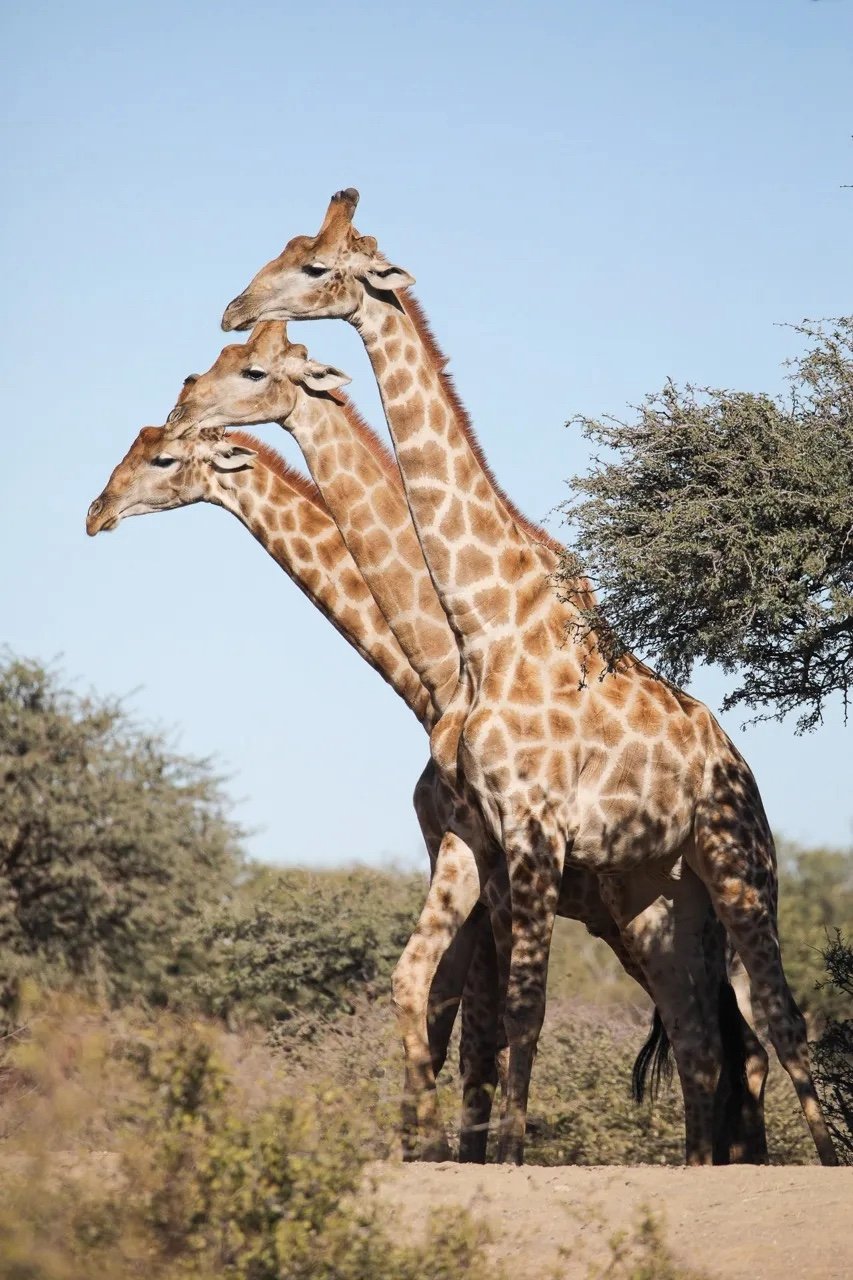
There’s about a month left to enter the 2024 Comedy Wildlife Photography Awards, but the organization behind the annual award is giving a sneak peek at 10 front runners for this year’s competition.

Promising entries so far include funny pics of a sloth, penguins, a turtle, grizzly bears, and polar bears. Take a look through—we dare you not to smile!

Slow Hands

Comedy Wildlife Photography Awards 2024
Image by Harry Collins

Three Heads Are Better Than One

Comedy Wildlife Photography Awards 2024
Image by John Mullineux

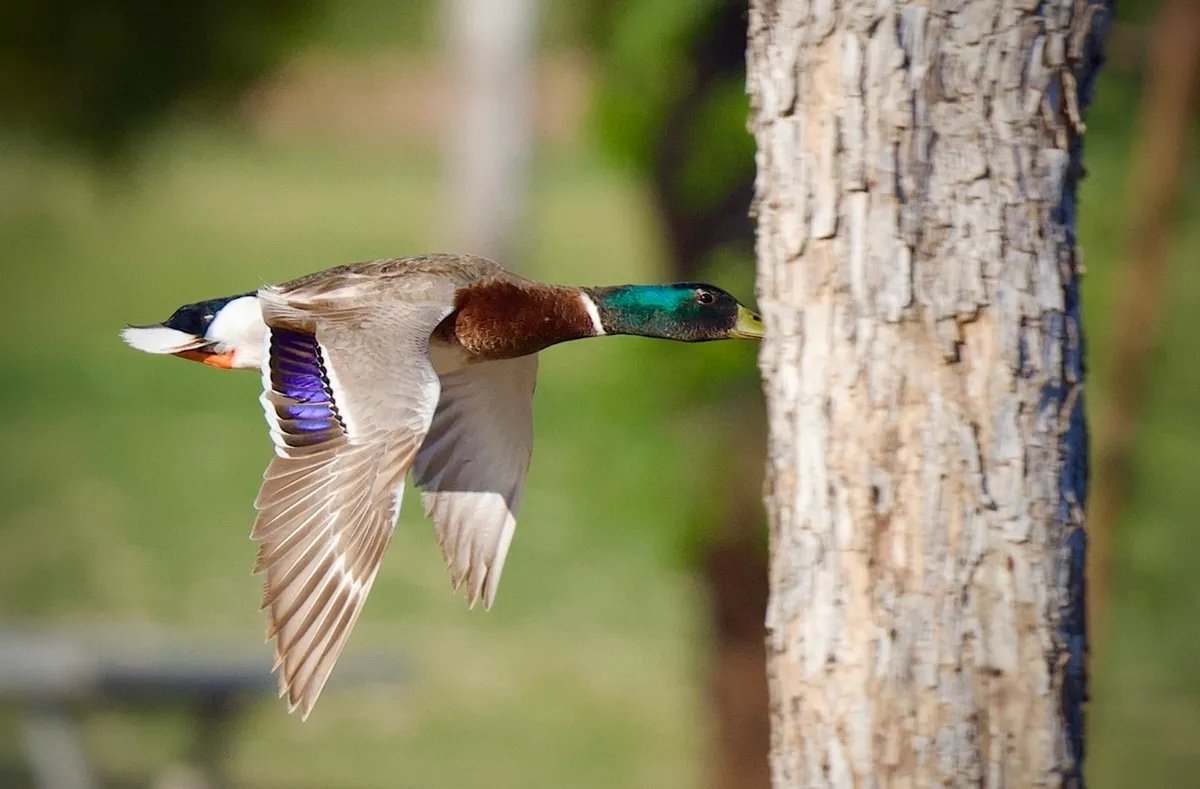
Not a Good Idea

Comedy Wildlife Photography Awards 2024
Image by Anton Pretorius

Watch out for That Tree

Comedy Wildlife Photography Awards 2024
Image by Mark Koster

Holding on for a Ride

Image by Alexander Fine

Laughing out Loud

Comedy Wildlife Photography Awards 2024
Image by Ingo Hamann

Pick Me Pick Meeeeee

Comedy Wildlife Photography Awards 2024
Image by Thomas Van Puymbroeck

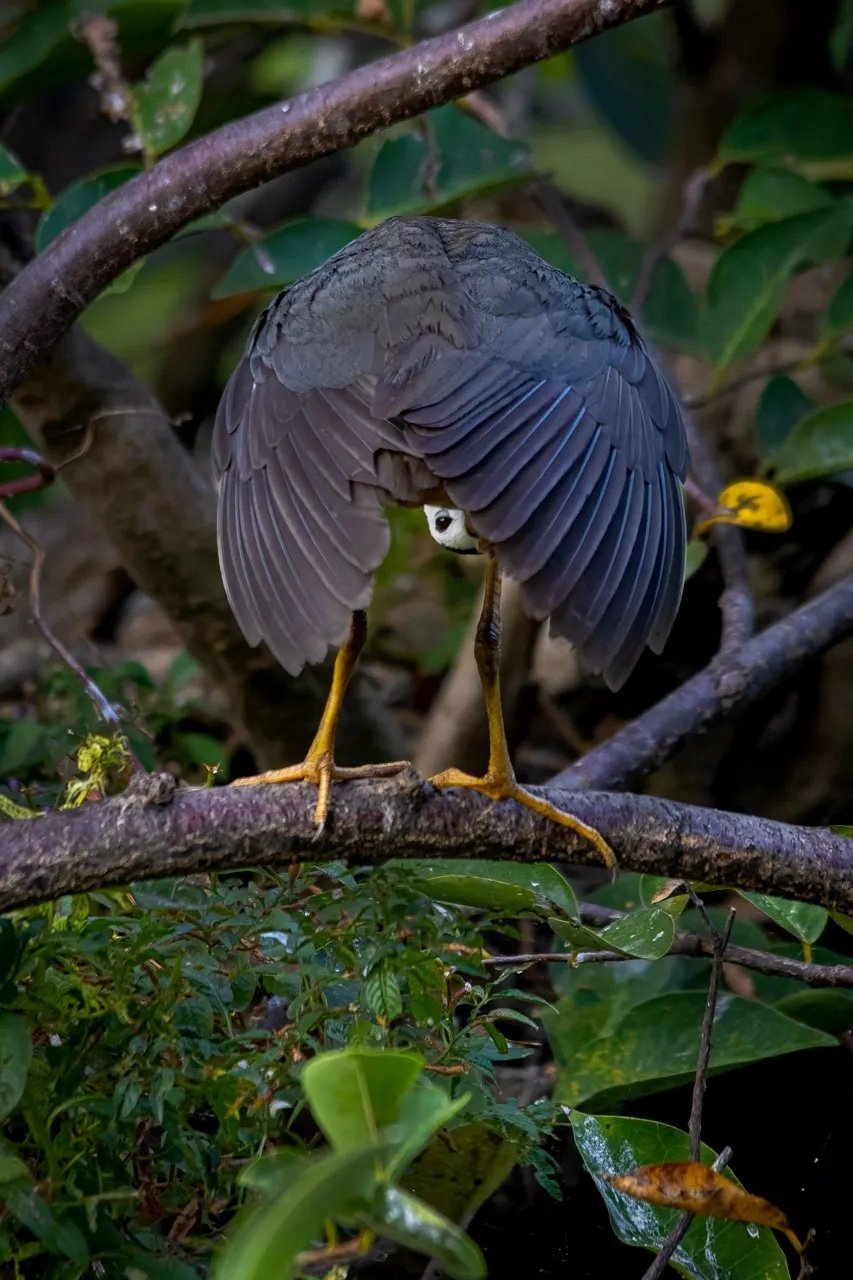
Peek-a-Boo

Comedy Wildlife Photography Awards 2024
Image by Tilan Weerasinghe

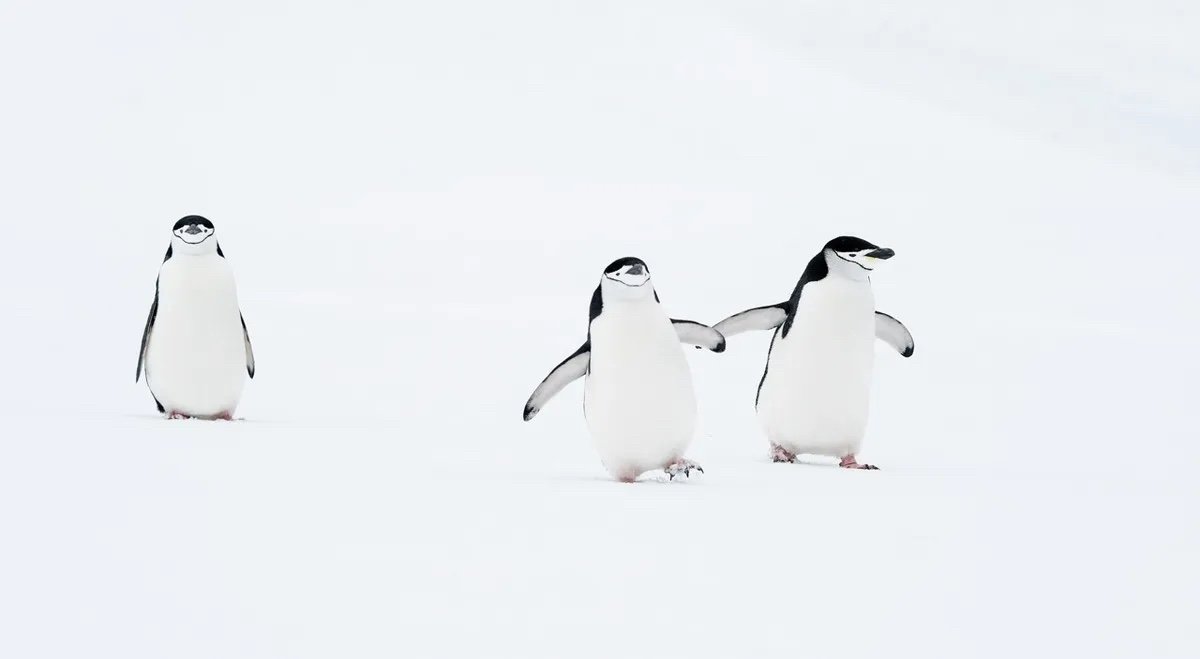
Three’s a Crowd

Comedy Wildlife Photography Awards 2024
Image by Deena Sveinsson

Did You Hear the One About the . . . ?

Comedy Wildlife Photography Awards 2024
Image by Wendy Kaveney

Which funny wildlife photo would have your vote, if these were the 2024 finalists? There’s still a month left to enter (the deadline is July 31, 2024), so more excellent images may come in.

Be sure to check back for the finalists and winners of the 2024 Comedy Wildlife Photography Awards.

See some of the best entries from 2023 here.

Photography: How Nik Roche captures life on margins of society

Photography: How Nik Roche captures life on margins of society

21 minutes ago

By Nicola Bryan, BBC News

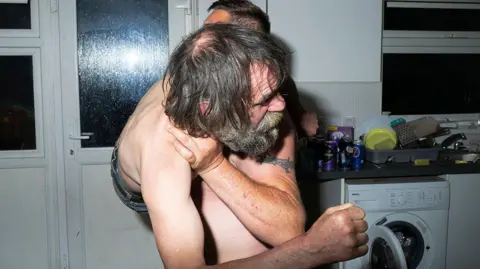
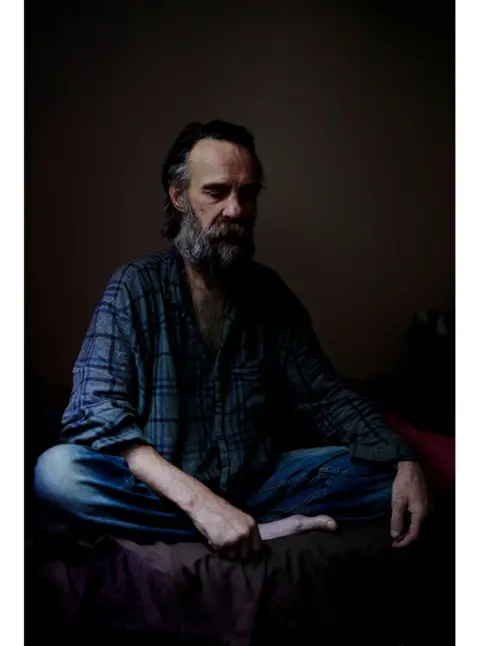
imageNik Roche Tony in a kitchen wrestleNik Roche

On a wet day a man was shouting and swearing in the street, and passers-by crossed the road to avoid him.

But Nik Roche instead decided to approach the man in Swansea to find out what was wrong.

It was the start of a friendship between him and Tony that would see the men living together and Nik documenting his new friend’s unconventional and sometimes chaotic life through photography.

“I’m a fully immersive documentary photographer, so I make friends, I form relationships and trust and then I make pictures – eventually,” explained Nik.

“I don’t go in to make pictures, I make them eventually if it feels right.”

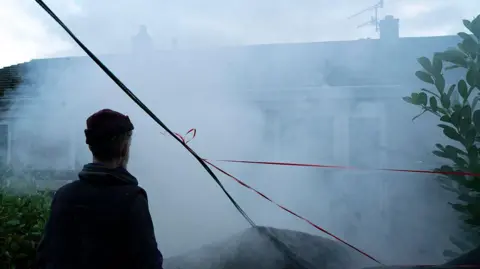
imageNik Roche Tony looking at his house through smoke from the fireNik Roche

On the day they met, Nik discovered Tony was distressed because he had gone into a bar, ordered a drink, discovered he did not have enough money to pay for it, had left to go to a cashpoint and could not find the bar again.

“I just strode back into the bar with him, we sat there and two-and-a-half years later we were the best of friends and I ended up living in his house,” said Nik.

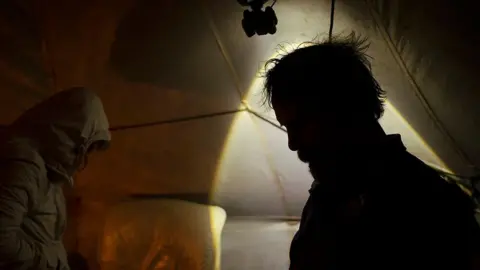
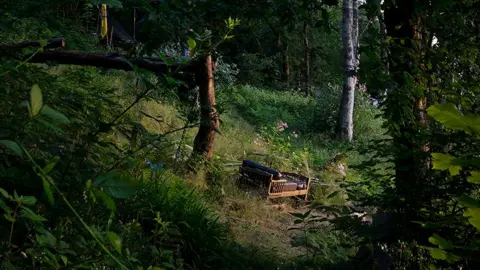
“Tony had a house in the Clydach area of the city, but chose to live in an Arctic bell tent in the woods behind it.

“He would do whatever was in front of him sadly… but I wouldn’t have called him a major drug misuser.”

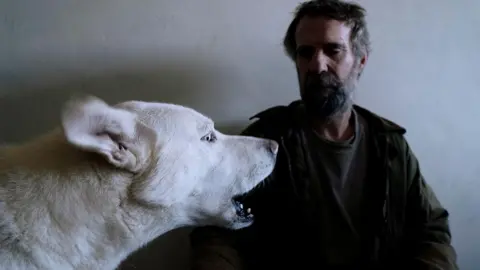
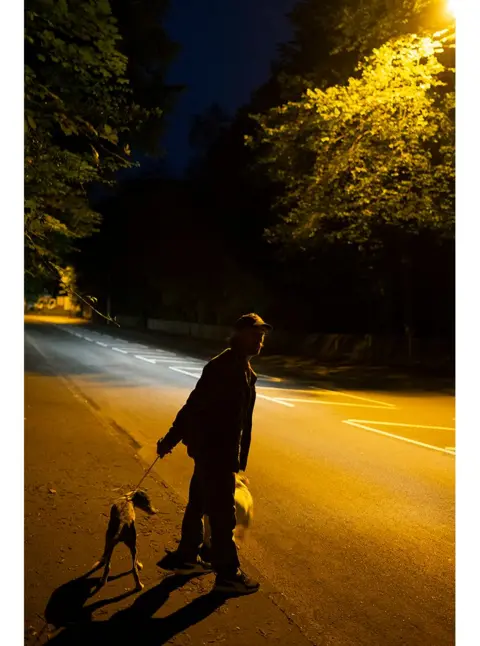
imageNik Roche  Tony and Diego the dogNik Roche

“He needed a few cans to function in the morning.

“Then two or three more and a switch would go off and you’d see drunk Tony – but I wouldn’t put him in the same class as many, many, many, many others I’ve met.”

Nik said Tony never had money for his prepayment gas and electric meter so “for something like 29 days in November he maintained a fire in his garden that never went out all around the clock”.

He said his collection of candid shots of Tony – titled As Far as They’re Concerned We Are a Normal Family – only came about once he had “got across that it was not a performance that I was looking for, it was a friendship and a relationship”.

imageNik Roche Tony keeping warm in his Arctic bell tentNik Roche

Roche, 53, a landscape designer, began taking photographs only six years ago.

After taking a short photography course in Cardiff he went on to complete an MA in documentary photography from the University of South Wales.

He said his work was “about notions of home and family and love”.

“What interests me is people who find that outside of societal norms,” he said. “My work is not about poverty, it is not about drug misuse.

“It’s quite easy to dismiss my work and go ‘oh, it’s poverty porn or it’s voyeuristic’ – it’s none of those things but I can see how easy it can be to dismiss it as that.”

imageNik Roche Tony in the early morning sitting on his bed with a cigaretteNik Roche

When Nik was a teenager a family member went to prison and his family “fell apart”.

Since then he has always “gravitated towards people who have struggled a bit”.

He spent four years volunteering for a homeless charity where he witnessed the same people “always finding themselves back in this system, back in this loop… no matter how much help and how much support is there”.

“The only thing I could see that connected everybody was a shared trauma, a childhood trauma,” said Nik.

He said his photography was a way of “looking for some answers”.

“I’m not trying to save anybody or save anything, I’m just trying to have conversations about things,” he said.

imageNik Roche Tony's bed in the woodsNik Roche

Nik has used his immersive style of photography to capture several people whose lives are affected by addiction, poverty and insecure housing, most of whom he has “grown to love dearly”.

But he became particularly close to Tony.

“I felt more than comfortable working with Tony because I felt like we shared vulnerabilities, I didn’t feel like I was tapping into his,” he said.

“I get anxiety every day, I take antidepressants, I self-medicate in that sense.

“I’m no different, it’s just I’ve maybe got a support network that doesn’t allow me to fall that far.”

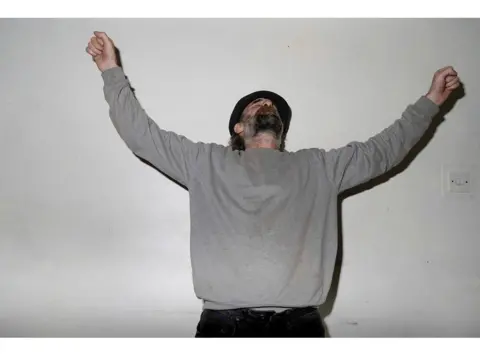
imageNik Roche Tony dancingNik Roche

Tony died from an overdose two years ago. He was 60.

His death has hit Nik hard.

“Tony became my dear friend,” he said.

“I was really hurt, I really missed him, it was very difficult. I haven’t made any pictures since hardly.”

Meeting Tony has no doubt changed Nik’s life.

“I’ve been living in a caravan for the last two-and-a-half years because at the first opportunity, when I could, I wanted to experience what it was like to live his life while I was making the work with him,” he said.

“So I’ve been living as best I can, or as close as I can, to the life that he lived.”

imageNik Roche Tony and his new puppyNik Roche

His immersive way of taking photographs sounds all-consuming – does he never want to close the door on his work at the end of the day?

He joked: “I was only doing a short course and then an MA and now I sort of became them [the people he photographs] almost – minus the intravenous drugs obviously.”

He insisted his work was more uplifting than the images may suggest.

“I often work in what appear to be really dark situations but when you’re there there’s laughter,” he said.

“We laughed and had more beautiful moments than you might expect from looking at the pictures.”

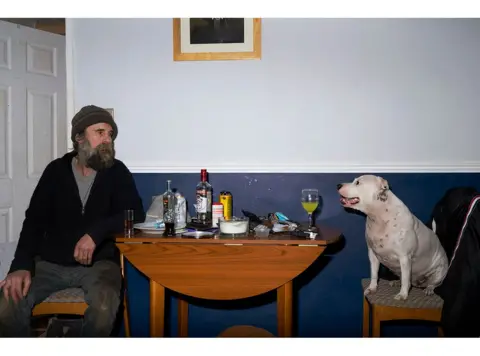
imageNik Roche Man say on a chair with a table in between him and his dog, who is also sat on a chair. There are various beverages on the tableNik Roche

Computational Photography Market Size, Share, Trends, Growth And Forecast To 2032

Computational Photography Market Size, Share, Trends, Growth And Forecast To 2032

Computational Photography Market By Offering (Camera Modules, Software), By Type (Single- and Dual-Lens Camera, 16- Lens Camera, Others), By Product (Smartphone Cameras, Standalone Cameras, Machine Vision Cameras), By Application (3D Imaging, Virtual Reality, Augmented Reality, Mixed Reality) – Growth, Share, Opportunities & Competitive Analysis, 2024 – 2032
The computational photography market [https://www.acutemarketreports.com/report/computational-photography-market] is anticipated to expand at a CAGR of 22.5% during the forecast period of 2024 to 2032, propelled by several significant factors. To begin with, progressions in image processing algorithms and the computational capacities of digital cameras have brought about a paradigm shift in the field of photography, facilitating the acquisition of superior-quality images that possess improved attributes. Furthermore, the proliferation of smartphones featuring sophisticated camera modules and software applications has facilitated the democratization of photography, rendering it increasingly accessible to a broader demographic. Furthermore, the increasing need for immersive visual encounters in sectors including gaming, entertainment, and healthcare is driving the implementation of computational photography methods. However, implementation complexity and expense present obstacles to widespread adoption. Asia-Pacific is anticipated to experience the most substantial growth in terms of geography, whereas North America remains a substantial contributor to market revenue. The market environment is significantly influenced by the strategies implemented by major competitors to sustain their market positions and take advantage of developing prospects, as competitive trends highlight.

Access Complete Report From: https://www.acutemarketreports.com/report/computational-photography-market

The computational photography market is primarily propelled by technological advancements in image processing algorithms. Organizations engage in perpetual innovation to create advanced algorithms that can augment the quality of images, diminish noise, and expand dynamic range. As an illustration, progress in the fields of machine learning and artificial intelligence empowers cameras to dynamically optimize image capture and dynamically alter settings. This driver is substantiated by scholarly research papers, patents, and technical demonstrations that highlight the functionalities of cutting-edge image processing methodologies.

The market is expanding due to the proliferation of smartphones that are equipped with sophisticated camera modules and computational photography software. Smartphone manufacturers are placing a greater emphasis on camera innovation as a means of distinguishing their products within a fiercely competitive market environment. Prominent smartphones are increasingly equipping users with computational photography effects, multi-camera configurations, and night mode. Furthermore, the increased ease of downloading, altering, and sharing photographs from mobile devices has resulted in a heightened level of user involvement with photography software. The growing dependence on smartphones as the primary devices for photography is substantiated by market surveys and analyses of consumer behavior, underscoring the magnitude of this factor in influencing market dynamics.

The increasing need for immersive visual experiences is driving the implementation of computational photography techniques in a variety of industries. To establish immersive environments, applications including virtual reality (VR), augmented reality (AR), and mixed reality (MR) necessitate the use of high-fidelity images and videos. By capturing 3D images, depth maps, and panoramic views, computational photography improves the realism and interactivity of immersive content. Organizations engaged in the industry are capitalizing on this development by producing specialized camera solutions that are customized for immersive uses. In addition, market expansion is propelled by developments in medical imaging systems, surveillance cameras, and automotive vision systems, which are all facilitated by advances in computational imaging techniques. Industry forecasts and market reports emphasize the increasing demand for immersive visual technologies, thereby substantiating the importance of this factor in propelling market expansion.

Get Free Sample Copy From: https://www.acutemarketreports.com/request-free-sample/140318

Market adoption of computational photography solutions is hindered by the implementation’s complexity and expense. In addition to significant investments in research and development, the creation of sophisticated image-processing algorithms necessitates specialized knowledge of computer vision and machine learning. Moreover, the incorporation of computational photography functionalities into hardware elements, including camera sensors and processors, results in an escalation of device manufacturing expenses. Organizations encounter the difficulty of simultaneously managing performance, cost, and power efficiency when attempting to introduce competitive products to the marketplace. Furthermore, the implementation process is compounded by the need to guarantee compatibility and functionality across a multitude of hardware platforms and software ecosystems. This restraint is substantiated by various pieces of evidence, such as industry whitepapers, technical specifications of computational photography systems, and cost-benefit analyses that underscore the compromises associated with the adoption of advanced imaging technologies.

Segmentation of the Market Analysis

Market Segmentation by Offering: The computational photography market is divided into two distinct segments: camera modules and software solutions. Camera modules generated the most revenue in 2023, as the demand for high-performance imaging systems in smartphones, standalone cameras, and machine vision applications propelled this trend. On the contrary, software solutions are anticipated to experience the most substantial compound annual growth rate (CAGR) from 2024 to 2032. This can be ascribed to the expanding utilization of computational photography algorithms in applications for smartphones, image-editing software, and cloud-based services.

Market by Type: In addition to array cameras and light field cameras, market segmentation by type includes 16-lens cameras, single-lens and dual-lens cameras, and 16-lens cameras. Single-lens and dual-lens cameras generated the most revenue in 2023, owing to their adaptability and compact design in consumer electronics devices. On the other hand, 16-lens cameras are anticipated to experience the highest CAGR over the forecast period due to their capacity to acquire depth information and high-resolution images for computational photography applications.

Access Latest Reports: https://www.acutemarketreports.com/market-research-reports

Market Segmentation by Product: Smartphone cameras, standalone cameras, and machine vision cameras utilized in industrial and commercial applications constitute the market segmentation by product. Smartphone cameras surpassed all other product categories in 2023, propelled by the pervasive integration of smartphones as the predominant photographic apparatus. However, machine vision cameras are anticipated to experience the most substantial CAGR over the forecast period. This is primarily due to the growing need for solutions that automate, inspect, and monitor across various industries.

Market Segmentation by Application: 3D imaging, virtual reality (VR), augmented reality (AR), and mixed reality (MR) comprise market segmentation by application. The AR segment generated the most revenue in 2023, as the adoption of AR technology in advertising, retail, and gaming applications increased. Nevertheless, the MR segment is expected to experience the most substantial CAGR throughout the projected timeframe. This can be attributed to the integration of virtual and augmented reality technologies within immersive computing platforms.

Geographic trends in the computational photography industry suggest substantial prospects for expansion in various regions. The highest compound annual growth rate (CAGR) is anticipated in the Asia Pacific region throughout the forecast period. This can be attributed to the exponential growth of smartphone adoption and the substantial investments being made in technology infrastructure. Furthermore, in 2023, the maximum revenue percentage was generated in North America, primarily due to the concentration of prominent technology firms, research establishments, and manufacturers of consumer electronics. Favorable market conditions, technological advancements, and a substantial addressable market for computational photography products and services all contribute to these developments.

The market for computational photography is marked by fierce rivalry among major participants who are employing strategic initiatives to gain a competitive advantage. Prominent market participants include Apple Inc., Samsung Electronics Co., Ltd., Google LLC, Sony Corporation, Huawei Technologies Co., Ltd., Adobe Inc., Affinity Media, Algolux Inc., Almalence Inc., Alphabet Inc., Canon Inc., CEVA Inc., FotoNation Inc., LG Corporation, Light Labs Inc., Nikon Corporation, Nvidia Corporation, ON Semiconductor Corporation, Pelican Imaging Corporation, Qualcomm Technologies Inc., and Xperi Inc. These companies have successfully captured market share by capitalizing on their technological prowess and well-known brands. To expand their product lines and strengthen their market positions, these businesses employ a variety of tactics, including product differentiation, strategic partnerships, and acquisitions. Furthermore, organizations employ strategic investments in research and development endeavors that concentrate on the creation of groundbreaking camera technologies and software solutions. These investments are crucial for maintaining a competitive edge. The market positions of these companies are determined by their revenues for the year 2023. Growth trajectories are anticipated for the companies from 2024 to 2032.

Media Contact
Company Name: Acute Market Reports, Inc.
Contact Person: Chris Paul
Email:Send Email [https://www.abnewswire.com/email_contact_us.php?pr=computational-photography-market-size-share-trends-growth-and-forecast-to-2032]Phone: US/Canada: +1-855-455-8662, India: +91 7755981103
Address:90 Church St, FL 1 #3514, New York, NY 10008, USA
City: New York
State: New York
Country: United States
Website: http://www.acutemarketreports.com

This release was published on openPR.

‘Native art is powerful, it is beautiful, it is healing’—Stories from the Eiteljorg Indian Market

‘Native art is powerful, it is beautiful, it is healing’—Stories from the Eiteljorg Indian Market


HJohnson, Eiteljorg Indian Market & Festival-02.jpg

Indy Hula dancers perform at the Eiteljorg Indian Market and Festival on June 23. The dancers were joined by the Native Hawaiian quartet Hoapili. The quartet specializes in traditional and contemporary Hawaiian music.


For the past 32 years, Native American artists have gathered at the Eiteljorg Indian Market and Festival to share their art—and something more. Despite their diverse backgrounds and mediums—pottery, quillwork, beading, painting, dancing and more—they share the need to express their identities and preserve their cultures. 

The event last weekend saw nearly 150 artists from across the United States and Canada exhibiting and selling their art. TheStatehouseFile.com gathered just a few of their stories.

DG House (Cherokee tribe NE Alabama), is known for her unconventional paintings of the wildlife of Yellowstone, such as her signature blue bear or her purple moose inspired by a moose’s reflection through a window.

“My entire life changed when I read a poster at the University of Dayton in 1981 that said, ‘Spend your summer in Yellowstone,’’’ she said.

House was initially apprehensive at the thought of navigating a new place on her own.

“I got a job someplace called Mammoth Hot Springs in Yellowstone National Park and got an old Pinto station wagon and an old duffel bag and some cassette tapes of John Denver and Jimmy Buffett, and I drove out to Yellowstone and I was terrified,” she said. 

In 1988, she became a wildlife photographer, and in 1995, she decided to follow her dreams of painting and “embrace Native culture.”

She now is in her 30th year as an artist in residence in Grand Teton and has been part of an organization called Inspired by Yellowstone for more than 12 years.

“The photos you see were taken there [Yellowstone],” she said. “And then every single painting is a real interaction.”

House’s main goal for her art is to create a voice for the voiceless and help people discover their place in nature.


“I think my job is to represent the people in the wildlife that don’t have the predominant voice but to also remind you of how you feel when you’re in your own natural world,” she said.

She started out painting realistic things, much like her photos, but then decided to take a more creative approach, even creating pieces using cardboard.

“Today I say the most fascinating thing to me is that I made up this paint-on-cardboard thing. I didn’t invent painting on cardboard; what I did is I just ripped up boxes. Then I decided what to paint based on the shape it happened to rip to.”

House believes that no matter the medium, art should tell a story that invites the audience in.

“And then of course you make up the story in your head. Who is this? Why do they have that on there? What does it represent? All the rest of that is up to you. That’s what makes good music, art and movies, is you are a part of it.”

Pahponee (Kickapoo tribe in Kansas/citizen band Potawatomi), a full-time artist, began her career in clay making in 1982.

“I started out originally working in clay, and then about 25 years ago, I was introduced to lost wax casting method in bronze making, so now I work in two mediums,” she said.

Pahponee’s pots were displayed on shelves, some with two white buffalo engraved on the front of them.

“For me, I’ve always done art, and back in the early ’80s, I was taken to see two white buffalo, which are sacred animals in our tradition,” she said. “And after seeing those two animals, I was very much inspired to create pottery and make my first white buffalo pot, and that really started my pottery career.”

The key things she wants her art to bring others is joy and appreciation for the work.

“I want them to feel good when they look at the art and enjoy it,” Pahponee said. “For me, I think the art tries to bring out the best in me, so I hope it does bring out the best in other people. I hope it helps them fall in love with it, if it’s a piece that they buy from me, that they truly fall in love and they realize that they are caretaking something that has a lot of history behind it.”

Outside on the Eiteljorg lawn among the vendors and tents, a family of artists displayed their bead and ledger work.

James Day (Bois Forte band of Chippewa), husband to Alexa Day (Anishinaabe, Lakota, Hochunk tribes) and father to their son Adrian Day, who is an award-winning artist, spoke for his family’s work.

“We do everything from ledger art, beadwork, sewing, you know, we kind of dabble in a lot of different aspects of art,” he said.

Ledger art stems from the use of old paper and is historically connected to past tribes.

“So the Plains tribes … they kind of, I guess, get more notoriety and are more known for it as a tribal nation or nations, but really, many or most tribes were privy to or, you know, exposed to ledger art early on because one of the reasons that came about is boarding school days,” he said.

“What they would do is they kind of give the kids junk books, what they deem junk books, because they were, you know, banking ledgers or rolls and they were already there. Then they would bring those home. … And so to us, it was really readily available.”

With traditional ways of making art, such as on buffalo hide, becoming more difficult as more buffalo were eradicated, Native Americans of that area and time adapted to their changing environment to preserve their culture and to continue telling their stories through this new medium. Now artists like the Days continue that tradition.

“Many many ledger artists now just utilize that as a medium to tell a story or show a beautiful piece of art,” Day said.

Lisa Smith and her students at Indy Hula took the stage accompanied by Hoapili, a Native Hawaiian quartet, representing Native Hawaiian dance and music for the first time at the festival. 

Starting in Hawaii, Smith started dancing when she was 4. In high school, she began teaching and made her way to many places, ending up in Indiana.

Smith sees the similarities in the Native cultures from the mainland to her own and always tries to support when she can.

“For us, anytime there’s something that involves Indigenous people, we are there because we are Indigenous people,” she said. “So oftentimes we get asked to dance at a powwow, and we always go because we feel that connection. These are our people; we think about the same kinds of things, we love the earth, we talk about the earth, and we take care of the earth. We care about family, so a lot of values for Native Americans are very similar to our … values. “

For Smith, it is important for her students to know that what they do is not just dancing, it’s culture. 


'Native art is powerful, it is beautiful, it is healing'—Stories from the Eiteljorg Indian Market

The Eiteljorg hosted its 32nd Indian Market and Festival last weekend, filling the inside and outside of the museum with Native American art and artists.


“They have to understand what they are dancing about, what some of these words mean,” she said. “So it’s not just to get up there and do motions, it has a meaning to it. And they have to know that meaning and not just get up there and do the dance.”

Smith hopes that people in the audience will understand the differences in the Polynesian cultures they represent outside of Hawaii. 

“A lot of people think that we wear grass skirts, and we have to understand that Tahitians actually wear a kind of a grass skirt. Hawaiians wear leaf skirts,” Smith said. “They’re different cultures with different languages, so I’m hoping that they understands it’s not just for this commercialized luau stuff that you see in Party City, it has a traditional background. So again, we’re not wearing costumes, this is actually what they would wear.”

Smith says that when at luaus in the past, she would use that space to educate the audience on the culture and tradition behind what they did. 

“It’s not just entertainment, it’s education,” she said. 

Each bead sewn onto the rocking chair titled “Singing for Their Dead” represents something, each intertwined into a memorial piece for three important people in bead and quillwork artist Karen Hoffman’s (Oneida Nation of Wisconsin) life—a teacher, mentor and her husband. 

“Beading work, as you know, can really bring out those really long-held cultural beliefs,” Hoffman said to fellow bead and quillwork artist Ann Naibi Quis Quis (San Pasqual/Comanche). “And not to put words in your mouth … It can bring you closer to your culture … To me, that’s exactly what this did, reminding me of all those ways that we traditionally think about death and dying.”

She continued: “My old people helped me to understand that there’s no difference between the past, the present and the future, it’s all connected. When I am sewing, I’m thinking about the husband … I am in the past, as real as it ever was.”

Hoffman hopes that people attending events like the Eiteljorg Indian Market and Festival will learn from the experience. 

“I hope they learn respect for indigenous ways of expression, and how we are still here,” she said.

“We’re not just here living in a teepee on the river and we run around in breechcloths and loincloths,” said Quis Quis. “We’re here to accomplish great things just like anybody else.”

Hoffman has been a beading artist for over 20 years, while Quis Quis has been an artist for five years.

“I didn’t grow up in my culture. I didn’t grow up around my culture at all. So it’s very, very new to me,” Quis Quis said. “I’m self-taught, so a lot of trial and error, a lot of doing it and taking it apart.”

Ann Naibi Quis Quis’ grandmother came from the boarding school era, when between 1869 and the 1960’s, “hundreds of thousands of Native American children were removed from their homes and families and placed in boarding schools operated by the federal government and the churches.”

Inside these boarding schools, Native children were stripped of their culture, forced to cut their hair, change their names, give up their traditional clothing and practice Christianity. They were banned from doing anything representing their culture or traditions, even from speaking their Native languages, and physical, sexual and other forms of abuse were common, according to the National Museum of the American Indian.
“My mother is one of eight children. So because of what my grandmother went through in boarding school, she refused to teach any of my mother’s generation about their culture, their history or their language,” said Quis Quis. 

In turn, Quis Quis, as one of four children, could learn nothing from her mother about their culture. 

“If you know nothing previous, you have nothing to teach. So we grew up also knowing nothing of our traditions and our cultures,” she said.


'Native art is powerful, it is beautiful, it is healing'—Stories from the Eiteljorg Indian Market

Shoppers inspect jewelry of all kinds last weekend at the Eiteljorg Indian Market and Festival.


Even with her late start, however, Quis has wasted no time, scoring an award for her work last year, her first time at the festival, as well as passing down her skills to her daughter. 

“I have friends who can dance with your grandmother’s dresses. And if you come from nothing of your culture and you have nothing, I can never say that. I can never dance in my grandmother’s dress,” she said. “Or I can never dance in my mother’s dress. But my grandkids will be able to say, I’m dancing with my mama’s staff that my grandma made—that my Huutsi made her.”

“Sorry, this just makes me so emotional,” she said, wiping a tear from her eye. 

“[Huutsi is] how we say ‘grandma’ in my language. My grandkids call me Huutsi, and they someday will be able to say, ‘I’m using these things that my Huutsi made for me and taught me.’ And that’s powerful to me, it’s very powerful.”