About

Posts by :

10 Things Only Photography Snobs Say đŸ€Ł

10 Things Only Photography Snobs Say đŸ€Ł

Every photographer has just a little bit of snobbery in them at times. Maybe you’re a brand loyalist who swears by your fact that Sony is better than everything else on the market. Others may be proud to call someone an Uncle Bob at a wedding or an event. And yet, there are still photographers who love to call themselves just a natural light photographer. Well, we’re rounding up a few things that only photography snobs say all in good-natured fun. What kind of a photography snob are you? Let’s see!

Before I go on, realize that we’re joining in on the jokes for this one. Yes, an accredited photography publication can do that too.

Digital is Better Than Film
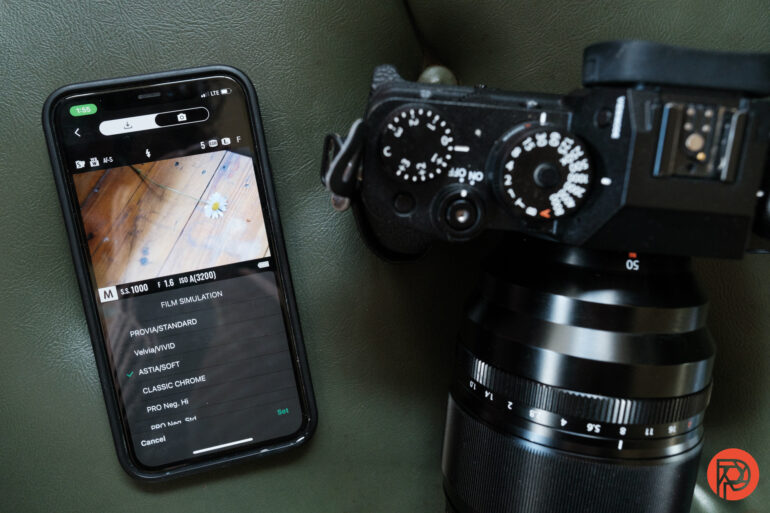
There are tons of photographers out there who’ve shot film and would never want to do it again. But most of the time, they talk about things like development and the whole process being much easier now. I’m sure we can all relate if you’re technically literate enough. Still, though, the generational trauma of feeling like you need to really work for the image hits a lot of us very hard — so we shoot film.

Film is Better Than Digital

I’m sure that so many people think of this as a fact. I mean, look at how much digital tries to emulate the look of film! You can even put presets and LUTs on cameras to make your photos look like film. Just imagine that — we came all the way from film into digital just to make things look like the way they use to!

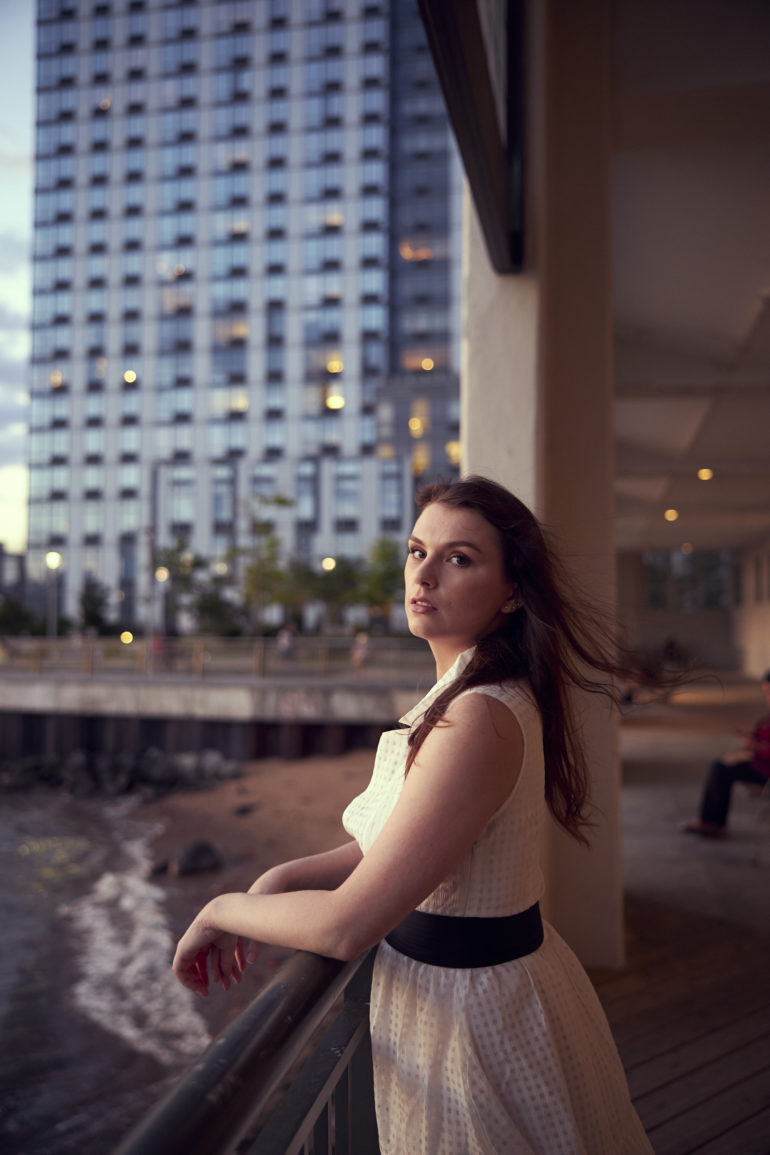
I mean, just look at this photo above. It’s art!

Micro Four Thirds is Crap

This is all about size! Many photographers swear that they’d never shoot Micro Four Thirds without realizing that the size is based on a film standard. In the video world, so many photographers can’t live without Micro Four Thirds. But in stills, we always think that bigger is better. But if that’s the case, why are we all shooting full frame?
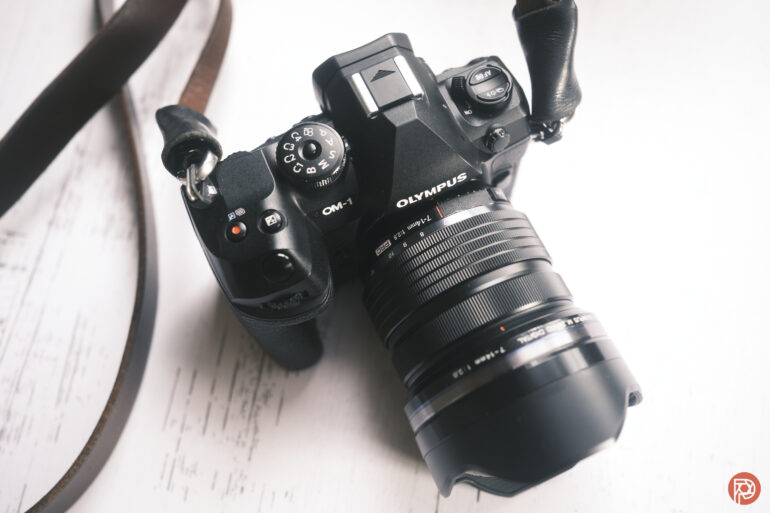
I Only Shoot Full Frame

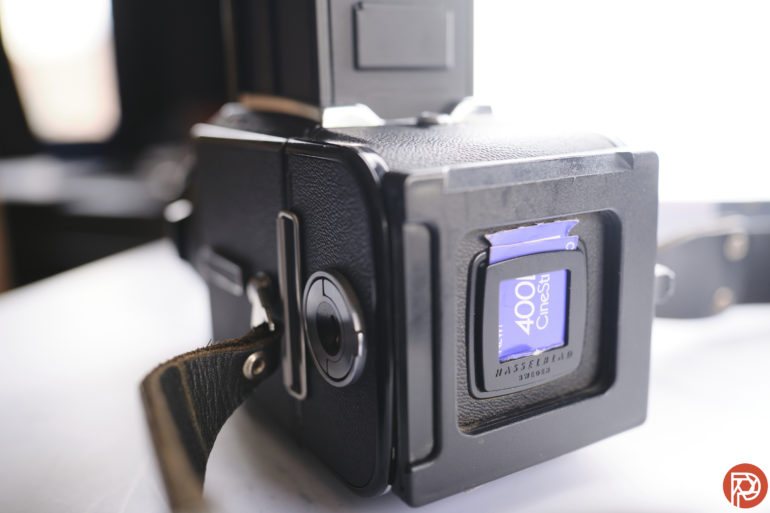
Full-frame cameras are the standard for so many photographers out there. Yet they still don’t realize that it’s not the big one. If you really think that APS-C and Four-Thirds sensors aren’t great because they’re smaller, then imagine what medium format is like! With the innovations that companies like Fujifilm have been making in the segment, it’s hard to not take this question seriously.
I’m a Natural Light Photographer

How do you know that someone is a natural light photographer? They’ll tell you. Otherwise, they’ll just use LEDs and constant lights because they just don’t know how to light.
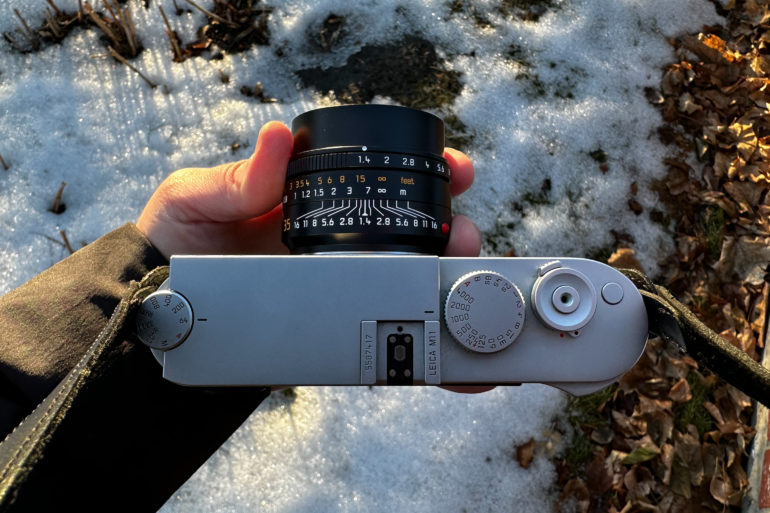
Leica is Only for Rich People

Yes, Leica cameras are only for rich people in a segment of the market that’s become a quasi-luxury hobby while so many other people use only their phones. Just think about why Sony put an auto mode on the Sony a1.
Nothing is as Good as My Camera

It’s often sad when people buy a camera or lens and then proceed to read reviews and watch videos on it just to justify their own purchases to themselves. Something along the lines of “Nothing is as good as my Canon” is often said then. It reeks of desperately wanting to feel like their R5 is so much better than everything else in a market where everyone shares parts, processors, and more.

My Peak Design is Better

Pfft. Really?

Digital is so Overrated

You can attribute this to any member of millennials or Gen X who only owns a few Buy-It-For-Life style coats, Filson bags, and Rolex watches. They want something that lasts and that is older than them.

I’ve Got 15k Instagram Followers. Can I Just Get In?

This is often said by someone who is only a photographer for Instagram followers and calls themselves as such. However, they can’t produce a single invoice showing that they’ve been paid for photographic services.

Sculpture foundry in Kochi customises works for homes

Sculpture foundry in Kochi customises works for homes
Bronze Age is a Kochi-based sculpture foundry that offers a range of sculptures, from replicas of famous works to hand-crafted originals. It also has a range of artifacts, bronzes of Gods and Goddesses, and abstracts in mixed media. Founder Renny Jacob wants to make art more accessible to people and evolve an ecosystem where one can place sculptures in their living space. The gallery is also planning to introduce larger sculptures for outdoor spaces.

Indiana artist sought for official Holcomb portrait

Indiana artist sought for official Holcomb portrait
image

The search for a Hoosier artist to paint the official portrait of Gov. Eric Holcomb has begun.

Indiana State Museum and Historic Sites is accepting applications online through Oct. 23 and will coordinate the selection process, according a news release.

The oil or acrylic painting, about 42-inches-by-32-inches, will be the 55th portrait in the collection managed by the museum organization.

To be considered, artists must be a resident or native of Indiana or a graduate of an Indiana institution of higher learning. Preference will be given to Indiana residents, the news release says.

Artists can apply at www.in.gov/arts/apply.

Applications will be reviewed by a panel that includes representatives from the museum, Indiana Arts Commission, the governor’s office, professional artists and curators.

The selected artist is expected to be announced by Jan. 31. The painting is expected to be complete be late summer and unveiled in Fall 2024. Holcomb will leave office in January 2025.

The artist’s commission will be paid through private funding.

The state’s first official gubernatorial portrait was created in 1869 for then-Gov. Conrad Baker, according to the release.

Sea-Inspired Sculptural Jewelry by Mariko Kusumoto Blossoms from Gossamer Fabrics

Sea-Inspired Sculptural Jewelry by Mariko Kusumoto Blossoms from Gossamer Fabrics

“Gathering Blue.” All images © Mariko Kusumoto, shared with permission

Exquisite bulbs, florets, and playful silhouettes emerge from delicate fiber in the jewelry and sculptures of Mariko Kusumoto (previously). Inspired by the myriad geometries and colors of coral, she creates gauzy, wearable forms from materials like polyester, nylon, and cotton. Some pieces sprawl out with a variety of textures to mimic the sea bed, while necklaces or bracelets incorporate confectionery-like shapes and vessels containing tiny objects.

Kusumoto is currently working on a public art installation that will be installed in Kaohsiung, Taiwan, this November. And beginning in April next year, she will be exhibiting at Legnica Jewelery Festival SILVER in Poland. Find more on the artist’s website, and follow Instagram for updates.


A lightweight bracelet made from airy textile shapes that look like coral.

“Bloom”

A small brooch made from airy textiles.

“Gathering White”

A collection of airy, textile shapes.

“Goody Bag”

A bracelet made of lightweight fabric with little objects inside vessels.

“Skizuku Bracelet”

A lightweight necklace made from airy textile shapes that look like coral.

“Sea Breeze Necklace”

A lightweight brooch made from airy textile shapes that look like coral.

“Seascape Brooch”

A collection of coral-inspired textile shapes.

Detail of “Seabed”

A collection of coral-inspired textile shapes.

Detail of “Seabed”

Do stories and artists like this matter to you? Become a Colossal Member today and support independent arts publishing for as little as $5 per month. The article Sea-Inspired Sculptural Jewelry by Mariko Kusumoto Blossoms from Gossamer Fabrics appeared first on Colossal.

‘It has a price’: war photographer Corinne Dufka on capturing conflict

‘It has a price’: war photographer Corinne Dufka on capturing conflict

When the tears came, they weren’t always for the dead and the unfathomable depths of suffering. They also flowed for the times in between, for the joy and smiles of the unknowing.

As the acclaimed American war photographer Corinne Dufka sorted through the pictures and negatives for her new book, This Is War: Photographs from a Decade of Conflict, covering more than a decade on frontlines from El Salvador to Bosnia and Liberia, she once again looked into the faces she had perhaps only registered briefly years ago.

“I entered into this zone of memory, of trying to understand what I witnessed. That in and of itself is an interesting process because I wept a lot,” she said. “Some of the pictures that were saddest were of times of hope. One of the saddest pictures is in between the first and second wars in Liberia when people are waiting in line to vote, so earnestly and with so much enthusiasm and optimism. They didn’t know that within two years their country would be involved in another horrific conflict.”

This Is War is thankfully spare on dead bodies. They are there but the focus of the book, as with most of Dufka’s work, is on those responsible for the killing or forced to live with its consequences.

In one picture, Dufka captures a child combatant playing with an abandoned toy as he guards a checkpoint in the middle of the embattled Liberian capital, Monrovia, in 1996. A rural Salvadorian woman stands at her window holding a photo of her husband who was one of three men in her village abducted by the army, and tortured and murdered.

El Salvador

In besieged Sarajevo, Dufka turns her camera on the agony of parting with no certainty as to when, or even if, women and children waving from an evacuation bus will see their families again. In Mostar, a Bosnian Croat soldier nonchalantly holds his gun at his side as hundreds of Muslim men are marched down a mountain track to a prison camp in an abandoned factory.

The book’s cover photo is of a pile of machetes discarded at Rwanda’s border as Hutus fled the country following the genocide of 800,000 Tutsis in 1994. A lone child stares at the camera as the adults shuffle past carrying bundles and responsibility for the last great crime against humanity of the 20th century.

Dufka describes her book as a “personal journey to come to terms with these dozen tumultuous years of covering some of the bloodiest and most horrific conflicts of the latter part of the last century in which I saw not only tens of thousands of people who’ve been killed in these outbursts of unspeakable violence but also a dozen or so journalist friends killed”.

Part of that is a reckoning with what she frankly admits is her own dehumanisation. Dufka came to war photography by accident. She was a psychiatric social worker in San Francisco for a decade before heading to El Salvador at the height of its civil war in the mid-1980s, first as a social worker with the Lutheran church and then a human rights investigator tracking the murderous work of the country’s rightwing death squads.

Herbert Anaya, the director of El Salvador’s human rights commission, asked Dufka to set up a photo documentation programme. Two weeks later he was murdered by a death squad. Dufka took the photo of Anaya’s body published in the New York Times the next day. Not long after she went to work for Reuters.

El Salvador’s conflict was rooted in resistance to historic oppression but it had an ideological hue because the guerrillas were Marxist. By the time Dufka arrived in Bosnia in 1992, the old cold war rivalries had given way to ethnic and nationalist conflict that came to define so many of the wars in Europe and Africa in that decade. The scale of human barbarity horrified Dufka but drew her in.

“It’s a theme throughout my life of trying to address dehumanisation that started way back in my family because there was a lot of suffering from blindness, from mental illness, there’s a lot of substance abuse. So I learned to get on with it and then I transferred those skills to my life as a photojournalist,” she said.

Bosnia

In 1997, the International Women’s Media Foundation awarded Dufka its courage in journalism prize. By then she had a reputation among her peers for astonishing bravery in the midst of some of the most brutal conflicts.

In Rwanda, a member of a Hutu death squad put a gun to her head until she talked him down. She captured intense street battles in Monrovia from among the combatants.

Dufka was badly injured when an anti-tank mine exploded under the Reuters armoured car in Bosnia in 1993, turning her camera into shrapnel that smashed into her face. The force of the blast tore the ligaments in her knees and she suffered internal bleeding.

Dufka and her injured colleagues tumbled out of the burning car only to come under Croatian sniper fire before their rescue by British soldiers. Three weeks later she was in Somalia, still walking with a cane.

The role of photographers has come under more scrutiny in recent years, in part because it’s so much easier for anyone to take a picture of individual suffering and have the wider world view it.

“There’s a debate about who should have ownership. Whether, if you’re not from a community or a victim from that population, you have a right to even photograph. There’s a level of sensitivity about showing people in hardship and conflict,” she said.
“War is ugly and war is painful. It’s important that people see the handiwork of those who make and perpetrate and support wars. It’s really a minority of people, usually from political elites, who object.”

Dufka said that only once did someone tell her to stop taking a picture. A man turned on her after a bombing during South Africa’s first free elections in 1994 and kicked her in the face.

“That was the one time. Very often it was the opposite. People welcomed me into their homes, into the hospitals, into their battlefields, into graveyards where burials were taking place,” she said.

Dufka drew satisfaction from the fact that her work and that of other photographers can have real political impact in foreign capitals and influence policies to alleviate suffering if not end conflicts. But she came to understand the price of viewing war through a lens.

“I have to say it’s profoundly dehumanising. You can’t break down every time you see human suffering. You’ve got to keep it together and do your damn job. But that has a price,” she said.

Liberia.

Dufka wasn’t even present at the atrocity that prompted her to give up war photography. She was on a plane flying out of Nairobi in 1998 when al-Qaida blew up the US embassies in Kenya and Tanzania killing 224 people, almost all Africans. She was horrified when she realised she was more upset at missing the opportunity to photograph the carnage than she was about the victims.

“I hadn’t given a thought to the Kenyans and I’d been living in the country for six years. I was so profoundly ashamed of myself. I’d become so dehumanised. I didn’t recognise myself, and that’s why I got out,” she said.

But Dufka didn’t give up on conflict, she changed how she worked with it. In 1999, she moved to Sierra Leone to open a field office for Human Rights Watch documenting its civil war and the terrible crimes against civilians including the cutting off of limbs. The switch to taking testimony and then working as a criminal investigator for the UN war crimes court for Sierra Leone felt like more of a contribution. She also had a daughter, which again shifted her perspective on war, and eventually moved back to the US.

“In those years I never gave myself a break. I went from conflict to conflict to conflict. There are some people who become afflicted with post-traumatic stress. That’s just not the way my personality is wired. I only had one post-traumatic stress incident, right after my daughter was born for about a month with intrusive dreams and thoughts. I achieved more balance in my life now,” she said.

As she was sorting the photographs for the book, Dufka was struck by how many places she worked remain in conflict of some form. Ethiopia was at war again. So was Sudan.

“Sierra Leone, Bosnia, Liberia, they’re still grappling with the legacies of conflict. Endemic corruption and some of the world’s worst socioeconomic indicators,” she said. “I would like this book to generate some reflection about conflict, relapse and risk in recidivism.”

So does she see common features in conflicts as far apart as Central America, Europe and central Africa? “One common thread is a conclusion about human behaviour. There’s nothing that people will not do to each other, and there’s nothing they won’t do for each other. I’m not the first one to say that but it is so clear. I have watched profound brutality and cruelty, and then documented later, as a human rights investigator, the most astounding acts of human generosity and courage to help each other,” she said.

“I also learned that fear is stronger than love and the sort of solidarity that binds communities together. You saw that in Rwanda, in Bosnia, where you have communities turn on each other. It’s manipulated, of course. But fear is a huge motivator.”

  • This Is War: Photographs from a Decade of Conflict is out now

Photographer Kierra Branker Brings Artifacts to Life

Photographer Kierra Branker Brings Artifacts to Life
image
Photo-Illustration: by The Cut; Photos: Mariah Roman, Getty Images, Everett Collection, Amazon

To Kierra Branker, 27-year-old photographer based in Orlando, the objects placed in her images feel alive. “It could be a domino set and you have that memory from when you’re first a kid and you’re seeing all the aunties and uncles slamming dominoes together while music’s playing and people are hitting spoons on bottles,” she says. Branker’s photographs often evoke the spirituality of heirlooms and spaces and the intergenerational meaning they take on in our lives. In her project “Get It and Come Back,” she presents the moments and artifacts that chronicle her family history as it has developed between Orlando and Trinidad. The meaningfulness of these objects is not fixed to one generation.

“Get It and Come Back” was awarded a grant during this season of the Creator Labs Photo Fund, part of a joint effort between Google and Aperture to provide financial support for photographers at a pivotal moment in their careers. For this round of awards, announced today, they were able to grant $6,000 to each of the 30 rising photographers selected for the prize. Many of these projects become platforms for self-reflection with the photographers using the camera to understand — and place themselves in — the world around them. Among the winners are photographers Natalie Keyssar, Oji Haynes, Ryan Frigillana, Luis Corzo, Wesaam Al-Badry, Jeremy Grier, Ryan Patrick Krueger, Ira Lupu, Arlene Mejorado, Tam Stockton, Clara Shuku Mokri, and Ramona Jingru Wang. The varying perspectives at hand do not take for granted past narratives and use photographs to assign new meaning to the past, present, and future.

Branker’s images plant you right there in the scene with the subject. When asked about the artifacts in her photos that connect her to her sense of home, she talks about a fake bouquet of flowers that could easily have been ignored. But she remembers an image of her grandmother holding that bouquet, imbuing her photograph with a feeling of familial history. Branker carefully arranges her scenes with artifacts of significance to her, like the bouquet, and sometimes includes people who sit for her lens, during which she elevates them to a position of power. “As a Black femme photographer,” the Parsons-educated artist says, “it’s really important that I’m holding the camera. As you know, it has not been up to us to have the privilege to hold on to it.”

Brave New World
Photo: Kierra Branker

How do you choose the people you photograph? 
Finding people I want to photograph comes down to my family and whether or not they’re feeling open or receptive to it. A lot of the people I photograph embody this kind of worldliness about them that I really enjoy: those who have seen things, and you don’t even have to know what their home looks like, but you know it’s filled with stuff and character about them — and there’s an ease that comes with that. When finding them, I consider it like a collaboration because the photograph is never just my interpretation of them.

When I’m looking at my sitters, I’m always considering those small things that make them feel a little bit more powerful. For example, if it’s a book that they’ve read down to the end, I’ll have it in line of sight for them to see. Since I’m photographing a lot of people either in their places of comfort or their homes, I try to make them as comfortable as possible so they are able to see connections toward themselves and also just feel that they could do what they would do and move as if I wasn’t there.

Where do you get your best culture recommendations?
I hate to say it: TikTok. I’m always down to watch people do unboxing or just talk about their day or a book that they’re reading. I’m very much into #BookTok and the #PhotoTok that’s happening there, too.

Which celebrities — dead or alive — would you invite to a dinner party? 
Probably Gabrielle Union — I feel like she would have a lot to say. She’s also a Scorpio too, so I enjoy that. Doja Cat too. Definitely BeyoncĂ© and then definitely Megan Thee Stallion because she seems like she would have a great time. Cicely Tyson — in case it gets too much, she would be like, “All right, y’all, let’s talk about something else.”

What’s the last meal you cooked for dinner? 
I literally made four recipes yesterday: taquitos, stuffed burgers, a chocolate cake, bacon-wrapped jalapeño poppers. I was photographing it. I’m not really a big cook.

What is your pre-shoot ritual when you work on your personal projects?Meditating. I’ll try to write a couple of words and go through my image archives, looking for elements that express how I want the shoot to go or the feeling I want to elicit when taking the photo. My archive is filled with images that really inspire me, both in my personal collection as well as other works. Last, I look through my camera equipment, making sure I have everything I need.

I can get really nervous before shooting. For example, last year I was shooting at the Labor Day carnival in Brooklyn, and it was, like, my first time kind of being in that kind of space, especially because of the pandemic. I felt my heart moving and had to take a beat, move with it, and dive in.

Memory
Photo: Kierra Branker

What’s your comfort rewatch?
Futurama. I love that show. I’ve seen it more than enough. I like that it’s based in the future and that the comedy feels a little on the nose but also has layers to it. You’ll see the first joke and then you’ll have a rewatch and realize they were talking about something different. The show also has moments where it’s really accurate with the science and math that they joke about, and that level of care put into the writing makes it even better.

What’s something you’ll never, ever want to watch no matter what?
I watch a lot of crazy television, a lot of reality TV — it’s a guilty pleasure. I’m not on the Tubi wave yet, and my friends have been talking about it, but I can only go so far with my trash television. I feel like that’s Pandora’s box, and I don’t wanna open that right now.

What’s your favorite game to play?
Probably Uno even though I’m not that good at it. I mean, I could be pretty good. I get really competitive because I love the energy of Uno, and the way people make their own rules becomes a whole thing. I feel like you could really understand a person if you play Uno with them or how they react if you hit the reverse card.

Name a book you couldn’t put down.
Parable of the Sower, by Octavia Butler. Unfortunately, I read a lot of my books on my phone, but in this case, I found a copy of it and I read all the way through. I found many parallels toward everything happening, as Miss Butler always does, because she has a good understanding of the past and history.

The main character is really hyperempathetic and just really likes to understand how people are moving throughout the space. It made for such an interesting plot with a character who is seeing apocalyptic things happening around her, processing all of this pain that’s not really experienced by herself but by the people around her and how that helped to make her a better leader and a survivor.

What’s your favorite piece of art that you own?
I have too many, I’m realizing now. This one I bought in Orlando, my hometown, at this African gift store, Three Masks Inc. It’s two little Black cherubs just, like, floating next to some flowers. I can’t read the artist’s name because it’s in cursive and it’s really small, but I was happy to find it at the gift shop. The owner had a lot of prints.

What’s the worst thing you could do at a dinner party?
Bringing wine to a party and taking it back with you after.

Where do you feel most connected and comfortable with yourself?
My grandmother’s house in Trinidad, being able to see where my mom grew up and had her childhood home. It feels so distant to how I’m living now. In Trinidad, it’s in the back of the woods — it’s quiet and it’s lush and while Florida is very lush too, the side I live on is very suburban and has pretty pavements.

Inside my grandmother’s home, she would decorate very ’70s. I still remember the uncomfortable mid-century-modern chairs that she had that were literally just wood, super-yellow Styrofoam on the inside, and floral on the front, then there was a picture of white Jesus on the side. Those little moments make me really think about my family — my grandmother especially.

Blake’s First Carnival (I)
Photo: Kierra Branker

How do you think Florida and Trinidad influence your work?
Definitely tropical. Always tropical. I’m always thinking about the forest, thinking about our relationship to nature. I think about how we’re building spaces for ourselves, connecting identity to them, be it either in Florida or Trinidad, and how the world around us responds to it. It feels like home is never really far and home is also what you make it, and you have the opportunity to kind of, like, create something new but still familiar in a way that can connect to all these different places.

Which photographers and artists inspire you?
Black femme photographers and image-makers are understanding of the greater narrative of our connection to nature and our response to trying to get back to this moment where things were not affected by colonization and capitalism. I feel like Carrie Mae Weems and how she responds with her body with these scenes of architecture and the forest is really profound.

April Bey’s work and how she’s incorporating AI to take it even a step further into understanding, like, our future, past selves.

I really love Renee Cox’s work and how she speaks on gender. I love her Pieta series. She has this one image I’ve been obsessed with: She’s wearing this supertight corset and you see the camera kind of looking from the waist up and only see her back, not even her head, and the patent-leather corset is really tight. I always go back to that image, especially when thinking about gender and thinking about how, as femmes, we are to be shown and presented but not to be understood.

What is your most prized possession?
My rocks. I’ve been building my rock collection since 2020. I know a couple of the names, but it’s lost on me now. But it’s really beautiful. One particular rock that I enjoy could fit in your palm, and it really feels heavy. I always like to hold on to that whenever I feel I need to be grounded in any way.

What’s the best advice you’ve ever received?
“Do it scared.” I can be very scared to do things at certain times, but I had a friend tell me that even if you’re scared to do it, still do it and those scary feelings will go somewhere else. But at least you can say that you did it.

This interview has been edited and condensed for clarity.

Photographer Kierra Branker Brings Artifacts to Life





