About

Posts by :

Opinion | Trump’s Mug Shot Has More in Common with Washington’s Portrait Than You Might Think

Opinion | Trump’s Mug Shot Has More in Common with Washington’s Portrait Than You Might Think
image

Eagerly anticipated and immediately meme-ified, the mug shot of Donald Trump that the Fulton County Sheriff’s Office circulated last week was in some ways utterly conventional: a head-and-shoulders view with unflattering lighting and a law enforcement logo in the corner.

In nearly every other way, of course, the image is singular, a photograph for the ages, one that will forever punctuate this moment in the history of the presidency. But that wasn’t its only contribution to posterity.

In ways that have been less widely noted, it is also an important new entry in the history of presidential portraits, whose significance lies in how they invite us to think not just about our leaders but also about the nation itself.

Both politically and symbolically, any president represents the nation; by some significant measure, then, his image is its image. In its mood and in the circumstances of its creation, Mr. Trump’s mug shot initially seems like a jarring disconnect from the most august traditions of presidential portraits, with their carefully constructed air of gravitas. But in its effect, and in the way its subject has begun to deploy it, the picture is the natural evolution of all the images that came before it.

Since the first days of the Republic, portraits of our commanders in chief have proved to be important and versatile political tools. Few presidents have failed to note their power. George Washington was known to proudly display his portraits to Mount Vernon visitors, while Barack Obama surprised many by selecting the painter Kehinde Wiley in a clear bid to define himself — visually as well as politically — as something new.

A portrait of President Barack Obama, painted by Kehinde Wiley, on display at the Brooklyn Museum in 2021.Gabriele Holtermann/Sipa, via Associated Press

The standard line is that successful presidential images make their subjects look strong, active and, above all else, presidential. When we look deeper, however, we find that the history is more complex and consequential. Time and time again, presidents have wrestled with or in some cases openly fought back to challenge the ways they were being pictured. They sought control. By that standard, Mr. Trump’s mug shot is no outlier. Not all presidential portraits look like the ones hanging in our museums.

Take the example of John Quincy Adams, who was one of the most prolifically depicted people of his age. From his childhood as the son of a president and throughout his long career in public life, he was the subject of dozens of painted portraits, sculptures and photographs. As a result, Adams had clear ideas about how men of his stature should be depicted for posterity. He even made a short list in his diary of the portraits he felt captured him best. Only those few, he said, were “worthy of being preserved.”

After photography was introduced in the United States in 1839, Adams sat several times for daguerreotypes. In fact, the oldest existing photograph of a president is a daguerreotype Adams sat for in 1843, now in the collection of the Smithsonian’s National Portrait Gallery. Yet Adams never warmed to photography. He had trouble sitting for long exposures, and he confided to his diary that his own daguerreotype portraits were “hideous,” “repulsive” and “too true to the original.” Ultimately, he found the nascent technology too unstable for creating the kind of image worthy of being “transmitted to the memory of the next age.”

John Quincy Adams, 1843.Philip Haas, via The Smithsonian National Portrait Gallery, Washington DC.

If Adams worried about the photographs he posed for, later presidents worried about the photographs they didn’t consent to. Beginning in the late 19th century, the advent of portable cameras made it possible for photographers to capture subjects unawares. Theodore Roosevelt called out what a newspaper at the time called a young “camera fiend” for attempting to “snap” him as he was leaving church. A decade or so later, Woodrow Wilson threatened to punch a journalist who refused to stop photographing as he and his daughter returned from a sweaty bicycle ride. It’s well known that the White House sought to keep evidence of Franklin Roosevelt’s physical disability out of sight, but advisers were also anxious that even the most routine candid shot might make him look bad.

In 1937, Popular Photography magazine reported that the White House press office was up in arms about unauthorized snapshots of Roosevelt chomping on a hot dog at a political picnic. It also objected to blurry photos of the president enjoying opening day at a baseball game. Those photos, taken from far away, were of such poor quality that they apparently prompted messages to the White House questioning the state of the president’s health. In the era of the candid camera, control was hard to come by.

The rise of digital photography didn’t transform presidential portraiture so much as it upped the ante on the question of control. As the first social media president, Barack Obama walked the line between control and interactivity. Finally, it seemed, a president could communicate directly to citizens without having to go through the traditional filters of mainstream media. The administration took advantage of nearly every new social media outlet as it emerged. In addition, White House photographers, led by Pete Souza, built a huge visual archive of presidential photographs shared in real time on Flickr. But those controlled communications butted up against a new culture of remixing and interactivity. Just as soon as those authorized images were released, the inevitable memes followed. Some of those flattered; others, not so much.

In each of these moments, transformations in the technology of photography prompted anxieties about presidential representation. If an awkward daguerreotype, blurry snapshot or quirky meme would come to symbolize the president, then what did that say about the nation? Yet as unwelcome as they might have been for their subjects, these images are presidential portraits, too, and they tell a visual history as important as any rendered in oil paints and framed in gold leaf.

All of which brings us back to Mr. Trump’s mug shot. He posted it on X, the platform formerly known as Twitter, declaring “never surrender,” even though he had just literally surrendered. It was an effective move that, like his assertive scowl, was designed to reclaim the narrative. Already, this vernacular image is far more recognizable than many formal portraits that hang in the National Portrait Gallery. Mr. Trump may yet follow George Washington in proudly displaying it to visitors. Whatever the case, the mug shot, like the unstable daguerreotype and the blurry snapshot and the meme, absolutely deserves to be “transmitted to the memory of the next age.”

The Times is committed to publishing a diversity of letters to the editor. We’d like to hear what you think about this or any of our articles. Here are some tips. And here’s our email: letters@nytimes.com.

Follow The New York Times Opinion section on Facebook, Twitter (@NYTopinion) and Instagram.

Cara Finnegan, a professor of communication at the University of Illinois Urbana-Champaign, is the author of “Photographic Presidents: Making History From Daguerreotype to Digital.”

Illustration source photographs by Ana Rocio Garcia Franco and seraficus via Getty Images.

[Interview] The Convergence of Art, Technology and Culture: Exploring the Work of Aerosyn-Lex Mestrovic Through Samsung Art Store

[Interview] The Convergence of Art, Technology and Culture: Exploring the Work of Aerosyn-Lex Mestrovic Through Samsung Art Store

Aerosyn-Lex Mestrovic is an award-winning, multidisciplinary artist whose work has been recognized and displayed in prestigious institutions and venues such as The Museum of Modern Art (MoMA), Art Basel Miami Beach and even the White House. His inspiration stems from a diverse cross-section of cultures — embracing a wide variety of mediums from fashion and film to live art performances and beyond.

His unique artistry exists at the junction where art and technology meet, and he considers the history and evolution of the two as inseparable. He sees technology as a transformative force — one that has expanded and will continue to broaden the art world — opening new opportunities and encouraging artists to reimagine and refine their work. Samsung Newsroom sat down with Aerosyn-Lex to discuss his journey as an artist and how technology has become interwoven into his work.

▲ Aerosyn-Lex Mestrovic

Early Encounters With Multicultural Inspirations

Q: Can you provide a brief overview of your artistic journey?

I’ve been a life-long artist and creative. Art and design are core elements of my self-identity. I studied art from an early age and never stopped using creativity as my primary means of communication. I’m thankful that my artwork and designs have been recognized by some of the biggest institutions and brands in the world, and I’m excited for what’s to come!


Q: Your early influences present a fascinating blend of various cultures, including Japanese calligraphy, Latin script, graffiti and Slavic mysticism. How did you encounter and choose to incorporate these distinctive elements into your artwork?

Early on in life, I was exposed to calligraphy through a course I took during a summer vacation. For some reason, the act of writing and all its cultural variations stuck with me. Be it Japanese calligraphy or Western scripts, writing really became a huge influence on all my works. I think there is great power in the written word, and those words can take on any shape.


Q: How do you incorporate diverse cultural perspectives into your art? How does that resonate with audiences across the world?

Growing up as an immigrant in the United States in a culturally diverse area helped shape my identity. I’ve been fortunate to travel the world through my work, and I strive to translate those experiences through my artwork. My goal is to connect with people on a subconscious level, regardless of their background.


Q: What inspires you to keep pushing your artistic boundaries?

I’m thoroughly inspired by evolving technologies and their ability to reach larger scales and audiences globally. Having worked across various global markets and diverse industries, my goal is to share my work with the world, aiming to leave a lasting legacy.


Exploring the Entire Range of Artistic Mediums and Projects

 Q: Can you recount a project that pushed you beyond your comfort zone?

I was commissioned to direct my first short film “SCRIPTURA VITAE” many years ago for the BBC and Channel 4 in the U.K. This began as a simple concept, but it turned into one of the most life-changing projects I’ve ever worked on. I had to teach myself filmmaking whilst making the actual film! This single work really set the stage for many of my major projects that followed.


Q: Your extensive portfolio spans across pop culture, fashion, technology and more. What inspires your choice of medium for different projects?

My process varies greatly depending on the project. From designing fashion collections to crafting live art performances for Carnegie Hall, the medium follows the concept. There’s no single approach that works for all those varied applications of creativity.


I look at each project individually and try to figure out the best way to craft a memorable and emotionally moving work or performance. I always begin by thinking of a concept for a piece before attempting to work out the best way to represent that. 


Q: You’ve collaborated with cultural icons and brands such as Jeff Koons, Nike and Mr. Children, and your art has been exhibited at renowned venues around the world. How have these experiences shaped you?

Those are definitely some of my “greatest hits” and they certainly have instilled confidence and motivation to push the limits of my work. However, the art industry can be a fickle and fast-changing landscape to navigate. Nothing is guaranteed in the career of an artist — to sustain artistic relevance, one must constantly push forward to redefine oneself.


▲ An interview with Aerosyn-Lex Mestrovic

Connecting Artists and Audiences Through The Frame and Samsung Art Store

 Q: How has your experience been partnering with Samsung Art Store?

It has been truly amazing. I was thrilled to have so many acquaintances and new supporters reach out and mention that they’d seen my work on the Art Store. It’s such a wonderful platform, and I’m excited to continue crafting and creating work for it! 


I truly appreciate brands that understand the value of art and genuinely seek to support artists and their artwork. The art market has seen a seismic shift in the past few years, and I believe it takes large players to come up with innovative ideas for new platforms and ways of interacting with broad audiences. I think Samsung is doing just that in a unique way.


Q: Can you tell us about the technique behind your signature ethereal ink paintings? How do they appear on The Frame?

My work is created in a fully practical, non-digital technique that I developed over years of experimentation. These works began with my film “SCRIPTURA VITAE” and were then exhibited at The MoMA. I love how my work is presented on The Frame — having them live inside people’s homes now is a great feeling. The Frame’s aesthetic and calibration just make everything pop! 


Q: Can you recommend three of your favorite pieces available on the Art Store?

The beauty of the Art Store is that you can change the artwork based on your mood. Some of my favorites are below, but check them all out! There will be more coming soon, so please keep an eye out!


▲ CHROMIS IOMELAS MMXXI (2021)


CHROMIS IOMELAS MMXXI (2021) is from my “Living Paintings” series, which embodies the fluidity and movement in my process.


▲ VERSALIS DRIP MMXXII (2022)


VERSALIS DRIP MMXXII (2022) is a playful use of paint as a painting.  This work is taken from a newer series of work which was initially created as 60FT (20 meter) Murals for the Wynwood Arts District in Miami, Florida. The concept was to create a dynamic representation of fluid paint but play with the scale of the artwork which would be represented in the context of Trompe L’oeil.


▲ VERSAEL BRUSH MMXXI (2021)


VERSAEL BRUSH MMXXI (2021) introduces meticulous calligraphy which looks incredible in the crisp 4k of The Frame.  This piece speaks to my long standing passion from calligraphy and the written word. These large paintings are steeped in multicultural symbology and seek to find beauty in the pattern and rhythm of the calligraphic strokes and lettering used within the artwork.


Pushing the Boundaries of Art With Technology

 Q: Your work often blends art with various forms of technology. How do you see this intersection shaping the future of art?

The history of art cannot be separated from the progression of technology. Their stories are intertwined infinitely. As a huge tech nerd, technology is a space that I find endlessly fascinating and inspiring.


We’re certainly moving into a radically new age with the proliferation of artificial intelligence, and I’m excited to participate in pushing creative methods forward with technology. I am truly looking forward to working on projects in this space, and I’m thrilled to combine them with the practices I’ve developed over my career. 


Q: Can you give us a sneak peek at some of the projects you are working on?

I’m excited to be working on major projects across various metropolitan cities including Tokyo, New York City, Los Angeles, Riyadh, Dubai and Abu Dhabi. These projects range from large-scale installations for major hotels to huge digital art installations in completely new city centers.


I’m working on some new projects in the gaming space as well, which I’m thrilled about since I’m an avid gamer. I am also launching my own collection of luxury Japanese whisky, sake, shochu and wine this year with the award-winning Japanese distillery, Nishi Shuzo. Lastly, I’m looking to establish a large art studio in Los Angeles.


I have a lot going on at the moment, but I wouldn’t have it any other way! 

Visit Samsung Art Store in The Frame to see more of Aerosyn-Lex Mestrovic’s collection.

Doug Muir’s time capsule photography is a window into the past

Doug Muir’s time capsule photography is a window into the past

Get the latest Syracuse news delivered right to your inbox.
Subscribe to our newsletter here.

On Sept. 11, 2001, Doug Muir was sitting at Lake Skaneateles with his daughter Heather Muir. When he learned of the tragedy unfolding in New York, Washington D.C. and Pennsylvania, he grabbed his camera and ran back to Syracuse to capture the reaction of people in the city.

“He was right in the middle of everything. I mean, often I would be with my parents at marches and then he’d go off and photograph and those would be picked up by various Bay Area newspapers,” Heather said of his career. “It wasn’t like he was there as a journalist, he was there as a participant.”

Whether he was living in Texas, the Bay Area or central New York, Muir was always able to perfectly capture a moment through his photos. During the summer, highlights from decades of Muir’s work were on display at the Everson Museum of Art. The exhibit presents a wide range of artifacts from Muir’s life, from his start as a photographer in Syracuse to his passing in 2016.

A majority of the events featured in the exhibit took place during the 1970s when Muir was heavily involved in the social and political movements of the time — both as a participant and an observer.

“He was involved in many trades and with people who were in the union. He would be around the Syracuse campus or with his plumbers and steamfitters,” Heather said. “Whether it was working or photographing, or growing up, he really saw Syracuse, and he had this remarkable memory.”

Capturing anti-Vietnam War marches and gatherings of the Black Panther Party, Muir’s close proximity to the events created incredibly unique photos. Heather said that her father’s access to these events allowed him to take “shots that someone who was on the periphery wouldn’t have seen.”

Courtesy of Heather Muir

Doug Muir participated in numerous significant social and political movements during the course of his career. He was able to document the work of numerous unions, including plumbers and students, as both a journalist and a participant. Courtesy of Heather Muir

The exhibit also highlights Muir’s connection to central New York. Both sides of his family immigrated to Syracuse from Scotland and Ireland respectively, and he spent the majority of his childhood growing up in the south side of the city, Heather said. She described her father as having a deep understanding of Syracuse and his work reflects changes in the city as Muir grew up.

Throughout his career, Muir had a strong, 50-year relationship with Light Work, a photography center in Syracuse, said Daniel Boardman, the director of the center. Muir was featured in many issues of Light Work’s single-artist publication series, and many of his images were featured in the collections.

Boardman said that Muir’s work exemplifies Light Work’s mission to present and support under-recognized, lens-based artists. Boardman said that Muir’s best skill was making images live no matter what the scenario they were taken in was.

“Doug was a superbly skilled photographer who was able to capture his community, family, and everyday life with wonder, tenderness and complexity,” said Boardman.

Steffi Chappell, an assistant curator at the Everson, said the personal vision of Muir’s work was the key reason the museum wanted to present it to the public.

“The magic of Doug Muir’s work can be found in his ability to capture everyday people, situations and scenery, but make all of those things memorable,” Chapell said. “His photos always echo with familiarity, and reveal timeless connections between people and the public and private spaces they inhabit.”

In addition to the exhibit, Heather and her family worked to produce a documentary about Muir and his career. They wanted to help tell Muir’s story through family and friends who knew him as well as with his photographs.

No matter where he was working, Muir was able to establish a special connection with the people and places around him with his photography, Heather said. He always made it a priority to properly represent the time period he was working in and the people who were making history at that time.

“He remembered every detail about Syracuse, from his first paycheck at (a candy shop) or what happened at every intersection,” Heather said. “I just think that intimacy with a place is important.”

membership_button_new-10

The Best Lenses for Street Photography With Fujifilm Cameras

The Best Lenses for Street Photography With Fujifilm Cameras

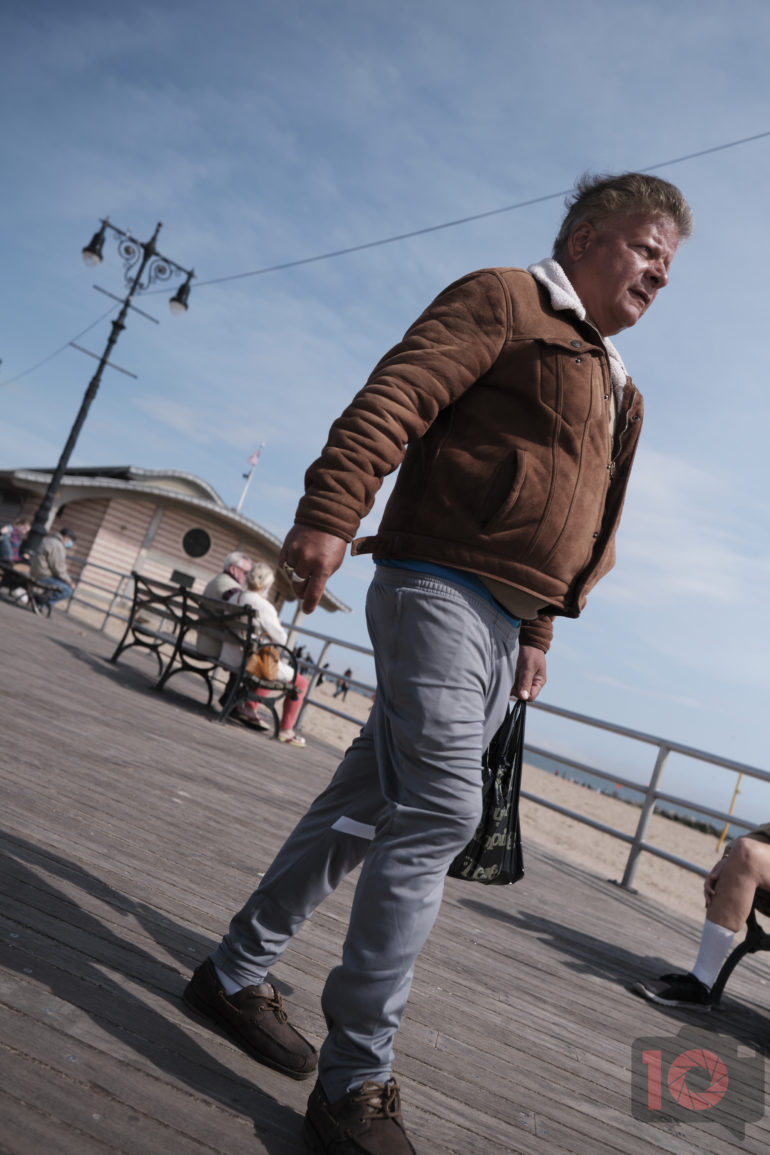
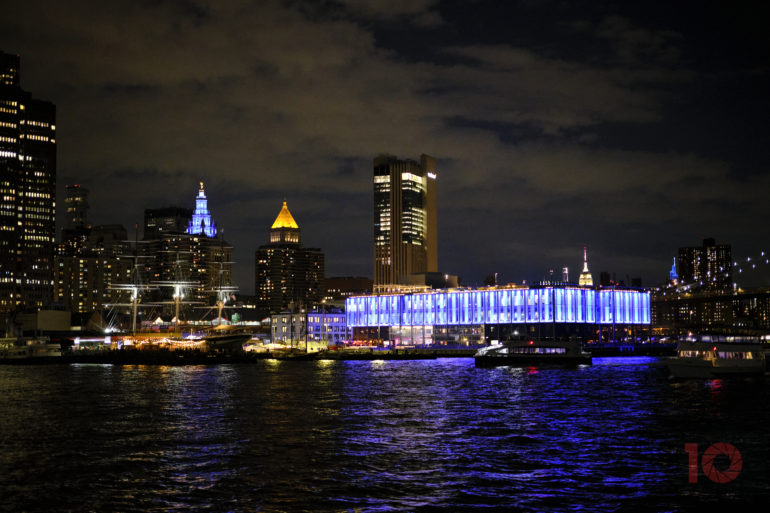
Street photography is a given with Fujifilm cameras. They’re set up pretty perfectly for doing just that. Not only do you get lenses that are pretty small, but they deliver great image quality when paired with the company’s incredible cameras. I mean, who wouldn’t like the look of Fujifilm Acros? Scroll through Instagram and you’ll find so many photos that look like film — and they’re bound to have been shot on Fujifilm. Here are some of the best lenses for street photography with Fujifilm cameras.

A Special Discount for Phoblographer’s Readers

This piece is presented in partnership with FUJIFILM. We’ve independently and ethically reviewed all the products in this post already without sponsorship. And we worked with them to recommend a few key gems to you.

Visit the FUJIFILM on-line store  to make your purchase. Enter the coupon code phoblographer to receive FREE ground shipping. Offer expires October 31st 2023.

How We Test and Choose the Best Lenses for Street Photography With Fujifilm Cameras

  • The Phoblographer’s various product round-up features are done in-house. Our philosophy is simple: you wouldn’t get a Wagyu beef steak review from a lifelong vegetarian. And you wouldn’t get photography advice from someone who doesn’t touch the product. We only recommend gear we’ve fully reviewed in these roundups.
  • If you’re wondering why your favorite product didn’t make the cut, there’s a chance it’s on another list. If we haven’t reviewed it, we won’t recommend it. This method keeps our lists packed with industry-leading knowledge. Some of our stories include affiliate links. If you buy something through one of these links, we may earn an affiliate commission.
  • When we test lenses, we’ve got various things in mind. First off, we consider who might want to buy the lens and what they might do with it. With that in mind, we try to tackle at least three genres of photography with that lens in a variety of situations. If the lens has weather resistance, then we’ll test it accordingly with a weather-resistant camera. We also test the autofocus of the lens in continuous mode, single mode, with exposure preview effects, without those effects, and then with all the major image quality parameters. These days, no one really makes a bad lens — but some are far better than others.
  • In this specific roundup, we’re basing our findings on the reviews that we’ve done. We’re choosing a favorite, but we’re also giving photographers a bunch of others that they might like depending on how they shoot.

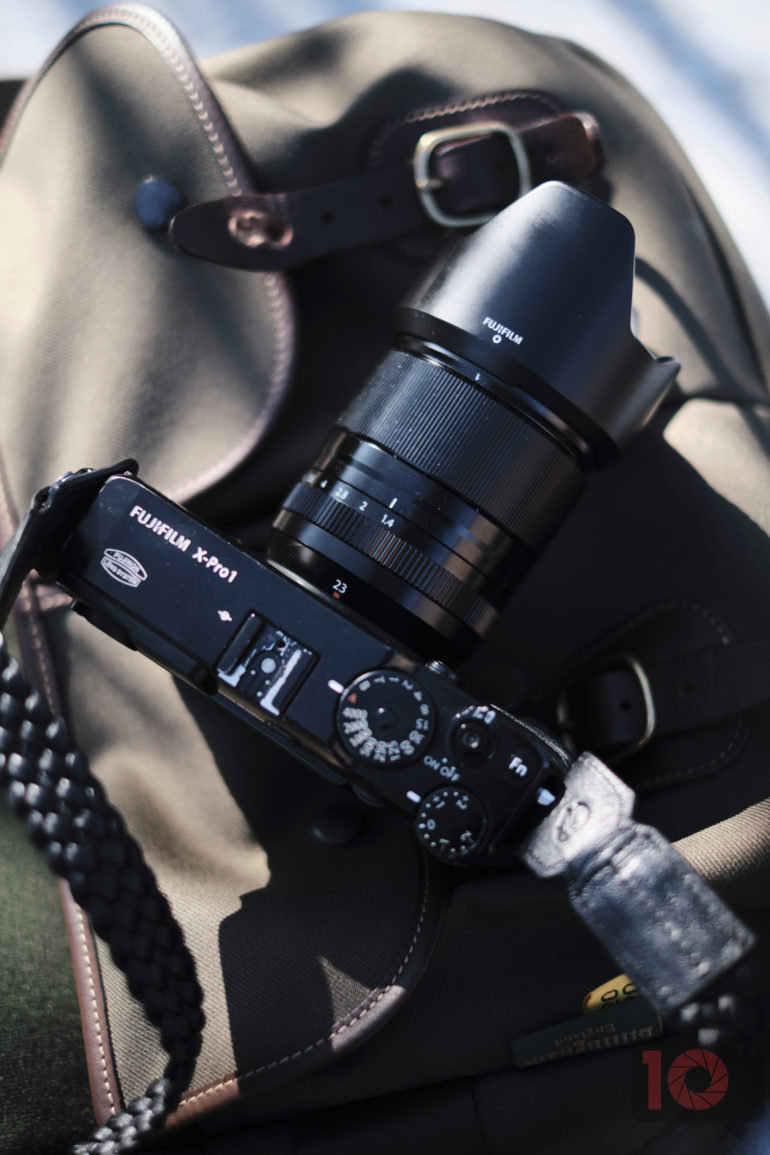
The best Lens for Street Photography With Fujifilm Cameras: FUJIFILM 23mm f1.4 R WR

There’s a lot to love about this lens. Fujifilm revamped the autofocus motors to improve it over the previous version. They also modernized the optics to help it render sharper images with newer sensors like those on the X-H2. It’s also weather resistant, so you can take it out with you in tougher conditions. Honestly, it’s a lens that might never leave your camera. Nothing hits quite like this lens and your favorite film simulation. We like pairing it with Glimmer glass for retro-vibes.

I honestly thought that my favorite lens for street photography would be the 18mm f1.4 R WR, but nope. It’s this!

Combine it with your favorite film simulations and the right exposure for results that you’re going to love. I prefer Classic Chrome, Astia, Pro Negative High Contrast, and Classic Negative.

Why It’s Great

  • Weather resistance
  • Fast autofocus
  • Build quality
  • It still makes Fuji’s sensors look good!
  • Pretty good pricing at the Fujifilm online store

Tech Specs

Specs are taken from the FUJIFILM online store.

  • Lens Configuration: 15 Elements in 10 Groups with 2 aspherical and 3 ED elements
  • Focal Length: 23mm
  • 35mm Equivalent Focal Length: 35mm
  • Angle of View: 63.4
  • Maximum Aperture: F1.4
  • Minimum Aperture: F16
  • Number of Aperture Blades: 9 (rounded diaphragm opening)
  • Aperture Step Size: 1/3EV (22 steps)
  • Minimum Focusing Distance (cm): 19
  • Minimum Focusing Distance (in): 7.48
  • Maximum Magnification: 0.2x
  • Lens Diameter (mm): 67
  • Lens Length (mm): 77.8
  • Lens Length (in): 3.06
  • Lens Weight (g): 375
  • Lens Weight (lb): 0.82
  • Filter Size: 58mm
  • Lens Mount: FUJIFILM X mount
  • Approximate External Lens Dimensions: 67mm x 77.8mm

This lens is available for $899.95. In our review conclusions, we said:

The Fujifilm 23mm f1.4 R WR LM is a worthy successor to the original. Fujifilm improved the image quality by making it sharper. Some of us won’t want our photos too sharp, so I’d recommend using a haze filter or an intensifier to soften it up a bit. There’s also weather resistance and faster autofocus. At the same time, it’s pretty long. Ergonomically speaking, I personally like a fatter, shorter lens. But practically speaking, this is one of the best lenses Fujifilm has ever made.

The Best Lenses for Street Photography Might Be Different For You

Here are three other great options that photographers will enjoy. These lenses render different views, and all have different looks — especially Fujifilm’s beloved 35mm f1.4. But for some photographers, these might be the best lens for street photography with Fujifilm cameras because of image quality, balance, or affordability.

FUJIFILM 35mm f1.4 R

What’s Great

  • Exceptional image quality
  • Jaw dropping sharpness
  • Focusing speed has improved with further firmware updates, but still isn’t top notch
  • Excellent metal build quality
  • The finish will make it look like an old lens over time

Tech Specs

  • Lens Configuration: 8 elements in 6 groups (includes 1 aspherical element)
  • Focal Length: 35mm
  • 35mm Equivalent Focal Length: 53mm
  • Angle of View: 44.2
  • Maximum Aperture: F1.4
  • Minimum Aperture: F16
  • Number of Aperture Blades: 7 (rounded diaphragm opening)
  • Aperture Step Size: 1/3EV (22 steps)
  • Minimum Focusing Distance (cm): 28
  • Minimum Focusing Distance (in): 11.02
  • Maximum Magnification: 0.17x
  • Lens Diameter (mm): 65
  • Lens Length (mm): 50.4
  • Lens Length (in): 1.98
  • Lens Weight (g): 187
  • Lens Weight (lb): 0.41
  • Filter Size: 52mm
  • Approximate External Lens Dimensions: 65mm x 50.4mm

This lens is available for around $599. Our review concluded by saying:

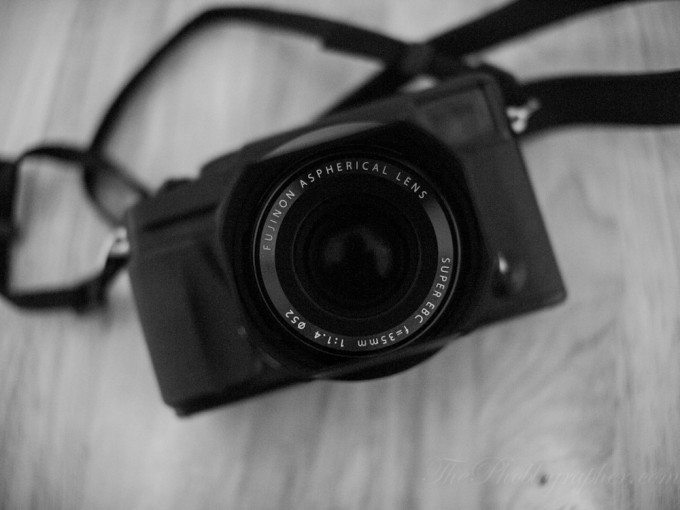
When I made the purchase of the X-Pro 1, I was torn between the 18mm f2 and this lens. I think I made the right decision due to the faster aperture despite the fact that I like shooting wider. Either way, this lens is a wonderful piece of glass that every photographer going into a mirrorless system should consider. Granted, it does have its contenders. Panasonic’s 25mm f1.4 and Voigtlander 25mm f0.95 may keep Micro Four thirds users locked in at the time of this publishing. Sony doesn’t have anything in the equivalent area to step into the arena, though some can argue that the 30mm f3.5 may be a suitable fit.

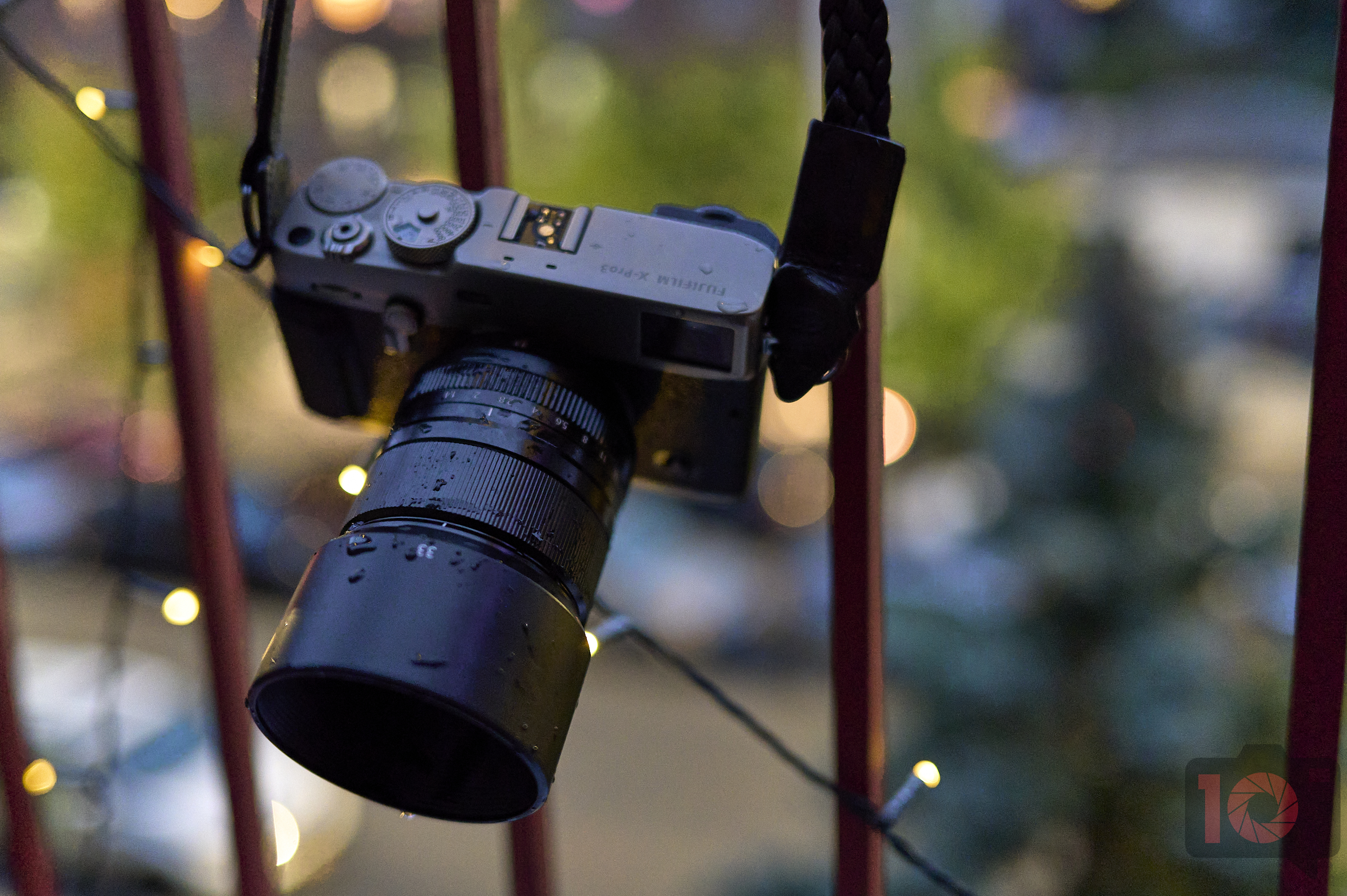
FUJIFILM 33mm f1.4 R WR

What’s Great

  • Weather sealed
  • Lightweight
  • Decent size, not too large or small.
  • Insanely fast on the X Pro 3 and XT4
  • Beautiful image quality
  • I’m glad this isn’t directly replacing the 35mm f1.4 because that lens has beautiful render.
  • Can be a fantastic wedding lens one moment and then a great fun lens the other moment.

Tech Specs

  • Lens Configuration: 15 elements in 10 groups with 2 aspherical and 3 ED elements
  • Focal Length: 33mm
  • 35mm Equivalent Focal Length: 50mm
  • Angle of View: 46.9
  • Maximum Aperture: F1.4
  • Minimum Aperture: F16
  • Number of Aperture Blades: 9 (rounded diaphragm opening)
  • Aperture Step Size: 13EV (22 steps)
  • Minimum Focusing Distance (cm): 30
  • Minimum Focusing Distance (in): 11.81
  • Maximum Magnification: 0.15x
  • Lens Diameter (mm): 67
  • Lens Length (mm): 73.5
  • Lens Length (in): 2.9
  • Lens Weight (g): 360
  • Lens Weight (lb): 0.8
  • Filter Size: 58mm
  • Lens Mount: FUJIFILM X mount
  • Approximate External Lens Dimensions: 67mm x 73.5mm

You can get this lens for around $799.95. In our review, we state:

“Mount the Fujifilm 33mm f1.4 R WR LM to your camera, and you’ll probably fall in love nearly immediately. The balance, the build quality, and the reliability all work together to make this a fantastic lens. Couple that with one of the great Fujifilm simulations and you’ll be very happy. It focuses incredibly fast in any situation you’ll need to it. And it also reliably tracks your subjects.”

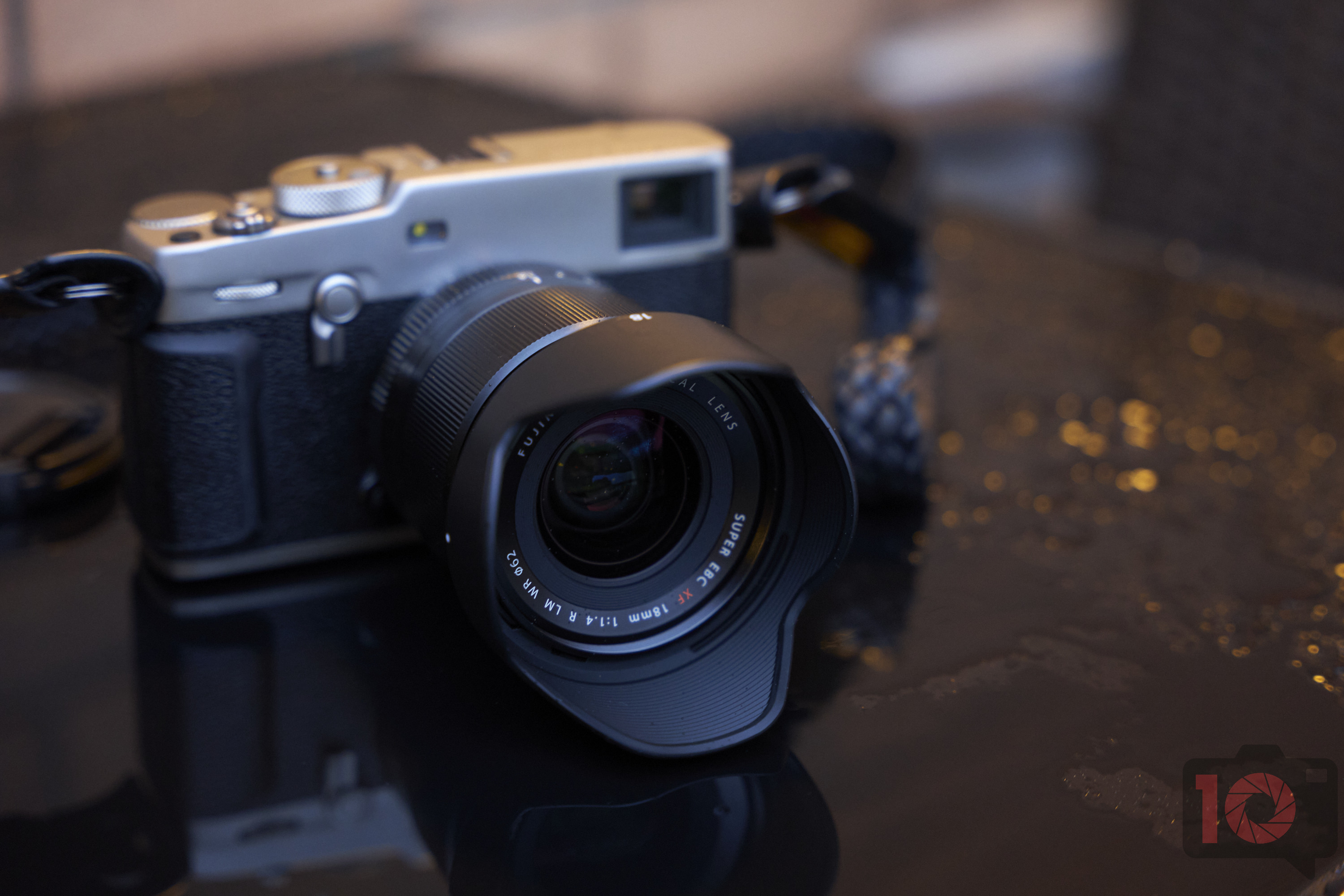
FUJIFILM 18mm f1.4 R WR

What’s Great

  • It’s quite sharp
  • Swift autofocus
  • Lightweight and ergonomic
  • Withstands the elements
  • Great for a variety of applications
  • Beautiful optics

Tech Specs

  • Lens Configuration: 15 elements in 9 groups (includes 3 aspherical and 1 ED elements)
  • Focal Length: 18mm
  • 35mm Equivalent Focal Length: 27mm
  • Angle of View: 76.5
  • Maximum Aperture: F1.4
  • Minimum Aperture: F16
  • Number of Aperture Blades: 9 (rounded diaphragm opening)
  • Aperture Step Size: 1/3EV (22 steps)
  • Minimum Focusing Distance (cm): 20
  • Minimum Focusing Distance (in): 7.87
  • Maximum Magnification: 0.15x
  • Lens Diameter (mm): 68.8
  • Lens Length (mm): 75.6
  • Lens Length (in): 2.98
  • Lens Weight (g): 370
  • Lens Weight (lb): 0.81
  • Filter Size: 62mm
  • Approximate External Lens Dimensions: 68.8mm x 75.6mm

Get this lens for around $999.95. In our review, we state:

“The Fujifilm 18mm f1.4 LM WR lens provides the classic 28mm equivalent focal length with a fast aperture. The linear motor delivers even more impressive autofocus, and it’s weather sealed. Images are beautifully sharp with painterly bokeh, gorgeous colors, and solid contrast. The film simulations make editing a breeze and get you back to shooting in no time. It is a lens that you can and will want to take with you everywhere.”

What to Know About The Best Lenses for Street PHotography With Fujifilm Cameras

  • Fujifilm X Mount (which we’re focusing on here) has many lenses available. And so, we’re choosing the best lenses for street photography with Fujifilm Cameras: from the ones that we’ve reviewed. Luckily, we’ve reviewed the vast majority of lenses for Fujifilm X Mount. You can find them in this guide here.
  • So what makes a lens the best lens for street photography? A few things: at the top of it all is portability. I mean, what’s the point of using a lens if you never want to handhold it or carry it for a long time? Then there’s image quality. Fujifilm’s newer lenses are a bit cleaner than the previous ones were. However, a lot of the image quality is also based on whatever film simulation you’re using. We also value weather resistance because it helps prolong the shelf-life of your product.
  • With Fujifilm, we typically just use single autofocus and have it select from the entire area. Otherwise, we use Continuous autofocus and choose the widest zone right in the center. It typically nails the exposure.
  • We’ve reviewed nearly all of Fujifilm’s X series lenses. You can take a look at this guide.

Picking the Right One For You

If you’re still a bit confused as to the right lens for you, here are some questions to ask yourself

  • What’s your budget?
  • How will you use the product?
  • What lighting situations are you in, and how will that affect what you’re doing? Our reviews hyperlinked in this article can help with that.
  • Are you traveling a lot with it?
  • Will you be using it in a situation that’s a bit rougher?
  • Can you live without the best quality?
  • Who else uses this product? How are they using it?
  • What’s so appealing about this product that I can’t get from what I have already or something else?
  • When will I really have time to use this product?
  • Where will I bring this product?
  • How will this product help bring me joy and joy in my photography?

These are just a few of the questions that we ask ourselves, but we think that you should ask yourself these for sure.