Art World News

Art Auction in Hong Kong Draws Lower Bids Than Expected

Art Auction in Hong Kong Draws Lower Bids Than Expected
image

A portrait by Amedeo Modigliani sold for less than expected and several artworks went unsold as China’s best-known art investor liquidated part of his collection.

The largest auction ever held by Sotheby’s in Asia of a single owner’s art collection raised less money than expected on Thursday, a sign that rising global interest rates may be starting to weigh on the market for fine art.

A portrait by Amedeo Modigliani sold for considerably less than predicted, and 10 other artworks failed to sell when bidding fell short of reserve prices.

The auction, which was held in Hong Kong and streamed online for bidders around the world, produced total sales of $69.5 million including commissions, Sotheby’s said. The auction house had predicted last week that the sale would raise $95 million to $135 million before subtracting fees.

China’s best-known art investor, Liu Yiqian, and his wife, Wang Wei, who has managed the museums that hold many of the couple’s artworks, were selling part of their large collection. Mr. Liu is a former Shanghai taxi driver who has said he made a fortune with investments in Chinese real estate and pharmaceutical stocks. He became a global celebrity in 2014 and 2015 by paying top dollar for Chinese antiquities and Western paintings.

In 2014, he paid a record $36.3 million for an ancient Chinese porcelain cup, followed by $45 million for a 600-year-old silk wall hanging. He paid $170.4 million for Amedeo Modigliani’s risqué “Nu Couché” painting a year later. To display these and other purchases, Mr. Liu and Ms. Wang built three museums, two in Shanghai and a third in Chongqing, China.

Those three items were not included in Thursday’s sale. The auction did include a different Modigliani painting, “Paulette Jourdain,” which Sotheby’s had sold for $42.8 million in 2015.

A portrait by Amedeo Modigliani, “Paulette Jourdain,” being auctioned on Thursday in Hong Kong. It sold for $34.9 million, less than expected.via Sotheby’s

Sotheby’s had predicted that it would sell in Thursday’s auction for “in excess of $45 million.” But the portrait ended up fetching $34.9 million, including fees.

Sotheby’s said this was still the highest price paid in Asia for a modern Western work.

Art investors face a difficult global environment as interest rates around the world have surged. Higher interest rates have made it more attractive to park money in bonds or bank accounts instead of assets, like art, that pay no interest. Owning fine art offers aesthetic dividends, but the security and insurance costs can be considerable.

An increase in interest rates “changes the calculus and incentives to store part of one’s assets in art,” said Amy Whitaker, an associate professor of art and economics at New York University.

A painting by René Magritte, “Le Miroir Universel,” which had a previously estimated price of $9 million to $12 million, sold for $9.9 million on Thursday — still a record for the artist at an auction in Asia.

But 10 of the 40 artworks sent to auction went unsold because the final bids were lower than reserve prices set as the minimums for a transaction to take place. A painting by Léonard Tsuguharu Foujita, “Nu au chat,” with a previously estimated price of $5.1 million to $7.7 million, and a David Hockney painting, “A Picture of a Lion,” for which the estimated price had been $5.4 million to $7 million, were the most valuable of the unsold paintings.

A painting by Wang Xingwei was withdrawn from sale shortly before bidding began. But it had an estimated value of $255,000 to $383,000, so the withdrawal appeared to have little effect on the overall proceeds from the auction.

Bidders appeared to be bargain hunters, competing for the least expensive artworks on sale, particularly by younger artists still working today, while demonstrating less interest in higher-priced offerings. The auction had a strong start, for example, with the sale of “Room With Venus” by Ji Xin, a contemporary Chinese painter.

The artwork, which had a date of 2021 on the back, had an estimated price of $38,000 to $64,000. But the winning bid was $243,000, including auction house commission.

Art investors do not just follow interest rates but “are often championing the economic sustainability of artists,” Dr. Whitaker said.

As the auction continued into the evening, there was a hint that market weakness might extend beyond fine art. Separate from Mr. Liu and Ms. Wang’s collection, Sotheby’s also auctioned an 11.28-carat blue diamond set with smaller diamonds in a gold ring. It fetched $25.3 million, including commission, compared with a prior estimate of $26.6 million to $36.8 million.

Mr. Liu and his family helped build one of China’s largest art auction houses, the Beijing Council International Auction Company. In 2016, Beijing Council was acquired by Jiangsu Hongtu High Technology, an electronics retailer in which Mr. Liu and his family held the second-largest stake.

But Beijing Council stopped holding auctions in 2020, at the start of the pandemic, and never resumed after pandemic restrictions were lifted 10 months ago. Jiangsu Hongtu disclosed in April a wide-ranging falsification of its financial statements from 2017 to 2021, and the value of its shares collapsed. The Shanghai Stock Exchange then delisted the company over the summer.

Jiangsu Hongtu said in April that regulators had blamed the false information on executives at the company and at its controlling shareholder, Sanpower Group. Mr. Liu and his family were not implicated or punished by regulators in connection with Jiangsu Hongtu’s difficulties.

Indigenous Cultural Abundance Overflows in Dana Claxton’s Vibrant Portraits

Indigenous Cultural Abundance Overflows in Dana Claxton’s Vibrant Portraits

“Jeneen” (2018-2019), LED Firebox with trans-mounted chromogenic transparency, 60 x 40 inches. All images © Dana Claxton, shared with permission

In the vibrant, enigmatic portraiture series titled Headdress, Vancouver-based artist Dana Claxton celebrates Indigenous cultural abundance. Intricately stitched feathers, embellished baseball caps, and elaborately beaded jewelry spill over five figures, almost completely obscuring their faces. “In these portraits, the beadworks cover and espouse the womxn’s silhouettes, becoming more than just objects,” Claxton says in a statement. “The beadworks are cultural belongings, and the womxn are cultural carriers.”

The artist photographs each individual with her own possessions, such as Jeneen’s collection of accessories spanning three generations of Vuntut Gwich’in First Nation ancestry in Old Crow, Yukon. Dee and Dana wear pieces from an inter-tribal collection made by artisans from the Four Directions. Connie, who Claxton describes as a “matriarch of beadwork,” dons her own hand-beaded works, and Shadae includes a variety of caps, including a Coast Salish woven cedar hat, and her husband’s ceremonial powwow fans known as peyote fans.

Claxton’s work is included in the recently published book An Indigenous Presentand you can explore more work on her website.


A portrait of a woman covered in Indigenous American beadwork, holding various accessories and emblems.

“Dana” (2018-2019), LED Firebox with trans-mounted chromogenic transparency, 60 x 40 inches

A portrait of a woman covered in Indigenous American beadwork, holding various accessories and emblems.

“Shadae” (2018-2019), LED Firebox with trans-mounted chromogenic transparency, 60 x 40 inches

A portrait of a woman covered in Indigenous American beadwork, holding various accessories and emblems.

“Connie” (2018-2019), LED Firebox with trans-mounted chromogenic transparency, 60 x 40 inches

A portrait of a woman covered in Indigenous American beadwork, holding various accessories and emblems.

“Dee” (2018-2019), LED Firebox with trans-mounted chromogenic transparency, 60 x 40 inches

Do stories and artists like this matter to you? Become a Colossal Member today and support independent arts publishing for as little as $5 per month. The article Indigenous Cultural Abundance Overflows in Dana Claxton’s Vibrant Portraits appeared first on Colossal.

Ingrid Best Is Redefining Wine Culture With A Blend Of Art, Entrepreneurship, And Equity

Ingrid Best Is Redefining Wine Culture With A Blend Of Art, Entrepreneurship, And Equity

In the world of winemaking, where traditions run as deep as the vintage wines themselves, the path from grape to glass is often marked with challenges. Wine, with its primary focus on vineyards of California, France, and New Zealand, carries an aura of prestige that frequently excludes those who do not fit the mold. This exclusivity makes it a particularly challenging feat to break into, especially for women of color, where black-owned wineries constitute less than 1 percent of all U.S. wineries. Amidst these hurdles, Ingrid Best, formerly an ExecutiveVice President at Combs Enterprises’ Spirits Division, has embarked on a journey to reshape wine culture, infusing it with a blend of art, innovation, and entrepreneurial spirit. With her inaugural venture, the Founder and Wine Negociant of IBest Wines is positioning South Africa firmly within the conversation of stellar wine regions.

Prior to launching her own wine brand, Best held her own in a white-male dominated industry as the marketing powerhouse working for major suppliers such as Diageo, Moët Hennessy, Bacardi, and Combs Enterprises. Best’s experience in the wine and spirits industry spans over two decades where she started her career at Diageo when they had one of the industry’s leading impressive wine portfolios. She then went on to Moët Hennessy where she worked on some of the world’s most iconic spirits brands and its wine and champagne portfolio before spending time at Bacardi and Combs Enterprises. Best became the only marketing executive to manage both joint venture spirits partnerships for cultural icons Shawn “Jay-Z” Carter with Bacardi and Sean “Diddy” Combs. Reflecting on her journey, she shares a poignant moment: “I experienced a full circle in my career by working with Puff, who really was a huge inspiration for me, and the reason why many of us got to sit at the table in the wine and spirits industry after his deal with Diageo. Working for him and just seeing how relentlessly passionate he is about building his legacy. It fueled me.”

With that inspiration and example, Best knew it was time to make a decision that would lead her to new territories. It was an invitation to South Africa from her best friend that opened her eyes to the continent’s distinct beauty. She had realized that her work with the industry’s most prestigious brands had taken her around the world, but never to Africa. ​​Touching down in Johannesburg for this pivotal journey, she underwent a series of profound realizations. She recalled, “Setting foot on South African soil made the underrepresentation of this region in the world of wine even more apparent, particularly when compared to Napa, France, and other more widely recognized regions that get the shelf space and talking time. Instead of drawing comparisons, my focus shifted to discovery. I felt like I had discovered something truly incredible.”

Charting a New Course Takes Partnership

After her transformative journey to South Africa, Best recognized the time had come to channel the same magic she had harnessed while supporting the world’s largest brands into her own entrepreneurial endeavor and embrace ownership. In an era when Africa has been in the global spotlight for its contributions to music, food, fashion, and makeup, Best believed it was only fitting for South Africa to become the next prominent wine region on everyone’s lips. As a wine negociant, Best collaborates with local producers to bottle blends under the IBest brand name.

She emphasizes the importance of continuous learning and unlearning to navigate the complexities of the wine industry, particularly as a Black woman launching a wine brand in South Africa. Best stressed the significance of immersing herself in the culture, forging connections, and diligently selecting a local partner who shared her commitment to quality and craftsmanship. “It was so important for me to plant my roots, to meet people, to talk to people. This wasn’t done in a silo. That meant spending a lot of time in South Africa. That meant a lot of meetings and making sure that the partner that we eventually wound up going with understood that, for us, quality and craftsmanship comes first,” describes Best.

The chosen partner, Stellenbosch Vineyard, aligns with this vision. Their winemaker, Bernard Claasan, is dedicated to a careful process that ensures top-notch wines. With nearly 40 years of winemaking experience in the team, Stellenbosch Vineyards collaborates with local farmers in Stellenbosch to get the grapes they need. They pick each farm very thoughtfully, considering the soil and the types of grapes planted by their dedicated Viticulturist and Winemaker. “For IBest Wines, we age our blends in special 300-liter French Oak barrels. The different toasting levels of the barrel plays an important role on the wine; the barrel will add to the flavor development, maturity, and longevity after bottling in the wine. A minimal toast will lead to vanilla flavors and caramel notes, while a more toasted barrel will give smoky aromas. Time in the barrel allows the slow ingress of oxygen–a process which makes wine taste smoother and less astringent,” notes Claasan. There is a meticulous artistry of crafting the kind of wine that appeals to discerning taste buds and sells bottles off of shelves. Best approached this process with thoughtful deliberation and patience, understanding that this would yield the best outcome.

However, her journey didn’t stop at selecting the right producer and blend. Best also took the time to connect with other influential Black women in the wine industry. One such individual, Hayli September, pursuing her master’s in winemaking, played a pivotal role in IBest Wines’ journey. Another figure is Grace Mahary, an Eritrean-Canadian woman and IMG model who is a founding member of and the Sommelier for the IBest Wines team. “For me, it is hugely important that this work not only inspire young women here in the US and in South Africa, but all over the world,” Best shares.

Building from the Ground Up

This collaborative approach not only shines a spotlight on South African talent but also extends a seat at the ownership table to underrepresented groups, a central tenet of the brand Best has cultivated. IBest Wines proudly boasts four Black women investors today. With a clear vision and trusted partnerships in place, investment funding was the inevitable next step. As Best notes, it’s not easy being in the business of wine. The landscape demands substantial investments, and not many have the means to navigate it successfully. “It’s not a cheap endeavor, which is why there’s not a lot of people that have been able to do it and do it successfully. But, we’re seeing more,” Best reflects on her funding journey. She emphasizes that the path to entrepreneurship is far from easy, cautioning against romanticizing it based on social media portrayals. Best candidly shares, “I think it’s important for people to know it’s a lot of hard work and it takes a lot of money.” She reveals that IBest Wines was financed entirely from her own pockets, tapping into her savings and retirement plans. When she reached a point of financial stretching and was ready to bring partners on board, she began pitching to investors.

Best extended her pitch to a wide array of funders, transcending boundaries of gender and race. Ultimately, IBest Wines began with Best’s capital and is set to launch with the support, belief, and investment of four Black women investors.

Breaking Barriers to Reshape the Wine Industry

“We’re doing it now, you know, by building a Black-owned brand. My hope is that this is really an example not only to our community but to our allies that we’re doing it. We’re doing it at the highest level, with pride and excellence. I would say that’s what IBest Wines represents. It’s about collaborating with other wine owners to increase visibility and help each other pay it forward. We have to be bold and bullish about that,” Best shares about the brand’s vision.

One of the pivotal barriers is the challenge of gaining access to capital and fostering a transformative mindset among suppliers and distributors. For wine brands to genuinely revolutionize the industry, there needs to be a paradigm shift in how major suppliers and distributors perceive new brands. However, Best remains undaunted. She intends to continue those conversations, and bring about significant change in the wine and spirits space. Best passionately emphasizes her commitment to making a mark in the wine industry, championing diversity and ownership. In her vision, wine enthusiasts would have the opportunity to savor South African wines while immersing themselves in art and culture, complete with art exhibits, museum cafes, and more. IBest Wines first blends – a red and a white are available for pre-sale on ReserveBar starting October 10, and on IBestWines starting the week of October 23.

Art Market Productions to Launch Atlanta Art Fair

Art Market Productions to Launch Atlanta Art Fair

Organisers cited the arrival of Atlanta Art Week and the city’s ‘extraordinary wealth’ as motivations for the new fair.

Art Market Productions to Launch Atlanta Art Fair

Pullman Yards, Atlanta. Courtesy Pullman Yards.

Art Market Productions (AMP) will launch a new art fair in Atlanta, Georgia next year in collaboration with Intersect Art and Design.

The fair will take place in October 2024, alongside the third edition of Atlanta Art Week. It will be held at Pullman Yards, a cultural centre that’s frequently used in movie productions.

AMP hopes to sign up 50 galleries for the inaugural edition.

Kelly Freeman, Director of AMP, will direct the fair. She said she had received ‘a strong display of interest’ from galleries located in Atlanta, across the American South, and beyond.

‘We can confidently anticipate that at least 50% of all participating galleries will have some connection to the city and wider region,’ she said.

AMP’s existing offerings include the San Francisco Art Market, Seattle Art Fair, and Art on Paper in New York.

Asked why AMP had chosen to expand to Atlanta, Freeman cited ‘the city’s extraordinary wealth and ‘so much happening in Atlanta from a cultural perspective.’

Kelly Freeman.

Kelly Freeman. Courtesy Teddy Wolff.

Median household income in Atlanta was U.S. $74,107 in 2021, only slightly above the national average of $70,784, but Georgia has the eighth most billionaires among U.S. states. Of the state’s 17 billionaires, 15 live in Atlanta.

Freeman said the inaugural Atlanta Art Week in 2022 had also been an ‘important catalyst to bring the community together’.

She noted the opening of UTA Artist Space, young galleries like Wolfgang Gallery, and the expansion of leading photography gallery Jackson Fine Art.

‘These new developments all build on a strong foundation of existing museums and institutions in the city, such as the High Museum of Art, Spelman College Museum of Art, and Atlanta Contemporary, with a plethora of compelling private and corporate collections,’ she said.

With regards to the kinds of art fairgoers are likely to encounter, Freeman said it was impossible to say.

She noted, however, that the city has a strong history of photography—Elton John keeps much of his vast photography collection at his apartment in Buckwood—as well as outstanding artists across disciplines, from sculpture and installation by Lonnie Holley to paintings by Radcliffe Bailey. —[O]

Cherokee Art Market Returns to Hard Rock Tulsa

Cherokee Art Market Returns to Hard Rock Tulsa

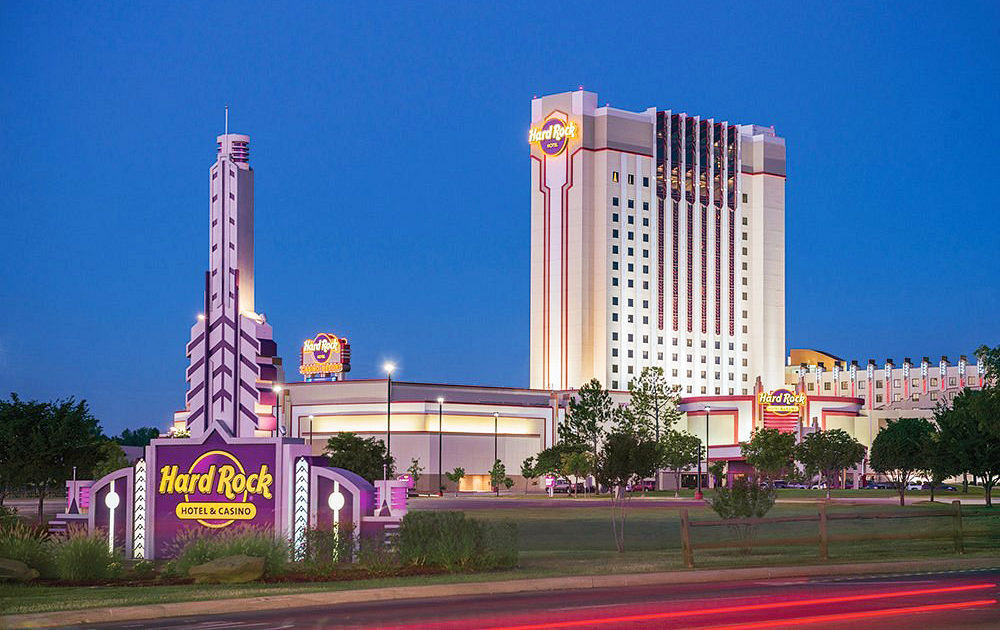
TULSA, OK – A celebration of authentic Native art, Cherokee Art Market returns to Hard Rock Tulsa Oct. 14-15. At one of the largest Native American art markets in the state, guests can enjoy the authentic work of 150 elite Native American artists from across the country.

“The list of artists accepted into the 2023 Cherokee Art Market is exceptional, and each year it grows stronger with more diversity in the categories and more tribal nations represented,” said Cherokee Nation Principal Chief Chuck Hoskin Jr. “Visitors will see the works of talented creators across Indian Country. We are so proud of this market – one of the most respected juried art markets in the nation – and what it means for our artisan community, as well as the local economic impact it provides annually.”

More than 40 tribes will be represented at the 18th annual Cherokee Art Market, with artwork ranging from beadwork, pottery, paintings, basketry, sculptures and textiles. Guests can meet directly with each juried artist and learn more about their work. In addition, the market will feature cultural demonstrations, presentations and conversations with some of the nation’s top Native American artists each day.

“As we approach nearly two decades of Cherokee Art Market, we can’t help but be incredibly proud of how this event has grown and evolved,” said Donna Tinnin, Senior Manager of Programs and Events for Cherokee Nation Cultural Tourism. “One thing that has always stood out is our immersive cultural demonstrations that enhance the guest experience. This year, we are expanding those efforts to include featured presentations and conversations with key industry stakeholders like our friends at the Indian Arts and Crafts Board. We look forward to providing an entertaining, educational and engaging experience for all.”

Participating artists also compete for their share of more than $75,000 in prize money and top honors and special recognition such as the Best of Show, Innovator Award, Culture Keeper and more awarded across nearly 30 categories.

An opening reception will be held in the Sky Room at Hard Rock Tulsa on Friday, Oct. 13, at 7:00pm to welcome artists and announce winning work. The public is welcome to attend the reception with tickets available for purchase at the door. A family-friendly event is open to the public 10:00am to 5:00pm in the Sequoyah Convention Center at Hard Rock Tulsa.

Cherokee Art Market is presented by Cherokee Nation Businesses. Co-sponsors include Native American Art Magazine and Tulsa People.

Rediscovered Rembrandt valued at €15,000 now offered for £15mn

Rediscovered Rembrandt valued at €15,000 now offered for £15mn

Sotheby’s will offer a rediscovered Rembrandt night scene for £10mn-£15mn as a highlight of its Old Masters sale in London this December. The small, nearly monochromatic work — “The Adoration of the Kings” (now dated c1628) — was catalogued as Circle of Rembrandt at Christie’s in Amsterdam in 2021 and estimated at €10,000-€15,000. Others thought it might be the real thing, helping the work then sell for €860,000 (including fees).

Its buyer subsequently contacted Sotheby’s and the auction house has spent 18 months researching the work, including detailed infrared imaging. The conclusion is that it is “not just by Rembrandt, but is a really significant Rembrandt”, says George Gordon, Sotheby’s co-chair of Old Master paintings and drawings. Leading scholars, including Volker Manuth, who co-wrote the 2019 catalogue raisonné of Rembrandt’s paintings, support the auction house’s views.

The research has revealed changes that Rembrandt made while painting, including moving the protagonists’ heads towards the holy family, to create a more pronounced focal point. “We can see how his mind was working,” Gordon says. He also highlights the artist’s command of reflected light from two sources — a warm, interior one and the cooler Star of Bethlehem.

Known as a Rembrandt until the 1950s, the work “completely disappeared” from records in the intervening decades, most likely because the only available photograph did not do it justice, Gordon says. It comes to auction on December 6 and has a third-party guarantee.


A detail of ‘Jenny & Zac Holding Hands’ (2019) by Rene Matić, one of the artists commissioned by Deutsche Bank for its new London HQ © Courtesy of the artist and Arcadia Missa, London

Deutsche Bank has revealed details of the art projects for its new UK headquarters at 21 Moorfields in the City of London, opening next March. As well as showing about 1,200 works from its collection (which numbers about 50,000 globally), the bank has commissioned wall-works by three emerging British artists — Simeon Barclay, Rene Matić and Claire Hooper — all of whom responded to a theme of inclusivity. Matić, for example, will produce 20 large-scale photographs for display across three floors, from their flags for countries that don’t exist but bodies that do series. This explores the complicated notion of Britishness through the daily life of urban communities.
Many of the works in the new building were bought at the Frieze fairs, which the bank has sponsored since the second London edition in 2004. These include a set of works by Noémie Goudal, bought last year, to hang in the reception area, and works by Lubaina Himid, bought in 2016 (the year before Himid won the Turner prize), to go in a conference room named after the artist. “Our longstanding partnership with Frieze illustrates our mutual passion to create access to support fresh ideas,” says Britta Färber, global head of art and culture at Deutsche Bank.


Fernand Léger’s ‘Le 14 juillet’ (1912-13), estimated at $15mn-$20mn

Phillips has won the mandate to sell 30 works from the prestigious Triton Collection Foundation, valued at more than $70mn and with an auction house-backed guarantee of sale. The works, collected by the late Rotterdam shipping magnate Willem Cordia and his wife, Marijke Cordia-van der Laan, span the 19th century — such as Edgar Degas’s “Le petit déjeuner après le bain” (c1894, est $2.5mn-$3.5mn) — to postwar and beyond, including Joan Mitchell’s “Untitled” (c1954, est $7mn-$10mn). Fernand Léger’s celebratory “Le 14 juillet” (1912-13) has a $15mn-$20mn estimate and comes as a two-for-one work: conservators at the Triton Collection Foundation recently uncovered an earlier painting by the artist on the back of the canvas.

The Triton Collection — named after the Greek god of the sea, alluding to the family’s maritime business — focuses on the avant-garde, so is by its nature evolving, notes Phillips Americas president Jean-Paul Engelen. Plus, he says, “the founders always wanted their children to have their own experience of collecting”. Phillips’ dedicated auction will be in New York on November 14.


‘Work Out and Just Getting Started’ (2023) by Krzystof Strzelecki, whose work is going on show at the Art Dealers Association of America’s annual fair © Courtesy of the artist

Anat Ebgi, a gallerist with three spaces in Los Angeles, is opening in New York. The move to a historic block in Tribeca will be “amazing for many of our artists, who have not had a show in New York”, Ebgi says. Her gallery will have two floors and a mezzanine level across about 5,000 sq ft — bigger than any of her spaces in LA. “Unlike most people, I went to New York and found more square footage,” she says. Her neighbours in the increasingly popular gallery area will include PPOW and Andrew Kreps, while the midtown Marian Goodman Gallery moves its New York base nearby, to 385 Broadway, next year.

Ebgi plans a soft opening on November 2, to coincide with the Art Dealers Association of America’s annual fair. This show will include work by the Polish artist Krzysztof Strzelecki, who is recreating a gym in ceramics, says Stefano di Paola, the gallery partner who is overseeing the New York opening. Anat Ebgi will then formally open with a group show in January followed by a solo show of the LA artist Greg Ito.


Pullman Yards, venue for the Atlanta Art Fair, in the city’s Kirkwood district © Events Pullman

Atlanta gets its first art fair next year, a collaboration between Art Market Productions (AMP) and Intersect Art and Design. Both businesses already (separately) run regional fairs in the US, including in Seattle, Palm Springs and San Francisco. Kelly Freeman, director at AMP, says that Atlanta “is experiencing an incredible artistic moment that not everybody knows about”. She says that while there are already some “great events” that cater to the American south — namely Art Basel in Miami Beach and the Dallas Art Fair — “these are more about the travelling global arts community. Our shows are more about the places we are in.”

Other businesses are responding to Georgia’s growing cultural community, notably in film and television production. In March, the Hollywood talent agency UTA opened an office and gallery in Atlanta and last year Atlanta Art Week launched, a citywide event for contemporary art whose second edition runs this week (until October 8). The new Atlanta Art Fair will have approximately 50 exhibitors and is slated to coincide with the art week in October 2024. It will be in Kirkwood’s Pullman Yards, a former industrial area that has reinvented itself as a cultural hub.

Find out about our latest stories first — follow @ftweekend

Two of Auburn’s public art pieces reach the end

Two of Auburn’s public art pieces reach the end

Many people in the community are fond of the Millennium Sundial at Les Gove Park and the large mural that graces one wall of a downtown building.

But time and the elements have worked their inexorable will on the public art pieces: the wood to which the sundial is attached is rotting and splintering, and screws are sticking out; and the mural is crumbling and can’t be saved.

So on Oct. 2, the Auburn City Council voted to remove artist Ries Niemi’s 23-year old sundial and Tom Teitge’s 34-year-old mural from the city’s public arts program.

Arts Coordinator Allison Hyde told the city council Sept. 25 that this process, called deaccession, removes them from their public site and from the maintenance cycle, and moves their hard and electronic copies into a deaccessioned collections file.

The City of Auburn adopted and approved its arts in public places policy for managing its public arts collection in 2010. The process of deaccessioning an artwork is typically completed at the end of a maintenance survey.

Every year, the city brings professional arts maintenance and cleaning companies to evaluate the collection. After the maintenance survey is complete, the companies present recommended maintenance, estimate the value and the cost of care for a collection, and recommend to staff whether a piece should be considered for deaccession.

Hyde said these two pieces have been talked about as possible deaccession candidates for several years. The parks department presented a recommendation to the Auburn Arts Commission for deaccession in August of this year and the commission voted unanimously to proceed.

Formally known as the “You’re here – Millenium Sundial,” artist Ries Niemi’s piece was created in 2000. Its primary material is wood, in this case, salvaged lumber that was already almost 100 years old when the work was created. Since then, the wood has been rotting away and splintering, becoming a bit of a public safety hazard.

Hyde said the city replaced the bench seats, but this past summer, city parks staff discovered that a large amount of rot and decay has been eating away at the underside of the table, and rusty screws are sticking out. To keep the public safe, the city enclosed that area in wood, but as Hyde said, that amounts to no more than a band-aid on a bigger problem.

To qualify for deaccession, a work must be beyond reasonable repair, must be damaged to the extent that it no longer represents the artist’s intent, and damaged to the extent that the expense of restoration and repair are found to exceed or equal current market value of the work.

The city notified Niemi to determine whether he wanted to do the repairs himself, but he declined.

“He is comfortable with this decision and has offered to have components of the sundial repurposed somewhere else in the city, if that is the city’s preference,” Hyde said, adding that city is studying whether to use some sort of more durable material to separate the wood from the bronze. Although it will no longer be a piece in the city’s public arts collection, the bronze sundial could still see a future as a gathering place in a park, Hyde said.

Courtesy photo “Centennial Mural” by Tom Teitge. East Main and B Street NE. Date accessioned: May 12, 1989. Original cost: $17,500. Current market value: $23,186. Current insurance value: $23,186. Estimated cost of repair: $5,000-$8,000.

Courtesy photo
“Centennial Mural” by Tom Teitge. East Main and B Street NE. Date accessioned: May 12, 1989. Original cost: $17,500. Current market value: $23,186. Current insurance value: $23,186. Estimated cost of repair: $5,000-$8,000.

Artist Tom Teitge painted the Centennial Mural in 1989 on a wall that doesn’t belong to the city and has leased on a year-to-year basis. But the surface is crumbling and falling apart, and no amount of sealing and touch-up can prevent it from further deterioration, according to the city. Typically murals are not placed in public art collections for reason. The mural will still be on the wall and will henceforth be the responsibility of the building’s owner.

Info

• “You Are Here – Millennium Sundial” by Ries Niemi. Location: Les Gove Park, 910 9th St SE. Date accessioned: July 5, 2000. Original cost: $15,000. Current market value: The artist assessment noted that it would cost him $75,000 to remake today. Current insurance value: $16,500. Estimated cost of repair: $26,250 – $33,000.

• “Centennial Mural” by Tom Teitge. East Main and B Street NE. Date accessioned: May 12, 1989. Original cost: $17,500. Current market value: $23,186. Current insurance value: $23,186. Estimated cost of repair: $5,000-$8,000.

The Art of Marketing a New Brand: 7 Proven Steps for Emerging Retail Entrepreneurs

The Art of Marketing a New Brand: 7 Proven Steps for Emerging Retail Entrepreneurs

Ҋ7awm
`Jsn
φQ�H RW
Ȝnٟ
rW-([1P(‘;;?P;c^>eqC̴`##_pUrPnc

u(>>ѝP֑&WIkYjs6BgRo
3²�̀eY9dF3X볬�B%g'(e&0֚wTnɚ@+IJ
jrMyy;7>]]xX0yntKĩy&YrpW=+,gϟ c_~JZ綢o%@”*7[;:$g}ZWBY+XG֚D-YɜfMD`no]n ?=aVsm6ŭ6h^{.kluـI�̵ٔk{ڔۅh~4lAl�ԼIvrY;vsYrY{jVI.d’+(9tcc-_̷LTI@7+.vQûKJNb5#wX(a+HI0bRvFD+nS=Ry 2Y0YJ֙BL|mPB_/]/1(|}HvqO?tٳx%E>ቭHl帎S&MBZ&zZi|yKuj`..7o_
#
㉇i1MP¦),c%Sʡd)ߒjQ11’SYQ0″ޭ.%[l4W[Cm$^?}7[B$Ǹ.8oXW&8Z’Թju;kK#”=p,1*9p’dSCve2
“n#ZgJh/dd0>,0궷0(9$keū|)7;!n= $okZ@d}G9٠3g[t
Yjo
r&e9=4
!nʝd058Ҷ:r(7,xkyXsV▰g#|
mu>Z]V[
unBľ͋E׫,1kh1Is-3Qn5N5%DxzNcR..fhI
u}NkrcE&.RxJ’`�)^yr737ߘ&NT}vG9J4pSеOiLUGZr^@(v”a}ᗅ
TD>|BzUI.;h) lJ/10b+@/Xlk(*’.;E2h
Qa’DJ}7ydU4,�hx樒rՃp8
xzδ0ւ?0Ć۫CӪ0 (G1[FڔEk]O{[/`0c@M{E-Cy{h:ϵ@”A “]cILilbX|)bhϷOpjS2
E# h;B€IP:!`x3t
5wa]sm�;sJtz@ʆ(U)m�Ќ15*Z+%HYJ0415i(*eFJr=o
(B,L8p’t1Xu,, @`cTm)0I=*Av/t{b)N7R1Zrݨ. “8vL7f l:vw�f{`k!Rj׬. kWY~
l&X3E ,88+k^_,EEbrz%�Tmlp
F*Rϛcxd+N ‘EP0kP_Sݓ;tjcZݎMeW_ԅ?sl�/bFXk!Vk%̟P{򢵔J4eRIljI.Ts_O{k`DM/{;|XKk81a{}TY@la@UZ|
+g
L55wnK)HT0-`U”Sg*j_3l§QM?
I�Dd|||]G-C|i胀o|31۰MaE|@$)b/)i؛>T_eXn.’V۱sDTcB7爨g;,3p
-U,^&!2’O_tg?7-g’?6sa09*Zix{1mʗema `niu^lt!KnLx!}e+ž$”Ln=Ԧ *
4v .ܟA
MA玹(]0&
X’cq?m�EC
jAݼq`0z;uLA B8Khk{b̖1ΰV{i[aoWyjp&ZZ
1>חԍGWG&'(Fp_+UZͳV37G? >B@3gt&V7�έE$qg7Co+PW=qV@,Y-?ؘO(Y!:ۜ”iWRwB@%r܍J},|N-Nc9VUz13E,$c̃,i{ꤻz訐̂Z
_f6.j2{Rr[4%+fX’!ݲgo^={}
؎uVLJϞYwX64 a$NTyTRzI~/1lw|@
[@?GpZrjߺ߰KJ rWj%7+O,T%GC[X9=d~;͜~в,(!}J’h BH+u�Q6@@eSObzԵ
wy5n$Ёm-y4T`h~l0Td
4iJ/y3! �”oټ`W8[?>U^(v|՞6{x$s]{jҫtriOm};%#Ux^gS%McfYyS;w#wOWӗ+oza^![b9q[࿯tE?Cs%غKPS=wM7נʛ^EfG4ۆ璨:p’ddP|$yhQS7-Jө%K1^dqWy^On8yލĺf
՗jZ#T*'(9EvOipVPҞSF
U~ߺq]~N+u;hۘgOKF٧2Zg`X{LNv횐w}C%*z؉X-kf”,v`
m2p&6nxǫpuyTDD!,рKЫrwɚN#>Pm
t,F˸”jOㆉ3[CsU25śm “oZOhZw}܆’G1yiVnǟ’GnɹR#)u;LЫ}vfb4?(-O�yߺIp/ú
:Ax+;T_ZK %PE6? -Λ710V礒+j}n|3wNEC>Ppg3ڶ”I2zƐï
p'(^ZrI^^`o
(TG'(|;m}cg~Ç/_||z
vqqu7
/jsI2%Q8RGfR$c~’3VًY4�hxJap6iaU@*mxN>*EF9Qj8R蒙PmNAeꭖ6ڦ6Z^o֫wVjv>^fzcw5 z vZ9d!wI`ċ=SrpYìMP_eF165ʽ͵TΤ{ْlOlNשtN bOZG_ǩɷʮ;y@V+ޠKIgAQG
۲%7’_ZzV]RS/:ԋCJ49҇HY5~_Ŀ849uצ4$IelP:$ܧ
ahLݑЅ*NQ#h6ap0N”aIRr0cj|wWʐ;J
WfU;C5tOoYtɗVmZmx ǂ߹$IT դ:LٻO]j*)�~G`)c,Qq
poAErH-BFLWELySdmpuD”F3%ϙҡlH>JOrp�tјADq-hP_K)lύɜM>7Ĺ>[[T{$#tse#+$PF*{1a
{“-]Aw’nK-((+2F4ugNS1m`.”DU,,㙮?&?.y}߷ş;^6y}xOGf7Z؜TC^?E?|+ۿr/C ի$:OvI&EJ6X=@(z
%>wxnR’Aכ>ӅH)]T.Ǹ,mWy2CqKUέ4
`VKkpF9Ҝ[zh%+[e֚[fڎn֓[d`08!y՗֗Xܰ&Y 3d+7&
ie9tG̿}>8db?@,$oϩ@$XwrZාGU9_
O4۝+K1″C18$v’,uxQ0tdk?mZ9x&q0kkbJrJ�jy̧XS’Piz
p|uuG0ճwƒDd ̢eᐙMsm$Kqb^A1YX$Dȃ,7P# hkB7:;P&2|Lgé`iyHeM`M]Z,RAA6^ᬺ48EI˶kG=N@Q@K ƛv{2_-dmdƙ
7t2;
T%8HA”B5=~cypJt).ʁU)ڟUՑygC
](bÞ +rp&W8u0@y”Ms;֜�##GH{iDQF”꠭eE@C�[䨅sM0TQKbB/[NjiŨA0W1tщ8mPjqeaRmoPK
I٤ޚ�dc$sR(22t@0vRbjbvFļGLgA+T#dTtx{!ëg]DdLmhEا�#کCؘ@*7P€’f-7RǖNSj o%
6iu03Yv_nRo-wjw͜,wINvG/I5wɩr3O72@[Ptd)!
qoge8yx^ԇCHwQSOoUf0* @�:_@ӜMBܯh!߰phMvӖ&XrFEϜXbZ**m: Q):IeU.iXY3չ&ǰ>-XAQ!*QXbUkֵF!9
I~evGA@V (ӕ)RuO75Vw’s2�zW*^tcmJ:hu5R`xSFy]O 1#} Á9�
6J1%.p`fBgƖ)vS2kCc8#҇V5>X{ꁞ
ʼnDs;>_ƵwPLFe]C~@m]88″?0″Aqb�;m]F�tV|MXa’^##jtSt2
a]_c_!Қ4d4t9″t>;D@.v;JulY4 } `򩵣/9NjKU7!
f»pm͎”
HDl~ku4LZ*_}!NP| sǺQ*�Ik wl)*Q_!-DK[7m5)~ClF,_iӾƔ0zAEH|yQ
u2n᱊HBEYl5r-^TM�i|5@U@%wP,_E yl;!(Fפr{I&`vQ7wS
}/:(-ꊢ%V.Btq-nS+Ѻp[Я#L2GE
tT”M4)茁#v1:’+&?֡oA]{)d3P}
:”‘F10Չ”
;h€_5];z> ѿw%’
“w}ġ0Fb_Ɣ·c8Aׄ4^’DTaN!FKxކF10GjbP~?-sU0!FI6|tz9@%P5o#
:E%!#F4r3}CFՌ
6m?|׈B{lV6eB[d/kRJ7o^6z”w>d}!6?CRv�Rt2�XlD~L&
_XE̢i!qП?p,¿B&z-`Jn,�
:6ɽ~Qcg^1*N=вRWh|’ [$iDo~n;B’}.6hj5″joO:’ZV۬-.%#s?0-9k|hn]BomKЙ2O
“^U&H,/?]/
Pl]t*
چI{~x
Jd NYHqB9 8w=Ax菠H’6Sw?+JC{7s�-$cmob$۬FGhN9 O(P!`gʼnʠc-x3!d+J.4DirG`S@L9/GL&’4-+$xt٪~ws*FW(qyO
zFі/lx@7$5!;~Z0}gVVߝ3N8N?Pq@dHY >J(g1#K2`”hj&H斩,@^Rc d,_#`Fw^*A._IKܫzZ.BdI7rǮGgZBx.Xyx;q- Y$N4″S]Ev(䱀u1Û%׻|9[ Ā%LDaD)wZ:’CȹkRHX’5_vňcO&c5oV4:XIF^[Ľ̇y*@S-B]dԜ@bđ1i*LG=d F;H}
Qb|B(Z0=kYpQ=eN9KhtJ^rICcgbfU
25/
ңgNm%)P9Ĝp fjkOg
љ1!$J)s� fQ I:x_VwhπvC 8gQA4uv3[UL”˖q6XG,sB jյ bP}F3bZ֍~[Ve
}˚w64+ mMY64-M60lhX
a6p˒Uٚ~MF1oEߤ1p{eeV$VzhR,:,YHP}Fc4P.l(@ӪYT-69I,fvHIcօ)sA6J;qj@uv8d*P!ۢ~D#V!*Rᵐ-̓’^gJR{!b
}2}P@vT,b́%Ԑ:df*A(a$9JO|X0xyb b’YnTVr|”$G5 |aODjx$sr~�k]!KGOlv;a!GG(Ẍ*-87:kf9rwSl-2vLw;zx0u1[h=!U D,~=+mrkluMh9yѵc=gj[9߁3kc^.jq:.%;D-.Enan| m%ƿ” m%_B m6{UZPJ
_”
%=}Shhp”D3]&wI7ݤwefx”R }ܳpoz=.ԴS돋69}pF鏟Y/=?ynq47g@߫ۅ~xޟ5]Շ?N^?=~_F׾Ǵ
Wޱڝ^whv3oIkshKfҁ`pIoҲM@A’;Xwom~71u]&͢d&|tԴ’?'{˽ffr#~]z7q`rAon7h+
+FdS).Ʀv
#L}%VF^AZf/@?;jjΏyC-:AgEO>/;y�Ɓ%7Y’EP@Q)w͛lI-ߩVL2cnL[|%] eDY9xlykkitHqG/T-`a޽˒ތg4wS.ܜ [{eS.sOKBwlFLs@Kg㼹^1�HWhQ+7sǭſM+8KpϣV9#=v,gҵ{v�KxHxq䒫Ѕn4_d”�(1:Y#̪k-h|ю$cKhJY9pF.k>zŏlBFbB:{K1ek
xdk(Srth_Rxَr*nZwwڸ0″}y$[VK1TF{^ve#(QDT=|tD_0Yf0?ȵ?}73ƾ0/tEo89&ixʇY MW4ݙ`$;E{Ih?1gE- M;OPo~|a7BJNe7B۞s7~s=5:Ƥ182U Cx 8
;HF09RQ@h?`g”IH{gS/sf.f60D!ϱ[FkT ݎHC/uh9Fg>>j}gC16pZ=@n’ 0p%
7EX9=g”,LZLɸ!hj&a7Ȏ2
I>U?9z$,XLRfJua(_;:2F�h;lv5/R?0aL8G~η|-}6{g|MոnJ6:f*Kr5T~ѠiH!!g”ƺ!>1: C)ǂ
xgs6.w}p0;n+GP8Ň0)’}8H>t+uҘq{]h”x^09ַOvYF169{;N@AEWY
%hвgo^={bI;ۮh=v?Z-ޱz691ܲ09cNmwR~ %G�(X=]jM#{gU)feb)`9a5GJ10(b߀HcRGT۬S?ۚ-sw}ĥu&Rh] pKA斆29+֒=f-4MwU)%(Nѡia*8k;Y዗OO)wtx;LJ7؏H%:53$
S,|GڋOGV)W3=2?WcF!L$:bC,~usC�`D_Hq)V&9Jbs’2]Lliێ֘ztuhGx|^o;$jea!JJCY!ˍVO3Z#E>DTk
qsFV
L3zHc&”fU�l TVEnfȋaaͦ$ȼm06hcr@T_d.,kAַ
`җSۍrSFYx)x4#7W}QN+kfe;!] y>”zbF@jwCOWqfɟitX䰑mN;z4ovJg씈Y2疁i
‘HC#.um.a0@ߧ`28
Ŭb@_Ȏ?x4ۋb, } ‘”ߚ71͒{xFپr[{t’ZvWїyT
+):8WתS~M6’>漮ۿO__O{S,.([(,IM @:F%[}2l/FL
Ϲ>BT5?d(?A2�HPbz*ztTeb+TyIlwt!]2,RL*G1^k|#l`}mA
xڪ#X*WV6OYj,#nc6(Trs۟0HѠ|#H$2wJDPgPH/H$^qioD˦R劮u
niyY1Mk C~IRjtf!_P@/�@2Y>f(Uo:mHIK^ix-ǹ>bC+4*/]#p
4k3hw —
IV7z wӭ3%0U ӗ e).ܛY~6[[j]U/X~lKa�]lU66 1b’oz%7B?Tm],/ʖ&`+qM.U!
Kw.B;[h92x#BPTwkzgfrS{WН̏|wd’-|u4OVuM%”4M餀>2lJnqELl4*uNLj6*|xq9^3y”=]�Z沐FbЂ’j4dh b=^{l⭀5Z6@#YRb0vbZRxiɣ޷*ox(oC’to+η%~osjm*`aT.ǥhvx’S}VcL/$NfDZ=/YJ-@Ҏ!%1]tU,+}.-B!O/^6c؞e/GvV{:$Lz!:D’Z*JѺ
IЦ܀:%Y[ehSUVo)i~4HT!ejAJCW%IM;aiy8I@Kզĸ”xZR12Ls’a!wGR?t0ےvS&;nZu#’ThlaPW~|H>]_wxcɺfSfia}npO@Xwv~/WѼj@؋Xqښ͊hVq.kC*Ry-
쏁($5″a’�IΏu_$L
x畻n2ϭ’?^jWjWjBuWtEm=B=S@ .х=HQr^Q;
a!^~V1ZF Lc`~ZihoػQ/5J?4Gv}i’v֪[#(Ì”5zxڞ>2|cu
l> ܻ`^?j6XEj “a~8=Y?$ǵZB.D* ؘm,mWPf;’hU3f:نY’lͳ..0lwZmT�VFn[mv[ڑ=Cm꽭?�CREĵF]UB:QAkN{ (�”sf%X.|o[KFQH,”r-Yju/ɀ
f,vX[sm`;l)u-ؐy3&ⅇ!
Mk|^O71^H@Kk3>”Ott2zJ4 8e$Nl?&Ux:F)TLڐi!ڤ ‘>r6W%0
G{^zIֆմRƴֿ=N?n9sYcy4w=J ԆIwd8ux>tCTq XO&ZYZu/>8M8ñ7Yw?c6;^ev_?48WQПVƶgu’X=F^YJcV’G* ?^LiZR(p_|@{
oV7~ݷLlxOm
o,z9�ڰV{i[aՐ#ĝj (:褀’Wro9+q#X.-=k`#[N+F|-xa@Iqm12T˄l

Gargantuan Straw Creatures Rise from the Fields of Japan’s Annual Rice Harvest

Gargantuan Straw Creatures Rise from the Fields of Japan’s Annual Rice Harvest

All images courtesy of Wara Art Festival

In Japan’s Niigata prefecture, cooler weather marks the advent of enormous straw creatures materializing from the fields and stalking the changing landscape. Every year around the rice harvest, art students repurpose the crop’s leftover straw, or wara, into mammoth characters for the Wara Art Festival. Recent editions have brought dragons, a bonsai-like tree, and the widely popular maneki-neko, or beckoning cat, to the autumn terrain.

On view now at Uwasekigata Park, this year’s festival is themed Echigo no Umi, or Sea of Echigo. Several works envision marine creatures that would emerge from the water or fly above its surface, including an octopus with raised tentacles, diving dolphins, and a crested ibis, which, according to Spoon & Tamago, is said to have a symbiotic relationship with the sea.

If you’re in Niigata, you can see the thatched beasts through the end of October. Otherwise, check out the works in the 2021 edition on Colossal.


a mammoth bird sculpture made of straw

a mammoth beckoning cat sculpture made of straw

a mammoth dragon sculpture made of straw

a mammoth octopus sculpture made of straw

three dolphin sculptures made of straw

three dolphin sculptures made of straw

a mammoth tree sculpture made of straw

a mammoth beckoning cat sculpture made of straw

Do stories and artists like this matter to you? Become a Colossal Member today and support independent arts publishing for as little as $5 per month. The article Gargantuan Straw Creatures Rise from the Fields of Japan’s Annual Rice Harvest appeared first on Colossal.





