Art World News

In Venice, Jeffrey Gibson Envelops the U.S. Pavilion in Kaleidoscopic Color and Flawed Promises

In Venice, Jeffrey Gibson Envelops the U.S. Pavilion in Kaleidoscopic Color and Flawed Promises

Left: “The Enforcer” (2024). Right: “WE WANT TO BE FREE”(2024). Mural: “WE ARE MADE BY HISTORY” (2024). All photos by Timothy Schenck, shared with permission

Written in blocky, bright typography, “We hold these truths to be self-evident” wraps the top of the neoclassical facade of the U.S. Pavilion at the 60th Venice Biennale. The opening lines from the Declaration of Independence greet visitors to the groundbreaking exhibition the space in which to place me by artist Jeffrey Gibson, the first Indigenous artist to represent the U.S. with a solo exhibition.

A member of the Mississippi Band of Choctaw Indians and Cherokee descent, Gibson has established a distinct visual language that incorporates psychedelic color palettes, text, graphic forms, and various materials with references to Indigenous life, queer culture, literature, music, and more.

In Venice, the artist invokes Layli Long Soldier’s “Ȟe Sápa, One,” a poem with a distinct geometric shape not unlike the ones he creates visually. As curator Kathleen Ash-Milby says, the work “extends the timeline of Indigenous histories. Jeffrey combines ancient aesthetic and material modalities with early 19th- and 20th-century Native practices to propose an Indigenous future of our own determination.”


a brightly colored geometric wrap covers a neoclassical building with a red sculpture out front

Exterior view of ‘the space in which to place me’ (2024)

In Gibson’s practice and this project, language plays a critical role. Additional phrases appear throughout the exhibition, including on the bodies of two new monumental figures dressed in beads, fringe, and tin jingles. Titled “The Enforcer” and “WE WANT TO BE FREE,” the sculptures loom large and include lines from Reconstruction-era constitutional amendments along with the Indian Citizenship Act of 1924,  a long-overdue law granting basic rights to Indigenous people.

In another gallery are Gibson’s beaded birds, which draw on the Indigenous craft tradition of whimsies. A recurring interest for the artist, the objects “fell into a category of being kitsch novelty because they weren’t seen as being Native enough or Victorian enough for the times they were being made in,” he said. Beaded motifs also appear on a punching bag and a new trio of busts with long hair cloaking the faces, the latter of which is “intentionally indeterminate” in culture and aesthetics.


two small beaded bird sculptures stand in a gallery with boldly painted graphic works on the walls behind

Birds from left to right: “we are the witnesses” (2024) and “if there is no struggle there is no progress” (2024). Wall works from left to right: “BIRDS FLYING HIGH YOU KNOW HOW I FEEL” (2024) and “IF YOU WANT TO LIFT YOURSELF UP LIFT UP SOMEONE ELSE” (2024)

Large-scale murals and paintings line the walls of each gallery, enveloping the sculptures and viewers in electrifying patchwork. As detailed in a lengthy profile in The New York Times, color plays a crucial role for the artist and his links to Native and queer traditions. “We’ve been dismissed as garish and too much because of our use of color,” he said. Instead, he uses such kaleidoscopic compositions to shift the perspective and offer a different view of past and present. With the pavilion, he “wanted to map out some moments in American history when there is this real promise of equality, liberty, and justice and then think about what those terms mean.”

the space in which to place me will be on view in Venice from April 20 to November 24. It’s worth picking up a copy of An Indigenous Present, Gibson’s critically acclaimed survey of Native North American art, to learn more about his thinking and work.


a red room with a beaded and fringed punching bad suspended from the center

“WE HOLD THESE TRUTHS TO BE SELF-EVIDENT” (2024)

two paintings bookend a bust with long beaded hair

From left to right: “THE RETURNED MALE STUDENT FAR TOO FREQUENTLY GOES BACK TO THE RESERVATION AND FALLS INTO THE OLD CUSTOM OF LETTING HIS HAIR GROW LONG” (2024), “I’M A NATURAL MAN (2024), “LIBERTY WHEN IT BEGINS TO TAKE ROOT IS A PLANT OF RAPID GROWTH” (2024)

part of a building with flags and geometric color blocks with the words be self evident wrapped around the top

Exterior view of ‘the space in which to place me’ (2024)

Detail of “WE HOLD THESE TRUTHS TO BE SELF-EVIDENT” (2024)

a small beaded bird sculpture stands in a gallery with several paintings and a large mural on the walls surrounding

Wall works from left to right: “BIRDS FLYING HIGH YOU KNOW HOW I FEEL” (2024), “IF YOU WANT TO LIFT YOURSELF UP LIFT UP SOMEONE ELSE” (2024), “GIVE MY LIFE SOMETHING EXTRA” (2024), “THE RIGHT OF THE PEOPLE PEACEABLY TO ASSEMBLE” (2024). Bird: “we are the witnesses” (2024)

bright red sculptures stand in the center of a courtyard of a neoclassical building

Exterior view of ‘the space in which to place me’ (2024)

Do stories and artists like this matter to you? Become a Colossal Member today and support independent arts publishing for as little as $5 per month. The article In Venice, Jeffrey Gibson Envelops the U.S. Pavilion in Kaleidoscopic Color and Flawed Promises appeared first on Colossal.

Interview: National Art’s Council’s deputy CEO on marketing the arts to the modern consumer

Interview: National Art’s Council’s deputy CEO on marketing the arts to the modern consumer

When it comes to marketing the arts to the modern, Singaporean consumer, it is essential to bring together all the content marketing tools as possible. From music to words to compelling visual, advocating for the relevance and role of the arts is really very much anchored on telling stories.

This is why the National Arts Council (NAC) is prioritising a digital first engagement strategy when it comes to marketing to the modern consumer, according to Lynette Pang, deputy chief executive officer at National Arts Council in a conversation with MARKETING-INTERACTIVE. She added:

It is important to tap into the spaces where consumers are the most active.

“This includes social media, digital advertising and building online platforms such as Catch to connect with audiences to promote arts and cultural experiences,” she said. 

Don’t miss: National Arts Council to liven up arts and culture scene with slew of new partnerships

Catch, which was launched in September 2023, is a digital guide and booking portal, enabling quick and accessible discovery of all things arts and culture. It is a key initiative under the five-year arts plan and comprises a digital platform and social media network facilitating content cross-marketing initiatives across a range of partners and opportunities.

Through Catch, a mix of visual, written, and interactive media assets are developed to engage diverse audience segments. This includes collaborations with influencers, content creators and digital platforms to amplify the reach of the contents. In addition, the Catch Creator Community was established, targeting art enthusiasts, everyday content creators and micro-influencers, to produce and share content across their own channels, as well as through Catch.

They will get first dips to the latest arts and culture events, and in turn, provide Catch with organic and authentic content that can be used for Catch’s site and social media platforms. Catch will also acknowledge these content creators to help profile them and extend the reach of their content.

Through the development of compelling narratives based on Singapore artists, arts and cultural experiences, the objective is to have stories powered by real encounters to create deeper connections, she added. 

However, while social media reach and organic content are key, at the heart of the NAC’s marketing strategy lies a deep need to connect relevant and authentic content and experiences to the consumer, of which there are four key pillars, said Pang. These are:

1. Personalisation, curation, and customisation

Understanding the needs and preferences of diverse audience segments is imperative to enable more targeted marketing. By focusing on these priorities, NAC aims to effectively connect with the modern consumer, drive interest and participation in arts and cultural activities, and cultivate a vibrant and engaged arts community in Singapore.

2. Accessibility and inclusivity 

Marketing efforts that emphasise the importance of making arts and cultural experiences more accessible to people of diverse demographics and different life stages are key, keeping in mind different age groups, cultural backgrounds, and abilities, said Pang. 

3. Innovation and creativity

It is so important to ensure all creative marketing strategies have this built into its DNA, to ensure a higher probability of capturing the attention of the modern consumer, said Pang.

This can come from exploring new media formats and technologies to create interactive experiences to engage audiences in unique and compelling ways.

4. Community engagement 

Fostering a sense of community and belonging among modern consumers to build greater relevance, resonance, and authenticity is incredibly important, said Pang. This involves creating opportunities for participation, dialogue, and co-creation within the arts and cultural eco-system.

“Campaigns and experiences are best developed through co-creation with the local community, adapting and integrating real stories and narratives into media and experiential content, for audiences to better recognise, resonate and connect with at a deeper level,” explained Pang. 

To create more tangible and memorable encounters with arts, NAC has tapped into various local spaces to spotlight the arts scene, such as its themed MRT trains and I Play SG Music initiative, which brings homegrown visual arts and music respectively to millions of commuters daily.

This scheme is part of a three-year partnership with SMRT, that allows Singaporeans to experience and enjoy ‘art on the go’. Pang shared with MARKETING-INTERACTIVE that this strategy will soon expand to the literary arts, where the council is looking to bring the written word to trains, and more busking experiences to stations.

Check out more of what Lynette Pang has to say at #Content360 #Singapore from 24 – 25 April for a two-day extravaganza centred around four core thematic pillars: Explore with AI; Insight-powered strategies; Content as an experience; and Embrace the future. Immerse yourself in learning to curate content with creativity, critical thinking, and confidence with us at Content360!

Related articles:
SG arts and culture portal releases rap song starring local talent

The National Arts Council launches new campaign to show arts’ transformative power

National Arts Council to liven up arts and culture scene with slew of new partnerships

Heineken to launch immersive food, art and music pure malt experience

Heineken to launch immersive food, art and music pure malt experience

Heineken Singapore is launching an immersive ‘Maltiverse’ experience that aims to bring consumers on a journey through food, art and music that offers a refreshing dimension powered by its pure malt key ingredient.

From 10 to 19 May 2024, fans above the age of 18 will experience a chef table experience with chef Stefan Kam, the chef de cuisine of GOHO by The Proper Concepts Collective.

Don’t miss: Heineken transforms laundromats into sports bars for the UEFA Champions League

The pure malt-infused dishes includes a ‘Malt Sphere’, ‘Maltiverse Doughnut’, ‘Infinity Malt Duck’ and ‘5D Malt Gelato’. Pure malt was used to elevate the flavour, texture and aroma of the dishes.

For example, the 5D Malt Gelato features five different textures including the aroma of pure malt smoke, crunchy malt crumble, creamy toasted oats and barley gelato, malt salted caramel, and airy puffed malt mix.

Similarly, the ‘Maltiverse Doughnut’ leverages the fermentative power of pure malt with pieces of pulled pork marinated in Heineken beer to bring out its sweetness and tenderness. The dish is then topped off with a layer of puffed and toasted malt to add a crispy texture to the dish.

image

The Maltiverse also includes an interactive art installation created by art collective Metamo Industries. Users will be allowed to interact and explore different installations through their pure malt avatar that corresponds to their Heineken of choice such as the Original, Silver and 0.0.

Through a pure malt-powered music maker that extracts real sounds from malt, the Maltiverse transforms these sounds into unique beats for visitors to discover how each ingredient contributes its magic to crafting a perfectly balanced Heineken.

Additionally, fans will have the opportunity to learn the art of the perfect pour from their Draught Masters where they may win exclusive merchandise when they take part in the ‘Star Pour’ challenge.

The Maltiverse is part of Heineken’s global ‘The First Ahhh’ campaign that will be running from 2024 to 2025. The campaign seeks to capture the refreshing first sip of a crisp Heineken no matter one’s geographic location.

Heineken is no stranger to creating experiences for its consumers after it recently partnered South Korean laundromat franchise WashEnjoy to turn 24-hour laundromats into all-night sports bars for fans to watch the UEFA Champions League as it aims to make football more inclusive.

Done in partnership with Publicis Groupe’s LePub, the LaundroMatch campaign was inspired by devoted football fans who wake up at three or four in the morning and want to watch the UEFA Champions League with their friends.

Join us this coming 24 – 25 April for #Content360, a two-day extravaganza centered around four core thematic pillars: Explore with AI; Insight-powered strategies; Content as an experience; and embrace the future. Immerse yourself in learning to curate content with creativity, critical thinking, and confidence with us at Content360!

Related articles:
Heineken to set up global innovation hub in SG to understand APAC market shift
Heineken: The 150-year-old Gen Z
Heineken’s new custom-made PC will cool your beer while you game

13 Bronze Figures Reinterpreted from Velázquez’s ‘Las Meninas’ Line Up in a Central Venice Plaza

13 Bronze Figures Reinterpreted from Velázquez’s ‘Las Meninas’ Line Up in a Central Venice Plaza

‘Las Meninas a San Marco’ (2024). All images courtesy of Contini Art Gallery, shared with permission

Thirteen bronze women in wide pannier skirts stand single file in St. Mark’s Square in central Venice. The large-scale installation is the work of Spanish artist Manolo Valdés and on view for the 60th Venice Biennale that opened earlier this month.

Known for recontextualizing the iconic figures, colors, and textures throughout Western art history, Valdés once again pulls from well-known source material for Las Meninas a San Marco as he reinterprets the subjects of Diego Velázquez’s 1656 painting “Las Meninas,” or “The Ladies-in-waiting.” Led by the monumental “Infanta Margarita” who stands at the center of the original painting, the trailing figures are “Reina Mariana,” a nod to the infanta’s mother framed in a portrait in the background of Velzázquez’s work.

Las Meninas a San Marco has come under fire from Italia Nostra-Venezia, an organization that opposes galleries paying for public spaces to stage artworks and what it calls the “‘biennalization’ of the city.”

The project will be on view through June 15, when one of the “Reina Mariana” sculptures will be donated to the city.


a detail of dark bronze sculpture of a female figure in a public square

a series of dark bronze sculptures of female figures lined up in a public square

a detail of a dark bronze sculpture of a female figure in a public square

a series of dark bronze sculptures of female figures lined up in a public square

a series of dark bronze sculptures of female figures lined up in a public square

Do stories and artists like this matter to you? Become a Colossal Member today and support independent arts publishing for as little as $5 per month. The article 13 Bronze Figures Reinterpreted from Velázquez’s ‘Las Meninas’ Line Up in a Central Venice Plaza appeared first on Colossal.

With Few Glimmers of Hope, the World Press Photo Contest Documents War, Migration, and Devastation

With Few Glimmers of Hope, the World Press Photo Contest Documents War, Migration, and Devastation

“The Two Walls” by Alejandro Cegarra, The New York Times/Bloomberg. A migrant walks atop a freight train known as “The Beast.” Migrants and asylum seekers lacking the financial resources to pay a smuggler often resort to using cargo trains to reach the United States border. This mode of transportation is very dangerous; over the years, hundreds have fallen onto the tracks and have been killed or maimed. Piedras Negras, Mexico, October 8, 2023. All images courtesy of World Press Photos, shared with permission

From Israel’s ongoing assault leaving the people of Gaza in horrific destitution to a record-breaking surge of migrants at the U.S.-Mexico border, the last year has seen incredible devastation around the globe. The 2024 World Press Photo contest gathers a profound and illuminating collection of images that approach myriad crises with compassion and clarity.

This year’s competition garnered 61,062 entries from 3,851 photographers in 130 countries. The winning images include a striking black-and-white shot of a man mid-step as he perilously crosses from one moving train car to the next in Piedras Negras and a portrait of an Afghan woman resting on a couch amid the desolate mountain landscape at a refugee camp near the Pakistan-Afghanistan border.


a woman sleeps on a small patterned sofa with a red blanket amid a desolate mountain region

“Afghanistan on the Edge” by Ebrahim Noroozi, Associated Press. An Afghan refugee rests in the desert next to a camp near the Torkham Pakistan-Afghanistan border, in Torkham, Afghanistan, Friday, November 17, 2023. A huge number of Afghans refugees entered the Torkham border to return home hours before the expiration of a Pakistani government deadline for those who are in the country illegally to leave or face deportation.

One of the few hopeful submissions, Jaime Rojo’s “Saving the Monarchs,” looks up at innumerable butterflies fluttering among the trees of El Rosario sanctuary in Michoacán, Mexico. Due to encroaching industry and a changing climate, the insect population had been in sharp decline since the 1990s, although international efforts have reversed the downturn by more than 80 percent. “This beautiful yet powerful story—a symbol of unity in polarized times—offers a solutions-oriented perspective on environmental change and conservation,” a statement about the series says.

In 2023, 99 journalists and media workers died, about 75 percent of whom were killed in the Israel-Hamas war. It was one of the deadliest years on record, with 2024 already approaching that number. “Work, for a news photographer, can be a dangerous place,” the organization says. “Unlike other journalists, news photographers must be where the story is happening— which might be a war zone, a humanitarian disaster, or somewhere free and open media is not welcomed.” The collection, therefore, is also a stark reminder of the people behind the lens and the risks they take to share essential information. 

World Press Photo will bring the winning images to more than 20 cities in the coming months, and if you’re interested in diving deeper into the stories behind the shots, pick up the 2024 yearbook.


a woman walks through rubble that towers on both sides of her

“Israeli Airstrikes in Gaza” by Mustafa Hassouna, Anadolu Images. A resident of al-Zahra walks through the rubble of homes destroyed in Israeli airstrikes. The strikes hit around 25 apartment blocks in the university and residential neighborhood. At the time of writing, March 4, 2024, Israel’s attacks on the occupied Palestinian territories during the Israel-Hamas war had killed some 30,000 people and injured more than 70,000. Gaza City, Gaza, October 19, 2023.

a black and white photo of men hoisting up a shack and carrying it

“The Edge” by Zishaan A Latif. Bengali-speaking Hindus and Muslims help each other shift shops from the edge of the Brahmaputra river at the Tarabari ferry point. The shifting is done in anticipation of the erosion of land that occurs with each monsoon season, which is often devastating for residents as they are forced to constantly adapt to a changing landmass each year. Tarabari, Bahari constituency, Barpeta district, Lower Assam, India, June 15, 2023.

pink flowers float amid water in a green picket fence

“Kakhovka Dam: Flood in a War Zone” by Johanna Maria Fritz, Ostkreuz, for Die Zeit. A peony bush submerged in floodwater on an island in the Dnipro River. The city’s proximity to the frontline hampered rebuilding efforts. Kherson, Ukraine, June 7, 2023.

innumerable monarchs flying in the sky

“Saving the Monarchs” by Jaime Rojo for National Geographic. Butterflies stream through the trees in El Rosario, a sanctuary within the Monarch Butterfly Biosphere Reserve in Michoacán, Mexico. Migrating monarchs winter in the same oyamel fir groves that sheltered earlier generations.

women and children sit around a table playing a game with fiery smoke in the background

“Red Skies, Green Waters” by Adriana Loureiro Fernandez for The New York Times. Neighbors play Animal Lotto under a sky lit by one of the world’s largest gas flares. Punta de Mata, Venezuela, November 5, 2022.

a grandfather and child wade through shoulder height water

“Fighting, Not Sinking” by Eddie Jim, The Age/Sydney Morning Herald. Kioan Climate Emergency Declaration meetings on Kioa Island, Fiji. Kioa island resident Lotomau Fiafia and his grandson John, Lotomau was born on the island in 1952, he saw the changes of the shoreline in the past decades, picture of him standing in the water roughly where the shoreline used to be when he was young, and now its up to his chest. August 8, 2023.

a person wades through polluted foamy water

“Pollution in the Cileungsi River” by Arie Basuki. Residents catch fish on the Cileungsi River, which is polluted by factory waste at Curug Parigi, Bogor, on August 8, 2023. In the dry season, when other areas of the river experience drought, the Cileungsi River has now been polluted with toxic and dangerous industrial waste, which is pitch black, foamy, and smelly. As a result, the supply of clean water, the main water source that comes from the Cileungsi River in the Bekasi area, is disrupted.

crowds of people stand in an desolate field with a massive mining rig

“No Man’s Land” by Daniel Chatard. Police and RWE energy company security officers block activists belonging to the Ende Gelände action alliance, who have entered the Hambach open-pit mine. Kerpen, Germany, November 5, 2017.

Do stories and artists like this matter to you? Become a Colossal Member today and support independent arts publishing for as little as $5 per month. The article With Few Glimmers of Hope, the World Press Photo Contest Documents War, Migration, and Devastation appeared first on Colossal.

Hadi Rahnaward’s Fraying Rug of Charred and Pristine Matchsticks Crumbles Under Violence

Hadi Rahnaward’s Fraying Rug of Charred and Pristine Matchsticks Crumbles Under Violence

Hadi Rahnaward, “Fragile Balance,” installation view of ‘Dislocations’ at Palais de Tokyo. Photo by Quentin Chevrier. All images shared with permission

Stamped with a footprint and burned patches, Hadi Rahnaward’s matchstick rug at Palais de Tokyo frays at the edges. Titled “Fragile Balance,” the meticulously laid installation is part of the exhibition Dislocations curated in partnership Portes ouvertes sur l’art, a nonprofit supporting artists in exile.

Rahnaward works across film, photography, and installation and is interested in the cycles of violence within his native Afghanistan, particularly concerning Taliban rule. Weaving and rugmaking have long traditions with the region’s nomadic tribes, and the practice today continues both in the country and with refugees who fled during the Soviet-Afghan war. In “Fragile Balance,” innumerable matches cram together, and the combination of pristine, red heads and charred tips creates an ornate motif. Remnants of violence appear to erode such a powerful symbol of value and culture, which splinters and piles up like rubble.

Dislocations is on view through June 30, and you can follow Rahnaward on Instagram.


individual matches form an ornate patterned rug and individual matches break away

Photo by Quentin Chevrier

a pile of matchsticks sits atop of a rug made of matchsticks

Photo courtesy of the artist

a footprint appears in a matchstick rug

Photo courtesy of the artist

individual matches form an ornate patterned rug and individual matches break away

Photo by Quentin Chevrier

Do stories and artists like this matter to you? Become a Colossal Member today and support independent arts publishing for as little as $5 per month. The article Hadi Rahnaward’s Fraying Rug of Charred and Pristine Matchsticks Crumbles Under Violence appeared first on Colossal.

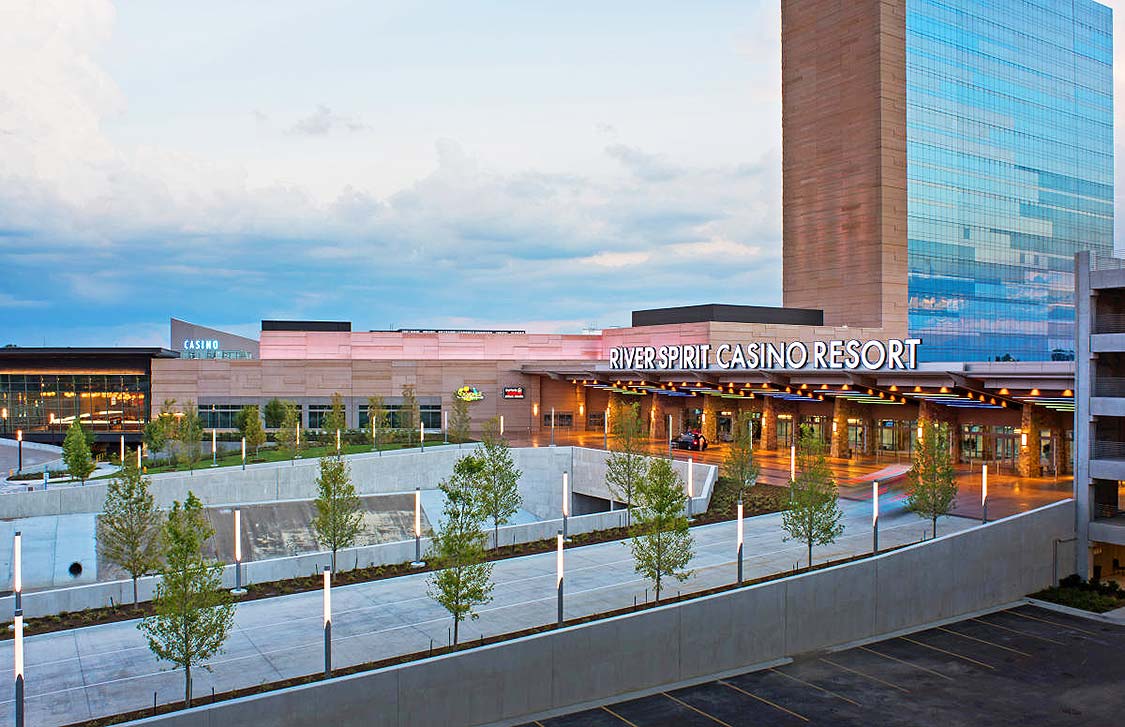
River Spirit Casino To Host Mvskoke Art Market

River Spirit Casino To Host Mvskoke Art Market

TULSA, OK – The Third Annual Mvskoke Art Market will take place at River Spirit Casino Resort in Tulsa on April 20-21. The market has experienced significant growth in its first two years. Artists participating increased from 60 and 82 in years one and two, respectively, to 94 Native artists this year, representing over 30 tribes from across Oklahoma and Indian Country.  

In addition to the showcase and purchasing of artwork in various mediums by renowned Native artists, visitors can enjoy educational presentations and panel discussions on early Muskogean, First American and Oklahoma Indian art. A Mvskoke motifs stamping activity will be available to children who will be able to create their own piece of artwork using traditional Mvskoke designs and patterns. A book signing for the recently published biography of Muscogee Actor Will Sampson by Norma Sampson Bible and an all-Native comedy show is included on the market’s event schedule.  

image

Art market gives opportunity for students to expose their art

Art market gives opportunity for students to expose their art


Art market gives opportunity to students expose their art

UCF students sell their art at the Art Club’s market on Wednesday in front of the Visual Arts building. The art market is a weekly event that gives UCF students an opportunity to expose their art to the community.


Every Wednesday, UCF Art Club students gather in front of the Visual Arts Building to socialize and share their art with everyone who passes by.

The club’s weekly art market is an opportunity for students to sell and share their art with other people who might be interested in looking at their handmade prints, pins, stickers, crochet and more.

The Art Club was founded in 2018, and the art market has been going for two years now. Ashley Nelson, junior studio art major, is the operational officer for the club, where she helps run the events that it hosts. She said that the club’s art market is a good opportunity for anyone who is interested in selling but doesn’t have a lot of money to expose their art.

“The Wednesday market in front of the Student Union has a process separate from ours. It’s $25 for a table and $75 every time after, but with the art market, if you pay the club dues, you can sell out here any of the market days,” Nelson said.

Madeline Bailey, sophomore pending emerging media major, said that it was her second time participating in the club’s art market and that it has been an amazing experience since then. 

“Everybody is really nice; I think it’s important mainly because people get to see all different kinds of arts, and it’s nice to see your art seen by people and how people react to it,” Bailey said.

The club’s art market is open to students, regardless of their major or field of study, to expose their art. Nelson said that the objective is to be friendly, bring attention and support local artists.

Senior biology major Destiny Violano said she is glad to have the opportunity to sell at the Art Club market because she doesn’t have money to pay for a table at the Student Union’s Market Day.

“It is a lot cheaper and economical,” Violano said. “I’ve been doing this for two years now, and it is a lot of fun.”

Marissa Saito, freshman biomedical sciences major, said this is her first semester participating in the art market, but before coming to UCF, she said she knew she wanted to join the Art Club. When she found out they had an art market, she was excited.

“For outsiders, I think it’s really cool to see what other people are up to, and you get exposure to this kind of culture, including anime, games, all sorts of things, some you don’t see on the regular market,” Saito said.

Saito said that the art market is important to all students and that every student has their own reason to enjoy, but the love she has made her college experience much better since she started at UCF.

“It’s important to me because first of all, I love art; it’s my passion. The day the world ends, I will still be doing art,” Saito said. “I love talking to people and see fellow artists and what they are selling, what their art journey is, their dreams, and I made a bunch of friends here.”

Although she loves art, Saito is getting a biomedical sciences major, but said she doesn’t mind for now, and the art market has been helping her make some money, which is just a minor part of the experience.

“I don’t think I can make a living out of my art honestly, not at the moment, which is why it is a side hobby for me, but honestly, I don’t mind because I don’t mind sciences,” Saito said. “I enjoy learning biology and chemistry and stuff like that, so I get to pursue something I like while, at the same time, pursuing something that I really love, which gives me the energy to do both.”

Transforming Fabric into Flesh, Tamara Kostianovsky Fuses Cruelty and Beauty

Transforming Fabric into Flesh, Tamara Kostianovsky Fuses Cruelty and Beauty

All images © RX & Slag, shared with permission

If you walked into an exhibition featuring work from Tamara Kostianovsky in recent years, you likely encountered life-sized carcasses dangling from meat hooks. The Argentine-American artist (previously) is perhaps best known for these carnal sculptures of bone and flesh made from patterned fabric scraps. Newer additions include botanical vines winding through ribs and tropical birds perched inside that vacillate between beauty and brutality.

“I see these works in terms of metamorphosis,” Kostianovsky says. “The idea is to transform the image of the carcass from a place of carnage into a matrix where life takes root—in the manner of a utopian environment.”

Some of the carcasses will be on view starting April 23 at the Museum of Hunting and Nature in Paris for The Flesh of the World, Kostianovsky’s latest solo exhibition. Featuring about 30 works including multi-colored tree stumps and wall-based panels, the show brings forth the artist’s enduring fascination with the entangled relationship between bodies and the environment.


a south america shaped sculpture with meat-like sections, foliage, and birds

Stitching recycled clothing and various textiles into patterns that resemble marbled muscle, skin, and other tissues, she asks viewers to consider their consumption habits and the cyclical nature of life and death. By contrasting such soft, domestic materials with the grotesque qualities of the animal body, the subtle cruelties of slaughter and gluttony many partake in daily become more visceral.

Much of Kostianovsky’s works also address the impacts of colonialism and violence, particularly in her recent Carnal Geographies series. Layering maps, foliage, and patchwork, she visualizes North and South America and Africa, delineating the outer continental borders with flesh-like parts. Dotted with colorful birds, the works confront the historical and continued brutality waged in these places and the potential for new growth and life in a post-colonial world.

See The Flesh of the World through November 3. The artist also has work in two group exhibitions, one on view through April 27 at Chart Gallery in New York City and the other through June 2 at the Whyte Museum of the Canadian Rockies in Banff. You can also peruse an archive of her work on her site and Instagram.


a detail of a colorful textile stump

a detail of a bird sculpture on a floral backdrop

a north america shaped sculpture with meat-like sections, foliage, and birds

a floral tapestry with bird sculptures

three floral fiber carcasses hanging from meat hooks

a colorful textile tree stump

Do stories and artists like this matter to you? Become a Colossal Member today and support independent arts publishing for as little as $5 per month. The article Transforming Fabric into Flesh, Tamara Kostianovsky Fuses Cruelty and Beauty appeared first on Colossal.

Cyrus Kabiru Fashions Elaborate Mixed-Media Masks and Goggles from Found Objects

Cyrus Kabiru Fashions Elaborate Mixed-Media Masks and Goggles from Found Objects

All images © Cyrus Kabiru, shared with permission

Ranging from mechanical parts and cooking utensils to plastic caps and beads, Kenyan artist Cyrus Kabiru fashions dazzling eyewear and helmets from salvaged and found objects. The futuristic forms often obscure the eyes like an ornamental veil, and motorbike helmets provide a fitting canvas for fins and frills.

Kabiru (previously) originally began making innovative glasses after being denied a pair when he was young. The variety of materials the artist found around his hometown of Nairobi inspired him to create playful versions, bringing joy to those around him. Over time, his creations have grown and become more elaborate, hinting at mysterious technological functions.

Kabiru has recently begun larger standalone sculptures, and you can explore more of his work on Instagram.


an elaborately sculpted helmet from found materials with colorful ribbons, a teal metal face plate, and other metallic decorations and beads

two side by side images of elaborate eye-mask sculptures made from found materials like metal and beads

a wearable sculpture made from a black motorbike helmet with various found materials like a spoon, mesh, and other metal parts

two side by side images of elaborate eye-mask sculptures made from found materials like metal, beads, and kitchen appliances

a wearable sculpture made from a motorbike helmet with various pieces of metal and other objects attached to it

a man wears a pair of sculptural goggles made from a sheet of metal that has been cut out for eye holes with metallic spirals inserted

Do stories and artists like this matter to you? Become a Colossal Member today and support independent arts publishing for as little as $5 per month. The article Cyrus Kabiru Fashions Elaborate Mixed-Media Masks and Goggles from Found Objects appeared first on Colossal.