Native

Ah-Tah-Thi-Ki Museum To Present Seminole Art Sale

Ah-Tah-Thi-Ki Museum To Present Seminole Art Sale
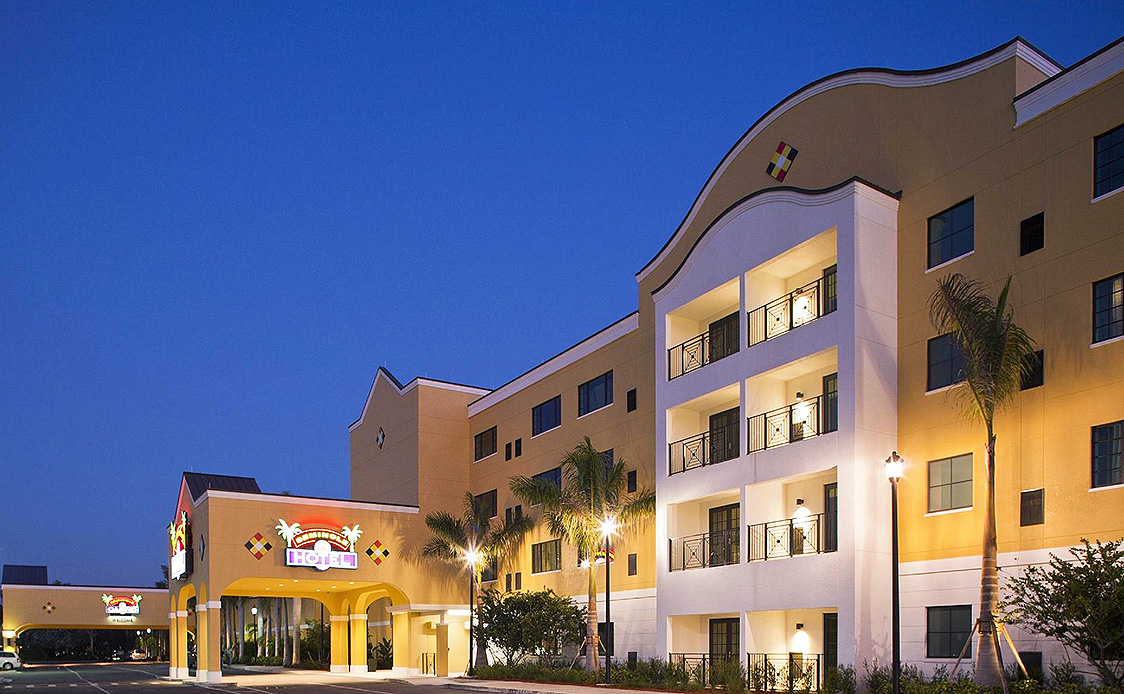
Seminole Casino Hotel Immokalee

IMMOKALEE, FL – The Seminole Tribe of Florida’s Ah-Tah-Thi-Ki Museum is presenting the “Seminole Artist Experience Art Sale” event on Saturday, July 29, from 11:00am to 5:00pm at the Seminole Casino Hotel Immokalee. This will be the third event of the series. The first event kicked off at the Ah-Tah-Thi-Ki Museum in Big Cypress, followed by an event at the museum’s satellite location in Hollywood, FL, at the Seminole Okalee Indian Village.

The Seminole Artist Experience Art Sale features fine art by Native American artists from the Seminole Tribe of Florida. Attendees can view original works of art by Artists Elgin Jumper, Justine Osceola, Tyler Tigertail, among others.

The free event will showcase featured artists as they demonstrate live painting and exhibit original works, showcase hand crafts such as Seminole sweetgrass basketmaking, and display other traditional Native Florida Seminole artists’ works. Live musical soundscapes and oral traditions will channel the flow of the creative experience.

Attendees can also enjoy traditional favorite dishes from Seminole food vendors while experiencing the Seminole Immokalee art sale.

Desert Rider Celebrates Lowrider Culture and History at Denver Art Museum

Desert Rider Celebrates Lowrider Culture and History at Denver Art Museum

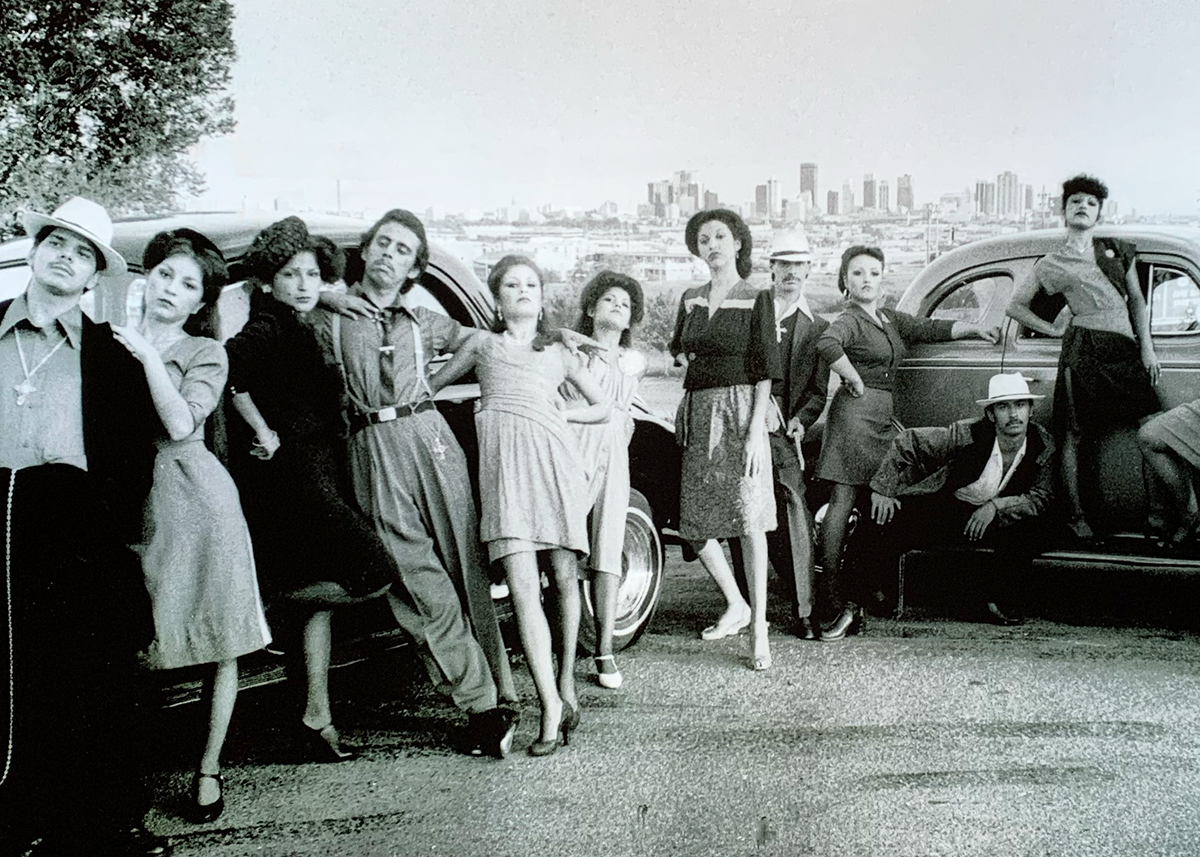
The Denver Art Museum is on a roll. The first half of the year saw the museum packed with openings full of creative goodies and diversity, and July welcomed yet another barrier-busting, exceptional exhibit with Desert Rider: Dreaming in Motion, which opened July 9 and will be on display through September 24.

Curated by Victoria I. Lyall, the Jan and Frederick Mayer Curator of Art of the Ancient Americas, Desert Rider is a fresh look at transportation in the West, exploring how some methods can also be forms of expression and empowerment. In particular, the show highlights lowriders, the stylistically dazzling customized cars linked to Mexican-American culture that are often tricked out with gravity-defying hydraulics and candy-color sparkle. Lyall retooled the exhibit, which originated at the Phoenix Art Museum, to include a deep bench of Colorado artists, including Carlos Frésquez, Juan Fuentes, Tony Ortega, Daniel Salazar and Santiago Jaramillo.

They join queer, Latinx, Indigenous and women artists from western and southwestern cultural hot spots in challenging stereotypes about such subcultures as lowriding and skateboarding, including those who are part of them. Artistic mediums run the gamut, and in many cases they are surprisingly combined to lampoon artistic traditions in an approach that’s as satisfying as the sound of polyurethane striking concrete. There are immersive installations, massive photographs of vintage Denver car culture, a wall of boards from Denver skate company 303 Boards and much more.

Greeting visitors is Justin Favela’s large-scale suspended and sparkling lowrider sculpture, Fantasma, which was painstakingly assembled with tissue paper and cardboard to create one most majestic piñata. Favela is a Las Vegas native but a familiar face on the Denver art scene; this piece complements his work already on display in the city, at the David B. Smith Gallery and Denver Botanic Gardens.

Lowriders are especially significant for Favela. He grew up in a religious environment where representations of car culture were forbidden because of their perceived connotations of violence and criminality. “When I got older, I realized that the way that the media portrays lowriders is not really true…and I realized that the lowrider is one of the most important art forms for the Chicano community,” he says. Favela gained a deep respect for the meticulous craftsmanship of the redesigned vehicles, which often take years to complete.

“The symbol of American progress is the car, and it’s literally moving us through and propelling us forward. … For Latinos to take that symbol and make it their own art form, taking something that’s been discarded, an old car, and turning it into this beautiful sculpture, not only is it just cool to look at; it’s also about family, tradition…religion,” Favela explains. “It’s literally a resurrection.”

Desert Rider presented an opportunity for him to make an especially personal work. “Usually when I make a car, I’m re-creating a car that already exists. This is the first time that a curator asked me to make a car that represents me,” he says.

“I’ve always had this vision of this white lowrider, floating like an angel from above, you know? So when I came up with idea, [I asked myself], ‘How do I queer this up and represent that side of me and Vegas and my Latinx heritage?'” Favela continues. “And this car has all of that.”

Working in white and silver, Favela used the sculpted lowrider’s “paint work” to represent a trio of queer icons: Walter Mercado, Liberace and Juan Gabriel — none of whom came out in their lifetimes. The undercarriage, illuminated in gold, is a nod to the hero of the Club Q shooting, Richard Fierro, who drives a gold lowrider.

Another creative representing queer identity is San Antonio artist José Villalobos, who not only adorned vintage saddles with expressive touches such as pink faux fur and chrome, but also emblazoned them with pejorative homophobic terms. His work, “QueeRiders,” is one of the highlights in the ‘Horsepower’ section, which reconsiders one of the oldest forms of transportation.

“A lot of my work is informed by the border and machismo, and a sense of how we navigate those spaces as queer people,” Villalobos explains. “For me, at least, it was kind of important to start talking about…the lack of representation of queer people in these specific subcultures. I mean, if you really look at everything, the cars are very flamboyant — they’re very sparkly, they’re very gay.” Villalobos links the sense of ownership and machismo involved in crafting a lowrider to the reclamation of the slurs shown in his current installation.

Other artists broadening representation in intriguing ways include Nanibah Chacon and Liz Cohen, as well as Indigenous artists Gregg Deal and Douglas Miles. Chacon and Cohen provide representations of women in what is often the “boys’ club” of lowrider culture, while Deal and Miles lead viewers into discussions about the stolen Native land that lies under a skateboard’s wheels. There’s a lot to take in, but Desert Rider treats its serious subject matter in ways that are both playful and empowering.

The exhibit was initially created by Gilbert Vicario, a former curator of contemporary art at the Phoenix Art Museum. DAM curator Lyall discovered it while returning a piece of artwork that the DAM borrowed from Phoenix for her groundbreaking exhibit on La Malinche. “I was about to return the painting and I was just seeing what they had up, because I wanted to check out what was going on, and I saw this show,” she recalls.

Intrigued by its approach to oft-misunderstood subcultures, she reached out to Vicario for more information. “I was like, ‘This is an incredible show,'” she says. “It’s very different than what most people think of when they think of things like lowriders and skateboards. … You’re telling a story about vehicles, self-expression, communities of practice and communities of empowerment, hope and pride and the landscape, from a totally different perspective than we normally get.

“I brought it to the programming committee, and everyone loved it from the get-go,” she continues. “And it had coincided with the publication of former state historian Nicki Gonzales’s report…on Denver’s Latino historical landmarks.” That report, “Nuestras Historias: Mexican American/Chicano/Latino Histories in Denver,” is considered a big step toward rescuing local Latin histories from obscurity. It also linked well thematically with Lyall’s new project.

“It just all kind of came together,” Lyall reflects. “When we were given the green light to do the exhibition, after reading Nicki’s report, it was like, ‘We need to find a way to adapt it to Denver. How can we really make it so that there’s a local component of the show?’ — because lowriding appears in that report. She talks about the different cruising routes — how it started on 16th, then went up to 38th, and then as 38th changed it went to Federal, and as tensions grew between the police and the community on Federal, they started using the medians.”

Pushing back on the negative local perceptions of lowriders and celebrating the culture’s Denver history is Desert Rider‘s most salient goal, with the DAM also linking it to Denver car clubs and celebrations like La Raza Park Day — entities that strive to foster a more amicable relationship with the city while altering pre-existing prejudices. That’s the artists’ goal, as well. “One thing that they’re all trying to do…is underscore that lowriders are about family and they’re about community pride,” Lyall says. “They’re not about gangs; that criminal element is not a part of it.”

And the vibrant display of vehicular creativity highlights many communities that have “a very similar message,” adds Favela. “That we’re here, and we’re making the best out of what we have, and we’re going to do it even better.”

Desert Rider: Dreaming in Motion is on display through September 24 at the Denver Art Museum, 100 West 14th Avene Parkway. Find information at denverartmuseum.org.

“Siamo Foresta” Exhibition at the Milan Triennale Addresses the Future of the Planet Through Indigenous Artistic Perspectives

“Siamo Foresta” Exhibition at the Milan Triennale Addresses the Future of the Planet Through Indigenous Artistic Perspectives

“Siamo Foresta” Exhibition at the Milan Triennale Addresses the Future of the Planet Through Indigenous Artistic Perspectives

The Triennale Milano and Fondation Cartier pour l’art contemporain present the exhibition Siamo Foresta, inaugurated in June and open until October 29, 2023. Curated by Bruce Albert and Hervé Chandès, the exhibition features works by 27 artists from different countries and cultures, mainly from Latin America and indigenous communities.

The exhibition is the result of a partnership between the two institutions — which has already produced six projects over eight years — and seeks to reach diverse audiences and promote artists from different geographical contexts. Designed by Brazilian artist Luiz Zerbini, the exhibition highlights the importance of the forest as a central theme and provides an emotional connection between the works.

“Siamo Foresta” Exhibition at the Milan Triennale Addresses the Future of the Planet Through Indigenous Artistic Perspectives - Image 2 of 7“Siamo Foresta” Exhibition at the Milan Triennale Addresses the Future of the Planet Through Indigenous Artistic Perspectives - Image 3 of 7“Siamo Foresta” Exhibition at the Milan Triennale Addresses the Future of the Planet Through Indigenous Artistic Perspectives - Image 4 of 7“Siamo Foresta” Exhibition at the Milan Triennale Addresses the Future of the Planet Through Indigenous Artistic Perspectives - Image 5 of 7“Siamo Foresta” Exhibition at the Milan Triennale Addresses the Future of the Planet Through Indigenous Artistic Perspectives - More Images+ 2

More than 70% of the works exhibited in Siamo Foresta come from the Fondation Cartier collection. This attests to the relationship established with artists from native communities in South America. This interaction between indigenous and non-indigenous aesthetic and metaphysical worlds has resulted in new artistic projects, exclusive works, and surprising collaborations. Additionally, the exhibition presents several unpublished creations, specially conceived for the event.

“Siamo Foresta” Exhibition at the Milan Triennale Addresses the Future of the Planet Through Indigenous Artistic Perspectives - Image 2 of 7
“Siamo Foresta” Exhibition. Image © Andrea Rossetti

The artists in this exhibition, whether they are observers of the plant and animal diversity of the forest in which they live or urban inhabitants fascinated by it, engage in dialogue around a common theme: the need to reimagine humanity’s role in the context of all living beings. To highlight the emotional connections, stylistic and conceptual affinities between the selected works, Luiz Zerbini’s exhibition project seeks to establish a connection between the artists, involving the entire metaphorical scope of the exhibition and allowing the essence of the forest to inhabit the spaces of the Triennale Milano.

“Siamo Foresta” Exhibition at the Milan Triennale Addresses the Future of the Planet Through Indigenous Artistic Perspectives - Image 4 of 7
“Siamo Foresta” Exhibition. Image © Andrea Rossetti

Fondation Cartier works to promote encounters and exchanges between artists, a principle that is at the origin of this exhibition, resulting from conversations that have led to unprecedented collaborations, particularly between Sheroanawe Hakihiiwe, a Yanomami artist from Venezuela, and French artist Fabrice Hyber; or between artists Adriana Varejão, from Rio de Janeiro, and Joseca Mokahesi, a Yanomami from Brazil; and the most recent collaboration between Yanomami artist Ehuana Yaira and Chinese artist based in New York, Cai Guo-Qiang.

Since its origins, Western tradition has categorized living beings according to a value scale in which humans occupy the top. Through this supremacism, humanity has gradually distanced itself from the living world, paving the way for all the abuses that now culminate in the destruction of biodiversity and the contemporary climate catastrophe. On the other hand, the philosophy of indigenous societies in the Americas considers that humans and non-humans (animals and plants), although different in appearance, are deeply united by the same sensitivity and intentionality. Therefore, human and non-human communities constitute a complex multiverse of beings that coexist on an equal footing and at the cost of mutual compromise within the same vast and living entity, the ‘earth-forest-world’ — Bruce Albert, anthropologist and exhibition curator.

On the one hand, by bringing together artists who explore the idea of planetary unity through the forest, it ceases to be a distant space from the city and culture and becomes a place of celebration and encounter. On the other hand, art is the way different cultures dialogue and transform each other. The exhibition reveals the influences of indigenous cultures from the Amazon region and beyond on non-indigenous cultures; the museum becomes the place where the arts point to new paths for reimagining the planet and its future.

“Siamo Foresta” Exhibition at the Milan Triennale Addresses the Future of the Planet Through Indigenous Artistic Perspectives - Image 3 of 7
“Siamo Foresta” Exhibition. Image © Andrea Rossetti

Participating Artists

Fernando Allen (Paraguay), Efacio Álvarez (Nivaklé, Paraguay), Cleiber Bane (Huni Kuin, Brazil), Cai Guo-Qiang (China), Johanna Calle (Colombia), Fredi Casco (Paraguay), Alex Cerveny (Brazil), Jaider Esbell (Makuxi, Brazil), Floriberta Fermín (Nivaklé, Paraguay), Sheroanawe Hakihiiwe (Yanomami, Venezuela), Aida Harika (Yanomami, Brazil), Fabrice Hyber (France), Morzaniel Ɨramari (Yanomami, Brazil), Angélica Klassen (Nivaklé, Paraguay), Esteban Klassen (Nivaklé, Paraguay), Joseca Mokahesi (Yanomami, Brazil), Bruno Novelli (Brazil), Virgil Ortiz (Pueblo Cochiti, New Mexico, United States), Santídio Pereira (Brazil), Solange Pessoa (Brazil), Brus Rubio Churay (Murui-Bora, Peru), André Taniki (Yanomami, Brazil), Edmar Tokorino (Yanomami, Brazil), Adriana Varejão (Brazil), Ehuana Yaira (Yanomami, Brazil), Roseane Yariana (Yanomami, Brazil), Luiz Zerbini (Brazil).

An Artist’s Guide to Visiting Santa Fe

An Artist’s Guide to Visiting Santa Fe


Santa Fe, New Mexico landscape


During the weeks I spent learning to write in Santa Fe, New Mexico, my afternoons took on a predictable rhythm. Between classes, I’d sit in a courtyard on St. John’s College campus, reading Willa Cather and Cormac McCarthy. I might take a break to run the nearby Atalaya Trail, weaving through sagebrush and piñon pines.

More than likely, I’d get caught in a sudden summer rainstorm. Clouds often brooded over the Sangre de Cristo mountains, allegedly named because of the bloody tint they take on in the southwestern sunset. By evening, the thunderhead clouds would retreat and leave the sky scrubbed clean. With a day of lectures and workshops behind us, our cohort of writers would head downtown for smoky margaritas.

Attending grad school residencies in the nation’s oldest capital convinced me that Santa Fe is an enchanted place— the ideal escape for artists, art appreciators, and anyone even remotely creatively inclined. Sage and wildflowers bloom along winding roads lined with adobe homes. Bundles of drying chile peppers hang from eaves.


Dale Ball Santa Fe New Mexico Hike Scenery

Hikers find a spot to rest while enjoying the beauty of the Dale Ball Trails


The city is compact with a highly walkable downtown. Despite its small size, Santa Fe ranks alongside New York and Los Angeles as one of the country’s top art markets. It’s a place where artistic traditions and mediums converge, from Native American painting to Pueblo pottery to contemporary sculpture.

In fact, artists of all stripes have long been drawn to Santa Fe. The city’s creative roots reach back much further than its 1610 founding. Early Pueblo tribes crafted pottery and wove baskets and blankets in the area. After the 17th-century Spanish conquest, Pueblo villages began making the turquoise and silver jewelry that’s still sold in galleries and street markets all over Santa Fe.

In recent history, transplants, including the abstract painter Agnes Martin and the aforementioned novelist Willa Cather, have drawn inspiration from the landscape’s light, texture, and color. As New Mexico’s most well-known resident artist Georgia O’Keeffe put it, “There is so much more space between the ground and sky out here[—]it is tremendous.” She was right; the sky does seem to stretch out endlessly above the city.


Museum of International Folk Art

Inside the Museum of International Folk Art


The author Julia Cameron, best known for her cult-popular book, The Artist’s Way, also lives here. In her bestseller about how to establish a creative practice, Cameron prescribes the Artist Date: a block of time set aside to, in her words, “nurture your inner artist.”

If this sounds too woo-woo for your taste, think of the Artist Date as creative exploration—and there is, in my opinion, no better place for such an endeavor than Santa Fe. You don’t have to be an artist to design your own retreat in the city. All you need is a weekend and the willingness to absorb the visual, musical, and culinary magic of New Mexico’s capital.

Start by dipping into Santa Fe’s extensive—and borderline overwhelming—palette of visual art. A meandering walk along Canyon Road (with a stop for sustenance at The Teahouse’s garden patio) will lead you to contemporary, abstract, modern, western, and Native American art galleries.


New Mexico Museum of Art Santa Fe

The New Mexico Museum of Art’s Plaza Building. Opened in 1917, the museum is an “enlarged and modified version” of the structure that architects Isaac Hamilton and William Morris Rapp designed for the 1915 Panama-California Exposition in San Diego


A few minutes down the road in the city center, you’ll find the IAIA Museum of Contemporary Native Arts and, a block away, the New Mexico Museum of Art. Both museums neighbor Santa Fe’s central plaza, a historic hub where musicians play in a gazebo and teenagers lounge beneath leafy trees.

You will, of course, want to pay your respects to O’Keeffe while you’re there. A short walk from the plaza, the Georgia O’Keeffe Museum is the world’s only museum dedicated to an American female artist. O’Keeffe’s two homes—in Abiquiú and Ghost Ranch— sit some 40-plus miles northwest of Santa Fe and are open to visitors. If you’re up for a drive, they’re well- worth the day trip to see her studio up close, along with the landscape that infused her work for decades.

Meow Wolf, House of Eternal Return


.tnt-parallax-7ed4526e-1f69-11ee-828c-ebf6d20fbe76 {
background-image: url(“https://bloximages.newyork1.vip.townnews.com/sandiegomagazine.com/content/tncms/assets/v3/editorial/7/ed/7ed4526e-1f69-11ee-828c-ebf6d20fbe76/64ac79719914f.image.jpg?resize=400%2C267”);
}
@media only screen and (min-width: 400px) {
.tnt-parallax-7ed4526e-1f69-11ee-828c-ebf6d20fbe76 {
background-image: url(“https://bloximages.newyork1.vip.townnews.com/sandiegomagazine.com/content/tncms/assets/v3/editorial/7/ed/7ed4526e-1f69-11ee-828c-ebf6d20fbe76/64ac79719914f.image.jpg?resize=750%2C500”);
}
}
@media only screen and (min-width: 750px) {
.tnt-parallax-7ed4526e-1f69-11ee-828c-ebf6d20fbe76 {
background-image: url(“https://bloximages.newyork1.vip.townnews.com/sandiegomagazine.com/content/tncms/assets/v3/editorial/7/ed/7ed4526e-1f69-11ee-828c-ebf6d20fbe76/64ac79719914f.image.jpg?resize=1200%2C800”);
}
}

Just off the historic Santa Fe Trail and rising above the city, “Museum Hill” is home to even more art. Visit the Museum of International Folk Art—the largest collection of global folk art in the world—before rambling through the Santa Fe Botanical Garden. For fans of contemporary work, SITE is an artist-led space that curates rotating exhibits. And if you want to get weird, there’s Meow Wolf, an interactive experience that bends and blows the mind with 70 rooms of immersive art.

But an Artist Date is about more than looking at others’ works, as Cameron would remind you. It’s about pleasure and play. As you plan your excursion, she admonishes, “Think delight. Think fun. Do not think duty.” If music is what moves you, the Santa Fe Opera offers open-air performances set against a mountain backdrop. Or maybe flipping through novels and magazines at the locally owned indie bookstore Collected Works will inspire you. Perhaps the earthy flavors of New Mexican dishes are the keys to unlocking your previously untapped artistic genius. Anything’s possible.


Santa Fe Restaurant Sazón New Mexico Art

James Beard Award–winning chef Fernando Olea serves up modern Mexican cuisine at Sazón. The restaurant’s walls are adorned with works from some of Mexico’s finest artists, with many pieces available to purchase.


Santa Fe’s food scene blends Mexican and indigenous Pueblo cuisine, resulting in dishes like carne adovada and enchiladas drowned in the ubiquitous green chile sauce. (A New Mexican senator is currently lobbying to make roasted green chiles the state’s official scent.)

For classic New Mexican fare, try La Choza or its sister restaurant, The Shed. James Beard Award–winning chef Fernando Olea is behind Sazón, which serves dishes based on indigenous Mexican tradition. In between meals, sip a cortado at Iconik Coffee’s Lupe location. The cafe’s white stucco courtyard and jumble of potted plants invite whatever doodling, reading, or composing that you’re inclined to do. In the evenings, order a mezcal negroni at La Reina or a smoked- sage margarita at Secreto Lounge, a cozy bar tucked into the historic Hotel St. Francis.

Above all, let the landscape work its magic on you. Hiking Atalaya Trail above the city, you might just feel like sitting down to sketch the expanse spread beneath you. Even those who don’t identify as creative may be surprised to find themselves reaching for a camera in Santa Fe, hoping to capture the way the shadows move across adobe walls and pink clouds pile up over the Sangre de Cristo range in the evening.

Writing about the New Mexican landscape, O’Keeffe said, simply: “It’s the most wonderful place you can imagine.” This might be hyperbole, but then again, who can argue with her paintings? You’ll have to go see for yourself.

Indian Market, STEM teacher pipeline, congressional youth award, energy bills

Indian Market, STEM teacher pipeline, congressional youth award, energy bills


Verbatim logo

The 31st annual Eiteljorg Museum Indian Market and Festival took place June 24-25, with more than 4,000 guests and 122 Native artists from 60 cultures across the U.S. and Canada. 


Indian Market, STEM teacher pipeline, congressional youth award, energy bills

An example of art featured at the 31st annual Eiteljorg Museum Indian Market and Festival.


Eiteljorg President and CEO Kathryn Haigh: “The 31st annual Eiteljorg Indian Market and Festival was an amazing celebration of Native arts and cultures, featuring some longtime artists whom experienced collectors consistently seek out each year, as well as some exciting young artists who represent the future of the market. The Eiteljorg staff, volunteers and Board members went the extra mile to make the event a positive experience for artists as well as returning market-goers and first-time guests.”

On Monday, the Indiana Department of Education (IDOE) announced a partnership with the Education Service Centers of Indiana (ESCI) to strengthen Indiana’s STEM teacher pipeline by helping fund coursework leading to full licensure. The Indiana STEM (I-STEM) Educator Expansion initiative will fund tuition, books and material fees for both currently licensed and prospective teachers to become licensed to teach a STEM subject.


Katie Jenner, Indiana secretary of education

Katie Jenner, Indiana secretary of education. 


Dr. Katie Jenner, Indiana secretary of education: “Building off the success of the I-SEAL (special education) and I-TELL (English learner) initiatives, I-STEM will allow us to expand our focus and strengthen our teacher pipeline in additional high-need areas, including science, technology, engineering and mathematics. In today’s technology-driven world, it has never been more important for every Indiana student to have access to high-quality STEM instruction, and this starts with ensuring we have the very best and brightest educators in the classroom.”

Last week, U.S. Rep. Erin Houchin, R-Indiana, presented the Congressional Award to Sophia Voiles, a rising senior from Scottsburg Senior High School. The Congressional Award is the highest honor for a youth civilian through the U.S. Senate and House of Representatives.


Indian Market, STEM teacher pipeline, congressional youth award, energy bills

U.S. Rep. Erin Houchin, R-Indiana, and Sophia Voiles, a rising senior from Scottsburg Senior High School.


Houchin: “There is no higher honor than the Congressional Award for our young people, and the ninth district is proud to be home to silver and bronze medal recipient, Sophia Voiles, from Scottsburg. These awards are earned, not given. Sophia has displayed the ability to set and achieve her own personal goals, while preparing for future service to others. 

“I am honored to present Sophia with these medals. It’s not easy to achieve. She should be very proud of her efforts and accomplishments.” 

CenterPoint Energy says customers in central and northern Indiana will see a decrease on their monthly Budget Bills beginning this month. Due to stable weather and a decrease in energy costs, natural gas customers will see a 43% decrease in their monthly bills. For the average Budget Bill customer, this will result in a reduction of approximately $50 per month.

Ashley Babcock, vice president, Indiana and Ohio Gas: “We are pleased to report a significant decrease for our average Budget Bill customers due to factors such as the stabilization of energy costs and relatively normal weather. CenterPoint Energy’s Budget Bill is a helpful option for customers who want to plan for consistency in their natural gas bills each month.

“Although most Budget Bill customers will experience a decrease in payments, they should still focus on conservation and energy efficiency measures to help maintain or reduce energy usage. CenterPoint Energy has a number of resources that can help, including rebates on high-efficiency heating and air conditioning equipment and low- and no-cost energy efficiency tips.

Raclin Murphy Museum of Art opens in late November

Raclin Murphy Museum of Art opens in late November

The former Snite Museum of Art will be reborn as the new Raclin Murphy Museum of Art on Nov. 30. Classically designed by the award-winning Robert A. M. Stern Architects, the 70,000-square-foot facility will allow for innovative exhibition strategies and encourage ongoing dialogues with works of art. The November opening will mark the completion of the first phase of the two-part building project. 

The new museum’s location will serve as a gateway to Notre Dame’s expanding arts district, joining the Charles B. Hayes Family Sculpture Park, DeBartolo Performing Arts Center, Matthew and Joyce Walsh Family Hall of Architecture and O’Neill Hall of Music.

“The opening of the Raclin Murphy Museum of Art promises to be a transformational experience for the University as well as the entire region and national arts audiences,” said Joseph Antenucci Becherer, director of the Raclin Murphy Museum of Art. “The storied and celebrated collections have been thoughtfully addressed and reinstalled in a majestic new home where tradition and innovation, the classic and the contemporary meet.”

The state-of-the-art galleries will promote a culture of learning and discovery with reimagined perspectives on the museum’s collections and significant new acquisitions by acclaimed international artists that will be announced in early fall. The museum will present its holdings in fresh ways that will speak to the history of art across the globe while furthering a broader and more diverse understanding of contemporary culture. 

“Great art has through the ages expressed what is highest in human experience, provided insights and offered a pathway to the divine,” University President Rev. John I. Jenkins, C.S.C., said. “The Raclin Murphy Museum of Art brings to our campus and to our region a home for great works of art that will inspire, instruct, challenge and lead us to God.”

Raclin Murphy’s historically thematic galleries unfold around a multi-level atrium that rises to a central skylight. On the main level, visitors will experience the theme of “Time: Nature” through European and American art created between 1700 and 1900 and encounter a diverse collection of African art dating from 2000 B.C. to the present day. Additional highlights of the main level include decorative arts, a teaching gallery, learning commons for K-12 audiences and families, a cafe and a bookshop. 

An important feature is a suite of galleries devoted to the Indigenous Art of the Americas. The Mesoamerican collection is one of the museum’s flagship holdings. Among the strongest collection of objects from the Formative period (1800 B.C. to A.D. 200) in the United States, it features works by Olmec, Tlatilco, Chupícuaro and West Mexican artists, significant pieces by Teotihuacano and Maya artists, and contemporary artists who draw inspiration from ancient cultures to emphasize the impact of the past on today’s world. The Native North American gallery highlights historic and contemporary voices and visions.

The galleries continue on the second level and feature art from Europe and the Spanish Americas from the 14th through 17th centuries organized around the theme of “Spirit: Matter.” Surrounding a chapel named Mary, Queen of Families, the galleries are divided into four sections: worship (public and private devotion), tenets of Christian faith, morality and evangelization. Vincenzo Spisanelli’s monumental canvas “Noli Me Tangere” (1640), the only example of the artist’s work in a public collection in the United States, is the centerpiece of the tenets of Christian faith gallery. 

A transitional space connects the European suite to Indigenous Art of the Americas, sparking dialogue about the confluence of cultures and its impact on art. The second level also includes spacious galleries for temporary exhibitions. 

The museum’s lower level introduces visitors to international modern and contemporary art. Iconic works from Joan Miró to Zhang Huan and Grace Hartigan to Magdalena Abakanowicz are featured. A unique feature at the center is a multi-story sculpture court. The third level will house education and research spaces and an art makers studio. 

Located in the nine-acre Charles B. Hayes Family Sculpture Park, the building is situated to harmonize with the landscape and allow for the continued growth of the museum’s outdoor sculpture collection. The park installation will feature new acquisitions by Sir Anthony Caro, Dietrich Klinge, Clement Meadmore, Louise Nevelson, Beverly Pepper and Ursula von Rydingsvard among others and provide a new environment for works by Deborah Butterfield, Peter Randall-Page and George Rickey. The park’s designer, Michael Van Valkenburgh, has been retained for the horticultural design to ensure integrity and harmony in the relationship of the museum to the environment.

“The new Raclin Murphy Museum of Art nurtures an ongoing culture of learning through art. The museum provides a vibrant new home for permanent collections together with space for events and temporary exhibitions that will bring the campus and community together. Unique among university museums, the visitor experience includes a fluid dialogue between the Raclin Murphy’s exhibits and the outdoor works displayed in the adjacent Charles B. Hayes Family Sculpture Park,” Melissa DelVecchio, partner at Robert A. M. Stern Architects, said.
The Raclin Murphy Museum of Art’s second phase will be a 62,000-square-foot complex dedicated to research with additional galleries and space for teaching, a works-on-paper study center, administrative and curatorial offices, open collections storage and an auditorium. Timing for construction of the second phase is to be determined.

The Raclin Murphy Museum of Art makes an essential contribution to Notre Dame’s strategy as a global Catholic research university for the 21st century,” John T. McGreevy, the Charles and Jill Fischer Provost, said. “The stunning exhibition spaces and the luminous works of art they contain will captivate us with their beauty, spark important conversations in the classroom and beyond and enable us to think in new ways about our past, present and future. Located at the entrance to our storied campus, the Raclin Murphy Museum of Art will attract new visitors from across the country while continuing to enrich the lives of our community members, our students and our faculty through the transformative power of art.”
The Raclin Murphy Museum of Art’s historically important holdings are among the largest and most significant collections of any academic museum in the United States and serve as an important resource for students, faculty and visitors from across the country. Nearly 11,000 K-12 students and 12,000 Notre Dame students visited the Snite Museum of Art each year, with 91 percent of the 2022 graduating class stating that they had used the museum for a class, research project or program. The new Raclin Murphy building will allow additional space and opportunities for enhanced learning.

Ernestine Raclin and her daughter and son-in-law Carmen and Chris Murphy are the lead benefactors of the Raclin Murphy Museum of Art. 

Like the Snite Museum of Art, the Raclin Murphy Museum of Art will be free and open to the public and continue to host a broad array of temporary exhibitions. For more information, visit raclinmurphymuseum.nd.edu.

It’s Time To Center Indigenous Voices

It’s Time To Center Indigenous Voices

When we relaunched HuffPost Voices about a year ago, I felt exhilarated about a whole site dedicated to the experiences, struggles and joys of structurally marginalized people. And because many of us occupy more than one space, we wanted to emphasize intersectionality. Today, Voices is bursting at the seams with nuanced stories about everything from how anti-LGBTQ+ policies affect us to accurate racial representation on shows we love (or love to hate).

Voices is a place where you can connect with your most genuine self, where the cultural stories you consume come thoughtfully from people within the community. That should be the standard, and we’re hoping to set it.

Another intention that guides us at Voices is to give you important stories that don’t exist anywhere else (I mean, other than TikTok). That was the impetus for launching our new Indigenous Voices section. Much of the journalism regarding what it means to be Indigenous today is all too reductive, relying on tropes or tragedy. And while you better believe we will address the historical and persisting attempts at erasure of Indigenous people, there’s also a lot of joy — an act of resistance in itself — that the world needs to see.

Our stories will examine the complexities that tribal communities and those with Indigenous backgrounds experience today, while reflecting on what it means to survive and thrive in this cultural, geographical and inherently political identity. We’ve been dropping some jewels along the way, and I’m thrilled to announce the (ethically sourced) diamond in our crown: a stunning photo essay, coming next week, exploring the impact of “Reservation Dogs,” the first ever Indigenous-led series to grace our screens. The show, centering the experiences of four Native teens in Muscogee Nation, is both sharp and illuminating, full of the authenticity that only an all-Indigenous cast and writers room can bring.

Our essay, featuring photos by Jonathan Blaustein and words by Indigenous writer Chyana Marie Sage, reveals tender, behind-the-scenes moments and draws on exclusive interviews from two of the leading actors, Devery Jacobs and D’Pharoah Woon-A-Tai. Remember their names; they’re well on their way to becoming huge stars.

Much of the journalism regarding what it means to be Indigenous today is all too reductive, relying on tropes or tragedy.

Sage, who is writing a memoir about growing up Cree in Canada, calls the show a win for everyone in the diaspora. “Speaking with Devery and D’Pharoah, and listening to their perspectives and stories — we had so many similarities,” she tells me. “There are so many common threads among us Indigenous people, no matter what nation we are from. We just understand each other’s struggles, joys, and the passion for representation.”

And that’s the whole point of Voices as a unique online space: Here, we as people of color and queer people can feel seen, rather than gazed upon. It’s your favorite group chat brought to life, with people you trust engaging in discussions that matter to you right now. On Indigenous Voices, you’ll hear from Native organizers, artists, chefs, actors and researchers of all ages and gender expressions.

In the stories that we’ll publish in the coming weeks and beyond, we’ll lean into what the future holds in these communities, and look at the evolving concept of sovereignty through the eyes of young activists. To stay updated, check out our Indigenous Voices home and follow us on Instagram and Twitter.

Above all, the stories you’ll find in Indigenous Voices upend the concept of assimilation. This rich culture is an absolute flex, and we’ll remind you of that every single day. As Sage aptly put it to me: “Amidst all the adversity that has been stacked against us, we are still here, and we are vibrant and thriving.”

Voices Director Raj Punjabi and Cree journalist Chyana Marie Sage.

Voices Director Raj Punjabi and Cree journalist Chyana Marie Sage.
Photos: Damon Sheleur / Chyana Marie Sage

FX is the launch sponsor of Indigenous Voices. The editorial product was developed and created independently by HuffPost’s editorial team, with no input from the sponsor.

rnrn HPGam.cmd.push(function(){rnttreturn HPGam.render(“inline-1”, “entry_paragraph_1″, false);rn });rnrn”,”

rnrn HPGam.cmd.push(function(){rnttreturn HPGam.render(“inline-2”, “entry_paragraph_3″, false);rn });rnrn”,”

rnrn HPGam.cmd.push(function(){rnttreturn HPGam.render(“inline-infinite”, “repeating_dynamic_display”, false);rn });rnrn”],”adCount”:0}}”>

Go To Homepage

That’s Edutainment!!! The 2023 Pageant of the Masters ‘Art Colony’ at Laguna Beach Festival of Arts Now Through September 1, 2023

That’s Edutainment!!! The 2023 Pageant of the Masters ‘Art Colony’ at Laguna Beach Festival of Arts Now Through September 1, 2023

Kiss the Hand during the Pageant.

July 10, 2023

By Lydia E. Ringwald

Now celebrating its 90th year, the internationally lauded Pageant of the Masters in Laguna Beach, is unique as a both educational and entertaining theatrical production.

Living tableaux renditions of artworks, intermingled with live performances, historical photographs and a narrative with insights into the artworks and lives of artists and  are bound together into multi-media production with original music arrangements and rich sound of a full orchestra.

This theme for this year’s Pageant is ‘Art Colony: In the Company of Artists’ explores the memorable stories of artists from various historical time periods, who supported each other and often collaborated together to forge their new vision into an art movement.

The show opens highlighting artworks of the entourage of Impressionist painters including Claude Monet, Eduard Manet and August Renoir who introduced an ‘impressionist’ vision of shimmering natural color and light.

The enchanting narrative then references the Renaissance, one of the greatest and most profound collaboration of artists in the art history of the Western world that includes tableaux of Michelangelo’s famous ‘Pieta’ sculpture, along with the glazed terra cotta ‘Annunciation’ by Luca della Robbia and the enchanting decorative bejeweled ‘Salt Cellar’ by Benvenuto Cellini.

The story continues on an Artist’s Journey featuring the striking paintings of John Singer Sargent and artistic collaborations of artists at the Academie Julian in Paris, then makes a transition to New York City exploring artists John Sloan, George Benjamin Luks in the “Ashcan School’ whose gritty images explore the street life of the common working people.

Artworks referencing the art colony at Taos, New Mexico include tableaux of Zuni Kachina sculptures, the votive artwork of the native American people the artwork of the native people that inspired the paintings of artists who traveled to Taos and founded art colonies there.

The entourage of artists of the Belle Epoque surrounding Henri de Toulouse-Lautrec includes live dancers and singers, the Denizens of the Demimonde’ of Moulin Rouge‘ that inspired Toulouse-Lautrec’s iconic master works and Loie Fuller, dancing in ecstasy in flowing diaphanous gowns.

Contemporary artistic collaborations explore the artists of the Harlem Renaissance and visit East L.A.’s Chicano Art community with a final highlight featuring the art colony in Laguna Beach, with its beautiful coastline that has attracted artists over the generations from the original plein-air painters, then later in time into the 1960s to highlight the art of respected Laguna Beach artist, Roger Kuntz.

Tickets to this stunning show are available at Festival of Arts and Pageant of the Masters www.foapom.com with entry that includes an opportunity to wander through the Festival of Arts to view art before the 8:30 pm show in the amphitheater begins.

Visit the art show

Artists in the Festival each offer their individual unique aesthetic. A few highlights include the intriguing iconographic paintings of Judith Haron and Wendy Wirth’s shimmering oceanscapes and dusky, fragrant desertscapes.

Cheryl Walsh.

When wandering through the amazing ‘maze’ of artists booths, also visit Michael Situ, who paints his illuminating landscapes and seascapes on location. You may also find him with paint and pallet at his booth in the Festival of Arts.

Be amazed by Jilly Maytorena’s unique combination of embroidery on canvas and Cheryl Walsh’s underwater photography exploring the mythology of mermaids.

In 30 minute sessions, Artist/photographer Cheryl Walsh captures her models in the undulating watery depths flaunting flowing diaphanous gowns and flashing sleek fishtails, suspended in beauty for an evanescent and magical moment in time.

Wendy Wirth.

The Pageant and Festival of Arts also offers an opportunity for families to enjoy and share art together for the entire summer season.

Click the Festival of Arts for a schedule of live performances on the Festival grounds stage and an array of art classes and workshops for both children and adults, all included with an entry ticket to the Festival of Arts.

Enjoy the ambiance and bring a picnic at the lovely Festival of Arts tables that surround the stage area and savor a glass of wine while listening to live jazz, blues and soft rock.

Education and Entertainment.   That’s Edutainment!!

The Pageant of the Masters and the Festival of the Arts offers art patrons opportunities to indulge in a pleasurable and delightful learning experience, where learning itself is a delight and where education and entertainment merge into the thrilling feeling of enlightenment.

A ticket to the Pageant also includs entry to the Festival of Arts. Or purchase a summer pass to the Festival for repeated visits to enjoy concerts and complimentary art classes throughout the summer season.

“That’s Edutainment”!!!

Best Hikes in Alaska: 15 Hikes from Easy to Adventurous

Best Hikes in Alaska: 15 Hikes from Easy to Adventurous

Hiking is one of the best ways to experience Alaska’s varied landscapes. Lacing up those hiking boots and venturing out for anything from a short stroll to a multi-day backcountry adventure allows you to slow your pace and truly soak up your surroundings. Notice the wildflowers blooming on the side of the trail, feel small in the presence of towering mountains and glaciers, and enjoy the chance of seeing wildlife like moose, Dall sheep, ptarmigan, and more in their natural habitats.

With countless miles of trails and backcountry routes across the entire state, you’re sure to find a hiking trail that suits your activity level. From easy to challenging, we’ve rounded up some of our top picks for hikes in every region of Alaska.

Easy: Sitka National Historical Park in Sitka

Distance: 1.6 miles roundtrip

As you stroll through the Sitka spruce and western hemlock forest in peaceful Sitka National Historical Park, you’ll encounter 18 beautifully painted Tlingit and Haida totem poles nestled among the trees. The park also features views of the Indian River and beaches along Sitka Sound. You can learn about the local Russian and Tlingit history at the Visitor Center and watch Alaska Native artists demonstrate totem carving and other art forms through their Demonstrating Artists Program.

Also Try: Nugget Falls Trail in Juneau

Sitka National Historic Park Totem Trail
View totems among the trees in Sitka National Historical Park.

Moderate: Mendenhall Glacier Trails in Juneau

Distance: Varies

The Mendenhall Glacier area is one of the most popular hiking destinations in Juneau, and for good reason. The impressive Mendenhall Glacier cascades down from the Juneau Icefield surrounded by jagged peaks, terminating in the waters of Mendenhall Lake alongside the rushing Nugget Falls. Several trails of various lengths and difficulty depart from the Mendenhall Glacier Visitor Center to explore this scenic area. Easier trails such as the Nugget Falls Trail and Photo Point Trail stay low alongside the lake, while more challenging trails like the East Glacier Trail and the West Glacier Trail climb on either side of Mendenhall Lake for higher views of the glacier.  

Also Try: Indian Falls Trail in Sitka

Hiking in the Mendenhall Glacier area
Hiking in the Mendenhall Glacier area. Photo Credit: istockphoto.com, mcpaulk

Challenging: Chilkoot Pass Trail in Skagway

Distance: 33 miles one way

One of the most famous thru-hikes in Alaska, the Chikloot Pass Trail allows you to walk in the historical footsteps of the tens of thousands of Stampeders that hiked from Skagway to the Yukon during the Klondike Gold Rush. The entire trail takes 3 – 5 days to complete and permits are required to hike the trail between June 1 and September 13. The trail climbs through temperate rainforest, boreal forest, and high alpine terrain, with gold rush artifacts visible along the way. Nine backcountry campgrounds are located along the route with tent platforms, outhouses, and food storage, and some campgrounds feature warming huts and are staffed with Park Rangers to answer questions and provide information on trail conditions.

Also Try: Deer Mountain Trail in Ketchikan

The historic Dyea Bridge leading to the Chilkoot Trail
Bridge on the way to historic Dyea and the Chilkoot Trailhead; Photo credit: istockphoto.com, Jeff Wodniak

Top Hikes in Interior Alaska

Easy: Creamer’s Field in Fairbanks

Distance: up to 2 miles

Visitors to Creamer’s Field Migratory Waterfowl Refuge are treated to several leisurely and peaceful trail options. Short walks through the boreal forest and along the raised walkways and viewing platforms over the area’s wetlands lead to fantastic wildlife viewing opportunities. Keep an eye out for moose and over 60 species of migrating birds that congregate in the former dairy field – including the impressive sandhill cranes that arrive in early summer. 

Also Try: Chena Riverwalk in Fairbanks

Sandhill crane
Sandhill crane in Creamer’s Field. Photo Credit: Travel Alaska, Michael DeYoung 

Moderate: Angel Rocks Trail in Chena River State Recreation Area

Distance: 3.6 miles roundtrip

This loop trail is one of the most popular hikes in the Fairbanks area. The trail begins next to the north fork of the Chena River and then ascends via a short but steep climb through the forest to Angel Rocks. The namesake rocks are unique outcroppings known as tors and provide a great vantage point for taking in panoramic views of the surrounding tundra and mountains. Make sure to bring bug spray if you’re hiking this trail in summer.

Also Try: Savage Alpine Trail in Denali National Park

Angel Rocks Trail, Chena River State Recreation Area
Views from Angel Rocks Trail. Photo Credit: istockphoto.com, Uwe-Bergwitz

Challenging: Backcountry hiking in Denali National Park

Distance: As far as your feet will take you

While the iconic Denali National Park is one of the most popular destinations in Alaska, the vast majority of the park is not seen by visitors. Why? Because only one road and a handful of established trails exist in the park. However, the park welcomes off-trail hiking for those with backcountry experience and a sense of adventure. The park’s unique hop-on / hop-off transit buses allow you to start an off-trail hike anywhere along the park road, where you can choose your own route and hike along the vast expanse of tundra, riverbeds, and alpine ridges. When you’re done hiking you simply flag down the next transit bus to take you back to the park entrance. This type of hiking is challenging and only recommended for those who are comfortable with backcountry travel and route finding, and is one of the best opportunities for off-the-beaten-track hiking Alaska.

Also Try: Pinnel Mountain Trail in Central

Dall sheep in Denali National Park
Photo Credit: Travel Alaska, Michael DeYoung

Easy: Glacier View Loop Trail / Exit Glacier Overlook Trail in Seward

Distance: 1 mile to 2.2 miles roundtrip

Featuring various viewpoints of Exit Glacier cascading down the steep mountainside, these trails are some of only hiking trails in Kenai Fjords National Park. The wheelchair accessible Glacier View Loop Trail starts at the Exit Glacier Nature Center and follows a gentle path through the forest, leading to a viewpoint of the glacier from the outwash plain. If you’re up for a little elevation, continue on to the Exit Glacier Overlook Trail which climbs moderately to an overlook for up-close views of Exit Glacier.

Also Try: Tony Knowles Coastal Trail in Anchorage

Hiker in front of Exit Glacier
Views of Exit Glacier at the end of the Exit Glacier Overlook Trail

Moderate: Winner Creek Trail in Girdwood

Distance: 6 miles roundtrip

Climbing gently through a temperate rainforest, the Winner Creek Trail is a mix of boardwalks, gravel, and dirt trail. Highlights of the trail include the bridge over the rushing Winner Creek as is cascades through the narrow channel and pools of Winner Creek Gorge, and views overlooking Glacier Creek from the platform at the end of the trail. This trail leaves from right behind the Alyeska Resort and is a great spot for blueberry picking in the fall.

Also Try: Portage Pass Trail in Whittier

Bridge over Winner Greek Gorge in Girdwood
Bridge over the Winner Creek Gorge on the Winner Creek Trail. Photo Credit: istockphoto.com, MonrningDewPhotography

Challenging: K’esugi Ridge Trail in Denali State Park

Distance: 27.5 miles one way

The K’esugi Ridge Trail follows the spine of a broad ridge overlooking the Chulitna River Valley and features expansive views of Denali and the Alaska and Talkeetna Mountain Ranges. While the trail’s length might sound daunting, several trailheads along the George Parks Highway lead up to the ridge trail, making shorter treks possible if you are able to stage a car at different trailheads. The trail makes for a great 3-4 day backpacking trip or you can plan an out-and-back day hike. Learn more about the southern end and the northern end of the trail system. 

Also Try: Reed Lakes Trail in Hatcher Pass

K'esugi Ridge Trail in Denali State Park, Alaska
Views of Denali from the K’esugi Ridge Trail. Photo Credit: istockphoto.com, mtnmichelle

Top Hikes in Southwest Alaska

Easy: Fort Abercrombie State Historical Park in Kodiak

Distance: up to 5 Miles

A network of trails meander through the towering Sitka spruce and mossy green understory, leading to views of the rocky coastline, World War II relics, and wildlife. Over 95 species of birds can be seen in the area and whales can sometimes be spotted from the panoramic ocean viewpoints. The area features some wheelchair accessible trails, interpretive trails, and picnic areas. Stop by the Ranger Station on your way into the park to grab a trail map so you can better navigate the trail system and World War II historical sites in this beautiful park.

Also Try: Near Island Trail System in Kodiak

Fort Abercrombie State Historical Park in Kodiak
Coastal scene from Fort Abercrombie State Historical Park. Photo Credit: @alaskalexi

Moderate: Mt. Ballyhoo Trail in Unalaska

Distance: 3 miles roundtrip

If you’re up for a short but steady climb with breathtaking views overlooking Unalaska / Port of Dutch Harbor and the surrounding islands and mountains, plan a day hike up Mt. Ballyhoo. This trail climbs the tallest peak on Amaknak Island and has two trailheads: one on the north side of the mountain, and one on the south. Please note that the trail is on Ounalaskha Corporations lands and a day-use recreation permit can be purchased online.

Also Try: Dumpling Mountain Trail in Katmai National Park

Mt. Ballyhoo hike in Unalaksa
Overlooking Dutch Harbor from Mt. Ballyhoo. Photo Credit: @itsa.smallworld.afterall

Challenging: Tanalian Falls Trail / Tanalian Mountain Trail in Port Alsworth

Distance: 5 – 8.6 miles roundtrip

While the Tanalian Falls Trail itself is only a moderately challenging hike, we’ve marked it as challenging due to its remote location. This trail is one of the few established trails in Lake Clark National Park and starts in the remote community of Port Alsworth on the shores of Lake Clark, accessible only by plane. Most visitors arrive by air taxi from Anchorage, Kenai, or Homer. The trail climbs gradually over 2.5 miles up to the cascading Tanalian Falls. If you’d like more of an adventure, continue another .5 miles to the edge of Kontrashibuna Lake, or backtrack about a mile to the intersection with the Tanalian Mountain Trail for a steep climb up the mountain.

Also Try: Pyramid Mountain in Kodiak

Tanalian Falls Trail in Lake Clark National Park, Alaska
Tanalian Falls. Photo Credit: istockphoto.com, Alexei Perelygin

Top Hikes in Arctic Alaska

Easy: Interpretive Trails near the Arctic Interagency Visitor Center in Coldfoot

Distance: about 1 mile
 

The Arctic Interagency Visitor Center is a must-visit for anyone driving the Dalton Highway or visiting the small community of Coldfoot – one of the few communities north of the Arctic Circle accessible by road. This informative visitor center is a partnership between three federal agencies: the Bureau of Land Management, the National Park Service, and the U.S. Fish and Wildlife Service, providing information on the public lands in northern Alaska including Gates of the Arctic National Park, Arctic National Wildlife Refuge, and Kanuti National Wildlife Refuge. You can learn about these vast Arctic landscapes at the center and then walk the trails leading from the building. Several short interpretive trails wander through the boreal forest for views of the Trans-Alaska Pipeline and historic sites.

Also Try: Beach walking in Nome

Arctic Intergency Visitor Center
Arctic Interagency Visitor Center. Photo Credit: Travel Alaska, Michael DeYoung

Moderate: Anvil Mountain in Nome

Distance: Varies depending on starting point

A local’s favorite, Anvil Mountain can be hiked from a few starting points in Nome and along the first couple of miles of the Teller Highway. The trail is notable for the rock outcropping shaped like an anvil on the summit’s west side and the looming White Alice antennas on the summit’s east side – part of a Cold War era communications system. From the top of the mountain you’ll also be treated to panoramic views of the mountains and alpine tundra surrounding Nome.

Also Try: Tom’s Trail in Nome

Anvil Mountain in Nome
Anvil Rock on top of Anvil Mountain. Photo Credit: @storieswithshaun

Challenging: Multi-Day Backpacking in Gates of the Arctic National Park or Arctic National Wildlife Refuge

For some of the most challenging and rewarding hiking in Alaska, consider a multi-day backcountry hike in the Arctic’s vast stretches of public lands. Gates of the Arctic National Park and Arctic National Wildlife Refuge are two remote parks situated around the Brooks Range, a rugged mountain range that extends 700 miles east to west through the heart of Alaska’s Arctic region and into Canada’s Yukon Territory. You won’t find any services, designated camping areas, or established trails in these parks, so hiking here on your own is only recommended for visitors with backcountry and route-finding experience. However, several tour operators offer guided multi-day treks in these areas that explore river valleys, tundra, mountain ridgelines, and wildlife, including the state’s largest caribou herds. 

Also Try: Backcountry hiking in Kobuk Valley National Park

Gates of the Arctic National Park, Alaska
Backpacking in Gates of the Arctic National Park. Photo Credit: Alamy Stock Photo, Nature Picture Library

Be Prepared and Have Fun!

As with any outdoor adventure in Alaska, make sure to be prepared, give wildlife plenty of distance, respect private property, and practice Leave No Trace principles. Depending on the difficulty and distance of your hike, make sure to pack proper layers, food, water, and know your route before you leave. Check out these Alaska hiking safety guidelines from the National Park Service to learn more.  

It’s incredible to see wildlife in their natural habitat and important to keep yourselves and the wildlife safe when encountering them. Make sure to learn about bear and moose safety in Alaska before starting your hike.

Remember that when you are hiking, you are walking on the traditional homelands of Alaska’s Indigenous Peoples. Learn more about the five distinct Alaska Native cultural groups so you can acknowledge their land as you travel through the state, and learn how you can practice Alaska Native values when visiting Alaska. 

Explore more hikes in each region along with guided hiking and guided glacier trekking tours. Happy trails!

Portage Pass Trail in Whittier
Hiking Portage Pass in Whittier. Photo Credit: Travel Alaska, Michael DeYoung

Native Pop showcases artists from the Black Hills and beyond

Native Pop showcases artists from the Black Hills and beyond

RAPID CITY, S.D. (KEVN) – The annual art show “Native Pop” made its way over to Main Street Square and they had collections of art from artists ranging from photography to jewelry making.

Organizers say the purpose of hosting an event like this is to put a spotlight on indigenous artists in the area who they say would not get recognition otherwise. On Saturday they had an awards ceremony for a variety of art categories and a fashion show to display as much of the art as possible.

One artist present says it isn’t just local artists represented at this show either.

”This is a very unique show in the way that we get to not only showcase regional artists but also we have artists from all over the country that come here for a two-day show,” said Jennifer White, an artist present at the event.

White says she has attended the event since it started 11 years ago and has seen it grow from just a few artists to over 50 today.





