Art by Springfield native headed to Smithsonian


March 28, 2024
With support from Ancestral Rich Treasures of Zuni (ARTZ) and Administration for Native Americans (ANA), the Zuni Youth Enrichment Project’s Emerging Artist Apprentices showcased their watercolor art at the ARTZ Cooperative Gallery on Friday, March 15.
The 10 apprentices in the watercolor cohort ranged in age from 12 to 21: Tiyana Haloo, 21; Sydney Kanesta, 15; Tiayna Kanesta, 12; Nicholas Koruh-Ukestine, 18; Sewa-Ayn Laate, 18; Lacey Longhat, 17; Keidis Peynetsa, 16; Mary Peynetsa, 19; Jason Simplicio, 13; and Ryanna Waatsa-Kaskalla, 16. Together, they displayed 149 pieces of watercolor artwork.
“All pieces were on display for the public, and most were for sale,” said Elroy Natachu Jr., ZYEP’s arts coordinator. “The artists earned $680.25 in that one evening.”
The art showcase concluded ZYEP’s spring watercolor apprenticeship, which began in January with co-instructors Liam Simplicio and Laken Epaloose, the youth project’s youngest art instructors to date. Both young people participated in ZYEP programs prior to becoming leaders and mentors in the art department.
“The class was an amazing opportunity for instructors and students, creating room for growth for everyone,” Simplicio said. “As ZYEP’s youngest instructors, we had a different type of connection with youth that was very meaningful: youth leading youth.

“We strengthened our ideas and skills, and our students strengthened their techniques,” he continued. “We also saw significant growth in how students opened up to each other. This was then reflected in their artwork.”
Natachu agreed that the apprenticeship proved to be a valuable learning experience on more than one level.
“During this apprenticeship, all students were developing and expanding their artistic voices and styles,” he said. “Most were in the testing phase within their artistic journey, and they had the drive and determination to see it through to the end. They also sharpened their business skills; learning how much it costs to be an artist definitely was a surprise to most students!”
Indeed, the Emerging Artist Apprenticeship Program is about more than the art. A critical component of the program involves career readiness, with lessons that include customer service, budgeting, pricing and more.
A key partner is First Financial Credit Union, which hosts a “Spending Frenzy” event for each apprenticeship cohort. During this simulation of real-life fiscal responsibility, each student is given a fixed amount of funds and must take care of adult expenses like housing, car payments, fuel and meals.
“As show artists, they will need to buy art supplies, hotel rooms and gas to attend shows, and packaging materials for their artwork,” Natachu explained. “It doesn’t matter if they want to do this as a hobby or as a job; they need to turn a profit, and these lessons will help prepare them for the future.”
The top three students from the watercolor apprenticeship — Ryanna Waatsa-Kaskalla, Lacey Longhat and Mary Peynetsa — will attend the 2024 Bernalillo Indian Arts Festival on May 5-6. The festival takes place in Bernalillo, New Mexico, just north of Albuquerque.
“We will be taking most of the student inventory to the Bernalillo Arts Festival, along with the top three students’ new pieces,” Natachu said.
The ZYEP art team also has encouraged the students to create artwork inspired by the Missing and Murdered Indigenous Relatives movement for ZYEP’s annual MMIR event in early May.
California Roundtable Dissects Detriments of Public Law 280 to Tribal Public Safety, Sovereignty
Cherokee Veterans in the Nation’s Capital for 10th Cherokee Warrior Flight
Montana Supreme Court Strikes Down Voting Laws Intended to Disenfranchise Native Voters
Women’s History Month: Elizabeth Peratrovich (Tlingit)
Native Perspective. Native Voices. Native News.
We launched Native News Online because the mainstream media often overlooks news that is important is Native people. We believe that everyone in Indian Country deserves equal access to news and commentary pertaining to them, their relatives and their communities. That’s why the story you’ve just finished was free — and we want to keep it that way, for all readers. We hope you’ll consider making a donation to support our efforts so that we can continue publishing more stories that make a difference to Native people, whether they live on or off the reservation. Your donation will help us keep producing quality journalism and elevating Indigenous voices. Any contribution of any amount — big or small — gives us a better, stronger future and allows us to remain a force for change. Donate to Native News Online today and support independent Indigenous-centered journalism. Thank you.


March 26, 2024
The program is open to Oglala Lakota visual artists, writers, composers, choreographers, interdisciplinary artists, performance artists, and collaborative teams.
Launched in 2023, the program is designed to support Oglala Lakota culture bearers and artists working in the continuum of Lakota art, historically, traditionally, and contemporarily, to develop their practice and build collaborations with local artists and the community.
Residencies are available for two to six weeks and include living accommodations, a food stipend, a workspace, a material stipend, transportation to and from the residency space, and uninterrupted time to concentrate on creative practice.
Last year’s artist-in-residences included watercolor artist Arthur Shortbull; ceramics, spoken word, and rap artist Lakota Kikyo; artist and culture worker Nathaniel Ruleaux; writer Leah Altman; and language and culture teacher William Underbaggage.
Urban Native Era to Make Fashion Show Debut in San Fransisco
“Breaking 100 Years of Silence” Exhibition Demonstrates Ute Mountain Tribe’s Resilience
Here’s What’s Going On in Indian Country March 22-March 28
The Indigenous Fashion Collective Officially Launched
Native Perspective. Native Voices. Native News.
We launched Native News Online because the mainstream media often overlooks news that is important is Native people. We believe that everyone in Indian Country deserves equal access to news and commentary pertaining to them, their relatives and their communities. That’s why the story you’ve just finished was free — and we want to keep it that way, for all readers. We hope you’ll consider making a donation to support our efforts so that we can continue publishing more stories that make a difference to Native people, whether they live on or off the reservation. Your donation will help us keep producing quality journalism and elevating Indigenous voices. Any contribution of any amount — big or small — gives us a better, stronger future and allows us to remain a force for change. Donate to Native News Online today and support independent Indigenous-centered journalism. Thank you.

There will also be works of non-Indigenous artists that exemplify the influence of Native art on American art as a whole. Then, the exhibit transitions to ceremony, where the works portray Native American ceremony rituals.
Wright said that the various curators involved were very thoughtful in crafting the intimate narratives with color and symbolism.
“Then there’s another section called self identity and it is thinking about the way Native peoples in America in particular have tried to advocate for self rule and the struggles and also the pride that so many artists take in their tribal affiliations and tribal culture,” she said.
The Ackland is presenting various collaborative discussions, artist conversations, guided tours, film screenings and art classes inspired by the exhibit throughout its duration, beginning on Feb. 16 with a guided tour from Nisbet.
On Feb. 25, Ryan Dial, the American Indian health project manager at UNC’s American Indian Center and member of the Lumbee Tribe will lead the “F.A.M. Fun in the Galleries: Exploring ‘Past Forward'” event.
Dial, who has partnered with the Ackland before, said he has spent most of his life practicing Native American art by dancing and playing the flute.
“I think there is a way for museums, like the Ackland and others, to kind of use their platform to break the stereotypes,” he said.
Dial said he hopes to promote the exhibit in a family friendly way and break preconceived ideas about what Indigenous art is through showing its full spectrum, including contemporary works by Native American artists. He said that the arts are very important to Native American culture on both an individual and a tribal level.
“I think one of our focuses for programming for Past Forward has been to make sure that we’re including community voices, and there’s so many great folks on campus, in the area, and other departments who have expertise in Native American art and culture,” Allison Portnow Lathrop, the Ackland’s head of public programming, said.
These events are meant to allow onlookers a moment to slow down and absorb the exhibit. Portnow Lathrop said they encourage audiences to ask questions about the pieces’ meanings and find connections between themselves and the art.
Nisbet said he believes the blend of art, discussions and events will give people a better understanding of the broad variety of Native American art over hundreds of years.
“I’m hoping that people’s responses will range from enthusiasm and engagement with individual works to a much better sense of the variety and complexity and a much greater sensitivity to Native American creativity as it relates to North Carolina,” Nisbet said.
To get the day’s news and headlines in your inbox each morning, sign up for our email newsletters.
@dthlifestyle | lifestyle@dailytarheel.com

Oklahoma History Center Museum exhibit highlights Native identity through art
The exhibit called ‘Into the Mirror’ will feature pieces from the museum’s permanent collection
Updated: 4:17 PM CDT Mar 25, 2024
PLUS FIVE DAY FORECAST. ALL RIGHT JONATHAN THANK YOU FOR THAT. A NEW EXHIBIT OPENS THIS WEEKEND AT THE OKLAHOMA HISTORY CENTER MUSEUM. IT’S CALLED INTO THE MIRROR, AND IT FOCUSES ON ARTWORK BY NATIVE AMERICAN ARTISTS. JOINING US NOW DIRECTOR OF THE MUSEUM LEON NATTER. LEON, GOOD MORNING TO YOU. AND THANK YOU SO MUCH FOR BEING HERE. MY PLEASURE. THANK YOU FOR HAVING ME. OF COURSE. HAPPY TO HAVE YOU HERE JUST RIGHT OFF THE TOP HERE. TELL US ABOUT THE EXHIBIT AND WHAT PEOPLE CAN EXPECT. OKAY. WHAT I’M FOCUSING ON IN THE EXHIBIT, THEIR PIECES FROM OUR PERMANENT COLLECTION. AND WHAT WE WANT TO SEE IS NATIVE ARTISTS ACTUALLY REPRESENTING NATIVES. THERE’S ALWAYS BEEN, YOU KNOW, CONTROVERSY SINCE COLONIZATION ABOUT HOW WE REPRESENT INDIGENOUS PEOPLE. SO THIS IS AN EXHIBIT THAT’S ABOUT HOW INDIGENOUS PEOPLE ARE REPRESENTING THEMSELVES. YEAH. AND TALK ABOUT THE IMPORTANCE OF THAT. WELL, IT’S REALLY SIGNIFICANT BECAUSE NUMBER ONE, THE THE LOOK CHANGES OVER TIME. THE FIRST PIECE IN THIS EXHIBIT IS BACK FROM THE 1870S. WOW. SO THIS IS AND THIS WAS A A CHEYENNE ARTIST WHO WAS IN PRISON AT FORT MARION IN SAINT AUGUSTINE, FLORIDA. AND THE THE WHOLE CONCEPT OF HOW TO REPRESENT THEMSELVES IS CHANGING AT THIS POINT. AND THEN WE HAVE IN OKLAHOMA, WE HAVE ONE OF THE MOST SIGNIFICANT SCHOOLS OF NATIVE AMERICAN ART COMING FROM FROM OU IN THE 1920S, OSCAR JACOBSON HAD ALL OF THE KIOWA ARTISTS. THIS GROUP OF KIOWA ARTISTS THAT REALLY, REALLY INFLUENCED HOW THE WHOLE ART SCENE HAPPENED ALL OVER AMERICA. I MEAN, IT WAS TREMENDOUS FOR NATIVE ARTISTS, BUT THEY ALSO HAD A BIG INFLUENCE ON THE ART WORLD IN GENERAL. OH, WOW. SO THESE ARE PIECES FROM YOUR PERMANENT COLLECTION. HOW DID YOU DECIDE WHICH ONES TO PICK FOR THIS EXHIBIT? WELL, THAT WAS HARD. WELL, THE FIRST CRITERIA WAS OF COURSE ARE THEY ACTUALLY REPRESENTING PEOPLE? THAT’S WHAT I WANTED TO SEE. THIS IS ALL ABOUT PEOPLE. HOW THE FACES LOOK, HOW THE THE INDIGENOUS PEOPLE LOOK AND THEN IT WAS A, YOU KNOW, OUR COLLECTIONS, WE HAVE SOME VERY SIGNIFICANT COLLECTIONS THAT HAVE BEEN GIVEN TO THE MUSEUM OVER THE YEARS BY OKLAHOMA COLLECTORS AND WE WANTED TO FEATURE THESE AND TO FEATURE THESE ARTISTS. AND THAT’S THAT’S THE OTHER CRITERIA. WERE THEY OKLAHOMA? WE HAVE MANY NATIVE AMERICAN ARTISTS IN OUR COLLECTION THAT HAVE BEEN GIVEN TO US OVER THE YEARS, BUT THIS IS ABOUT OKLAHOMA NATIVE AMERICANS REPRESENTING THEIR PEOPLE. OKAY. WE LOVE TO SEE THAT. AND FOR PEOPLE WHO ARE GOING TO BE HEADING OUT TO CHECK THIS OUT, WHAT DO YOU HOPE THAT THEY TAKE AWAY FROM THE ARTWORK THAT THEY SEE AND THE AND THE EXHIBIT? WELL, I HOPE THAT THEY THAT IT MAKES THEM THINK THAT IT MAKES THEM THINK HOW THE PEOPLE SEE THEMSELVES AND HOW, UH, HOW WE’VE MAYBE MISREPRESENTED FROM OTHER, YOU KNOW, OTHER ARTISTS HAVE MISREPRESENTED INDIGENOUS PEOPLES OVER THE YEARS. AND THAT THEY SEE THAT IT’S A VIBRANT AND AN ONGOING ART FORM THAT THERE IS THAT THE MOST RECENT PIECE WAS DONE LAST YEAR. SO THIS IS SOMETHING THIS IS NOT SOMETHING FROM THE PAST. THIS IS SOMETHING THAT’S ONGOING. IT HAS A TRADITION. IT’S GROWN, IT’S CHANGED. AND I WANT THEM TO SEE THAT IT’S IT’S LIVELY AND THAT THERE’S A WONDERFUL NATIVE AMERICAN ART SCENE OUT THERE FOR THEM TO EXPLORE A VERY IMPACTFUL CULTURE. AND WE’RE SEEING SOME OF THAT WORK THERE. IT LOOKS BEAUTIFUL. OKAY, JUST TELL US HOW LONG THIS EXHIBIT RUNS, HOW LONG PEOPLE HAVE TO GO CHECK IT OUT. OKAY. IT OPENS THIS SATURDAY AND THEY HAVE UNTIL THE END OF THIS YEAR. IT’LL CHANGE NEXT JANUARY AND WE’LL BRING OUT ANOTHER EXHIBIT. OKAY. PLENTY OF TIME TO GET OUT THERE AND SEE IT. NOW, THIS IS JUST REGULAR MUSEUM ADMISSION, RIGHT? TO GET IN REGULAR MUSEUM ADMISSION. IT IS IN THE ONE OAK GALLERY. IT’S CONTAINED WITHIN THE OTHER NATIVE AMERICAN GALLERY. AND WE HOPE THAT THEY’LL ALL COME OUT. BRING THE CHILDREN. THERE ARE SOME PIECES THAT ARE HUNG SPECIFICALLY AT HEIGHT FOR YOUNGER CHILDREN. AND TO MAKE THEM THINK A LITTLE BIT, YEAH, I LOVE THAT. AND WE’LL HAVE ALL THAT INFORMATION POSTED IN THE AS SEEN ON SECTION OF OUR WEBSITE AS WELL FOR PEOPLE WHO ARE INTERESTED. LEON, THANK YOU SO MUCH FOR COMING IN. IT LOOKS LIKE IT’S GOING TO BE A GREAT EXHIBIT, A GREAT SUCCESS, AND THANK YOU SO MUCH FO
Advertisement
Oklahoma History Center Museum exhibit highlights Native identity through art
The exhibit called ‘Into the Mirror’ will feature pieces from the museum’s permanent collection
Updated: 4:17 PM CDT Mar 25, 2024
A new exhibit at the Oklahoma History Center Museum highlights Native artists’ identity. The exhibit called “Into the Mirror” will feature pieces from the Museum’s permanent collection. The first piece dates back to the 1870s. >> Download the KOCO 5 App”There’s always been controversy ever since colonization about how we represent Indigenous people, and so this exhibit is about how Indigenous people are representing themselves,” said Leon Natker, the director of the Oklahoma History Center Museum. “This was a Cheyenne artist who was in prison at Fort Marion in St. Augustine, Florida, and the whole concept of how to represent themselves is changing.” Selecting pieces for the exhibit had to meet certain criteria. Most importantly, they had to represent people and Oklahoma. Get the latest news stories of interest by clicking here.”This is all about people. How the faces look, how the Indigenous people look,” Natker said. “This is about Oklahoma Native Americans representing their people.” The exhibit opens on Saturday, and it will run through the end of the year. Top Headlines Crews battle fire at popular Edmond restaurants, prevent flames from spreading to other businesses TIMELINE: Strong front could bring snow to northwestern Oklahoma on Monday Motorcyclist dies in crash that closed I-240 near I-35 for hours Sunday brings severe thunderstorm, tornado warnings across Oklahoma March Madness Day 4 recap
A new exhibit at the Oklahoma History Center Museum highlights Native artists’ identity.
The exhibit called “Into the Mirror” will feature pieces from the Museum’s permanent collection. The first piece dates back to the 1870s.
Advertisement
“There’s always been controversy ever since colonization about how we represent Indigenous people, and so this exhibit is about how Indigenous people are representing themselves,” said Leon Natker, the director of the Oklahoma History Center Museum. “This was a Cheyenne artist who was in prison at Fort Marion in St. Augustine, Florida, and the whole concept of how to represent themselves is changing.”
Selecting pieces for the exhibit had to meet certain criteria. Most importantly, they had to represent people and Oklahoma.
Get the latest news stories of interest by clicking here.
“This is all about people. How the faces look, how the Indigenous people look,” Natker said. “This is about Oklahoma Native Americans representing their people.”
The exhibit opens on Saturday, and it will run through the end of the year.
Top Headlines


Shyla Spicer, enrolled citizen of the Yakama Nation, stepped in as the newest president and CEO of the Native Arts & Cultures Foundation in December 2023.
Nika Bartoo-Smith / Underscore News/ICT
Born and raised mostly in Portland, Oregon, Shyla Spicer, an enrolled member of the Yakama Nation and a descendant of the Seneca Cayuga Tribe who also has Filipino heritage, grew up deeply involved in the urban Native community. In December, she started her new role as president and CEO of the Native Arts & Cultures Foundation.
Spicer’s traditional Yakama name is Wachea’wit, which means water rapids. She aspires to create a hub for the Indigenous community as a whole, and continue the foundation’s work supporting Indigenous artists across Portland, the country and beyond.
Formed in 2007, the Native Arts & Cultures Foundation has spent the last 17 years supporting Indigenous artists through grants, opportunities to showcase their work, artist fellowships and more.
“I think that this is a place that artists and guests can come and just be inspired, because art does touch us in ways that we can’t even articulate sometimes,” Spicer said. “To be able to share culture and story and past and present and all of that is just so powerful. And doing it from an Indigenous voice and consciousness not the other way around.”
Related: Native American arts center in Eastern Oregon welcomes new leader
Note: The following interview has been edited and condensed for clarity and length.
Nika Bartoo-Smith for Underscore News & ICT: Tell me a little bit about yourself, including how you came to be in this new role as the president and CEO of the Native Arts & Cultures Foundation.
Shyla Spicer: It’s actually kind of interesting because when you’re not looking for something but you’re asking the universe for something that connects to your passion, and how you feel like you could personally make an impact on the world, something comes up like this. Because I wasn’t looking.
But I did notice that I have family members who are artists and they are challenged with all kinds of business issues. And that was something that I just did for a living, I ran operations. I’ve been in this space for a while, and had studied this with my MBA, and so that was something that I was like, “Well, I can help you with that. That’s not a problem.”
And then lo and behold, this job became available. Somebody from the community contacted me and said that they were looking, and at the time I was like, “I don’t even know how it would work.” I was in Seattle because I have a high-school-age son, and I’m pretty committed to making sure that he gets a really good education and gets out on his own and goes off to college next year. So to me, it didn’t seem attainable.
But as I started to look in and talk to this team and get to know them, it was a really good fit. What they were looking for, where they wanted to go and getting a chance to meet the board and the staff, I figured the rest of it would kind of figure itself out.
When you get a chance to work with amazing people, the rest of it kind of just comes around and it will make sense. So that’s sort of where I’m at right now, four months later.
Related: First gathering of Native Weavers of Oregon keeps tradition alive
Bartoo-Smith: Can you share a bit about the role of the Native Arts & Cultures Foundation in the community and your vision for continuing and expanding that impact?
THANKS TO OUR SPONSOR:
Spicer: It really is an opportunity for us to provide resources and uplift Native artists nationally and hopefully internationally. It is an art philanthropy organization that gives millions out into the community. A lot of that is to drive social change, to activate and elevate our culture and provide a voice for our artists to be able to move up in their careers or expand into their careers and their artistic expression. And so that’s what I think that this organization provides.
We’re based in Portland, but we’re national. So we touch a lot of communities. I think we’ve given over $14 million out since its origin, over 400 artists have actually been touched by our resources here. So it has a great impact, really, not just in the Portland area.
Bartoo-Smith: Tell me about the building we are in, an old industrial building on Belmont and 10th.
Spicer: We were gifted this building in 2021, just on the heels of the pandemic, at the same time the organization was in a transition. So you’ll see that this place was usable, but it also needs some work.
I think this is really a place that culture can be celebrated and showcased. And not just in Portland, but this is a hub where all artists can come and share their stories, their voices and their work.
At this point, I’m in the listening phase. I really just want to hear what the community needs and how that will help uplift our community in a way that we just haven’t even manifested.
Bartoo-Smith: What does advancing Indigenous art and culture mean to you?
Spicer: I think that there’s an opportunity from a contemporary space, to be able to do it from a place of authenticity. That’s not having to retrofit our voice back into what we think will be a mainstream thing.
And I see and I’ve spoken to a few contemporary artists who have this mindset that it’s like, “I want to tell it from my story and my side.”
The way I see it is that they’ve been educated in a discipline that wasn’t written for them and now they’re having to go back and create art in a place that perhaps wasn’t designed for them. To be able to advance their voice from their perspective, in a creative marketplace that will disrupt that system, is completely important.
Related: Indigenous designers get the spotlight at Northwest Native Fashion Show
Bartoo-Smith: I know that you previously worked in tribal government, serving as the executive director of the Suquamish Tribe. How do you think that experience will inform your role at the Native Arts & Cultures Foundation?
Spicer: Well, it taught me how to organize myself in a way. I mean, there were 500 employees and I had 23 departments. And you’re working for a group of people who are so dedicated to who they are, and their way of life and such proud people of that area, because they’re Salish people.
I believe that experience can actually be applied in this space to how to care for our community.
Bartoo-Smith: Growing up in Portland, what is one thing you wish you would have seen more of in the city as an Indigenous young person?
Spicer: I think I would have liked to have seen a reflection of my culture, instead of having to explain who I am as an Indigenous person, an Indigenous woman. I think being able to see more imagery and make it available to a young person like myself, would have been helpful.
I’d love to see that continue to be reflected in our community going forward so that our up-and-coming Native young people in this place can see themselves reflected back from the community.
And we’re seeing this: we’re seeing the Cully neighborhood up-and-coming and all the great work that NAYA is doing. The Northwest Native Chamber and the Center for Tribal Nations coming online. The ATNI embassy. And some of the other Native organizations are really starting to gather some strength. So, I’m happy to be amongst that.
I’d love to see our Indigeneity shine through here and us not to have to stand up and deliver a land acknowledgement. It’s like, yes, of course, these people are from this place. Of course, we’re always going to be at this place.
THANKS TO OUR SPONSOR:

SUBMITTED PHOTO
“>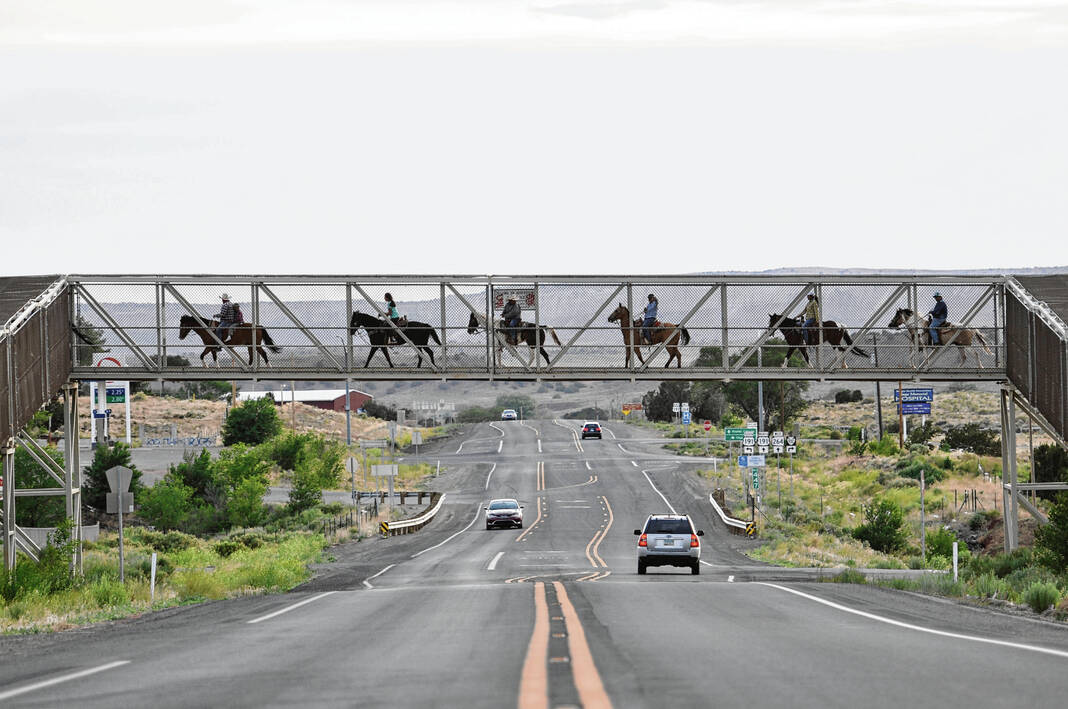
“Diné Family on Horseback” by Donovan Quintero is part of “Developing Stories: Native Photographers in the Field,” which opens at the Eiteljorg Museum in Indianapolis on Saturday. The exhibition features photo essays by three Native American photojournalists showing different perspectives of Native life.
SUBMITTED PHOTO
Unique perspectives of the Native American experience radiates from each image.
A line of horseback riders cross over a bustling Arizona highway using a raised pedestrian bridge. A tiny baby is tucked snugly into a traditional cradleboard.
Code talkers, who used Native language to pass secretive information during wartime, pose for a photograph during World War I. A U.S. Marine Corps veteran and member of the Oglala Lakota tribe address a government panel.
A pair of new exhibitions at the Eiteljorg Museum invites visitors to consider different aspects of Native American life. “Why We Serve: Native Americans in the United States Armed Forces” tells the stories of service the Native American population has contributed to the country’s history for more than 200 years.
“Developing Stories: Native Photographers in the Field” is a set of three photo essays by Native artists focused on issues such as the COVID-19 pandemic, blood quantum requirements and a more than 250-year-old community in New Mexico.
“The purpose is what we do is telling amazing stories and trying to connect with different humanities, and let them see how the stories we’re telling can relate to their lives, backgrounds, livelihoods,” said Bert Beiswanger, director of marketing and communication for the Eiteljorg.
The two exhibitions, which both open Saturday, feature vastly different images from a wide array of perspectives. But taken together, they offer insight into Native American life many people have never had.
“We hope people take away not only a sense of relatability, but to see the Eiteljorg as a place where they can see a part of themselves but also a place where they can learn about current Native art and events and people,” said Dorene Red Cloud (Oglala Lakota), curator of Native American art, history and culture at the Eiteljorg. “To realize Native peoples are still here. They have family in the military. They have complex issues like we all have.”
“Why We Serve” and “Developing Stories” are both traveling exhibitions developed by the Smithsonian Institution National Museum of the American Indian. Through a grant from Lilly Endowment, the Eiteljorg learned of and was able to pursue the opportunity to host two exhibits that were originally developed by the museum.
“Both exhibitions squarely fit with the Eiteljorg’s mission of celebrating Native American arts, histories and cultures, and will be of interest to the Eiteljorg’s visitors,” said Jamie Simek, development director for the Eiteljorg, in an email.
“Why We Serve” examines the service of Native Americans and Native Alaskans in the military, even before the United States was a country. According to the Smithsonian website, the exhibition addresses their service, which some think doesn’t make sense, considering how Indigenous people have been treated throughout history.
“Why would Indians serve a country that overran their homelands, suppressed their cultures and confined them to reservations? Native people have served for the same reasons as anyone else: to demonstrate patriotism or pursue employment, education and adventure,” the Smithsonian website said.
Subjects in the exhibition are varied. Visitors can see a portrait of William Pollock, a Pawnee tribe member who was one of Theodore Roosevelt’s most respected Rough Riders during the Spanish-American War, as well as the Native American Women Warriors group visiting the Vietnam Veterans Memorial in Washington D.C.
“People are going to want to know about why there are so many Native Americans and Native Alaskans who serve in the armed forces, and have been doing so since the country started,” said Dorene Red Cloud (Oglala Lakota), curator of Native American art, history and culture. “I think it’s a very interesting history, a shared history. Everybody has a veteran in the family or a friend, so I think it’s going to be really relatable.”
To go with the Smithsonian’s images, Eiteljorg organizers have added thematic artworks from its own collection to go with the exhibition.
“Developing Stories” takes a different approach to showcase Native life. The exhibition features three photo essays by Native photojournalists.
Tailyr Irvine, a member of Confederated Salish and Kootenia Tribes, presented a photo essay called “Reservation Mathematics: Navigating Love in Native America.” Her work explores the challenges of blood quantum requirements — a system originally created by the United States government to determined the amount of “Indian blood” a person possessed.
Now, the idea is used by Native American tribes to determine membership.
“For instance, with my tribe the Oglala Sioux, you have to be a quarter or more to be a citizen and member. But it really depends on each tribe or nation or village or pueblo,” Red Cloud said. “Nowadays, different tribal members have married different tribal members, so each family has to decide, ‘Should I enroll in your tribe or my tribe?’”
“The Genizaro Pueblo of Abiquiú” by Russel Albert Daniels (Diné descent and Ho-Chunk descent) tells the story of an Indigenous/Hispanic community in New Mexico that has persisted for more than 250 years.
Donovan Quintero, a member of the Diné tribe, focused his essay on the impact of the pandemic in “The COVID-19 Outbreak in the Navajo Nation.” His images show the resilience of the Navajo people as their reservation became a hotspot for the virus.
“Both historically speaking in times past, up until the present day, it’s a very interesting look at different aspects of life,” said Bryan Corbin, public relations manager at the Eiteljorg.
To go with the two exhibitions, the Eiteljorg has planned a series of activities and special programs, also made possible through the Lilly Endowment grant. During the “Why We Serve” opening on Saturday, a presentation on the Navajo code talkers will feature Peter MacDonald Sr., one of the last surviving code talkers from World War II, and Laura Tohe, a Navajo Nation poet laureate and author of “Code Talker Stories.”
“The code talkers are pretty well-known, but a lot of people don’t realize that Code Talkers were used in World War I, and it wasn’t just Navajo language that was used,” said Alisa Nordholt-Dean, director of education and public programs for the Eiteljorg. “Many Native languages played a role in both World War I and World War II, so (Red Cloud) is going to talk about that as well.”
On April 27, a panel of Native American veterans and artists will speak about the influence their service had on their life and work. Throughout the run of “Why We Serve,” visitors can upload a two-minute video focused on personal stories of military service.
“A lot of people have connections to service, either through themselves or through their families. We thought it would be important to give people an opportunity to talk about that service, and let us know why they served or serve,” Nordholt-Dean said.
A panel discussion featuring Quintero, Daniels and Irvine is planned for March 30, as each artist will talk about their works in “Developing Stories.” Area Girl Scouts have the chance to take part in a junior photography workshop led by Roberts Camera on April 14.
“We’re really encouraging that younger generation to use the camera that we all have (on our phones) to document social issues in their lives,” Nordholt-Dean said.
Access to both exhibitions is included with regular museum admission. Veterans and current service members of the U.S. Armed Forces will receive free admission to the museum from Saturday through Aug. 1, in conjunction with “Why We Serve.”
“It’s an opportunity to connect with different audiences and form partnerships, and bring people into the museum through these exhibitions and expose them to the museum’s mission,” Nordholt-Dean said.
IF YOU GO
Eiteljorg Exhibitions
Opening: Saturday
“Why We Serve: Native Americans in the United States Armed Forces” — an exhibition honoring the generations of Native Americans and Alaska Natives who have served in the U.S. military since the American Revolutionary War. The exhibition runs through Aug. 1.
“Developing Stories: Native Photographers in the Field” — the exhibition is composed of three very different photography essays created by Native photojournalists, exploring issues in contemporary Native lives. The show runs through July 7.
Public programs
The Eiteljorg will host public programs related to both shows, some of which have additional fees:
Navajo Code Talker presentation, 11 a.m. Saturday: Peter MacDonald, Sr., a World War II veteran and one of the last surviving Navajo Code Talkers, will discuss his wartime service; the talk is moderated by former Navajo Nation poet laureate and author Laura Tohe. At 1 p.m., Tohe will discuss her book, “Code Talker Stories,” and hold a book signing. The fee for both programs is $30 for non-members, $10 for museum members. Register at: https://eiteljorg.org/eiteljorg-events/navajo-code-talker-presentation/. Veterans and military can attend both programs at no charge.
Photographer Panel, 1 p.m. March 30: Photographers Russel Albert Daniels, Tailyr Irvine and Donovan Quintero will discuss their photographs in “Developing Stories.” It’s included with regular admission; and there’s no charge for
Junior and Ambassador Digital Photography Workshop, 2 p.m. April 14: Girl Scouts can participate in a workshop with Roberts Camera. The fee is $10 per scout and $1 per chaperone. Register at: http://tinyurl.com/ywa9vhz8.
Native American Veterans Panel, 1 p.m. April 27: Hear from Native American veterans about the influence of their military service on their life and work. It’s included with regular admission, with no charge for members, veterans or military.
Information: Eiteljorg.org

Bright new colourful artwork will welcome patients and visitors when they arrive at the Chatham-Kent Health Alliance.
The new artwork consists of four pieces created by Celeste Noah of Eelūnaapèewii Lahkèewiit, Delaware Nation.
The artwork was installed in the ambulatory care waiting room, dialysis waiting room, intensive care unit family waiting room and in the reflection space.
Each piece is accompanied with a descriptive plaque for patients, families, and visitors to learn about the art and its meaning.
“Ms. Noah’s artwork serves as a powerful expression of connection to land, tradition, and spirituality,” said CKHA Board Chair Deb Crawford. “We are so pleased this art is now a permanent part of our Chatham Site and hope that it will inspire meaningful conversations and foster a greater understanding of Indigenous culture.”
The new art at the Chatham Site is in part of the CKHA’s Innovation Grant Program, which allows staff, physicians, volunteers and patient advisors to bring forward ideas to make positive change at the hospital.
Noah was chosen as the successful candidate for the Chatham Site.
“I learned how to watercolour paint during the COVID-19 lockdown,” said Noah. “It was a new hobby I picked up to occupy my time. I searched for other Native watercolour artists online but could only find one example, so I used my knowledge and creativity to paint our people wearing their regalia, colourful in motion. I submitted this piece to CKHA’s call for Indigenous artists and I was shocked I was chosen.”
The installation of Noah’s artwork in Chatham follows the addition of “Revitalizing River”created by Mariah Alexander of Walpole Island First Nation at the Wallaceburg Site.

British singer Ed Sheeran wowed the stage in Mumbai with Diljit Dosanjh over the weekend as the pair sang a rendition of the Indian artist’s hit track “Lover” in Punjabi, a duet that promptly lit up India’s social media.
Both artists posted videos of their performances on Instagram, with huge cheers from the crowd as Sheeran invited his singing partner onto the stage.
“Got to bring out @diljitdosanjh tonight in Mumbai and sing in Punjabi for the first time. I’ve had such an incredible time in India, more to come!” Sheeran wrote in a post.
Singer and actor Dosanjh, 40, is one of the biggest South Asian artists worldwide and has played a major role in putting Punjabi music on the map internationally. He made history in 2023 as the first Punjabi artist to perform at Coachella.
Over the past 15 years, Sheeran has gone from self-releasing his EPs and playing small bars in London to one of modern pop’s best-selling song writers. He is in the middle of his mammoth two-and-a half-year long global “Mathematics” tour.
More than 50,000 concertgoers were packed into the Mahalaxmi Racecourse to see Dosanjh’s surprise appearance, as the Indian star hyped up the audience and Sheeran rocked on an acoustic guitar, singing parts of the chorus.
“We had no idea Diljit was going to be here, it felt like moon had descended,” a fan said in a video recap posted by the Indian star.
“I am still processing what just happened here, I am never going to forget this night,” another concertgoer said.
Spotify India commented on a video posted by Sheeran saying, “we see fire on that stage,” in reference to one of the British star’s hits.
Fans and Indian celebrities on social media praised Dosanjh for getting Sheeran to sing in an Indian language.
Bollywood actor Varun Dhawan called it “global domination,” in a comment on Dosanjh’s Instagram video.
“I was standing in the audience shrieking like a fan girl. This was the multiverse event nobody expected,” commented comedian Sahil Bulla.
“Hats off to Diljit,” wrote another user. “This man has literally blown-up Punjabi music scene making other artists [sing] in Punjabi waiting for their collab.”
Dosanjh has collaborated with other English-speaking singers and last year released bilingual track “Hass Hass” with Sia, the Australia-born artist behind “Chandelier” and “Elastic Heart.”
And fans are hoping for more international crossovers with the Indian artist, with one person commenting “first Sia, now Ed, Diljit gonna make everyone sing in Punjabi.”
India has 23 official languages, including English, and is home to hundreds of other mother tongues.
Punjabi is native to the Punjab region of India, as well as neighboring Pakistan. Around the world, there are over 100 million speakers of Punjabi across the South Asian subcontinent and diaspora communities.
During the concert, Sheeran also thanked fans for braving hours of traffic to reach the event.
Roads leading to the sprawling 225-acre venue – equivalent to roughly 170 American football fields – were jammed with cars some five hours before the gig began at 7:15 p.m. on Saturday, according to CNN staff who attended.
The traffic was so bad that some fans left their cars and walked the final 2-kilometer (1.2 mile) stretch to the entrances.
“I know India is a big place but everyone here at the concert is not necessarily from Mumbai. People have traveled a long way to be here today. People got on trains, planes, they drove, and got kids. I know a lot goes into you spending your Saturday night with me,” Sheeran said.
“This is just the beginning,” he added, and made a promise that he would return to India.

News Story by Matthew Kincanon | FāVS News
The landscape has been changing for Indigenous people in film and TV, especially in the last several years. From acclaimed and award-nominated shows such as “Reservation Dogs,” “Spirit Rangers,” and “Molly of Denali,” to Lily Gladstone receiving an Oscar nomination and winning the Golden Globe and Screen Actors Guild award for her performance in “Killers of the Flower Moon,” Indigenous artists are being recognized as more doors open. More resources are made available for them to tell authentic stories in their voices, ensuring their culture, history and people are portrayed accurately and to maintain the momentum of a storytelling movement that’s been going on for centuries.

The success of recent projects such as “Echo” and the aforementioned series shows there is a genuine interest by the public in Indigenous culture and stories. However, that means filmmaking ethics must be followed by non-Native filmmakers and showrunners to ensure errors of the past are not repeated, and stories are not told without the input and collaboration of Indigenous communities. The success also means Indigenous creators have to be allowed to continue telling their own stories and experiences rather than have someone tell it for them.
Several Indigenous artists who span across various roles in TV and film share what non-Native filmmakers should do when they want to make a Native-themed project, what positive changes they have seen in the industry and what they hope to see in the years to come for Indigenous film and TV.
When a non-Native filmmaker wants to make a film focusing on Indigenous stories, there are quite a few things those involved in the film industry said they should do.
Joanelle Romero, founder, president and CEO of the Red Nation Celebration Institute (RNCI), who was shortlisted for the Oscar for her 2000 short documentary “American Holocaust: When It’s All Over I’ll Still Be Indian,” said filmmakers should get Native consultants, writers or co-writers, and “create a family of Native input.”
[embedded content]
Billy Luther, writer and director of Netflix’s “Frybread Face and Me” and a writer on AMC’s “Dark Winds,” shared similar sentiment by saying there needs to be Native writers on projects that tell a Native story, and including them is an easy fix when it comes to the issue of accuracy.
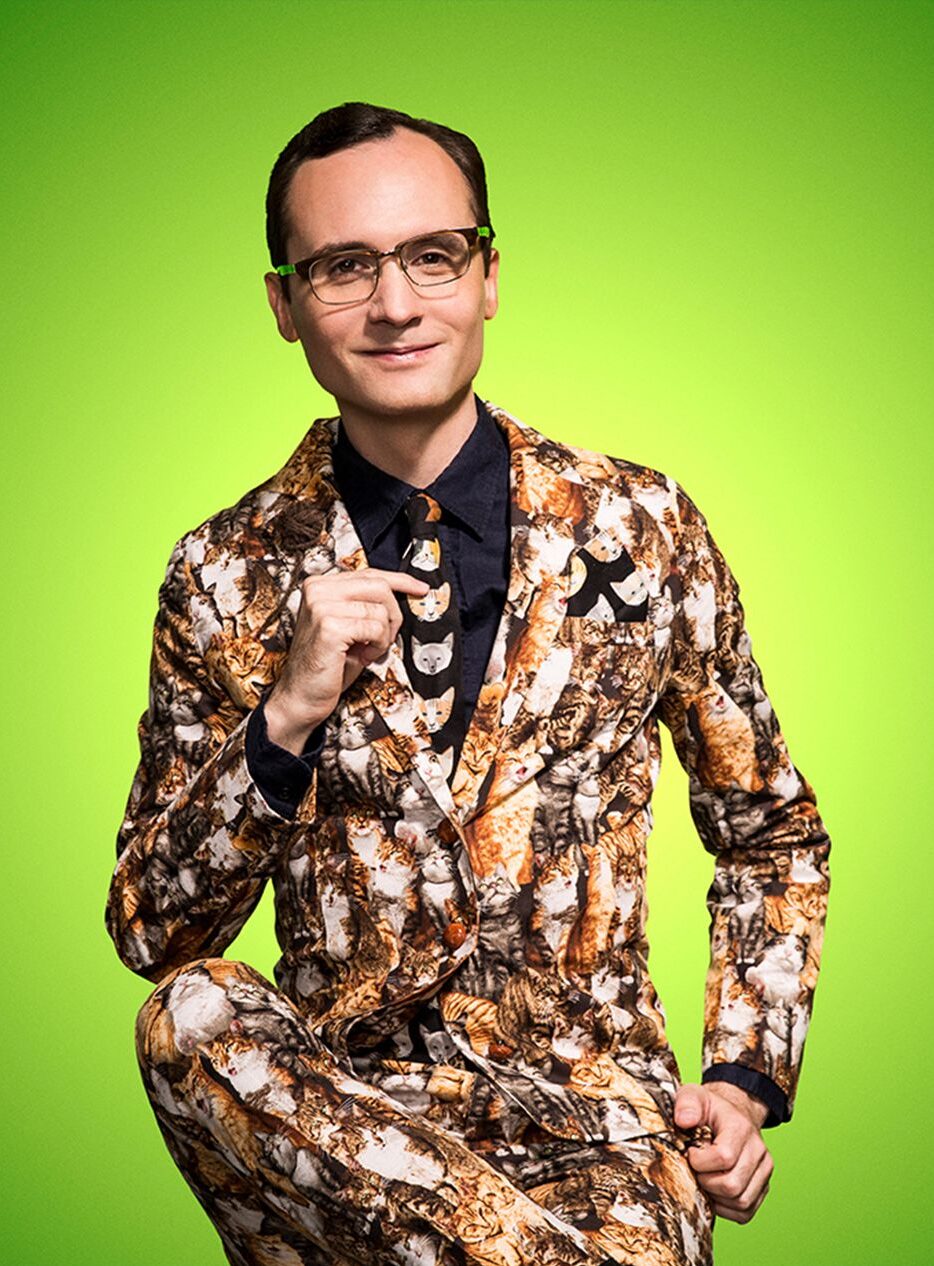
When talking to friends or those making TV shows and movies with Native characters, Joey Clift, an Emmy-nominated writer and producer of the Netflix series “Spirit Rangers,” often tells them this:
“It’s good to hire one Native writer for your writers’ room. But you know what’s better than that? Hiring two Native writers.”
With having multiple writers, Clift said they can have conversations with each other about what they want for the characters, as opposed to pinning the entire Native experience of hundreds of federally-recognized tribes on one writer to speak for everybody.
Also, Romero said that a non-Native production should have a consultant who represents that tribal nation being portrayed.
Lacey Marie Abrahamson, who was a consultant on the Paramount+ series “1883,” said a lack of knowledge is the biggest mistake filmmakers and showrunners make when they don’t consult or involve the tribes and their citizens.
“They do not do their research; they do not reach out to the tribes or the descendants to learn the true oral tradition of these stories, or even ask permission,” Abrahamson said. “They only tell stories taught in history books. Much of Indigenous history has been downplayed.”
When Indigenous languages are presented in movies, Rachel Mint Purget, an actress who played a dancer in all the dance scenes in “Killers of the Flower Moon,” said they can’t talk about Indigenous people without talking about their language, and it’s important they are accurate when spoken on film.
[embedded content]
“First and foremost, language is a fundamental aspect of cultural identity. Indigenous languages carry the rich history, traditions, and unique worldviews of their respective communities,” Purget said. “Preserving our languages helps maintain cultural diversity and ensures the transmission of traditional knowledge from one generation to the next. If a filmmaker understands the language then they understand the people.”
Portraying Indigenous people and stories from an unauthentic lens has shown to be harmful and reinforce stereotypes.
“When our people are being shown on TV in an unauthentic way it creates ideas in people’s minds that may not be true. From this ideology stereotypes began to develop,” Abrahamson said. “These stereotypes are harmful to the Indigenous community, and we have had to deal with these stereotypes everyday of our lives. What filmmakers don’t realize is they are shaping America’s ideas and attitudes toward us.”
There are 574 federally recognized tribes in the U.S., Abrahamson said, each with a distinct culture, language, ceremonies, art and traditions. She said filmmakers need to recognize that not all Native American people are the same and not “continue to use our people and mush us together like a bunch of potatoes being mashed.”
Abrahamson said filmmakers should do their research, and seek out the right individuals and the correct tribes they’re making their movies about.
Aside from perpetuating stereotypes, another issue involves getting feedback from Native people late in production.
“If you’re not a Native person and you want to tell a Native story with Native characters, it’s hugely important that you bring in Native creatives in decision-making, high-level positions early on in the production,” said Clift.
Clift recounted an experience where a producer he never met before reached out to him saying they were shooting a movie in a few days that included a Native character, and they wanted him to read it and make sure it’s not racist. He wasn’t sure what effect any notes he gave would have on the movie given they were shooting in a couple days.

“In that situation, people are oftentimes just looking for a rubber stamp from a Native person immediately before they start shooting, more than they’re looking for actual feedback to help shape the story,” Clift said.
For non-Native filmmakers who want to tell Indigenous stories, Chance Lee Rush, who played William Stepson in “Killers of the Flower Moon,” said they should get a blueprint from Martin Scorsese.
While Scorsese’s latest film has received both praise and criticism from Indigenous communities, several Indigenous cast members talked about what the filmmaker did right when production started.
Several of the things he did right, according to Purget and Rush, included speaking with the tribal council, leadership, elders and Osage speakers.
“With every new element of the Osage culture he discovered, the set would be redesigned, the script would be rewritten, the wardrobe would be changed,” Purget said. “When the Osage talked, he listened.”
Not only were Osage citizens and other Indigenous actors hired, Purget said production also hired Osage consultants and workers to help with regalia, work on wardrobe and build sets. Several Osage citizens involved had a personal connection or had family history tied to the Osage murders. Filming was also moved to where the historical events of the movie took place.
One example she mentioned was the house explosion scene where it was filmed close to the same neighborhood where the unimaginable events took place. Filming late at night with fire and embers flying through the air and screams for Reta was a night she’ll never forget.

“Scorsese used the Osage elders, language, Osage people, other Indigenous tribes, historically accurate locations and listened to the advice and knowledge of the Osage to properly represent this story on film,” Purget said.
Rush described how everybody had an important role and Scorsese made them feel essential. From props people, to extras, to Gladstone, he said Scorsese made them feel like they could not do the movie without them.
Rush described Scorsese as a filmmaker who would rather tell the truth than win an Oscar.
“He would rather share this story instead of make a lot of money off of it,” Rush said. “His heart was in it. That’s why this was a success.”
As a pastor, Rush said he was grateful that the truth came out through this film, everybody can see what Tribal people went through and the fact that they’re still here. He thanks God for the experience and for this information being put out there for the world to watch. For him, the experience of working on the movie wasn’t about seeing his name in the credits, getting his Screen Actors Guild card, but being able to represent Stepson’s family, meeting the man’s grandchildren and great-grandchildren, and doing his best to honor his image on the screen.
After filming was completed, Purget said Scorsese released it across Indian Country for free, allowing thousands of people to see the Osage story in all of its beauty and horror at no cost.
Clift said filmmakers have to look at movies like Scorsese’s film and Hulu’s “Prey” as a bar that they cannot go lower than because “if you go lower, then people are going to rightfully call you out for not telling Natives stories the right way.”
While the history of Indigenous representation in film and TV is plagued with stereotypes and white savior narratives, positive changes have been seen in representation, involvement of Indigenous people and casting Indigenous talent.
“I think that Hollywood for a really long time was guilty of telling stories about us without us,” Clift said. “Meaning they would tell stories featuring Native characters or about Native historical events and the only Natives involved would be maybe the actors if that. And now you’re seeing situations where if non-Natives want to tell Natives stories, they’re engaging Native people very early on in the process.”
Clift said Native people have been telling amazing stories for centuries, but this is the first time that the general media has started paying attention to them.
“Storytelling has always been part of Native culture, therefore we are kind of amazing at it.” Purget said. “When you have Indigenous writers, actors, directors, wardrobe, all telling the story, it becomes an art focused on a story and not an art focused on profit.”
One positive change that Abrahamson noted was the fact that Indigenous actors are being casted in roles, rather than what earlier films did where Indigenous characters were played by white actors.
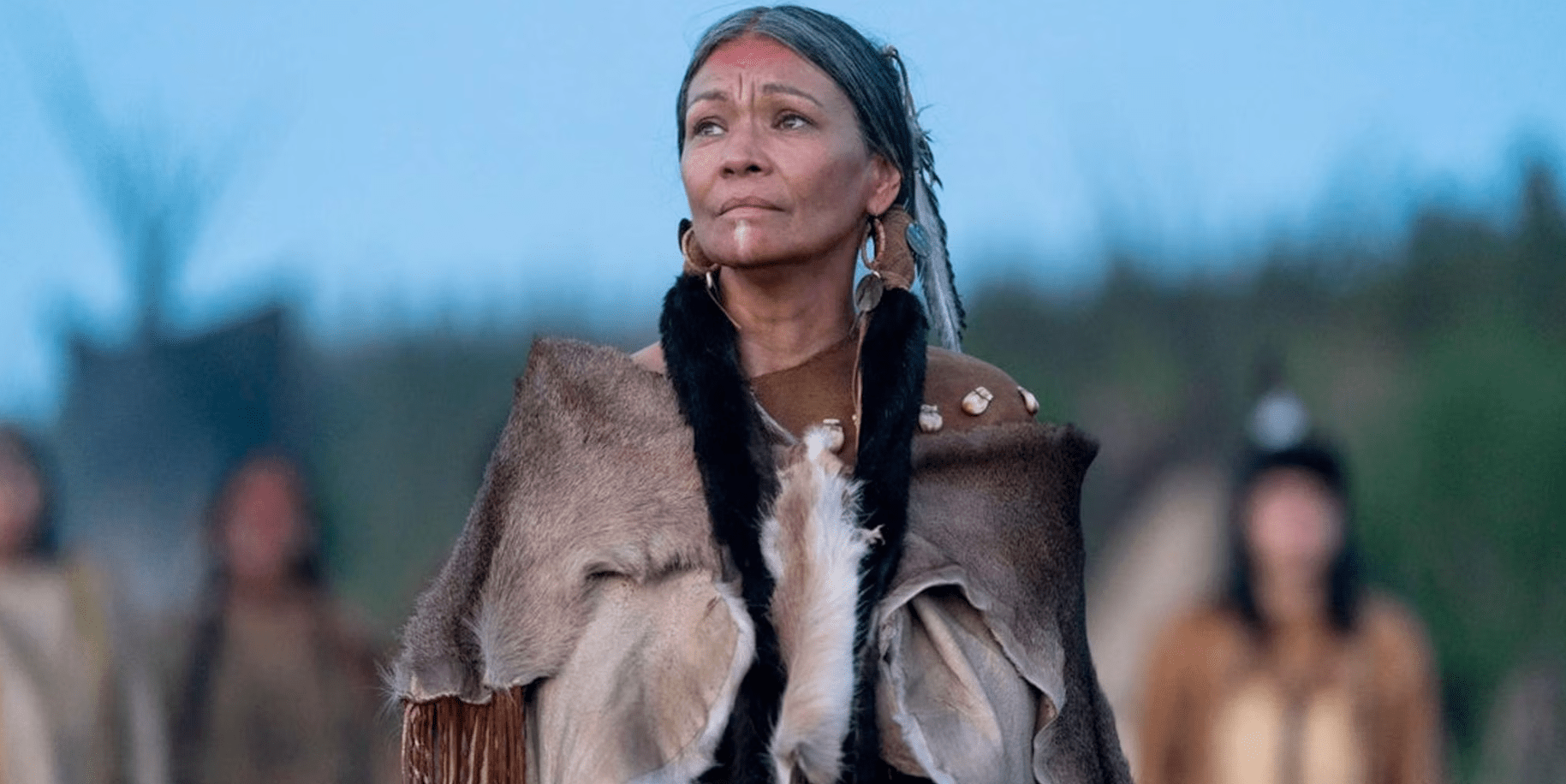
The changes in casting practices show the progress from what “Prey” actress Michelle Thrush said she experienced when she spoke at an event at the Salish School of Spokane earlier this year. Thrush said there weren’t many Indigenous actors on TV when she was younger and the ones who were casted got small roles and were portrayed as the losers in the stories, making her question if she could become an actress. Not only that, the shows depicted white savior narratives.
Despite what she experienced growing up, she said there are now more Indigenous actors, writers, producers and directors in the industry who are doing big jobs.
Rush said he’s noticed the change in casting Native actors and is “grateful that we’re finally on the scene and it’s not just three or four different Native actors but it’s over a hundred and I’m grateful to see that we’re showing up out of nowhere.”
For Abrahamson, movies and TV shows being culturally correct and seeing her people portrayed in a positive, healthy and true light, is a trend she is happy to see.
It’s not just actors who are getting work, Native writers are being included too.
On the series “Dark Winds,” Luther noted how there are Natives in the writers’ room and thinks there is more care being taken into who is in the room and who is telling the stories.
[embedded content]
For “Spirit Rangers,” Clift said they had an all-Native writers’ room and had a lot of Indigenous people in consultant roles because “any one Native working on the production can’t speak for all Native people.”
In the 13-14 years he has spent in Los Angeles, California, Clift has seen a shift in how Native stories have been told. He said that they are in a position now where they have Native-created TV shows with all-Native writers’ rooms.
“As a whole, I think that the industry is treating Native stories with the level of respect they should be told with,” said Clift. “Took a hundred years, but we’re finally there.”
Even though Luther said there will always be issues when it comes to representation, Luther felt people working in the film industry are trying to do better.
Not only are there more Native actors and writers, Indigenous filmmakers have access to more resources to tell their own stories and share them with a wider audience.
“It is our time now,” said Romero. “Technology and how we make films today is so different than how we used to make them, so there’s a lot more resources for us to do it on our own and also to get the support as well.”
Projects made by Native creators are showing to have a positive impact on the industry as well.
A positive change Luther has noticed in films and shows made by Indigenous people is the presence of comedy and joy in productions such as Hulu’s Golden Globe-nominated series “Reservation Dogs” and Peacock’s “Rutherford Falls,” as well as his film “Frybread Face and Me.”
[embedded content]
One of the things Luther said people normally see in films and TV shows about Indigenous people is their stories are portrayed as traumatic, sad and depressing. Most of these films are made by non-Natives.
During a screening of his film to a non-Native audience, Luther said the audience wasn’t sure if they were supposed to laugh, despite it containing a lot of humor. He felt this was because they were used to seeing sad and depressing movies about Indigenous people on the screen.
However, one of the great things that has come from the new wave of Native stories and storytellers, Luther described, is they show a great amount of humor and joy within their communities.
As a comedy writer, Clift said Native people are funny and “if you get a bunch of Native people in a room, we’re cracking jokes within 30 seconds.”
“For us, a lot of the echoes of our attempted genocide for a lot of folks is still a raw nerve and it’s, I think, easier and more enjoyable to focus on the positivity and joy found in Native communities,” Clift said. “And with that comes a lot of comedy, a lot of jokes, and a lot of laughter.”
Rush said humor in Indian Country is one-of-a-kind, their icebreaker and their way of being thankful, proud and honored to still be here.
“Honestly, everything that we went through — through colonization, genocide, massacres, it’s just our way of saying historical trauma isn’t going to dictate us,” Rush said, adding that having a sense of humor is their way of not only healing, but also communicating and continuing to express who they are.
Clift brought up a scene in HBO’s “The Last of Us” that showed the interactions between two Native American characters played by Elaine Miles and Graham Greene. Despite the show being a dark series about a post-apocalyptic United States, he said their scene was the funniest part. He said it felt warm and particularly Native because they were laughing in the face of tragedy.
In her 45 years of being in the film industry, Romero said there has been some movement in the industry being authentic when it comes to Native representation. However, she added there is still a lot more work to do in that regards.
“We need to get more Native people in front of and behind the camera,” Romero said.
Romero added that it’s prevalent the industry starts investing financially into Native filmmakers so they can tell their own stories.
“The last three-to-four years we’ve proven that we are bankable and so that’s what needs to happen,” Romero said.
The number of films made by Indigenous people has shown to increase over the last several years as well. Since 2018, Romero said the Red Nation International Film Festival (RNIFF) has seen more success and growth. In 2018, 46 films were screened. Here is the number of films that were screened at the festival since then:
Romero said this growth is an indicator of the need, want and future of their narrative moving forward.
“People want to hear our side, people want to hear our story. They want to experience us and so that’s what’s happening and it’s really fantastic, it’s really exciting and I’m thrilled about it,” Romero said.
The desire to hear Indigenous stories is shared by many Americans. In 2018, a research project by First Nations Development Institute and Echo Hawk Consulting found that 78% of Americans surveyed believe “it is important to feature more Native American stories on TV, in movies and in other entertainment.” Also, 78% said they were interested in learning more about Native American cultures.
Romero said there are 1,000 new titles that the Red Nation Television Network streaming service is processing right now.
Rush said that they have to take ownership of what’s been happening recently and not wait on networks, producers, directors or cast agents to do more projects, while also remembering to pay tribute to Indigenous actors who opened the doors for them.
“I hope that we come together as Native actors and actresses and production teams and create our own network,” Rush said.
Purget said she is excited to see what will be created in Indigenous film and TV in the next few years, and for them to embrace their strengths as storytellers.
“Being on the set of an Indigenous film or TV show has a different feel. It feels like we have a mission to honor and represent our culture to the world,” Purget said. “Everyone on set is helping lift each other up. Indigenous productions are where writers become directors, cousins become actors, aunties become costumers and uncles lay down tracks for the soundtrack. Everyone is helping everyone move up and find their passion. When one rises we all rise.”
There are many stories yet to be discovered, Abrahamson said, and hearing them in all their authenticity would be idealistic to Indigenous communities.
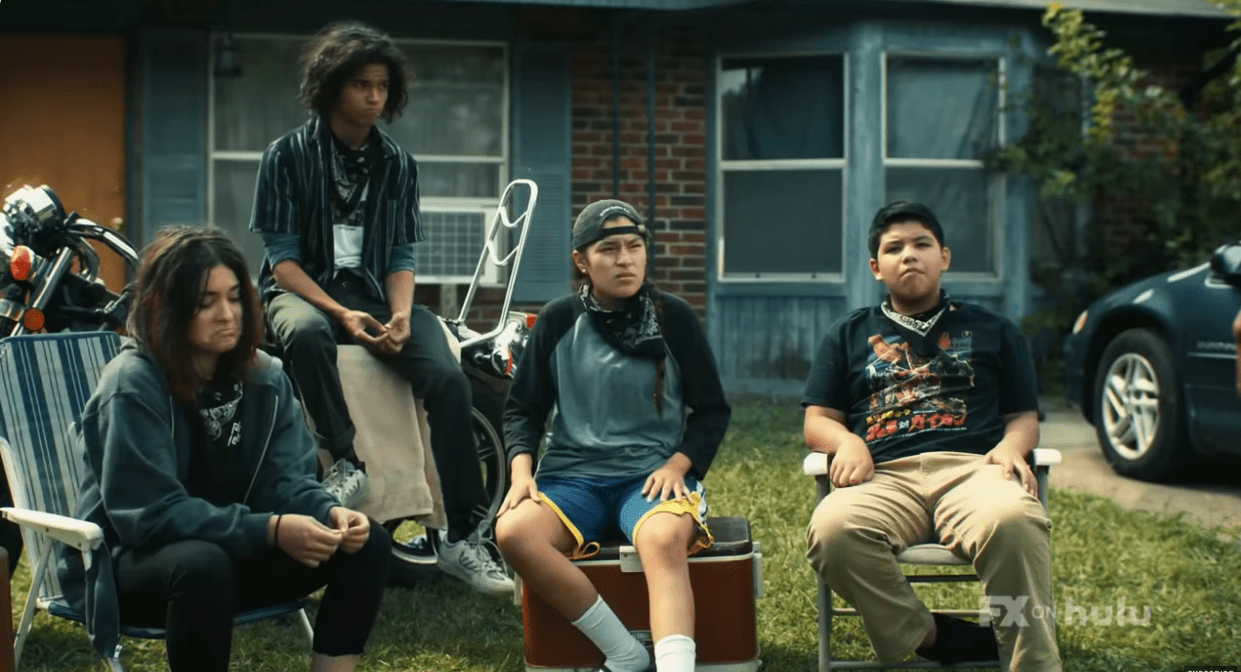
Luther said he felt they were reaching a point where they can finally get the next generation of writers and storytellers and it’s been exciting to see shows like “Reservation Dogs” and “Rutherford Falls” that are being made by Native creators.
“It’s really the perspective of the Natives that really make these stories and the representation authentic,” Luther said.
For Rush, he would like to see films that portray Tribal communities as being on the same playing field like in “Rutherford Falls,” as well as ones that keep them honest but also encourage them to want to live in areas with nice houses, have their culture, be healthy and be in healthy relationships.
Rush also wants to see projects similar to Marvel movies (particularly the series “Echo”) as well as off-the-wall films, fictional, non-fictional, serious and comedic ones.
As Indigenous stories see a rise in popularity and demand, Clift said he doesn’t want it to be 2040 and people frame the 2020s as a moment for Native representation, but rather as a continuation of a several hundred year movement.
“It’s easy to say Native stories are hot right now, but Native stories have been this great, this nuanced, and this fantastic for hundreds of years and it is really great to see Native storytellers like myself and a lot of my friends finally getting our day in the sun,” Clift said.
Clift longs for the day when Native representation is so prevalent, nuanced and available in the mainstream media that they’re not counting firsts anymore. He hopes that they get even more opportunities and don’t go another 15 years without a Native person starring in a major motion picture.
Rush said there’s a lot of good change happening for Turtle Island and Indian Country and he hopes that it will bring them closer together, make them stronger, and let the world know they are still here.
“Moving forward in everything we do, we want to tell the truth as Indian films, as Tribal films, Native American films, First Nation films.” Rush said. “We want to tell the truth.”





