Photography

Atlanta Product Photographer- EtherArts Product Photography Drives High Revenue in the Digital Age From Pixels To Profit

Atlanta Product Photographer- EtherArts Product Photography Drives High Revenue in the Digital Age From Pixels To Profit
Highly reflective product photography of glass cases with lights used for Lego toys

Reflective Glass Cases for Lego Toys- Amazon Photography
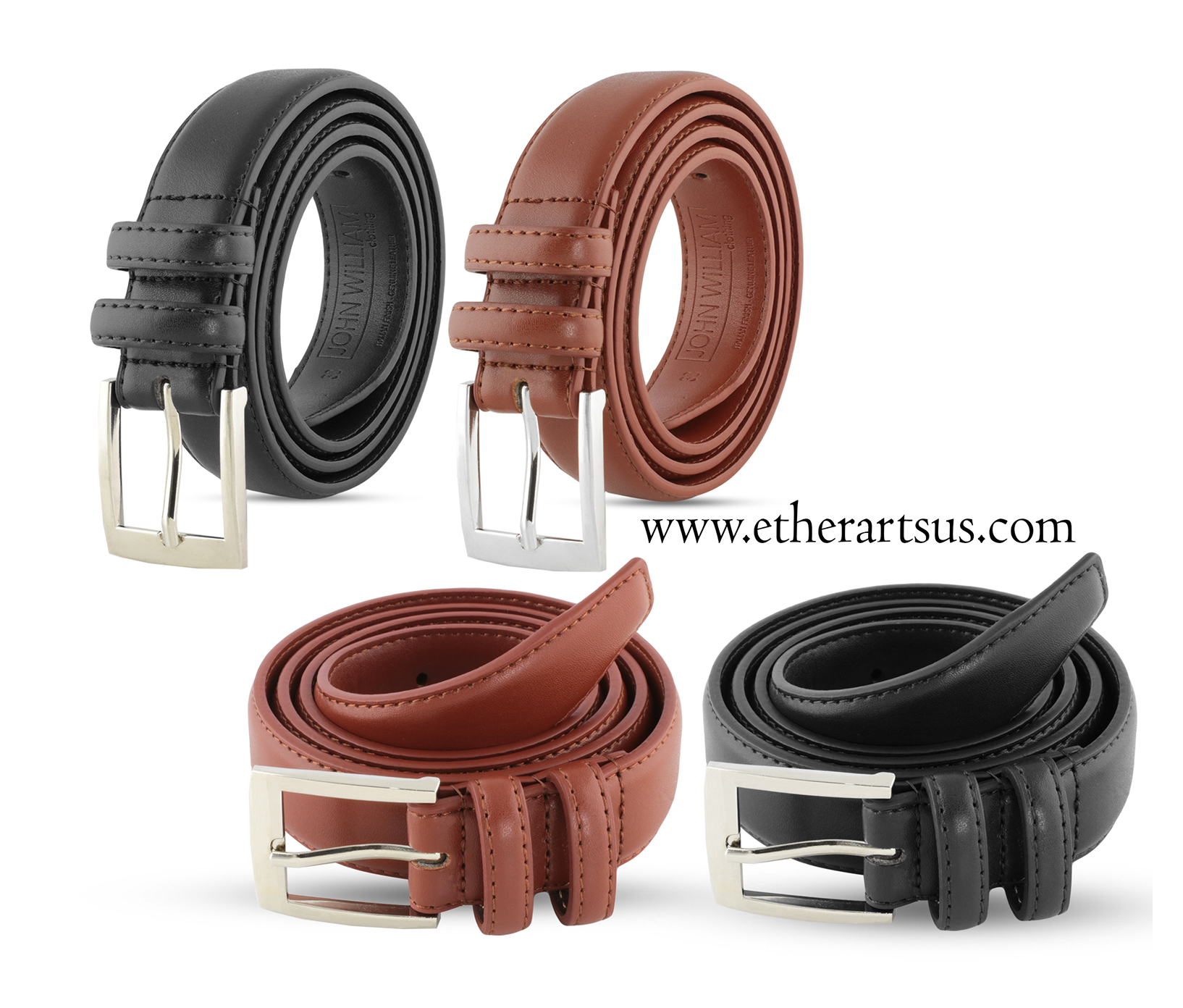
Leather belt accessories stylized for a cool look showing 2 angles

Leather Belts Stylized Product Photography

Amazon photography for socks product listing photography for FBA seller central

Socks on ghosted legs background photography for Amazon Client

The Importance of professional product photography lies in its ability to engage, convert, and retain customers, forming an integral part of business’s success.

Professional product photography increases the perceived value of your products, justifying premium product pricing and potentially leading to higher profits.”

— EtherArts Product Photography

ATLANTA, GA, USA, August 21, 2023/EINPresswire.com/ — In today’s digital age, the realm of e-commerce has undergone a remarkable transformation. Online shopping has become an integral part of modern consumer behavior, offering unparalleled convenience and access to a vast array of products. As e-commerce continues to flourish, the significance of professional product photographers has risen to the forefront. These skilled individuals play a pivotal role in shaping the success of e-commerce products, and their expertise goes far beyond simply capturing images. Let’s delve into why professional product photographers are indispensable for the success of e-commerce products.

Visual Appeal Matters: In the world of e-commerce, the first impression is often the only impression. Potential customers make rapid judgements based on the visual elements they encounter on a product page. EtherArts Product photography creates high-quality, aesthetically pleasing images that are crucial to capturing a shopper’s attention and enticing them to explore further. Professional product photographer Atlanta possess the technical prowess to create images that highlight the product’s features, textures, and unique qualities, effectively translating physical attributes into captivating visuals.

Conveying Brand Identity: Every e-commerce business has a distinct brand identity that sets it apart from competitors. EtherArts Product photography, a professional product photography Atlanta studio understands the importance of aligning product images with the brand’s ethos. They can seamlessly integrate the brand’s color palette, style, and messaging into their photography, thus ensuring a cohesive and immersive shopping experience for customers. Consistency in visual branding cultivates trust and recognition, which are vital for long-term success.

Quality Sells: When consumers browse through e-commerce platforms, they seek assurance that the product they are considering is of high quality. Subpar images taken with unprofessional equipment can inadvertently convey a lack of quality, deterring potential buyers. EtherArts product photography employs advanced equipment and lighting techniques to capture images that emphasize the product’s finest details, making it easier for shoppers to evaluate and appreciate the product’s value.

Storytelling through Imagery: Effective product photography goes beyond mere depiction; it tells a story. Professional product photographers have the creative ability to craft narratives around products, presenting them in contexts that resonate with customers. Whether it’s a tantalizing shot of a gourmet dish, a lifestyle portrayal of fashion apparel, or an artistic angle for tech gadgets, these visual stories help customers envision how the product fits into their lives, compelling them to make a purchase. EtherArts Amazon photographer is well versed with this and believes that each product should tell a winning story through its imagery.

Navigating Technical Challenges: Products come in various shapes, sizes, and materials, each presenting its own unique challenges for photography. From reflective surfaces to intricate textures, Amazon photographer – EtherArts possess the skills to overcome these obstacles. They understand lighting angles, shadow control, and post-processing techniques to capture images that accurately represent the product’s attributes while minimising any potential drawbacks.

Optimising for E-Commerce Platforms: E-commerce success hinges on visibility, and that means playing by the rules of the platforms. Each platform has its own image specifications and guidelines that impact how products are displayed. EtherArts Product photography is well-versed in optimising images for various platforms, ensuring that products are presented in the best possible light and that they conform to platform requirements for image dimensions, aspect ratios, and file sizes.

Conversion Boost: The ultimate goal of any e-commerce business is to convert visitors into buyers. High-quality product images contribute significantly to this conversion process. When customers can clearly see the product, feel its texture, and visualise its benefits, their purchase intent increases. Professional product photographers understand the psychology behind consumer behavior and tailor their photography techniques to encourage conversions.

Competitive Edge: The e-commerce landscape is intensely competitive, with countless businesses vying for the attention of online shoppers. EtherArts Product photographer provides businesses with a distinct advantage by enhancing the perceived value of their products. With eye-catching images that stand out from the crowd, businesses can position themselves as premium providers and gain a competitive edge in a saturated market.

Customer Satisfaction and Returns Reduction: Accurate and enticing product images foster realistic expectations in customers. When the product matches the depiction, customer satisfaction soars, and the likelihood of returns diminishes. EtherArts Product Photographer Atlanta contributes to building trust and transparency between businesses and customers, resulting in positive reviews, repeat business, and reduced return rates.

In conclusion, the influence of professional product photography on the success of e-commerce products cannot be overstated. It brings expertise, creativity, technical skills, and an understanding of consumer psychology to the table. By crafting captivating images that convey brand identity, product quality, and emotional resonance, Amazon photographer EtherArts Photography paves the way for enhanced customer experiences, increased conversions, and sustained business growth in the dynamic realm of e-commerce.
To serve nationwide EtherArts Product Photography also offers product photography Tampa clients. Their ship and shoot photography service allows clients from Florida and Texas to take advantage of their professional photography. Call or contact them today for a lowest quote possible.

EtherArts
EtherArts Product Photography & Graphics
+1 770-690-9389
email us here
Visit us on social media:
Facebook
Twitter
LinkedIn
Instagram
Other

image

Photo of Rafael Nadal and Roger Federer in tears wins World Sports Photography Award

Photo of Rafael Nadal and Roger Federer in tears wins World Sports Photography Award

In sports photography, an image often goes beyond just capturing a moment; it weaves a narrative that resonates not only with athletes’ capabilities but with emotions we ourselves as viewers can relate to. In a stunning departure from conventional sports photography, the winner of this year’s World Sports Photography Award taken by Neha Ganeriwal captures Rafael Nadal and Roger Federer in tears holding hands showing a softer side of elite athleticism. 

Ganeriwal’s emotive black and white titled Boys Don’t Cry shot was chosen as the winner from more than 800 entries submitted by Independent Photographers to the prestigious World Sports Photography Awards 2023. Sponsored by MBP, the awards have become a beacon for acknowledging excellence in the field of sports photography, culminating in a celebration of the finest snapshots that encapsulate the spirit of sportsmanship.

• Check out the best cameras for sports photography with a super-fast continuous burst mode for capturing fast actions sport

Snowmeo and Juliet – Special Merit (Image credit: Olly Bowman)

The World Sports Photography Awards distinguishes itself as the sole global recognition platform dedicated to honoring the craft of sports photography. The entries, submitted by the crème de la crème of sports photographers worldwide, are meticulously evaluated by luminaries hailing from the realms of sports, media, branding, and creativity. Sponsored by IMAGO a global visual content provider with more than 300 million images and videos for the sports, media and entertainment industry it is one of the largest producers of sports content in Europe. 

These awards serve a dual purpose: not only do they spotlight remarkable sports visuals but also the masterful photographers behind the lens. Each photograph narrates a tale of fervor, ardor, prowess, and concentration, all of which are at the very heart of the sporting world.

Stop War – Special Merit (Image credit: Nikolay Synelnykov)

Andrés Benedicto, the Director of International Partnerships and Sports Content at IMAGO, shared his thoughts on the arduous task of selecting a winner amidst such high standards. 

He noted, “It was not an easy endeavor to find a winner due to the high standards. It is really gratifying to see that there are high-quality, independent photographers documenting sporting spectacles across the globe. Through their lens, history stands frozen in awe-inspiring frames. This reassures us that the industry is in good hands.” He extended his gratitude to all those who entered and allowed us to view the sporting world through their unique lens. 

To view the top 10 winners from each category as well as the standout independent photographer imager head to the World Sports Photography Awards website.

19th FINA World Championships (Image credit: Gabriel Monnet)

Eyes of the Horse – Silver prize winner (Image credit: Mrs Evo (Jenny Evans))

Also check out the best lens for sports photography including a range of super telephoto zooms perfect for capturing up-close action from a distance

Is This the Ultimate Wedding Photography Lens?

Is This the Ultimate Wedding Photography Lens?

Wedding photographers place a lot of demands on their lenses: they need wide apertures, great autofocus performance, sharp image quality, and a variety of focal lengths. As such, most wedding photographers carry several lenses, which can be both expensive and a bit of a logistical pain. And so, the thought of a lens that could replace several lenses and do so at a far cheaper price is quite intriguing. Can it offer the sort of performance and image quality wedding photographers need? This great video takes a look. 

Coming to you from Taylor Jackson, this excellent video review takes a look at the Samyang AF 35-150mm f/2-2.8 lens for wedding photography work. Featuring a focal length range that covers almost all of those that a wedding photographer needs and features a fairly wide range of maximum apertures, particularly for a zoom lens, this is the sort of lens that can replace three or even four other lenses. And at $1,299, the 35-150mm f/2-2.8 is far cheaper than most professional options, making it all the more intriguing. It also features support for Sony’s autofocus features, nine diaphragm blades for extra smooth bokeh, three custom mode switches, and weather-sealed construction for inclement weather. Check out the video above for Jackson’s full thoughts on the lens. 

Thru-Hiking Photography: Do it like a pro

Thru-Hiking Photography: Do it like a pro

You’ve finally decided to thru-hike the long trail of your dreams. Now, the planning phase is in full swing and your gear list is growing. As you research, you keep seeing beautiful photos of the wild places you’ll be trekking through. Maybe you begin thinking you’d like to bring your camera along to capture the magic of this life-changing thru-hike.

This is how the saga of packing up a thru-hiking photography kit begins.

The truth is, no matter how you swing it, bringing a decent photography setup on a thru-hike is challenging. From the final gear selection, dishing out the cash, and added weight and bulk of the hardware, it can get a little overwhelming wrapping your head around the effort required for hauling a camera setup over hundreds of miles.

A thru-hiker carries a photography set up on the Colorado Trail

Pausing along the Colorado Trail to photograph this magnificent view.

Hopefully, this is where I can help. Over the past many years, I have backpacked extensively with my full wildlife photography setup. This includes two DSLR camera bodies, three lenses, lots of batteries, and a small ziplock bag filled with choice camera gear.

I have made some ridiculous decisions along the way (trust me: you don’t need a full-sized tripod) but over time, I have perfected my thru-hiking photography kit. Here, I’d like to impart some of this hard-earned wisdom to you, dear reader, so that you may have the best experience possible.

What Are Your Photography Goals

First, it’s important to think about your photography goals if you’ve committed to making photography a part of your journey. These will influence gear selection and the way you pack it all up. Below are the two most common focuses for on-trail photography.

Landscapes and Camp Life

If you want to capture beautiful landscapes and camp scenes, and maybe some trail shots or night photos too, your kit can be rather straightforward — a camera body and lens, with a couple of batteries and a way to charge em up. Most folks will fall into this category.

Usually, if I’m looking to capture solid landscapes and scenes from camp, I use a 20mm f/1.8 wide-angle lens. This allows me to capture photos night and day, and takes up only a small amount of space.

a thru-hiker at camp in the tent

Camp life memories are fantastic to look back on. Even the simple moments.

You can tell wonderful stories from the trail with a very basic setup. It’s simple, not too heavy, and having these memories to look back on makes the extra hassle so worth it.

Wildlife

If your dreams involve capturing glorious wildlife photos, your setup will be more complex and quite a bit heavier. But not to fear, you ambitious animal lover! It’s more than possible to successfully thru-hike with everything you need to capture quality wildlife photos.

a yellow-bellied marmot along the CDT

Wildlife on long trails can be abundant and so much fun to capture.

Generally speaking, what makes a wildlife photography kit different from a landscape setup is a large telephoto lens. This is one of the main considerations when assembling your gear. Will a 300mm reach suffice, or will you need a more extreme telephoto?

For most folks, a 300mm lens is an ideal way to capture wildlife photos on an adventure. There are some great lenses, which I highly recommend, that offer a 70-300mm range. The versatility-to-weight ratio for this style is wonderful.

If you don’t feel that 300mm will get you close enough to your subject, I recommend sticking with prime lenses (one fixed focal length) beyond that. These will save you a lot of weight at these focal lengths. My always-with-me lens for backpacking and thru-hiking is a 500mm prime. It’s huge and it’s heavy. But when those perfect wildlife moments happen, it makes it worth the effort!

No matter your goals, or how zoomed-in you want to be, it’s important to choose a lens that isn’t going to be a nightmare to carry, even if this means you’ll be cropping in more during post-processing.

Ways To Carry Your Camera

When you’re on the trail with a fully-loaded photography setup, you’re going to need a comfortable solution for carrying all of it. This carry system needs to be protective, stable, and hands-free. Luckily, there are a handful of great ways to bring a camera along that fit the bill. How you carry your camera is a very personal choice. Here are a few of the best bets:

Camera Cube

Backpackers in their tent along the CDT

A camera cube can be a nice way to keep your tent organized once you’ve set camp up.

A camera cube is exactly what it sounds like. A padded cube with a few padded dividers for when you bring an extra lens or two. They come in all kinds of sizes and can easily be stashed at the top of a backpack. Camera cubes are also generally pretty lightweight and you can fill empty interior space by stuffing it with clothes. This also provides more padding for your expensive gear.

The downside is that you’ll need to take off your backpack to access your camera.

Camera Clip

a peak design capture clip is great for bringing a camera backpacking

If you have a small setup, just a camera with a wide-angle lens, this will most likely be your best bet for carrying.

Probably the most popular option, a camera clip is a lightweight and simple device that affixes to the shoulder strap of your backpack. Your camera will have a matching mount that slides it into place, locking it to the shoulder mount.

Storing your camera this way keeps it super accessible it is a great choice if you plan to bring a camera with a short lens or a small mirrorless setup.

Hip Pouch

A thru-hiker uses a hip pouch to carry their camera

This is a large hip pouch, which fits a DSLR with a 70-200mm lens.

Hip pouch, top-loader, $120 camera pod… these are all the same thing — a small padded pouch that holds your camera. These bags usually go on the outside of your backpack, typically attached to the hip belt or across the chest.

Carrying your camera this way is pretty clutch. It will be highly accessible while being protected by some amount of padding. There are a ton of hip pouches on the market, so whether you are packing a tiny wide-angle setup or a 300mm wildlife setup, there is one out there to match your needs.

Camera Harness

A camera harness is a great backpacking tool for photogs

I use my camera harness 99% of the time on my backpacking trips. Mostly that’s because I bring my big telephoto lens, which is overkill for most.

If you have decided to bring an ultra-telephoto lens on your thru-hike for wildlife photography, congrats! You’re a silly goose like me. With a big, heavy setup like this, I recommend carrying your system on your chest with a camera harness.

A camera harness allows immediate access to your camera and, therefore, the greatest odds of capturing a fleeting wildlife moment. It is also the only option out there for carrying your camera body with a huge lens attached. While I think that it’s totally worth it, thru-hiking with this setup is not for the faint of heart.

READ NEXT — Chicken Tramper Ultralight Gear Camera Bag Review

Essential Photography Gear For Backpacking

When you’re selecting the photography gear you’ll need for a thru-hike, rest easy knowing that you don’t need much. The key takeaway here is to choose wisely so that your photography kit will be as lightweight and compact as possible. This is likely the same approach you use for choosing all your backpacking gear.

Lens Filter

A UV filter is used to protect a lens from the elements and impact

A UV lens filter is the best insurance policy for your lens while thru-hiking.

I recommend everyone use a clear UV filter on all lenses. This is meant to protect the glass of your lens from sun damage and impact. This is especially important when you bring your expensive photography gear thru-hiking because your lens will be exposed to a variety of extreme conditions and might even take a fall. A very basic lens filter is an insurance policy for the glass of your lens.

Batteries

Three is the ideal number of batteries to bring on a thru-hike. One in the camera, one charged and ready, one charging or ready to be charged. When in doubt, bring extra. Without a charged battery, all this bulky, heavy, expensive gear is completely useless.

Memory Cards

The number of memory cards you choose to pack depends completely on how many photos you will shoot. Think about how often you will use your camera and what your storage needs will be, and don’t skimp. Deleting photos on trail, mid-sunset to create more space is no fun.

Each camera is different, and the settings can have a huge impact on image file size. Take a few test shots with different image settings to get an idea of how much memory each takes.

When you come up with the right number of memory cards for you, add one more in case of a card failure. They can and do fail. Sometimes right out of the packaging. Be sure to test out all memory cards prior to packing them!

Battery Charging

A good battery bank is something you likely already own if you are planning a thru-hike. You’ll use this to charge up your camera batteries too. Usually, camera batteries are relatively small when compared to the one in your smartphone, so you might not need to upgrade or carry an extra battery bank.

However, it’s a good idea to consider all of your power needs when sizing your external battery. And make sure that your essential devices take priority over your third camera battery. That inReach is more important than your backup to the backup.

Also, if the trip allows, you can include a solar panel into your setup for those long stretches where you’ll need to recharge between towns.

READ NEXT — Are Solar Panels Worth It For Backpacking?

Extending Battery Life

If you think you might be in super chilly or very hot conditions, know that this negatively impacts the life of your batteries. You may have noticed that your phone hates cold more than your pinky toes. I have found it really helpful to stash mine in a temperature-proof pouch called a Cold Case during excursions in extreme temperatures.

A Cold Case on the Colorado Trail to extend camera batteries

Cold nights draining your camera batteries? Toss em in one of these.

In many instances, this pouch has made the difference between all my batteries going dead versus losing zero power overnight. It’s worth noting that this can also be useful for your phone and other electronics.

Air Puffer

An air puffer removes debris from your camera

Not all air puffers are created equal- get a big puffer for a solid blast!

Thru-hiking with a photography kit is a great way to get your camera gear dirty. A simple air puffer is the most effective way to clean up without the risk of scratching or smudging the glass. These handy dandy air puffers are not all the same and you’ll want to bring one that produces a powerful gush of air.

Waterproof Bag

You’ve gathered all your photo gear and realized that there’s a lot of stuff other than a camera and lens. Now you need something to put it all in. A regular ol’ ziplock or fancy drybag is just the ticket. Whatever it is, you want something lightweight and waterproof. I personally like something clear so I can see where everything is to reduce rummaging. For me, a quart ziplock is perfect.

Multi-Tool

Your camera will likely have some kind of mount attached to it, unique to whichever carrying system you choose to use. Be sure to pack the tools needed to ensure your mount stays tight. This could be a small Allen wrench or a basic multi-tool.

Other Bags

If you plan to bring more than one lens or a second camera body, you’ll need a way to keep these items safe and secure in your backpack. This can be accomplished a lot of ways, and the easiest is to put the lens or camera in a dry bag and wrap it up in extra clothing. There are also plenty of small padded cases on the market, but those tend to get heavy fast.

A thru-hiker pauses in the rain of monsoon season

A basic dry bag can make the perfect rain fly for your camera.

If you plan to carry your camera outside of your backpack, you’ll want to have a rain fly to protect it from moisture. A dry bag or gallon ziplock are both great options. Simply pull the bag over your system and seal it off with a rubber band or by folding it down and clipping.

Quick Pro-Tips

Squat: Leg workouts are your friend. At a minimum, a photography kit will add around 7 lbs to your baseweight. At a maximum, it’s like you’re carrying a whole other backpack. Get those squats in!

Access: The best photography kit is the one that you use. If you bring a lot of camera gear, you will likely never use most of it. Keep it really simple. What you can access with ease you will use most.

Tripod: Lots of things can act as a tripod. From rocks to an upturned mug, get creative. You absolutely do not need to thru-hike with a tripod in order to get sharp long exposures.

Test: Play around with your setup. Test out different ways to pack and carry your kit. This will help you find what works best for you.

There’s No One Way To Do It

At the end of the day, there is no perfect way to pack a photography kit on a thru-hike. And there are so many factors that impact how you’ll approach this. Body shape, pack size, the gear you have… it all factors into the ways you’ll prepare to take photos on the trail.

The two most important factors to keep in mind when considering photography setups are a) how will you keep your kit padded and dry, and b) ensuring that your camera is accessible. Once you have that figured out, it’s just a matter of being open to the right opportunities, practicing patience, and pressing the shutter. Oh yeah, and there’s the whole hiking thing too. But that’s the easy part, right?

What Are You Excited To Capture?

You want to capture moments on your thru-hike for a reason, and I’d love to hear what you’re most excited to take photos of during your adventure. Please let me know in the comments section below!

Featured Image: Photo Deirdre D Rosenberg. Graphic design by Chris Helm.

Interview with Kennedi Carter

Interview with Kennedi Carter
image

How did you discover PhotoVogue? From the platform to the festival, how did your collaboration with Vogue Italia developed so far?

Kennedi Carter: I discovered PhotoVogue when I was in college, I began uploading my images then, it almost felt like an online portfolio review. I was able to gauge the trajectory of my work as well and if I was moving in the right direction. I met an editor Francesca ❤️ at a portfolio review soon after that, my work has been in two of the festivals. PhotoVogue has definitely helped me in my career as I did not have to be too ‘fashion’ or too fine art, I could present and showcase work as is.

How did you approach the British Vogue’s cover with Beyoncé? Could you please tell us more about this experience? What did it mean to you?

Kennedi Carter: That cover was my first editorial and cover shoot – so I was definitely trying to figure out what I was doing. But that shoot gave me so much insight on how to build an idea. I worked with folks that I stay in contact with to this day and I will always be appreciative for the opportunity. A single shoot shifted the trajectory of my career. As a Southern based artist I think it was necessary to pop up on the scene with a bang.

What are your hopes for the future? What are you currently working on?

Kennedi Carter: I hope to publish a book in the near future, I hope to be the best mother & community member I can be, and I hope that my creativity continues to flow as I continue making photos. I am currently working on a book and a few other personal projects that I hope to share in the near future!

See Some Of The Best Travel Portrait Photographers

See Some Of The Best Travel Portrait Photographers

Often while traveling, we don’t have the liberty of time. We’re visibly foreign to the natives of another land. While language barriers can occasionally make it difficult to ask someone to pose for a photo, sometimes a warm, genuine smile can establish a rapport quickly. Here are some of the best travel photographers we’ve seen who excel at taking portraits while they’re globetrotting

Nick Compton

Former England national cricketer Nick Compton began a photo series to document the various homes across South Africa. Along the way, he bonded with many amazing people over stories of their lives and how they built their homes. Photography for him is his creativity and eye coming together to create stories.

Giacomo Bruno

During a 2016 trip to the beautiful country of Sri Lanka, Giacomo documented the intricate process of the cinnamon harvest there. An arduous process goes behind the production of this spice before it reaches the rest of the world.

Eliza Malkhasyan

A country that most travel photographers would love to visit, Eliza found some beautiful faces during her trip to Iran. Muted colors and quiet locations add to the mystery of the places she visited here.

Irynka Hromotska

Pursuing candid moments is what Irynka enjoys doing when on her travels. This approach made her one of Adobe’s Rising Stars of Photography in 2018.

Shai Levy

Marrakesh is one of the most popular cities in Morocco, and Shai Levy created some fascinating travel portraits during his visit to this bustling city.

Stijn Hoekstra

No travel portrait list could be complete without images from the unique country of Cuba. Stijn Hoekstra showcases some of his best work during a visit to Havana.

Shevaun Williams

Williams is an experienced travel photographer who has explored much of the world. She recommends approaching strangers with a smile and engaging in a memorable interaction to get a yes from them to your portrait requests.

Your hands should move around that camera like second nature. That leaves your brain and soul to concentrate on the fun stuff of creation

Shevaun Williams

Skander Khlif

He enjoys photographing passengers in trains, and Skander Khlif has done this in many countries that he’s traveled to. A World on Rails is a collection of Khlif’s train snaps from his travels, most likely inspired by an earlier series of portraits.

Subodh Shetty

India is one of those multicultural countries where opportunities for portraits present themselves at every corner. Read more about what inspires Subodh to take travel portraits and why he keeps post-processing to an absolute minimum.

Manish Lakhani

Manish was born with a love for the mountains, and this has shaped many aspects of his life. On one such travel to the Ladakh mountains of India, Manish photographed a Ladakhi man and woman in their traditional garb.

All images are used with permission and are copyrighted by the respective photographers. The lead image is by Manish Lakhani.

This story of when Steve Jobs ‘blew up’ over a photographer is a classic example of what his biographer called ‘Bad Steve’

This story of when Steve Jobs ‘blew up’ over a photographer is a classic example of what his biographer called ‘Bad Steve’
Photo of Steve Jobs in Paris in 1998. He's outside wearing glasses and a long sleeve black shirt.

Steve Jobs introduced the iMac 25 years ago, but he was apparently very picky about even the photographers involved for a press shoot.

William Stevens/Getty Images


p” class=”inline-offer pre-churn-offer”>


  • Steve Jobs apparently “blew up” because he was unhappy with a photographer ahead of iMac’s release.
  • The new anecdote from Wired editor Steven Levy was published to mark the iMac’s 25th anniversary.
  • Levy writes that Jobs also was also unsure of a different photographer, but eventually was won over.

A quarter of a century ago, in 1998, Steve Jobs announced the iMac — a piece of technology that reverberated across the personal computer industry and aided Apple’s comeback.

Along with this announcement was an iconic photoshoot, which featured a photo of Jobs sitting with the iMac in his lap. However, a newly published firsthand account of the photoshoot from Wired’s editor at large, Steven Levy, revealed that Jobs was very particular about who would take his photo and wasn’t afraid to lash out if he perceived someone wasn’t up to his high standards.

Jobs apparently “blew up” when he learned the name of one of the photographers involved in the behind-the-scenes photos, according to Levy. Jobs was apparently angry because he worked with this photographer while at his previous company, NeXT, and was unhappy with the photographer’s work.

Levy writes that the priority became managing Jobs and that Apple’s PR had to “all but beg” the Apple CEO to continue with the photoshoot. Thankfully, a different photographer who would take his portraits, Moshe Brakha, worked well with Jobs, earning his respect. Brakha is a photographer based in Los Angeles who has also taken photos of major stars like Madonna and the Beastie Boys, according to the Grammy Museum, but was unknown to Jobs at the time it came to photograph him for what would eventually be the cover of Wired’s magazine.

Brakha was able to calm Jobs’ concerns, resulting in a successful shoot as the Apple CEO realized he was in the presence of “a fellow artist,” according to Levy.

Levy’s account of walking on eggshells around Jobs and managing his fiery personality was published to mark the twenty-fifth anniversary of the iMac, and it has all the markings of a classic Steve Jobs anecdote. The blow-up and judgement of the unnamed behind-the-scenes photographer sounds par for the course with Jobs, as there are many stories about the Apple CEO losing his temper or letting the “Bad Steve,” as his biographer Walter Isaacson called it,  take control.

For example, when Apple was about to reveal the iMac in its “Bondi Blue” color, Jobs yelled at his ad partner Lee Clow, accusing him of getting the color wrong for printed advertisements, according to Isaacson. Jobs didn’t calm down until Clow showed Jobs that the colors were in fact, correct, the biographer wrote in his book.

Jobs also got angry about a hotel room not being up to his standards and another time at a Whole Foods employee because he did not like the way she prepared his smoothie, Isaacson wrote. In many of these cases, his language was more colorful than the iMac.

Jobs was also known to fire people with no notice or severance pay, according to Isaacson. This was especially apparent when Jobs was tightening the Pixar team. Andy Cunningham, for example, told Insider that Jobs fired her “about five times.”

Despite this, Cunningham told Insider that she still loved working with him. Jobs was known to yell, swear and throw things at people, but she said this made her a better worker.

.content-lock-lock .hidden {
display: none;
}

Acclaimed Food Photographer Manja Wachsmuth Joins Film Construction

Acclaimed Food Photographer Manja Wachsmuth Joins Film Construction

Film Construction welcomes consummate food and beverage photographer Manja Wachsmuth to its photography roster. Manja has won awards and fans with her impeccable Scandinavian sense of elegant composition, currently listed as a Lürzer’s Archive top 200 Ad photographer. Manja creates masterful food photography—captivating product shots, expressive portraiture and lifestyle imagery that intrigues.

Danish-born but now resident in Auckland, Manja’s work is a testament to photographic power. From darkroom beginnings to culinary artistry, she has become a master of precision and purpose in commercial photography. Especially food and all its intricacies.

Manja believes in the profound impact of beautiful photos and compelling narratives.

image

“Beautiful photos last. They tell your story year after year, through trends and seasons, failure and success. They shine with you. It’s easy to think that any photo will do, but that’s as untrue as any meal or any wine will do. I believe in beautiful photos.” said Manja.

Manja has etched her name as a sought-after photographer for food and beverage projects. But her diverse portfolio includes people, objects, landscapes, and interiors. Her work captures the beauty and authenticity of her subjects, and each is imbued with the luminance of her homeland. Manja is also known to push the boundaries of food photography with evocative projects such as ‘Beautiful Decay’ and ‘The Bug Project’.

image

“We are thrilled to welcome Manja Wachsmuth to our roster,” said executive producer Belinda Bradley. “Film Construction has caused excitement with the continued growth of our roster. Manja’s addition only amplifies that sentiment. Her portfolio is magnificent, and she is lovely to work with. That aligns perfectly with our vision for what our company brings to the industry – quality work with quality people. Manja embodies that essence.”

Manja has etched her name as a sought-after photographer for food and beverage projects. But her diverse portfolio includes people, objects, landscapes, and interiors. Her work captures the beauty and authenticity of her subjects. And each is imbued with the luminance of her homeland.

Collaborating with top chefs, artisan producers, and lifestyle brands, her photography delves into the heart of her subjects with an unwavering commitment to authenticity.

View Manja’s captivating online portfolio here.