Photography

One of these pictures of me is real and the other is AI – but which is which?

One of these pictures of me is real and the other is AI – but which is which?

The two images don’t look exactly alike, but there are some uncanny similarities around the eyes, nose and mouth. There I am, on the right: a photograph of me taken recently in a studio in Brixton, south London. I perch in front of a green background, my shirt slightly creased. And there I am again, on the left. 

Except that person isn’t really me. 

It is an odd facsimile in a white T-shirt. She has preternaturally smooth skin, no imperfections, and long, glossy hair. This portrait was generated by artificial intelligence (AI), using just three data points from my face and a brief, eight-word prompt: ‘Woman in her 20s of white British descent.’

My real and bot-generated portraits are the work of the London-based photographer Amit Lennon, who has created a similar set of images for his latest project, Artificial Intelligence Portrayal. I doubt many people seeing it in isolation would be able to tell that my AI portrait isn’t real – which, Lennon explains, is exactly the point. 

The motivation for the project was to ‘see behind the curtain of AI’, he explains. ‘The goal is to make people question what they are looking at and what ingredients went into “making the cake”. I want them to concentrate less on the mechanics of how the work was made and more on the result, how it makes you feel.’

Lennon photographed his subjects in front of coloured backgrounds and then asked them for a brief description of themselves including their age, ethnicity and profession, such as, ‘Man in his 20s; actor; from London; English, Israeli and Irish descent.’ 

Afterwards he took fragments of their real photographs as a starting point – the distance between the eyes, the distance from between the eyes to the tip of the nose, and the width of the mouth – and then input their description into a freely available AI generation tool, Adobe Firefly, to create a digital image, displayed next to the original as a pair. Like other tools on the market, Firefly has been trained to translate text prompts into images by learning from a vast set of stock imagery. And it’s remarkably easy to use – as simple as putting one sentence into a text box and clicking ‘generate’.

This is an art project, not a science experiment, Lennon points out. ‘It’s like any creative process, there’s a lot that I’ve discarded.’ Only the best – or most uncanny – portraits were selected. Many of the pictures generated proved ‘fairly random’. 

The results, Lennon explains, also reveal AI’s social stereotyping and encourage viewers to consider ‘the biases, the errors and assumptions that are being fed back’. A man described as ‘an actor from Clydebank of Scottish, Irish and Singapore-Chinese descent’, for example, has been given a bright red beard. In fact, in some of the images the AI tool generated of me, I look like a man in a suit, with coiffed hair – presumably the program’s idea of what a ‘journalist’ looks like. It also gives nearly every man a beard at first attempt, says Lennon, and ‘loves hats’.

In other portraits, it simply smoothed out any signs of individuality, giving women baby-smooth skin, pruned eyebrows and perfectly glossy hair. ‘It beautifies people a lot,’ Lennon says. It seems there is something of a gendered double standard here. This is the other problem with AI imagery, says Lennon: ‘It feeds itself from the data it’s made,’ resulting in ‘retouched and Instagram-filtered’ versions of people. Although not always. 

One of Lennon’s subjects, Lola Choo Antopolski, 19, a student at the University of Cambridge, says her portrait looks like her ‘ugly cousin’: ‘The AI representation is like me merged with many other people. It’s really weird to look into someone’s eyes and know that it’s not real,’ she says. ‘It’s actually terrifying that we can no longer tell what’s human and what’s not.’

Manipulated images are regularly making headlines. The reaction to the relatively low-stakes editing of the Princess of Wales’s recent family portrait is just one illustration of how uncomfortable people feel about the erosion of ‘photographic evidence’. More sinister is an image of the Pope wearing a white puffer coat that went viral last year, before it was revealed to be in fact AI generated. When an image has been faked, we feel cheated. How much can we trust what we see in photographs today?

‘As the AI gets better, the visual clues will become less easy to detect,’ Lennon says. Of his own project he admits, ‘I’m a professional photographer, and I would struggle to see which is an artificial picture.’ 

For years the software has been available on smartphones to allow us to doctor our own photographs, but now programs such as Midjourney, DALL-E 3 and Stable Diffusion allow anybody to generate a fantastical AI image in seconds. Thanks to the smartphone, it is estimated that more than 1.8 trillion photographs are taken every year.

Now, we might drown in them. In another leap forward, earlier this year OpenAI – the company behind the chatbot ChatGPT – announced Sora, a remarkably realistic (and accessible even to non-tech spods) AI video generator.

AI images posted by ‘virtual influencers’ now proliferate on social media too. One such virtual character, @lilmiquela on Instagram, ‘a 19-year-old robot living in LA’ by the name of Miquela, has 2.6 million followers watching her every fake move – hanging out with her fake friends, going on fake holiday or getting her fake nails done. Convincing AI images can now even win prestigious photography prizes, as in the case of German artist Boris Eldagsen, who won a Sony World Photography Award.

The copyright issues are another minefield. As Nick Dunmur, head of business and legal at the Association of Photographers, explains, some of the image generators currently available were trained on ‘uncurated scrapes of the internet, including everybody’s creative work, without permission or payment to those whose work has been caught up in that. AI technology should support the creative process and not supplant the creator… there are huge problems with the technology in its current form.’

As Lennon explains, ‘The attraction for a lot of companies is that AI is free – copyright-free, model-free – you can make an image and you don’t have to pay a penny. But for portraiture, which is much more specific, everyone’s unique, it’s harder; so this project explores how AI treats uniqueness, and how it treats individuality.’ 

For Lennon, these are all debates he hopes his project sparks. Does he think AI can replace a photographer behind a lens? ‘AI is not a photographer, there is no lens or camera,’ says Lennon. ‘It’s up to you to decide what you prefer.’

All images courtesy of Amit Lennon

A WHO photographer in Gaza: ‘There’s just an overwhelming need for peace’

A WHO photographer in Gaza: ‘There’s just an overwhelming need for peace’

The scale of trauma, suffering and devastation in Gaza has reached a level that is barely imaginable, according to a photographer with the World Health Organization who spent more than a month documenting the UN agency’s work in the strip.

Chris Black, who recently returned after five and a half weeks in the Palestinian territory, said the most shocking moment came during a mission to a hospital.

“It was the first time I went to the Nasser hospital in Khan Younis. We were waiting there for the green light to leave and return to Rafah. There was a woman there holding a child. She kept asking: ‘Are we safe here?’ Asking over and over again. She’s in a hospital that is a protected place under international humanitarian law. I wanted to say: ‘Yes, you should be safe.’” But Black couldn’t. “I won’t forget that,” he said.

The assignment had a profound impact on Black. “I’ve been working in the humanitarian field for 30 years – conflicts, health emergencies and disasters. But this felt like a life-changing experience. If you talk to any humanitarian worker in Gaza at the moment, they will say the same.

“You don’t want to compare emergencies but this has taken to another level. I don’t usually cry but don’t think I’ve ever cried so much on a mission. We were staying in Rafah where there are incredible numbers of people and everyone you meet has a story of trauma, loss and multiple displacement. But it was when you left to travel elsewhere that you really see the destruction. I found myself doing stuff you don’t usually do as comms person, helping transfer people from ambulances. But I wanted to help.”

The conditions that Black and his colleagues saw in the Gaza hospitals they visited were horrific, including at the besieged al-Amal hospital in Khan Younis.

“I was on two missions to al-Amal. The first was to go and meet the hospital director to see their needs and how we could best help. What I remember most was the destruction coming into the facility. Coming through Khan Younis there was utter devastation. You didn’t see many people. When we got to the hospital perimeter it was just debris and smashed-up cars.

“The health workers from the Palestinian Red Crescent Society hadn’t left the building in over a month. We were talking to them in the parking lot and they hadn’t even been in the parking lot in a month. It was a sunny day and they said they hadn’t seen sun in weeks. They couldn’t go to the top floors of the hospital because of the snipers and shelling.

“Just imagine the courage to stay there and stick it out with the patients and their families. Because we were there they took advantage of the opportunity to go to the building next door to get food they had not been able to reach for a month.”

At the Nasser hospital, also in Khan Younis, the WHO team found similar scenes of destruction. “I first visited two weeks before it was besieged. Even then it was overflowing with people but it was kind of working. It had a little bakery,” Black said.

“The next time, a fortnight later, after it had been under siege, it was just a nightmare, full of debris and sewage, with no electricity. People had been there for two weeks with little water and food, barely surviving. We went with the director to refer the last patients from the ICU. He hadn’t been able to get to that building for two weeks. He was seeing the staff there for the first time in that period, saying: ‘I’m so glad see you.’”

In Rafah, nowhere felt safe, he said. “You sense it’s one of the most densely populated places world. People are living everywhere. On the streets, in tents, living in cars, houses with 30-40 people living them, thousands in every Unrwa shelter. There’s a stench of sewage, tents on roofs. Every inch of space is occupied. Everyone exhausted.

“And nowhere is safe, really. Everyone asks the same question. Should we stay here or should we try and go somewhere else?”

Then there is the desperation driven by growing hunger. “I was there for the first airdrops [by the Jordanian air force]. Most of it fell into the sea. All aid is welcome but in the end it makes more sense to use the roads.

“I’ll never forget getting stuck near a checkpoint on our first mission to bring food to the Nasser hospital. We were waiting in an area before the checkpoint, waiting for the green light to go ahead, waiting on coastal road as another convoy was being looted. As we waited a crowd was gathering. Dr Ahmed, our team leader, was negotiating with the crowd, saying it’s food for the hospital. Just talking for 90 minutes until they just started taking the bags of food and then within minutes the food from two trucks had been taken.”

There were moments, too, of a dissonant normality that Black said served only to remind him of how abnormal the situation in Gaza was. “While I was there I would see kids more and more flying kites. The children are not in school and in the evenings when there’s a breeze and sun’s setting all you see is kites come up from camps and from the city. Like a little bit of peace up in the sky. It was just inspiring how kids just want to play.

“And that’s the thing. There’s just an overwhelming need for peace. Everyone says it. We don’t need peace for a day or a few days. We need a proper peace and to access basic commodities like food and sanitation and access to health. It’s as simple as that. As simple as peace.”

Pulitzer Prize-winning photographer Bob Jackson celebrates 90th birthday

Pulitzer Prize-winning photographer Bob Jackson celebrates 90th birthday

When Bob Jackson told his parents that he wanted to pursue photography as a career, they initially tried to steer him toward a business-oriented profession.

“They thought photography would be a nice hobby,” said Jackson, 90. “But I managed to turn that hobby into a career.”

Little did they know that their son would one day earn the Pulitzer Prize for capturing one of the most iconic moments in U.S. history — Jack Ruby’s fatal shooting of Lee Harvey Oswald, who had assassinated President John F. Kennedy just two days before.


Pulitzer Prize-winning photographer Bob Jackson to speak at Manitou Springs event ahead of museum exhibit

There was little talk of that historic photograph on Saturday, when dozens of family members, friends and former co-workers converged at the Black Bear Distillery in Green Mountain Falls to throw a surprise birthday party for Jackson.

“It was a great party, and I was definitely surprised,” he said. “I couldn’t believe all those people showed up.”


040724-news-bob-jackson 04 .JPG

“To people outside our circle, he’s considered a Pulitzer Prize winner who took this historic picture,” said Kelly England, Jackson’s daughter. “But to his friends, he’s just Bob. And to us kids, he’s just Daddy.”

Jackson, then a 29-year-old photographer for the Dallas Times Herald, was riding in the motorcade on Nov. 22, 1963, when President Kennedy was fatally shot. Sitting atop the back seat of a convertible several cars behind the presidential limousine, Jackson was in the process of changing film when the fatal shots rang out.

It was a moment that altered U.S. history, and Jackson had been stuck with an empty camera.

“I felt really bad about that,” he said. “I was pretty depressed. But I guess I made up for it two days later.”

On Nov. 24, Jackson was assigned to a police station to cover Oswald’s transfer to the county jail. He was standing near a police car when officers brought the suspected assassin outside.


Bob.jpg

Bob Jackson talks in The Gazette photo department in 1996 about his Pulitzer Prize-winning photograph of Jack Ruby shooting Lee Harvey Oswald.


As he was looking at Oswald through the viewfinder of his camera, Jackson saw a figure moving into his shot, threatening to obscure his view of Oswald.

“Of course, I didn’t know who was moving,” Jackson recalls now. “I just thought someone was about to get in my way.”

A moment later, Jack Ruby fired the shot that killed Oswald, and Jackson captured the wounded man’s pained expression right after the bullet struck.


Being Best: A Colorado fly fishing legend reflects on life, career

Sign Up for free: Peak Interest

Your weekly local update on arts, entertainment, and life in Colorado Springs! Delivered every Thursday to your inbox.

Success! Thank you for subscribing to our newsletter.

#nsltr {
min-width: 100%;
margin: 10px 0;
padding: 10px 20px;
background-color: #0f69e9;

background-image: url(https://static.gazette.com/emails/circ/Audience%20Images/peak%20interest%20signup%202.png);
background-size: cover;

}

#nsltr-header {
color: #ffffff
}
#nsltr-body {
text-align: center;
color: #ffffff
}
#nsltr-button {
margin-top: 5px;
}
#successnsltr {
min-width: 100%;
margin: 10px 0;
padding: 10px 20px;
background-color: green;
text-align: center;
color: white;
}

#successnsltr a {
color: white;
}

.hideblock {
display:none;
}

h6 a {
color: black;
text-decoration: none;
padding: 5px;
background-color: #bbccdd;
font-weight: 600;
}

Featured Local Savings

“I couldn’t have planned it any better,” Jackson said. “I guess Ruby fired — and I fired — at about the same time.”

The image earned Jackson the Pulitzer Prize for Photography. Asked where he keeps the prestigious award, he mused: “Let’s see. Where is it?”

Jackson, who lives in Manitou Springs, loaned some memorabilia and a few of his favorite photos to the city’s Heritage Center and Museum for an exhibit in 2018. His Pulitzer was among the loaned items.

“They were doing a lot of remodeling at the museum, so we brought it home,” Jackson said. “It’s around here, in a box someplace.”

The negative of the prize-winning photo is tucked away in a safe deposit box, he said.


Bob Jackson 90th birthday party

Pulitzer Prize winning photographer Bob Jackson takes a moment to observe the room after friends, family and former colleagues surprised him for his 90th birthday at Black Bear Distillery, Saturday, April 6, 2024, in Green Mountain Falls, Colo. The former Gazette photojournalist won a Pulitzer in 1964 for his image capturing the murder of Lee Harvey Oswald by Jack Ruby while working for the Dallas Times Herald. (Parker Seibold, The Gazette)


Jackson moved from Texas to Colorado in 1980 and took a job with The Gazette (then the Gazette Telegraph), where he worked until his retirement in 1990.

“I’ve loved living up here,” he said. “It’s a great place to raise kids.”

Jackson’s son, Bobby, said his dad doesn’t talk much about the historic photo — though all six of Jackson’s kids have a copy.

“He doesn’t bring it up to people, but he doesn’t have to,” said Bobby, a manager and distiller at the Black Bear.

Jackson — a race car enthusiast who counts the late automotive legend Carroll Shelby among his friends — said his life is a little slower-paced these days. But his kids say he’s as sharp as ever.


Color analysis trend of ’80s surges in popularity in Colorado Springs, beyond

“He still drives pretty fast,” said England, Jackson’s daughter. “And even though he loves ice cream and cookies, he’s still fit as a fiddle.”

“He still loves to tell stories,” Bobby said. “He cracks everyone up — including himself.”

The Pulitzer Prize winner may yet have a few more stories to tell, he said.

“I feel pretty good for 90,” Jackson said. “I wasn’t expecting to feel as good as I do at this age.”

International photography festival Kyotographie returns to Kyoto this month

International photography festival Kyotographie returns to Kyoto this month

As spring unfolds in the ancient city of Kyoto, the spotlight once again turns to Kyotographie – Japan’s premier international platform for the exchange of culture through the artistic medium of photography. Celebrating its home city’s unique blend of tradition and innovation, this festival intertwines Kyoto’s thousand-year legacy with its role as a beacon of international culture.

In an elegant fusion of past and present, Kyotographie 2024 exhibits an array of photographic collections that span from the works of time-honoured artisans to avant-garde collaborations harnessing the latest in technology. Each exhibition, set against the backdrop of Kyoto’s historic and contemporary architectural marvels, transcends the conventional gallery format to achieve a mesmerising harmony with its surroundings.

Set to run from April 13 to May 12, this year’s edition of Kyotographie is centred around the concept of ‘Source’, delving into the essence of beginnings and the nexus of creation and discovery. It reflects on life’s pivotal moments – be it conflict, liberation, or the inception of new paths – prompting viewers to contemplate a return to primal origins or to embark on fresh endeavours.

James Mollison
Photo: James MollisonNirto, Dadaab Refugee Camp, Kenya, from the series ‘Where Children Sleep’

Participating photographers you should look out for

This year’s festival boasts an exceptional lineup of photographers, each bringing a unique perspective and narrative to the festival’s exploration of ‘Source’. Among them is James Mollison, a visionary whose projects such as ‘Where Children Sleep’ offer profound commentary on societal and cultural themes by snapshotting children’s bedrooms from around the globe. Born in Kenya and based in Venice, Mollison’s work is celebrated for its originality and depth, inviting viewers to reflect on the diversity of childhood experiences and the universalities that connect us.

Jaisingh Nageswaran
Photo: Jaisingh Nageswaran‘The Fish Tank’

Joining Mollison is Jaisingh Nageswaran, hailing from the village of Vadipatti in Tamil Nadu, India. Nageswaran’s self-taught journey in photography is a testament to his commitment to depicting the lives of marginalised communities, with a focus on gender identity, caste discrimination and rural narratives. His project ‘I Feel Like a Fish’ exemplifies his dedication to capturing the resilience of the Dalit community, offering a window into the struggle and endurance of people often left at the fringes of society.

Kyotographie 2024
Photo: Birdhead‘Bigger’ photo

The Shanghai-based duo Birdhead, consisting of Song Tao and Ji Weiyu, returns to the essence of photography by challenging its traditional boundaries. Their exploration of light and time, set against the backdrop of Shanghai’s rapid urban transformation, presents a mesmerising blend of abstraction and representation, reflecting on the transient nature of existence and the enduring impact of change.

Kyotographie 2024
Photo: Claudia Andujar, courtesy of The Instituto Moreira SallesCollective house near the Catholic mission on the Catrimani River, Roraima state (1976).

Meanwhile, Claudia Andujar, whose life’s work is intertwined with the Yanomami people of the Brazilian Amazon, brings a deeply personal and political dimension to the festival. Through photography, she narrates the story of her collaboration with the Yanomami, highlighting their struggle for rights and sovereignty amidst threats from the outside world. Andujar’s exhibition is not only a showcase of her photographic talent; it’s also a platform for the Yanomami’s voices and visions, emphasising the power of art as a tool for advocacy and change. 

Exhibition venues and how to get tickets

The festival spans 12 venues in total, including historical sites such as Ryosokuin Zen Temple and the former printing plant of The Kyoto Shimbun, as well as more public spaces like the Demachi Masugata Shopping Arcade. Eight of these places require tickets for access ranging from ¥600 to ¥1,200 per person, depending on the venue.

The advance general passport ticket (¥5,500), which is available for booking until April 12, will grant you one-time access to every exhibition. There is also a ¥15,000 passport, which will grant you priority access and allow you to enter the exhibitions as many times as you like. You can buy your tickets online here

For more information on Kyotographie 2024, visit the official website

More from Time Out 

Osaka has a new silent cafe that does not allow any talking or music

KitKat releases a new Japan-only flavour featuring Sanrio characters

Tokyo’s cherry blossoms have now reached full bloom

The Yokohama Gundam Factory has closed after just three-plus years

Sézanne in Tokyo is ranked as the best restaurant in Asia for 2024

Want to be the first to know what’s cool in Tokyo? Sign up to our newsletter for the latest updates from Tokyo and Japan.

Great Britain’s Kuzo is transforming the art of sports photography

Great Britain’s Kuzo is transforming the art of sports photography

Kuzo or @Kuzoreel is one of the most highly respected and influential figures in UK American football over the last few years. A number of ELF players including Chad Walrond (Stuttgart Surge), Glen Tonga (Rhein Fire) and Jai Jackson (Barcelona Dragons) have put their faith into what Kuzo has been building.

Having worked with Kuzo directly, it has been unique to see his growth in the sphere of American football and further advancement into videography and dimensions like basketball and celebrity culture.  During the 2024 British University and College championships, this writer reconnected with Kuzo and organized an interview that had been years in the making.

Check out his Instagram page.

How long have you worked in photography/videography?

I’ve always been around photography/videography for a long while since a young age! However, 2018/19 if I’m correct is when I actually picked up a camera and tried creating content seriously. I’d have to shout out Jamal (Jdot_Tv_Media) who played a big part in kick starting my videography/photography career. He’s truly one of my good friends but to answer the questions it’s been around 5/6 years.

Kuzo covering basketball

What was the inspiration and how did you extend from football content to basketball and creators?

I didn’t really have the inspiration to shoot sports! I genuinely one day decided to bring my camera to a showcase basketball game at my university and I put a small video together which only required about 20% effort. It ended up getting good receptions and I ended up doing content for the basketball team for a year. From there I ended up meeting a bunch of people who asked to get basketball content done. However,  playing American football I met even more people in the game and just ended up networking and creating content for some names within Britball. Thanks to the likes of Chad Walrond, Glen Toonga and Jai Jackson I’ve ended up gaining attention to travel abroad to the ELF and shoot personal content for individuals, so everything has fallen into place luckily.

Glen Toonga’s off season workout

What is a shot you took that encapsulates your identity?

Truthfully speaking, I don’t think I’ve done that yet. I don’t know when it shall be, but I’ll definitely know once it’s out because I’m still trying to achieve the look that actually encapsulates me. However, I feel my work style can easily be identified by a few things such as my colour grading & how I tend to edit but I feel I haven’t exactly achieved what I envision.

What sets you apart from everyone else?

I genuinely can’t think but I’d say what gives me the advantage over most people. I’ve been creative since young, so loads have things have nurtured me. Originally was addicted to Call of Duty and used to be a part of clans so started editing montages from an early age for a few years. Then it progressed into YouTube videos for people and after that, it became shooting and editing music videos and led onto now shooting sports content as well. So, I’d just say being around many different environments & doing it for a while might give me an edge over people. However, I’m not producing the content I envision in my mind, so I feel if I’m able to do that then I’ll be able to separate myself from the majority possibly.

In our continuing series about the photographers who diligently cover our game throughout Europe, we have arrived in Great Britain. We have also posted interviews with Charlotte Murden, Sweden’sStefan Akander and Jonas Domfors as well as Germany’s Sarah PhilippFinland’s Jari Turunen, Italy’s Gioli BusiLola Morales from SpainDenmark’s Mikkel Bo Rasmussen and Michael Freitag also from Germany,  Austria’s Peter Kramberger and Hannes Jirgal as well as Sergio Brunetti from Switzerland.

Chasing Totality: I learned these lessons learned for photographing a solar eclipse so you don’t have to

Chasing Totality: I learned these lessons learned for photographing a solar eclipse so you don’t have to
Chasing Totality: Lessons Learned from Photographing a solar eclipse thumbnail

On August 21, 2017, I was greeted by my alarm clock at 6 am, and I rolled out of bed with excitement. I had been eagerly anticipating this day for the past couple of years, and the time had finally arrived. In a mere 9 hours, I would experience The Great American Eclipse, the first total solar eclipse visible from the United States in 38 years, a time before I was born.

My girlfriend and I got in her car and left Louisville, Kentucky, embarking on the 2-and-a-half-hour drive south to a secluded park in Sharon Grove. The morning air was warm and inviting, and as we got on the interstate, the world seemed quiet and peaceful, with most people still tucked away in their homes. The gentle hum of the engine and the wind whipping over the car were the only sounds accompanying us on our journey.

As the sun peeked over the horizon, I was happy to feel its warmth and see its glow embrace my field of view. The golden rays cascaded across the landscape, painting the sky in a brilliant array of oranges and pinks. There were no clouds in sight, and the sun shone as if it were any other summer day, blissfully unaware of the celestial event that would soon unfold.

With each mile that passed, my anticipation grew, and I couldn’t help but imagine what it would feel like to witness the moon blocking the sun’s light, casting an eerie darkness across the land. Little did I know that this experience would be one that I would cherish for a lifetime.

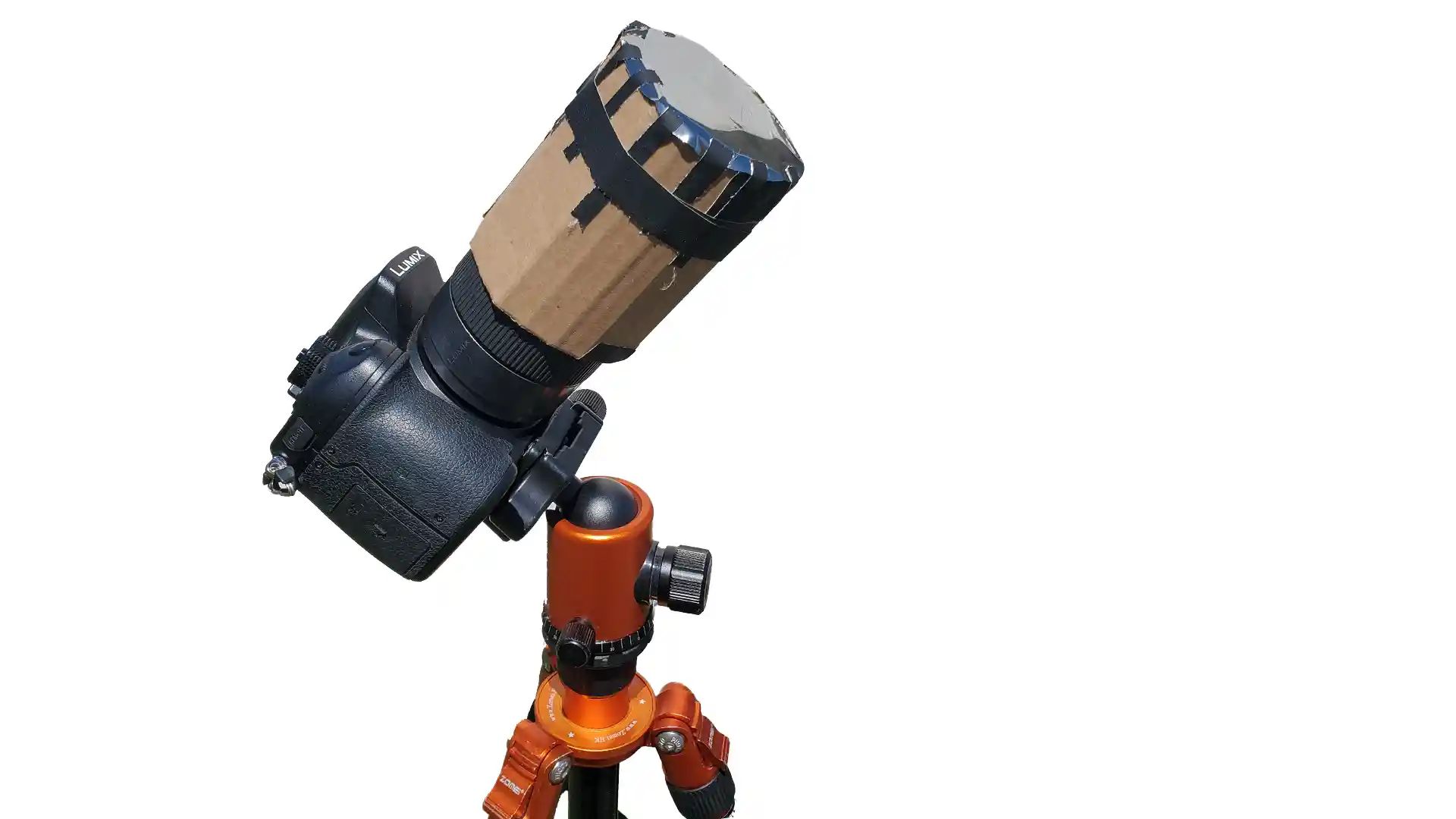
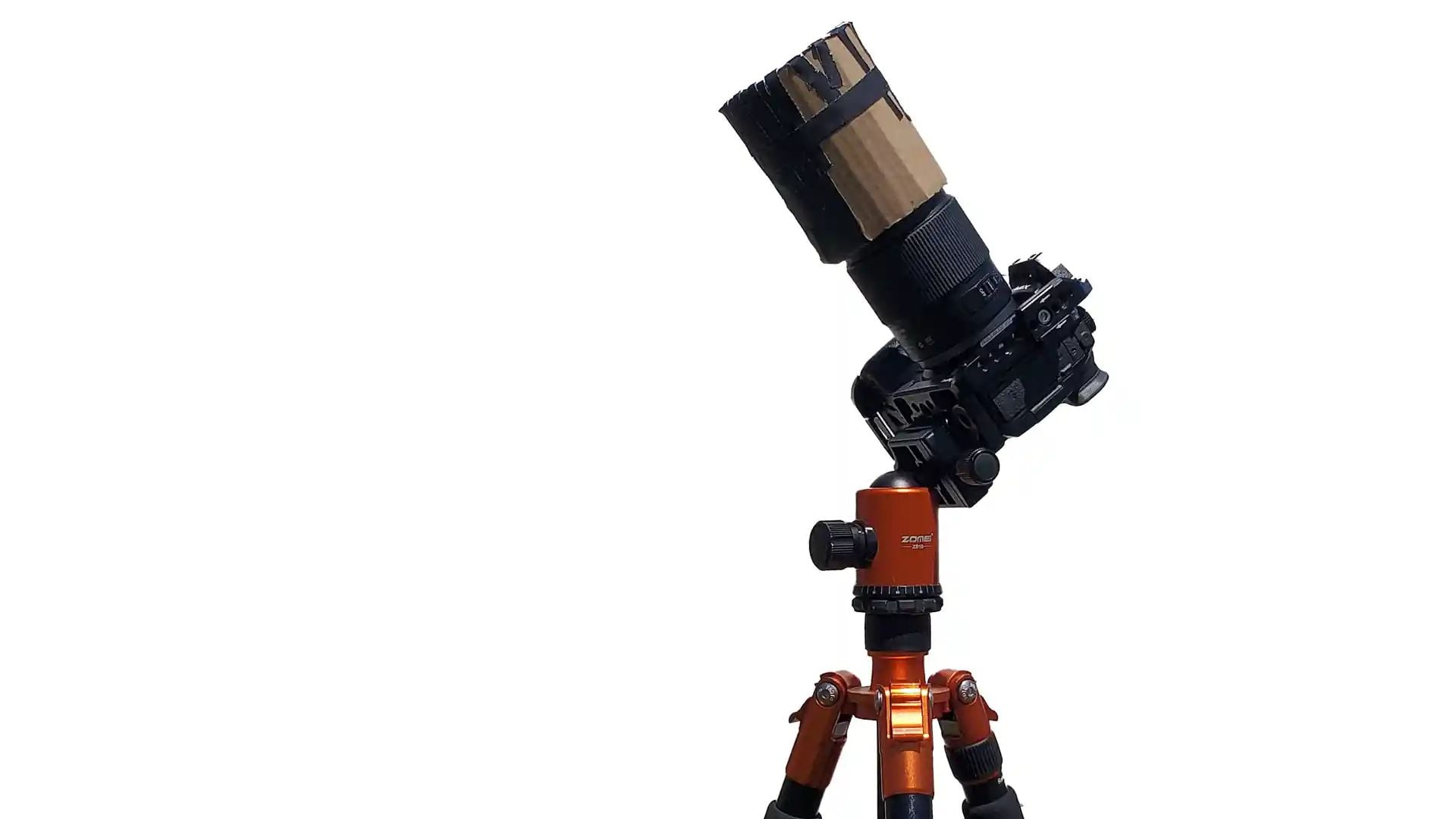
Imaging Gear Used For The 2017 Solar Eclipse

A Humbling Realization

My goal for the day, besides witnessing the eclipse with my own eyes, was to capture it with roughly $5,000 worth of imaging equipment that I used in my regular line of work as a videographer. With a decade of experience creating videos, I figured I’d be able to capture some amazing images. After all, I had seen hundreds of other stunning photos online, so how hard could it be to create something similar?

As it turns out, capturing images of an eclipse was a skill that I had yet to master. Unlike most of my professional video work, I had never recorded an eclipse before, and I could only guess what techniques and settings would yield the best results. It was a humbling realization that even with a decade of experience, I was still a novice when it came to this unique event in the sky.

Before I go any further into my eclipse photography adventure, I want to offer some advice. If anyone plans on seeing an eclipse and is considering recording or photographing it, I don’t completely recommend doing so. Not only is it incredibly difficult to capture from a technical standpoint, but you also only have one chance to get your shots. More importantly, the eclipse is a once-in-a-lifetime experience that is far more awe-inspiring when witnessed in person. I think most people would rather fully live in the moment, rather than fussing with exposure settings and framing up shots with their camera, potentially missing the breathtaking beauty unfolding before them.

YouTube video
[embedded content]

Hindsight and Realization

With that out of the way, back to the story and what I learned from 2017. The sun, now higher in the sky, cast a brilliant light across the countryside, illuminating the lush green fields and towering trees that lined the highway. It was a picture-perfect day, and I couldn’t help but feel a mix of excitement and nervousness about my attempt to photograph this unique event.

When we finally arrived at the secluded park, I quickly set up my gear and began capturing the sun as the moon slowly crept across its face. My girlfriend decided to enjoy the experience without the distraction of a camera and sat under a shaded picnic area, patiently awaiting the moment of totality.

As the eclipse progressed and I continued to adjust my cameras, I couldn’t help but feel that I wasn’t fully embracing the moment. I messed with my equipment, adjusting dials and framing, but realized I might be missing out on something truly special by focusing so much of my time on the three cameras I had brought along.

It wasn’t until later when I reviewed my footage and reflected on the experience, that I realized I had made several mistakes in my attempt to capture the perfect shots. These errors, along with some things I did right, helped me create a list of dos and don’ts for anyone considering photographing or recording a total solar eclipse. Hopefully, this list will help others make the most of this experience while avoiding some of the issues I encountered.

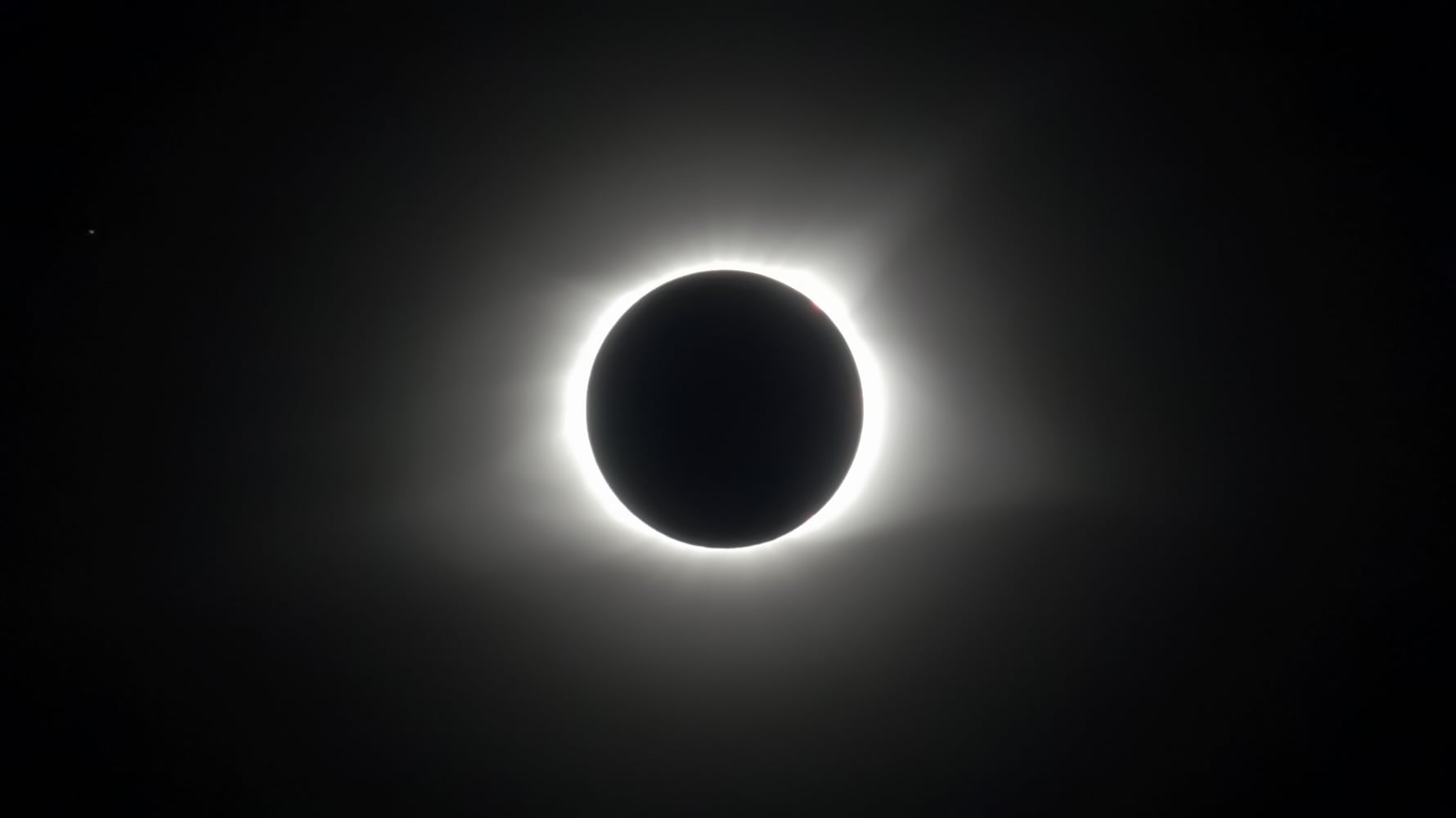
This video shows what I captured of totality during the 2017 solar eclipse, and you can hear the audio reaction from my wife and myself:

YouTube videoYouTube video
[embedded content]

Five Lessons Learned the Hard Way

Here are five don’ts to keep in mind when attempting to capture an eclipse:

1. Don’t record the sun before totality without using a solar filter.

Thankfully, this is one of the few things I got right. I made a few solar filters from solar film, which is essentially like a pair of sunglasses for your camera, but designed specifically for looking at the sun. I’ve seen photos posted online where people ruined thousands of dollars worth of photography equipment by pointing their cameras at the sun without this protection. In some instances, the sun burnt the camera’s sensor, while in other situations, the sun actually melted the aperture blades in the camera’s lens.

2. Don’t use an extremely tight zoom on the sun.

While it may look neat for the sun to fill the entire frame, unless you have specialized astrophotography equipment that can counteract the rotation of the earth, the sun will likely be out of the camera’s framing before the eclipse is over. Aim to have the sun take up no more than 20% of the frame. A photo or video that’s a little more zoomed out may seem less interesting, but it’s far better to have the sun in the shot, even if it’s smaller than you’d like. Remember, cameras have high resolutions now, and you can always crop the image later if desired.

3. Don’t touch your tripod during totality.

This relates to the previous tip of having a wider shot. When I recorded the eclipse in 2017, my camera’s lens was too zoomed in, and the sun got to the edge of the frame as the totality started. I spent a good 10 or 15 seconds fiddling with the tripod once totality began. That’s an eternity when it comes to something that only lasts a few minutes and is an event you may only get to see once in your life.

4. Don’t shoot the eclipse in slow motion.

I thought it would be really interesting to see the sun’s rays from the corona dancing around in slow motion. It turns out the corona doesn’t really move all that much in real-time, and with some cameras, you lose the ability to capture audio in slow motion. The only situation where slow motion might be cool is a shot of the “diamond ring” effect as the sun peeks through the valleys of the moon right before and after totality. Slow motion just complicates things.

5. Don’t forget to remove your solar filter during totality.

It’s unfortunate that I have to bring this up, but on the camera I had set up to take regular photographs, I completely forgot to remove the solar filter as the moon completely blocked the sun. When I looked for the images of totality, they turned out to be completely black. To avoid making the same mistake, consider setting a timer to go off right before totality with a label reminding you to remove the solar filter.

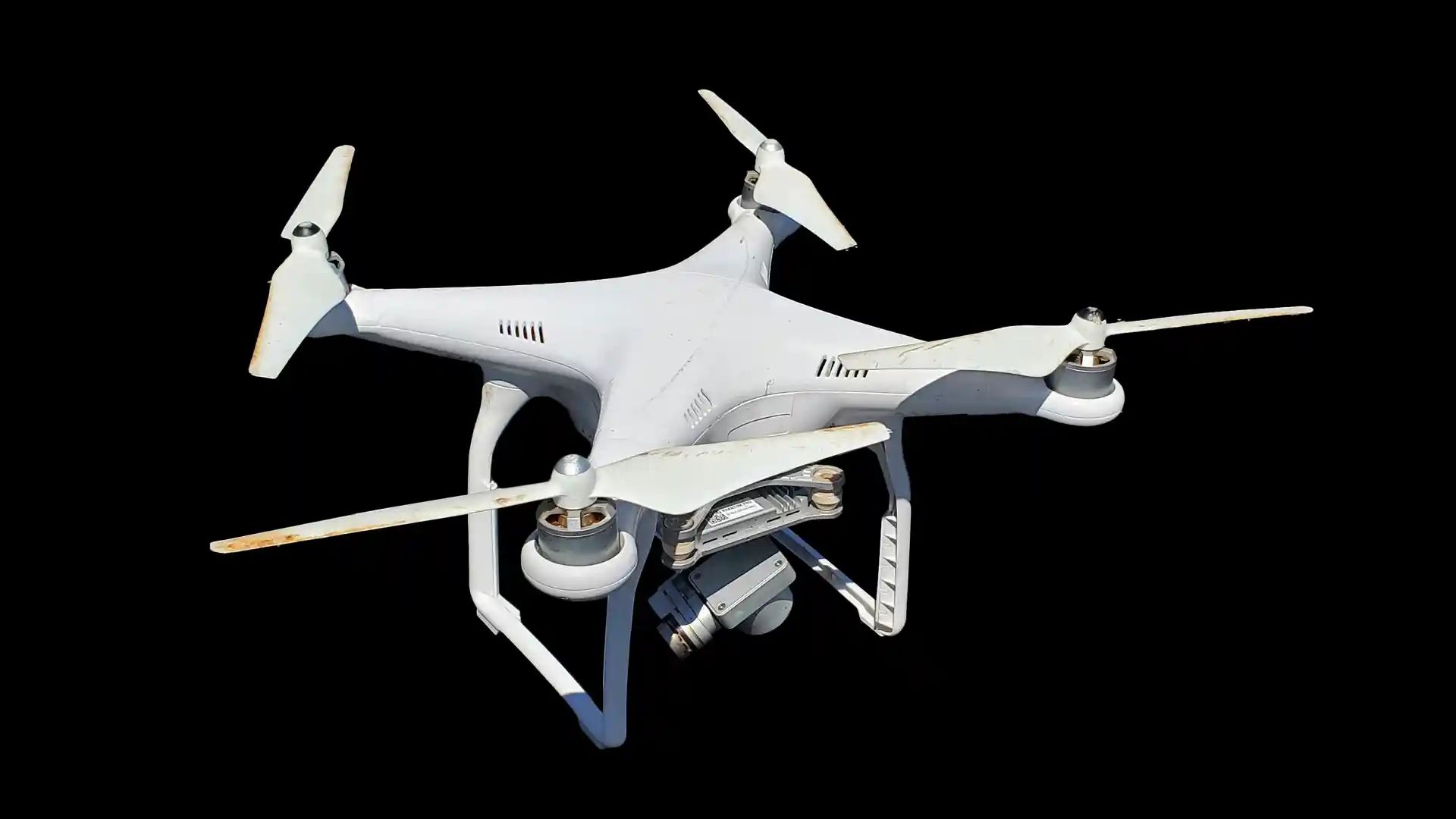
This video shows how quickly the earth darkens and brightens from a drone’s perspective right before and after an eclipse:

YouTube videoYouTube video
[embedded content]

Three Ways to Create Lasting Eclipse Memories

Thankfully, the things I do recommend for photographing the eclipse are much easier to do and will be more valuable to you when you look back on this day in the future.

1. Do look at the eclipse with your own eyes (once the moon has completely blocked the sun).

Cameras simply don’t do justice to what you’re going to see during totality. Seeing a total eclipse is, quite frankly, an indescribable experience that you have to witness firsthand. Maybe someday cameras can capture the moment accurately, but for now, they simply don’t do the event justice.

2. Do take a group photo.

Right before it gets completely dark, take a selfie or group photo of yourself and whoever you’re with. There are going to be tons of great photos posted online of the eclipse, and many will even look similar to each other. However, one photo that’s going to be completely unique and probably more meaningful is seeing yourself and who you were with that day. That’s a photo that you won’t find anywhere else online. Don’t worry about getting the perfect shot; the important thing is to capture the memory of being together during this incredible moment.

3. Do record audio of the eclipse.

This was by far the neatest thing I captured during the eclipse, and it was completely by accident. Besides the insects and animals going nearly silent, which in itself was interesting, I was completely surprised when I went through the footage and listened to my girlfriend’s and my reaction to seeing the eclipse. I don’t get excited much, but it was so neat to hear genuine excitement and awe from both of us during this amazing event. You’ll never remember your exact thoughts from the moment, but you’re probably going to say some things during the eclipse that you’ll really cherish when you look back on the day.

To record audio, use a smartphone with a pre-downloaded audio recorder app, as you may not have cell service or be able to download an app in the path of the eclipse due to the influx of people in the viewing area. Place the audio recorder in the middle of your group for the best results. Keep in mind that if it’s windy, the wind noise might drown out what you say, but capturing your reactions is still worth a try.

Damaged Cameras And Lenses From 2017 Solar Eclipse – Lens RentalsDamaged Cameras And Lenses From 2017 Solar Eclipse – Lens Rentals
Damaged Cameras And Lenses From 2017 Solar Eclipse – Lens Rentals. Click here to read the off-site article accompanying these photos.

The Bittersweet Beauty of an Eclipse

With the advice I’ve given, there’s truly nothing that can fully prepare you for the awe-inspiring experience of witnessing a total eclipse. It’s like being granted superpowers, but only for a fleeting two to four minutes. No matter how much you prepare, you’ll never be able to do everything you want in those brief moments. The eclipse will be over in what feels like an instant, leaving you with a bittersweet sense of having witnessed something extraordinary that you may never experience again.

During totality, focus on being fully present in the moment. Look up at the sky and allow yourself to be immersed in the experience. Glance at the ground in the minutes leading up to totality, and you’ll see the world transformed, with crescent-shaped shadows cast by the leaves on the trees.

2017 Solar Eclipse2017 Solar Eclipse
2017 Solar Eclipse

Embracing the Moment, Not the Camera

Personally, I’d resist the temptation to capture the event through a camera lens. Photographs and videos can never do justice to the actual experience. Instead, cherish the memory of witnessing the eclipse in its entirety without the distractions brought on by technology. The memories you create by being fully present will be far more valuable than any image you might capture.

As the moon drifts away from the sun and the light returns, you’ll be left with a profound sense of having been part of something truly incredible. The experience may be short-lived, and you may never have the chance to see another total eclipse again, but the memories and emotions will stay with you for a lifetime. It’s a powerful reminder to cherish life’s most amazing moments while they last.

P.S. If you are looking for more, we have more great tips for photographing the eclipse from Canon ambassador Keith Ladzinski

Video: Is ISO 100 always right for landscape photography?

Video: Is ISO 100 always right for landscape photography?

8 April 2024

Many landscape photographers are taught early on that they should aim to shoot at ISO 100 for the ‘cleanest’ possible photo, but when we live in an era of powerful camera sensors and AI-powered noise reduction, is this advice still sound?

[embedded content]

In this video, Mark Denney takes a look at ISO and when you may want to use a higher ISO in certain situations – such as introducing intentional camera movement in the scene, or when you have no choice but to handhold your camera.

What’s especially interesting is Mark’s objective look at whether you can actually tell the difference between images shot at different ISOs when you look at images taken at normal viewing angles – i.e, not pixel peeping. It’s food for thought if you’ve ever sweated over whether bumping the ISO is going to ruin your image.

You can see more of Mark’s great landscape photography videos on his YouTube channel.

Cover image: Mike O’Connor

Community rallies behind Reedley teen battling cancer, raising funds through photography

Community rallies behind Reedley teen battling cancer, raising funds through photography

Photographers donated their time Sunday to help raise money for a Reedley teenager fighting for his life.

[RELATED] Reedley High football player raising money for cancer treatment in Mexico

For the last year and a half, Malachi Rios has been battling stage 4 testicular cancer.

He would come into math class a lot just saying out his back hurt, and that’s really where it all started,” said Malachi’s friend Nicholas Ochoa. “He thought it was just pain from football and it turned out to be cancer.”

Despite going through high-dose chemotherapy, stem cell therapy, and surgery to remove his lymph nodes, Malachis’s cancer has returned once again, and this time, it is chemo-resistant.

“As far as we know, there is no treatment in the United States,” said Photographer Frankie Leal. “There’s a doctor in Mexico that could help treat him, so what we’re doing is trying to raise funds for him.”

Sunday, the Reedley Community came out to support Malachi as he tackles this battle

“This story really, really, really touched me because I know what it’s like to lose a child,” said Elizabeth Tienda. “I was halfway through my pregnancy, and I have my daughter’s ashes in here, and so from a mom, my daughter is supposed to be 2.5 years old right now. I don’t want any parent to go through anything like that.”

Seven professional photographers donated their time to help raise money for the rios family.

[RELATED]Reedley High football player back on the field after tackling cancer

They plan to send Malachi to Cancun, Mexico, to get special treatment.

“We know that the fees, the medical bills could be really, really expensive so were doing our part and donating our time raising money through photography,” said Frankie Leal.

“As a parent… I don’t know what they’re going through, but I can just imagine,” said Celeste Leal. “It hits right here in my heart.”

His friend said Malachi has remained positive.

“Just seeing him fight through this and being positive is really good to see, as well as how happy he keeps himself and how positive he is about it,” said Ochoa.

Now the entire community of reedley is cheering on Malachi…

“I want him to know that Reedley has got his back,” said Leal.

Even off the field.

[RELATED]Reedley High School Junior diagnosed with stage 4 cancer, football team supports battle

Families paid $65 for a photo shoot, which normally costs hundreds.

Malachi’s family is hoping he can start his treatment at the end of April.

Tell a story with your food images says Food Photographer of the Year

Tell a story with your food images says Food Photographer of the Year

To capture the title-winning shot, Jon travelled to Mumbai, India, one of the busiest cities in the world. “I read an article years ago about food colourings in sweets, with candy floss as an example, so I could vividly see what the photo series would look like,” he says. 

Although Jon won the title, he does not describe himself as a food photographer in the traditional sense. “Taking images of lasagne doesn’t interest me, I focus mainly on the human side of the equation. As a food image, it’s a bit different and in the world of photography different is your superpower”. When creating a personal project, Jon finds a back story that initially inspires him that has certain criteria he is looking for – and this idea ticked all his boxes.

Jon Enoch

The Candy Man
Jon’s winning image in the Pink Lady Food Photographer of the Year competition pictured candy salesman Pappu Jaiswal on the streets of Mumbai, India
(Image credit: Jon Enoch)

Preparation is key

“I always have a backup plan – and a backup for the backup plan. It might be spare kit or a quick fix if something goes down but also a spare idea if things aren’t working. I turn up before the subject to prepare everything in advance. You can never over-prepare.”

Photographing in Mumbai brings challenges, including the relentless heat and humidity and the sheer amount of people. Shooting at night was a good option, as the temperatures are slightly lower, it’s a bit less busy and the jet lag is less of an issue. Therefore, lighting was one of Jon’s first considerations along with the initial practicality. “What lighting can I take on the plane with me, what is portable and flexible as I don’t know the city layout. Then I ask myself what atmosphere I want to create from the lighting setup. It’s all about the atmosphere – enhancing what’s naturally there,” Jon says.

“Getting around in Mumbai is a nightmare and our setup with all the lighting attracted a lot of interest. We had an amount in cash for smoothing the way with local police, which is an unusual item to see on the production plan,” he explains. As the images were shot at night, Jon could control the lighting, and give it an unusual take. “I had a crew of two assistants, and we set up the shot with the lighting as quickly as we could with the crowds building up around us. The portrait was shot with a Canon 5DS R, with 50mm Sigma f/1.4 lens at 1/160 sec at f/5.6 and ISO 400,” Jon explains.

Jon Enoch

Jon is an award-winning London-based portrait, advertising and lifestyle photographer with a bold, uncomplicated approach to his work. This covers campaigns for advertising agencies, working directly with brands worldwide and he also shoots portraits of sports personalities, celebrities and CEOs.

Get inspired

Fish man
A fish seller and his mobile shop captured on the streets of Hanoi, Vietnam
(Image credit: Jon Enoch)

Let your environment influence you to develop ideas with impact 

“I allow inspiration to come to me in any guise – it could be something I see when walking around London, on TV or online. The smallest unusual item can spark an idea. I let my ideas stew for a while, if the concept keeps popping up, I know I’m onto a good idea. Once I’ve made a decision to do a personal portrait project, I don’t hang about. I get it planned and booked, often in fear that someone else will complete a similar project. Ideas are the key – original ideas are gold dust.”

Career Advice

First-hand tips to build, form and develop your photography business

1. Take every opportunity

“My most important tip for early career photographers is always to grab every opportunity that is offered to you. You don’t need to emerge fully formed. Take the opportunity and make the most of it – at the very least you will learn how to get better. There are great images everywhere, you have to get out there and find them.”

2. Build your team 

“I have a small and loyal mix of people I call upon so I can scale up and down for any shoot. I work with assistants, as you might expect, but as you grow, this will extend to other areas, such as accountants, kit hire houses, stylists, makeup artists and designers. Treat people well and they tend to put a shift in for you when you need them.”

3. Invest in yourself

“I put a fixed percentage of turnover into a separate bank account and 100 percent of that has to be spent on creative development. It’s a simple trick but one that works for me. If I have a few spare days between commercial assignments, then great. I can reinvest some of the cash into shooting a little personal project.”


An AP photographer works quickly to land a shot from ringside in Las Vegas

An AP photographer works quickly to land a shot from ringside in Las Vegas
image

LAS VEGAS (AP) — John Locher has been photographing boxing for more than two decades. He’s been ringside for a rollcall of the best fighters this century: Oscar De La Hoya, Floyd Mayweather Jr., Wladimir Klitschko, Manny Pacquiao, Bernard Hopkins and Shane Mosley are among the boxers he’s covered. His most recent fight was a super lightweight title bout in which Isaac Cruz beat Rolando Romero. Here’s what Locher said about making this extraordinary photo:

Why this photo

This page requires Javascript.

Javascript is required for you to be able to read premium content. Please enable it in your browser settings.

More from this section

Recommended for you