Photography

Yuliy Vasilev Gives a Masterclass on Original Photography

Yuliy Vasilev Gives a Masterclass on Original Photography
Spread the love

“If a concept is easy to execute, it has probably been done before by somebody else,” says photographer Yuliy Vasilev to the Phoblographer in an interview. “So I am not afraid of something that at first seems impossible. I love the challenges that my brain puts me through.” Yuliy admits that it’s a lot of work, but that he always makes the final results very worth it. Luckily, he finds inspiration in nearly anything and everything.

All images by Yuliy Vasilev. Used with permission. Please check out his Instagram and website for more.

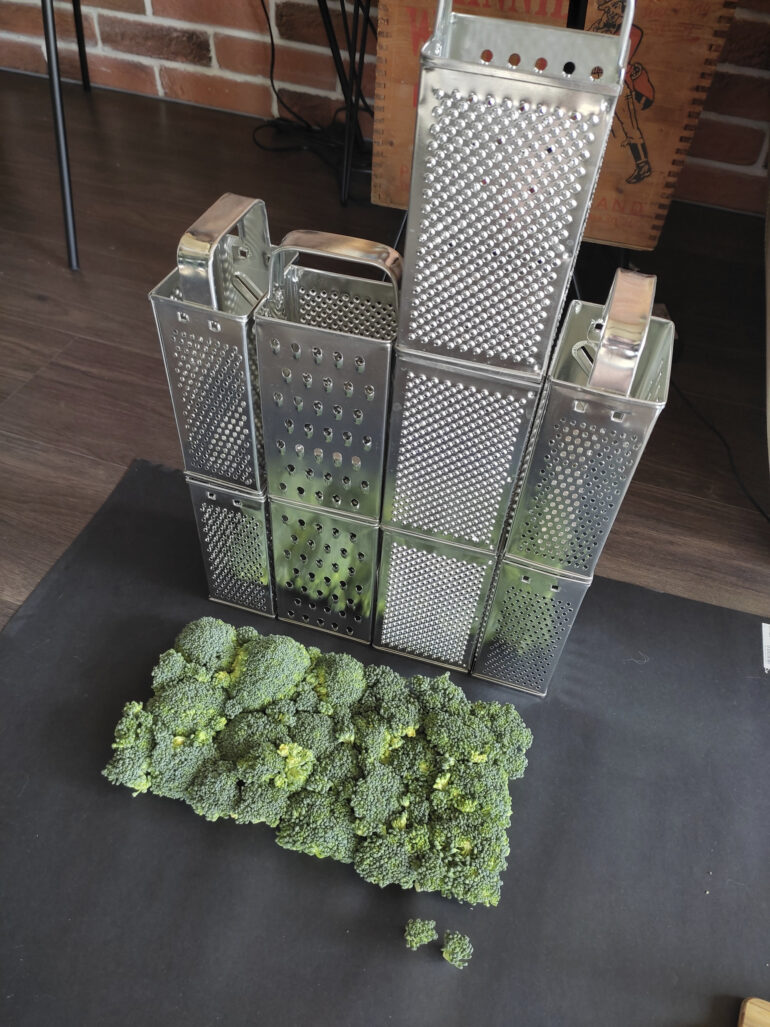
Yuliy recounts when he was creating his photograph of Central Park, he needed a lot of cheese graters — like around 50. “I was not keen on spending that much money, so at the end, I decided to buy 12 and make many photos, which I later blended in software,” he tells us. “I think there were 10 separate shots for that single image. A lot of people received graters as gifts for Christmas that year.”

How Yuliy Vasilev Got Into Photography

Yuliy got into photography at the age of 27. Until then, he took photos when being a tourist — and none of it had artistic value. “During a trip to London in the beginning of 2012, it was probably the first time that I discovered that making photos is something that I really enjoy doing,” he shares. “I was walking around the city with my point-and-shoot camera, and it was really fun. Later that year, I bought a mirrorless Sony Nex-C3 camera.” He started out shooting landscapes and stuff — food photography was a natural transition.

Because of his experience in the hospitality industry, he got more into food. He’s a former restaurant manager at a 5-star hotel. “I started to make commercial food photography; I was even working with some world-class chefs on a few photoshoots, but somehow it was not that interesting for me because I was only making pictures of dishes that were not made by me,” he expresses. “I wanted more, and I started to experiment with different food compositions by myself. At first, simple ideas, then more complex ones.” The result is the work that we have from him today.

He admits that he’s not a gear guy. After the NEX C3, he upgraded to a Sony a6300 and uses a tripod with either a Sony 18-135 or 55-210 lenses for food.

The Creative Inspiration

Yuliy gets his ideas from anything and everything. But once he’s got an idea solidified, he takes time to get the props together. “Sometimes I am creating props, like painting plates, cutlery, etc. And when I am absolutely sure of what and how I want to make it, then I do the shooting,” he shares. More important to him is the composition. To him, sometimes it requires moving a prop 1mm to get a beterr photo. Beyond all this, he cares about the light — and he always uses natural light. In his creative mind, it adds to the authenticity. In fact, he’ll even Google photos to make sure that nobody else has done it before.

Self-critique is a must for every artist. I have made photos that many other photographers will consider great, but in my opinion, they are not worthy, and I never even tried to even edit them. I am absolutely happy if I am able to make 10–15 excellent shots a year.

Yuliy Vasilev

Thoughts on AI Imagery

Yuliy sees AI as a natural part of human evolution. “As an artist, I don’t dislike AI images, but I do dislike the people behind them, especially when they call themselves artists,” he shares. “With AI, it is very easy for somebody with zero creativity and absolutely no skills to make something out of nothing. But art is much more than that; it is not only the final result but also the whole process behind it.” He states that this is a similar moment to when photography was introduced and what it did to painters. Two centuries later, they’re totally different mediums.

“AI images should not be called photos, and definitely, there is a place under the sun for them, but in my opinion, AI imagery is something that will be forgotten as quickly as it entered our world as there is absolutely no added value in them.”

AUTHENTICITY STATEMENT

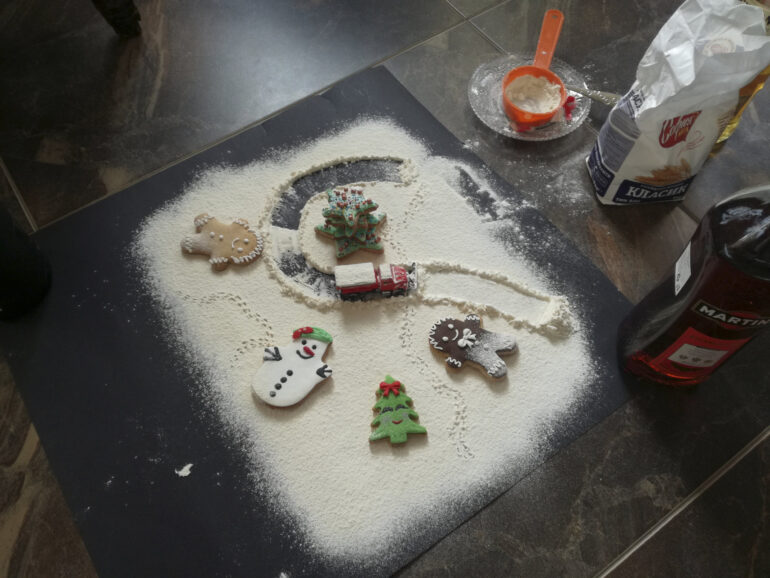
The Phoblographer works with human photographers to verify that they’ve actually created their work through shoots. These are done by providing us assets such as BTS captures, screenshots of post-production, extra photos from the shoot, etc. We do this to help our readers realize that this is authentically human work. Here’s what this photographer provided for us.
A Closer Look at the Winners of the International Garden Photographer of the Year 2024

A Closer Look at the Winners of the International Garden Photographer of the Year 2024

The International Garden Photographer of the Year (IGPOTY) competition has once again highlighted the incredible beauty of the natural world, as seen through the lenses of talented photographers across the globe. This year’s exhibition, currently on display at the Kew Gardens in London until March 10, showcases a stunning collection of images that capture the unique characteristics of gardens, plants, trees, wildlife, and more.

Birdscape: The Overall Winner

The accolade of Overall Winner went to June Sharpe for her captivating image entitled ‘Birdscape’. The competition was intense, with numerous other finalists showcasing their talent with equally remarkable images. The overall winner was selected from a plethora of categories, each celebrating a different aspect of garden and nature photography.

Unveiling the Otherworldly Beauty of Nature

Among the winning images, the audience can expect to be mesmerized by a composite shot of Cribraria slime moulds and a Mycena mushroom. These images, displaying the otherworldly grace of these organisms, serve as a testament to the often overlooked beauty present in the smallest corners of our gardens and natural landscapes.

The Art of Macro Photography

The competition also shed light on the intricate art of macro photography. This photographic technique involves capturing close-up images of small subjects, like insects and flowers, making them look larger than life. This style of photography has been embraced by many participants in the IGPOTY competition, resulting in a breathtaking collection of images that showcase the vibrant details of the natural world.

More Than Just a Competition

The International Garden Photographer of the Year competition is more than just a contest; it serves as a platform for photographers to exhibit their work and share their unique perspective of the beauty found in gardens and natural landscapes. It celebrates all things botanical, from close-ups and abstract images to sweeping landscape scenes.

Experience the Exhibition

The IGPOTY exhibition at Kew Gardens offers visitors an opportunity to immerse themselves in the enchanting world of garden and nature photography. It’s an experience that promises to inspire and captivate, leaving one with a deeper appreciation for the beauty and intricacies that lie within our natural world.

Photog Uses 150-Year-Old Photo Technique to Create Painterly Pics

Photog Uses 150-Year-Old Photo Technique to Create Painterly Pics

Artistic Wet Collodion Photography by Barbara Cole

Fine art photographer Barbara Cole is known for her artistic underwater photography. But when the temperatures in her native Canada dip low enough that her pool is unusable for this type of photoshoot, she needs to pivot. This is where her series Shadow Dancing was born. This ongoing series of wet collodion photographs marries Cole’s modern vision with a turn-of-the-century technique.

The wet collodion allows Cole to produce the hazy, dreamlike qualities of her underwater photography, all while in the comfort of her home. While we typically think of wet collodion as a black-and-white process, Cole gives things a contemporary twist by adding color to the tintype. After working with wet collodion for a decade, Cole has an even deeper appreciation for the manual process and the technical skill that it requires.

“Working with wet collodion ambrotypes is as close as photography gets to making a painting in my mind,” she tells My Modern Met. “There is a great deal of prep work just to get the materials ready to receive the image. You are cutting and cleaning glass, preparing the chemistry, slowly working on one picture at a time, and, in the end, choosing the image and protecting it with a varnish. I love that the picture can only happen if you’ve put in all of this work. This is a far cry from working with the automatic imagery we get from digital files and cell phone images.”

In Shadow Dancing, we see different models swathed in elegant dresses. Given the nature of wet collodion, at first glance the photographs appear vintage. But upon closer inspection, it’s clear that that’s not the case. Cole expertly plays with light and shadow in the series. This allows the viewer to enjoy the work on several levels. First, for the models, their beautiful features and poses. Then, for the shapes and forms that their bodies create as shadows are cast along the walls and floors.

While Cole believes that it’s up to each viewer to read into the image in their own way, her goal is to create work that sparks the imagination. “I hope that viewers stay with these images and attempt to unpack the little stories that these moments in time tell. I hope people will ask questions about the place and emotions and the small situations that are unfolding in these pictures.”

Shadow Dancing is an ongoing wet collodion series by underwater photographer Barbara Cole.

Barbara Cole Wet Collodion Photography Series

Barbara Cole Wet Collodion Photography Series

Artistic Wet Collodion Photo of a Woman Sitting on the Floor

Artistic Wet Collodion Photo of a Woman Sitting on the Floor

Artistic Wet Collodion Photography by Barbara Cole

Artistic Wet Collodion Photography by Barbara Cole

She works on the series when the winter temperatures prevent her from shooting underwater.

Photographer Barbara Cole at Work

Photographer Barbara Cole at Work

Wet Collodion Photography by Barbara Cole

Wet Collodion Photography by Barbara Cole

Behind the Scenes of Wet Collodion Photo Shoot by Barbara Cole

Behind the Scenes of Wet Collodion Photo Shoot by Barbara Cole

“Working with wet collodion ambrotypes is as close as photography gets to making a painting in my mind.”

Wet collodion photoshoot, Barbara Cole

Wet collodion photoshoot, Barbara Cole

Shadow Dancing Series by Barbara Cole

Shadow Dancing Series by Barbara Cole

Woman in Flowy Dress Sitting Against Wall with Vintage Wallpaper

Woman in Flowy Dress Sitting Against Wall with Vintage Wallpaper

Watch this short video to gain more insight into her creative process and love for this vintage photography process.

Barbara Cole: Website | Instagram

My Modern Met granted permission to feature photos by Barbara Cole.

Related Articles:

Pretty Underwater Photos Look like Watercolor Paintings

Painterly Underwater Photos Challenge Perceptions of Space

Underwater Photography Captures Weightless Bodies Frozen in Motion

Striking Underwater Portraits Reflect Artist’s Own Mental Health Struggles [Interview]

“Seen and Unseen: Photographs by Imogen Cunningham” to open at Reynolda House March 1, 2024

“Seen and Unseen: Photographs by Imogen Cunningham” to open at Reynolda House March 1, 2024


Self-Portrait with Camera, late 1920s.jpg

Imogen Cunningham (1883–1976) Three Dancers, Mills College, 1930, silver gelatin print. © Imogen Cunningham Trust.


WINSTON-SALEM, N.C. (FEBRUARY 7, 2024)—“Seen and Unseen: Photographs by Imogen Cunningham” will open in the Mary and Charlie Babcock Wing Gallery at Reynolda House Museum of American Art on March 1, 2024, and will be on view through June 2, 2024. Imogen Cunningham was one of the most experimental photographers of the 20th century. In this exhibition, unusual and rare images are presented alongside iconic ones, revealing why this American artist is one of the most important pioneers of photography and demonstrating how the unseen for Cunningham was eternally as important as the familiar.

Embracing the times in which she lived, Cunningham (1883–1976) created images that reflect crucial movements and developments in art and photography during her 70-year career. Her photographs, seductive and dynamic, are inspired by a multitude of genres, including portraiture, family photographs, still lifes and street photography. This exhibition consists of 60 silver gelatin prints from the Imogen Cunningham Trust. 

“Imogen Cunningham mined her family, her city and the natural world for material for her striking work,” said Allison Slaby, curator for Reynolda House Museum of American Art. “Actors, dancers and artists became her muses. Her photographs, which span eight decades across the 20th century, are icons of modernity.” 


Three Dancers, Mills College, 1930.jpg

Imogen Cunningham (1883–1976) Self-Portrait with Camera, late 1920s, silver gelatin print. © Imogen Cunningham Trust.


“Seen and Unseen: Photographs by Imogen Cunningham” was organized by the Imogen Cunningham Trust in association with Photographic Traveling Exhibitions, Los Angeles, CA.

Reynolda House is grateful for the support of the following sponsors of “Seen and Unseen: Photographs by Imogen Cunningham”:

Presenting Sponsors:

Arts Council of Winston-Salem & Forsyth County

Wells Fargo

Lead Sponsor:

Phoenix Packaging, Inc.

Exhibition Partners:

The Robert and Constance Emken Fund of The Winston-Salem Foundation

Anonymous

Hours and Admission

Reynolda House Museum of American Art, located at 2250 Reynolda Rd., is open to visitors Tuesday–Saturday from 9:30 a.m. to 4:30 p.m. and Sunday from 1:30 to 4:30 p.m. Admission is charged, though several free admission categories apply. Reynolda Gardens is open from dawn to dusk daily, free of charge. Reynolda Village merchants’ hours vary. No ticket is needed to shop at the Reynolda House Museum Store. 

About Reynolda

Reynolda is set on 170 acres in Winston-Salem, N.C. and comprises Reynolda House Museum of American Art, Reynolda Gardens and Reynolda Village Shops and Restaurants. The Museum presents a renowned art collection in a historic and incomparable setting: the original 1917 interiors of Katharine and R. J. Reynolds’s 34,000-square-foot home. Its collection is a chronology of American art and featured exhibitions are offered in the Museum’s Babcock Wing Gallery and historic house bedrooms. The Gardens serve as a 134-acre outdoor horticultural oasis open to the public year-round, complete with colorful formal gardens, nature trails and a greenhouse. In the Village, the estate’s historic buildings are now home to a vibrant mix of boutiques, restaurants, shops and services. Plan your visit at reynolda.org and use the free mobile app, Reynolda Revealed, to self-tour the estate.

Featured Local Savings

Dazed Club Spotlight: January 2024

Dazed Club Spotlight: January 2024
image

Snails, deconstructed denim prints, a queer zine, and a film using hand-printed techniques – check out the latest projects from Dazed Clubbers

7February 2024

Dazed Club Spotlight is our monthly series showcasing up-and-coming talent from the Dazed creative community. If you’d like to be featured, download the app HERE and join our community. You just have to post a project and the Dazed team will take a look – we select one person from the community to spotlight per week.

“The inspiration behind the Snails comes from the intriguing dichotomy of discomfort and fascination that snails evoke in me. Snails invites us to slow down, appreciate the elegance of little creatures, and rediscover the wonders of the natural world that often go unnoticed. With my work and practice, I aspire to draw the viewer on a journey – to let them feel the world I’ve created. By taking inspiration from unusual things and pop culture, I craft a message, and one of the central themes I explore through my work consistently is the greater representation of women.

“In terms of technical aspects and processes, in my work, I value colour the most and how colour affects the general impact of a photograph. I tend to experiment a lot in post-production and always push and challenge myself and my practice. For this project, I found inspiration in nature and I wanted to incorporate it into the outcome. In particular, I did a series of floral lumen prints, and thanks to the creative help of makeup artist Saphron Morgan, we were able to transform the prints into unreal makeup looks. I had so much fun during the process of creating this project; I was able to just allow myself to use the unusual and otherworldly inspiration in the little things that intrigue me.”

Credits: Photographer + Art Director: Alex Radota @alexradota, Makeup Artist + co-Art Director: Saphron Morgan @saph.art, Stylist: Freya Thomas-Taylor @freyathomastaylor, Hairstylist: Sheree-Jourdan @x_sjourdan, Nails: Chang Wang @mollusknails, Models: Aleksandra Walentynowicz @alek_walent, Emily Yelverton @youngthugyelvers represented by Revolt Model Agency @revoltmodelagency

Styling Assistant: Abi Wood @abiwood, Styling Assistant: Louise Webber @louisewebber.design, Lighting Designer: Marianka Nadolska @mariankanadolska

“In my artistic journey, I’ve been driven by a deep interest in what makes us all human. I’m influenced by the idea that despite our differences in race and gender, there’s something universally connecting us. My art aims to break down the barriers that separate us and explore the shared experiences that tie us together. This series, Synthetic Symmetry, is a way for me to express this belief in a visual form.

“The ten pieces in this collection are all made of cotton fabric. I intentionally took apart facial features to make them a bit tricky to recognise. The goal is to make people think beyond what we see on the surface. I want viewers to consider that our common humanity is more important than the things that make us look different. Synthetic Symmetry isn’t just about faces; it’s about capturing the spirit that we all share.

“I used a technique called cyanotype for these pieces. It involves using light-sensitive chemicals on The Row cotton fabric, giving the artwork a cool blue colour. I chose this method because it adds a historical touch and a dreamy quality to the work. The intentional blurriness in the deconstruction process is like a symbol of how flexible our identities can be, emphasising the things we all have in common. Each piece is a play of light and shadow, representing the complex connections that make up our shared existence. I hope to encourage viewers to question stereotypes, appreciate our shared humanity, and start a conversation about what unites us all.”

“I sometimes feel like a bad gay. I’m not as enlightened as I want to be and not as liberated as so many gay people and allies have fought for us to be. On top of that, I am generally very sensitive and I have found myself feeling like an open wound more than usual lately. I’m not sure why… It might be the state of the world, or of my relationships, or of this point in time in my life… But I have used this zine as a cathartic release of these emotions and created The Soft Gay as an exploration of queer sensitivity.

“Usually, my deep – and borderline unhinged – feelings get locked away when I slam shut my journal, but this zine gives a little insight into those pages. I did even include some pages of my journal by scanning them in with ribbon or jewellery laid on top, blocking the parts that felt too personal to share. Most of those pages are about my relationship with my boyfriend, Reggie, who is also featured in the zine. Our relationship is as delicate as it is special and he has been a beautiful passenger on this journey.

“Beyond my personal life, this zine has been a blessing on my perspective as a fashion student. I have unlocked how fashion can genuinely become an outlet for my feelings with a fashion photo that was styled by me and taken by my housemate, Georgia. The photo is of me dressing up, rediscovering my childhood ritual of squeezing into plastic princess dresses. It’s a special photo for me because Georgia uplifts the soft gay in me every day and it was only her who could have captured that moment for me.

“I spent so many precious moments with this zine, from nights crying into my InDesign file to connecting further with people I love. You know when something happens at the exact moment in time it was meant to? Yeah, I think that’s what this was for me.”

Great Sale Wood is a short, animated film crafted through the sustainable process of cyanotype, which uses the natural elements of UV light and water. Taking half a year to complete, the two-minute animation is comprised of over 2,800 hand-printed frames. The film explores themes of ecology, climate crisis and spiritualism. I’ve always been inspired by the spirituality and interconnected beauty of the wildlife around forests.

“I recorded the footage and audio around Epping Forest. I then edited the video and exported it into individual frames to turn into contact sheets with nine frames per page. I used watercolour paper treated in the cyanotype solution, acetate, and UV light to expose the images. I turned my bedroom into a mini cyanotype factory, with the UV light being held together by string and shoes, pegs used to hold the glass to the prints and my wardrobe used as a makeshift darkroom. After UV exposure, I washed the prints in second-hand developing trays and hung them to dry. After drying, I scanned each frame and edited them back into a video. The audio was created using a synth combined with digital manipulations of the field recordings I took.

“Lately, I’ve been inspired by my boyfriend’s radio show, PEACEKEEPER RADIO, which platforms underground artists and DJs from across the world. I especially love the experimental mixes, like Mix #012 which gives me strong Runescape nostalgia. We hope to collaborate to host an event with live DJs in the near future.”

Check out the video for Michaela’s cyanotype animation here.

The screening of Great Sale Wood takes place on Thursday February 8 (6-9pm) at the William Morris Gallery.

Sound artist: Dean Logan.

Join Dazed Club and be part of our world! You get exclusive access to events, parties, festivals and our editors, as well as a free subscription to Dazed for a year. Join for £5/month today.

Photographer Captures Epic Moment Surfer and Whale Synchronize

Photographer Captures Epic Moment Surfer and Whale Synchronize
[embedded content]

A photographer captured the epic moment a humpback whale breached behind a surfer as she flew into the air — with the pair synchronizing perfectly.

Alex Hayes was in South Africa filming pro surfer Brianna Cope last year when the magical moment happened. Cope recently posted the amazing clip to her Instagram page sparking the video to go viral.

“While she was out there surfing away from the contest, I was filming a whale breaching for three to four minutes straight,” Hayes tells PetaPixel.

“Then at the end of that video is when Brianna stood up on that wave and it somehow just lined up perfectly”

Hayes was filming on a 600mm lens attached to a Sony Alpha 1 when he captured the fortuitous shot — so good that some people doubt its authenticity.

“Most people think it’s the coolest thing they’ve ever seen and a select group of people think it’s fake, haha,” Hayes adds.

But he says the whale was “slapping its tail” on the water in the same spot for about two minutes until Cope surfed the wave and somehow the pair synched.

Cope — who represented the USA national team at the 2023 ISA World Surfing Games — shared the clip on January 30 writing, “Just me and a friend. Mother Nature is amazing.” In the comments, she clarified that it is “one of my favorite moments surfing.”

Surfer notes that although surfers regularly encounter, dolphins, seals, sea lions, fish, sea turtles, stingrays, and sharks; whales are rather more elusive because of their size requiring more space.

In 2021, PetaPixel reported on a photographer who was capturing a whale-watching trip when he unexpectedly captured incredible photos of a large humpback whale exploding out of the water right next to an unsuspecting fisherman on his boat.

More recently, a windsurfer recorded himself being wiped out by an enormous juvenile humpback whale on a GoPro 360 camera.

More of Hayes’ work can be found on his Instagram.


Image credits: Photographs by Alex Hayes

Monkey mischief with its child wins international world photography award

Monkey mischief with its child wins international world photography award
Jamate Islami
Jamaty Islami

London: In a global competition for the best photography, an image capturing a monkey engaging in playful activities with its child in a river has secured the Best Picture award at the 2024 Sony World Photography Awards held in London.

According to international media reports, the event known as the “Sony World Photography Awards 2024” took place in a local hotel in London featuring the participation of photographers from various countries in both national and global categories.

The competition comprised 11 categories with photographers worldwide submitting an astounding 395,000 images from which 220 outstanding images were shortlisted.

In the global category, the prestigious “Sony World Photography Award 2024” for the Best Photography was claimed by Singaporean photographer Jo Shin Li who beautifully captured a mischievous moment between a monkey and its offspring.

In the national category, a British photographer was honoured for his image of the Buddha statue atop a mountain range in Vietnam titled “Sony World Photography Award 2024.”

In the Wildlife category, a Japanese photographer received recognition for capturing the best image of an elephant skillfully preserving the moment in the camera’s lens and securing the “Sony World Photography Award 2024” in the Wildlife category.

These remarkable photographs not only showcase the talent of photographers globally but also celebrate the diverse and enchanting moments captured in the realm of wildlife.

The writer is a mass communication student at Government Gulberg College, Lahore. She can be reached at [email protected]

Photographer Endures Icy Temperatures to Photograph Arctic Animals

Photographer Endures Icy Temperatures to Photograph Arctic Animals

Tired Arctic Fox by Konsta Punkka

Photographer Konsta Punkka was just a teenager when he transformed his passion into a full-time career. Inspired by the stunning wildlife surrounding him in Finland, he’s even befriended families of foxes. While his work often takes him further afield, the attraction of northern Europe and its animals remains. This shines through in his images of wildlife as they settle in for winter. From polar bears to arctic foxes, Punkka is happy to withstand low temperatures to get the shot that he’s after.

When he’s on the hunt for animals to photograph in the snow, temperatures can dip as low as -40°F. This means making sure that both he and his equipment are prepared for the chilly conditions. Some of his most challenging moments have come when on the lookout for arctic foxes, which he feels are one of the most difficult winter animals to photograph.

“Tracking them in the wintry landscape can often take up to weeks, and even when you possibly find them, you have to make sure that they never acknowledge your presence,” he tells My Modern Met. “This means long days of laying in the snow.”

Luckily, Punkka’s tenacity has paid off. Not only with lovely photographs of arctic foxes but also with images of other wintry animals such as puffins and polar bears. See some more of his beautiful work below and follow his adventures on Instagram.

Wildlife photographer Konsta Punkka is known for his incredible images of winter animals.

Svalbard Polar Bear by Konsta Punkka

Svalbard Polar Bear by Konsta Punkka

Puffin by Konsta Punkka

Puffin by Konsta Punkka

“If I can move people with my pictures to go out and experience nature themselves or make better life choices for the planet, I think that’s my end goal.”

Arctic Fox Eye Up Close by Konsta Punkka

Arctic Fox Eye Up Close by Konsta Punkka

Greenland Polar Bear by Konsta Punkka

Greenland Polar Bear by Konsta Punkka

Konsta Punkka: Website | Facebook | Instagram

My Modern Met granted permission to feature photos by Konsta Punnka.

Related Articles:

25+ of the Most Inspiring Photographers to Follow on Instagram

Photographer Captures Enchanting Snapshots of Himself Feeding Wild Animals

Wild Arctic Fox Photos Capture the Tenacity and Strength of These Small Animals

21-Year-Old Photographer Captures Intimate, Soulful Portraits of Wild Forest Animals

“Yes, you SHOULD PAY for firmware updates on your camera – some, anyway!” says photographer

“Yes, you SHOULD PAY for firmware updates on your camera – some, anyway!” says photographer

The camera landscape is changing—and has changed since the arrival of mirrorless at quite a pace. Fast forward to the present day we are seeing more and more features added mid-cycle thanks to firmware releases.

Nikon has been leading the way with new features and improved autofocus for example, and these are all fantastic. The Z9 is at version 4.10 and in the last few years there have been some brilliant updates to both video and still photographers such as bird and airplane AF identification, auto-capture, changes to how card slots behave with JPEGS, motion detection, and 3D tracking to name a few of the headline takeaways.

All these have been provided free of charge, which is wonderful, no extra cost updates to my already awesome camera, thumbs up from me.

That is about to change at some point with Sony charging $149 for customizable grid lines, which sounds expensive and unnecessary. Lumix have done similar with the GH4 and the C100 from Canon also had substantial paid firmware updates.

Nikon charged for ProRes as well but you could understand where the fee was going due to licensing costs, which brings me to the point I wanted to make about paying for updates.

In the DSLR days firmware was only ever released to fix things. Hell, my Sony a99II stayed on v1.0 for its entire lifetime (yes, I know it’s not really a DSLR). To get those updates over someone was paid to sit there fixing bugs in code for your camera. But cameras have evolved, you’re almost getting a mid-cycle camera release without buying a new camera.

Could you argue that some brands could release half-baked cameras and charge for updates, sure that could be a thing. But I’d much rather pay for the updates I want, rather than the ones I’m forced to buy because a video shooter wants something that’s useless to me. We know this is the way the industry is going so I propose a solution to all this.

Make an additional package for still shooters, and videographers separate, and keep patches/fixes free. Better still, camera companies should be transparent with the updates coming in the next 12 months so we can make an informed choice of what we will be able to add to the feature set. Lower the price of the camera in the first place and I doubt people would mind ponying up more cash to get the updates they want.

I’m sure most brands don’t make a tonne of cash out of hardware alone these days, so getting a revenue stream from firmware updates users actually want would be a great solution to keeping brand loyalty, especially if brands keep those cameras on the market for longer between refresh.

What do we get out of it? Well, a great steady flow of performance, and features without having to spend a kind of ransom every three years.

Check our guides to the best mirrorless cameras, or why not get the best camera drone – you know you want one.

Rare Set of Type 1 Photographs of Pop Culture Icons to be Sold at Auction

Rare Set of Type 1 Photographs of Pop Culture Icons to be Sold at Auction
Icons
Left to right: Jackie Kennedy, Frank Sinatra, and Walt Disney.

A cache of Type 1 photographs of pop culture icons are up for auction that includes pictures of Jackie Kennedy, Al Capone, Walt Disney, and many more.

Type 1 photographs — which are prints developed from the original negative within two years of being shot — are mostly associated with sports pictures where there is a thriving market.

But Goldin Auctions is selling off what it calls “one of the largest collections of non-sport Type 1 photos ever curated at a major auction house.”

Madonna
Madonna debuting live in 1981. | George DuBose.
John F. Kennedy wedding to Jacqueline Bouvier in 1953. | Frank Ataman
John Lennon
John Lennon and Yoko Ono in 1968.

Among the images is a photo of a 23-year-old Madonna taken during her debut live performance by photographer George DuBose on October 19, 1981 — it’s called The Birth of the Queen of Pop.

In another image, two legends of the 20th century, Queen Elizabeth II and Marilyn Monroe, meet for the first and only time in 1956.

Marilyn Monroe
A nervous Marilyn Monroe shakes hands with Queen Elizabeth of England, 1956. | Brown Brothers
Jimi Hendrix in 1968. | Jeff Mayer
Al Capone and his lawyers in 1931.
Tupac
A 1994 photo of Tupac Shakur during a live performance.

“Pop culture Type 1 photos are no longer as overlooked or undervalued as they’ve been in the past,” says Khyber Oser, the Director of Vintage Memorabilia and Photography at Goldin.

“We hope this extraordinary collection helps bring them out of sports’ shadow and into the light.”

Elizabeth Taylor in 1955. | MGM
Michael Jackson in 1979. | Andy Freeberg
Charles and Diana
A 1987 photo of Prince Charles and Princess Diana.
Kurt Cobain performing live in 1989. | Ian Tilton

In August last year, PetaPixel reported on a Type 1 photo taken of Michael Jordan on his NBA debut that sold for $175,000 at auction — the most expensive photo of the basketball star ever sold.

Auctioneers believe these types of prints are undervalued and that the market is maturing.

Al Capone
Al Capone’s perp walk in 1931.
Bob Marley in 1973. | Michael Ochs
Frank Sinatra studio portrait in 1945. | MGM
Walt Disney with Disneyland Castle in 1955.
Jackie Kennedy
First Lady Jackie Kennedy in 1961. | Mark Shaw

“True original Type I photos are still extremely undervalued when compared to other segments of collecting,“ says Henry Yee, Principal Authenticator of PSA Photo Authentication Services.

The images are being sold off as part of the 2024 January Pop Culture Elite Auction held by Goldin. The auction closes on February 17 and can be found here.





