From Derbyshire to Dunrobin to the Dordogne, Andrea Jones’s spectacular winning photographs in the RHS Botanical Photography Awards 2024


Photography has become an integral part of travel and tourism, allowing visitors to capture memories and share their experiences. For avid photographers, there can be no bigger disappointment than getting to know that clicking photography is strictly off-limits in certain places. The allure of capturing a once-in-a-lifetime shot in a forbidden locale is simply too strong for some shutterbugs to resist. However, ignoring photo bans at these sites isn’t just disrespectful – it can also land you in serious legal trouble. Here are 5 popular places around the world where you should keep your camera firmly in your bag.

The Sistine Chapel, located within Vatican City, is renowned for its magnificent ceiling painted by Michelangelo, a masterpiece of Renaissance art. Despite the temptation to capture the awe-inspiring frescoes, photography is strictly forbidden inside the chapel. This prohibition is in place to preserve the delicate artwork from potential damage caused by camera flashes and to maintain an atmosphere of reverence and contemplation.
Read more: Chasing tigers: Countries with maximum tiger population
The Taj Mahal, one of the New Seven Wonders of the World, is an architectural marvel located in Agra, India. While photography is allowed in the gardens and exterior areas, it is strictly prohibited inside the main mausoleum. This restriction is enforced to protect the intricate marble work and to ensure the solemnity of the site, which is a tomb dedicated to Mumtaz Mahal, the beloved wife of Emperor Shah Jahan. Visitors are encouraged to respect the sanctity of the monument and enjoy the serene ambiance without the distraction of photography.
It’s an iconic symbol of Paris, attracting millions of visitors each year. While daytime photography is welcomed and encouraged, capturing images of the tower at night is actually prohibited due to copyright laws. The tower’s lighting display, designed by Pierre Bideau and implemented in 1985, is considered a separate artistic work protected by copyright. Therefore, unauthorised commercial use of photographs taken at night is illegal without permission. Although this rule might seem surprising, it aims to protect the rights of the lighting designer and the aesthetic integrity of the landmark.
Read more: Unforgettable train journeys across India’s best landscapes
Uluru, also known as Ayers Rock, is a massive sandstone monolith in the heart of Australia’s Northern Territory. It holds great spiritual significance for the indigenous Anangu people, the traditional custodians of the land. To respect their cultural beliefs and preserve the sanctity of this sacred site, certain areas of Uluru are off-limits to photography. Additionally, climbing Uluru has been banned since October 2019, in accordance with the wishes of the Anangu community. Visitors are encouraged to experience Uluru’s beauty and cultural heritage through guided tours and educational programs.
The Alamo, located in San Antonio, Texas, is a historic site where a pivotal battle during the Texas Revolution took place in 1836. The former mission and its grounds serve as a memorial to the Texan defenders who fought and died there. Photography is prohibited inside the Alamo church to maintain the solemnity of the site and to honour the memory of those who perished. The restriction also helps protect the delicate artefacts and historical documents housed within the church.
.breadcrumbs.wrapper{padding-left:25px; padding-right:25px; padding-top:10px;}
@media screen and (max-width: 639px) {
.content .wrapper {
padding: 0px;
}
.breadcrumbs.wrapper{padding-left:10px; padding-right:10px; padding-top:10px;}
}
.bdwcontent [data-title=”Facebook”] {
min-height:400px
}
.bdwcontent [data-title=”Facebook”] iframe{
height:400px !important;
}
.bdwcontent iframe.instagram-media{
min-width:initial !important
}
.bdwcontent .xsrow.facebook iframe{
width:100% !important
}

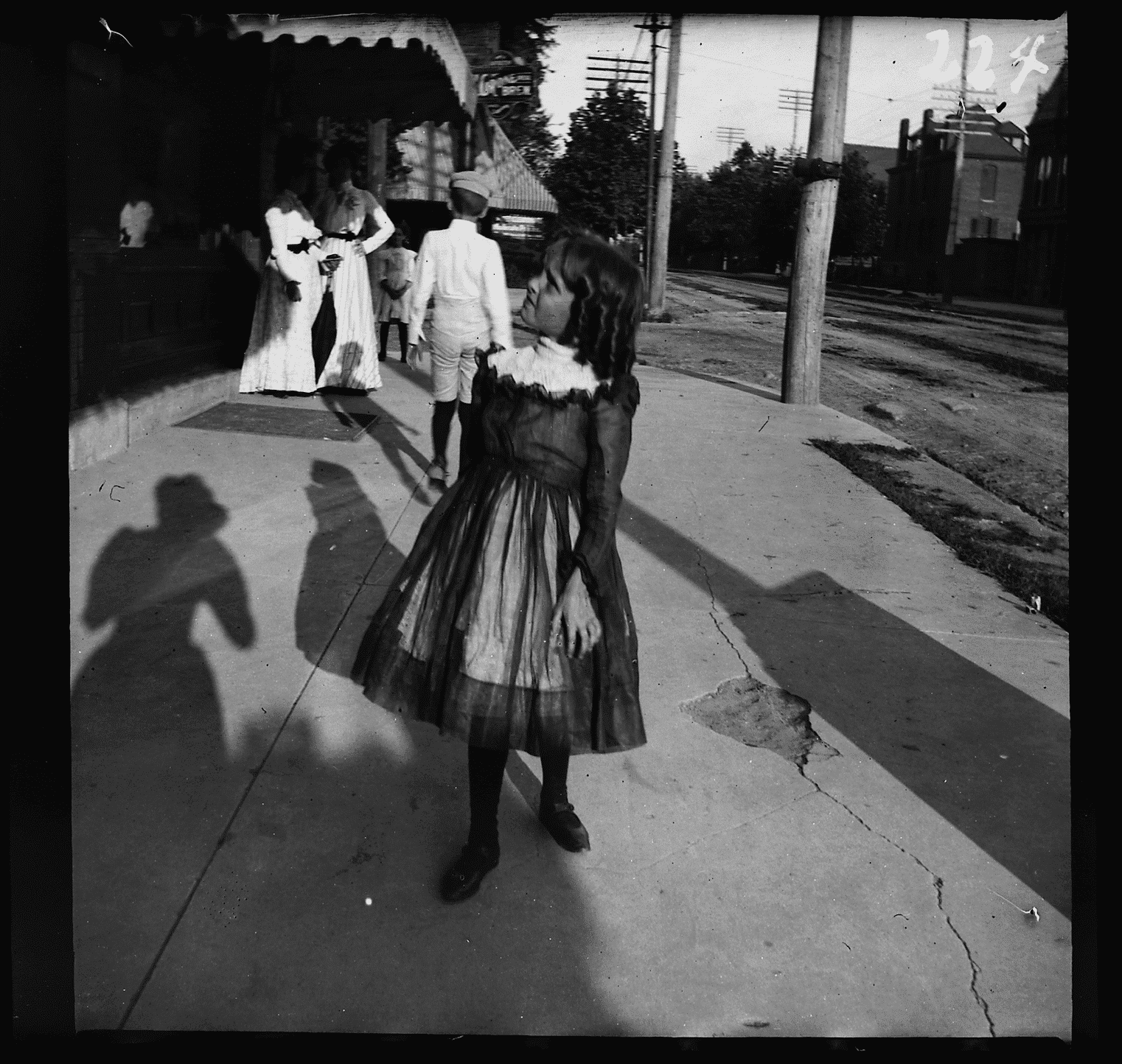
Texas, summer 1900. Wearing white dresses or black suits, young people devour a gigantic slice of watermelon as they staring at the lens. “A smiling watermelon,” says the mischievous title. A few yards away, like an echo almost thirty years later, another small group is enjoying the same fruit on the steps of the Pontotoc courthouse, this time in Mississippi. Watermelons, Sunday best, scenes of everyday life: these are just some of the many correspondences that punctuate the works of Gabriele Münter, author of the first photograph, and Eudora Welty, who signed the second. Until September 29 at Montpellier’s Pavillon Populaire, the exhibition “Au début, la photographie” (In the Beginning, Photography) pays a tribute to these two artists, both of whom drew their creative inspiration from photography, before finding fulfillment elsewhere.
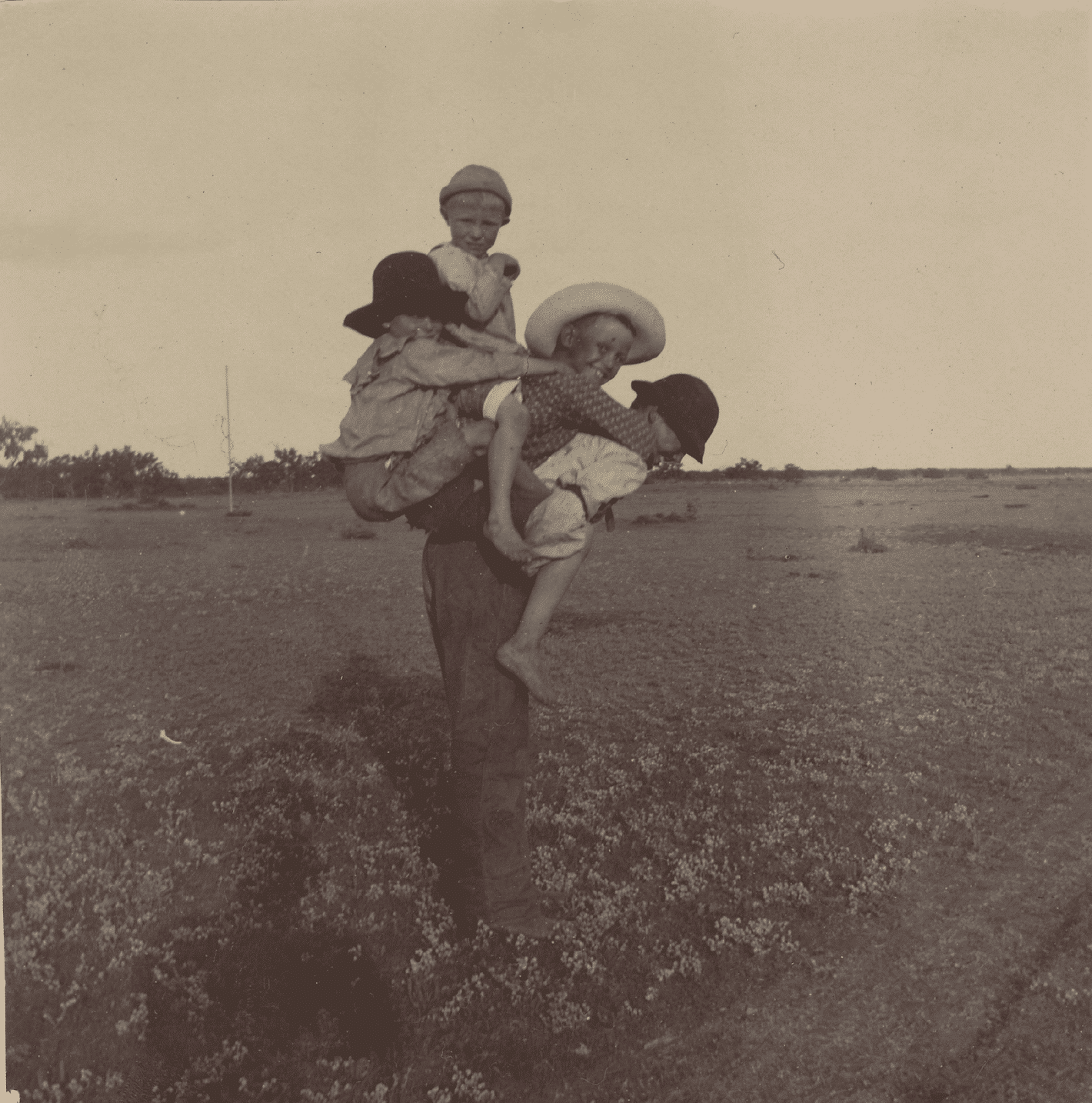
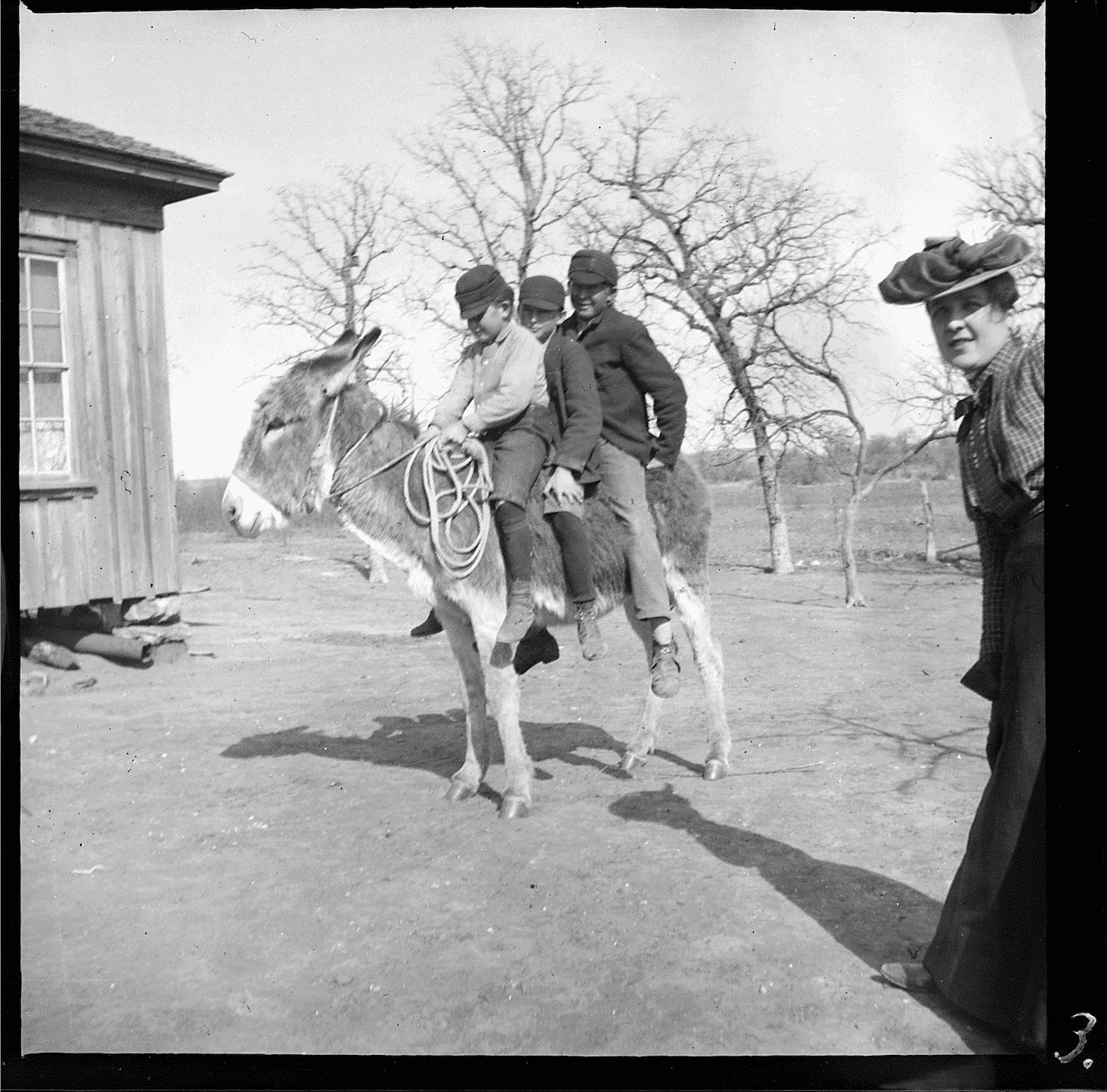
Born in Germany in 1877, Gabriele Münter was a renowned painter who co-founded the Expressionist group “Der Blaue Reiter” (“The Blue Rider”). Isabelle Jansen, Director and Curator of the Gabriele Münter Foundation in Munich and curator of the exhibition, describes her as “a self-taught jack-of-all-trades. Whether it was a foreign language or a pictorial or photographic technique, Gabriele Münter would quickly master it!”
At the dawn of the twentieth century, Münter, who was to share her life with Vassily Kandinsky, took a trip to the Southeastern United States to visit family. The journey took her through several states (Missouri, Arkansas, Texas), during which she documented the things that surprised her. Isabelle Jansen explains, “Her thoughtful practice belies the cliché of the spontaneous female artist, guided by her instincts. This initiatory journey confronted her with a veritable clash of cultures. She sought to immortalize these discoveries, whether they concerned landscapes, big cities, technical progress, lifestyles, or the inequalities between communities.”
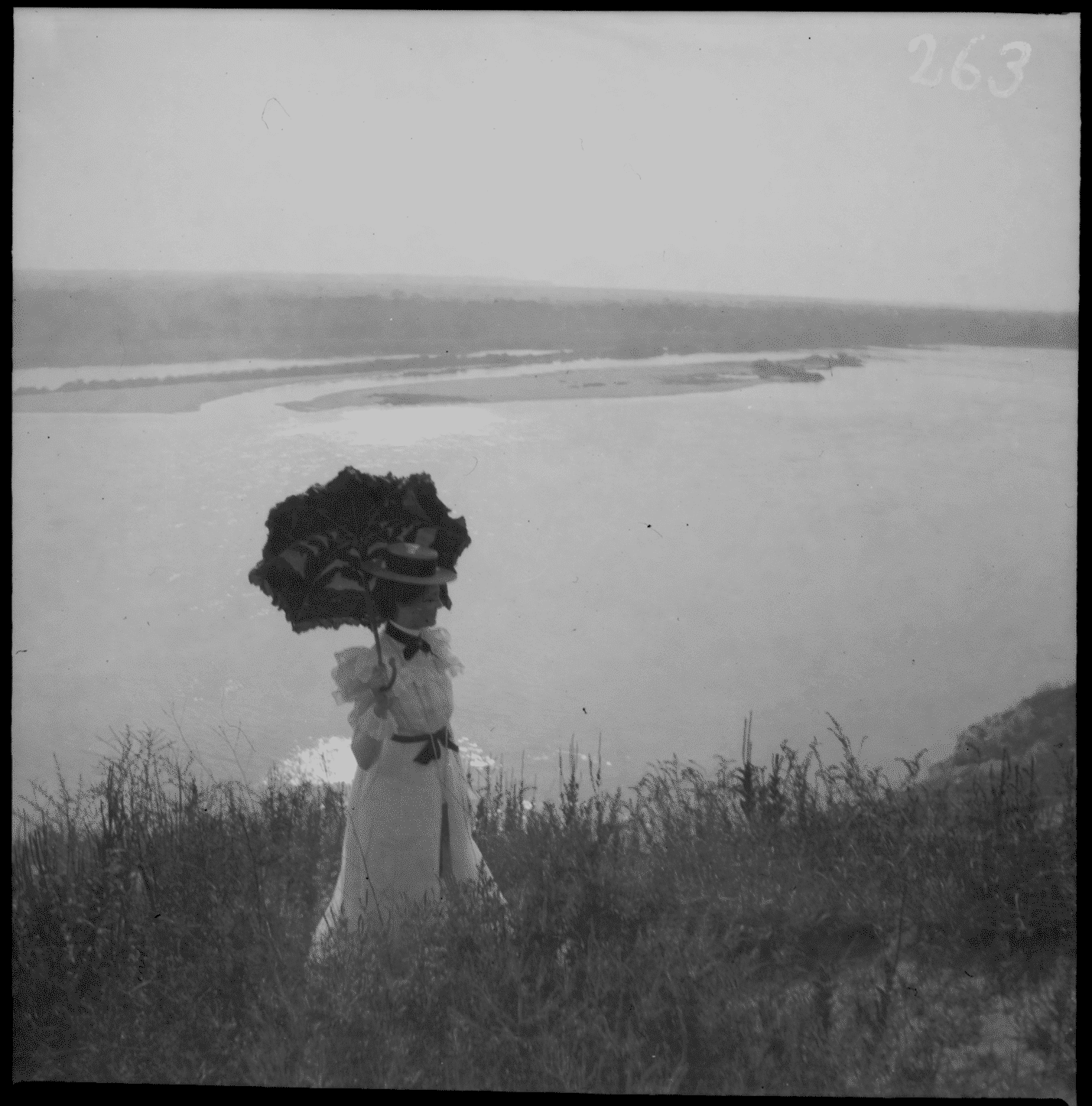
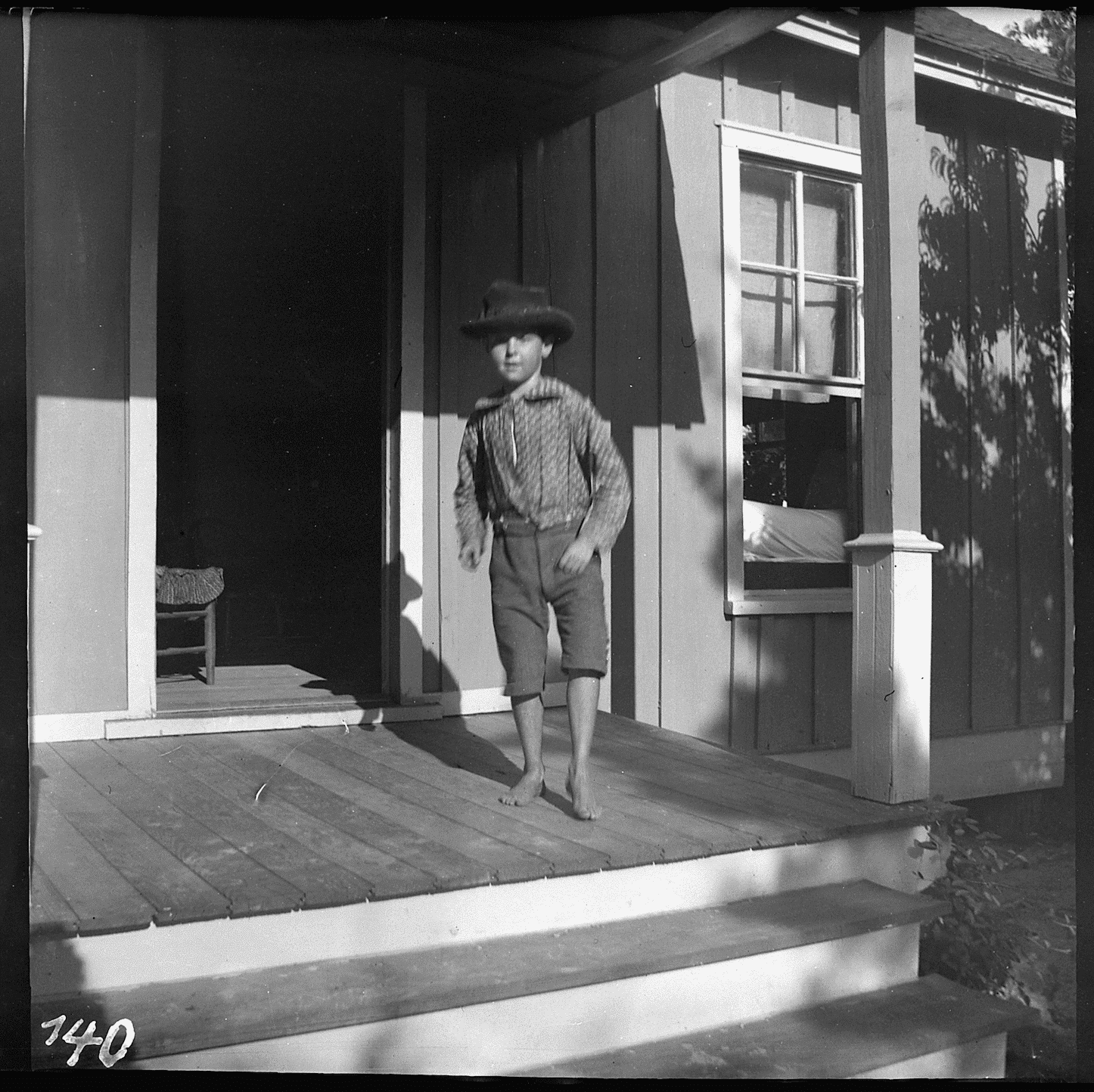
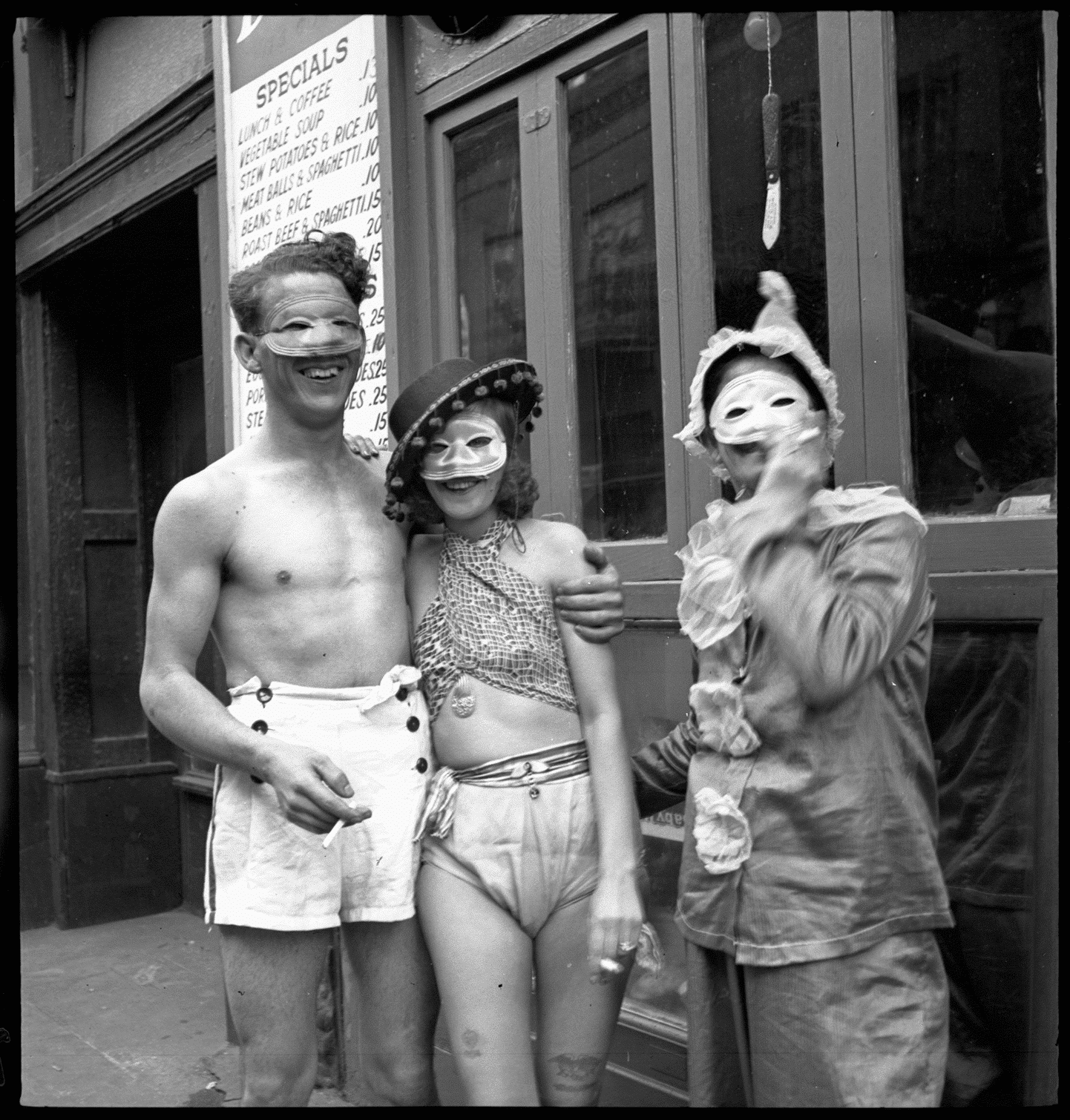
Eudora Welty, for her part, was one of those people who believed that “all serious daring starts from within,” as she wrote in her memoir, One Writer’s Beginnings. This was a fertile mantra for the Pulitzer Prize-winning writer (in 1973, for her novel The Optimist’s Daughter), who initially dreamed of being a photographer. Gilles Mora, curator of the exhibition and artistic director of the Pavillon Populaire, explains: “Her practice reflects an openness to reality that would later nourish all her literary work. She was a photographer driven by desire, who followed her impulses, and her work is permeated by this sensuality and attention to the body, particularly the female body.” She drew her inspiration from the heritage and local traditions of her native Mississippi, and never tired of documenting the asperities, contradictions, and moments of grace in a region marked by endemic poverty and structural racism.
A purple background for Münter, yellow for Welty: the exhibition’s scenography highlights a perfect symmetry. The space is equally divided, creating a mirror effect that emphasizes both resonances and contrasts. The visit begins with the work of Gabriele Münter. Photography represented only a fraction of her long career—two years at most, or the duration of a journey when she was profoundly free, untouched by any influence or training. She primarily captured close family members in spontaneous snapshots or more posed interior portraits, already showing an interest in composition.
Organized into thematic sections, the exhibition illustrates how this insatiable artist explored various subjects. Photographing childhood: a toddler with a broad smile carrying three others on his back, all wearing large hats. Documenting technical innovations: an amusement park (“Russian Mountains in St. Louis”) or the ropes of a steamboat on the Mississippi. Capturing movement: a trained bear drinking from a bottle or a child crossing the street. Scattered throughout, like seeds heralding her future as a painter, are the beginnings of her artistic career: some photographs are paired with sketches, revealing already well-honed pencil strokes.
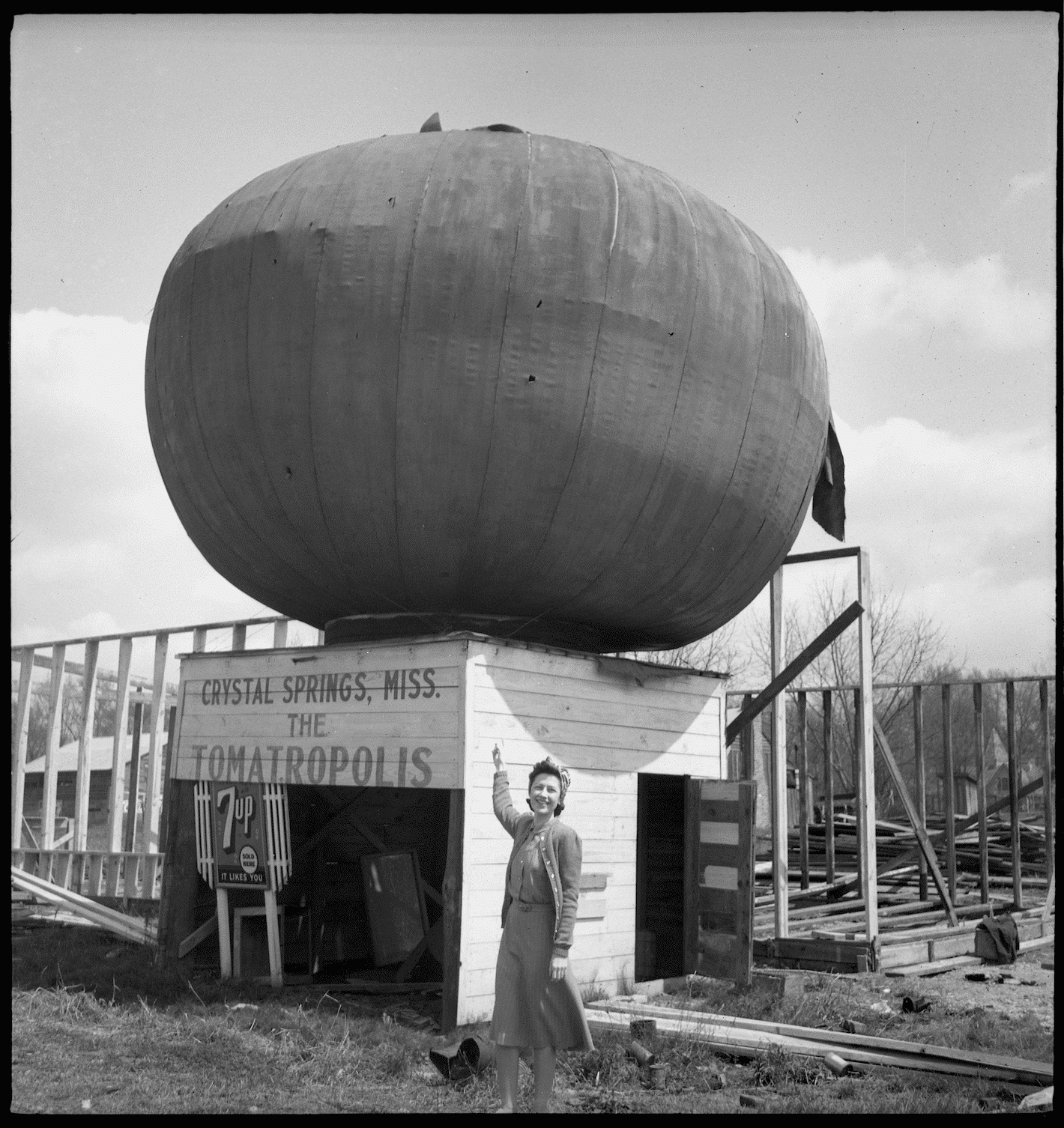
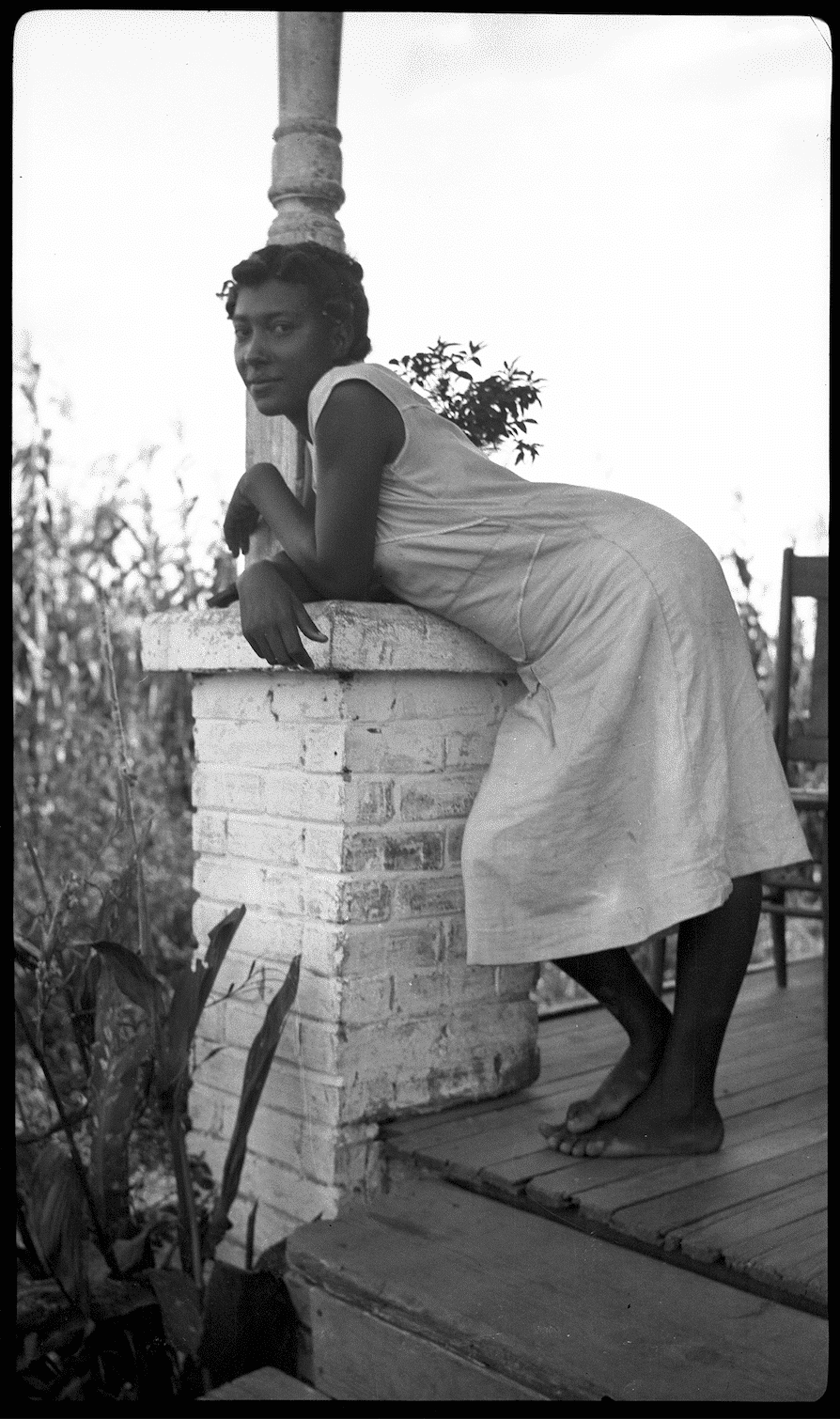
Eudora Welty’s approach is more intuitive and spontaneous. Women are a driving force and a recurring motif in her images. She magnified their poses and bodies—as in “The Porch,” a shot of a Black woman languidly leaning against a railing—and regularly documented their condition. Her work largely focused on the marginalized social groups in a region marked by unemployment and the Great Depression of the 1930s. She viewed her home environment with both tenderness and lucidity. Empathy and concern for others shine through: a little girl holding a guinea pig, five young women wearing bird costumes for a parade, a truckload of workers returning from tomato-picking.
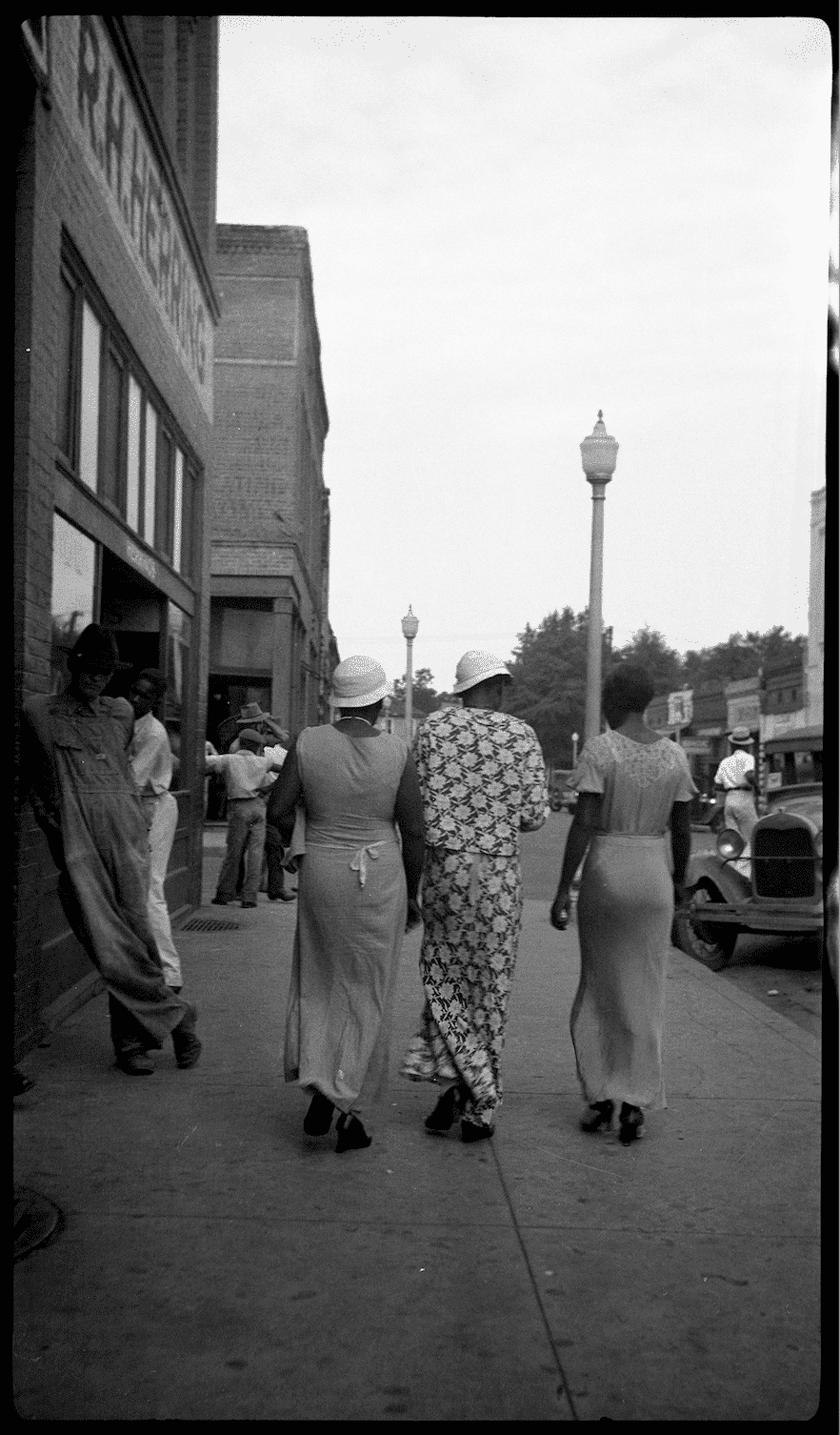
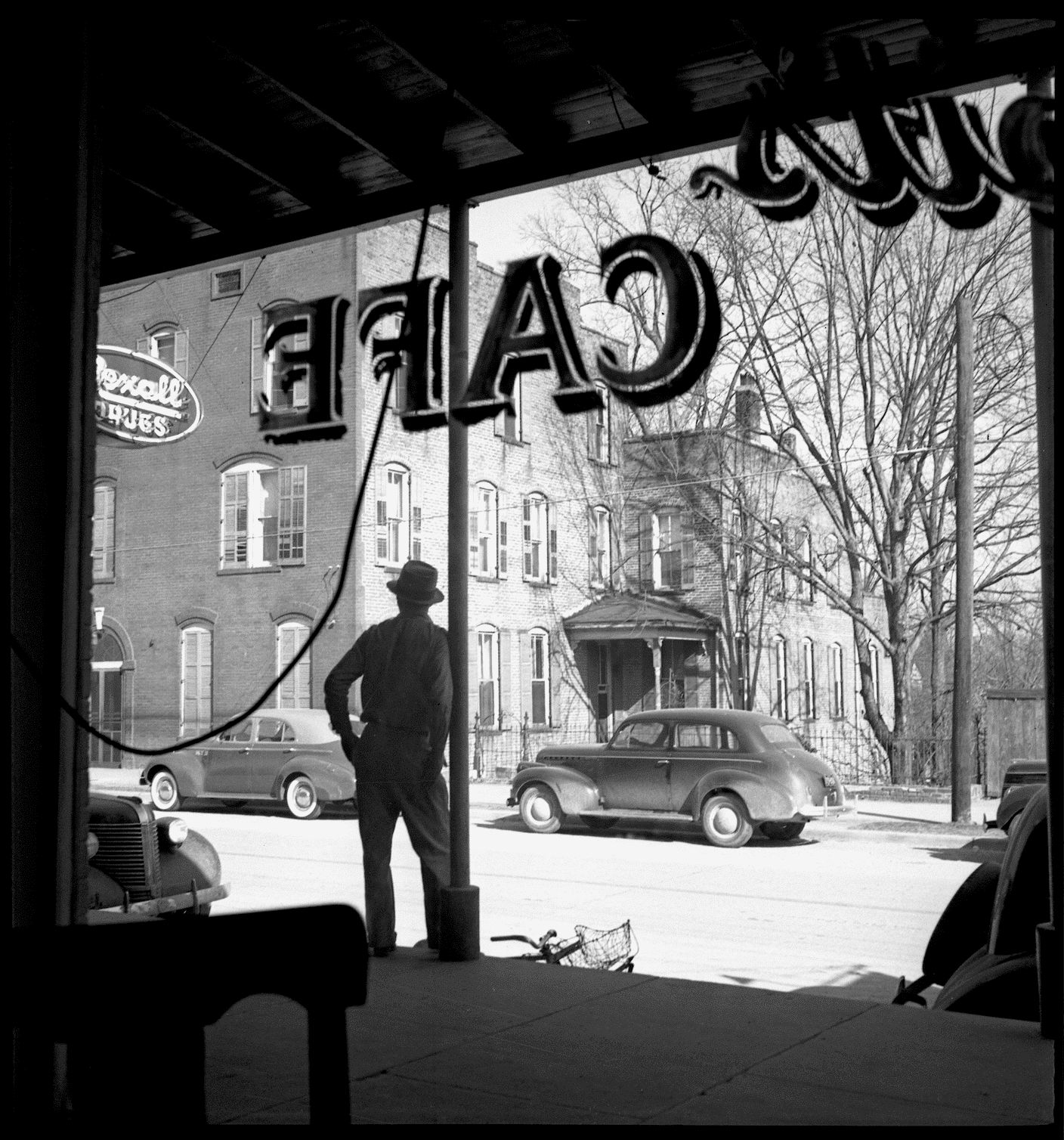
But not all subjects are human: in one, there is a fishing net; in another, a floating shack; or yet, a theater entrance reserved for the “Colored.” Everywhere, there is a profound sense of place in the environment, the social fabric, and a keen attention to the present moment—”One Time, One Place,” as she titled one of her albums.
“It’s rare for two women artists, each best known for other artistic practices, to have both started out in photography,” adds Gilles Mora. “What’s more, these two pioneers share the same taste for fairs and festivities, the same appetite for life… And the same territory; a real stroke of luck!”
Back in 1989, Gilles organized a retrospective in Arles devoted to Eudora Welty, bringing her work to French attention. Next spring, the Musée d’Art Moderne in Paris is preparing a major retrospective of Gabriele Münter’s pictorial work. Until now, we didn’t know she had been a photographer, so a visit to Montpellier may serve as a welcome addition to their oeuvre.
“Gabriele Münter, Eudora Welty: In the Beginning, Photography”, Pavillon Populaire in Montpellier, until September 29, 2024.

A three-headed giraffe and a rock’n’roll sloth. No, this isn’t our pitch for a new Pixar movie directed by David Lynch but some of the animals featured in the Comedy Wildlife Photo Awards 2024. Here are some of the highlights so far.
 ADVERTISEMENT
The annual Nikon Comedy Wildlife Photography Awards competition is now open to entries.
Each year, the Comedy Wildlife Photography Awards team up with a sustainability conservation organization. For their 10th year, the awards are working with Whitley Fund for Nature, a United Kingdom-based charity that supports conservation leaders in the Global South.
Jason Moore’s jamming kangaroo won last year’s award, and there’s just over a month to go before the competition closes and we find out who nabs the top prize for 2024.
The competition organizers have unveiled some of the best submissions so far.
Feast your eyes on these beauties…
“This buffalo ding dong is doing me a fascinate.”
(muffled) “Well, shit.”
“Come, Deirdre! You’re the favourite, you’re the one we’re sending to penguin university! Your brother will understand.”
“Have children, they said. It’ll be fun, they said…”
“Hydra formation, lads!”
“Eric Clapton can suck it!”
“Is the hooman with the camera gone yet?”
“And then she said that seals can’t have a whale of a time!”
“All those who want to live in a plastic-free ocean, raise their hands!”
“Who is she, Brian??? I found the pictures under the glacier!”
There we have it… So far.
The grand prize winner will earn a safari trip to the Maasai Mara in Kenya and a unique handmade trophy from The Wonder Workshop in Dar es Salaam, Tanzania.
The competition is free to enter until 31 July.


Tonight, Friday, June 28th from 6-8pm, please come out to Hezekiah Easter Memorial Park in downtown Nyack to a memorial service honoring Sean Harris, a Black teenager who died unjustly at the hands of Clarkstown police last year.
We still do not have answers as to how the social workers or Clarkstown PD will be held accountable
Art reception, Saturday, July 13, 1:00 – 3:00pm, Valley Cottage Library
Tina Traster is a socially conscious, award-winning journalist, author, filmmaker, and photographer. Traster is also the Editor/Publisher of the Rockland County Business Journal. Traster’s documentary films have played in festivals worldwide; Catnip Nation garnered several awards. Her written work and photography have appeared in scores of newspapers, magazines, blogs, and literary journals including The New York Times, The New York Post, Huffington Post, The Daily Beast, The Atlantic, The Federalist, Redbook, Family Circle, Parade, Time Out New York, Audubon, Ski Magazine, and many others. She is the author of the award-winning memoir Rescuing Julia Twice: A Mother’s Tale of Russian Adoption and Overcoming Reactive Attachment Disorder. Since 2006, Traster wrote the long-running “Burb Appeal” column for The New York Post.
On Friday July 26, Rockland County filmmaker Brooklyn Demme will share his debut fictional feature film at the Cultural Arts Theatre of Rockland Community College. Mountain Lion: Healing Film of St. Francis is an intense drama about personal relationships, mental health, and family dynamics, that uses magical realism to express mindfulness in intimate relationships and seriousness in prayer. It was entirely shot in Rockland County.
The Sandhill Band of Lenape & Cherokee Indians, Rivertown Film, TurtleGang Edutainment, and Truth 2 Power, are offering a free screening to promote and benefit That Kid, the upcoming debut fictional film of Truth 2 Power co-founder and producer of Mountain Lion, Ashley Dawson.
Registration is required in order to secure seating, and any donations given at registration or at the screening will be directed to the production of That Kid. REGISTER HERE. If you do not receive a confirmation email, you have not successfully registered. Names of everyone who registers will be at the door. You do not need to bring a printout or show your receipt on your phone.
[embedded content]

June 28, 2024
, 1979)

, 1979)


“Isn’t it remarkable how photography advanced without improving?” That’s a quote from photographer Charles Sheeler, and it can be attributed to the fact that even though technology gets better, the work that so many photographers make doesn’t really change all that much. It’s something that could be obfuscated by the fact that someone’s creativity is what comes first, but then why do we hold ourselves back and then complain about problems around AI images? That’s not an advocation for AI at all, it’s more of a call for human photography and human photographers to further their potential.
This quote comes from the book Photographers on Photography. And it’s in reference to Mr. Sheeler speaking to Ansel Adams after viewing the exhibit of another photographer. Both of them didn’t like it. Sheeler was most likely speaking to how technology advances due to capitalism — yet at the same time, it doesn’t necessarily lead to better images. Why? Well, I think the big part of this is the lack of understanding the technology and also a lack of actual comprehension.
Let’s be honest, the megapixels go up, but the images don’t get objectively better. They get sharper, more clear, and more detailed. But the image in and of itself doesn’t improve. The same goes for autofocus — the Nikon Z9 is one of the only cameras that can focus on POCs with melanin in their skin while in low light, yet this isn’t shown off as much as it should be. There are lots of problems that can be discussed there, but overall, they’re overlooked. Our Sony a9 III review wasn’t well understood because of the massive lack of literacy around flash and using it. Flash isn’t a tool to be used when there isn’t enough light. It’s to be used to creatively make light with a sense of magic that LEDs cannot deliver.
But there’s a much bigger problem than that of a lack of literacy around photography. Instead, photography has been mimicking other visual art for far too long. Lots of your favorite photographers perhaps drew inspiration from Richard Avedon, Joel Meyerowitz, Garry Winogrand, Annie Leibovitz, etc. In that way, art imitates art. You can surely put your own interpretation of their work, but after a while, it becomes watered down from the originals. Mix into this that everyone is trying to do the same thing, and your work simply gets lost.
Peter Jackson, when he directed The Lord of the Rings, surely went to the source material and created an entire world around that while working with set designers, directors of photography, etc. By all means, not much had been done like this before. It looks nothing like Robin Hood or even the legend of King Arthur. Perhaps the closest thing would be the Warhammer universe. That is, in and of itself, its own creation.
This is why we often say that we cannot create anymore — because we’ve been consistently mimicking ourselves over and over again.
So, how can photography improve? By not taking inspiration from lens-based media. We encourage photographers to read books, listen to music, look at paintings, stare into sketches, and overall explore new ways to actually make images and connect them to their own emotional story. Most importantly, you have to express something — because if you’re not expressing something, then you’re not exercising humanity.


From beginner-friendly models to professional-grade cameras, we cover essential details to help you make an informed decision. Each camera on our list offers unique features tailored to different photography styles and skill levels. You’ll find cameras with advanced autofocus systems, high-resolution sensors, and excellent low-light performance.
Whether you prioritize portability, versatility, or cutting-edge technology, our guide highlights the best options available. Discover the perfect camera to enhance your photography experience and capture stunning images with ease.
The Rechargeable Digital Camera is a versatile option for both photography and conference recording. With a rechargeable battery and a compatible interface for cellphones, this camera is a convenient choice for on-the-go shooting.
|
Reasons to buy |
Reasons to avoid |
| Versatile functionality | Limited to 1080p video recording |
| Convenient rechargeable battery |
The Fulealfly Autofocus Camera is a powerful option for travel and professional photography. With a high-resolution sensor and anti-shake technology, this camera delivers exceptional image quality and stability in various shooting conditions.
|
Reasons to buy |
Reasons to avoid |
| High-resolution sensor | May not be suitable for beginners |
| 4K video recording capabilities |
The VJIANGER Vlogging Camera is a versatile option for vlogging and professional photography. With multiple batteries and a compact design, this camera is an excellent choice for on-the-go shooting and extended recording sessions.
|
Reasons to buy |
Reasons to avoid |
| Multiple batteries for extended use | May require additional accessories for certain shooting conditions |
| Versatile for vlogging and professional photography |
Also Read: Best New Year deals: Capture priceless moments with 9 best DSLR cameras
The Bifevsr Vlogging Camera is a reliable option for vlogging and professional photography. With advanced autofocus and anti-shake technology, this camera delivers exceptional image stabilization and clarity in various shooting scenarios.
|
Reasons to buy |
Reasons to avoid |
| Advanced autofocus technology | May not include all necessary accessories for certain shooting styles |
| Durable and lightweight design |
Also Read: Best New Year deals: 10 shoot cameras for picture perfect holiday moments
The LEQTRONIQ Mirrorless Camera is a versatile option for digital and professional photography. With a high-resolution sensor and a range of shooting modes, this camera offers exceptional image quality and creative flexibility for photographers of all levels.
|
Reasons to buy |
Reasons to avoid |
| High-resolution sensor for exceptional image quality | May have a learning curve for beginners |
| Versatile shooting modes for creative flexibility |
Also Read: Best camera phones: Top 10 picks to unlock your photography potential
The Saneen Digital Camera is a user-friendly option for digital and professional photography. With an intuitive interface and a range of shooting features, this camera is ideal for photographers looking for a versatile and easy-to-use option.
|
Reasons to buy |
Reasons to avoid |
| User-friendly interface for easy operation | Limited to 1080p video recording |
| Compact and lightweight design for portability |
Also Read: DSLR cameras for beginners are affordable and easy to use: Here are top 10 picks
The Vlogging Beginner Camera Kit is an all-in-one solution for vlogging and professional photography. With essential accessories included, this camera kit offers everything a beginner needs to start capturing high-quality photos and videos right out of the box.
|
Reasons to buy |
Reasons to avoid |
| Complete kit with essential accessories | May not include advanced features for professional photographers |
| Beginner-friendly interface for ease of use |
Also Read: Best cameras for professional photography: 10 options to choose from
The Sorandy Camcorder Kit is a comprehensive solution for vlogging and professional photography. With a range of advanced features and accessories, this kit offers an all-in-one solution for photographers looking to elevate their creative capabilities.
|
Reasons to buy |
Reasons to avoid |
| Complete kit with advanced accessories | May have a higher learning curve for beginners |
| Range of advanced features for professional photographers |
Also Read: DSLR cameras for high-definition images: Check out top 10 options in 2024
The Vlogging Starter Camera Kit is an excellent choice for beginners looking to dive into vlogging and professional photography. With a simple and intuitive interface, this camera kit provides a hassle-free experience for new photographers.
|
Reasons to buy |
Reasons to avoid |
| Complete kit with essential accessories | Limited to 1080p video recording |
| Simple and intuitive interface for beginners |
| Best Cameras for Photography | Maximum Webcam Image Resolution | Supported File Format |
Photo Sensor Technology |
| Mobilife LED Video Light Camera | Not specified | Not specified | Not specified |
| Fulealfly 4K Digital Camera For Photography And Video | 4K | JPEG, MP4 | CMOS |
| Digital Camera for Photography VJIANGER | 4K | JPEG, MP4 | CMOS |
| Bifevsr 4K Digital Camera | 4K | JPEG, MP4 | CMOS |
| LEQTRONIQ Digital Camera | 4K | JPEG, MP4 | CMOS |
| Saneen Digital Camera for Photography | 4K | JPEG, MP4 | CMOS |
| 4K Digital Camera Vlogging Camera | 4K | JPEG, MP4 | CMOS |
| Sorandy 4K Vlogging Camera | 4K | JPEG, MP4 | CMOS |
| 4K Digital Camera | 56 MP | Not specified | CMOS |
The Fulealfly Autofocus Camera stands out as the best value for money, offering a high-resolution sensor, 4K video recording capabilities, and advanced autofocus technology at a competitive price point.
The LEQTRONIQ Mirrorless Camera takes the top spot as the best overall product in this category, thanks to its high-resolution sensor, 4K video recording, advanced autofocus and anti-shake technology, and versatile shooting modes, making it an ideal choice for professional photographers.
Image quality: Look for high resolution and advanced photo sensor technology (like CMOS or CCD) for sharp and clear photos.
Lens compatibility: Ensure the camera supports a wide range of lenses to suit various photography styles and needs.
ISO range: A broad ISO range allows better performance in low-light conditions, providing flexibility in different lighting environments.
Autofocus system: A fast and accurate autofocus system is crucial for capturing sharp images, especially in dynamic settings.
Build and ergonomics: Consider the camera’s build quality and ergonomics for comfortable handling and durability during extended use.
Best cameras for professional photography: 10 options to choose from
DSLR cameras for high-definition images: Check out top 10 options in 2024
Best camera phones: Top 10 picks to unlock your photography potential
DSLR cameras for beginners are affordable and easy to use: Here are top 10 picks
FAQs
Question : What is the price range of these cameras?
Ans : The price range of these cameras varies from Rs. 20,000 to Rs. 80,000, depending on the model and its features.
Question : Do these cameras come with a warranty?
Ans : Yes, all the cameras mentioned in our list come with a standard warranty from the manufacturer, ranging from 1 to 2 years.
Question : Are these cameras suitable for professional photography?
Ans : Yes, many of these cameras are designed with professional photographers in mind, offering advanced features and high-quality image capture.
Question : Do these cameras support external accessories and lenses?
Ans : Yes, most of these cameras are compatible with a range of external accessories and lenses, allowing for versatile shooting options and creative flexibility.
Disclaimer: At Livemint, we help you stay up-to-date with the latest trends and products. Mint has an affiliate partnership, so we may get a part of the revenue when you make a purchase. We shall not be liable for any claim under applicable laws, including but not limited to the Consumer Protection Act, 2019, with respect to the products. The products listed in this article are in no particular order of priority.
3.6 Crore Indians visited in a single day choosing us as India’s undisputed platform for General Election Results. Explore the latest updates here!
Published: 28 Jun 2024, 02:35 PM IST


AAP Magazine Announces Winners of Prestigious Portrait Photography Competition.
AAP Magazine is excited to reveal the winners of its highly anticipated Portrait Photography Competition. Selected from a vast array of international submissions, these 25 talented photographers have showcased exceptional prowess in capturing the essence of their subjects through the art of portraiture.
Portrait photography is a powerful medium that conveys the depth and diversity of human experiences. This year’s winning photographs push the boundaries of traditional portraiture, presenting not just faces, but rich stories, emotions, and moments that resonate deeply with viewers.
From intimate, candid shots to meticulously composed studio portraits, this year’s winners exhibit an extraordinary range of styles and techniques. Their work captures the raw beauty of the human spirit, highlighting both individuality and our shared humanity.
More info: all-about-photo.com





