Photography
The Beautiful First Winners of The Nature Photography Contest


The Nature Photography Contest, which held its first edition in 2023, announced the inaugural winners’ circle, which offers €2,000 in cash prizes, equivalent to just over $2,000 USD.
The most prestigious awards go to Glenn Ostle for Photography of the Year and Alain Schroeder, who was named Photographer of the Year. Ostle earns €1,000 in prize money, and Schroeder will choose the country in which to plant nearly 400 trees as part of the Nature Photography Contest’s collaboration with the organization One Tree Planted. The quantity of trees is based on the number of participants in this year’s competition, according to the Nature Photography Contest, which the organizers “hope to surpass in future editions.”


There are 10 other categories, whose winners each receive €100 in prize money. Alessio Calviani won the category “Birds” for the photograph “Puffin in Iceland.” The image shows a closeup of the bird as it walks along a cliff. Muhammad Hossain’s photograph “Fatigue Sleep” won the “Environmental Impact” category.


“Many homeless people in Bangladesh have lost their homes and properties due to frequent floods, river erosion, and other natural calamities. They were forced to migrate to the Dhaka city in search of a better future. These people have no place to take shelter in big cities,” the entry reads. “Their day starts in dump hills and streets in roads or boats to nowhere. The concrete-covered street and dirt hills is a flower bed for these refugees who practically do not have any identity. They live by working as street hawkers, boatman, laborers, and doing other odd jobs.”


On a much lighter note, the image “Monday,” taken by Panisara Sripratoom prevailed in the “Funny Nature” category. In it, a sleepy-looking spotted owlet emerges from a hole in a tree stump. The photo also reflects the species’ ability to adapt to a university campus, according to the competition website.
“The Dreamer — Philaeus chrysops,” taken by Adrian Truchta, shows a close-up of the small spider, won the “Macrophotography” category.
Marek Biegalski’s “Burning Flower” took the “Natural Landscape” prize. Despite the name, the image actually shows a glacial river in Iceland. The flow of sediment gives off a bright orange hue, giving the illusion of a burning flower.

Moving to the Es Pontàs arch in Mallorca, Marc Marco’s “Los arcos y la cueva,” which won the “Night World” category, shows a mirrored arch of the Milky Way above the picturesque rock formation.

A similar arc of the solar system is on display in Marcio Cabral’s photography “Pandora.” This image, also seen at the top, won the “Plant Life” category and shows the night sky with illuminated white flowers in the foreground.

Photographer of the Year winner Schroeder also took the prize for the “Sharing the World Category” with the image “Saving Orangutans 01.” In it, a team prepares a baby orangutan, which was rescued after being kept as a pet, for surgery.

“Tangle,” taken by 家 住, shows an entrancing spiral of a moray eel and won the “Underwater” category. Soumya Ranjan Bhattacharyya won the “Wildlife” category with the image “Stories in the Sand.”

“I shot this image of the scorpion in the sand dunes at [Jaisalmer, India]. The scorpions when lighted by faint UV light, emit bright blue luminescence from its body. The image was captured using flashlight which lit up the wind created streaks of the dunes. The scorpion was illuminated by a UV flashlight,” the entry reads.
A massive gallery of finalists for this year’s contest are available on the competition’s website. The 2024 edition of the Nature Photography Contest is expected to open in May.
Image credits: All images provided by The Nature Photography Contest. Individual photographers are credited in the photo captions.
Stunning Winners of the Inaugural Nature Photography Contest


“Maldive 01” by Alain Schroeder. Photographer of the Year.
Though only in its first year, the Nature Photography Contest has already proven to be a space where excellent photography and a love for the planet come together. Celebrated photojournalist Alain Schroeder was named Photographer of the Year and, as part of his prize, will have the opportunity to name a country where he’d like nearly 400 trees planted.
This part of the prize package is a wonderful symbol of the ethos that makes the Nature Photography Contest unique. Judged by four expert photographers, the contest seeks to remind the public of what we have and what we can’t stand to lose.
Glenn Ostle is the other photographer singled out in this edition. His striking photo of a sea lion striking a pose while surrounded by a school of fish won Photographer of the Year. For over 25 years, Ostle and his partner Pam Hadfield have traveled the world to partake in their passion for underwater, wildlife, and bird photography. Ostle’s winning image was taken during a trip to La Paz, Mexico, where they photographed numerous sea lions in the Los Islotes inlets.
In addition, 10 different category winners were named. Covering everything from macro photography to funny nature imagery, these categories demonstrate all aspects of the natural world. See all the winners, as well as our favorite finalists, below.
Here are the winners of the 2023 Nature Photography Contest.

“Sea Lion in Los Islotes” by Glenn Ostle. Photography of the Year.
“A Sea Lion stops to pose for the camera before diving through the large schools of fish that surround the islets of Los Islotes close to LaPaz, Mexico.”

“Puffin in Iceland” by Alessio Calviani. Winner, Birds.
“Puffin walking on the cliff in Iceland.”

“The Dreamer – Philaeus chrysops” by Adrian Truchta. Winner, Macrophotography.
“Morning dew, sun and beautiful Philaeus chrysops female walking around her nest. Photo shoot in natural environment. Natural light.”

“Pandora” by Marcio Cabral. Winner, Plant Life.
“This panorama shows the beauty of Chapada dos Veadeiros, a Brazilian national park that hosts a rich biodiversity and breathtaking landscapes.
The white flowers that stand out in the foreground are a rare species of Paepalanthus, a genus of plants endemic to the region.
They were illuminated by a scurion lamp to create a contrast with the dark sky.
In the background, the Milky Way curves over the hills, revealing the colors and shapes of stars and nebulae.
This pano was taken with a specialized camera for astrophotography, which allows capturing more details of the universe.”

“Burning Flower” by Marek Biegalski. Winner, Natural Landscape.
“One of my favorite things when exploring Iceland is the incredible glacial river perspective seeing from up high. They’re called ‘braided river’ systems, as they often resemble an intricate jumble of patterns, intertwining in an almost inexplicable fashion. These networks of river channels flow from the glaciers toward the sea, carrying vital nutrients for the ecosystem along the way, in the form of sediment. When the flow of the rivers decreases, the sediment gets deposited on the river bed, leaving behind small temporary islands of dark volcanic sand that cause the channels of the rivers to split. Its remarkable colors are very original and mesmerizing.”

“Monday” by Panisara Sripratoom. Winner, Funny Nature.
“A spotted owlet (Athene brama) emerging from a hollow within a yellow flame tree situated in the university campus. This species of owl is characterized by its small size, primarily nocturnal feeding behavior, and frequent occurrence in urban environments. Without a sharp eye, this spotted owlet goes unnoticed. The meaning of this photograph is in the presence of the large trees around the campus. All branches from these trees were cut and removed as a precautionary measure to prevent potential dangers, such as branch breakage during the rainy season, which could cause risks to passersby. Despite this, these spotted owlets, somehow, have shown their adaptability, finding a habitat within this modified urban environment.”

“Fatigue Sleep” by Muhammad Hossain. Winner, Environmental impact.
“Many homeless people in Bangladesh have lost their homes and properties due to frequent floods, river erosion, and other natural calamities. They were forced to migrate to the Dhaka city in search of a better future. These people have no place to take shelter in big cities. Their day starts in dump hills and streets in roads or boats to nowhere. The concrete-covered street and dirt hills is a flower bed for these refugees who practically do not have any identity. They live by working as street hawkers, boatman, laborers, and doing other odd jobs.”

“Saving Orangutans 01” by Alain Schroeder. Winner, Sharing the Planet.
“Sibolangit, SOCP Quarantine Centre, North Sumatra, Indonesia.
The whole SOCP team works together to prepare Brenda, an estimated 3-month-old female orangutan (she has no teeth yet), for surgery. A sedative is administered, the arm is shaved, her temperature is taken, while others hold her head or her hand out of compassion for the baby.
During the three-hour procedure, Dr. Andreas Messikommer, a renowned orthopedic surgeon invited from Switzerland, will place a pin and screws to secure the damaged humerus. Brenda was confiscated from a villager in Blang Pidie on the west coast of Aceh who was keeping her as a pet.”

“Stories in the sand” by Soumya Ranjan Bhattacharyya. Winner, Wildlife.
“The scorpion is widely distributed across various terrains in India. In jaisalmer once the evening falls, the scorpions emerge across the dunes to feed for the night. I shot this image of the scorpion in the sand dunes at jaisalmer.. The scorpions when lighted by faint uv light, emit bright blue luminescence from its body. The image was captured using flashlight which lit up the wind created streaks of the dunes. The scorpion was illuminated by a UV flashlight.”

“Tangle” by 家 住. Winner, Underwater.
“Larval Moray Eel when feeling threatened.”

“Los arcos y la cueva” by Marc Marco. Winner, Night World.
“Panoramic night photograph in which I could capture the arch of the Milky Way passing behind the natural arch called Es Pontàs. In the photograph, I could also capture a small cave in front of the arch.”
The quality of these finalists shows just how strong the competition was.

“Carefree tigresses” by Turgay Uzer. Wildlife, Finalist.

“Predatore e Preda Occhi Negli Occhi” by Giulio Ilari. Birds, Finalist.

“Our Saviors” by Harris Lynch. Environmental Impact, Finalist.

“Parallel World” by Radoslav Sviretsov. Sharing the Planet, Finalist.

“Water lilies farewell” by Geir Ludvigsen. Plant Life, Finalist.

“Snowy desert in wind” by Ningtai Yu. Natural Landscape Finalist.

“Connection” by Charlotte Piho. Underwater, Finalist.

“Hard to Reach” by Florian Kriechbaumer. Funny Nature, Finalist.

“Dark Spider” by Laetitia Larquier. Macrophotography, Finalist.
The Nature Photography Contest: Website
My Modern Met granted permission to feature photos by The Nature Photography Contest.
Related Articles:
31 Incredible Winners of the 2023 Black & White Photo Contest
Incredible Winners of the Close-Up Photographer of the Year Contest
Independent Photographer Magazine Awards Best Landscape Imagery
Winners of the 2023 International Landscape Photographer of the Year Contest
Think Tank’s BackLight Sprint Is a Backpack for Photographers Who Want to Travel Light


Designed for photographers with a lighter camera kit, the Think Tank Photo BackLight Sprint is a slim, lightweight backpack built for hikes and treks.
The BackLight backpack series is one of Think Tank’s best-selling product lines, and the new Sprint version is a smaller version of the popular series. It promises the same features as its larger siblings at an affordable price.


The backpack has back-panel access to camera gear that is accessible to photographers without entirely removing the pack. Like many other photography backpacks, the BackLight Sprint has customizable padded dividers, allowing users to organize the backpack to fit their needs.


The backpack is large enough to hold telephoto lenses, like a 70-200mm f/2.8 telephoto zoom or even something a bit larger. Think Tank says that the backpack can carry a standard-sized camera body alongside a typical f/2.8 professional zoom trifecta, which would be a 14-24mm f/2.8, 24-70mm f/2.8, and 70-200mm f/2.8 (or similar lenses).


Alongside the main photo compartment, the backpack includes a front pocket with two liters of capacity for vertical gear. It opens vertically along the right side, allowing access without removing the bag. There are also two large water bottle pockets on the sides and a simplified tripod carry system.

As for comfort, the backpack includes a padded adjustable waist belt, an adjustable chest strap, and airmesh-covered lumbar support and rear panel, promising all-day comfort. The zippers are YKK RC Fuse zippers with ergonomic pulls.

The new Sprint backpack, which has 15 liters of storage volume, joins the BackLight 18L ($242), BackLight 26L ($300), BackLight 36L ($330), and BackLight Elite 45L ($450) in Think Tank’s BackLight lineup. The smallest and most affordable in the series, the new Think Tank BackLight Sprint is available now for $150 and comes in two colors: charcoal and woodland green.
Image credits: Think Tank Photo
Illuminating Fine Art Photography Book “Sunkissed 85” by Zoe Wiseman Tempers the Shadows with Solarization

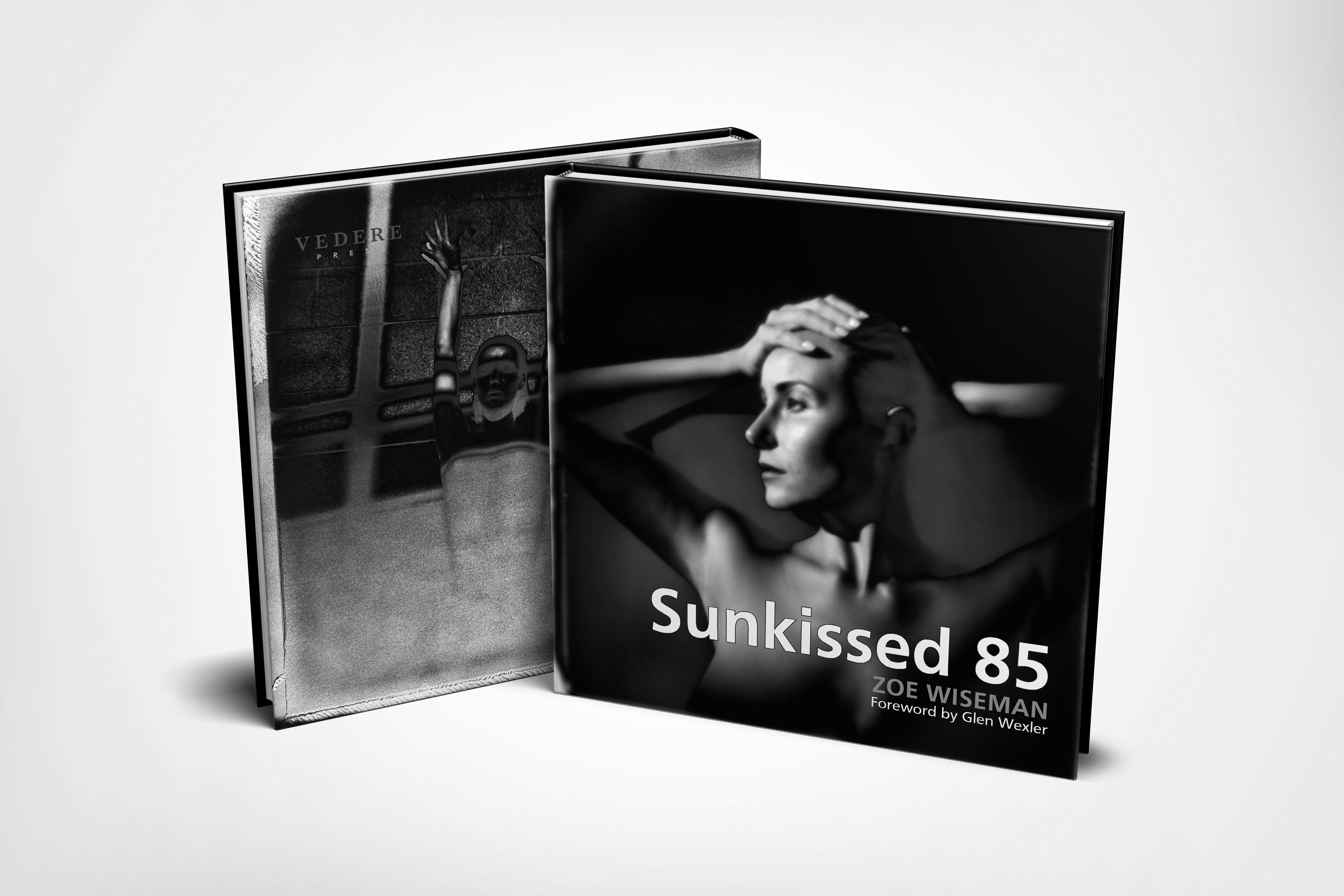
“Sunkissed 85” by Zoe Wiseman
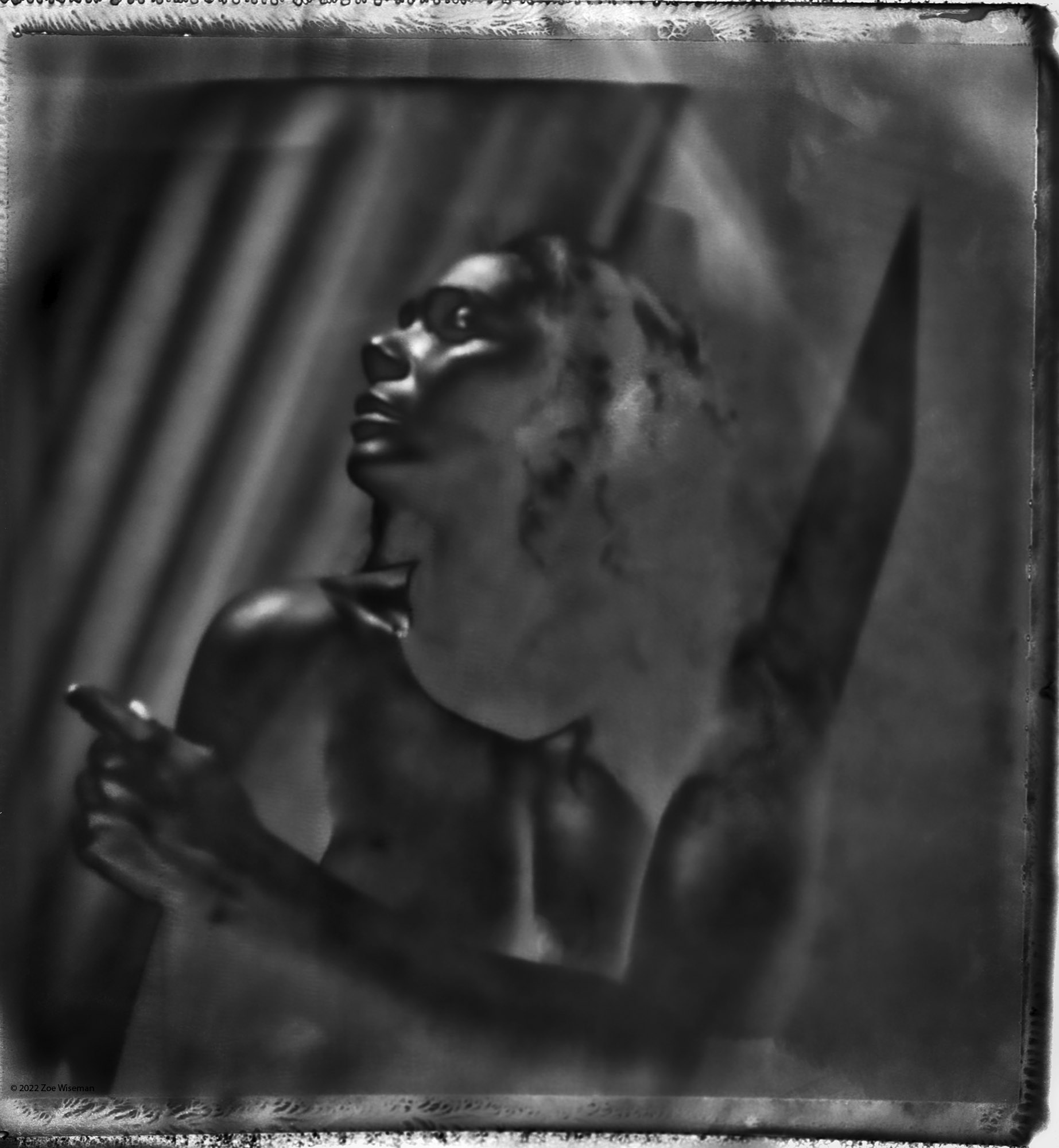
Merrique #172 for Sunkissed 85 by Zoe Wiseman
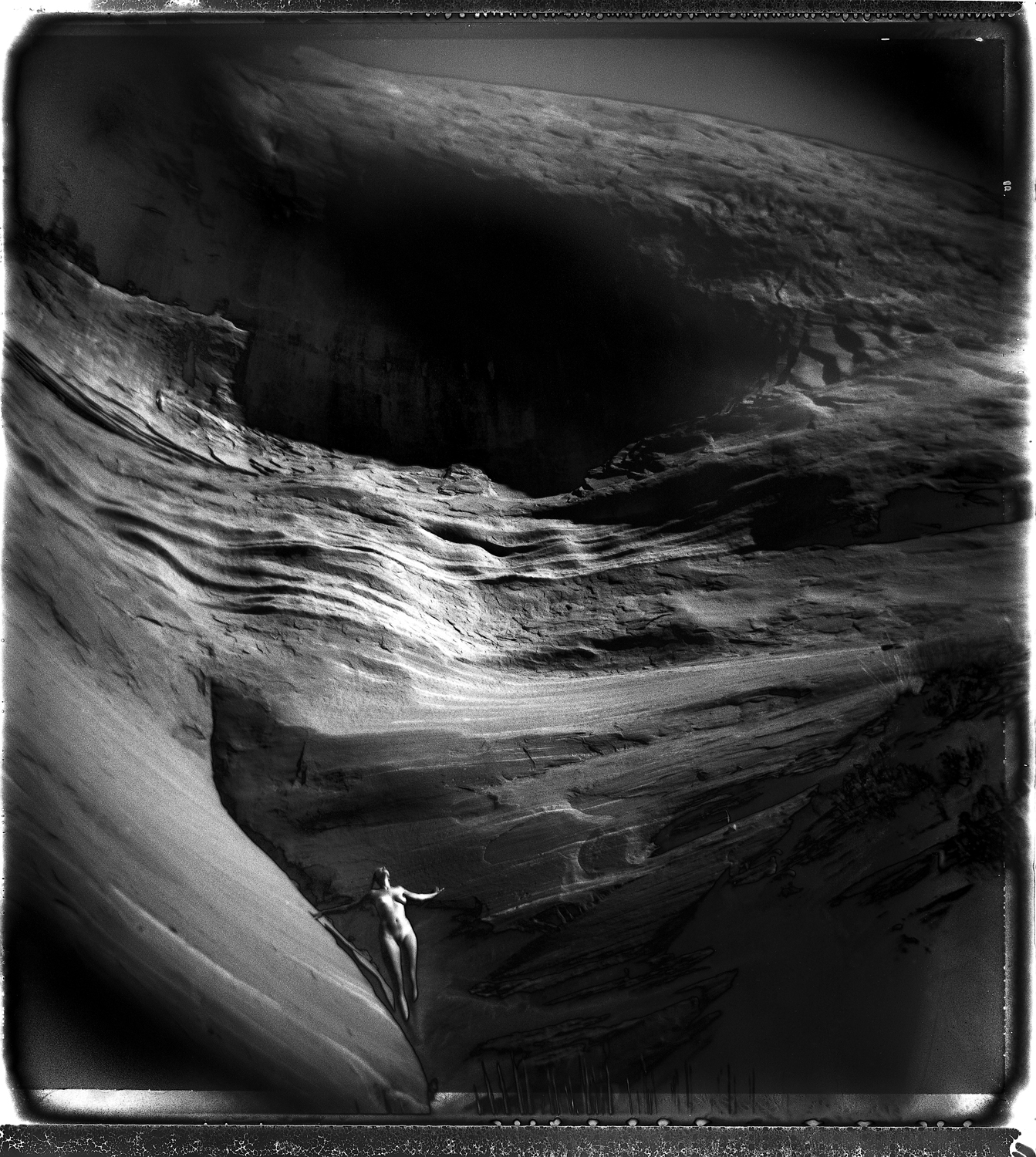
Ida #4 for Sunkissed 85 by Zoe Wiseman
The images in this book were created using discontinued Polaroid Type 85 film.
It’s one thing to draw on influences and techniques from the past, but quite another to use this to inform and enhance a greater vision.”
— Glen Wexler, Photographer and Director
LOS ANGELES, CALIFORNIA, UNITED STATES, January 16, 2024 /EINPresswire.com/ — Zoe Wiseman, an esteemed fine art photographer renowned for her exquisite and atmospheric work, is set to unveil her first monograph, Sunkissed 85. This captivating fine art photo book showcases Wiseman’s unique talent as she skillfully uses Solarization, also known as the Sabbatier Effect, to create an enchanting body of work. Solarization, famously used by Lee Miller and Man Ray, has been elegantly adapted by Zoe Wiseman to push the boundaries of contemporary photography.
Sunkissed 85 is a limited edition of Wiseman’s photographs from 2001 to 2022. The images in this book were created using discontinued Polaroid Type 85 film. This medium-format Polaroid film stock makes both a positive and negative print when peeled apart after exposure.
Wiseman’s fearless approach to exposing partially developed film to raw light during development embraces chance and the unexpected nuances inherent in this creative risk. Using Polaroid Type 85 positive/negative film, her images are unique and impossible to replicate with digital editing tools.
Renowned photographer and visual artist Glen Wexler, who penned the book’s foreword, draws a parallel between Zoe Wiseman’s work and the legacy of Lee Miller and Man Ray. He states, “Zoe elegantly carries the torch, lending her vision to create a unique body of work.” He further emphasizes the organic and alchemical aspects of Zoe’s approach, highlighting how the accidental interplay of exposing the underdeveloped negative to light creates images that transcend the capabilities of digital technology. Glen Wexler continues, “It’s one thing to draw on influences and techniques from the past, but quite another to use this to inform and enhance a greater vision.”
In Sunkissed 85, Wiseman’s photographs go beyond mere aesthetic appeal, illuminating the shadows within the negatives. Her profound respect for her subjects and ability to balance strength and beauty within meticulously composed frames create a visceral impact that transports viewers into an otherworldly multiverse. The book is a testament to her innovative spirit and dedication to pushing the boundaries of photography.
In a world where digital manipulation reigns, Wiseman’s commitment to preserving the essence of analog photography using Solarization showcases her unparalleled artistic vision. In her own words, “Photography is about capturing moments that exist in the shadows of reality. Solarization allows me to dance in those shadows, creating haunting and mesmerizing images.”
Sunkissed 85 is a limited edition invitation to journey through light and shadow, where the boundaries of reality are fluid, and every photograph is a window into the extraordinary. This collection of “crimes against photography” celebrates the art form’s potential to escape the ordinary and invite the viewer into the depths of surrealism.
The settings for the photographs in this book range from the Western US, California to Arizona, and to the Daintree rainforest in Australia, from landscapes to modern architecture and stark studio spaces.
Event Details:
Book Signing with Zoe Wiseman
Date: Monday, January 29th, 2024
Time: 7 pm PT
Location: Book Soup, 8818 Sunset Blvd, West Hollywood, CA
Please visit Zoe Wiseman’s website for more information about Sunkissed 85 and Zoe Wiseman’s extraordinary work. Sunkissed 85 is available to purchase through Amazon and Shopify.
About Zoe Wiseman:
Zoe Wiseman is a renowned fine art photographer known for her innovative use of Solarization and alternative photographic techniques. With a career spanning more than two decades, Wiseman’s work is exhibited and collected worldwide. Her artistry pushes the boundaries of traditional photography, resulting in images that are both surreal and captivating.
About Glenn Wexler:
Glenn Wexler is a distinguished photographer and visual artist whose work is showcased in galleries and publications globally. According to Eric Idle of Monty Python, “Glen is a seven-foot Scotsman with a wooden leg whom I met Frog Rolling on an Eskimo trip in Northern Greenland.” Believe what you will. That’s the point. His pictures have taken the viewer deep into make-believe worlds that look real. Glen’s signature style of “improbable realities” has earned an international client base and the following of photography collectors. With a keen eye for artistic innovation, Wexler’s insightful writing and foreword for Sunkissed 85 provide invaluable context for Zoe Wiseman’s groundbreaking work.
About Book Soup: Book Soup, located at 8818 Sunset Blvd, West Hollywood, has been a literary landmark since 1975. With its vast and diverse selection, the bookstore is a haven for readers seeking a curated collection of independent and classic titles. Book Soup’s commitment to supporting independent voices aligns seamlessly with celebrating Zoe Wiseman’s groundbreaking work.
###
Grayce McCormick
Lightfinder Public Relations
lightfinderpr@gmail.com
Visit us on social media:
LinkedIn
Instagram
“Sunkissed 85” by Zoe Wiseman. The images in this book were created using discontinued Polaroid Type 85 film.
[embedded content]

2024 Area Guide features Rustic Comfort Photography


This year’s Area Guide features the work of Jamie Merriman, the sole owner of Rustic Comfort Photography.
The photo featured on the cover had been circulating on social media after the Flat Rock Creek Fall Festival since the festival director Guy Dasher tapped Merriman to cover the event. I found the photo so powerful and striking that I made a note to reach out to Merriman to see if she would submit her work for the guide.
What Saul Leiter Teaches Photographers About Color

Photographer Saul Leiter is a fascinating case study for many experienced and budding photographers. It’s well known that also did many painted photos. This fusion of the mediums can be observed today with various different types of photography. Some of it involves intentional camera movement, while other photographers like Tarryn Goldman go all out and make their images look like paintings. Saul passed a little over a decade ago, and his work is still appreciated today. At the Howard Greenberg Gallery in NYC, there’s an exhibition of his work on display until February 10th, 2024. If you’re intrigued by this post, we recommend that you stop by there to see more of his work in person.
All images by Saul Leiter. Provided to the Phoblographer with permission on behalf of the Howard Greenberg Gallery.
Use Color to Lead the Eye Around a Scene

Saul often used color very specifically in a scene. Like Steve McCurry does, he also tries to work with only three basic colors in his photographs. The lead image shows us black and white — which can pretty much be eliminated as negative space — only to have us concentrate on the red umbrella. In the image above, we also see the same pattern mixed in with the color of the man’s skin.
The red specifically stands out in the scene to make our eyes travel to those parts of the image. If you’re viewing the image as a whole upon first viewing, then your eye can start almost anywhere in the frame and be lead around. But if you’re viewing the image while scrolling down on a website or app, then you’ll probably view the photo from top to bottom. In either case, your mind will stop and pay attention to the reds in the scene if you’re not mindlessly scrolling past.
Leiter’s photographs are unique in their seemingly fleeting nature. The tones are warm, the focus is soft, and the composition is painterly. In “Snow“, a photograph from 1960, a man is visible through a frosted pane that has been partially wiped, giving a somewhat clear view of the man. His lower half is obscured by streaks and frost. A yellow truck sits across the street, and to the left of the man in the midground is a person completely obscured by the frost. This photograph could easily have been a painting that would have adorned the wall of a museum.
Through the Lens: A Look Back at Saul Leiter
In 2024, we should all try to stop mindlessly scrolling and fight the brain drain. It’s otherwise a massive disservice to ourselves and modern art.
Different Shades of Color
Peruse through Saul’s work, and you’ll see that much of it also uses different light intensities on colors. If you’re editing a photograph, then saturating one color over another can greatly change how it’s percieved. So too can adjusting the luminance. The two are different things as saturation turns a color from grey to very vivid. Luminance, on the other hand, adds in brightness or darkness. It’s the difference between the look of a dead or sprightly red rose.
Softness is Better Than Sharp
Photographers these days are very obsessed with sharpness. But there are many of us who embrace using things like Glimmerglass and Pro Mist filters. These tend to soften the image for a stylized look. Saul’s color images are very soft. Sure, this can be attributed somehow to the gear at the time. But there’s also still a very painterly aspect to them. Humans are so at ease with paintings because they represent a dreamy rendition of reality. They aren’t reality but more of the artist’s interpretation of the moment. We get this very much through Saul’s images as well. At times, it looks like you’re peering at the world through a dirty windowpane. These ideas are much different from what we see in every day media consumption, and so they appeal to our more artistic and calmer side.
Godox Xnano: Revolutionizing Photography with Compact Wireless Flash Trigger

Godox Xnano: Revolutionizing Photography with Compact Wireless Flash Trigger
Evoking the sleek aesthetics of an Apple Watch, the Godox Xnano—known as the Flashpoint R2 Nano in the U.S.—represents a remarkable revolution in the realm of photography gear. With its compact design, this new wireless flash trigger promises a minimalist and efficient approach to equipment management for photographers worldwide. It debunks the notion that traditional flash triggers have to be bulky and cumbersome, offering, instead, a model that fosters ease of use and portability.
Intuitive Touchscreen Interface
The Xnano’s defining feature is its high-contrast OLED touchscreen interface. It provides an adjustable brightness setting, ensuring versatility across diverse shooting environments. Much like a smartphone, the device has a lock feature to avert accidental changes—an essential feature considering the contentious nature of touchscreen technology in photography.
Impressive Functionalities
The Xnano encompasses an array of functionalities that will appeal to both photography newbies and seasoned professionals. These include TTL, multiflash mode, HSS, front curtain sync, rear curtain sync, and a two-way TCM for seamless switching between TTL and Manual modes. The device utilizes the reliable 2.4GHz Godox Wireless X system for efficient communication with Godox lighting equipment.
Compatibility and Pricing
For photographers already using Godox products, the Xnano’s compatibility with the built-in receivers of lights like the Godox AD600 pro and AD200 pro strobes offers additional allure. With a price tag of $89, the Godox Xnano is now available for pre-order. It is compatible with multiple camera brands, including Canon, Nikon, Sony, Fujifilm, and Olympus. This new addition to the photography equipment market not only provides a compact and efficient solution but also redefines user experience with its innovative design.
Tina Campbell explores the artists’ eye on photography


Norwalk artist Tina Campbell first came to photography when she and her best friend began scrapbooking years ago.
Michel Haddi beyond the fashion shots

Over the past year, the internet seems to be obsessed with food culture, fueling a trend that is now evident even in the world of visual culture. From the Tomato Girl Summer, which many mock retrospectively, to the foodie fashion girlies, Balenciaga’s collaboration with Erewhon, and the massive success of The Bear. Food appears to be experiencing a rebirth, but in the worlds of art, photography, and design, it has always been present. Is this just a passing trend, or is it the glorification of an element that has always been part of our lives?

From Tomato Girl Summer to the pomegranate
It was only in 2020, with lockdown recipes—does anyone remember Dalgona Coffe?—that so much talk about food emerged. On TikTok, @wishbonekitchen made us dream by showing us her life as a private chef in the Hamptons this summer. Unforgettable were her Heirloom Tomato Gallette and the garden where she harvested fruits, vegetables, and herbs. In 2023, it seems to have been the summer of food not only with the release of the second season of The Bear but also with Tomato Girl Summer. On the other hand, according to Danielle Cohen on The Cut, it now seems to be the time of the pomegranate.
Thanks to its shape and the vivid red that characterizes it, this fruit is widely recognized as a symbol of fertility in many parts of the world. But not only that, we find the pomegranate in mythology, art history, and, according to Cohen, even in the Torah. In short, fruits and vegetables seem to be largely protagonists of this rebirth, so we have collected some works and photographs by artists and photographers we have talked about in the past and more.


Browsing through our archives, we remembered Michael Crichton‘s photos and his photographic series, Conceptual Food, as well as Dan Bannino, who many years ago narrated the eating habits of the powerful. But there is also Stephanie Sarley, an artist who, with fruit fingering, challenged the way the art world has represented the female reproductive organ throughout its history.
Why it seems not to be just a passing trend
The success of food in visual culture can be attributed to its tangible communicative power. We see and experience the colors and textures of food daily, all evocative elements of memories that we have been collecting forever. In conclusion, we can only wonder which will be the next fruit to receive all this attention, already dedicated to tomatoes and pomegranates, even before avocados and bananas.





