Photography

Mayor Karen Bass jumps into action after photographer collapses during press conference

Mayor Karen Bass jumps into action after photographer collapses during press conference
KABC logo

Saturday, December 9, 2023 7:15AM

Mayor Karen Bass leaps into action after photographer collapses

LOS ANGELES (KABC) — Mayor Karen Bass used her medical training during a press conference Thursday to help save a local TV station photographer who apparently suffered a medical episode and collapsed.

Bass and Los Angeles Police Chief Michel Moore were at the LAPD’s academy to discuss recruiting efforts aimed at rebuilding the ranks of the police department when the photographer collapsed.

In video taken by KNX reporter Craig Fiegener, you can see Bass quickly take action and leave the podium, immediately followed by Moore. You can also see the mayor crouched right over the collapsed man, helping to direct medical care efforts until paramedics arrived.

Long before her time in congress and in the mayor’s office, Bass had a career in medical care.

She is a graduate of the USC Keck School of Medicine Physician’s Assistant Program and in the 80s, she worked as an emergency room physician’s assistant.

The mayor’s office said an ambulance arrived to take the man to a nearby hospital. Bass’ team checked up on the man Friday, and it was reported to them that he was doing better.

Details surrounding the cause of the man’s medical emergency were not immediately available.

City News Service, Inc. contributed to this report.

Copyright © 2023 KABC Television, LLC. All rights reserved.

Related Topics

The 12 Most Inspirational Photographers of 2023: A List of the Best

The 12 Most Inspirational Photographers of 2023: A List of the Best

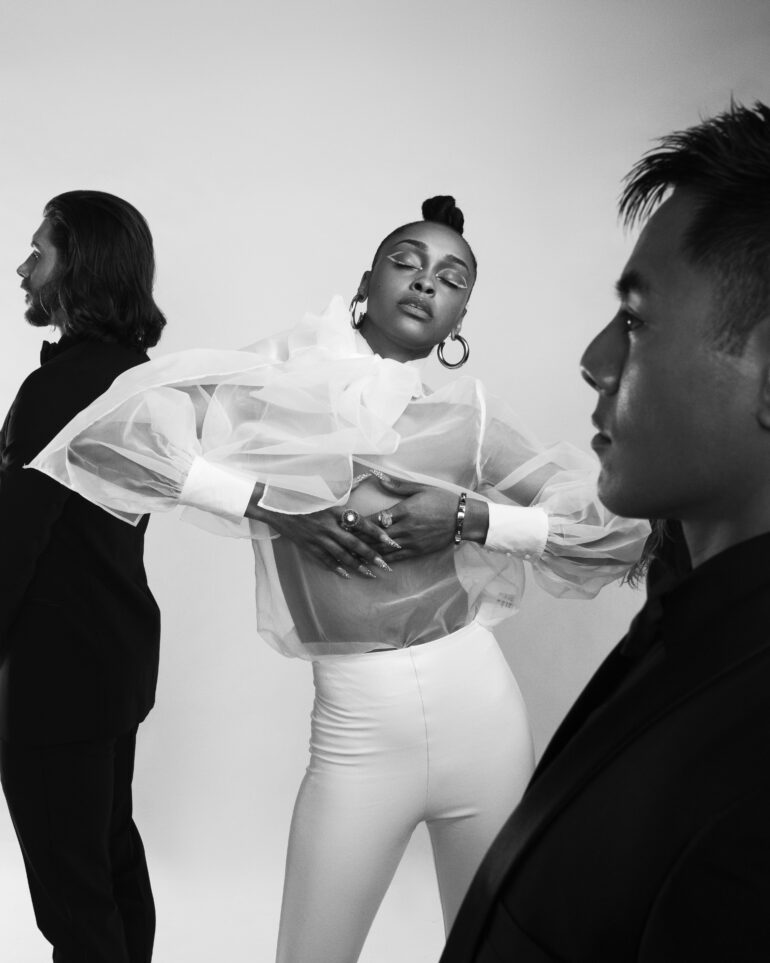
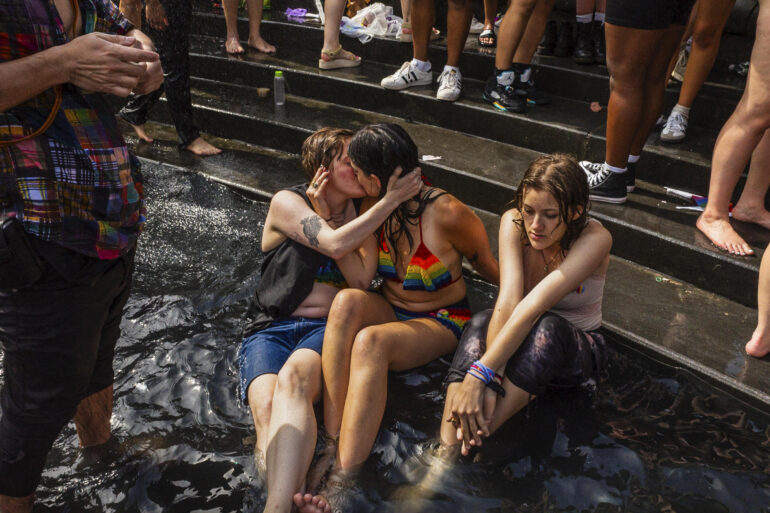
In 2023, the Phoblographer interviewed several photographers who we think embody the idea of human photography and stand out from many of the others out there. Some of them do all their work with no Photoshop. Others find ways to channel their emotions in art in ways that can only be dreamed of by others. So, with 2023 ending, we’re rounding up the most inspirational photographers of 2023 that we’ve interviewed. Take a look below.

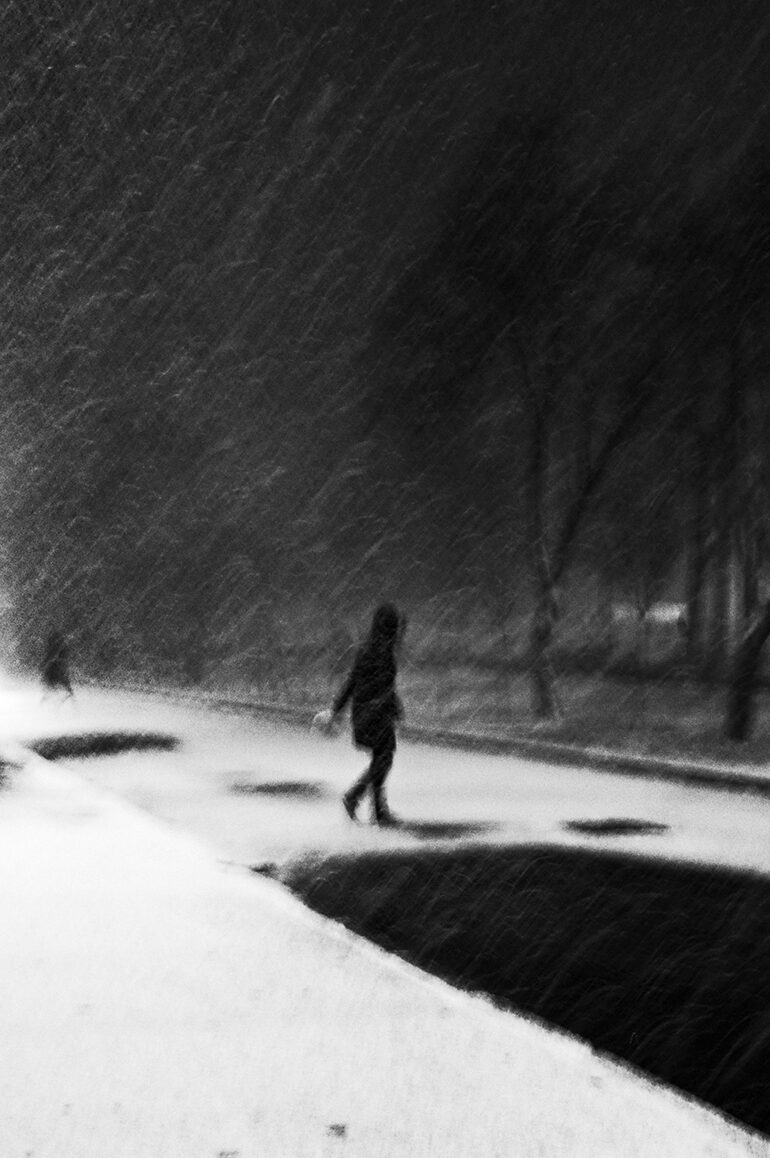
Olga Karlovac: A Unique Street Photographer

Read our interview. Please be sure to check out her website and Instagram page.

Jaina Cipriano: No Photoshop at All

Read our interview. Please follow her work on Instagram and her website.

Dinara Baizakova: The Liberation of Women

Read our interview.

Bae O’Wulf: An Incredible Photographer With a Passion for the Geeky Side

Read the interview. Check out @thebaeowulf@baevocative, and her website.

Sydni Indman: A Conceptual Photographer With Work You’ll Fall in Love With

Read our interview. Check out her website, her Instagram, and her Flickr

Willie Velazquez: One of the Best Street Photographers of 2023

Read our interview. Please visit his website and his Instagram for more.

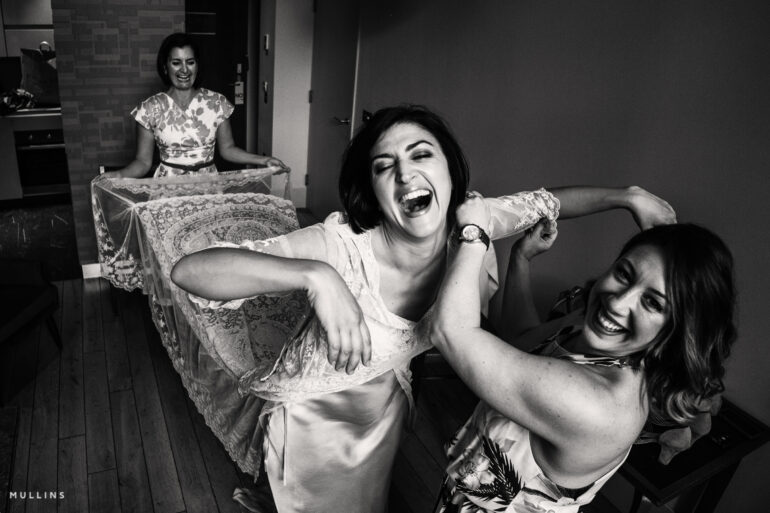
Kevin Mullins: A Legend of Wedding Photography

Read our interview. Please follow his Instagram and website.

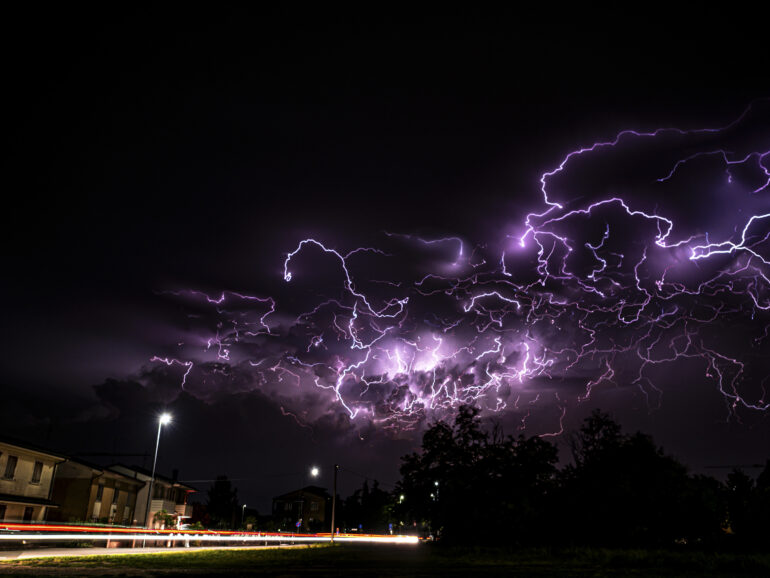
Lorenzo Andrianai: In-Camera Trickery

Read our interview. Be sure to follow him on Instagram.

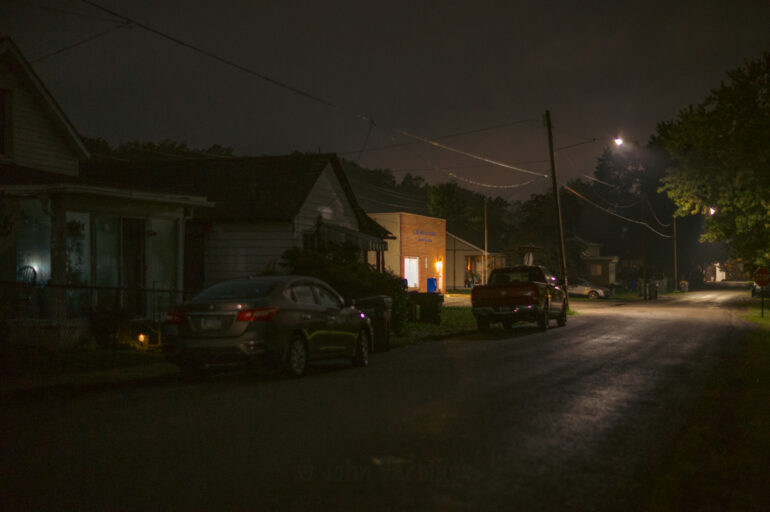
John Barbiaux: Inspired by Stephen King

Read our interview. Be sure to check out his website and DecisiveShot for more from John.

Lukasz Spychala: Surreal Analog Photography

Theory of relativity

Read our interview. Visit his website and Instagram page to see more of his work.

Nicholas Freeman: Brilliant Use of Lighting

Read our Interview. Please check out his website and his Twitter for more.

Daniel Moreno: The Body as a Landscape

Read our interview. Be sure to visit Daniel’s InstagramFlickr and Behance to see more.

Local photographer gives back to North Platte with free holiday photoshoot

Local photographer gives back to North Platte with free holiday photoshoot

NORTH PLATTE, Neb. (KNOP) – A local photographer held a free holiday photoshoot this evening at Good Life On The Bricks as a way to give back to the community.

Devin Grandberry and his fiancé started a free holiday photoshoot a year ago thanks to the support of the restaurant. Families had the opportunity to get that special holiday photo along with free hot chocolate as well as help other families in need.

“This is a free photoshoot the only thing I ask is that people donate monastery or toys and its a good trade off, it’s a win, win for everyone. You get a family photo and you get to help someone in the community,” Grandberry said.

Grandberry is also contemplating the idea of having more photoshoots year-round to continue to give back.

“I have considered doing other things outside of just Christmas. I love Halloween and just other ways for people to express themselves and I would definitely love to expand this into other areas like Valentines Day and just more reasons to give back to the community,” Grandberry said.

Click here to subscribe to our NBC Nebraska News 2 daily digest and breaking news alerts delivered straight to your email inbox.

Sony Photographers Need to Be Careful What Memory Cards They Buy

Sony Photographers Need to Be Careful What Memory Cards They Buy

CFexpress Type A cards

Photographers who use any of Sony’s most recent cameras are no doubt familiar with CFexpress Type A cards. As Sony is the only manufacturer to use the format, the cards are usually expensive. There are some cheap options out there, but unfortunately, they still come with a cost.

When compared to other electronics, there is a somewhat unusual burden that gets placed on photographers that forces them to not only read the fine print of the memory cards they buy, but also understand a breadth of symbols that, to a newcomer, may as well be ancient hieroglyphics.

For the most part, photographers have been able to lean on two main numbers, though: the read and write speed in MB/s. For cameras that promised full functionality with SD cards, as long as those numbers were above 90 MB/s, they were good. Now, obviously that’s an oversimplification, but let’s be honest about the situation. It’s actually insane that PetaPixel‘s guide to memory cards needed to use nearly 3,000 words to explain what bus speed, speed, class, UHS speed class, and video speed class actually mean, not to mention that there are probably many photographers that still don’t know the difference between CFexpress Type A and Type B.

Memory card companies and the organizations that manage them have not historically really done the best job of making this easy to understand and combined with the fact that there are so many users who just don’t know (or care) what all of it means, it should come as no surprise that, with millions of dollars being spent on memory a year, the market is filled with some less than forthright players.

While there are questionable makers across the various types of cards, the most important one to focus on right now is CFexpress Type A.

The Important Facts First

The easiest way to explain this situation is to first state a series of facts. First, CFexpress Type A is a format that any camera maker can use, but only one camera maker currently does: Sony.

Second, the Compact Flash Association — which owns the trademarks, intellectual property, and logos associated with CFexpress — is a non-profit organization made up of more than 80 members across the host, card, peripheral, and tester manufacturers. It has rules in place to assure quality and performance as well as compliance with its specifications.

One of those specifications is called Video Performance Guarantee, or VPG. This metric promises that a card will never dip below a certain MB/s speed and is granted at various levels: 20, 65, 130, 200, and 400. A VPG 400 card, for example, is guaranteed to never have its write speed drop below 400 MB/s, so cameras that have particularly high data rates will require this score to assure a filmmaker that if used, it will not drop a single frame during a recording session.

VPG Logo
VPG Logo

Of note, while the CFA could score a card at 20, 65, and 130, it doesn’t. The only cards that are VPG certified on the market are at least 200 and the majority score at 400.

Third, Sony points out in its user manual for cameras that shoot at either high resolution or high framerate (or both) that it requires a CFexpress Type A card to score at least VPG200. The Alpha 1, for example, is one such camera to require this.

Sony A1 Card Requirements
Screenshot of Sony’s Alpha 1 user manual.

Of note, it only requires an SD card to rate V60 (meaning it has to sustain at least 60 MB/s, although some features are better if a card is a V90, or 90 MB/s). This speed incongruity is likely tied to the fact that the CFA doesn’t actually score VPG below 200 in practice, and Sony opted to go with the lowest possible requirement here. This is just speculation, but we have no other explanation for the vast difference in speed requirements. Whatever the reason may be, Sony cameras will check a CFexpress card for a specific firmware flag that confirms it has the VPG200 certification in order to allow access to the highest video recording levels. If that flag isn’t detected, the camera will “gray out” the selection in the menu.

The Sony a7s III “Help Guide” also outlines VPG requirements for specific S&Q video modes.

Sony a7s III card requirements
Screenshot of the Sony a7S III’s online Help Guide

So with that said, we know that if a CFexpress Type A card exists, it’s being made to work with Sony cameras and Sony cameras are looking for specific performance guarantees in order to function fully.

Cards Are Cheating the System

One more fact that photographers know all too well is that CFexpress cards are very expensive and CFexpress Type A cards are especially so. As a result, people are going to be shopping for the best possible deal to get the most bang for their buck. Because of this, some companies stand out by making cards that are far cheaper than the competition. How are they doing it? The average photographer probably doesn’t care. The only thing that matters is that they can get more cards for less money.

That is, unfortunately, not necessarily the right move. While we do like to advocate to pick up gear on sale, there is some chicanery going on in the memory card world where companies are not going through the process to get a VPG rating but falsely including a certification firmware flag so that Sony cameras think they did.

This practice takes advantage of a few factors. One, memory cards are confusing and the symbols don’t mean much to the average person. Two, memory cards are expensive, and being cheap is a good way to move products. Three, the CFA has been relatively quiet and downright secretive about how it operates and therefore it doesn’t speak out publicly to address issues with its licensees, instead choosing to try and fix these issues behind closed doors.

What this means is that some of the best selling, top results for CFexpress Type A memory cards on Amazon are not abiding by the CFA’s rules, are not actually getting their performance checked, and are straight up lying to your camera by pretending they did.

Does this mean the cards won’t work right? Not necessarily, but it also means no one actually checked.

The testing required to obtain a VPG rating is extremely rigorous. Tests are performed on multiple cards and take days to complete, which makes sense: if the word “guarantee” is in the name, then the CFA wants to stand by the definition of the word. But this process costs money and manufacturers who would rather try and earn market share by undercutting the competition don’t necessarily want to incur more costs that would prevent that. So they don’t, and by faking the firmware, cameras are none the wiser.

How to Recognize a Cheat

It’s really easy to know if a company is cheating the system. If you purchased a CFexpress Type A memory card for your Sony camera and it doesn’t have the VPG logo on it but your ability to record in all the frame rate and resolution options isn’t grayed out in your menu, the card has been programmed to lie. That means while it might work, that performance has not been proven to and the company you bought from didn’t play by the rules to which everyone else is being held.

Sony CFexpress
The VPG Logo will be clearly visible on the front of the card. | Sony

The entire point of the VPG logo is to give consumers some level of confidence that what they’re buying will actually work as advertised. Other memory card formats work on an honor system: a company tests internally and says it will perform a certain way and that’s the end of the story. The CFA wanted to actually hold companies to a real standard and that means consumers should have more confidence in a product.

Unfortunately, this isn’t really communicated well to the buyer and as a result, some companies have been able to treat the space like the wild west.

The goal here is to help maintain that standard, so going forward PetaPixel will only recommend CFexpress Type A cards that are properly labeled and are confirmed to have passed the VPG certification.

That means as of today, Sony shooters should go with ProGrade Digital, Sony Tough, Delkin, and Lexar in order to get maximum performance out of a high-end Sony camera that has been verified. There are options from a few others now, but these four have been upfront and honest for the entire time they’ve made CFexpress Type A cards while there are others who are doing the right thing now, but previous cards they made weren’t and are still on the market.

Really cheap options, like Pergear’s, or any CFexpress Type A card that doesn’t have a VPG logo on the label should be avoided or at least approached with caution and skepticism.


Editorial note: This information only recently came to light for us after some conversation with industry experts. As mentioned, much of this is shrouded in secrecy so it has been difficult to give you straight answers. That’s why PetaPixel has shared news and information about cards that apparently violated the CFA’s rules in the past and why those brands haven’t been featured lately, even if you’ve seen them on other websites. We don’t delete stories here on PetaPixel because we treat our site as an archive, but expect what we now know to play a role in our editorial coverage moving forward.

Pro kit: Broadcaster and filmmaker Hannah Stitfall shares what’s in her bag

Pro kit: Broadcaster and filmmaker Hannah Stitfall shares what’s in her bag

They say to never work with children or animals, and for good reason! Wildlife photography isn’t without its fair share of complications. You’ll often be waiting long hours come rain or shine for your subject to turn up and the perfect light to materialize. However, when you do finally manage to pull off that incredible animal portrait you’d envisioned there’s no greater sense of accomplishment, which makes it all worthwhile.

We recently caught up with wildlife broadcaster and filmmaker Hannah Stitfall, who is best known for her stunning nature photography and videography seen on BBC programs including Earth’s Co-Existence, The One Show and Springwatch. 

• Elevate your nature shots with the best cameras for wildlife photography

Hannah studied zoology at university and is an ambassador for Helping Rhinos, The Wildlife Trusts, The UK Wild Otter Trust, Prickles and Paws Hedgehog Rescue, and the Cornish Seal Sanctuary. 

She tells us her story, her top tips for wildlife portraits, as well as the camera set-up she uses, including her favorite lenses. To see more of her fantastic nature shots and check out her workshops, be sure to visit her website.

Professional wildlife photographer and videographer Hannah Stitfall (Image credit: Hannah Stitfall)

“Being surrounded by nature and waiting for hours to try and catch a glimpse of a wild animal might not be everyone’s bag – but for me, there is nowhere else I’d rather be.

“My career has seen me travel the world, filming and photographing some of the planet’s rarest species. Whether that’s in the bustling metropolises of Singapore and Hong Kong, the busy streets of Vienna or the wilds of South Africa, I’m incredibly lucky to have the career I do – although I still get the same thrill when I’m sat in a hedgerow where I live in Cornwall!

“All animals come with their own challenges, especially working out exactly how you are going to film or photograph them in their natural environment without disturbing their habitat. Animal behaviour can be unpredictable too. I’m often thinking about when and where they’ll come out, the best time of year, and how close I can get without disturbing them.

“Wildlife ethics are at the forefront of everything I do: I spend months planning, using strategic camera traps to locate a species as well as creating a popup hide. Having a deep understanding of animal behaviour is vital, much of which you can only learn on the job and after putting the hours in. The weather is also a challenge: from shooting in the humidity of the Cayman Islands to -25ºC degrees in hides in Sweden, I always need to be prepared for what the weather may throw at me!”

Hannah’s pro wildlife kit

(Image credit: Canon)

“This camera is currently my ride or die! The mirrorless system makes it fast, lightweight and easy to use – which is ideal when you have to travel far distances on foot to reach the species you want to film or photograph. It can also record video in 4K and up to 100fps, making it perfect for filming wildlife, especially fast‑moving species.”

(Image credit: Canon)

“Before I upgraded to the EOS R5, my workhorse camera was an EOS 5D Mark IV. I still use it, especially if I’m staking out a den. It’s been to many countries, trodden many paths and been down many ditches, but has lived to tell the tale! I thought about selling it once I upgraded, but it’s such a solid piece of equipment that I’ve kept hold of it. Hopefully it has many more years of trekking ahead of it yet!”

(Image credit: Sigma)

“This is a beast of a lens and, for the price, should be in any budding wildlife filmmaker’s kit. I have used this lens for about five years. Its performance and ease of use make it perfect for wildlife, but also sports and fast action too. This was the first telephoto lens I owned (I always borrowed my friends’ before), and I would highly recommend it to anyone starting out.”

(Image credit: Canon)

“This is a fabulous lens to pair with my EOS R5. It’s really versatile, giving you different telephoto focal lengths, which is exactly what you need for wildlife – and it’s super-light too! This lens is razor-sharp, fast when focusing, and delivers great results in low-light conditions. The best time to photograph many species, especially mammals, is at dusk and dawn, so this lens is a must-have!”

5. Canon RF Extender 1.4x

(Image credit: Canon)

“The Canon RF Extender 1.4x is a must for my current setup, particularly for shooting imagery of small birds. If I’m going out for bird photography, I already have the extender attached before I leave the house. It works perfectly with Canon’s RF 100-500mm F4.5-7.1 IS USM, giving me a 700mm focal length at the long end, and the image quality it produces is superb. The extra bit of reach it provides in certain situations can make all the difference!”

(Image credit: Canon)

“You might be wondering why a wildlife filmmaker and photographer has a ‘nifty fifty’ in their camera bag? It might surprise you to know that many filmmakers use these cheap and cheerful lenses, as they’re very useful. I mainly use mine on professional shoots, for cutaways and any other shots that are needed. I also have a Canon EF-EOS R adapter, so I can use my old EF 50mm lens with my new EOS R5.”

Dispute over photography triggered Pittsburgh Greyhound shooting, records show

Dispute over photography triggered Pittsburgh Greyhound shooting, records show

A morning melee Wednesday at the Greyhound station in Downtown Pittsburgh that ended with a shooting by law enforcement officers was triggered by a dispute between bus passengers over one taking pictures of the other’s family, according to court paperwork.

Pittsburgh police on Friday charged Rayshon Mason, 32, of New York State, with attempted homicide and aggravated assault for trying to stab another passenger with a folding knife.

Mason remains in the hospital under police guard awaiting arraignment. Police did not know his condition but said he is expected to live.

While the criminal complaint against Mason provides a blow-by-blow of the scuffle prior to the shooting, it does not give many details about the shooting itself by two agents with the state Attorney General’s Office.

Most of the incident, including the shooting, was captured on surveillance video.

Pittsburgh police did not identify the victim or the agents who shot Mason around 6:40 a.m. inside the station concourse at 11th Street.

The victim told police that problems began when Mason took pictures on the Baltimore-Pittsburgh bus of the passenger’s family. Police provided no other specifics.

When passengers disembarked, Mason approached the victim. The two started arguing and Mason bearhugged the victim, according to the complaint.

Surveillance footage showed the two grappling as they fell to the ground.

Another passenger tried to break up the scuffle. The victim got up and kicked Mason when he was down, the complaint said.

Mason then got to his feet. Holding something that appeared to be a weapon, he walked toward the victim, who backed up into a glass wall between the concourse and the bus terminal, according to police.

Video showed Mason moving his arm in a way consistent with a knife attack, police said.

Another person in the vicinity tried to stop Mason and held up an unidentified object for protection, police said.

The victim fell, avoiding being stabbed but sustaining a head injury, and the two agents opened fire. Police said Mason was struck in the chest and stomach.

Mason was taken to UPMC Presbyterian in Oakland, while the victim was treated for a cut to the head at Allegheny General Hospital on the North Side and released.

A folding knife with the blade out was found under the bus that had carried the passengers.

The agents happened to be at the station as part of a task force conducting a drug investigation unrelated to the incident.

It was unclear how close Mason was to the victim, whether the agents identified themselves, when they became aware of the situation or where they were in relation to Mason when they fired.

“They weren’t behind,” said Cara Cruz, a Pittsburgh police spokeswoman. Cruz said she saw the video but could release only limited information since the incident was under investigation.

Earlier this week, Cruz said that the agents ordered the defendant to drop his knife, but that is not reflected in the police account.

Cruz said Friday that she could not explain the discrepancy.

She said that a police supervisor informed her that the agents had told Mason to drop his weapon.

Pittsburgh police are investigating whether the agents’ actions were justified. They will forward their findings to the Allegheny County District Attorney’s Office, which declined comment while the investigation is pending.

Brett Hambright, a spokesman for the attorney general’s office, declined to answer questions Friday about the incident, referring a reporter to a previous statement.

He said the agents who opened fire are on administrative duty, which is routine after a shooting.

Pittsburgh police have responded to at least 13 crime reports at the bus station this year through Nov. 6.

Jonathan D. Silver is a Tribune-Review staff writer. You can contact Jonathan at jsilver@triblive.com.