Month of Photography: A photographic journey through the French capital

Month of Photography: A photographic journey through the French capital

When the first winter chills sweep through France, a buzz of anticipation builds. During the Month of Photography, the eighth art takes center stage. For an entire month, the international photography scene converges on the city, from the left bank to the right. Several exceptional events stand out to enthrall photography enthusiasts: Paris Photo, Photo Days, Photo Saint-Germain. The Paris Photo fair alone welcomes over 200 exhibitors. From vintage to contemporary photographs, with unconventional venues, events, guided tours, workshops, and conferences, lovers of film photography won’t go away disappointed.

(Re)discovering darkroom essentials

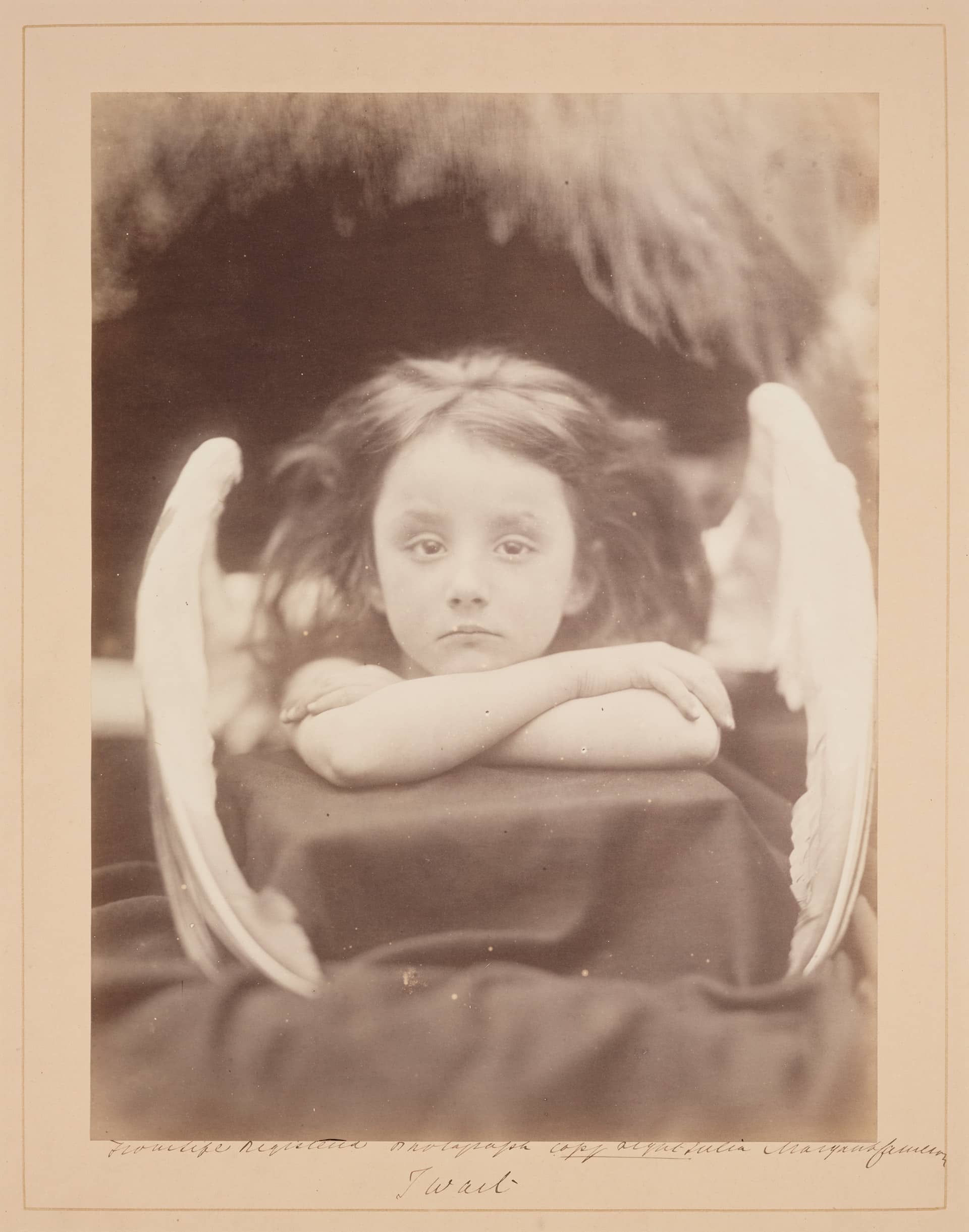
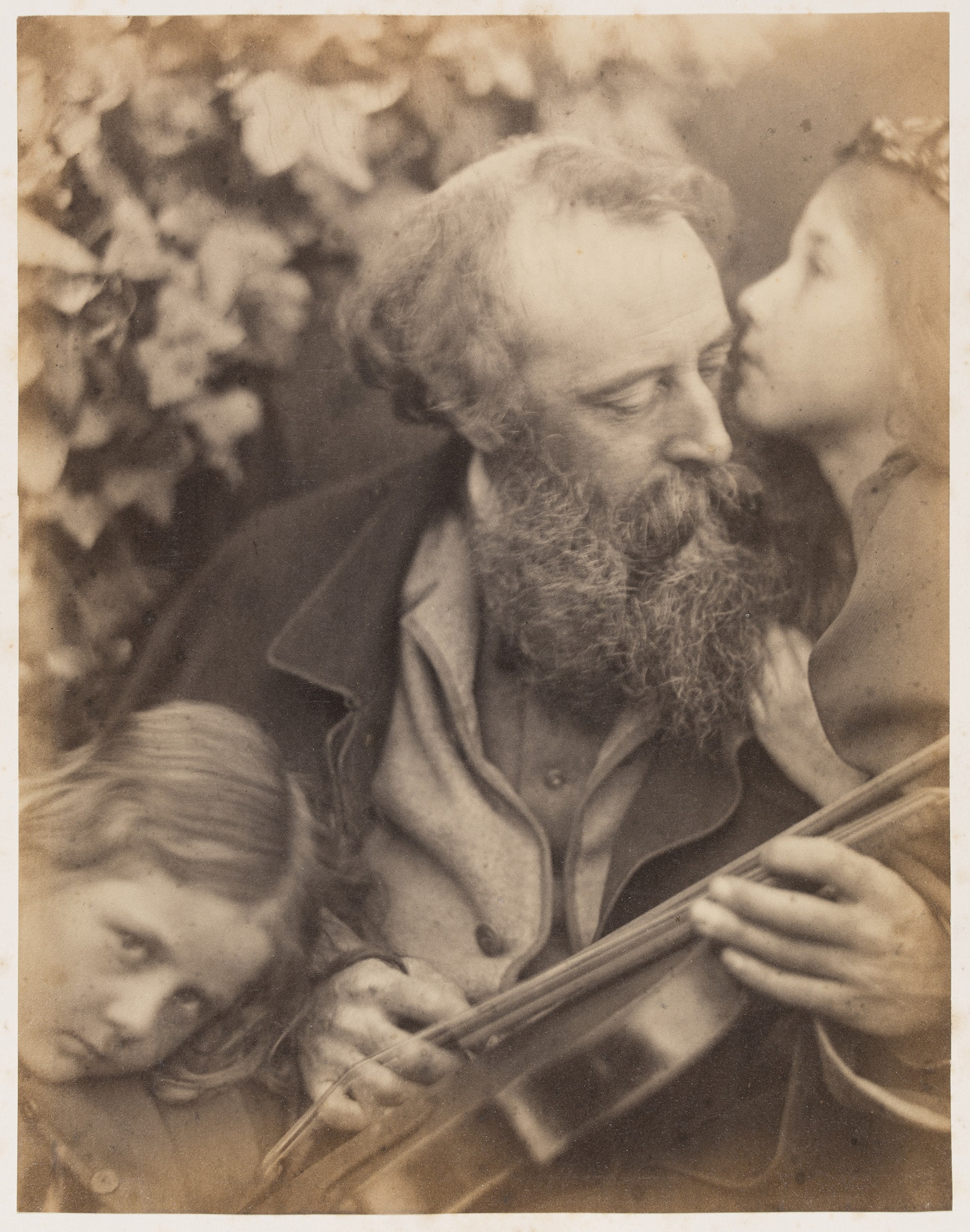
Near Place de la Concorde, Photo Days pays tribute to the artistry of Julia Margaret Cameron. This photographic treasure trove can be found within the walls of Jeu de Paume. Take the time to explore the exhibition Arresting Beauty. Cameron’s work unfolds across some hundred photographs, combining poetry and portraiture. This unique retrospective immortalizes the decade spanning 1864 to 1875 and celebrates the grace of imperfection. Prepare to be whirled away in a dance between past and present.

The Catherine Putman Gallery presents Georges Rousse’s optical illusions in watercolor. A visionary artist celebrated globally, Rousse reinvents spaces with anamorphic shapes infused with a burst of color. The exhibition in rue Quincampoix spotlights his recent projects, which masterfully capture the magic of transparency and the depth of space.

Photograph from the Royal Photographic Society Collection

Close and intimate

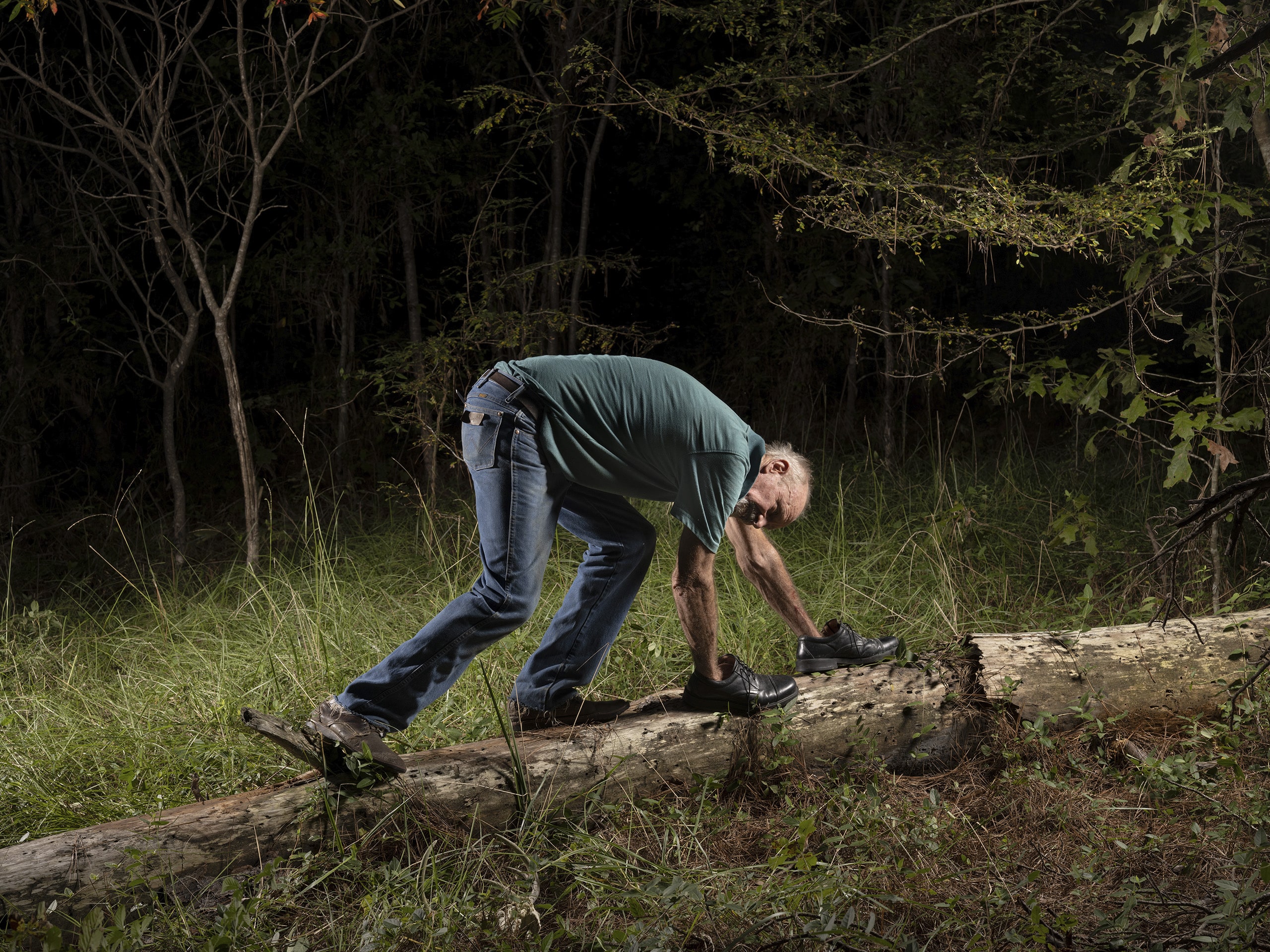
Continue your exploration by delving into the introspective gaze of Carolyn Drake, the 2021 HCB Award winner, at the Fondation Henri Cartier-Bresson. Her series, MEN UNTITLED, unveils a personal, documentary journey into American masculinity. Blending symbols of virility, introspective self-portraits, and raw male portraits, the exhibition probes the constructs of male identity, subtly challenging the norms of masculinity.

Your journey progresses with a dive into the worlds of Irving Penn. A rare collection dating back to 1967 is brought to light at the Thaddaeus Ropac Gallery. In her captivating images, Anna Halprin, in turn, captures the essence of an improvised choreography, celebrating movement and the human form.

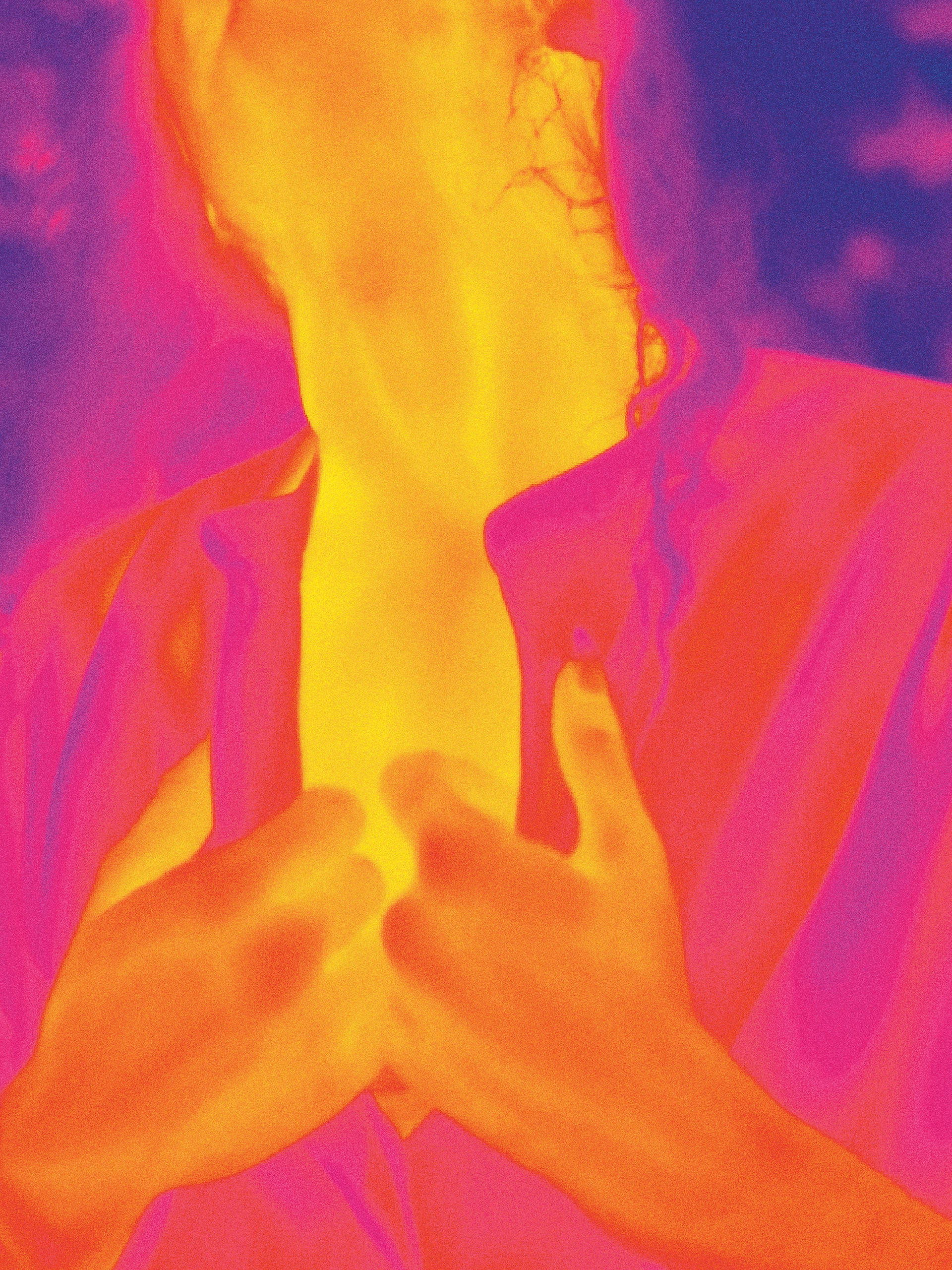
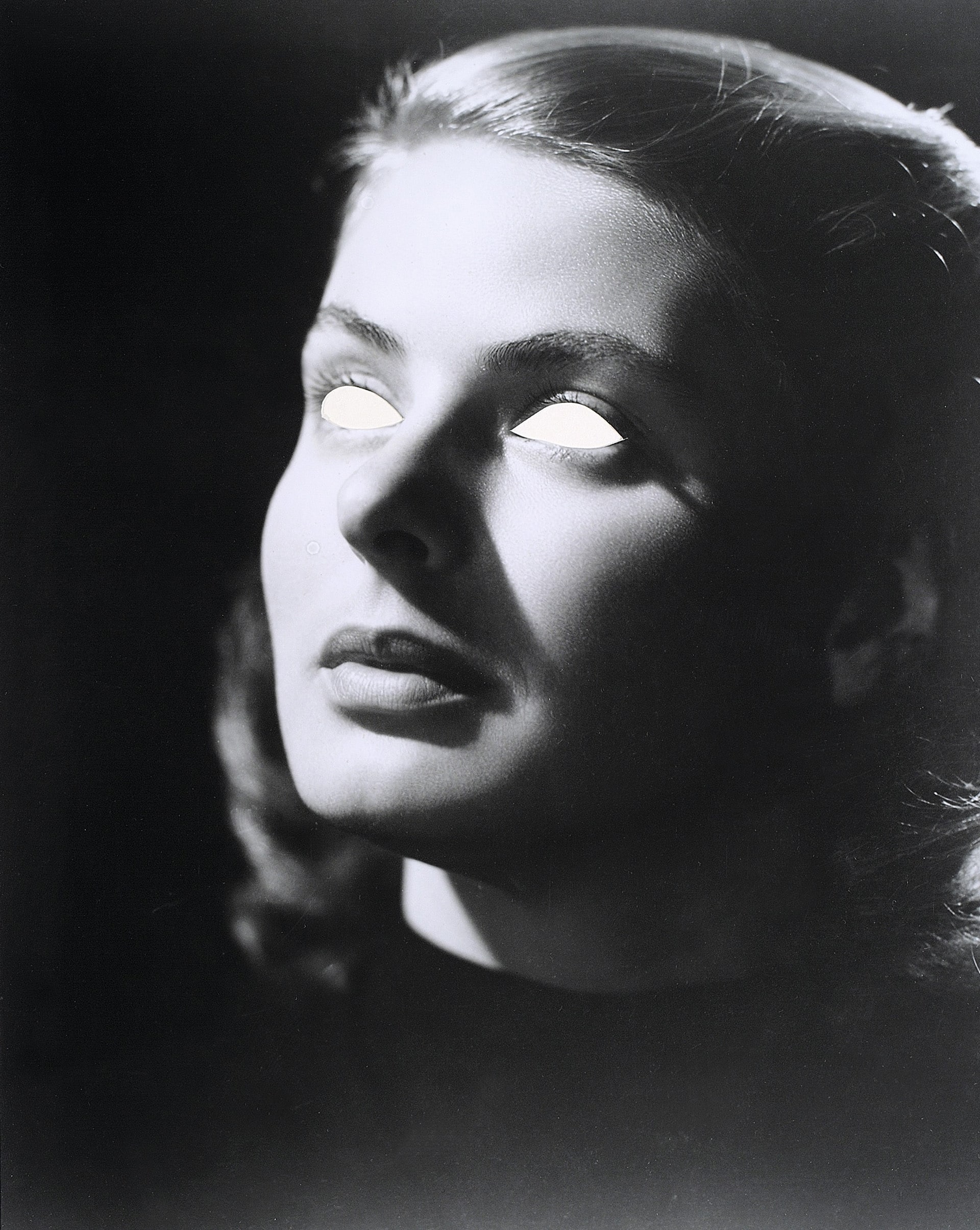
The Centre Pompidou also invites us to a celebration of humanity with the exhibition Corps à corps. A meticulously curated selection of historic and contemporary photographs from the Centre’s own collection, paired with the private collection of Marin Karmitz, questions our perception of the individual in modern society and highlights the photographer’s crucial role in shaping identities.

No title, from the series Anamanda Sîn, Désidération 2021 Colored photographic print on aluminium 80 × 60 cm Centre Pompidou – Musée national d’art moderne, Paris Purchase, 2023 © SMITH, 2021 Photographic reproduction : Courtesy Gallery Christophe Gaillard, Paris
Blind Ingrid (White Eyes) 2002 Cut gelatin-silver print 22 x 17,5 cm Marin Karmitz collection © Douglas Gordon, Studio lost but found/Adagp, Paris 2023 Photographic reproduction : Collection Marin Karmitz

Women’s perspective in photography

The Grand Palais Éphémère is set to host Paris Photo from November 9 to 12, 2023. Each year, the event honors women’s art through the program Elles × Paris Photo, showcasing the significant contributions of female artists to the history of photography. Curated by Fiona Rogers, this edition features the works of 36 artists, including:

  • Ana Teresa Barboza with her embroidered landscapes;
  • Frida Orupabo, the Norwegian-Nigerian artist;
  • Alejandra Laviada, the Mexican photographer known for her diverse artistic techniques;
  • Martine Gutierrez;
  • and many others to be discovered.

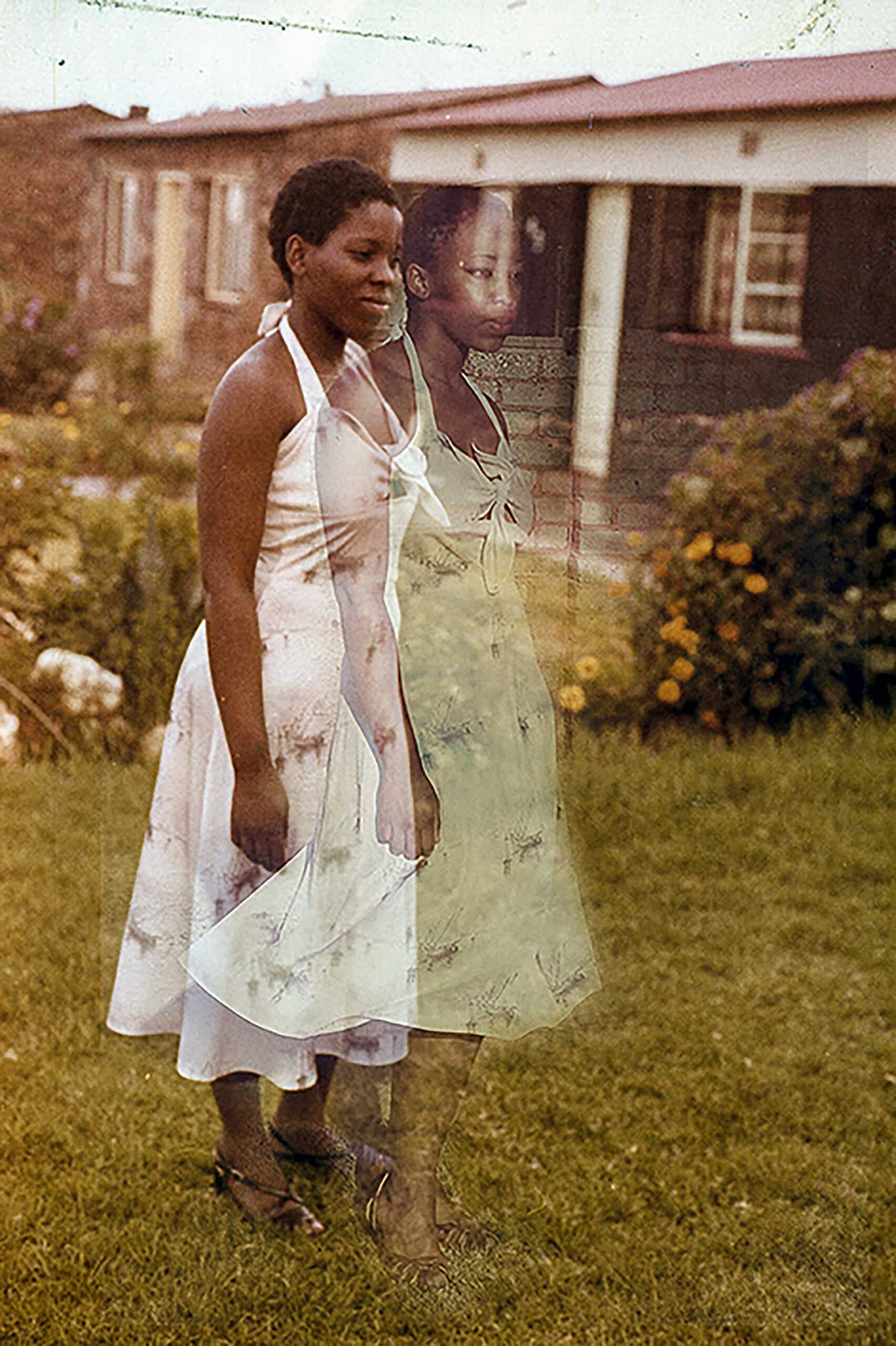
Photo Days also offers an opportunity to delve into mother–child relationships through the exhibition A partir d’elle at Le BAL (October 12, 2023 – February 25, 2024). Engage with the perspectives of 25 artists on their mothers. Figures such as Sophie Calle, Christian Boltanski, and Lebohang Kganye explore the various aspects of maternal figures and family archetypes.

Whether behind or in front of the lens, womanhood reveals its diversity during the Month of Photography in Paris.

Ka mose wa malomo kwana 44 II, of the Ke Lefa Laka : Her-Story, 2013 © Lebohang Kganye / Courtesy the Artist
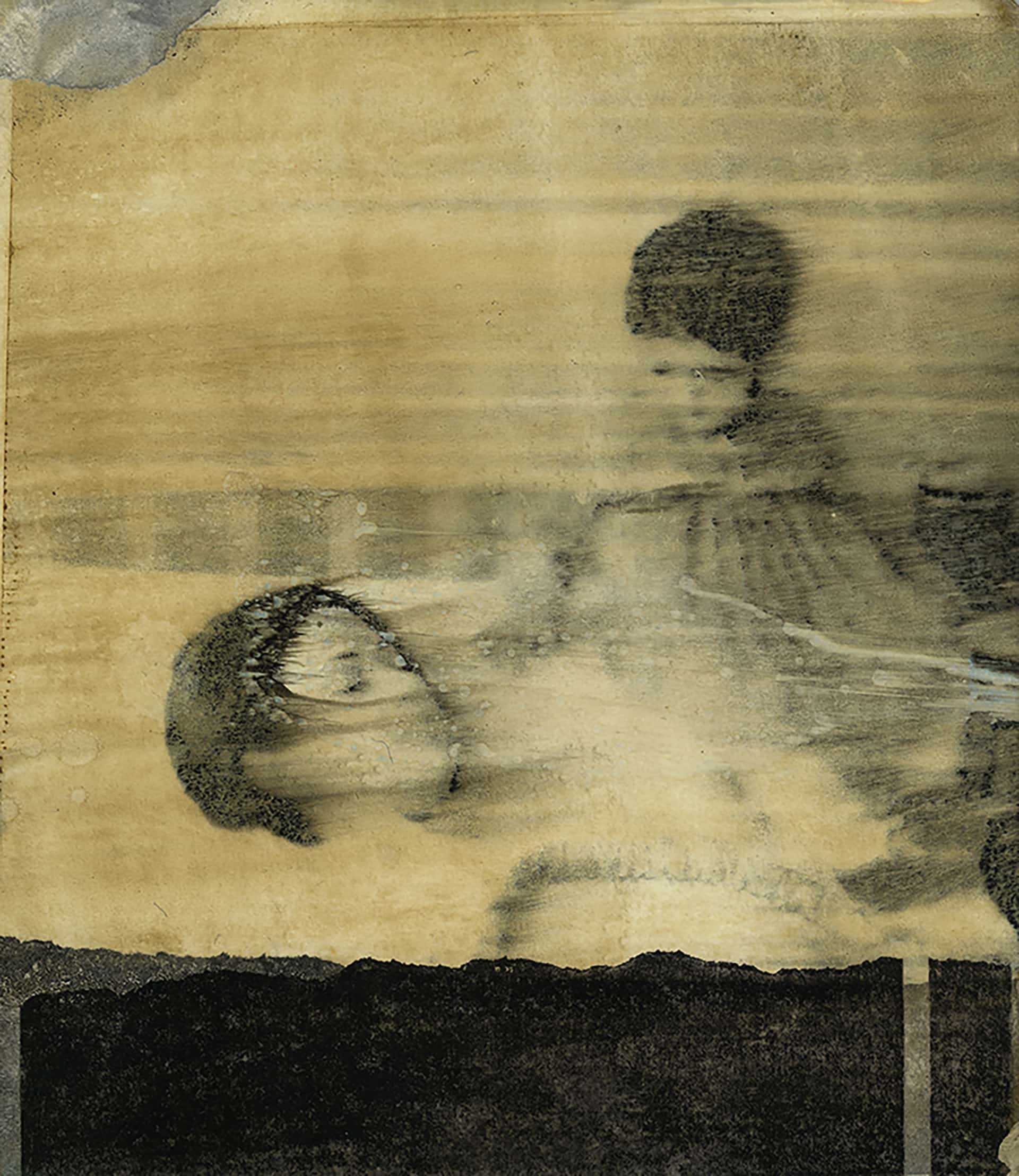
The Lack of the Other, 2015 © Asareh Akasheh

Unconventional venues: a fusion between image and frame

During the Month of Photography, photography is showcased within unique venues. Visit Atelier Frank Horvat to step out of time. The studio stages a photographic conversation between the Hong Kong works of Frank Horvat and British artist Antony Cairns. Fiammetta Horvat, the late photographer’s daughter, aims to turn his photo studio into a space dedicated to contemporary photography encounters. Note that the exhibition can be visited by appointment only!

Continue your adventure in photography with Photo Saint-Germain at the Museum of the History of Medicine. The exhibition Phenomena: Scholars and the Mysteries of the Mind (part 2),” features a series of previously unseen photographs (part 1 was presented in 2022 at the same museum). Capturing the unexplained, these images reveal the invisible and evoke the impossible.

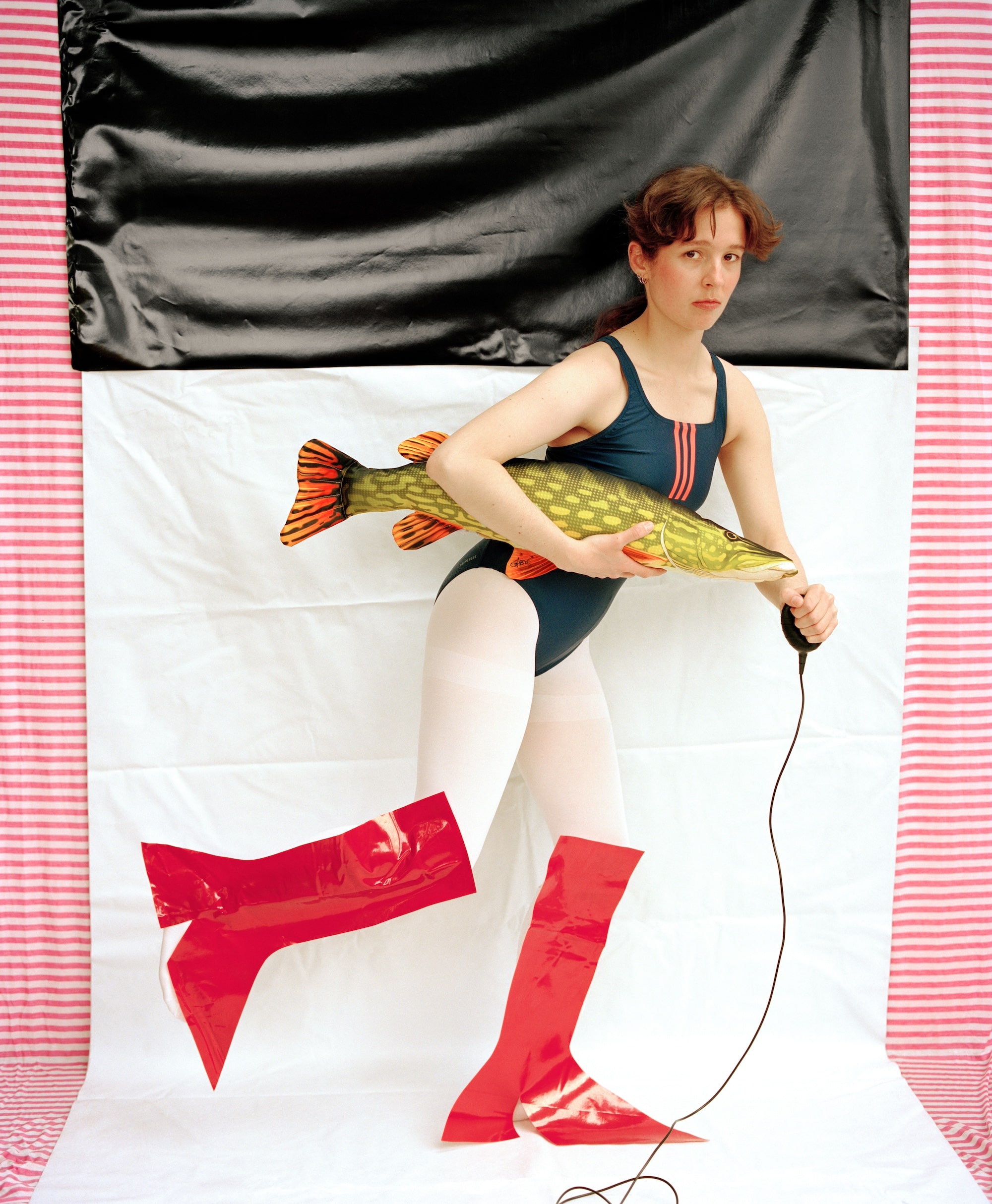
Aurelia Casse, Need bigger red booboots, I can’t run, 2022
Need bigger red booboots, I can’t run, 2022 © Aurelia Casse

Did you know? Photo Days has revived La Rotonde Balzac 

Since its inception in 2020, the Photo Days festival has turned La Rotonde Balzac into a nexus of literature and photography. This year, Elger Esser brings the past to life through the photographic lens, reflecting on the evolution of technology and art. Located in the gardens of the Hôtel de Rothschild in Paris’s 8th arrondissement, the Rotonde had been shuttered for decades, unknown to Parisians and used as a gardener’s shed! Today, it has been revived thanks to Photo Days.

Man on All Fours (John D), 2022 © Carolyn Drake / Magnum Photos

Experiment and reward

Matthias Pasquet offers a workshop in “Gelatin silver experimentation.” You will learn how to use rocks or other materials as your canvas. The concept? To combine the techniques of painting with photography. The lab thus becomes a place for all kinds of daring feats. Solarization, rayographs, chemigrams, and other camera-less photographic techniques will be at the heart of the artistic explorations.

Celebrating innovation, the Grand Prix Paris je t’aime × Photo Days emerges as a showcase of contemporary photographic talent. This initiative focuses on artists who capture the quintessential beauty of Paris. The theme of the 2023 edition, “Paris, Games,” turns the French capital into a blank canvas where these photographer come to deploy their creative energies.

Key takeaways:

  • Dozens of exhibitions are held throughout November during Paris Month of Photography;
  • Events like Photo Days, Paris Photo, and Photo Saint-Germain offer multiple tours, exhibitions, and encounters centered on photography;
  • The artists featured during the Month of Photography include Georges Rousse, Julia Margaret Cameron with her photographic portraits, Irving Penn, Carolyn Drake, and many others.
Ian Walker, South Uist, Hebrides 1954 Gelatin-silver print 19,4 × 24,5 cm Centre Pompidou – Musée national d’art moderne, Paris Dation, 1985 © Aperture Foundation Inc, Paul Strand Archive Photographic reproduction : Centre Pompidou – Mnam-Cci/ Georges Meguerditchian/ Dist. RMN-GP

Exhibit features paintings by Aboriginal artists from Australia’s desert communities, coastal art centers, and private collections

Exhibit features paintings by Aboriginal artists from Australia’s desert communities, coastal art centers, and private collections
image

A very exciting exhibition opens on Saturday, Nov. 11, at Redbud Arts Center at 303 E. 11th Street. “Ancient Lands … Ageless Stories” is a show of contemporary Aboriginal Australian art, which Redbud Arts Center is hosting in collaboration with the Booker-Lowe Art Gallery to celebrate the 50-year anniversary of Australia’s contemporary Aboriginal art movement.

The show includes works by artists Rosella Namok, Silas Hobson, Fiona Omeenyo, Jeffrey Jangala Gallagher, Theo (Faye) Nangala Hudson,  and Joycie Pitjarra Morton among others. While the paintings all have a modern look and feel and are created by Aboriginal artists who are our contemporaries, they draw on the rich artistic heritage of the world’s oldest living culture. Australia’s first nations have been making art for 50,000 years. If you’re a lover of abstract art, you might have encountered the term “mark making,” referring to artistic strokes meant to evoke emotion. Surely, the knowledge that 50,000 years ago Aboriginals in Australia were engaging in mark making on cave walls, in the bark of trees, in the sand, even on their own bodies, is awe-inspiring. And the fact that so many thousands of years later, artists are carrying on these artistic traditions along with the mythology that permeates them, and that we can see such works here in our own neighborhood is exciting indeed.

According to the Redbud Arts Center website, “The contemporary Aboriginal art movement began in the early 1970s at Papunya, a remote government settlement in the Northern Territory.  At the urging of the local school’s art teacher, a group of senior men agreed to paint a mural of a tribal Tjukurrpa, or Dreaming story about their Honey Ant ancestor.  Using modern paints and brushes, they created a striking abstract work on a school wall, and soon after, began painting on canvas, old floorboards, or whatever they could find.  These small paintings quickly attracted attention at a small art gallery and on the streets of Alice Springs, several hundreds of miles away.  Soon, men and women from other indigenous communities began painting, translating their own traditional patterns onto canvas.  Today, hundreds of Aboriginal painters from coast-to-coast exhibit their works, portraying a cultural journey unlike any other in museums and galleries not only in Australia but throughout Europe, Asia, the Middle East, and the U.S.”

According to the Redbud Arts Center website, the inception of the contemporary Aboriginal art movement can be traced back to the early 1970s when it emerged in the remote government settlement of Papunya, located in the Northern Territory. Encouraged by a local school’s art teacher, a group of senior men decided to embark on a creative endeavor, painting a mural depicting a tribal Tjukurrpa or Dreaming story centered around their Honey Ant ancestor. Armed with modern paints and brushes, they skillfully crafted an impactful abstract artwork on a school wall. This initial project inspired them to extend their artistic expressions to various surfaces, including canvas, old floorboards, and any available materials.


These small paintings quickly garnered attention, both within a small art gallery and on the streets of Alice Springs, several hundreds of miles away. Before long, individuals from other indigenous communities joined in, bringing their own traditional patterns to life on canvas. Today, Aboriginal painters hailing from different corners of the country proudly showcase their works. Their art serves as a representation of a cultural journey that stands apart from any other, gracing museums and galleries not only in Australia but also across Europe, Asia, the Middle East, and the United States.


“Aboriginal art from Australia is a window into one of the world’s oldest cultures,” said Nana Booker, co-founder of the Booker-Lowe Art Gallery and a long-time art dealer of Australian Aboriginal art. The art reflects an incredible visual history, yet aesthetically it’s very modern. Artists use a combination of natural pigments as well as Western materials. The resulting canvases, Booker said, are “rich and layered in meaning, as well as great to look at.” Art lovers who want to know more about the meaning behind the paintings can delve into a whole mythology where the amount of exploration open to them seems endless. They can learn about ancestral creation spirits, rainbow serpents, as well as a different philosophy regarding creation, in which the creation era is never ending. 

Having been involved with collecting Aboriginal art for over 25 years, and having traveled to Australia repeatedly, Nana Booker talks with great excitement about the moment when she first fell in love with Aboriginal art, in a gallery in St. Louis during a business trip. She says she was blown away by the paintings she saw. “The power of them was palpable.”

“Ancient Lands … Ageless Stories” will be on view at Redbud Arts Center until Dec. 30, with the opening reception taking place the evening of Saturday, Nov. 11, from 6-9 p.m. 

DDW23: Kazerne Is Intertwining Hope and Design

DDW23: Kazerne Is Intertwining Hope and Design

Kazerne is a 2,500-square-meter combined meeting, exhibition, and hospitality space housed in a former military police barracks (and adjoining warehouses) dating back to the early 19th century. When Design Milk last visited in 2015, the renovation was only a year in – now it is complete and diners can eat surrounded by powerful design installations. For Dutch Design Week 2023, a show called Evolving Harmony: Intertwining Hope and Design has been curated by Annemoon Geurts exploring a “radically different” way to “live, produce, and consume together.”

The space adjacent to the main dining area was given over to three large sculptural pieces, two of which were by Eindhoven-based designer Grietje Schepers, who graduated from Design Academy Eindhoven in 2008. Ellipt 007 (above) is made from natural Dutch wool felt – the light and shadows it casts were conceived to create “mesmerizing patterns” and “alter the sensory perception” of the space. The three-dimensional form was created using an intricate pattern cut into flat felt with no waste.

A stool, a candle holder and a mirror are on a concrete floor – they are all dark red and made primarily from oversized chains.

“The Crawling objects capture your attention with their insect-like composure,” said the wall text explaining Crawling (above). “The creatures seem to come towards you while they are obviously too heavy to walk.” In keeping with Schepers’ low-waste approach, they are largely made from thrifted materials and objects.

A table has legs that look like roots with glasses the stems of which also look like roots and a series of amber coloured lights on what could be branches. The table's surface is black and shiny.

The third piece is by a more recent DAE graduate, artistic researcher, and designer Ori Orisun Merhav. Made by Insects is part of an ongoing research project into the natural polymer lac (more commonly known as Shellac and used as a coating) which is made from the secretions of female lac bugs. What started with a research project in Thailand to study the insects has evolved into a library of new techniques for working with this material in new and innovative ways and a body of work that demonstrates those techniques.

A series wooden frames are hung in two rows on a black wall. Black or white textiles that have been printed with black or black and white marks or images are stretched from the top to the bottom of each frame.

Fragments N21C and N21H (above and top) by Nanette de Kool are a collage of memories captured in photographs, video stills, and fragments of conversations, that are then screen-printed onto used and reconstructed textiles to evoke your own stories and memories. The Illinois Institute of Art graduate has a background in fashion design and styling.

A woven light brown bag featured black leather details. A bundle of fibre sits of the table in front of it.

Selyn was founded in 1991 when Sandra Wanduragala set out to create a sustainable income source for 15 women in Sri Lanka by reviving the dying art of handloom weaving in her home garage. Today it is a fair-trade certified company employing more than 1,000 female artisans across rural Sri Lanka.

A man holds a mobile phone up to the button on top of a bag – only his hands and arms are visible. Some text and an infographic are visible on the screen but not legible.

As well as traditional crafts, Selyn uses cutting-edge technology to provide transparency into its supply chain. By simply scanning the button attached to the top of this bag, you can see who made it and when they were last paid, verified by the maker herself, as well as information about materials, dyeing methods, and environmental impact.

A wallhanging is made from patched together piece of fabric in various shades of red, orange, yellow and light brown with a pale blue square in the center. Buttons are sewn on at the point at which some of squares meet.

In September 2022, the company was commissioned by the ambassador to the Kingdom of the Netherlands in Colombia to collaborate with interior architect Nicole van der Velden, to renovate his office and residence in line with his circular economy principles. Alongside reupholstered furniture, this quilt (above) was produced to tell the story of the project through its scanable buttons.

Three large clam-shell forms stand open, the layers of 3D-printed filament clearly visible.

With support from Creative Industries Fund NL, Isaac Monté has 3D-printed three giant clams – representing different stages of a stone mason’s apprenticeship – from Stone Paper made from byproducts from the limestone industry, such as calcium. Due to its unique viscosity, this necessitated the development of novel extrusion techniques. Through his work, Monté pays homage to the ancient craft of stonemasonry while redefining it for the modern era.

Wooden carvings of three brightly coloured, simplified, human forms each have a carved bird standing on their head and an illustration of either a bird or a fish on their fronts.

Everyday Paradise (above) was co-curated by Lili Tedde and Lidewij Edelkoort to enable visitors to “search for beauty, soothe our soul, and heal our mind; to recompose our battered being” in a climate of “ongoing war, endless waste, accelerated climate change, and our loss of agency to AI.” Edelkoort is quoted as saying “The selection of these exotic masterpieces was done with the expert eye and experience of Lili Tedde, passionate about helping others discover her beloved Brazil through multiple publications and exhibitions,” however, I found the decision to credit everybody involved apart from the designers and makers of these pieces, plus the use of terms such as “exotic” and “outsider,” problematic and perhaps symptomatic of some of the problems the exhibition was designed to soothe if not solve.

A small shed-like structure is comprised of vertical slats of wood of different widths, lengths and colors.

House of Dreams explored the bedroom of the future with a “bedstead made of only responsible and locally harvested materials, a safe place to close your eyes, take a nap, refresh your mind, and dream a dream that stays your own.” The project was conceived by ConverseArchitects, made from reused Velux window frames, and filled with a specially made mattress, futon, topper, and pillows containing only materials from Dutch soil made by Futon Factorij. 

“Since we want to showcase a simple bedroom, it seemed appropriate to us to exclusively pick real and tangible materials and products,” say the architects. “By staying close to the origin of the products we want to show the simplicity of our basal installation. Our goal is to pick our materials from Dutch soil and work together with real craftsmen.”

A white woman in her 20s in setting the third table in a row of five. She wears black pants, a black shirt and a green knitted vest. She stands in front of a large woollen wall hanging.

Finally, the gourmet circular farm Vaderland hosted a pop-up restaurant for the duration of Dutch Design Week. Designer and farmer’s daughter Lianne van Genugten and chef Joep Brekelmans are building the farm using “an iterative design process, in collaboration with nature” they say. “This means perpetual movement, fine-tuning, balancing, and optimization, again and again. With respect and attention for what the earth asks and gives, they are developing a nature-inclusive farm.”

Photography by Katie Treggiden.

Katie Treggiden is a purpose-driven journalist, author and, podcaster championing a circular approach to design – because Planet Earth needs better stories. She is also the founder and director of Making Design Circular, a program and membership community for designer-makers who want to join the circular economy. With 20 years’ experience in the creative industries, she regularly contributes to publications such as The Guardian, Crafts Magazine and Monocle24 – as well as being Editor at Large for Design Milk. She is currently exploring the question ‘can craft save the world?’ through an emerging body of work that includes her fifth book, Wasted: When Trash Becomes Treasure (Ludion, 2020), and a podcast, Circular with Katie Treggiden.

Lamar Dodd School of Art hosts third annual Dodd Market

Lamar Dodd School of Art hosts third annual Dodd Market
image

The Lamar Dodd School of Art will present its third annual Dodd Market on Friday, Nov. 17 from 10 a.m. to 6 p.m.. Guests can view and purchase student artwork on the first floor of Lamar Dodd, in the atrium and courtyard. The art sale will feature work from more than 140 student artists.

The event seeks to provide student artists with the opportunity to showcase and sell their work. It also provides an opportunity for the University of Georgia and Athens community to engage with local student artists.

Traditional markets usually request high fees for promoting opportunities and traveling, in addition to taking high percentages of the artists’ earnings, according to the Lamar Dodd Website. The Dodd Market allows young artists to gain experience in marketing and selling for free and keep the total amount of their proceeds.

The event is made possible by the UGA Parents Leadership Council. Because all sales go directly to the student, the Dodd Ambassadors will host a raffle of miscellaneous and UGA-affiliated art pieces to raise funds to host next year’s market.

Bushland’s Ryder Grace Liles has a true talent for sports photography

Bushland’s Ryder Grace Liles has a true talent for sports photography
Bushland fourth grader and 10-year-old Ryder Grace Liles has become a go-to photographer for Press Pass Sports. [Photo courtesy/ Jamie Liles]

Bushland fourth grader Ryder Grace Liles absolutely loves sports, especially her favorite, softball.

While Ryder Grace is like most 10-year-olds, who loves school and plays with her friends, she’s very unique in what has become her passion. In just one year, Ryder Grace has made a hobby of taking photos at Bushland sporting events and ran with it becoming a go-to asset as a well-known sports photographer in the Amarillo-area.

“I’ve always loved sports,” Ryder Grace said. “I loved watching sports and seeing sports photos. I also play sports. I play softball, volleyball and run track. I watched Bushland sports and I just wanted to try to shoot photos to see how I could do.”

Ryder Grace’s parents, Steven and Jamie, said Ryder Grace first started gaining interest in photography watching her older brother, Parker, a sophomore now at Bushland, and his friends play games, so they bought her a camera for a trial run.

“We saw how expensive cameras were so we bought a decent one to see how she would take care of it,” Steven said. “She took amazing care it. So, Jamie and I talked, and we decided to get her a better camera in February of last year.”

“Her first sports shot was at a freshman basketball game. She’d go watch her older brother Parker play. She’d shoot his games and his friends. She’s nine-years-old at the time so we didn’t know what to expect. We’re at Tascosa and she got some really good shots. She knew what she was doing, and we knew this is something she really loved.”

This is a photo of Bushland wide receiver Tanner Adams that Ryder Grace Liles took during a Falcon football game at Shallowater earlier this season.

Ryder Grace took her photography seriously and started training herself by watching YouTube videos that made her better. Once Steven and Jamie noticed Ryder Grace’s true talent, the two got with Press Pass Sports managing partner and extraordinary photographer, Joe Garcia III, about investing in a better camera so Ryder Grace could take her photography a little more seriously.

“I reached out to Joe and asked him what kind of camera we needed to invest in for her,” Steven said. “They aren’t cheap, and we didn’t want to spend a bunch of money on the wrong camera. Joe gave us great advice on what to look for and we were able to get the right fit for her.”

Garcia eventually met Ryder Grace during basketball season last year and the two hit it off. Thanks to Garcia’s training, Ryder Grace was first published by the Amarillo Globe-News last spring and has been in the regular rotation as a football and volleyball photographer for Press Pass Sports all fall.

“Joe has helped me out a lot,” Ryder Grace said. “He’s helped me with framing, lighting, focus and getting the action shots.”

Garcia echoed Ryder Grace’s comment.

“It’s been so cool to mentor Ryder this school year,” Garcia said. “You can tell she loves her Bushland Falcons and has a passion for learning. She soaks up everything like a sponge. I’m super proud of her and I always look forward to seeing her images on Instagram.”

“I think it’s incredible that we call a 10-year-old to help us cover the Bushland Falcons, and we have all the confidence in the world that she’s going to send us top-notch photos. I can’t imagine what her images will look like when she’s 11.”

Ryder Grace Liles shoots photos at a Bushland baseball playoff game last spring. [Photo courtesy of Jamie Liles]

Ryder Grace has even become very popular on social media thanks to her Instagram platform. She’s not just getting noticed by Bushland students but students from other schools.

“People know who she is now because of social media,” Jamie said. “High school kids from other towns even come up to her and ask her to take pictures of them. Most kids her age are playing out with their friends, and she does too at times, but she also works her tail off on the sidelines or the court to get shots because that’s what she loves to do.”

Ryder Grace plans on continuing to shoot amazing photos and her dream is to play college softball.

‘Don McCullin in Rome’: a major retrospective spans peace and pain

‘Don McCullin in Rome’: a major retrospective spans peace and pain

British photographer Don McCullin’s work is characterised by a sweeping eclecticism, his unflinching eye translating everything from war scenes to emotive landscapes into images brutal in their honesty. Accolades include a Lifetime Achievement Award at the London Design Medals 2022. Now, a new exhibition at Palazzo Esposizioni in Rome, curated by Simon Baker, who worked closely with McCullin and leading gallerist Tim Jefferies, pays tribute to a compelling career.

‘Don McCullin in Rome‘: from pain to peace

McCullin’s preoccupation with themes of pain and peace run throughout the show. Early images are informed by his childhood in Finsbury Park, north London, while his first foray abroad, to Berlin during the building of the wall, marked the beginning of an illustrious career as a photographer. Reporting from war zones including Cyprus, Congo, Vietnam, Biafra and Syria, his unfiltered imagery of trauma and death highlighted his compassion and signature empathy during times of great personal danger. Human strength and resilience are also apparent in his documentary photography, which features communities from countries such as India, Ethiopia and the UK.

Don McCullin black and white photograph of vase and fruit

Still Life, In my garden shed in Somerset

(Image credit: © Don McCullin, courtesy Hamiltons Gallery)

With this latest exhibition, accompanied by the monograph Life, Death and Everything in Between (Gost Books, £80, available at Amazon from 14 November), McCullin weaves together cultural and architectural threads in his documenting of the remains of the Roman Empire. In his landscapes, a series cultivated over 40 years, he eschews the romanticism of the pastoral paradise, capturing instead the waterlogged realities of the Somerset countryside he calls home, reflecting this darker side in bleak and dramatic scenes encompassing the exaltation of his surroundings. It is a sublime ecstasy that is also exquisitely captured in his still-life photographs, raw with emotional intensity. 

‘Don McCullin in Rome’ is showing until 28 January at Palazzo Esposizioni Roma, palazzoesposizioni.it. McCullin is represented by Hamiltons Gallery, donmccullin.com, hamiltonsgallery.com

This article appears in the December 2023 issue of Wallpaper*, available in print from 9 November, on the Wallpaper* app on Apple iOS, and to subscribers of Apple News +. Subscribe to Wallpaper* today

Evolving as a Landscape Photographer

Evolving as a Landscape Photographer

One of the best parts of landscape photography is that you can return to a location over and over as you grow as a photographer and see how your technique has progressed and your creative tastes have grown. This great video features an experienced photographer discussing evolution as a creative and sharing some of his experiences along the way. 

Coming to you from Craig Roberts of e6 Vlogs, this excellent video discusses evolution as a photographer. It can be really rewarding to look back at your work and to revisit old locations to shoot them again. Photography can be a very slow craft, and as such, you can sometimes feel frustrated by the sense that you are not really progressing. However, if you take a step back and look at your work from a wider perspective, you might be surprised by just how much progress you have made in the years you have invested. It can be really affirming and an important reminder that you are more capable than you might think. Check out the video above for the full rundown from Roberts. 

And if you really want to dive into landscape photography, check out our latest tutorial, “Photographing the World: Japan With Elia Locardi!” 

‘Where the museum and the market blend’: third edition of Art Week Tokyo attempts a new way to measure commercial success

‘Where the museum and the market blend’: third edition of Art Week Tokyo attempts a new way to measure commercial success

How do you measure the success of an ‘art week’? This was the question hovering over the vibrant third edition of Art Week Tokyo (AWT), which took place 2-5 November in balmy sunshine. City art weekends, art weeks and international fairs are now an integral part of the crowded art world calendar; many collectors and curators had hot-footed it from Art Collaboration Kyoto (until 3 November) to visit AWT’s 50 participating galleries and museums. As in previous Tokyo editions, free shuttle buses for VIPs and public alike facilitated the hopping between small commercial galleries (with clusters, for instance, in the Roppongi district) and established art institutions, with watering-holes like the specially commissioned AWT Bar along the way.

Revealing the depth and creativity of Tokyo’s contemporary art scene is one of AWT’s overarching objectives, and the spotlight this year fell on 64 artists who have shaped its expression from post-war to today. Veterans like Nobuya Hitsuda (b 1941), a legendary teacher as well as painter of seemingly bare, neglected landscapes, were featured (Kayokoyuki gallery), alongside younger artists like Saori Miyake, whose uses AI-generated images to aid her lyrical reflections on the fragility of nature (Waiting Room gallery). Prices overall are still remarkably reasonable and, combined with the low value of the yen, there were many bargains to be had, especially in the $2,000 to $5,000 dollar bracket.

Saori Miyake’s Still from Nowhere in Blue (2023) Single channel video.
Courtesy of the artist and Waitingroom

Generating sales is, of course, one major goal of the exercise. New to the party this year was a curated sales platform, AWT Focus, designed not only to facilitate purchases from contributing galleries but also to educate visiting international clientele and inspire a new generation of Japanese collectors. Guest curated by Kenjiro Hosaka, director of the Shiga Museum of Art, Otsu, the debut show was installed over the three floors of the private Okura Museum of Art, located within the grounds of AWT’s partner hotel The Okura Tokyo.

Showcasing 100 works by Japanese or Japanese-based artists under the theme of Worlds in Balance: Art in Japan from the Post-war to the Present, the museum show provided a central axis and grounding for many visitors. For Hosaka, one of his curatorial objectives was “to use the format of the sales platform to explore the possibilities for a new mode of curation at a time of increasing privatisation, on the one hand, and the rise of artist-curators and collectives, for whom exhibition-making is an extension of artistic practice”.

Art Week Tokyo’s Director and co-founder, Atsuko Ninagawa, explains that the week is driven by this dual purpose: to activate the market in Tokyo while still promoting a genuine art-focused, non-profit ethos (with talks and video programmes on the menu as well). Her gallery featured an emphatically dark show by British artist Derek Jarman, reflecting on another significant theme: Japan’s long history of productive international discourse and exchange.

Installation view of the inaugural AWT Focus, “Worlds in Balance: Art in Japan from the Postwar to the Present,” at the Okura Museum of Art, Tokyo, 2023

For Ninagawa, however, measuring AWT’s success has become ever more challenging. How do you evaluate a non-profit art project that brings together so many stakeholders: from commercial galleries, institutions, and government [Tokyo Metropolitan Government and the Agency for Cultural Affairs]; from corporate partners and the multiple publics that the event hopes to serve; from fellow art professionals and collectors “all the way through to individuals who may be actively engaging with contemporary art for the very first time”? Most prominently, AWT is organised in collaboration with Art Basel (Ninagawa declines to comment on the price paid for this partnership), which brings it the expertise and the connections of the mega-fair brand. For Art Basel, AWT provides a key strategic convening point, particularly given the importance of its Hong Kong fair, and the potential for Japan to play an ever-increasing role in a sophisticated Asian art ecosystem.

“My team and I have done our best to take all these stakeholders into account in building up the structure of Art Week Tokyo” Ninagawa tells The Art Newspaper, “and I’m confident our event provides something of value to each of them. But different stakeholders have different measures of success. For the government, it’s about numbers. I don’t set the numbers myself, so I ask the government to give me the numbers beforehand [fortunately, she says, their expectations are very reasonable; last year’s event attracted more than 32,000 visitors]. For Art Basel, it’s about delivering world-class quality. For museums, it’s about promotion and bringing people to their exhibitions [ the latter included the Museum of Contemporary Art Tokyo’s vast survey of David Hockney, the artist’s first large-scale exhibition in Japan in 27 years]. Raising the public profile of galleries is also important, but of course we want to stimulate sales, and that’s the most uncertain part, because it has to be done by the galleries themselves.”

Art Basel’s Vincenzo de Bellis, a year into his new directorial role overseeing the four Art Basel fairs and exhibitions platforms, agrees that the quality and diversity of AWT’s offering is all important, but at the same time his organisation has set itself its own overarching objective: to guarantee that all Art Basel’s collaborations “have their own soul” and provide space for new discoveries. Speaking to The Art Newspaper at the Okura Hotel, he explains that while Art Basel is a major global enterprise, “in the 2020s context has become very important, and to think only through a global lens doesn’t do justice to the specialities of every place”. More and more, he says, “we and the public look for the unexpected, something that can only be found in a particular location”.

De Bellis’s initial task was to shape the leadership of Art Basel’s four fairs (Switzerland, Hong Kong, Miami Beach, and Paris) so that each fair has its own vertical leaders, allowing for even more nuanced curatorial ideas and selections. “This”, he says, ” fits exactly with our art week philosophy too. The art week model has become very popular—S.E.A. Focus and Singapore Art Week, Berlin Art Week, Art Basel Cities Week in Buenos Aires—where we highlight the local area and create a moment besides the fairs”. He describes Tokyo’s AWT Focus show as “a great discovery” in terms of a new format, allowing Toyo’s ‘week’ to combine strong city-wide gallery presentations with “A mini-Japanese art history course in one go; it is where the museum and the market blend”. Vital to the realisation of this model, he acknowledges, was Japan’s governmental support.

Such an AWT Focus-style innovation, he believes, will become more important with a generational shift in potential art collectors and the way that new technologies are used: “The more we can support understanding and learning beyond the ‘most known things’ the better,” he says, “then we can help people to become more nuanced in their collecting habits. “I personally believe that we have an important responsibility to connect collecting habits and education.” In AWT this process has begun in a private museum, and he sees no reason why it couldn’t happen in a public museum too. The fact that everything is for sale—if something resonates you can contact the contributing gallery (there are no price tags)—he finds” discreet; elegant”.

Yoko Terauchi’s Pangaea Red Square Line, (2021). Installation
view, Toyota Municipal Museum of Art, 2021

Photo by ToLoLo. Courtesy Toyota Municipal Museum of Art

For Art Basel, the ultimate success of AWT will be measured on a longer trajectory than one of its fairs. “We are looking for more Japanese collectors, and the growth of Japanese collectors moving internationally. We saw this strategy bear fruit at the last edition of Art Basel Hong Kong, with a more significant number of Japanese collectors, and visa versa, ” he says. “And when Japanese galleries show at our fairs, like Nina’s [Atsuko Ninagawa’s] we can see if there is traction over the medium to long-term.” Cities with a strong fair presence, like London, he admits, might find it difficult to replicate the week/weekend model. “But the more organised we can all be, the better. Otherwise, we can stick with the same buyers, but the art world won’t expand.”

There are lots of other pluses to AWT’s particular model too, says Ninagawa. “One of the under-appreciated elements of Art Week Tokyo is that we don’t charge any of the galleries a participation fee, which gives them more flexibility in planning their exhibitions. A lot of our visiting curators were thrilled to discover the mid-career artist Yoko Terauchi’s simple but profound paper installation at Hagiwara projects, and I’m hearing from my international clients that they are buying works from younger galleries, which is exactly what we want to happen.”

Ninagawa also has a more personal measure of success, one that is underscored by her own experience of growing a gallery business. “Young gallerists now are under much more pressure to make money than I was when I was starting out 15 years ago, and that pressure can drive them to focus solely on saleability in building up their programs. I want to encourage them to keep doing what they believe in and to keep exploring the possibilities for art. So, through AWT we wanted to connect the established galleries with the younger galleries and have them share their resources and connections. If that enables even one gallery to keep going for another six months or so, by doing what they believe in doing, then I think that is a significant achievement.”