“I knew in an instant that there was a photograph here that I wanted to take”

“I knew in an instant that there was a photograph here that I wanted to take”

About Benedict Brain

Benedict Brain with camera

(Image credit: Marcus Hawkins)

Benedict Brain is a UK-based photographer, journalist and artist. He is an Associate of the Royal Photographic Society and sits on the society’s Distinctions Advisory Panel. He is also a past editor of Digital Camera Magazine, and the author of You Will be Able to Take Great Photos by The End of This Book.

The visual allure of trees is irresistible, to me at least – I simply cannot resist the urge to photograph them. It’s not just the trees themselves, though. During my travels, I typically find myself in urban and semi-industrial places, and it’s in these sorts of areas that I’m intrigued by the way trees have been integrated with the environment. Humanity’s relationship with nature is a theme that underpins much of my work, as I’ve mentioned before in this column.

In building a body of work around the theme of trees, I’ve started to develop a specific approach to the way in which I photograph them to build a sense of consistency and unity in the overall body of work. This is an ongoing project, and not one I expect to resolve for some time.

However, keeping that sense of consistency is useful to make the completed project coherent. So my choice of lens, angle of view, distance from the subject, general composition and black-and-white processing to a fairly consistent style are all important considerations. I take my inspiration from the New Topographics, as may be obvious to some.

These two trees were taken in Bali, Indonesia. I was incredibly excited when I came across them, even though they are comparatively dull when compared with the graceful palms lining paradise-esque beaches that I have also seen on my travels. I knew in an instant that there was a photograph here that I wanted to take. 

It’s kind of strange, I guess, as it’s a relatively humdrum and banal scene – the palm trees aren’t even showing off their beautiful plumage. Even though, when presented with the scene I knew what I wanted to do; it just took a little work to find the right composition. 

When I look back through my files, I can see that while I took a dozen or so shots, there was only one (maybe two) that nailed it. I can see how I was trying to resolve the composition by changing my position just a little so that the relationship between the two trees was just right. Moving my camera even the smallest amount had a profound effect on the composition. This idea of exploring a scene with your viewfinder and taking several shots (but not too many) is a useful exercise. If you’re not doing it already, I urge you to try. 

• Other articles in the Art of Seeing series

Read more:
The 50 best photographers ever
100 best photography quotes from famous photographers
The best coffee-table books on photography

In pictures: ‘Unseen alien world’ of bugs captured

In pictures: ‘Unseen alien world’ of bugs captured

Copyright 2024 BBC. All rights reserved.  The BBC is not responsible for the content of external sites. Read about our approach to external linking.

Beta Terms By using the Beta Site, you agree that such use is at your own risk and you know that the Beta Site may include known or unknown bugs or errors, that we have no obligation to make this Beta Site available with or without charge for any period of time, nor to make it available at all, and that nothing in these Beta Terms or your use of the Beta Site creates any employment relationship between you and us. The Beta Site is provided on an “as is” and “as available” basis and we make no warranty to you of any kind, express or implied.

In case of conflict between these Beta Terms and the BBC Terms of Use these Beta Terms shall prevail.

The Best Photos From the 2023 Close-up Photographer of the Year Contest

The Best Photos From the 2023 Close-up Photographer of the Year Contest
Close-up Photographer of the Year contest 2023
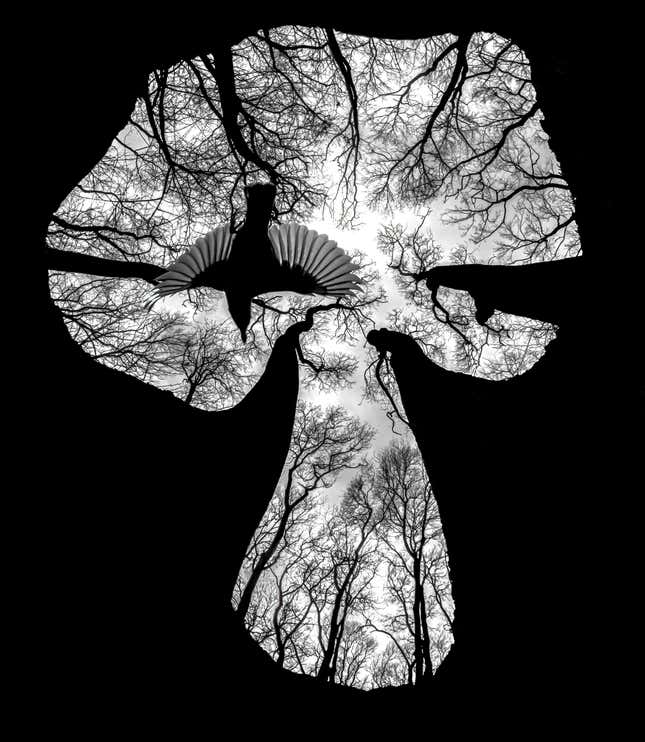
© Csaba Daróczi, ‘The Bird of the Forest,’ Animals 1st Place and Overall Winner | Close-up Photographer of the Year 5 (2023) | cupoty.com

The 2023 Close-up Photographer of the Year has been named. Hungarian photographer Csaba Daróczi has won the top prize for his striking image of a Eurasian nuthatch flying overhead a hollowed-out tree stump.

“In the winter of 2023, I took a lot of photos in a forest close to my home in Hungary. I found something new to photograph almost every week, and I spent several days exploring ideas and perfecting techniques. Staying curious and open-minded led me to this hollowed-out tree stump, which measured around half a meter in diameter,” Daróczi says of his winning photo, seen above. “I carefully positioned my GoPro 11 camera inside the trunk and took a few shots. I was amazed by the results. After a few days, however, I decided the composition might be improved if I included an animal in the frame. So, I returned to the spot and placed a sunflower near the hole, which the mice and birds soon found.”

For the grand prize victory, Daróczi will be awarded a £2,500 cash prize, equivalent to about $3,100, a universal license for Affinity Photo, Designer, and Publisher apps, a NiSi macro focusing rail (NM-200S), a NiSi macro close-up lens, and a trophy. The competition is supported by Affinity Photo.

The competition attracted nearly 12,000 entries from almost 70 countries. There were 11 total categories, including one specifically for photographers aged 17 and under. The top three images for each category are featured below, save for Daróczi’s winning image, which took the top spot in the Animals category.

“Thanks to these creative and original pictures, I now know that tadpoles can eat birds, ants fire acid like water pistols and bees sometimes hold each other’s legs while they sleep,” says CUPOTY co-founder Tracy Calder. “Personally, I think this is our best collection of winning images yet, and I’m so grateful to those who entered as it allows us to see and learn from their work and to recognize how incredible and surprising the world is.”

Category Winners

Animals

Close-up Photographer of the Year contest 2023
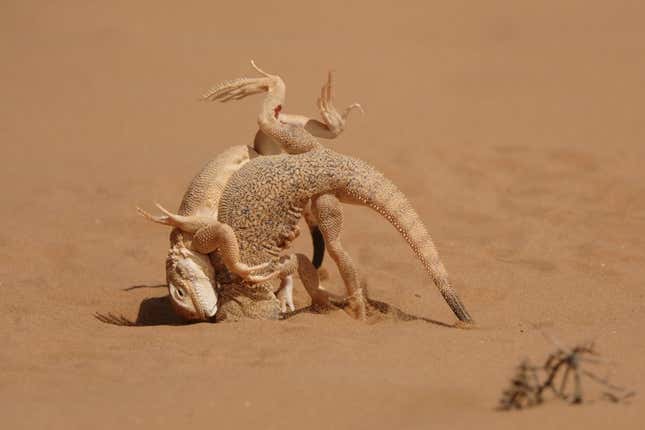
© Victor Tyakht, ‘Dune Wrestling,’ Animals 2nd Place | Close-up Photographer of the Year 5 (2023) | cupoty.com
Close-up Photographer of the Year contest 2023
© David Joseph, ‘Natural Architecture,’ Animals 3rd Place | Close-up Photographer of the Year 5 (2023) | cupoty.com

Butterflies and Dragonflies

Close-up Photographer of the Year contest 2023
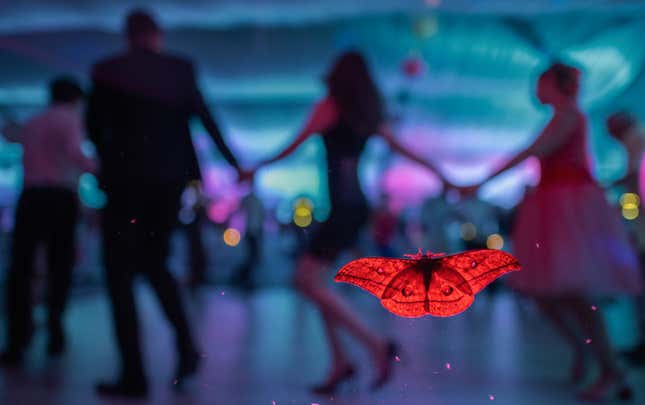
© Csaba Daróczi, ‘The Wedding Guest,’ Butterflies and Dragonflies 1st Place | Close-up Photographer of the Year 5 (2023) | cupoty.com
Close-up Photographer of the Year contest 2023
© Steve Russell, ‘Letting Go,’ Butterflies and Dragonflies 2nd Place | Close-up Photographer of the Year 5 (2023) | cupoty.com
Close-up Photographer of the Year contest 2023
© Wim Vooijs, ‘Sunrise Beauty,’ Butterflies and Dragonflies 3rd Place | Close-up Photographer of the Year 5 (2023) | cupoty.com

Fungi

Close-up Photographer of the Year contest 2023
© Barry Webb, ‘The Ice Crown,’ Fungi 1st Place | Close-up Photographer of the Year 5 (2023) | cupoty.com
Close-up Photographer of the Year contest 2023
© Jay Birmingham, ‘Autumn Emergence,’ Fungi 2nd Place | Close-up Photographer of the Year 5 (2023) | cupoty.com
Close-up Photographer of the Year contest 2023
© Sophia Spurgin, ‘Fungi and Fairy Dust,’ Fungi 3rd Place | Close-up Photographer of the Year 5 (2023) | cupoty.com

Human Made

Close-up Photographer of the Year contest 2023
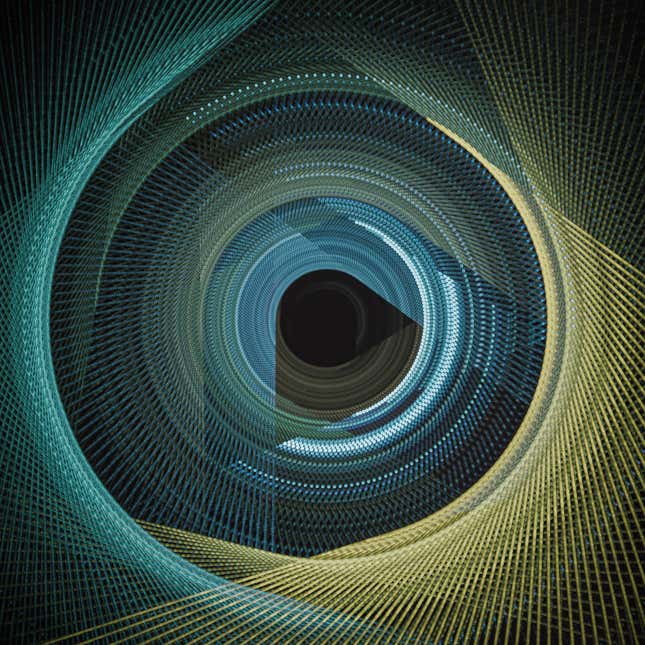
© Elizabeth Kazda, ‘Asymmetrical Threads,’ Human Made 1st Place | Close-up Photographer of the Year 5 (2023) | cupoty.com
Close-up Photographer of the Year contest 2023
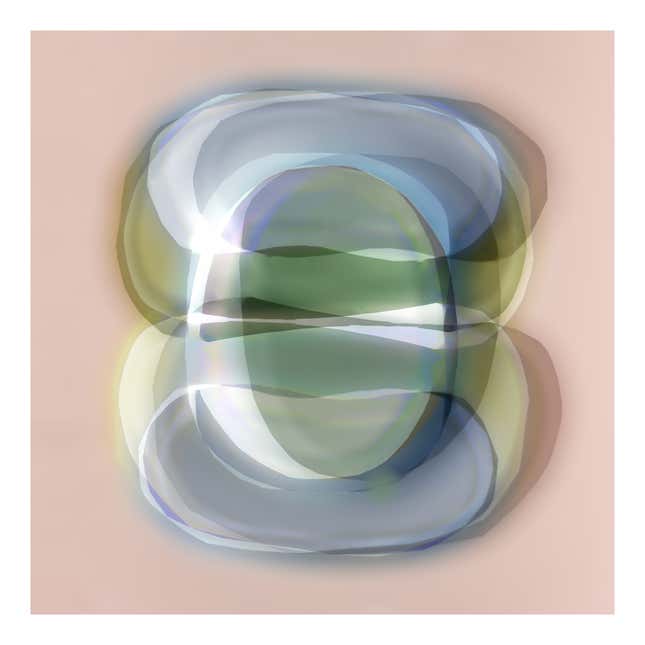
© Paul Gravett, ‘Colour Study 51,’ Human Made 2nd Place | Close-up Photographer of the Year 5 (2023) | cupoty.com
Close-up Photographer of the Year contest 2023
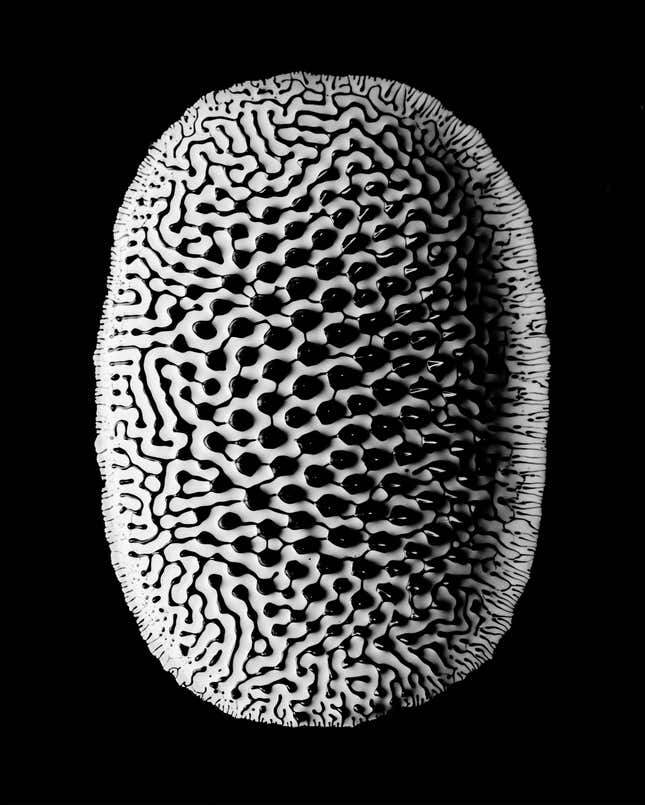
© Jack Margerison, ‘Ferro Field,’ Human Made 3rd Place | Close-up Photographer of the Year 5 (2023) | cupoty.com

Insects

Close-up Photographer of the Year contest 2023
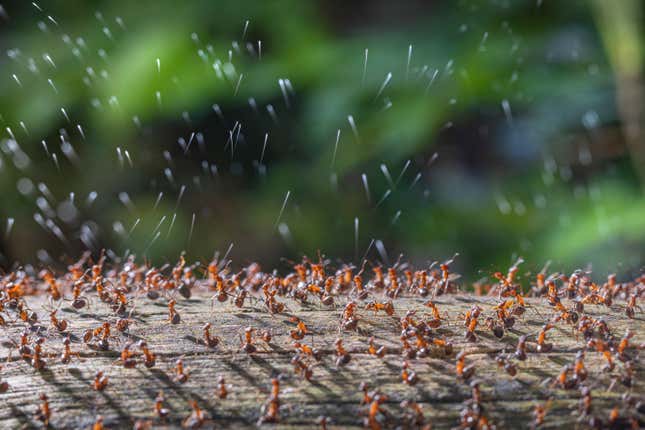
© René Krekels, ‘Wood Ants Firing Acid Secretion,’ Insects 1st Place | Close-up Photographer of the Year 5 (2023) | cupoty.com
Close-up Photographer of the Year contest 2023
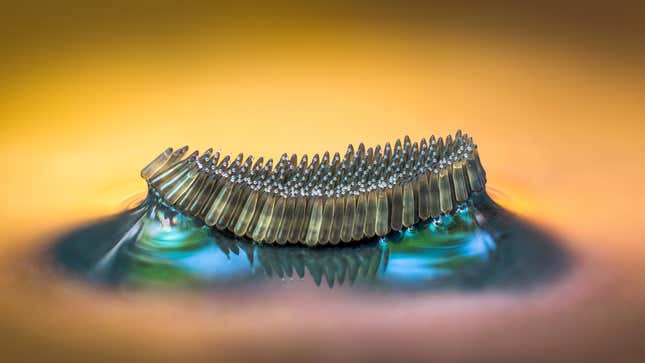
© Barry Webb, ‘Mosquito Egg Raft,’ Insects 2nd Place | Close-up Photographer of the Year 5 (2023) | cupoty.com
Close-up Photographer of the Year contest 2023
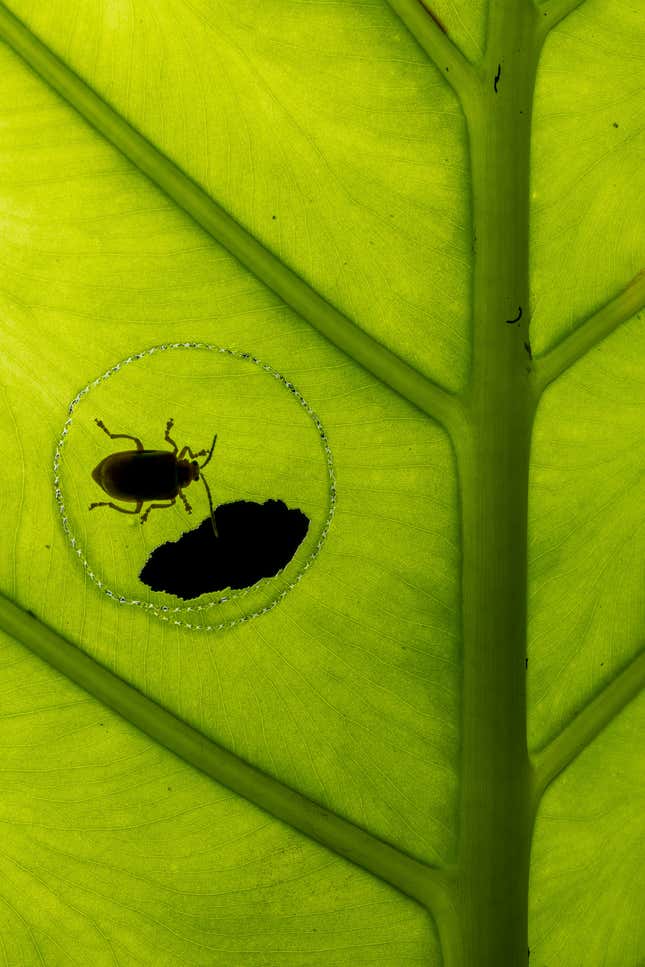
© Liang Fu, ‘Circular Trenching Behavior by a Leaf Beetle,’ Insects 3rd Place | Close-up Photographer of the Year 5 (2023) | cupoty.com

Intimate Landscapes

Close-up Photographer of the Year contest 2023
© Csaba Daróczi, ‘Undertow,’ Intimate Landscapes 1st Place | Close-up Photographer of the Year 5 (2023) | cupoty.com
Close-up Photographer of the Year contest 2023
© Piet Haaksma, ‘Ice Fossiel,’ Intimate Landscapes 2nd Place | Close-up Photographer of the Year 5 (2023) | cupoty.com
Close-up Photographer of the Year contest 2023
© Jack Krohn, ‘The Sorcerer’s Apprentice,’ Intimate Landscapes 3rd Place | Close-up Photographer of the Year 5 (2023) | cupoty.com

Invertebrate Portrait

Close-up Photographer of the Year contest 2023
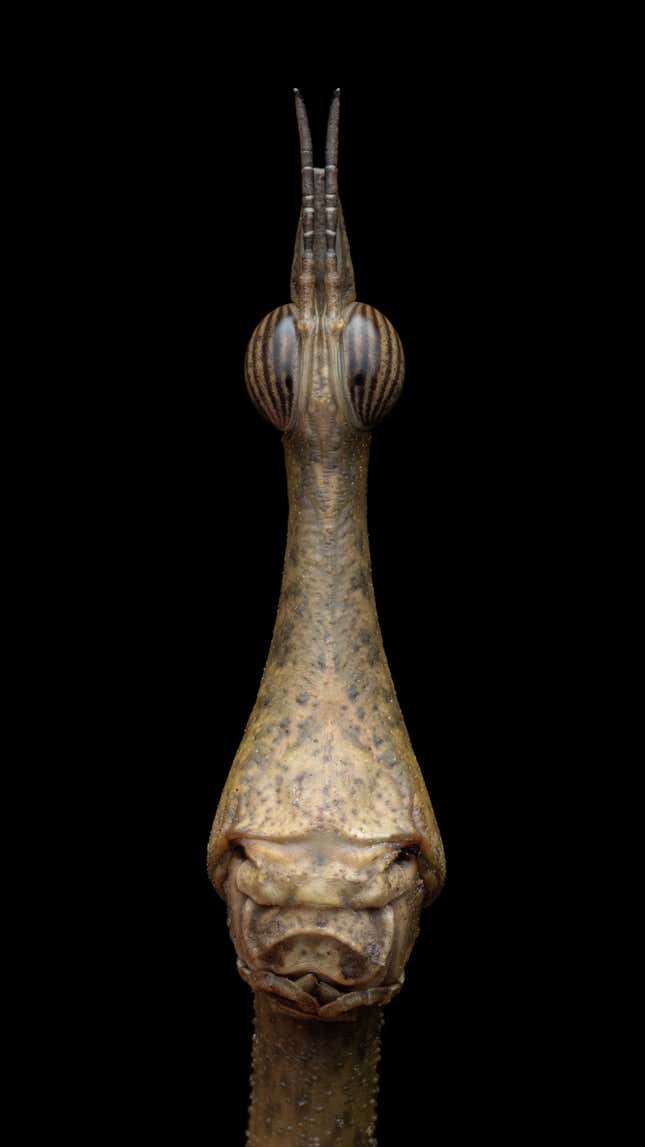
© Tibor Molnar, ‘Jumping Stick,’ Invertebrate Portrait 1st Place | Close-up Photographer of the Year 5 (2023) | cupoty.com
Close-up Photographer of the Year contest 2023
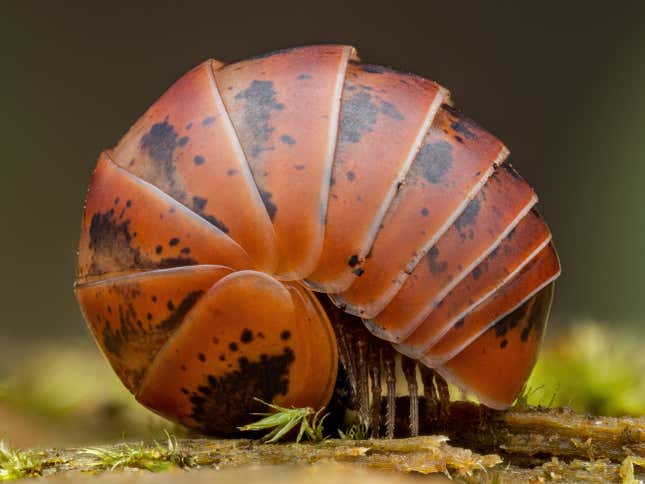
© Manfred Auer, ‘Orange Isopod,’ Invertebrate Portrait 1st Place | Close-up Photographer of the Year 5 (2023) | cupoty.com
Close-up Photographer of the Year contest 2023
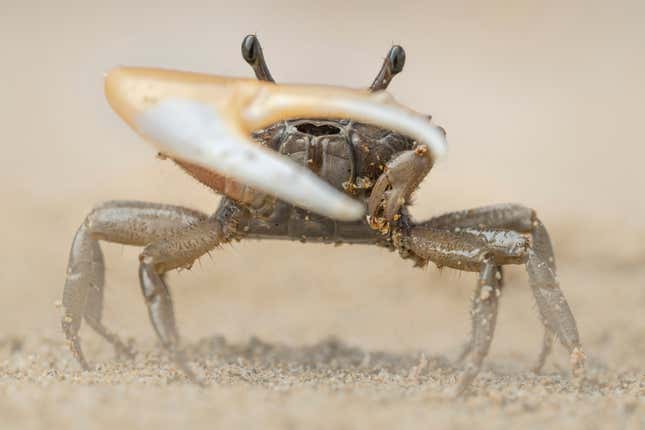
© Lior Berman, ‘Dancing Sands (Fiddler Crab),’ Invertebrate Portrait 1st Place | Close-up Photographer of the Year 5 (2023) | cupoty.com

Micro

Close-up Photographer of the Year contest 2023
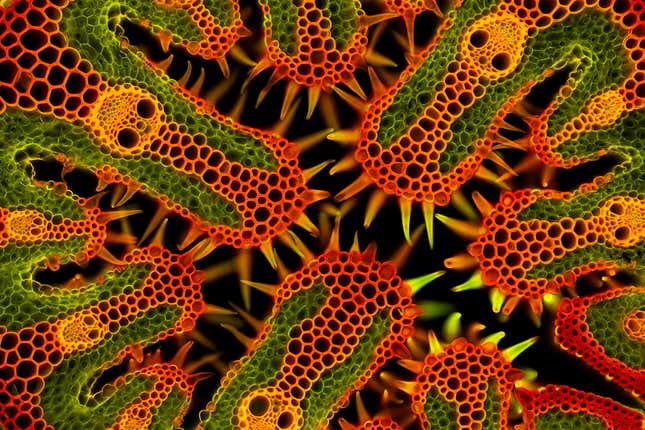
© Gerhard Vlcek, ‘Beach Glass,’ Micro 1st Place | Close-up Photographer of the Year 5 (2023) | cupoty.com
Close-up Photographer of the Year contest 2023
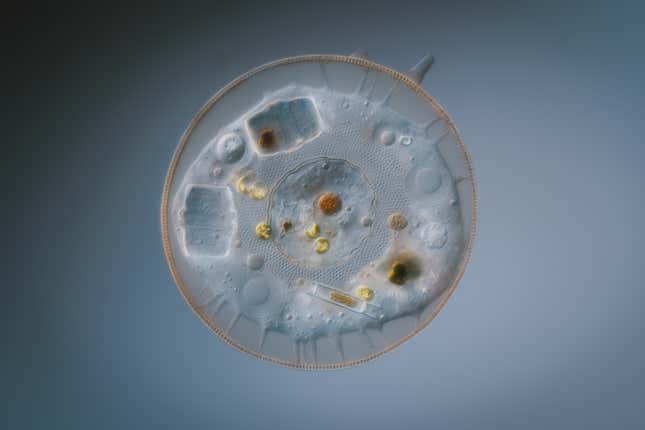
© Håkan Kvarnström, ‘Amoeba,’ Micro 2nd Place | Close-up Photographer of the Year 5 (2023) | cupoty.com
Close-up Photographer of the Year contest 2023
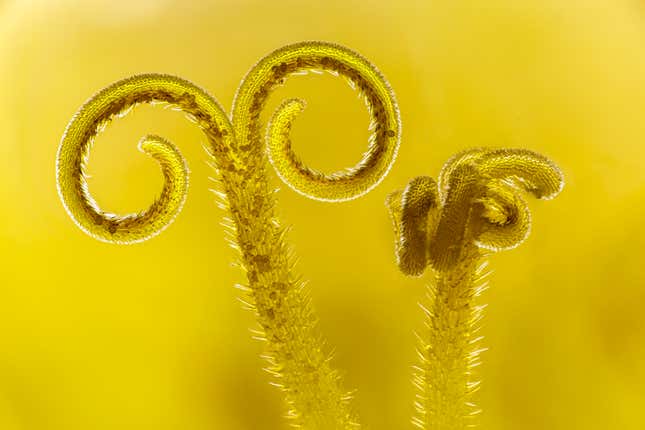
© Harald Cederlund, ‘Twisted Dandelion,’ Micro 3rd Place | Close-up Photographer of the Year 5 (2023) | cupoty.com

Plants

Close-up Photographer of the Year contest 2023
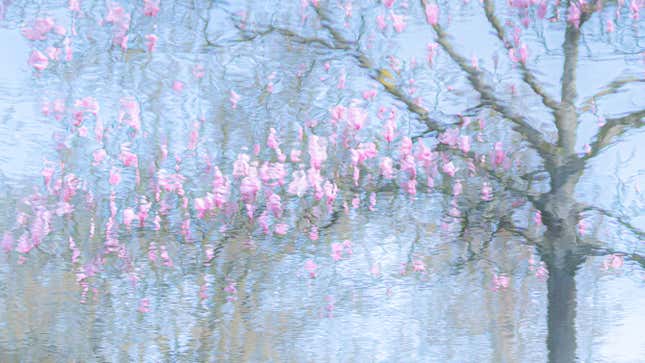
© Ria Bloemendaal, ‘Reflexion,’ Plants 1st Place | Close-up Photographer of the Year 5 (2023) | cupoty.com
Close-up Photographer of the Year contest 2023
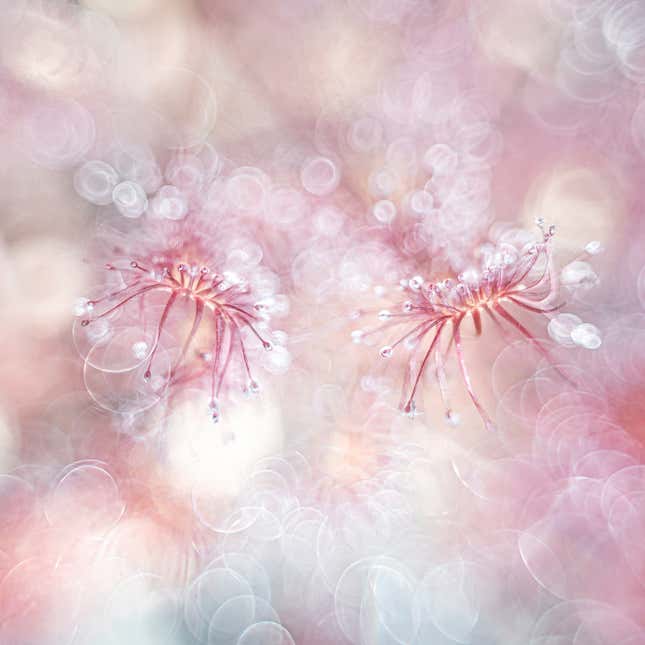
© Wim Vooijs, ‘Tears in my Eyes,’ Plants 2nd Place | Close-up Photographer of the Year 5 (2023) | cupoty.com
Close-up Photographer of the Year contest 2023
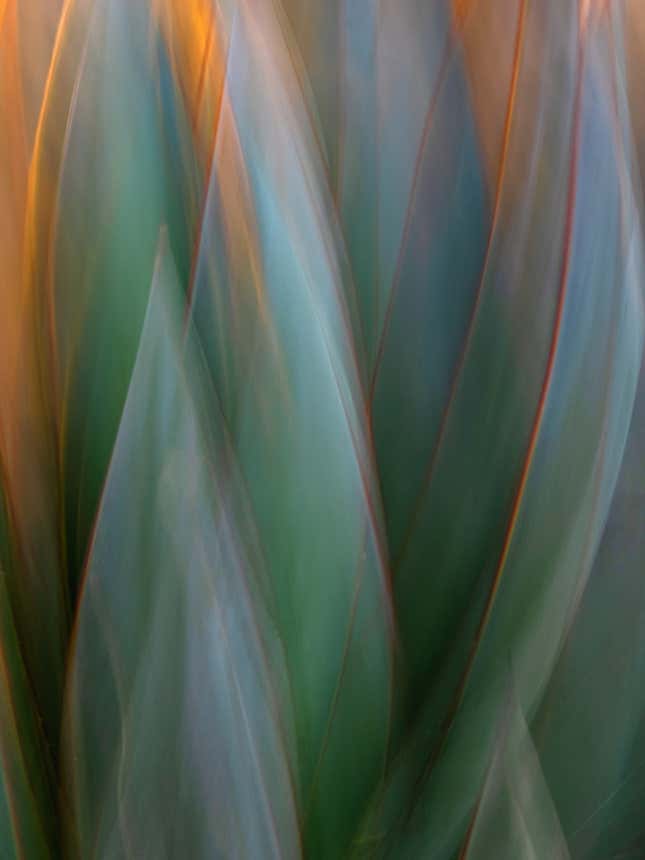
© Beth DeBor, ‘Golden Agave,’ Plants 3rd Place | Close-up Photographer of the Year 5 (2023) | cupoty.com

Underwater

Close-up Photographer of the Year contest 2023
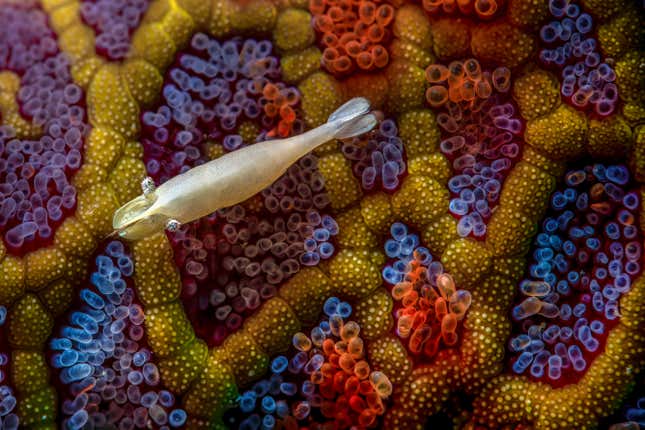
© Simon Theuma, ‘Dreamtime,’ Underwater 1st Place | Close-up Photographer of the Year 5 (2023) | cupoty.com
Close-up Photographer of the Year contest 2023
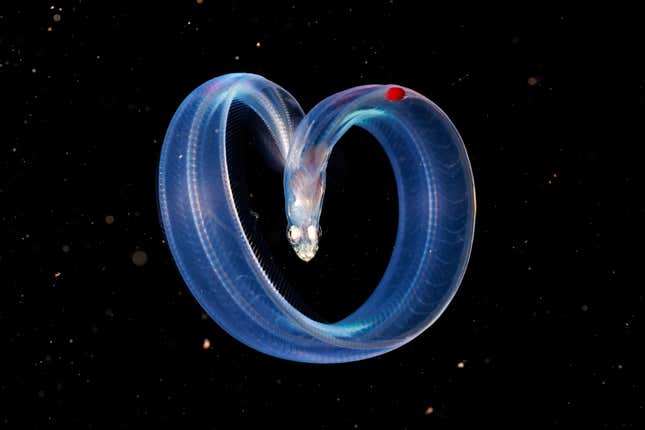
© Liang Fu, ‘Heart of the Sea,’ Underwater 2nd Place | Close-up Photographer of the Year 5 (2023)
Moray eels are generally found living in coral reefs, but juvenile moray eels often live pelagically in open waters until they mature into adults and settle to the bottom in coral reefs. During a blackwater dive, I found a transparent creature swimming at a depth of over 20 meters. It curled its body into a heart shape in the water.
Upon closer inspection, I realized it was a juvenile moray eel! Unlike the adults that live in reef crevices, juvenile moray eels drift in the open ocean. Their transparent bodies provide camouflage against predators in the vast blue. I was very lucky to spot this elusive juvenile moray eel in the dark waters.
Close-up Photographer of the Year contest 2023
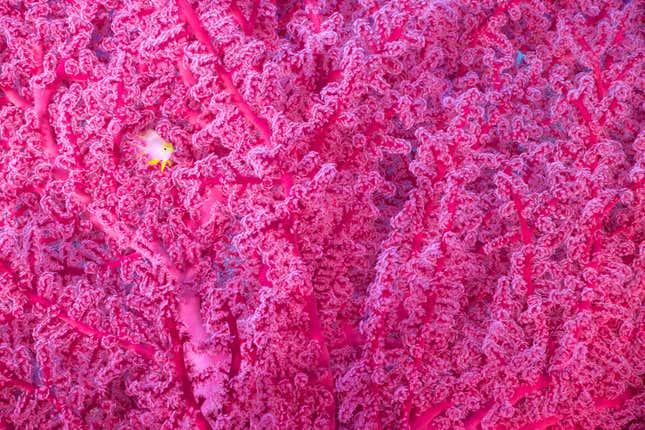
© Chris Gug, ‘Pinkaboo,’ Underwater 3rd Place | Close-up Photographer of the Year 5 (2023) | cupoty.com

Young Close-up Photographer of the Year

Close-up Photographer of the Year contest 2023
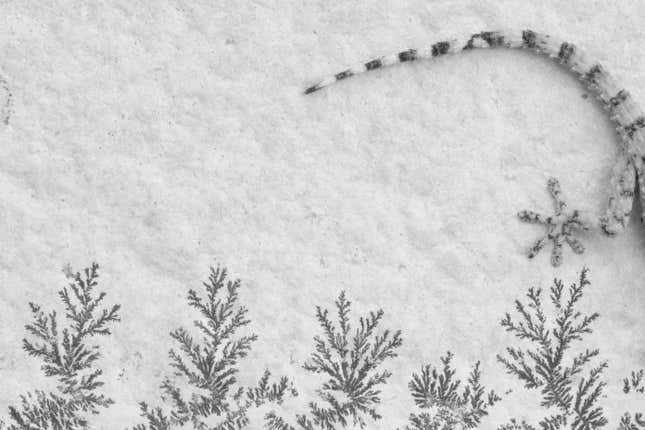
© Carlos Pérez Naval, ‘Small Wonders,’ Young Category 1st Place and Young Close-up Photographer of the Year | Close-up Photographer of the Year 5 (2023) | cupoty.com
Close-up Photographer of the Year contest 2023
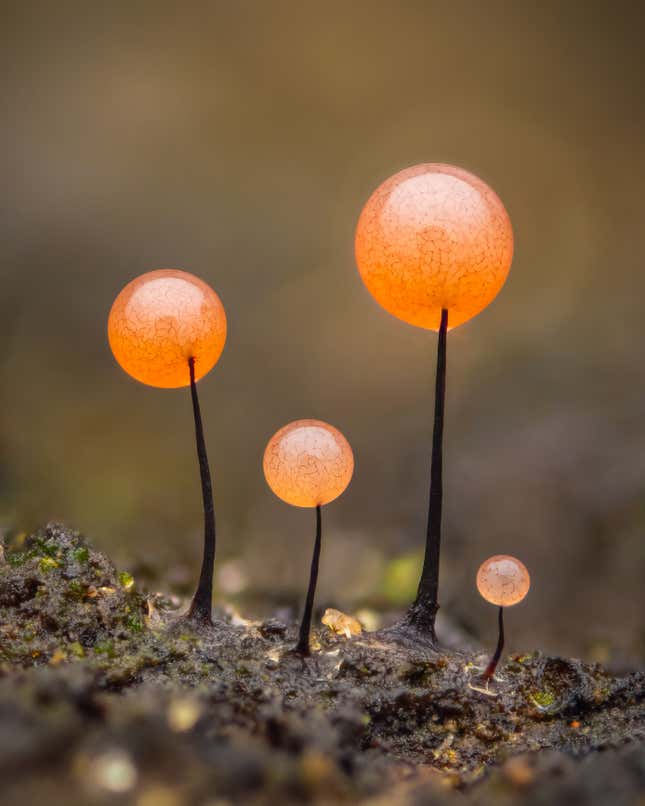
© Alexis Tinker-Tsavalas, ‘Comatricha Nigra,’ Young Category 2nd Place | Close-up Photographer of the Year 5 (2023) | cupoty.com
Close-up Photographer of the Year contest 2023
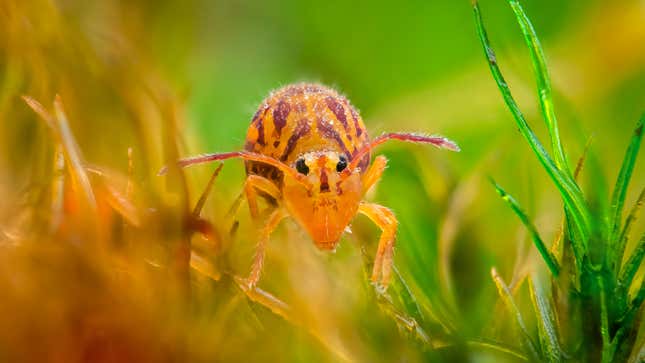
© Alexis Tinker-Tsavalas, ‘Dicyrtomina Ornata,’ Young Category 3rd Place | Close-up Photographer of the Year 5 (2023) | cupoty.com

Alongside the top three images for each category, the Close-up Photographer of the Year contest has named finalists. The complete gallery of honored images is available on the CUPOTY website.


Image credits: Photos courtesy of the Close-up Photographer of the Year contest | cupoty.com. All photographers are individually credited.

Owensboro Photographer Hosting Taylor Swift-Inspired Photo Shoot

Owensboro Photographer Hosting Taylor Swift-Inspired Photo Shoot

My friend Jacqueline Russell is an amazing photographer. She has taken lovely pictures of my family and friends over the past few years. My favorite thing about her is that she is always down to try a new, fun idea. The last time I had a wild hair during a photo session with her, I climbed a tree!

Jacqueline Jordan Photography

Jacqueline Jordan Photography

loading…

Jacqueline’s creativity is perfect for bringing out the uniqueness in her subjects. Even if the ideas are inspired by someone else, whoever is the focus of the photo shines through! She is also a HUGE Taylor Swift fan, so speaking of inspiration…

image

Saturday, February 17th at the Western Kentucky Botanical Garden in Owensboro, Jacqueline is offering “Swiftie Sessions.” All things colorful, glittery, and glam will bring out your inner superstar. Start planning your outfit, wear what you wore to the Eras Tour, or you can use some of the props available like heart-shaped sunglasses, a tinsel jacket, and a pink feather boa (inspired by the You Need To Calm Down video).

Jacqueline Jordan Photography

Jacqueline Jordan Photography

loading…

The sessions will be 20 minutes each and would be a perfect gift for Valentine’s Day! Take photos with your bestie, do a “mommy and me” shoot, or be the star of the show yourself for new headshots or social media pictures. Jacqueline welcomes fabulous folks of all ages and only one requirement. If you bring a tiny Swiftie, they need to be able to sit up on their own or have you to help them. These are her inspiration collages for what to expect from the session. Either one you choose, you’ll make the whole place shimmer!
Jacqueline says “We’ll have T Swift on blast the whole day, with a free bracelet-making station set up to craft your new favorite accessory. Come have some fun with us!” Here is the link to book your Swiftie session, and for more information.

Taylor Swift’s 11 Best Country Collaborations, Ranked

It’s no surprise that Taylor Swift’s voice works so well in a country setting — it is her home genre, after all! From the Chicks to Chris Stapleton to Tim McGraw, Swift’s country collaborations keep the genre close to her heart, no matter where else music takes her.

Gallery Credit: Carena Liptak

See Nature Way Up-Close in These Award-Winning Photographs

See Nature Way Up-Close in These Award-Winning Photographs
Image for article titled See Nature Way Up-Close in These Award-Winning Photographs
Photo: David Joseph

Sometimes, a moment is so fleeting or a scene is so small that not even the fiercest squint can capture it.

Advertisement

Thankfully, that’s where cameras—and the photographers that wield them—come in. Today, the winners and finalists of the fifth Close-up Photographer of the Year competition are revealed. Showcasing nature at its smaller scales, the awarded images—selected from nearly 12,000 entries—offer an intimate look at the animal kingdom, fungi, and the remarkable planet that we call home.

Here are the winning images from each of the 11 competition categories.

Image for article titled See Nature Way Up-Close in These Award-Winning Photographs
Photo: René Krekels

First place in the Insects category went to this shot of wood ants in the Netherlands, spraying acid toward the photographer.

Image for article titled See Nature Way Up-Close in These Award-Winning Photographs
Photo: Csaba Daróczi

First place in the Butterflies category went to this photo of an oak peacock moth on a window of a venue in Uzsa, Hungary. A wedding takes place inside.

Image for article titled See Nature Way Up-Close in These Award-Winning Photographs
Photo: Victor Tyakht

The second-place photo in the Animals category was this shot of two toadhead agamas—a lizard species—wrestling one another as part of a territorial dispute. The photo was taken in Russia’s Chornye Zemli Nature Reserve.

Image for article titled See Nature Way Up-Close in These Award-Winning Photographs
Photo: Csaba Daróczi

This photo took up 1st place in the Animals category and was the overall winner of the competition. It shows a Eurasian nuthatch flying through the forest. The photo was taken from inside a tree stump, giving the picture a mushroom-shaped frame.

Image for article titled See Nature Way Up-Close in These Award-Winning Photographs
Photo: Alexis Tinker-Tsavalas

Third place in the Young Close-up Photographer of the Year category went to this photo of a globular springtail, crawling through a forest in Brandenburg, Germany.

Image for article titled See Nature Way Up-Close in These Award-Winning Photographs
Photo: Alexis Tinker-Tsavalas

The slime mould Comatricha nigra’s fruiting bodies look like something out of a Tim Burton film, in this shot taken by 16-year-old Alexis Tinker-Tsavalas. The photo took second place in the Young Close-up Photographer of the Year category.

Image for article titled See Nature Way Up-Close in These Award-Winning Photographs
Photo: Carlos Pérez Naval

This black-and-white photo shows a Moorish gecko’s hindleg and tail on a wall covered in magnesium crystals (bottom). The image won first place for Young Close-up Photographer of the Year and was taken by 17-year-old Carlos Pérel Naval.

Image for article titled See Nature Way Up-Close in These Award-Winning Photographs
Photo: Chris Gug

A golden damselfish is the only non-pink part of this photo, taken off the coast of Indonesia. The picture earned third place in the Underwater category.

Image for article titled See Nature Way Up-Close in These Award-Winning Photographs
Photo: Liang Fu

Second place in the Underwater category went to this arresting shot of a lava moray eel, curling into a heart-like shape on a night dive off Romblon, in the Philippines.

Image for article titled See Nature Way Up-Close in These Award-Winning Photographs
Photo: Simon Theuma

A commensal shrimp floats above a mosaic sea star in Shellharbour, Australia. Without other means of understanding its scale, the shrimp almost looks like beluga whale, floating above an abstract seascape. The image won first place in the Underwater category.

Image for article titled See Nature Way Up-Close in These Award-Winning Photographs
Photo: Beth DeBor

Third place in the Plants category went to this serene view of the leaves on an agave plant in Arizona’s Desert Botanical Garden.

Image for article titled See Nature Way Up-Close in These Award-Winning Photographs
Photo: Wim Vooijs

This view of a sundew—a carnivorous plant—makes the flora almost look like a sea anemone. The photo won second place in the Plants category.

Image for article titled See Nature Way Up-Close in These Award-Winning Photographs
Photo: Ria Bloemendaal

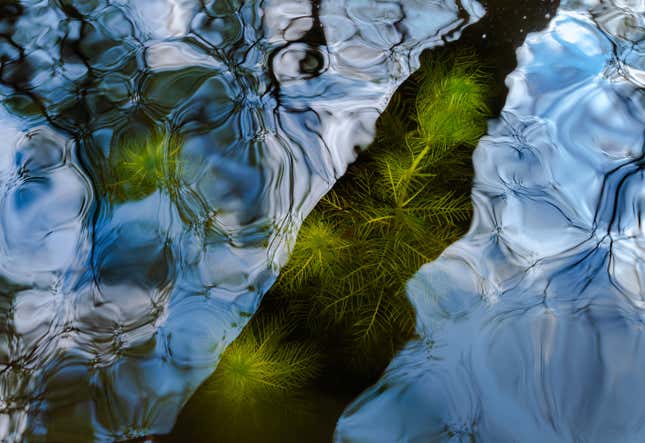
This photo—reminiscent of a Monet painting—shows the blossoms of a magnolia tree reflected in a water body in the Netherlands’ Trompenburg Botanical Garden. It won first place in the Plants category.

Image for article titled See Nature Way Up-Close in These Award-Winning Photographs
Photo: Harald Cederlund

This very-up-close look at a dandelion won third place in the Micro category. The image was compiled from 200 individual exposures.

Image for article titled See Nature Way Up-Close in These Award-Winning Photographs
Photo: Håkan Kvarnström

This amoeba was collected from a pond near Drottningholm Castle in Stockholm, Sweden. Captured in 120 images that were consolidated into this shot that includes a view of its organelles, the amoeba took home second place in the Micro category.

Image for article titled See Nature Way Up-Close in These Award-Winning Photographs
Photo: Gerhard Vlcek

The winner of the Micro category is this microscopic look at a cross-section of beach grass (Ammophila arenaria). The sample was stained to highlight the remarkable small-scale structures that make up the grass.

Image for article titled See Nature Way Up-Close in These Award-Winning Photographs
Photo: Lior Berman

A fiddler crab takes on a defensive position in the third-place photo in the Invertebrate Portrait category.

Image for article titled See Nature Way Up-Close in These Award-Winning Photographs
Photo: Manfred Auer

This orange woodlouse is caught unfurling, in the second-place photo in the Invertebrate Portrait category.

Image for article titled See Nature Way Up-Close in These Award-Winning Photographs
Photo: Tibor Molnar

This adorable jumping stick is the first place winner in the Invertebrate Portrait category. “The best way to describe these invertebrates is part walking stick, part grasshopper,” said photographer Tibor Molnar, in a competition release. “When they jump, they are not particularly graceful, and they tend to tumble around completely off-balance.”

Image for article titled See Nature Way Up-Close in These Award-Winning Photographs
Photo: Liang Fu

Third place in the Insects category belongs to this neat photo of a leaf beetle within a circular hole it cut in a leaf, to safely eat the vegetation without consuming the plant’s toxins.

Image for article titled See Nature Way Up-Close in These Award-Winning Photographs
Photo: Barry Webb

A raft of mosquito eggs float on water in this shot, second place in the Insects category. It almost makes mosquitos (dare I say) a thing of beauty.

Image for article titled See Nature Way Up-Close in These Award-Winning Photographs
Photo: Jack Margerison

In this shot—third place in the Human Made category—a magnet creates a pattern on a ferrofluid.

Image for article titled See Nature Way Up-Close in These Award-Winning Photographs
Photo: Paul Gravett

This image shows colored transparencies overlaid on one another, producing an abstract composition. “My goal is to blur the boundary between photography and art and reference painterly techniques of pointillism, colour fields, opaque and transparent layers, and collage,” said photographer Paul Gravett in a competition release.

Image for article titled See Nature Way Up-Close in These Award-Winning Photographs
Photo: Elizabeth Kazda

This image won first place in the Human Made category; it consists of 64 exposures of colored threads, rotated on a platform.

Image for article titled See Nature Way Up-Close in These Award-Winning Photographs
Photo: Sophia Spurgin

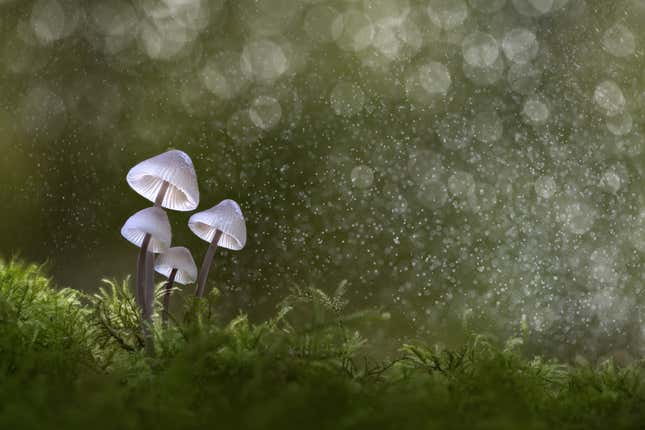
Third place in the Fungi & Slime Moulds category went to this shot of fungi sprouting from the forest moss. The misty effect was added using a garden spray bottle, giving the image an mystical quality.

Image for article titled See Nature Way Up-Close in These Award-Winning Photographs
Photo: Jay Birmingham

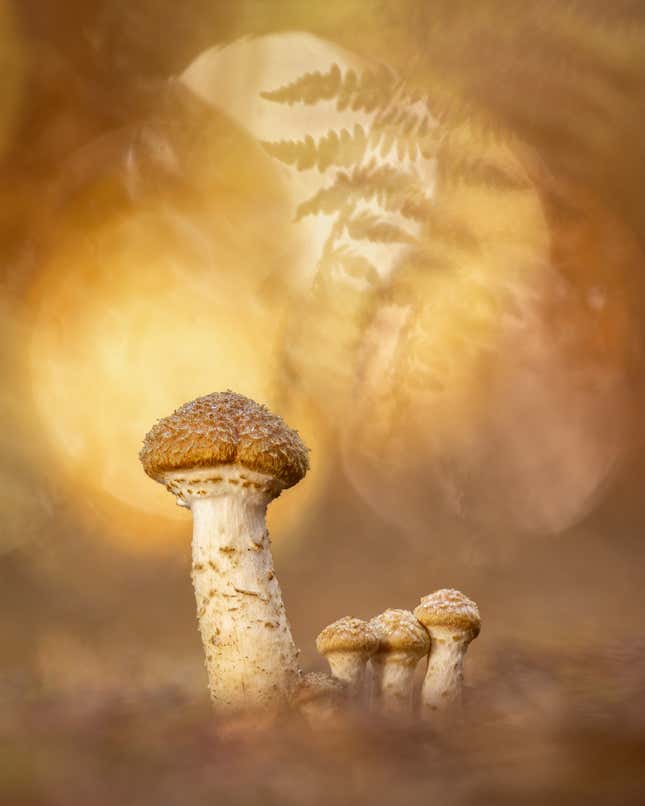
These furry-looking honey fungi were photographed in Warwickshire, in the United Kingdom. They took second place in the Fungi & Slime Moulds category.

Image for article titled See Nature Way Up-Close in These Award-Winning Photographs
Photo: Barry Webb

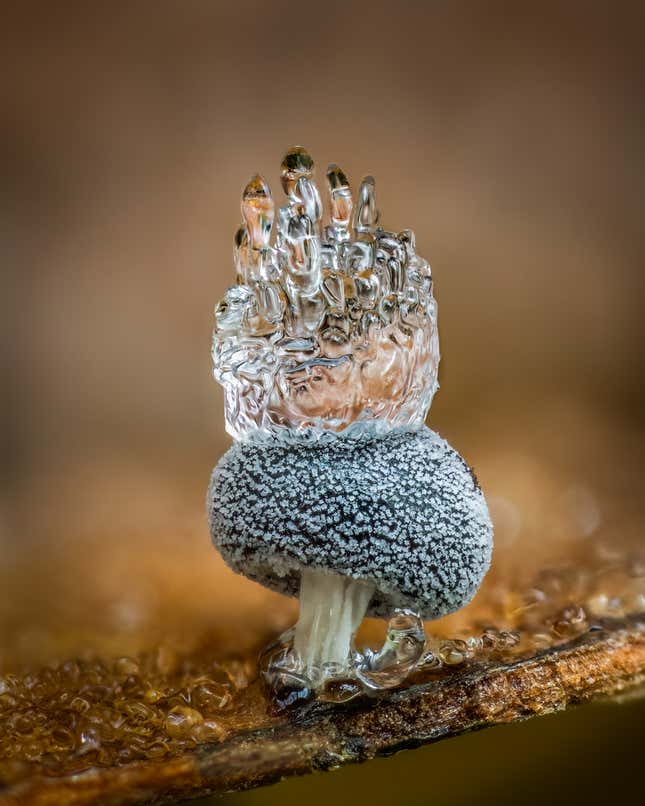
A slime mould sporting ice like a crown took home first place in the Fungi & Slime Moulds category. “During a previous attempt with another slime mould, my breath had melted the ice when I inadvertently got too close,” said photographer Barry Webb in a competition release.

Image for article titled See Nature Way Up-Close in These Award-Winning Photographs
Photo: Wim Vooijs

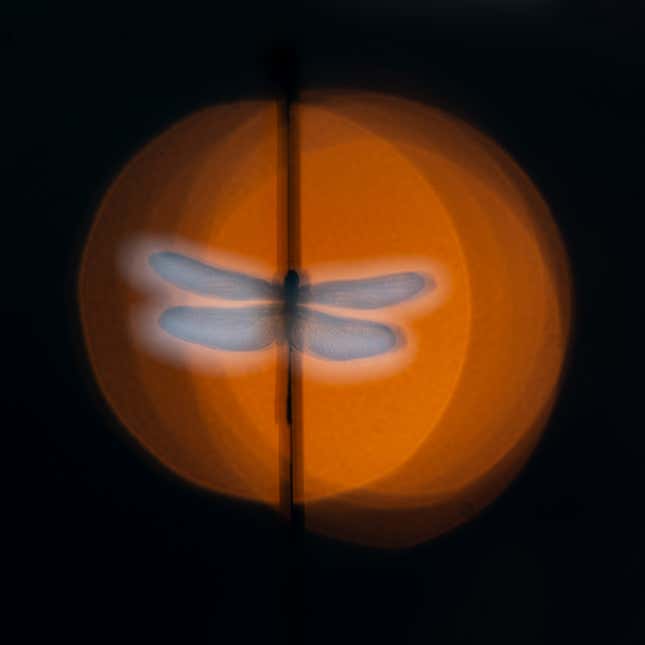
The bronze medal in the Butterflies category belongs to this shot of a dragonfly on a blade of grass, drying its wings. The dragonfly is illuminated by the morning sun in the background.

Image for article titled See Nature Way Up-Close in These Award-Winning Photographs
Photo: Steve Russell

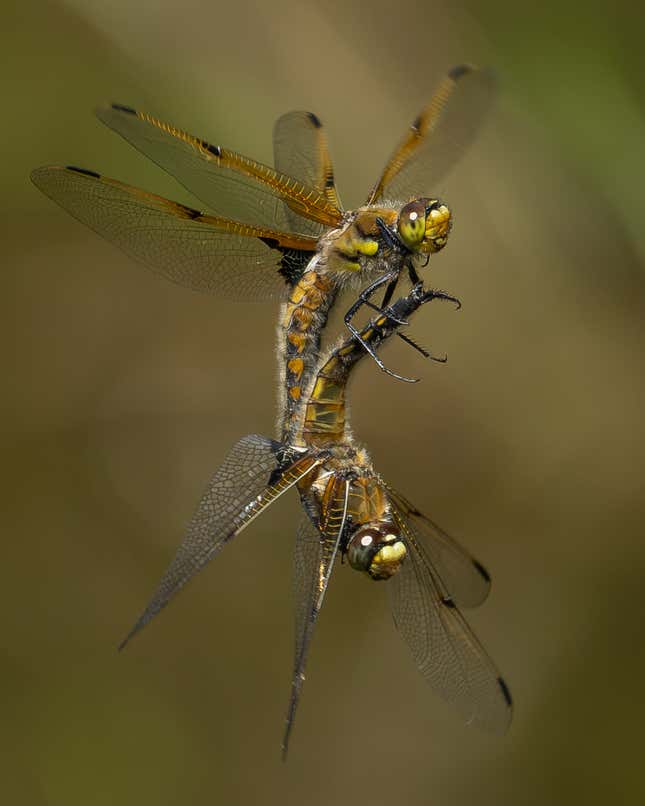
Second place in the Butterflies category went to this photo of two four-spotted skimmer dragonflies releasing one another after mating. Steve Russell, the photographer, said in a competition release that capturing such a moment “is particularly difficult because they connect and mate in-flight without any warning and for only a few seconds.”

Image for article titled See Nature Way Up-Close in These Award-Winning Photographs
Photo: David Joseph

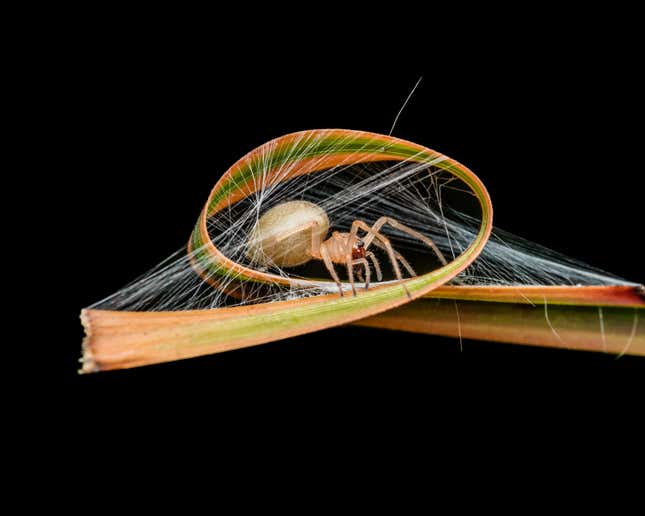
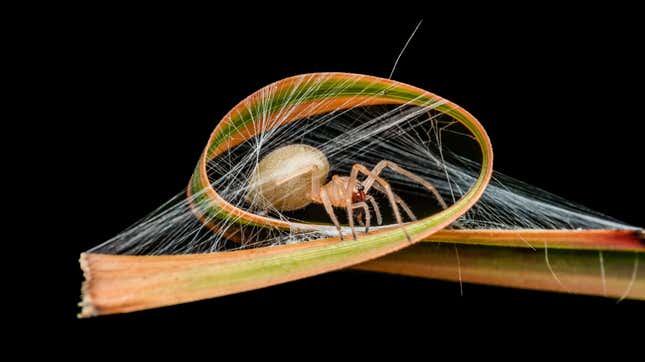
The third-place photograph in the Animals category shows a sac spider within its web, woven into a loop in a blade of grass.

Image for article titled See Nature Way Up-Close in These Award-Winning Photographs
Photo: Jack Krohn

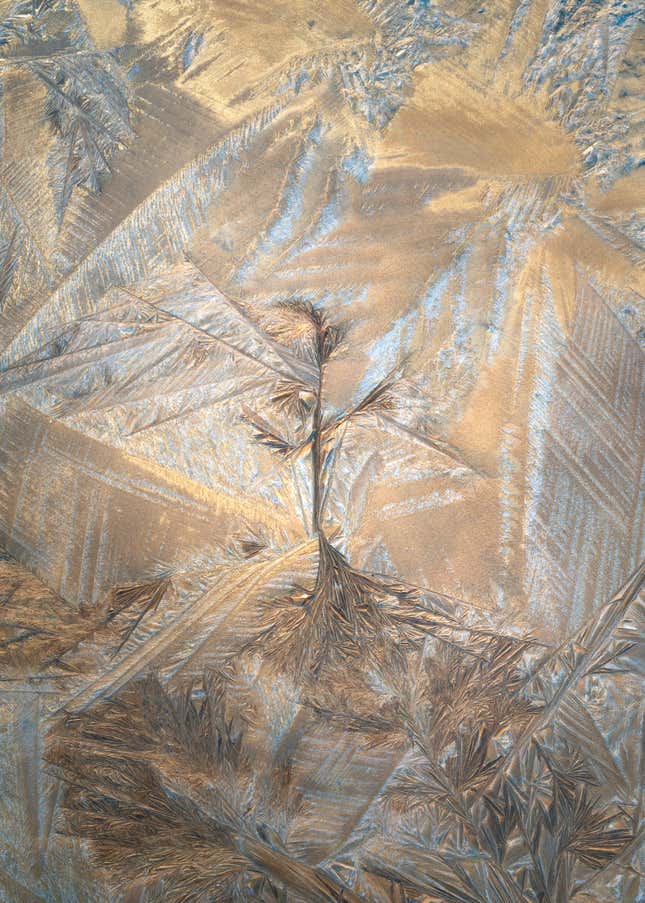
You’d be forgiven for thinking this image is of a mountain range of a group of valleys, taken from high in the air. It’s actually frozen mud, in a dried-up lake bed in Oregon. The photo took third place in the Intimate Landscape category.

Image for article titled See Nature Way Up-Close in These Award-Winning Photographs
Photo: Piet Haaksma

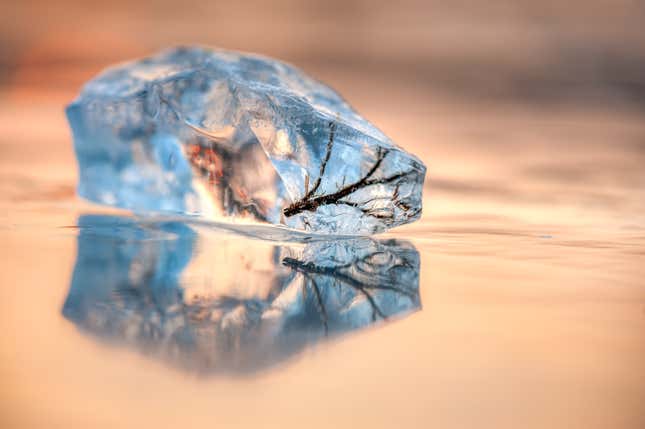
This gorgeous photo took second place in the Intimate Landscape Category. It shows a stick, trapped in a block of ice.

Image for article titled See Nature Way Up-Close in These Award-Winning Photographs
Photo: Csaba Daróczi

The first place photo in the Intimate Landscape category is this shot of a water violet’s leaves in a canal. The shadow is created by a fallen tree over the water.

Ultra-Lightweight Photography Lenses

Ultra-Lightweight Photography Lenses

The Panasonic LUMIX S-E100 was announced by the brand at CES 2024 as a compact, lightweight piece of equipment for photographers to use that doesn’t skimp on performance must-haves.

The lens is touted by the brand as the smallest, lightest medium-telephoto fixed focal length macro lens in the world while still being able to support handheld portraiture alongside medium telephoto shooting. The lens has an F2.8 aperture and weighs in at 298-grams to make it the second-lightest option within the suite of lenses. The compact design of the lens is achieved thanks to the new Dual Phase linear motor that’s reported to be half the size, while still retaining the thrust of a motor twice its size.

The Panasonic LUMIX S-E100 is slated to arrive this month for $1,000.

Image Credit: Panasonic

Cincinnati Art Museum’s Newest Exhibit Features Over a Hundred Glass Works from Indigenous Artists

Cincinnati Art Museum’s Newest Exhibit Features Over a Hundred Glass Works from Indigenous Artists

This story is featured in CityBeat’s Jan. 10 print edition.

A new exhibit at the Cincinnati Art Museum is celebrating the culture and achievements of Native American and Indigenous Pacific-Rim artists through a non-traditional medium. 

Clearly Indigenous: Native Visions Reimagined in Glass is a striking display of more than 100 glass works from 33 artists that exemplify Indigenous traditions and knowledge through the medium of glass. Interpretations of Indigenous basket, textile and pottery practices are expertly crafted through various glass-working techniques and styles.

The pieces range from grand sculptures and complex installments to intricate vases and glass mosaics, creating a scope of art and artists that represent 26 Native nations from the United States and Canada. 

Clearly Indigenous is curated by Dr. Letitia Chambers. It originated at the Museum of Indian Arts & Culture in Santa Fe, New Mexico and was influenced by the Native Glass Art Movement of the 1970s. The movement was sparked by Lloyd Kiva New (Cherokee) – founder of the Institute of American Indian Arts – when he initiated a collaboration with the Rhode Island School of Design to create an art program that included glass-blowing courses. The program sparked interest in generations of Indigenous artists to work with glass, which inspired Dr. Chambers to write a book and curate an exhibition on the subject.

“Glass is not a traditional medium for American Indian artists,” Dr. Chambers tells CityBeat. “Each new generation of Native artists moves the art of previous generations forward as artists honor past traditions while finding their own creative voices and adopt new methods and materials as they become available. Native artists who have chosen to work in glass have created an incredible body of work which combines the intellectual content associated with the expression of their cultures with the beauty and technical expertise of studio glass artists.”

The traveling exhibit follows a book by Dr. Chambers, which details how glass art was introduced to Native artists and the beginnings of the contemporary Native American art movement at the Institute of American Indian Arts. The book shares a title with the exhibit and was published by the Museum of New Mexico Press in 2021.

“The book is organized around the artists and their methods and techniques, as well as their histories,” Dr. Chambers says. “In choosing images of the artists’ works to be included in the book, I was struck by the strong intellectual content of the work, and so I chose to build the exhibit around that content, rather than organizing it by artist.”

As a result, Clearly Indigenous is a powerful collection of work that elevates traditional art, emphasizing its messages and beauty through various glass-working methods. Although fragile in nature, Clearly Indigenous glass works transcend their anatomy, yielding breathtaking, meaningful compositions that have been blown, cast, slumped, sand-blasted, melted or kiln-fired, among other methods. The glass constructions can also be ground, etched, engraved, polished or fused. 

Works range from grand installations to delicate statements. Sculptures that embody the sacred animals of the “land, air and sea,” are prominent throughout the gallery along with baskets, vessels, bowls, statues, vases and astonishing pieces that mock fabric and woven natural elements. 

The gallery’s lighting in Clearly Indigenous is also used to display the striking nature of the art. Not only can glass be transparent or translucent, it can also be solid or layered yet still reflect and absorb light in ways that inflate the works’ already impactful presence. 

“Lighting of glass art is so important to its visual effect,” Dr. Chambers says. “Focusing the light so that it is the objects and their shadows that are highlighted, rather than the case or the room, is a key to the display of glass art.”

Preston Singletary of the Indigenous Tlingit tribe of Alaska created one of the most eye-catching, graceful pieces of the collection. Lighting creates movement and repetition surrounding “Killer Whale Hat,” Singletary’s piece which consists of blown and sand-carved glass that resembles an upside-down, wide-brimmed hat. The work’s golden hue deepens at the rim, while the shallow bowl bears an elegant pattern, which sails onto the brim and is repeated in soft shadows where the light peaks through the design. 

A handful of Singletary pieces appear in Clearly Indigenous, but “Killer Whale Hat” is part of a larger Singletary collection of glass works inspired by traditional Tlingit hats. Another outstanding Singletary inclusion is “Raven Steals the Sun,” which is another impressive display of blown and sand-carved glass that appears to be anything but the delicate medium. The raven’s head is black with deep red reliefs that outline its features. At a glance, it appears to be a wood carving and prompts wonder at how an artist can accomplish such a creation out of glass. 

According to a placard in the exhibit, artists depict creatures as decoration on practical objects to display respect for birds and other animals. In origin stories of some northwest coast nations, the raven is said to have brought light to the world. 

“The artistry and beauty of the objects in the exhibit contribute to the first impression of the viewer. The aesthetics of the exhibit certainly create a wow factor. But the ultimate message conveyed relates to values inherent in indigenous cultures,” Dr. Chambers said. “This can be seen in the importance of caring for living things and the world we live in as depicted by the sections focusing on the creatures of the land, sea and sky. Honoring the ancestors is an important value in Native cultures and there is a section devoted to this more spiritual content. A number of the objects reflect the bridging of two worlds, that of tribal tradition while living in today’s contemporary society.”

Many of the works inspect contemporary issues that are connected to Native identities such as social and environmental justice. In partnership with the Urban Native Collective, the Conversations Gallery on the first floor of the museum is dedicated to generating dialogue and a deeper understanding of Indigenous People’s contemporary experiences. One might re-interpret “Raven Steals the Sun,” for more than its superficial beauty after considering the information available in the Conversations Gallery. 

This extension of Clearly Indigenous will be on display throughout the run of the exhibit. The REDress Project, a part of which is on view in the Conversations Gallery, calls attention to thousands of missing or murdered Aboriginal women across Canada. Placards in the gallery highlight resources and ways to take action against these injustices. 

Programming surrounding Clearly Indigenous is scheduled throughout February and March. On Feb. 1, Dan Friday – a member of the Lummi Nation and a Seattle-based artist who has numerous works and collaborations included in the exhibit – will visit the Cincinnati Art Museum.

“Dan Friday has a compelling personal story, as well as being a leading glass artist,” Dr. Chambers says. “His totems in glass carry on his own family’s tradition as his grandfather’s carved totems of wood.”

Friday’s lecture, Future Artifacts: Artist Talk with Dan Friday, will explore how he combines Native traditions and contemporary glasswork.

“I hope viewers go beyond the stunning visual effect of this body of artworks to appreciate the values of the cultures that created them,” Dr. Chambers says. “For viewers who are not familiar with Native cultures, it may be an introduction to American Indians’ contemporary cultures, rather than seeing them as artifacts of the past.”

Clearly Indigenous: Native Visions Reimagined in Glass is on view in the Thomas R. Schiff Gallery at the Cincinnati Art Museum through April 7. Info: cincinnatiartmuseum.org

Subscribe to CityBeat newsletters.

Follow us: Apple News | Google News | NewsBreak | Reddit | Instagram | Facebook | Twitter | Or sign up for our RSS Feed

Be Inspired By Some Of The Best Street Portrait Photographers

Be Inspired By Some Of The Best Street Portrait Photographers

We see a lot of this on Tiktok and YouTube nowadays. People go up to random strangers and ask to take a fancy video about what they’re doing. As wonderful as those videos might be, I feel there’s still a certain charm in captivating viewers with just a single frame of someone else. Here are some of the best photographers we’ve featured who love finding a unique and curious face to take a street portrait of.

Iwona Pinkowicz

She’s probably one of the first street portrait photographers we’ve interviewed. Iwona actually started out by taking photos of people on the streets without their knowledge. Soon after, she learned that the secret to getting a better street portrait was to engage with them directly. Her initial shyness has given way to a lot more confidence now, and she is able to approach strangers in better ways to ask them for a chance to take their portraits.

Will Crooks

Will would have found the process of street portrait photography quite repetitive if it wasn’t for the challenge of finding the best available light no matter where he was. An introvert by nature, he finds taking photographs of strangers to be his escape from the clutches of a technology filled-life.

Jonny Baker

“The street is the world’s best catwalk,” says photographer Jonny Baker over his choice of location for photographing fashionable strangers. While most people reach for a cup of coffee to kickstart their mood, Jonny grabs his camera instead to refresh his feelings. Drawing influence from various fashion photographers, he loves traveling to feed his photography cravings.

Anthony Kurtz

While volunteering in Senegal, Anthony Kurtz came up with the idea of doing street portrait projects there. He headed to Dakar to do more strobist-style photography once his volunteer work in the south of the country was finished. It wasn’t straightforward to get his subjects to pose for him, but he enjoyed the challenges that came with the work.

Jamiya Wilson

Being direct is one of the best ways to capture a stranger’s portrait, according to Jamiya. “Don’t be a weirdo,” he bluntly says about the best way to connect with someone for the same. His project, 100 Faces, is a collection of portraits of the various people he came across while out and about in New York.

Dominik Schulze

Manual capabilities on his Nokia Lumia 920 phone’s camera app got Dominik Schulze hooked on photography. He prefers to be inconspicuous while on the streets and finds that this helps him blend more easily with the surroundings. His prime choice for street portraits is a Ricoh GR III.

Miguel Raimundo

If you thought taking photos of people on the street wasn’t challenging enough, then you should read about Miguel’s choice of cameras for this genre. He loves having fun doing street portrait photography, and analog brings a lot of fun to his life.

Dimitri Mais

He’s a seasoned portrait photographer, and Dimitri and his friends decided to put those skills to best use in his photo project. In the summer of 2013, they teamed up to shoot a series of portraits on the Coney Island Boardwalk.

David Stumpp

The Lunchtime Portraits is a project that UK-based American photographer David Stumpp started some years ago. Self-contemplation during a lunch hour one afternoon led him to begin a habit of never being without a camera anywhere. He hopes to create a book of these portraits shortly.

Salvatore Matarazzo

Visually very different from everyone else in this article, notably because of the in-your-face bright flash style of photos. Smoke is just one of Matarazzo’s series exploring this technique.

Ernest Em

Who said street portraits can’t be futuristic? Utilizing neon light surroundings and adding a prism to his accessory arsenal, Ernest produces some delightfully creative images of people outdoors.

All images are used with permission and are copyrighted by the respective photographers. The lead image is by Ernest Em.

Sony Pictures Networks India Retains UFC Broadcast Rights; Stella Artois Innovates with Fine Art Marketing

Sony Pictures Networks India Retains UFC Broadcast Rights; Stella Artois Innovates with Fine Art Marketing

Sony Pictures Networks India Retains UFC Broadcast Rights; Stella Artois Innovates with Fine Art Marketing

In a significant move, Sony Pictures Networks India has secured an extended multi-year rights agreement with the Ultimate Fighting Championship (UFC), ensuring its exclusive media presence in India and the Indian subcontinent till 2028. This renewed association includes broadcasting 42 live UFC events, original programs, archive content, and the ‘Road to UFC’ tournament for Asia’s top MMA prospects. The deal also marks the first introduction of local language commentary in Tamil and Telugu.

Enhanced Broadcast Details and Expansion

The agreement encompasses television and digital media rights for a wide array of UFC events through 2028. This comprehensive coverage includes 42 UFC LIVE events annually, comprising 12 Pay-Per-View (PPV) and 30 Fight Night events. Sony Sports Network will continue to broadcast live the ‘win and advance’ tournament for Asia’s top MMA prospects, ROAD TO UFC.

The partnership extension allows Sony to sustain the exclusive coverage of live UFC events in English, Hindi, Tamil, and Telugu. This move caters to a larger audience base and enhances viewer engagement with expansive portfolio programming.

Stella Artois in the Realm of Fine Art

While UFC fans have something to cheer about, the Belgian beer brand, Stella Artois, dating back to 1326, has embarked on a unique journey with GUT, an innovative creative agency from Argentina. GUT has developed an algorithm that examines European paintings featuring people consuming alcohol and calculates the likelihood of the beverage being Stella Artois. Factors considered include the painting’s date, location, type of glass, color of the liquid, proximity to the original brewery, distribution reach of Artois, and potential competitors of the time.

Through this ingenious application of data analytics, GUT has positioned Stella Artois within the context of historical European art. The campaign implies that iconic artists like Manet and Van Gogh were ‘probably’ endorsing Stella Artois throughout the centuries. This creative marketing strategy leverages Stella Artois’ heritage and establishes an extraordinary connection between data analytics, fine art, and marketing. This can be viewed as a form of posthumous ‘celebrity endorsement’ from the world of art.

Photography Equipment Market size to grow by USD 3.61 billion from 2023 to 2028, The market is fragmented due to the presence of prominent companies like ARRI AG, Bron Elektronik AG and Canon Inc., and many more

Photography Equipment Market size to grow by USD 3.61 billion from 2023 to 2028, The market is fragmented due to the presence of prominent companies like ARRI AG, Bron Elektronik AG and Canon Inc., and many more

NEW YORK, Jan. 9, 2024 /PRNewswire/ — The photography equipment market is estimated to grow by USD 3.61 billion from 2023 to 2028, growing at a CAGR of 5.5%. The photography equipment market is fragmented owing to the presence of many global and regional companies. A few prominent companies that offer photography equipment market are ARRI AG, Bron Elektronik AG, Canon Inc., Carl Zeiss AG, CASIO Computer Co. Ltd., Eastman Kodak Co., FUJIFILM Corp., Kenko Tokina Co. Ltd, Leica Camera AG, Nikon Corp., Olympus Corp., Panasonic Holdings Corp., Phase One AS, Polaroid International B.V., Ricoh Co. Ltd., Samsung Electronics Co. Ltd., SIGMA Corp., Sony Group Corp., SZ DJI Technology Co. Ltd., and Tamron Co. Ltd. 

The report provides a full list of key companies, their strategies, and the latest developments. Download a Free Sample before buying

Company Offering:

  • ARRI AG The company offers photography equipment such as camera stabilizer systems, electronic control systems, and lenses.
  • Bron Elektronik AG – The company offers photography equipment such as Satos 1600 J, Satos 3200 J, and Pulso L 3200 J.
  • Canon Inc. – The company offers photography equipment such as EOS R6, EOS M50 Mark 2, EOS R10, EOS RP, and EOS 90D.
  • For details on companies and their offerings – Buy a report!
Based on Geography, the market is classified as North America, APAC, Europe, South America, and Middle East and Africa. APAC is estimated to contribute 42% to the growth of the global market during the forecast period. Another region offering significant growth opportunities to market players is North America. The US is the major contributor to the market in the region.  This market growth is strongly driven by the demand from professional users for advanced cameras, lenses and studio equipment.

Download a free sample report to get more insights on the market share of various regions and the contribution of the segments.

  • Impactful driver- The Photography Equipment Market experiences notable growth driven by the increasing replacement demand for compact cameras. This growth affects DSLR cameras, mirrorless cameras, camera lenses, tripods, camera bags, memory cards, photo printers, drone cameras, action cameras, lens filters, and backdrops. The demand for compact camera replacements stands as a significant driver, influencing market dynamics and encouraging innovation in the development and enhancement of diverse photography equipment.
  • Key Trend – The Photography Equipment Market witnesses a prevailing trend driven by the increasing demand for smart connectivity within cameras. This trend influences battery grips, camera straps, film cameras, remote shutter releases, underwater housings, lighting reflectors, photo albums, photography books, cleaning kits for cameras, video cameras, and on-camera monitors. Embracing smart connectivity revolutionizes equipment functionalities, meeting consumers’ evolving needs and preferences while reshaping the market landscape towards innovative, interconnected photography solutions.
  • Major Challenges – The Photography Equipment Market is facing challenges with the widespread adoption of smartphones, impacting speed lights, photo editing software, darkroom equipment, gimbals/stabilizers, macro photography gear, wireless transmitters, studio lighting, light meters, and flash units. The ubiquitous use of smartphones for photography competes with dedicated equipment, posing a challenge for market growth. To counter this trend, innovation, and differentiation are vital to meet distinct needs and sustain market relevance amid smartphone dominance.



 Market Segmentation

  • Based on the distribution Channel, the market is classified into offline and online. The offline segment is estimated to witness significant growth during the forecast period. Various photography equipment, including digital compact cameras, DSLR cameras, GPS receivers, lens mounts, optical filters, photographic chemicals, films, lenses, superzoom lenses, and more, are distributed offline. This involves retail channels such as specialty stores, hypermarkets, department stores, and warehouse clubs. Additionally, market players operate retail stores and are consistently expanding their retail presence.

Technavio Research experts have provided more insights on the market share of segments – View the Free Sample Report

Related Reports

The photography services market is estimated to grow by USD 9,611.08 million between 2022 and 2027 accelerating at a CAGR of 4.39%. 

The camera accessories market is estimated to grow at a CAGR of 3.71% between 2022 and 2027. The size of the market is forecast to increase by USD 856.09 million

Photography Equipment Market Scope

Report Coverage

Details

Historic period

2018-2022

Growth momentum & CAGR

Accelerate at a CAGR of 5.5%

YoY growth 2022-2023 (%)

5.14

Regional analysis

North America, APAC, Europe, South America, and Middle East and Africa

Key countries

US, China, Germany, France, and UK

TOC:

1 Executive Summary

2 Market Landscape

3 Market Sizing

4 Historic Market Size

5 Five Forces Analysis

6 Market Segmentation by Distribution Channel

7 Market Segmentation by Product 

8 Customer Landscape

9 Geographic Landscape

10 Drivers, Challenges, and Trends

11 Company Landscape

12 Company  Analysis

13 Appendix

About US

Technavio is a leading global technology research and advisory company. Their research and analysis focus on emerging market trends and provide actionable insights to help businesses identify market opportunities and develop effective strategies to optimize their market positions. With over 500 specialized analysts, Technavio’s report library consists of more than 17,000 reports and counting, covering 800 technologies, spanning across 50 countries. Their client base consists of enterprises of all sizes, including more than 100 Fortune 500 companies. This growing client base relies on Technavio’s comprehensive coverage, extensive research, and actionable market insights to identify opportunities in existing and potential markets and assess their competitive positions within changing market scenarios.

Contact US:
Technavio Research
Jesse Maida
Media & Marketing Executive
US: +1 844 364 1100
UK: +44 203 893 3200
Email: [email protected]
Website: www.technavio.com

SOURCE Technavio