Texas School Picture Day Photographer Expands Offerings To Include Memorial Posters


“Everyday Bronx” is an online archive showing the vitality and beauty of a borough that is often overlooked or disparaged.
Good morning. It’s Friday. We’ll look at the Bronx, as seen in photographs by people who live there. We’ll also find out why E. Jean Carroll’s lawyer says Carroll is considering another lawsuit against Donald Trump.

Everyday Bronx has been described as grass-roots storytelling that is changing the way the world sees the Bronx, one photograph at a time. It started with an Instagram account in 2014 and now has some 6,000 photographs — and an exhibition. Our colleague Melissa Guerrero, who talked with some of the photographers, explains how they are documenting life in the borough.
Kayla Beltran, 23, wanders along the nature trails in Pelham Bay Park, snapping photographs. And in February, when bold swimmers head into the water for the Bronx Polar Bears event, she heads for nearby Orchard Beach to shoot.
Tara Garcia, 51, knows the beach, too, but from a different perspective. Her mom loved to go sunbathing there — and when Garcia moved back to the Bronx after a few years in Westchester County, “little excursions” to Orchard Beach by herself turned into photo shoots.
And Edgar Santana, 44, who grew up to be a street photographer, has a photo from a childhood trip to City Island on his dad’s boat, taken long before he first picked up a camera.
What connects them is their desire to document the Bronx as they have experienced it. That has made Everyday Bronx, an Instagram account that features photos of the borough, an outlet for them.
“We really wanted to create community and conversations between other Bronxites, through the account and through the posts, each individual post,” said Rhynna M. Santos, who started running the account almost a decade ago.
The main goal, she added, was to “create a really lively online archive of the Bronx and what people are going through in the Bronx right now,” with images from people who spend time in the borough.
That furthers another goal of Everyday Bronx: combating negative stereotypes. And there is also a largely untapped opportunity. “The Bronx is a borough that is really not photographed,” Santana said, “and that’s why it’s up to us as Bronx natives and Bronxites to put the borough on the map.”
Santos, who is a photographer and a Bronxite herself, and a handful of volunteers like Beltran and Santana post submissions from Bronx residents, people who used to live there and visitors. The account is part of a larger initiative called “Everyday Projects,” which features several “Everyday” accounts from around the world. A selection of the 6,000-plus photos from the Instagram account is being exhibited at the Bronx Documentary Center through Sunday and will also be featured at the Photoville Festival in June.
Everyday Bronx combines memories with an appreciation of photography as an artistic medium made more accessible in the smartphone era.
Garcia, who works in advertising, has been taking pictures since she was in high school. “The only reason my family has any documentation of the last, I don’t know, 40-odd years is because I’ve taken my camera,” she said. Years later, she discovered that photography had always been in her blood. “I took the baton from my grandparents, who were avid photographers themselves, but I didn’t know this about them because all this stuff is locked in a closet.”
Michael Young, who works at the Bronx Documentary Center and is a contributor to the Instagram account, grew up in Brooklyn but has lived in the Bronx for 23 years. A favorite photo he took showed children playing, one of them jumping on a pogo stick. “I guess this image is a reminder of my childhood and the carefree way we used to play and just enjoy the summer,” he said.
Ed García Conde, who founded the news site Welcome2TheBronx, said that one of his favorite photographs shows a drag performer dancing on the steps of the abandoned Bronx borough courthouse on East 161st Street. “As a gay man who grew up in the South Bronx, I also have a passion for documenting the queer people of the South Bronx because I feel like they are super underrepresented,” García Conde said.
He also remembers documenting the carefree nature of salsa dancers at Puerto Rican street fairs.
“As kids, we didn’t realize that we were poor,” García Conde said. “You know, if anything, we were living very rich lives full of culture, arts and music and dance because everywhere we went that’s what was happening, and a lot of it, of course, was in response probably to the poverty that we were living, in making the best of what we had.”
Santos said she was glad that the account lets people outside of the Bronx see the borough more accurately. “But I really do this for Bronxites,” Santos said, adding that she wanted “to really give them an opportunity to revel in the specialness and in the uniqueness of our borough, and that we come from an incredible history, something that we really should be very proud of.”
Weather
It’s a mostly sunny day near the mid-80s. Expect a chance of showers late at night, with temps dropping to around the mid-60s.
ALTERNATE-SIDE PARKING
In effect until Thursday (Solemnity of the Ascension).
Charge in subway killing: Daniel Penny, the 24-year-old Marine veteran who fatally choked Jordan Neely on the subway last week, is expected to appear in Manhattan Criminal Court today to face a second-degree manslaughter charge.
Santos’s stolen-check case: Representative George Santos agreed to pay a settlement of about $4,850. He accepted responsibility, and prosecutors dropped the charges.
Right to shelter weakens: New York City is temporarily suspending some of the rules related to its longstanding guarantee of shelter to anyone who needs it as officials struggle to find housing for migrants arriving from the southern border.
Weight discrimination: City Council is expected to approve a bill that adds a person’s weight to the list of characteristics that are protected from discrimination.
Vaping product fire death: A Brooklyn house fire that killed a woman, her daughter and another child was fueled by the ingredients of a homemade vaping product that the children’s father concocted and intended to sell.
Albany scandals: In a pair of unanimous decisions in cases involving defendants convicted of fraud for actions during Gov. Andrew M. Cuomo’s administration, the Supreme Court again limited federal prosecutions of public corruption.
A year after the Buffalo shooting: Court hearings, media scrums, ruined holidays — Barbara Massey-Mapps endured it all to see the white supremacist who killed her sister in a Buffalo supermarket convicted.
E. Jean Carroll did not watch the CNN town hall with former President Donald Trump on Wednesday night. She was asleep, so she did not hear him call her claim of sexual assault in a department store dressing room “fake” and a “made-up story.”
But her lawyer sent her a transcript. She called his comments “vile” and “foul” after saying that she had read only the first paragraph. She had been “insulted by better people,” she told The Times in an interview, and was infuriated that her stylist’s 15-year-old was talking about what Trump had said. Young people “cannot listen to this balderdash and this old-timey view of women, which is a cave-man view,” she said.
Trump’s appearance on CNN came the day after a federal jury in Manhattan found him liable for sexually abusing her and liable for defaming her last year when he described her claim of assault as a “complete con job” and a “Hoax and a lie” in a post on social media.
Carroll’s lawyer, Roberta Kaplan, said that Carroll was considering filing a new defamation suit against Trump. The former president, answering questions from the moderator, Kaitlan Collins, referred to Carroll as a “wack job” and said the civil trial he had lost was “a rigged deal.” He also mocked Carroll, saying her accusations involved “hanky-panky in a dressing room.”
Kaplan said a decision on filing a new defamation suit would come “in the next day or so, probably.” It would be Carroll’s third lawsuit against Trump. Besides the case that Trump lost on Tuesday, Carroll has another defamation case pending. Trump has argued in that case that he cannot be sued because it pertains to comments he made in his official role as president.
METROPOLITAN diary
Dear Diary:
After we wove paper hearts at the Met Museum
on that cold, cold Friday night
we took the subway home.
A woman was singing a Beyoncé song
and I asked if she was Beyoncé
and she said she was.
Another woman was folding red foil paper.
I saw she was making an origami heart.
So I took her one of our woven hearts
and she gave me hers.
— Esther K. Smith
Illustrated by Agnes Lee. Send submissions here and read more Metropolitan Diary here.
Glad we could get together here. See you on Monday. — J.B.
P.S. Here’s today’s Mini Crossword and Spelling Bee. You can find all our puzzles here.
Melissa Guerrero and Ed Shanahan contributed to New York Today. You can reach the team at nytoday@nytimes.com.

What does it mean to be a documentary photographer today? What defines the profession? How has this branch of photography evolved? Since 2015, the Parisian Photo Doc fair, which takes place this year between May 12 and 14, has foregrounded, and offered for sale, the latest manifestations of documentary photography.
This year’s theme—The Self-Portrait: Towards a Commonality of the Work—takes a closer look at the evolution of the notion of documentary photography over time and across genres. The mid-twentieth-century neutrality has given way to deliberate subjectiveness coupled with the erosion of boundaries between photographic genres and other mediums, which opens access to new ways of reporting on the world.
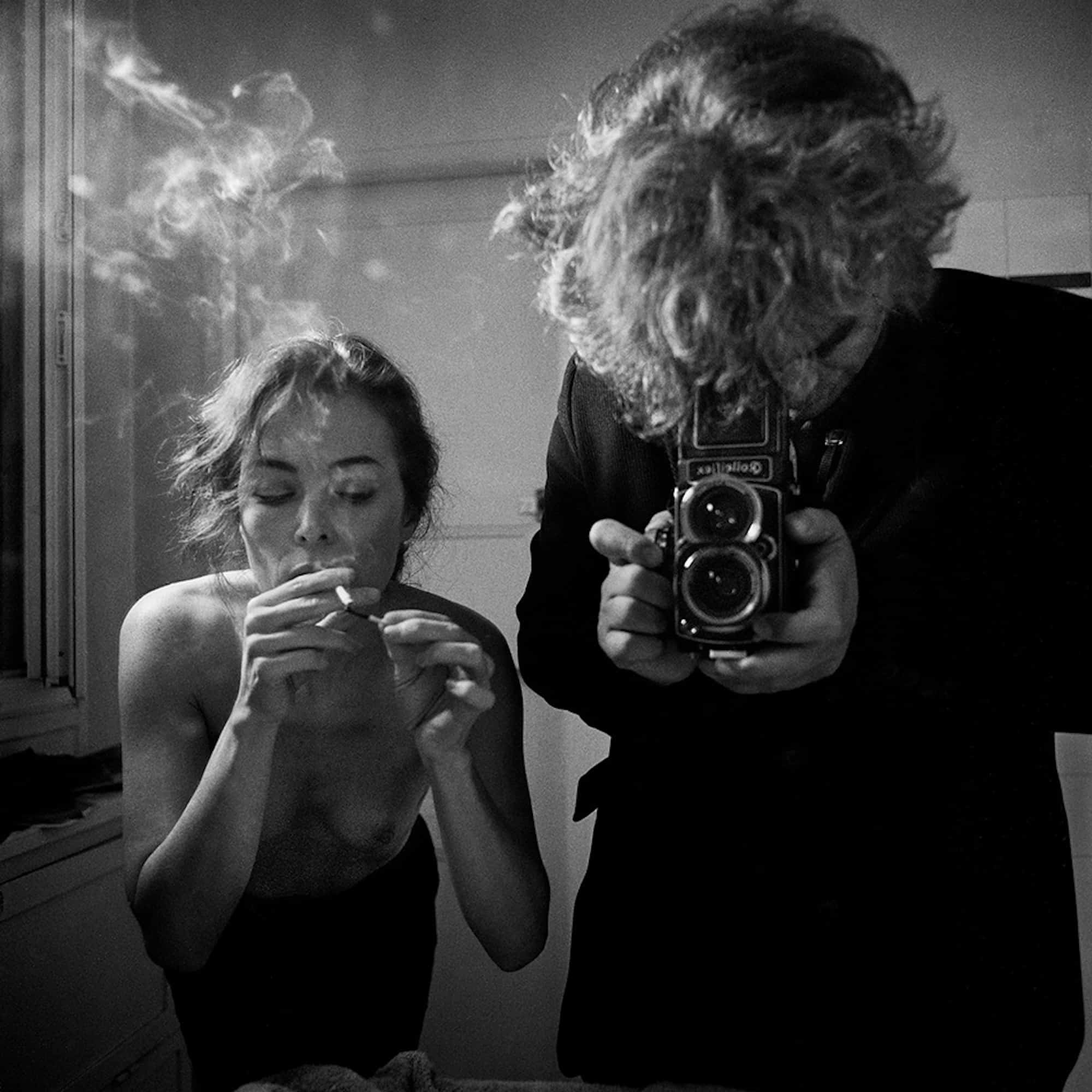
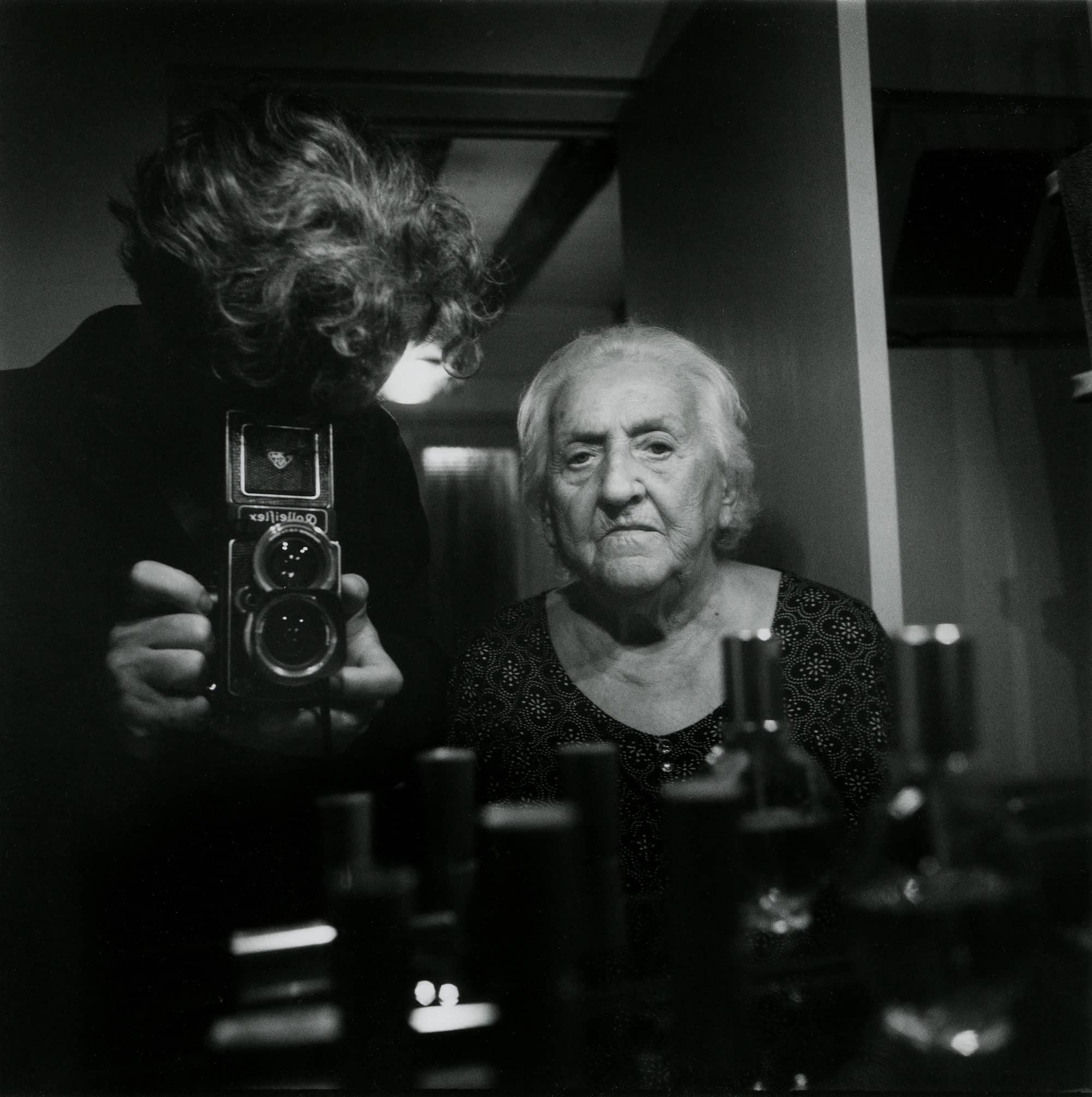
The notion of documentary photography has broken out of the confines of the genre and spilled into new territories. “The ‘documentary style,’ as defined by Walker Evans in the 1930s, in the sense of neutral, direct testimony, is exploring new horizons in contemporary documentary work,” comments Fannie Escoulen, Head of the Department of Photography at the Ministry of Culture of France, former exhibition curator, and co-founder of BAL, an exhibition space dedicated to the documentary image.
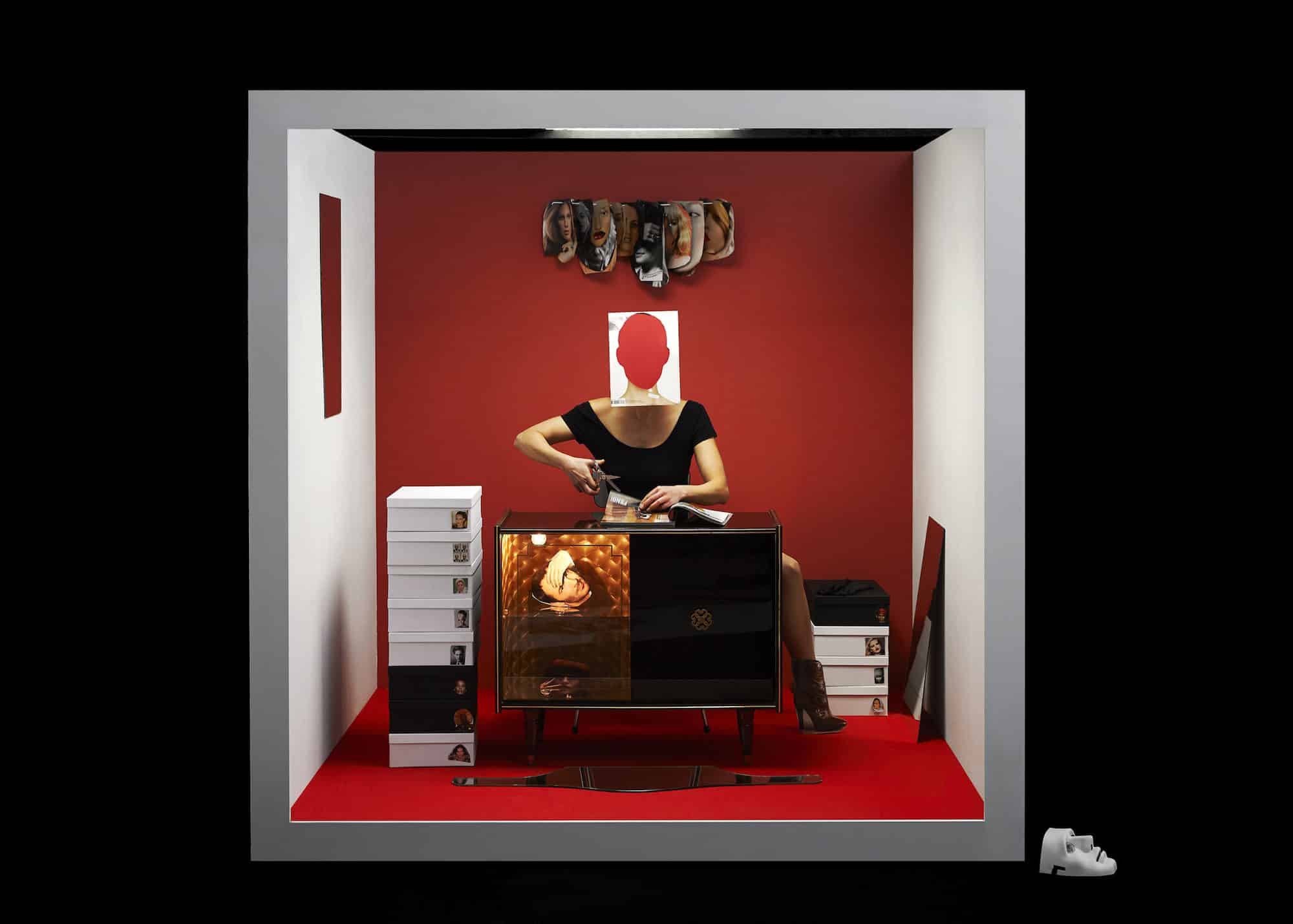
“The boundaries had shifted since then, and the photographer’s approach can be much more subjective, closer to the subject. There are different forms of documentary photography. We have moved away from the ‘dogma’ imposed by Evans, even if many photographers still claim to follow the master’s legacy,” adds Escoulen.
Since its birth in the late nineteenth century, documentary photography has been reinventing itself in response to history and its crises. As historian Guillaume Blanc has recently reminded us in his history of documentary photography in Blind, “[the discipline] is the site of technical, formal, ethical, and cultural confluences that have shaped and redefined it over the years.”
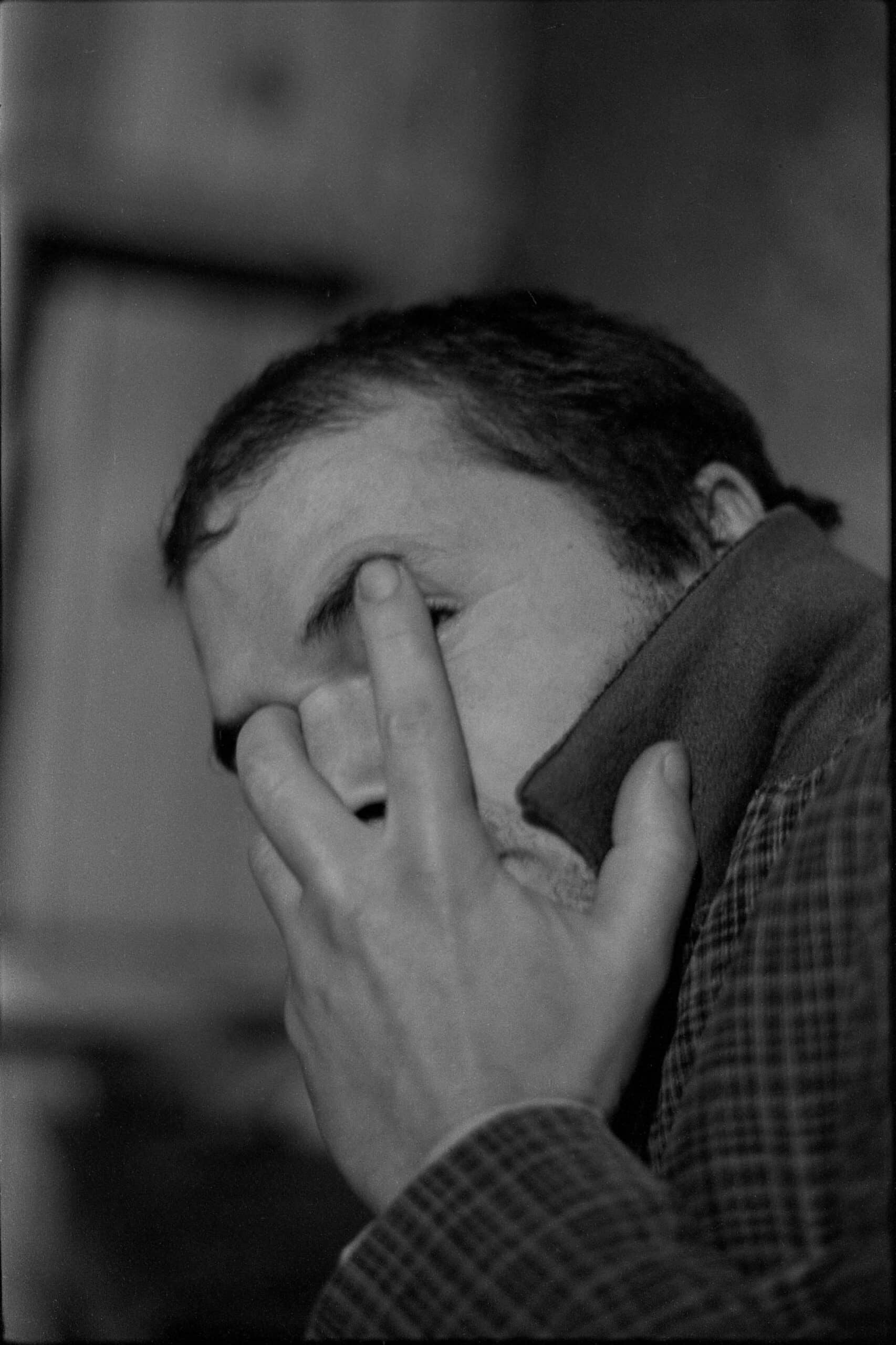
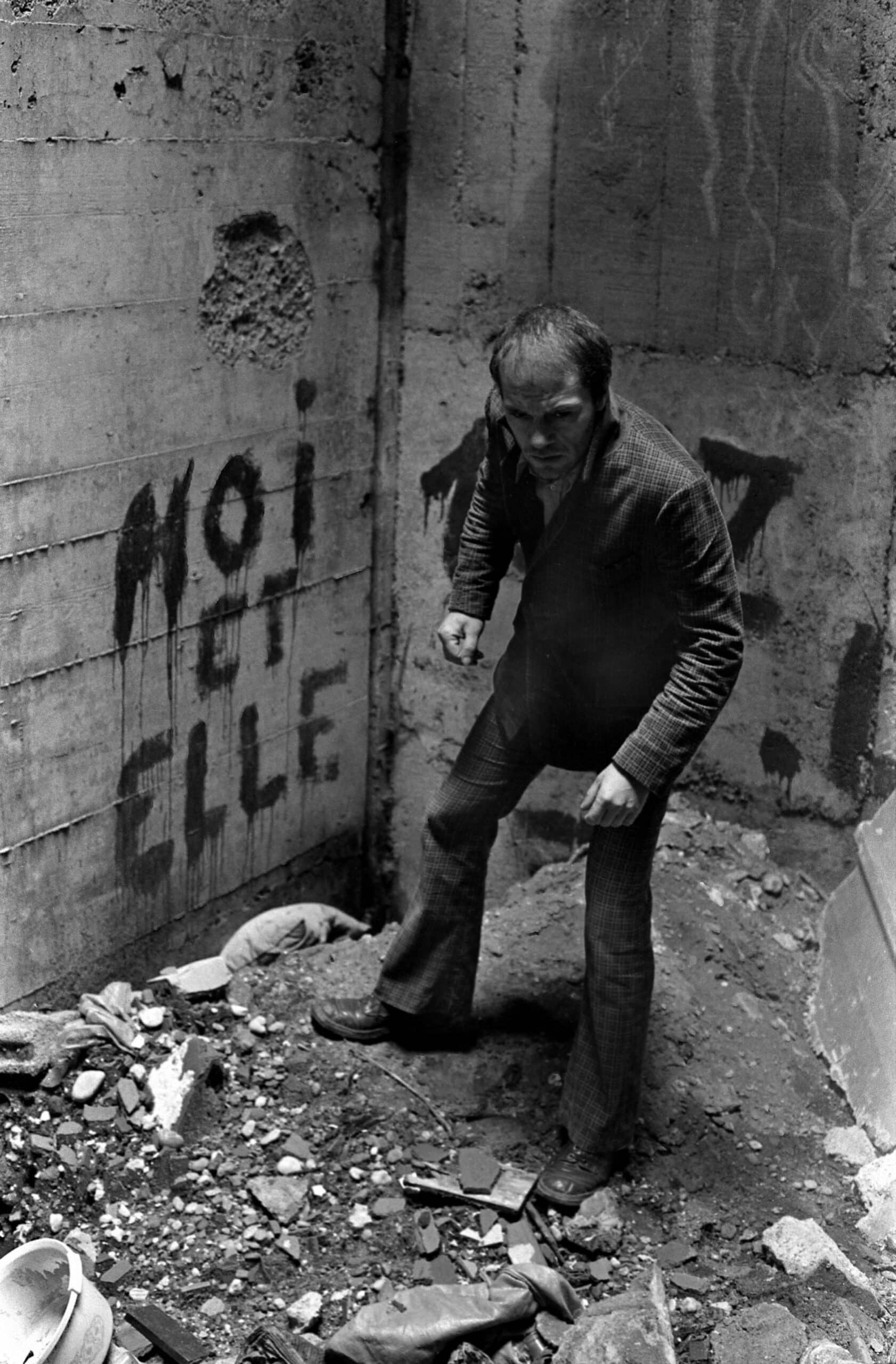
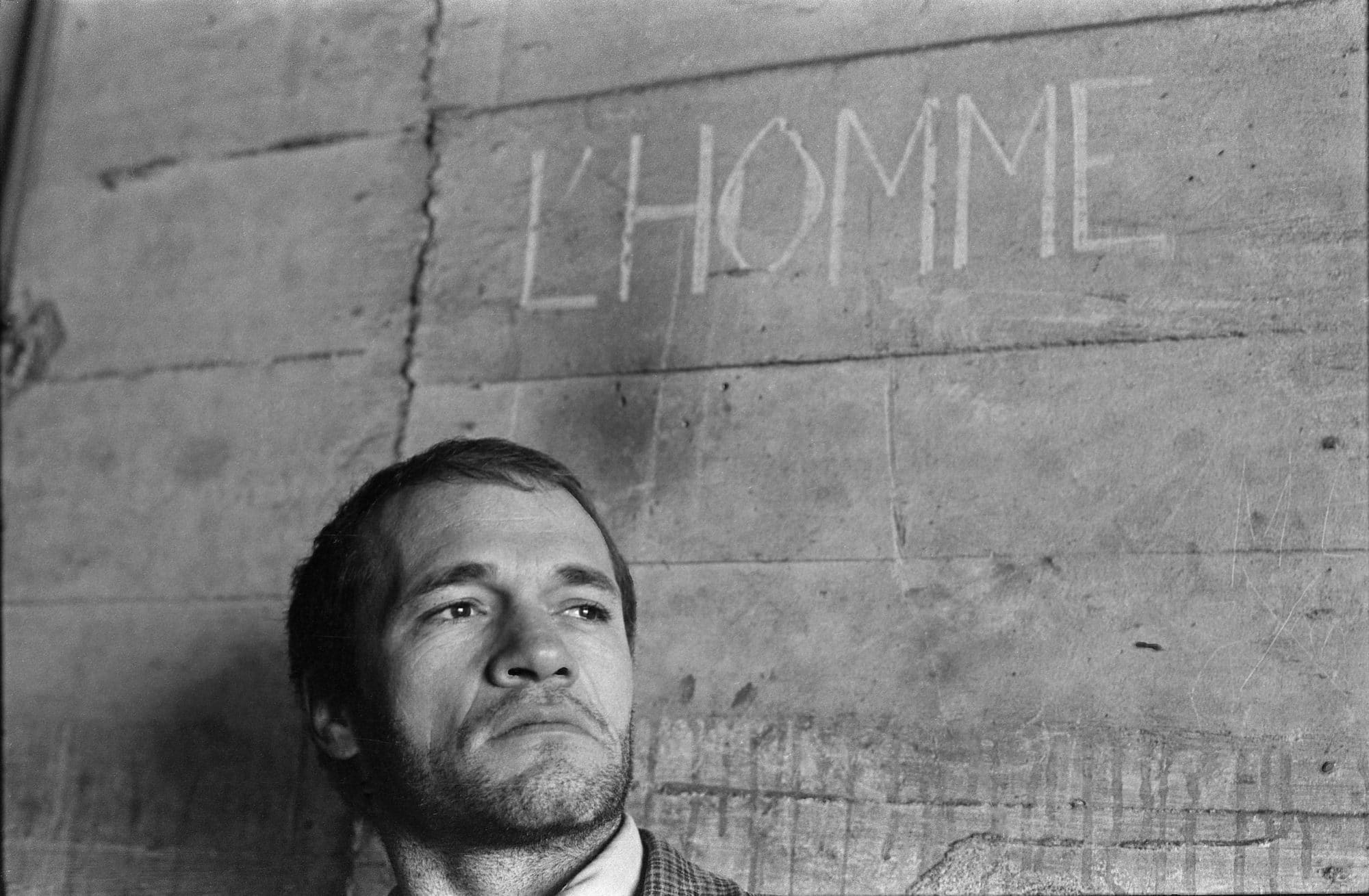
Charlotte Flossaut, founder and artistic director of Photo Doc, confirms that documentary photography today has abandoned its former neutrality: “It’s the other way around: these days, we are seeing a 180-degree turn toward subjectivity. There is this relationship to the intimate—rather than to intimacy, which has to do with privacy—to the intimate, which is a way of relating to others, a form of interaction that structures the self within society. This new type of documentary photography speaks to otherness; it is photography structured through otherness and in the recognition of the power of the other.”
Although the boundaries between different approaches to the image are now dissolving, the oppositions had, for a long time, been very pronounced, especially in the 1980s and 1990s, when “the various photographic styles and aesthetics—‘art photography,’ ‘conceptual photography’…etc.—were opposed to so-called ‘documentary photography,’” reminds us Escoulen.
“The definition of the term ‘documentary’ has evolved only because the present generation of photographers are starting to photograph differently”
Charlotte Flossaut, Photo Doc
“The artist Morvarid K, whom we hosted on two occasions, attempts visual experiments that would have been inconceivable, even unacceptable, under the old deontology of so-called photography of the real,” recalls Flossaut who has witnessed the shift in photographic approaches within Photo Doc. For example, in 2022, Photo Doc and F. Compagnie presented a photo-documentary theatre play based on the work of the photographer Flavio Tarquinio about a couple the artists had met at a bar in a working-class neighborhood of Lille.
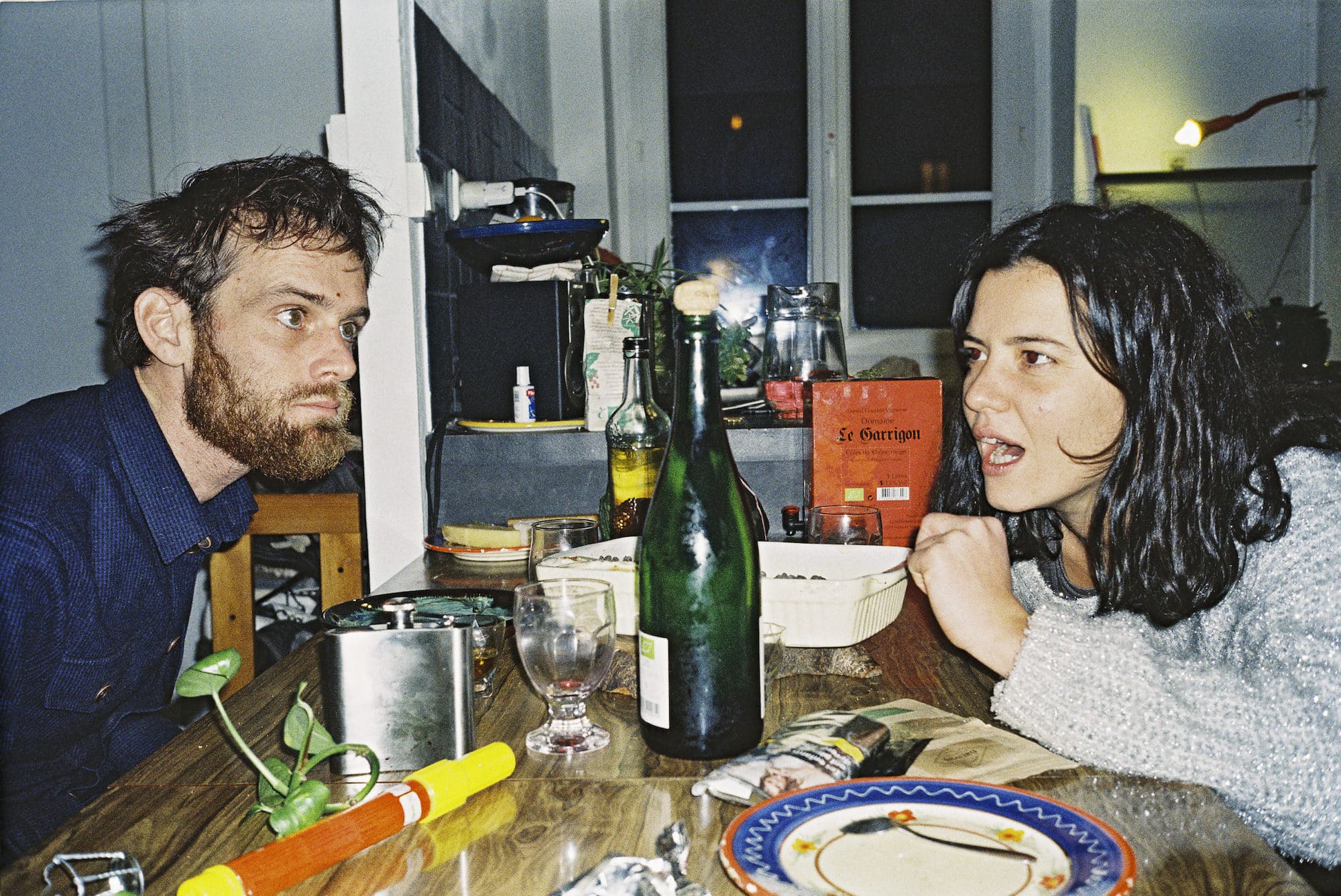
“This has grown exponentially. The definition of the term ‘documentary’ has evolved only because the present generation of photographers are starting to photograph differently. It is thanks to the practice,” observes the artistic director.
The 7th edition of Photo Doc also marks the maturity of an original project set up two years ago in parallel with the fair: namely, the creation of an Observatory of New Documentary Photographic Writing, led by the scholar and photographer Christine Delory-Momberger. As in a laboratory, researchers and specialists examine new forms of creation and generate an in-depth study of how the documentary approach has evolved in response to its time.
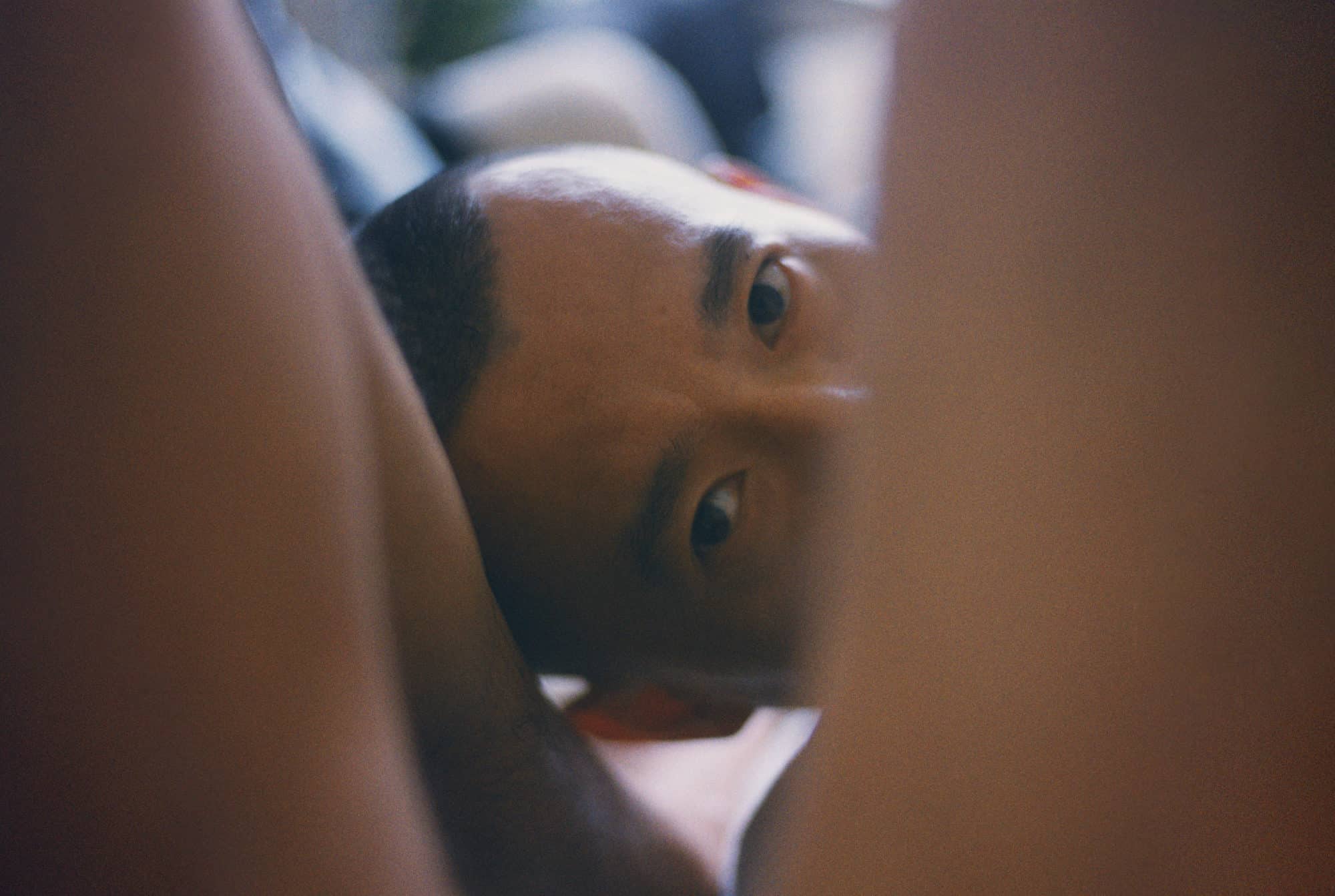
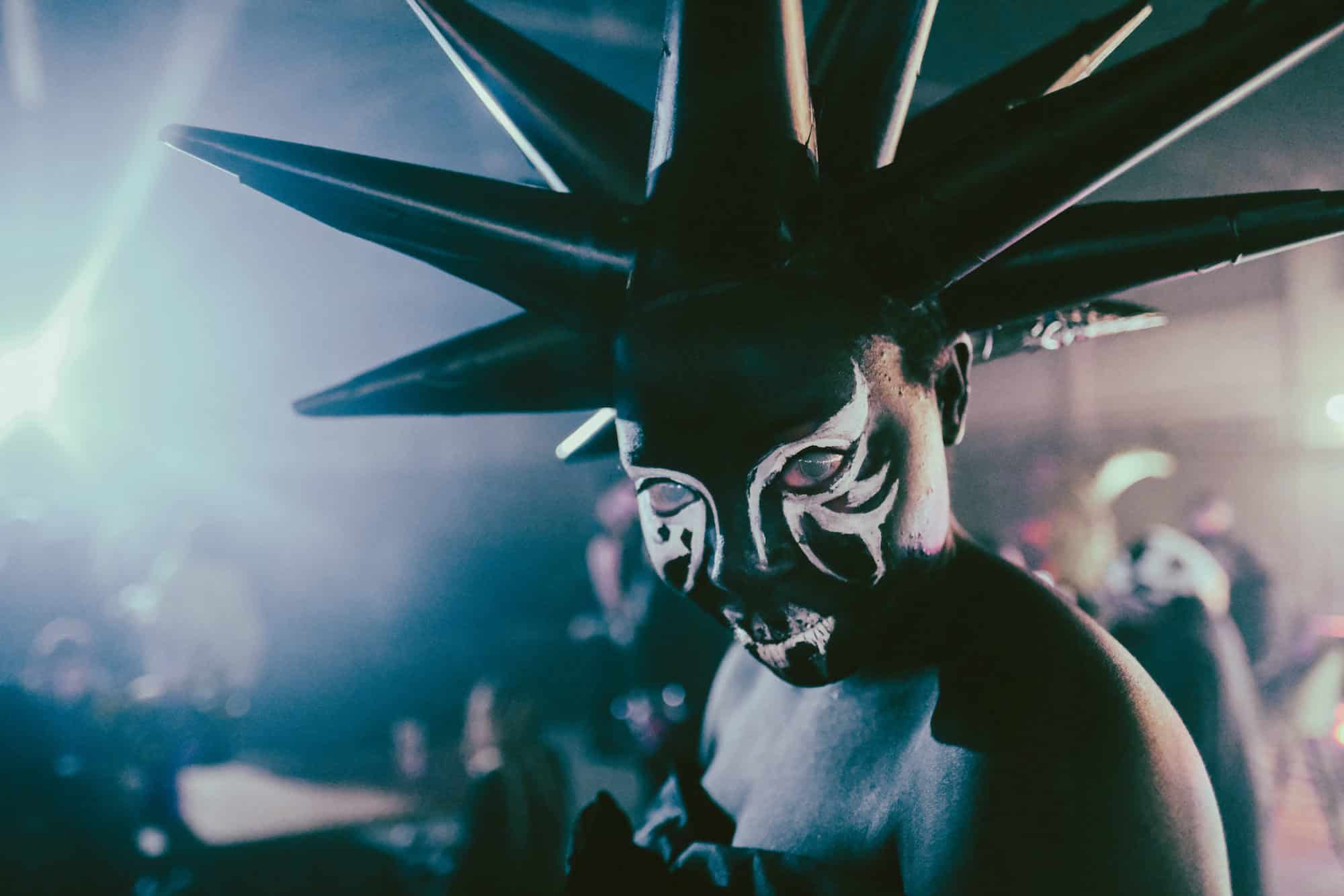
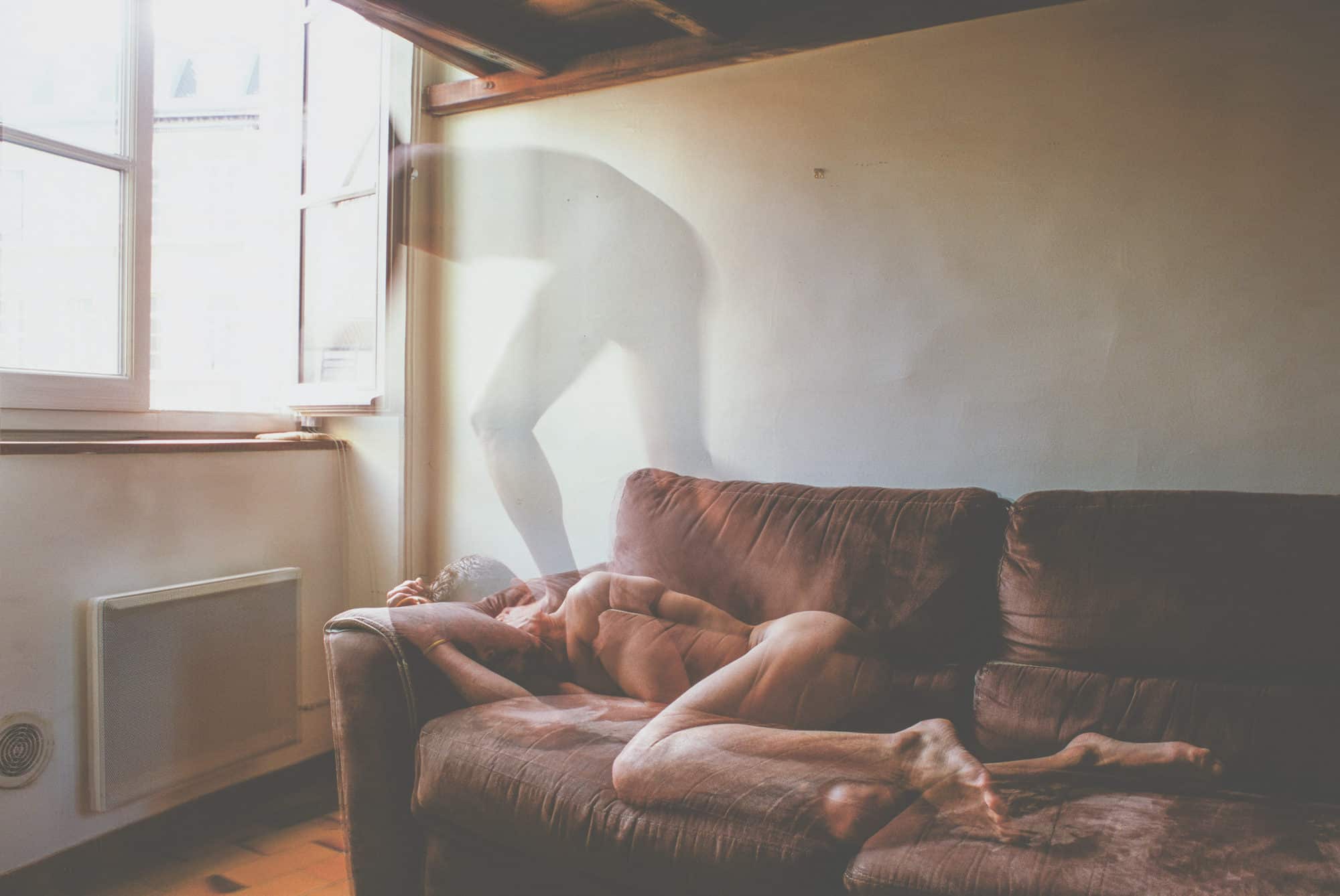
The French photographer Hortense Soichet, who is exhibiting one of the photographs from her collective project Esperem, produced with the women of the “Mémoire Gitane” photo workshop in Carcassonne, represents this new documentary writing. This two-year-long project, exhibited as part of the collaboration between Photo Doc and the Fictions Documentaires festival, was a turning point in her approach to documentary photography:
“I had no obligation to work with people, but meeting these women sparked the need to do a project together,” said Soichet. “I have carried on this work of co-creation. This mindset has become a staple in my work: I am driven by the expectations of the people I interact with.”
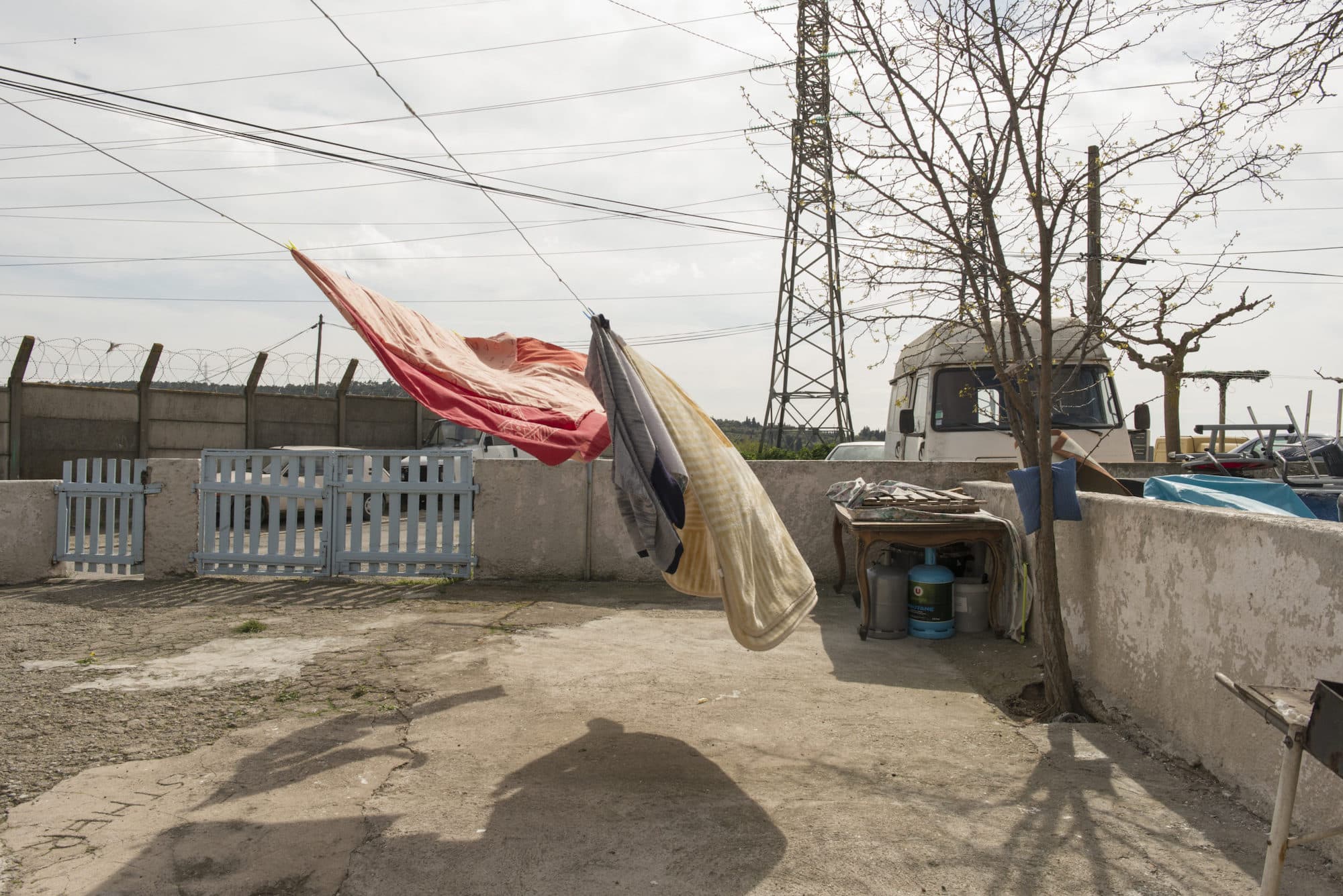
The breakdown of distinctions between various fields of aesthetics, which are becoming increasingly hybrid, with photographers feeling less locked into a single format—“a photojournalist is free to think of their work as ‘art,’” notes Escoulen—is further explained by the concurrent adaption to the evolving photography market.
“It’s a known fact,” she comments, “that a press photographer can no longer make a living as a press photographer; this is why photographic disciplines are becoming increasingly porous.”
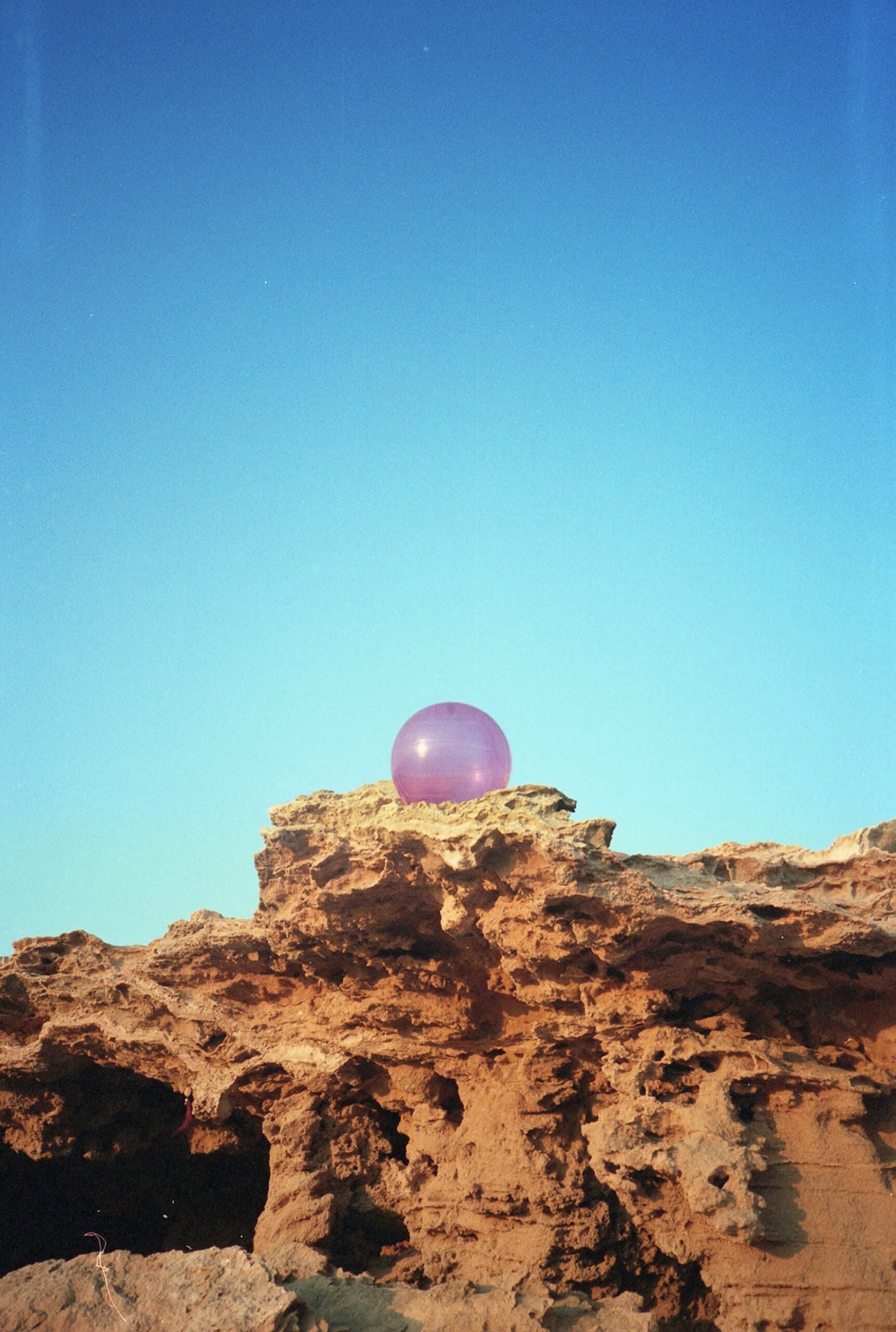
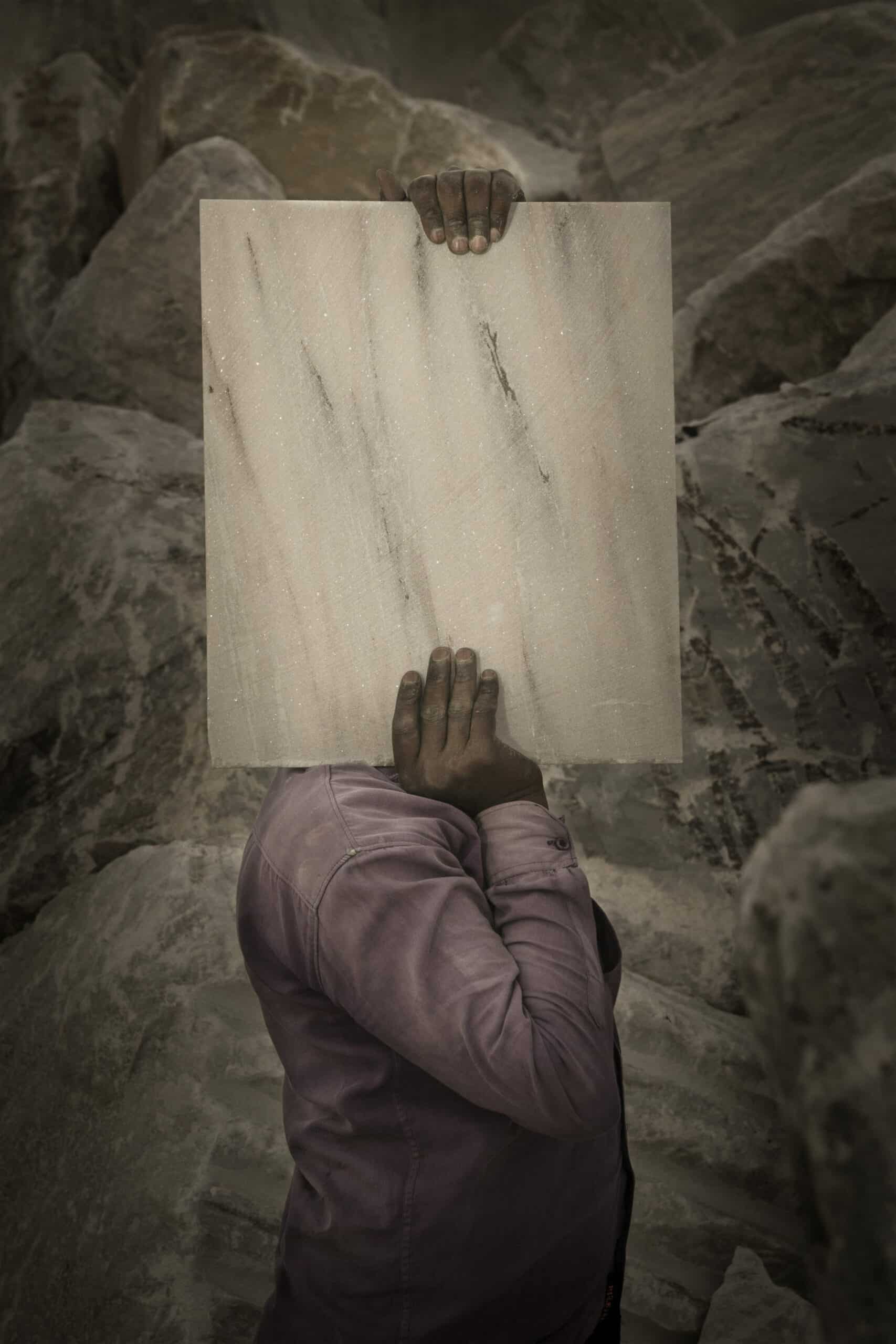
The reason why Photo Doc was founded as a fair was thus to offer documentary photographers an alternative forum to institutions like the press or museums. Selling documentary photography to collectors? The idea would have been unthinkable just a few years ago.
“Documentary photography means taking part in the transformation of the world.”
“In 2015, when I first mentioned the idea of Photo Doc as a commercial event, that is to say, offering documentary photographs for sale to photography collectors, I immediately was met with curiosity but above all of embarrassment and incomprehension. I was told: ‘How can we sell images that address suffering in the world?,’” recalls Flossaut.
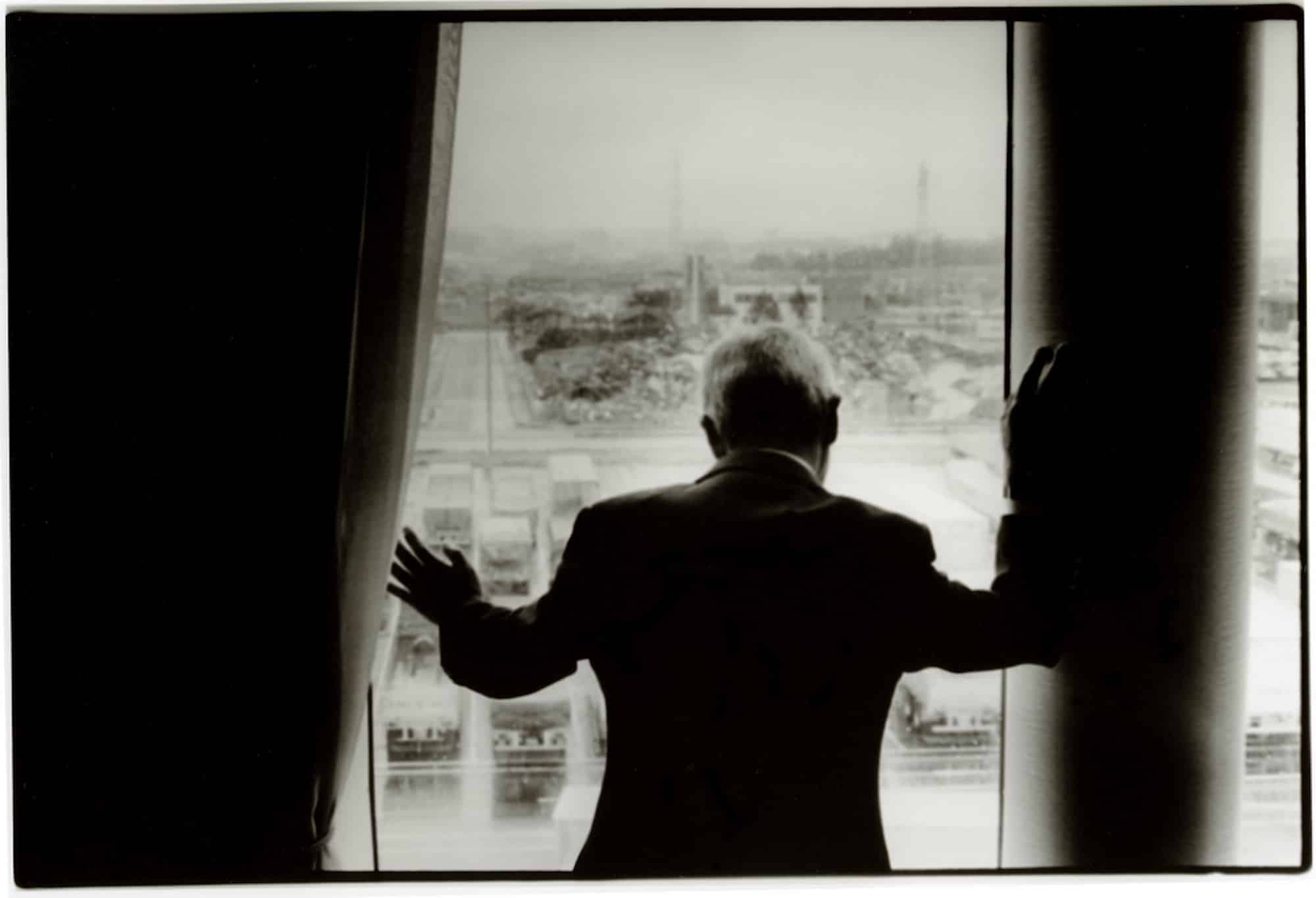
“When they buy a photograph at Photo Doc, collectors connect with the stories evoked in the image. What they acquire is a photograph that makes an impact in the world. Documentary photography means taking part in the transformation of the world.”
This year, twenty-one exhibitors, mostly galleries, will be present at the fair. To Flossaut, this spells success, proving that the market is interested in documentary photography: “We don’t get any commission on the works sold; the spaces are rented out to the exhibitors. But if there were no sales, they would not come back. But the opposite is true.”
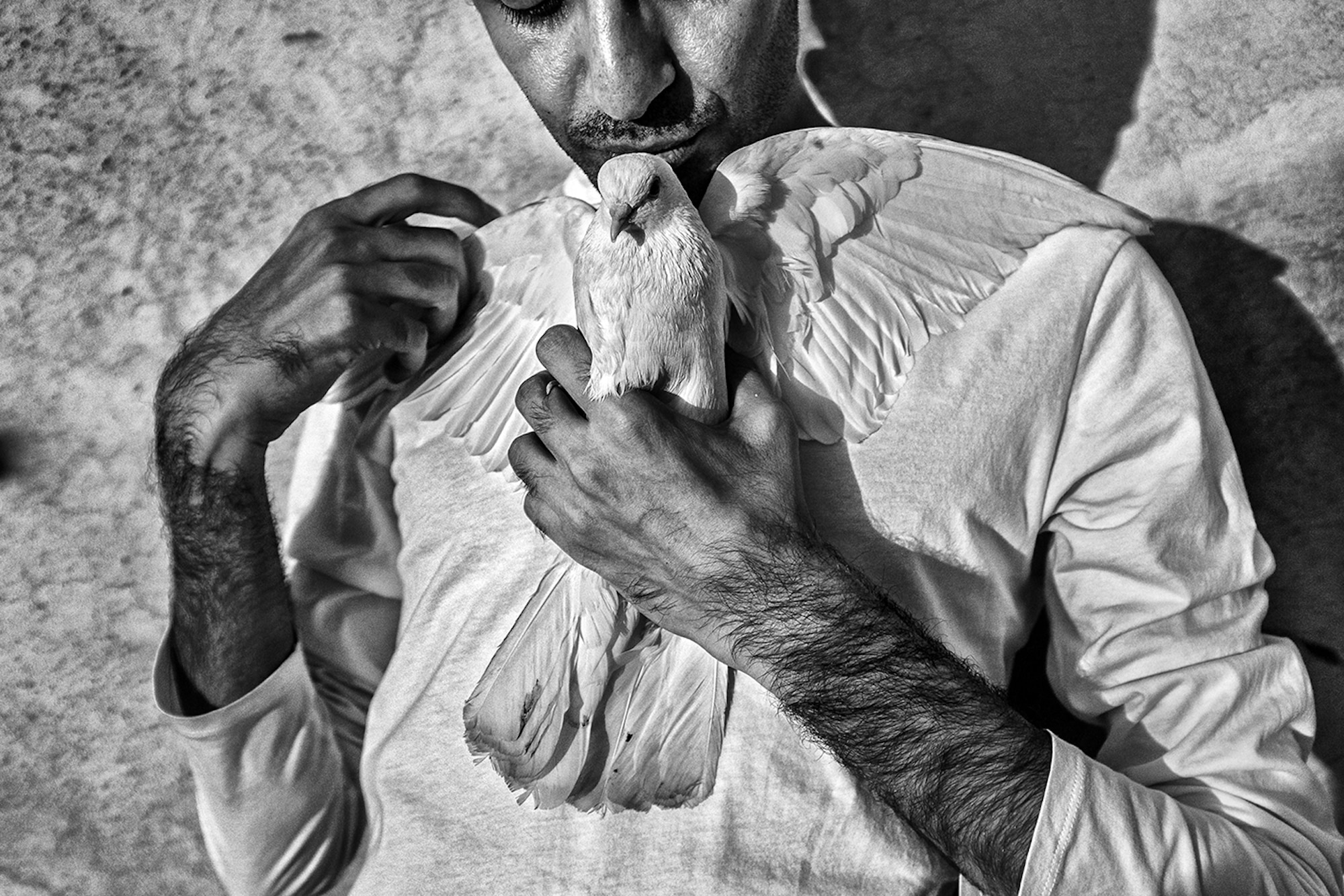
The new forms of documentary photography are now welcomed at art festivals and galleries. Frameworks of support are designed to assist photographers. For example, the Centre National des Arts Plastiques (Cnap) supports professional photographers and artists in the production of a documentary project “by giving them the financial means to develop a body of work over long term,” says Escoulen.
“Radioscopy of France,” a major national photojournalism commission, managed by the Bibliothèque Nationale de France, is one such program intended to support documentary photography.

“Even if the target recipients are photojournalists, we know that the disciplinary boundaries are thin. It is a historic commission, which has supported some 200 photographers developing long-term projects on France. And I know that many of those who have benefited from it will continue their work beyond the commission,” says Escoulen, who also places emphasis on women’s representation in photography, something she considers to be an “encouraging” development.
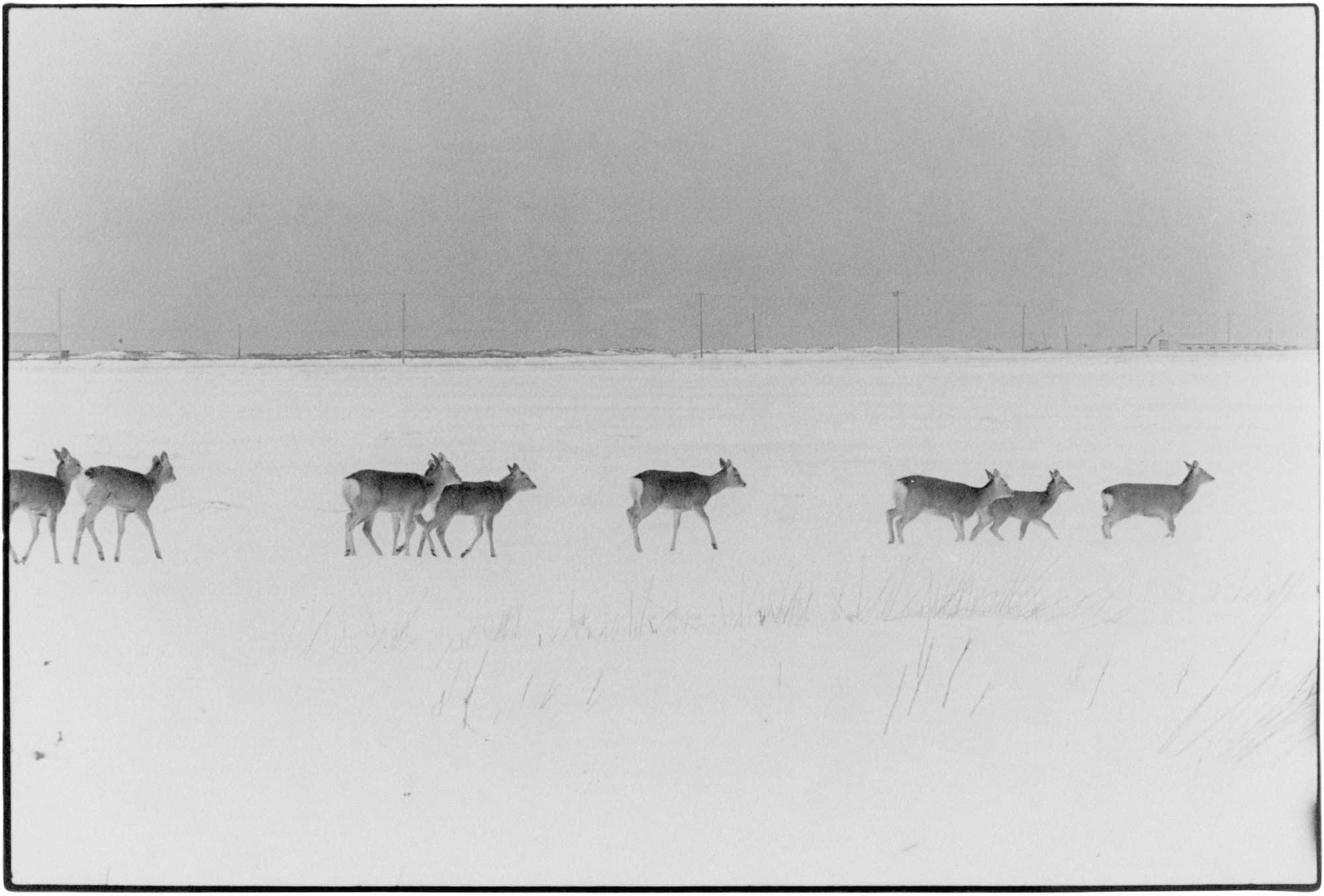
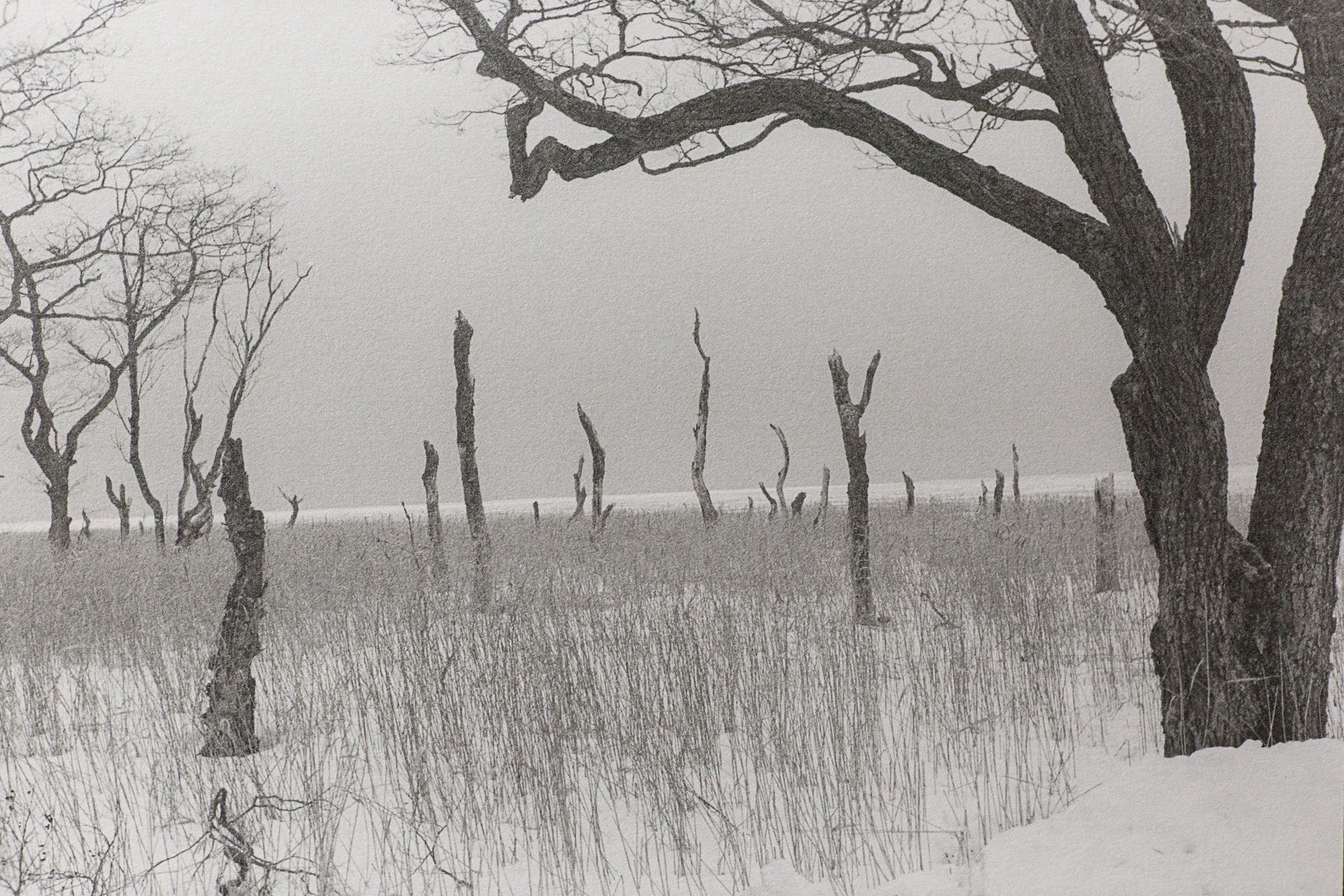
Constantly transforming, developing new forms and formats, and experiencing an ongoing revolution, documentary photography reveals itself, now more than ever, to be essential to our understanding of the world and of others. “One might say that documentary photography is photography in the broadest sense of the word, and it is part and parcel of society,” notes Escoulen. “In the age of AI, it is terrifying to see that representation of reality can escape our control. We must be vigilant about the use of this tool and its potential for disinformation.”
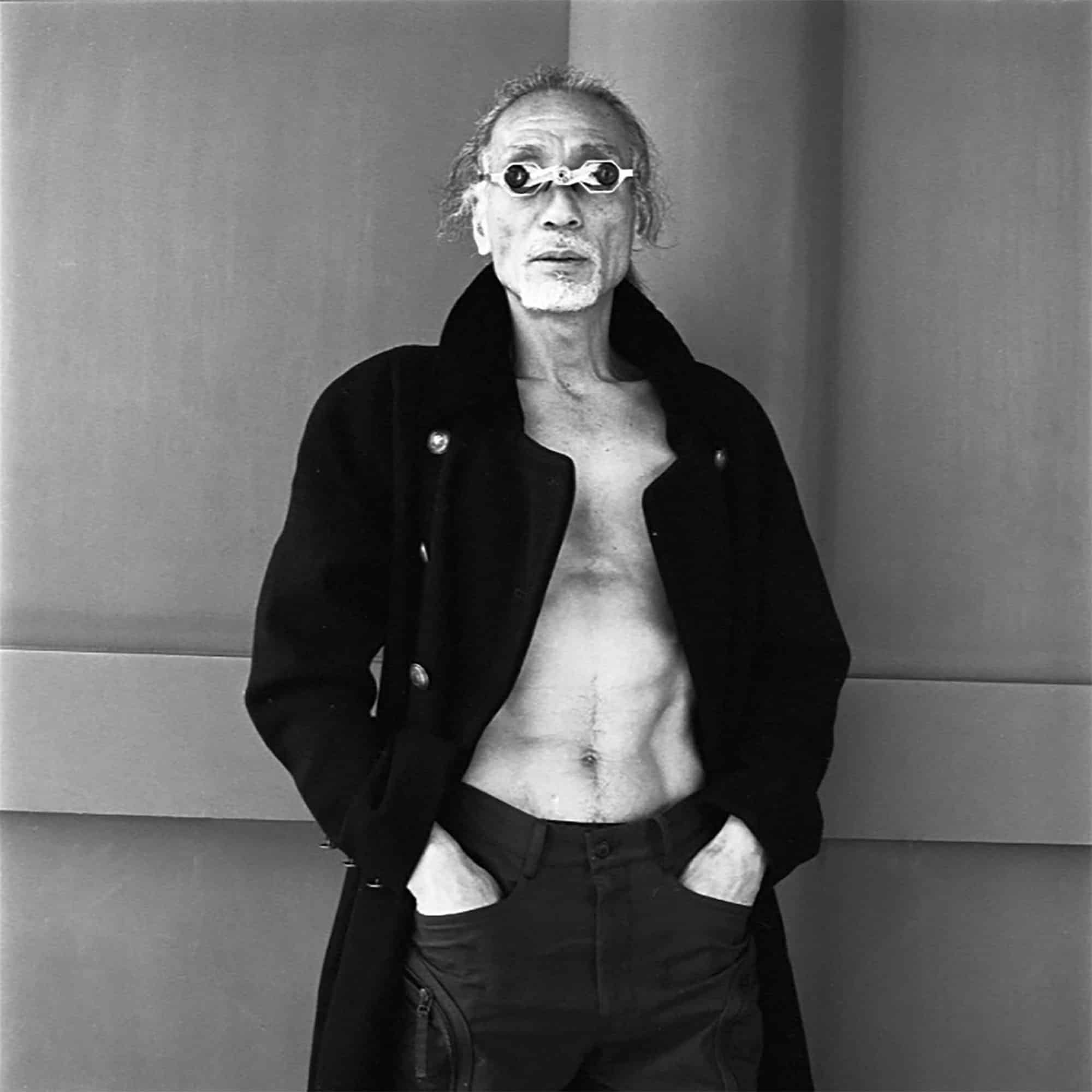
Salon Photo Doc and conferences, from 12 to 14 May 2023, at the Halle des Blancs Manteaux, 48 rue Vieille du Temple, 75004 Paris, France.
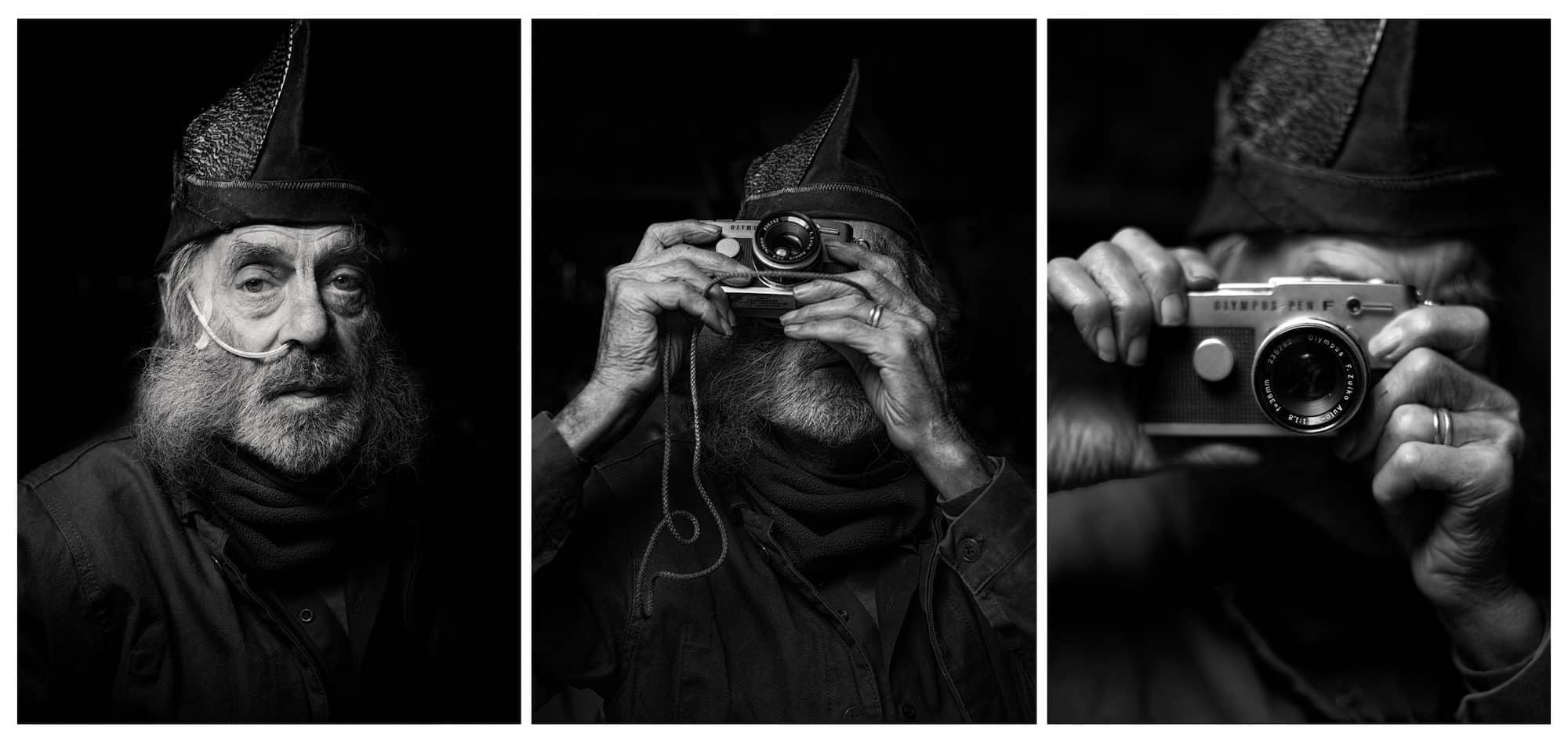


DUBAI, UAE, May 12, 2023 /PRNewswire/ — One of the best features of modern mobile devices is how easily users can customize their appearance to fit their personal style, a brand-new outfit, or their current mood. Our favorite daily gadgets have evolved into a means of self-expression, and Huawei has a longstanding tradition of stellar product design, providing consumers with some of the market’s most aesthetically distinctive smartphones, tablets, and smartwatches. When attractive looks are coupled with the enormous array of themes readily available on HUAWEI Themes, personalization takes off to a whole new level.
Now, HUAWEI Themes, in partnership with the Hamdan bin Mohammed bin Rashid Al Maktoum International Photography Award (HIPA), brings an entire universe of award-winning photography to all HUAWEI smartphones, tablets, and smartwatches through a new, exclusive series of Themes Collections. The new collections fall into 12 separate thematic categories: Love of the Earth, Happiness, Beauty of light and others. Every collection has been meticulously curated to include the most artistic and inspiring photographs from the HIPA competition over the years.
HIPA is a prestigious international photography award established in Dubai in order to encourage and spread the culture of photography both regionally and internationally. The Award is open to all talented photographers across the globe, and it additionally promotes national talent, which will in turn attract international art and cultural attention. What’s more, the Award highlights how Dubai is rapidly developing into one of the most artistically conscious and established cities in the world.
Through this collaboration, HIPA enabled HUAWEI Themes with a free access to their 12 annual books to select the pictures and adapt them into HUAWEI Themes and Watch Faces. By doing so, HUAWEI Themes helped HIPA increase the exposure and awareness on the inspiring stories behind each of these photos. The first HUAWEI Themes Collection in collaboration with HIPA has just been released, covering the “Love of the Earth” thematic category. Users of HUAWEI devices have the opportunity to delve into a selection of breathtaking, award-winning photographs portraying our planet in its wilderness and uniqueness. Each week, HUAWEI Themes and HIPA will be launching new Theme Collections brimming with creativity, originality, and imagination.
“We are delighted to introduce the new HUAWEI Themes Collections, which are centered on award-winning HIPA photographs and have been created to place artistic creativity in the hands of the users of our extensive range of mobile devices,” said Mr. William Hu, Managing Director of Huawei Consumer Business Group, Middle East and Africa Eco Development and Operation. “Huawei actively supports Dubai’s visionary leadership’s commitment to encouraging and advancing art, culture, and innovation, and we are confident that these new Themes Collections will help spread the culture of photography and the work of photographers across the world.”
Secretary General of HIPA, Ali Khalifa Bin Thalith Al Humairi, said: We have collaborated with Huawei Themes to create a new style that inspires creative individuals to capture moments of boundless joy. The diverse range of features and ideas incorporated in this collection provides audiences with an array of styles to suit all preferences. Carefully curated, the Huawei Themes collection of images possesses the ability to inspire photographers, aesthetes and visual artists to take a qualitative leap in their artistic pursuits.
HUAWEI Themes turns HUAWEI smartphones, tablets, and smartwatches into a bold expression of self-identity via an endless array of themes, fonts, watch faces, Always-on Display (AOD) options, wallpapers, and ringtones. Whether sportive, casual, smart-chic, or elegant, HUAWEI Themes ensures that your style and personality will be reflected on your HUAWEI mobile devices. Simply open the HUAWEI Themes app to access a fascinating universe of personalization and artistic exploration.
About Huawei Mobile Services (HMS)
Huawei Mobile Services (HMS) is a part of Huawei Consumer Business Group, which aims to provide a complete, all-scenario mobile ecosystem to Huawei device users. HMS users can enjoy official services such as AppGallery, Mobile Cloud, Themes, Video, Petal Search, Petal Maps and more which come along with EMUI. HMS covers users in over 170 countries and regions, serving as an ultimate and premium smart living experience to benefit every user. As the era of a fully connected world has arrived, HMS continues evolving to provide an optimised mobile experience and fulfil the commitment to bring the world closer.
Visit huaweimobileservices.com for more information on HMS.
Photo – https://mma.prnewswire.com/media/2075687/HUAWEI_HIPA_AR.jpg
SOURCE Huawei Mobile Services


n exhibition showing 24 portraits of Ukrainian women who fled the war and resettled in Liverpool has gone on display in the city during the Eurovision Song Contest, and was described as being like a “form of therapy” for those photographed.
Photographer Ean Flanders, 58, told the PA news agency that he was inspired to undertake the project after meeting two Ukrainian women who were living with his friends after being forced to flee their country.
The portraits, showing the Ukrainian women standing or sitting against a dark grey studio background, are on display at Baltic Creative in Liverpool and are accompanied by testimonies written by the women in Ukrainian and translated into English.
From being awoken in the early hours by a panicked phone call informing them of the invasion, to grappling with pregnancy and separating from their husbands in the months after arriving in the UK, the testimonies tell the women’s heart-breaking and inspiring stories.
Mr Flanders said he wanted the portraits to give the general public in Liverpool “more of an in-depth understanding” of the hardship faced by the female Ukrainian refugees living in the city, as well as showcase the women’s strength.
The Liverpool-based professional photographer, originally from London, said: “All these women are going through some form of trauma due to the war, due to not being with their families, due to not being able to speak English, so I just wanted to show their feelings, their emotions, their anger.”
He added: “Not all of us have contact with Ukrainians who are in the city so I thought having this exhibition with these women’s portraits on the wall would give an opportunity for some of these women’s experiences to be shared.”
Among the subjects of the exhibition is Olena Malenk, 37, who fled Kyiv with her two sons Platon, seven, and Lev, five, after seeing military aircraft soar over the capital and drop missiles on her city.
Forced to flee without her husband, Gregory, as most men of fighting age are not permitted to leave the country, Ms Malenk discovered upon arrival in Liverpool that she was pregnant with twins.
Wearing a long black dress and standing against a grey studio background, Ms Malenk’s photograph shows the mother looking down as she holds her bump.
The photoshoot allowed her to recognise her “power and confidence” as a pregnant woman who has sought to protect her children from war and create a new life, according to a testimony she composed for the exhibition.
Mr Flanders was inspired to undertake the project by Ukrainian women, Olha Kruglova, 40, and Anastasiya Sydorenko, 33, who were being hosted by his friends in Liverpool and who he ultimately collaborated with to bring the exhibition to life.
“They were telling me about the difficulties they had in adjusting and adapting to UK life and the Liverpool accent,” Mr Flanders said, which prompted him to take their photographs and find more Ukrainian women for an exhibition.
Ms Sydorenko was informed that Russia had invaded her country by the trembling voice of her sister, Nastya, over the phone at around 5am on February 24 2022, and several minutes later she heard the wail of an air alert siren.
Ms Sydorenko, her husband and their daughter stayed in the basement of her father’s home for 10 days, until missiles fell on the neighbourhood and made the walls of the house shake as their daughter slept on a sack of potatoes.
“She didn’t deserve such a childhood, to hear these sounds, to fear, to cry, to wake up at night and run to hide not understanding what was going on,” Ms Sydorenko wrote in her testimony.
After arriving in Liverpool, Ms Sydorenko learned that her husband had left her and she fell into a “deep depression” for a period, before slowly pulling herself out of the depths of despair.
She wrote: “I am proud of myself that I didn’t give up and I didn’t let this situation take over me. Everything that was meant to destroy me became my power.”
An unexpected outcome of the project was that it felt like a “form of therapy” for the women photographed, as it allowed them the opportunity to discuss their experience, Mr Flanders said.
He said: “I didn’t think about it at the time, but many of the women have told me that taking part in this project is one of the best things that they’ve done because it’s allowed them to look at themselves and talk about their experiences openly, and to feel some sort of self-worth and strength.
“There’s so many things that I didn’t think the project would bring out.”

 Carolyn Lefley
An exhibition featuring ‘Slow time’ photographs during the lockdowns of 2020 and 2021 has opened.
Led by artist Janette Kerr, the six-month project featured 150 pinhole cameras scattered across Somerset.
John Gammons, who worked on the project, said the cameras made out of recycled drink cans, gave a “very unique snapshot of what was going on in Somerset at that time”.
The exhibition will run until 21 May at East Quay in Watchet.

The cameras featured light-sensitive material, eventually creating long-exposure photographs of the Somerset landscape.
Each camera can captured light waves as they travelled through the air, passing through a pinhole and then onto black and white photographic paper.

The photos were then processed months later by scanning the paper, uploading it onto a computer and then manipulating it using a photo editor.
Ms Kerr said the idea first started after she made and gifted her friends and neighbours pinhole cameras for Christmas in 2020.

“Everyone got excited about it and then I happened to mention it to Somerset Artworks and they asked me if I could extend it to the whole of Somerset,” she said.
Eventually over 100 participants took part, with each camera pointed at a different viewpoint, in places including Glastonbury, Minehead, Frome, Taunton and Stokes-Sub-Hambdon.

“I think that because it was lockdown and because people weren’t travelling so much, the emptiness of the landscape reflected that time because there was an absence of people,” she added.
While 170 images were captured, only 36 were selected for the exhibition, with Ms Kerr asking those that were chosen to write something to accompany their image – from what their experience of lockdown was to how the image made them feel.

Mr Gammons, who works as an artist and helped coordinate the project said it was “lovely to see people’s faces light up with curiosity on how it was all going to work”.
“The images themselves provide a really unique viewpoint – given the fact it was a very odd time where you could go out your front door and not hear cars, not see people, people were more aware of birdsong, you noticed how clear the sky was – it was a very very strange time and the little cameras encapsulated that perfectly,” he said.

Calling them “little time cameras”, Mr Gammons said they managed to record their own perception of time.
“We don’t sort of notice the movement of the sun and we also take for granted everything moving around us,” he said.

“I do equate it to if a tree had any perception of what’s going on around it.”


Follow BBC West on Facebook, Twitter and Instagram. Send your story ideas to: bristol@bbc.co.uk

Over his two-decade career, photographer Alexi Lubomirski has hung out in Bruce Springsteen’s dressing room, played cards with Brad Pitt and convinced Gwyneth Paltrow to perch on the end of a supermarket conveyor belt wearing little more than a bikini. But nothing could have prepared him for the phone call he received in November 2017, inviting him to Kensington Palace to discuss taking the official engagement photographs for Prince Harry and Meghan Markle.
“I thought it was a prank call from my friends,” Lubomirski says. His mother was in surgery at the time, and he was at the hospital, awaiting the surgeon’s call. Meanwhile, every TV monitor in every waiting room transmitted news of Meghan and Harry’s engagement. “It was a classic thing my friends would do, and my mind just couldn’t compute that it could be real.”
“Luckily I didn’t swear at them,” Lubomirski says with a smile from across a table at Claridge’s ArtSpace Café. He’s in London to promote The Sittings 2003-2023, a new book of 113 portraits, some of which appear in an exhibition downstairs. He flips through his images of royals and film stars, which are united by what he describes as “relatable elegance”, and by a kind of golden, eminently flattering lighting that enhances some of the world’s most closely watched figures — none of which would be possible if Lubomirski weren’t so adept at putting his subjects at ease.
“Alexi is legendarily charming and thoughtful,” says Lydia Slater, editor-in-chief of Harper’s Bazaar UK. “He’s not in pursuit of edginess or controversy. He wants everyone to look like the best version of themselves, which is why people are so happy to work with him.”
Days after the initial phone call from Kensington Palace, Lubomirski and crew photographed Prince Harry and Meghan in the grounds of Windsor Castle. The photos depicted a couple looking more like Hollywood royalty than actual royalty. One picture — Meghan wrapped in Harry’s coat, her hand lifted to showcase the ring — was inspired by an image of Audrey Hepburn and husband Mel Ferrer.

The effect was more intimate and less posed than previous royal engagement photographs, and the public reaction was swift and polarised — fans praised the couple’s warmth and closeness, detractors decried the high cost of Meghan’s Ralph & Russo dress. “I knew there would be a response, but I never realised it would be that much of a response,” Lubomirski says. “I think it’s because people felt like they were being invited to witness a very intimate moment.”
The couple invited Lubomirski and his wife Giada to their May 2018 wedding, and asked him to be the official photographer, a gig with even higher stakes than the engagement. At one point, with bridesmaids and pageboys running riot, Lubomirski had to beg the late Queen Elizabeth’s pardon for running late. “She looked at me and said, ‘You know, I’m not the one you need to worry about.’”
It might have helped that Lubomirski is himself a descendant of royalty. Through his father, he’s a scion of the Polish House of Lubomirski. “I don’t think they knew until Harry mentioned it to the King [then Prince Charles] during the wedding pictures. I think Harry said, ‘Oh, by the way, you know, he’s . . . ’ That was it.”
Lubomirski was born to a French-Polish father and British-Peruvian mother. He grew up between Botswana, Paris and England, and started photographing school friends as a young teenager. “The highest compliment I could get was when one of them would come to me and say, ‘My mum wants that picture, because she said that it’s the happiest I’ve looked,’” he says. “In all my work now, I want people to look their best, and think, ‘This is me, but me looking my best and happiest and most joyful and luminous.’”
After studying photography at Brighton, he put that philosophy into practice as an assistant to Mario Testino. Four years later, he went out on his own, and very quickly he was photographing Jennifer Aniston, Julia Roberts and Kate Winslet for cover stories in Harper’s Bazaar, Vogue and Elle. Stars began requesting him for cover shoots. Requiring him, even. He says it’s because “I’m not somebody who just sees you as a still-life object. I’m a people person. Sometimes a therapist.” Of Roberts, whose billion-dollar smile is on the cover of The Sittings, he says: “Everyone who meets her is star-struck.” Of Winslet: “Every inch of her body is an acting tool. It’s amazing.”
“It’s instructive to watch him on a shoot,” Slater says. “Normally, when the subject turns up, everyone descends on them immediately, but he prefers to let them settle in, so he can introduce himself when they’re feeling more relaxed. His aim is to make the person being photographed forget that he’s got a camera in his hand, so that they let their guard down and their personalities shine out — he’s always looking for authenticity.”

Celebrity portraiture has changed dramatically since the beginning of Lubomirski’s career. In 2005, it was standard to have two, even three days to shoot a cover and a 10-page spread. Now he gets a few hours for all that, plus digital cover options and multimedia filming. “As the time for shoots has gotten shorter and shorter, the needs have gotten greater and greater,” he says. “It’s pointless fighting against the evolution of things. You’ve got to roll with it.”
There are some things he won’t roll with. Lubomirski is a committed environmentalist and vegan, and in 2019 he launched Creatives4Change, an initiative asking signatories from the worlds of fashion and entertainment to pledge to stop working with fur, feathers and exotic skins. “I never felt comfortable shooting fur, but I did it because I thought I had to,” he says, alluding to some of his earlier work. “Especially after the [royal] wedding, my visibility shot through the roof. So I started to use my platform for good.” He asked others to commit to the same, and Aniston, Winslet and fellow photographers Inez and Vinoodh have signed. So has Diane von Furstenberg, despite telling the blue-eyed photographer at the outset of his pitch, “I’m only seeing you because you’re good-looking.”
While many top-tier brands have stopped using fur completely, feathers and exotic skins remain prevalent in the luxury sector. Holding the moral high ground has cost Lubomirski certain jobs — some that were painful to lose. But he’s sanguine about it now, an attitude he attributes to his sense of “future hindsight”.
“I didn’t want to get to the end of my time in the industry with a pile of magazines and a healthy bank balance, knowing I’d done things that didn’t align ethically with me,” he says. “You’ve got to use a voice when you have it.”
‘The Sittings’ is at Claridge’s ArtSpace, London W1K 4HR, until May 17
Find out about our latest stories first — follow @financialtimesfashion on Instagram

On the occasion of Gallery Weekend 2023, Kicken Berlin will be opening a further installment of the exhibition series Sheroes of Photography, which was successfully initiated in 2021. The neologism shero expresses explicit appreciation of the achievements of women artists in photography. The sheroes of photography unite the self-assured practice of a modern medium with diverse perspectives on reality.
Following the opening group show and the individual presentations of the work of Tata Ronkholz, Jitka Hanzlová, and Sibylle Bergemann in 2021–22, part five of this series focuses on various artists from the nineteenth century to the present in a dialogical survey.
One focus is the photography avant-garde in the interwar period with Bauhaus artists such as Gertrud Arndt, Grit Kallin-Fischer, and Lucia Moholy. Like no other, Moholy influenced the contemporary view of the Bauhaus, immortalizing works, objects, and buildings in her objective and precise photographs.
The women masters of studio photography created staged works that are equally subtle and surreal—from Gertrud Käsebier, the pioneer of Pictorialism, and Lotte Jacobi, who made portraits of Berlin’s avant-garde artists and icons of her time including actress Lotte Lenya, to Charlotte Rudolph, who produced vivid portraits of dancers and is especially known for her ingenious portraits of the Expressionist dancer Mary Wigman.
The methods of Neues Sehen (New Vision) are presented with photographs by Aenne Biermann, Marianne Breslauer, and Elfriede Stegemeyer. Marta Hoepffner, who studied with Willi Baumeister at the Städelschule in Frankfurt am Main, used techniques of collage and montage to establish photography self-evidently in the canon of the modern arts. In this spirit, Alice Lex-Nerlinger also merged abstraction and collage. The European avant-garde of the interwar period is likewise manifested in photographs by Czech artist Jaroslava Hatlaková. Finally, Florence Henri, who was rooted both in the Bauhaus and Parisian modernism, reinterpreted her own iconic shots.
The transition to mid-century modernism is represented by the experimental photograms of Anneliese Hager. Otto Steinert not only curated exhibitions on subjective photography in Saarbrücken; he also deeply influenced a great number of women photographers. Monika Dietz and Edith Buch, two creators of surreal imagery who take up the thread of the avant-garde, both come from Steinert’s class at the School of Arts and Crafts in Saarbrücken.
Women photographers in West and East Germany have repeatedly followed and personally articulated documentary traditions. Ruth Hallensleben, one of the few women industrial photographers, documented factory buildings in objective images starting in the 1950s. In the 1970s and 1980s Barbara Klemm and Sibylle Bergemann established very personal narrative perspectives.
The Sheroes of Photography made extraordinarily innovative achievements for many decades, and their works continually engaged in productive dialogs with artistic ways of seeing. Their diverse perspectives on reality are united in their self-evident practice of one of the most important media of modernism.
Carolin Förster
Sheroes of Photography (Part V)
Apr 28 — Sep 1, 2023
Kicken Berlin
Kaiserdamm 118
14057 Berlin, Germany
https://kicken-gallery.com/

ROME — A photographer from Rome will have his photos of the Adirondacks on display later this month at a photography gallery in Barcelona, Spain.
Foto Nostrum, the Mediterranean House of Photography, will showcase four photographs from Nelson Rudiak, of Rome, in their rotating Slideshows exhibitions between May 24 and June 4.
The Slideshows exhibitions highlight up-and-coming artists from around the world.
Foto Nostrum said Rudiak’s photos “depict a series of grandiose landscapes” taken in Alaska and the Adirondacks.
“It’s a tremendous honor to be selected for this and I am thrilled to be part of such a prestigious gallery,” said Rudiak.





