Photography

Experience the Art of Portrait Shooting with OPPO’s Reno10 5G this World Photography Day

Experience the Art of Portrait Shooting with OPPO’s Reno10 5G this World Photography Day

– This World Photography Day on 19th August, OPPO encourages users to capture memorable moments using the cutting-edge imaging capabilities of the Reno10 5G

– Boasting a large 64MP Main Camera sensor and a 32MP IMX709 Telephoto Portrait Camera, users can enjoy improved image clarity and an overall enhanced portrait experience

– The Reno10 5G reinforces the Reno series’ reputation as The Portrait Expert, pushing the boundaries of smartphone camera technology

DUBAI, UAE , Aug. 23, 2023 /PRNewswire/ — With over 6.6 billion users worldwide, smartphones have emerged as the prevalent camera choice, reshaping user expectations for mobile photography.[1] In this ever-evolving landscape, OPPO stands at the forefront, consistently pioneering cutting-edge imaging innovations that cater to these changing demands. As World Photography Day approaches on 19th August, the global technology brand encourages photography enthusiasts worldwide to embrace their creativity and capture memorable moments using the latest addition to its popular Reno series, the Reno10 5G.

The OPPO Reno series has established itself as the go-to choice for creators, providing a platform for both amateurs and experts to capture breathtaking portraits. Building upon this legacy, the Reno10 5G takes this commitment to the next level by introducing an upgraded Ultra-Clear Portrait Camera System that sets a new standard for mobile photography.

Setting the Reno10 5G apart is the 32MP IMX709 Telephoto Portrait Camera, a true game-changer that elevates every photography experience. With a 2X optical zoom capability, users can immerse themselves in the world of portrait photography, capturing high-resolution photos at professional 47mm portrait focal lengths. This feature brings a touch of realism to every portrait, ensuring natural and undistorted images with stunning realism. The Reno10 5G harnesses the power of its groundbreaking cameras, allowing users to effortlessly capture crystal clear photos with exceptional detail, even in low-light settings.

With the combination of the 2X optical zoom on the Telephoto Portrait Camera and the enhanced Portrait Mode, the Reno10 5G empowers users to effortlessly capture natural, ultra-clear portraits smoothly in any scenario. This reaffirms the Reno series’ reputation as The Portrait Expert, as OPPO continuously pushes the boundaries of smartphone camera technology, allowing users to preserve cherished moments in stunning detail for a lifetime.

About OPPO

OPPO is a leading global smart device brand. Since the launch of its first mobile phone – “Smiley Face” – in 2008, OPPO has been in relentless pursuit of the perfect synergy of aesthetic satisfaction and innovative technology. Today, OPPO provides a wide range of smart devices spearheaded by the Find and Reno series. Beyond devices, OPPO also provides its users with ColorOS operating system and internet services such as OPPO Cloud and OPPO+. OPPO has footprints in more than 60 countries and regions, with more than 40,000 employees dedicated to creating a better life for customers around the world.

About OPPO MEA

OPPO started its journey in the Middle East and Africa (MEA) region in 2015. Now OPPO is physically present in more than 13 markets across the region, including Egypt, Algeria, Tunisia, Morocco, Bahrain, Saudi Arabia, UAE, Oman, Kuwait, Qatar, Kenya, Nigeria, and South Africa.

Based on insights of local consumers in each country, OPPO has evolved the progress of product localisation, taking into consideration several perspectives towards each market, including product localisation, to further meet the core needs of users; marketing localisation, to better communicate with local young customers; and talent localisation, to understand local consumers further and provide an optimum customer service.

Within the last year, OPPO has started to adjust its product line in the Middle East region specifically. This has included the launch of its flagship OPPO Find X Series and the introduction of the OPPO Reno Series. OPPO will continue to evolve its local product line to offer more premium series to consumers in the region.

A forward-thinking international technology company, OPPO strives to be a sustainable company that contributes to a better world and have enacted positive change in every way possible through activating local community initiatives and humanitarian, charity campaigns.

1. https://passport-photo.online/blog/mobile-photography-trends-and-stats/#gref 

Photo – https://mma.prnewswire.com/media/2192287/OPPO.jpg
Logo – https://mma.prnewswire.com/media/1451542/4031756/OPPO_Logo.jpg

SOURCE OPPO

Here are 5 game-changing photography trends

Here are 5 game-changing photography trends

If you’re someone who loves to photograph, you can’t miss these trends to ensure your pictures are timeless yet trendy

Image for representational purposes only. Photo Courtesy: iStock

Today, the art of photography in India transcends beyond the professional photographers and has reached common people. Both Gen-Zs and millennials use cameras with cutting-edge technology, to fuel their passion for framing memories.

If you’re someone who loves to photograph, you can’t miss these trends to ensure your pictures are timeless yet trendy:

AI-Driven capture and enhancement

The fusion of AI with visual photography is revolutionising the photography culture by offering effortless background removal and natural retouching. Especially for on-the-go travel content creators and vloggers with limited editing time, AI is the savior.

Nikon Z 9  has a very unique feature called “Auto Capture “. It works with AI and helps the camera to understand subject, motion and distance, enabling the camera to capture images and video automatically.

Highly advanced cameras like the Nikon Z 8, features high-performance AI-driven autofocus helping to seize the moments seamlessly.

Return of Cinematography

In filmmaking, videographers are reviving cinematic aesthetics with crystal-clear formats like 4K and 8K. This resolution along with HDR (High Dynamic Range), elevates visuals adding intense colors and remarkable contrast. This resolution along with high frame rate, elevates visuals by bringing that intricate detail to life and adding smooth cinematic slow motion.

Cherish Moments by capturing decisive photos

While it’s all about photos, when it comes to pre-release capture, its real magic lies in capturing those critical moments that define a scene. A captured image, let you to re-live the moment, time and time, providing a sneak peek into the scene’s vibe. Likewise, Nikon Z8 preserves ambience by capturing pre- and post-shutter video snippets, adding emotion to shots. This pre-release feature has more to do with capturing those decisive moments.

The Nikon Z 8 promises to be a game-changer while capturing those decisive moments, offering wildlife and sports photographers innovative tools to explore new creative horizons, ensures capturing those action shots and ensures every frame is captured and nothing is missed.

Perfecting Portraits with Skin Softening

If you’re all about those smooth and flawless portraits, then guess what?

Skin-softening feature has got your back with the magic touch giving perfect tones to the pictures designed especially for photographers who do fancy model shoots to make their pics pop and look elegant. The latest Nikon Cameras have AI driven Skin Softening feature which lets photographers capture soft and glowing portraits. The best part about this feature is that it only affects the skin and doesn’t affect the facial hair etc. Skin Softening feature greatly reduces turnaround time therefore enabling photographers/content creators to immediately post to their social media without spending too much time on post-production.

Shooting At Unstoppable Frames

Unleash the power of unstoppable shooting with Nikon Z 8 and Z 9, capturing moments at an astonishing 20 frames per second. Freeze time and capture every moment with over 1000 RAW images in a single, relentless burst. Paint stories through each shot, ensuring not a single detail escapes your lens.

With the technical trends, the Imaging industry is also witnessing yet another interesting shift. Gen Z’s, especially women are pursuing photography as a profession and form of artistic expression. This trend has emerged with increased access to photography equipment, workshops, and educational resources. Their influence spans Metaverse, NFTs, and unique palettes, injecting freshness into the industry. They redefine photography with their distinct twist and creative vision. Nikon’s unique campaigns like “Through Her Lens,” and “Shutterbug” are initiatives to empower professional and amateur women and student photographers in India.

As technology advanced rapidly in the photography arena, the future potential seems massive. This year promises excitement and dynamism for photographers and the field of photography.

image

The Best Lens Filters for Portrait Photographers

The Best Lens Filters for Portrait Photographers

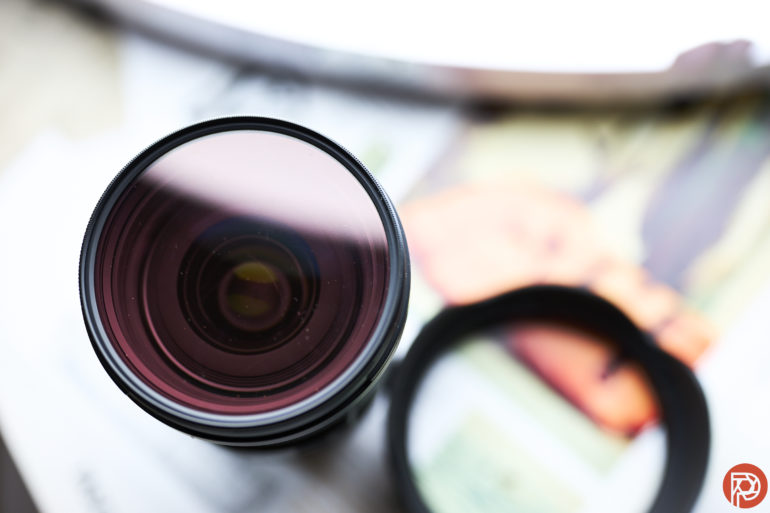
Portrait photographers: we know that you’re sick of sterile portraits. And we’re right up there with you. We’re constantly complaining about how dull images are from standard lenses these days. So we’re rounding up some of the best lens filters for portrait photographers that we’ve tested over the years. And we think you’re going to really love these.

How We Chose The Best Lens Filters for Portrait Photographers

  • The Phoblographer’s various product round-up features are done in-house. Our philosophy is simple: you wouldn’t get a Wagyu beef steak review from a lifelong vegetarian. And you wouldn’t get photography advice from someone who doesn’t touch the product. We only recommend gear we’ve fully reviewed in these roundups.
  • If you’re wondering why your favorite product didn’t make the cut, there’s a chance it’s on another list. If we haven’t reviewed it, we won’t recommend it. This method keeps our lists packed with industry-leading knowledge. Some of our stories include affiliate links. If you buy something through one of these links, we may earn an affiliate commission.
  • We took a look at some of the most requested features by portrait photographers. Some of them want more sparkle and dazzle. Others wish intensely for softer skin that glows. These filters have those. And we’d know because we tested them.
  • The Best Lens Filters for portrait photographers are typically made by a few companies. The photo industry puts a big emphasis on sterile and clean photos so that a photographer can do a ton in post-production. But these lenses give your images the lifesaving water they need.

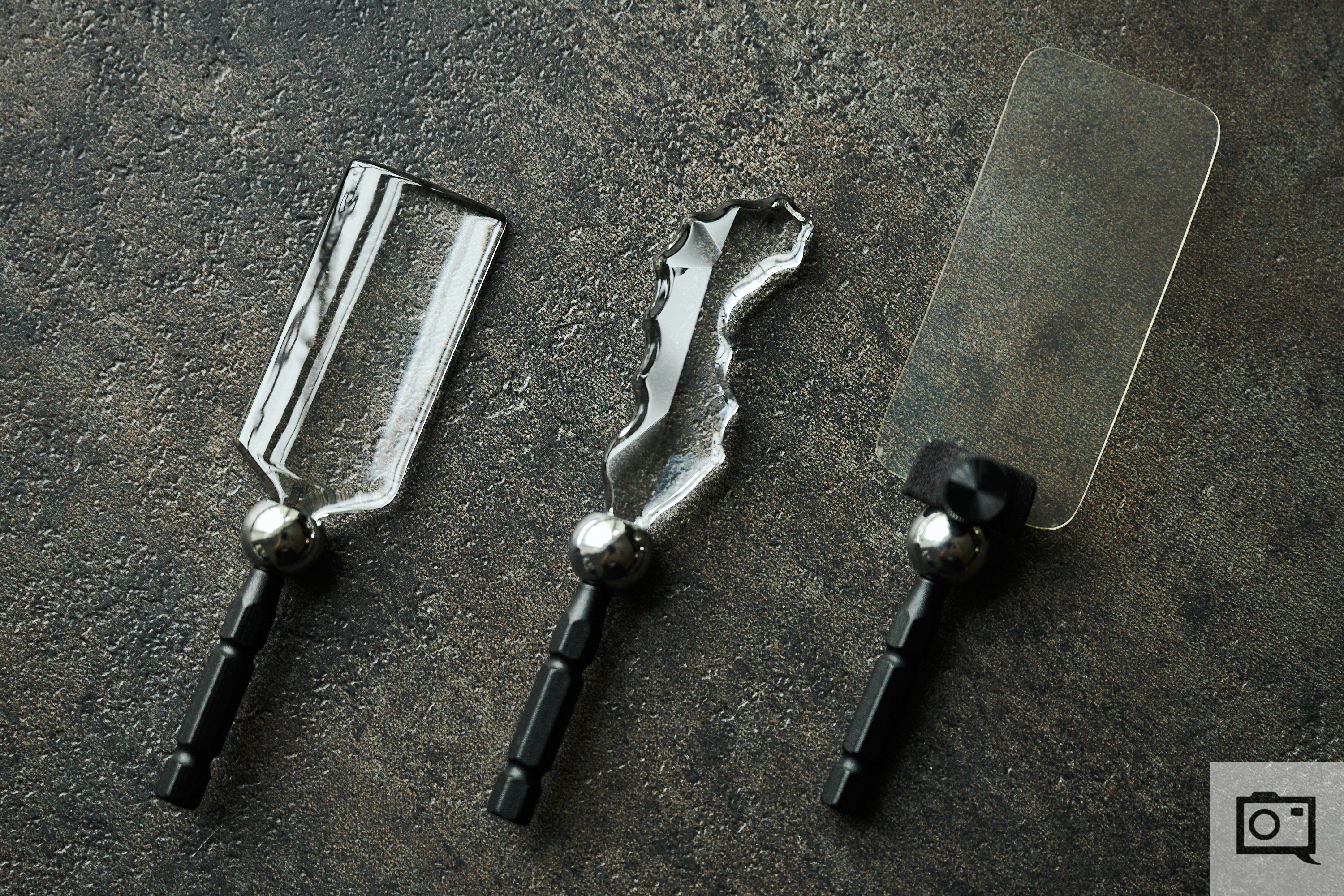
Prism FX Radiant Filter

In our review, we state:

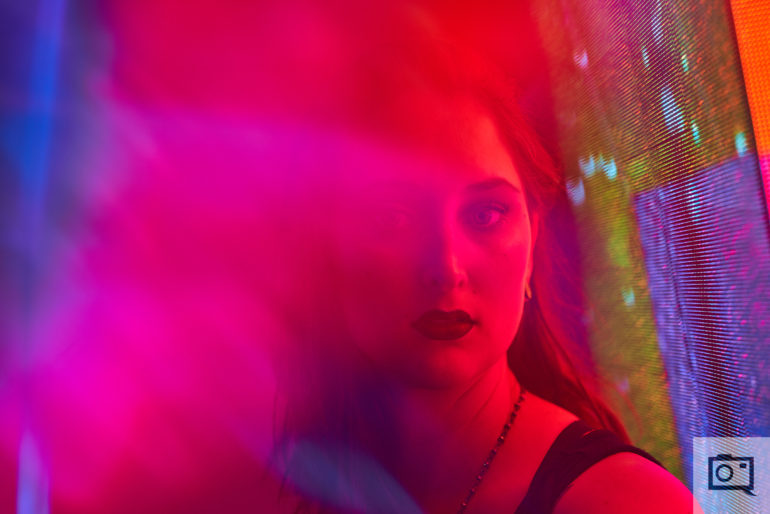
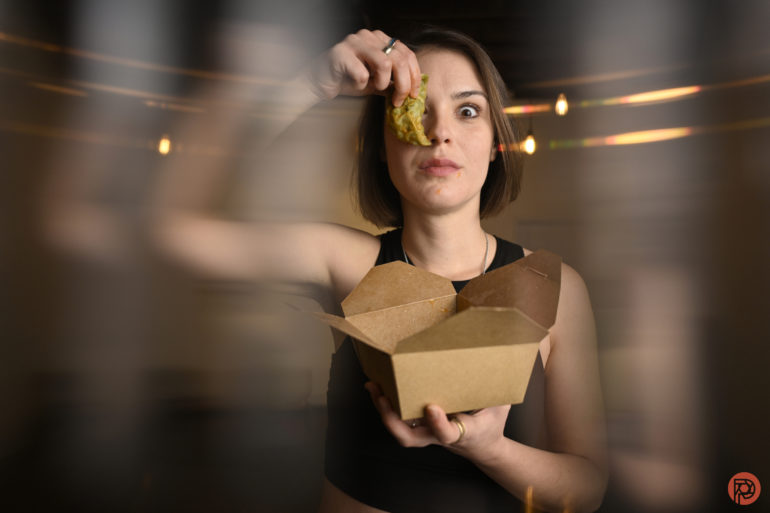
The second way it works is by playing with light hitting the lens. Any point light source that reflects off a surface or travels right into the lens will get flared. The effect is really beautiful. This isn’t just lens flare: it’s a ton of tiny lens flares. This is a circular filter, and you can rotate it to get different effects. We tried using it with slower shutter speeds and stuff like car light trails. Generally, it’s better to just use it with point light sources. 

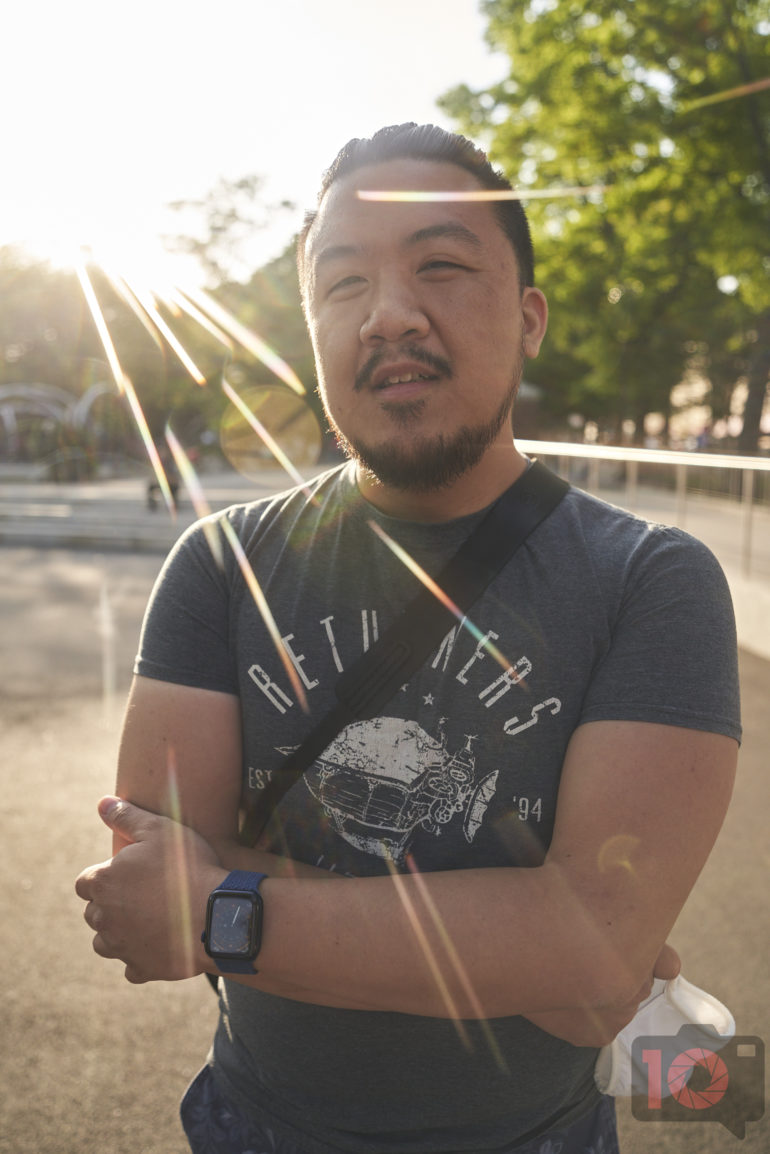
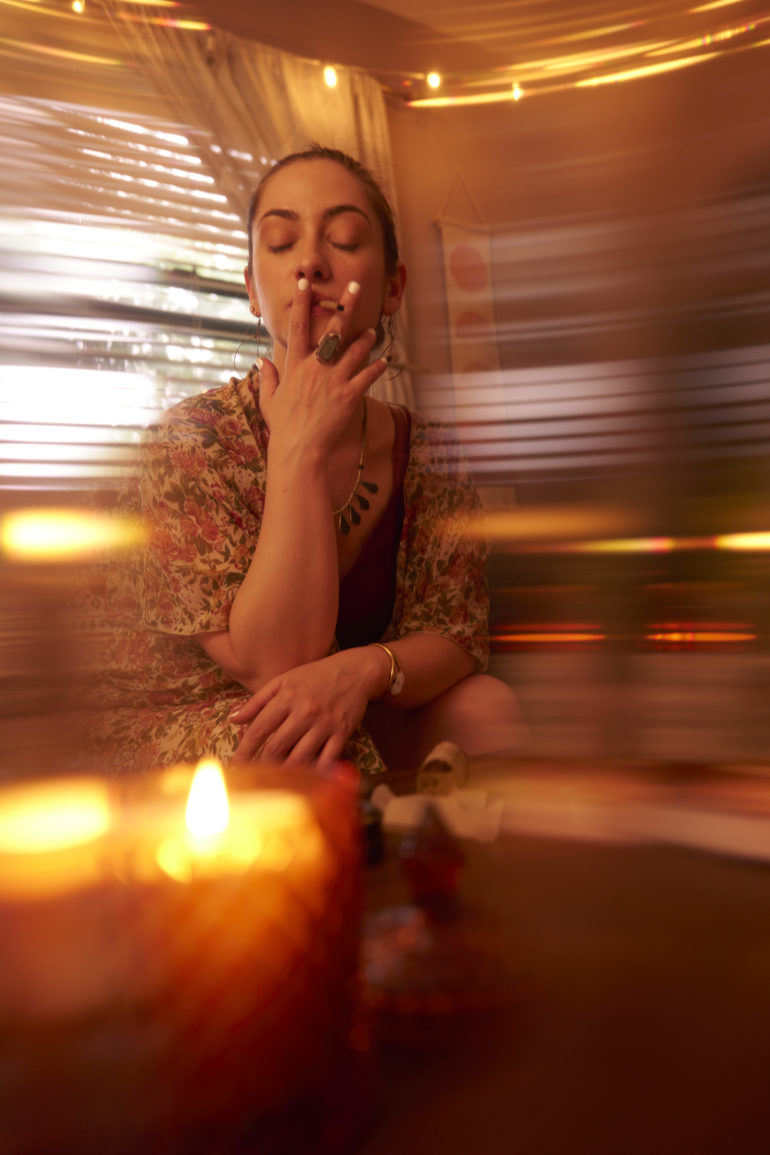
Pro Tip: This filter is fantastic when you want random lens flares and have little bits of light in the background to play with. We consider it one of the best lens filters for portrait photographers because of how it presents them with opportunities to play with the lighting around them. If you’re the type that likes to improvise and embrace the beauty of flaws, get these.

Tiffen Glimmer Glass

In our review, we state:

Let’s get something clear: all the Tik Tok influencers who say putting a stocking over your lens to get a film look are speaking complete trash. You can do the same thing with a lower-megapixel camera body and an older lens. Alternatively, you could use this filter to get an even better look.

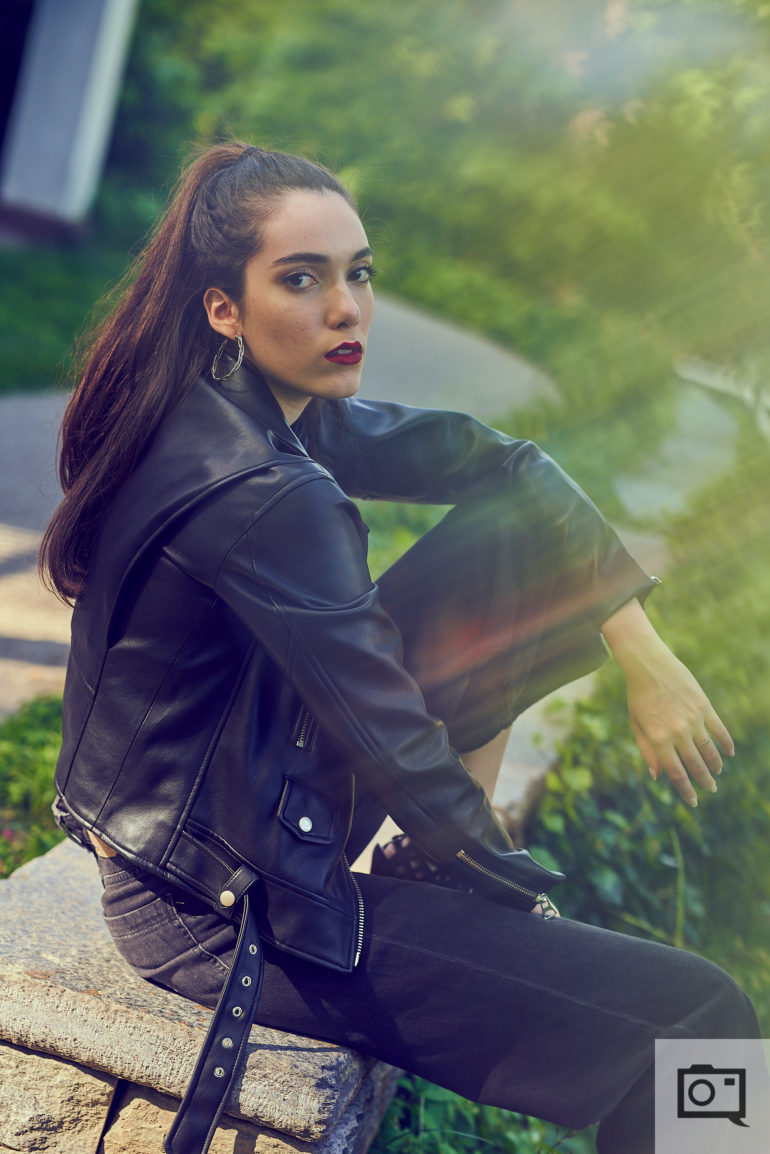
Pro Tip: Glimmerglass tends to be some of our favorite lens filters around here for various reasons. They’re adjustable by strength and they don’t really take away from the original photo all that much. Instead, they just make it look that much more dreamy. These are some of the best best lens filters for portrait photographers because of the subtle softness they give to skin. Combine it with daylight white balance for beautiful renders.

Lensbaby OMNI Creative Filter System

In our review, we state:

“As a photographer who occasionally likes to introduce distortions and other lighting effects into my photos for added visual impact, the Lensbaby OMNI Creative Filter System allows it with ease, and without having to juggle between different crystals and prisms in one hand while holding a camera in the other.”

Pro Tip: These filters are quite literally prisms that are designed to add special effects to your portraits like light refractions, rainbows, and more. I mean, do we need to say more?

Spektrem Effects Light Speed filter

In our review, we state:

The Spektrem Effects Light Speed filter is a fun tool I’m bound to use over and over again. I’ve bought a ton of prisms and filters over the years. Only a few get used consistently. And this one is bound to be one I end up really liking. 

Pro Tip: These filters are fantastic for what they are. But be careful and always carry them in the box. They need protection for sure. We really like using them for the unique effects they give as they make photos so much less boring. If you’re looking to get a completely different look, then there’s no doubt that these are some of the best lens filters for portrait photographers.

Tiffen Cross Screen Filter

In our review, we state:

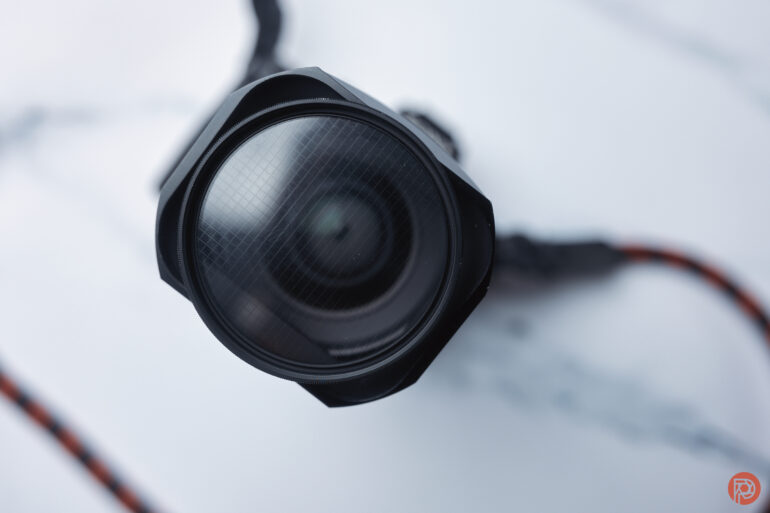
This is a fun enough filter to keep on your lens at all times just to see and experience the cool effects that it offers. I caught a candid photo of my buddies at a bar I was hanging out at. And behind them is light. The Tiffen Cross Screen filter made the light render in a completely different way, and depending on where you’re focusing, the lights might play out or look totally unique each time. That’s something I really like about the Tiffen Cross Screen filter, you can’t always predict to know what it’s going to look like.

Pro Tip: The Tiffen Cross Section filter is great on wider angle lenses and for those moments when you get the light in the eye. It’s also an effective tool for emphasizing lens flares. Who doesn’t want sparkle in their eyes without Photoshop? That completely makes these some of the best lens filters for portrait photographers.

Prism FX Rose Filter

In our review, we state:

All this aside, the Prism FX Rose Filter is looking to do two things. First off, it gives the images some haze. This softens the way people look and mutes details. It adheres to the aesthetic that Frank Ockenfels III told Pop Photo years ago about digital being too sharp. On top of that, it adds more gorgeous lens flare. If that isn’t enough, it also tints the images a shade of purplish pink. They call it rose! And be warned that your camera might try to compensate for it, so I’d recommend locking your white balance to Daylight 5200K.

Pro Tip: These filters both soften the image and add a warming effect to it. Except this time around, you’re getting a warming effect and a more purple effect. Embrace it. We love it.

Tiffen Pro Mist Black Filters

In our review, we state:

Adding the extra analog look to Fujifilm RAW files is very nice. But, where I think the Tiffen Pro Mist filters are sorely needed is with Sigma and Sony lenses. The companies have more or less engineered the character out of them. They’re, in my opinion, too clinical. That’s not to say that they’re not good lenses. They’re pretty fantastic. But if your favorite flavor of ice cream grew on a tree in your backyard, you’d go for it instead of milking a cow, churning, adding flavor, etc. Similarly, if a lens gives me a look straight out of the camera, why do I need to spend more time in front of a computer editing? Why can’t I just keep shooting and love what I get?

Pro Tip: These are pretty universally the industry standard when it comes to adding haze or halation to your lens output. We love using them with Fujifilm lenses because of the specific analog look you get. They’re very similar to Glimmer Glass.

Director of Development – New York, United States

Director of Development – New York, United States
image

Opportunity to lead the fundraising program at a growing
contemporary photography center as it begins its new life in a new
building in a new community

Overview

CPW seeks an experienced development professional to lead the
fundraising effort at a pivotal time in the history of this
46-year-old contemporary art center. CPW recently acquired an
historic 40,000 square foot building in central Kingston, NY and
will soon start a capital campaign to both transform the newly
acquired facility and transform its mission and programs in its new
home in a new location. CPW’s strategic Plan under development will
be a roadmap for its vision, values and programs, setting direction
for local, national and international engagement. The City of
Kingston has recently developed a master cultural plan and aims to
develop Kingston as a hub of cultural creative activity. With
Kingston’s proximity to New York City, beautiful location in the
Hudson River Valley and recent growth, CPW now aims to join the
burgeoning Kingston creative community by developing a
national-caliber center for photography presenting exhibitions,
maker space, and artist residencies while establishing deep
connections to the Kingston and regional community.

Winners Of The Comedy Pets Photography Awards 2023

Winners Of The Comedy Pets Photography Awards 2023
This photo won Overall Winner as well as the

This photo won Overall Winner as well as the “Cats” category. Rescue kittens photographed in Lebanon, play pounce. The photographer said of the two: “My rescue kittens, Alex is the shy one, Max is the playful one. Together they form a lethally cute duo. I had more fun taking photos of these two character than during my most adventurous wildlife photography trips.” (Michel Zoghzoghi/Comedy Pets)

  • The Comedy Pets Photography Awards recently released the winners of the 2023 competition.
  • The overall prize went to the photographer of an image of a kitten ready to pounce on an unsuspecting brother.

E​very pet owner knows how silly their cat or dog’s personality can be. But it’s tricky to catch those cherished moments in a photo. The winners of the Comedy Pets Photography Awards managed to do just that, and these images may be the funniest photos of pets you’ll see this year.

T​he Overall Winner went to Michel Zoghzoghi for a photo of rescue kittens playing pounce in Lebanon — rather, one kitten is playing pounce, while the other, with a timid look in his eye, seems unsure of what’s to come. The image also won the “Best Cat” category. Other notable winners include Chris Porsz for his photo which took home the prize for the “Dog” category, featuring a border collie making an epic leap in front of stunned onlookers in New York City. For the “Pets Who Look Like Owners” category, the prize went to a photo that, upon a quick look, might look like three pooches facing away from the camera; on closer inspection, it’s two dogs and their grey-haired owner.

(​MORE: The 2023 Comedy Pet Photography Awards Finalists Show Animals’ Love Of Nature)

T​his was the fourth consecutive year of the competition, which calls on all pet and animal lovers to submit their goofiest images of their furry friends.

As winner of the top prize, Zoghzoghi received a cash prize of £500 as well as a camera bag from ThinkTank and a trophy honoring his win.

Advertisement

“​As a wildlife photographer, I never really considered sending photos to a pet competition until I discovered Comedy Pets,” Zoghzoghi said. “It’s witty, it’s fun and the photos are hilarious. I am extremely happy and proud to have won it as all the finalists were really outstanding and some of them made me laugh to tears. Pets are a very, very important part of our families and should be celebrated.”

(​MORE: Water Sport-Loving Pug Takes To The Lake)

S​ix photos were recognized as “Highly Commended” in the competition: two images taken by Kenichi Morinaga, who was the Overall Winner in the 2022 Comedy Pets Photography Awards, and one image each taken by Kazutoshi Ono, Karl Goldhamer, Gill Woodcock and Sophie Boynton.

C​lick through the slideshow above to see this year’s winners.

Senior editor Nicole Bonaccorso works as weather.com’s photo editor and writes about breaking news, travel, climate and more.

The Weather Company’s primary journalistic mission is to report on breaking weather news, the environment and the importance of science to our lives. This story does not necessarily represent the position of our parent company, IBM.

Oklahoma Photographer’s Creative Approach Touches Hearts Nationwide

Oklahoma Photographer’s Creative Approach Touches Hearts Nationwide

The work of a McLoud photographer has been seen and shared hundreds of thousands of times.

Her creative approach in honoring a military family touched hearts well beyond the limits of her small town.

She works primarily out of the living room of her home. There, toys fill the extra spaces. Photos of her husband and children fill the extra space on the fridge.

It’s easy to tell what fills up the most space in Carrie Sanders’ heart. Capturing those moments for others fills up most of the space on her computer. “I have this deep drive passion for it,” said Sanders.

She looks through her portfolio of maternity shoots, weddings and newborn photos. It’s clear she loves to capture families. She taught herself the post-production software.

“This is my baby. This goes with me everywhere,” she said holding the camera she also taught herself to use. When a client came with a new request, she would teach herself again.

 “Most people, when they do maternity photos the dad is there,” she explained.

This request involved a dad hundreds of miles away. He is deployed in Africa. “Being able to bring them together in the same place even though he couldn’t be there, I think that’s what made it special,” she said.

Through Photoshop, she was able to bring them together in one photo. “Basically, I just cut him out from the background and I placed him – I dragged him over into her photo,” she explained.

 The composite photo struck a chord. In no time, it racked up nearly four million views on social media.

“There’s somebody else out there who is away from their family, their wives, their children. They’re fighting for our freedom,” she pointed out. It’s the reason she believes it moved others.

To understand her love of capturing these moments, you have to understand the moments in Carrie’s own life. “I came from a really bad home life,” she recalled. “As a kid I got adopted through Indian Child Welfare when I was 12. I remember the environment I was kind of raised in.”

It’s the reason she wants a different life for her own children. She now captures those moments in print and canvas. “To do it for somebody else,” Sanders said. “That’s just even more special.”

To see her work, click here.

Behind the Lense; My Hockey Photography Equipment and Setup

Behind the Lense; My Hockey Photography Equipment and Setup

I’m putting this article together mostly for other sports photographers working for Pro Hockey News.  I’m not an expert, and I’m not a professional, but my approach is professional (for the most part).  I’m often asked about how I do things, or what equipment I use, and although I’m sure there’s probably other sports photographers that have better equipment and better technique, I thought I would write down my approach to shooting sports and specifically, hockey.

With equipment, where do I begin?  It’s difficult because although I have a lot of stuff, I didn’t get it all at once, and none of it was bought brand new and for full price.  Everything I own was carefully purchased on the second hand market, primarily on Ebay, but also with other sources.

After lugging around multiple bags, I finally got a Pelican case.  These are hard-cases that are sturdy, somewhat weather proof, and they hold a lot if you pack well.  Plus, it has wheels.  I bought the Pelican 1560 case on Ebay for about half price.  And even at that price, it was still expensive, but worth it.

As you can see in this photo I took with my cell phone, in the dark, I have four Canon camera bodies crammed in.  Two have lenses attached.  One lens is a Canon 70-200mm f/2.8, and the other is a Canon 16-35mm f/2.8.  There’s a Canon 430EX II Speedlite.  There are several Pocket Wizard remote triggers and assorted cables.  And of course, there are spare batteries and assorted small tools.

Note that there’s nothing special about these cameras.  The two that I carry around are Canon 7D Mark II models.  The remotes are Canon 7Ds.

Although the Pelican case rolls reasonably well on indoor smooth flooring, I prefer avoiding relying on it’s wheels when going from the back of my car up to the arena.  So I bought a foldable cart to carry the case and other items.

I usually have a Sigma 120-300mm f/2.8 lens with me at games, and if I use it, I have a monopod that I attach to the lens to support it and the camera.

Since I can’t be in multiple places at once, but I like getting photos from different angles, I set up remote cameras in the arena.  I usually show up three hours (more if it’s an NHL arena) prior to the game, and do my setup.

I like to sync the time on my cameras so that after the game, the photos are in order by when they were taken, and so even if a shot is done by more than one camera and different vantage points, they appear close to each other in the series of photos.

To sync, I always pull up a clock app on my phone and take a shot of the clock with each camera.  In my post processing, I can use that image as a reference to adjust the date/time on photos from each camera.  I’ll explain more on that later.

I equip my remote cameras with a Pocket Wizard PlusX.  I make sure all of my triggers are set to the same channel so when my master (on my handheld) camera fires, the remotes also fire.

One camera is setup on a railing in an area near where media, off-ice officials, and broadcasters are situated.  So the camera is reasonably safe from being pilfered with.

This camera is set up with an old manual focus Canon FD 200mm lens  It’s great glass, but since I always prefocus my remotes on their target (the opposing team’s goalie area), I wouldn’t need automatic focus anyway.

I mount the camera using a Manfrotto Magic Arm and clamp.

If this were an area with more people below, I would also attach a safety cable to the camera and the Magic Arm.

The second remote camera goes up in the catwalk on a platform that shoots directly down on the goalie’s area, with a great overhead view.

imageI usually have a remote camera set up above the visitor’s goal.
” data-medium-file=”https://prohockeynews.com/wp-content/uploads/2023/08/52032983773_9f9bb16bd0_o-200×133.jpg” data-large-file=”https://prohockeynews.com/wp-content/uploads/2023/08/52032983773_9f9bb16bd0_o.jpg” decoding=”async” loading=”lazy” class=”size-full wp-image-223779″ src=”https://prohockeynews.com/wp-content/uploads/2023/08/52032983773_9f9bb16bd0_o.jpg” alt width=”1000″ height=”667″ srcset=”https://prohockeynews.com/wp-content/uploads/2023/08/52032983773_9f9bb16bd0_o.jpg 1000w, https://prohockeynews.com/wp-content/uploads/2023/08/52032983773_9f9bb16bd0_o-200×133.jpg 200w, https://prohockeynews.com/wp-content/uploads/2023/08/52032983773_9f9bb16bd0_o-768×512.jpg 768w, https://prohockeynews.com/wp-content/uploads/2023/08/52032983773_9f9bb16bd0_o-450×300.jpg 450w” sizes=”(max-width: 1000px) 100vw, 1000px”>

I usually have a remote camera set up above the visitor’s goal.

As you can see, a safety cable is used here.  It is attached to the camera with little metal i-rings that I bought off Ebay, and I have them attached to most of my cameras.

Other than the location and the safety cable, the setup is the same, and the Pocket Wizard trigger is the same as with the first remote camera.

I’ve recently bought “pre-trigger” cables for these two setups.  This isn’t absolutely necessary, but without them, both cameras will sleep during times of non-use during a game.  And then when I remotely trigger them, there’s a slight delay.  WIth the pre-trigger cable, both cameras are sent a signal from the Pocket Wizard that keeps the cameras awake.  This makes their reaction to my triggering them during a game, to be almost instantaneous.  The down-side is that it runs the battery in the cameras down faster.  So I always make sure I have fresh batteries before every game.

Both remote cameras are manually focused ahead of time.  This works much better than relying on auto focus, which can sometimes get confused on what to focus on (plus, the auto focus causes another slight delay).  Every photographer that I know that uses these triggers, manually focuses their remote cameras.

The camera that I use most during games is the one equipped with the 70-200mm lens.  I have a Pocket Wizard set to “transmit only”, mounted on the hot shoe.  This trigger is a Pocket Wizard Plus IV, which has a lower profile from the other triggers, but it works the same.  The only reason for the lower profile is that it doesn’t interfere with my hat when I’m shooting.

Note the gaffers tape on top of the trigger.  The trigger has another hot shoe on top of it, and I don’t like it snagging on my hat, so I cover it with tape.

During games, when I focus on the goalie from somewhere on the glass to the side of the goalie, the remote cameras also fire.  So even if I have a player or ref in my way sometimes, the other two cameras have a good chance of getting the shot.

After the game, I will probably have a lot of throwaways from the remotes, but you never know when there’ll be that great action there at the goal, and it’s great to get it from different angles all at the same time.

Back home, I pull the photos from each card onto my computer, and I use Photo Mechanic on them.  The first thing I do is sort by camera serial number.  I then set the time correctly based on that first image I took of the clock app on my phone.  With the correct time set, I select the rest of the photos taken with that particular camera.  Photo Mechanic uses the adjustment from what it made on the clock image, and applies it to the photos I selected.

I then do this same procedure for the three other cameras I use at games.

Once the time is set properly on all of the photos, I sort by capture time, and then set the meta data I want, which typically includes copyright information, GPS coordinates (from a map in Photo Mechanic) and keywords to be included in the EXIF information on all of the photos.

I can then use Photo Mechanic to cull photos I don’t want.  I can also set other keywords on various images.   Photo Mechanic also has a “code replacement” feature where I can enter different codes and it will expand them in the Capture of a photo, so tell what player, what team and what jersey number is in the shot.  It’s a handy feature.

Once I have all the photos tagged and culled, etc, I rename them using Photo Mechanic.  The photos are renamed with a datetime based on the time each image was taken.  I then use Photo Mechanic to copy the photos to their final destination on my external hard drive.

Lightroom is then used to import the photos, read the metadata from the sidecar files.  Before doing any processing, I actually go to the trouble of using Lenstagger (a plug-in) to inject the correct information about the manual lens, so that the photos taken with it have EXIF information that actually reflects that they were shot with that FD 200mm old-fashioned lens.  This step isn’t necessary, but I think it’s a nice touch.

I do my Lightroom adjusting, including noise reduction, and apply this to the entire set of photos.  I then go through and crop and straighten the shots.  I can then render jpg files to send out at that point.

I should also mention that while I’m doing all this post processing, I have batteries being recharged and making sure I’ve tested the AA batteries that go in each trigger, so I’ll be ready for the next game.

As you can tell from all of this, the equipment isn’t as important as the steps. Some people might not do everything I do.  And to be honest, if I’m on deadlines and got a series of games (such as with a tournament), I might not do everything that I normally do.  The key is that whatever you do, you have to be prepared.  Make sure you have plenty of fresh batteries (for the cameras and the remote triggers).  Show up ahead of time so that you’re not rushed, and you can go through your setups and test everything to make sure you haven’t forgotten something.  That really is the key; being prepared and not being rushed.

In the end, there’s no magic.  The equipment isn’t top of the line (I wish it was).  It’s photographic technique and a few gadgets, and lots of preparation.  And I didn’t do this all at once.  I built on it a little at a time, and that got me where I am today.  Anyone can do it.

Contact Les: Les.Stockton@prohockeynews.com

Editor’s Note: Les Stockton is a long-time photographer for Pro Hockey News. He is the staff photographer for the Tulsa Oilers of the ECHL, and has covered numerous events for PHN across several leagues, including at the NHL level. In his time away from hockey he covers several other sports, including indoor football, Semi-pro football, rugby, roller derby and dirt track racing, to name a few.

If you would like to join Pro Hockey News as a writer or photographer, stop by our recruitment page by clicking here.

New photography studio wants to empower women

New photography studio wants to empower women
Caitlin Baseggio, executive director of the Logan County Chamber of Commerce, presents a plaque to Nicole Capps, owner of Boudoir by Nicole at ribbon-cutting ceremony Tuesday, June 22, 2023. (Callie Jones/Journal-Advocate)

A new photography in studio is helping women look and feel their best. Boudoir by Nicole was welcomed to the Logan County Chamber of Commerce with a ribbon-cutting ceremony Tuesday and will celebrate its grand opening on Monday, Aug. 28.

Located at 621 W. Main St., the studio is owned by Nicole Capps, who does everything from family and couple photoshoots to senior photos. Her favorite kind of photography, though, is boudoir.

“We’re a fully styled glamourous studio. So, we provide hair, makeup, shoes, jewelry, beautiful products, should you choose to want any,” Capps.

Capps’ goal with the studio is to help women see the best in themselves.

“We just empower women and we believe in women, trying to make our little footprint in the world to help women knock those insecurities that baffle us every single day of feeling worthy or beautiful. We get to do it and we get to change lives, it’s amazing!” she said.

Capps will also be opening up her studio to other photographers who are looking for a space to shoot for a small half hour and hourly rates. Plus, she will have predesigned holiday theme sets available and ready to use.

To book a photoshoot, contact Capps at 970-572-9624, email info@boudoirbynicole.com, or visit her website, https://ncappsphotography.mypixieset.com/.

The studio will be hosting a grand opening event Monday from 5 to 7 p.m. The first five people to enter the doors will get a special promo and everyone is invited to enter to win one of the many door prizes.

A Brief Primer On Image Editing and Photography For Real Estate Pros

A Brief Primer On Image Editing and Photography For Real Estate Pros

Having the right image editing and photography skills can make a world of difference in the real estate industry. Clear, vibrant photos not only optimally display a property’s characteristics but can captivate potential buyers in no time. Whether you’re a seasoned realtor or a newcomer to the field, mastering these visual techniques is instrumental to your selling success. 

MaleVideographerEditsAndCutsFootageAndSoundOnHis

10 Image Editing and Photography Tips for Real Estate Pros

From using natural lighting for a warm ambiance to post-editing tweaks that draw attention to the home, these tried and tested tips will elevate your real estate photography game ASAP.

1. Understand Your Camera Settings

Diving into the world of real estate necessitates a firm grip on your camera settings. You should familiarize yourself with aperture, white balance, ISO settings, and more. Using the right settings can enhance the quality of your photos, capturing property details in their true essence. 

2. Take Advantage of Natural Lighting

Natural lighting has the ability to accentuate room features in ways artificial light often can’t. Strive to time your shoots during peak daylight hours. This helps create an inviting, warm atmosphere in the property photos, appealing strongly to prospective buyers or tenants.

3. Easy Background Editing

Never underestimate the power of easy background editing. Efficient use of editing software like Picsart can transform an ordinary photo into a stunning shot. From replacing gloomy skies to removing unwanted objects, background editing is instrumental in creating an appealing image.

4. Use Tripods for Stability

Stability can greatly influence the quality of your photos. Using a tripod can mitigate hazards of unclear shots due to shaky hands or movement while capturing. This simple tool can ensure sharper, clearer images that paint an accurate and enticing picture of any property.

5. Embrace Wide-Angle Shots

As a real estate professional, it’s essential to embrace wide-angle shots. They can create a sense of spaciousness and depth, capturing the full essence of a property. But it’s crucial not to overdo it. Focused shots devoid of distortion will create an accurate perception of a property.

6. Play with Composition

In the realm of real estate photography, understanding and playing with composition can be a game-changer. Exploring perspectives like floor-level or bird-eye views can add an element of intrigue to your shots. With composition, you’ll combine creativity with property detailing.

7. Highlight Key Features

Without a doubt, focusing on key features is critical in capturing a building. Unique elements such as an expansive view, detailed architecture, or a stylish interior deserve to be emphasized. Highlighting these aspects can increase a property’s appeal and attract more potential buyers.

8. Use Artificial Lighting Smartly

Artificial lighting is a tool best used intelligently in photography. For poorly lit spaces, don’t hesitate to use flashes or LED lights. They can help maintain the color integrity and detail within your photos. A perfectly lit photograph showcases a property in its best possible light.

9. Focus on Clarity 

Clarity should be a top priority in real estate photography. High-resolution images with sharp, clear details leave a lasting impression on home buyers. From the brightness of room lights to the texture of a wood floor, vivid and crisp photographs allow buyers to appreciate your property.

10. Be Detail-Oriented in Post-Editing

Post-editing is a significant phase of photography in general. It’s essential to be detail-oriented during this process, as brightness adjustments and color correction can greatly amplify your images’ appeal. A professionally edited photo catches the eye more than an unedited one.

In Conclusion… 

Effective real estate photography goes beyond point-and-shoot. It’s an art, blending the right techniques with a keen eye for detail. Implement these image editing and photography tips into your routine, and watch how your realty business transforms and grows almost effortlessly.

Jamie is a 5-year freelance writer who enjoys real estate. He is currently a Realty Biz News Contributor.

Latest posts by Jamie Richardson (see all)

Today’s Photo from Ted Grussing Photography: Historical … Connected to Reality!

Today’s Photo from Ted Grussing Photography: Historical … Connected to Reality!

… whilst on a walk a few years ago during the golden hours of early evening I looked up at an empty lot near home and thought I saw as person laboring in the brush and overgrown weeds that covered the property … and then I looked a little more closely and saw that it was just a bent over yucca tree awaiting its final disposition, which was years in the making … or perhaps it is a very old soul contemplating all that was, that which is and that yet to come. Do we really know?

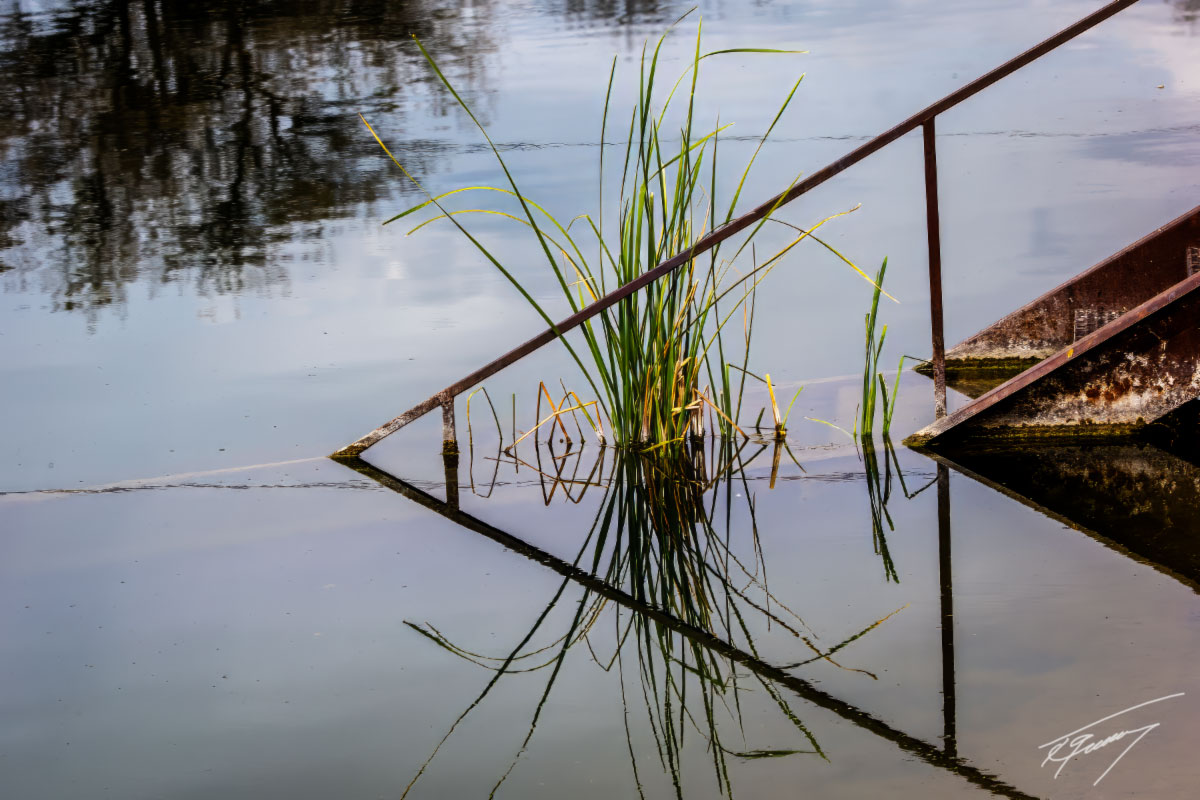
Below is a shot from Bubbling Ponds Fish hatchery in Page Springs … the water was quiet, and the reflections created near perfect symmetry. I like it and all was well with thousands of fish in the pond … herons, hawks, eagles and otters all waiting their turn to take from the abundance beneath the surface … the drama and saga of life on earth.

Over the weekend I got continual updates from the Weather Channel and other sources about what they called a historical storm … on the edge predicting doom and gloom as they reached fever pitch with warnings of epic and historical flooding headed towards California and the southwest in general … my Weather Channel app constantly carried news that historic flooding, loss of property and life was on the way.

From the time that I was a kid and we got our first television circa 1950, I have watched the weather made “historic” with cameras put down in the gutter to make an ordinary rainfall runoff look epic! On top of that we have everything being blamed on manmade climate change and we are told that we are destroying the planet.

A favorite “historic” and true stories is of when Leeland Stanford was inaugurated as the eighth governor of the State of California in January of 1862, he had to take a rowboat to the capitol to be sworn in because the city of Sacramento was underwater with true epic flooding and the central valley was a huge inland sea. In addition to northern California the storms affected the whole west coast and into Idaho, Utah, Arizona, New Mexico and Mexico … not only that, but this type of storm is not unusual and occurs ever hundred to two hundred years. Four thousand people in California died which was one percent of the population of California … an equivalent number today would be 395,000 people. The automobile had not yet been invented and we were just entering the industrial revolution. The Great Flood of 1862. A must read to gain perspective.

Leeland Stanford was also a very powerful force in California and the USA, It is a very fascinating story. He and his wife established Stanford University in memory of their late son Leeland Stanford Jr with an initial endowment of what today would be a gift in excess of a billion dollars.

I hope you will take the time to read these Wikipedia articles as they are well worth your time. They are factual and not hysterical as we see so frequently today.

First iteration of the Pepperdine presentation will be done by the weekend and then the final editing and tweaking until I give it on the 22nd of September.

I will be the featured artist at the Sedona Renegades Group in their gallery at the Hozho Center, 431 SR 179 Suite 6 in the heart of the gallery district in Sedona. A meet the artist will be held on Friday, September 1st beginning at 5PM … hope to see you there.

Have a beautiful day … smile and live life with gusto … only you can make that choice!

Cheers,

Ted

A bird flies through the sky, and I fly with it. I am in
each pearl of moisture sparkling in the sun. I lie lazy
on the clouds. And I acknowledge my kinship with
each winged thing.

I see all as one, and nothing repels me, as this new
day climbs noiselessly out of the valley of night.

Peace lies over the world and over the world of my soul.

excerpt from On a May Morning by Max Ehrmann

###

photo_tedgrussingThe easiest way to reach Mr. Grussing is by email: ted@tedgrussing.com

In addition to sales of photographs already taken Ted does special shoots for patrons on request and also does air-to-air photography for those who want photographs of their airplanes in flight. All special photographic sessions are billed on an hourly basis.

Ted also does one-on-one workshops for those interested in learning the techniques he uses.  By special arrangement Ted will do one-on-one aerial photography workshops which will include actual photo sessions in the air.

More about Ted Grussing


Healing Paws

Healing Paws

This is an advertisement